Creative agency Thisaway's rebrand isn't just a lick of new paint: it's a promise to clients
In crafting a new identity for itself, the Bath-based agency focused on fundamentals, rather than just slick visuals.
If you've worked in an agency for a while, you'll recognise the pattern. After a few years in business, you've got a lot of work under your belt, some of which your clients actually allow you to share. But each time you upload a new case study, a small part of you inwardly cries.
What once felt like a cutting-edge website now feels a little listless and flat. You put so much work into these things for other people; you think, why can't you give your own studio the same level of love?
But there's a danger lurking here. While we know what's good for others, we don't always know what's good for ourselves. Rather than having a proper strategy for an internal rebrand, it's tempting to just rush in and refresh everything to look buzzing, colourful and cool.
Yet while that might give you a short-term high, this kind of approach typically builds up trouble for the future. Because what's visually on-trend right now will seem just as dated a few years from now. And if there's no underlying strategy or goal behind your agency rebrand, it's destined to die on the vine.
Which is why it's good to hear that not only has Bath-based branding agency Thisaway rebranded, but they've done so on the basis of something more grounded than "make everything look shiny and cool". The foundation, instead, is a promise to clients and their customers.
They've titled this new positioning "Branding You Can Believe In". We chatted to founder Graeme Cook to find out more.
Bold and confident
"We've been talking about rebranding for around three years," he begins, "but we started the actual process over a year ago. We felt like we had outgrown the previous brand, and our approach, point of view and experience were no longer reflected in it."
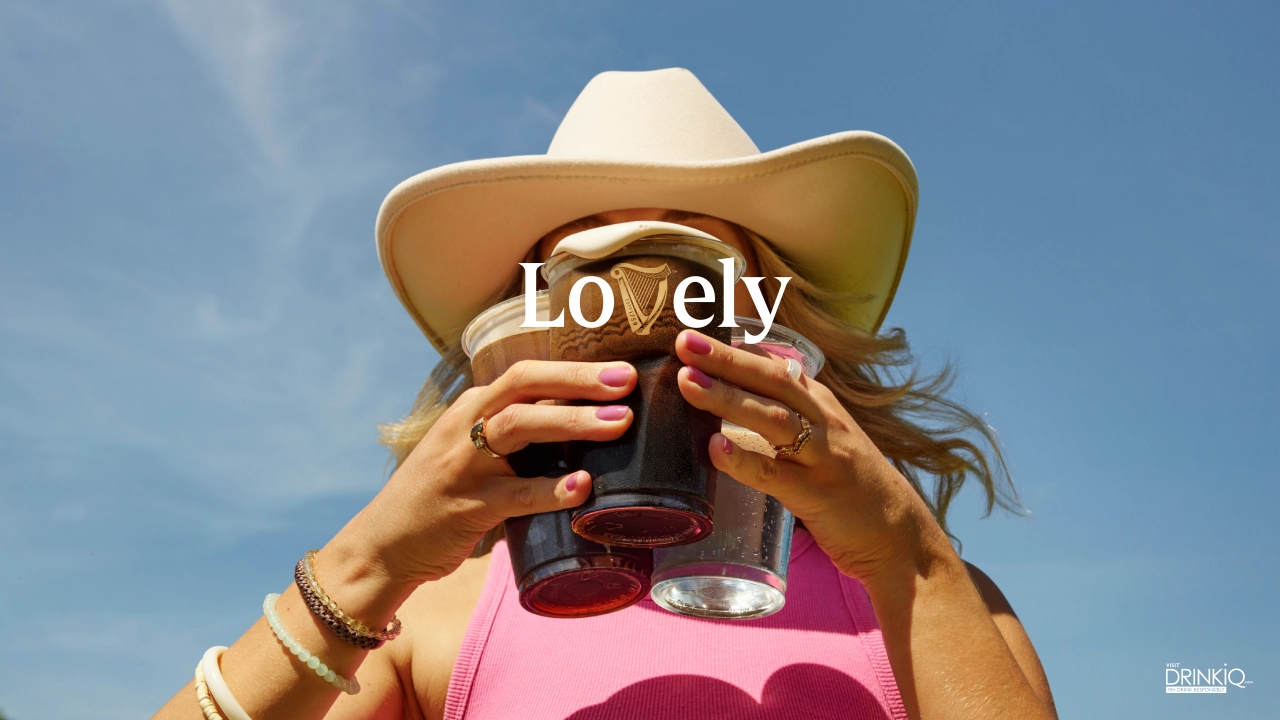
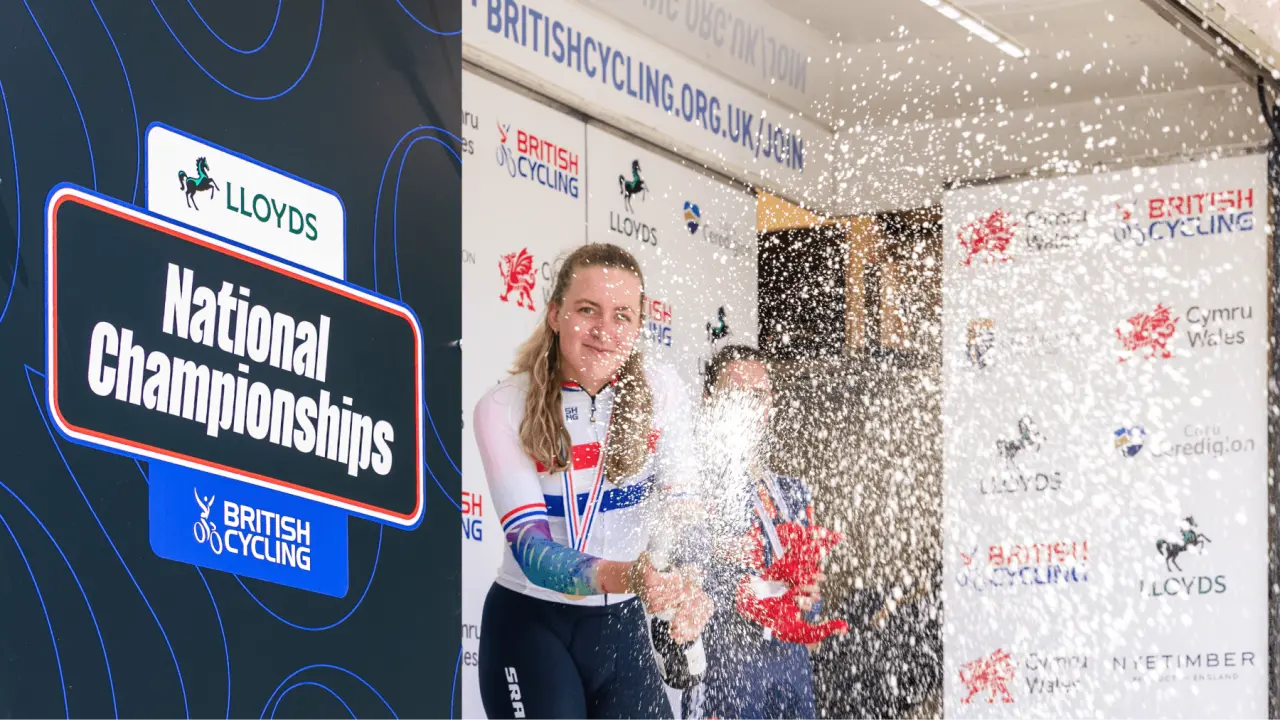
Having delivered some big projects for well-known clients such as Team GB and The Jockey Club, and picked up a few awards along the way, they wanted to project a bolder and more confident face to the world. But at the same time, they recognised that without their clients, they'd be nothing. So first, they went to exactly those clients and asked for honest feedback.
"We just asked them why they chose us, what we were good at, where we could improve," recalls Graeme. "What struck us was how simple some of the responses were. Things like: we listen, there are no egos, we're collaborative and communicative. There wasn't a big 'wow' moment, but it reinforced our gut feel for our direction of travel."
It's exactly the kind of honesty, in other words, that's helped build the business. "We're not snake oil salespeople," he stresses. "We don't deal in bullshit or pseudo-marketing speak. And we're not giving our latest 'hot take' on LinkedIn every week. We tell it like it is."
Truth & Dare
With that in mind, the team wanted the identity to reflect the principle of 'Branding You Can Believe In' and the honesty it brings. "We've seen some agencies go down an almost sci-fi or futuristic route with their rebrands," Graeme reflects. "But we wanted to feel more grounded, direct and no-nonsense, with hints of charm, intelligence and personality scattered throughout."
That feedback fed directly into the agency's new operating philosophy, "Truth & Dare", which sits behind the "Branding You Can Believe In" promise as the "how" to its "what".
"Truth" is all about how the team will talk to a client, its stakeholders and its audiences until a big idea emerges that's grounded in what people actually said. "Dare" is what happens next: using that idea as a springboard to push a brand as far as possible, both visually and verbally. "Truth & Dare" subverts the usual phrase "Truth or Dare" to emphasise that Thisaway pairs research with risk, rather than treating them as separate.
Visual strategy
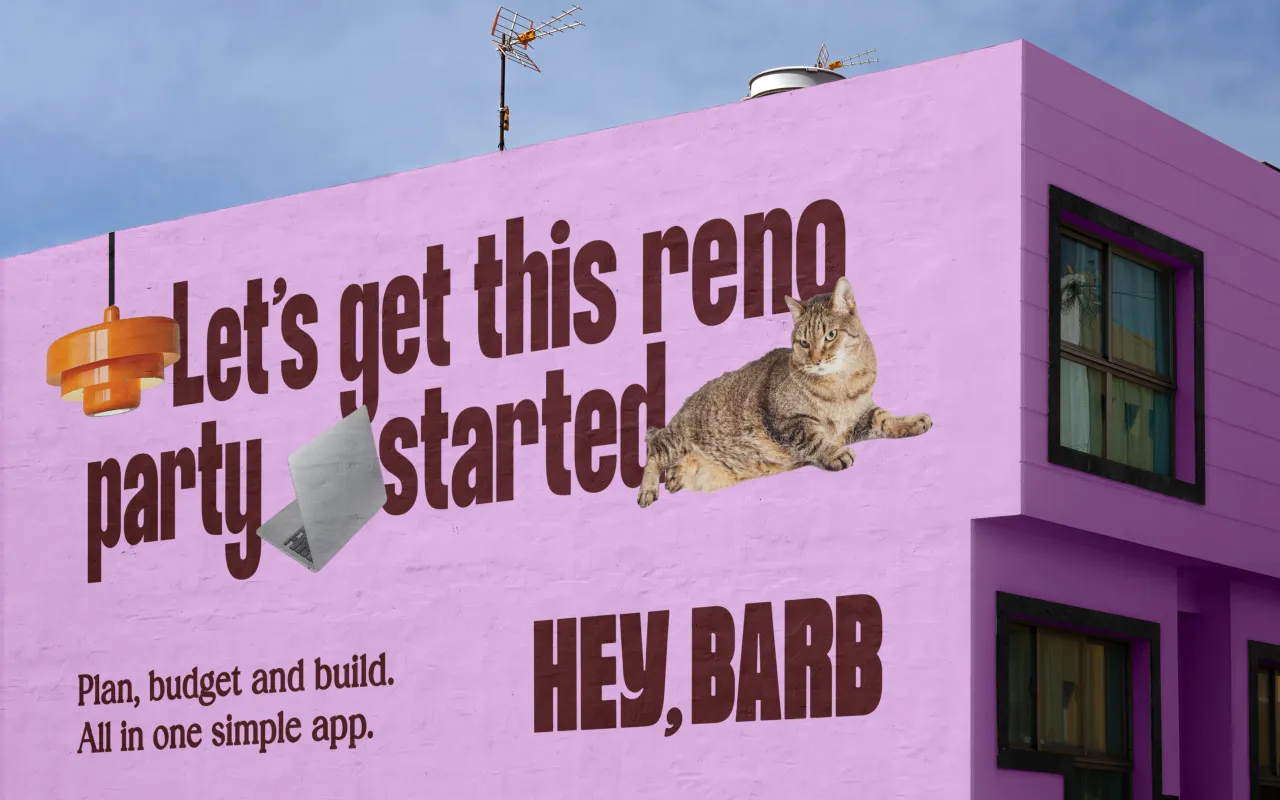
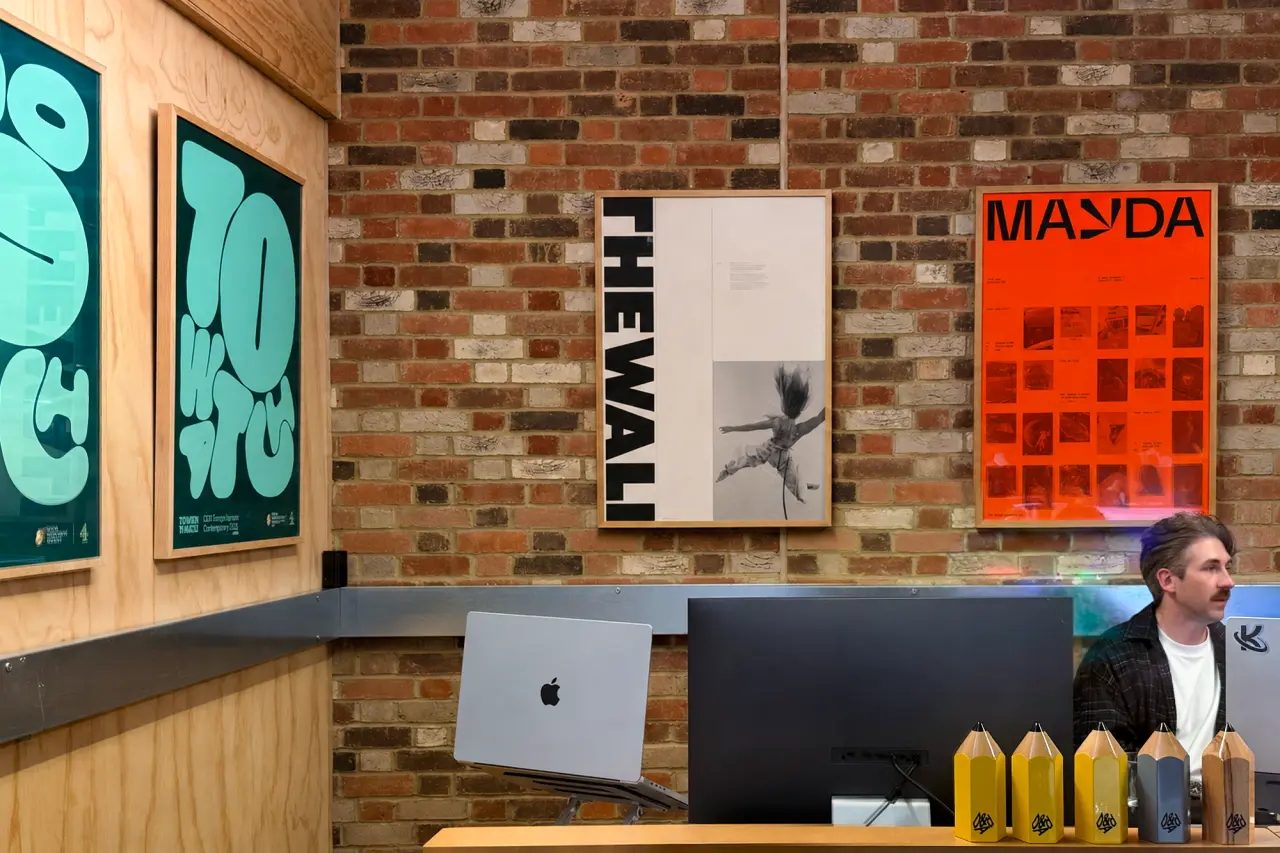
Bold typography and a minimal colour palette help to communicate this directness, and the result is a relatively pared-back identity that lets the work be the focus, while still reflecting the agency's approach. It's a tricky balance to pull off, but it very much feels like they've nailed it.
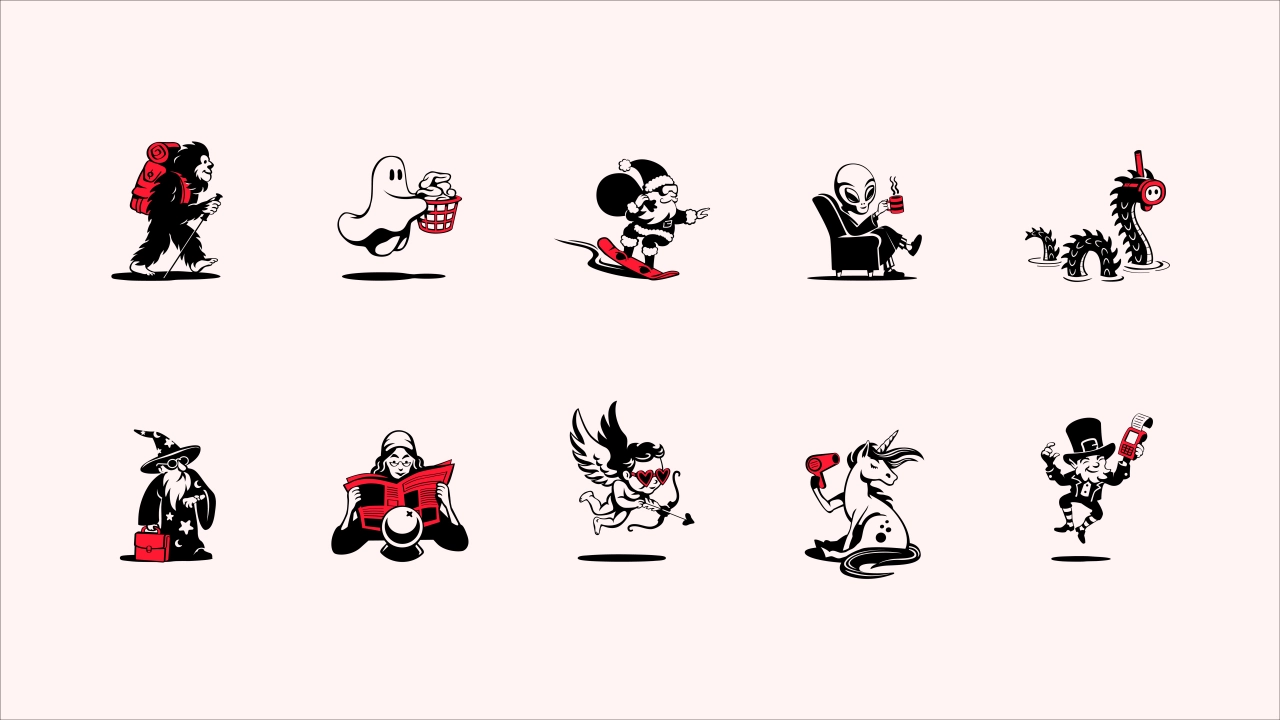
Part of that comes from not cutting corners. "We stayed away from anything too AI- or CGI-generated and commissioned illustrator Rob Ball to produce a set of 'mythical' characters that could be used across our website and creds documents," says Graeme. "The idea behind each character is that you may or may not 'believe' they exist. We then brought each one to life with some subtle animation. The hand-drawn nature of the characters felt like a lovely, considered, and crafted element to our identity, and a subtle representation of our thorough approach."
That doesn't mean they're anti-AI in general, though; quite the reverse. "We've utilised it a lot in the concept stages of projects, and it's been really useful in helping to communicate and sell ideas," Graeme reveals. "It's also helped speed up some processes on the strategic side of things in terms of acting like a junior researcher, doing a lot of the grunt work in pulling out interesting insights, etc."
But there are limits. "There still seems to be a big grey area around using AI for final assets that are handed to the client, and I do think there's a bit of scaremongering happening where people are promoting a 'use it or die' mantra. We use it as a tool; it's great at some stuff, but still awful at other stuff!"
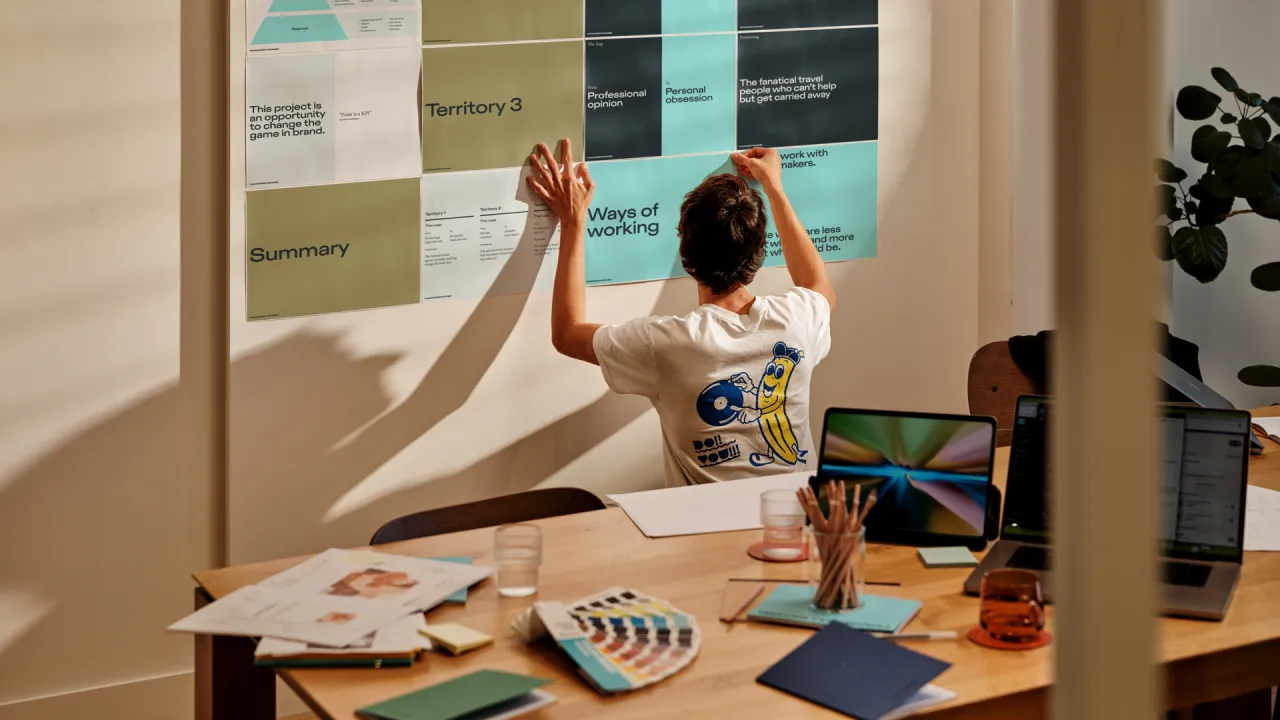
Overall, Graeme says, the process of the rebrand has pulled the team together. "Everyone has felt like they have been involved, listened to, and have helped shape what we've developed," he reflects. "It's also transformed our credentials decks and how we present and pitch. We need to ensure we use this as a catalyst, and hopefully our best work is in front of us."
Editor's Picks


Trending

Latest Jobs
Senior Front End Developer at Crown Creative
Full-time·Belfast·£50k–£60k
Senior Digital Designer at 3800
Full-time·Sheffield·£40k-60k
Account Director at How&How
Full-time·London·£73k-£79k
Principal Software Engineer at BBC Media Tech
Full-time·Glasgow·Up to £83,790
Paid Media Executive at Munro Agency
Full-time·Glasgow·From £27,000
Art Director at The New York Times
Full-time·New York·$120k–$130k