Tom Hegen explores the landscapes that are paying an invisible price for clean energy
In his new book The Mineral Age, Tom Hagen takes aerial photographs of the mineral mines essential to our transition to low-carbon living.
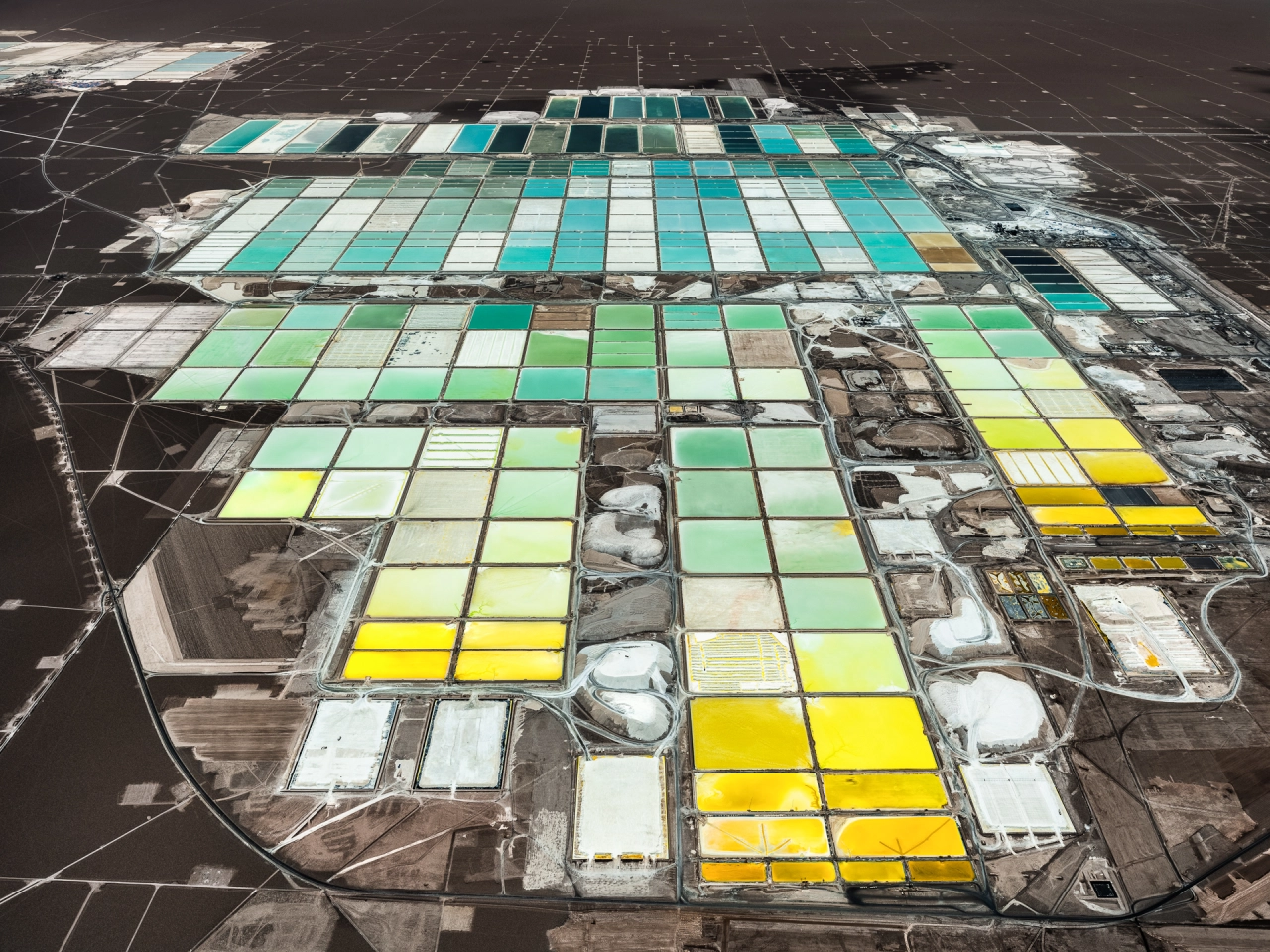
Everyone knows about the climate crisis. It's almost impossible to go a day without the news reporting on record-breaking phenomena; or, if you're unlucky, you'll experience the consequences first-hand. We all know we need to do our bit to live more sustainably, whether that's by recycling or using public transport.
However, most people may be unaware of the resources enabling the world to transition to a more environmentally friendly lifestyle. These minerals, including lithium, cobalt, nickel, and copper, are part of a new frontier in humanity's quest to move away from fossil fuels. Because these rare earth elements are required for electric vehicles, batteries, and renewable energy infrastructure, demand is high.
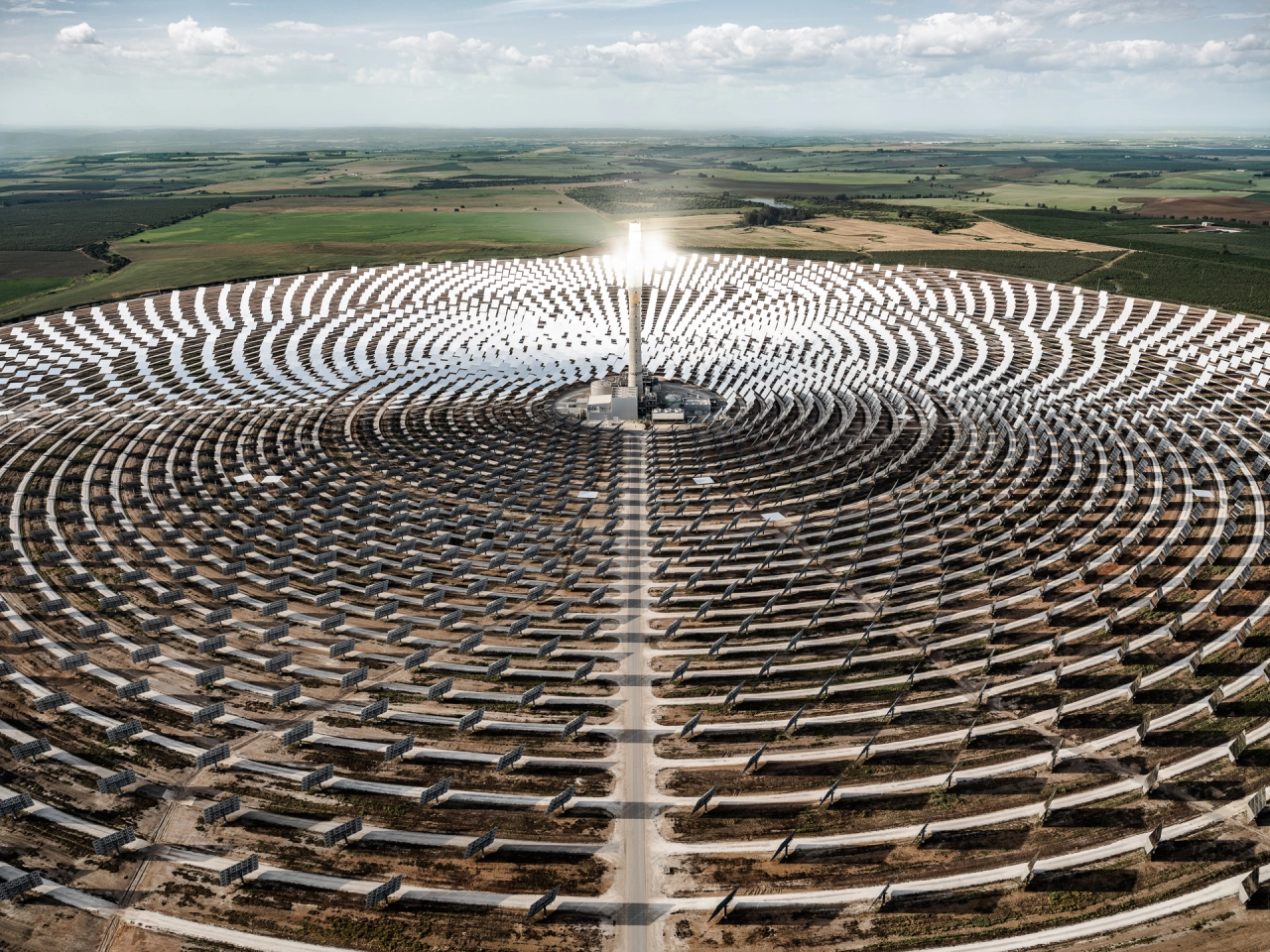
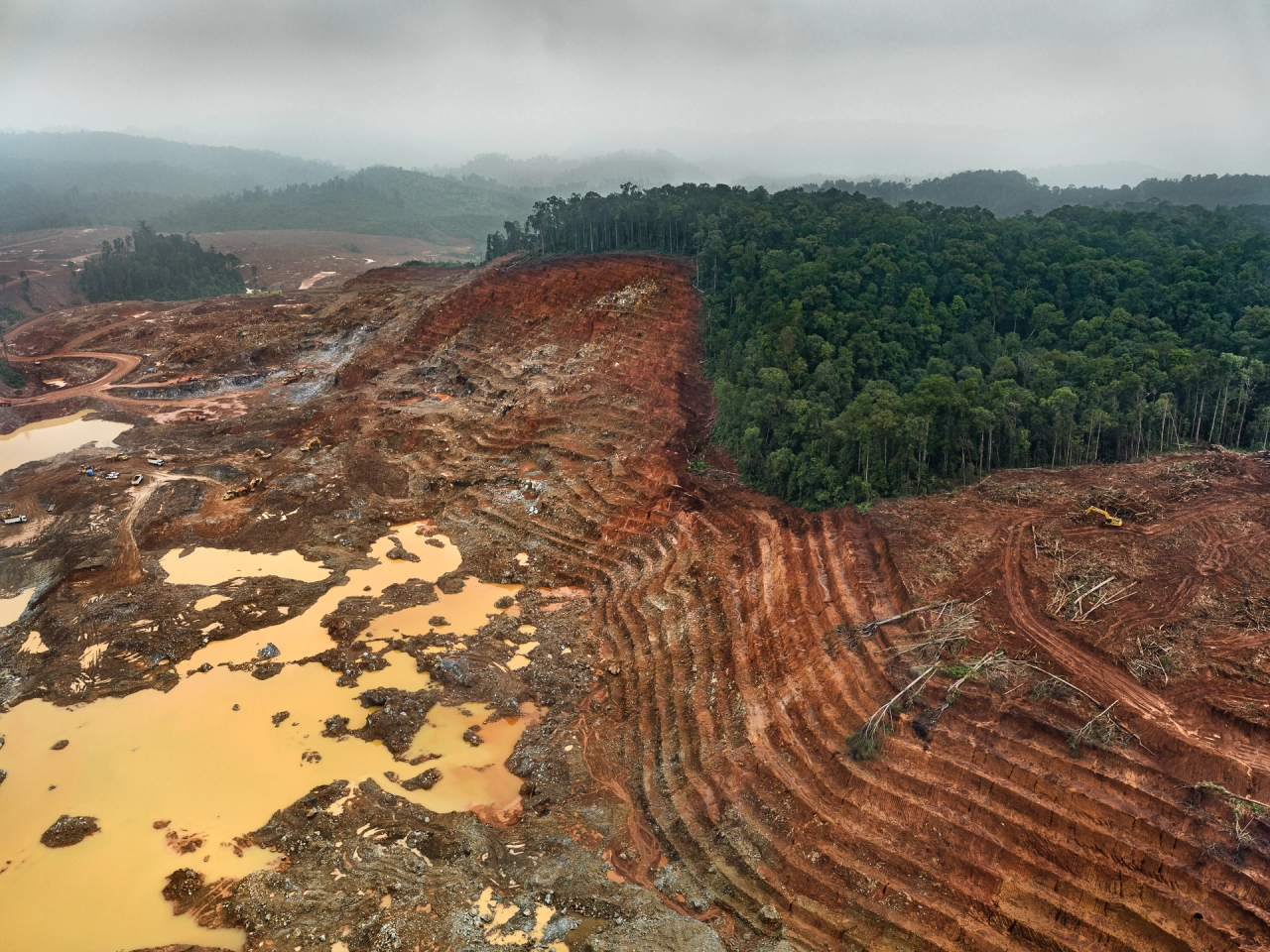
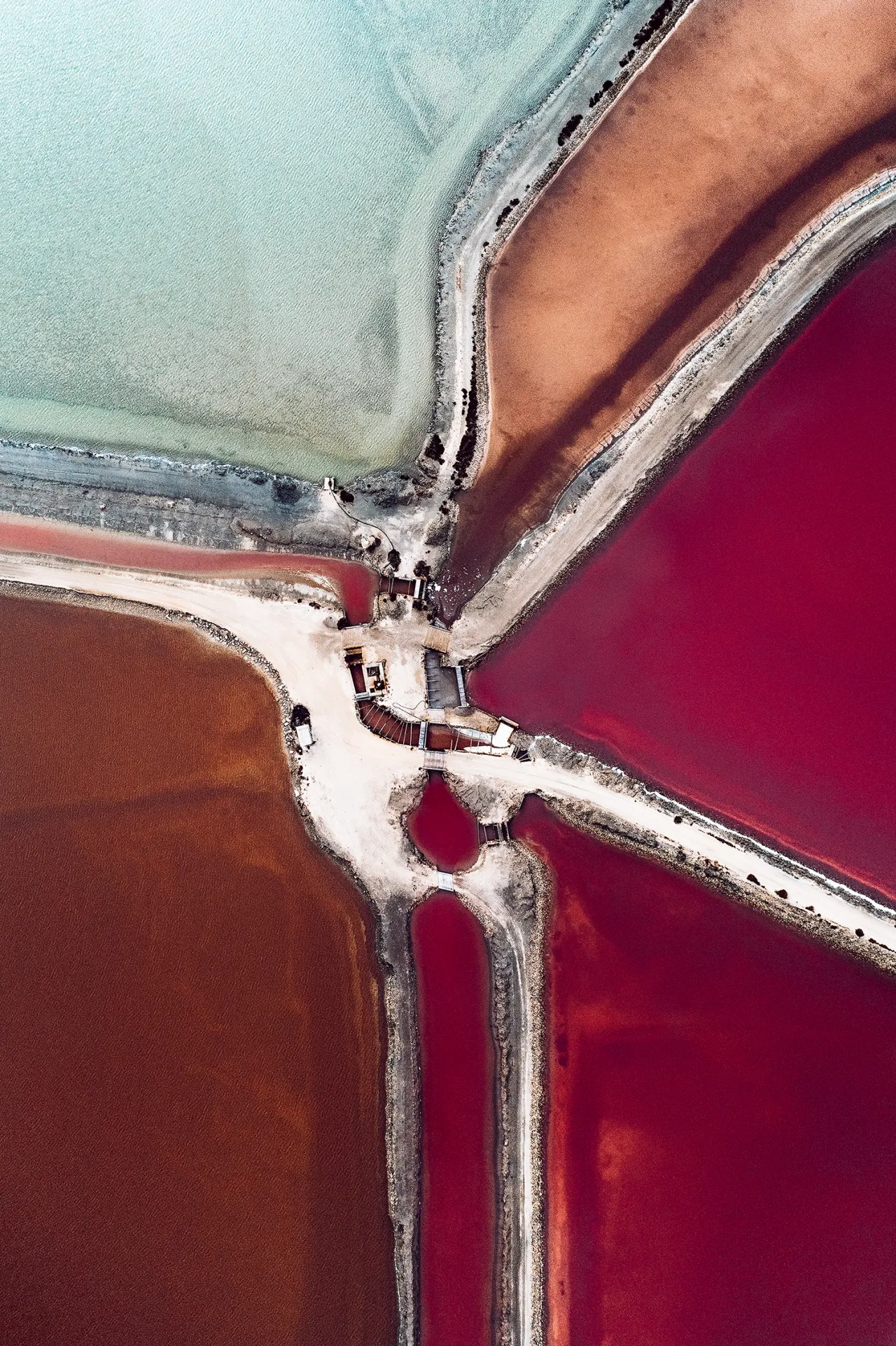
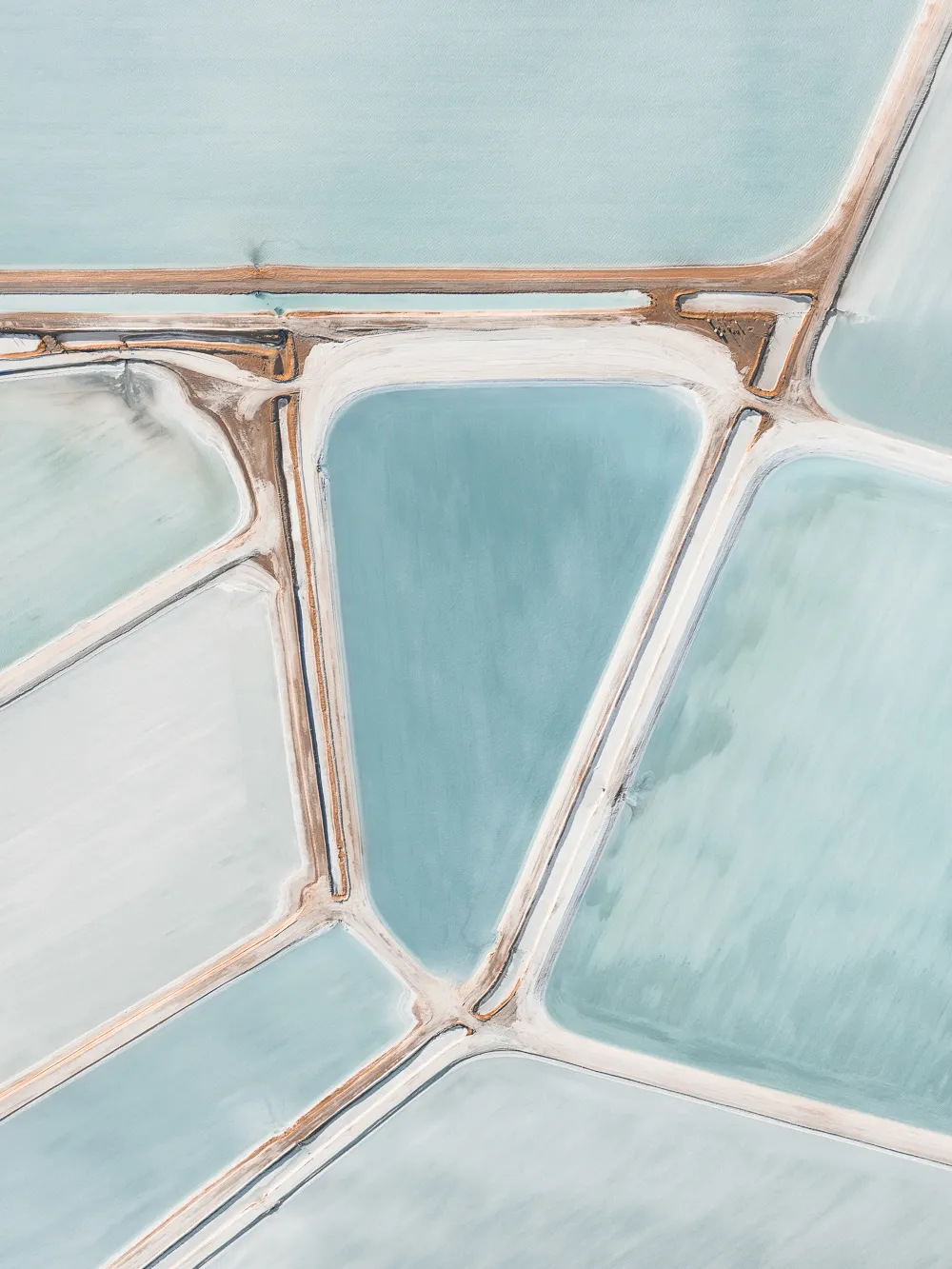
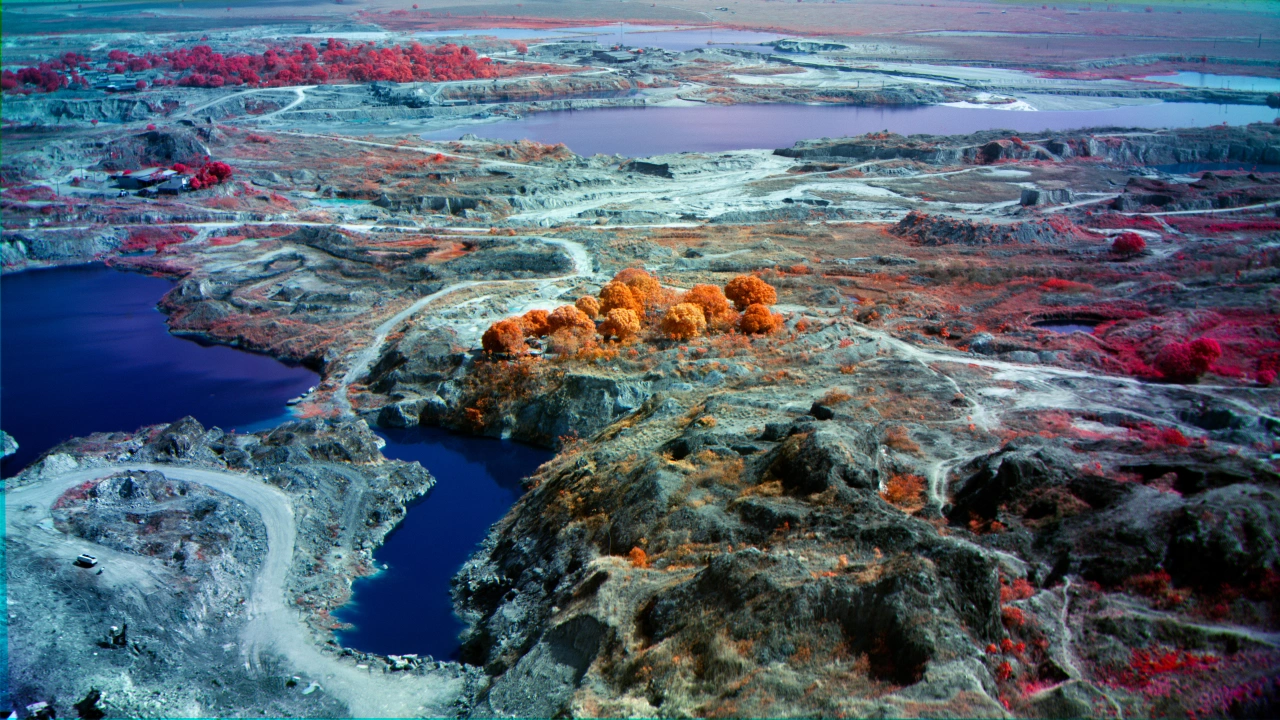
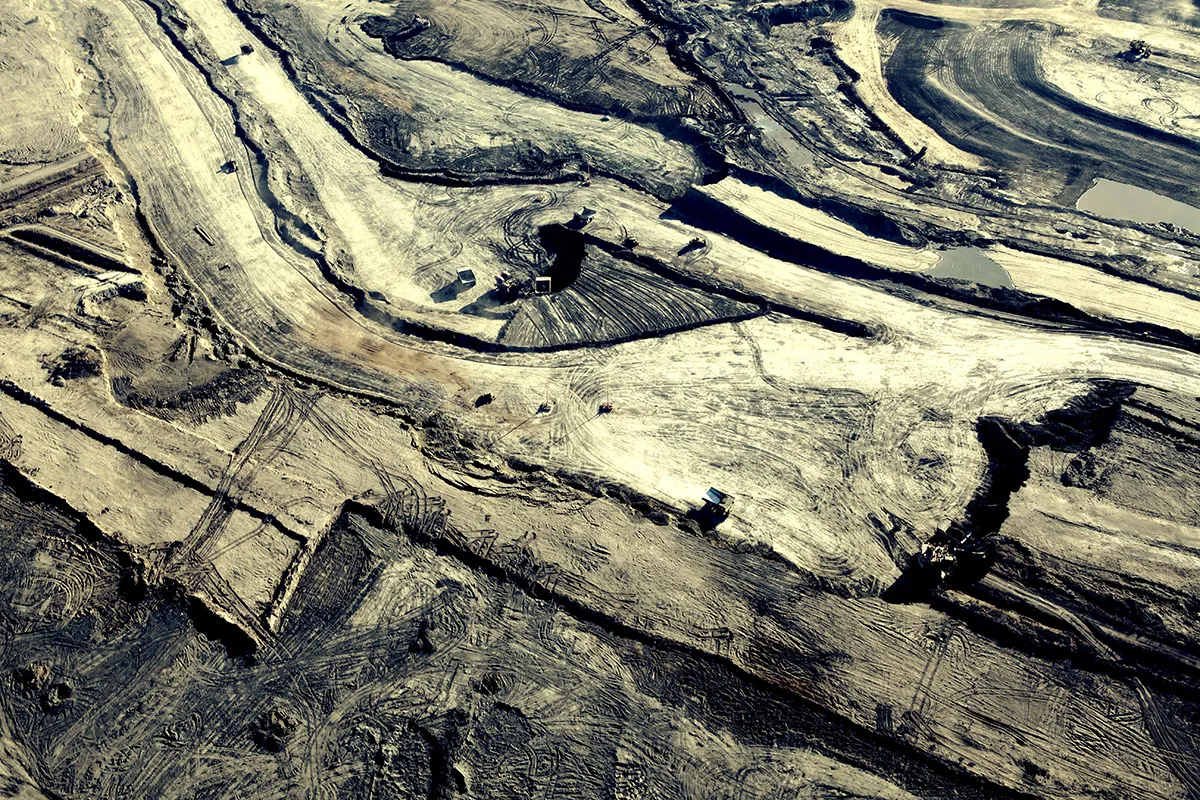
Photographer Tom Hegen's latest project, The Mineral Age, explores where these critical minerals come from and the environmental, social, and political consequences of extracting them. Compiled over the past six years, his book reveals the often-overlooked physical footprint of technological progress.
Tom's interest in these landscapes began while photographing Germany's vast open-pit coal mines. Through this work, he became increasingly interested in humanity's quest to decarbonise its economies.
"As I researched the energy transition more deeply, I realised that moving away from fossil fuels does not mean moving away from resource extraction," he explains. "Instead, we are entering a new era of mineral dependency. Many of these resources are concentrated in just a handful of countries, creating new geopolitical dependencies and vulnerabilities"
While these minerals may ultimately lead to cleaner living, Tom reveals that their extraction often comes with significant environmental and social consequences which receive relatively little public attention. "This realisation became the starting point for The Mineral Age."
Tom's most striking insight when putting the project together was the geographical imbalance between the consumption of these critical minerals and the impacts of their extraction. "Industrialised countries in the Global North are major consumers of minerals that are often extracted in developing regions of the Global South," he says. "This imbalance is shaped by geology, economic structures, cheaper labour, and weaker environmental regulations."
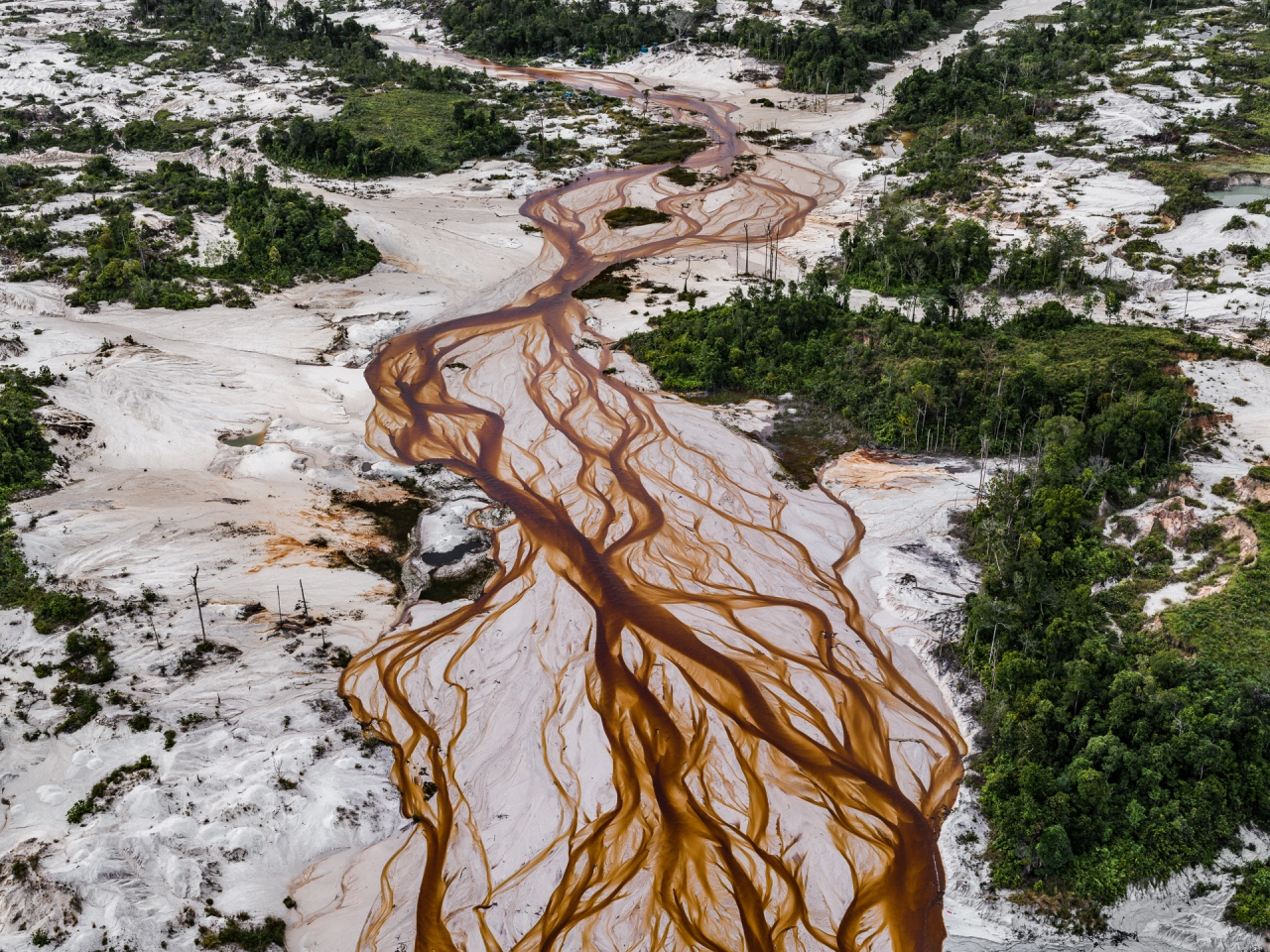

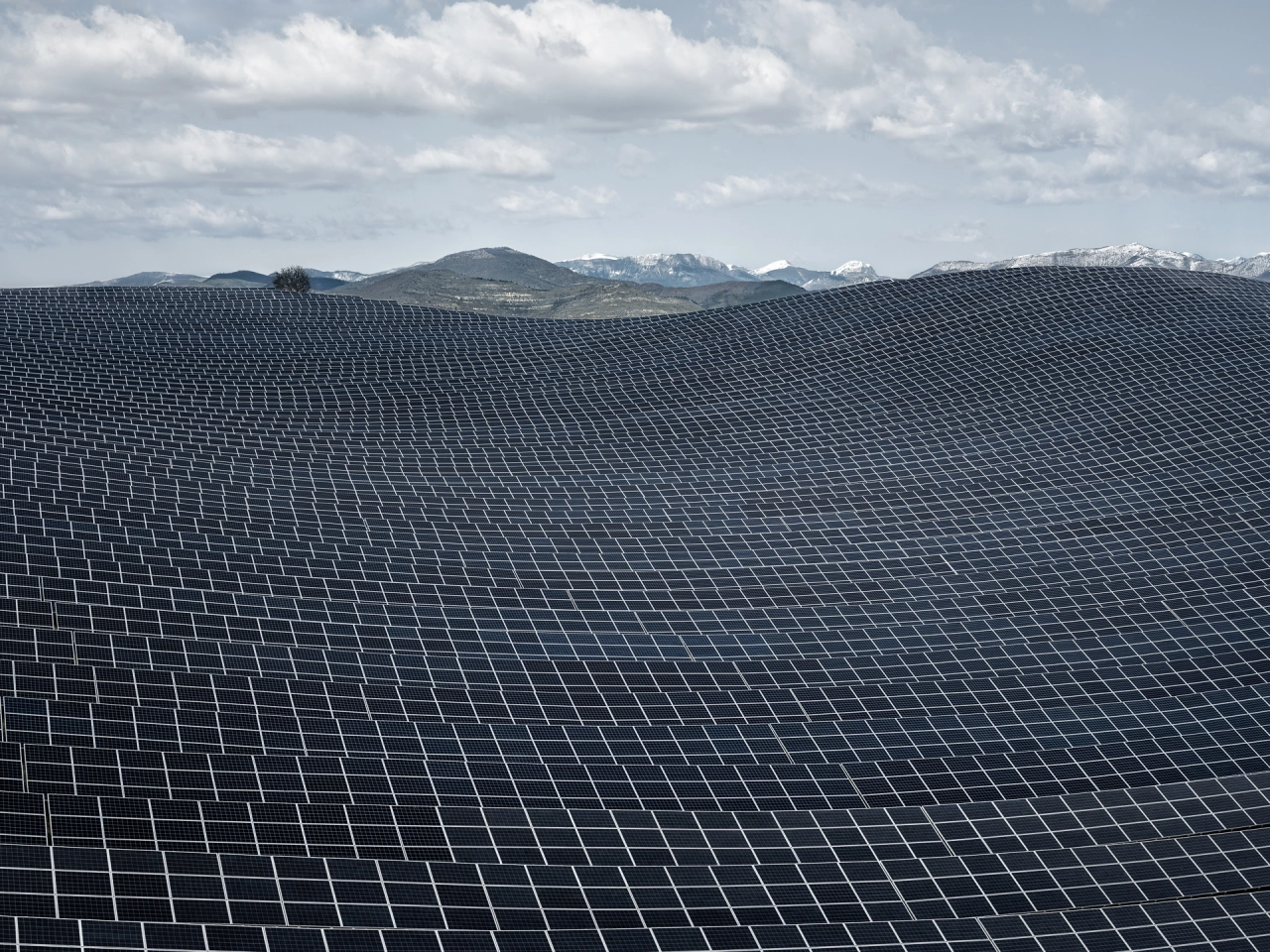
He adds: "In some mining regions, environmental protections are poorly enforced, working conditions are hazardous, and local communities face serious consequences from industrial expansion. Child labour and human rights abuses also remain significant concerns in certain mining sectors."
It became increasingly clear to Tom that the environmental and social costs of technological progress are often shouldered by communities which are far removed from those who ultimately benefit from it. "We tend to celebrate the promise of clean technologies without paying much attention to the landscapes being transformed to make them possible," he says.
"In many ways, we are shifting part of the environmental burden of our consumption to other regions of the world, keeping the consequences largely out of sight." This isn't to say The Mineral Age argues against the shift away from fossil fuels, though.
"Rather, I believe we need to acknowledge that even technologies designed to create a more sustainable future have a substantial material footprint."
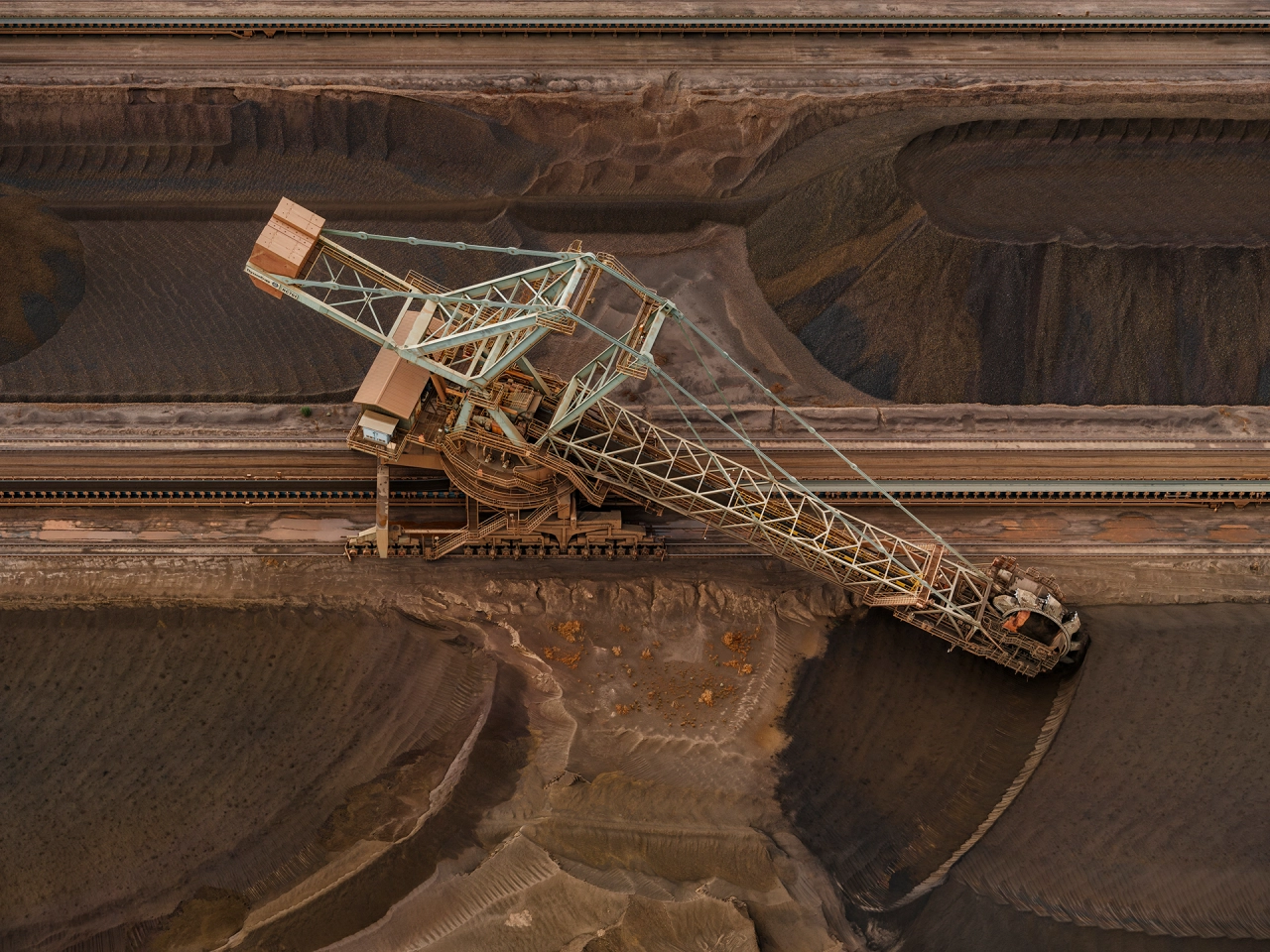
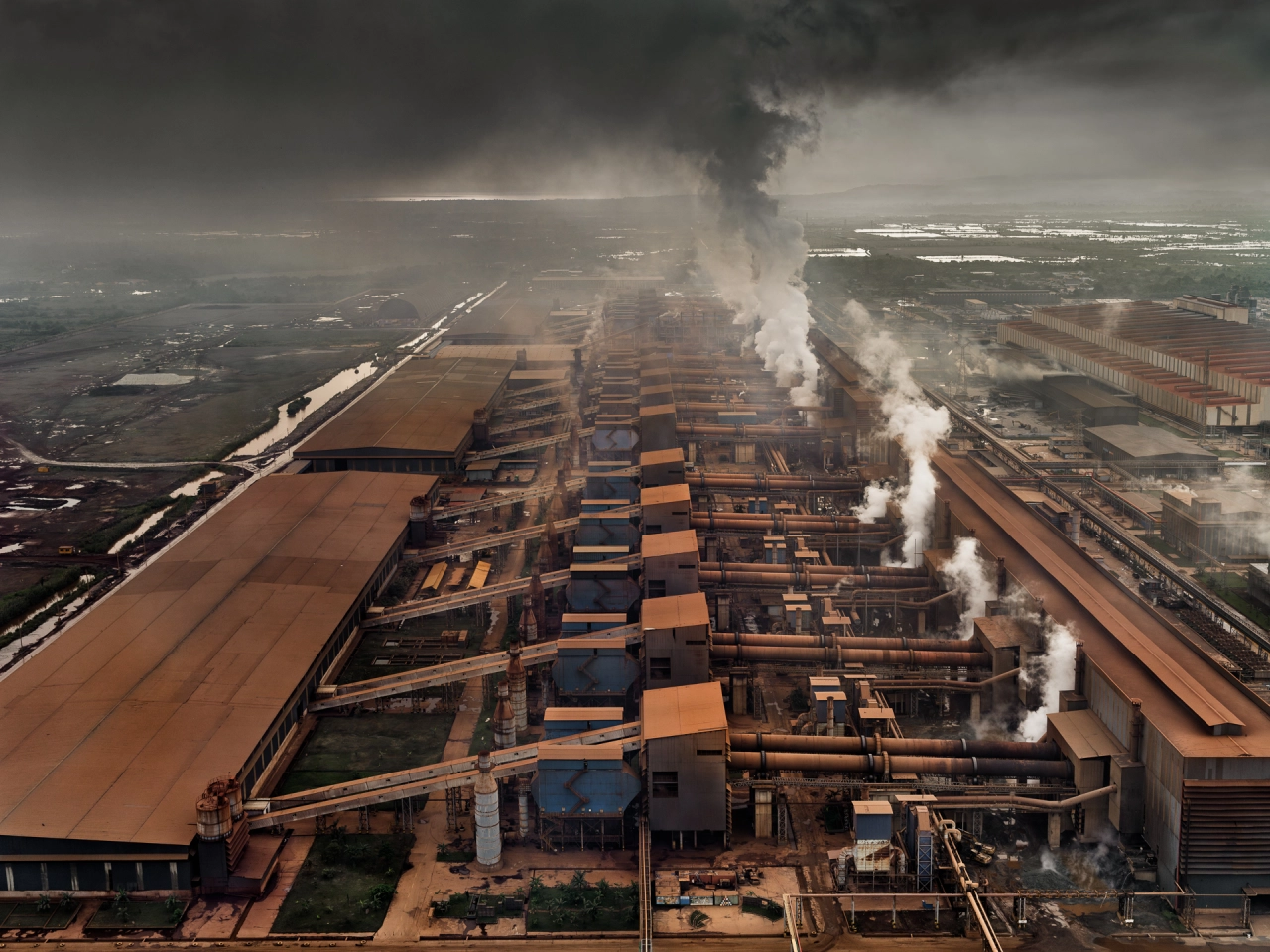
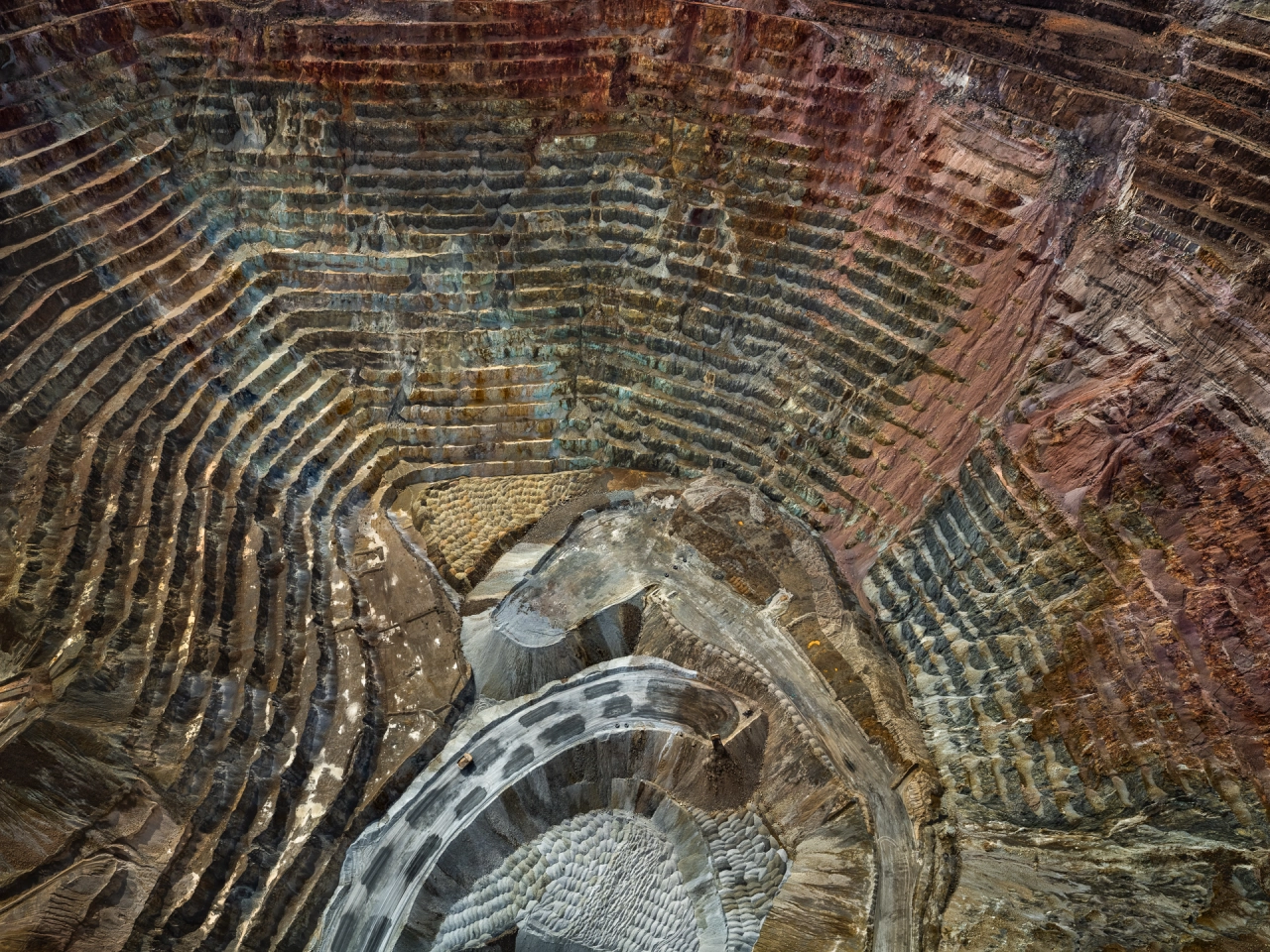
Tom's photographic practice is strongly research-driven, and The Mineral Age is no exception. Before travelling, he spends considerable time investigating global mineral supply chains, identifying significant mining regions, and studying the industrial processes involved.
"Accessing these places is often one of the greatest challenges," he says. "Many mining operations are extremely remote, heavily restricted, or kept out of public view. In the Democratic Republic of the Congo, for example, it took me more than two years to arrange access to some of the mining sites.
Every photograph in The Mineral Age was taken from an elevated perspective. Tom primarily works with heavy-lift drones carrying a high-resolution medium-format camera. "When drone operations are not possible, I photograph from helicopters or small aircraft. The aerial perspective allows me to reveal the immense scale of these industrial landscapes."
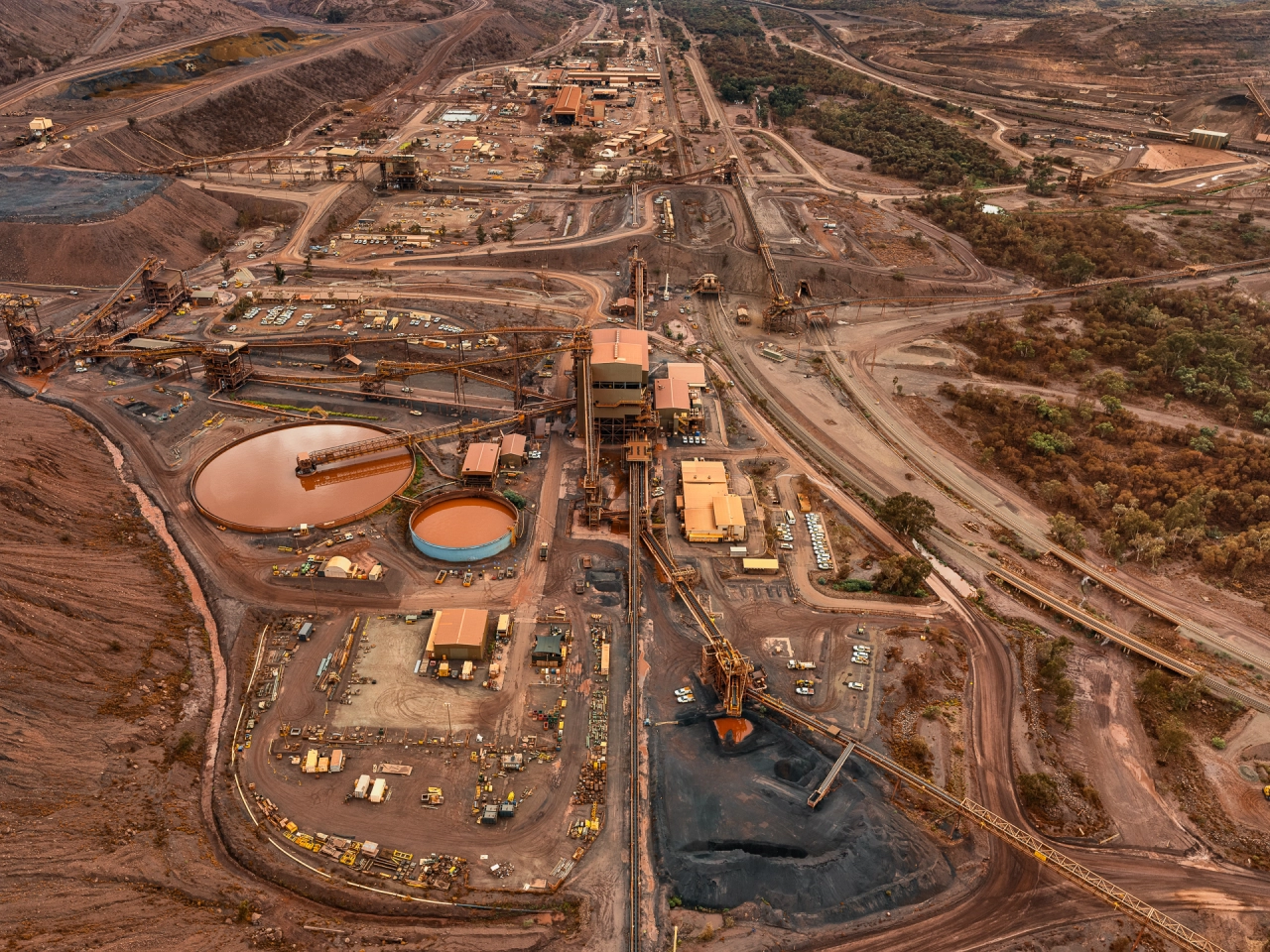
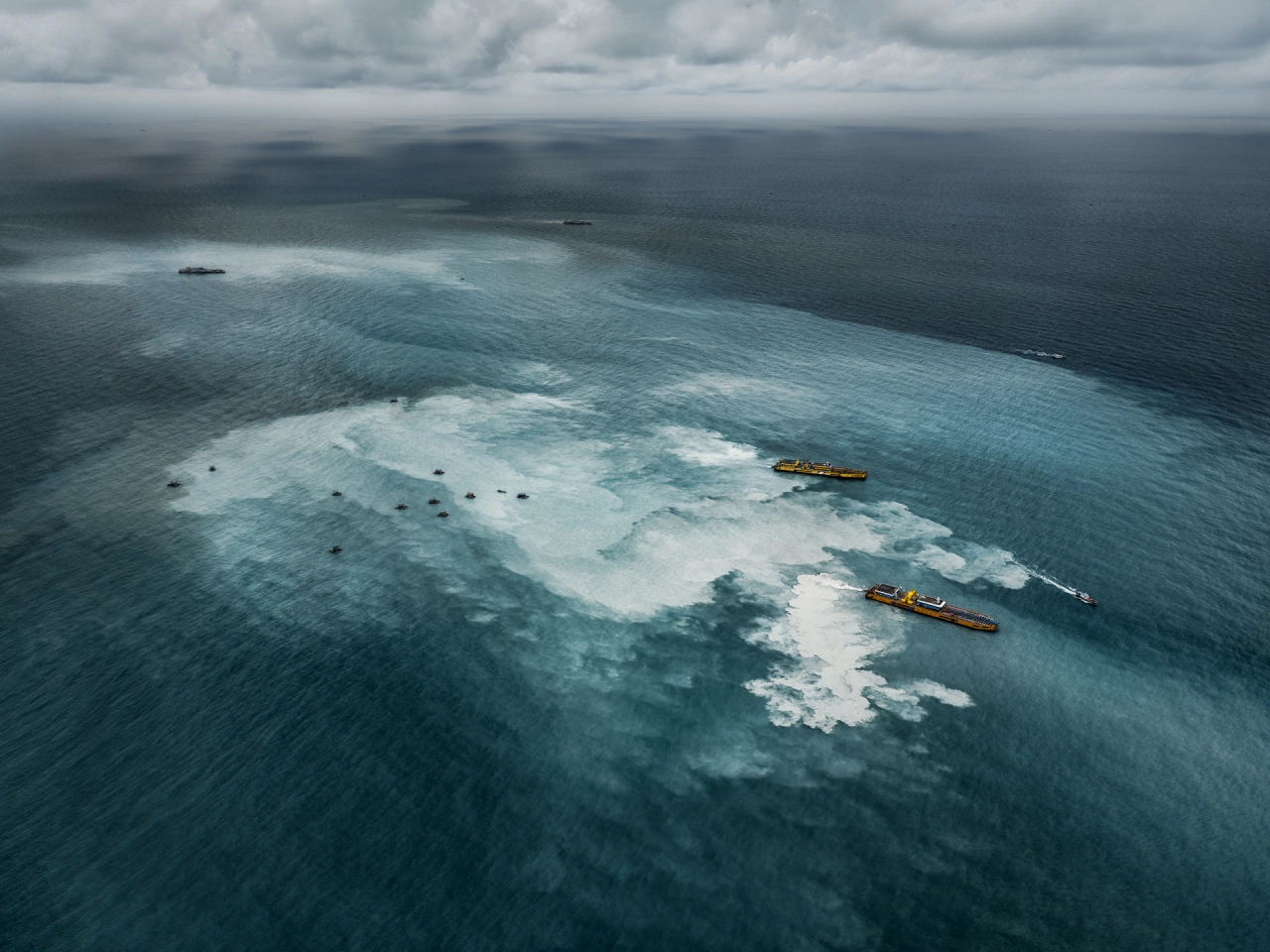
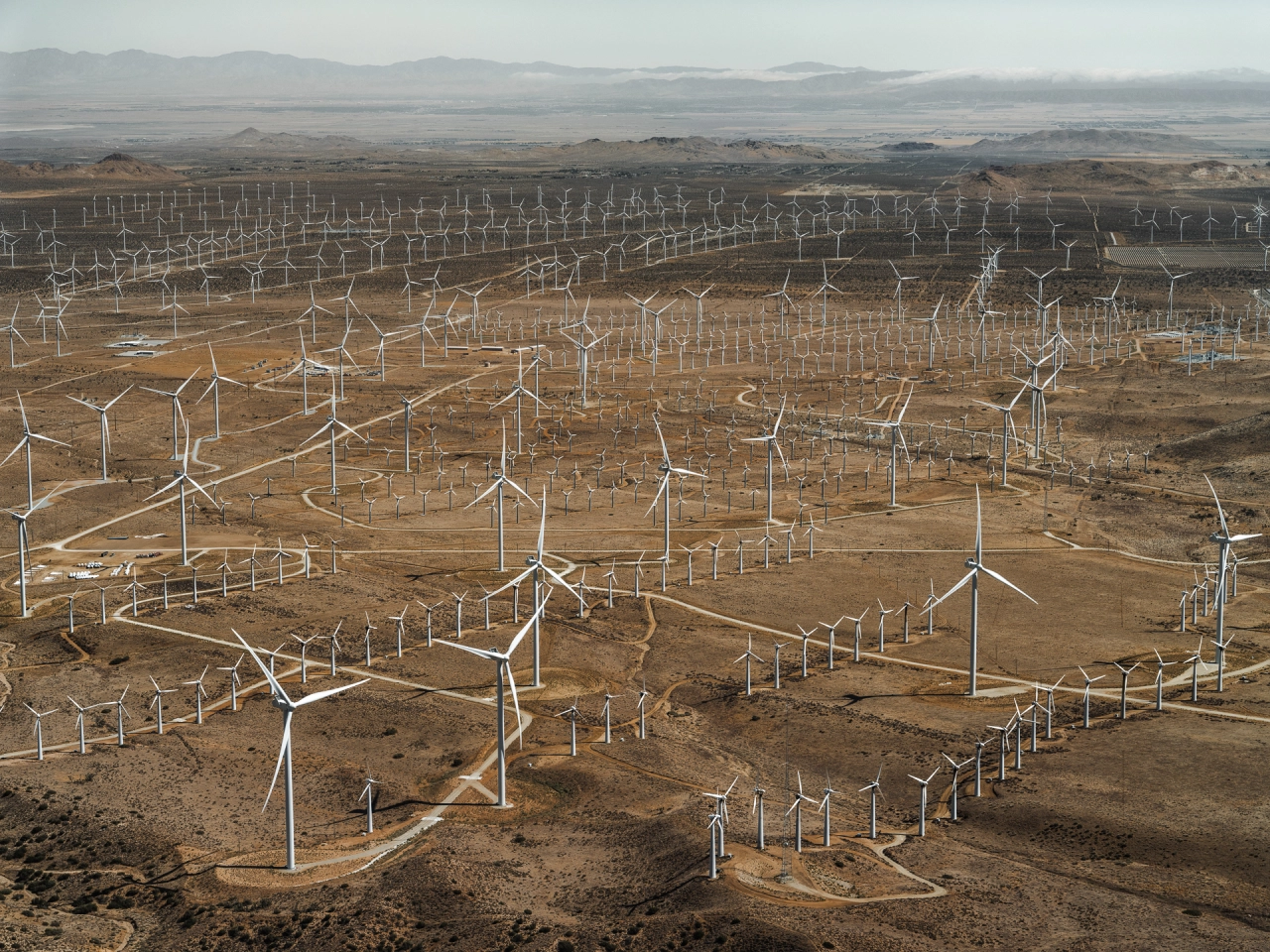
The Mineral Age will contain 247 aerial photographs, which Tom believes will spark curiosity, encourage conversations, and make the complex topic of energy transition more accessible. "My intention is not to provide simple answers, but to raise awareness of the often-invisible consequences of our demand for resources," he says.
"Ultimately, The Mineral Age is about the landscapes behind our modern lives, and the consequences of building the future."

Editor's Picks





Trending






Latest Jobs
Creative Services Manager at BIMM University
Full-time·Brighton·£39,000–£50,440
Creative Director at Art&Graft
Full-time·London·£70,000 – £90,000
Communications Strategy Director at David&Goliath
Full-time·Los Angeles·$120,000 – $180,000
Copywriter & Content Strategist at Chapel
Full-time·London·£30,000 – £40,000
Director, Strategy at Interbrand
Full-time·New York·$160,000 – $210,000
Associate Web Designer at Planhat
Full-time·London·£30,000 – £35,000