Remember when the words "badly animated" used to mean something? These days, the same phrase is flung around on social media with abandon, but honestly, even the cheapest cartoons look pretty slick and well put together to me.
Digital animation software is so powerful now that you no longer need to spend decades skilling up before you can produce something that looks decent. The downside, though, is that most things increasingly look the same.
But here's one very big exception.
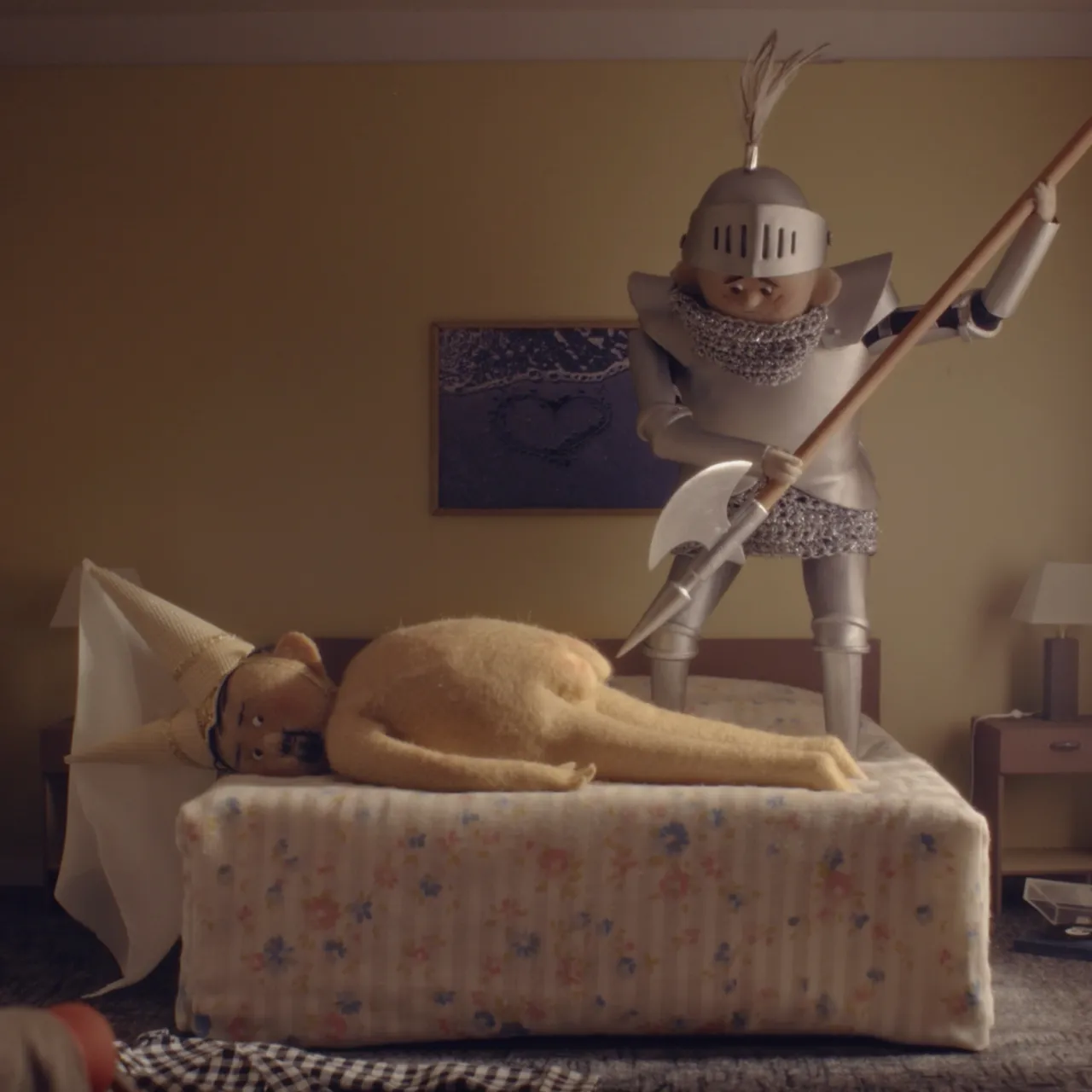
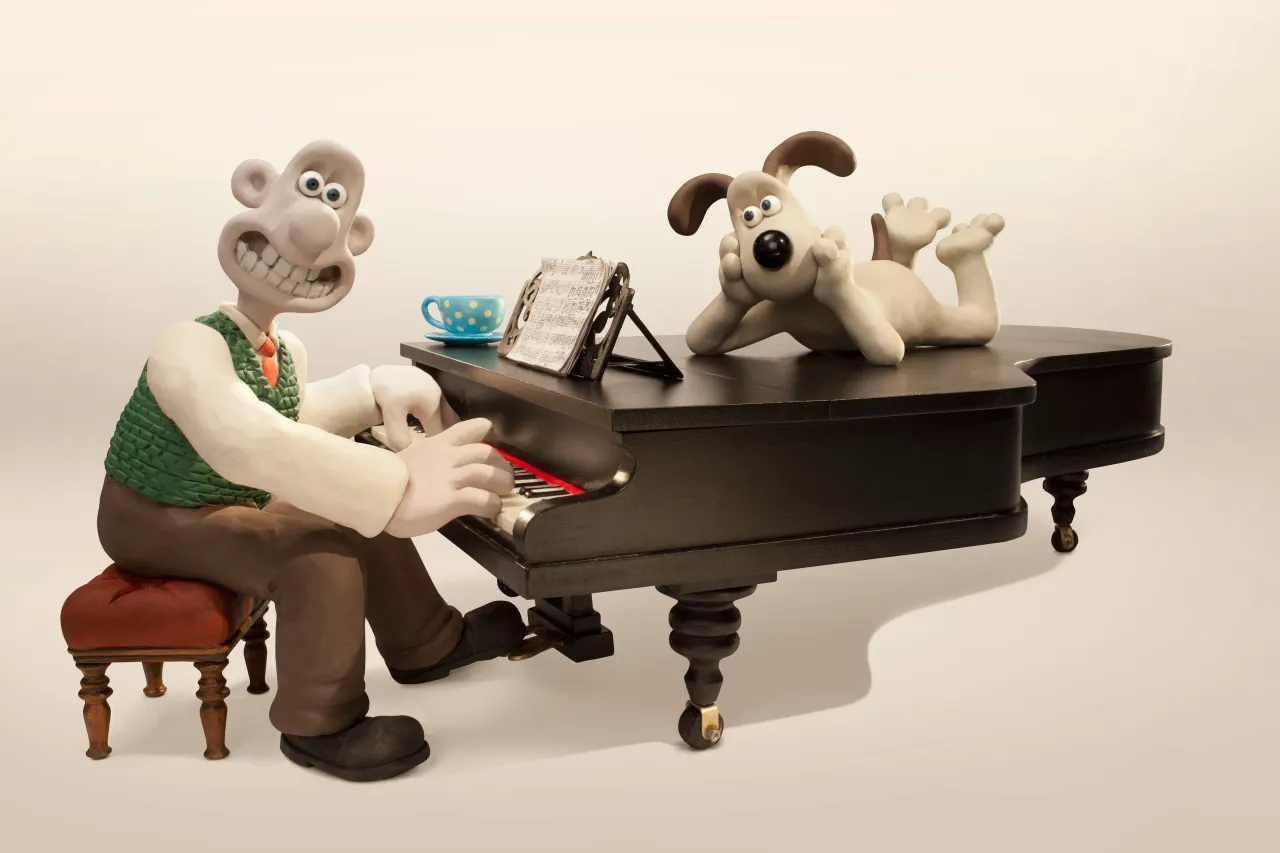
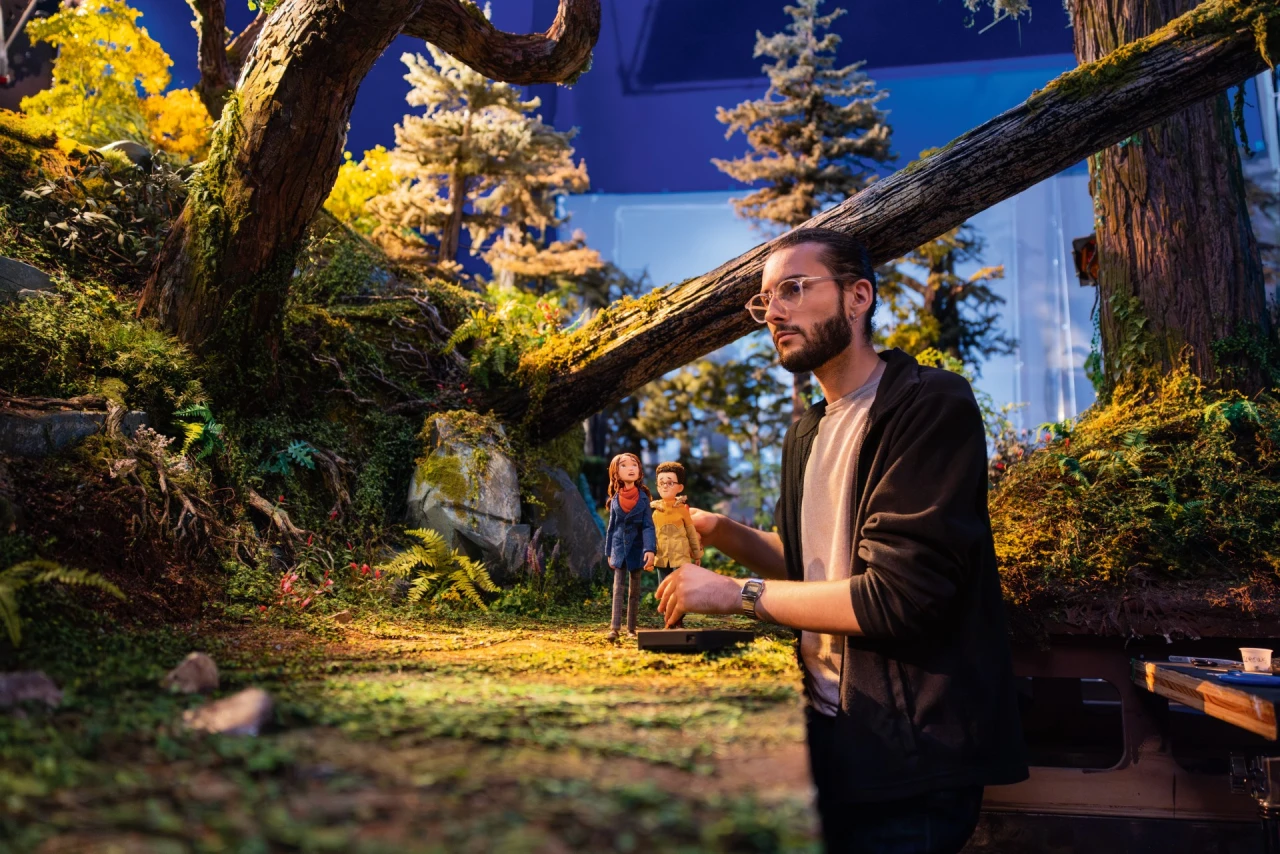
Founded in 2005 and based just outside Portland, LAIKA crafts its animated films not from pixels on a screen, but from real, physical puppets on real, physical sets. They move them by hand, a fraction at a time, and photograph them one frame at a time.
It's slow, tedious, painstaking work, but it's won them huge critical acclaim. All five of its features so far (Coraline, ParaNorman, The Boxtrolls, Kubo and the Two Strings and Missing Link) have been nominated for best animated feature.
Enter Wildwood
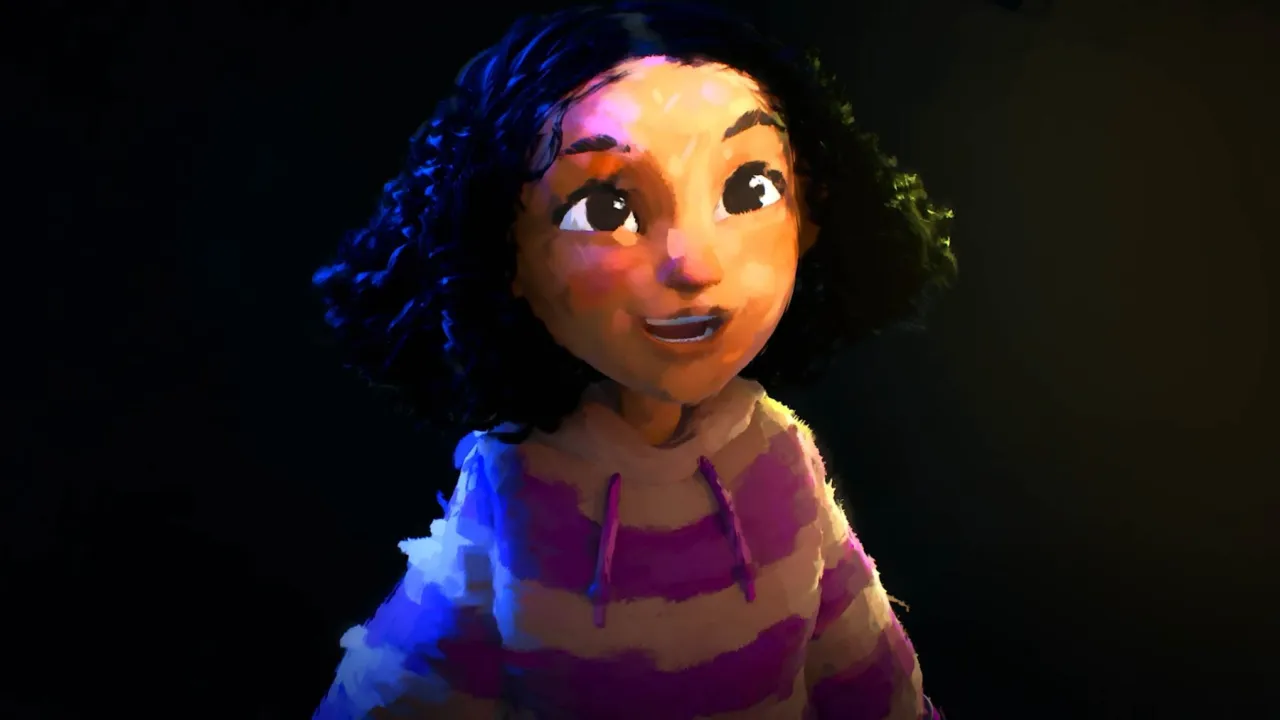
Now, LAIKA's sixth movie is on the way. Directed by Travis Knight, Wildwood follows a teenager called Prue who ventures into a hidden magical forest to rescue her baby brother, who's been snatched by crows. At 132 minutes, it's the longest stop-motion film ever made, using an astonishing 231 puppets across 136 physical sets.
Brits are also getting the chance to see some of those props in real life, at Wildwood: The Exhibition at the Design Museum in Kensington, London. This will be a rare chance to view puppets, armatures, costumes, sets, tools and concept art, with a free complementary display on the mezzanine covering LAIKA's 20-year history.
The man tasked with putting the show together was art director Matthew Maldonado, having spent five years designing and building Wildwood's sets. So I asked him the million dollar question: how much of Wildwood is physical and how much is digital?
Matthew's response is simple. "Every single thing was made by hand, truly," he stresses. "And every single thing that we built was either shot in camera or referenced by our effects department. We've got some really wide, expansive locations and there's some digital aspect to all of that. But if it wasn't on camera, on stage, it's a scanned asset or a reference asset, specifically made by the artisans in the art department."
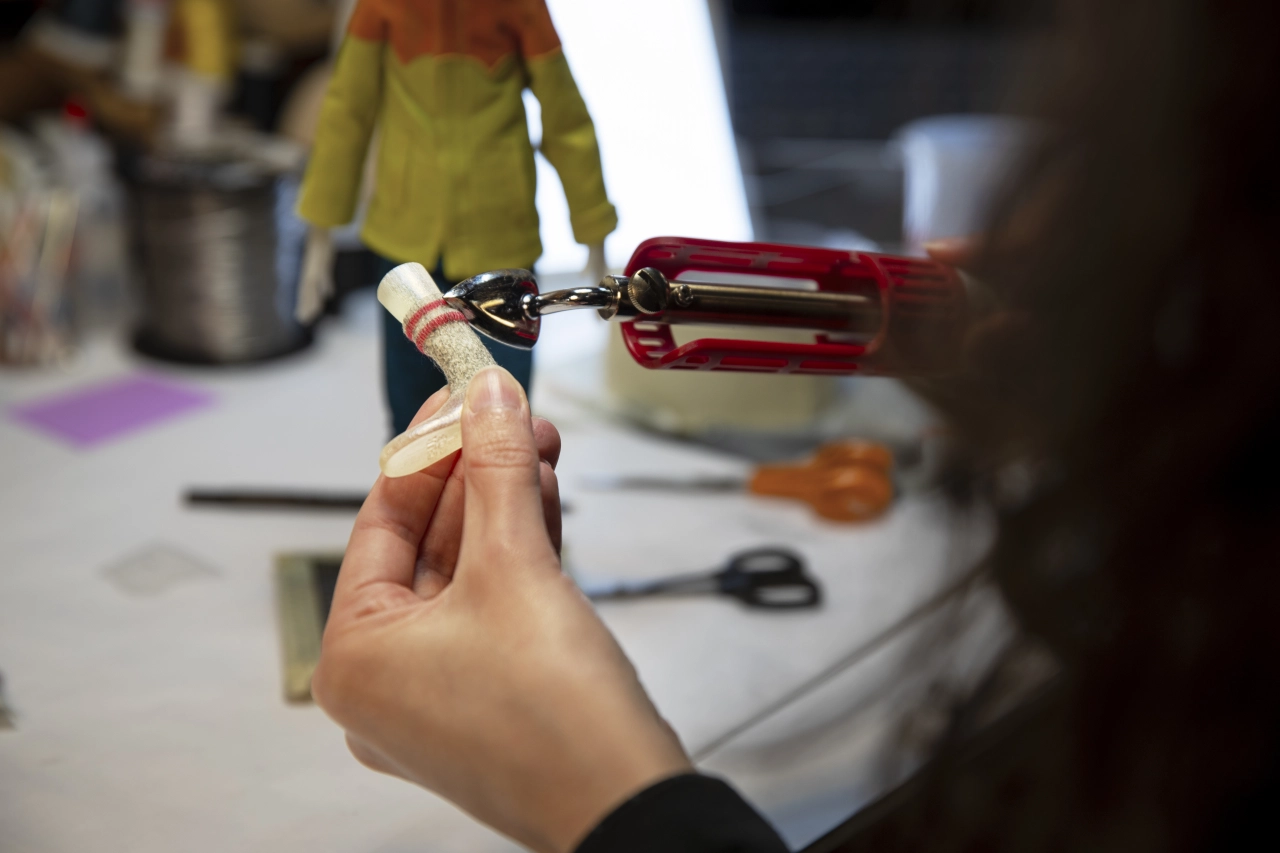
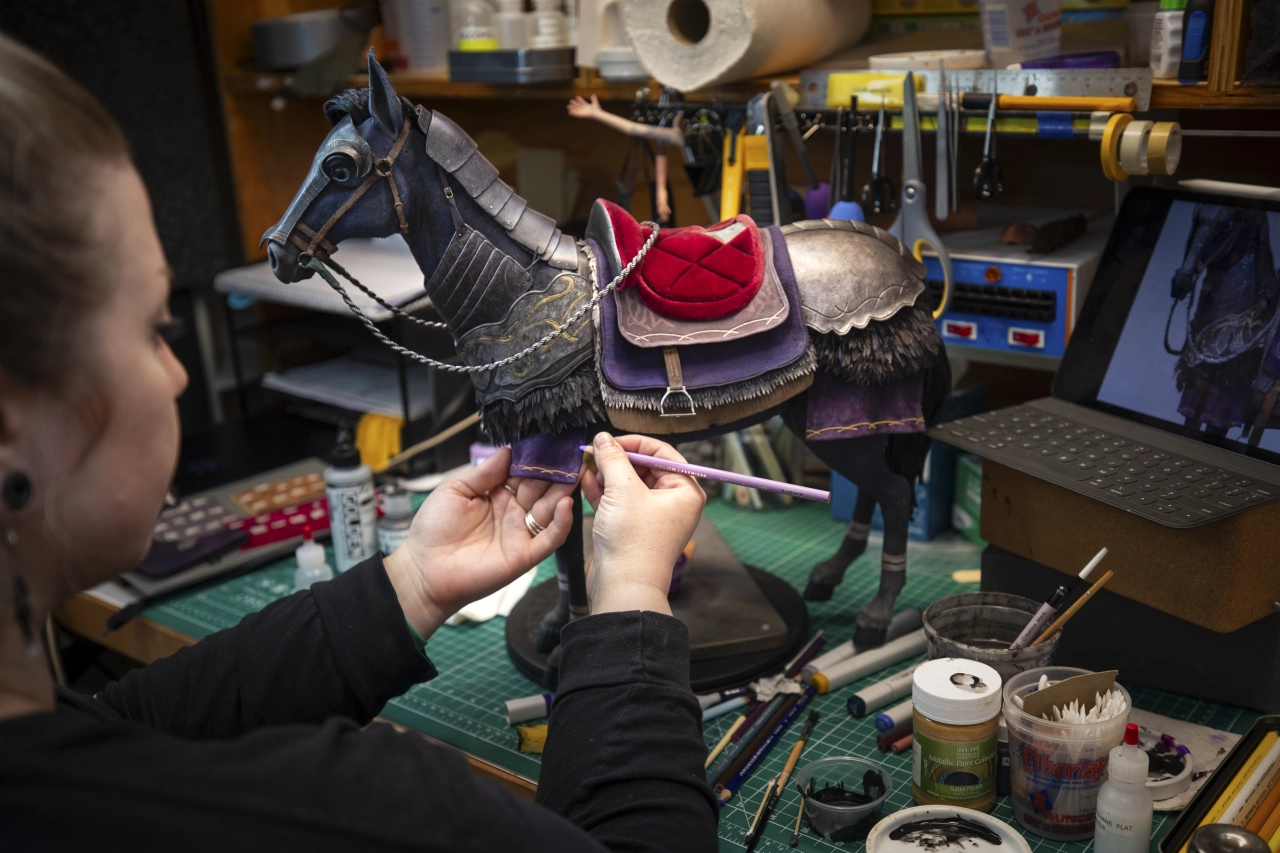
That extends to things you'd never expect to be constructed physically. For instance, LAIKA's rapid prototyping team, known for 3D printing thousands of puppet faces, also helped the set department animate Portland's famous Benson Bubbler drinking fountains, using replacement parts to cycle the water frame by frame.
Hometown challenge
Wildwood is LAIKA's first film set in its hometown, and that brought its own unique challenges. One of Matthew's first sets, back in 2021 (these movies take a long time to make), was Portland's Waterfront Park: an outdoor location with a river, buildings, concrete walls and a boat splashing past. But none of that would fit neatly on a soundstage.
"So we'd look at the storyboards and assess what we needed to build for that specific shot," he recalls. "The storyboards and the concept art are our North Star; that's what we're essentially trying to get in camera. We break everything down and take it one step at a time."
In practice, that meant building just enough pathway for central character Prue to cycle along, towing baby Mac in his wagon, with the surrounding buildings made at a smaller scale. "That way we could shoot them, but we could also scan them and send them over to VFX, and that's exactly what they used for the background buildings," he explains.
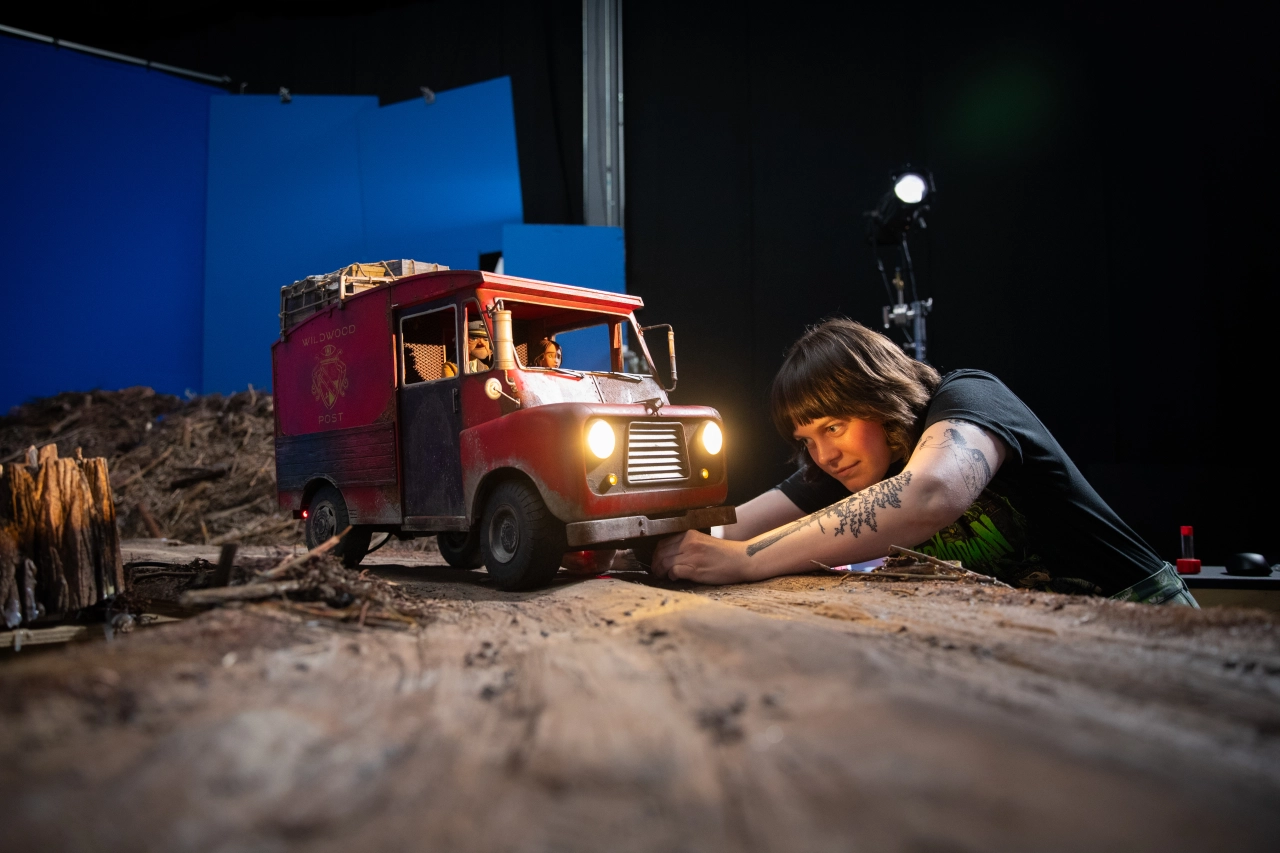
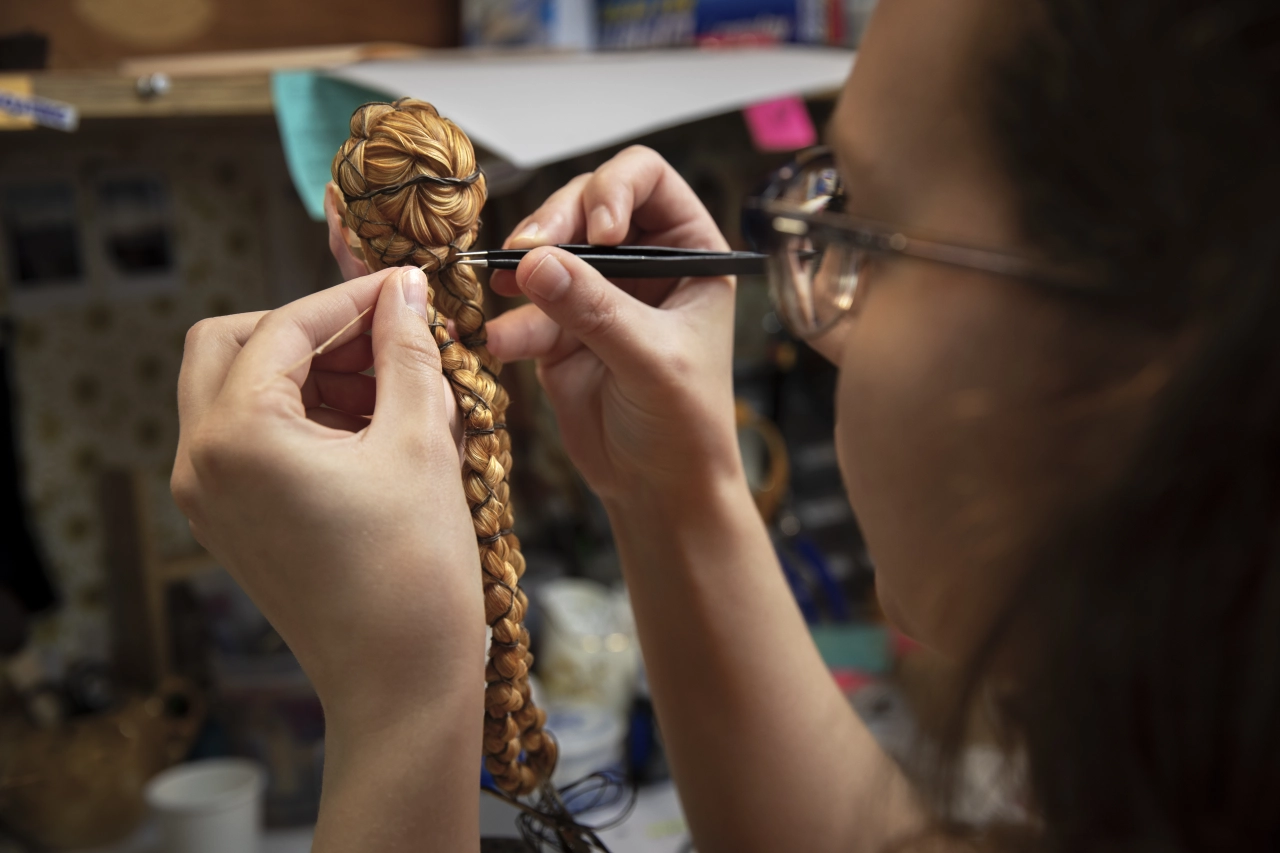
This was even the case with the cherry blossom trees. The team built one practically, then the VFX team scanned it and used it as a complete reference to help build the others they weren't shooting on stage.
Two worlds, one gallery
Now Matthew's about to fly across the Atlantic for the opening of the exhibition. The film contains two worlds, the fantastical forest of Wildwood and the very human city of Portland, and the exhibition showcases sets from each, along with how they were designed to feel different. "A lot of the differences are really super subtle, but they've all been thought about by our design team and by the artists actually working on them," he explains. "A cup in Wildwood feels different from a cup in Portland."
Alongside the main exhibition, a display in the museum's mezzanine, put together with LAIKA's archive team, traces the journey from Coraline (2009) to the present day. "Coraline is one of the greatest movies," reflects Matthew. "But the technology back then versus where we are now is night and day."
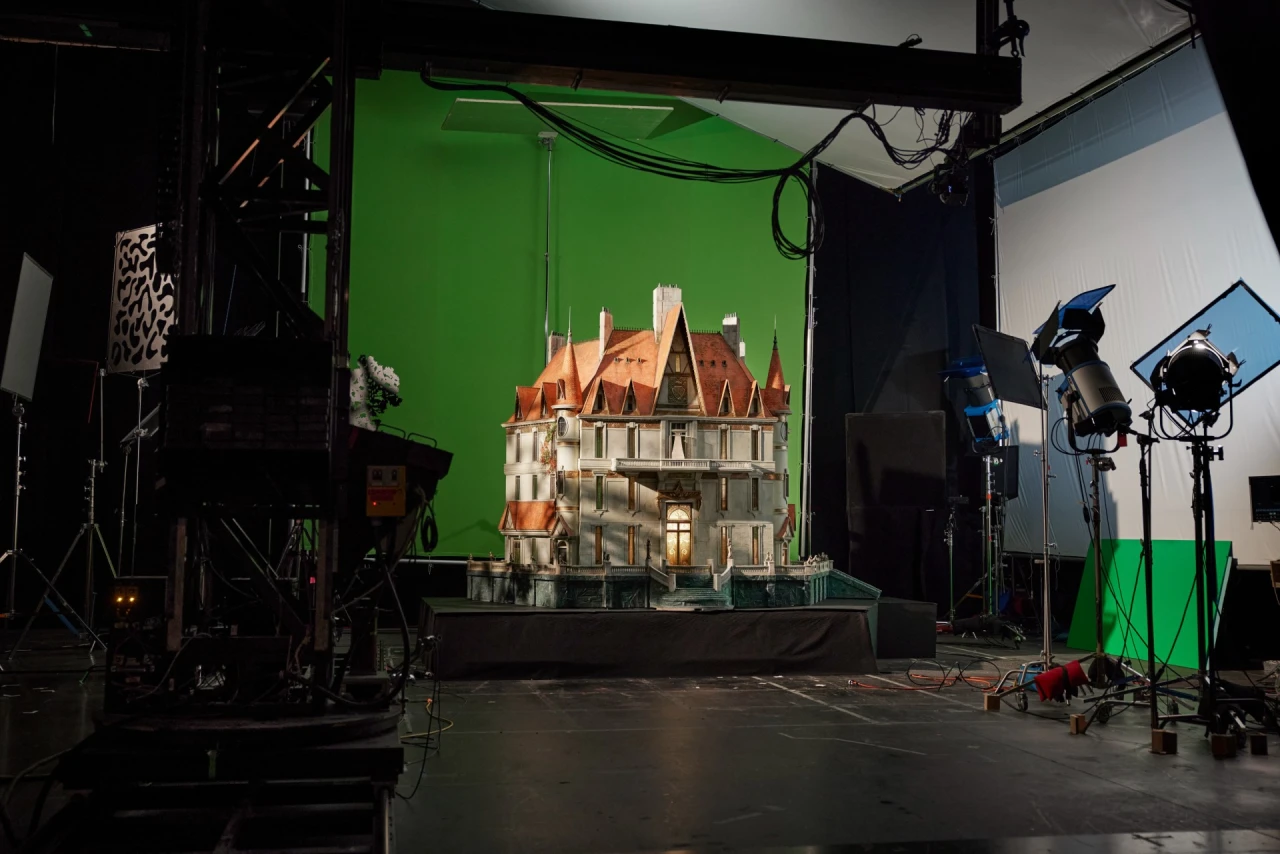
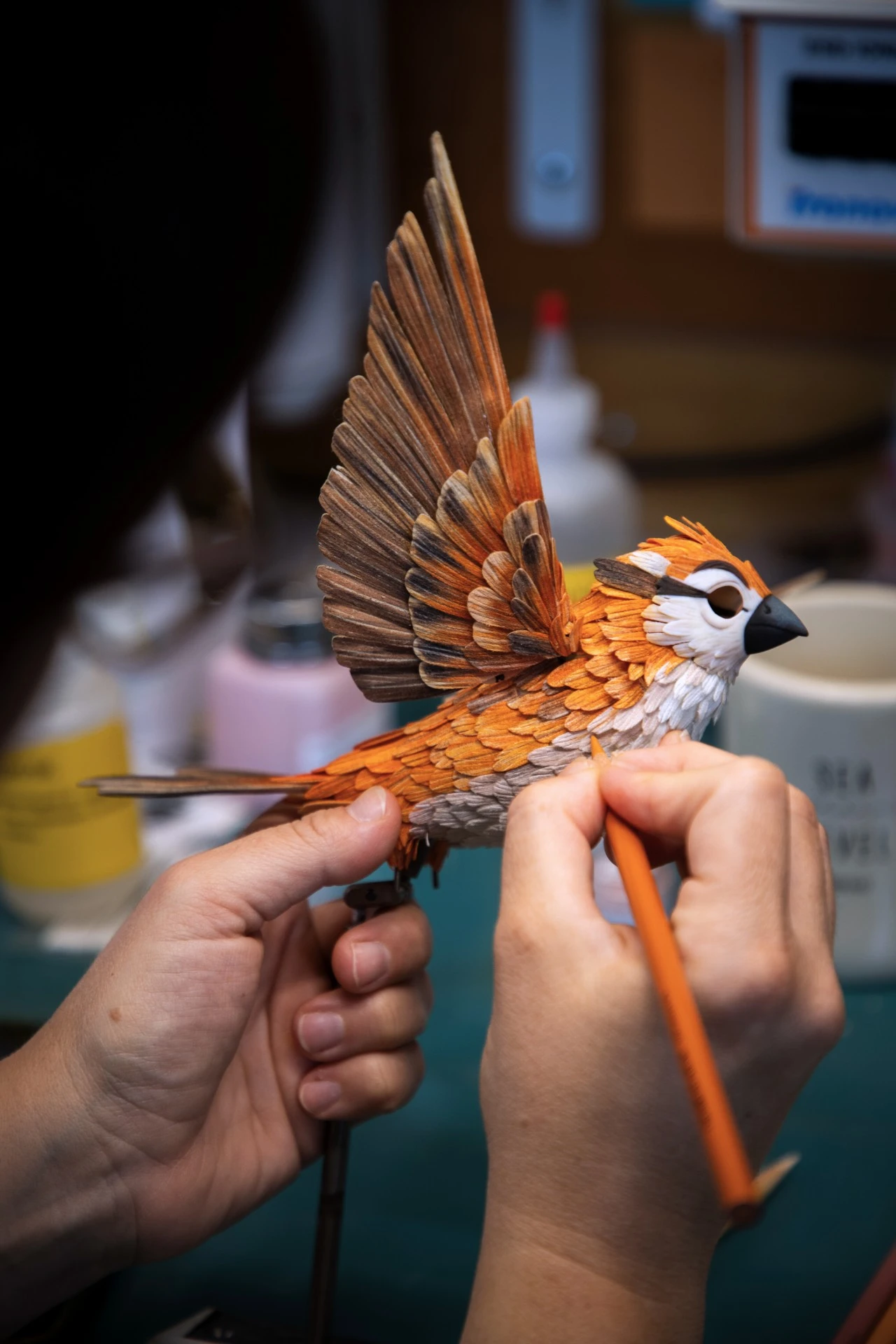
If there's one thing he'd like visitors to discover about stop motion, it's this. "One of the common misconceptions is that these are tiny miniature sets that people build," he says. "But our sets are huge, and the artistry that goes into them is just absolutely breathtaking."
Miniature mansion
Case in point: Pittock Mansion, one of Portland's best-known landmarks, which appears in the film. "It's one of the sets we're highlighting in the exhibition, and this is a miniature of the miniature, because we built the Pittock at 50% scale," says Matthew. "But even at that scale, the Pittock is almost 13 feet tall."
The exhibition will include around seven of the film's 136 sets. "It's a small, bite-size sample of what we've done," he says. "But I think people will walk in and understand that it's a lot bigger than they probably would have imagined."
In an era when AI slop seems to be taking over, the idea of a stop-motion studio building a 13-foot mansion just to film it, then building a half-size one so people can see it in a museum, seems refreshingly analogue. Here's hoping that Wildwood is a big hit, and maybe, just maybe, the future of animation isn't AI after all, but a return to the handmade. Wouldn't that be great?
Editor's Picks


Trending

Latest Jobs
Client Director at Koto
Full-time·Berlin·€70k-€85k
Agent & Producer at The Jacky Winter Group
Full-time·London·£35k–£40k
Content Editor at ITV
Full-time·Birmingham·£41,284 - £57,412
Design Director, Opinion at The New York Times
Full-time·New York·$160k–$180k
Associate Web Designer at Planhat
Full-time·London·£30,000 – £35,000
Principal Software Engineer at BBC Media Tech
Full-time·Glasgow·Up to £83,790