When your customers are also your design team: how Land of Plenty rebranded Pot Gang
Pot Gang is a subscription service making it easy to grow your own food at home. Land of Plenty handed the keys to identity to its own subscribers and ended up with a living brand system that's impossible to fake.
There's a design principle that most studios understand instinctively: a strong brand needs a strong author. Keep the identity consistent, controlled and crafted with intention. It's a sound instinct, and it's served the profession well. And yet London-based studio Land of Plenty looked at Pot Gang, a gardening subscription service with a fiercely loyal community, and found a more interesting question: what if the community itself could be the author?
The result is one of the most eye-catching pieces of brand thinking I've seen in a while: a living identity system co-created by subscribers aged four to 64, spanning over 180 unique artworks, and underpinning a business that's since grown at more than double year-on-year.
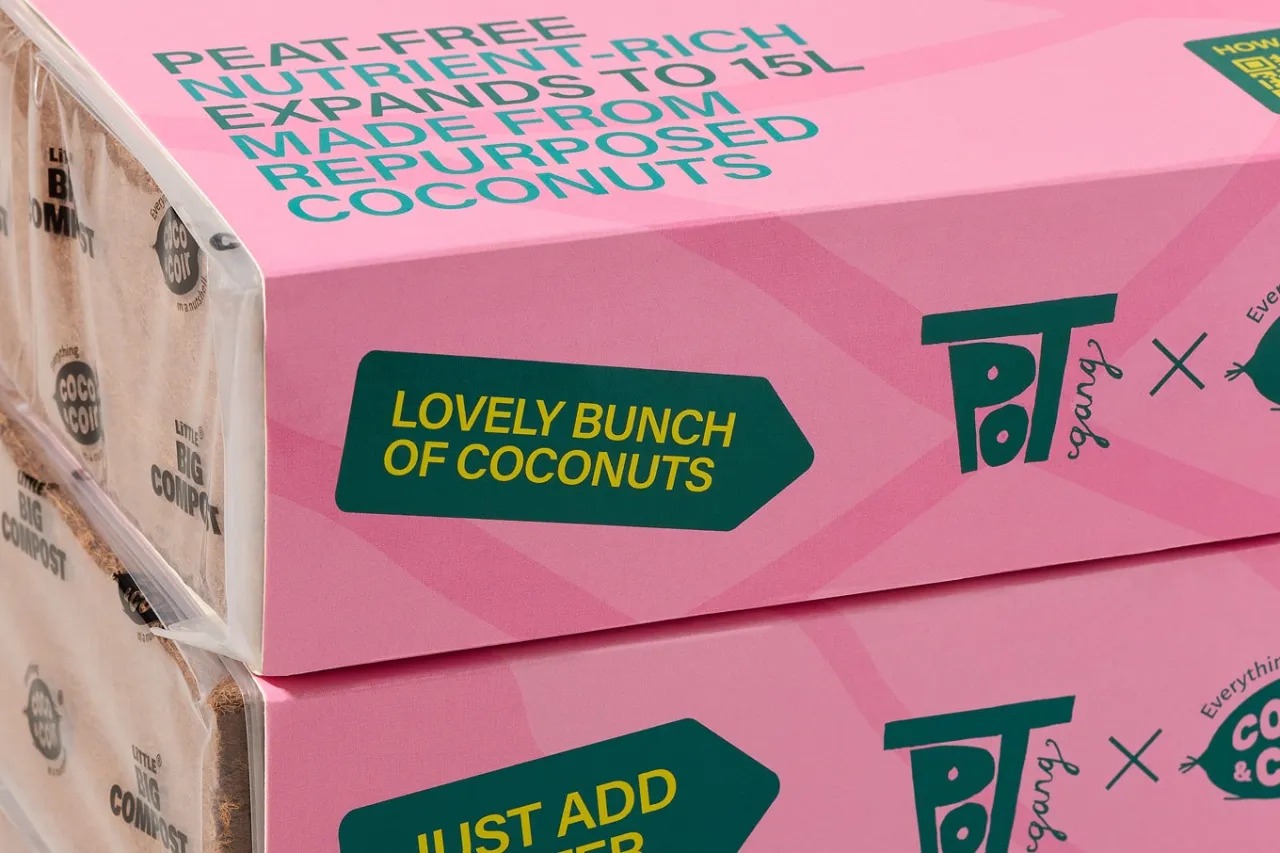
Pot Gang was born in a South London flat during lockdown: a subscription service making it simple and enjoyable for people to grow their own fruit, vegetables and herbs at home. It now delivers over 20,000 boxes a month and has a 4.8-star rating on Trustpilot.
With a name like Pot Gang, it was never going to be a brand that played it safe. It had energy, irreverence and a devoted community from the start. What it didn't yet have, as founder Sam Smith recognised, was a brand structure that could carry it to the next level without squeezing out the spirit that made it worth growing in the first place.
The idea that changed everything
Land of Plenty's founder and creative director, Joe Russell, and his team began, as good studios do, by listening. Two themes kept surfacing: growth (both literal and personal) and community, the gang.
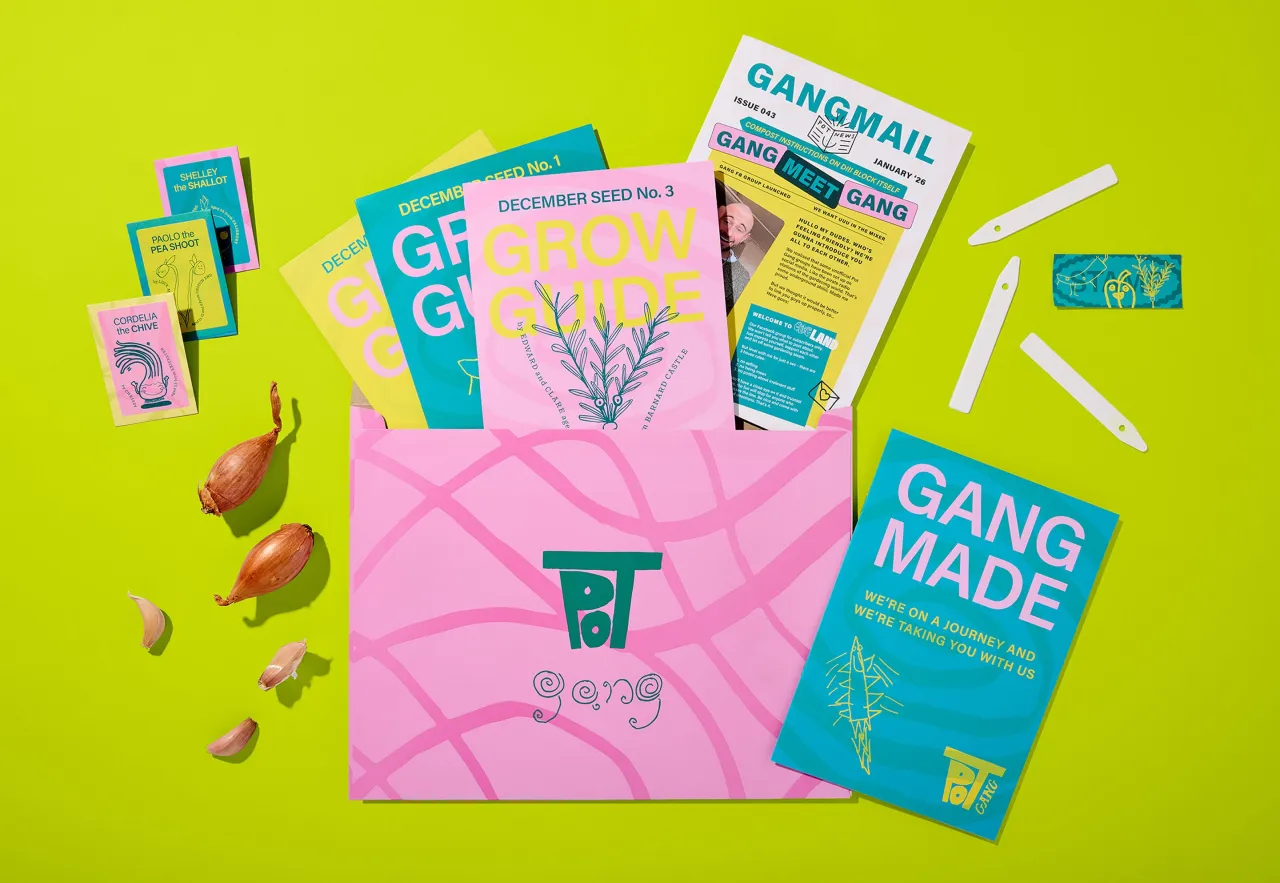
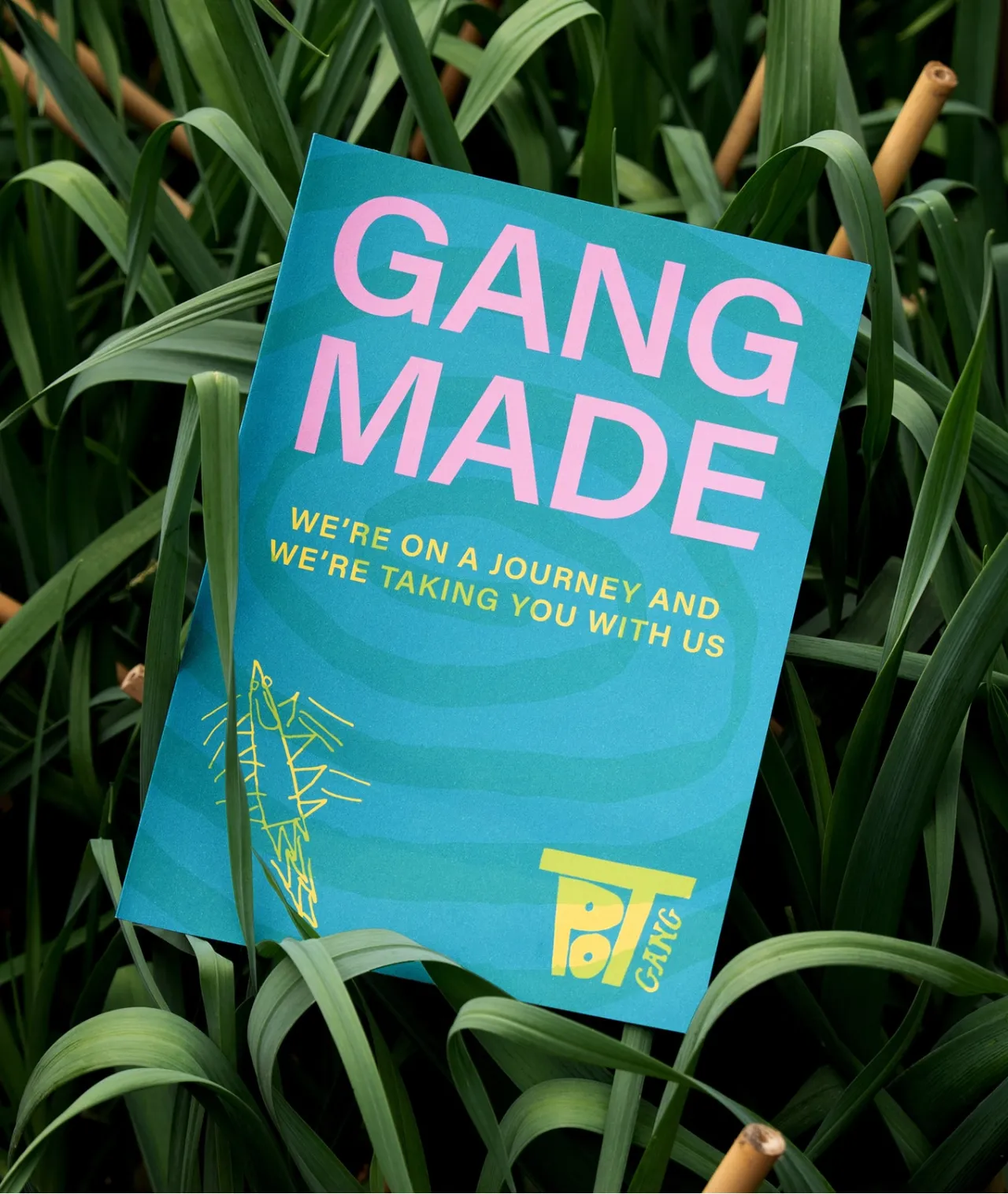
From those two pillars came the organising idea that would reshape everything: Gang Made. Not a tagline, not a visual motif, but an open invitation to subscribers to help build the brand as creative collaborators, not just customers. "The product was already doing the hard work," Russell says. "Our role was to build a brand that could grow with its community."
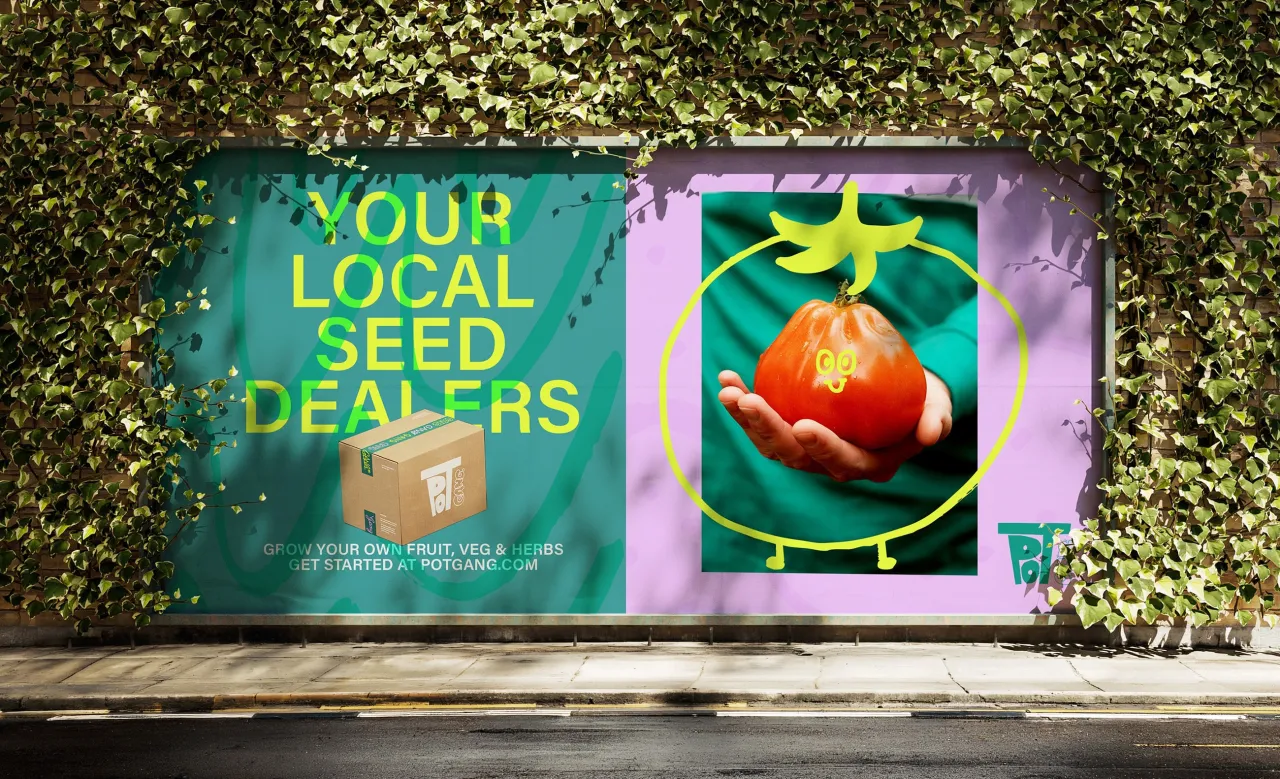
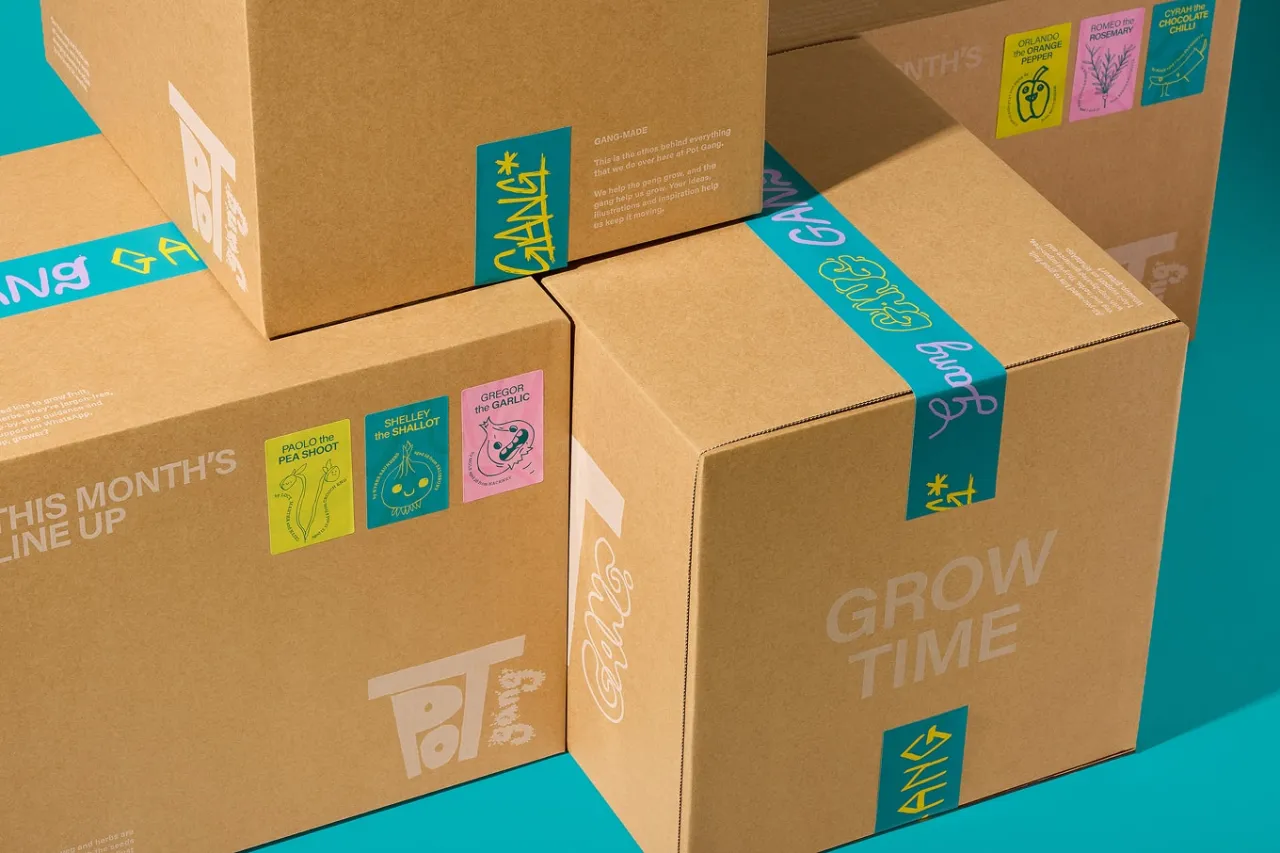
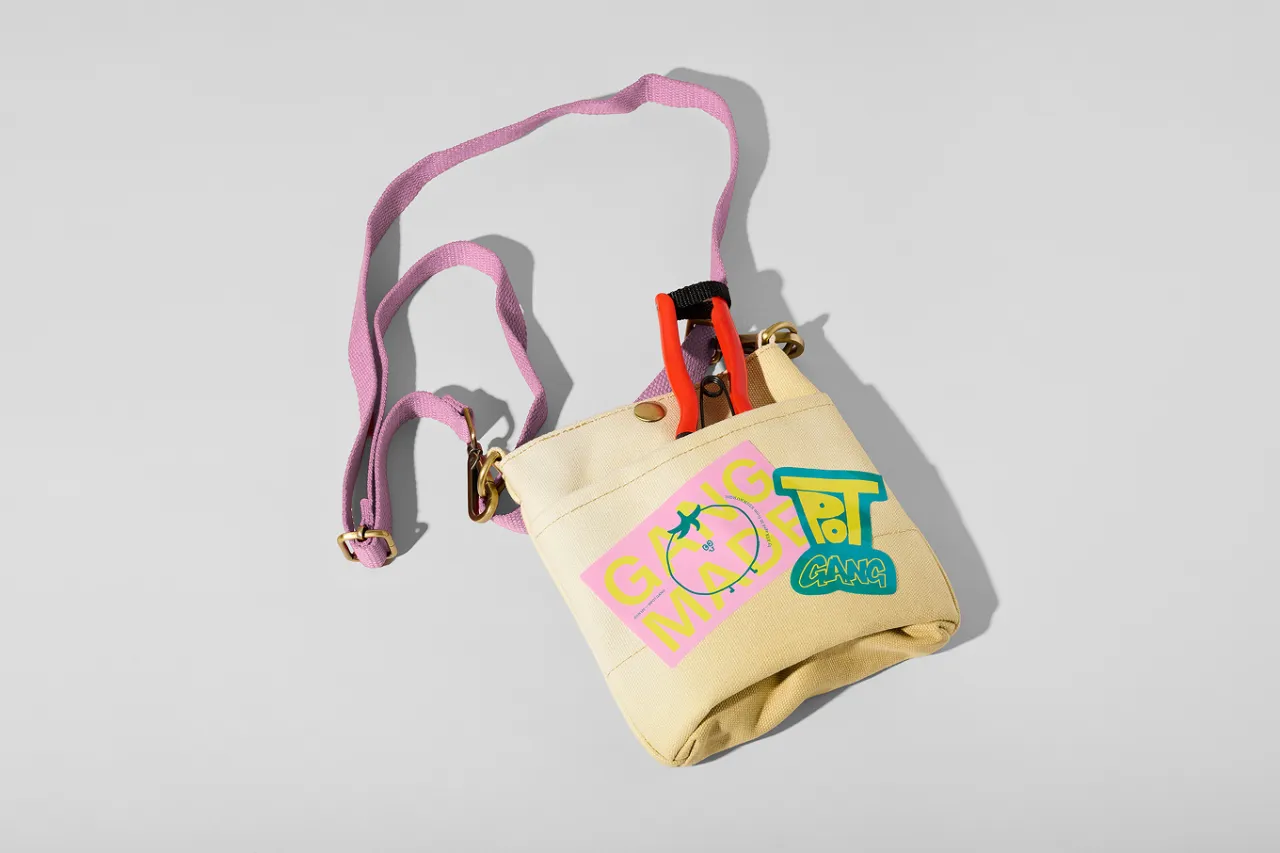
The most visible expression of Gang Made is the logo system. Land of Plenty designed the 'Pot' element and handed the 'Gang' to the community, inviting subscribers to submit their own interpretations in any style they liked. Over 180 unique artworks flooded in, and instead of picking a winner, the studio built a system that displays a different version at every touchpoint.
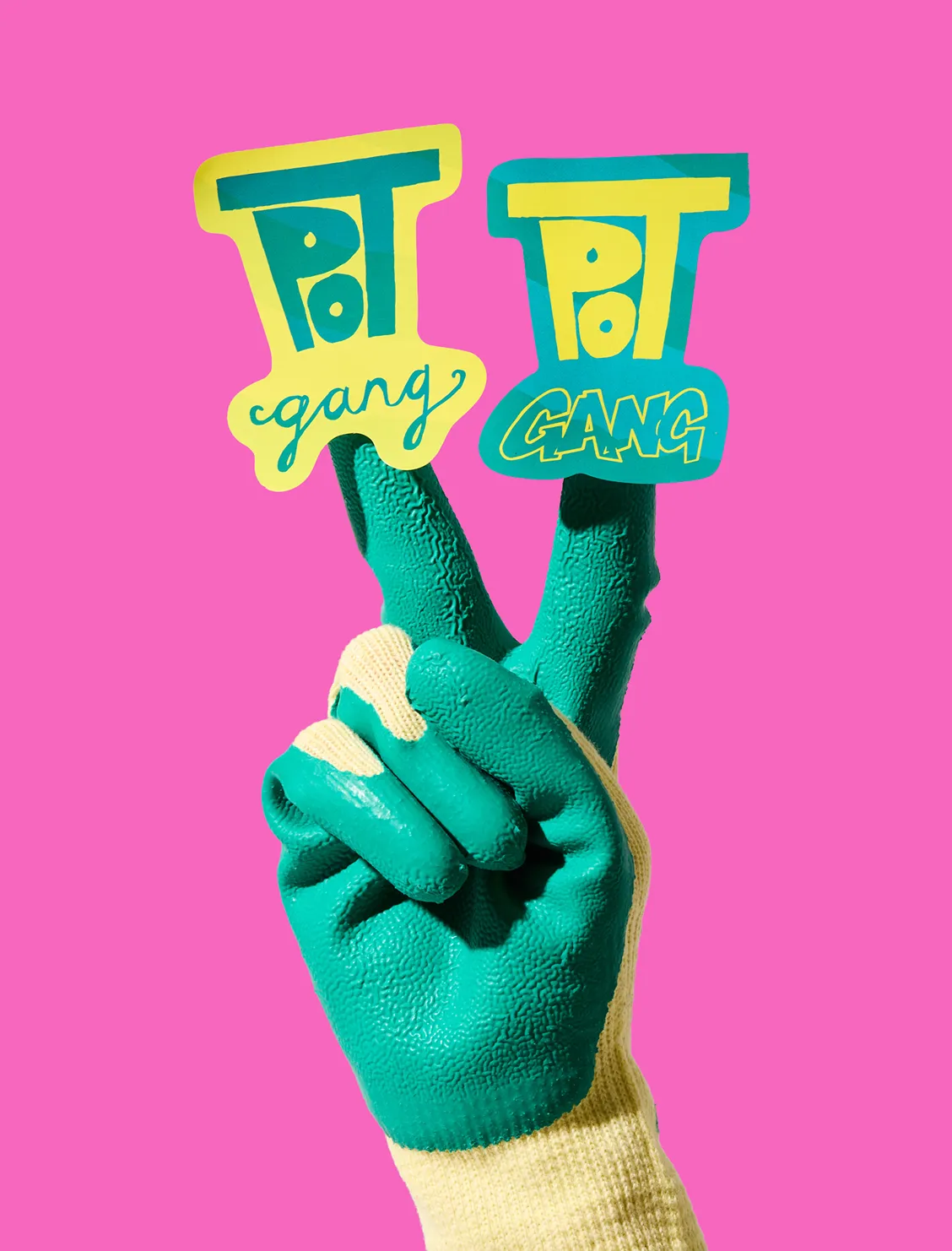
The logo is, by design, never quite the same twice. It's a brand that looks like it was made by a community... because it actually was.
From customers to collaborators
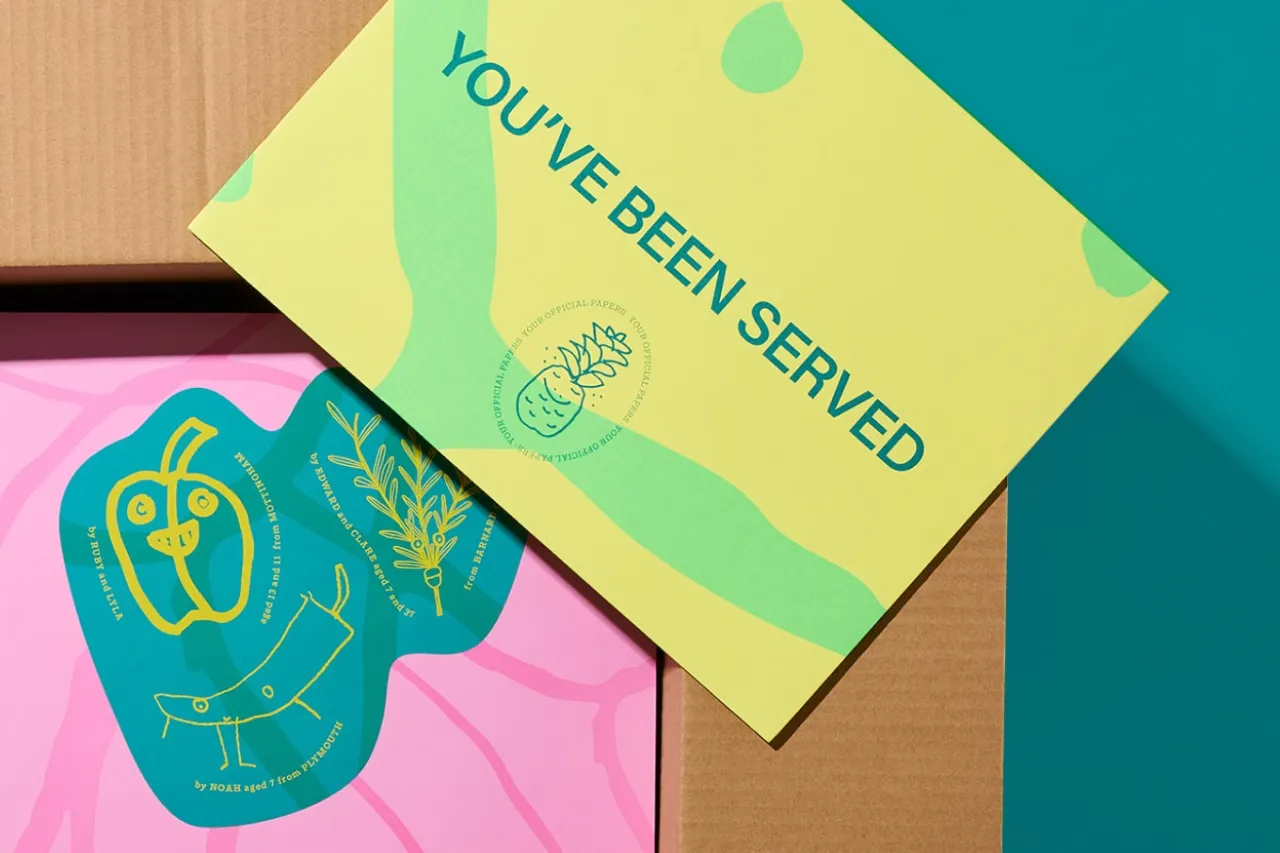
The Gang Made idea didn't stop at the logo. Land of Plenty invited the community to illustrate a range of fruit, vegetables and herbs, which became characters deployed across packaging, grow guides, seed packets and stickers.
The range of contributors was part of the point: Aurora and Megan, aged four and 18 respectively, submitted Rodney the Red Onion. Roisin O'Hagan, 64, from Belfast, drew Raymond the Rocket. The same brief, the same platform, the same creative respect, regardless of age or artistic ability. As Land of Plenty describes it on their own website: "a true level playing field for creativity. An allotment of the arts."
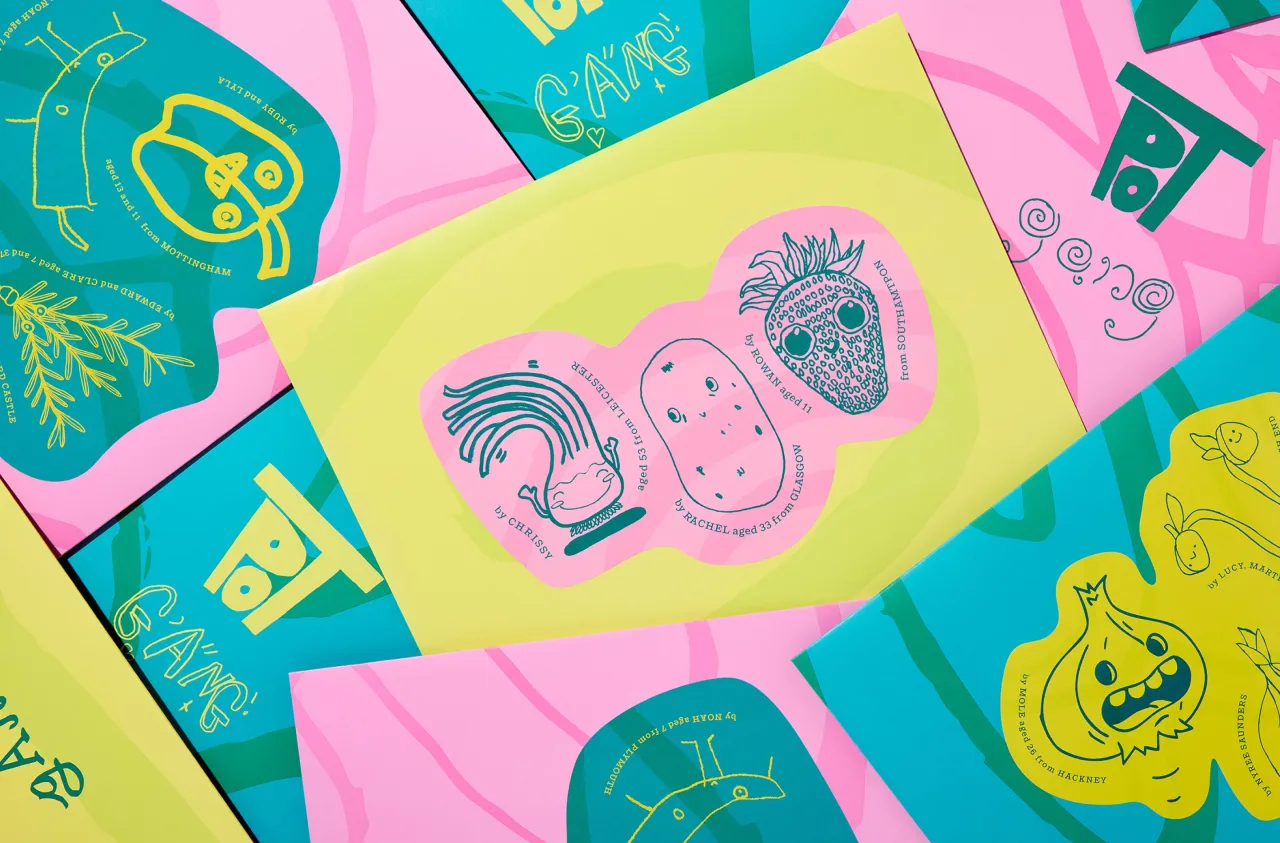
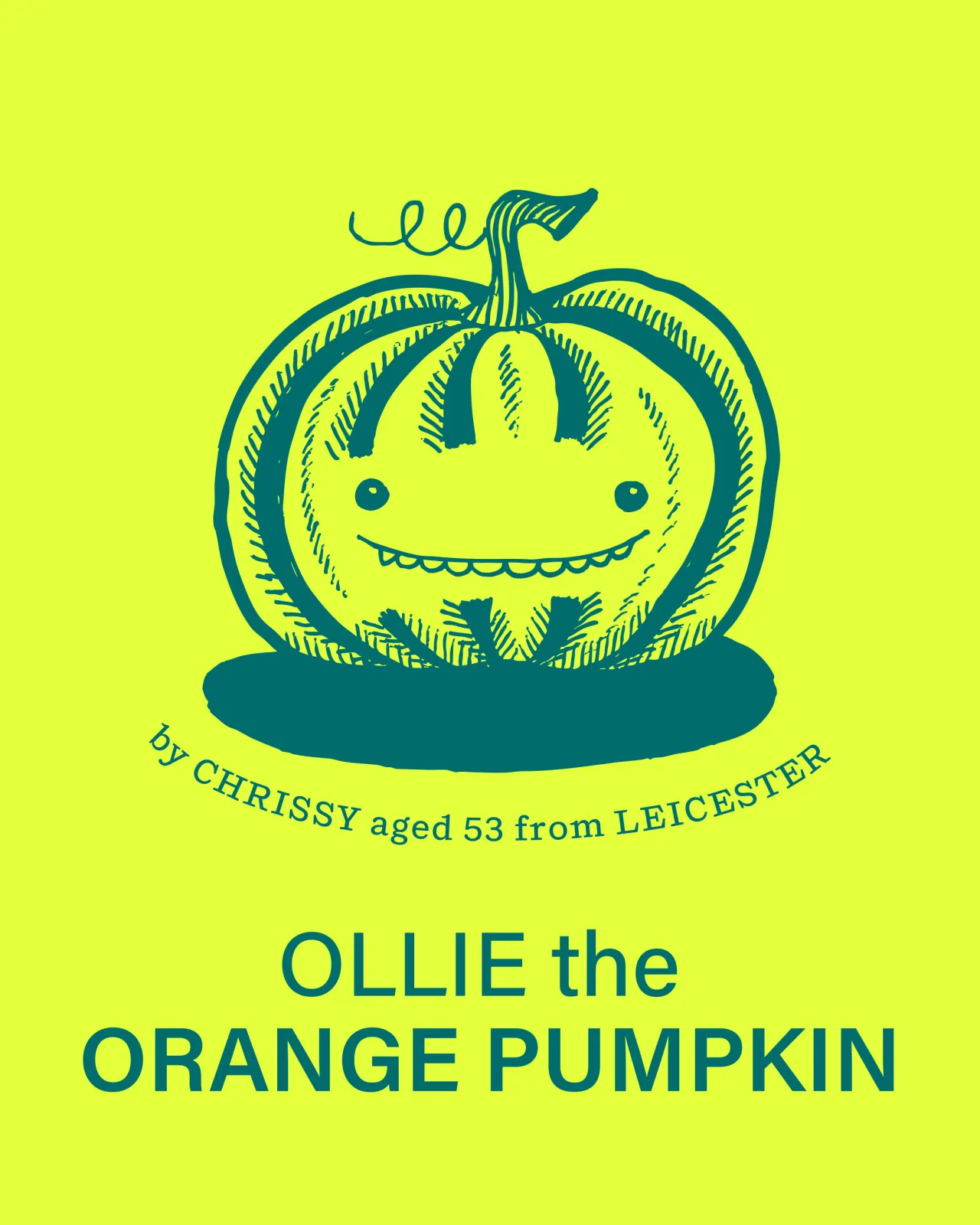
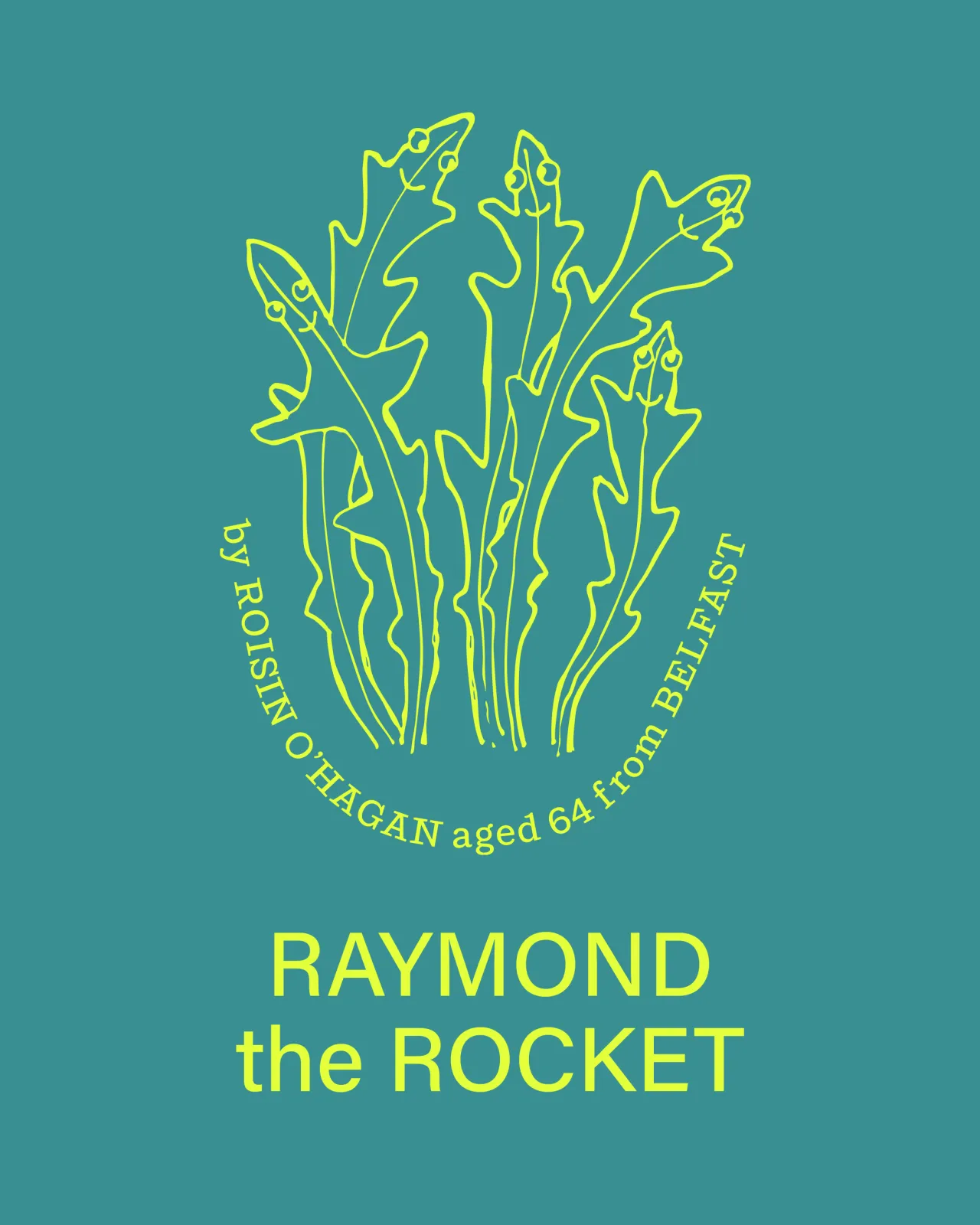
Sam was an enthusiastic convert. "Putting our customer base at the centre of our branding is so expressive," he says. "From the gang's drawings being used across our monthly boxes to being the stars of our how-to videos, it all feels so natural and allows us to reflect the energy and diversity of the gang of all ages, from all corners of the country. It's a living, organic, ever-growing reflection of who we are as a brand."
Building the system
The practical challenge here is as interesting as the conceptual one. Handing creative input to members of the public could easily lead to chaos: a brand that looks incoherent, dated, or unscalable.
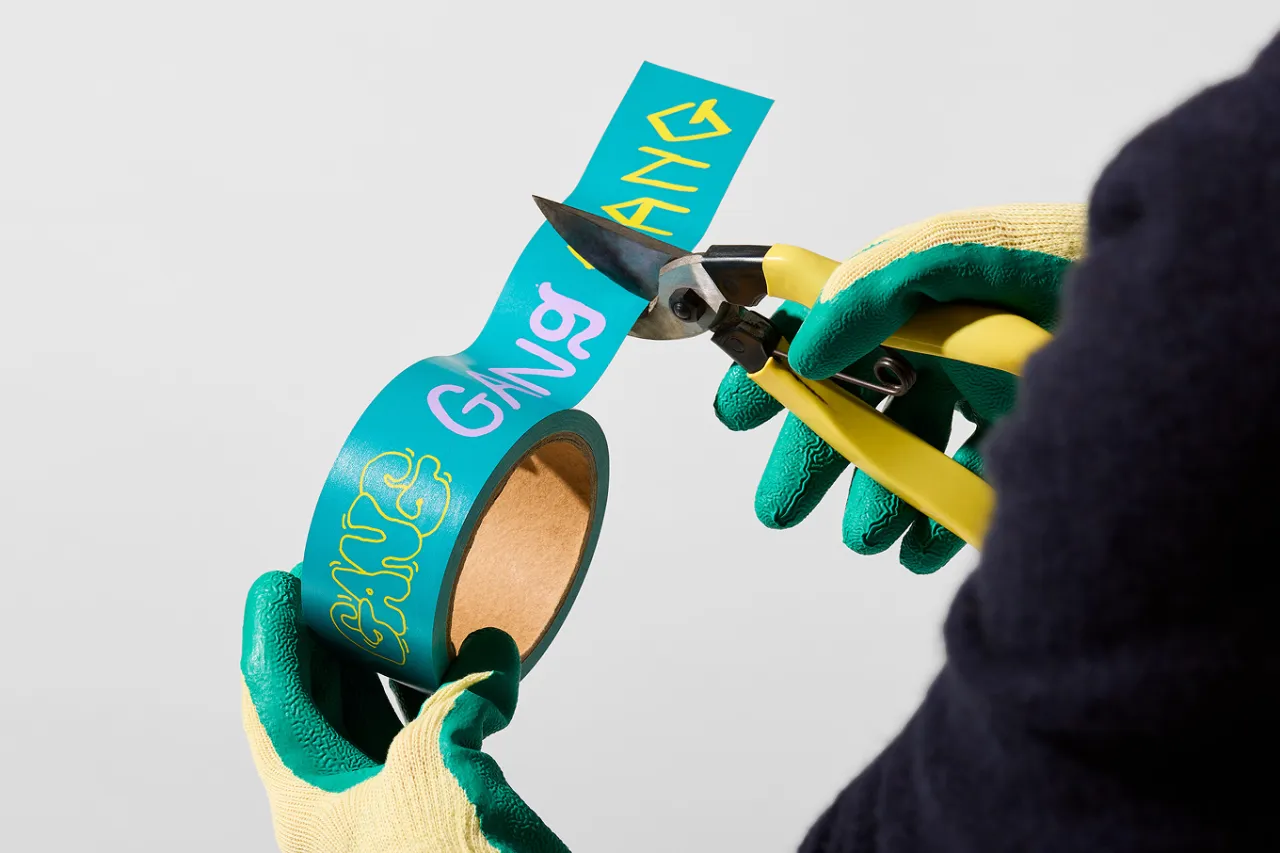
Land of Plenty's skill was in building a framework robust enough to contain all that variety without sanitising it. The 'Pot' is fixed and professionally designed; the 'Gang' roams free. That structural decision, simple as it sounds, is what makes the whole system work.
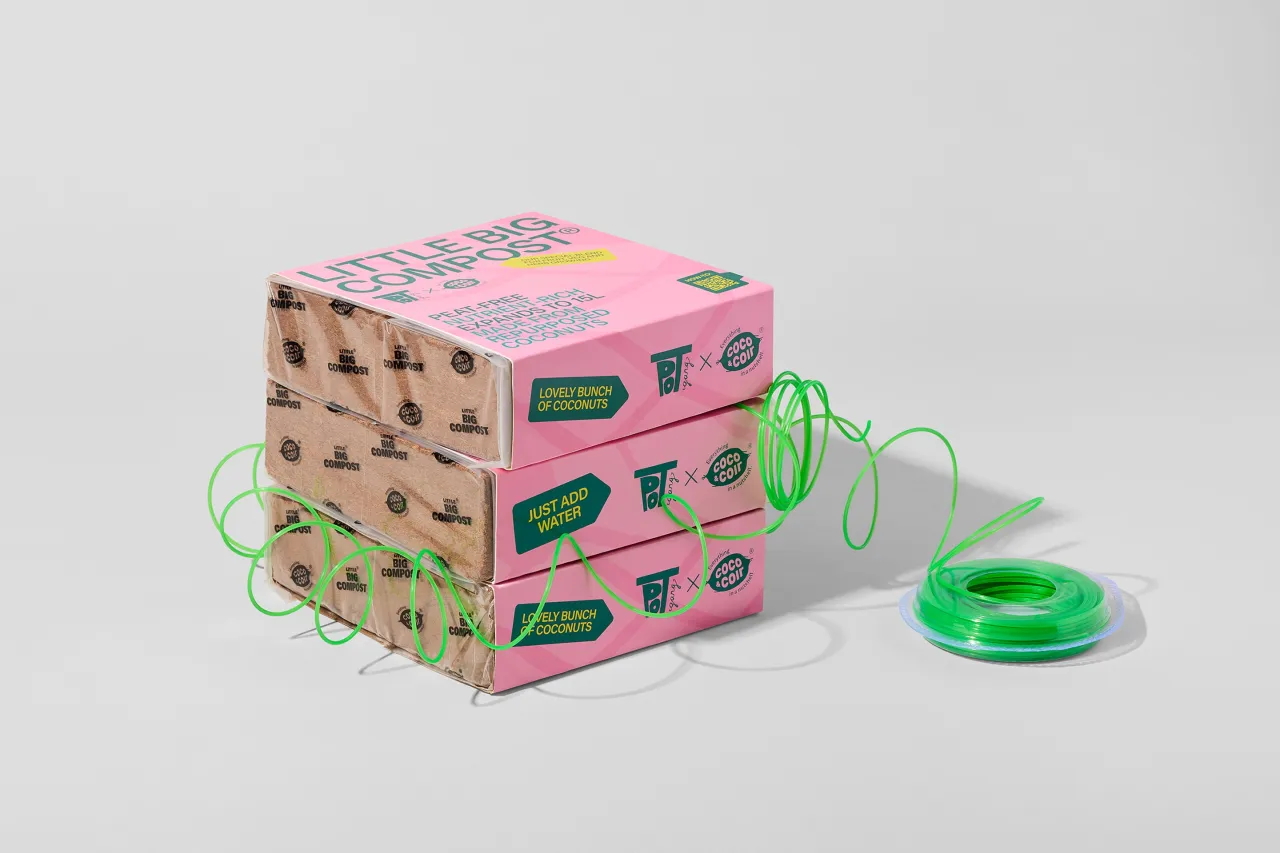
The same rigour was applied to packaging and the wider customer journey. Land of Plenty developed a flexible system spanning subscriptions, special editions and seasonal drops; all designed to scale without losing the playful, handmade quality that defines the brand.
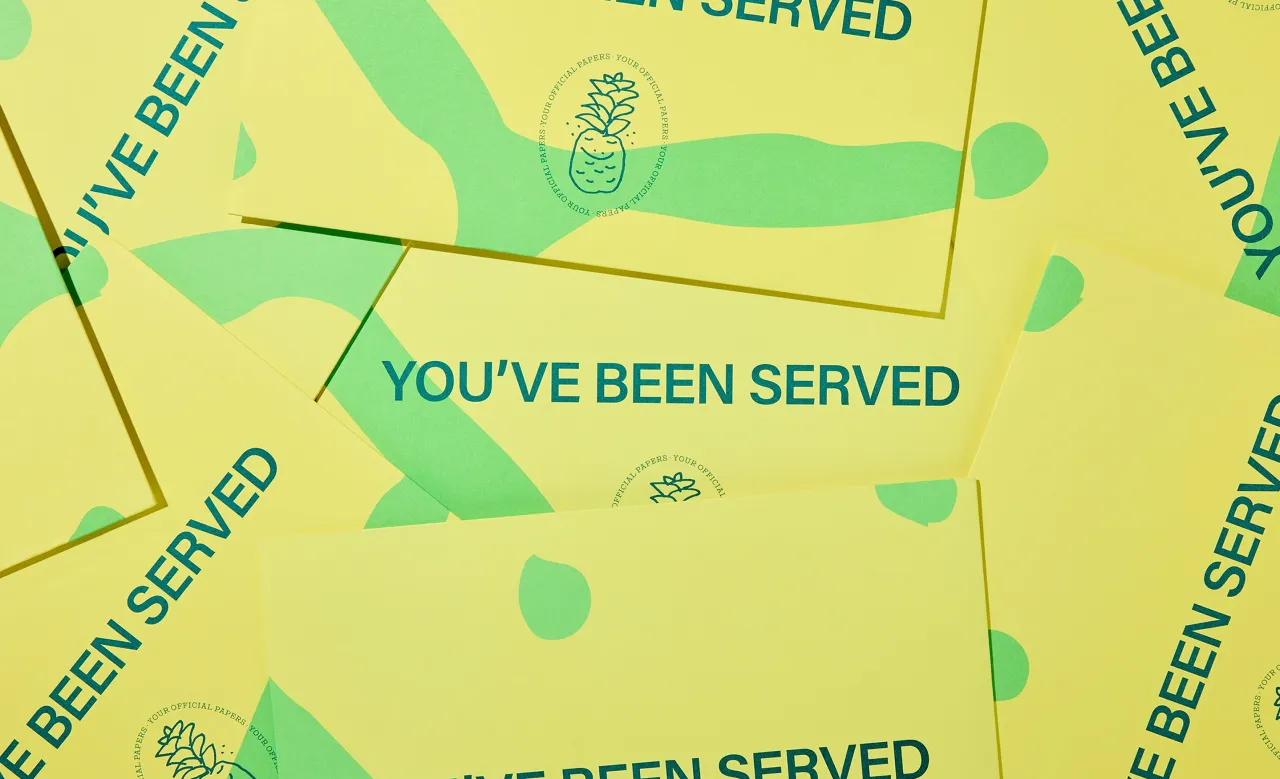
Individual packs carry seed characters, illustrated grow guides and cheeky copy ("You've been served", "Let's GROOOOOOOW!"), turning what might otherwise be functional subscription packaging into something subscribers actually look forward to receiving.
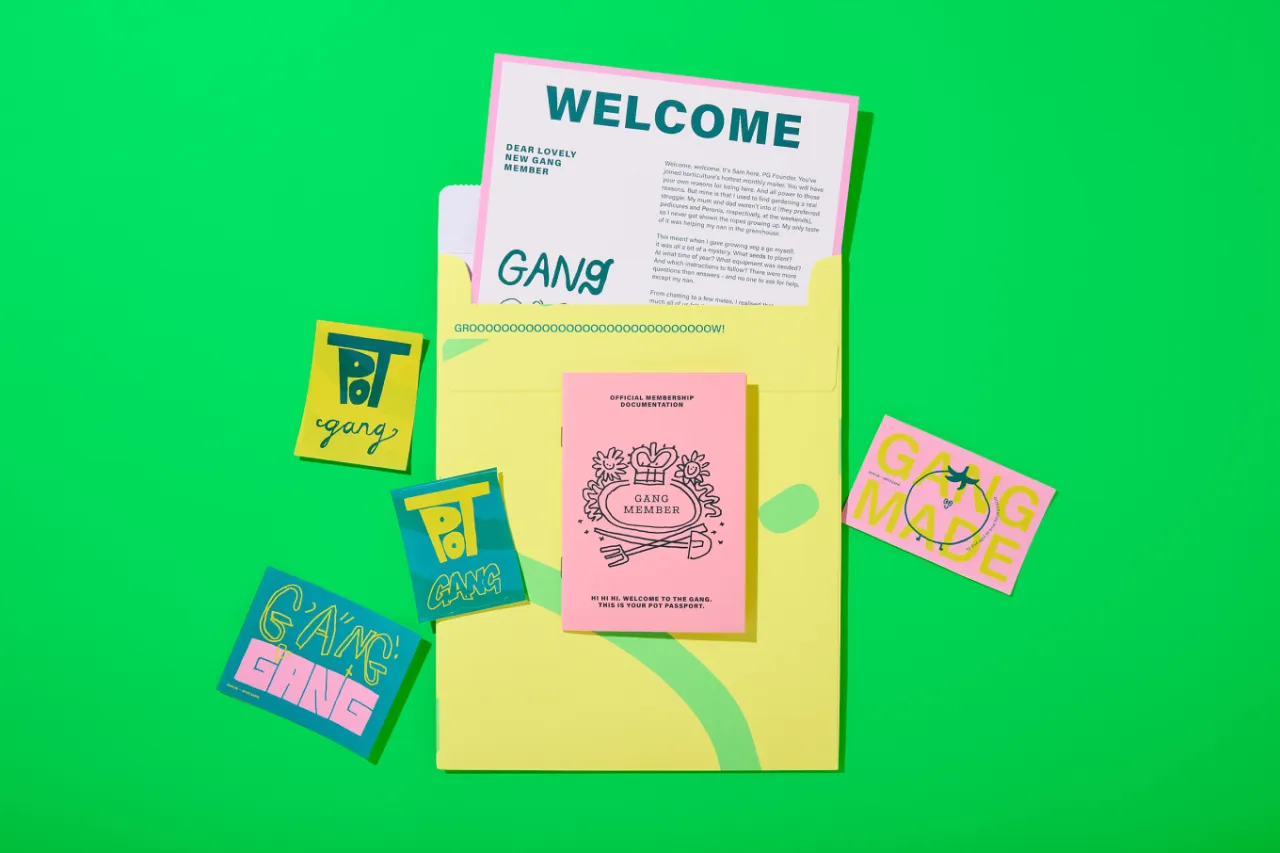
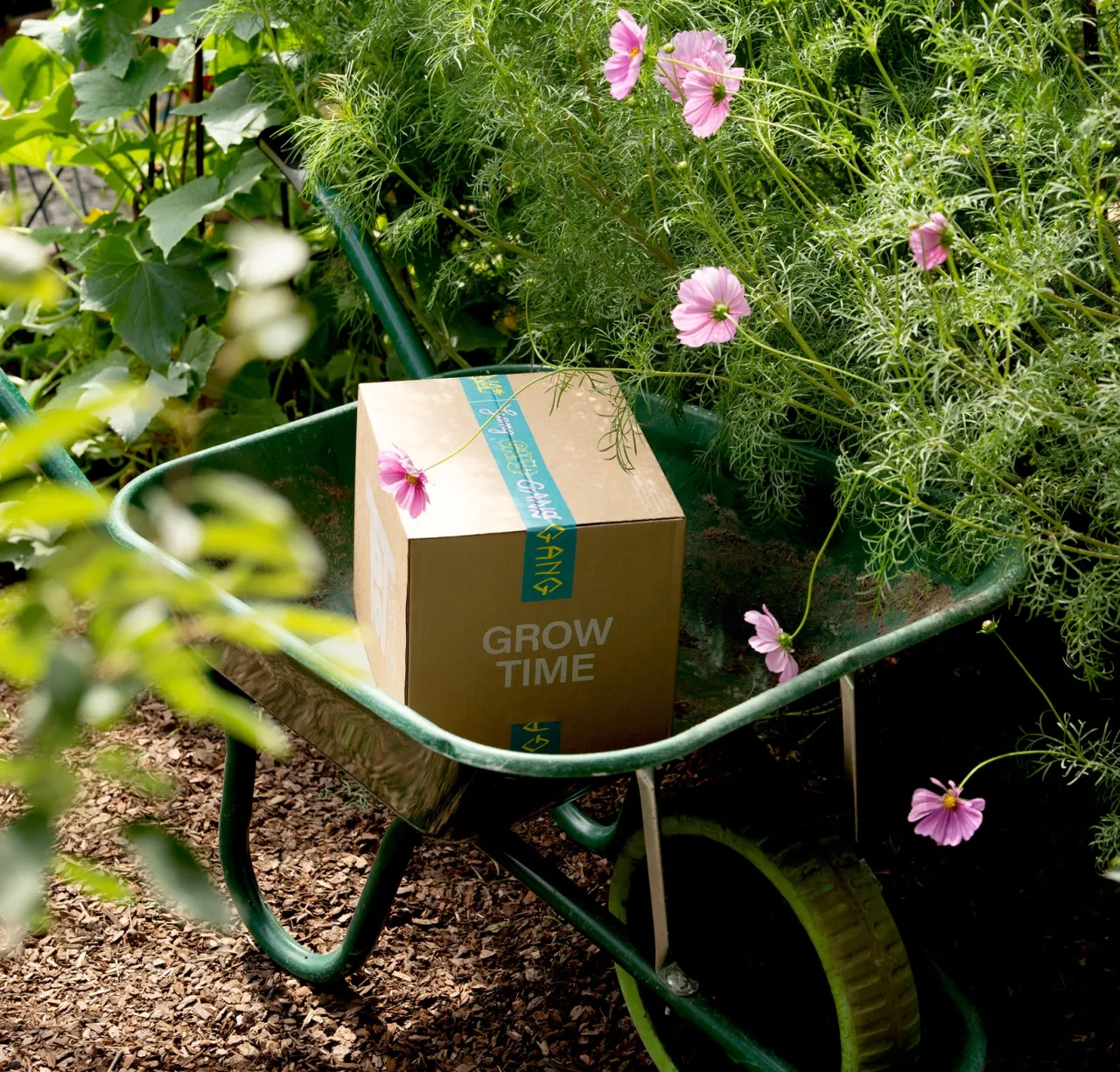
The thinking extended further still to Pot TV, a content platform featuring growing tips and guidance from community members, filmed in their own growing spaces. The gang, in other words, also makes the shows.
Key takeaways
The commercial results are striking, but the more interesting question is why this approach succeeded where others might have failed. The answer isn't simply "community is good." Plenty of brands have tried to crowdsource their identity, only to produce something either anonymous or embarrassing.
What Land of Plenty brought was strategic clarity: a precise understanding of what the brand needed to control (its structure, its values, its tone) and what it could safely release (the visual expression of the gang).
Sam, reflecting on the partnership, makes the point plainly. "When I first got in touch, Pot Gang had been going for four-ish years, so we had a vibe already floating within our brand and community. But I was struggling to bottle that feeling. Land of Plenty absorbed everything about us and helped Pot Gang express itself in such a fun, joyful and interactive way. Nailed it!"
"The Gang Made idea gave our community a real role in shaping the brand," Sam adds. "It's changed how we think about everything: from product to content to communication."
For any creative wondering if genuine participation can sit alongside genuine craft, Pot Gang is a compelling argument that it can. The secret, as ever, is knowing exactly where to draw the line.
Editor's Picks
Trending


Latest Jobs
Senior Operations Manager at BIG Partnership
Full-time·Glasgow·£45k–£50k
Senior 3D Motion Designer at Art&Graft
Full-time·London·£50k-£65k
Associate Web Designer at Planhat
Full-time·London·£30,000 – £35,000
Brand Designer, Product Launches at Figma
Full-time·New York·$127k–$269k
Creative Content Executive at Cognition
Full-time·Birmingham·£28k–£35k
Principal Software Engineer at BBC Media Tech
Full-time·Glasgow·Up to £83,790