At 93, Quentin Blake is finally getting illustrators the public recognition they deserve
Twenty-five years in the making, the Quentin Blake Illustration Centre will open this June. And it makes a powerful case for a discipline that's lacked attention and prestige for far too long.
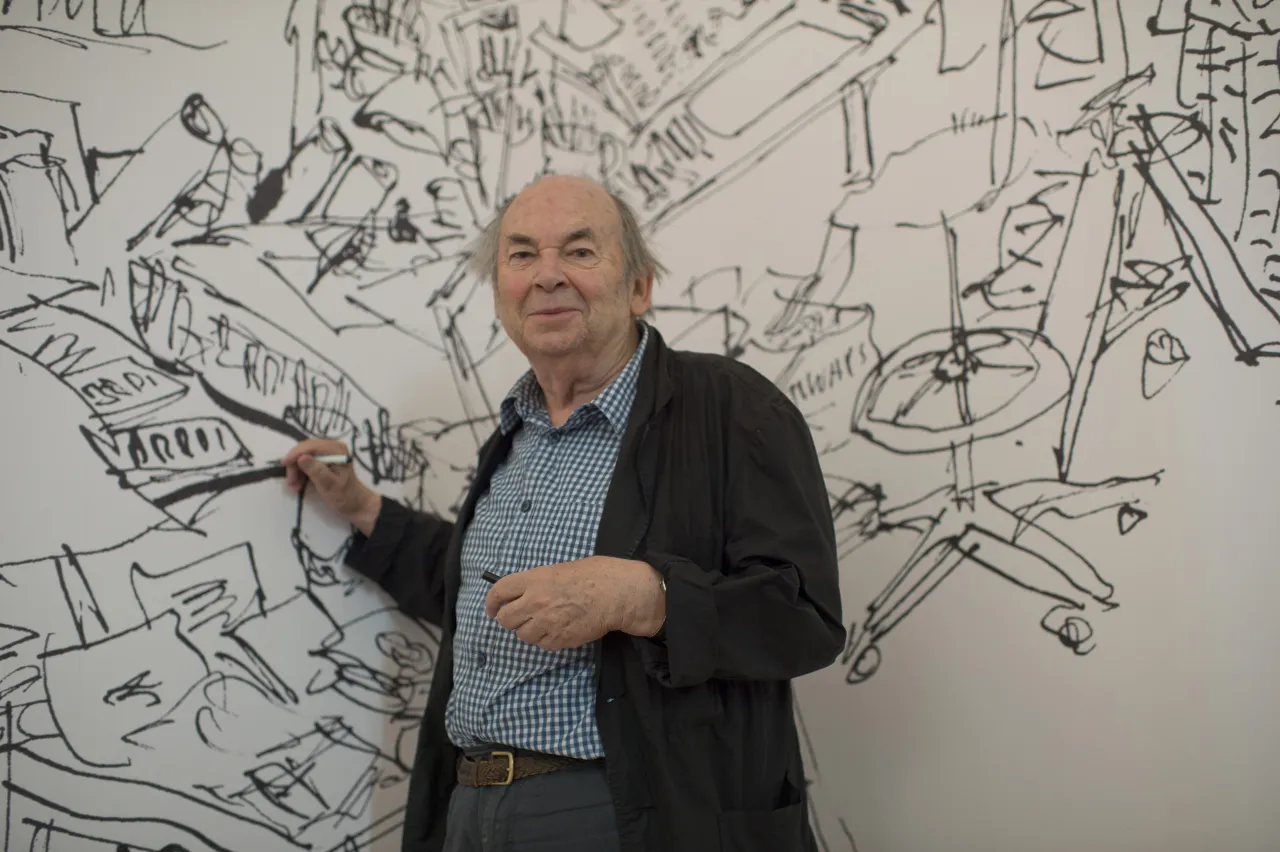
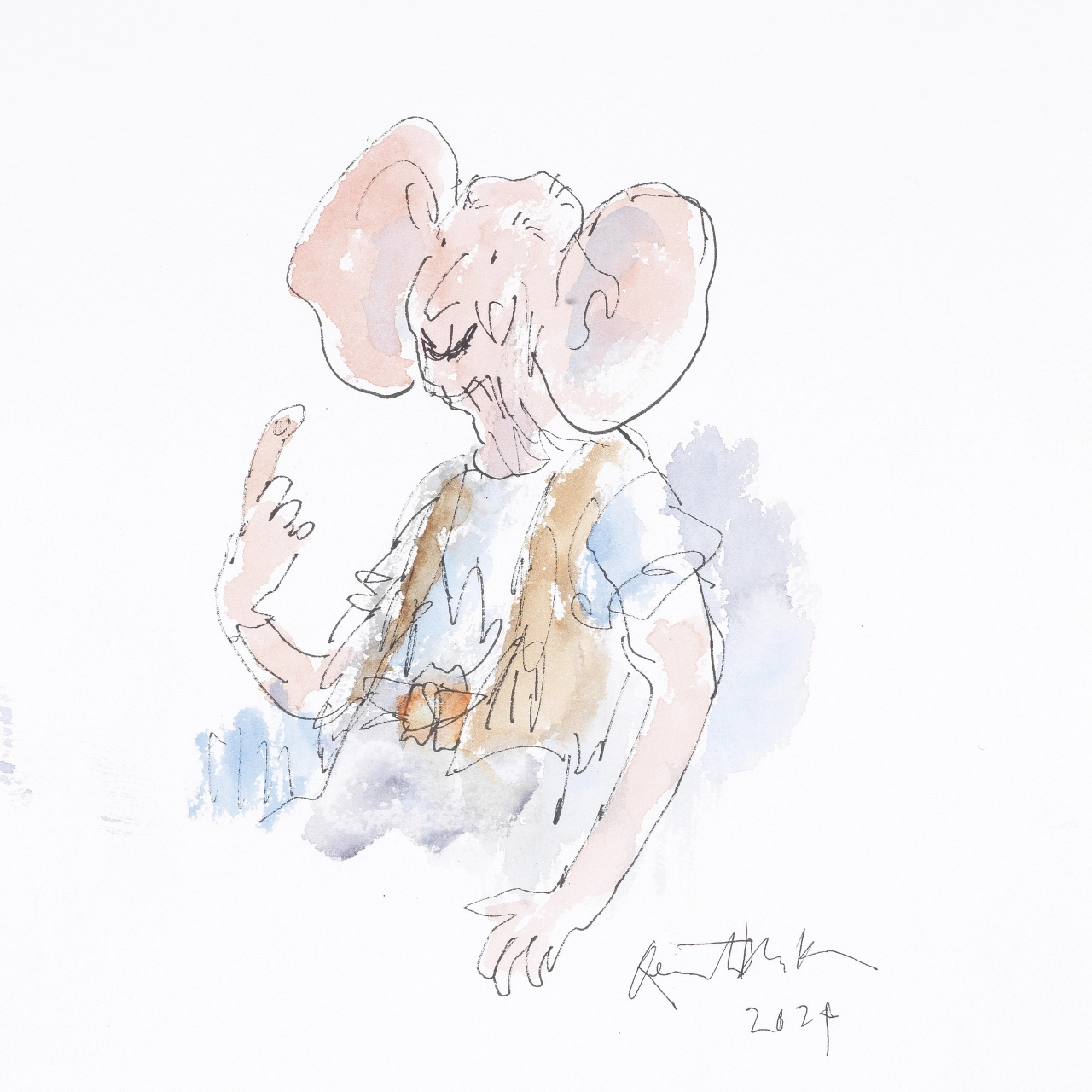
If you've spent any time in the creative industries, you'll have noticed that illustration occupies a strange, slightly insecure position in the cultural hierarchy. It's everywhere, it shapes how we understand everything from medicine to politics to childhood, and yet it rarely gets the institutional respect afforded to fine art, design or even typography. Quentin Blake, the 93-year-old artist responsible for the BFG, Matilda, Mrs Armitage and around 500 other books, has spent the best part of three decades doing practical to solve that. And on Friday 5 June, he'll finally get to see the result.
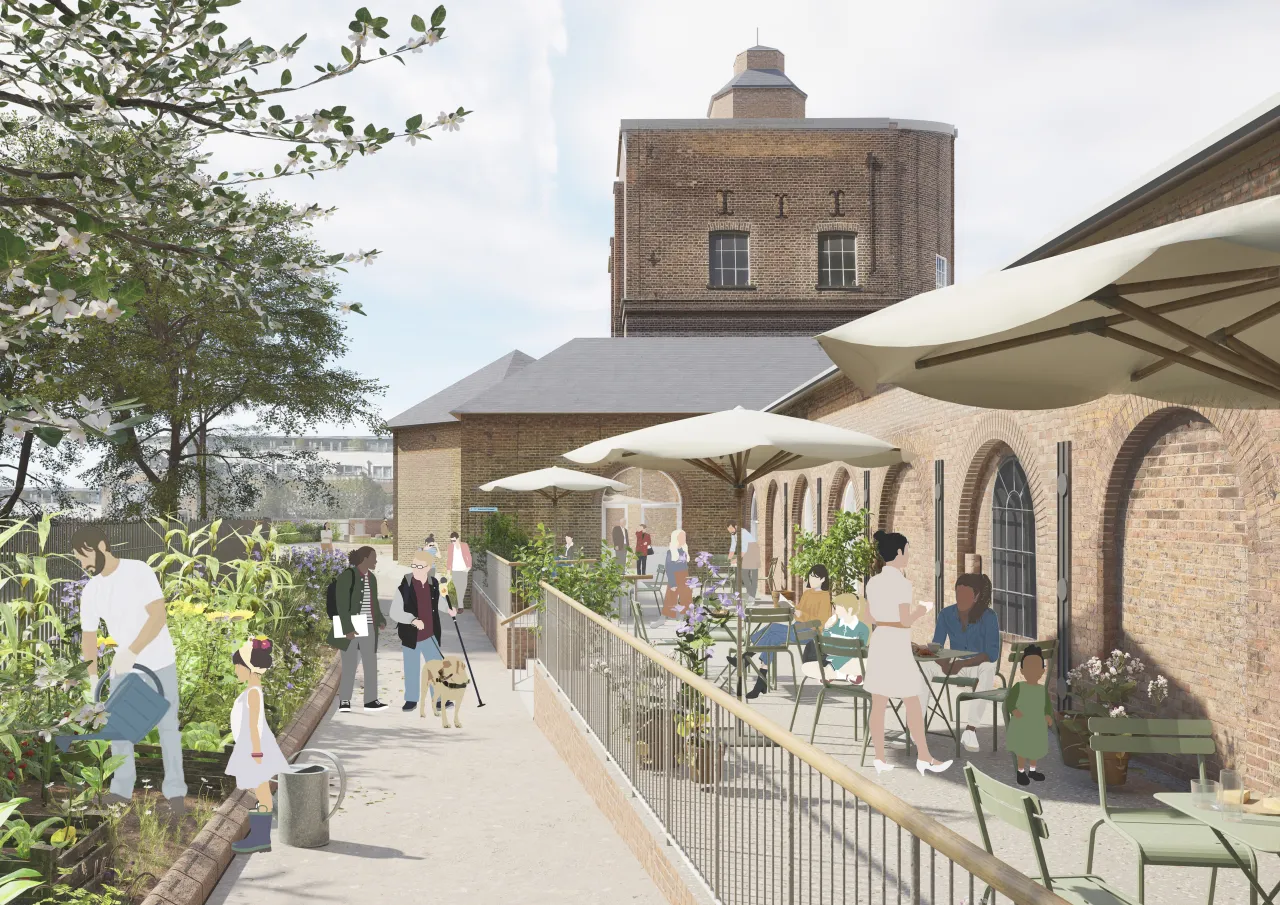
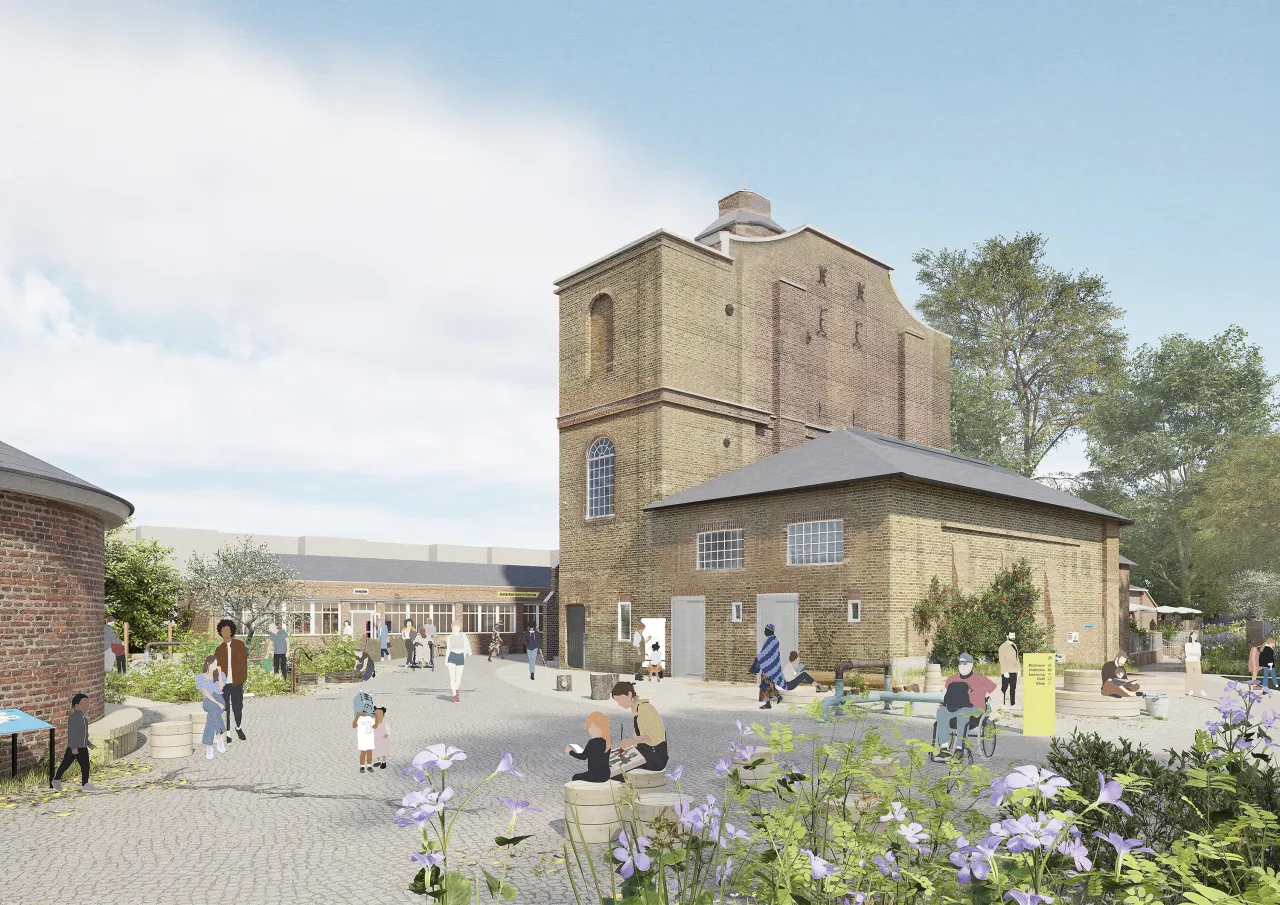
The Quentin Blake Centre for Illustration opens its doors in Clerkenwell this summer. Housed in a beautifully restored 18th-century waterworks at New River Head, it's the world's largest permanent public space dedicated to illustration, and it has been a very long time coming.
Quentin first pushed for a national centre during his tenure as Britain's inaugural children's laureate, from 1999 to 2001. A smaller version, the House of Illustration, operated in King's Cross from 2014 to 2020, but rented premises limited the ambition. Now, with a £12.5 million project behind it, including £3.75 million from the National Lottery Heritage Fund, the charity finally has a permanent home.
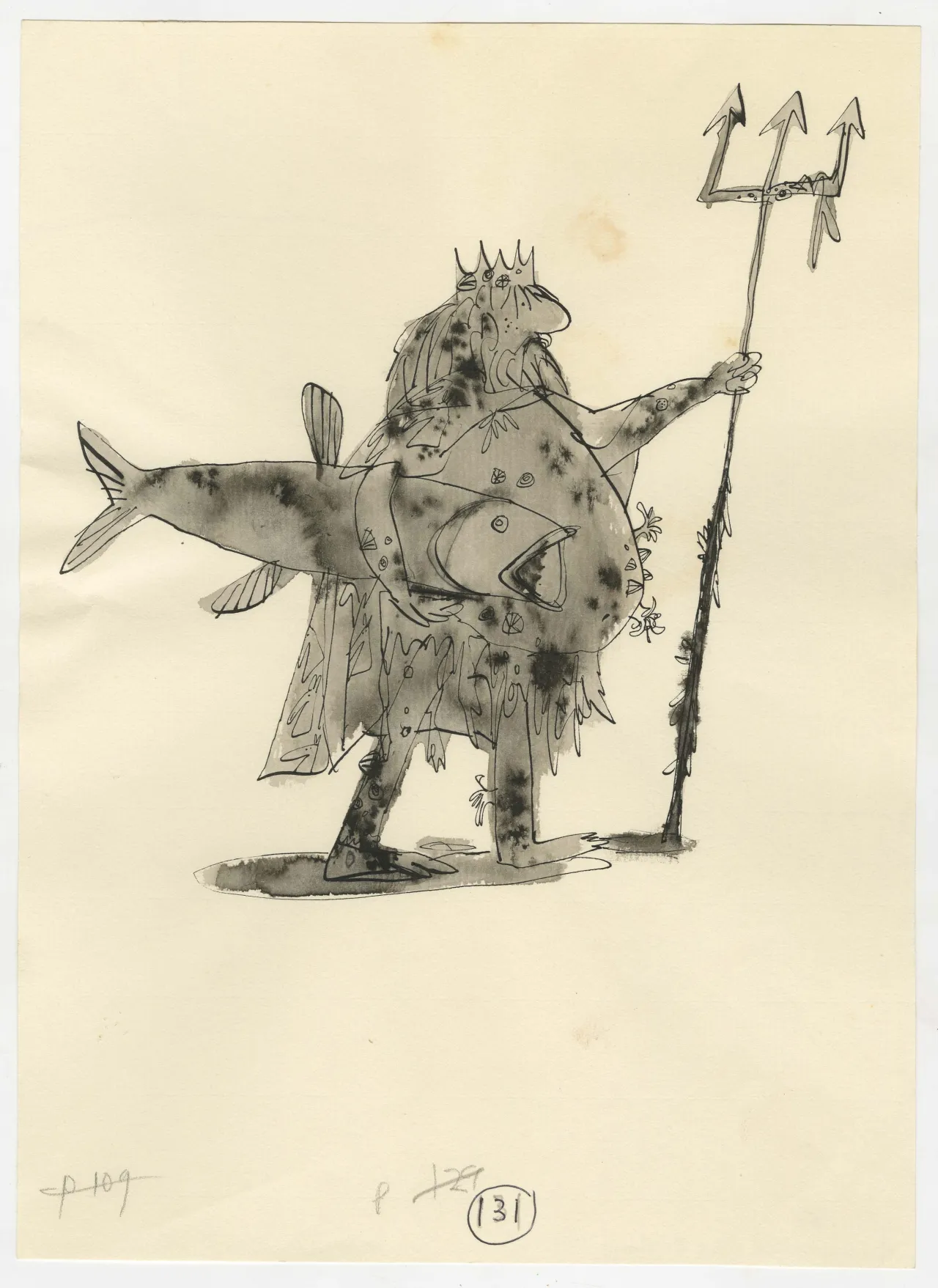
It's worth pausing on what all that actually means. Illustration is, as Quentin puts it, both art and entertainment—and that's precisely why it's been so easy to dismiss. "At one time, painters told stories," he recently told The Telegraph, citing Tintoretto's ceiling at the Scuola Grande di San Rocco in Venice as, essentially, a very prestigious illustration job.
His point is that the line between high art and applied image-making has always been blurry, and the instinct to police it says more about institutional snobbery than it does about the work itself. The new centre is, among other things, a very large, very well-funded argument in favour of that position; one that's been 25 years in the making.
Drawing as performance
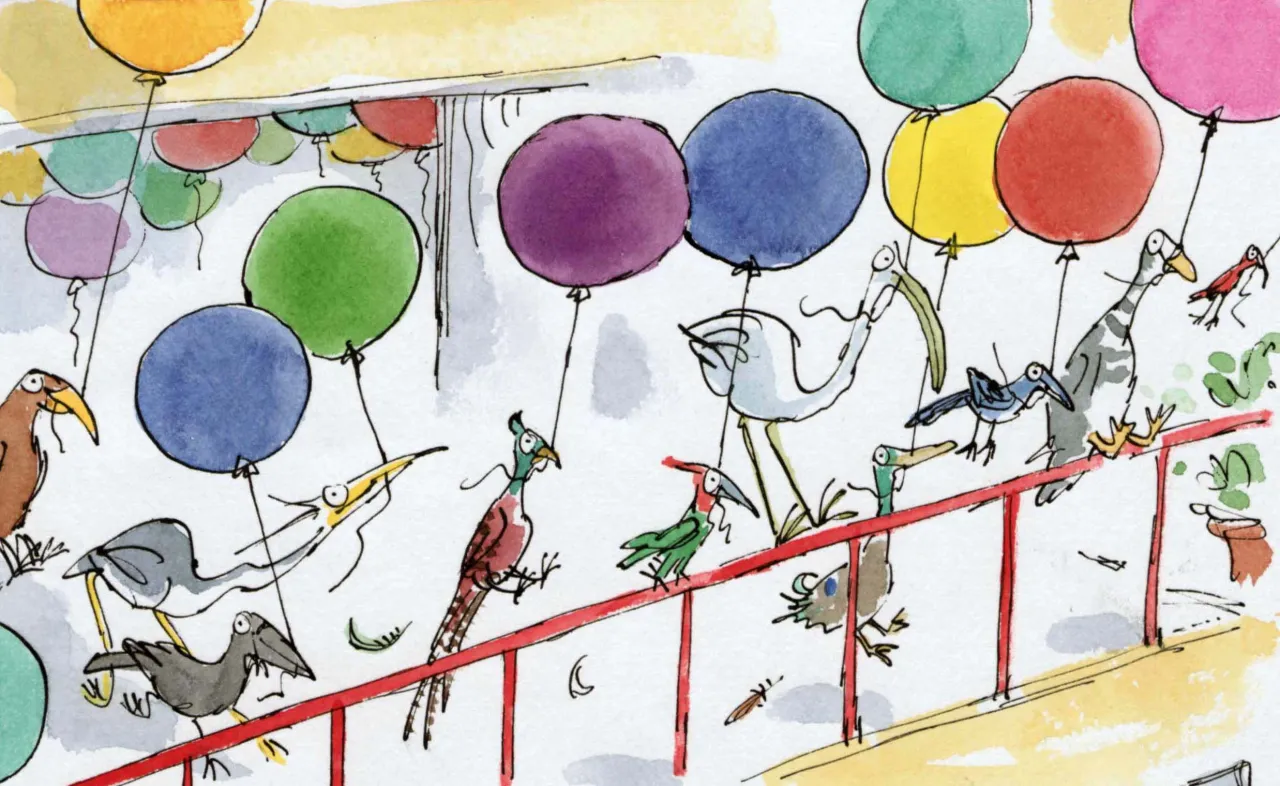
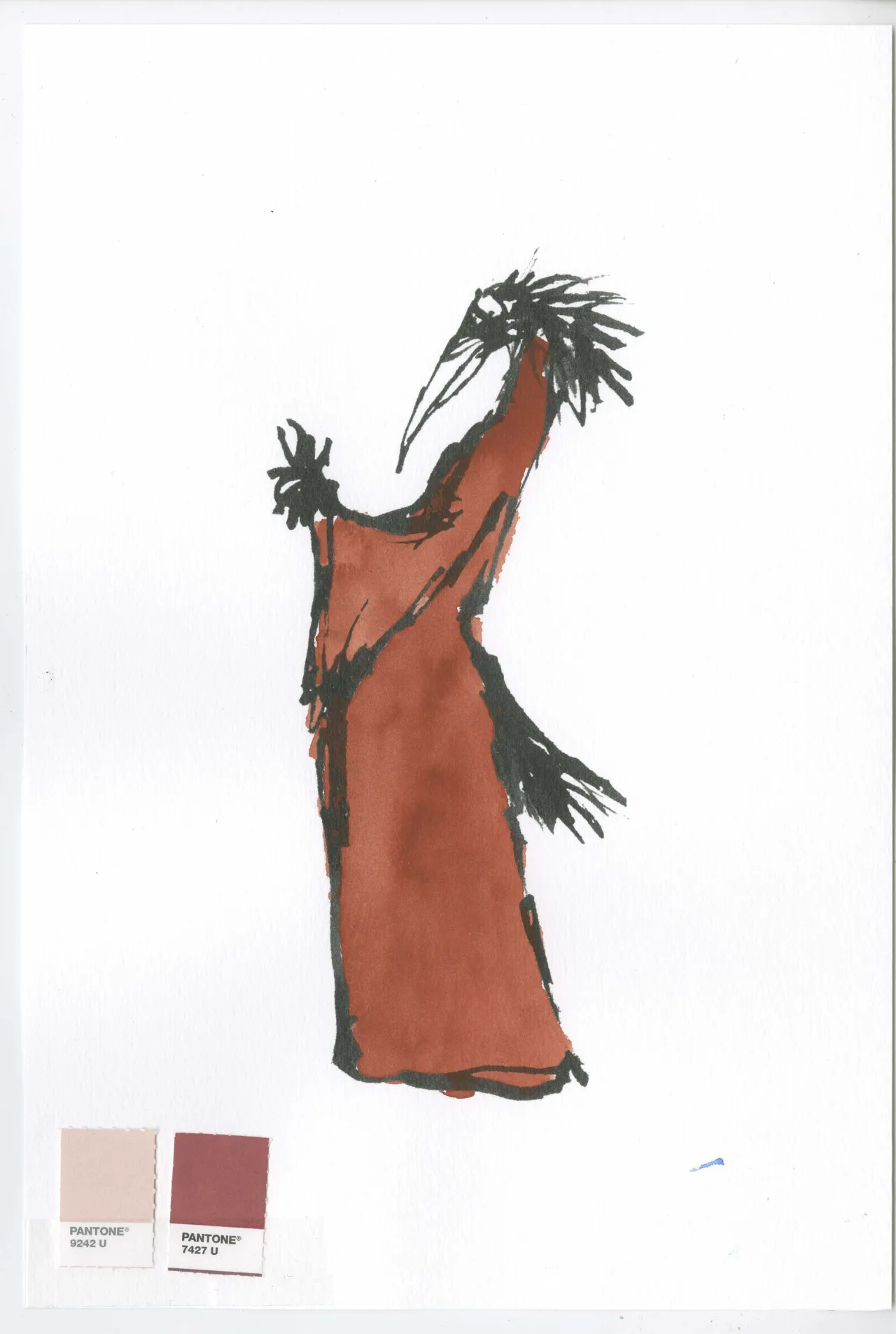
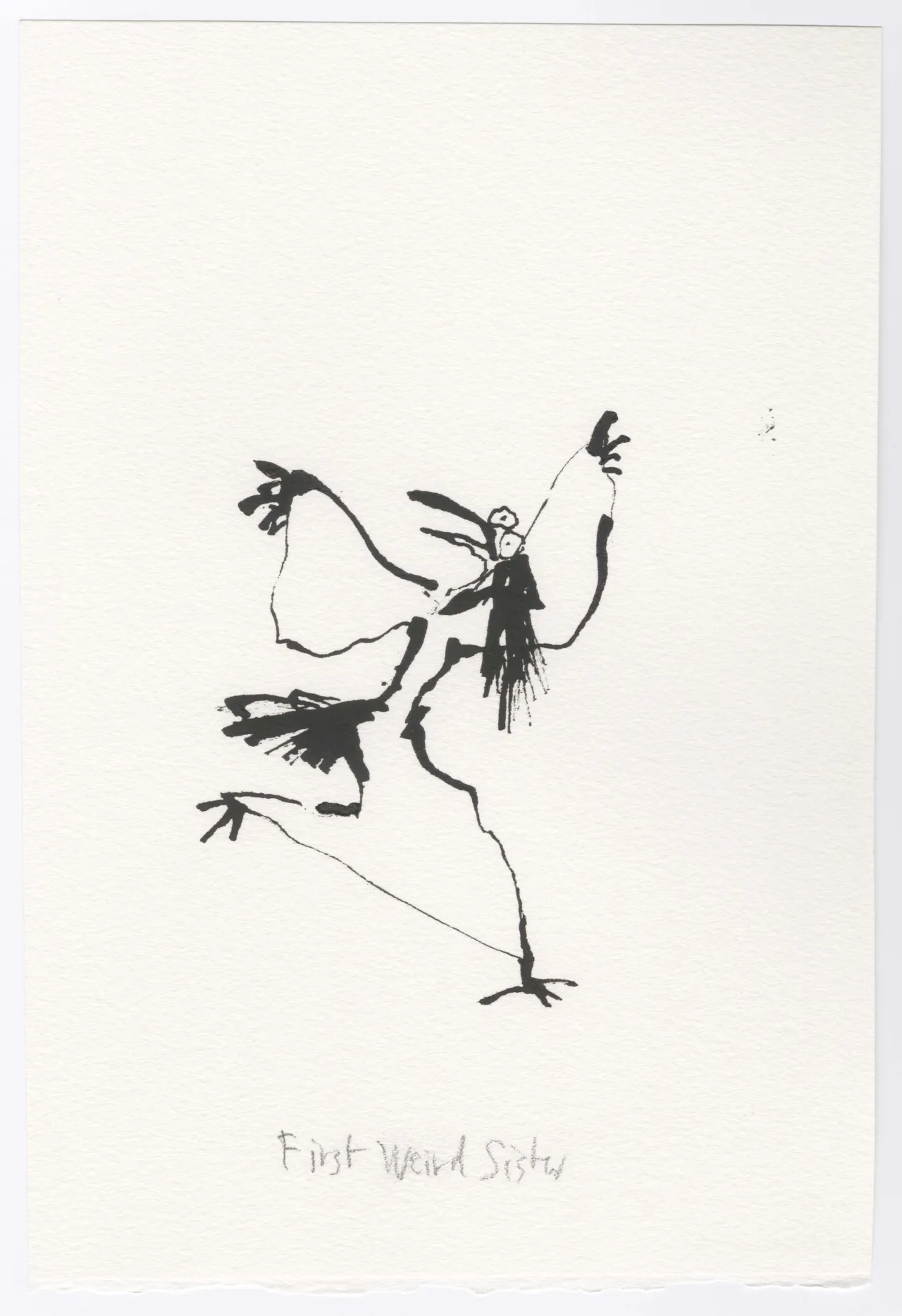
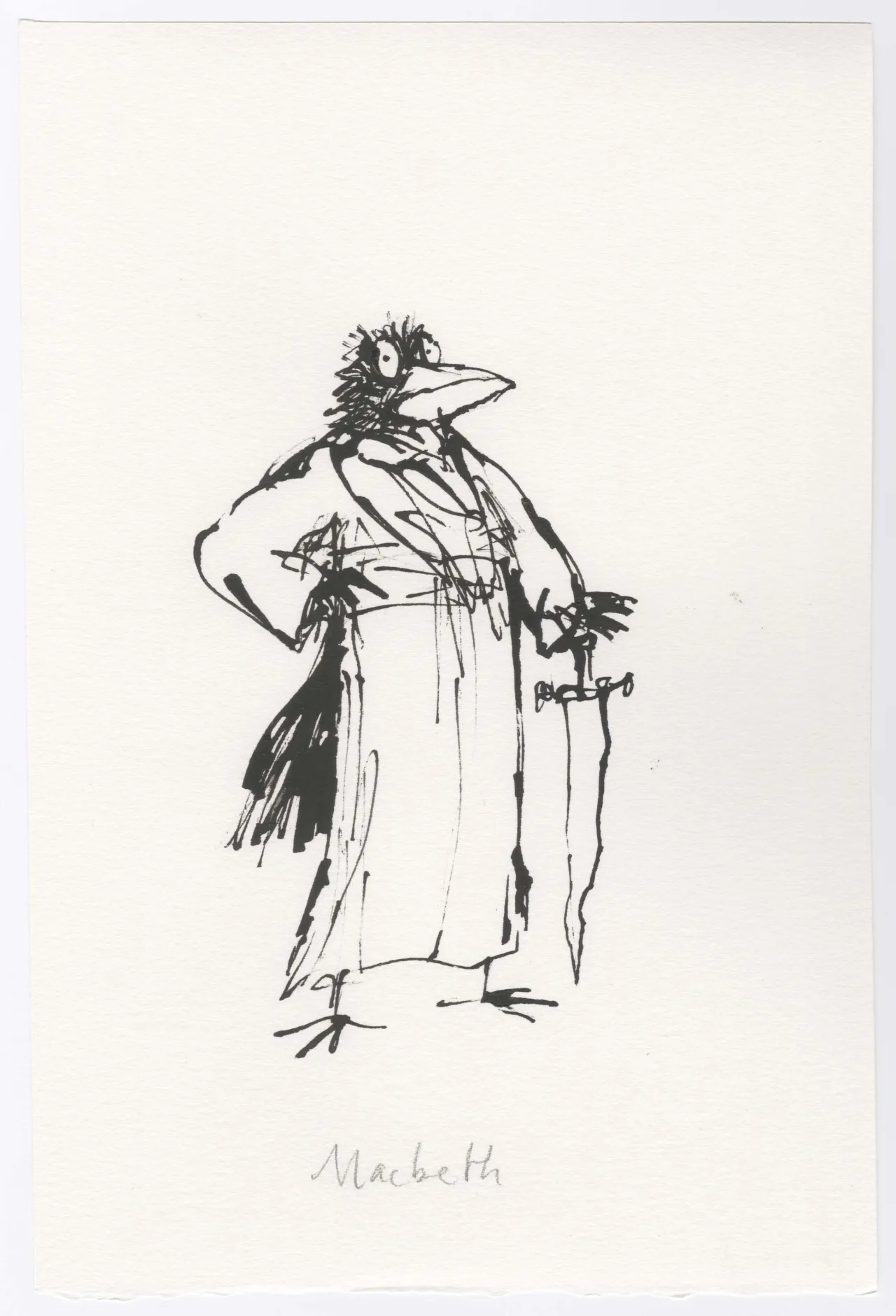
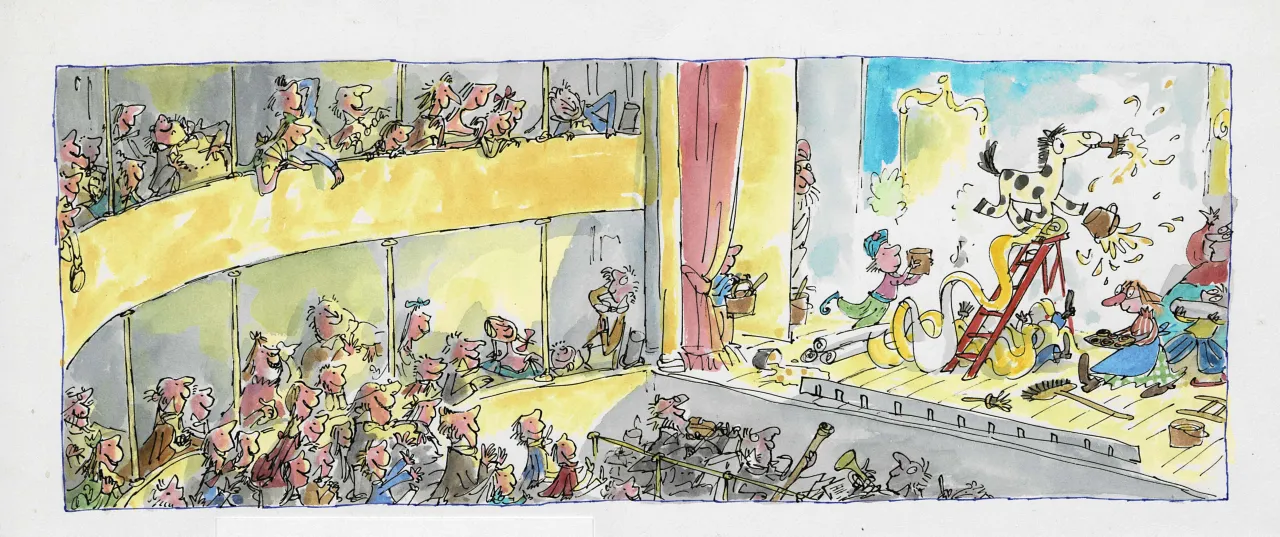
Its opening exhibitions are a good indication of what the Centre wants to stand for: they're broad, surprising and committed to illustration in the widest possible sense. The flagship show is Quentin Blake: Performance, running from 5 June until May 2027, and it's the first to explore how theatrical traditions have shaped Quentin's almost 80-year career. There are more than 100 original works on paper, many never publicly displayed, including preparatory sketches, rarely seen magazine illustrations, and nearly 40 new depictions of Macbeth characters as birds.
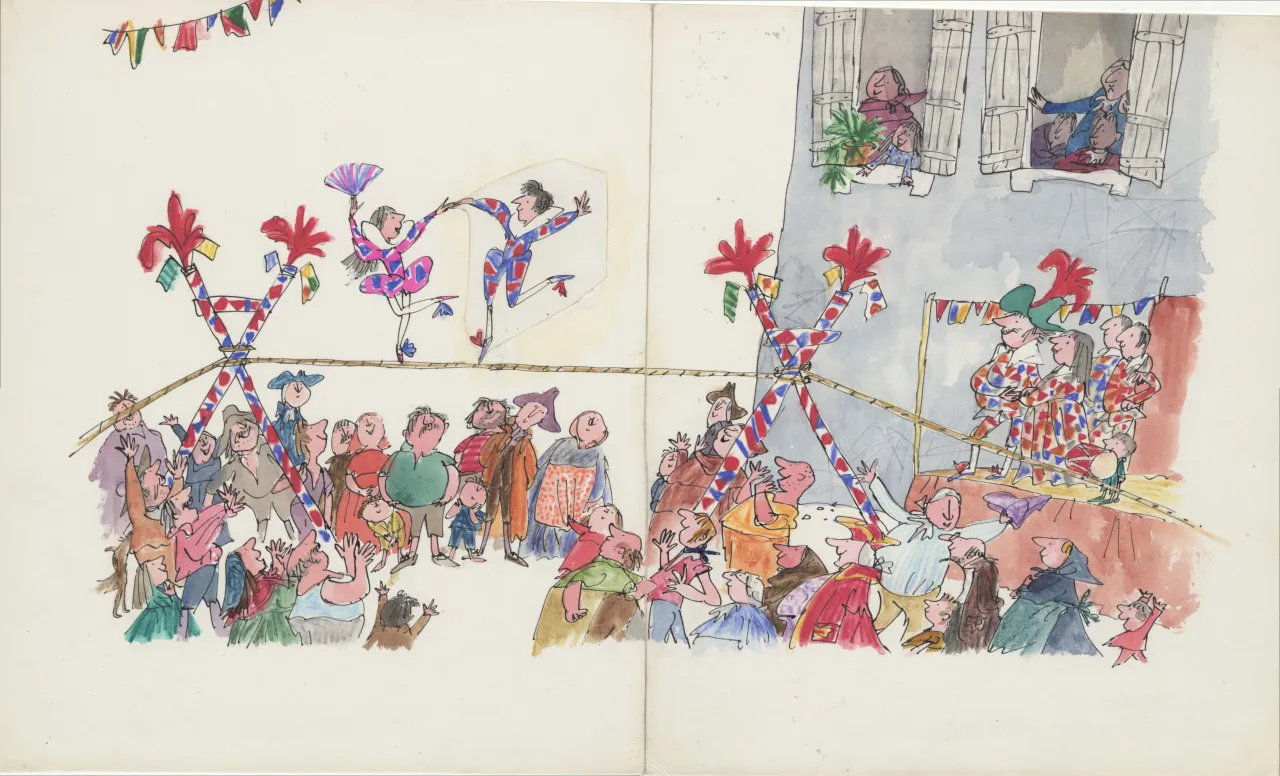
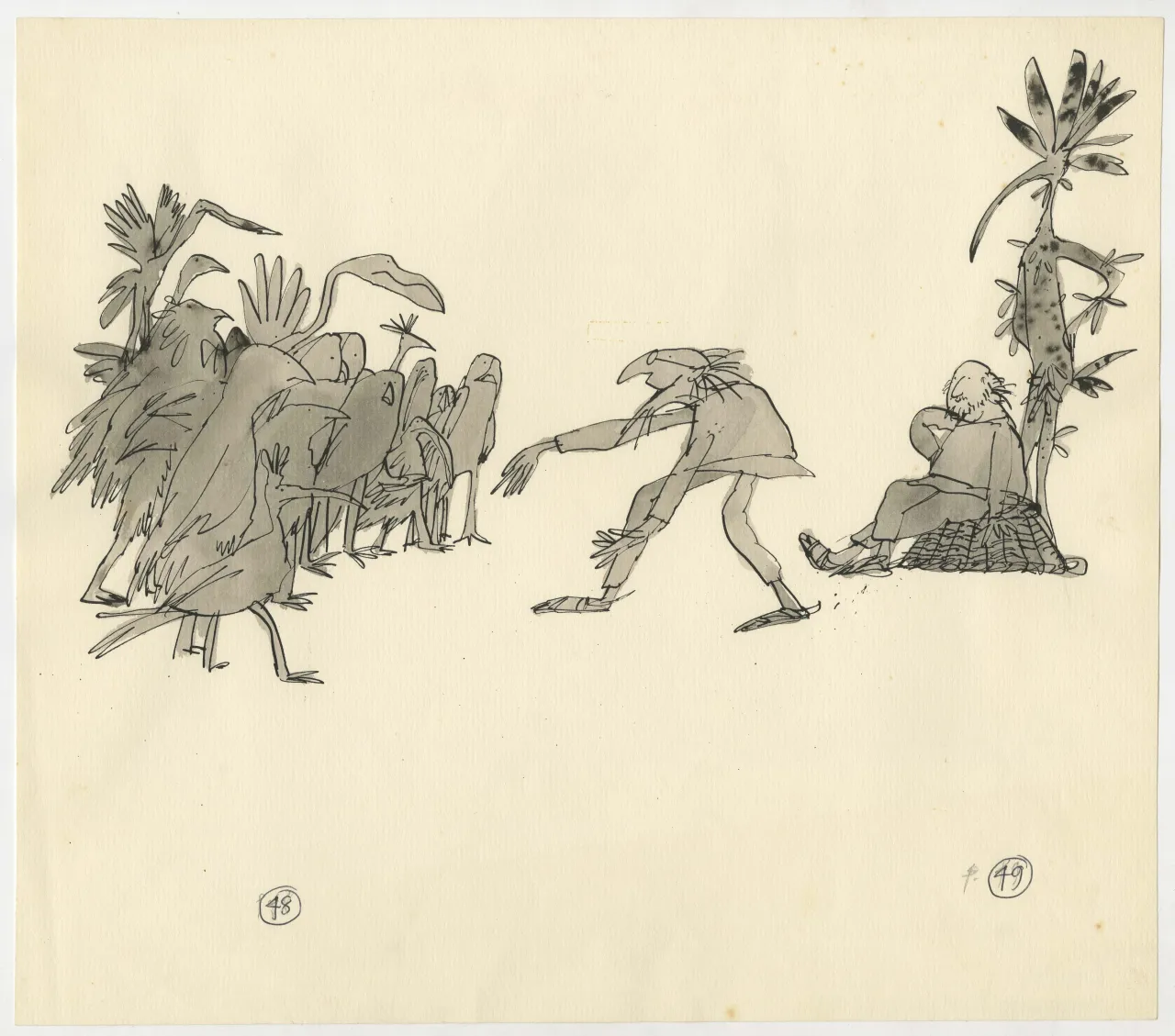
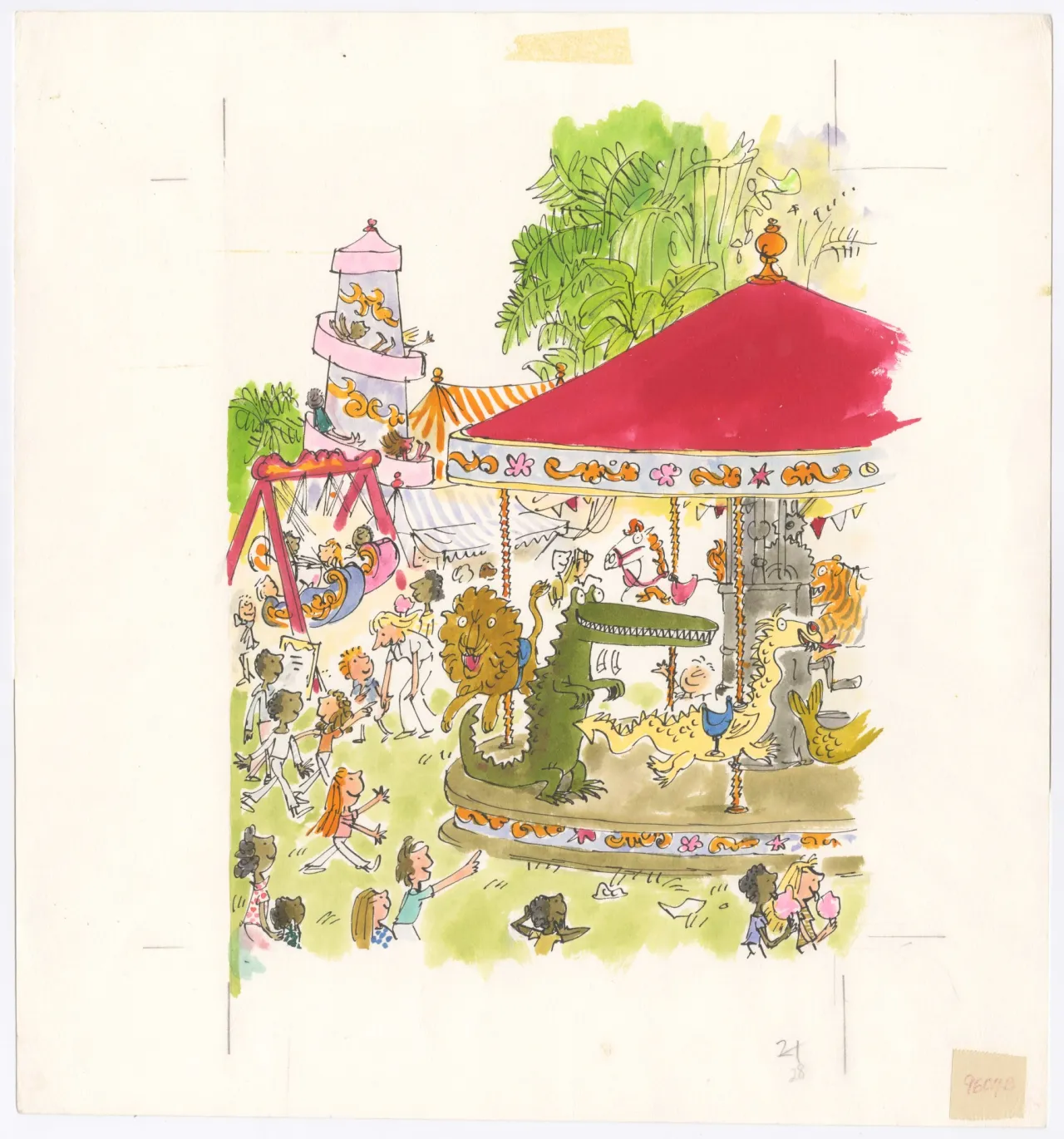
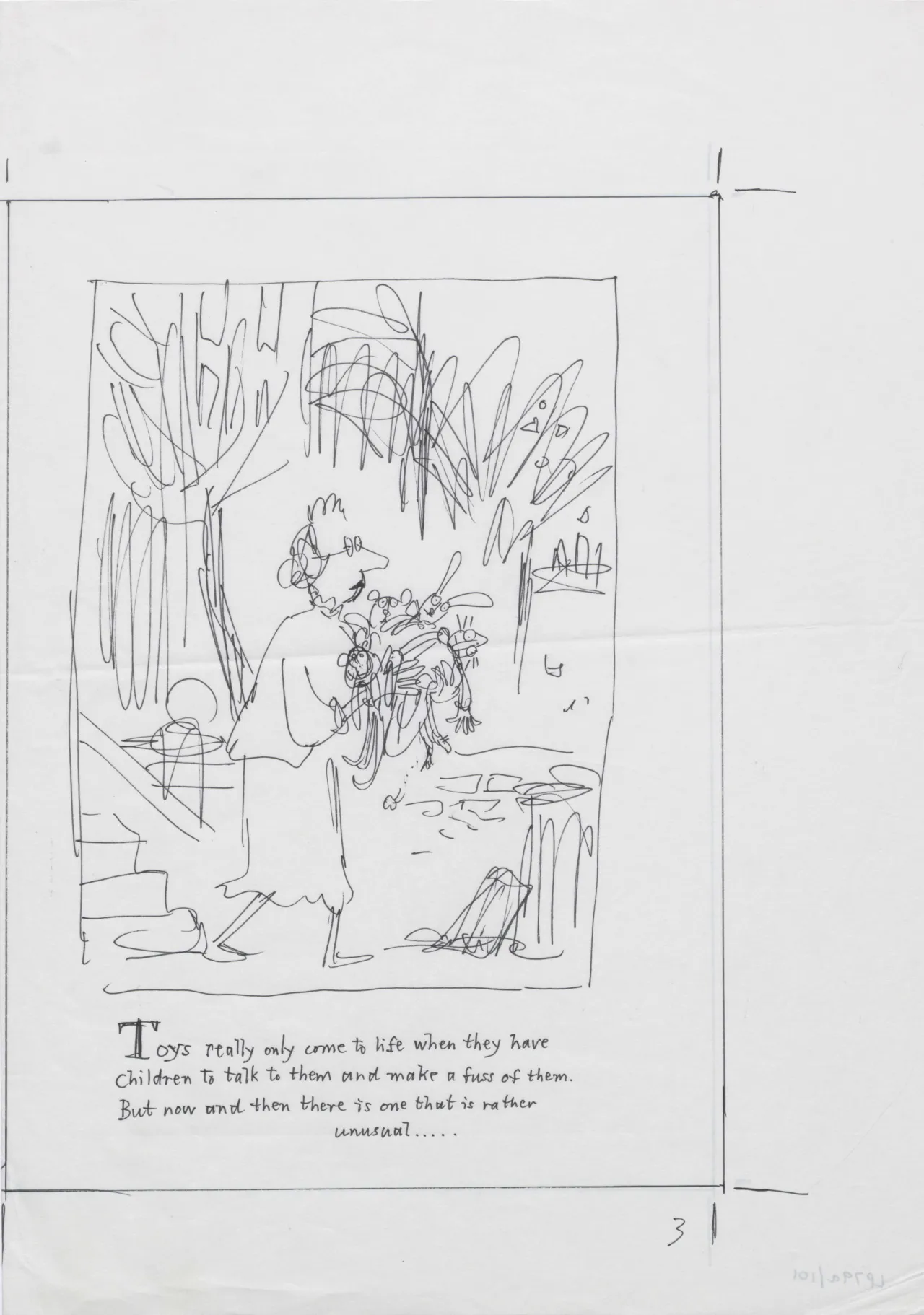
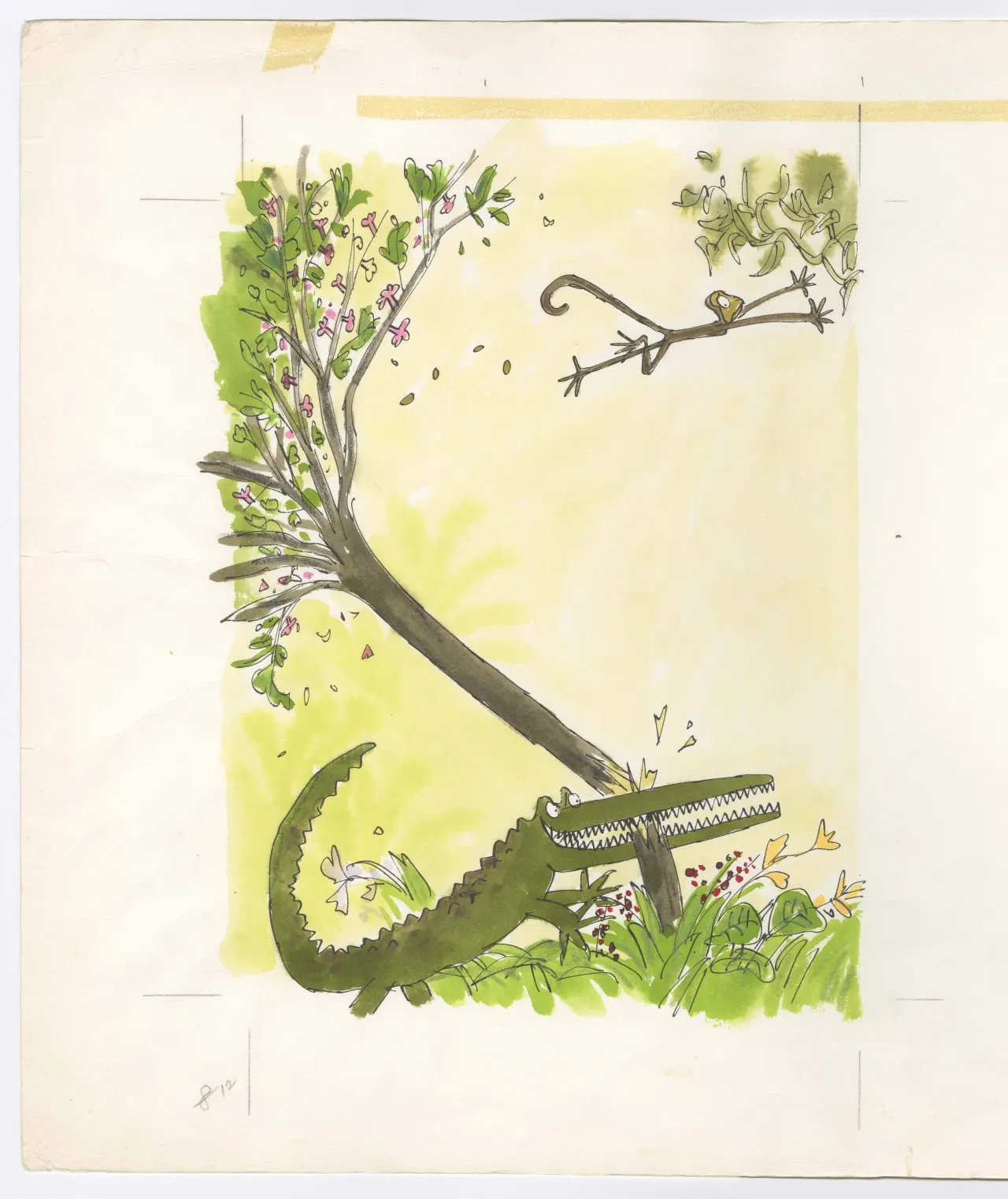
The theatre connection runs deep. Quentin has described drawing as being "like acting, but you don't have to learn the words". When he draws an arm in motion, he says, it's not anatomy he's thinking about, it's gesture: "If it's a very strong gesture, you might make the arm a bit longer. You move with it." This is a useful thing for any illustrator or animator to hear from someone who's been at it since 1949, when his first cartoon appeared in Punch while he was still at school. The physicality of mark-making, the idea that the body is involved in drawing rather than just the hand, is something that gets lost in an era of tablet screens and undo buttons.
There are some genuinely exciting individual pieces in the show. An early caricature of Laurence Olivier playing a hapless music-hall comic in The Entertainer, drawn to accompany a theatre review in 1957, sits alongside preparatory material for The Enormous Crocodile (1978), the first Roald Dahl book Quentin illustrated, and some spare, quietly unsettling work produced for a Folio Society edition of Beckett's Waiting for Godot. Quentin has said the Beckett was tricky "because you can't make up the scenery: there isn't any." The constraint clearly suited him.
The other shows
The opening programme doesn't rest on Quentin's reputation alone. Queer as Comics, running until 4 October, is the first major UK exhibition on LGBTQIA+ comic-making, curated by comics specialist Paul Gravett. It spans the 1940s to the present day, featuring original artwork from over 60 artists, including Tove Jansson, Alison Bechdel and Tom of Finland.
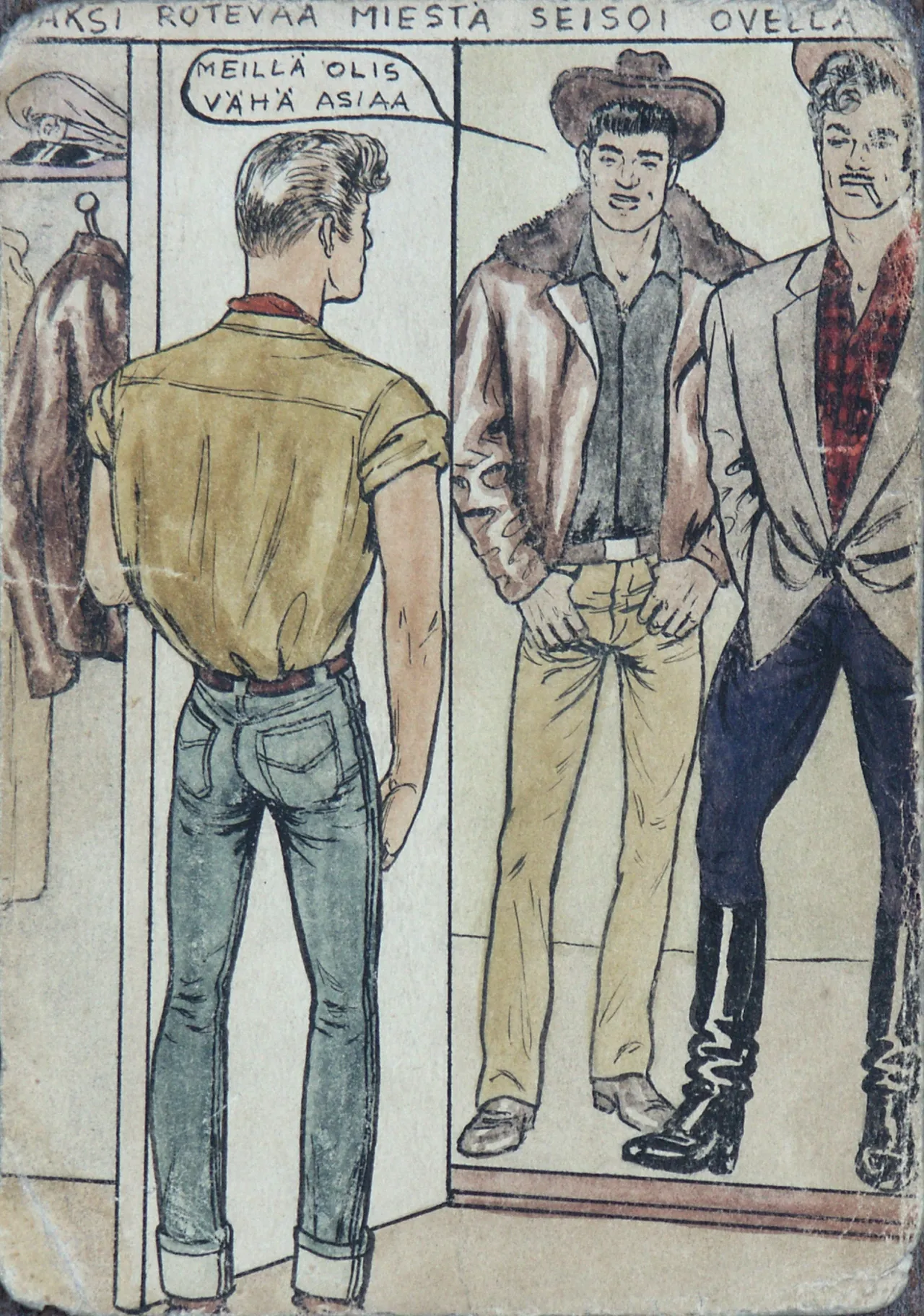
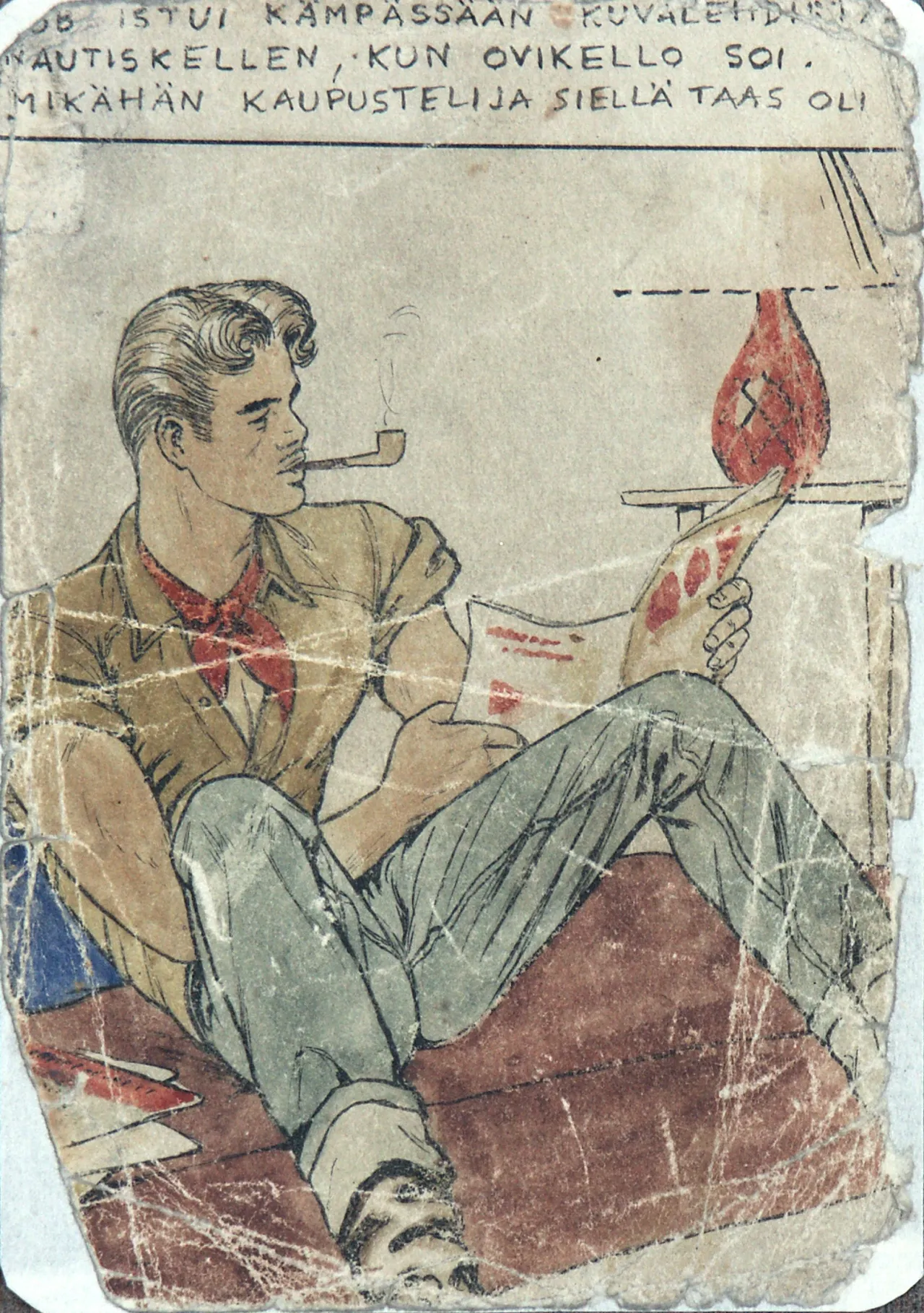
Many of the works have never been publicly displayed. Highlights include the UK's first published gay comic strip, a 1969 James Bond parody, and Jansson's Moomin strips for the London Evening News, in which the characters were partly based on her and her lesbian community. It's a serious, necessary piece of cultural history, and the fact that it's opening alongside a Quentin retrospective in a building named after him says something important about the Centre's ambitions. This isn't a vanity project; it's a platform.
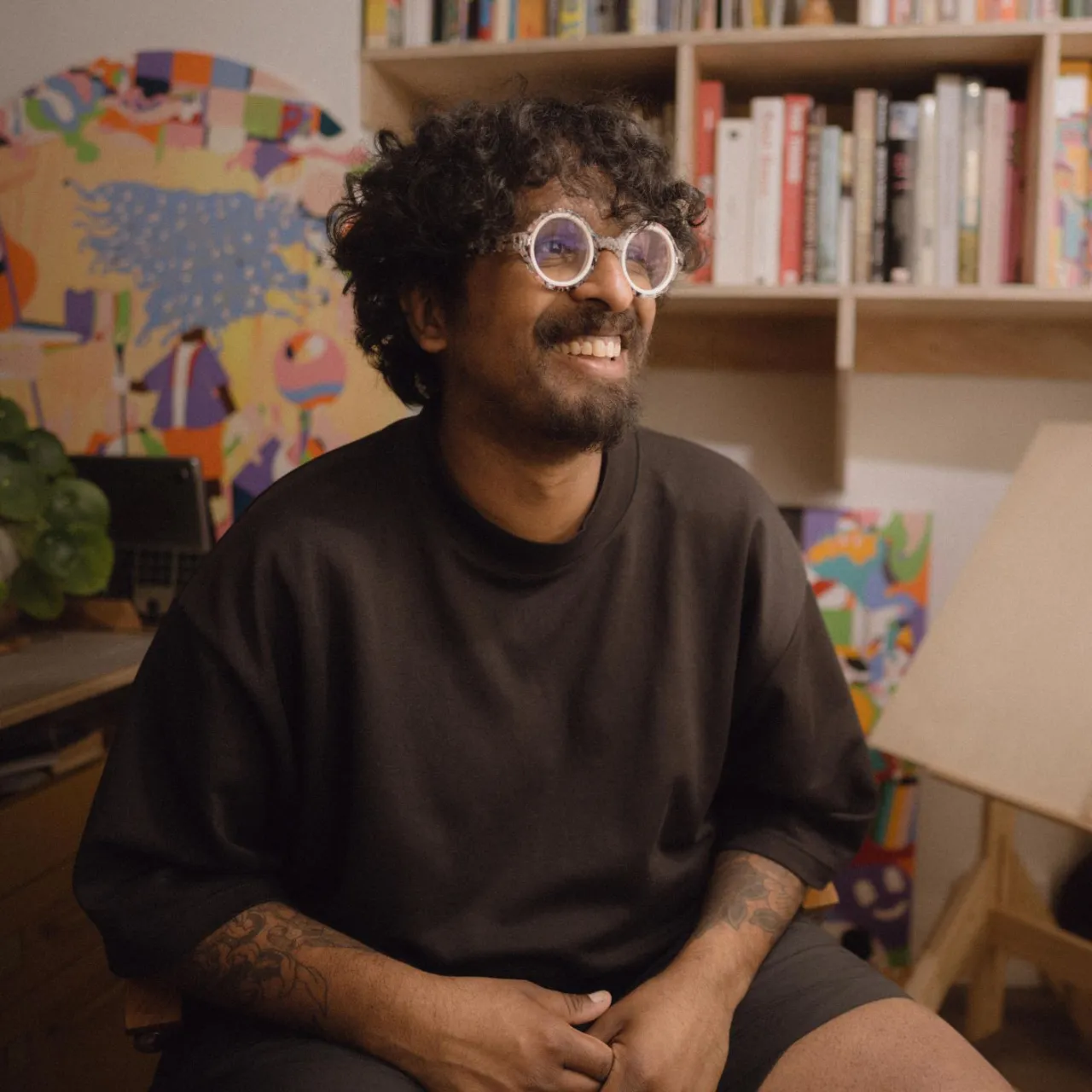
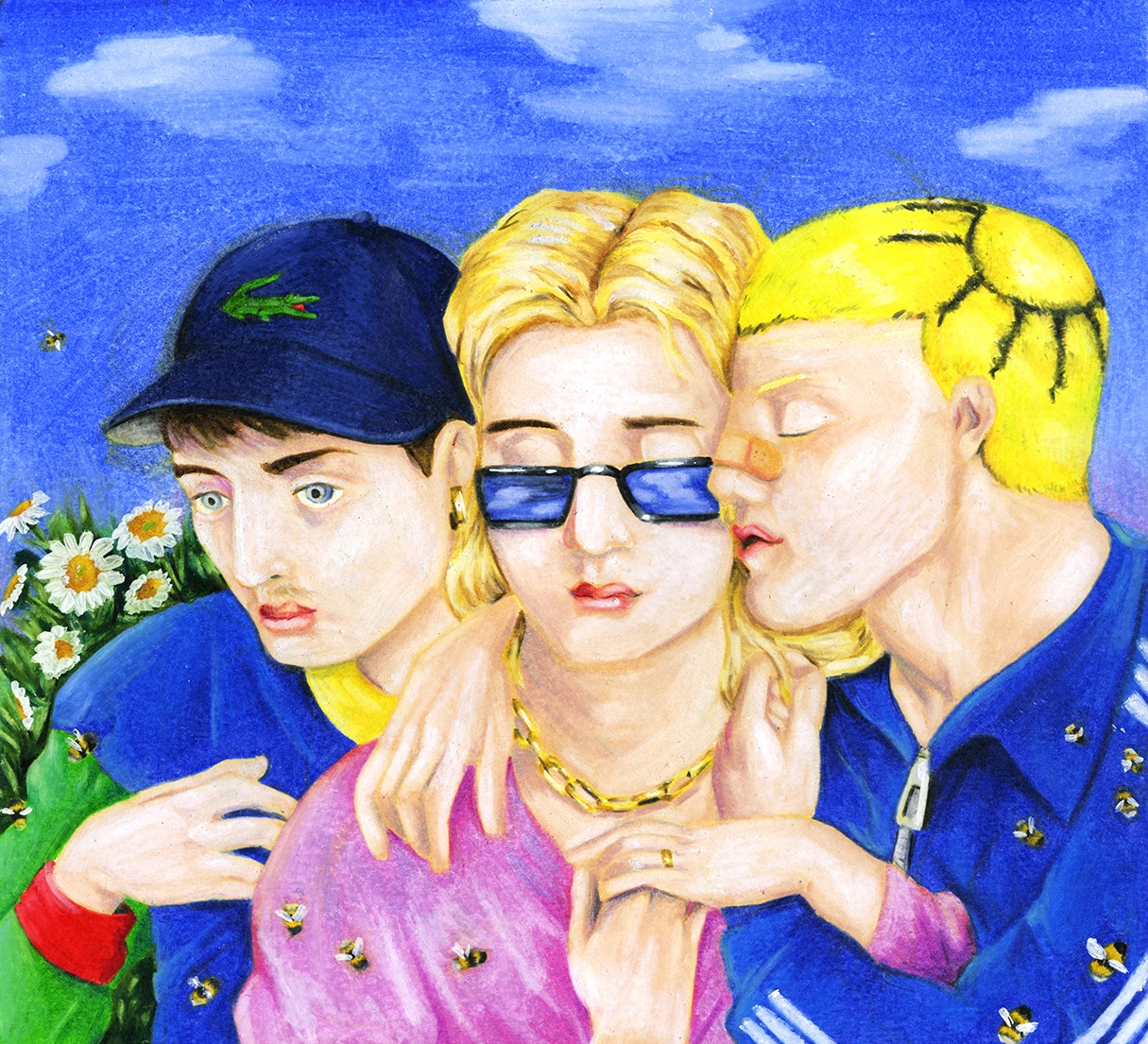
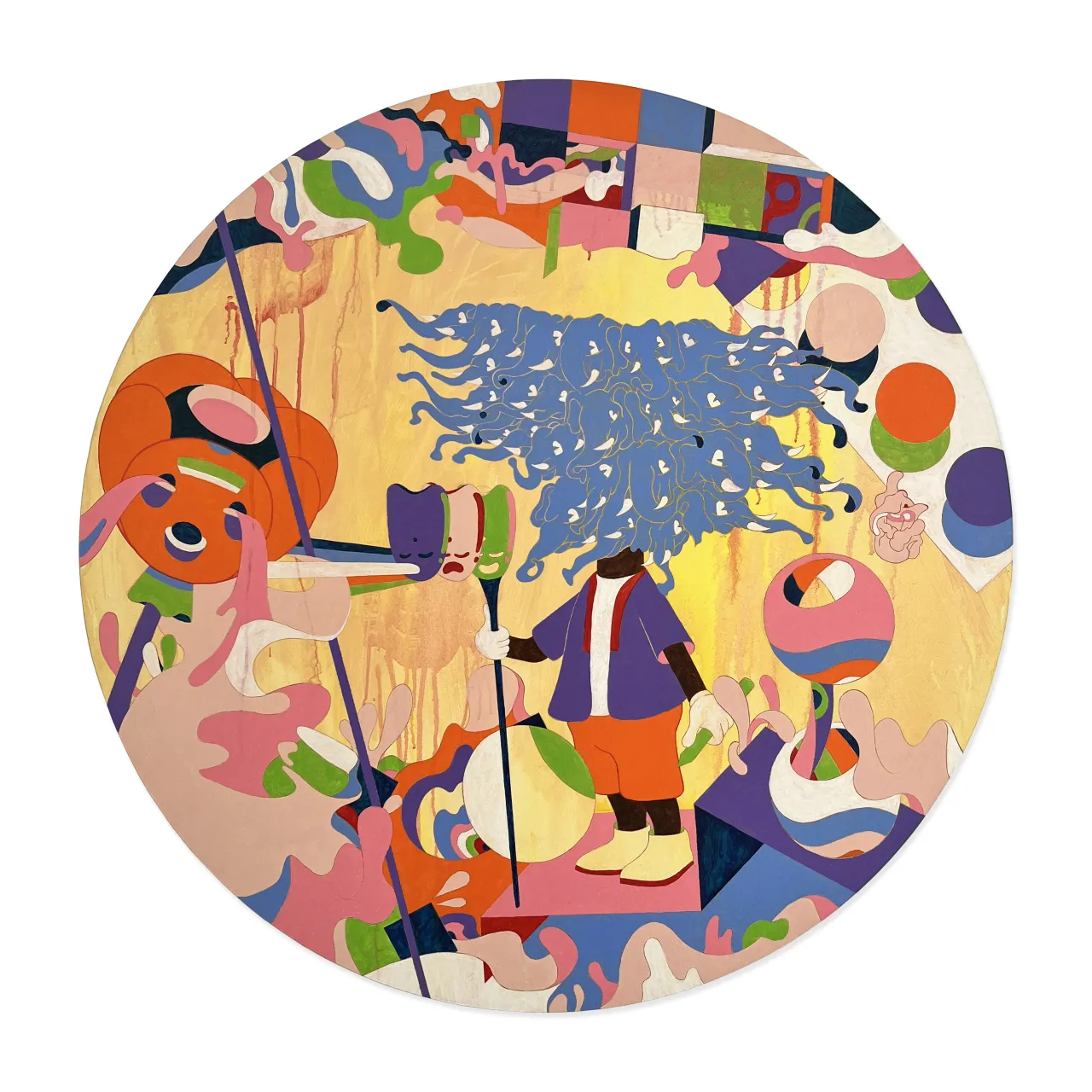
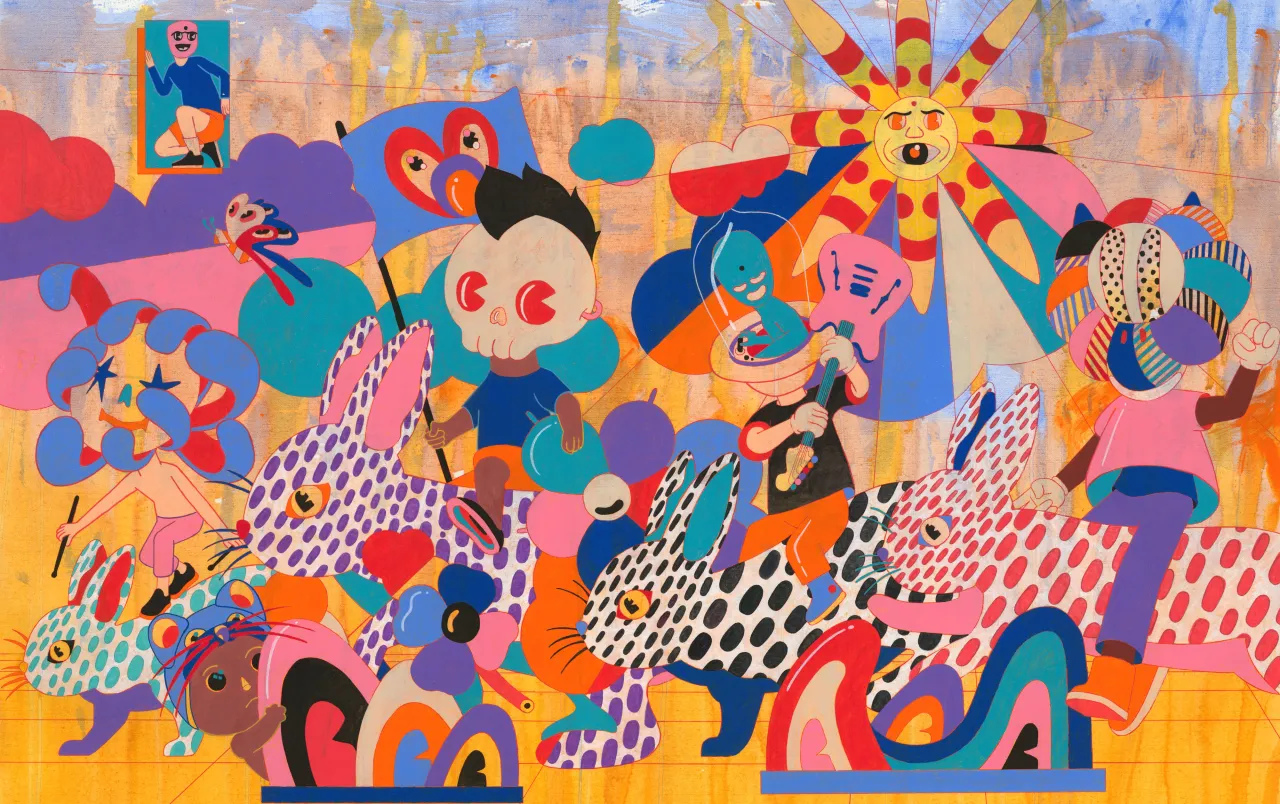
Running until 31 August, MURUGIAH: Ever Feel Like… is the debut solo show from the British-Sri Lankan illustrator and designer, whose acrylic works blend Hollywood imagery, South Asian motifs and 2000s pop-punk into something bold, occasionally macabre and entirely its own. It's a smart choice for an opening programme: it signals that the Centre isn't a monument to one man's legacy, but a living institution with an eye on what's happening now.
A scratchy biro and a very long game
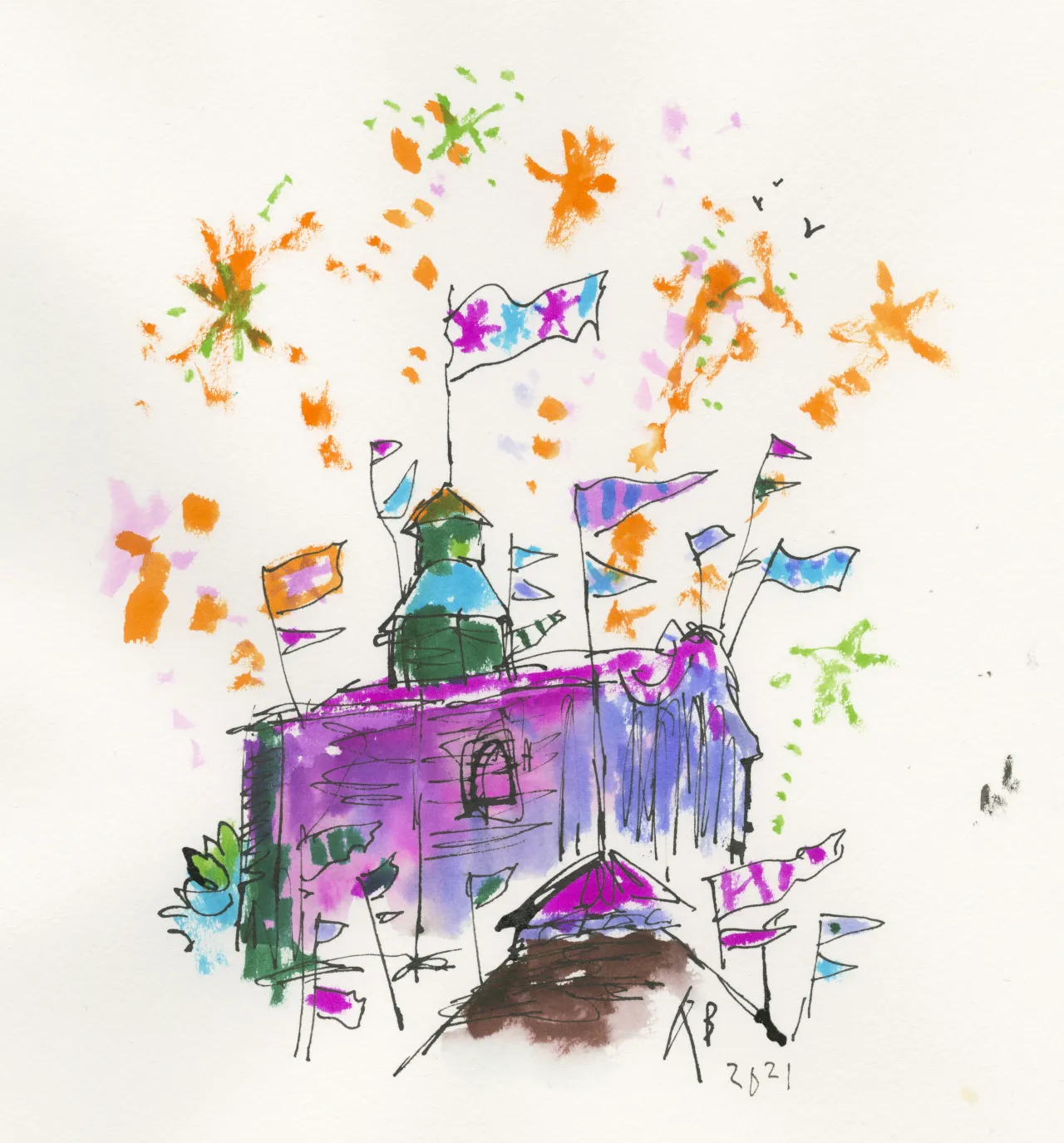
One of the more charming details to emerge from the Centre's pre-opening publicity is the new suite of mascot characters: four cockatoos and a parakeet, all drawn by Quentin, now incorporated into the Centre's visual identity. He's been drawing birds since childhood—for reasons he can't fully explain—and the choice of cockatoo, a bird known for mimicking human speech, as a symbol for an institution dedicated to visual communication is either a happy accident or a quietly brilliant piece of branding. Probably both.
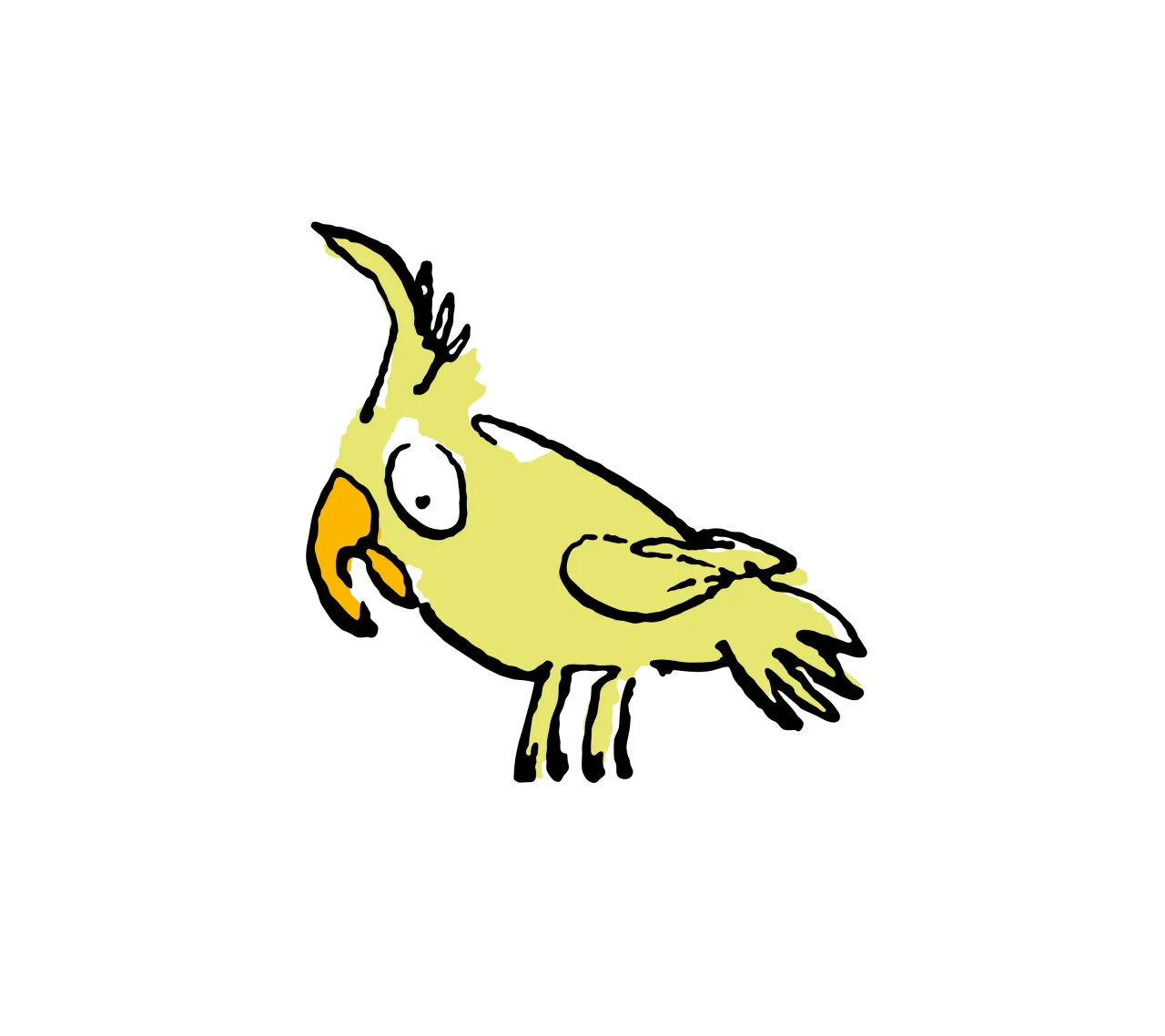
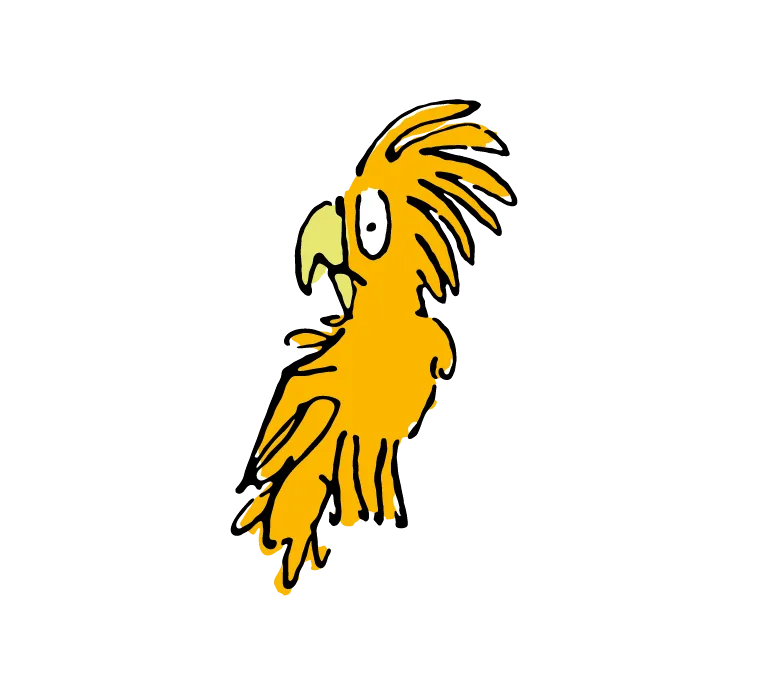
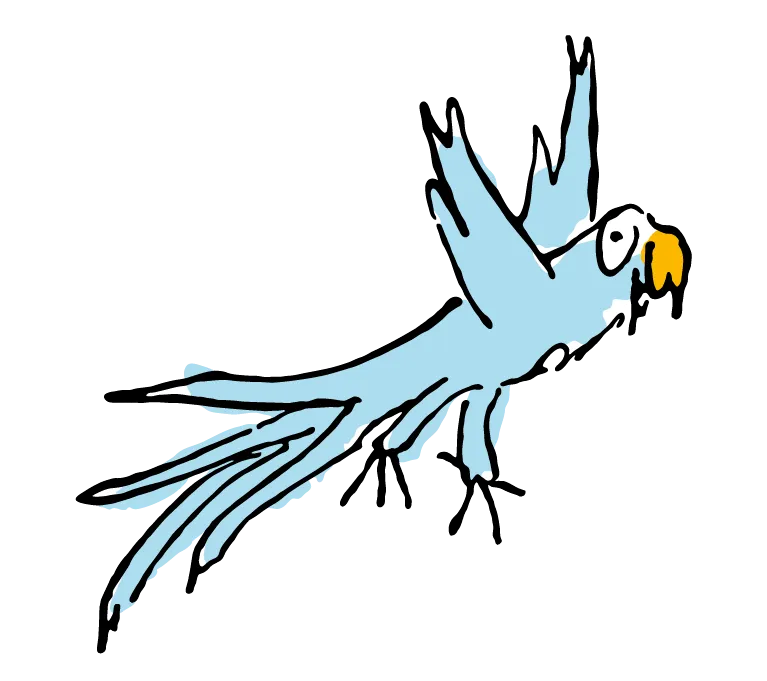
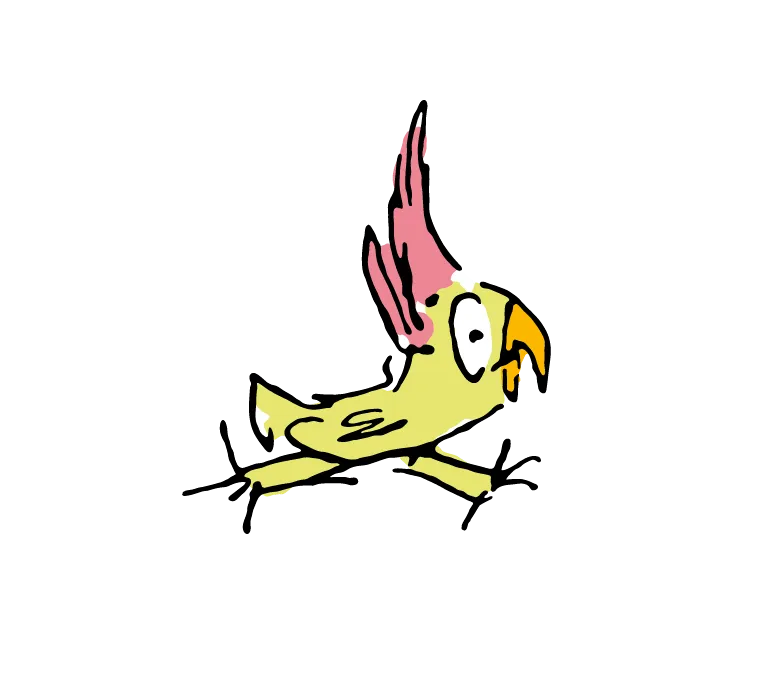
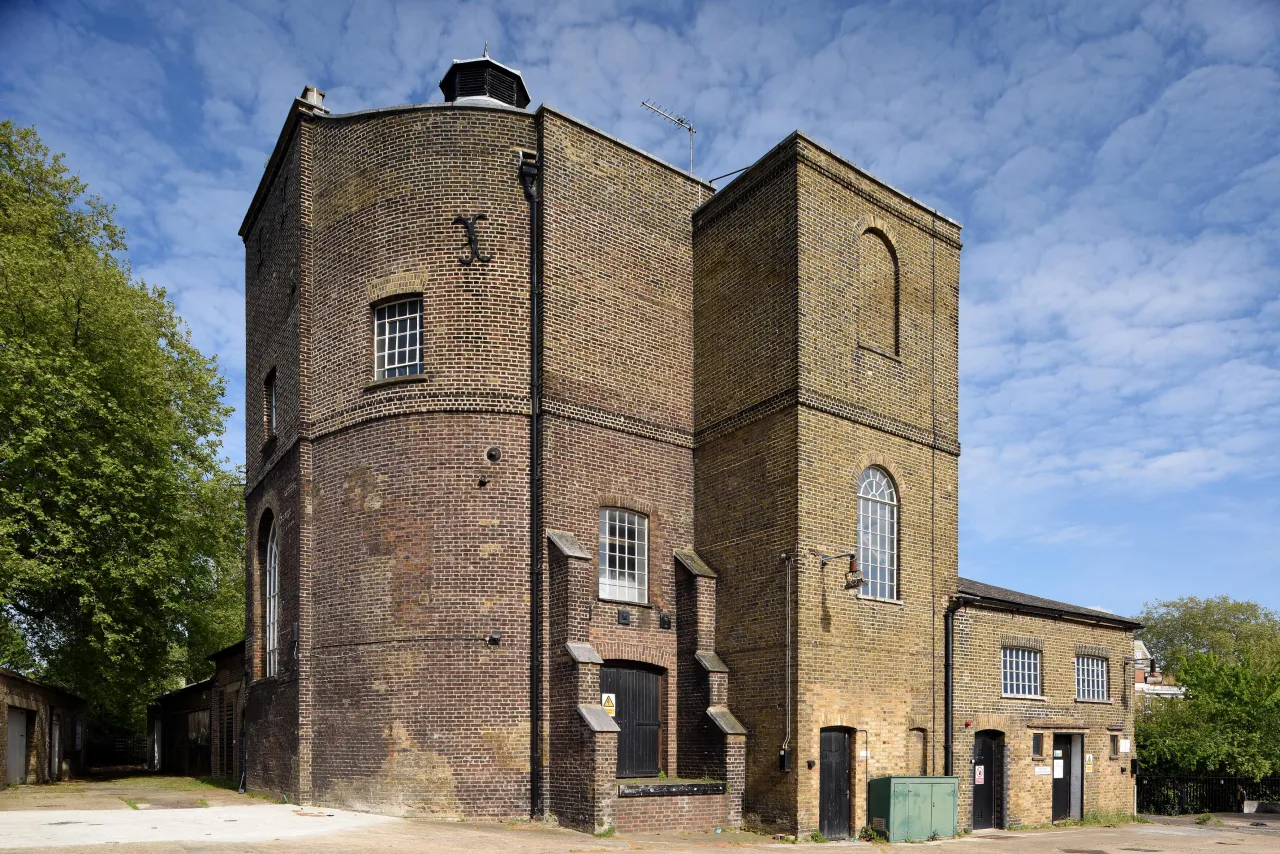
The birds complement a logotype set in Caslon Doric, a typeface created in 1722, less than a mile from the Centre's current location, when Clerkenwell was full of the noise of working waterworks. There's a pleasing circularity to all of it: a building that once processed water for Georgian London, now processing images for everyone else.
Quentin himself, when asked recently how he'd like to be remembered, paused longer than usual before answering: "I would like them to like the drawing. It is what is drawn that affects people." For a man who has spent 25 years building the institutional infrastructure to give illustration its due, it's a refreshingly simple answer. The Centre, the campaigns, the charity, the cockatoos: all of it, in the end, is just a frame for the work. After 25 years, and at 93, he's earned the right to say so.
Editor's Picks



Trending





Latest Jobs
Graphic & Motion Designer at The SHARP Agency
Full-time·Leeds·£26k–£33k
Deputy Head of Stage at Factory International
Full-time·Manchester·£35,015
Junior Project Coordinator at Colorido Studios
Full-time·Twickenham·£28k–£32k
Design Director, Opinion at The New York Times
Full-time·New York·$160k–$180k
Multidisciplinary Designer at Formation Games
Full-time·London·£40k–£50k
Creative Director at Koto
Full-time·London·£95k-£130k