'Are you making things or just talking about them?': the question OFFF 2026 couldn't stop asking
From the state of LinkedIn to showing your process, the conversations at this year's festival found a creative industry being bracingly honest with itself.
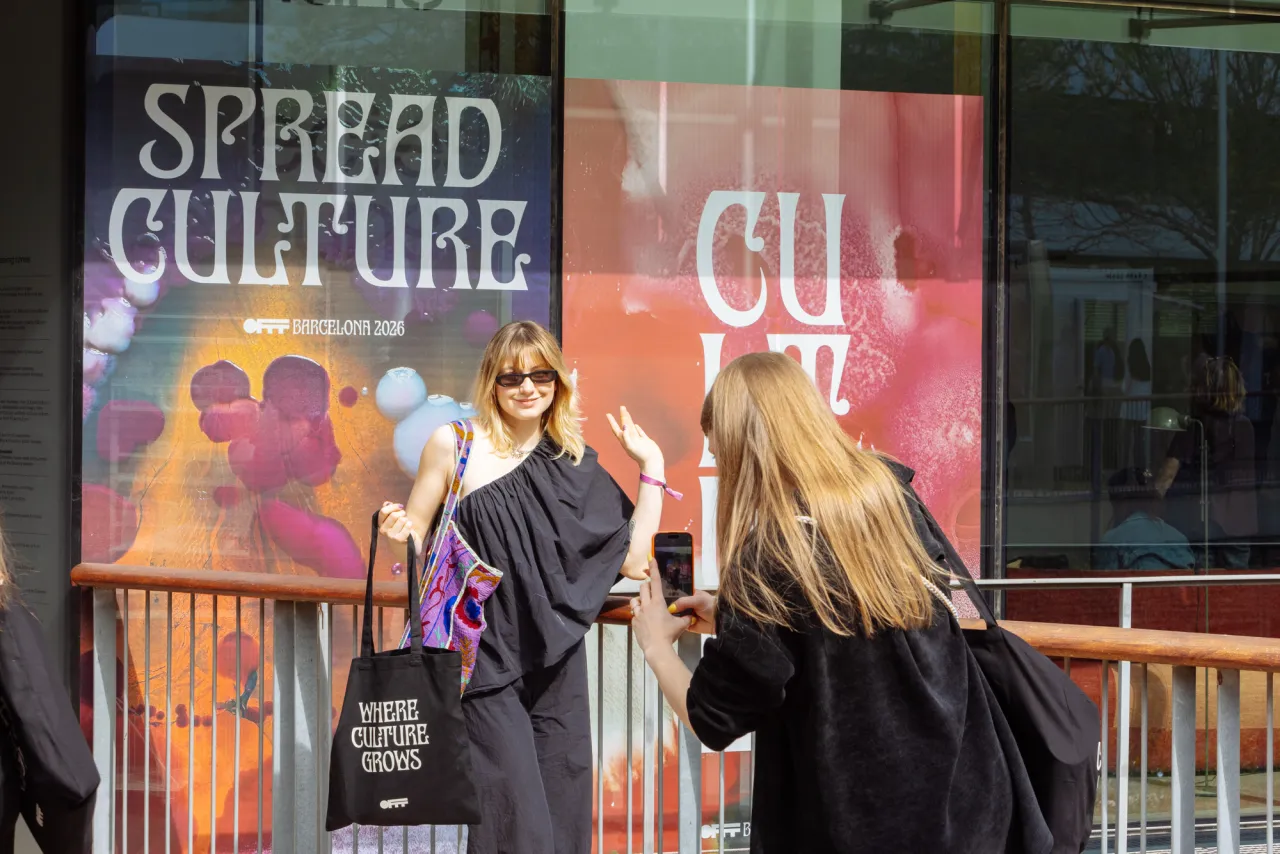
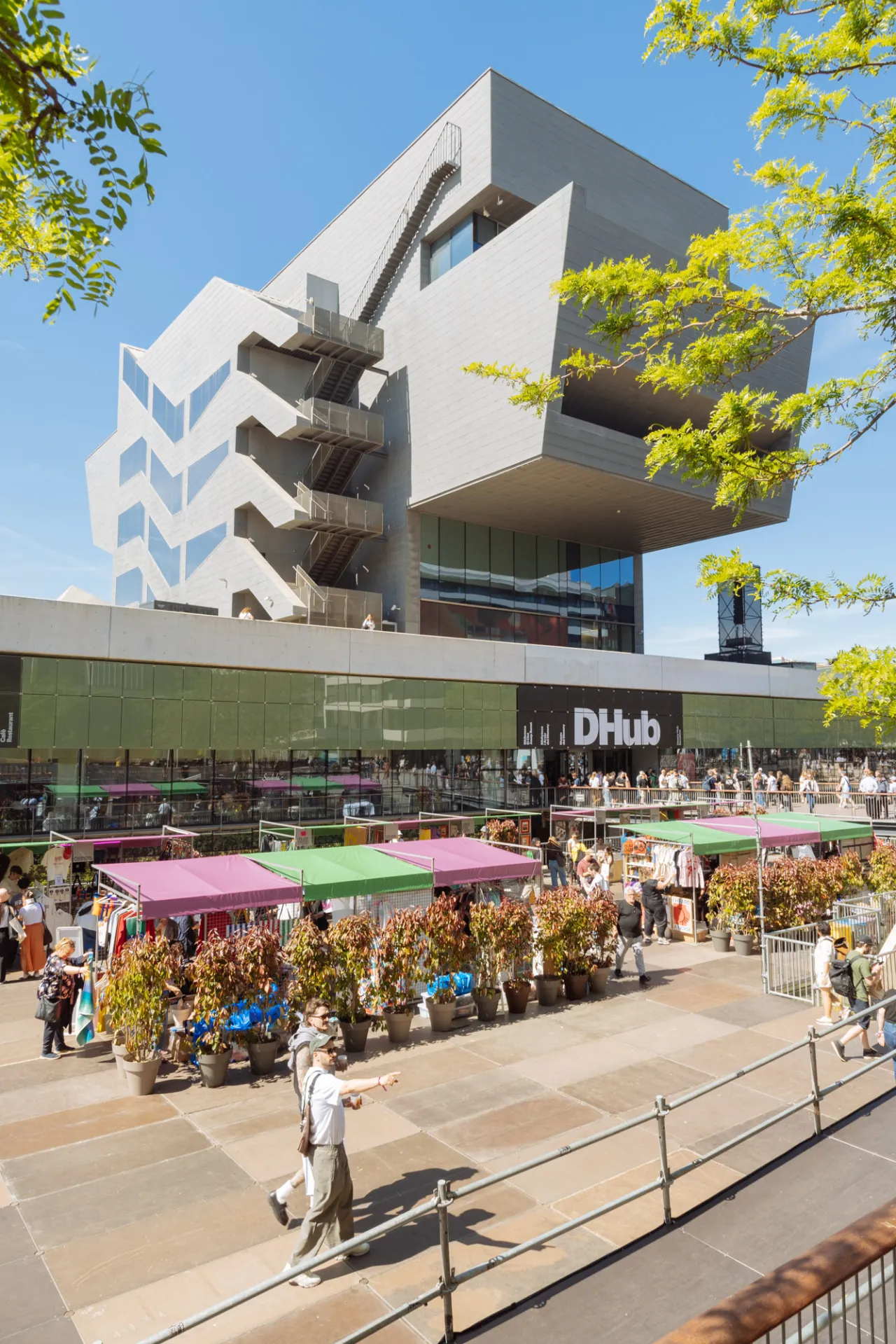
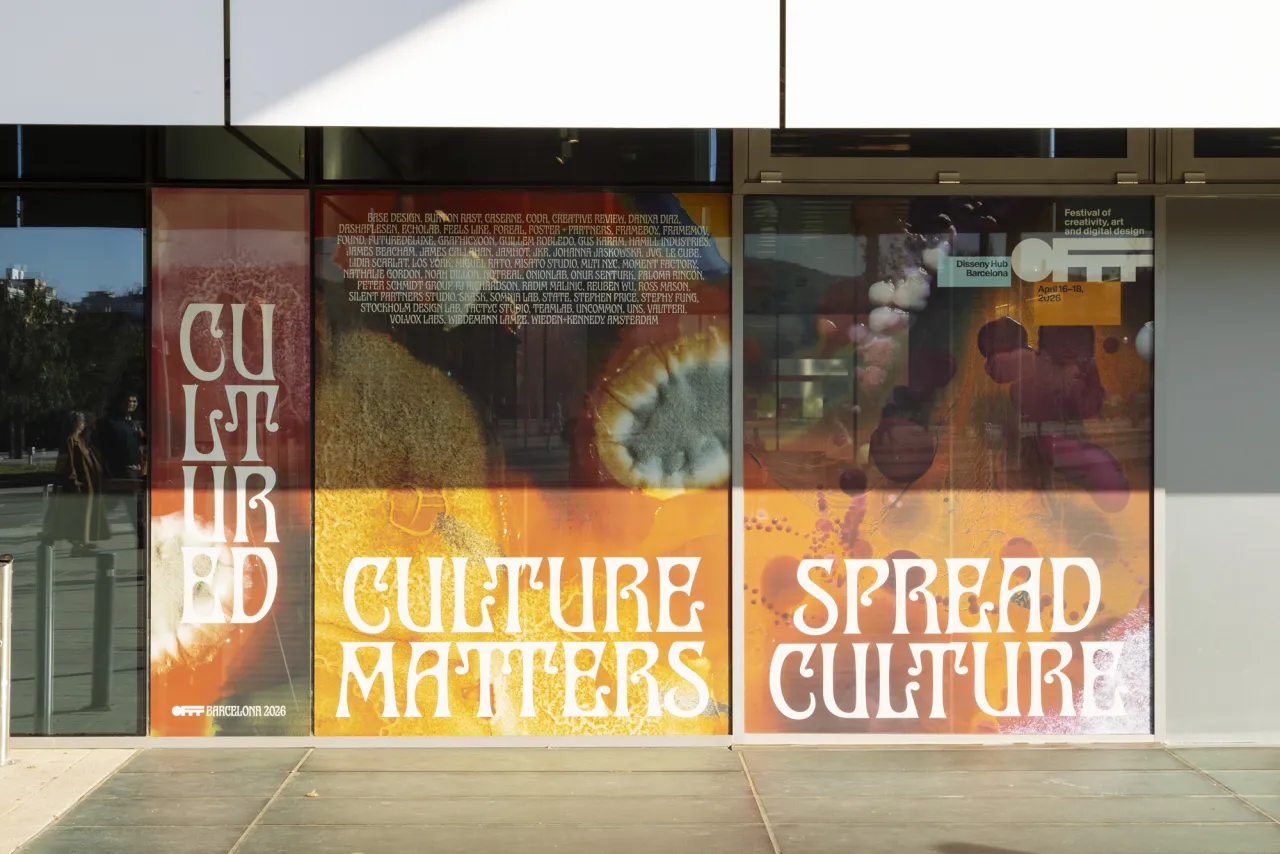
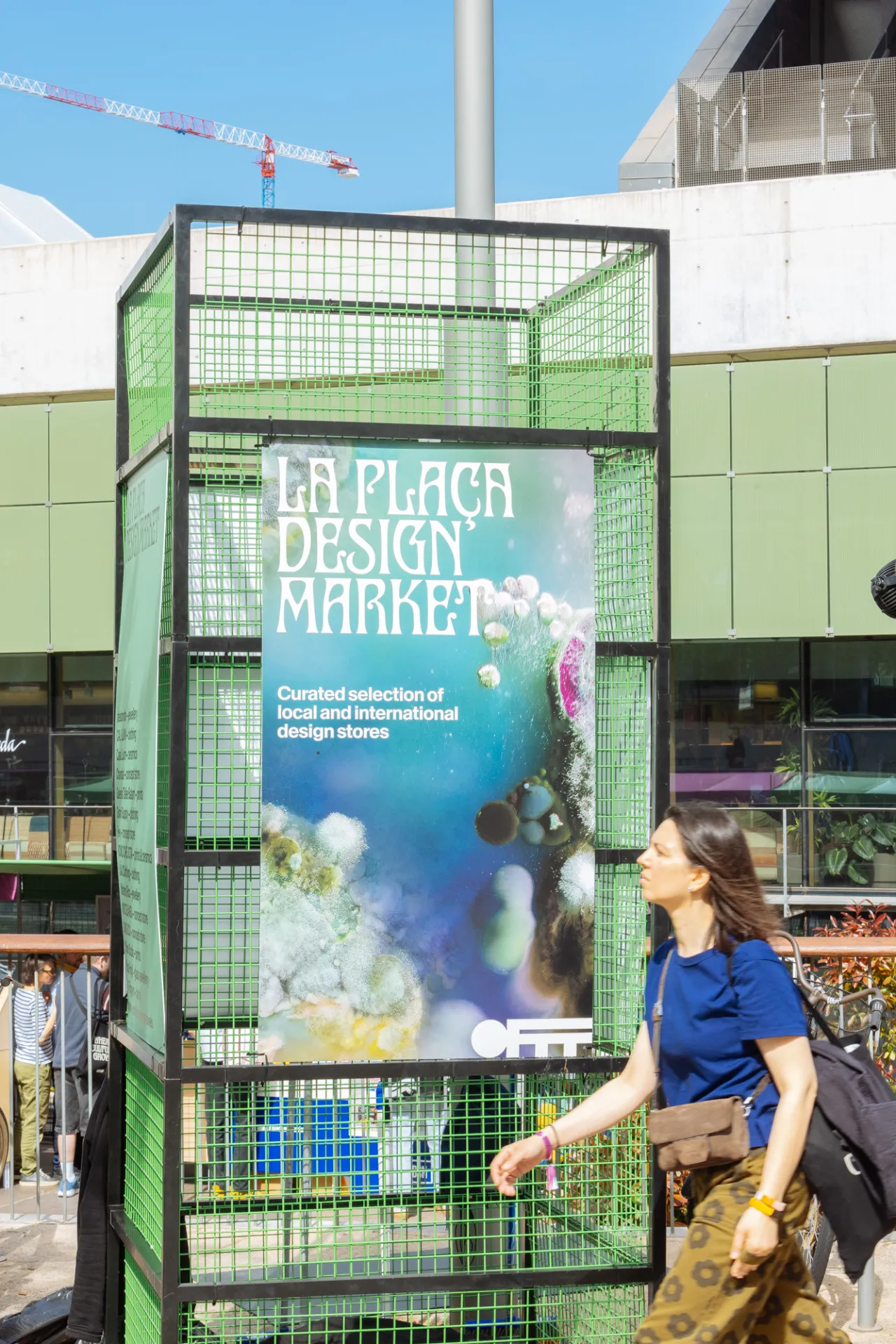
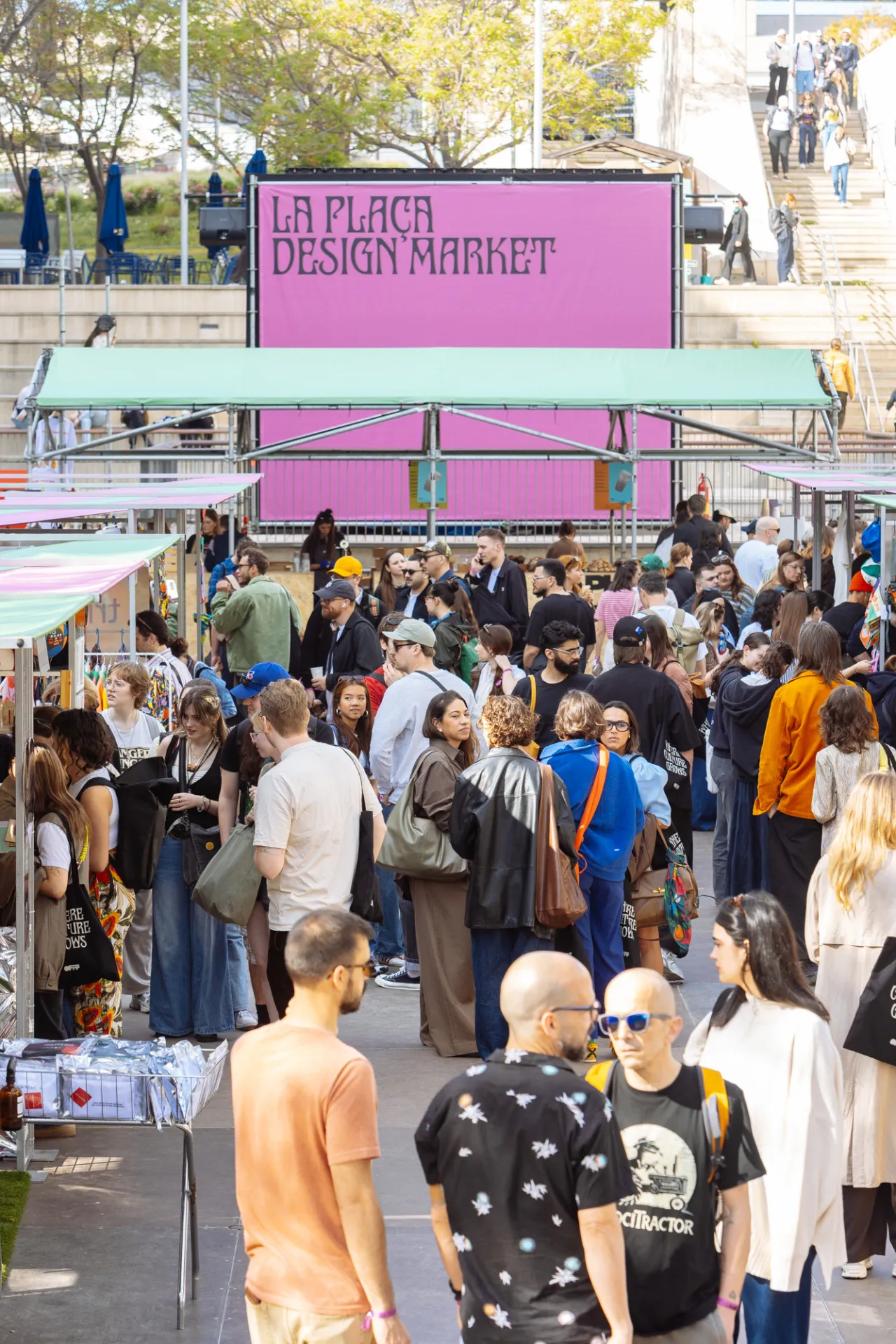
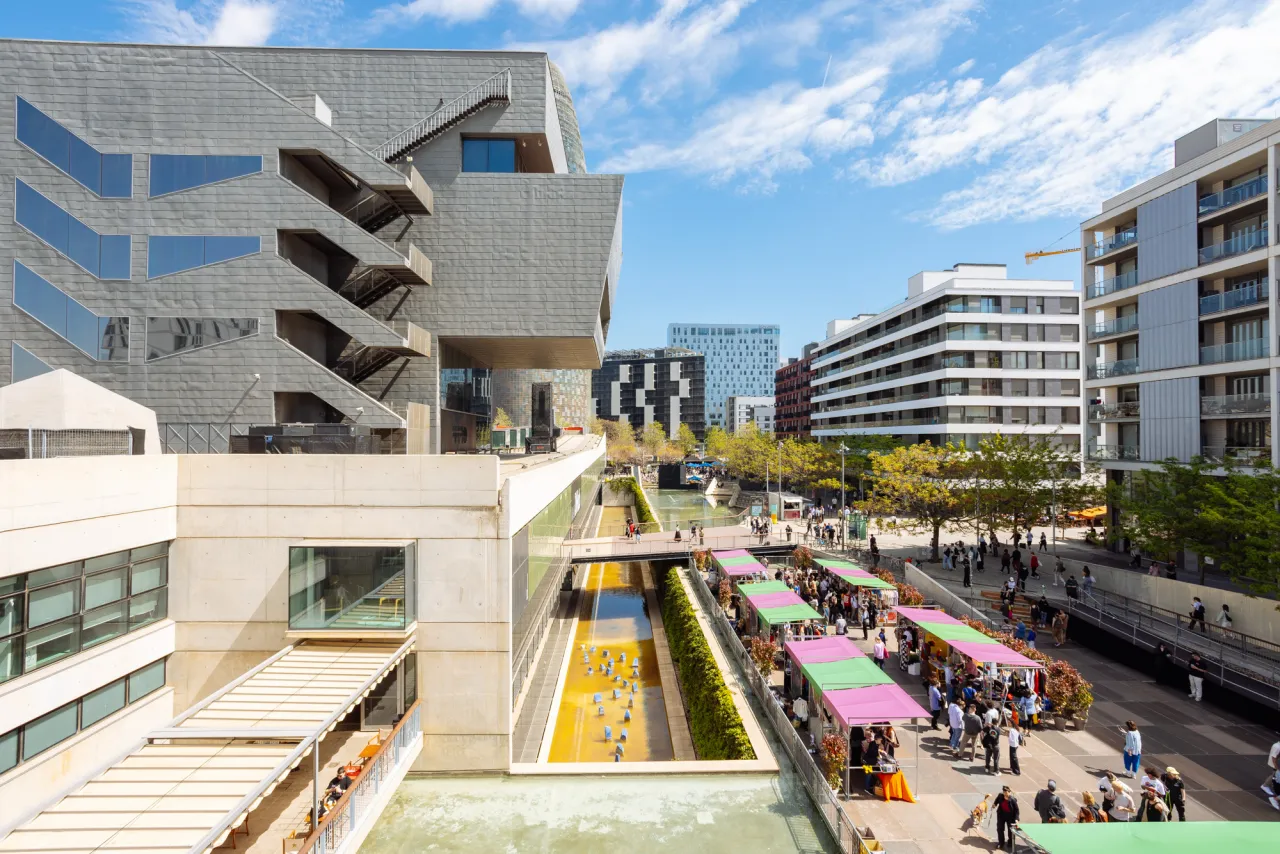
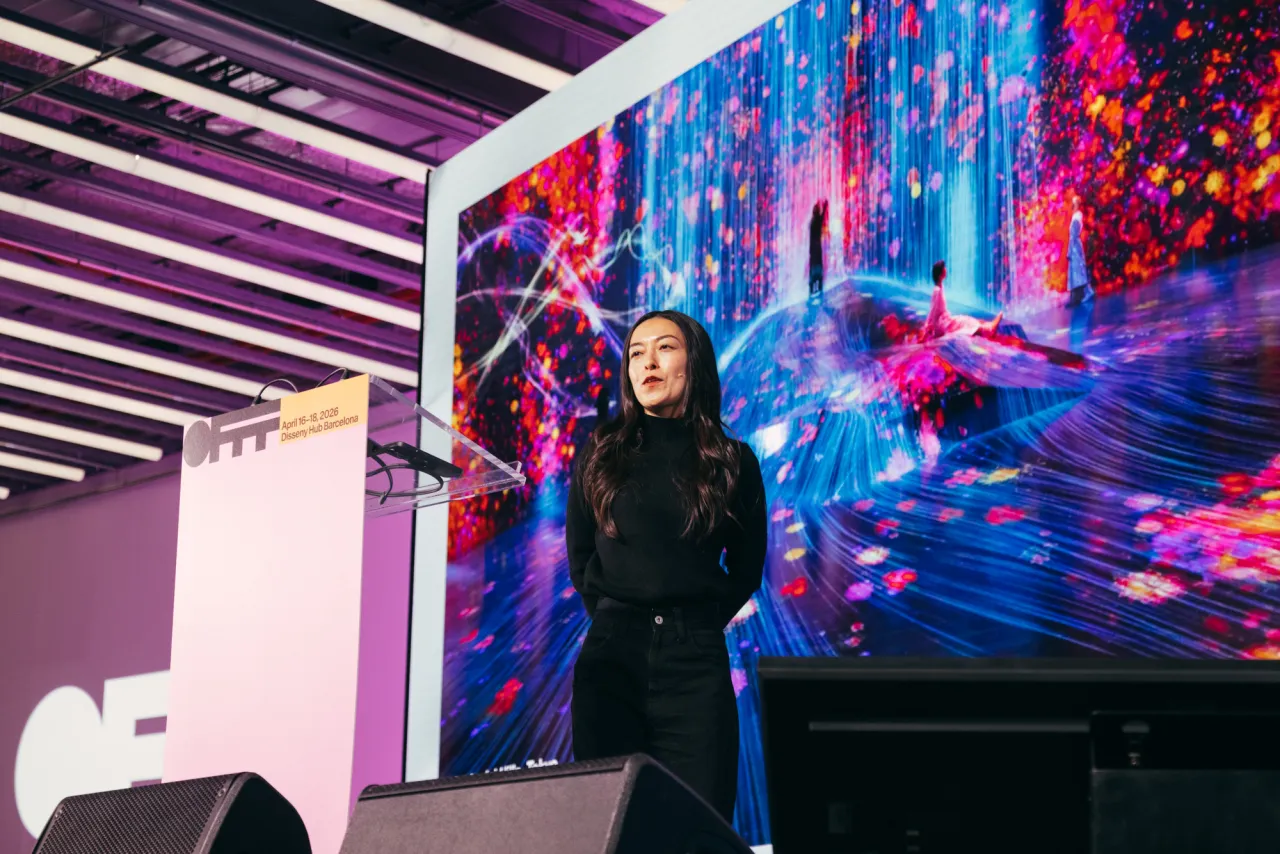
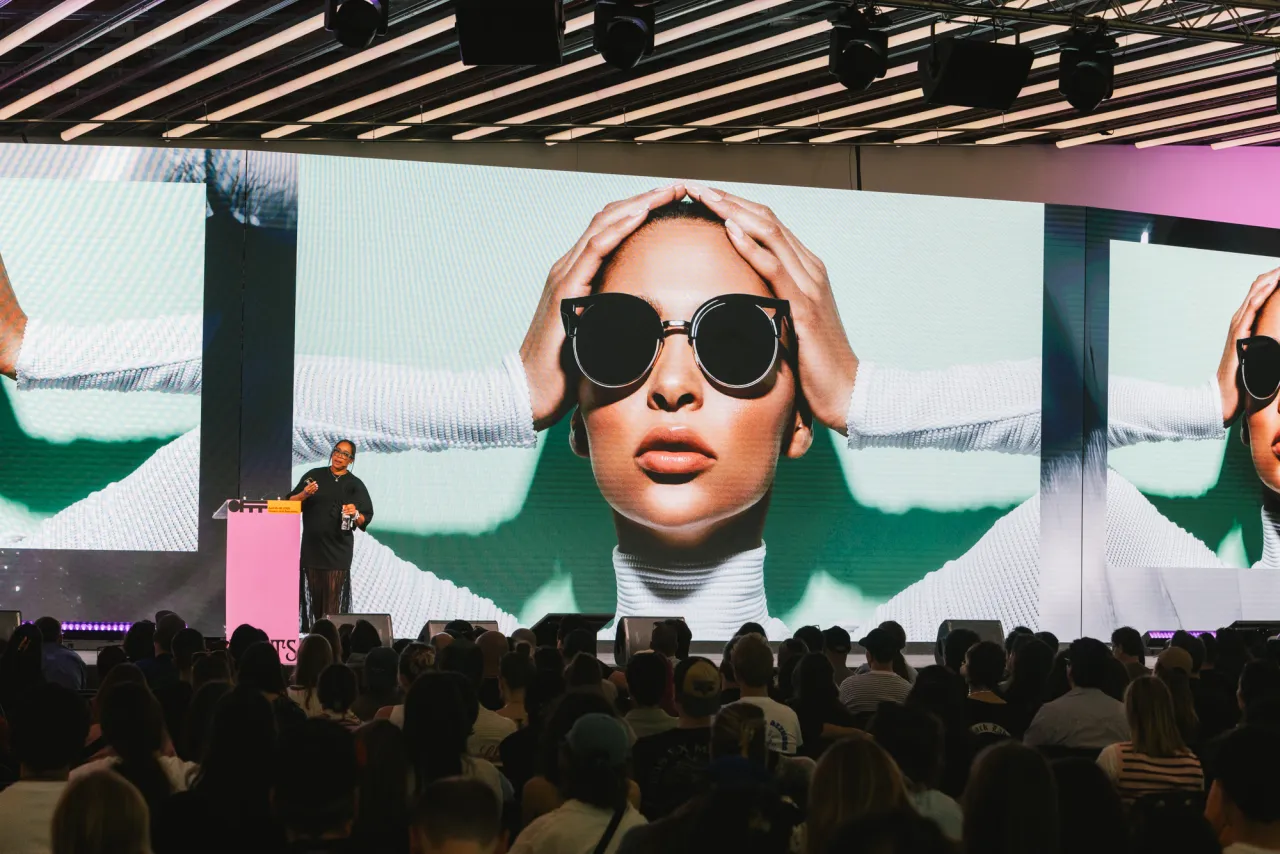
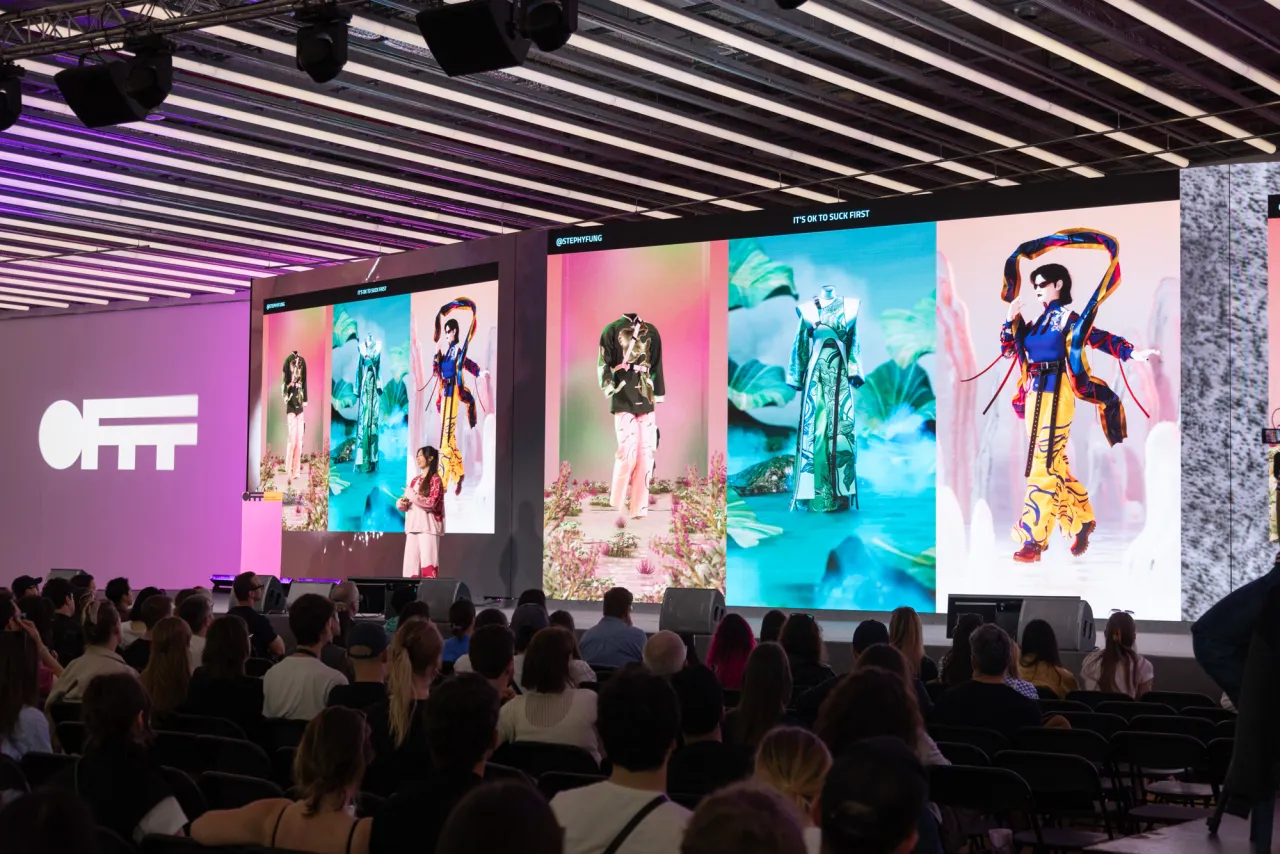
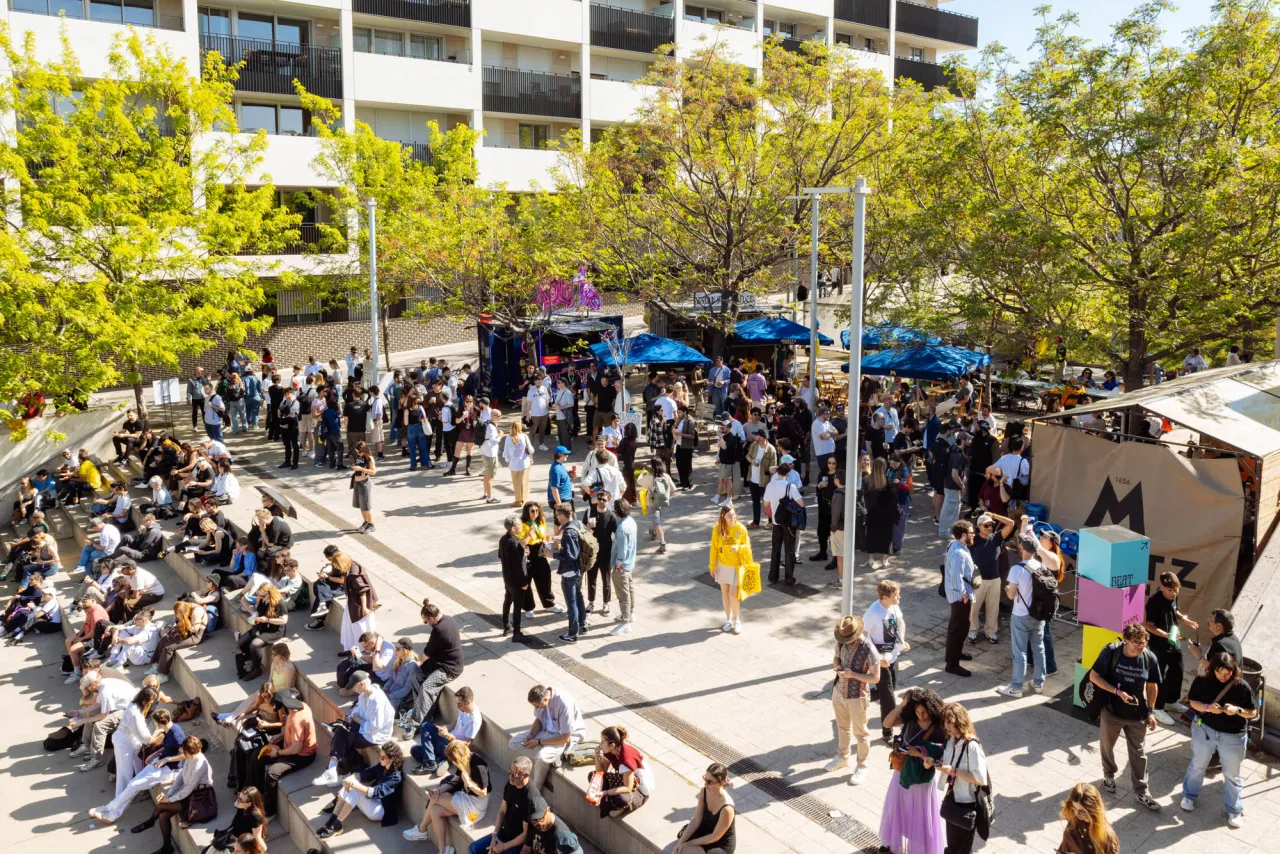
There's a particular atmosphere that descends on Barcelona every April when the creative festival OFFF rolls into town. The Disseny Hub fills with lanyards and leather jackets, the outdoor bar does brisk business in the sunshine, and somewhere between the talks and the toasts, the creative industry takes a good, long look at itself. This year, that look was more searching than most.
Across four days of speakers and market stalls, brunches and late-night dinners, one question kept resurfacing in different forms: what's the difference between talking about creativity and actually doing it? It's not a new tension, but something about the current moment—the noise of AI, a sluggish economy, the relentless churn of social media— has made it feel more urgent. And the creatives gathered in Barcelona this April were not short of opinions.
AI was present in almost every conversation, as you'd expect, but it wasn't the dominant anxiety it might have been. What people seemed more exercised about was something older and more uncomfortable: the gap between making work and performing the idea of making work. And nobody put it more bluntly than Nils Leonard...
Nils Leonard would like a word about your LinkedIn posts
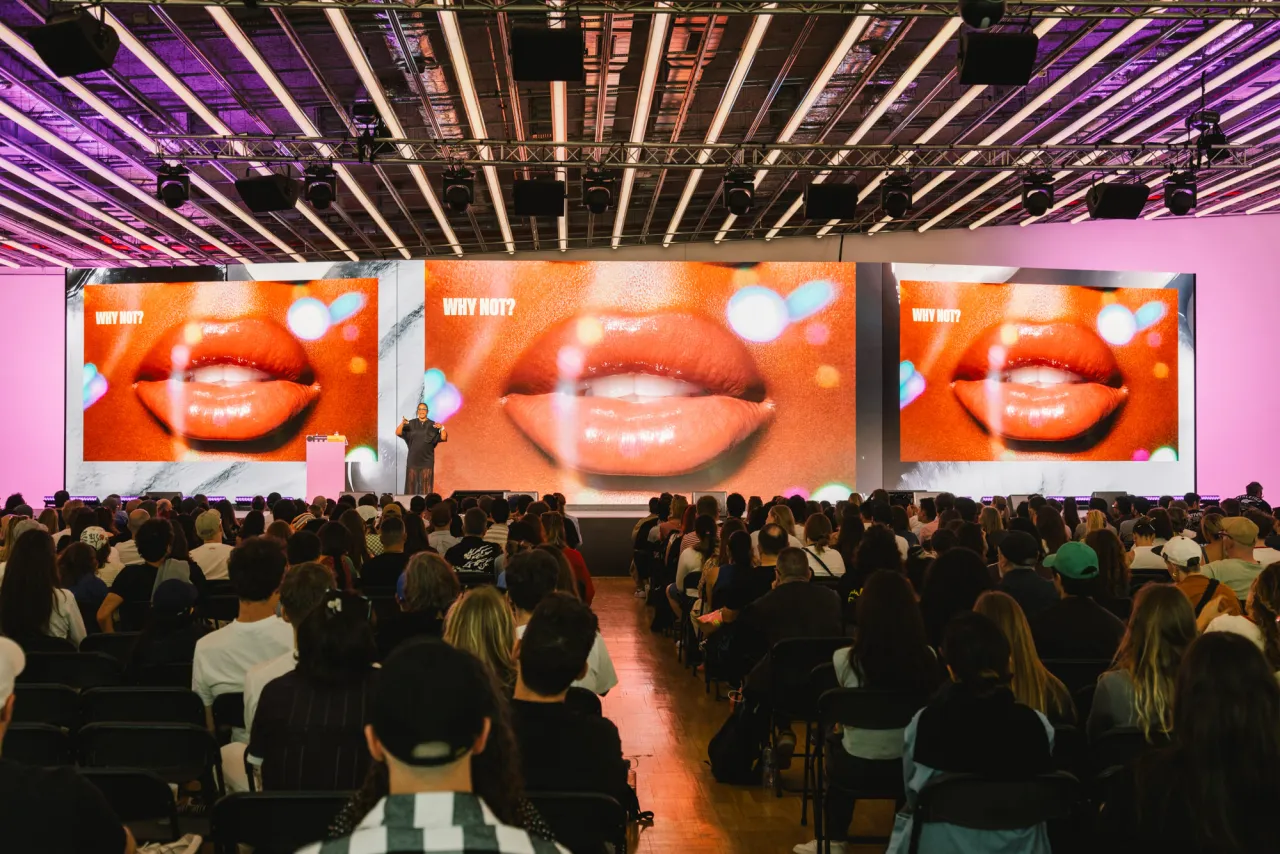
Nils, founder of Uncommon, had just delivered his keynote at Disseny Hub when he sat down for a conversation that quickly turned to the platform a significant number of us now use as our primary public voice.
"I think LinkedIn is becoming a whirlpool, particularly for creatives," he said. "It becomes incredibly dangerous, because people are confusing writing a think piece about something with work, and it's not the same thing. I think they're relegating themselves. I really do think it's a danger."
As a counterpoint, he imagined a hypothetical studio that simply doesn't play the game at all, then said: "If I could do it again and launch another studio, I'd be completely faceless." He references an episode of HBO's The Young Pope in which Jude Law's character cites Banksy and Daft Punk as examples of influential figures who refuse to show their faces. The lesson: the most important artists are the ones you never see. Whether that's a workable strategy for a creative studio in 2026 is another matter, but as an idea, it's certainly intriguing.
Leonard also spoke with candour about Uncommon's decision to take investment and what it really meant. "I'd urge people, when they look at the deal we've done, to really look at the covenant," he said. "Most agencies, when they start, and they do a deal, they end up with other letters after their name, in a building that wasn't theirs, with clients that weren't theirs." His point: independence isn't binary, and the quality of the work since the deal should speak for itself.
Show your receipts
Running through the festival like a thread was the idea that, in the age of AI, process has become the thing that actually matters. Not just as proof of concept, but as the work itself.
Reuben Wu, and the visual artist whose drone-lit landscapes have made him one of the most distinctive voices at the festival, now takes three cameras on every location shoot: one for the work, two for behind-the-scenes documentation. "As soon as people understand a bit more, then they'll value the end result more," he explained.
Brand designer and podcast host Liz Mosley has noticed the same shift. "People are so keen to show how much work goes into what they're doing, and that it's not AI," she said. "People who never showed their process and just showed the final thing are now saying, 'Hang on, I want you to see the receipts. I put hours into this piece of work'."
This new trend toward transparency, she argued, isn't just defensive posturing: it also changes how the work is received and how much respect the craft commands.
Slow down, as everything speeds up
Speaking on the festival's final morning with the easy authority of someone who's been running a studio for 20 years, PJ Richardson, ECD and co-founder of Laundry, offered the most counterintuitive advice of the weekend. In an era defined by technological acceleration, his instinct is to do the opposite.
"Just because tools tell you and do things faster, doesn't mean that we need to," he said. "My heart right now is telling me to really slow down, and not be so responsive to all this noise and bombardment. I want to just get back to simplifying things and staying with whatever it is that we love, with the people we love doing it with." He acknowledged that the Los Angeles creative economy he works in is tougher than it used to be, and that the mental health burden on younger artists is real. But the answer, he's increasingly convinced, isn't to match the pace of the tools.
For a man who's steered a studio through two decades of upheaval, this seems less like romantic idealism and more like hard-won wisdom. The tools will keep accelerating regardless: the question is whether you let them set the pace, or you do.
The other conversations
Beyond the headline themes, OFFF is always full of smaller, warmer moments that reflect what the festival actually is when you strip back the keynotes. Clàudia Laporte Villar, project manager at Hey Studio, staffing the studio's market stall with characteristic calm, described a decade of attending. "This festival brings together a lot of creative people," she enthused. "All kinds of people we get to know: super-different people from all over the world."
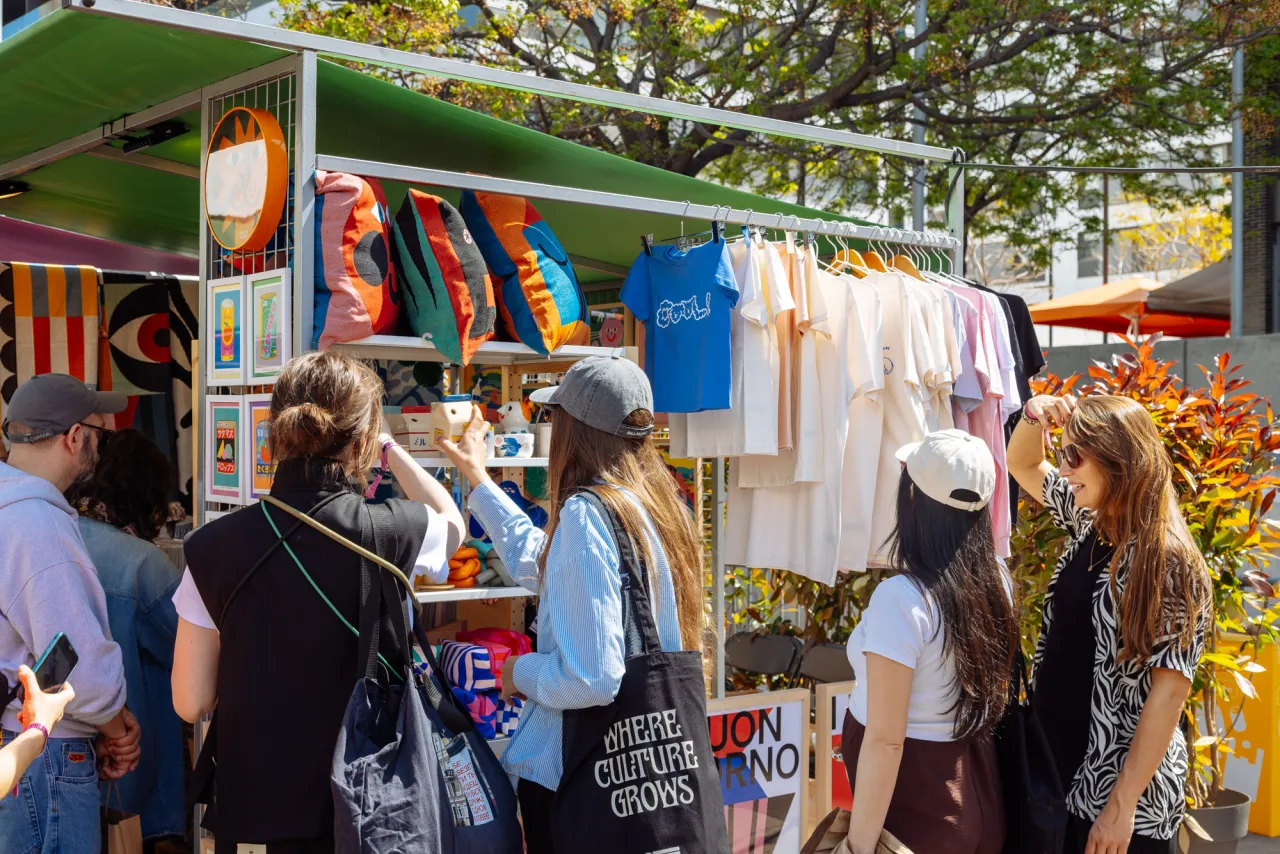
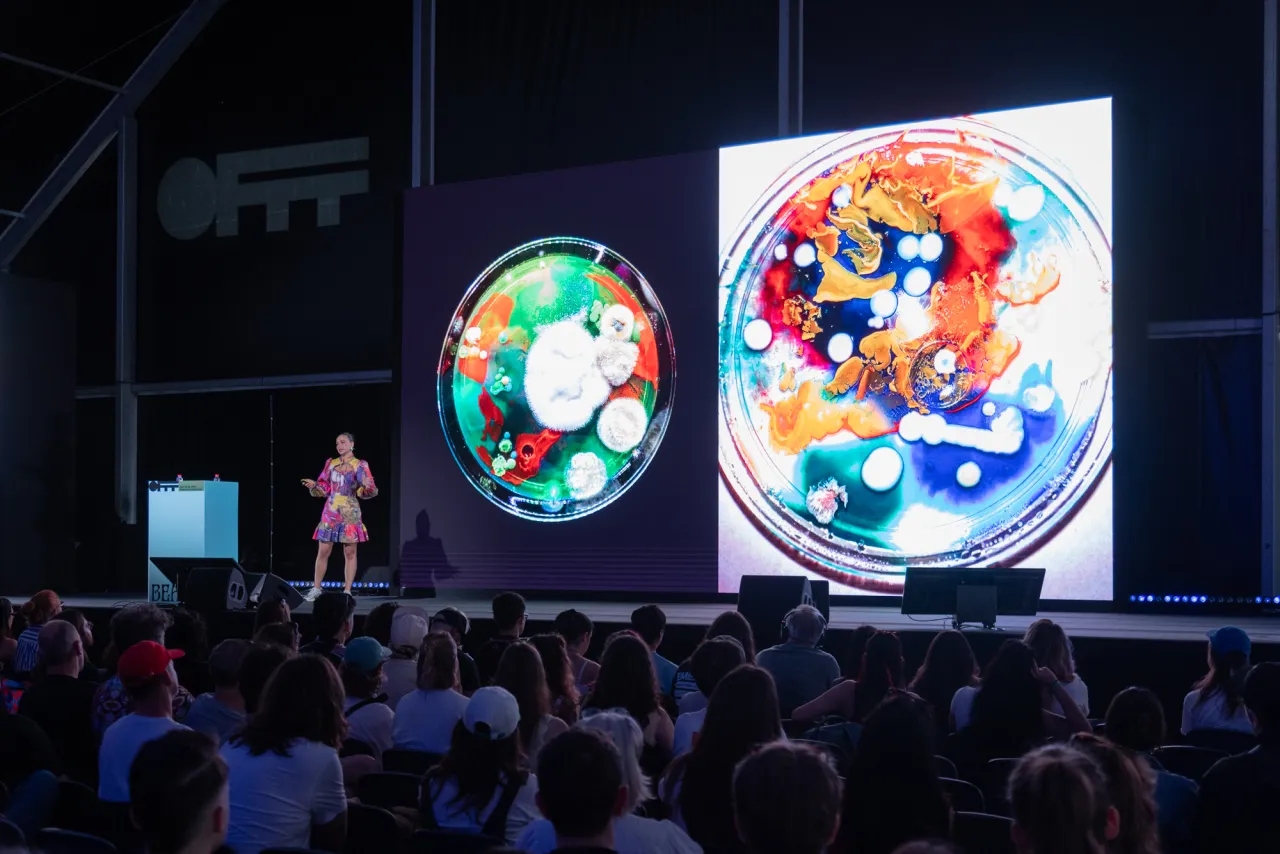
Elsewhere, Carmen Angelillo, co-founder and creative director of Niceshit Studio, was celebrating the studio's 10th anniversary with a brunch, a new typeface called Night Shift, and what she described as a hard-won sense of confidence. "After these 10 years, we felt that it was a time to be confident," she said. "We don't know where the world is going. We don't know how long we're gonna survive. But at least we should celebrate."
And then there was tech artist and creative director Johanna Jaskowska, whose work sits somewhere between AR, editorial photography and AI experimentation, who put as clearly as anyone the principle OFFF seems to run on. "I love to connect things that aren't supposed to be connected together and see what's happening," she said. "Everything I'm doing is very gut-driven. I go where my excitement drives me."
And that, in a sentence, is probably the best argument for going to a creative conference like OFFF. Not the talks, though those can be extraordinary. Not the networking, though that happens whether you're trying or not. It's simply the permission, renewed annually in the Barcelona sunshine, to follow the excitement and see what happens.
Editor's Picks
Trending
Latest Jobs
Midweight Designer at All Purpose
Full-time·London·£30k–38k
Senior 2D Motion Designer at Art&Graft
Full-time·London·£50k-£65k
Lead Digital Designer at Together
Full-time·£55k–£75k
Agent & Producer at The Jacky Winter Group
Full-time·London·£35k–£40k
Senior Creative Lead at Random Studio
Full-time·Amsterdam / Paris·€90k-€110k
Head of Production at Art&Graft
Full-time·London·£80k-£95k