Freckles, tattoos and imperfect hairlines: inside LEO, the men's hair loss brand that ditches the gloss
Manchester agency Creative Spark has created the identity for a new subscription brand from the family behind Farjo-Saks, swapping the usual glossy aspiration for real men with harsh flash photography and a relatable tone of voice.
Branding in the men's hair-loss space has long favoured a glossy approach. It's often full of gym bros, perfect teeth and careful, clinical messaging that tiptoes around the subject, as though it's something to be ashamed of. It gave Creative Spark the perfect opportunity to shake things up when it was approached by LEO, a subscription brand tackling men's medicated hair loss.
The Manchester agency has crafted a disruptive identity and marketing strategy that challenges the usual stereotypes and speaks to men with the kind of language you'd hear down the local boozer. There's no aspirational gloss or clinical science-speak here; just a focus on a deeper understanding of what the customer wants and needs.
Founded by the family behind Farjo-Saks, one of the UK's most respected names in hair restoration, LEO combines decades of medical expertise with a fresh, relatable approach. Entering a competitive field, it needed to make a lot of noise.
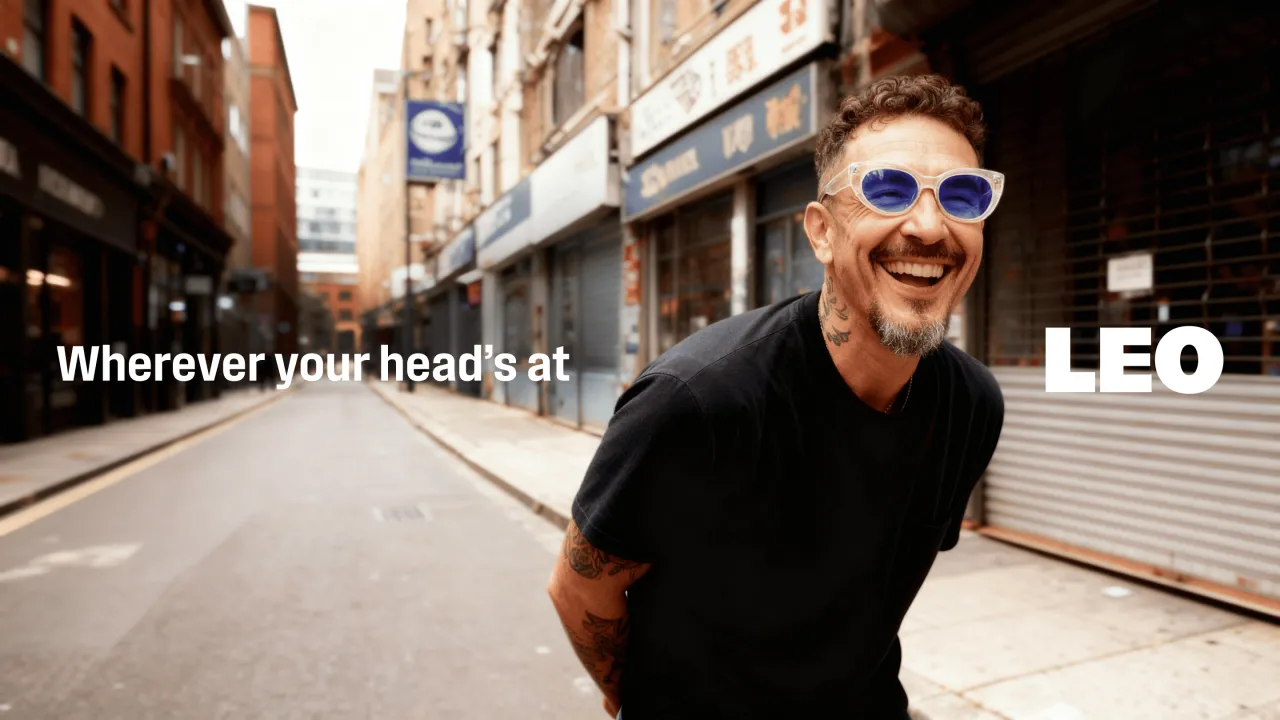
With a clever nod to Basement Jaxx's classic hit, the campaign swirls around the question, "Where's your head at?" – an honest message that hopes to spark real conversations about hair loss and offer blokes practical solutions. Creative Spark delivered the full brand strategy, identity, website, and marketing plan, ensuring this down-to-earth feel carries through from logo to checkout.
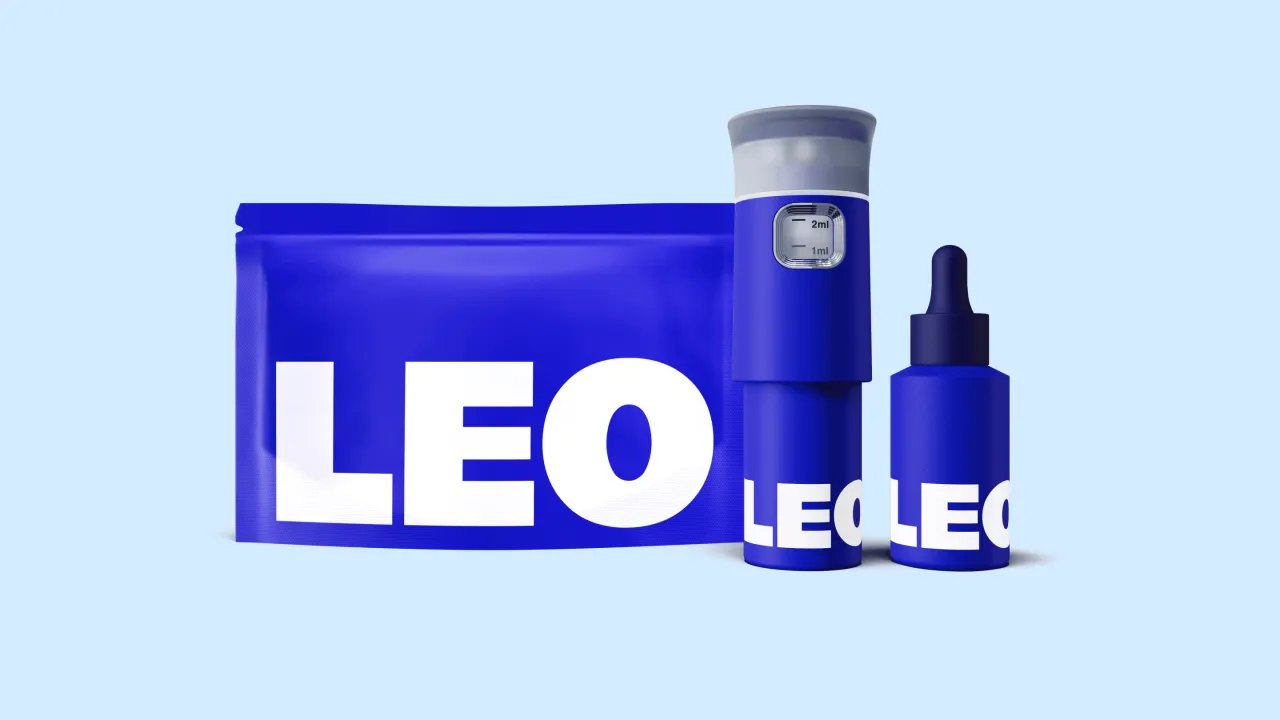
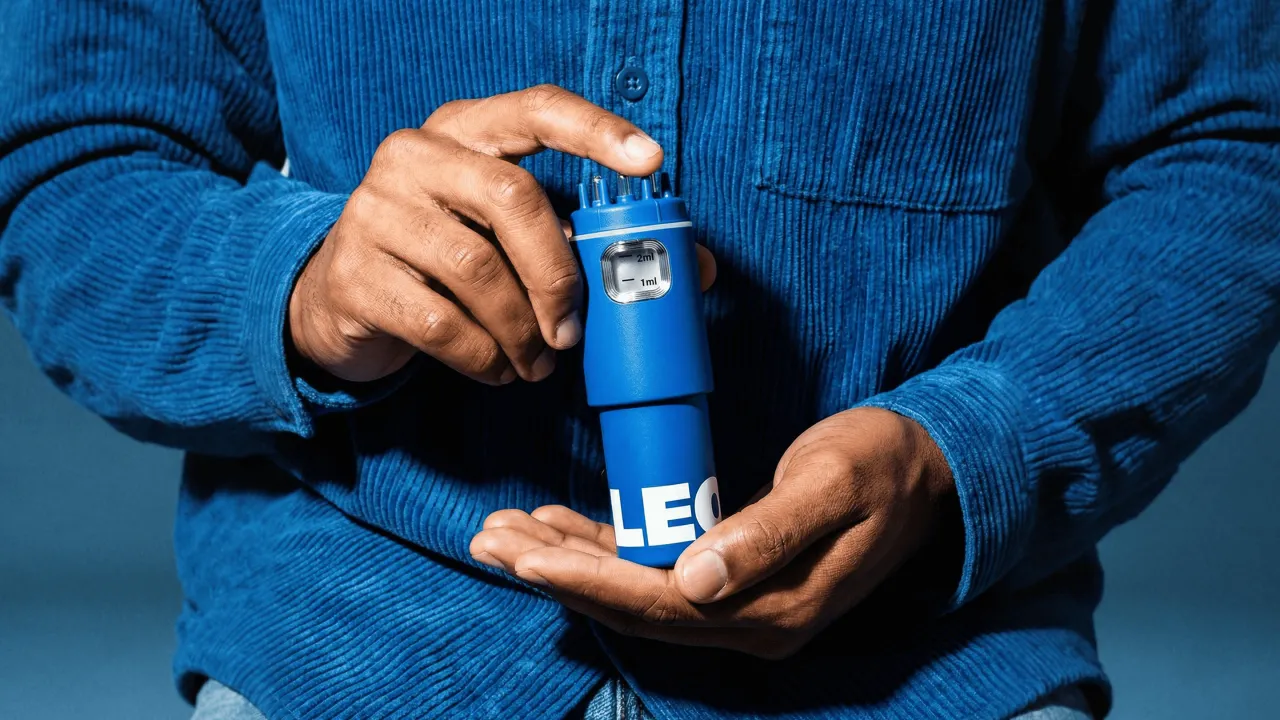
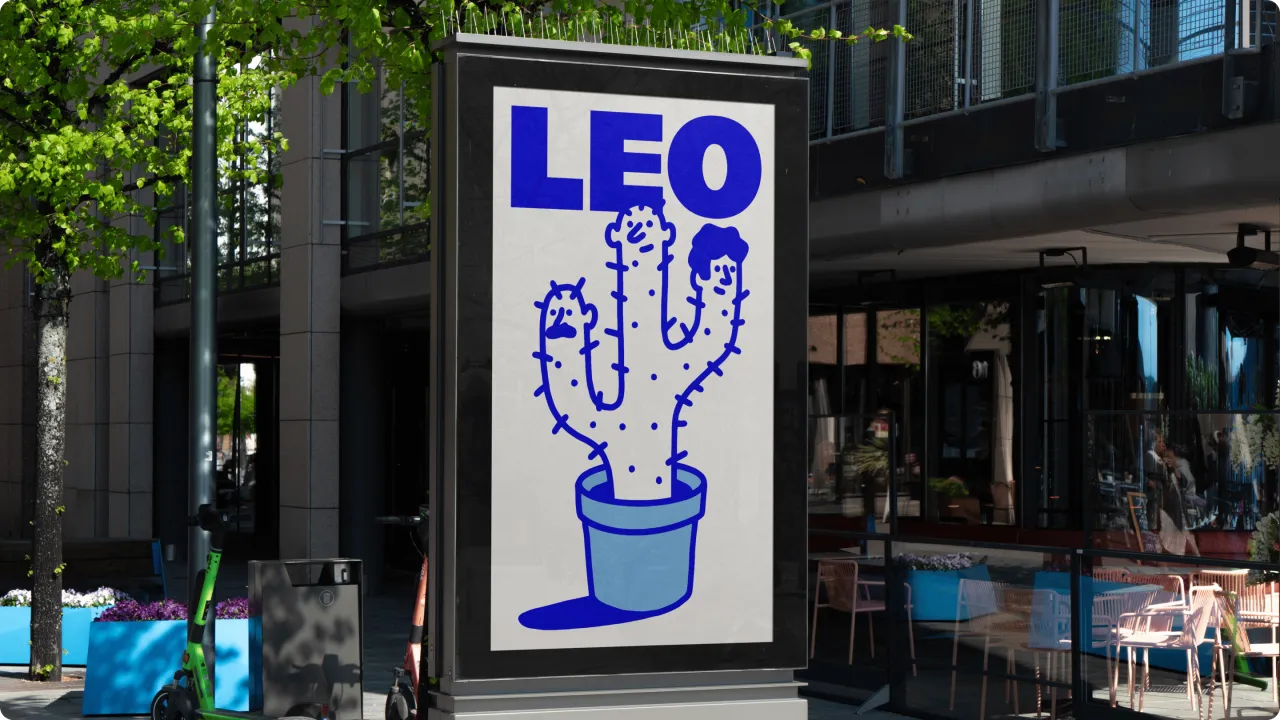
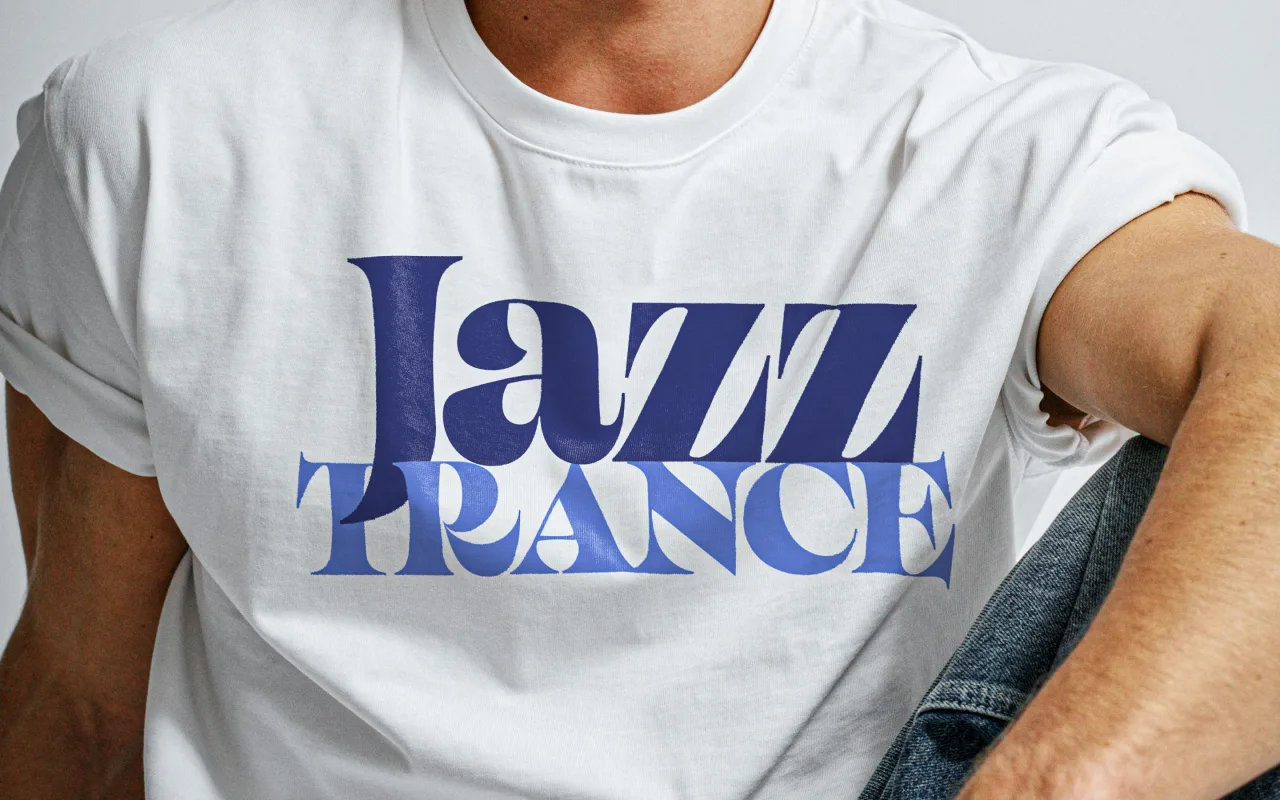
There's no polished perfection typical of the category; just stripped-back typography and candid photography that feel real, sitting alongside a palette of confident blues and grounded neutrals, to balance "medical" with "relatable".
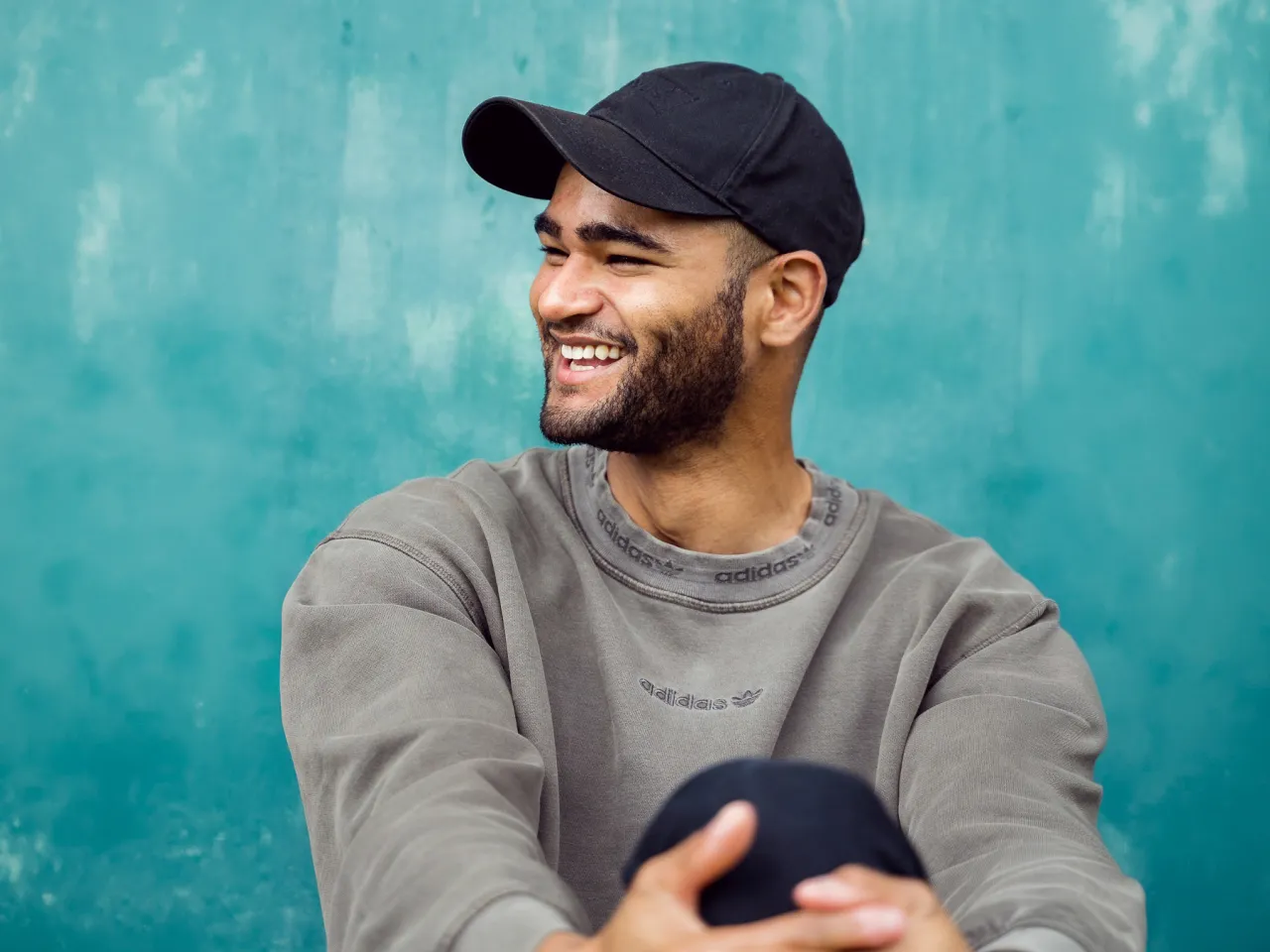
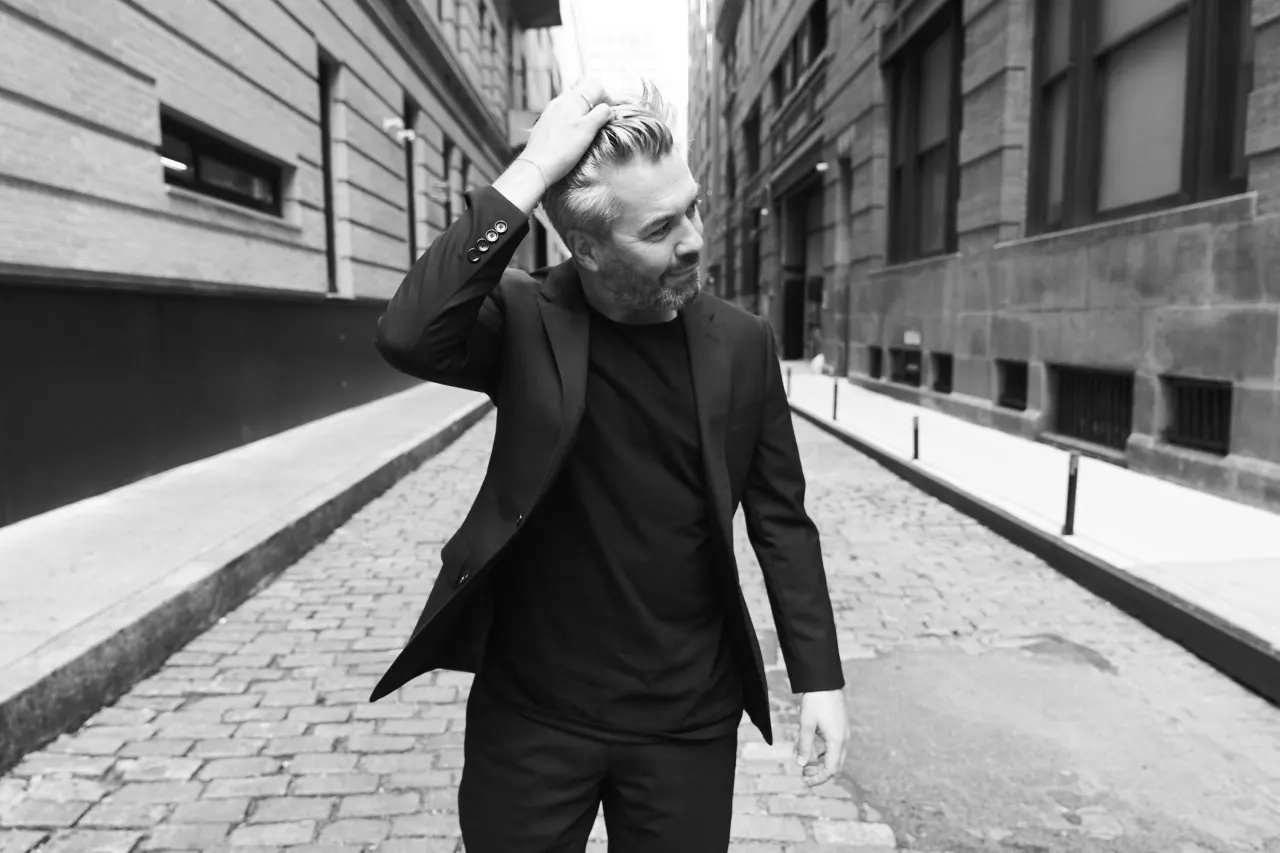
You won't find retouched faces or Hollywood glamour, either... LEO's imagery features real men complete with freckles, tattoos, imperfect hairlines – all shot with harsh flash and cheeky humour. Illustration adds to the whole approach, giving lightness and relatability.
The tone of voice is where the strategy really pays off. Knowing the many brilliant men in my life, I know hair loss is an emotional topic. And it's not made any easier by some brands that deepen the stigma with jargon and bravado. LEO speaks plainly and directly, thankfully, with clarity and confidence. The aim is simple: "help men feel informed and understood, not sold to".
"Hair loss products aren't new, but few brands acknowledge the quiet vulnerability at the heart of the experience. That's why we looked past the product to focus on the person instead," says Neil Marra from Creative Spark. "Through cultural analysis, competitor mapping, and interviews with trichologists, barbers, and men at different stages of hair loss, we uncovered a powerful insight: men didn't want a glossy new version of themselves; they wanted help staying connected to the one they already were."
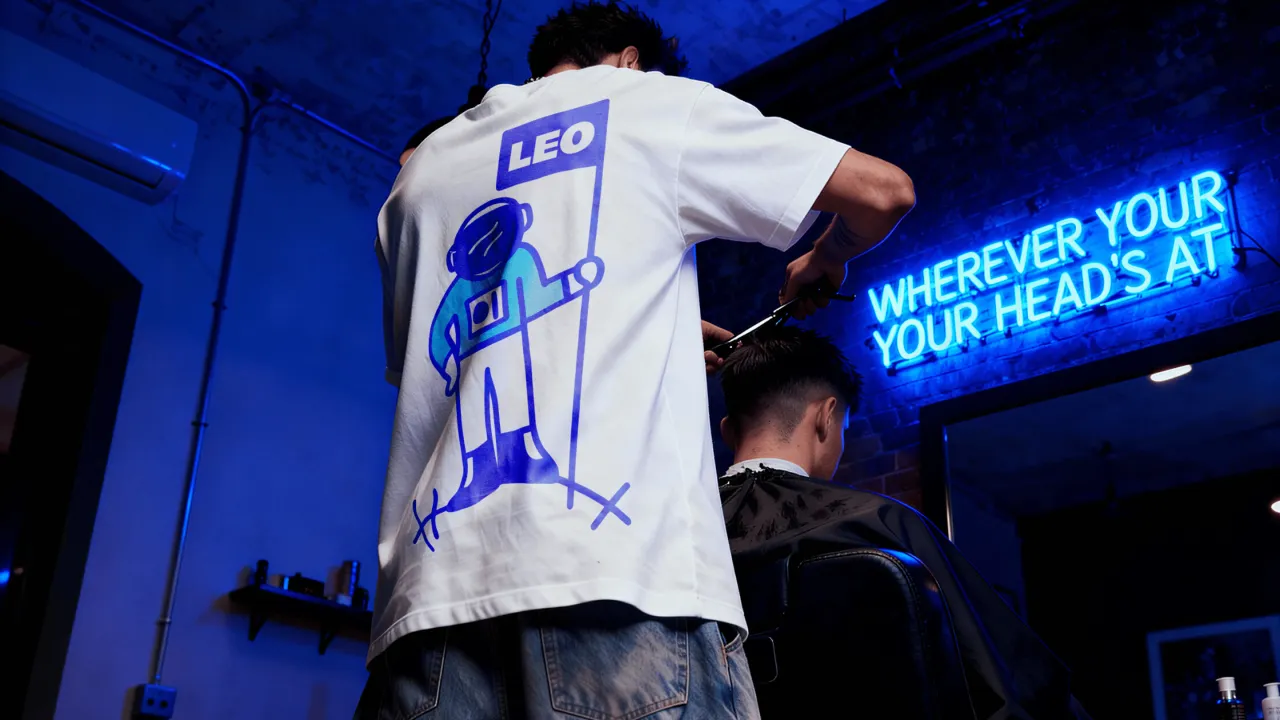
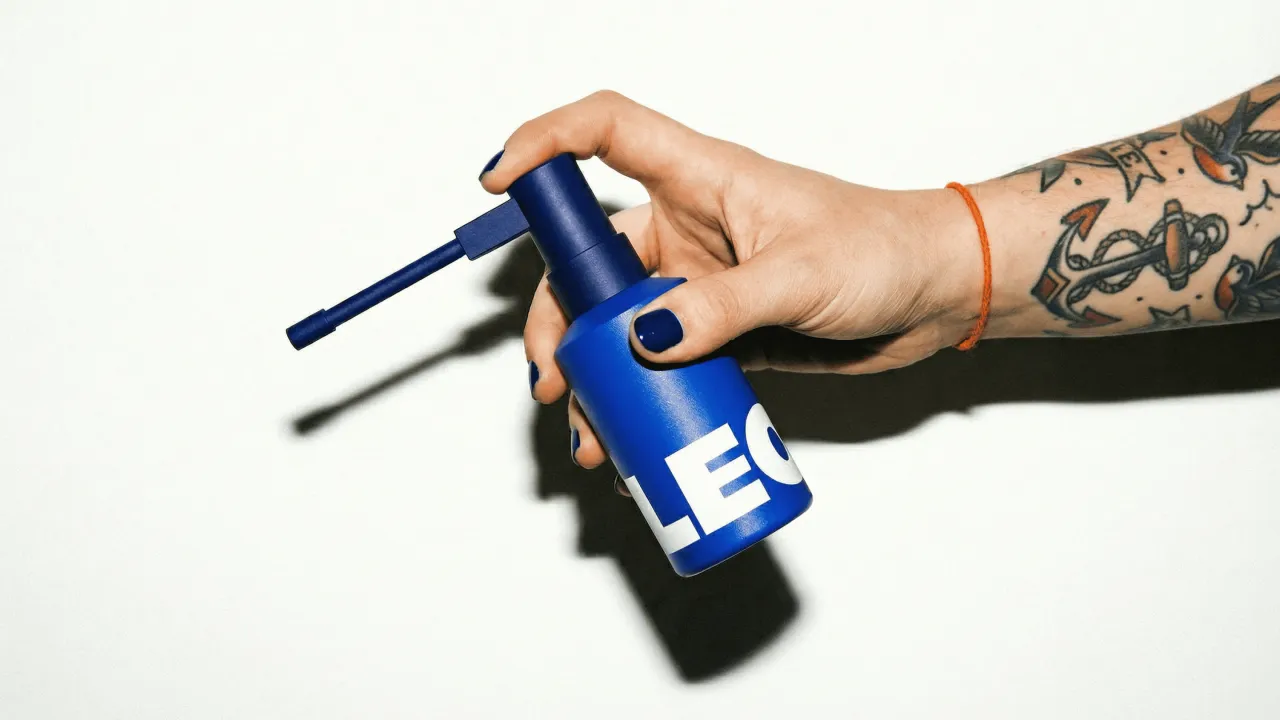
That's a fascinating observation, and it's what makes the whole campaign click. If I know my male pals well, I know they don't relate to the perfect models or ripped muscles splashed over every advert. I'm not sure I do, either. It's all so fake.
Of course, it's hard not to think of Dove's Real Beauty campaign of 2004 – work that, over two decades ago, focused on building self-confidence in women and children. The idea that women deserved to see themselves for who they truly are – all the freckles, wrinkles, soft bellies – is real, beautiful stuff. LEO is doing something similar for men, and it's about time. Hair loss affects two-thirds of men by the time they hit 35, and it can really knock your self-esteem. Yet the branding we see in this category still suggests it's something to be ashamed of or never to be spoken about.
Honesty sells better than anything that's airbrushed – Dove proved that two decades ago. I'd say LEO's on the right track.
Editor's Picks
Trending
Latest Jobs
Frontend Developer at Northern Artillery
Full-time·Leeds·£35k–£45k
Senior Creative Lead at Random Studio
Full-time·Amsterdam / Paris·€90k-€110k
Senior 3D Motion Designer at Art&Graft
Full-time·London·£50k-£65k
Designer at New Genre
Full-time·London·£36k–£48k
Lead 3D Designer at The British Museum
Full-time·London·£51,623 per annum
Client Success & Growth Director at Revolution Growth
Full-time·Manchester·£60k-£70k