The Jimmy Choo handbags inspired by paper-cut artist Helen Musselwhite
"It was so exciting and special to see the bags evolve, and it was a joy to see and hold them in real life," says the illustrator.
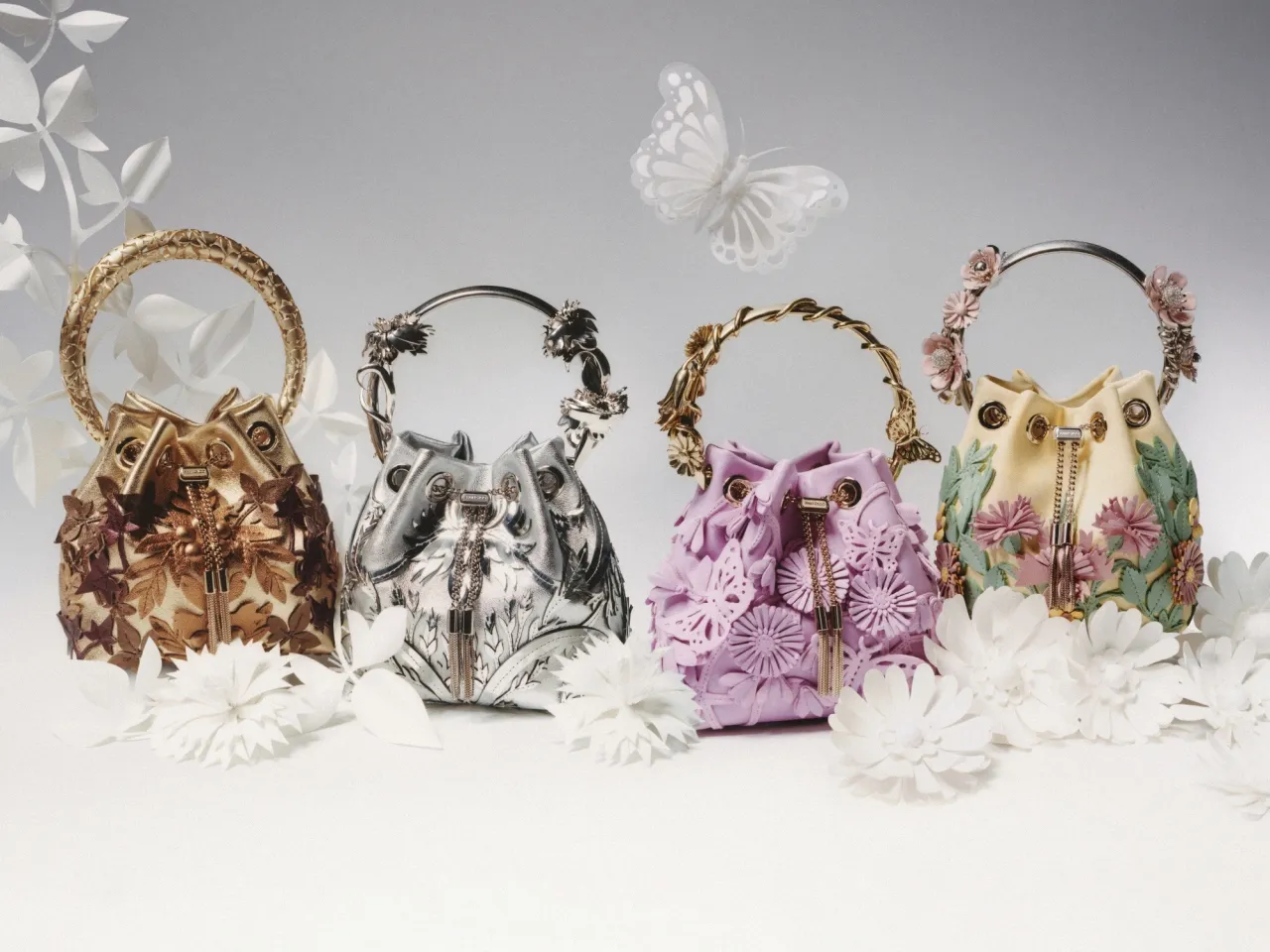
Tactility is such a key quality in the design of a handbag. So, when the designers at luxury shoe and bag brand Jimmy Choo were looking for inspiration for their 2026 Bon Bon evening bags, they turned to an artist well versed in materiality, texture, and handcrafting – Helen Musselwhite.
Based in the Northwest of England, Helen specialises in creating astounding three-dimensional illustrations out of paper and card. Colour, texture, intricacy and tactility are part and parcel of her visual language and the call, via her agency Handsome Frank, presented the perfect opportunity to showcase her skills.
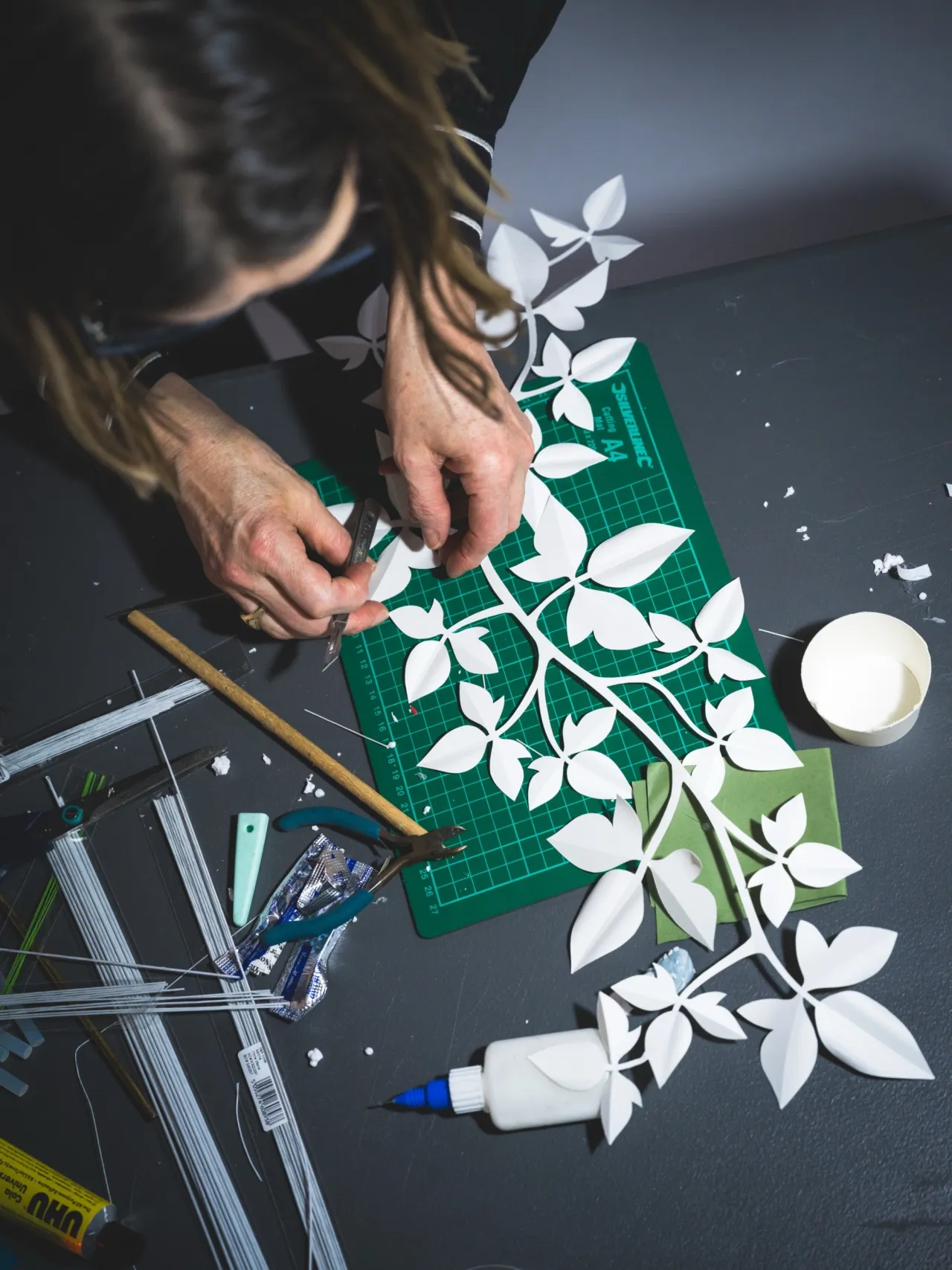
The design of the four seasonal, limited-edition bags began with a piece of artwork Helen cut and constructed to provide inspiration for Jimmy Choo's expert leatherwear designers.
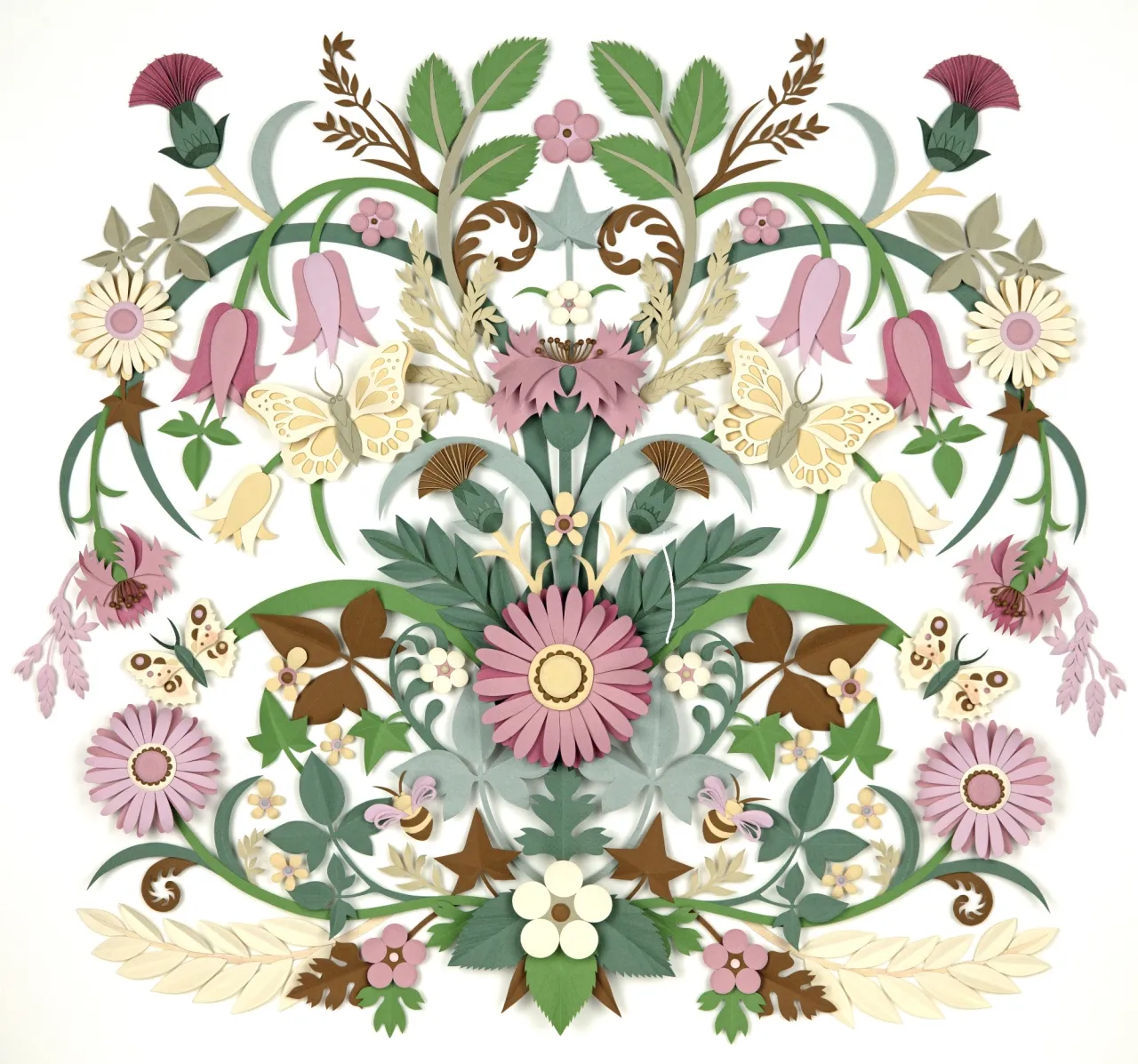
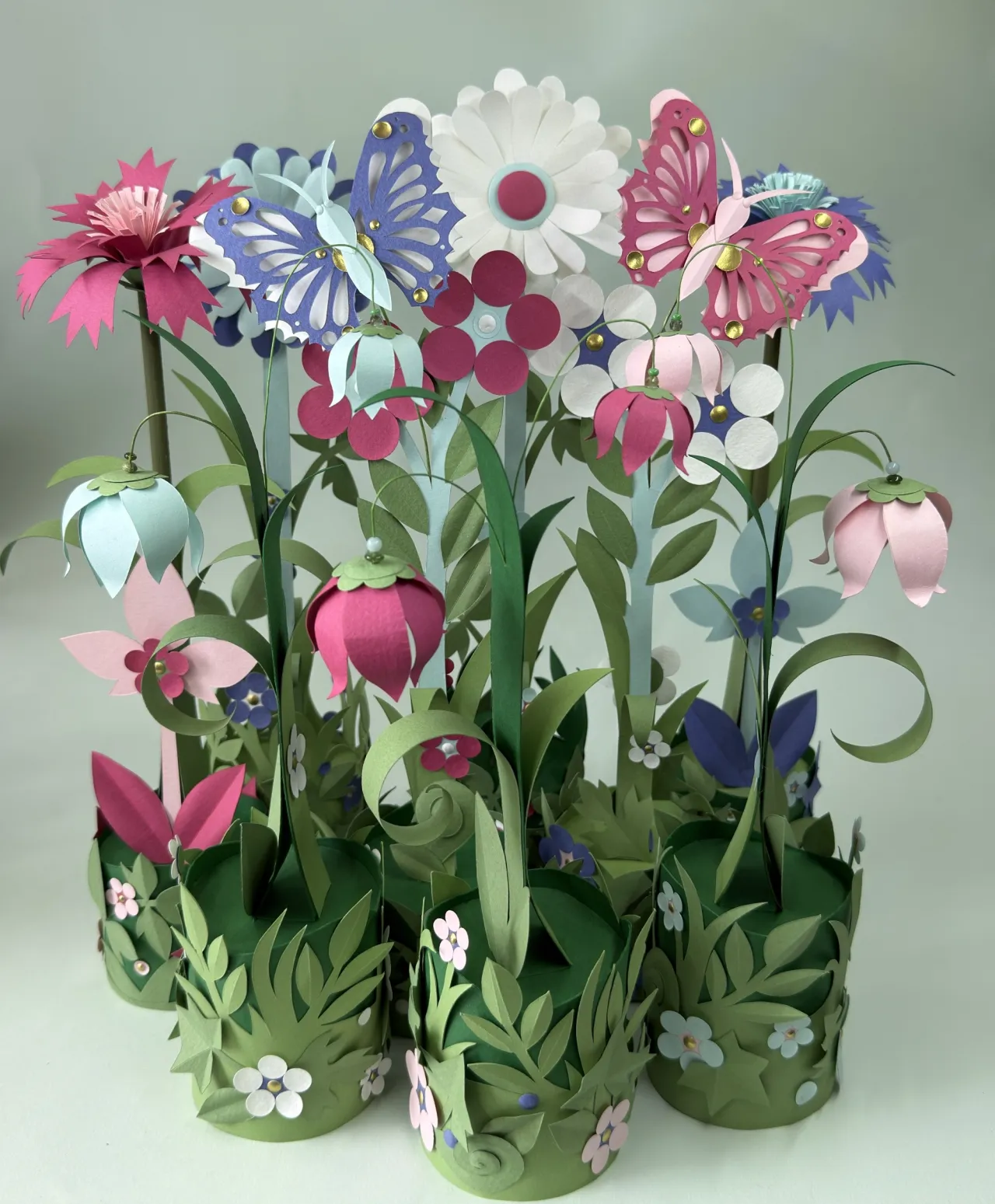
"I was, of course, delighted, and from an initial discussion, I created one piece of artwork – Jimmy's Garden – that encapsulated favourite motifs from my archive," says Helen. "I was able to go to town with the elements and employed my maximalist multi-layered ethos using my favourite mirror image design. The resulting artwork is a true Musselwhite concoction with, as often happens, a nod to William Morris."
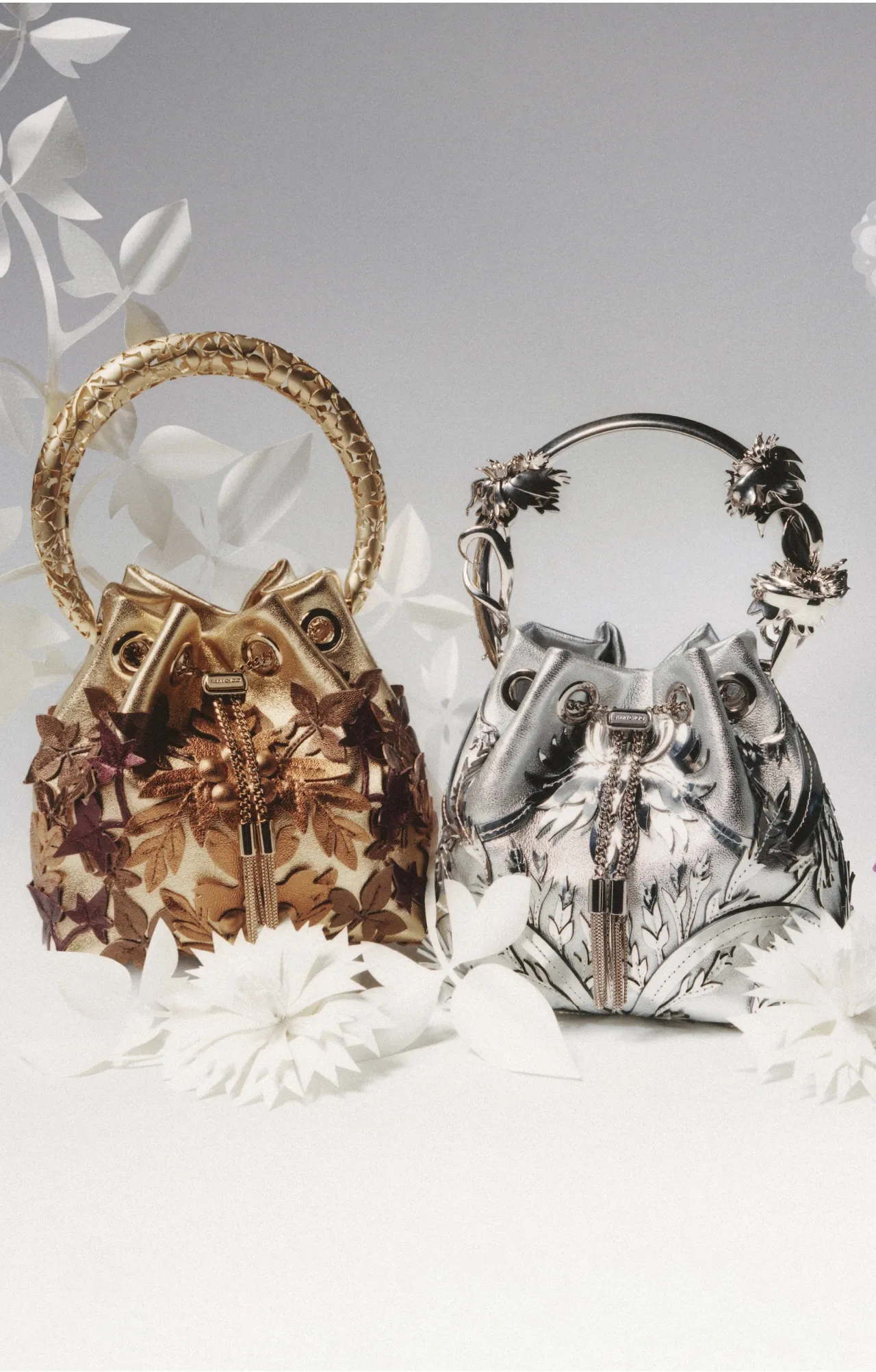
The designers then pored over Helen's large-format artwork, inspecting it from every angle and imagining ways to turn her floral and foliage cut-paper forms into an object of desire rendered in leather. Deconstructing the piece, elements were separated and applied to the creation of four Bon Bon bags – one for each season.
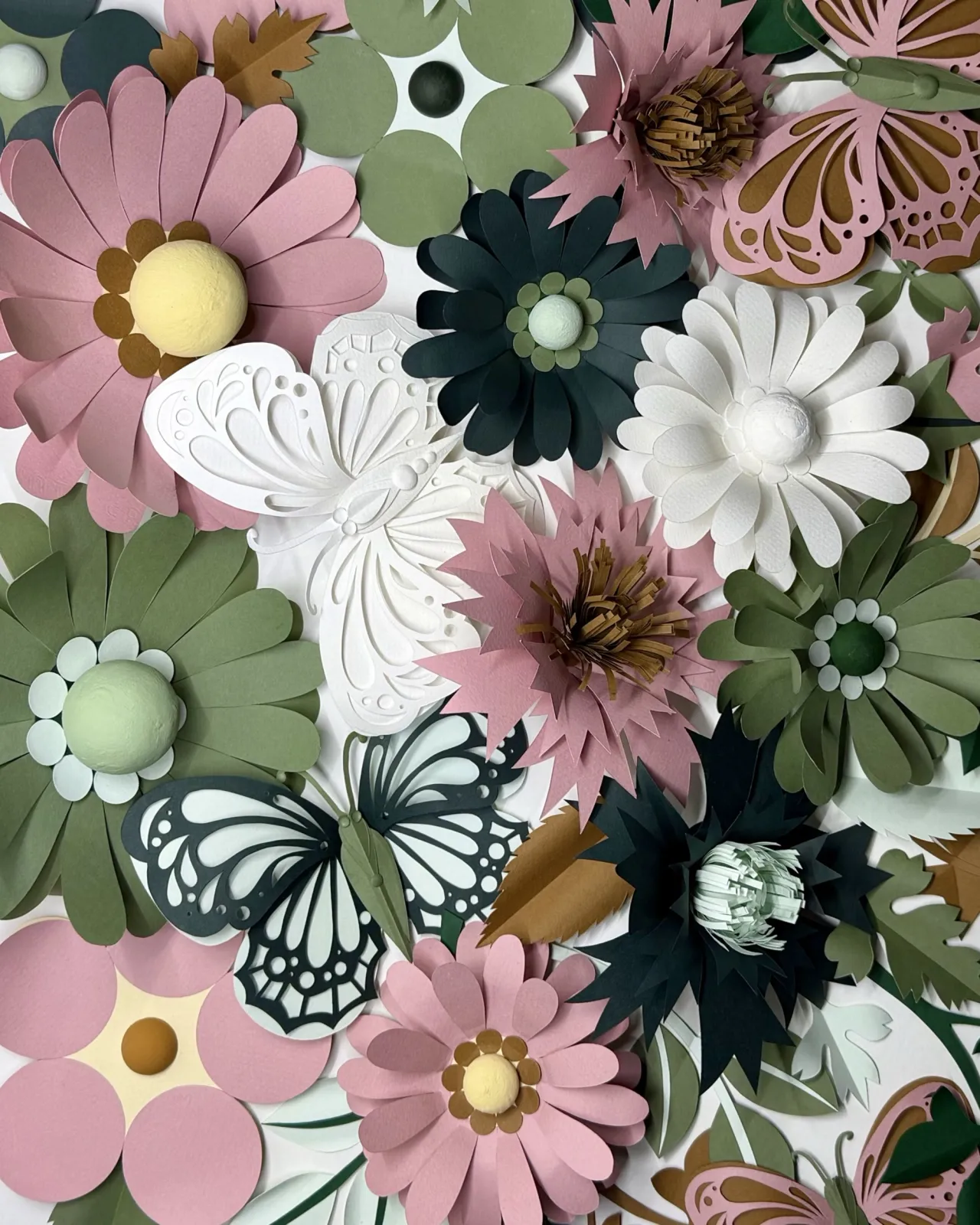
"The flowers, spring leaves and butterflies became the spring and summer bags. My beloved bramble leaves became the inspiration for the autumn bag – I particularly love the handle made up of multiple leaves cut from a sheet of metal, echoing my process, which has been formed to make a bracelet handle. And the spikiness of the grasses and thistles was recast as an icy winter bag," explains Helen.
Helen watched as the skilled leather workers used shapes from her original artwork to cut decorative leather elements, a process that echoed her own. Layered leather and beads lent texture to the handbags, with 3D flowers and butterflies adorning the sculpted metal handles.
The project didn't end once the bags had been designed, as Helen was called upon to help style the photoshoot. Typically, her work is elaborate, with extensive detail to engage the viewer, but now the bags had to come to the fore, with the paper elements playing a supporting role in the photography.
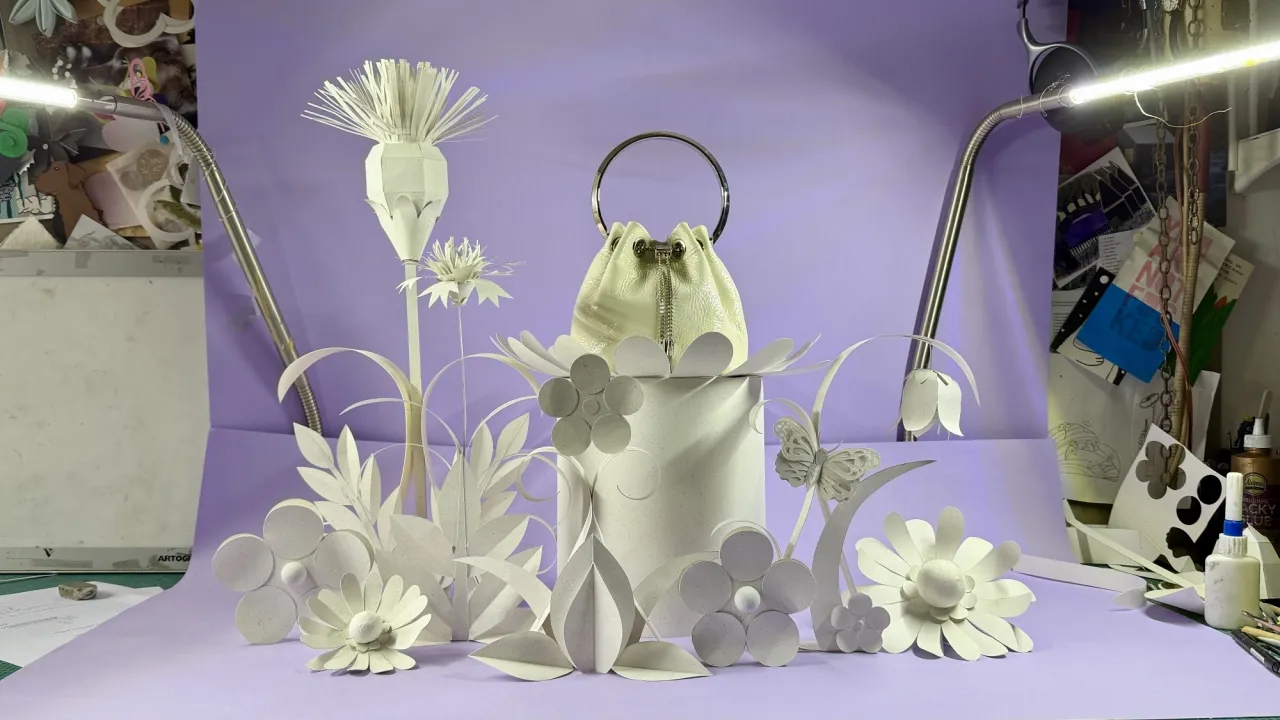
The photoshoot artworks played a supporting role.
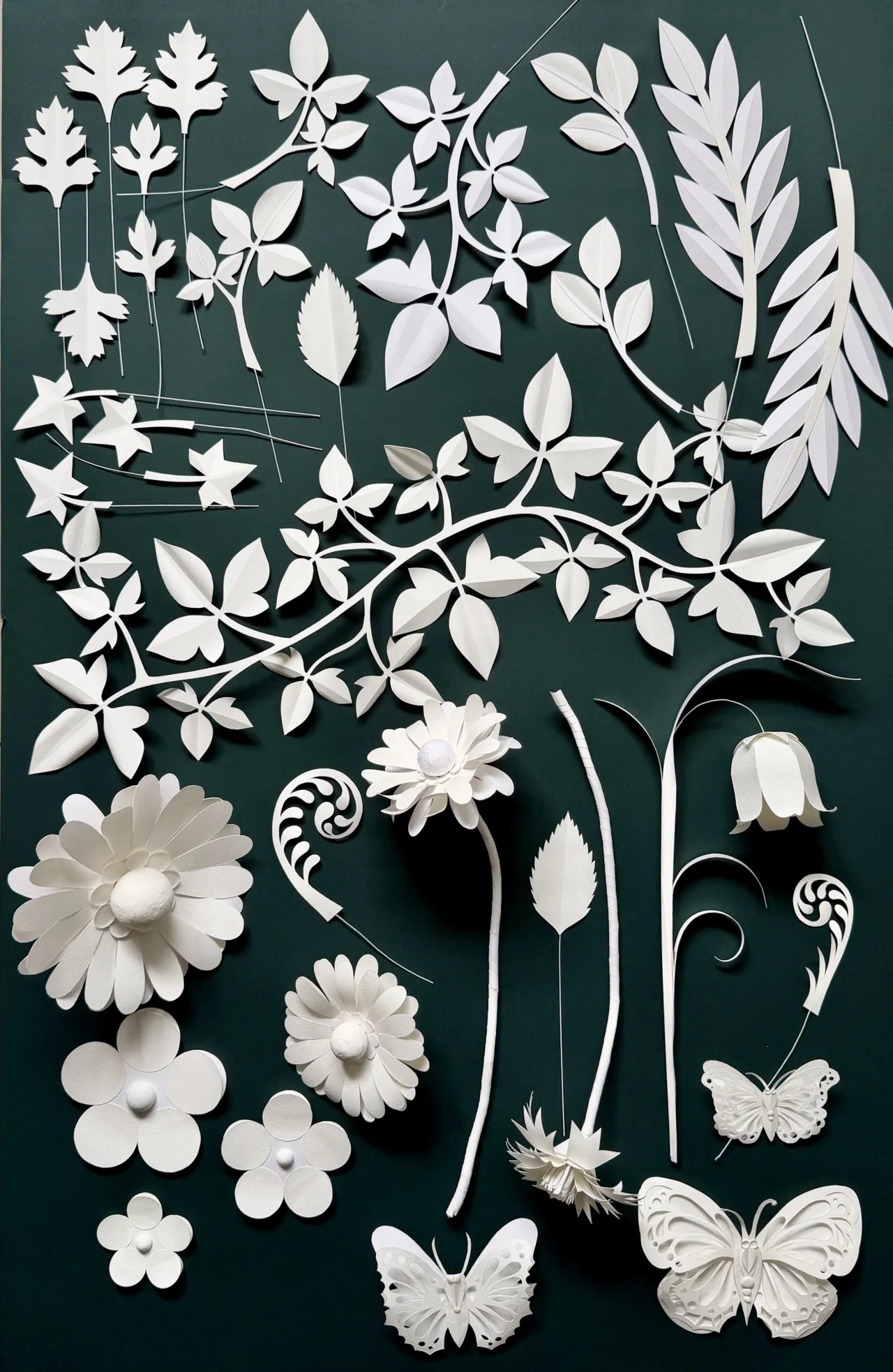
"The 2.5D flowers from my original artwork – daisies, carnations and bell flowers – became 3D so they could be placed around the bags, and the leaves and butterflies took flight," she continues. "The colour palette was pared back – mostly white with some pops of colour – and the use of the pieces was also pretty minimal in frame."
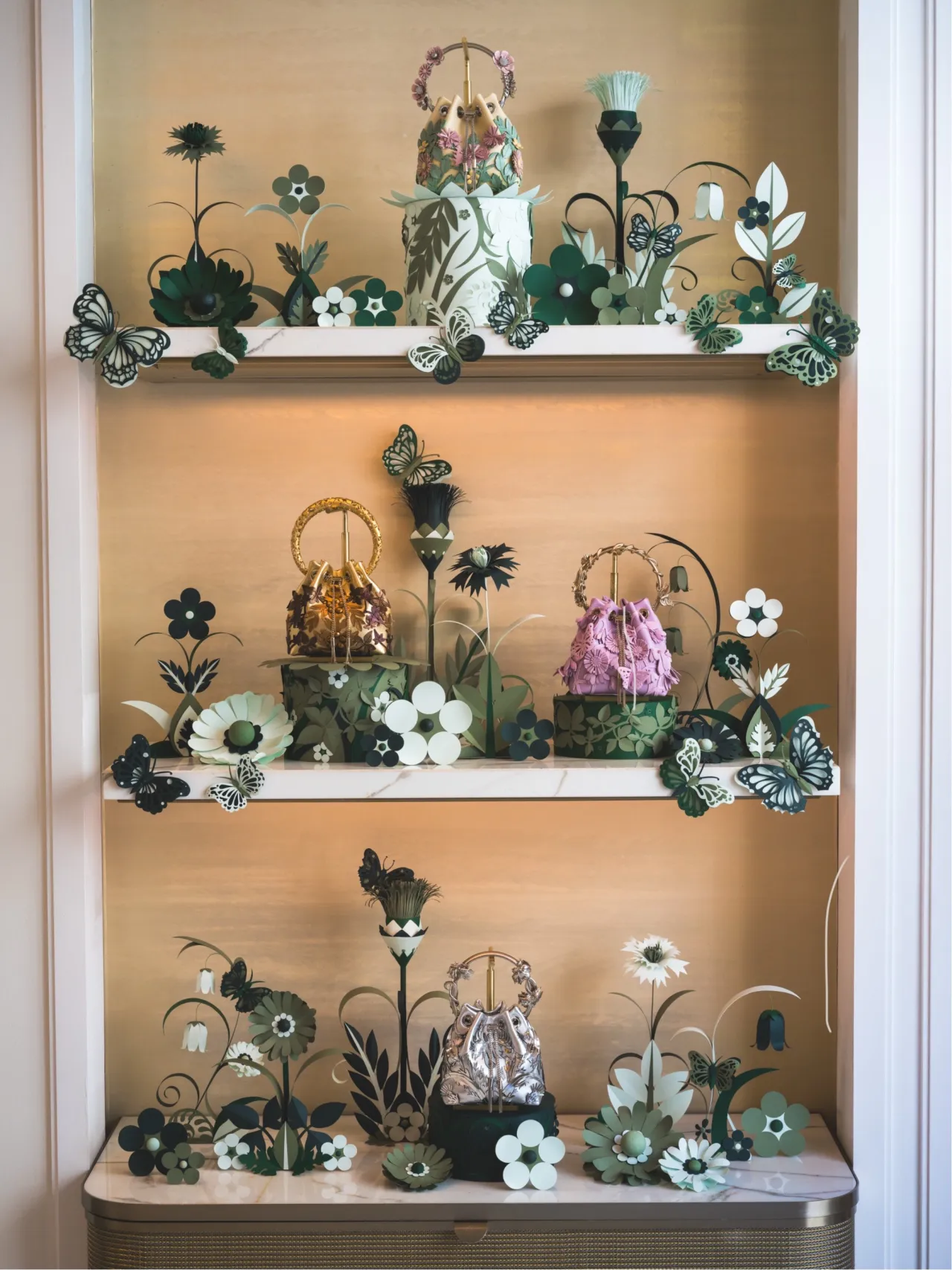
When the bags arrived at the Jimmy Choo store on Bond Street in London, Helen revisited the Jimmy's Garden artwork, creating independent cut-paper pieces to surround the bags on the shelves and in the window. Working closely with Jimmy Choo creative director Sandra Choi, she used a green colour palette to quietly complement the colourful bags, which sat like flowers amongst the foliage. In addition, Helen created templates of the in-store pieces so that they could be replicated across Jimmy Choo's retail empire.
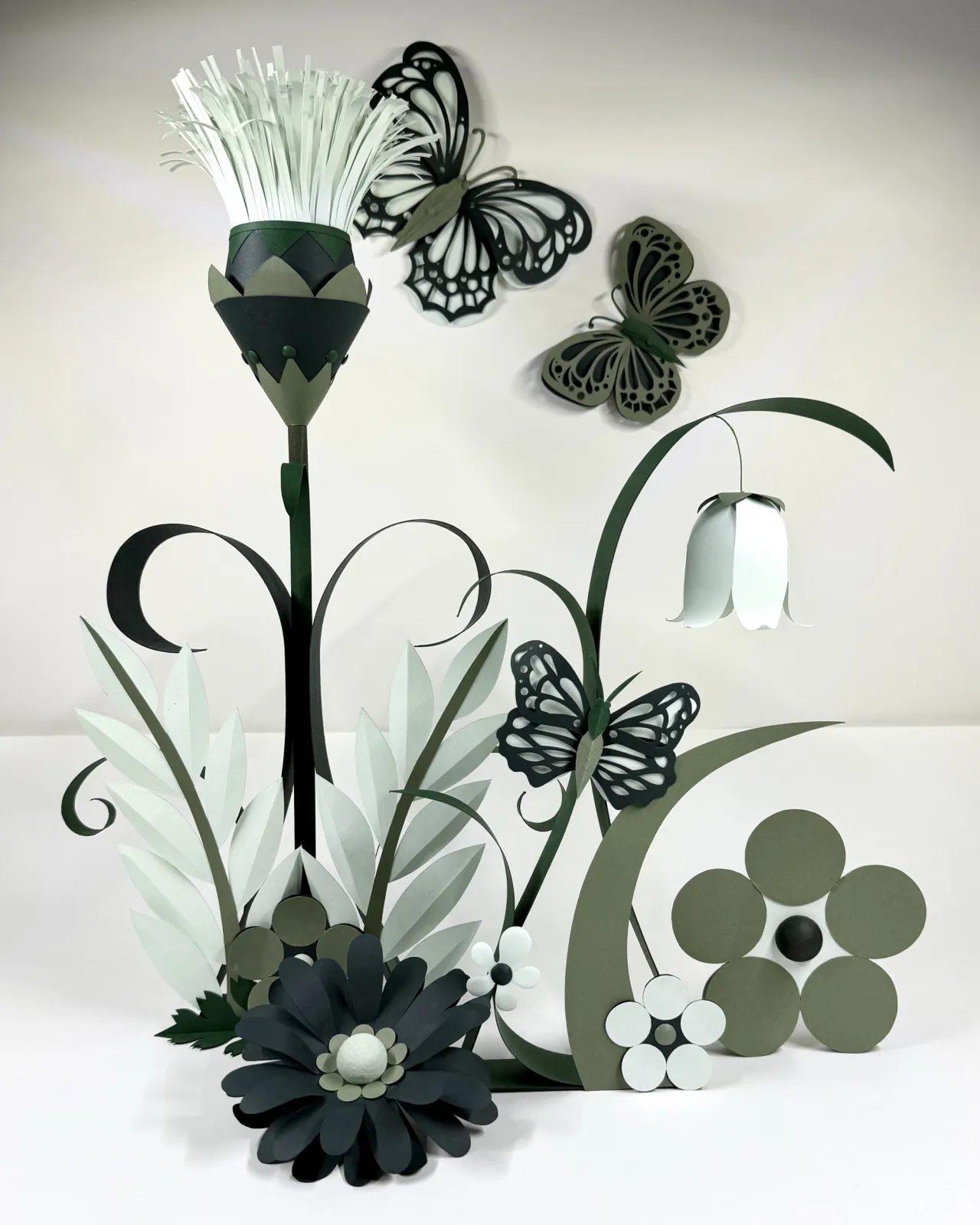
"Probably the biggest challenge for me across the project was making production packs for the visual merchandising elements. Written instructions, templates and process photos were put together for each piece so they could be made for bag launches around the world," explains Helen. "I really had to think about my process and make it coherent for others, not the slightly-scattergun-but-OK-in-the-end process that often occurs in my studio. I hand-cut the templates for each element – some had many pieces – and wrote what I hope were precise instructions. It really made me realise that I could streamline my process in places, so that was good and a steep learning curve too, even after all these years!"
And the pièce de résistance came at Versailles, where the bags were launched. For the occasion, Helen made 40 smaller, brighter coloured versions of the in-store livery for table decorations – exactly the kind of work she loves doing.
Eight years ago, we profiled Helen, and you can check out that article here. Since 2018, her projects have become fewer but larger, with the focus still firmly on a tangible analogue process.
Editor's Picks

Trending
Latest Jobs
Senior Designer at Creative Spark
Full-time·Manchester·£35k-£50k
Midweight Designer at All Purpose
Full-time·London·£30k–38k
Design Director, Opinion at The New York Times
Full-time·New York·$160k–$180k
Art Director at The New York Times
Full-time·New York·$120k–$130k
Client Director at Koto
Full-time·Berlin·€70k-€85k
Designer at New Genre
Full-time·London·£36k–£48k