D&AD speaker Alex Center on why the creative industry needs to start backing itself
From Coca-Cola design director to Brooklyn studio founder, Alex Center has a message: creativity's most important chapter is just beginning.
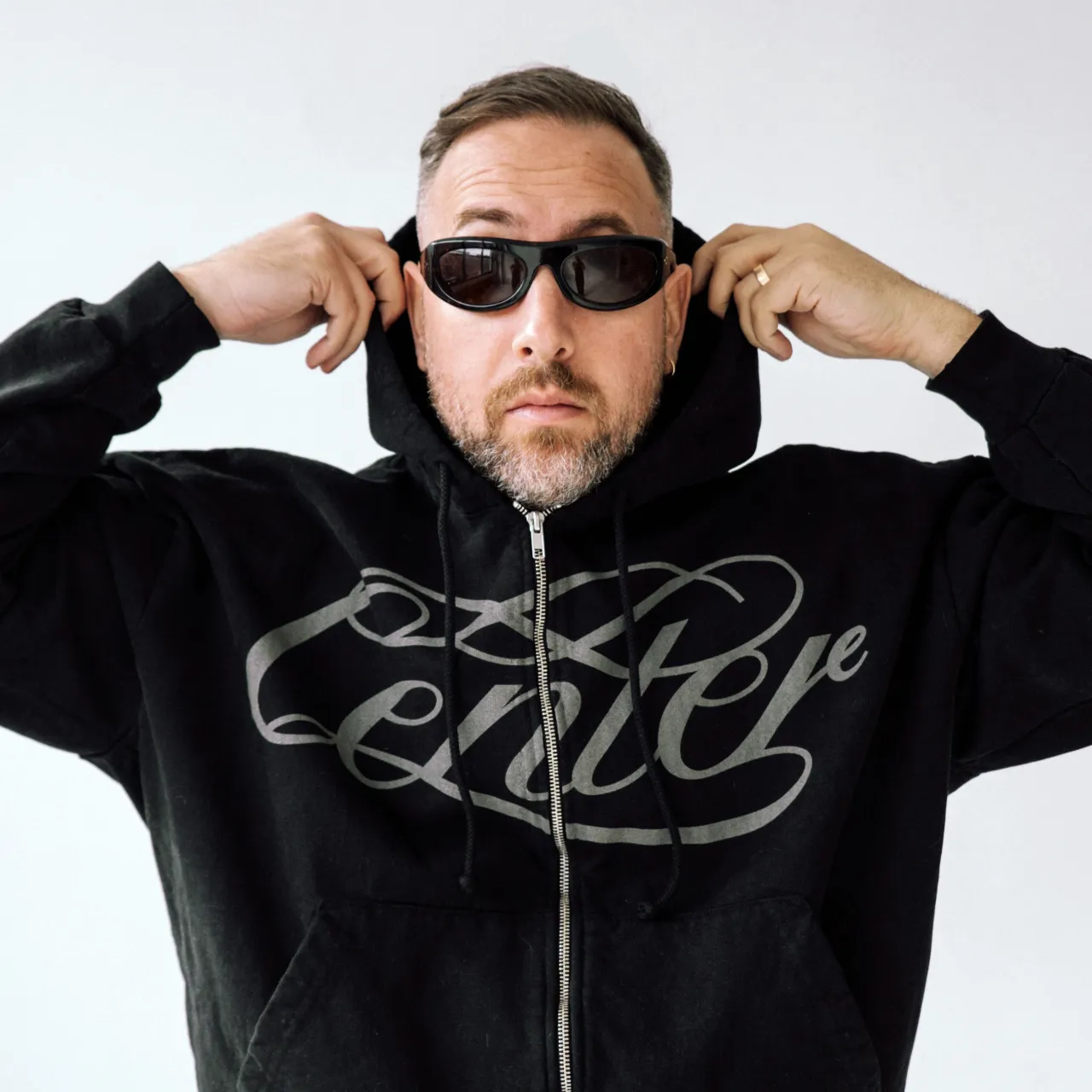
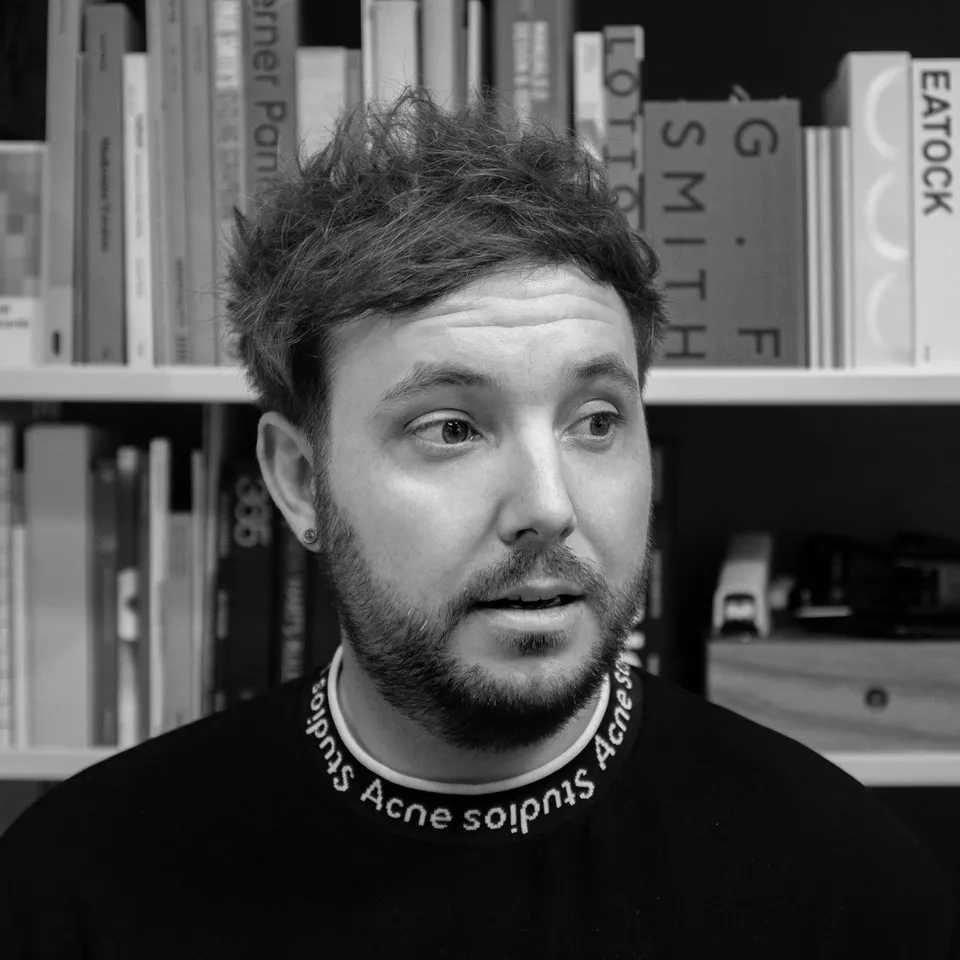
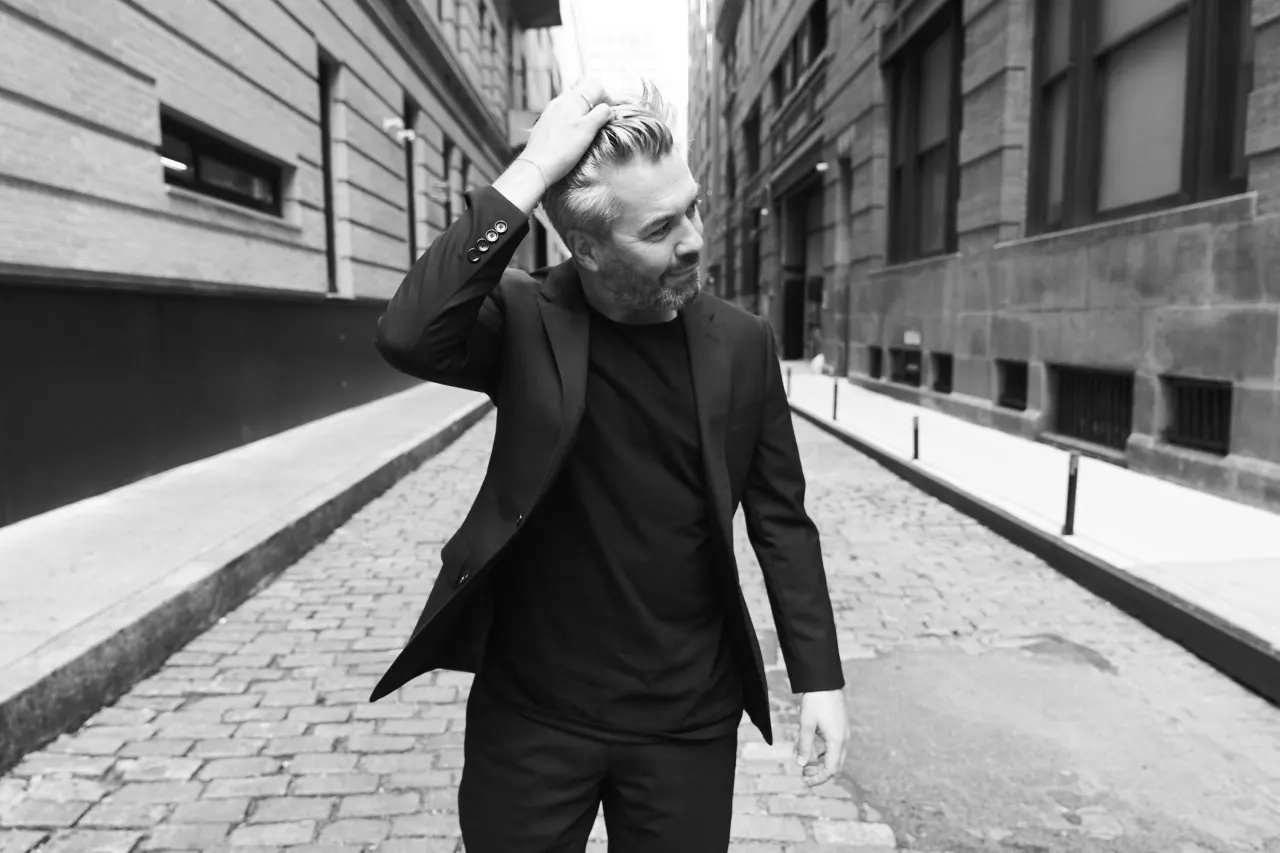
There's a certain irony in Alex Center's appearance at D&AD Festival this year. The Brooklyn-based designer once swept a stack of industry awards for a single project without realising that the one he'd missed, D&AD, was the one that really mattered.
"We submitted for everything, but we missed the deadline for D&AD," he recalls, with a palpable wince. "United Sodas of America was our first major branding project as a studio, and it won us all of these awards. And I remember thinking, this is amazing—but I didn't realise at the time that D&AD was the big one."
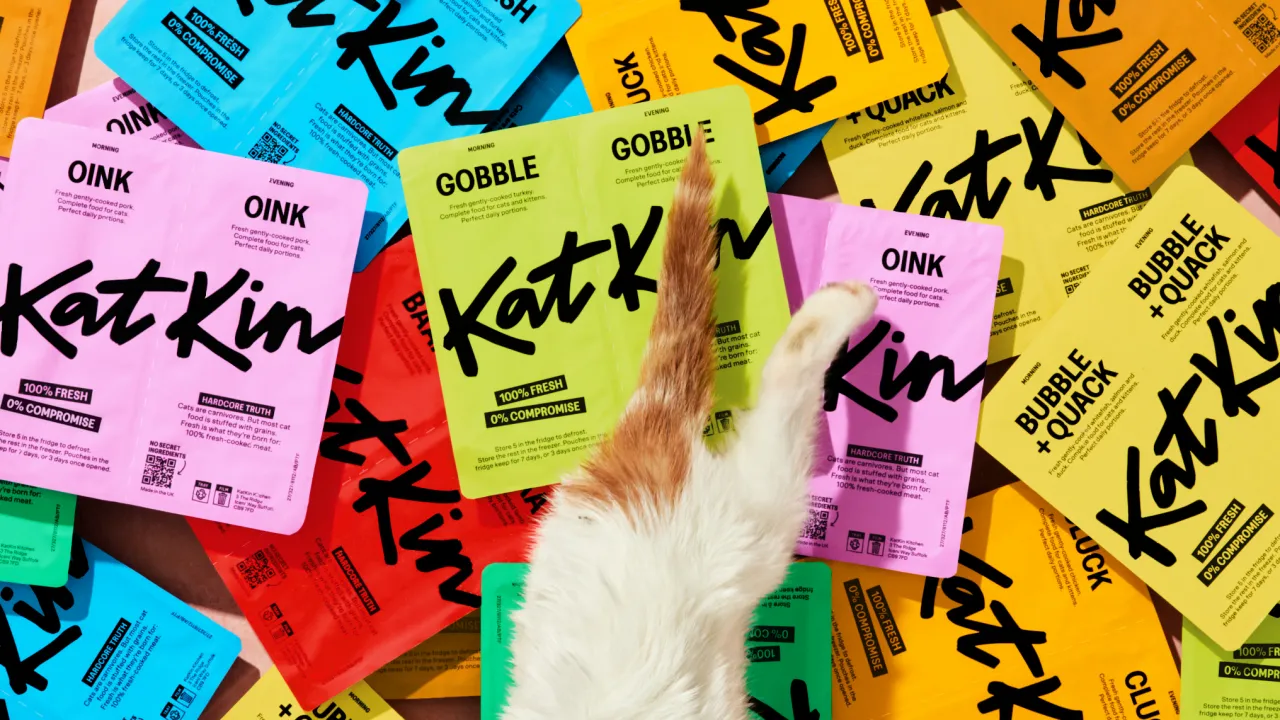
That project was the debut work of Center, the studio he founded in Brooklyn in 2018 after a decade as design director at The Coca-Cola Company, where he helped shape the global identities of vitaminwater, Powerade, and smartwater.
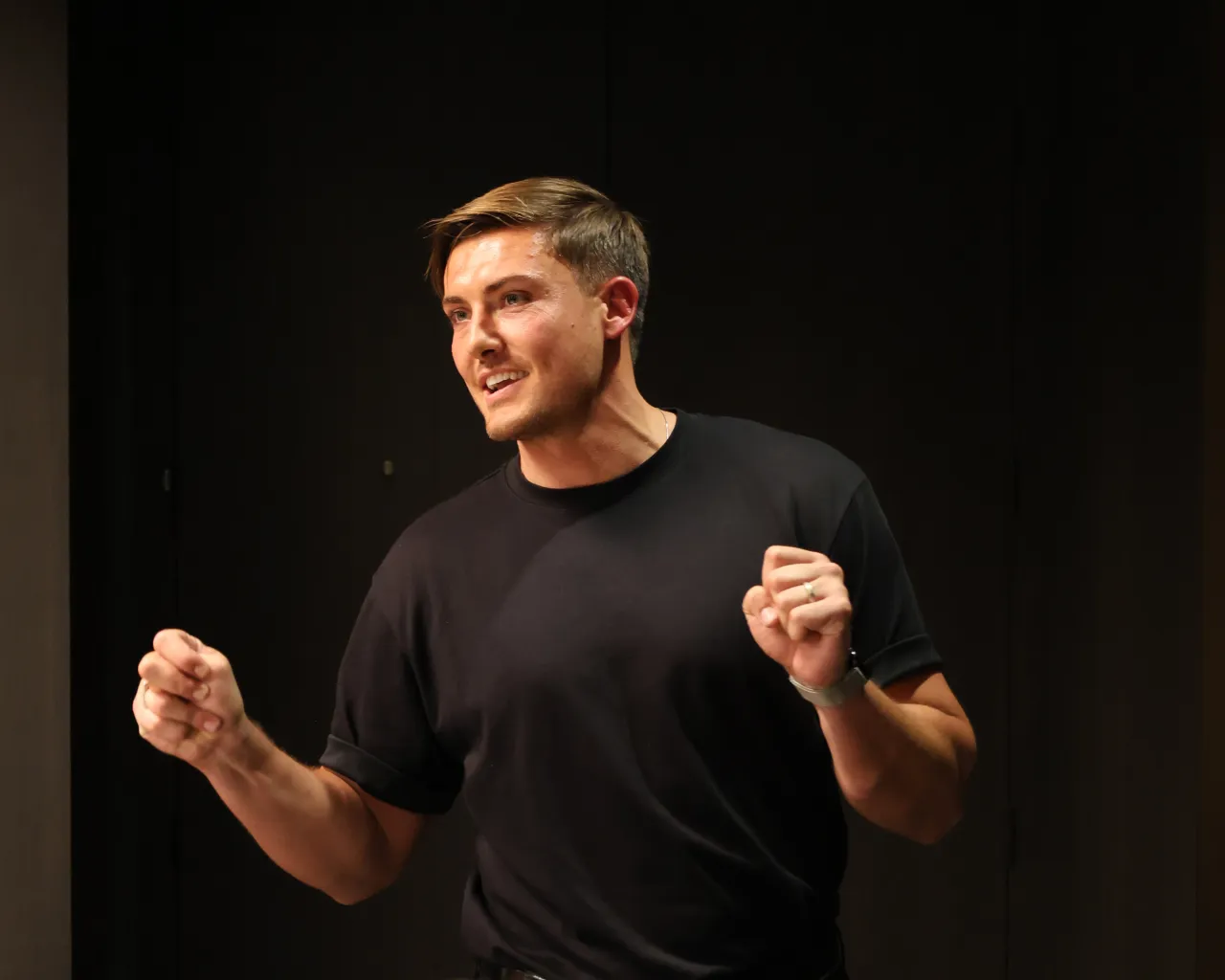
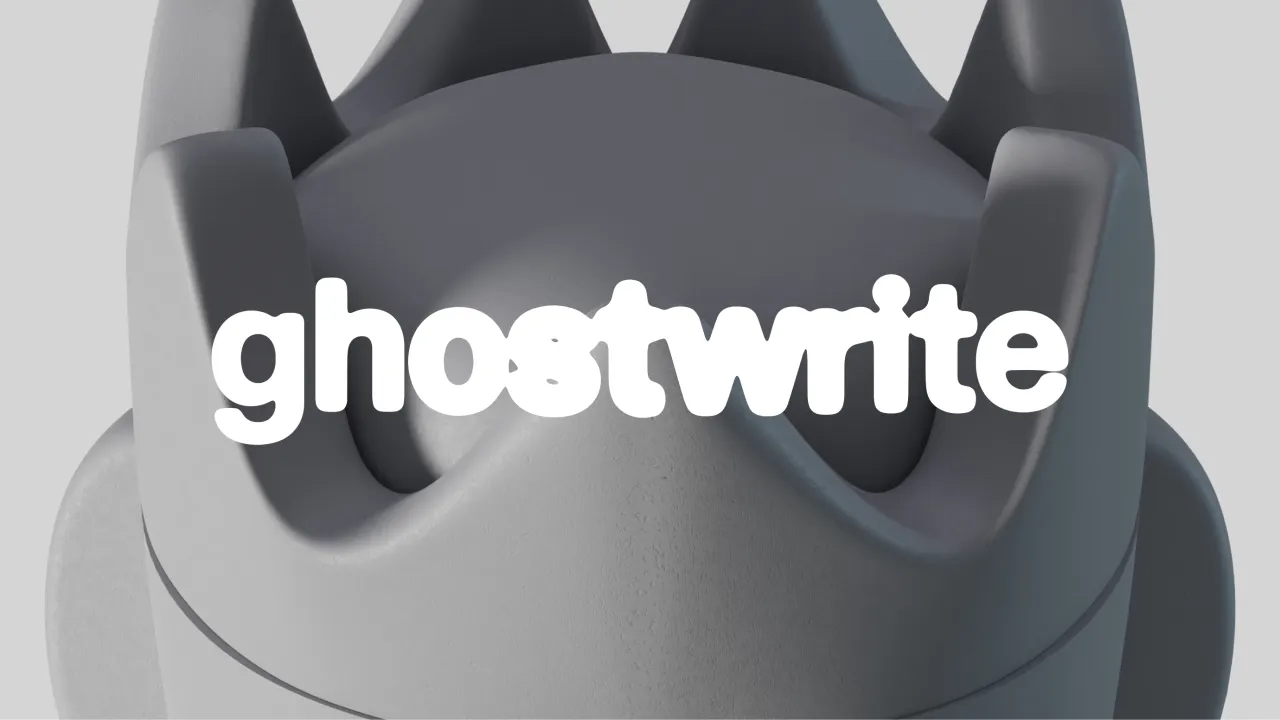
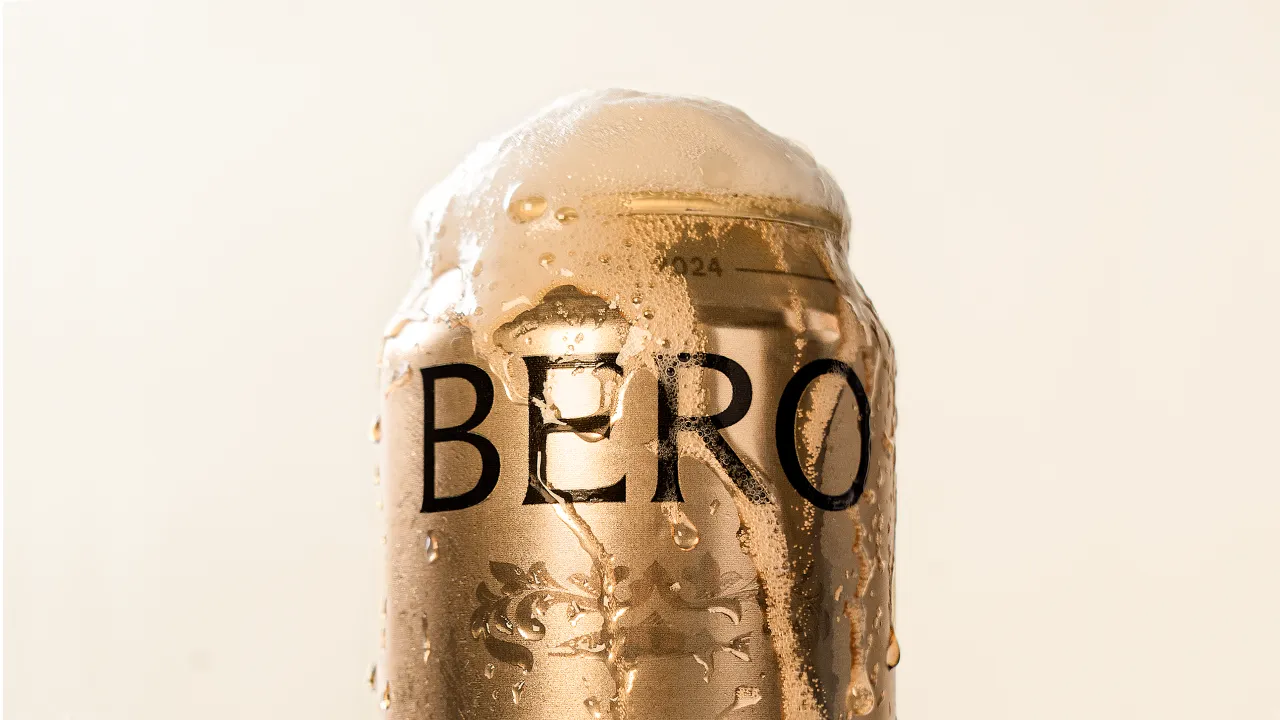
Today, he and his team work with everyone from Apple and Coinbase to breakout brands like Liquid Death and Bero, the premium non-alcoholic beer. He's now a D&AD jury member for new brand identity, and a speaker at this year's Festival, which is framed around a single provocative question: Is creativity dead?
Alex's answer—delivered with enthusiasm in a Brooklyn accent that could sell anything—is an emphatic no. But it comes with a nuanced argument that's worth hearing out, because it goes well beyond a mere "don't panic".
Back to centre
Alex is 40 now, 20 years into his career, and he's using D&AD's platform to take stock of where the industry has been and where it needs to go. But his talk isn't a simple rebuttal to the doom-mongers. It's more of a call to arms, rooted in his own career arc.
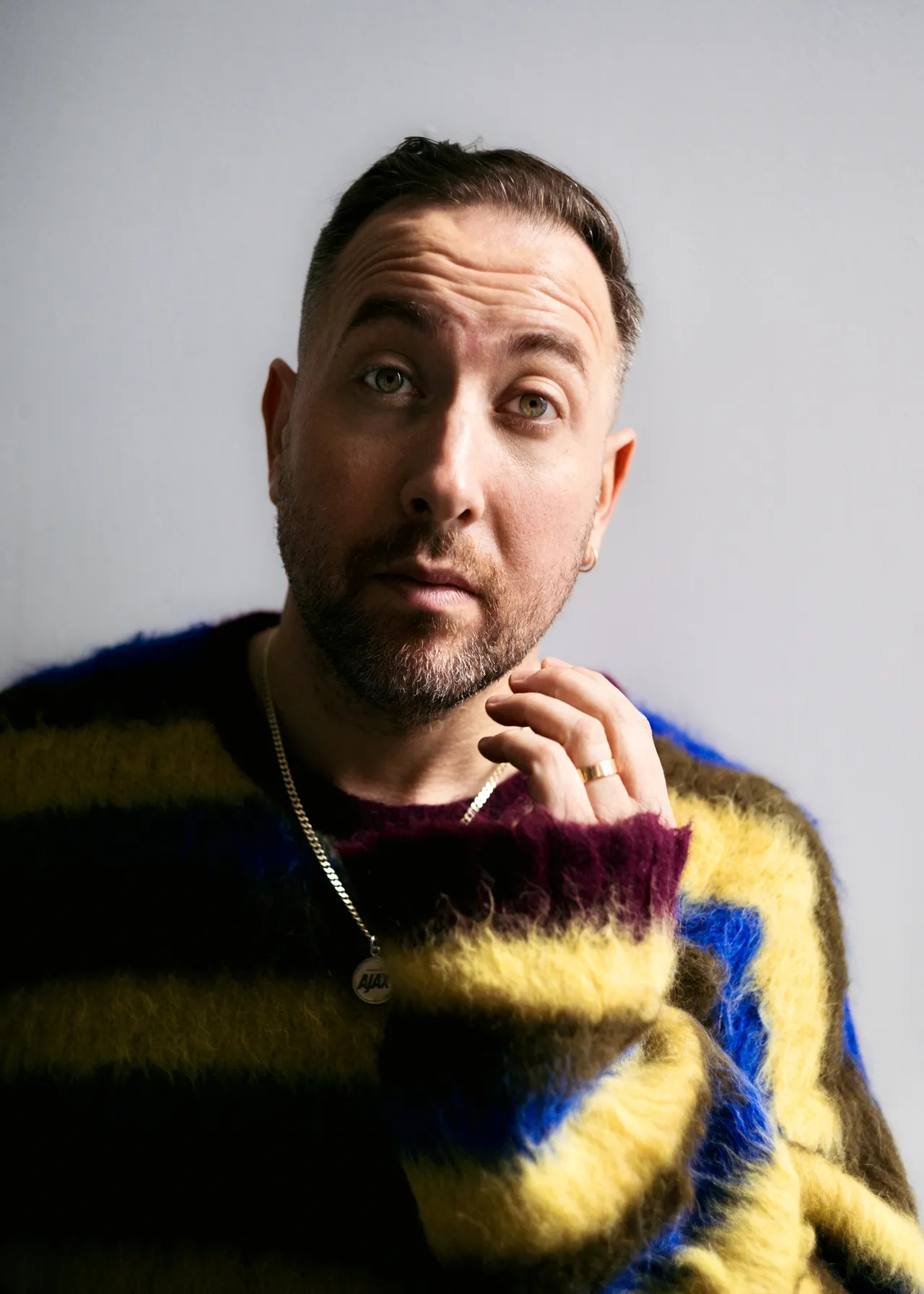
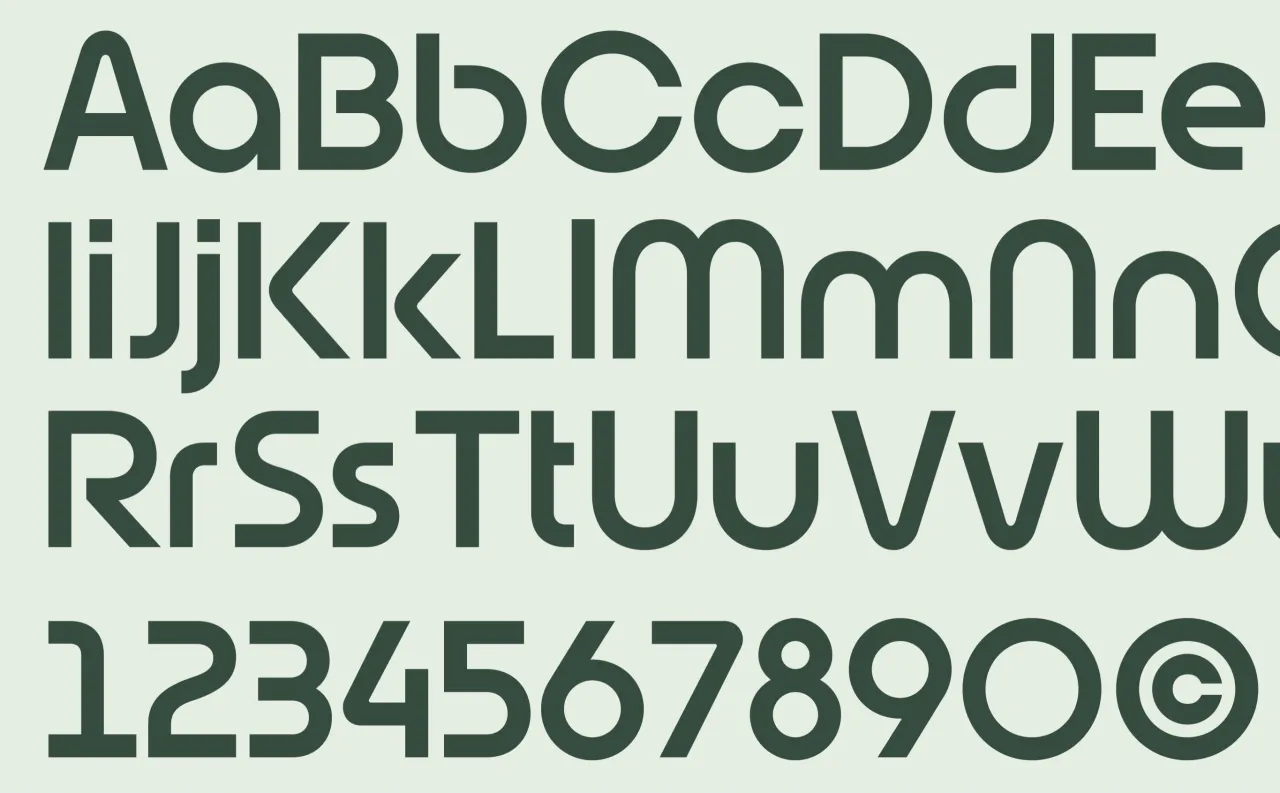
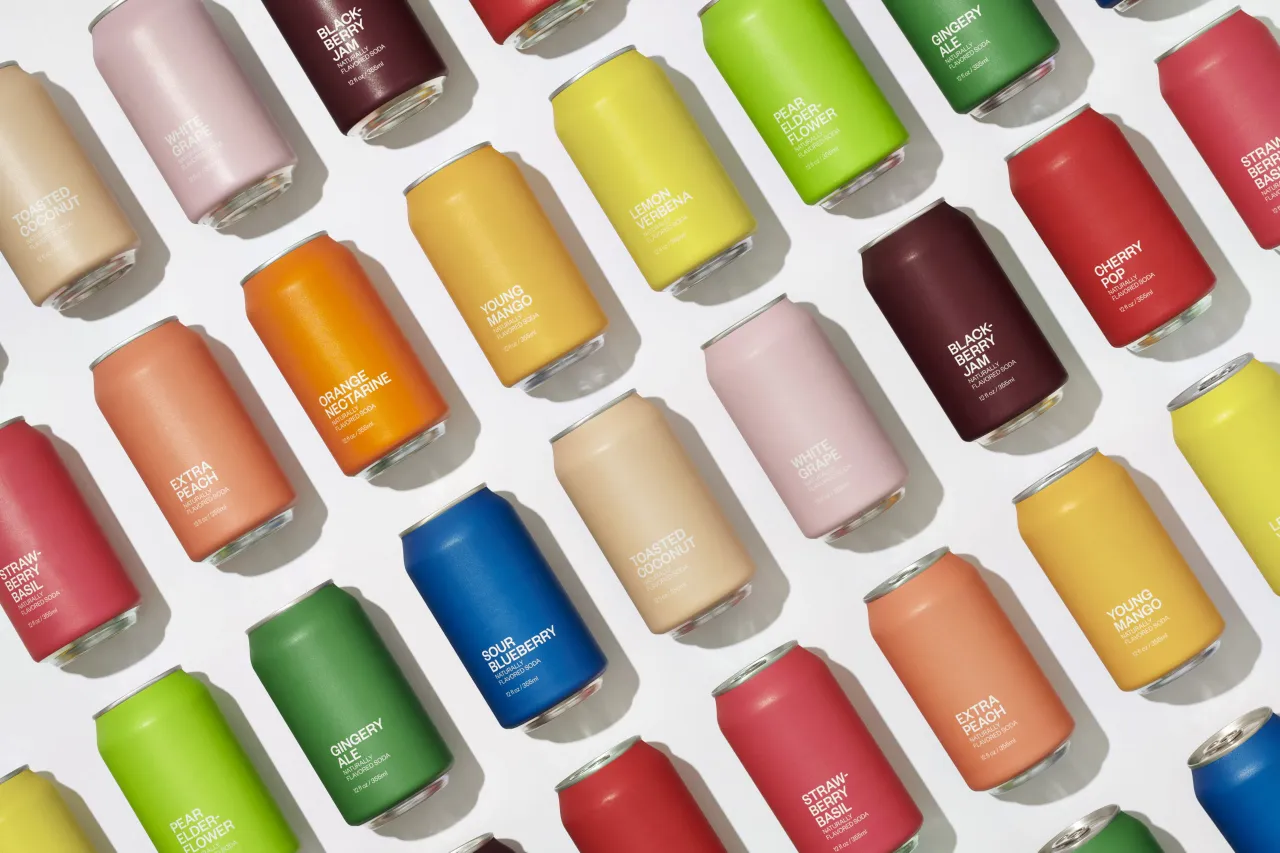
He traces a path from a self-described "lonely, insecure kid" growing up on Long Island, where artists weren't exactly thick on the ground, to a young designer watching the industry fight for a seat at the table, win it, and now face a new kind of pressure.
"Visual aesthetics have never been more achievable," he points out. "There are more designers than ever before, and the tools are getting incredibly effective at making things look beautiful. So, as people who build brands and do creativity for a living, we need to defend why it matters. And it's not just about aesthetics. It's about relationship building, connections, and communication. It's about differentiation, and I think those are the things that we've always done well."
This, he argues, is what can't be replicated by a tool or flattened by an algorithm. The problem, as he sees it, isn't an excess of designers or AI-generated imagery so much as it is an epidemic of sameness.
"Algorithms create this singularity, everything congealing into sameness: people, cars, design. Our role is to create things that make people stop and say, 'What is that? I've never seen that before.' That feels fresh, that feels different. To push forward and create something new and exciting, and I feel like that is getting lost."
The dentist analogy
For a sense of how seriously Alex takes this moment, consider the analogy he uses when discussing the creative industry's responsibility to champion itself.
"My father was a dentist for 40-plus years," he says, "and he hated it every damn day. Dentists didn't get together and say, "We've got to defend dentistry, we love dentistry. But for us, we love this. We love this industry, this practice, this work that we get to do."

The point, warmly made, is that the creative community has something most industries don't: genuine passion for what it does and a culture of celebrating it. What it needs to do now, Alex argues, is turn that energy outward as well as inward. "It's about us coming together and inspiring each other, for sure, but not just with our work," he clarifies. "We also need a unified perspective about why what we do is so important; why it can't be replaced."
New brands, new territory
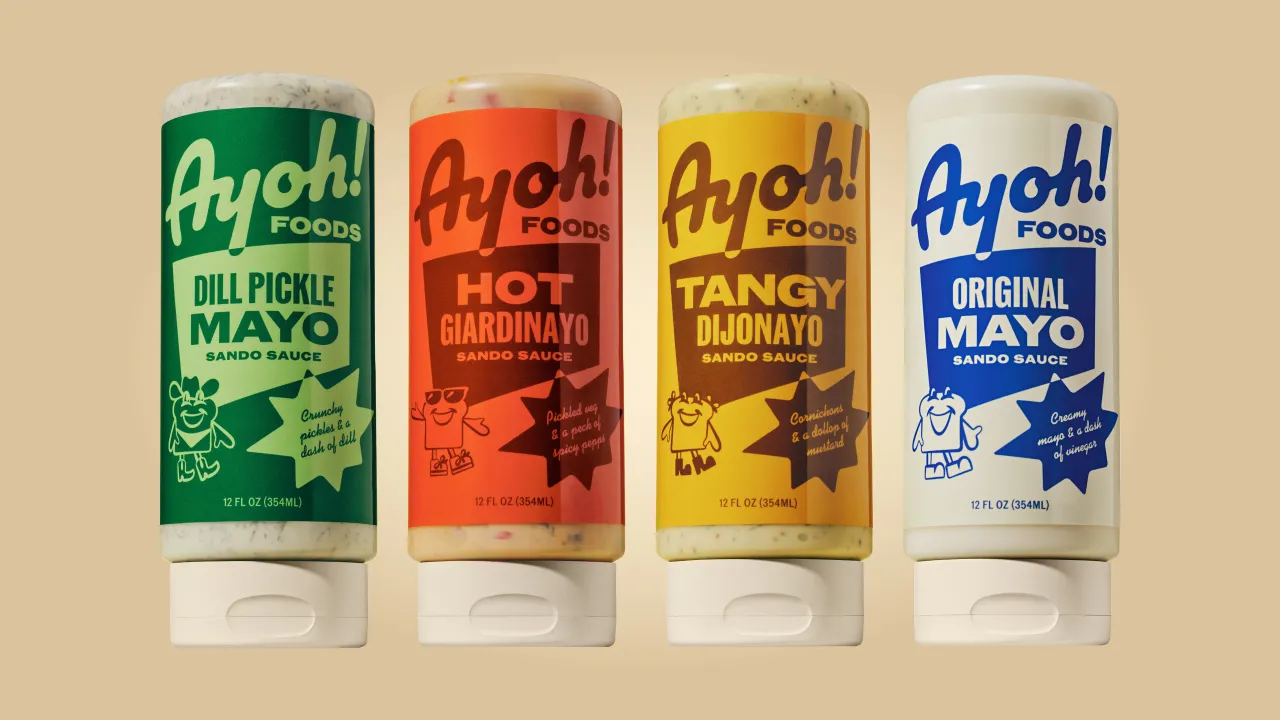
Central to Alex's optimism is what he's seeing at the sharp end of new brand identity work, where his studio has built a particularly strong reputation. From Swim Club, the breakout sperm health brand, to the bold and unapologetic Ayoh!, Center has made a specialism of launching brands that have never existed before, something Alex finds "endlessly inspiring".
At D&AD this year, he's judging that very category, which was only introduced in 2025: a fact he describes as "mind-blowing". To him, it signals that the industry is finally recognising that building a new brand from nothing is a fundamentally different discipline to refreshing an existing one, and one worthy of its own recognition.
But he's equally clear that building a new brand isn't just about the visual identity. It's about shaping the entire positioning, the voice, the foundation of what a business actually is. This, he says, is where designers need to be operating: not as stylists handed a brief but as strategic partners with real skin in the game.
"The value of what we do is to make people care about things," he says. "Whether you're selling a soda, a beer, or it's for your local church organisation, companies that prioritise and integrate creative people will always have success."
Change, and why it's not the enemy
There's a more personal thread running through Alex's talk that gives it an edge beyond the standard industry pep talk. He admits freely that change has never come naturally to him, even as his career has been defined by it.
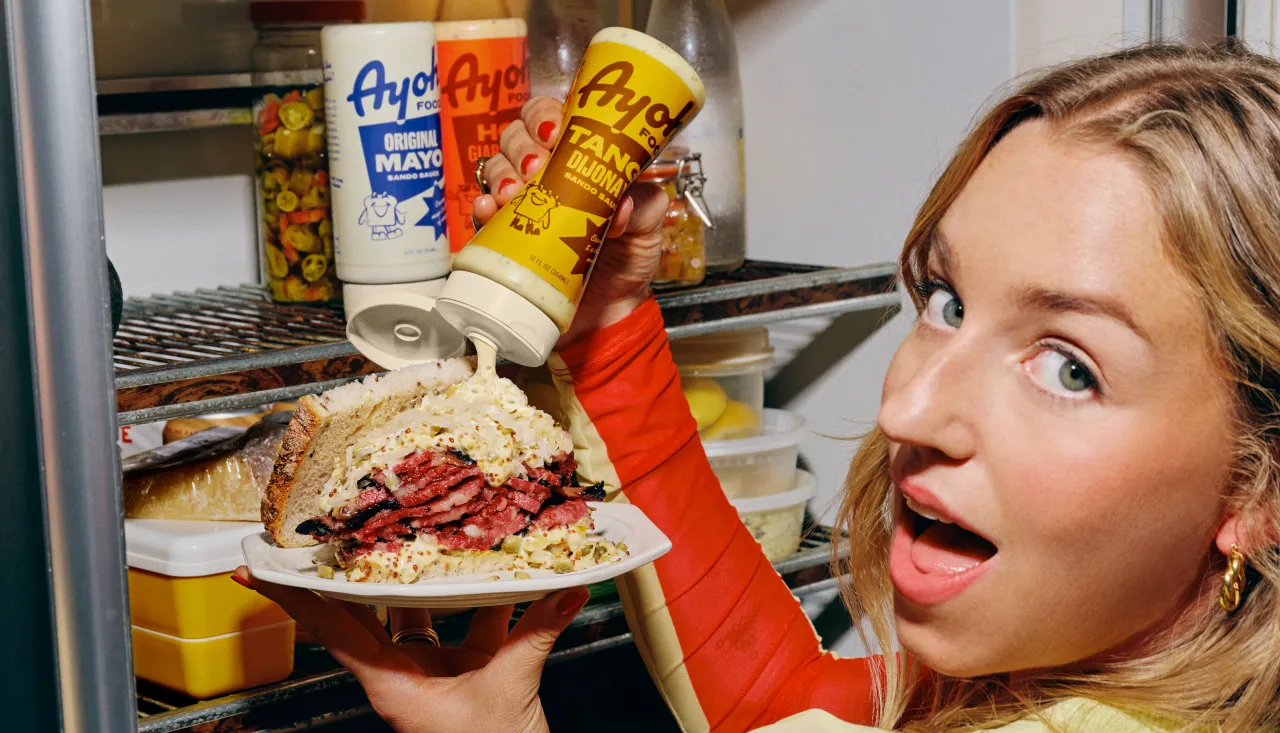
"I've always had a difficulty with change, just liking things to stay the same," he admits. "But leaving Coke, starting Center, working on all these new businesses, it's really unlocked this new perspective. The only way we improve or make our lives better is by embracing change and actually wanting to be a part of it."
It's a message for an industry that, right now, is feeling the palpable fear of the unknown: fear of AI, of automation, of the ground shifting beneath its feet. Alex's response is to lead with optimism, not because the challenges aren't real, but because, in his view, this is just the latest in a long series of moments when the creative community has had to make the case for itself.
Editor's Picks
Trending
Latest Jobs
Deputy Head of Stage at Factory International
Full-time·Manchester·£35,015
Digital Marketing Executive at Arise
Full-time·Sheffield·From £23,750
Growth Strategist (Ecommerce) at Tribe
Full-time·Exeter / London·£50k + Bonuses
Graphic Designer at Crux Product Design
Full-time·Bristol·Up to £36k
Creative Director at Art&Graft
Full-time·London·£70k-£90k
Senior Designer at BKC
Full-time·£50k-£60k