Andy Murray's ad for athletic footwear brand Hylo is a brilliant parody of bad PR
The new campaign for sustainable running shoe brand Hylo nails something every creative knows: nothing is more painful than a bad product launch.
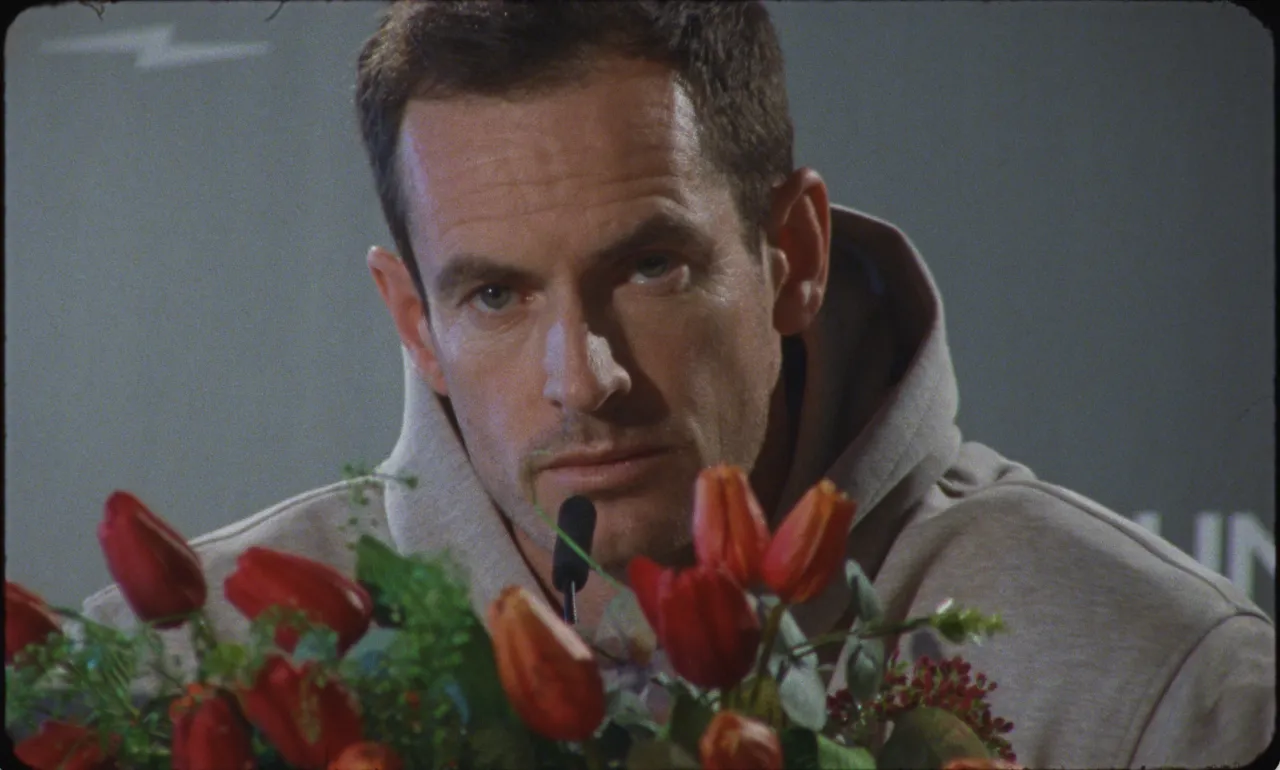
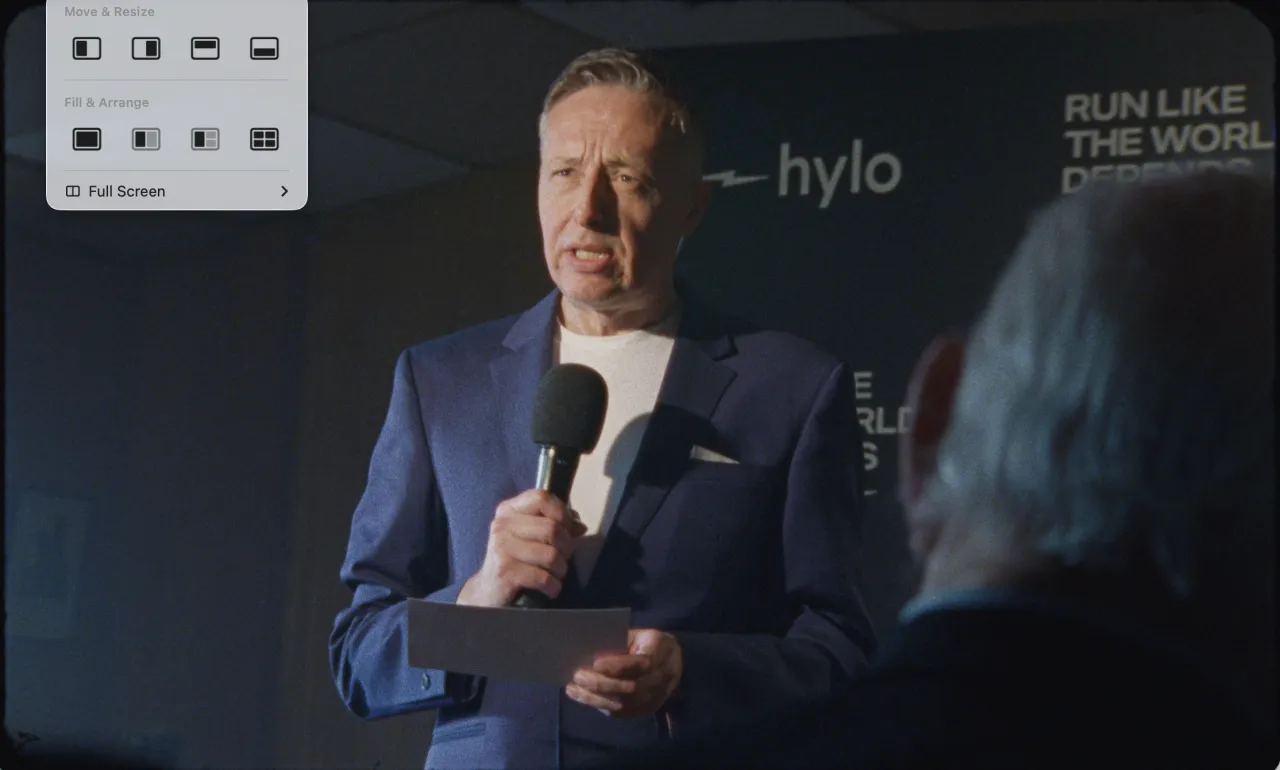
We've all been there. The press event where the AV fails. The product demo where something falls off. The presenter who sounds like he's reading a bedtime story to an already-sleeping audience. The nervous PR hovering just out of shot, grimacing at every stumble. If you work in the creative industries long enough, you'll have sat through at least one launch event with a fixed smile and gently clenched teeth, wishing the ground would swallow you up.
That flinching recognition of corporate awkwardness done badly is exactly what Hylo and production company Intergalactic Studios have tapped into with 'It's Not About Him', a new ad fronted by former world number one tennis player Andy Murray.
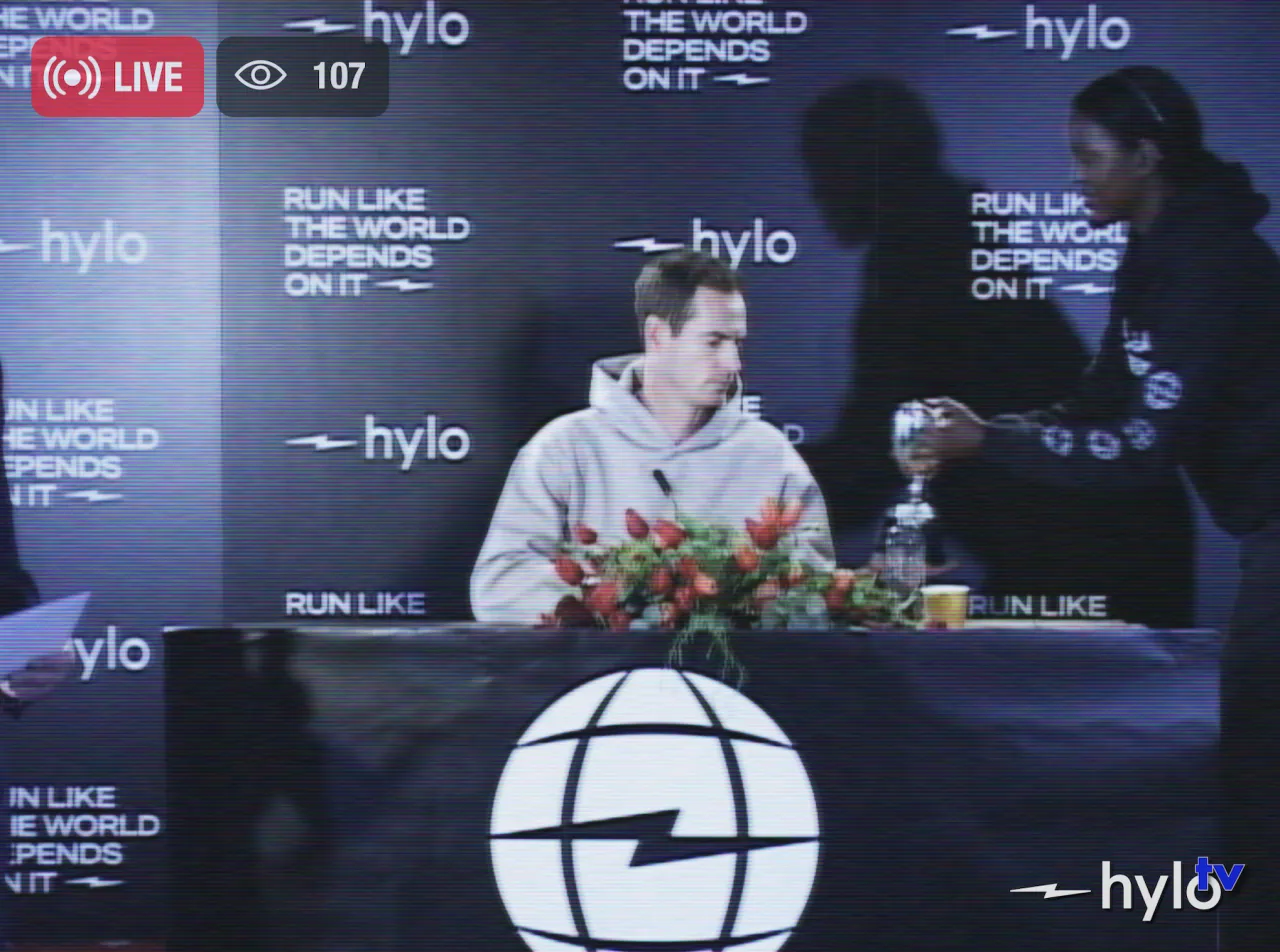
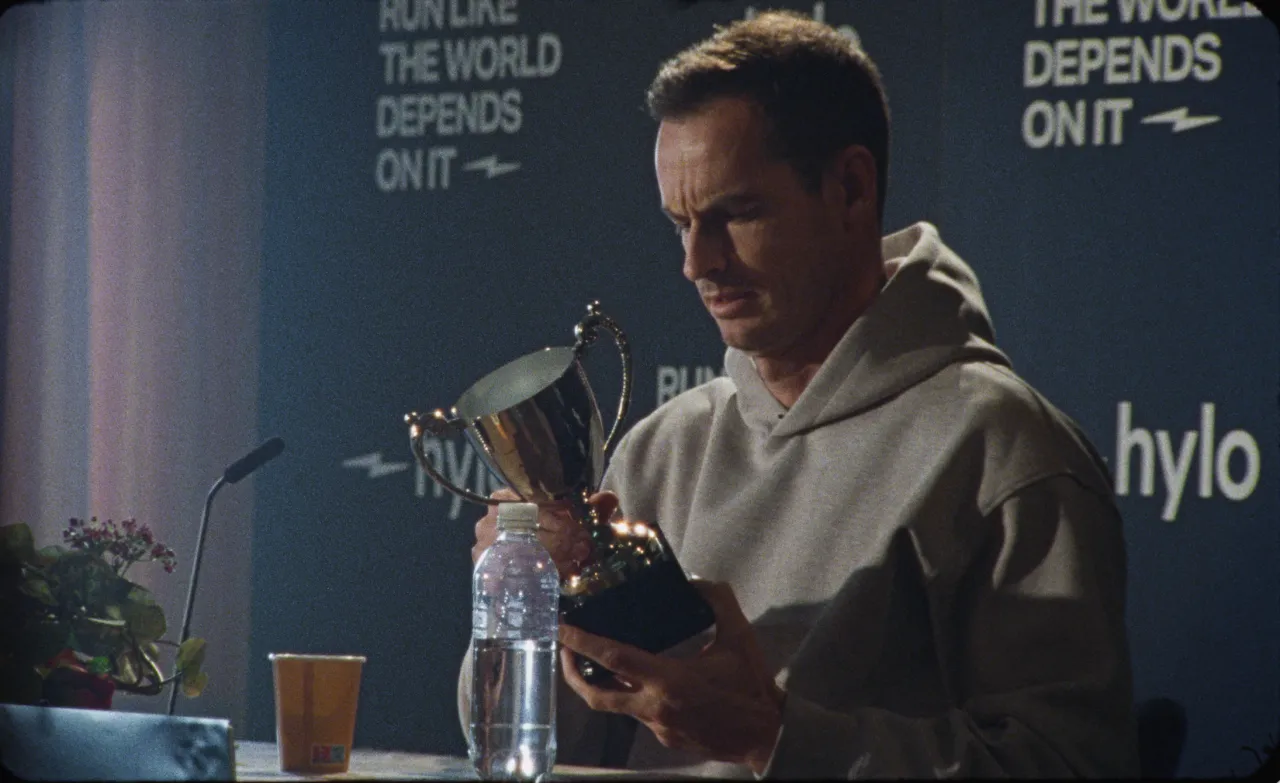
It's a deadpan mockumentary, written by Hylo Creative Director Sean Hamilton, that parodies the stilted theatrics of a PR launch with gleeful precision. Think flimsy collapsing props, a monotone presenter who sends people to sleep, a plastic water bottle left in the hero shot, and an audience of hacks so underwhelmed you'd think they'd been promised an open bar and got squash instead.
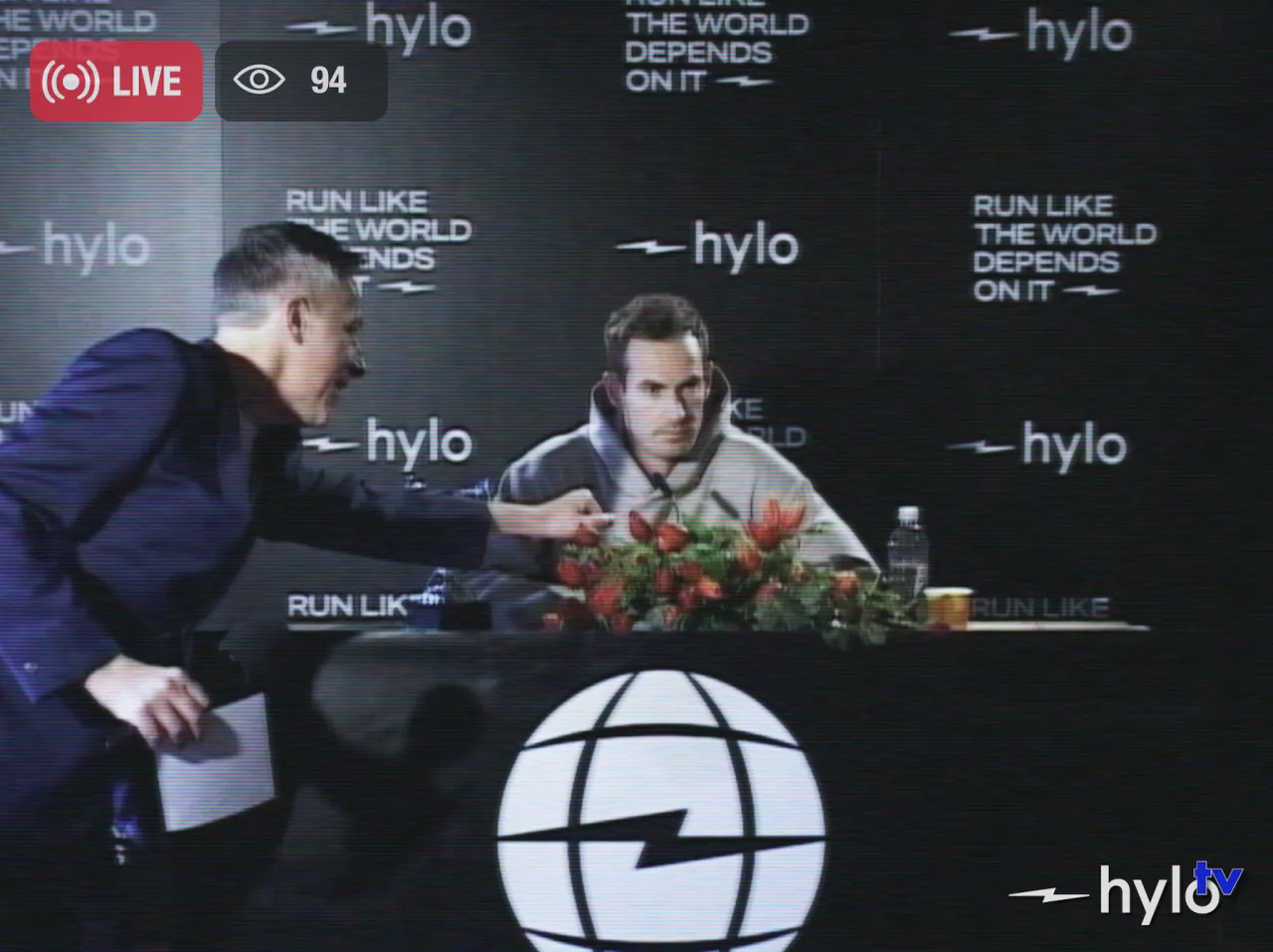
It's funny because it's true. And it's strategically brilliant because, rather than playing it safe with a polished showcase of product features, Hylo has done the harder, smarter thing: made the audience laugh first, and made them curious second.
Dry humour as a disruptor
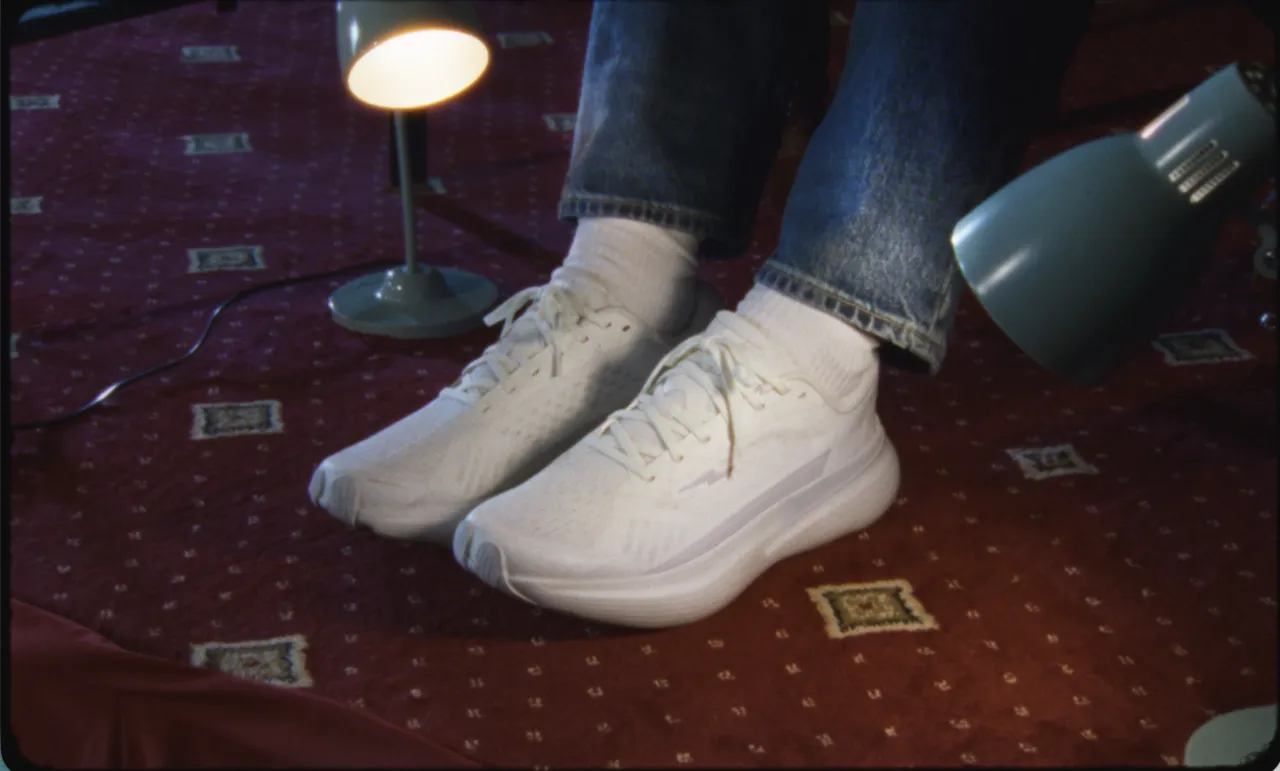
The performance footwear category is, as the press release puts it, "crowded, competitive and often predictable". Hylo, which makes its trainers from bio-based materials such as corn and castor beans, is a newer brand taking on established giants. A conventional product launch film (all slow-motion running shots and motivational music) wouldn't cut through. So director James Humby and Rhory Danniells, co-founder of Intergalactic Studios, took a different route.
"I'm drawn to things that aren't immediately obvious," says James, "so leaning into Andy's dry, deadpan humour, the candid documentary-style approach, understated performances, and slower pace than you'd expect from an ad were ways of counterbalancing the slapstick with a sense of observational realism."
That slower pace is key. The film doesn't rush. It lets scenes breathe, lets the awkwardness build, lets Andy's famous inscrutability do the heavy lifting. When the display board framing his new shoes collapses mid-ceremony, he barely reacts. When a journalist asks about Roger Federer for the umpteenth time, the exasperation is contained, subtle, and somehow funnier for it. It's a masterclass in comedic restraint.
The Federer angle is the campaign's smartest structural move. As you may know, the rival player is now a high-profile ambassador for Swiss sportswear brand On, Hylo's more established rival in the performance category.
The film knowingly uses Murray and Federer's well-known rivalry as a comic device, with journalist after journalist ignoring the shoes entirely to probe Andy about his feelings towards his old opponent. The more Andy insists, "it's not about him," the more obviously it is.
Getting the talent right
None of this works without the right person at the centre of it. Andy Murray's public persona, often characterised as understated, dry and somewhat guarded, turns out to be perfect raw material for exactly this kind of comedy. He's not playing a character here; he's playing himself.
Rhory, co-founder of Intergalactic Studios, puts it simply: "Andy Murray's humour is as brilliantly dry as the campaign suggests." That dryness is what makes the film work. A more overtly charismatic or self-deprecating celebrity might have played the joke too broadly. Andy underplays everything, and the result is something that feels genuinely observed rather than performed.
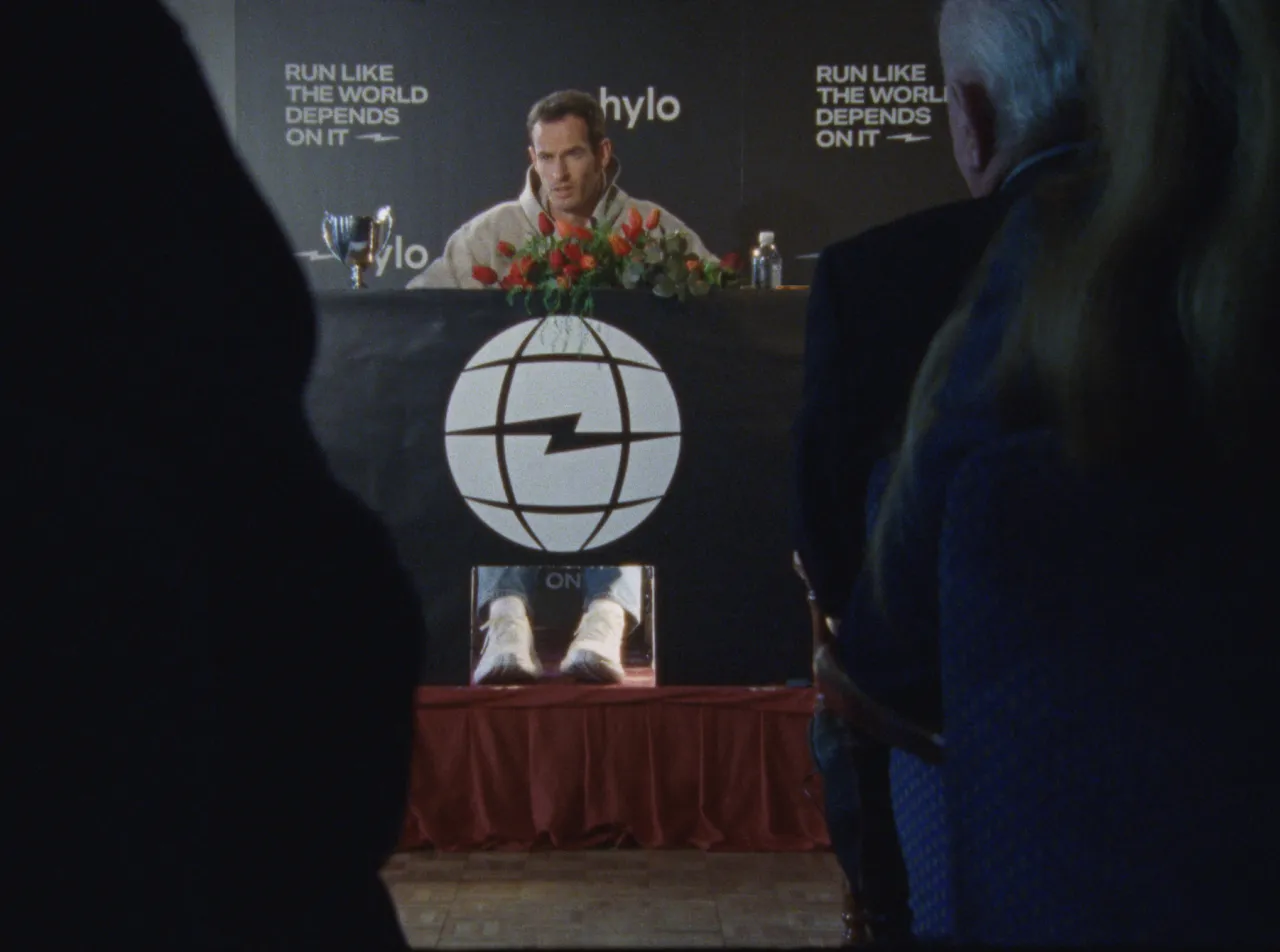
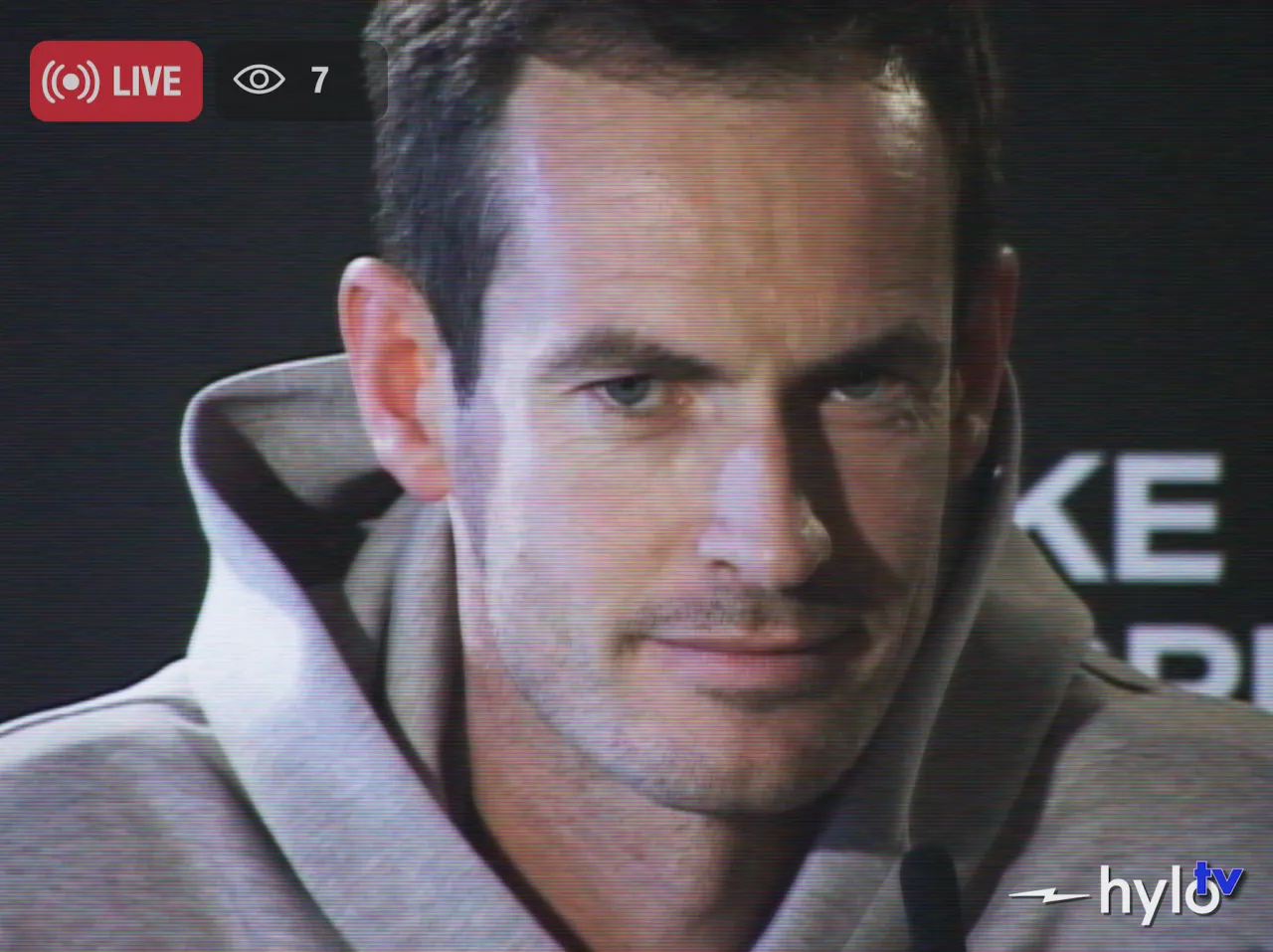
The supporting cast earns its keep, too. Andy Hodgson plays the press officer with exactly the right degree of barely suppressed panic, while the assembled journalists deliver their intrusive Federer questions with just enough commitment to keep the fiction intact. It could all have easily tipped into overblown silliness, but the mockumentary approach keeps it grounded in something that feels uncomfortably real.
The craft behind the comedy
Executed by Intergalactic Studios with post-production handled by Untold Studios, the film's visual language is deliberately rough-hewn. The grain, the slightly underlit rooms, the VHS-style broadcast footage, all of it reinforces the sense that you're watching something captured rather than constructed. That illusion requires careful craft to pull off: it's harder to make something look effortlessly amateurish than it is to make it look polished.
Colourist Didrik Bråthen's work at TMLS gives the film a warm, slightly degraded texture that sits somewhere between a 1990s sports documentary and a mid-budget corporate video. The music from Memotone adds another layer of wry understatement, keeping the tone exactly where it needs to sit.
The decision to incorporate a "hylo TV" live-stream element, complete with viewer count and broadcast graphic, adds a neat contemporary layer. It acknowledges that product launches now often play out across social platforms, where the audience is watching on their own terms, and where the gap between polished brand content and unfiltered reality has never been more visible.
Key takeaway
For creatives, this case study offers a useful reminder: the most effective brand work often comes from identifying a truth the audience already knows, and having the confidence to lean into it. Everyone who's sat through a stilted product launch will recognise something in this film. That recognition creates warmth, and warmth creates attention.
Hylo is also making a serious point beneath the comedy. The brand's bio-based construction and commitment to reducing environmental impact are theoretically worth shouting about. But in practice, preaching about sustainability rarely works. By smuggling the message inside a funny film, though, the creative team has given the brand something that earnest green marketing rarely achieves: likability.
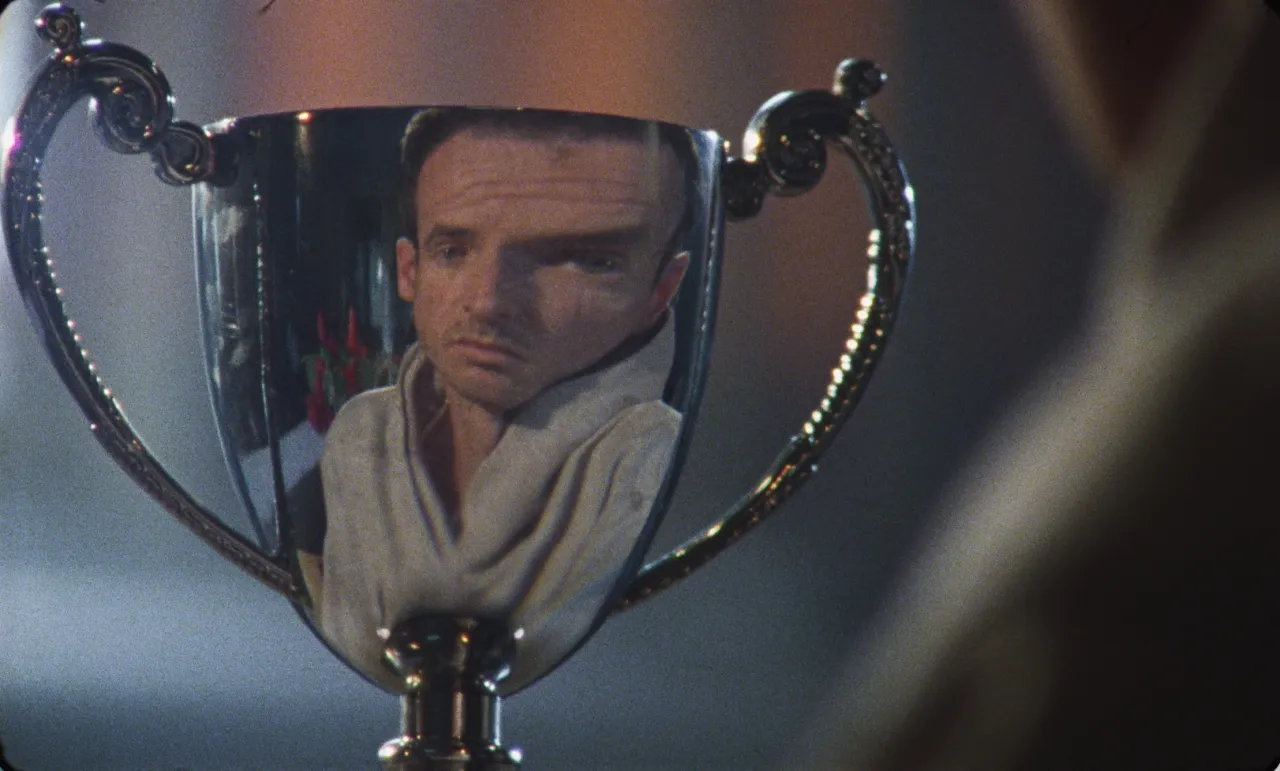
To put it another way: in a category full of athletes running heroically into the distance, sometimes the smart move is to sit down, hold a trophy a bit awkwardly, and let the board fall over.
Editor's Picks


Trending
Latest Jobs
Multidisciplinary Designer at Formation Games
Full-time·London·£40k–£50k
Senior Operations Manager at BIG Partnership
Full-time·Glasgow·£45k–£50k
Growth Strategist (Ecommerce) at Tribe
Full-time·Exeter / London·£50k + Bonuses
Design Lead at Madeo
Full-time·New York City·$85k–$120k
Senior Designer at BKC
Full-time·£50k-£60k
Senior Designer at Definition
Contract·London·£45k–£50k