Georgia Merton is trying to hold onto the light before it disappears
The British artist uses cyanotype to transform fleeting moments of light into something timeless and emotionally charged.
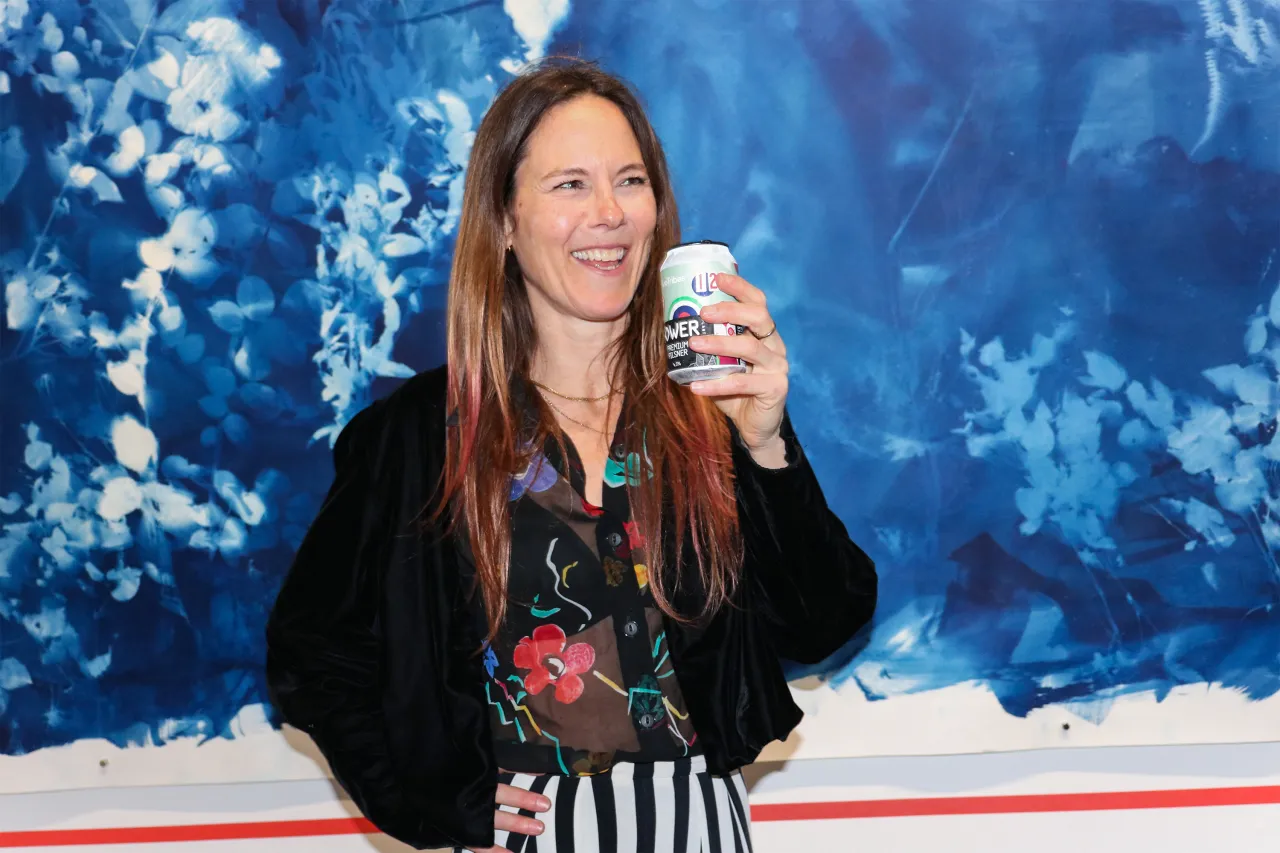
Georgia Merton has a memory from when she was nine, on a school bus somewhere in rural Tuscany. Her family had recently moved from London to a remote stretch of the Italian countryside, and the light was doing something extraordinary through the trees outside the window. "Almost like a photograph," she says. "I often think about that moment now. My work is really about trying to hold onto those fleeting moments of light before they disappear."
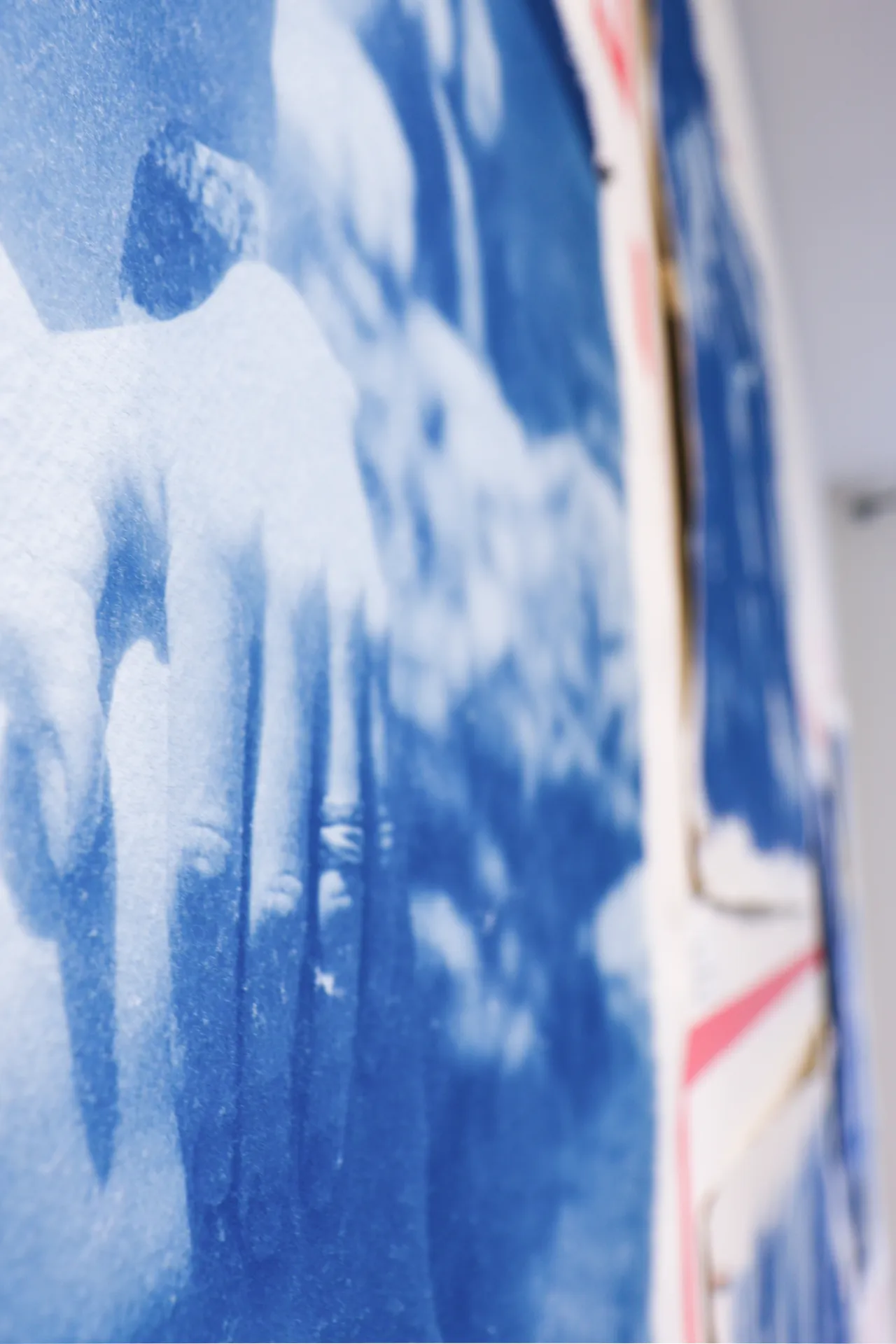
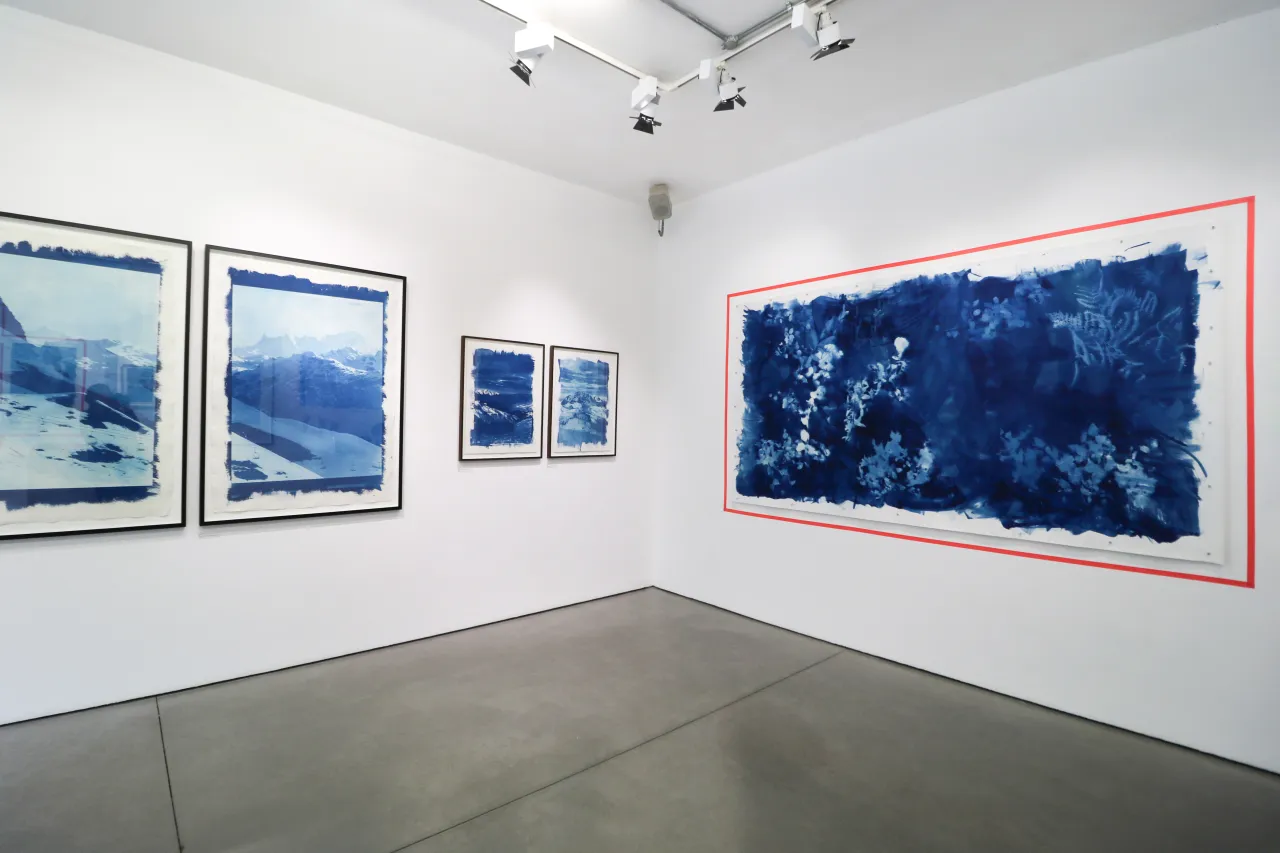
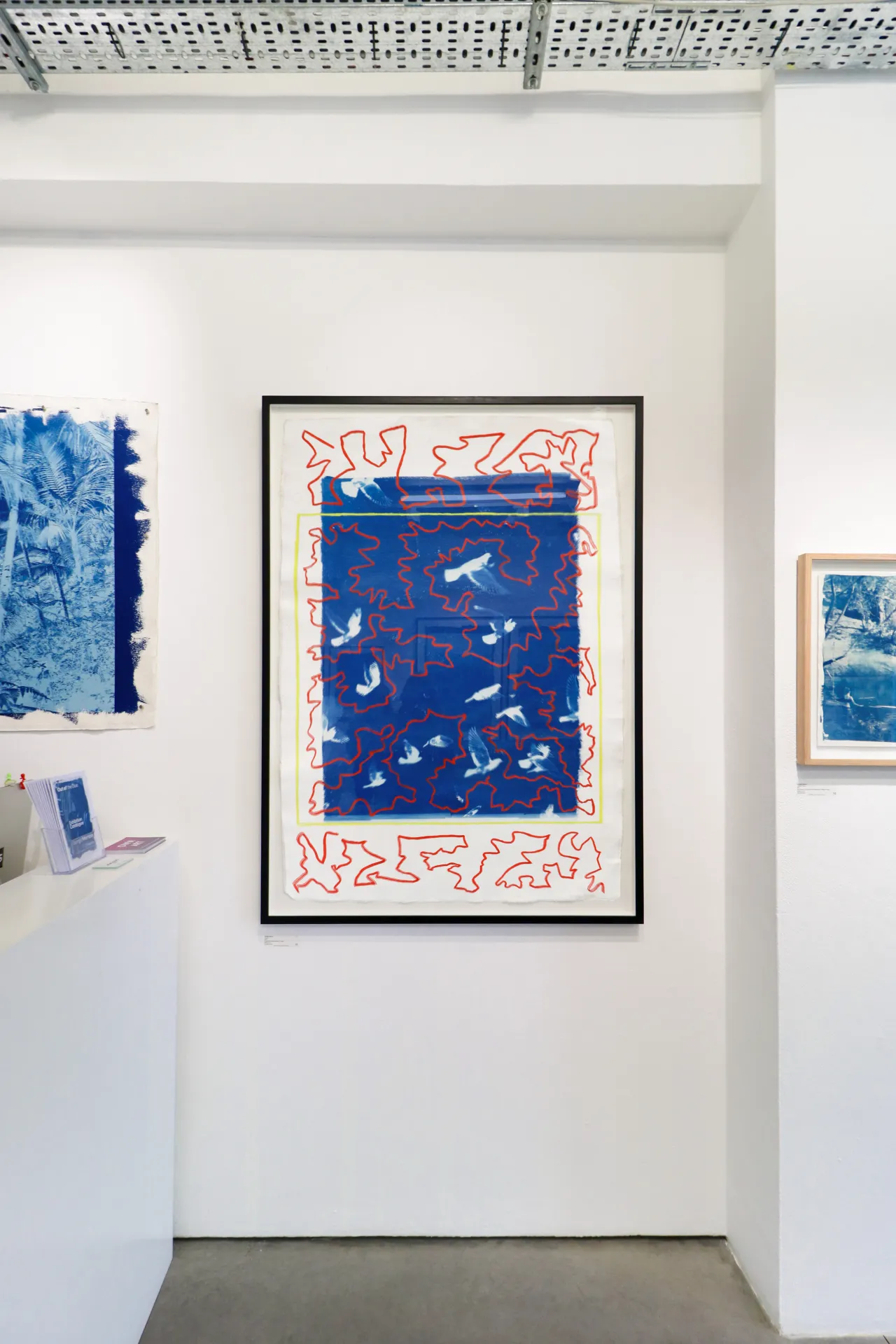
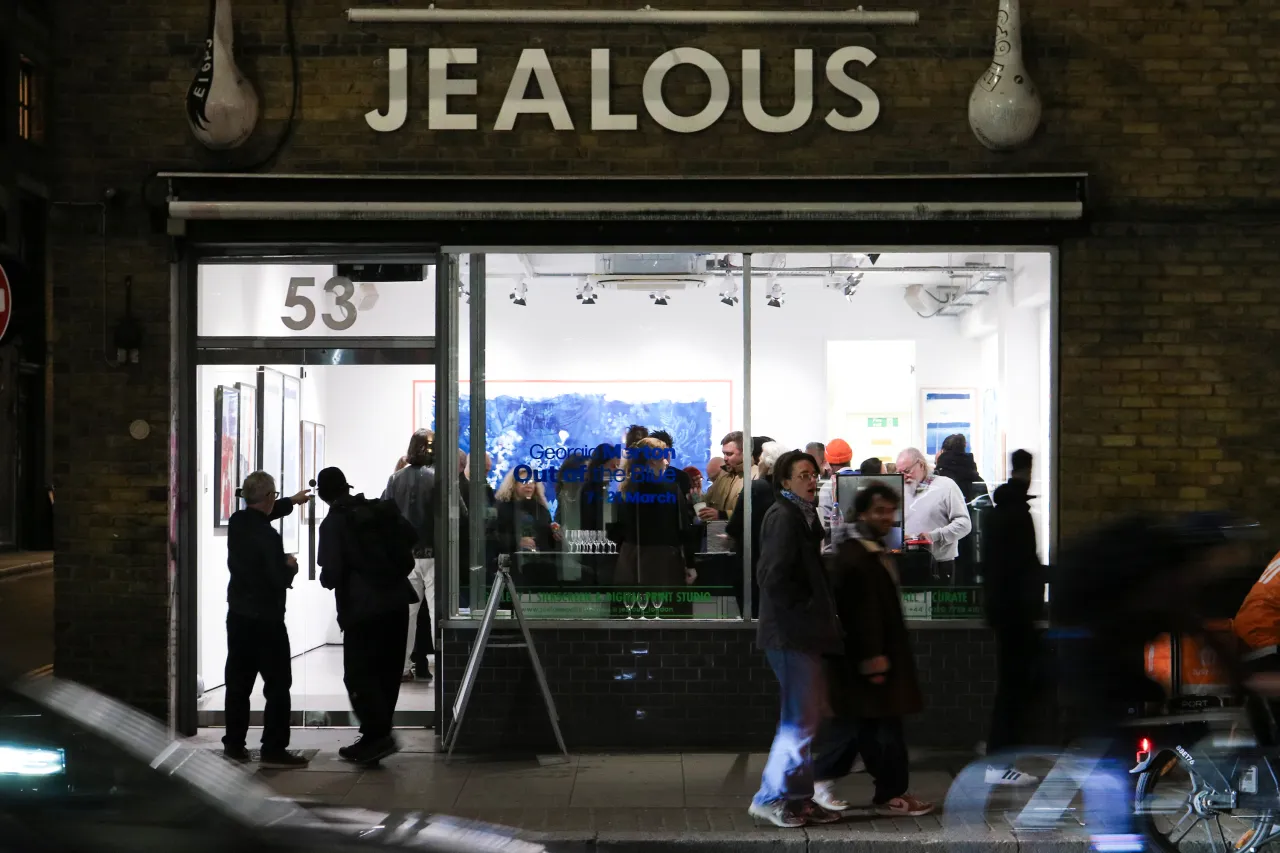
It's a good origin story because it's true, and because you can feel it in every piece she makes. Her recent solo exhibition, Out of the Blue, at Jealous gallery is a collection of cyanotypes that, in the most literal sense, are made from light. The resulting images plunge you deep into Prussian blue and white, pulling landscapes, bodies and botanical forms out of shadow and into something that feels suspended and submerged, slightly out of time.
Cyanotype is a traditional process invented in 1842, and famously used by the botanist Anna Atkins to document algae. Georgia came to it relatively recently, teaching herself during the pandemic. What attracted her most about the process, beyond the simplicity of the equipment, was its intimacy.
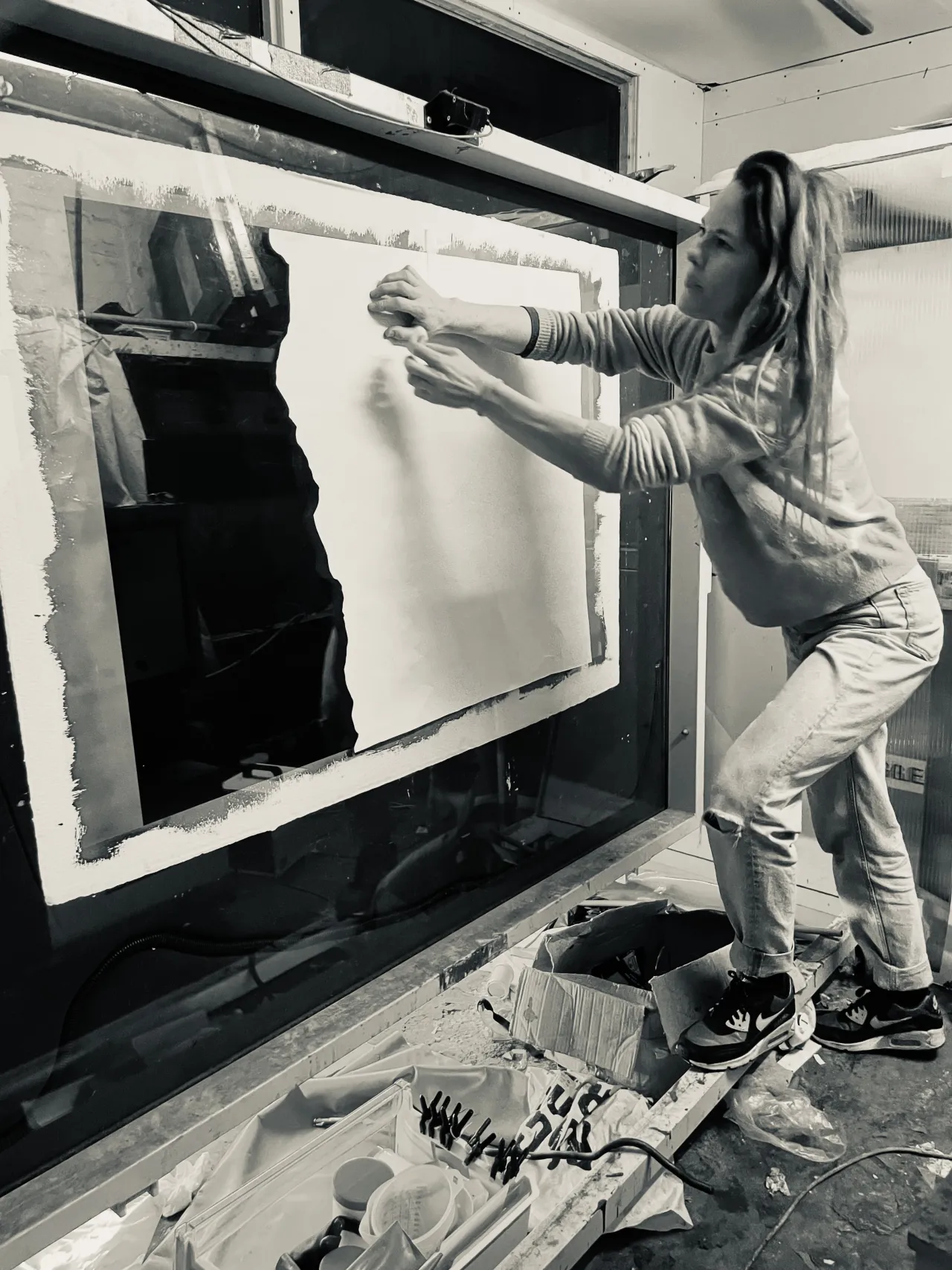
"Before the image even appears, you're painting the light-sensitive chemicals directly onto the paper," she explains, "so it already feels handmade and tactile." The chemistry itself – ferric ammonium citrate and potassium ferricyanide mixed in low light, painted by hand onto paper or fabric, then exposed to the sun – sounds medieval, which is also part of the appeal. "Cyanotype feels almost alchemical: light, chemistry and time working together to create the image." And crucially, there's always the element of the unknown, as you don't see what you've made until it's washed and revealed.
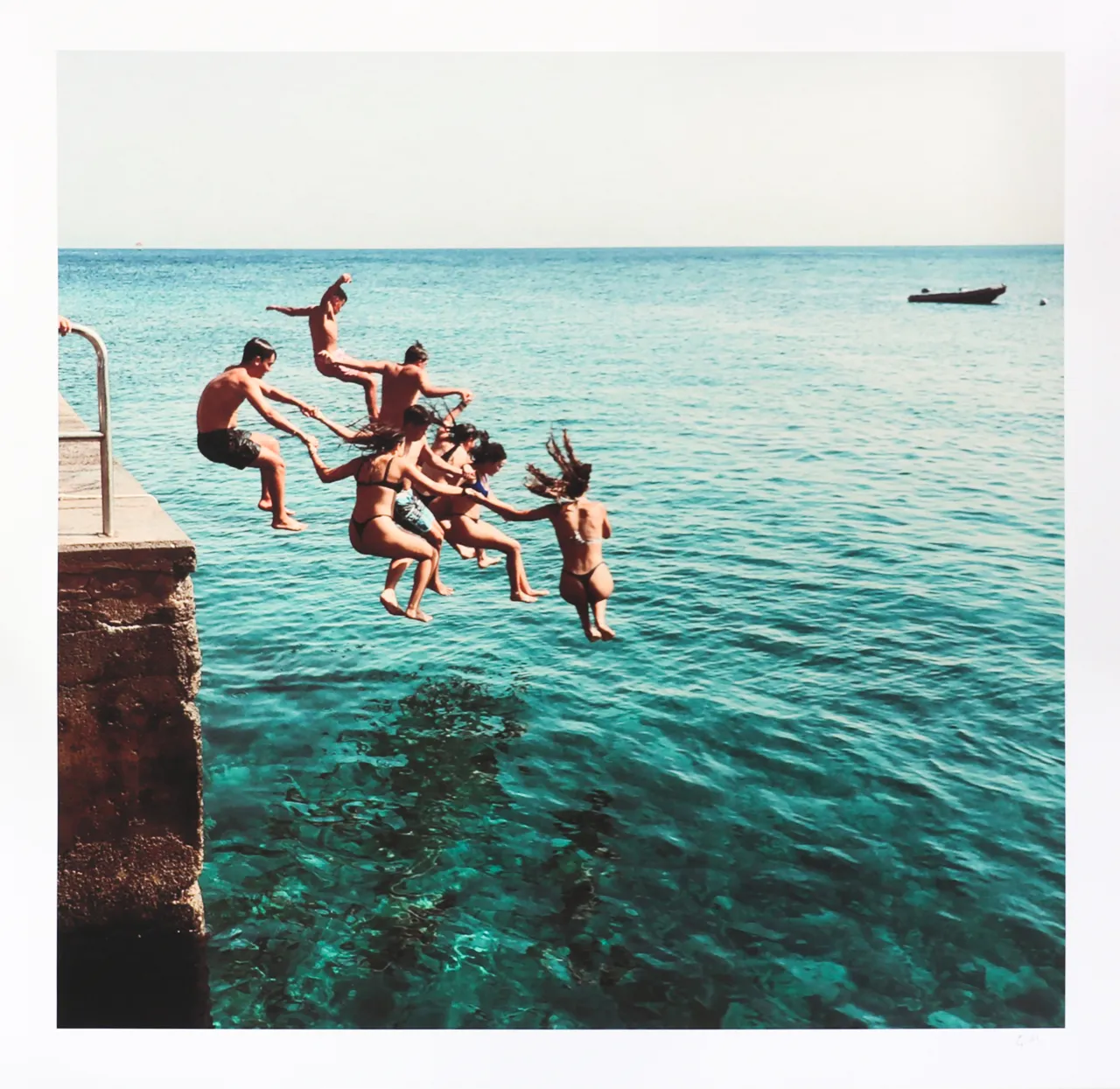
Un Deux Trois
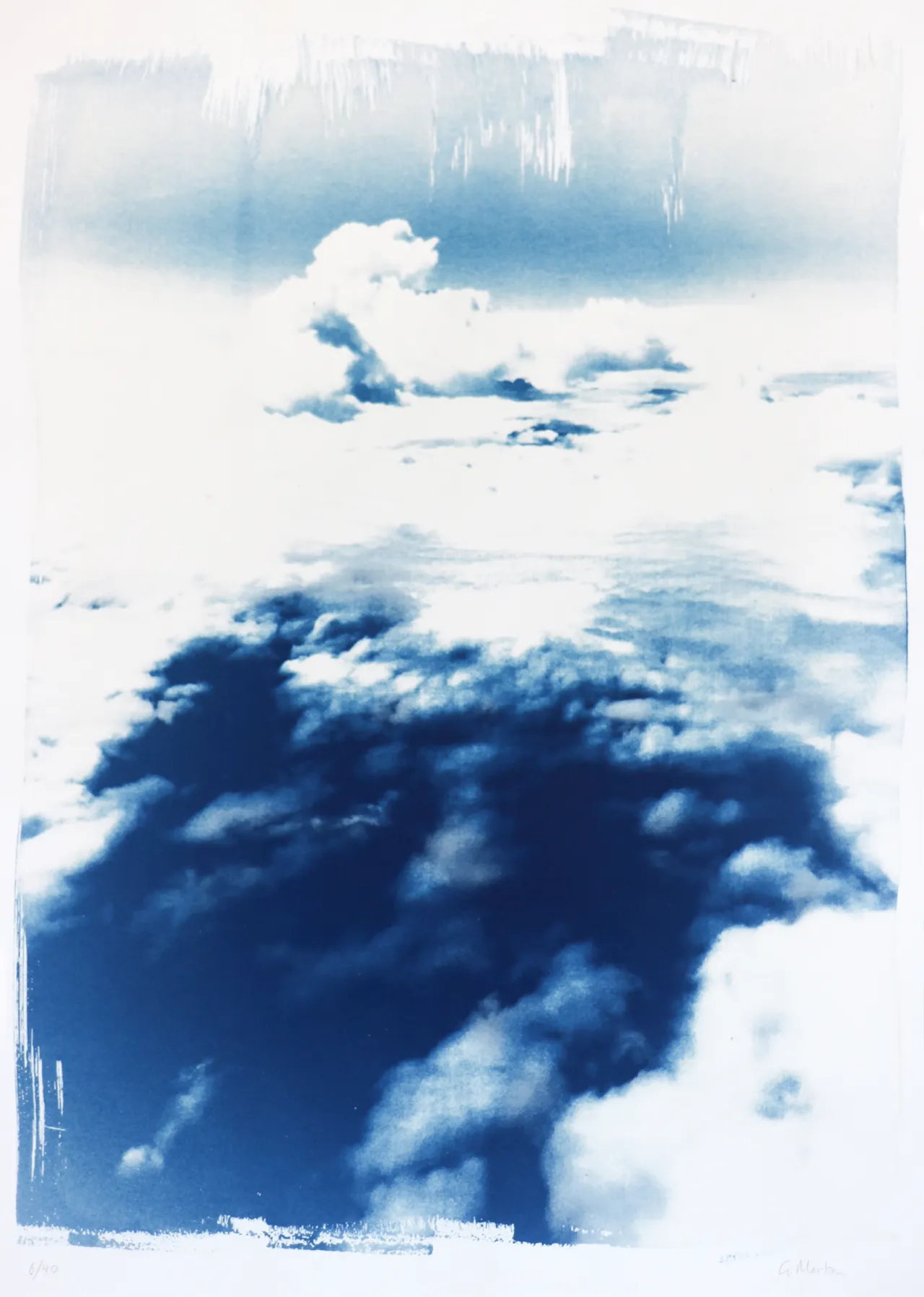
Cloud 9
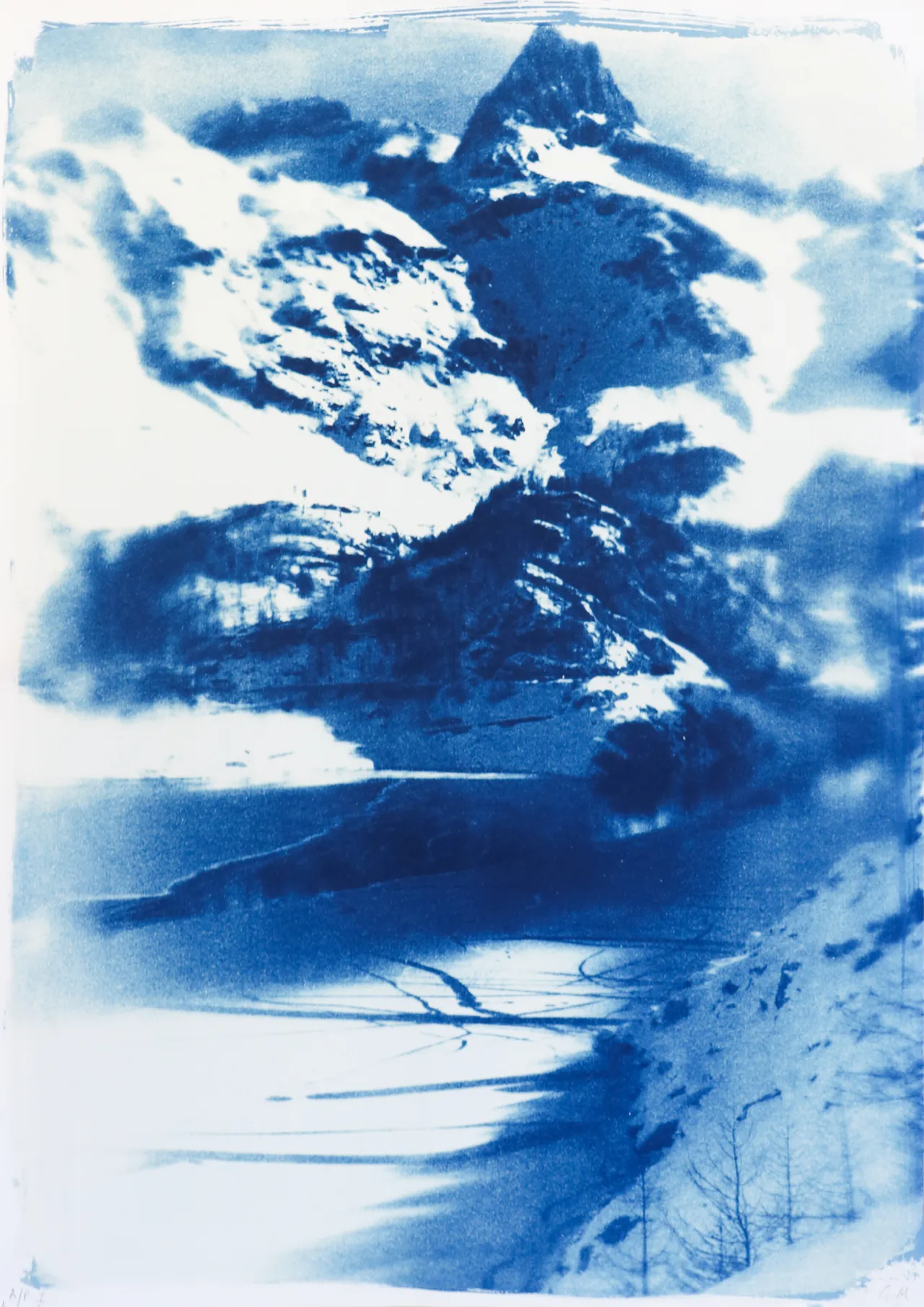
Lac du Chevril
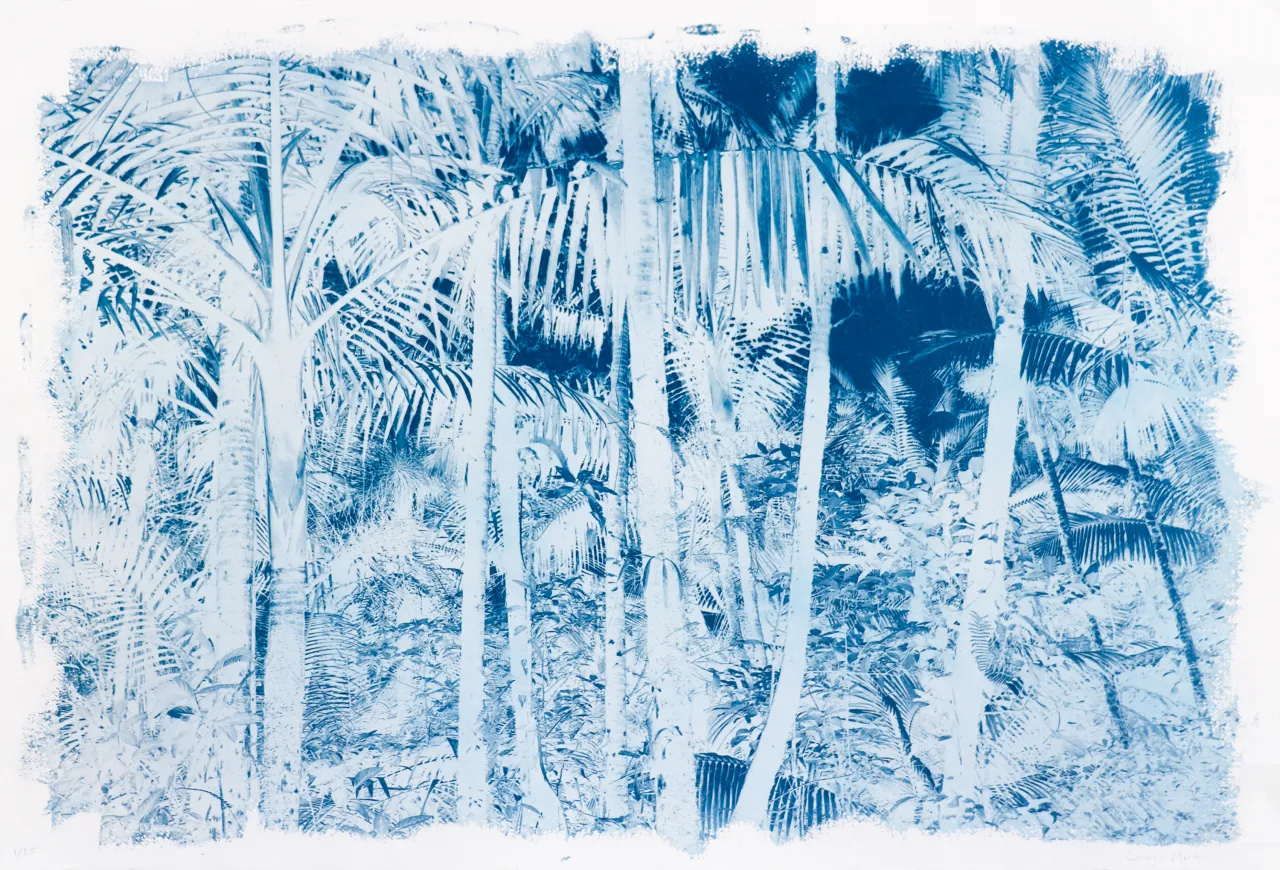
El Yunque (Medium)
Georgia's process begins well before the studio. A theme sparks in her head, and from there she goes out, sometimes across several excursions, gathering photographs connected to that idea. Back at her desk, she reviews them, selects the strongest compositions and makes small test prints before committing to larger works. From perhaps 10 tests, one or two might develop into a signature piece. The fact that you can only work in monochrome is, for Georgia, a feature rather than a limitation. "It strips an image back to tone, light and form rather than colour, which often gives the subject a more atmospheric and timeless quality."
El Jardin, the largest of the works, was made slightly differently. Rather than working from photographs, Georgia arranged plants and flowers gathered from her own garden directly onto the paper before exposure – building the composition by hand, pressing the petals, stems, and leaves into place, then letting the sun do the rest. The result is botanical and abstract, not fully a photographic or a painting. It's also, she says, a one-of-a-kind piece rather than an edition, and the experience of making it has sparked a whole new direction for creating works from foraged materials in specific locations, building what she describes as "visual stories of places through their flora".
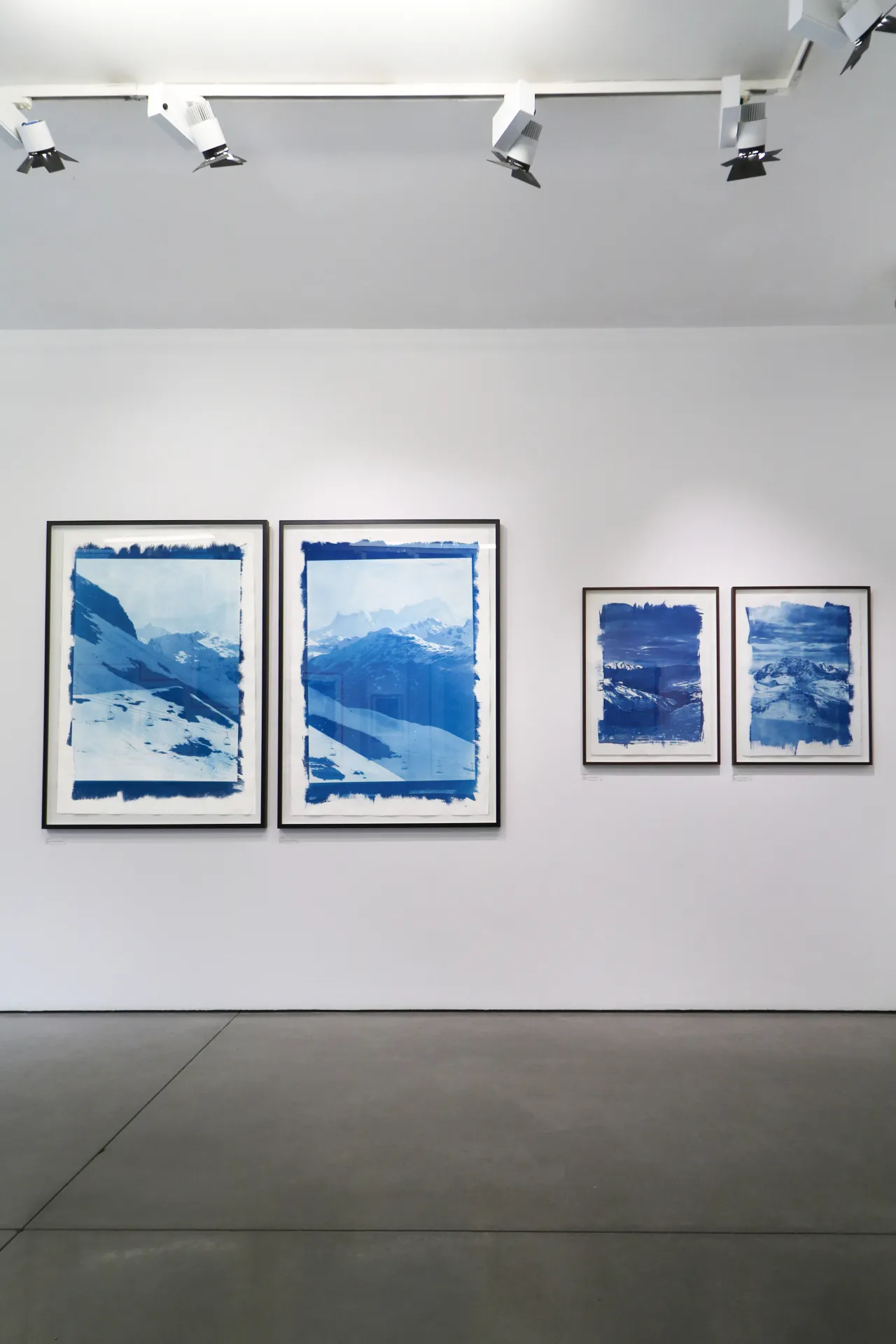
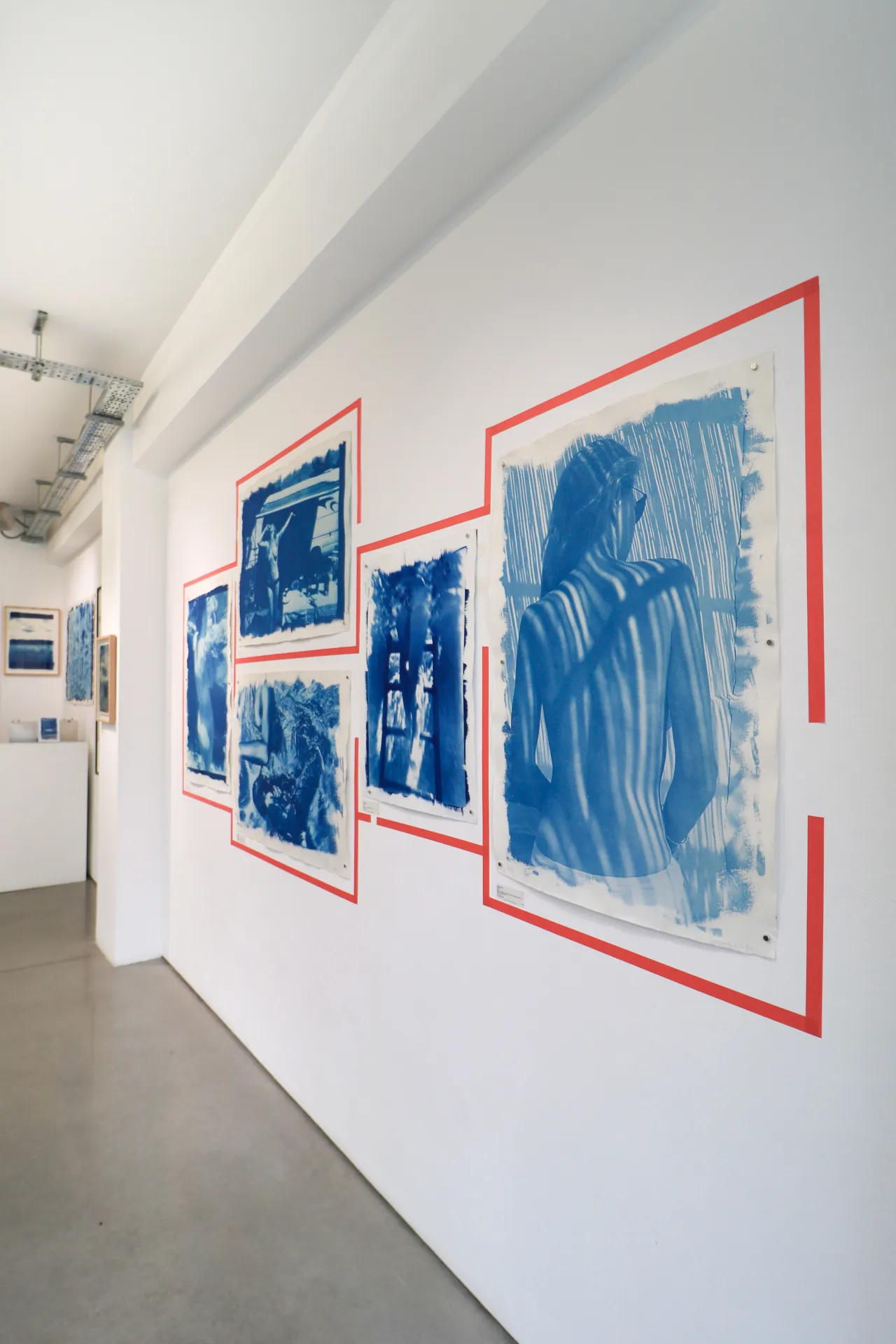
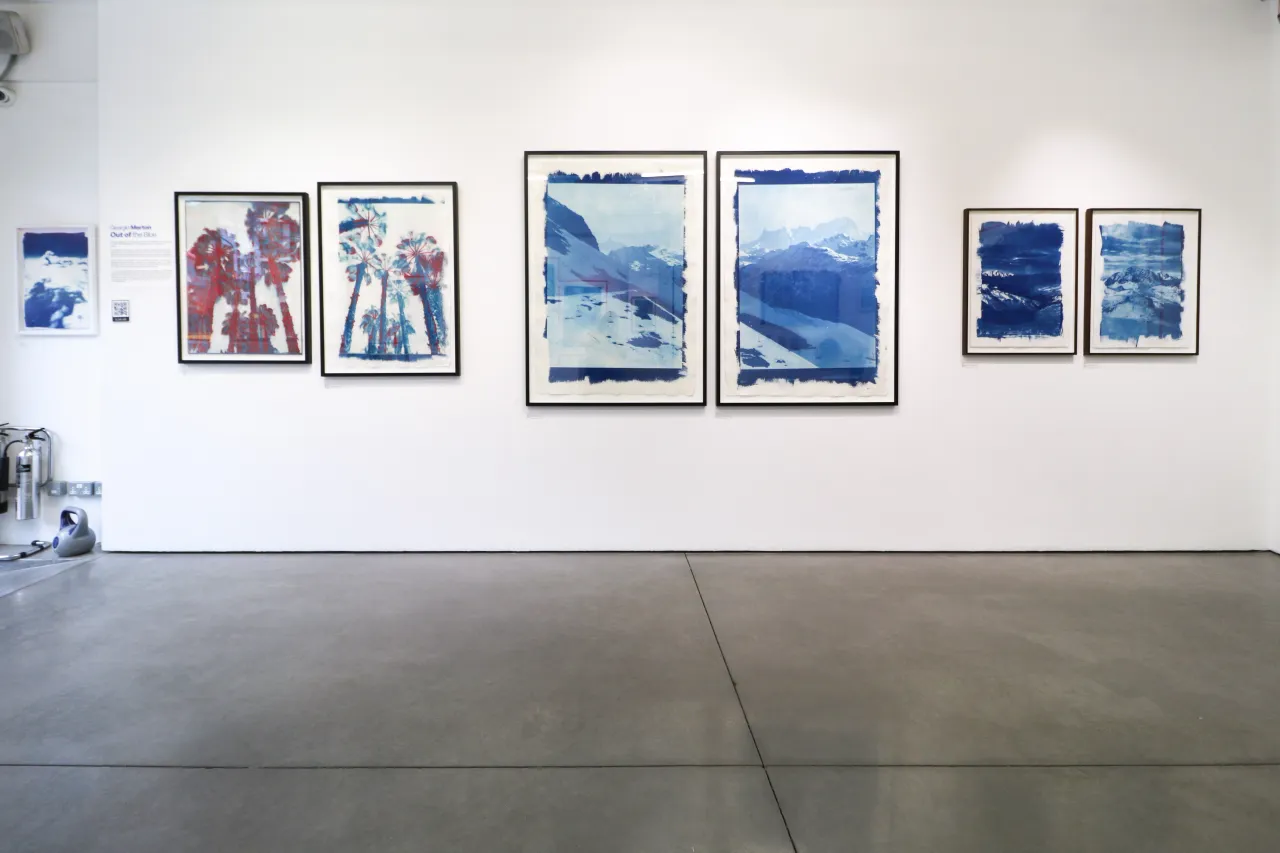
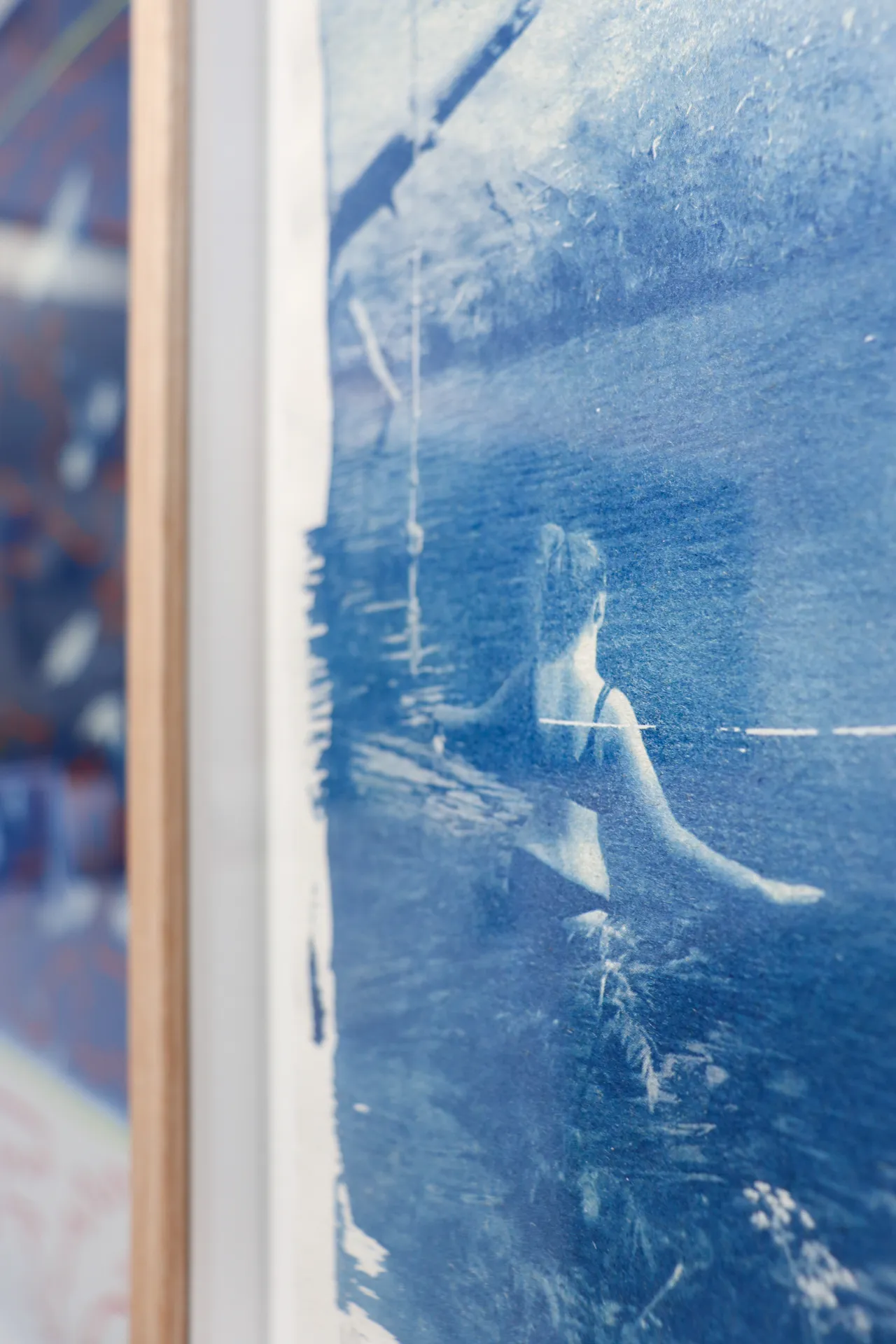
Then there is Palmeras Rojas, made as a deliberately blurred cyanotype, whose deep blue creates a sense of atmosphere. Over the softened ground, Georgia applied red chalk by hand, the warmth and structure bleeding through the haze, while the palms sharpen as if they're emerging from the mist. "The tension between red and blue creates a subtle visual vibration," she says. "Through the layering of gesture over image, the piece sits somewhere between photography and drawing."
This feels like a radical and somewhat unexpected thing for a cyanotype to do. But you know what – she wants her work to feel surprising and to trigger something in her audience. "People often say the images feel nostalgic. If someone looks at the work and it reminds them of a place, a feeling, or a moment in their own life – then the work has done its job."
Editor's Picks
Trending
Latest Jobs
Senior Digital Designer at Red Antler
Full-time·New York·$95k-$130k
Designer at New Genre
Full-time·London·£36k–£48k
Head of Production at Art&Graft
Full-time·London·£80k-£95k
Graphic Designer at Crux Product Design
Full-time·Bristol·Up to £36k
Senior Front End Developer at Crown Creative
Full-time·Belfast·£50k–£60k
Growth and Client Development Director at 3800
Part-time·Sheffield·£60k-80k