Vanilla Chi on the death of the ego and making books that resist being read
Drawing on folklore, anthropology and Buddhist philosophy, the New York and New Haven-based artist and independent publisher creates publications that ask readers to slow down and breathe.
"I'm a haunted living ghost wandering around the past, telling the stories of the forgotten, the avoided and the ignored," says Vanilla Chi.
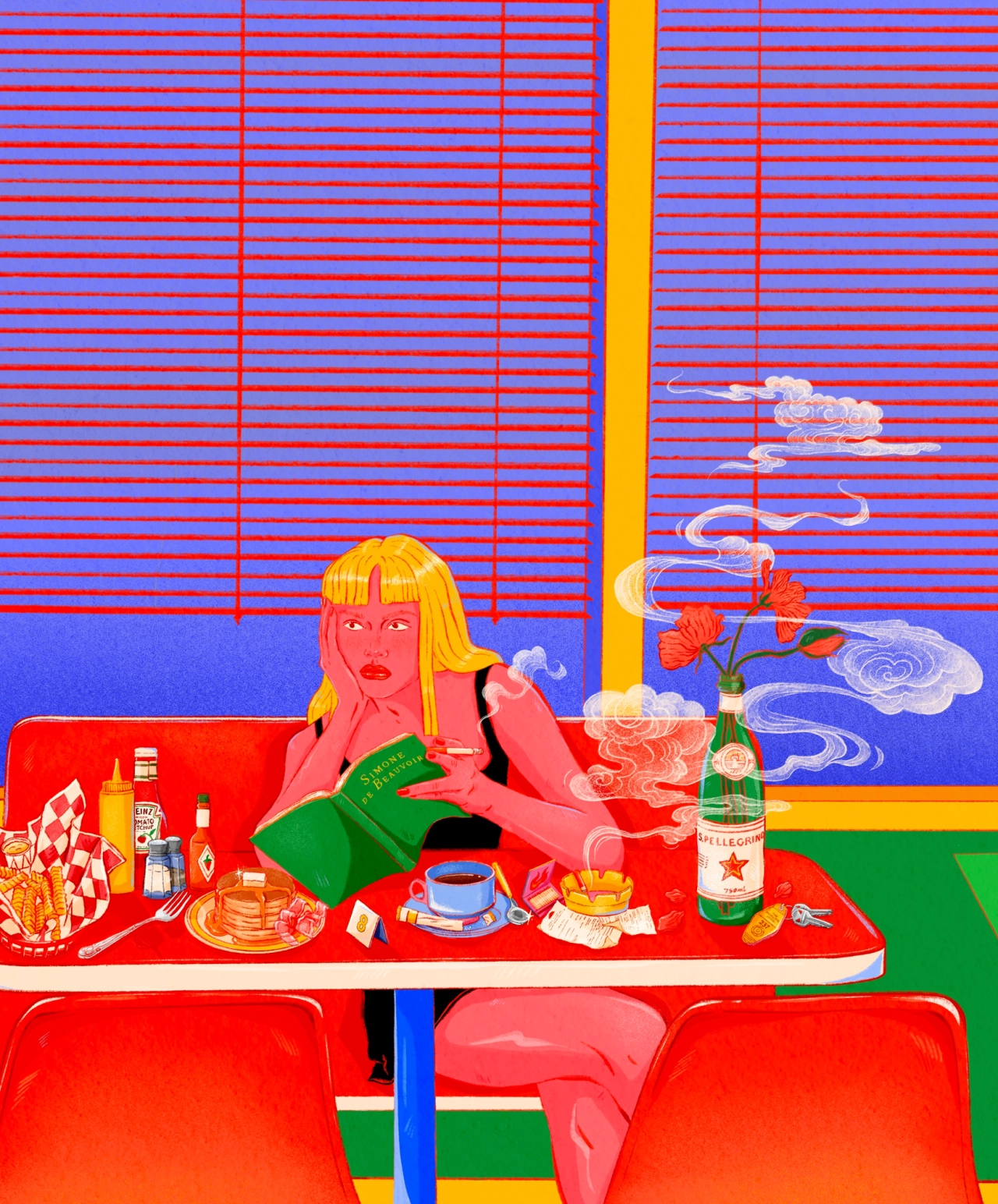
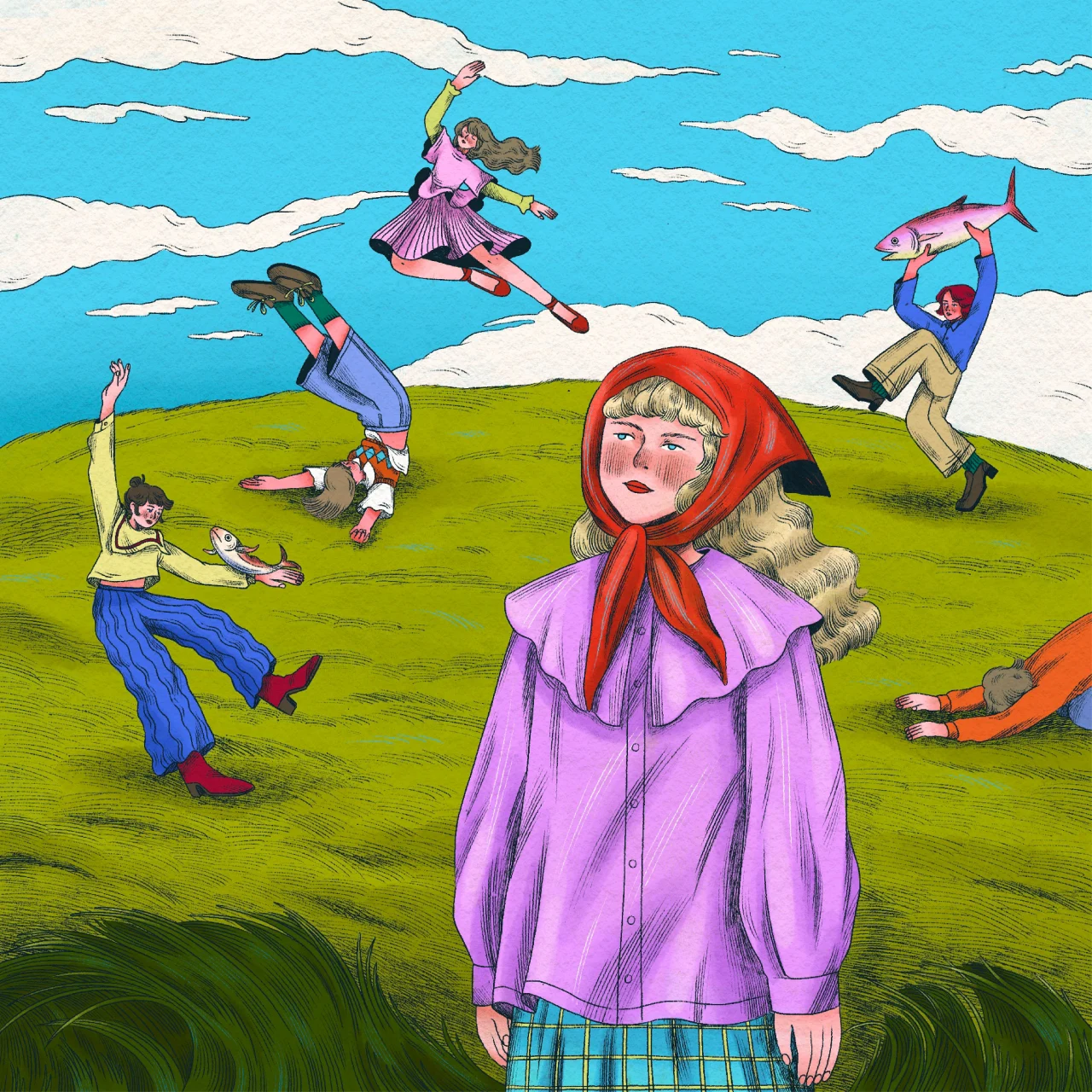
Born in Shenzhen, she studied clinical medicine in China for two years, dropped out and moved to New York to study illustration at the School of Visual Arts. After graduating, she spent three years in Brooklyn as a freelance illustrator – working with The New Yorker, The New York Times, Bloomberg Businessweek and the Olympic Games, among others – before enrolling in the graphic design MFA at Yale University School of Art in 2024. She is currently about to enter her final year, splitting her time between New York and New Haven.
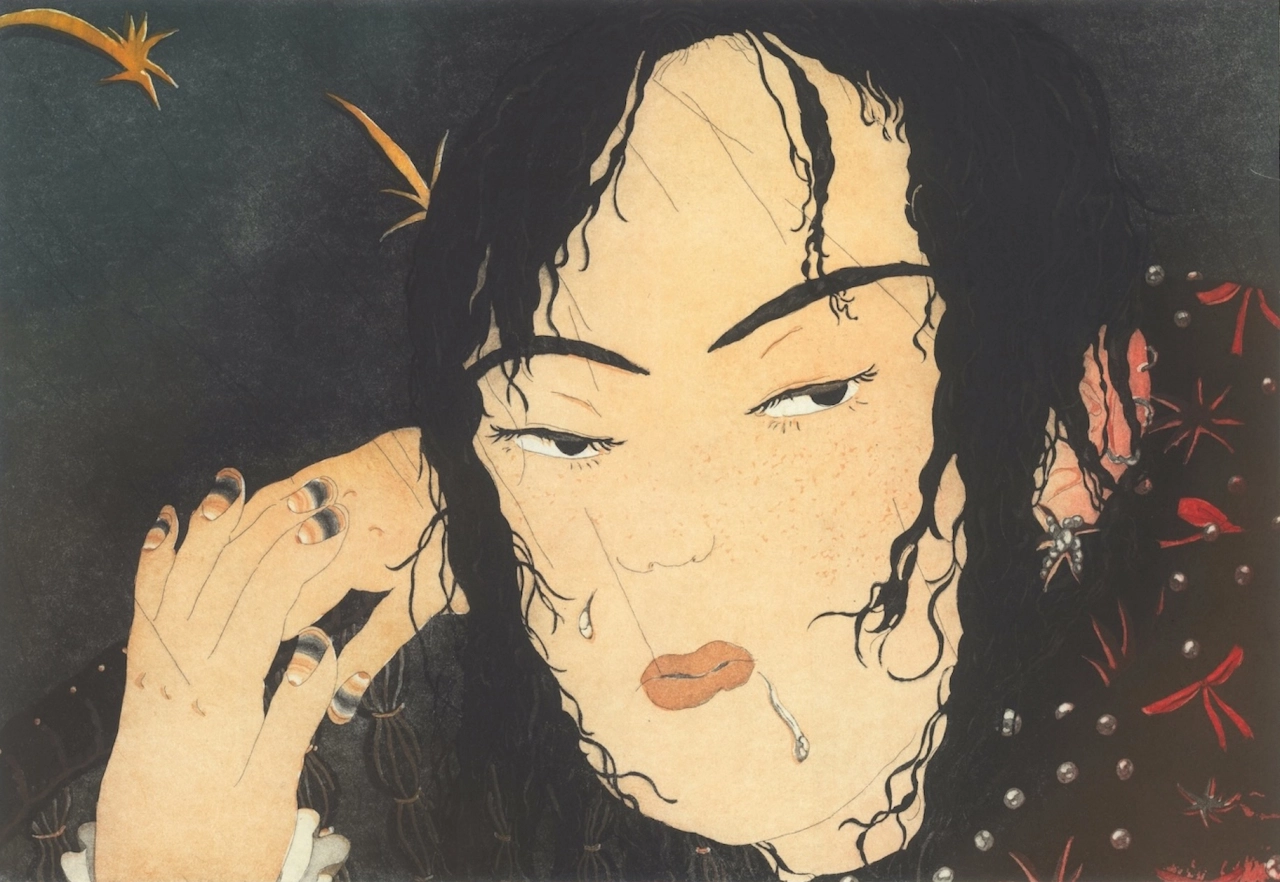
Vanilla's practice spans illustration, graphic design and independent publishing through her studio, Pearl Slug Studio, driven by research and inquisitions into visual forms and behaviour – "the way people construct meaning through symbols, rituals, images, myths or even interfaces," she says. "I'm often inspired by moments where belief and constructed reality begin to overlap: religious sacred sites, diagrams, folk practices, archives, surveillance images, typography, ruins, simulations." Daoist diagrams, Buddhist cosmology, anthropological texts, and sometimes more contemporary aspects, like the aesthetics of algorithmic feeds, are other points of reference. "A lot of my inspiration also comes from contradiction: chaos and order, sacredness and spectacle, intimacy and systems, transcendence and reconciliation."
Clearly, Vanilla is not interested in self-expression in any conventional sense. "Rather than expressing myself, I think I'm usually trying to build perceptual or embodied experiences where these tensions can coexist," she explains. Her process reflects that, too, beginning with an accumulation of essays, diagrams, symbols, archival materials, field recordings, and found objects – fragments that might at first seem unrelated. She compares it to Aby Warburg's atlas methodology, which uses boards of pinned-up images spanning high art and advertisements, to track how visual symbols and emotions "migrate" across different cultures and eras throughout history. In this method, meaning surfaces through juxtaposition, and the medium, which can be a publication, an installation, a typeface, or a performance, reveals itself only once the conceptual structure does.
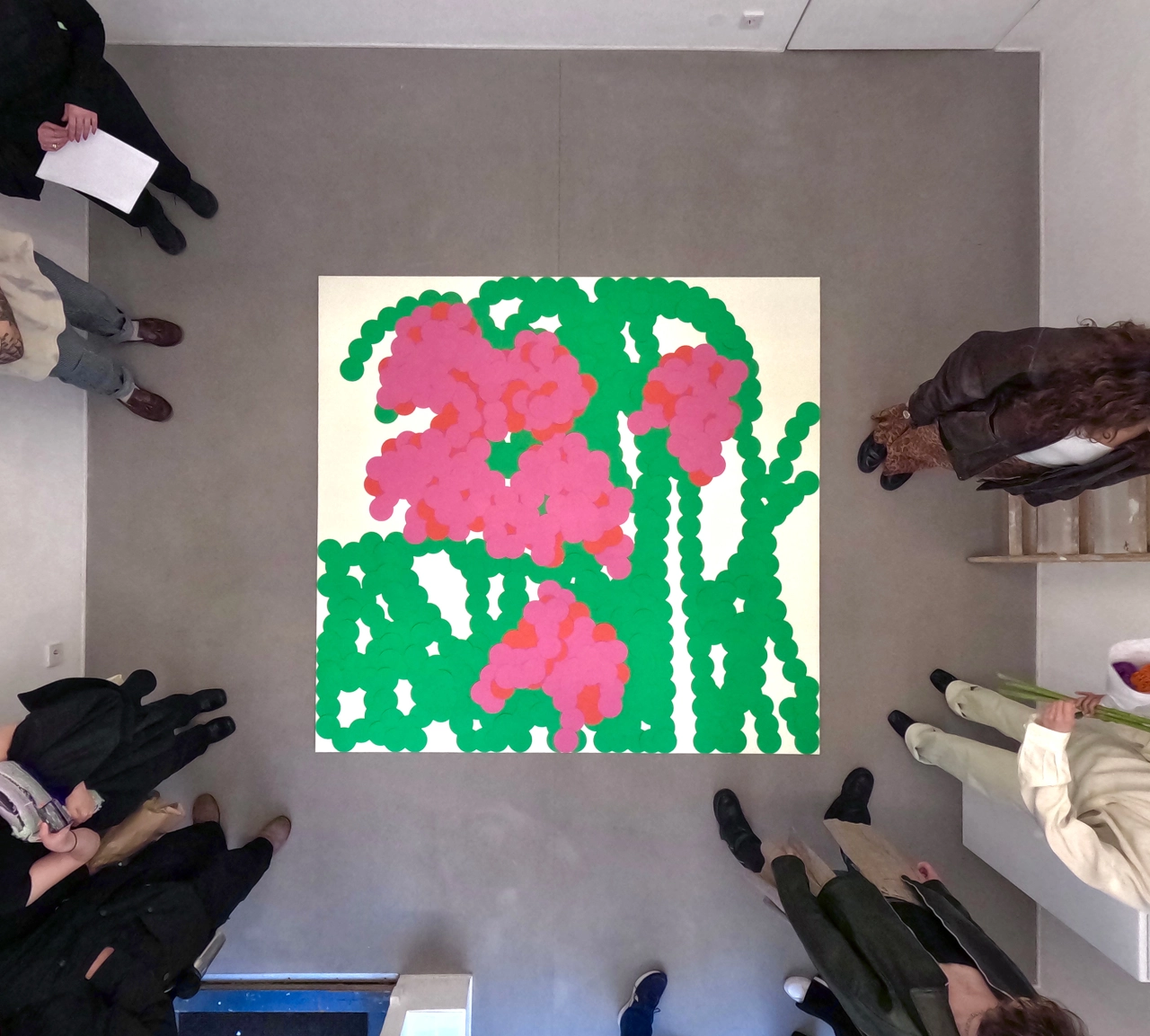
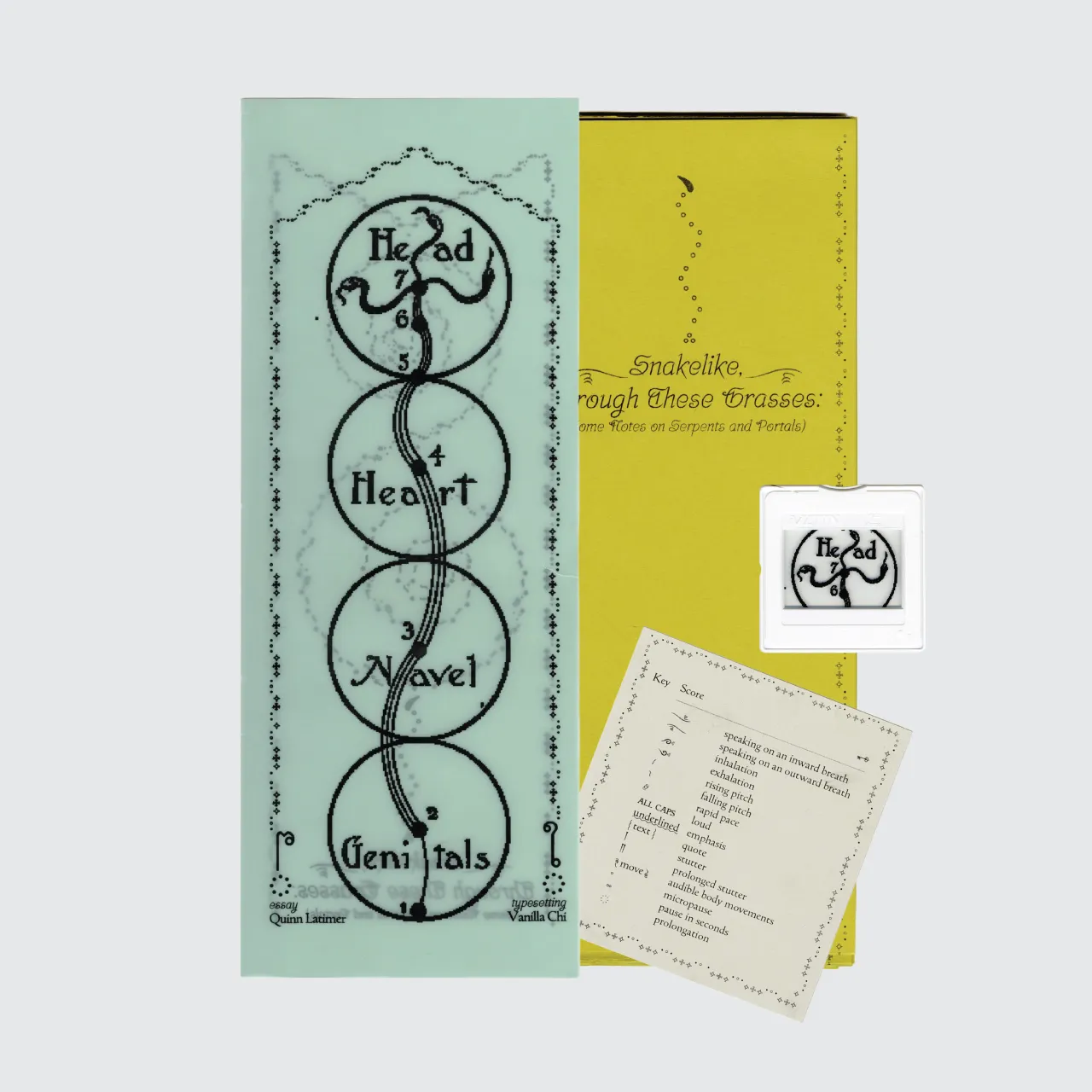
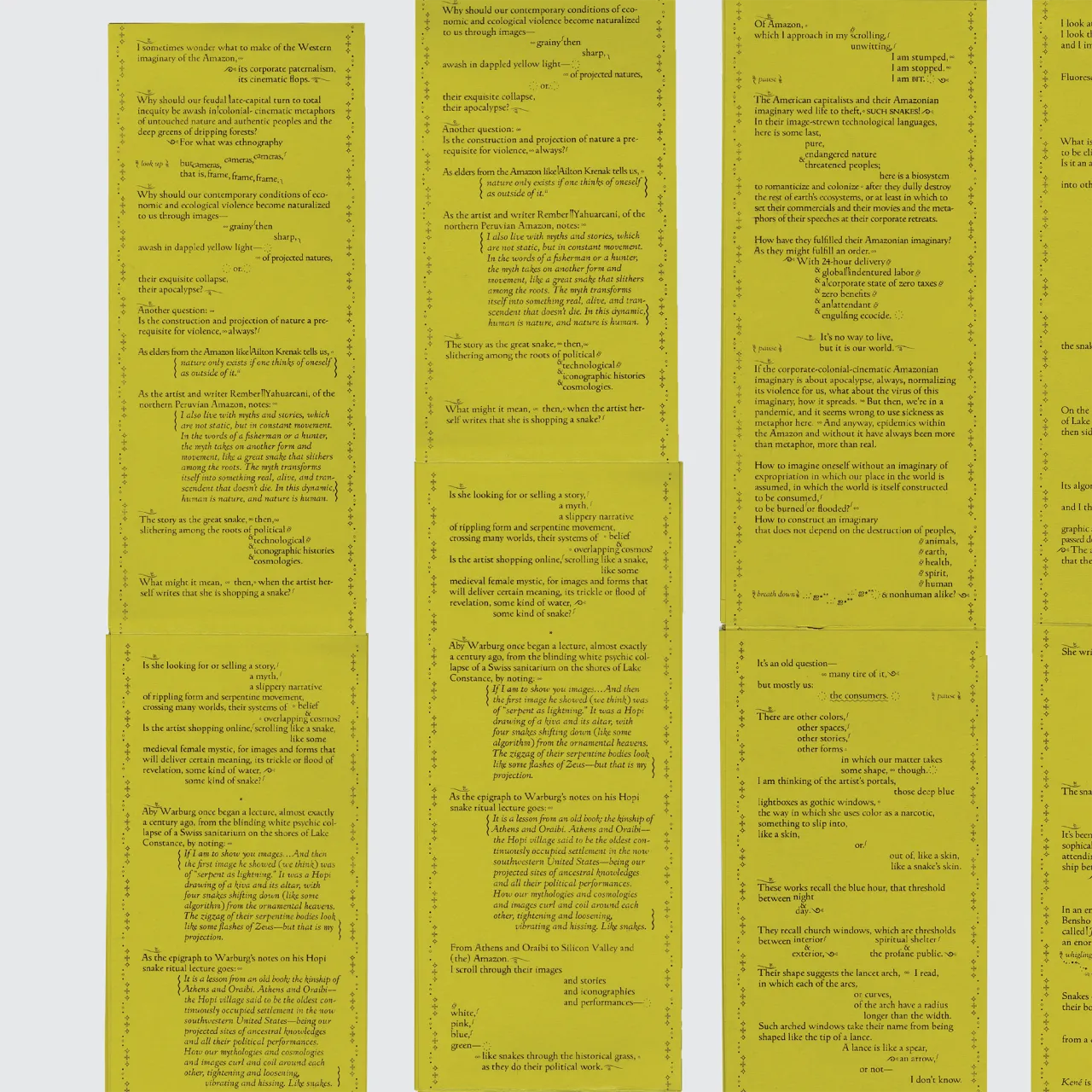
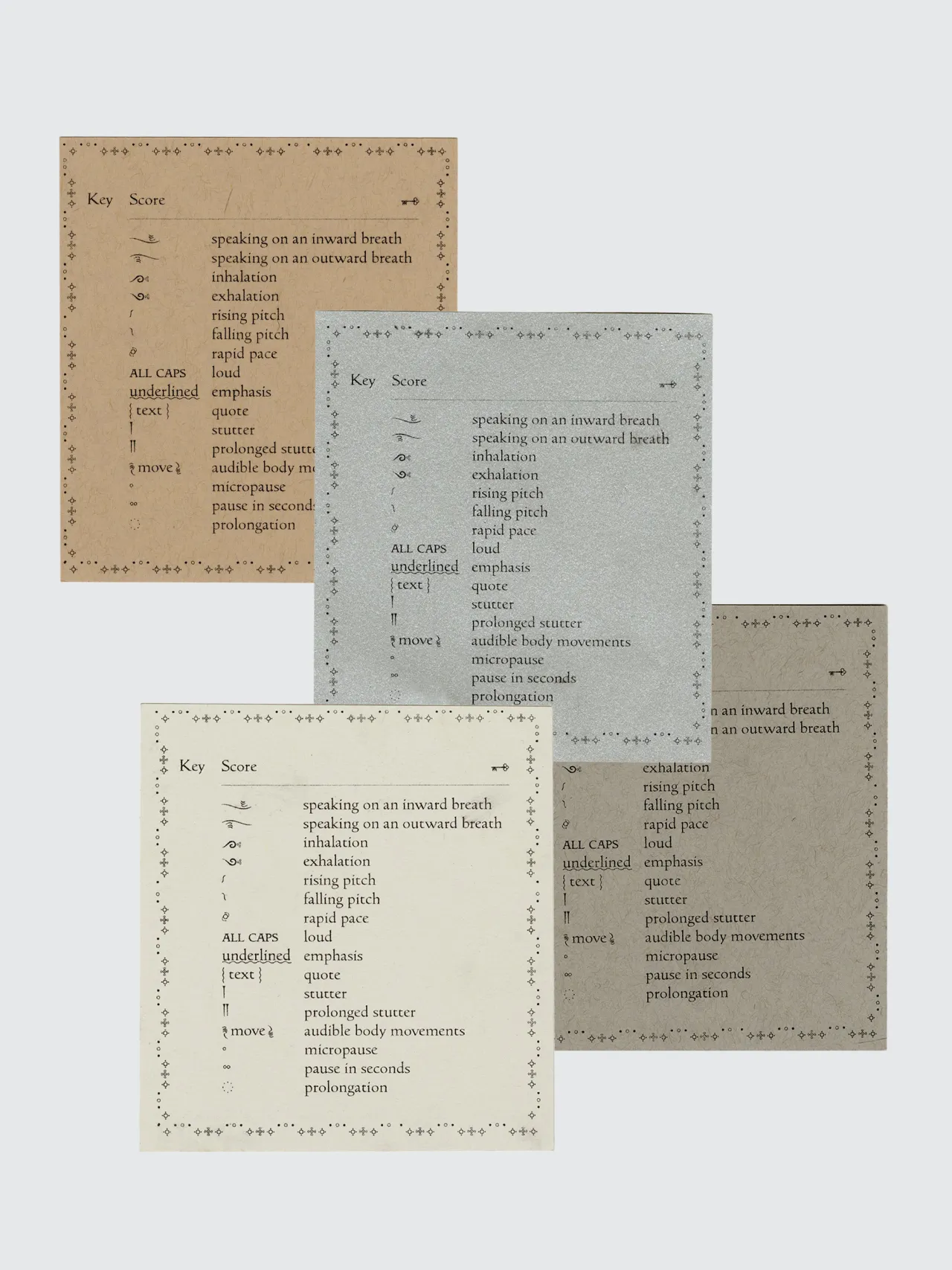
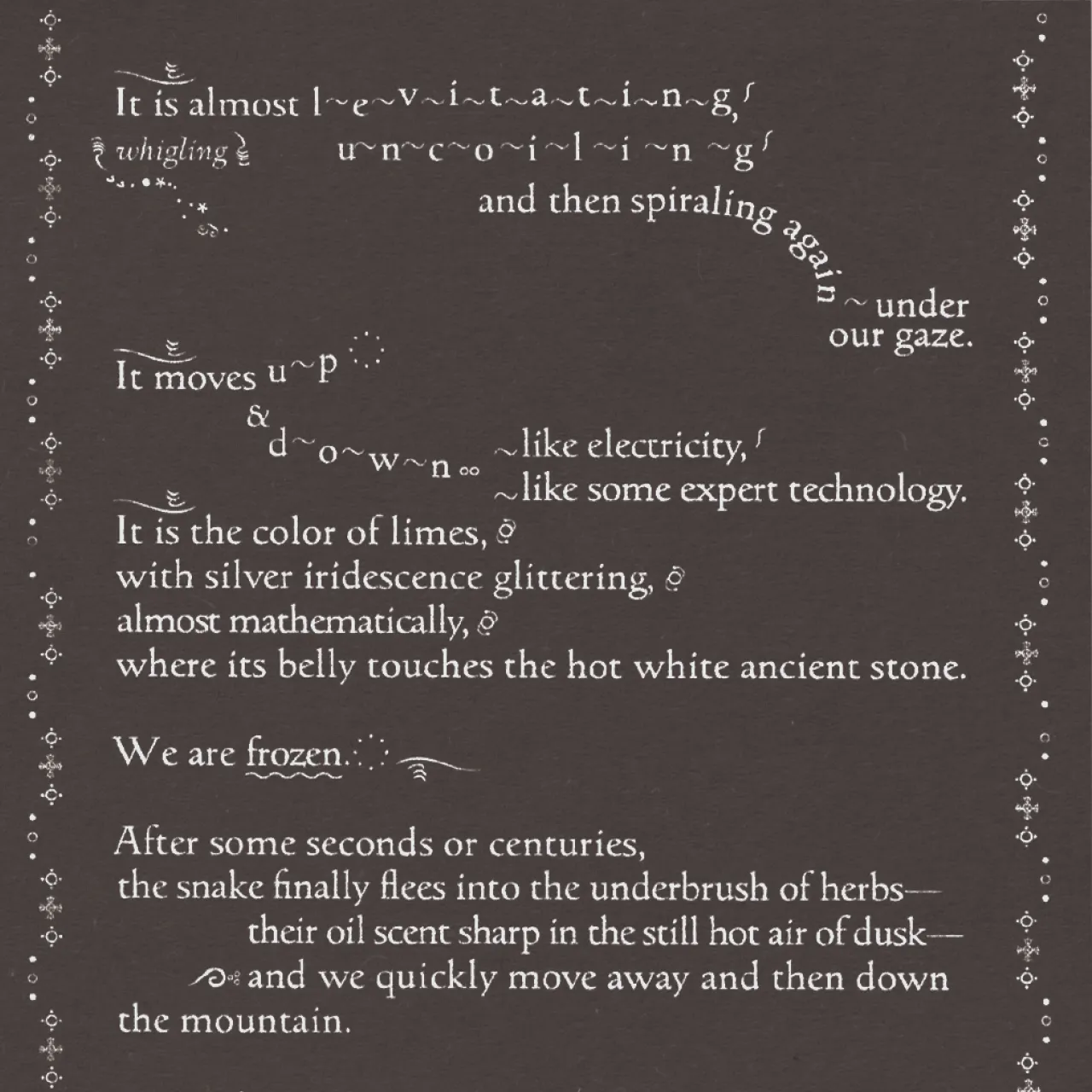
Two recent projects show how this works in practice. Snakelike, Through These Grasses – Some Notes on Serpents and Portals is an accordion book developed from a reading performance by the poet Quinn Latimer. Vanilla transcribed Latimer's reading and reformatted it according to the rhythm and cadence of her voice, then designed a "Key Score" – a system of symbolic reading instructions embedded in the body of the text that mark pauses, breathing, intonation, and shifts in tempo. "The act of reading itself gradually becomes a performative experience," she says. Instead of making reading more efficient, the publication asks the reader to slow down and breathe. The accordion structure unfolds almost like a script or a musical composition.
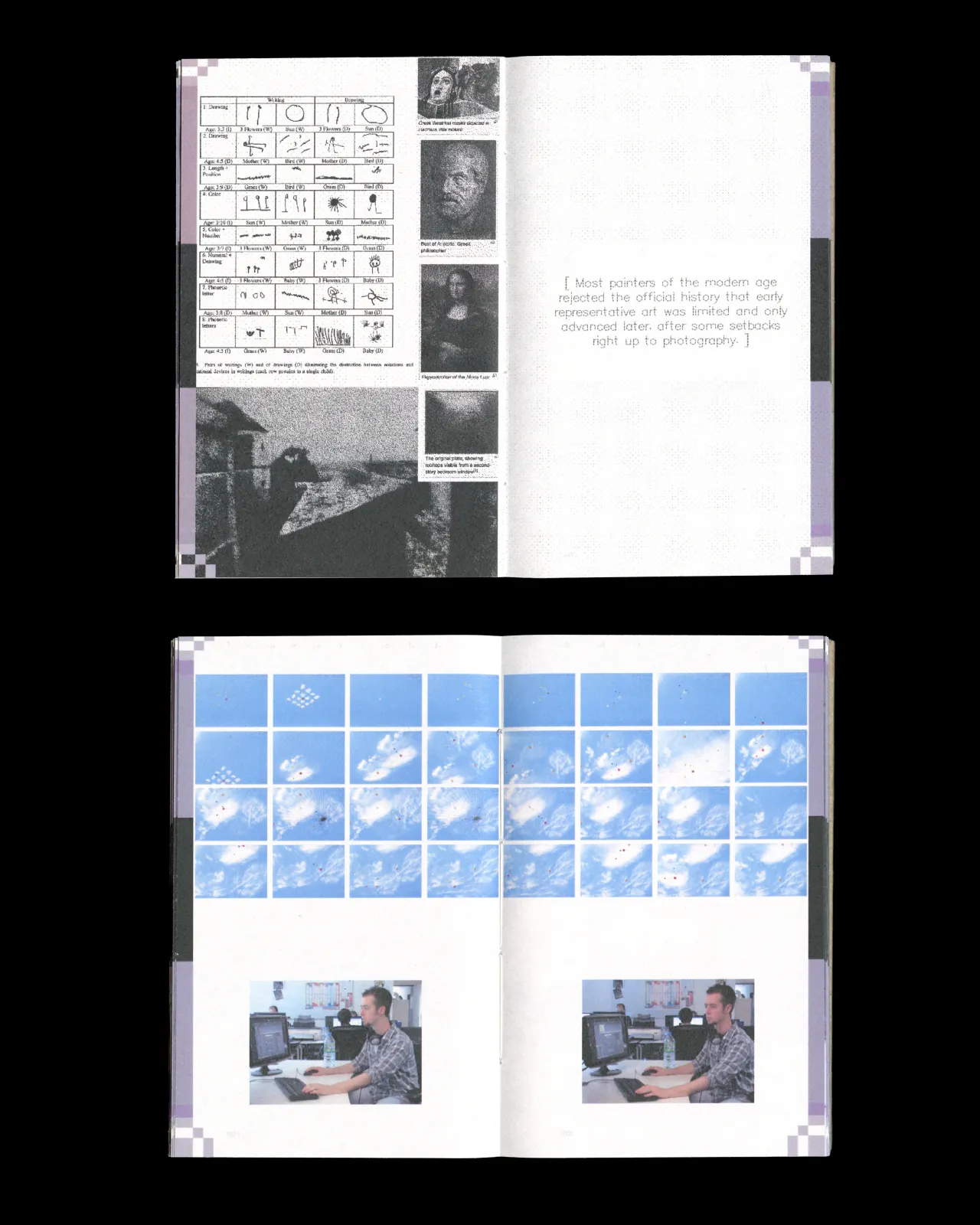
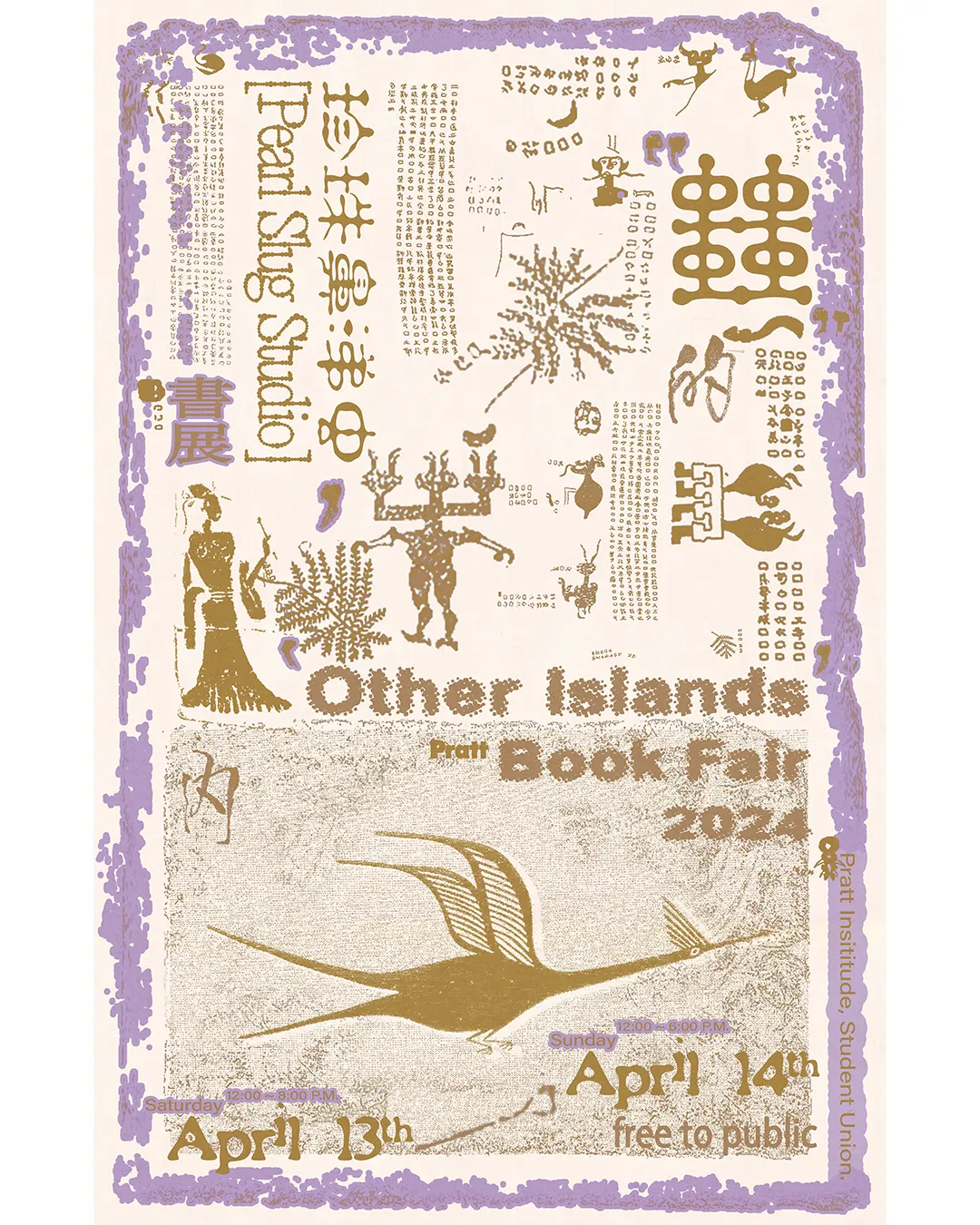
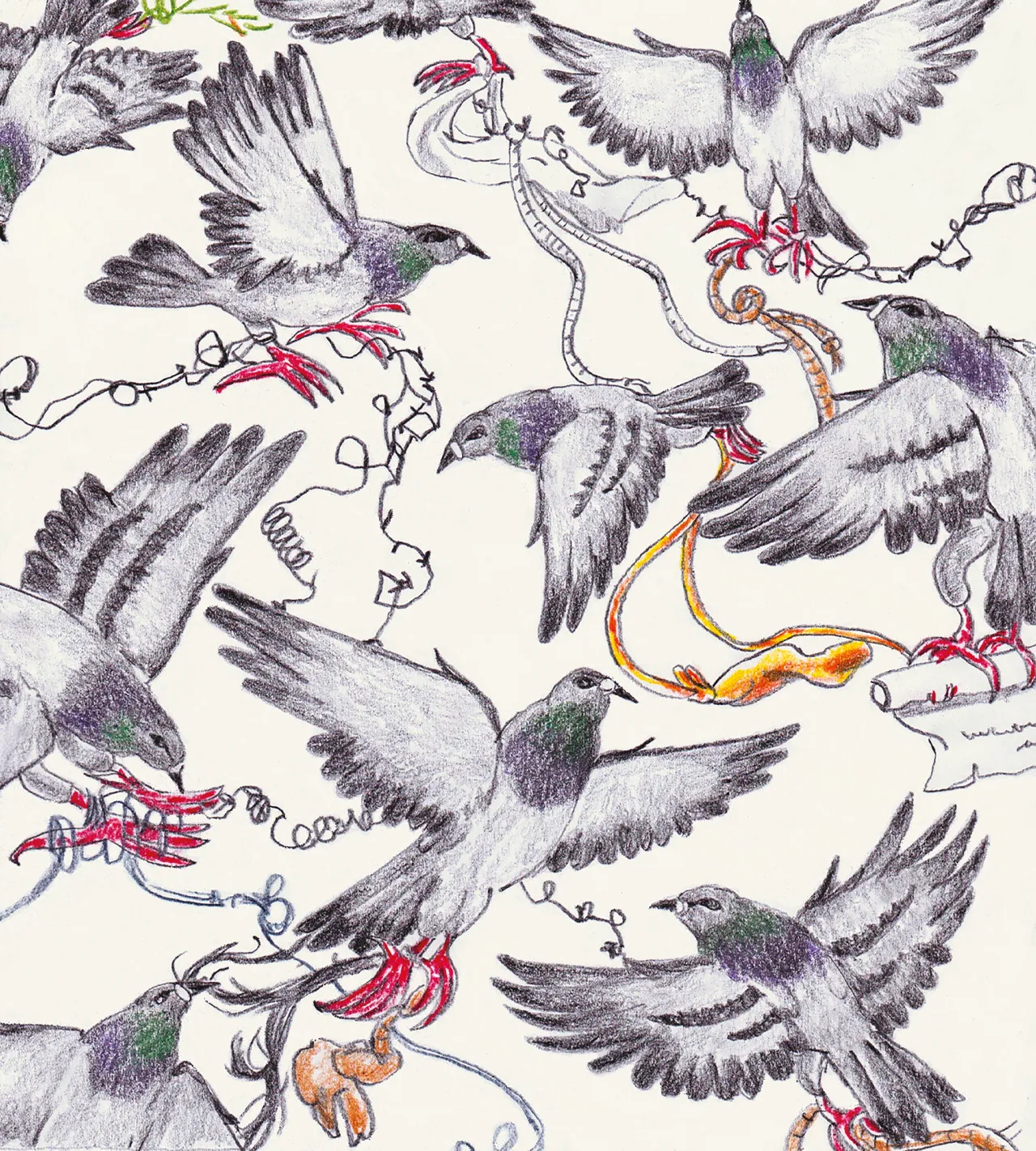
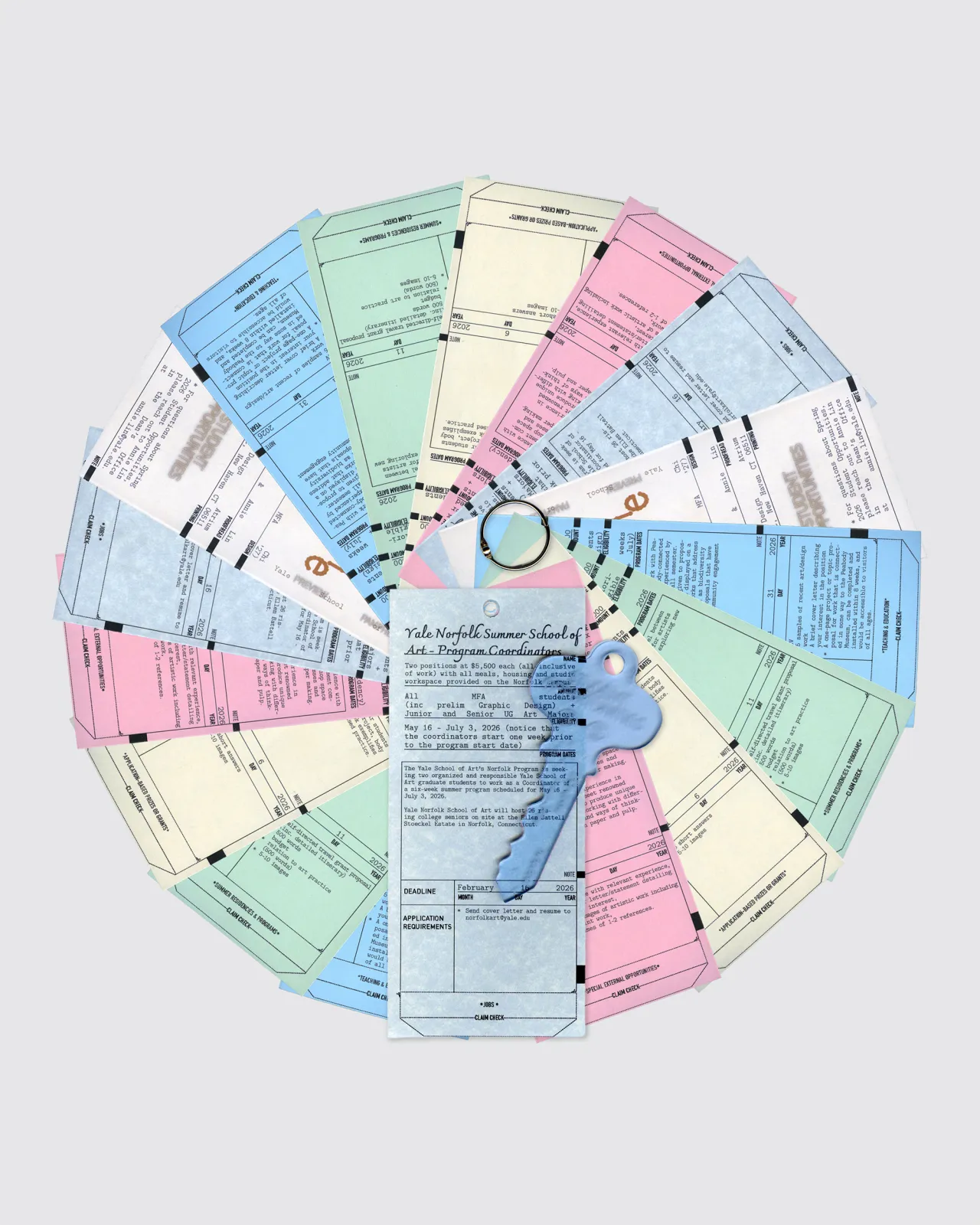
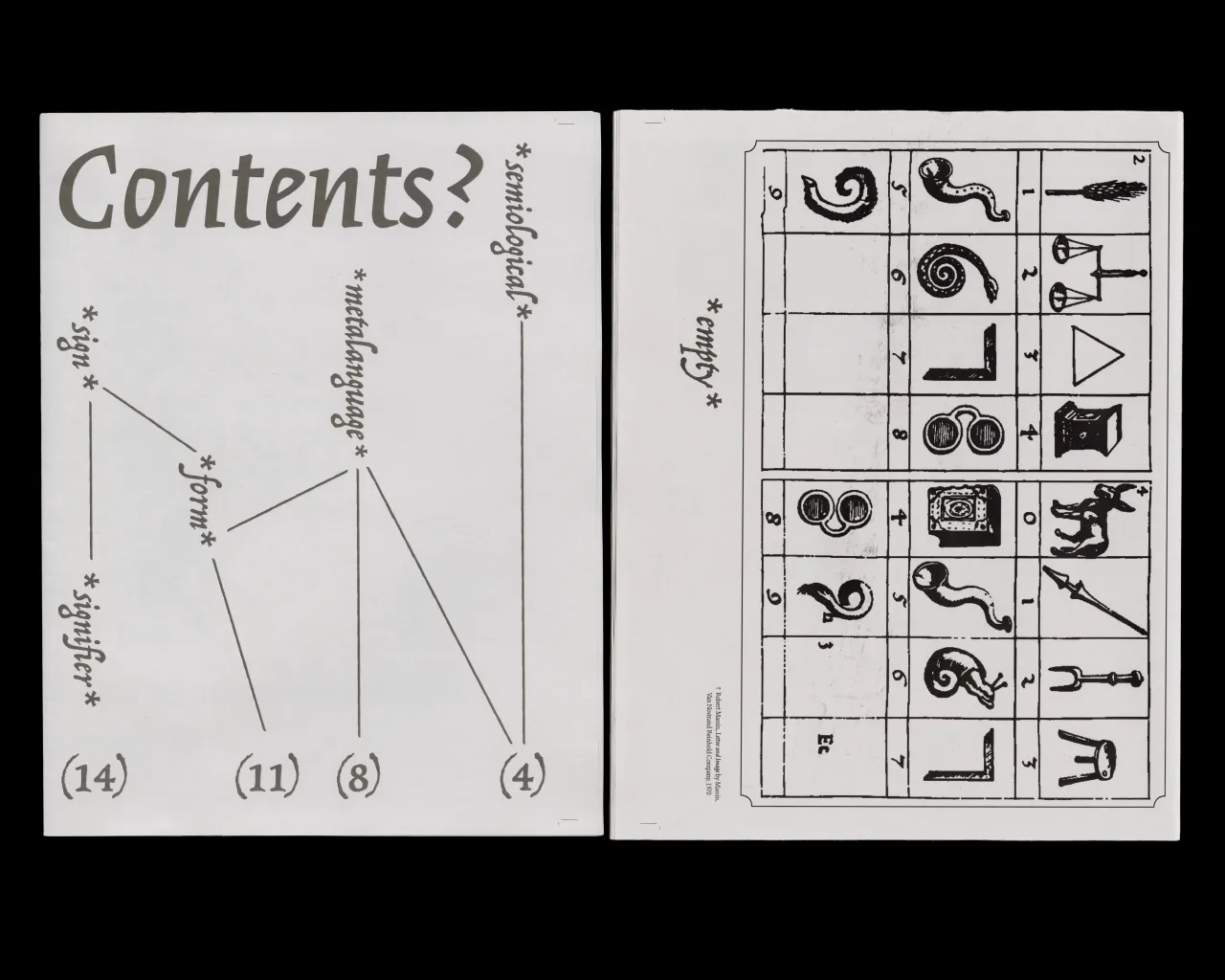
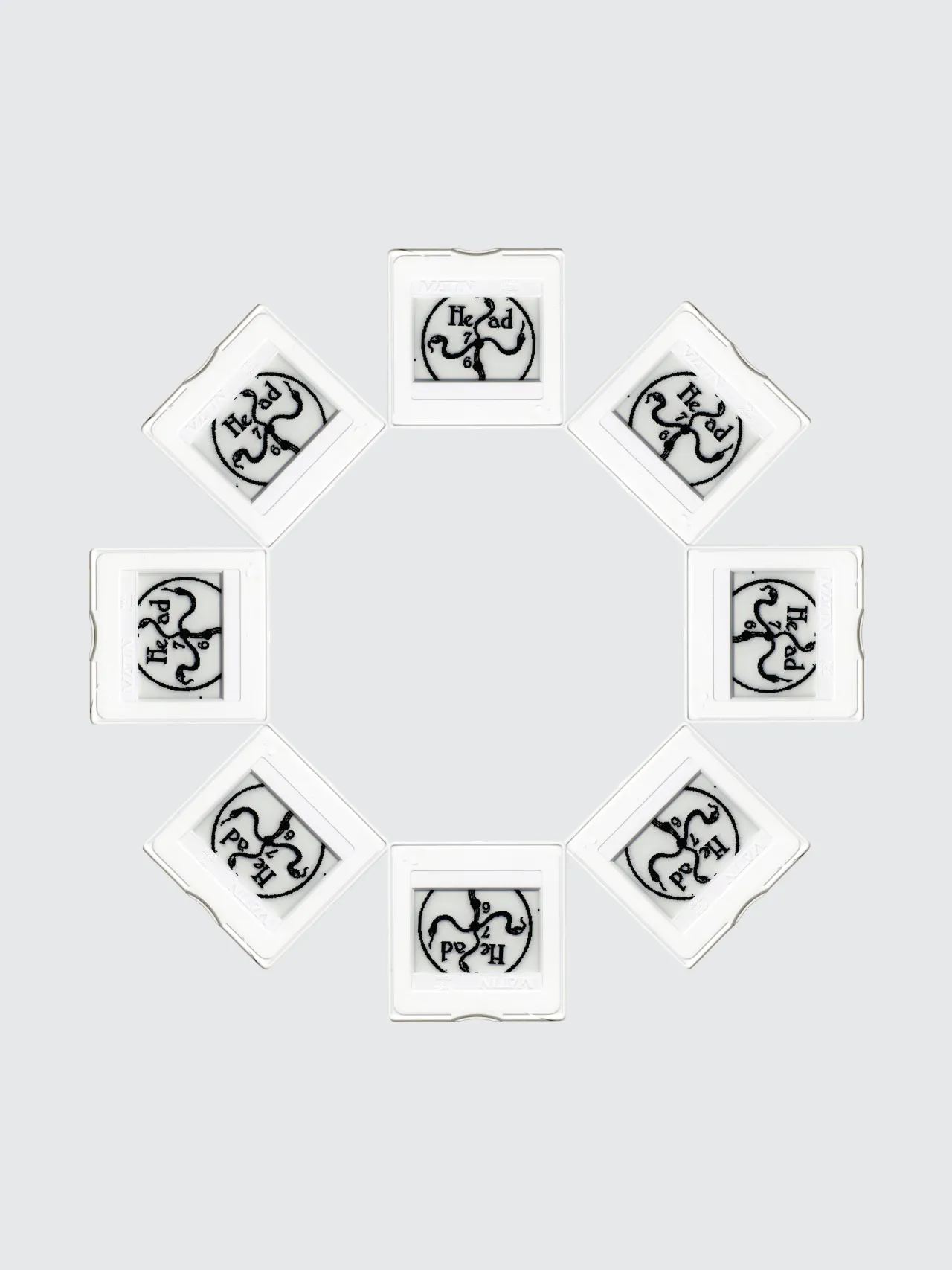
The second, Eyes Close... the Words Open, is an assemblage with no predefined page order – each page can be removed, read independently as a print or fragment, and reconstructed back into the whole. "I'm interested in history as a field of fragments, debris, and displaced symbols that are constantly reorganised and reinterpreted," Vanilla says. The publication operates the same and is never fully fixed, always open to recomposition. "That instability feels important to me because it reflects how memory, history and images themselves continue to survive through fragments."
When asked about her audience and how they might interpret her work, Vanilla is characteristically direct. She doesn't hold many expectations – "expectation is a form of violence," as she puts it – but she has been thinking about Max Weber's concept of disenchantment, which nods to the shift in modern society in which science, technology, and rational thinking have replaced religious beliefs, myth, and magic.
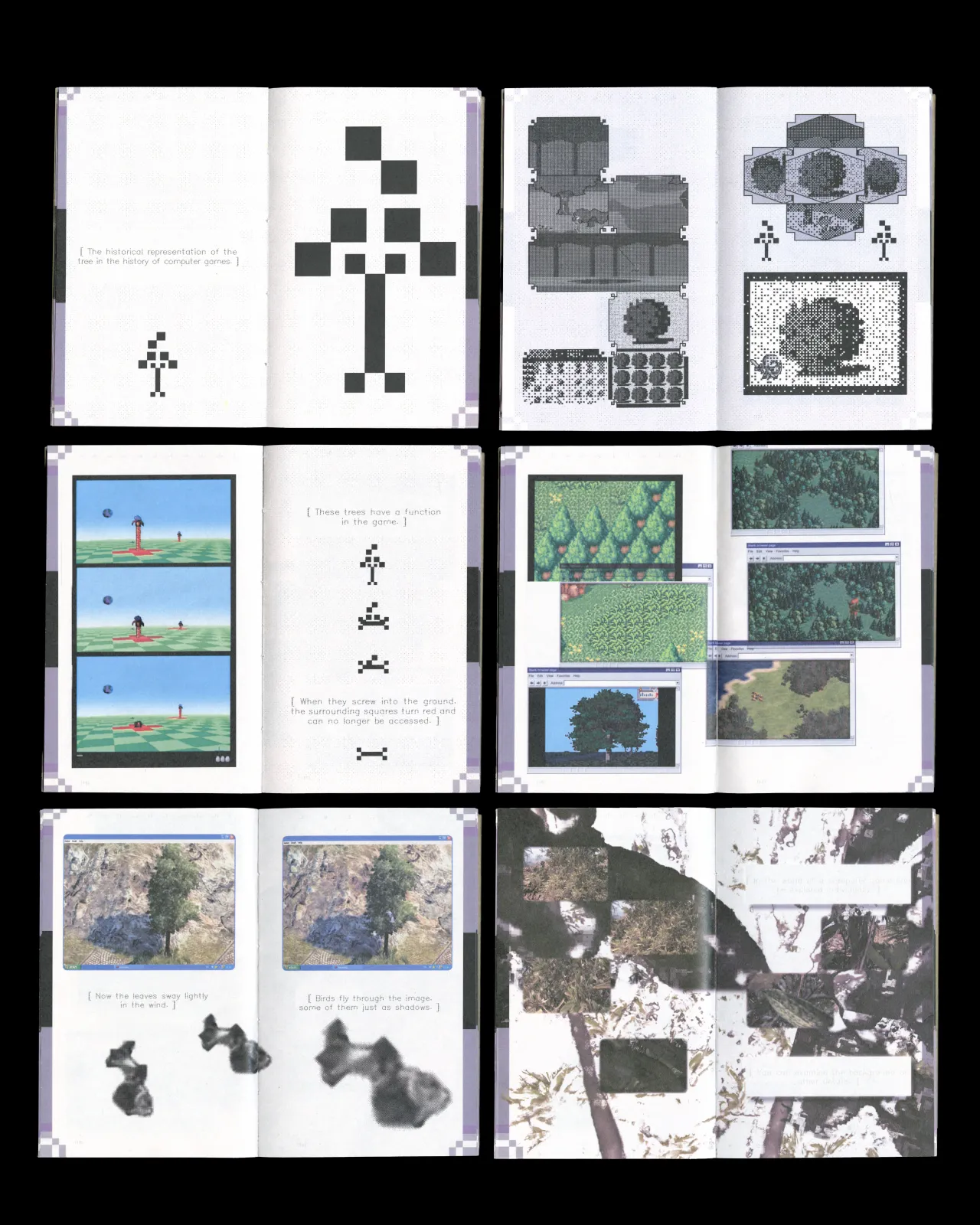
With this in mind, she's been questioning what demands are placed on artists now, especially in a time when minds and attention spans have become shorter and fractured. Her answer has been to think of herself as a medium: "I hope to function as a portal – words, images and information pass through me and emerge in altered perceptual forms."
A course in Buddhism at Yale introduced her to the concept of non-self – "To me, this does not mean that there is no self, but rather an understanding of the self as fluid, constantly changing and ungraspable. Those who remain fully immersed in identity narrative are suffering, and perhaps the only antidote to that suffering is the ego-death". And this has shaped how she thinks about what the work is for.
Editor's Picks

Trending




Latest Jobs
Senior Brand Designer at Analogue
Full-time·Leeds·£38k-£45k
Account Manager at BUILDHOLLYWOOD
Full-time·London·£34k–£38k
Diploma in Professional Studies Coordinator at London College of Communication
Contract·London·£52,977 to £63,815
Client Director at Koto
Full-time·Berlin·€70k-€85k
Marketing Manager at University of Birmingham
Full-time·Birmingham·£36,636 to £46,049
Design Lead at Madeo
Full-time·New York City·$85k–$120k