Felix Schoeppner on building images from scratch, and what a mouse mover reveals about the future of work
The German photographer spent years avoiding still life. Then illness, a pivotal workshop and a very long stretch in the studio changed everything.
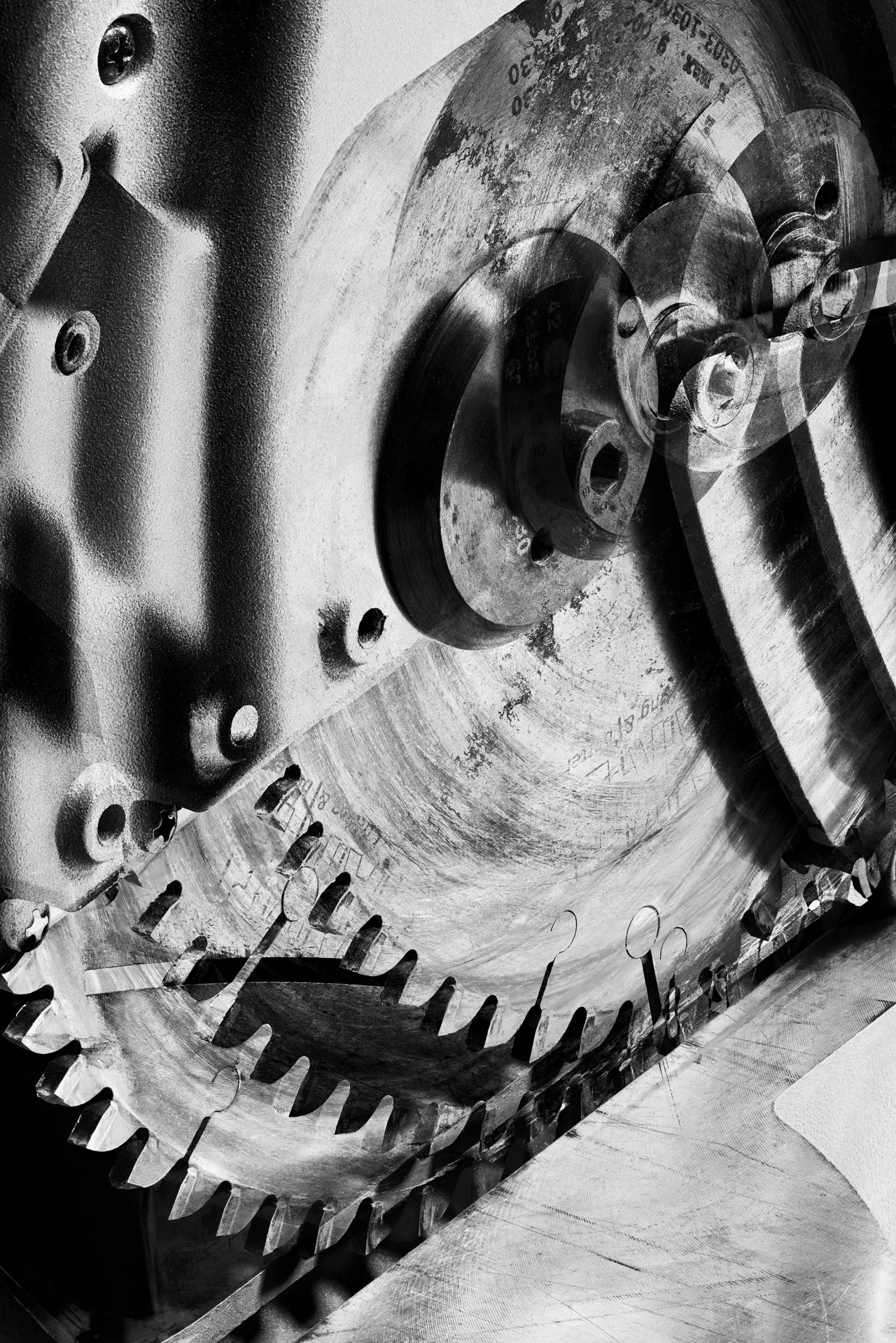
Felix Schoeppner came to photography through a friend's borrowed camera and a skateboarding session, which is perhaps not the most obvious origin story for one of the more rigorous conceptual photographers working in Germany today.
He grew up near Frankfurt, is the son of two architects, and was surrounded by weekend museum visits, initially unsure whether he would follow in his parents' footsteps into architecture. He didn't. A Nikon D40, 6 megapixels, and a growing fascination with the medium itself set him on a different path. He studied Communication Design at the University of Applied Sciences in Darmstadt, spent years assisting photographers including Olaf Blecker, Michael Schnabel and Daniel Stier, built a strong technical foundation – particularly in lighting and precision – and then, having done all that, decided he would never work in still life. He changed his mind, but not before something more significant happened first.
In 2017, a series of personal events disrupted a documentary project called Artificial Landscapes that had been developing as his undergrad work – a study of laboratories and scientific testing environments where nature is artificially reconstructed. A relationship ended, and later that year, Felix was diagnosed with cancer. Treatment was successful, but it meant months of surgery and chemotherapy, and a forced withdrawal from everything that he had been making. When he returned, it was to a workshop at the RAY Fotografieprojekte Frankfurt.RheinMain, led by Arno Rafael Minkkinen, whose approach to photography (which was intuitive and deeply rooted in bodily engagement) was unlike anything Felix had encountered before. Coming out of illness and isolation, it felt, he says, "almost therapeutic". Still life, which he had deliberately kept at arm's length, suddenly opened up as a space for conceptual thinking and something immensely personal.
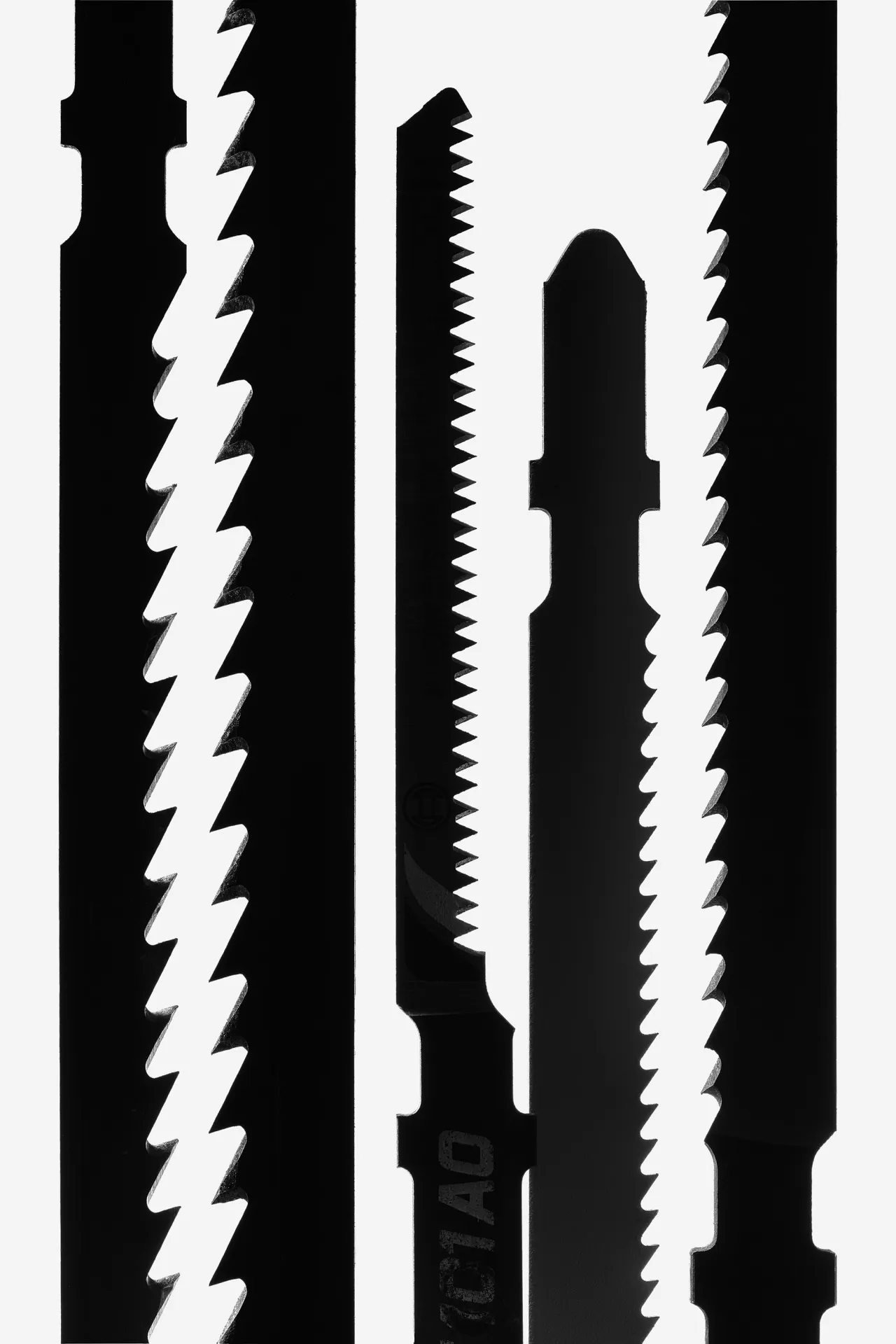
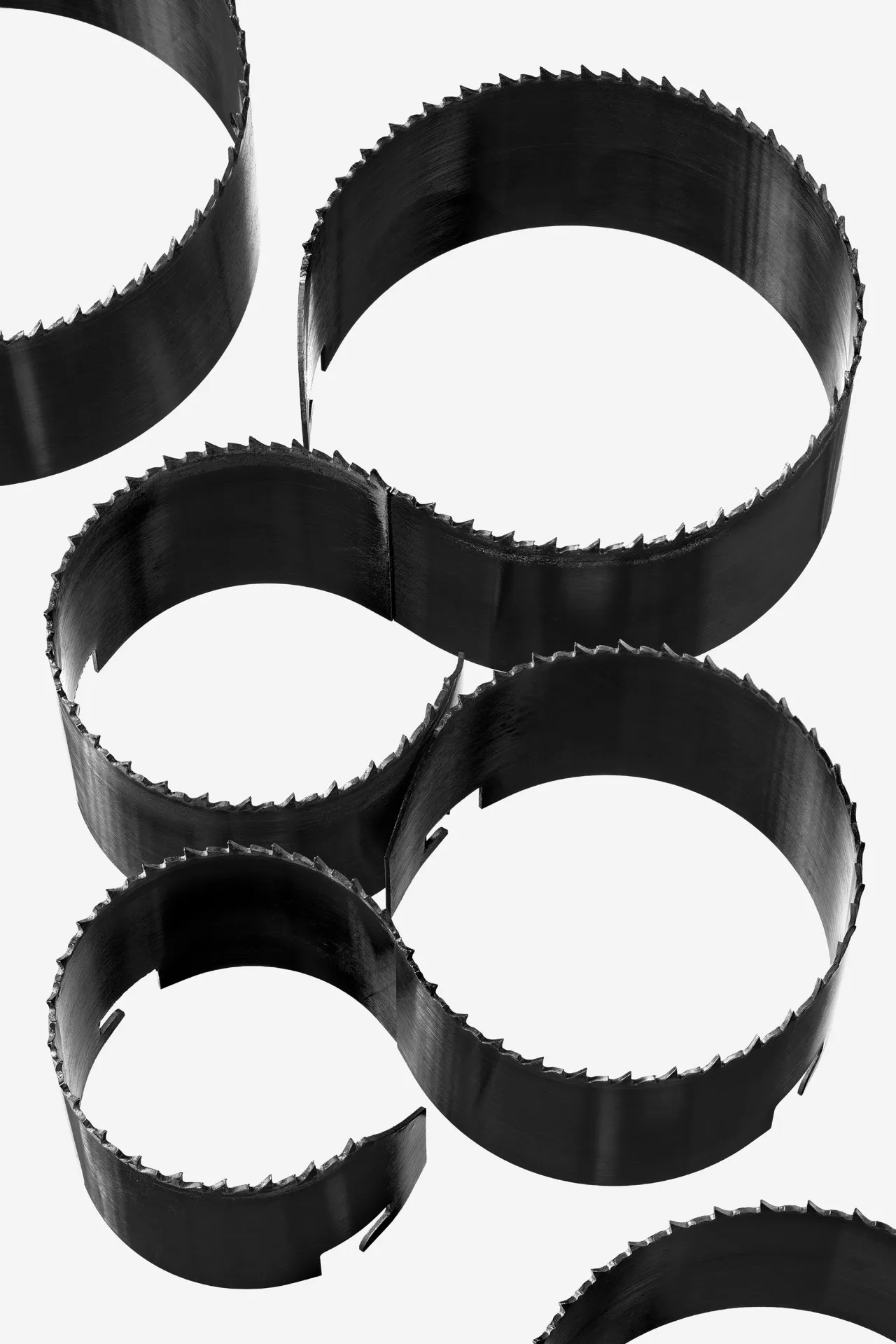
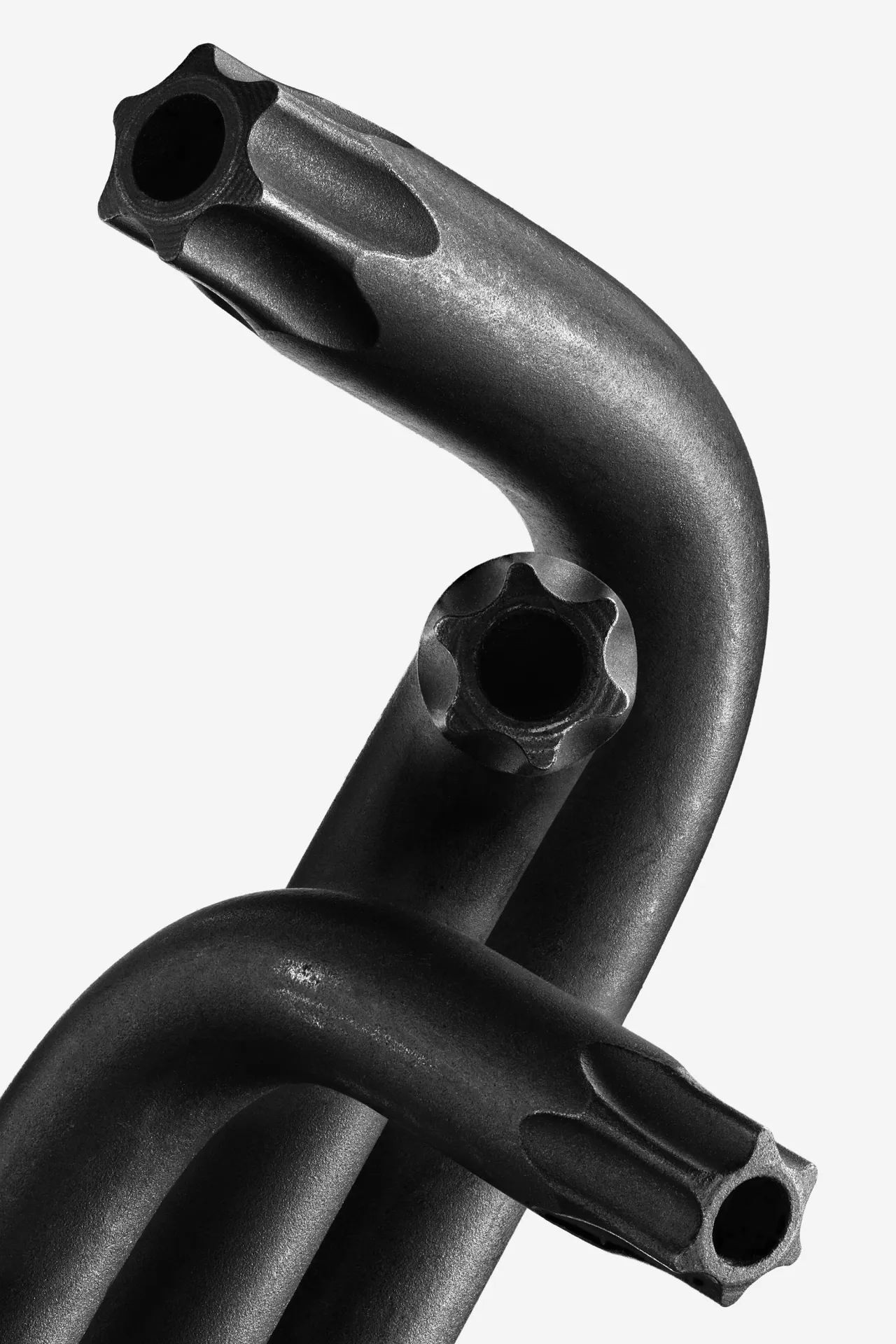
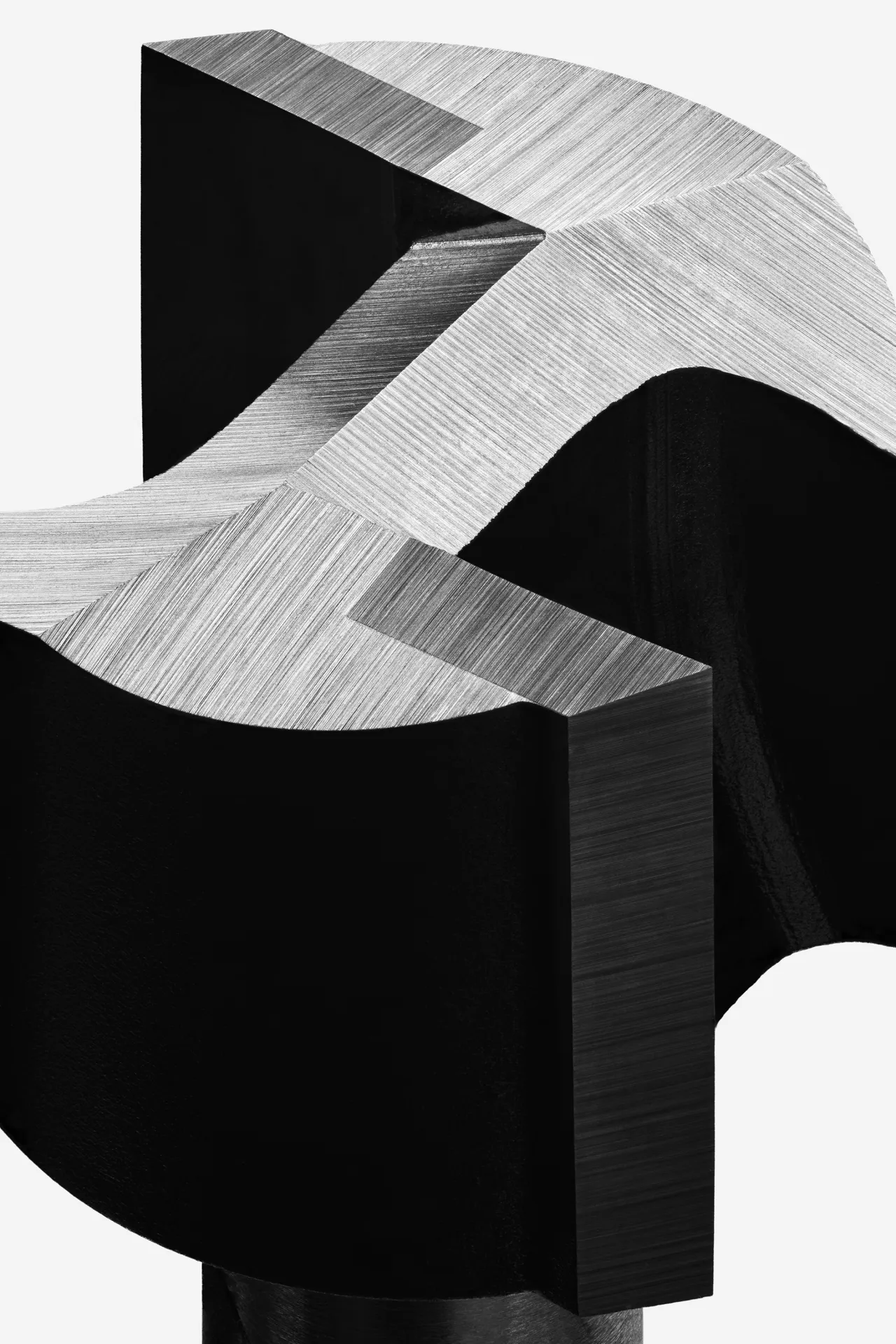
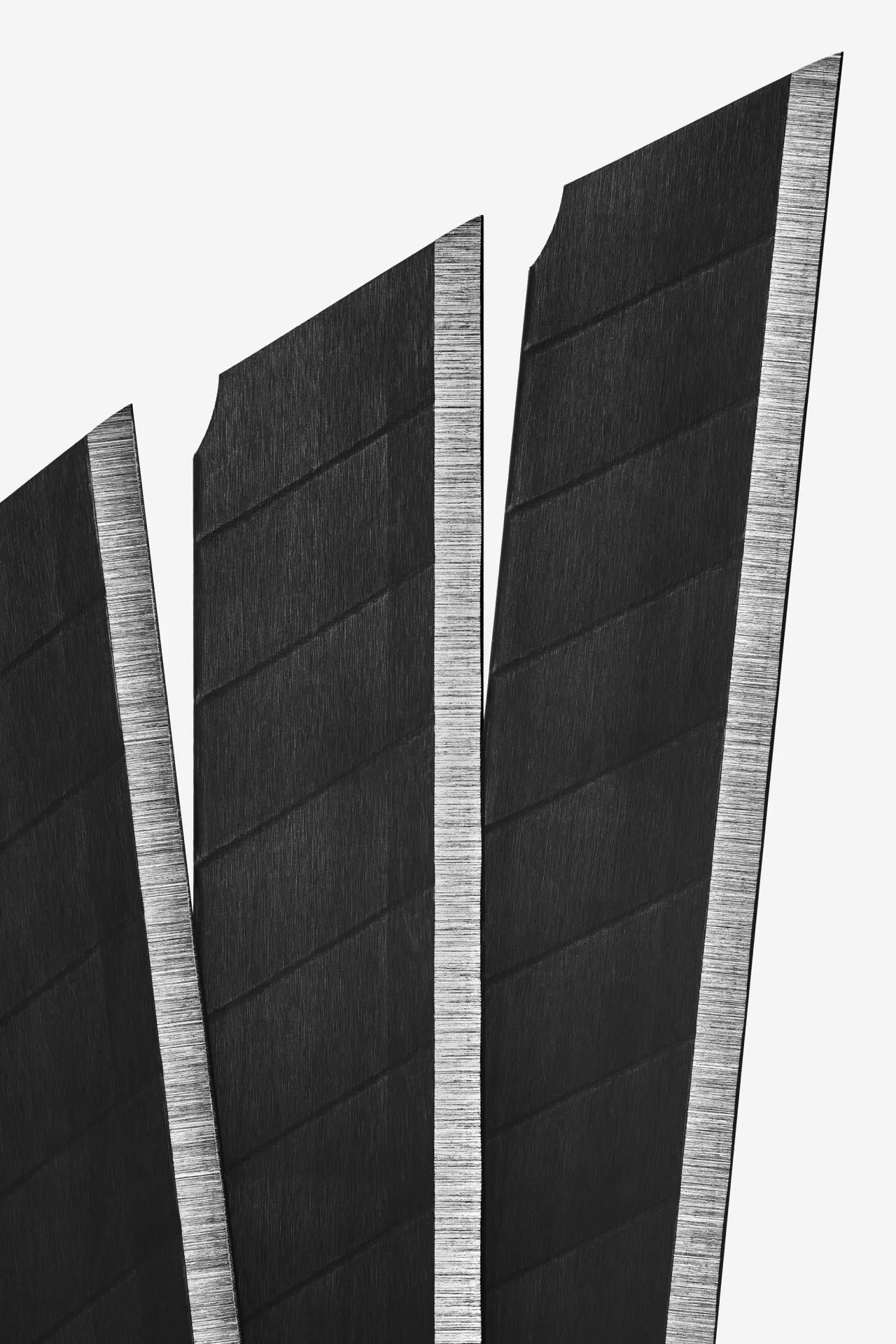
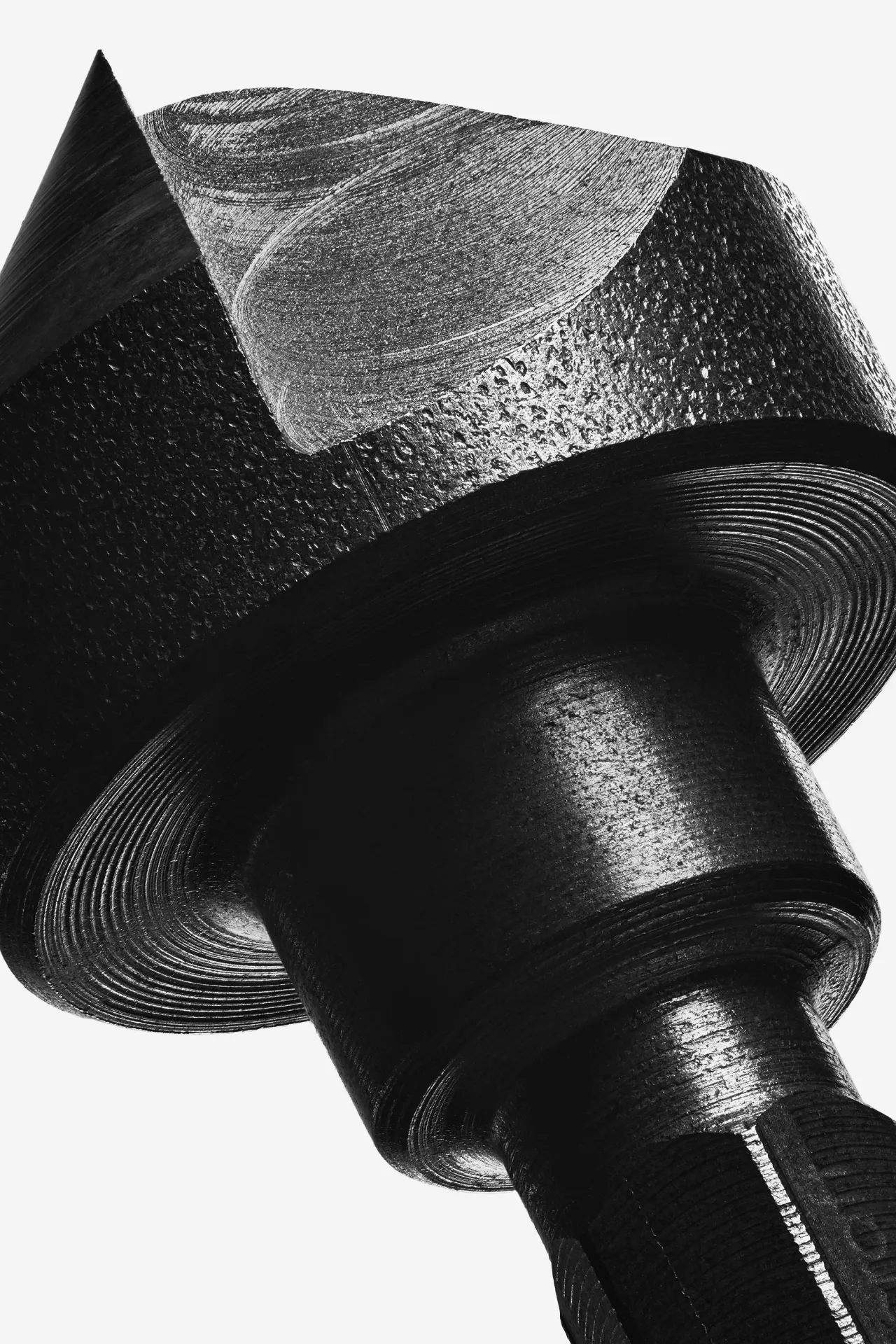
His series Cognition – which was included in the exhibition Bauhaus und die Fotografie – Zum neuen Sehen in der Gegenwartskunst for the Bauhaus centenary, and shown across Düsseldorf, Berlin and Darmstadt – marked the public arrival of this new direction. It involves everyday materials, familiar objects, scientific reference points, as well as billiard balls arranged as a solar system, structures assembled from household goods, the logic of scale and perception bent just far enough to make the viewer uncertain about what they're looking at. The solar system image alone took three days to make. Some images take weeks, while others take months.
Now completing his Master's in Visual Communication at the Bauhaus University in Weimar, his graduation project, Handle with Care, pushes the practice further still – into questions about labour, automation, presence, and the peculiar ingenuity of avoidance. Below, he talks through the project and how it all came together.
Much of your work feels sculptural and meticulously constructed. How do you begin a project conceptually, and how does that translate into the studio?
My shift towards still life also changed how I approach making images. I moved away from reacting to situations towards constructing them. That shift still defines how I begin a project today. At the very beginning, the process is usually quite open. I often start working in the studio with a loosely defined term or idea rather than a fixed concept. The initial impulse can come from almost anywhere – something I encounter in my surroundings, an object, a material, or a situation that triggers a certain association. What follows is a long phase of testing and experimentation, much of which never becomes visible in the final work but is essential to the project's development.
For my ongoing series, Handle with Care, the conceptual groundwork took nearly two years. I knew I wanted to work within the context of labour – specifically the physical act of making or altering something – but it took a long time to articulate that idea clearly. During that period, I was constantly producing, testing and discarding. Only once the conceptual framework became more precise did the process start to accelerate. From that point onwards, the work evolves step by step. I begin building, measuring, adjusting – often discarding elements and later reintroducing them in a different context. The images are not preconceived; they emerge through the process of making. In that sense, the studio becomes more like a workshop than a purely photographic space.
This way of working is also closely connected to my background in assisting and my technical training in still life. It allows me to move quite freely within the process, without having to question the photographic execution itself. The camera becomes a tool that records decisions made beforehand. I often think of Tom Sachs' phrase "creativity is the enemy" as a useful description of this process. It's less about waiting for ideas and more about continuous engagement. Through working, ideas reveal themselves. An important part of that process is also knowing when not to produce. There are days in the studio where I don't create anything in a conventional sense – where I observe, rearrange, or simply sit with the work. These moments of pause are essential. They allow me to step outside of the pressure to produce and often lead to the most decisive developments.
Ultimately, I see photography as an integral part of a larger process of making. The image is not the starting point, but the result of a sequence of decisions, actions and reflections. That is also where the sculptural quality in my work originates – from the fact that the image is built before it is photographed.
Your images often explore ideas from science, perception and abstraction using everyday materials and models. What draws you to these themes?
A lot of this connects directly to how I think about constructing images. I'm interested in creating a point of entry that feels immediate, almost intuitive, before the image unfolds on a more conceptual level. Many of the materials and objects I use are deliberately familiar. Within a Western cultural context, most people share a common understanding of scale, texture, and function in everyday objects. I try to build on that collective knowledge. It allows the viewer to approach the image through something familiar, even when the overall situation is ambiguous or abstract.
What interests me is this tension between recognition and uncertainty. An image might feel accessible at first, but the longer you look, the more it resists a clear reading. That's something I became aware of while working on Artificial Landscapes. The images' content had a certain visual complexity, but their function often remained obscure unless you had specific technical knowledge. With my later work, I became more interested in creating structures that can be understood gradually – where one element leads to another, and meaning unfolds step by step. This is also closely linked to perception. I'm less interested in illustrating scientific ideas directly than in how we interpret and relate to what we see. How much do we recognise? What do we project onto an object or a structure? And at what point does something familiar become abstract?
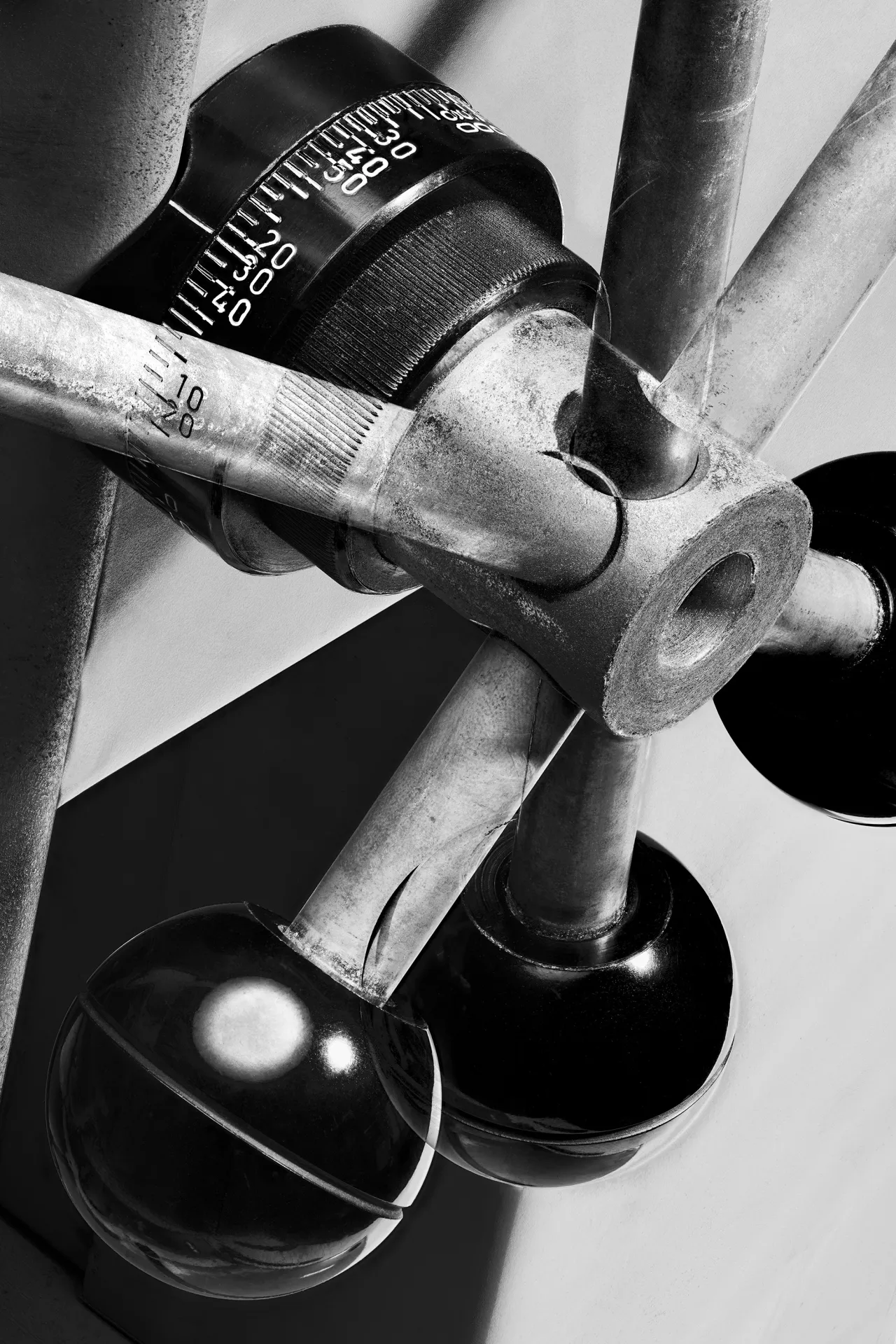
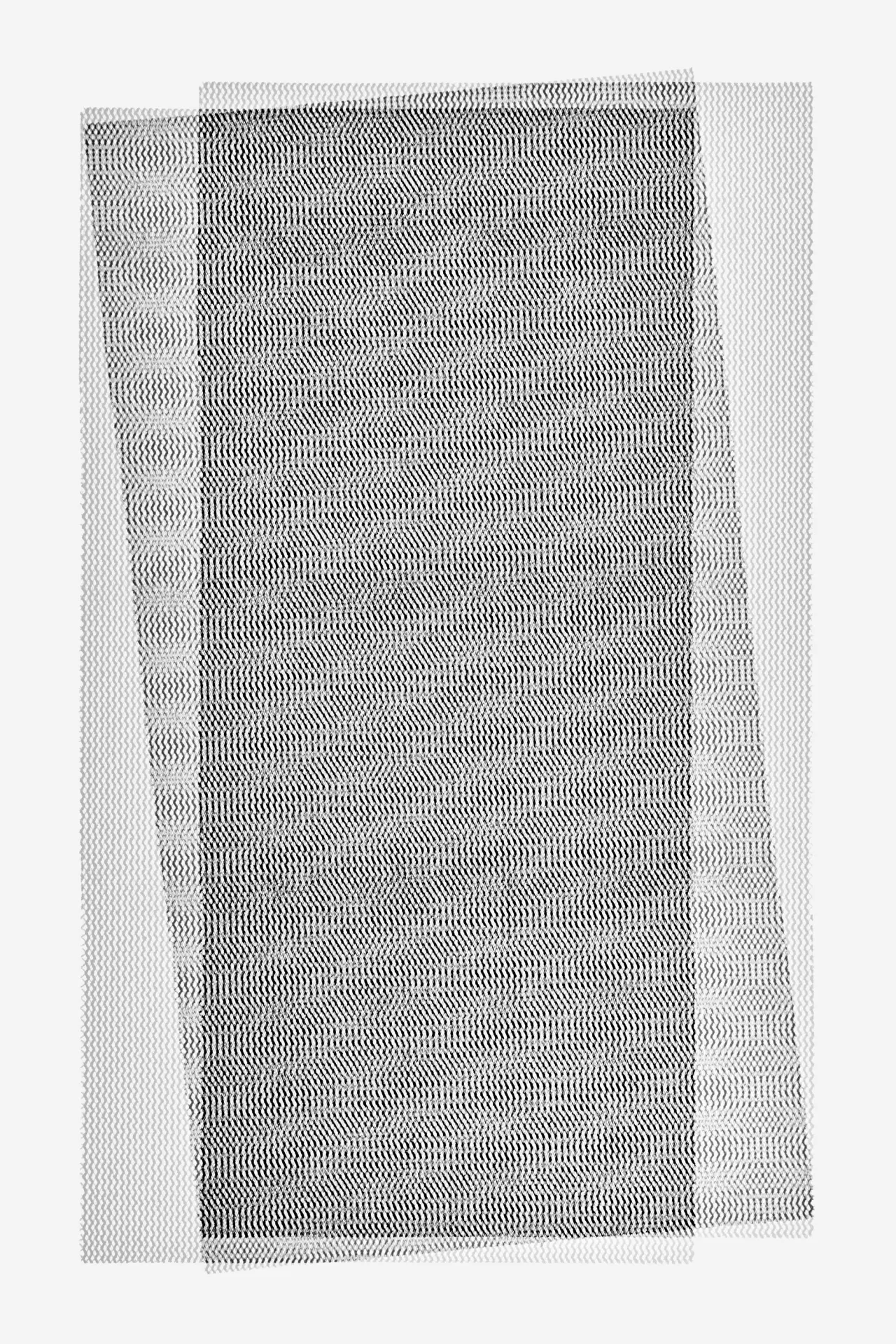
At the same time, many of these interests go back to much earlier experiences. I've always been fascinated by technical and mechanical processes – how things connect, how systems function. As a child, building with Lego was a way to understand and reconstruct those systems. In a way, my current practice isn't so different. I'm still assembling, testing and reconfiguring elements to understand how they behave.
The studio becomes a space where these different layers come together – everyday materials, constructed situations and questions of perception. The final image then operates somewhere between object, model and representation, without fully settling into any one of those categories.
Can you walk us through your technical process – from building models to lighting, focus stacking and post-production?
Everything begins within a conceptual framework, usually a broader theme that I gradually refine. In earlier projects, I built sets solely for photography. They were constructed in relation to a specific camera position and couldn't really exist beyond that single image. With Handle with Care, that changed quite fundamentally. From the beginning, it was important to me that the objects could exist independently of the photograph – that they could function and hold their own as physical entities. This shift had a major impact on how I build. The constructions now need to withstand actual stress, which makes the process more precise and materially demanding. I moved away from temporary solutions like tape and clamps and started working with tools like table saws and routers. Mistakes became more consequential – you can't easily undo a cut. At the same time, I intentionally leave traces of the process visible, such as markings or construction details, to preserve a sense of development within the object itself. In terms of materials, I mainly work with chipboard and aluminium profiles. Chipboard is widely used in industrial furniture and carries a certain familiarity, while aluminium profiles reference modular systems found in engineering and production contexts. Both materials are accessible, functional, and flexible – they can be easily modified, extended or reconfigured.
Lighting has also shifted in relation to the work. In earlier series like Cognition, I used a more controlled, high-contrast lighting approach. In Handle with Care, the lighting often emerges from within the scene itself. Some of the objects contain built-in light sources, which influence the overall atmosphere and create a sense of a constructed environment – something closer to a workshop than a neutral studio.
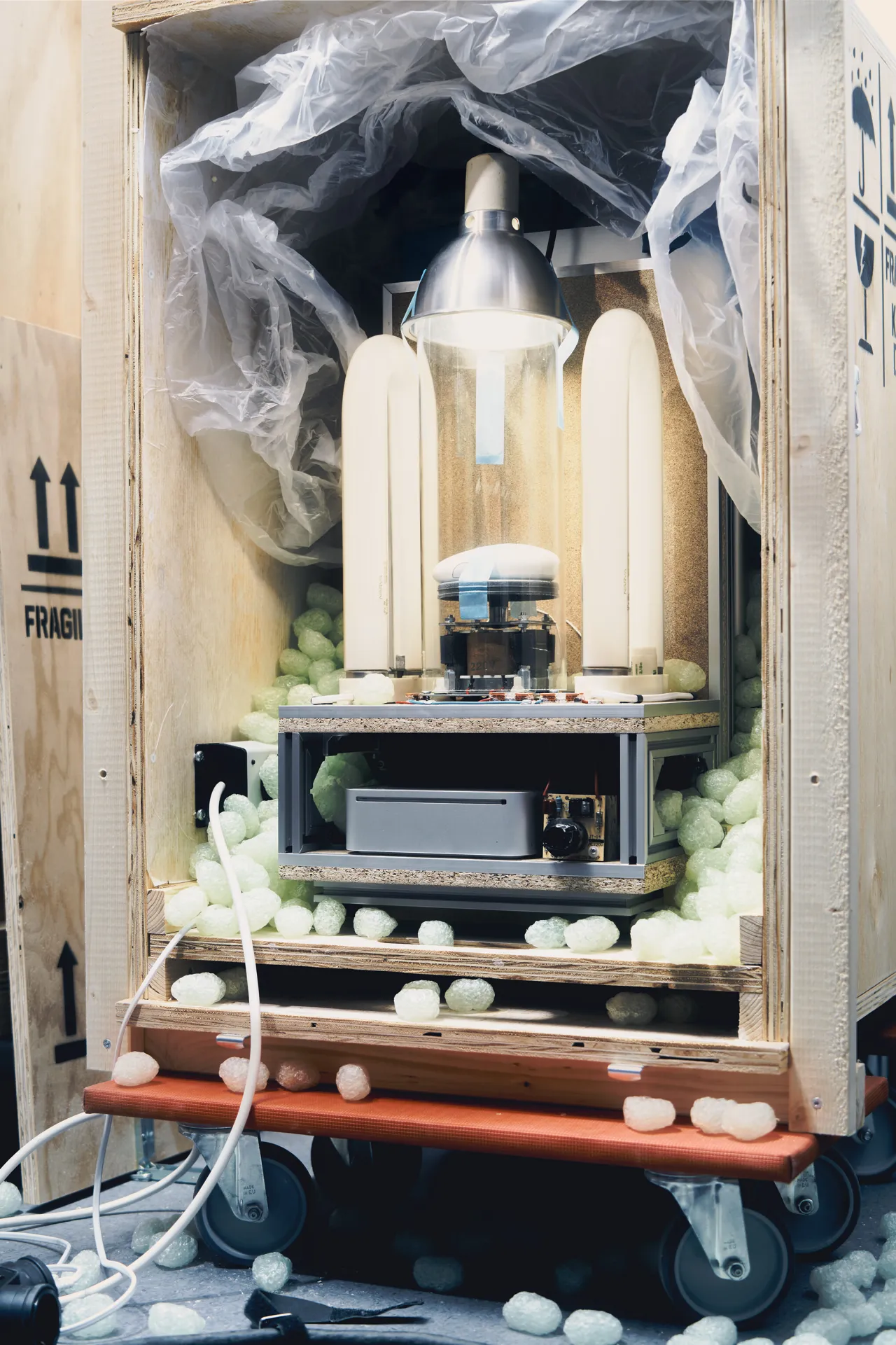
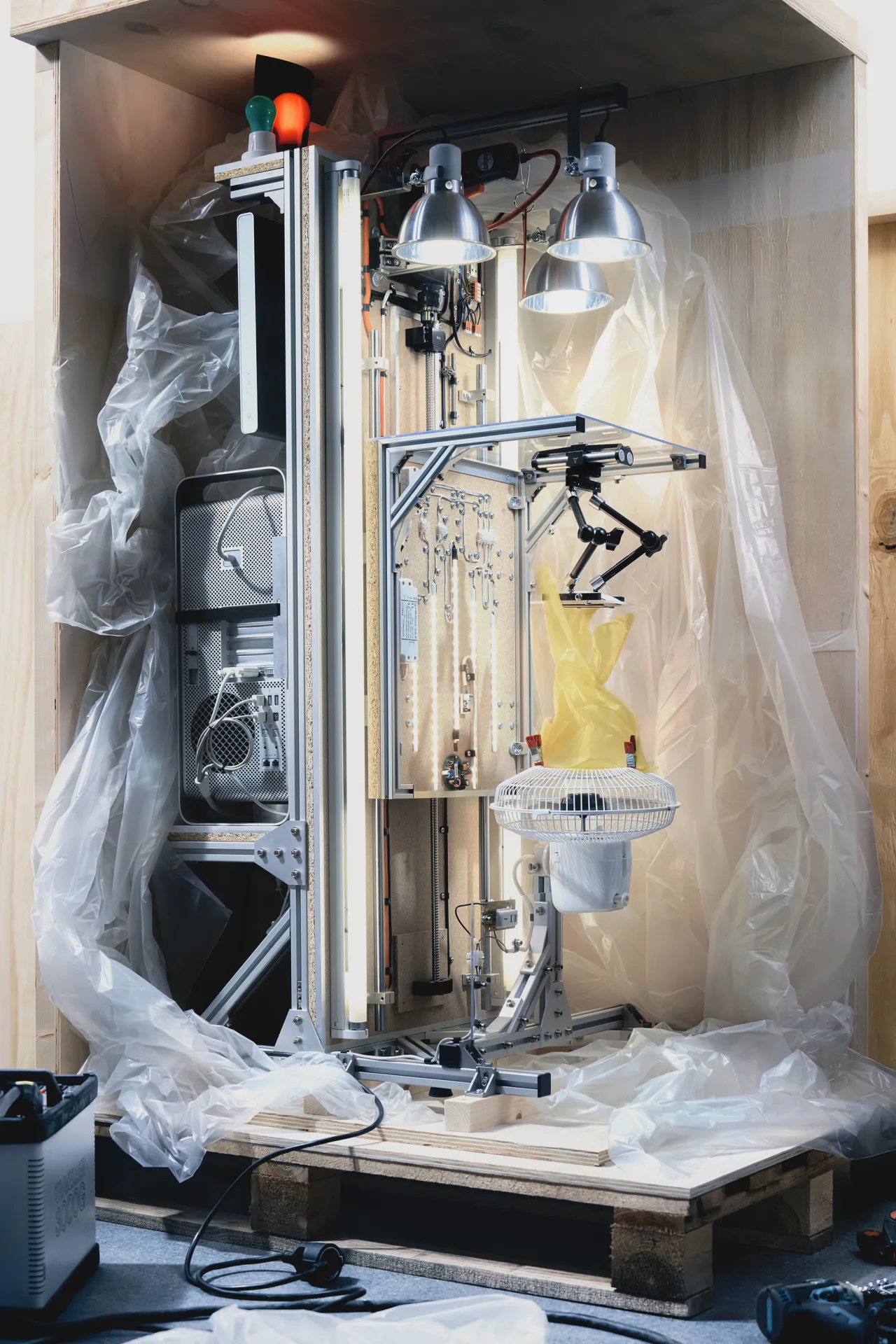
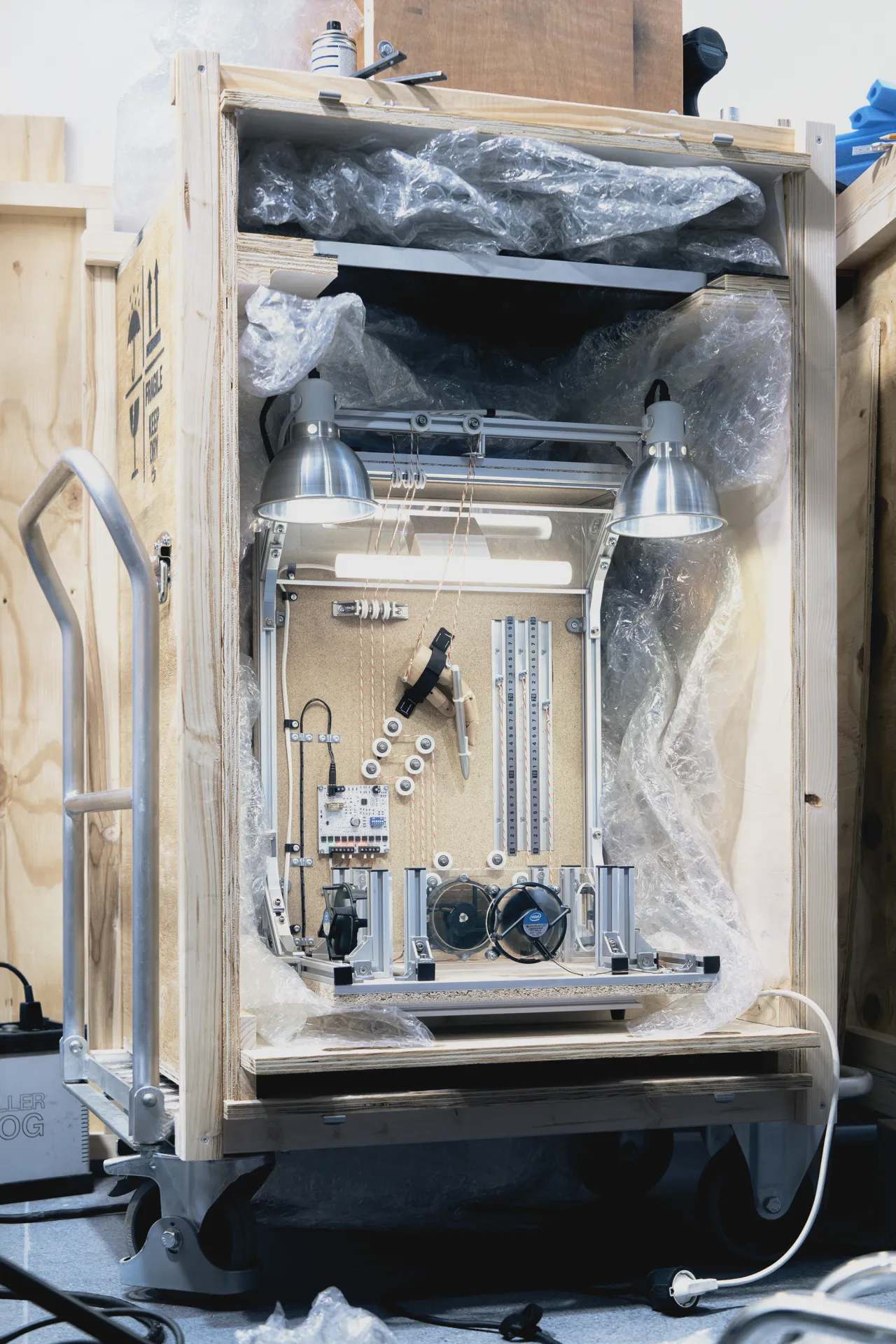
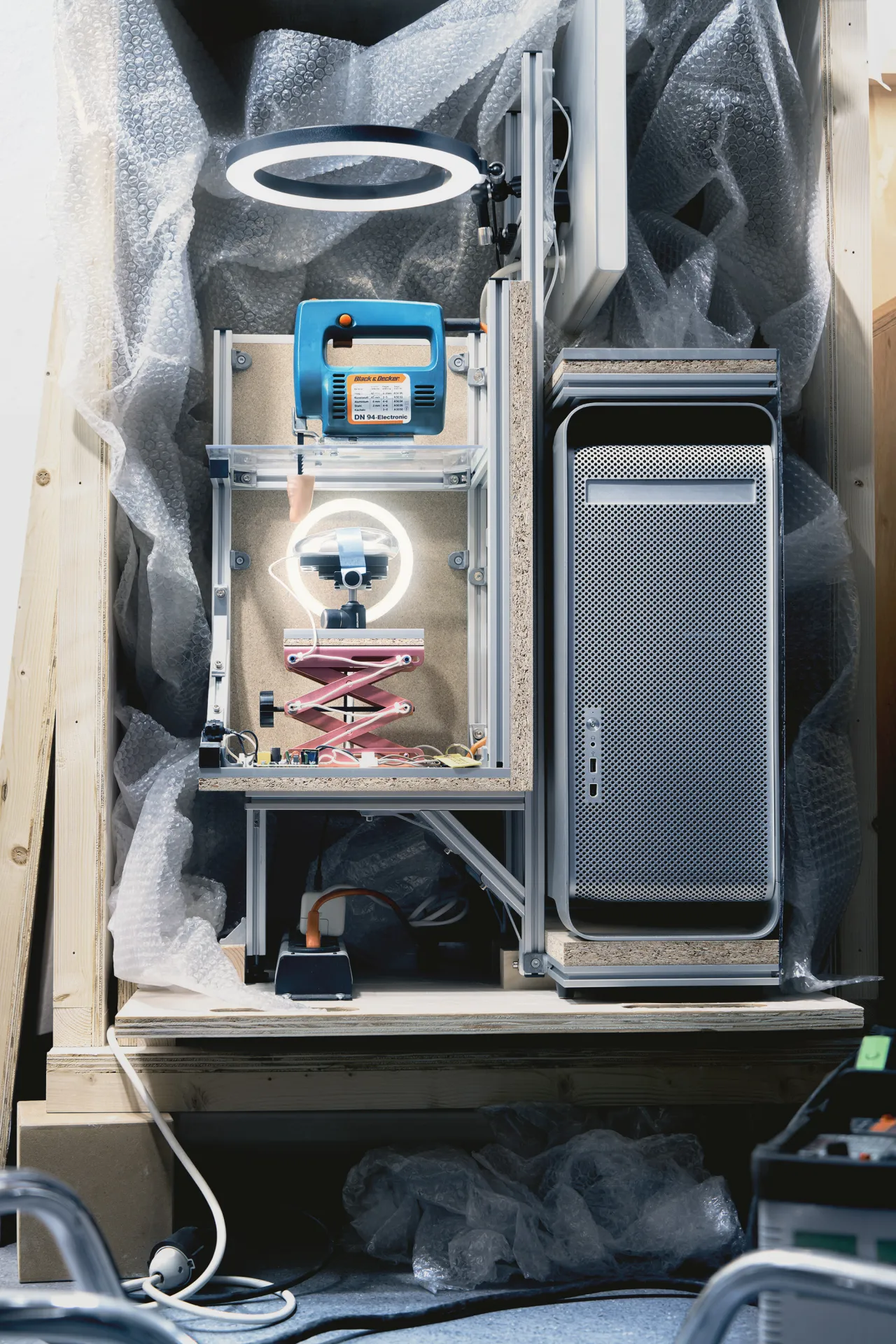
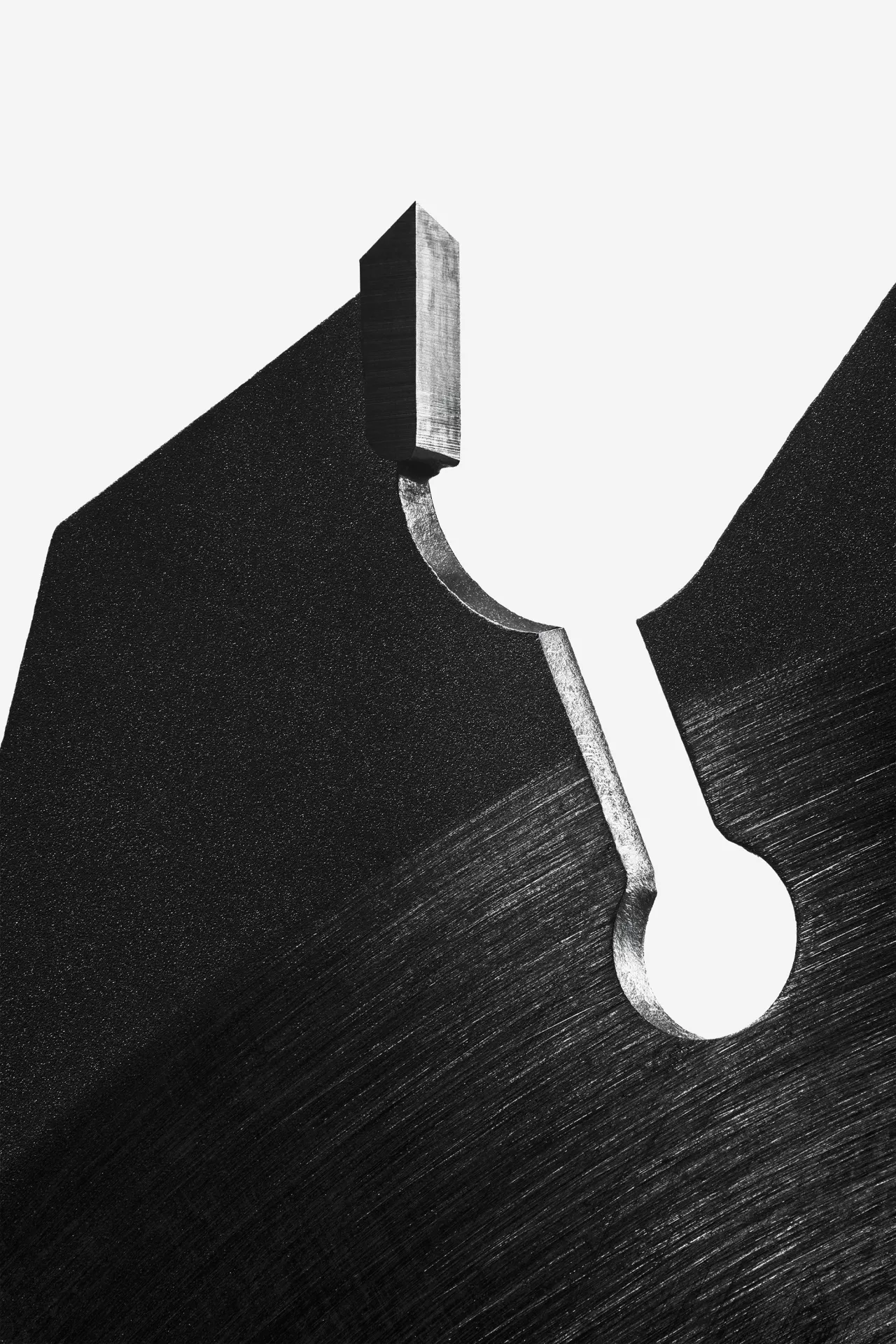
Technically, I move between precision and intentional imperfection. For all photographs of tools, I used focus stacking to capture a high level of detail, as it relates to their own making. For the mouse movers in their shipping cases, I deliberately work with a shallow depth of field to introduce spatial ambiguity.
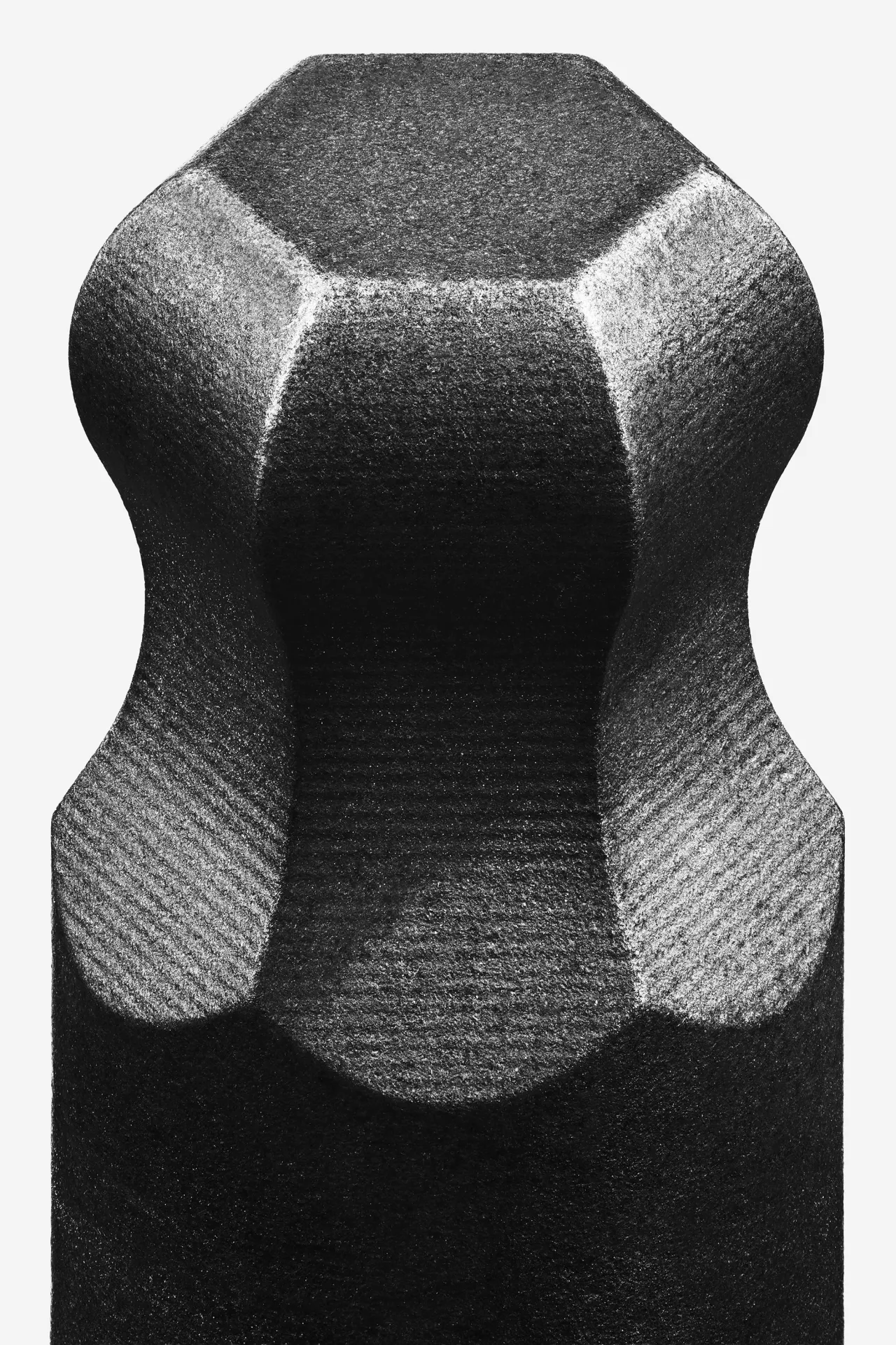
My choice of perspective is often guided by intuition. A former mentor once told me that the best distance to photograph an object is the one you would naturally take when observing it. I often return to that idea and tend to work within a focal length range close to human perception when it comes to larger objects. For smaller objects, like tool details, I use a longer lens, like 90mm or 180mm.
Post-production plays a relatively restrained role. I try to resolve as much as possible during the shoot. Editing is mainly about refining the image – balancing colour, adjusting small details, and bringing different light sources into a coherent visual language - rather than altering the image fundamentally. Overall, I see the entire process – from concept to construction to image – as one continuous movement. The photograph is not a separate outcome, but a moment within that process.
Your new project, Handle with Care, examines the relationship between work, technology and control. What sparked it, and how did you develop the apparatuses?
What initially sparked the project was an interest in how inventive people can become when trying to avoid tasks they are required to do but don't actually want to engage with. Humans have always developed tools and systems to make work easier, more efficient, or more bearable – but in many cases, also to distance themselves from the work altogether.
This became particularly visible during and after the COVID-19 pandemic, when many people shifted to remote work. The relationship between presence, productivity, and control started to change. Without direct supervision, new forms of autonomy emerged, but also new strategies to simulate activity. At the same time, it raised a broader question: how relevant is the model of exchanging time for money today, compared to a system based more on output or efficiency?
The so-called "mouse movers" I developed within the project directly respond to this condition. They are devices designed to simulate user activity on a computer, keeping systems running while the person is technically absent. What interested me was not just the function itself, but how people build these devices. Many of them are constructed from very simple, everyday materials – objects that can be found in almost any household. There is often a certain humour in how these elements are combined, but also a high level of ingenuity.
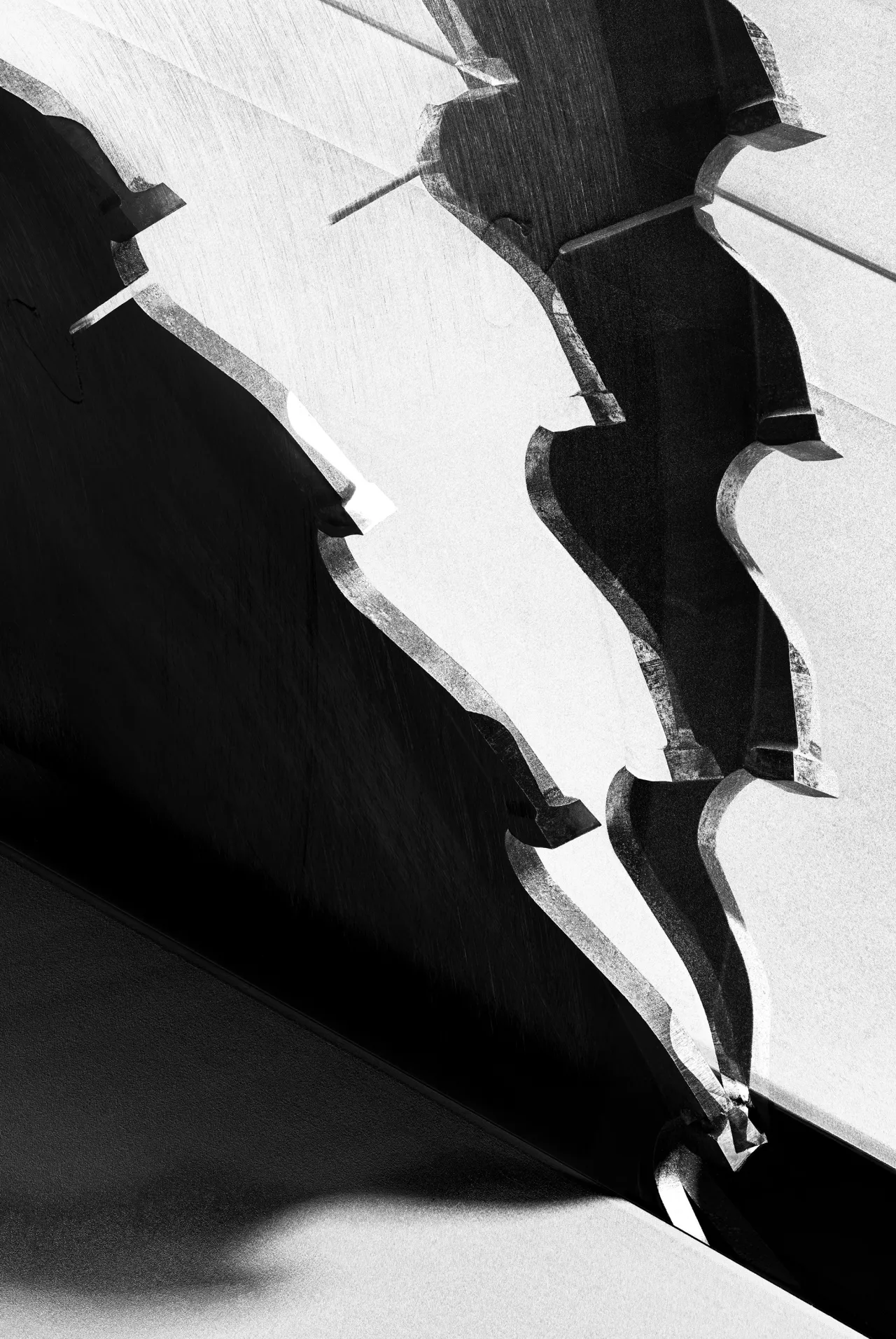
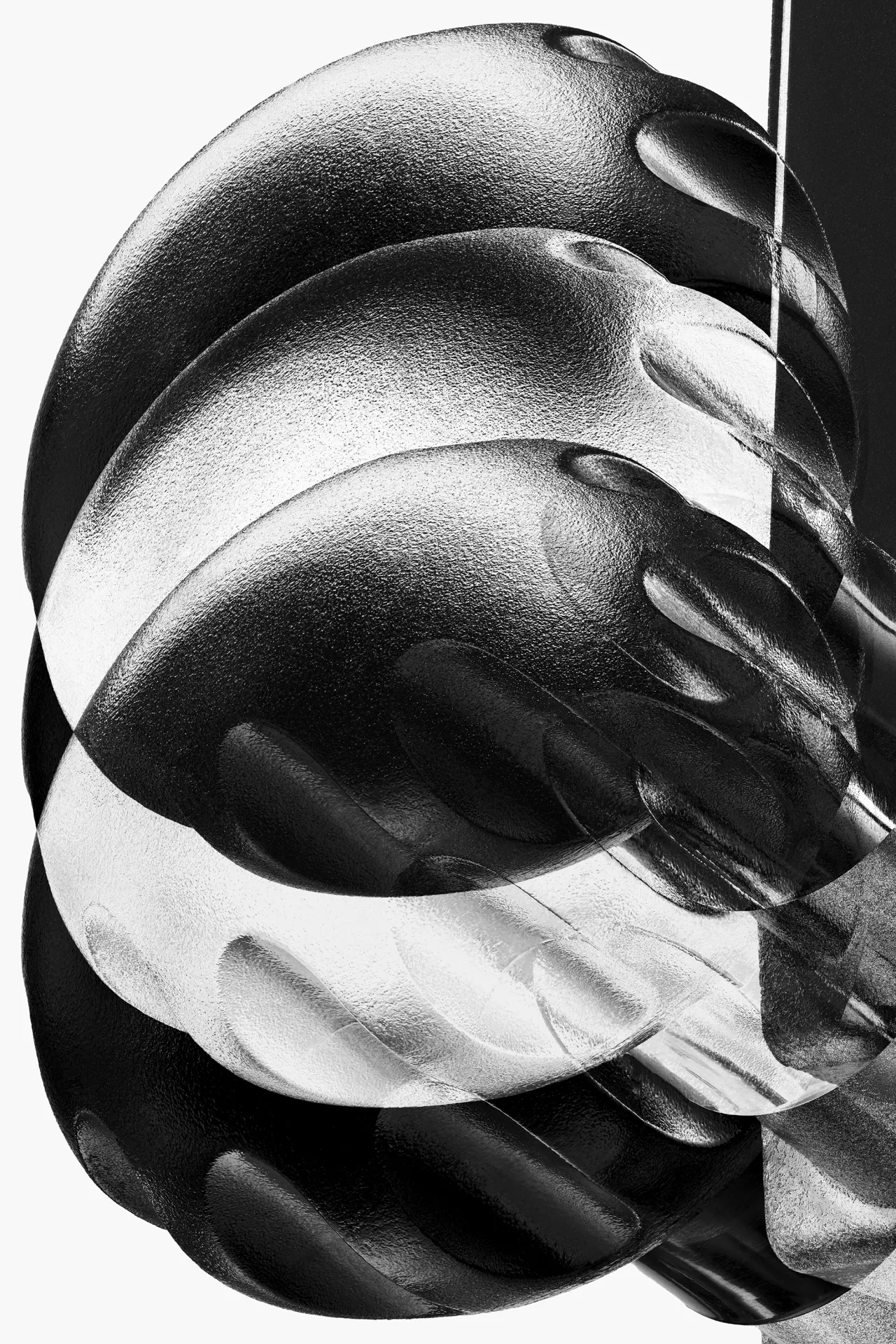
During my research, I spent a lot of time looking at online forums and videos where people share their own DIY solutions, using fans, watches, record players, and other rotating mechanisms. This aspect of improvisation and adaptation connects directly to my broader interest in construction and recontextualisation.
At the same time, the project also reflects on ideas of over-engineering and optimisation. Many contemporary tools and systems are designed far beyond their basic function, often becoming more complex than necessary. I was interested in translating this into a visual language that oscillates between functionality and exaggeration – introducing a subtle layer of irony without becoming purely illustrative.
Another key element came unexpectedly. While researching, I came across images of laboratory equipment being sold online, often photographed in their transport crates – partially unpacked, in a kind of suspended state between use and storage. This "in- between" condition resonated strongly with me. It reflects not only the objects themselves, but also our current relationship to work, which feels increasingly unstable and transitional – especially in the context of automation and AI. This is why the apparatuses in Handle with Care are presented in these cases. They are not fully activated, but neither are they entirely inactive. They exist in a state of potential – much like the systems of labour and control they refer to.
Editor's Picks
Trending
Latest Jobs
Marketing Manager at University of Birmingham
Full-time·Birmingham·£36,636 to £46,049
Agent & Producer at The Jacky Winter Group
Full-time·London·£35k–£40k
Client Success & Growth Director at Revolution Growth
Full-time·Manchester·£60k-£70k
Digital Marketing Manager at HDK
Full-time·London·£34,000 – £38,000
Senior Designer at BKC
Full-time·£50k-£60k
Graphic Designer at The National Gallery
Full-time·London·£39,353