Most of us will never be able to afford a Lexus. That's fine; we probably can't afford a Balenciaga runway look either. But just as those high-end catwalk pieces shape the cut, fabric and detailing of what ends up on the high street, what Lexus does at the sharp end of design genuinely matters—even if you'll never sit in one of its cars.
Which is why, if you care about design, innovation or simply where the future of everyday experience is heading, the brand's 2026 presence at Milan Design Week deserves your full attention.
I was there for the press preview at Superstudio Più in the Tortona district of the Italian city. And what struck me most wasn't the craftsmanship on display, impressive as it is. It was the clarity of the idea underpinning everything.
Space: the final frontier of luxury?
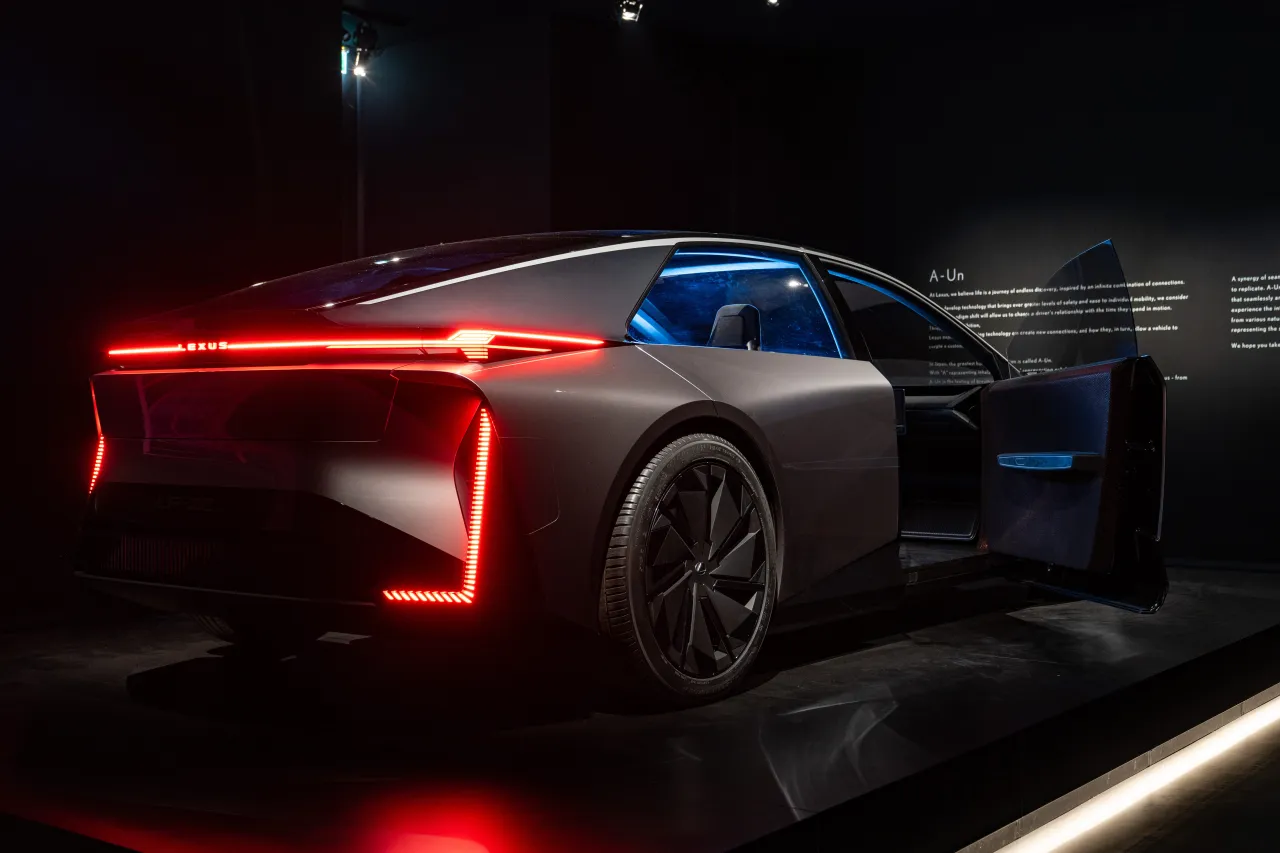
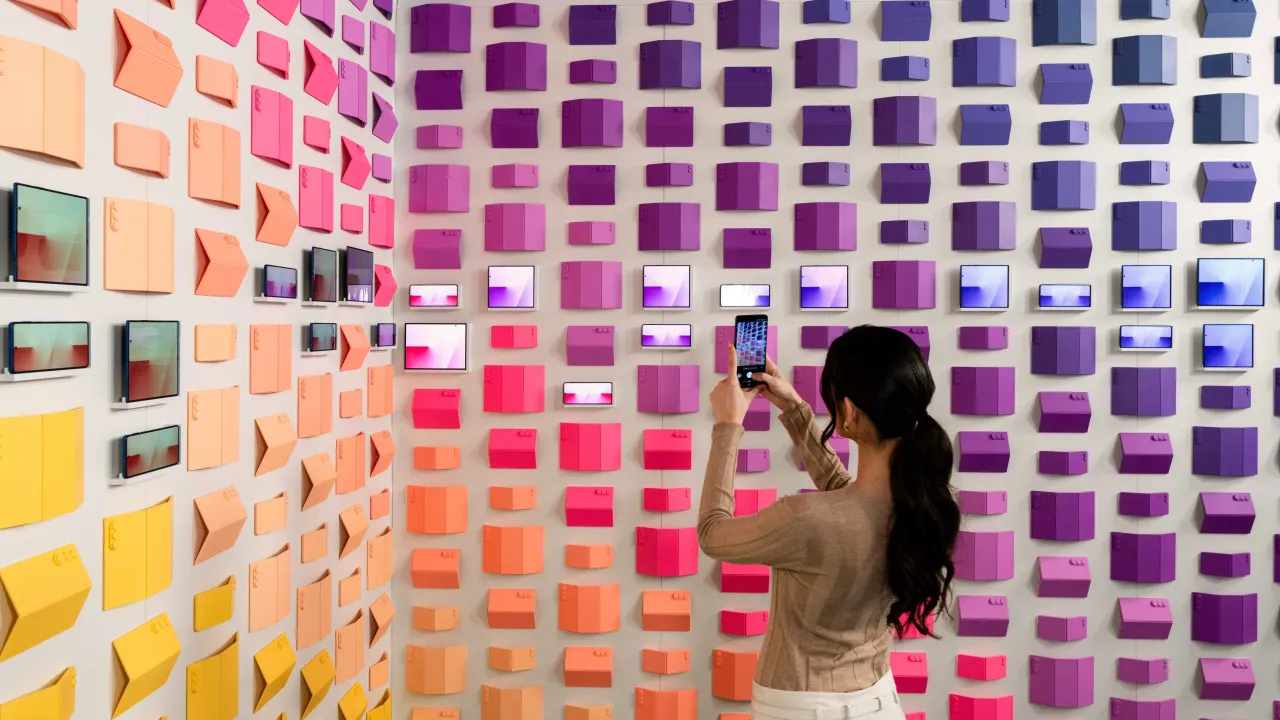
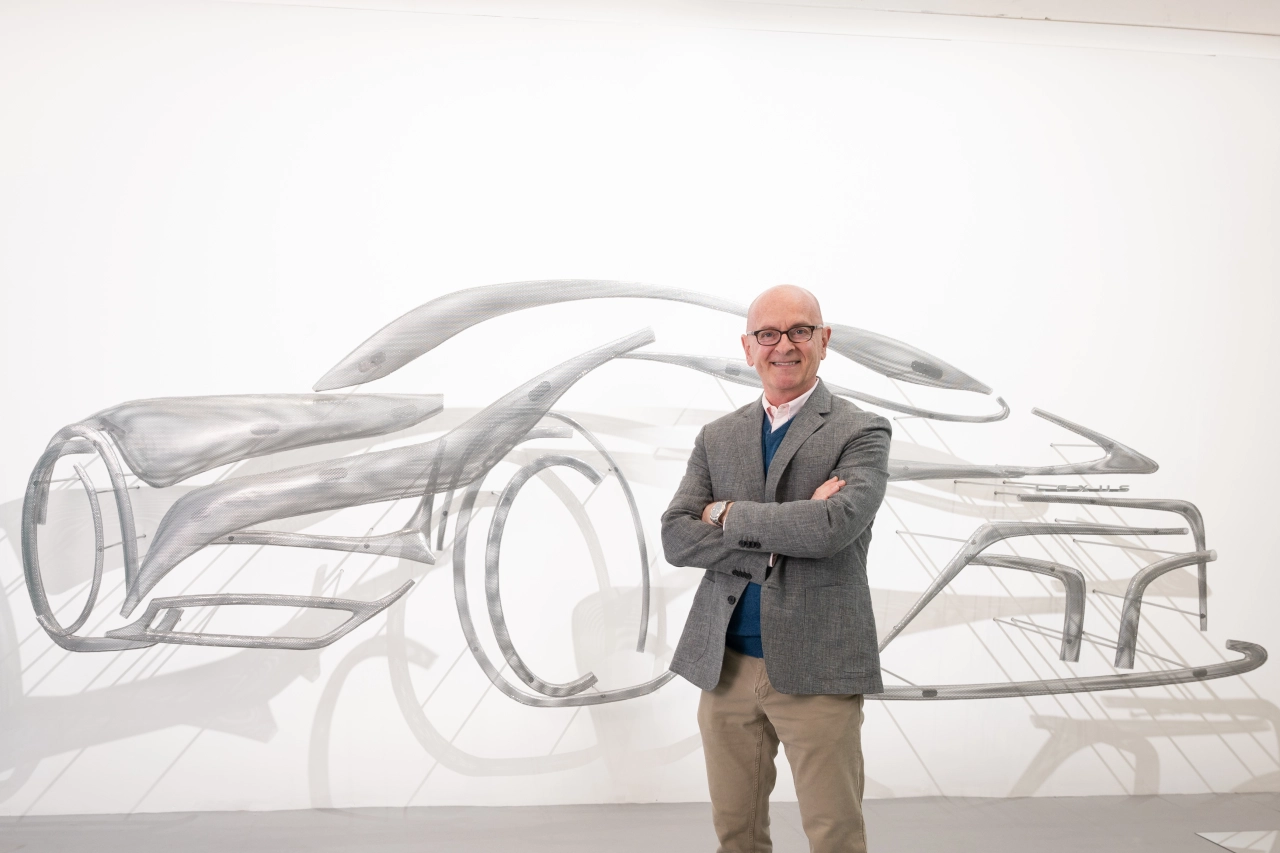
The centrepiece of this year's showcase is an installation simply called SPACE. It's inspired by the new Lexus LS Concept, the brand's latest flagship, and there's one detail chief branding officer Simon Humphries shared that I keep turning over. The 'S' in LS no longer stands for 'Sedan': it now stands for 'Space.'
That's not just marketing wordplay: it's a signal about where Lexus believes luxury is going. The idea is that premium cars of the future won't be defined by external body shape or engine configuration, but by the quality of the experience within the cabin itself.
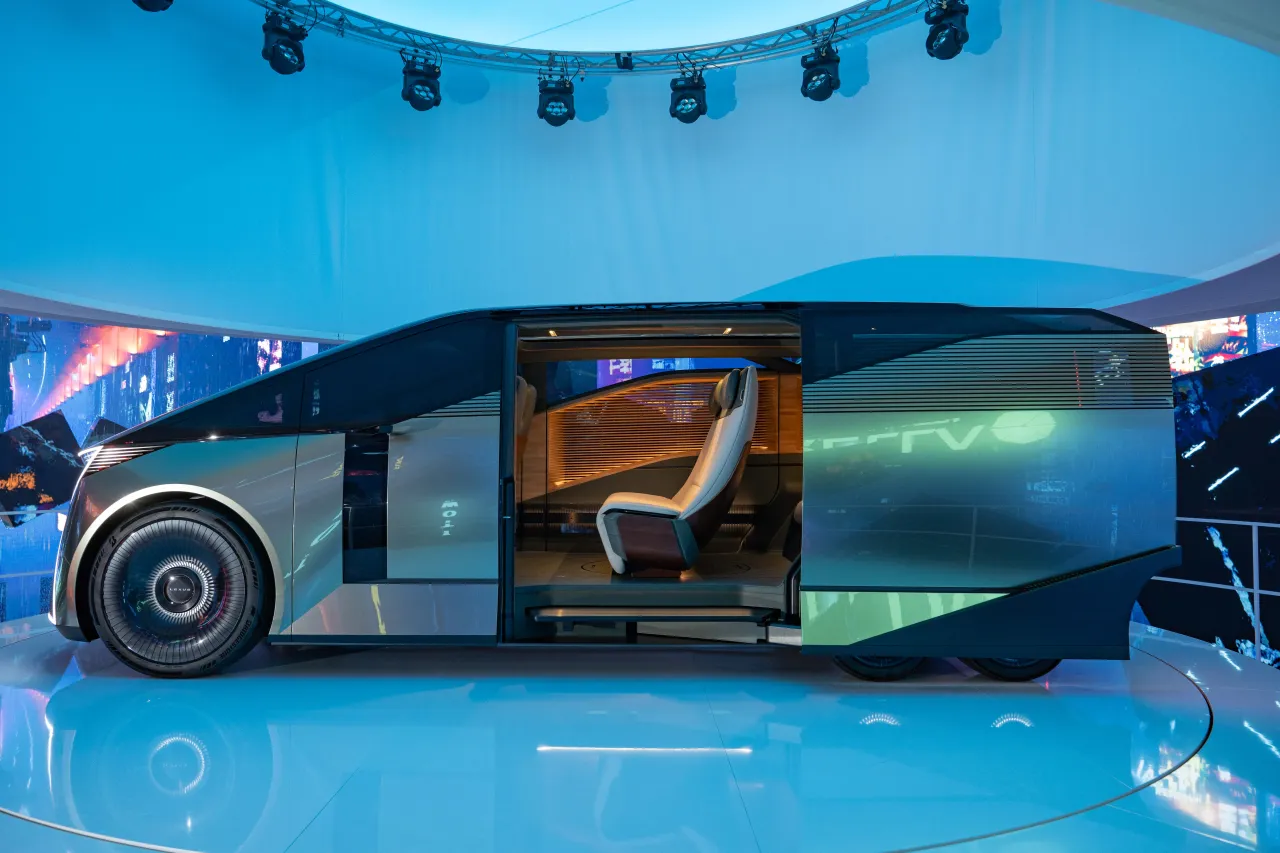
Lexus LS Concept
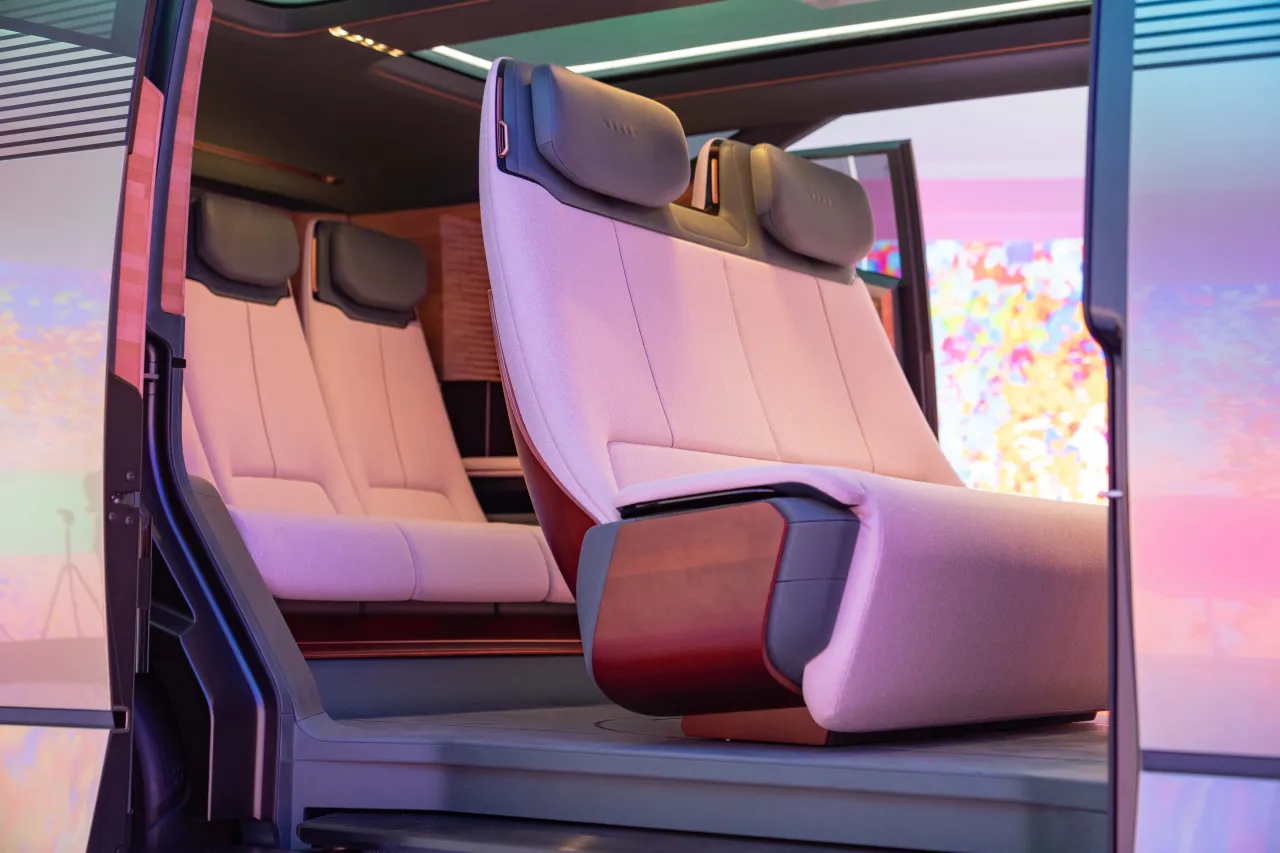
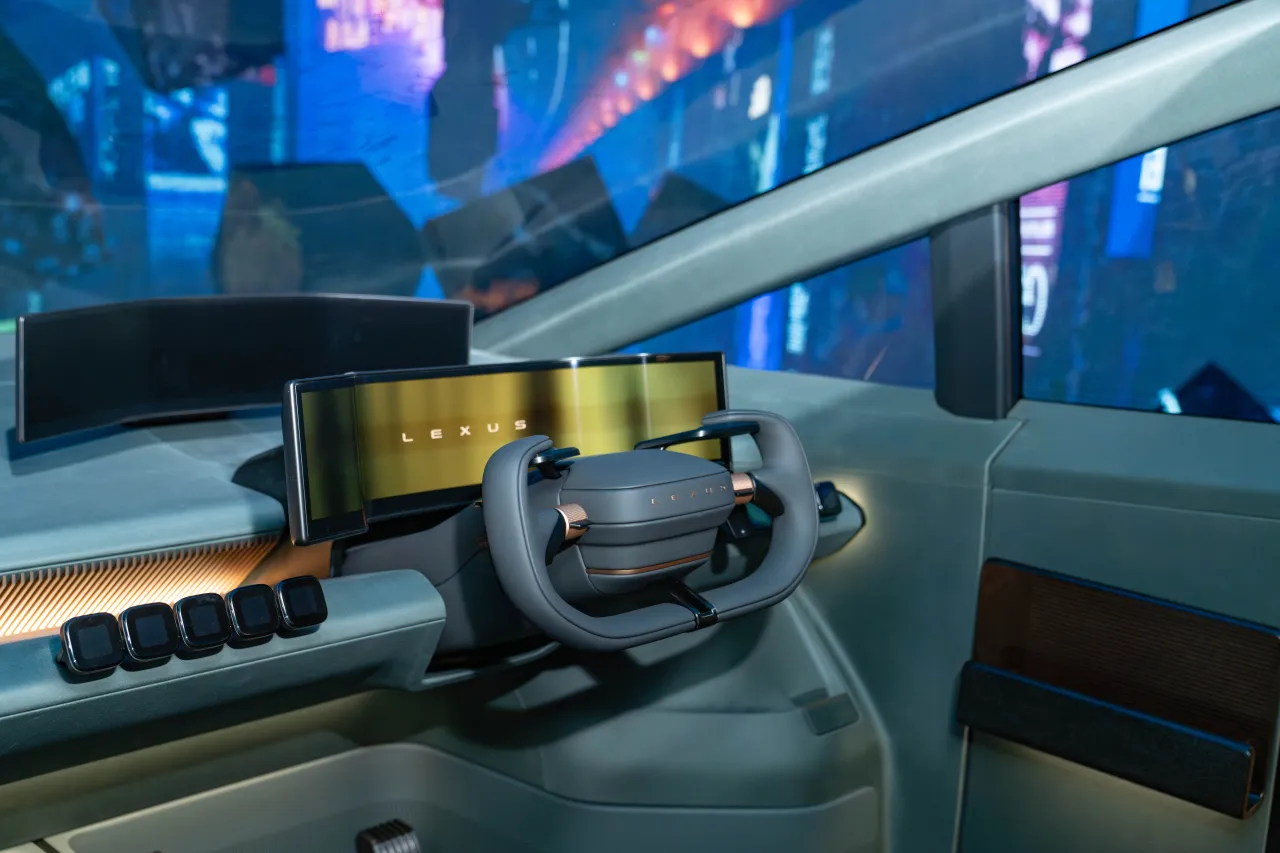
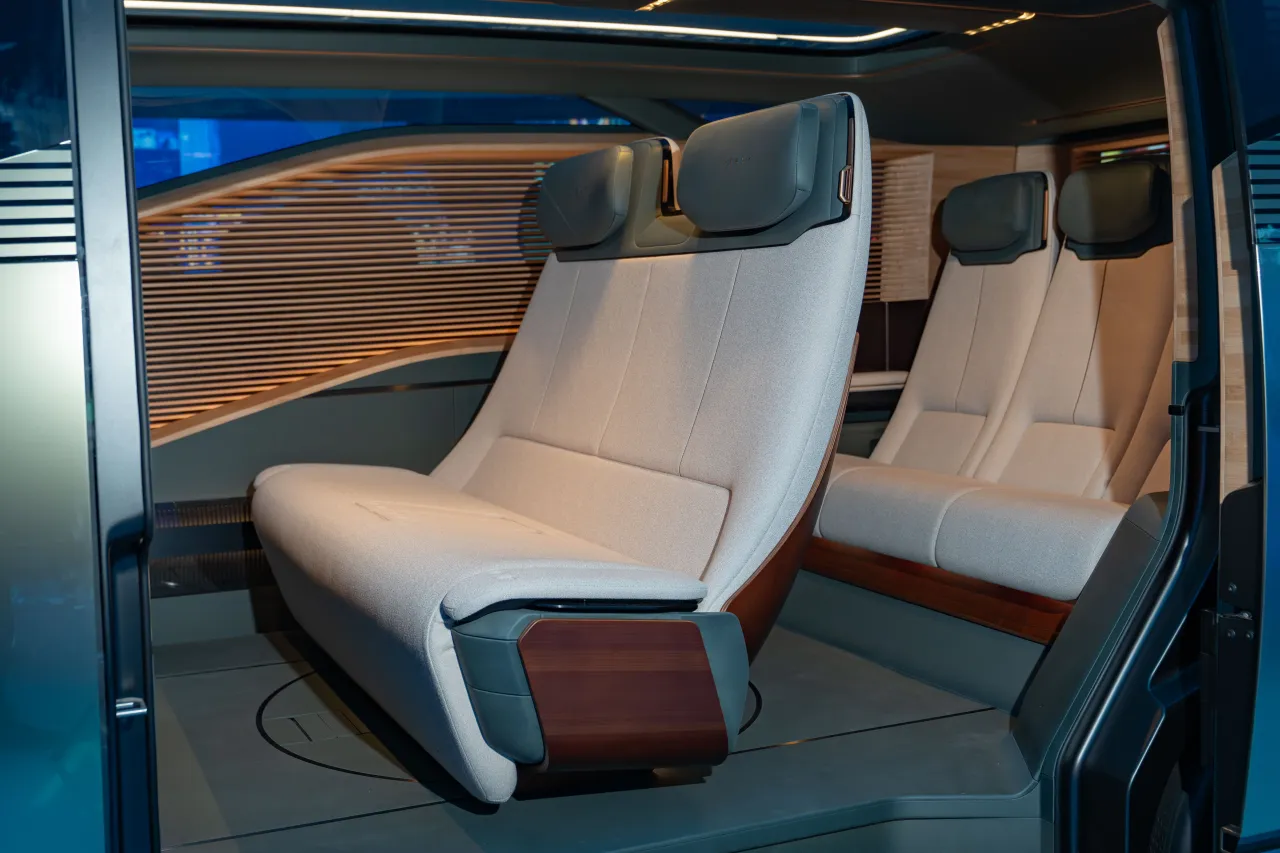
Think about that for a moment in the context of where automotive technology is headed. The advent of autonomous driving—still a work in progress but an increasingly credible, near-future reality—is going to fundamentally change what a car is.
If you no longer need to hold the wheel, watch the road or operate the controls, the interior of the vehicle becomes something else entirely: a room, a retreat, a personal sanctuary that just happens to be moving through a city, the countryside, or across a range of mountains.
Lexus seems to be thinking about that already, and I reckon that's smart.
The autonomous pivot
Right now, most car interiors are still fundamentally designed around the act of driving. Seats face forward, controls cluster around the driver, and any passenger luxury is secondary to the demands of operation. Even in the most opulent current Lexus, the dominant experience is one of orientation toward the windscreen.
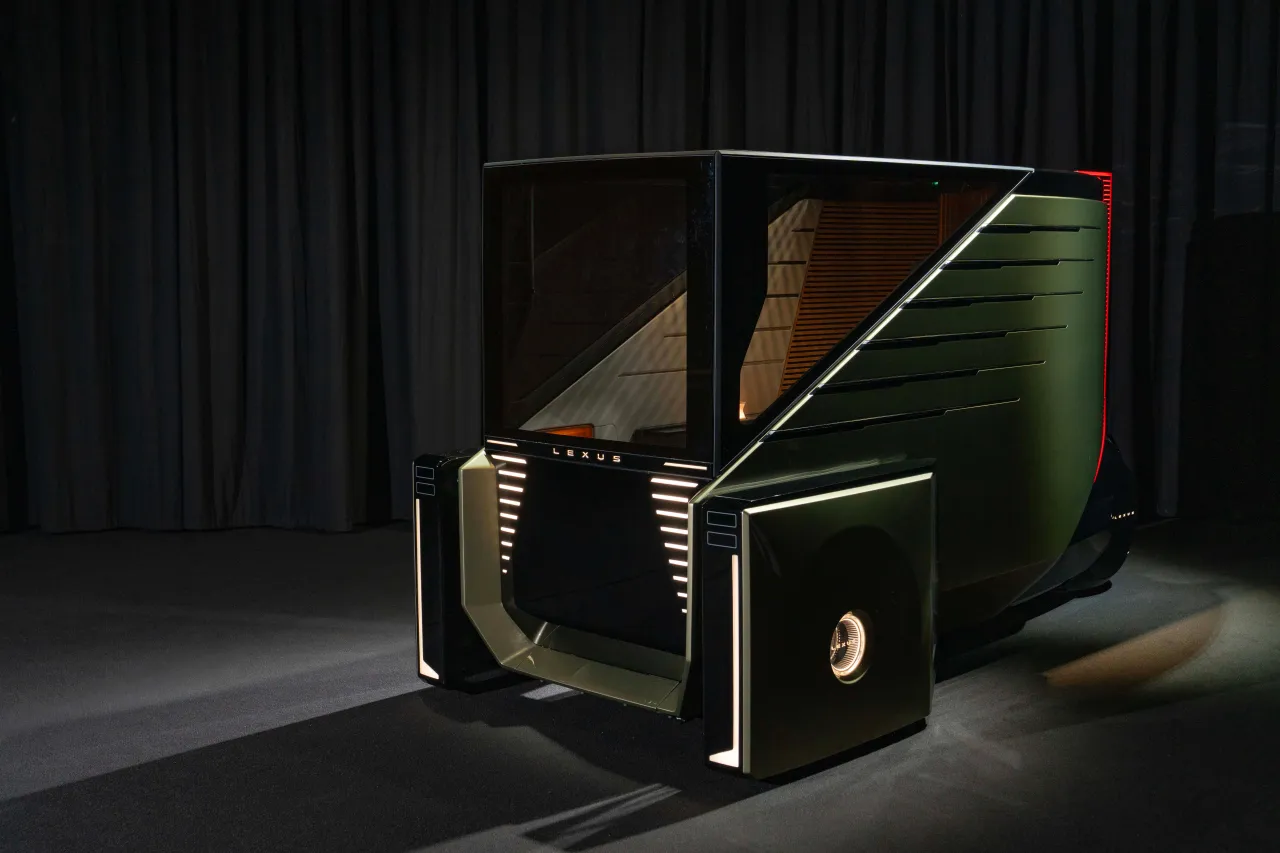
Lexus LS Micro Concept
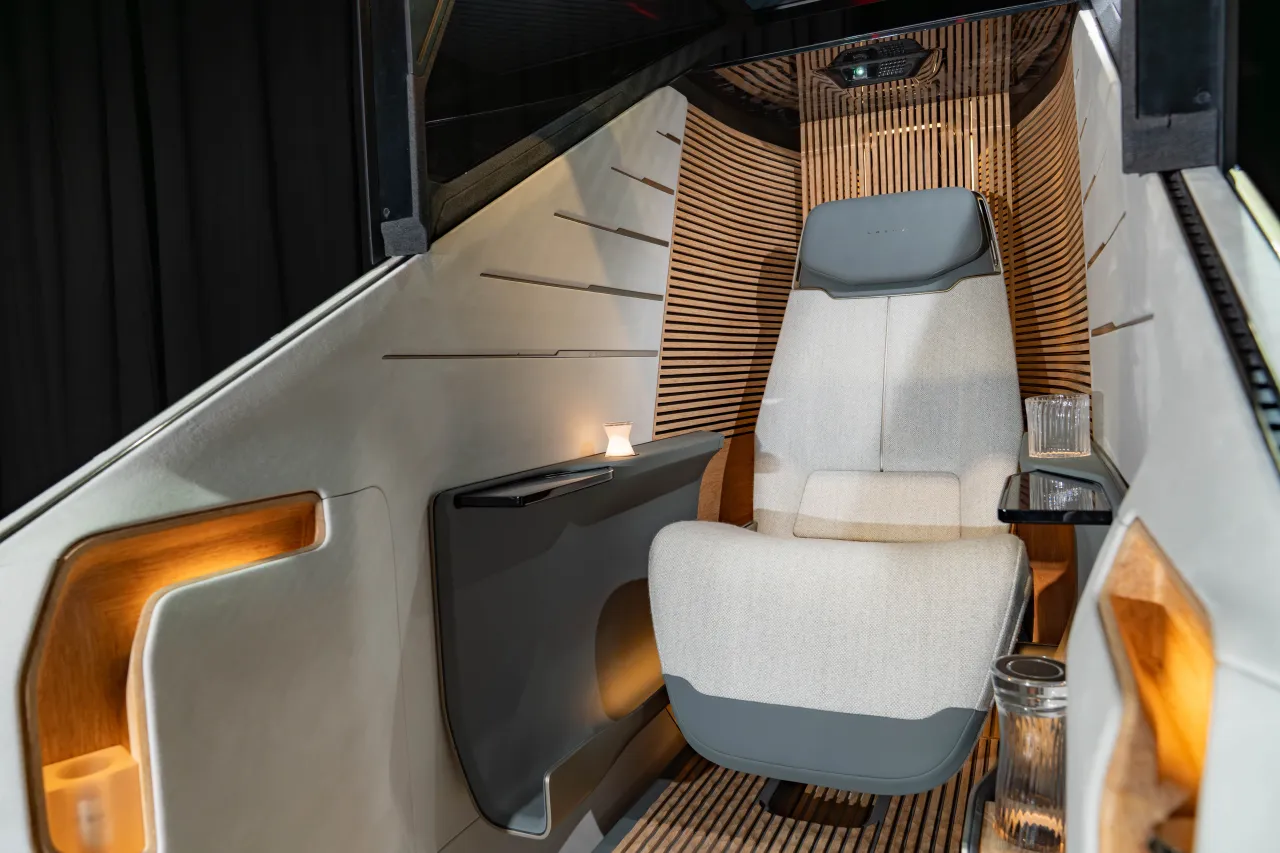
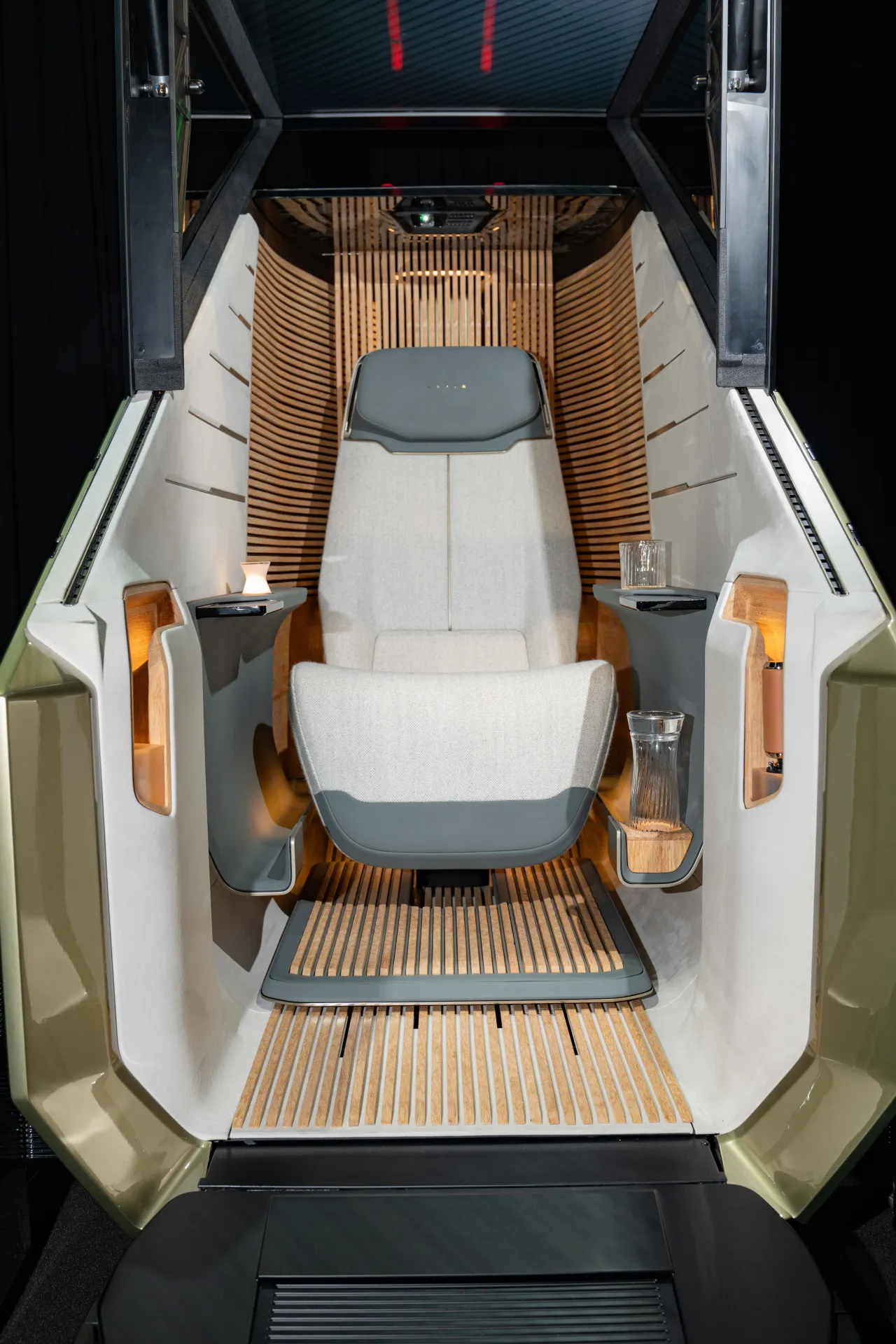
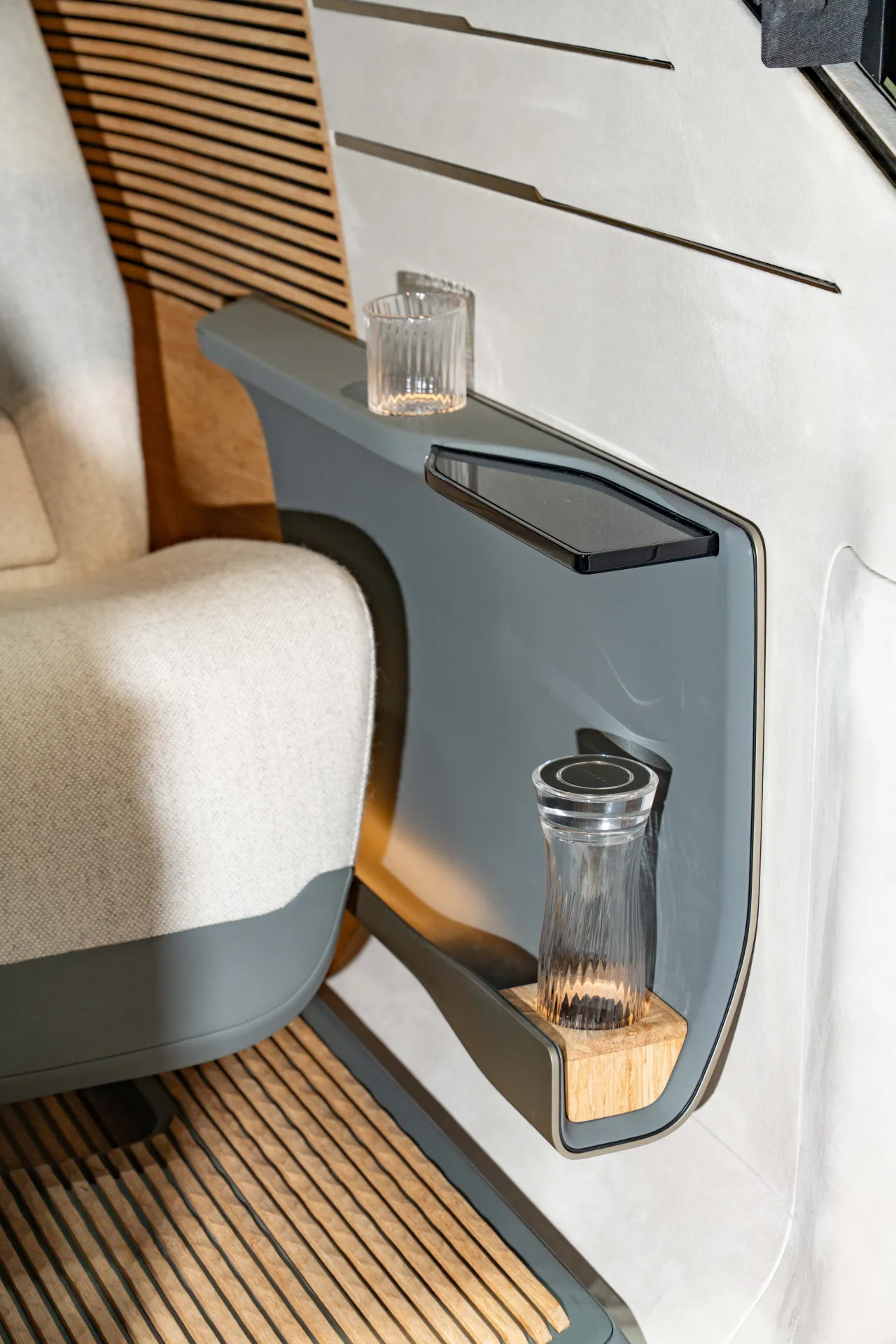
Remove the obligation to drive, though, and the whole logic of the interior dissolves and reforms. Seats might face each other, like a first-class railway carriage. The floor becomes genuinely usable. The ceiling becomes expressive. Sound, lighting and materials take on a new primacy because they're no longer competing with the sensory demands of driving.
These are the kind of things Lexus is clearly thinking about, and the Milan installations make some of their ideas concrete and visible.
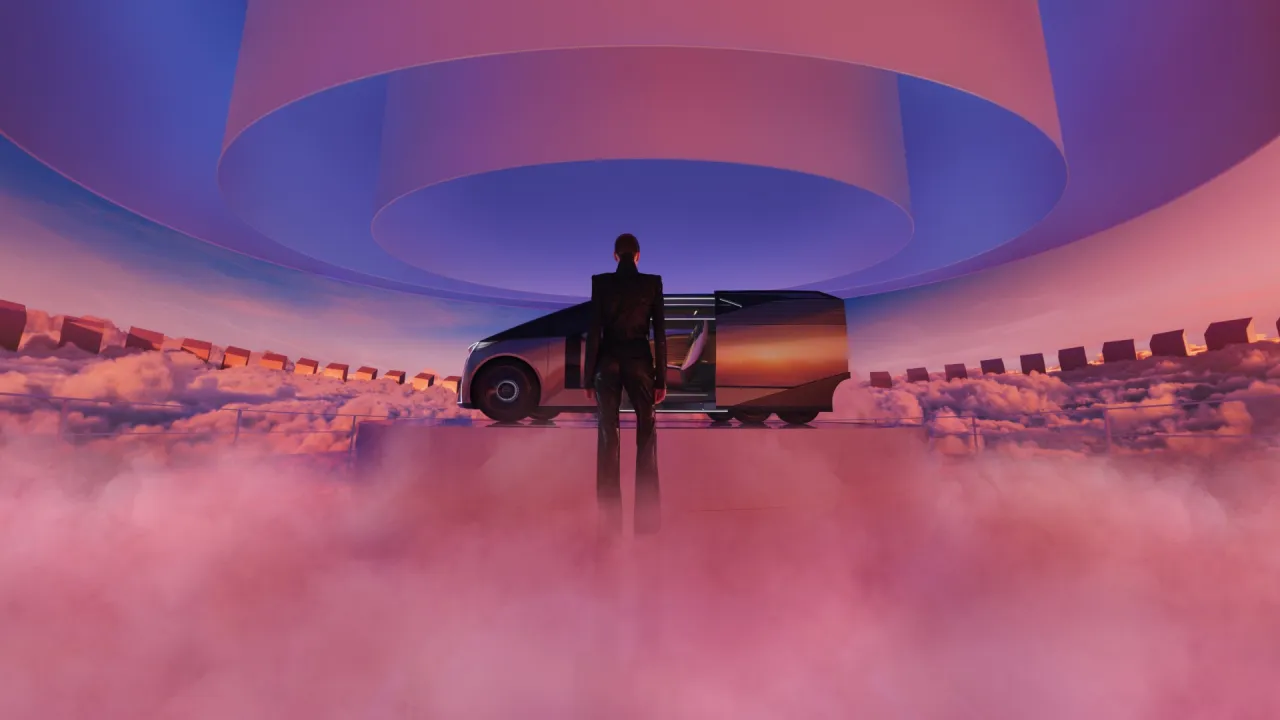
The LS Concept interior on show reveals wide, throne-like seats with warm wood accents and a spaciousness that owes more to a boutique hotel suite than a traditional car cabin. It's a space you'd want to spend time in, even when it's stationary.
Another expression of this thinking is a micro-mobility pod designed around a single occupant seated in hushed, panelled stillness. A third is a catamaran concept where the same focus on interior space is applied to a vessel on water.
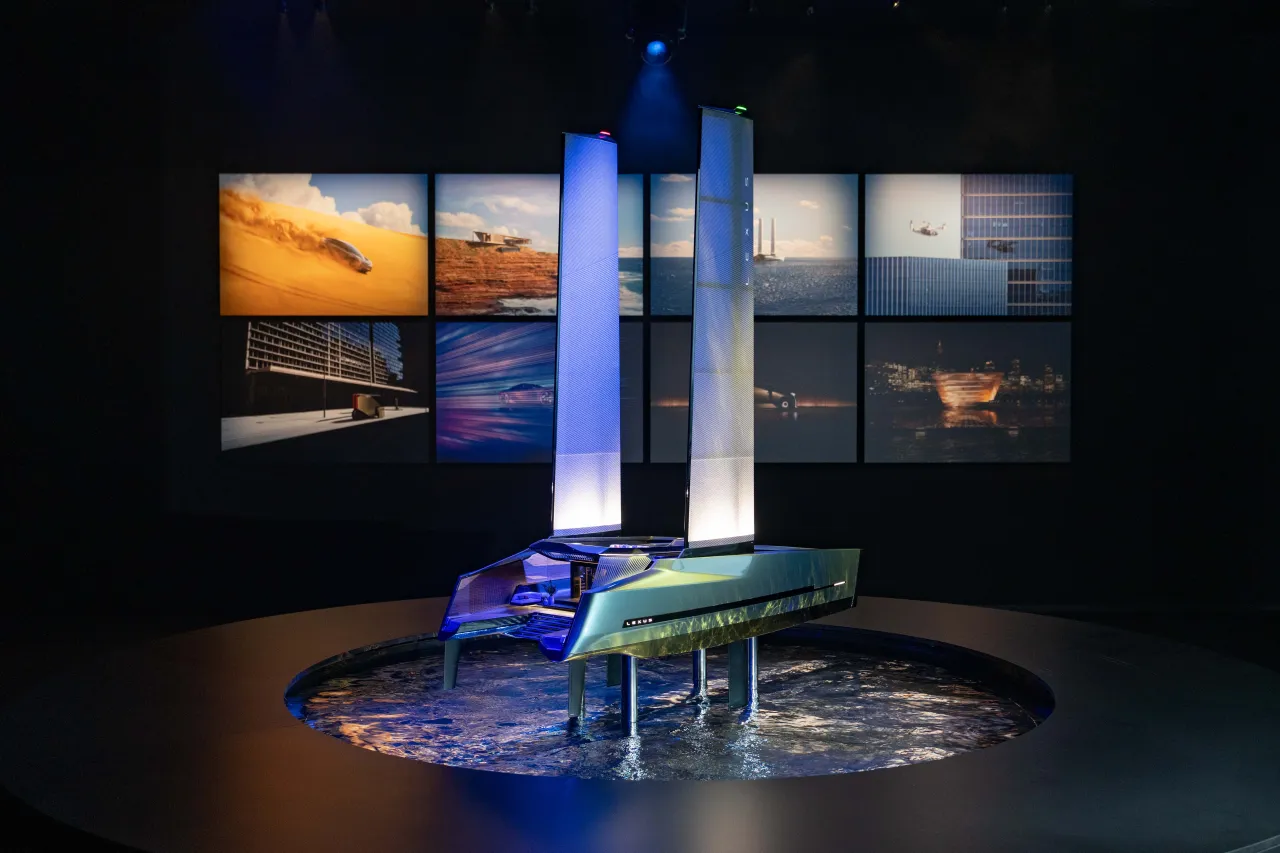
Lexus LS Catamaran concept
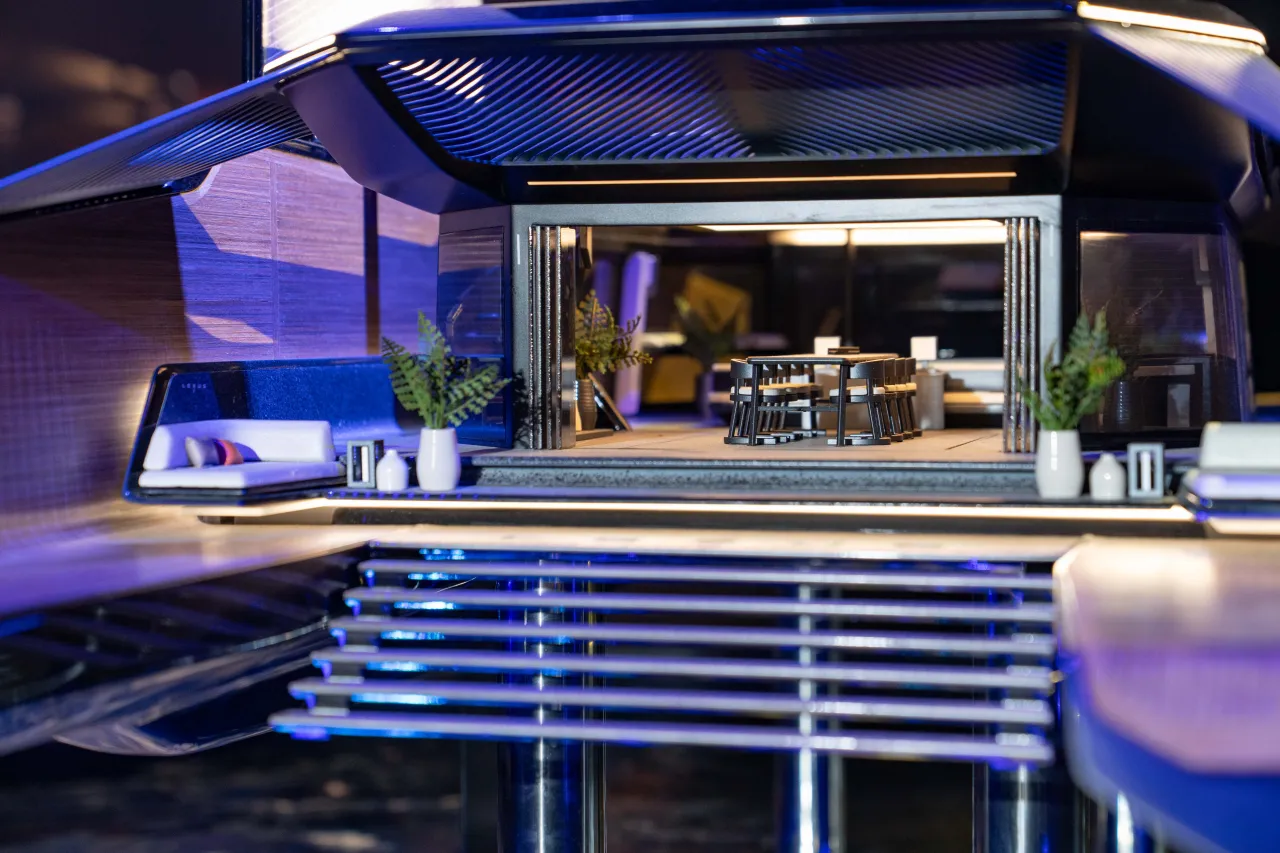
The connective thread to all these future visions is the cabin as a considered, crafted, human-centred environment. Meanwhile, four specially commissioned artworks for the show each explore a different dimension of personal space, and collectively they amount to a design brief for the future interior.
Ideas expressed through art
Random Studio's A Moving Sanctuary is perhaps the most direct translation of the autonomous interior idea. Visitors lie inside a padded, cocoon-like pod, while sensors detect the rhythm of their breathing and respond with choreographed light and sound. The concept is unambiguous: the car as a vehicle for mental restoration, not just physical transportation. If you commute an hour each way and you don't need to drive, why wouldn't you want that hour to leave you calmer and more focused?
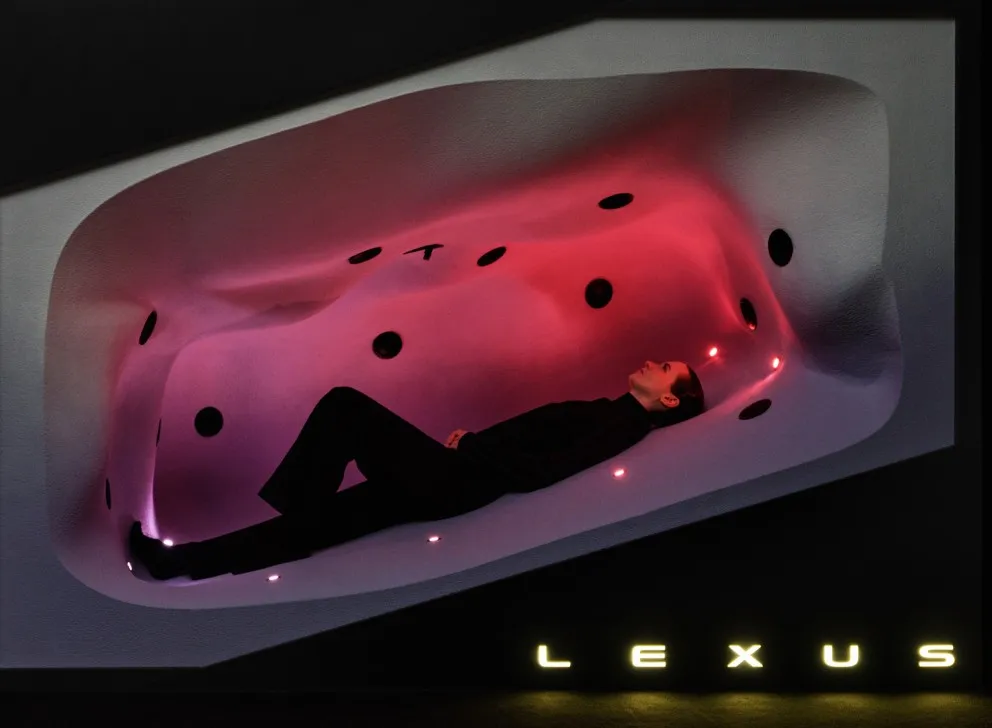
A Moving Sanctuary by Random Studio
Kyotaro Hayashi and Yumi Kurotani's Visible Invisible draws on the Japanese tearoom tradition, a space where the deliberate compression of scale creates a heightened sense of presence and mindfulness. The parallel with the future luxury interior isn't obscure: the tearoom is intimate, carefully crafted and wholly focused on the quality of experience within its walls. It filters out the noise of the world and creates a threshold between outside and in. That's a precise description of where the premium car cabin is heading.
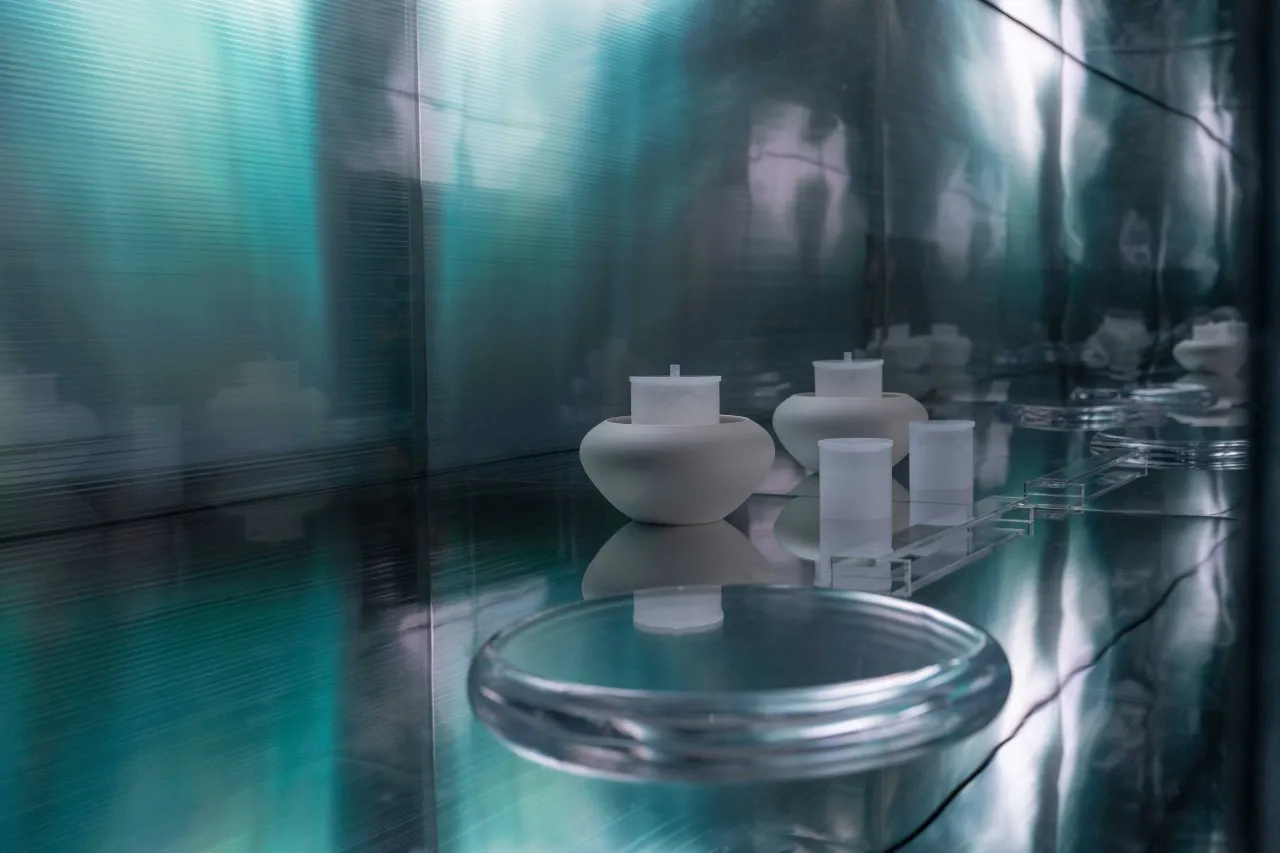
Visible Invisible by Kyotaro Hayashi and Yumi Kurotani
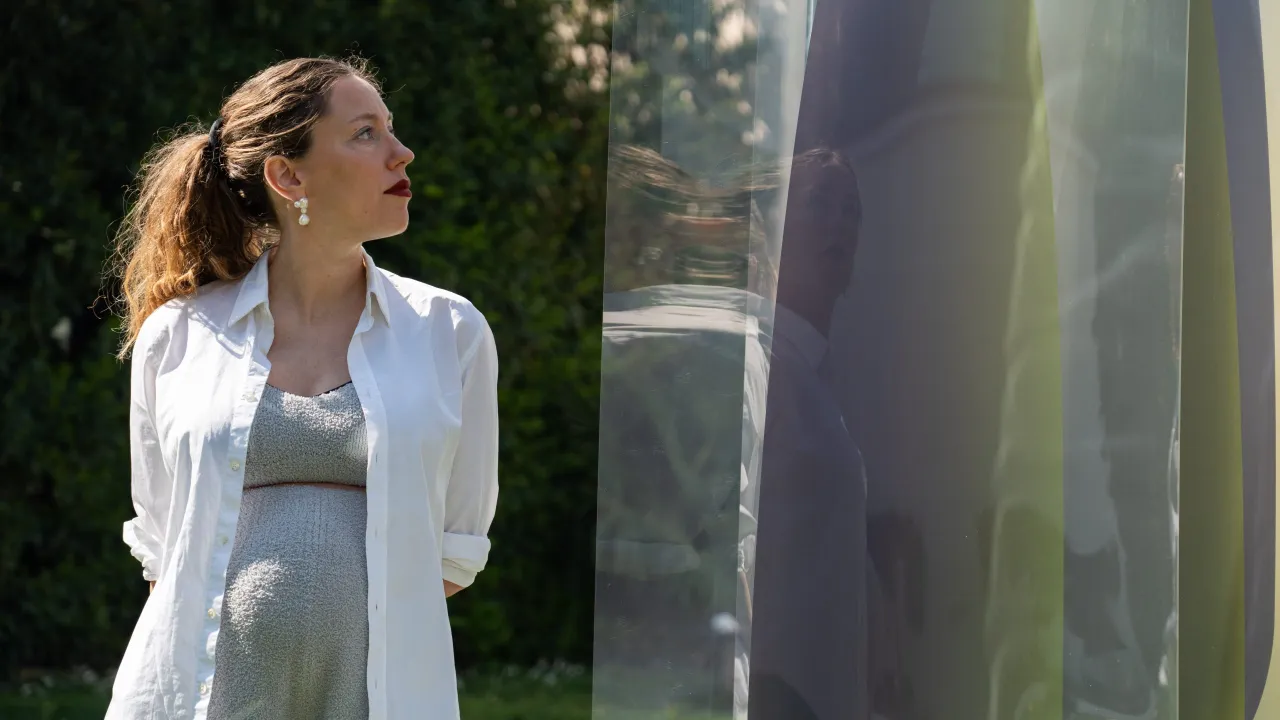
Guardini Ciuffreda Studio's Wearable Space explores the idea that the body itself generates space through gesture and material. A coat woven with fibre optics extends the wearer's presence into the surrounding environment, and while it's clearly an art-fashion statement, it speaks to something important. Namely, that the interior of a future luxury vehicle will be as responsive and personalised as clothing, adjusting to you, rather than expecting you to adapt to it.
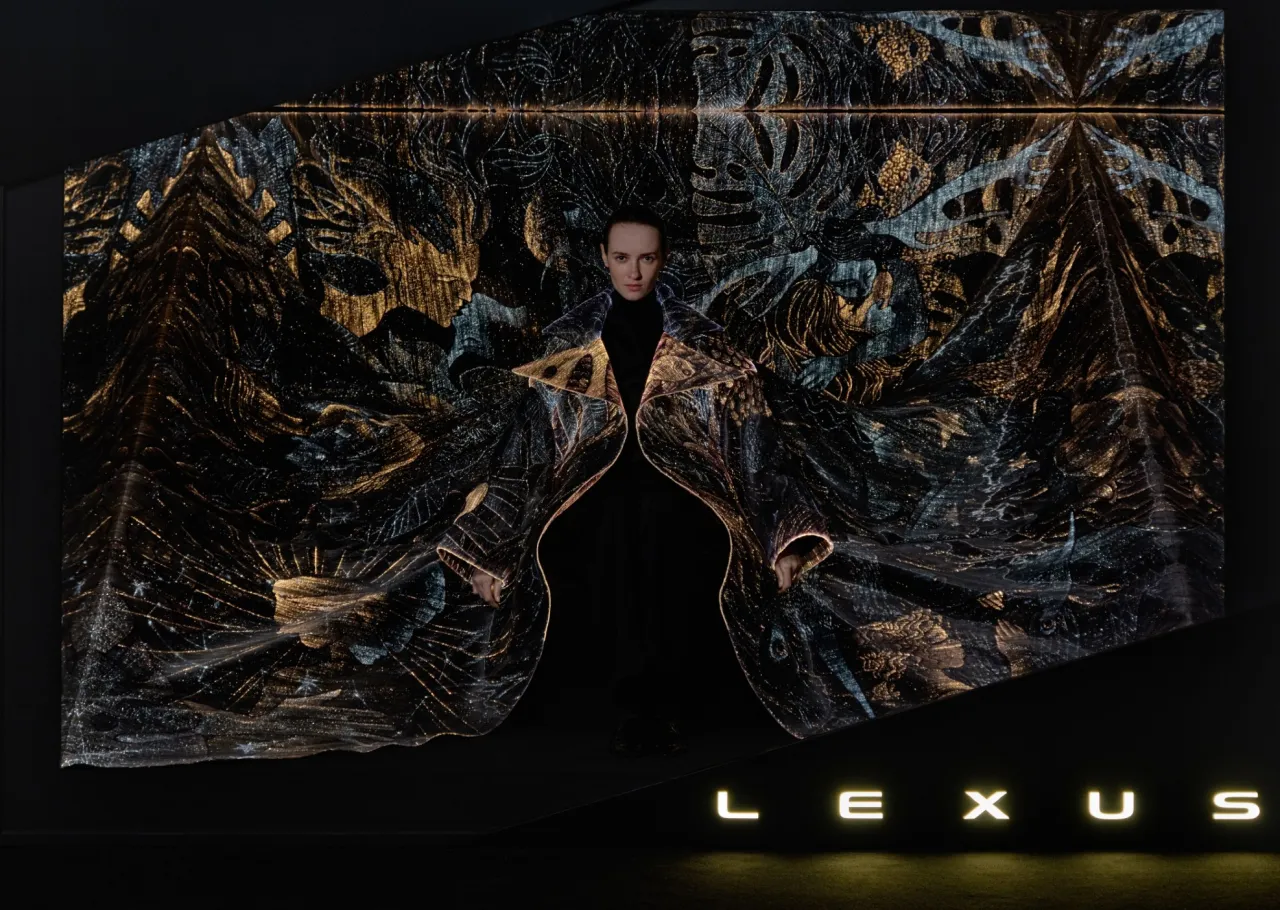
Wearable Space by Guardini Ciuffreda Studio
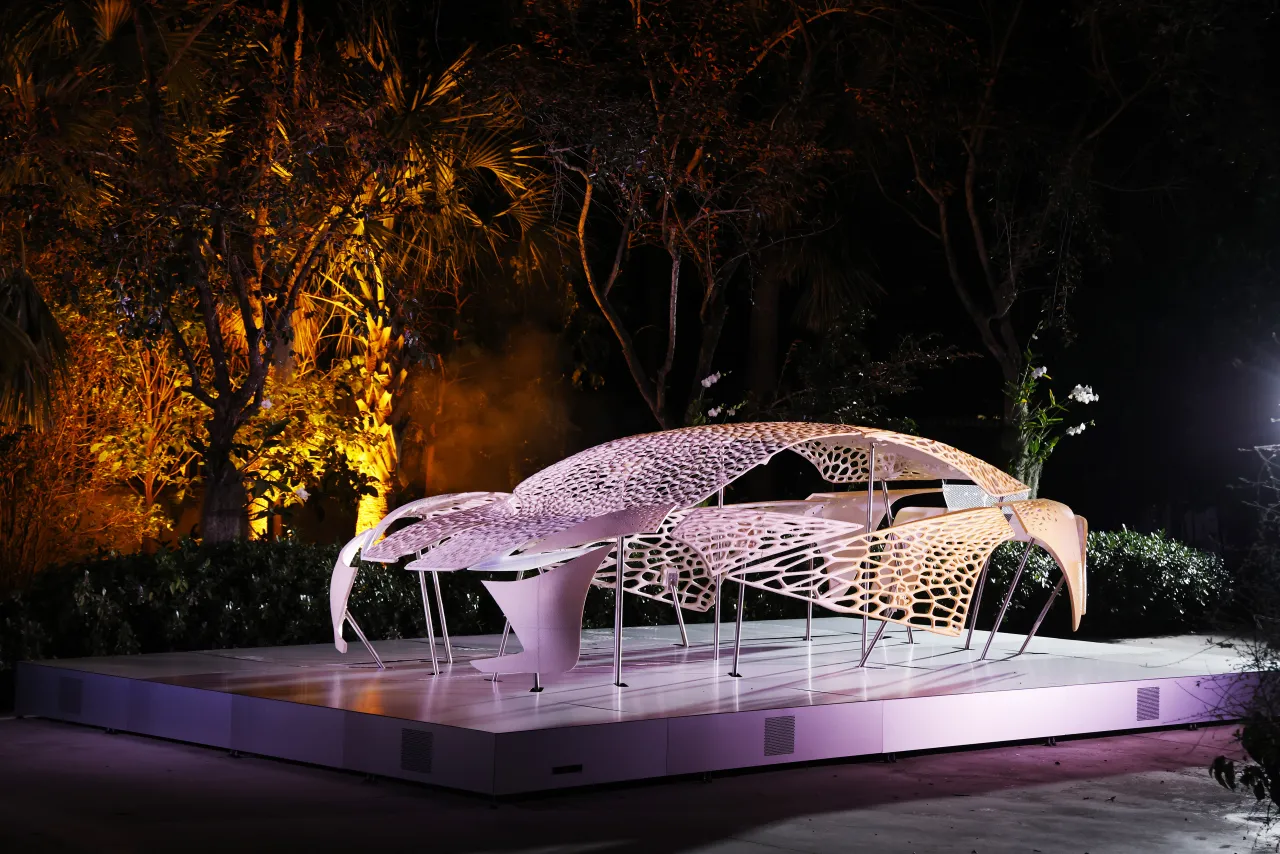
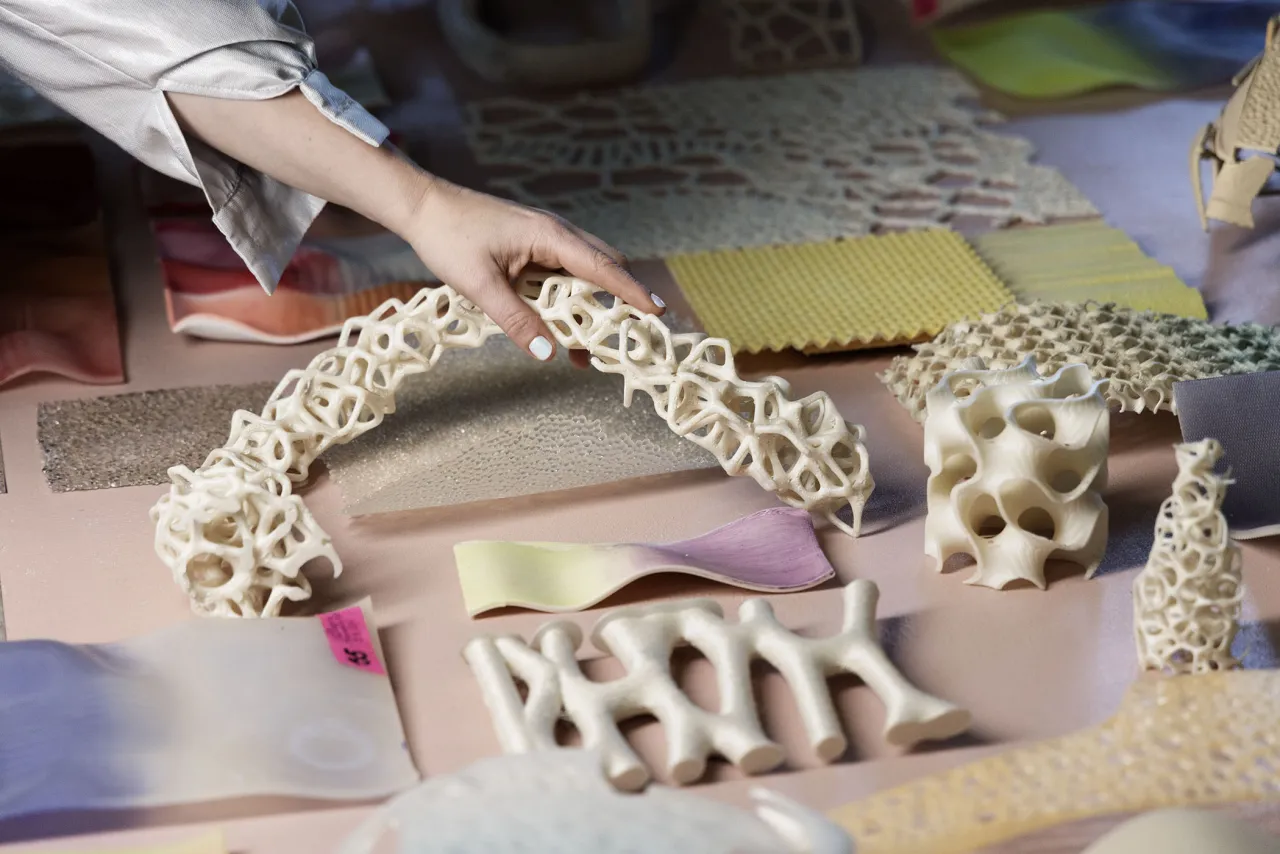
The fourth piece, created by Lexus in-house designers working with Japanese master craftspeople, including a WorldSkills Olympics champion wooden model maker, kumiko craftsmen and stone artisans, makes a more subtle but equally important argument. In a world of adaptive surfaces and digital displays, a counter-case is being made here: that the most profound luxury is something made with exceptional skill and deep attention, something with texture, permanence and soul.
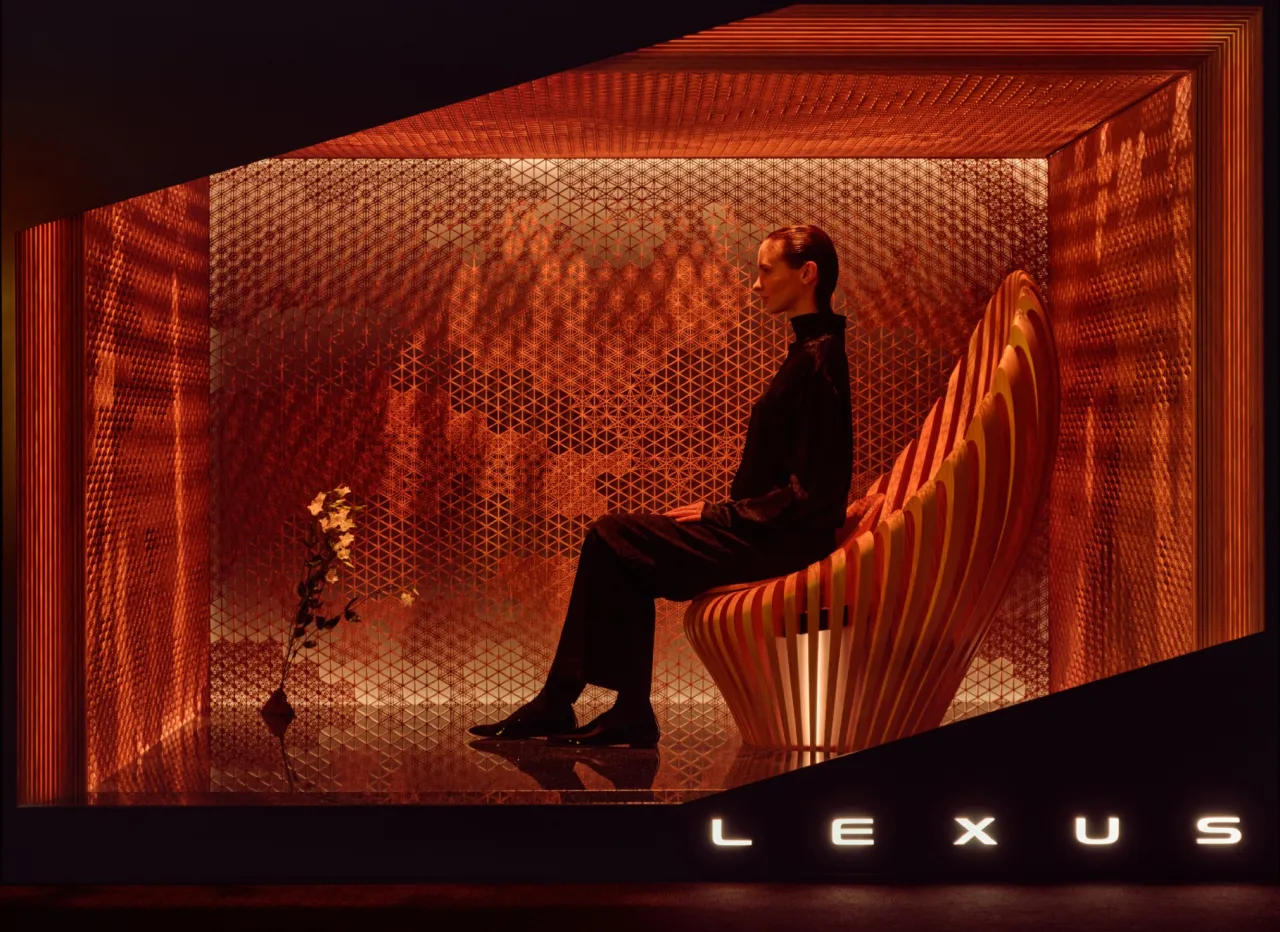
Chair by Lexus in-house design team
Why this matters
If you work in interiors, product design, fashion, hospitality or any discipline concerned with how people inhabit and experience space, the conceptual territory Lexus is staking out at this year's Milan Design Week is directly relevant. The questions being asked—about how a constrained space becomes meaningful, how materials carry emotional weight, how movement and stillness can coexist in the same environment—certainly aren't unique to vehicles.
Lexus won't be the only brand exploring this territory, and it certainly won't be the last. But right now, it's doing so in an articulate, visually compelling way, in public, at one of the world's great design showcases. You don't need to be in the market for one of its cars to find that worth paying attention to.
Editor's Picks


Trending


Latest Jobs
Art Director at The New York Times
Full-time·New York·$120k–$130k
Senior Account Manager at Consider
Full-time·London·£42,500
Account Director at How&How
Full-time·London·£73k-£79k
Multidisciplinary Designer at Formation Games
Full-time·London·£40k–£50k
Deputy Head of Stage at Factory International
Full-time·Manchester·£35,015
Lead 3D Designer at The British Museum
Full-time·London·£51,623 per annum