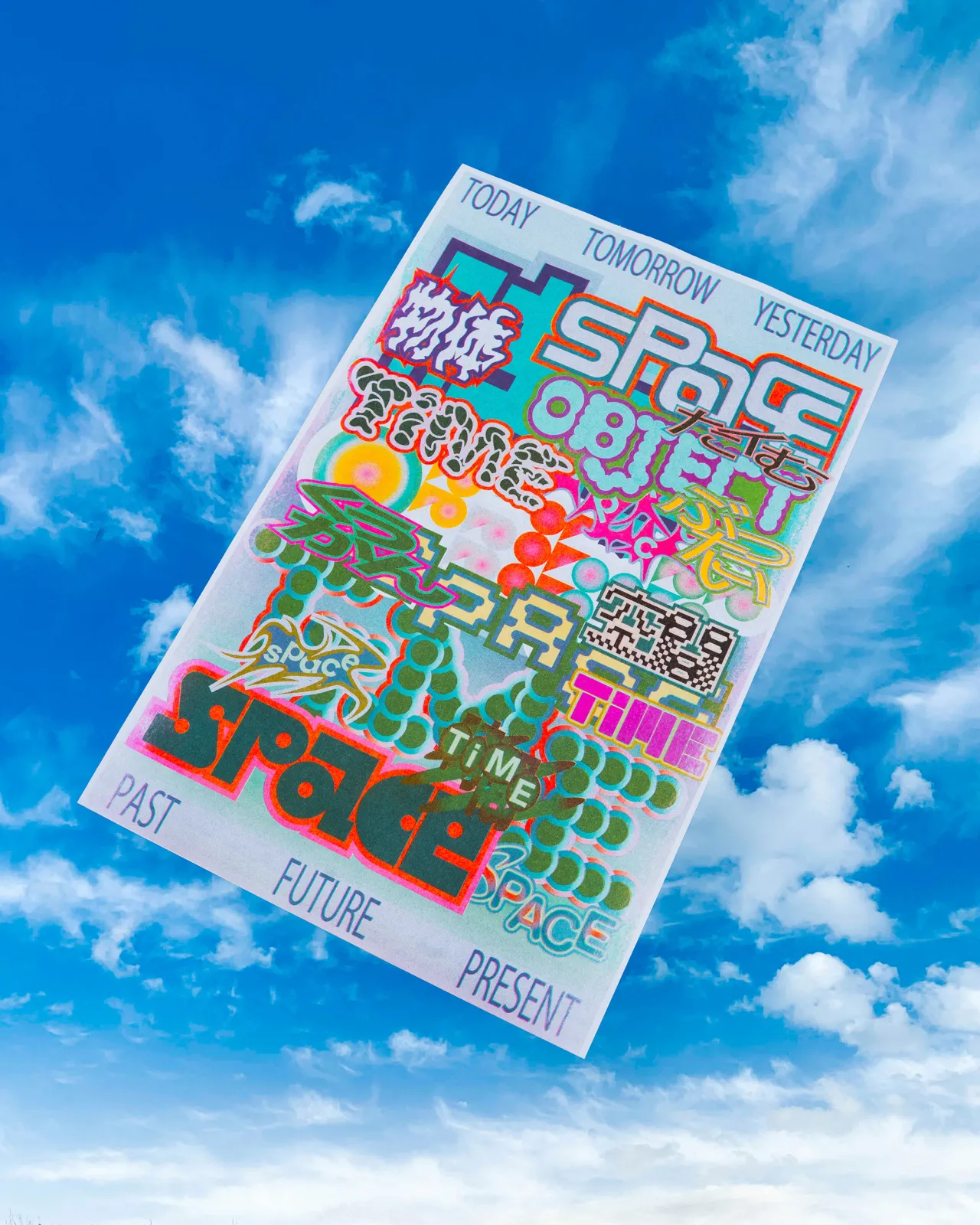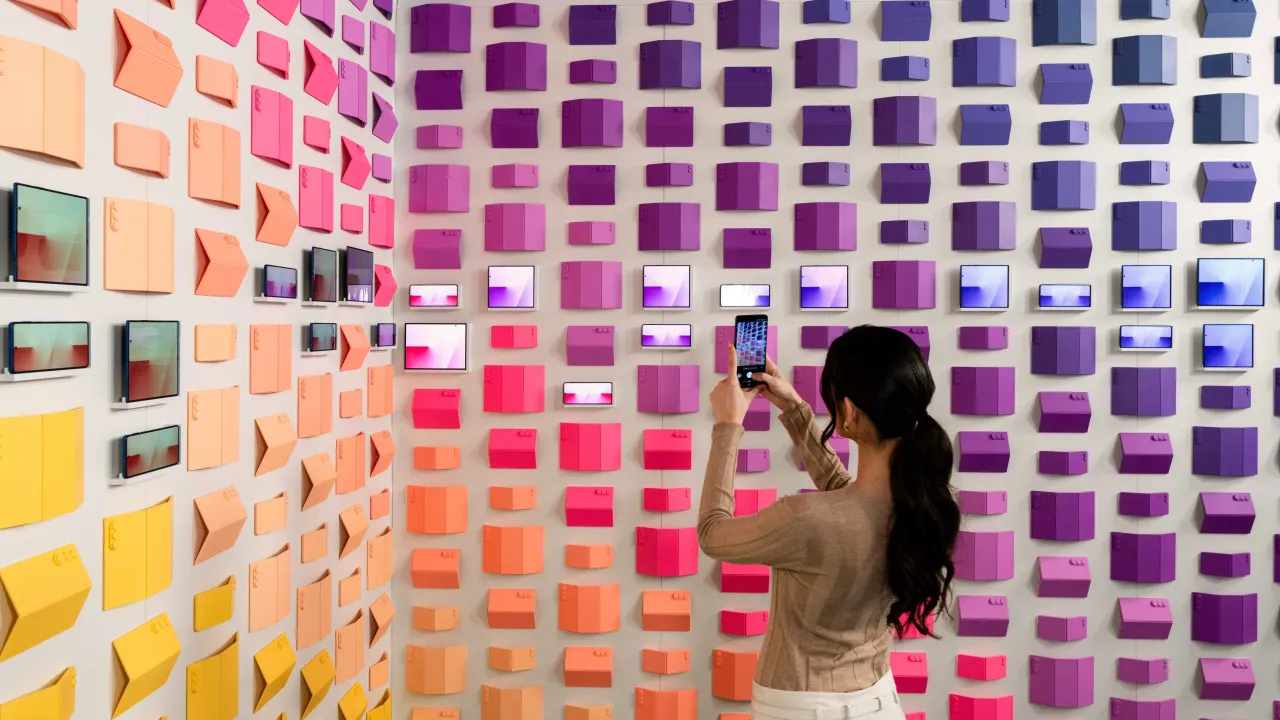
An exploration of the Samsung Galaxy’s foldable design across a spectrum of colour, form and experience
There's a word you don't often hear at major tech exhibitions. You'll hear plenty about innovation, human-centricity, ecosystems, AI, and the future of the connected home. But love? That's a word most corporate communicators would quietly escort out of the building.
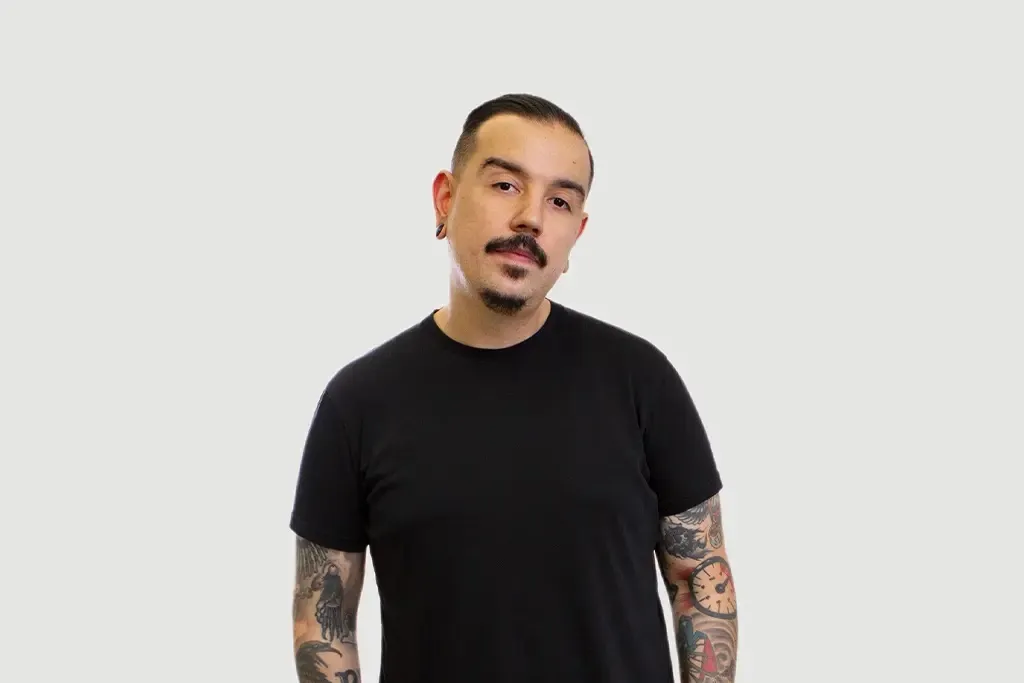
Mauro Porcini isn't your typical dry, corporate communicator. After previous stints reinventing design culture at 3M and PepsiCo, he became Samsung's first-ever chief design officer in 2025. Meeting him during Milan Design Week at the company's exhibition at Superstudio Più feels like encountering a force of nature: driven, passionate, engaged.
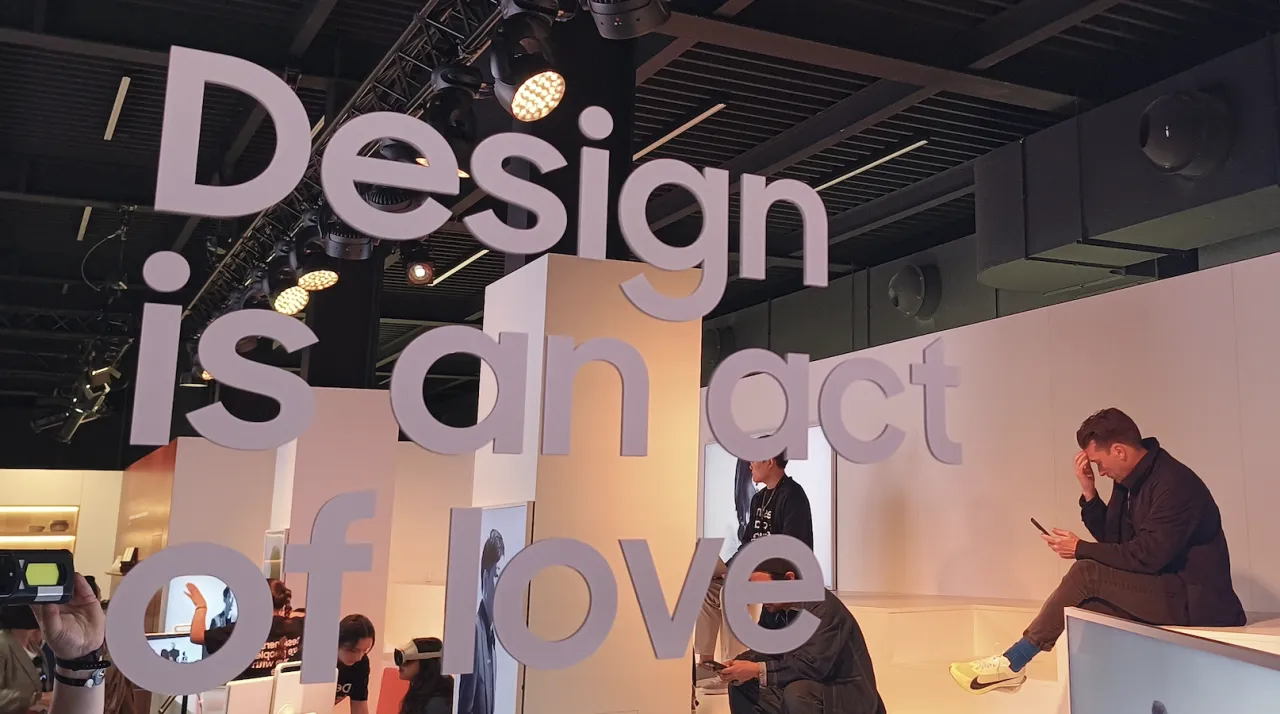
"Design is an act of love," he begins, with the kind of certainty that suggests he's been making this argument for a very long time. "Design and innovation are the same thing. That's what drives everything else."
It'd be easy to dismiss this as the sort of warm language that gets sprayed over exhibition walls and promptly ignored. But spend any time talking to Mauro, and it becomes clear that for him, "love" isn't decoration. It's the actual operating system.
From Scotch tape to Samsung
The Italian designer's career to date has an unlikely internal logic. Mauro made his name at 3M, where he was credited with transforming the design of mundane office staples like Scotch tape dispensers and Post-it note holders into objects people actually wanted on their desks.
From there, he moved to PepsiCo, where he spent over a decade as chief design officer, accumulating numerous design and innovation awards along the way. In 2025, he joined Samsung, taking on the role of president and chief design officer of the Device eXperience division.

Mauro Porcini
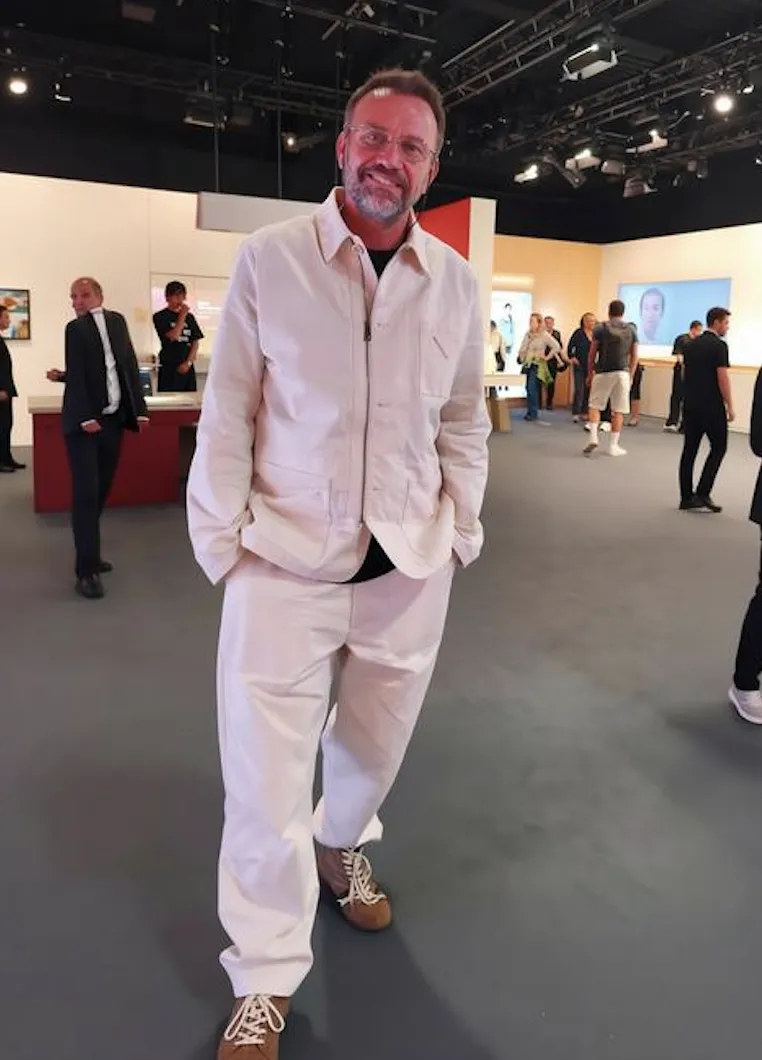
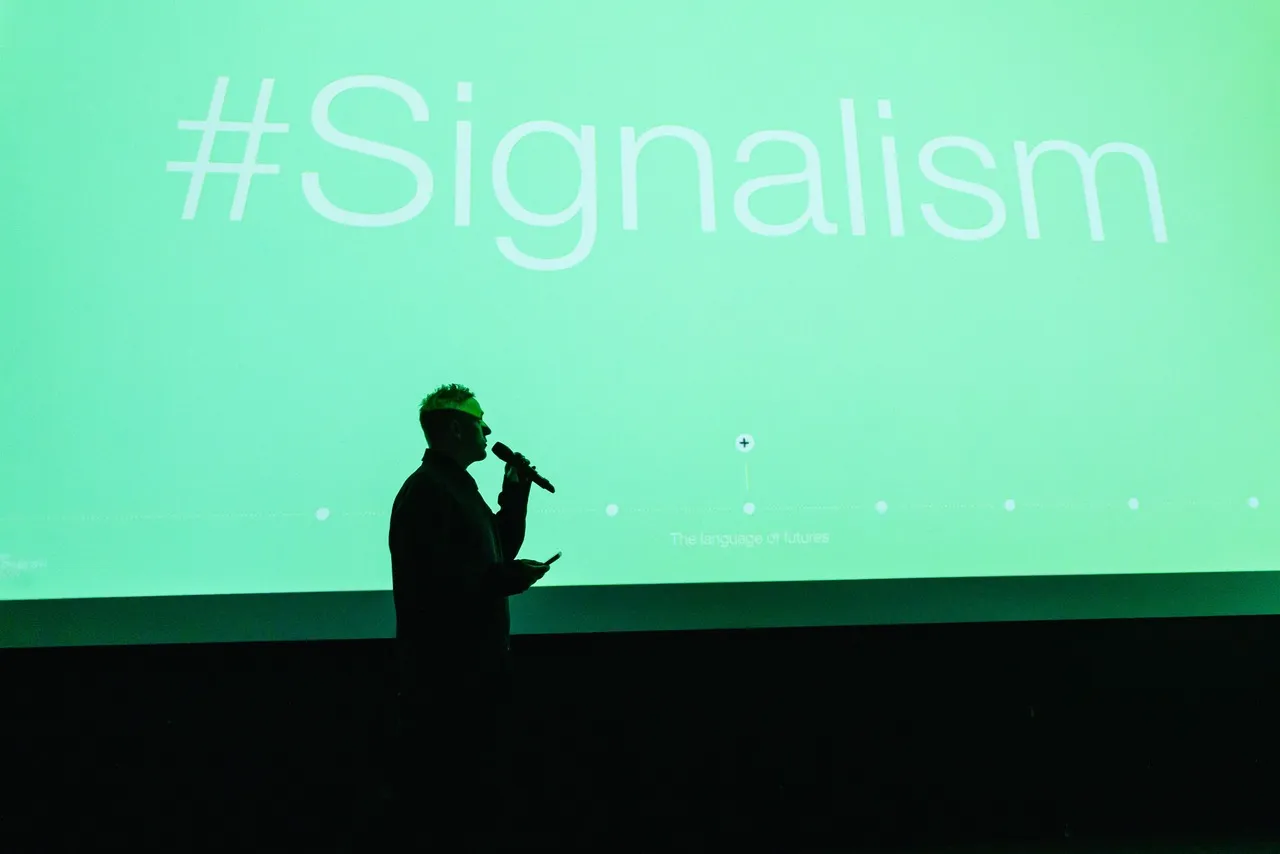
At Milan Design Week
In short, then, he's spent his career inside enormous companies, trying to convince them that design isn't a finishing touch. Which means he knows exactly how hard that argument can be to make.
"If you just make the case for design, but you don't know how to interact with a business organisation, you won't succeed," he stresses. "Your vision may be amazing and great for society, but it'll go nowhere: it won't create business value. Or maybe it will, but you're unable to communicate that value to the business organisation."
It's a concise summary of why so many design-led visions end up gathering dust. And it leads on to Muro's broader definition of what a design leader actually does, which turns out to be considerably more complicated than designing things.
"You can't be an expert in everything," he reasons. "Which means you need to be a great people leader, so that you can unlock the potential of the best of the best talents you have around you. You also need a certain eloquence, because you need to influence. And you need to build confidence in your organisation, so the risks you need to take—and innovation is always a risk—are worth doing." No pressure, then.
Why Samsung doesn't have one design language
One of the more interesting things Porcini has done since arriving at Samsung is arrive at a counterintuitive answer to one of the company's long-standing internal questions: what is the one Samsung design language? His answer, essentially: there isn't one. But that's a feature, not a bug.
"If we really believe in this idea of being focused on humans," he explains, "if we believe that your living room is different from mine and is different from hers, and therefore I should give a choice to each of us to choose a different kind of product that fits my environment, my taste, who I am, my need to express myself... Well, if I believe in that, why should I impose one design language on you? Why shouldn't I give you a choice, so that you can choose what makes sense for you?"
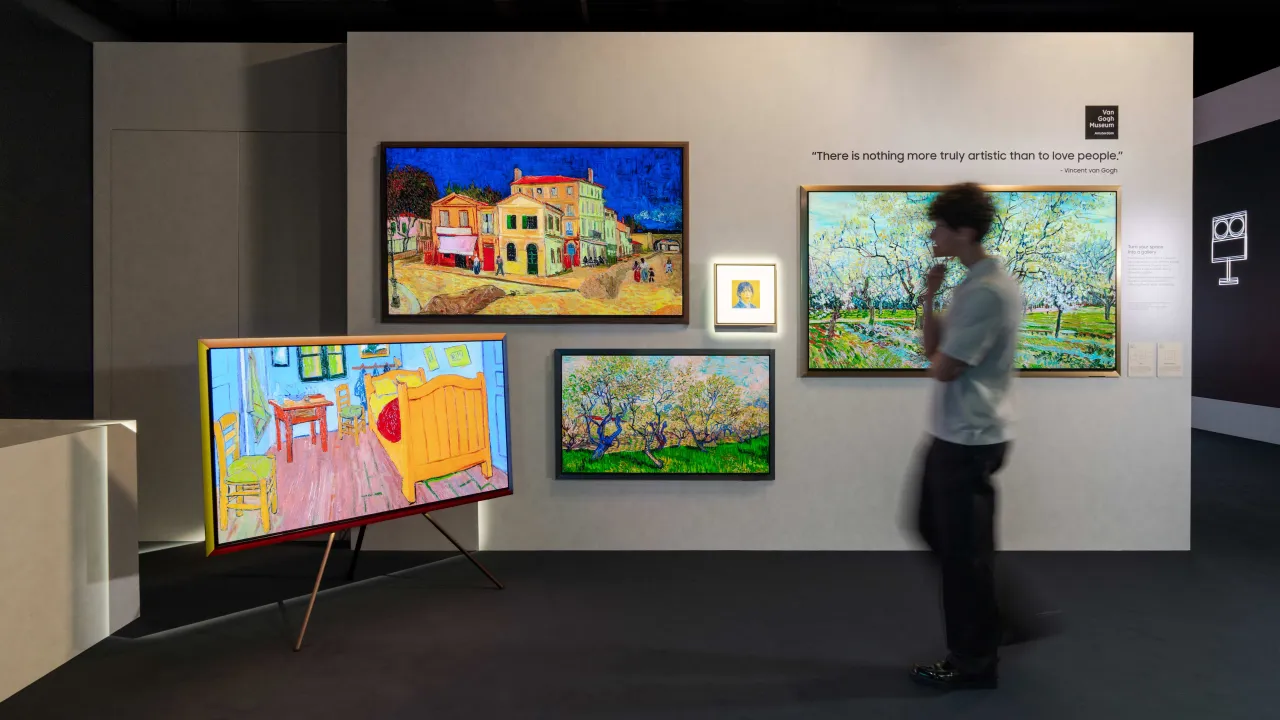
Samsung's show at Milan Design Week features natural, AI-driven interactions and a sensory performance of music, light and human touch — fostering emotional connection and a sense of presence in everyday life
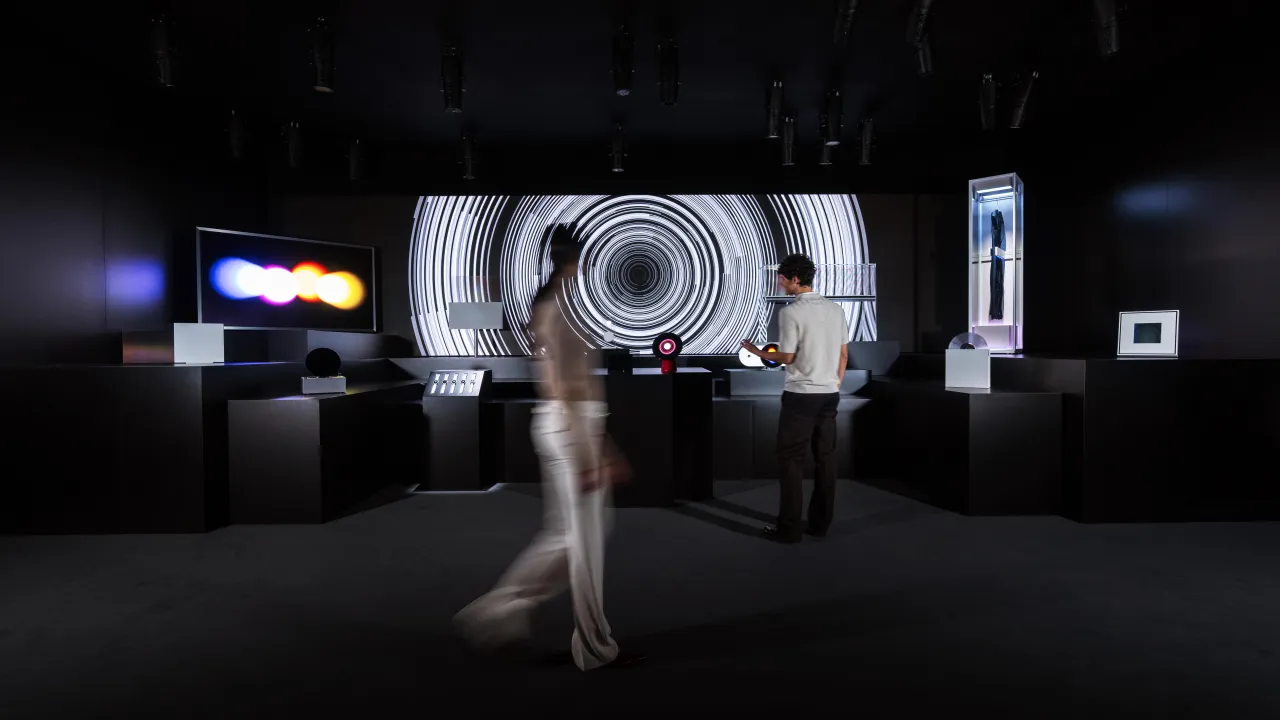
A coordinated display experience introducing Samsung’s vision for AI as a unified system
The result is a design strategy that deliberately varies its products and user interfaces, held together not by visual consistency but by a shared philosophy. Or to put it another way, the stories do the connecting that a single aesthetic once did. This is a more demanding approach, both to execute and to explain, but it reflects something real about how people actually relate to technology in the 2020s.
3 things people want from a brand
Mauro is a fan of frameworks, and his breakdown of why people form attachments to products is worth paying attention to. He describes three layers: the functional benefit (it does something useful), the emotional benefit (it makes you feel something) and what he calls the semiotic benefit: what it says about you to the world.
"Wearing a certain brand, using a certain brand, is signalling the world your mindset, your status, your beliefs, many things," he says. "So fashion is imperative in the world."
He's not being flippant about fashion: he genuinely means it. The reason people queue overnight for a phone they could buy the following week isn't purely rational, and pretending otherwise is the kind of category error that has sunk more than a few product launches. The emotional and semiotic dimensions are not soft extras layered on top of function. They're the reason people choose one thing over another.
Advice for young designers
Finally, I ask if he has any advice for young creatives. His response is disarmingly direct. "First of all, I remind them that success is not fame," he says. "It's not money. Success is personal happiness. And so you need to be sure that you love what you do."
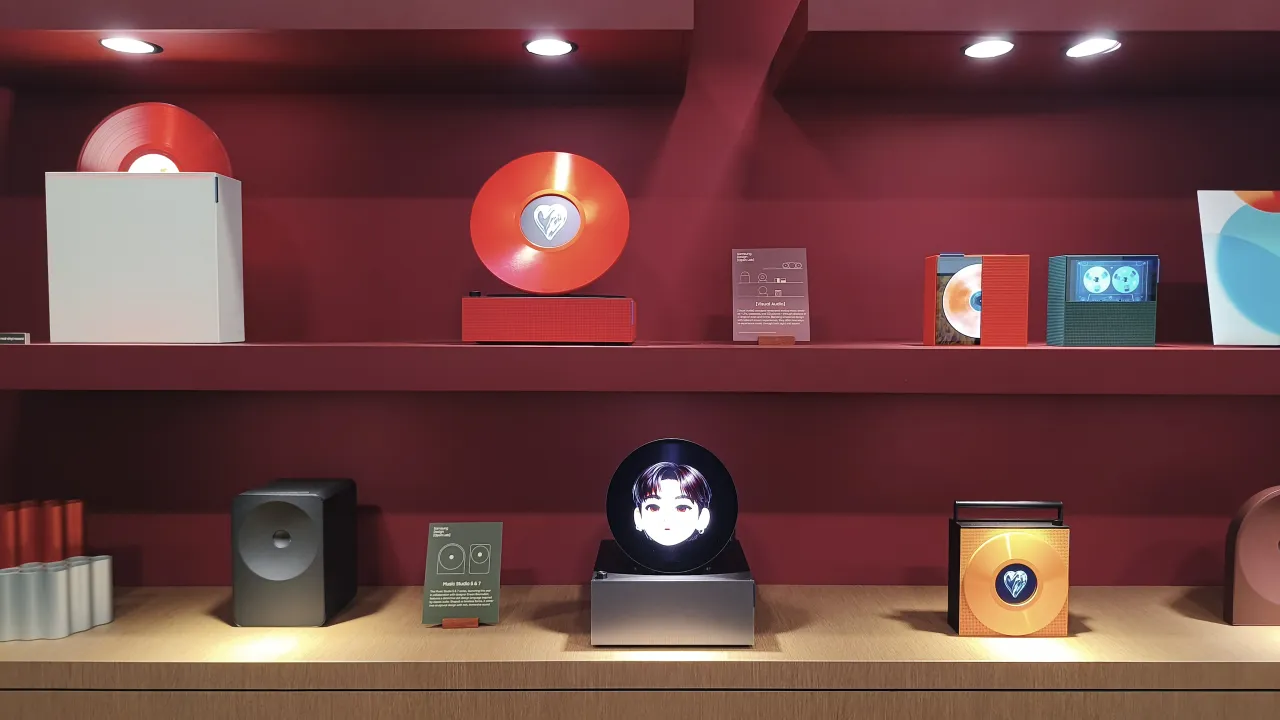
A range of concept designs, where diverse music translates analogue emotion into a cohesive digital experience
He extends this into three forms of love he considers essential: love of the craft and the work itself, love of the people you work with, and love of the people you're designing for. The kernel of this is: "Try to do something, not because it's going to create financial value for your company, but because it's going to create value for the people you're serving—and then financial value will come."
Not coincidentally, the subtitle of Mauro's book, The Human Side of Innovation, is: "The Power of People in Love with People." And yes, that might sound like the kind of thing that gets embroidered on a cushion. But Mauro's point is that the design industry has spent decades talking about craft, process and technology, while largely avoiding the question of what any of it is actually in service of.
"We're lost in the universe," he muses, gesturing at something much larger than the exhibition around us. "We should just work towards our happiness and love, and put everything else, finance, governments, products, brands, technology, at the service of that happiness and that humanity."
It's a long way from Scotch tape dispensers. But then, that was always the point.
Editor's Picks



Trending


Latest Jobs
Senior 3D Motion Designer at Art&Graft
Full-time·London·£50k-£65k
Senior Digital Designer at 3800
Full-time·Sheffield·£40k-60k
Design Lead at Madeo
Full-time·New York City·$85k–$120k
Senior Front End Developer at Crown Creative
Full-time·Belfast·£50k–£60k
Account Director at How&How
Full-time·London·£73k-£79k
Graphic & Motion Designer at The SHARP Agency
Full-time·Leeds·£26k–£33k