Transylvanian designer Dora Abodi merges folklore into wearable stories
The founder of Abodi Transylvania has spent 15 years building a living mythology from folklore, ceramics, hand-painted gowns and a family of vampires, water villas, and four-headed dragons.
Szilveszter Mako for ABODI Transylvania
Dora Abodi has spent 15 years building a fashion house that has dressed Cate Blanchett, Lady Gaga, Bad Bunny and Jaden Smith – the latter in a sculptural vampire castle headpiece that went viral at the 2025 Grammys. And yet the thing that finally made her pause, or the work that gave her the most creative anxiety before she shared it, was a series of drawings.
"I hesitated before sharing them publicly," Dora says, "Because I was not entirely sure whether they were good enough." She published a few anyway, almost as an experiment, and the illustrations circulated widely, prompting people to ask to buy them as prints. "It was a beautiful and unexpected response."
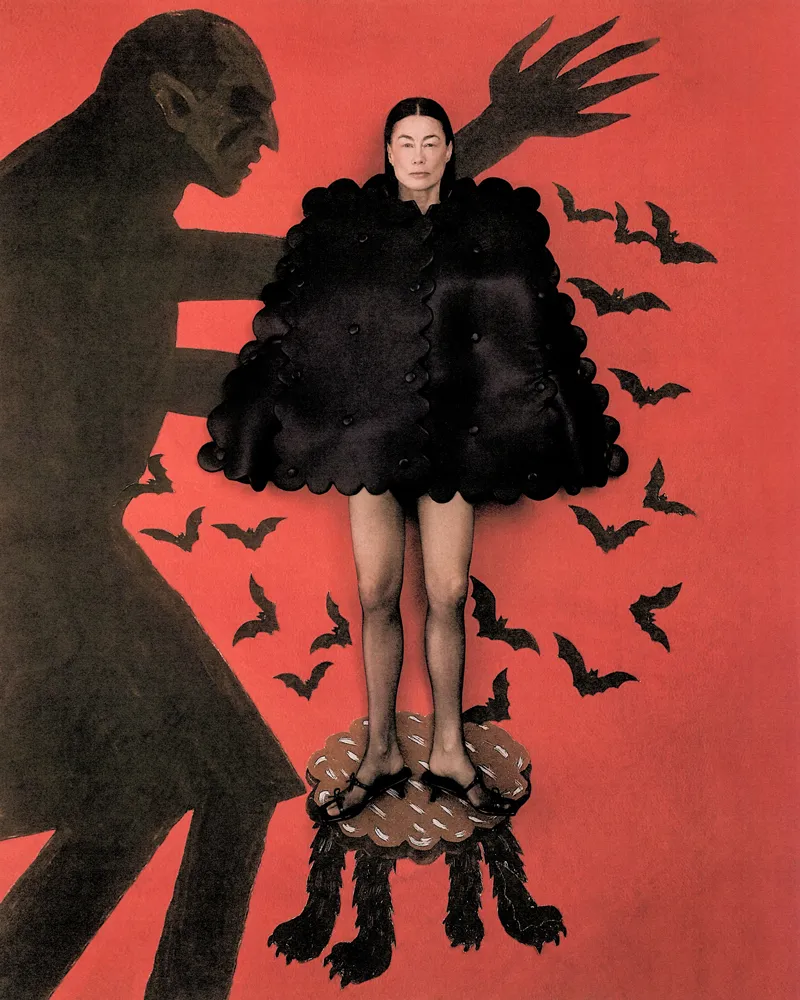
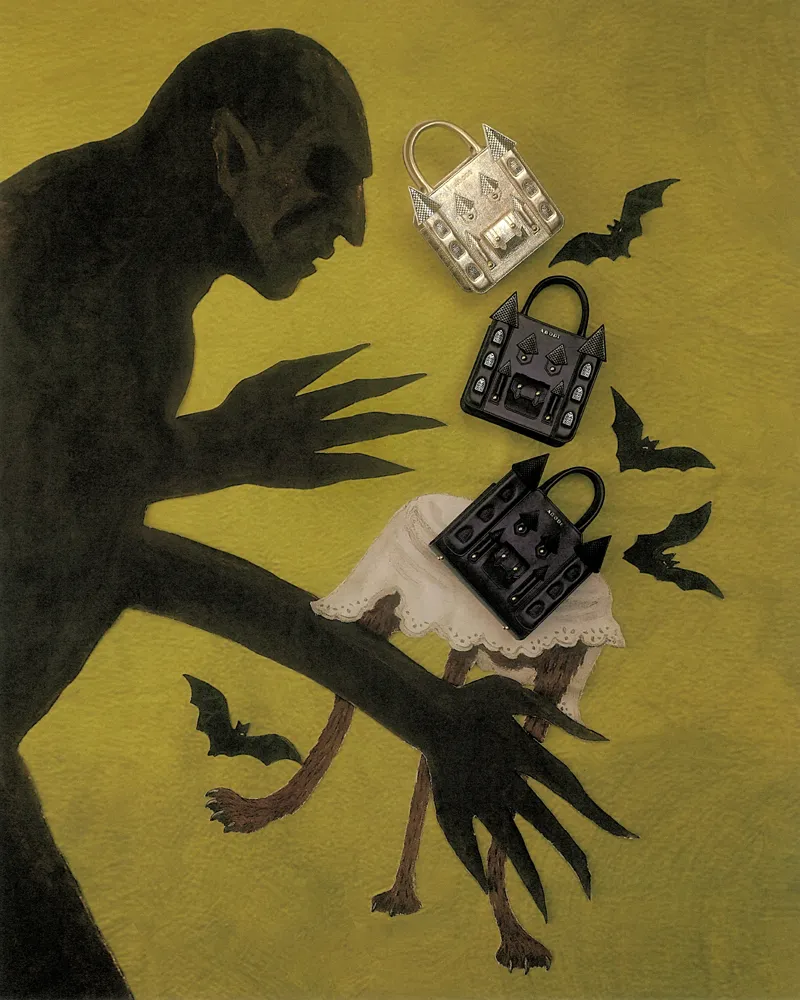
Born in Transylvania and raised in Budapest, Dora grew up in a household where the distinction between art and life was essentially non-existent. Her parents and grandfather are painters and fine artists. "Drawing and painting were not hobbies in our household – they were a natural way of living." She drew sketches in her grandfather's studio as a child, studied at Mod'Art International and later completed a Master's in Fashion Design at Domus Academy in Milan, graduating in 2013. Abodi the brand launched in 2009, and has been building its universe – its Twin Unisus Empire, its vampires and cat mermaids, its moon and sun kings – ever since.
Szilveszter Mako for ABODI Transylvania
Szilveszter Mako for ABODI Transylvania
Szilveszter Mako for ABODI Transylvania
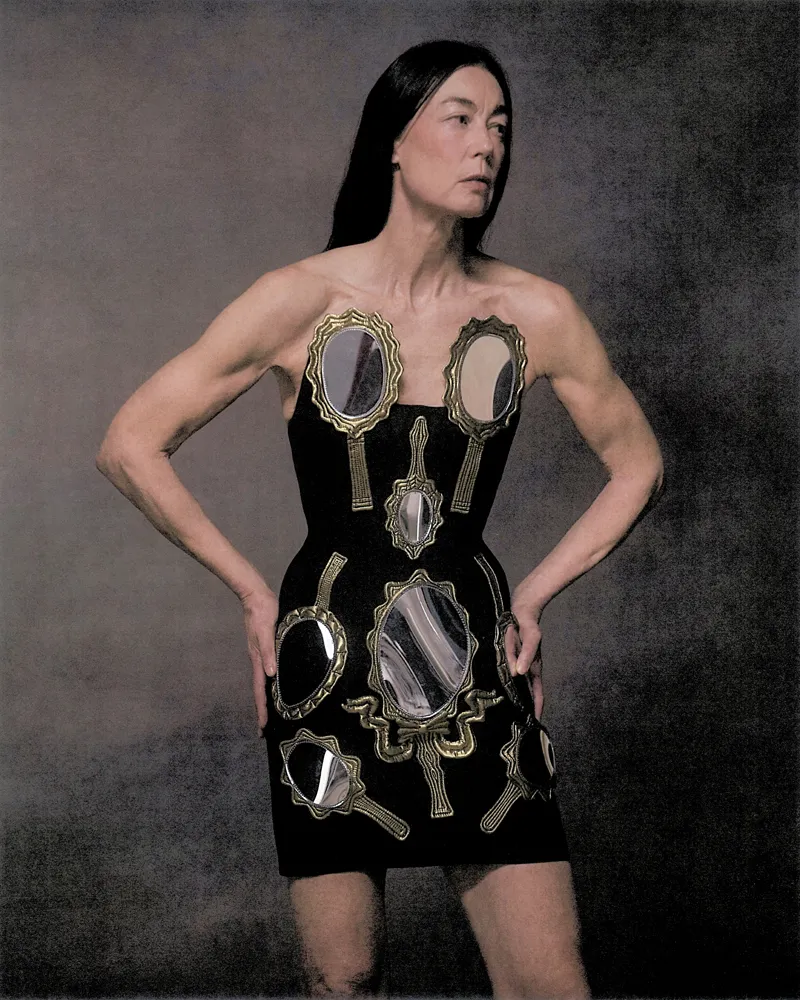
Szilveszter Mako for ABODI Transylvania
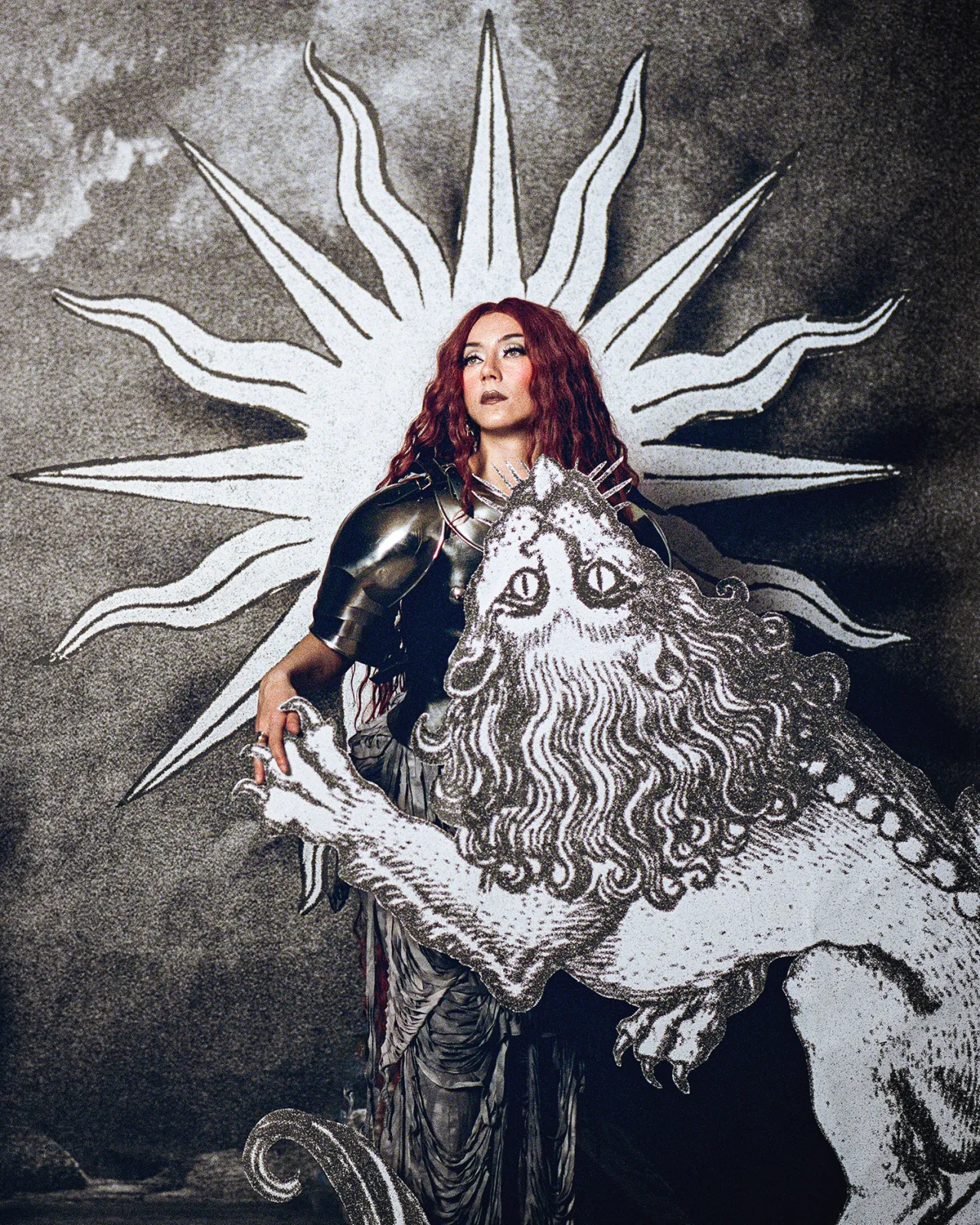
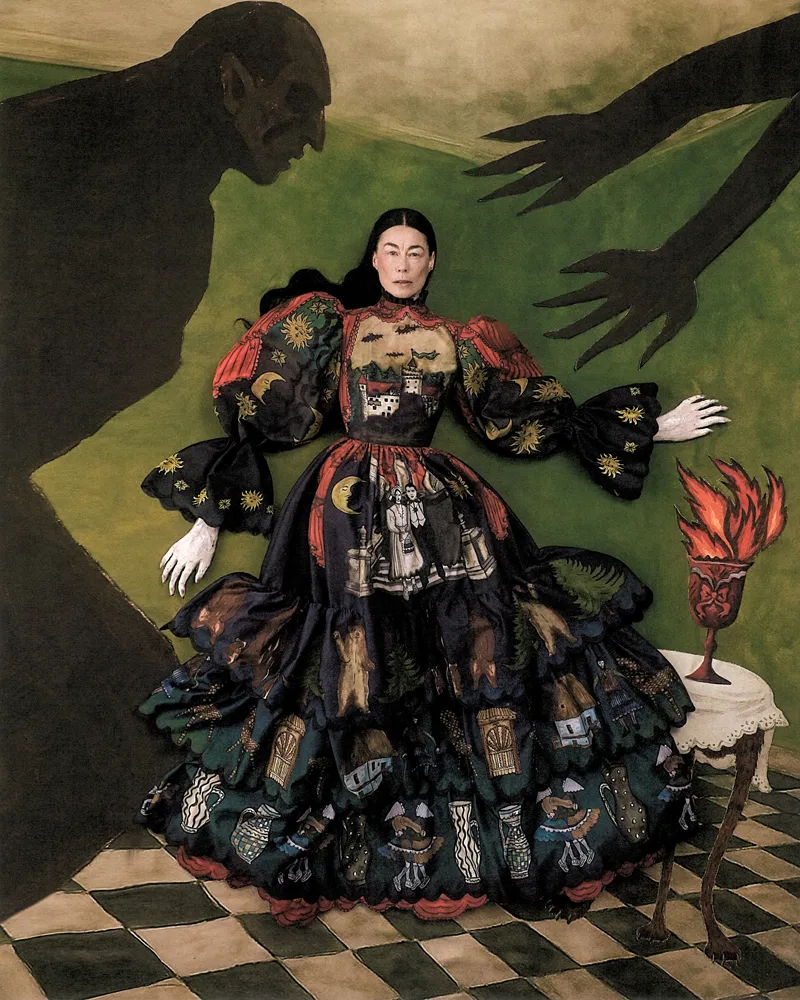
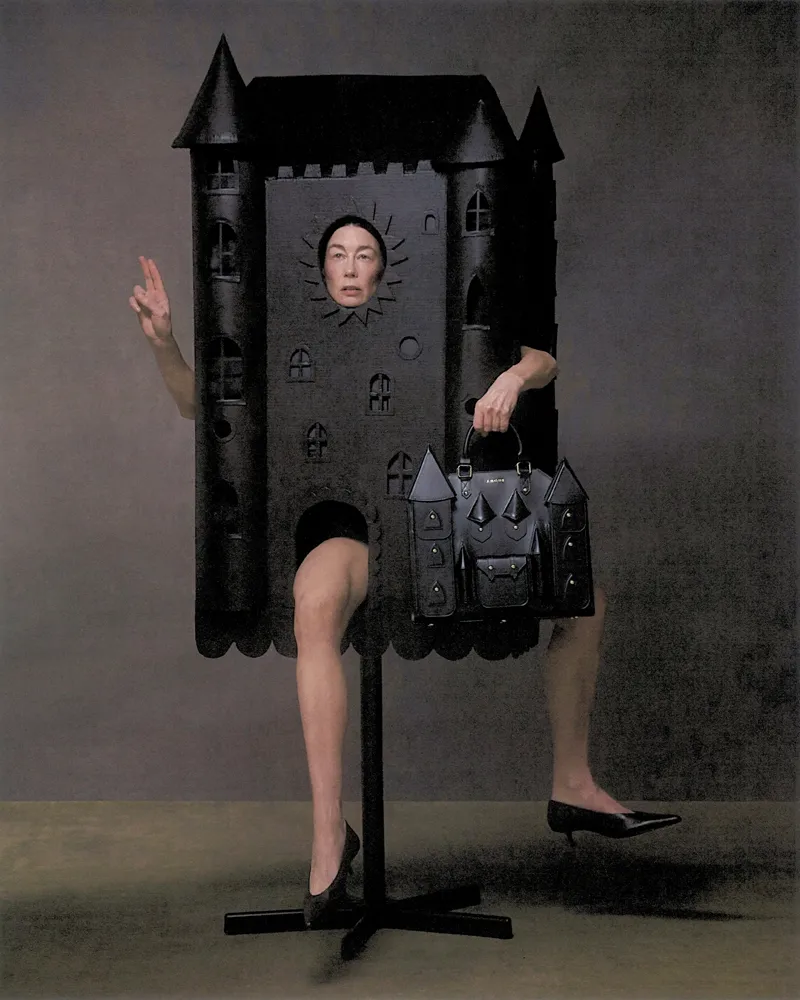
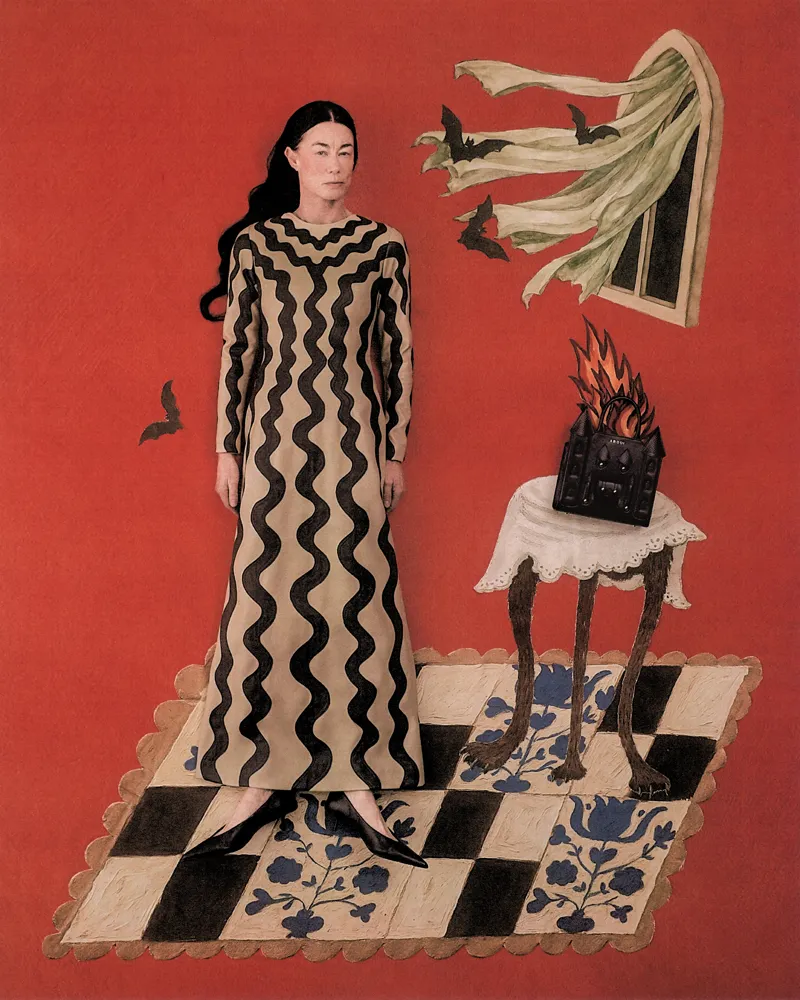
That universe, which she describes as "a kind of cosmos", grew from her own background and interests. "The universe grew out of my personal history – my childhood memories, family stories, the folklore and legends that surrounded me while growing up." But she doesn't see it as a brand, instead referring to it as "a boundless imaginary republic – where strange creatures rule, mythology thrives and art leads." The Chronicles, her recent wearable art collection, reimagines Transylvanian legends, including Elisabeth Báthory – a Hungarian noblewoman and alleged serial killer known as the 'Blood Countess' – who's recast as a symbol of female power rather than a monster. Dora has done this through hand-painted gowns, sculptural castle headpieces, and antique textiles, all made in collaboration with local Transylvanian seamstresses.
The illustrations that caused her such anxiety emerged from this same collection. On one of the garments, she had painted dozens of small images across the entire surface of a voluminous, princess-like dress. The impulse to extend those images into standalone drawings followed naturally, realising them as characters and scenes that could live alongside the garments like pages from a storybook. The visual language that emerged is folk-inspired and slightly minimalist, with an energy she traces back to a childhood obsession – the animated series Hungarian Folk Tales, produced by the studio in Kecskemét and associated with the animator Marcell Jankovics. "I was deeply fascinated by its visual simplicity – how the imagery could be so minimal yet incredibly warm, expressive and memorable."
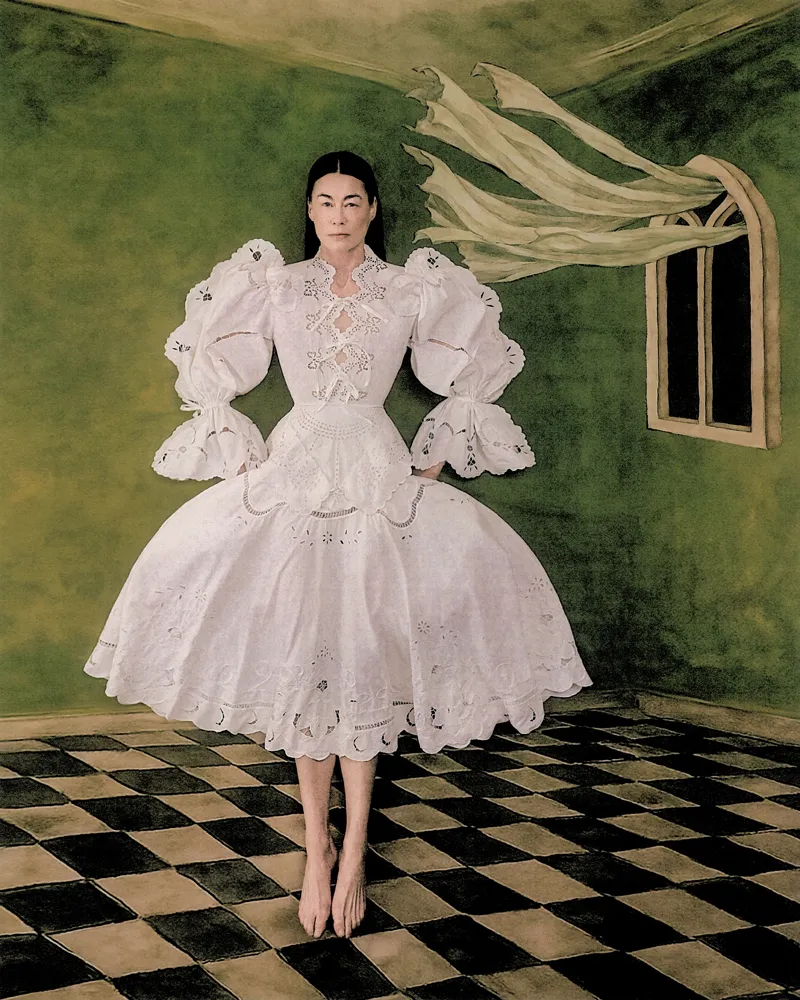
Szilveszter Mako for ABODI Transylvania
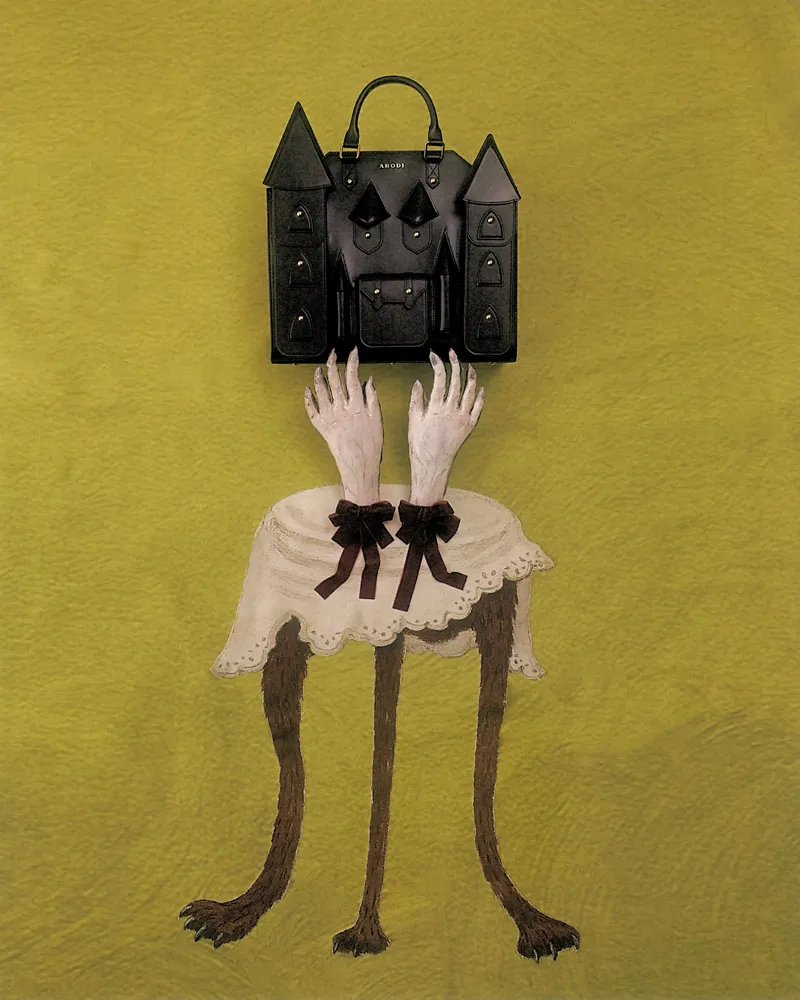
Szilveszter Mako for ABODI Transylvania
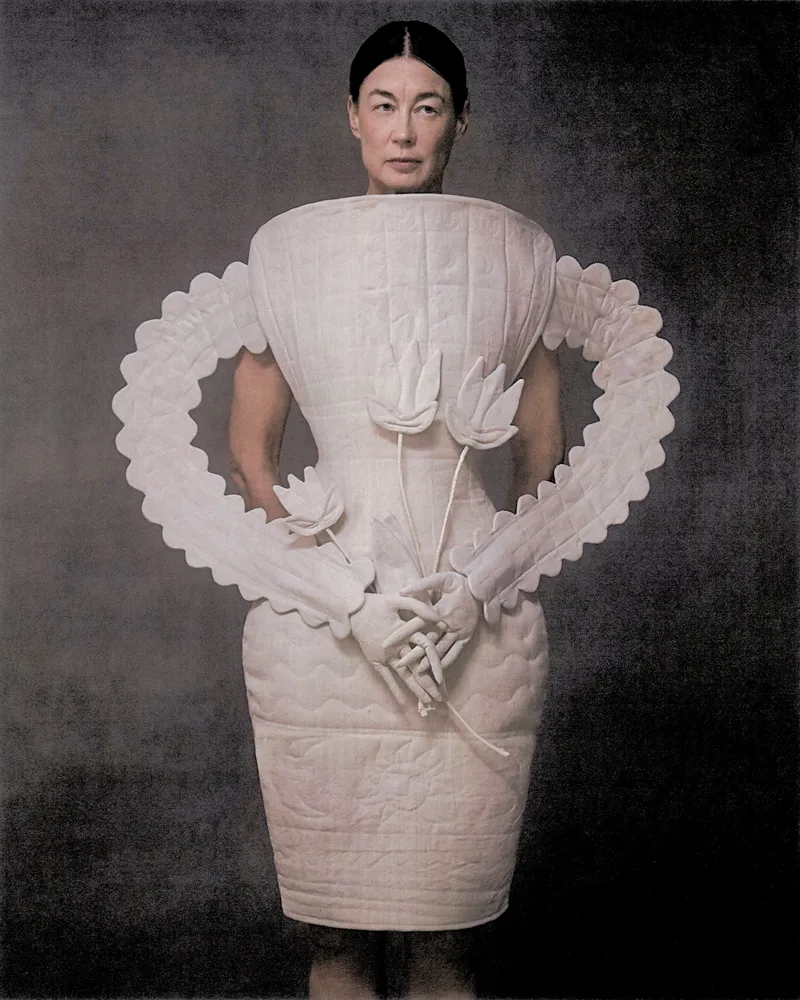
Szilveszter Mako for ABODI Transylvania
Szilveszter Mako for ABODI Transylvania
Other references surface unexpectedly. Dora describes an illustration she made of a woman whose hair transforms into burning candles – a motif she later found in a painting attributed to Leonor Fini, and in the Scandinavian Saint Lucia Celebration, where girls wear wreaths of lit candles on their heads. "These kinds of cultural echoes – traditions, symbols, fragments of memory – often find their way into my work." Another recurring form is the bokály, a small traditional Transylvanian ceramic vessel used to store liquids. "My family collected many of these objects over the years as part of our folk art collection, and I grew up surrounded by them. The shape always fascinated me. It reminded me of an exaggerated female silhouette – both strong and nurturing, like a vessel that holds not only liquid, but memories, scents and stories."
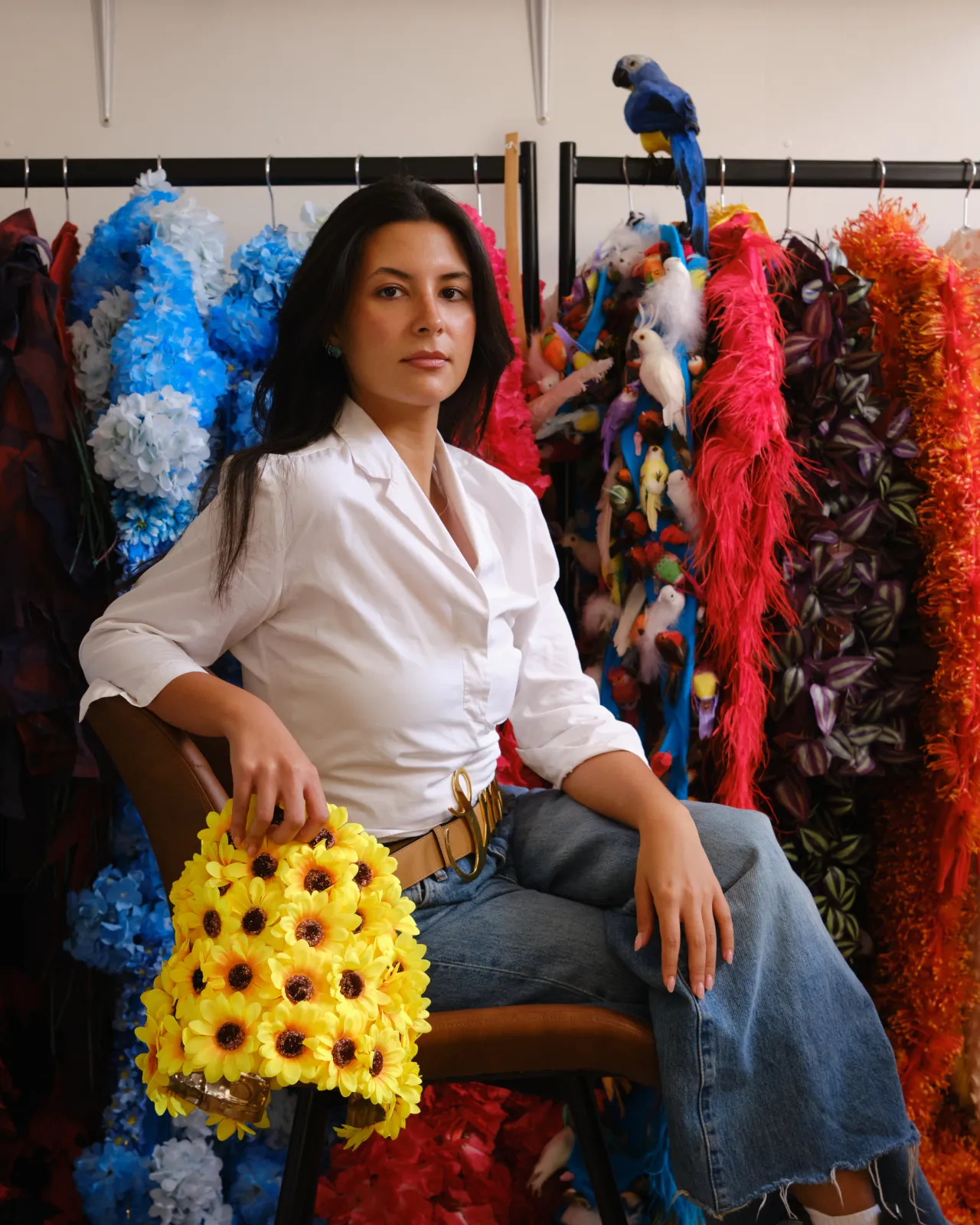
The bokály has appeared in her work previously, but most recently it has taken shape as a dress – depicting the vessel-like figure with a body holding up tulips in their hands. "I remember the markets, where women sold these flowers – sometimes in very unusual, slightly torn, almost parrot-like varieties. Those images stayed with me, and eventually found their way into the garment."
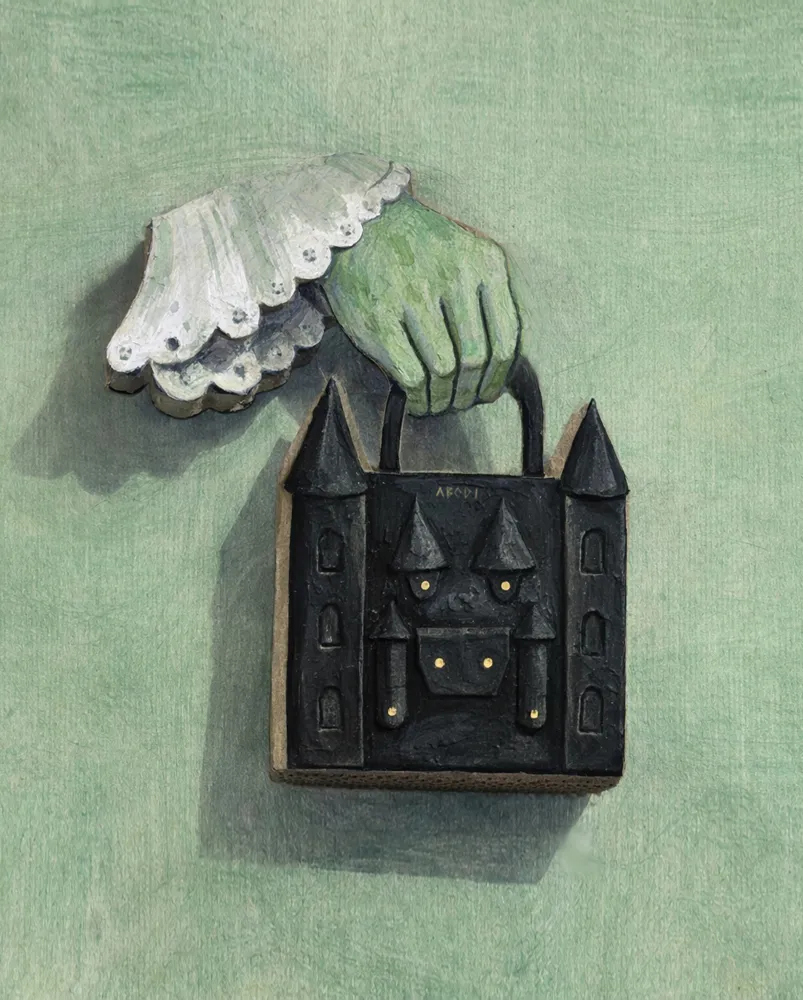
Bag © Dora Abodi
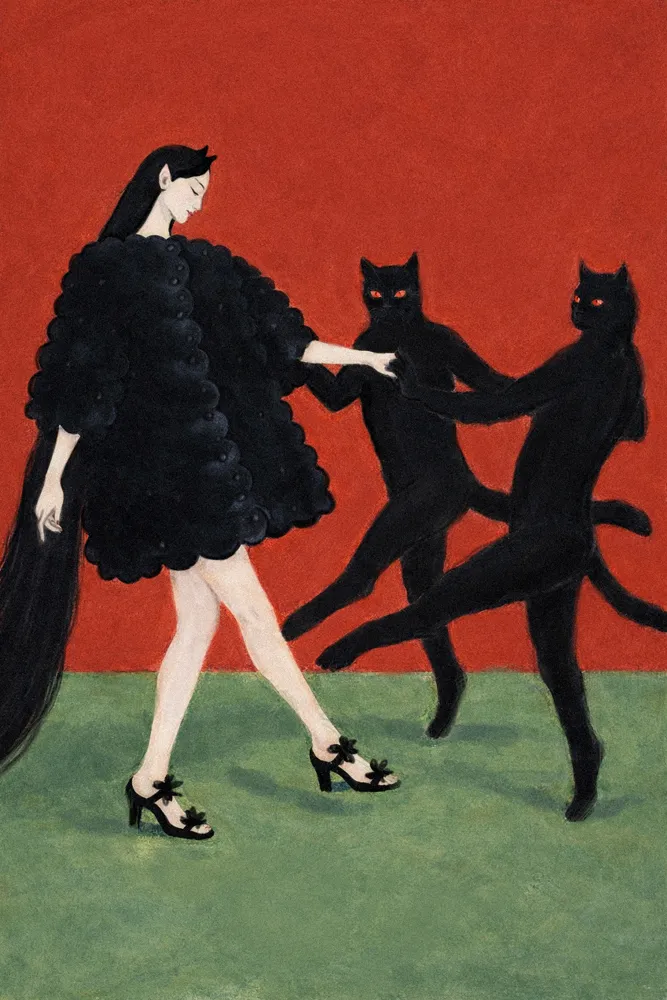
Dancing Cats © Dora Abodi
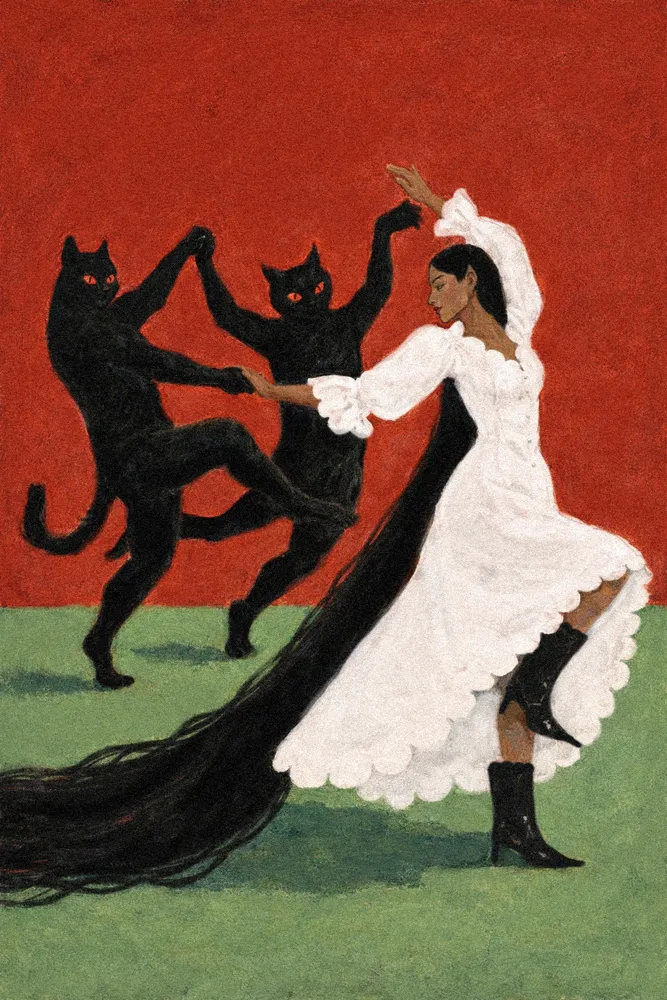
Dancing Cats © Dora Abodi
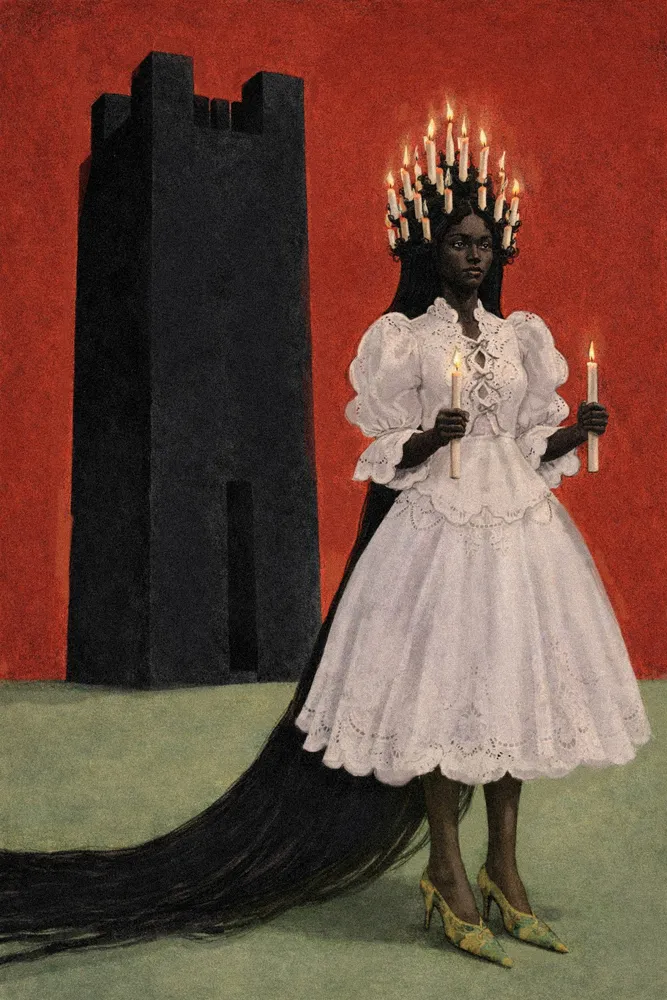
Woman with Candle Hair © Dora Abodi
Beneath it all is something very personal. "For a long time, I felt misunderstood," she says. "Since childhood, I often experienced myself as an outsider – slightly strange, slightly different." Growing up as a woman in Eastern Europe, she felt the weight of expectations and the stereotypes that she didn't fit into. "Through my work, I feel like I can reach people who share a similar sensitivity – people who may also feel a little unusual, a little unconventional, a little out of place. When those individuals find a connection in the work, something beautiful happens. A community begins to form – not necessarily a large one, but a meaningful one."
Editor's Picks


Trending



Latest Jobs
Senior Digital Designer at Red Antler
Full-time·New York·$95k-$130k
Creative Director at Art&Graft
Full-time·London·£70k-£90k
Senior Graphic Designer at MoMA Retail
Full-time·New York·$72k-$80k
Client Director at Koto
Full-time·Berlin·€70k-€85k
Associate Web Designer at Planhat
Full-time·London·£30,000 – £35,000
Senior Designer at Definition
Contract·London·£45k–£50k