How Alix Bortoli builds her sculptural films by hand, millimetre by millimetre
The French director and set designer has made films for Chanel, Loewe, Hermès and Dior – entirely from wood, fabric, paper and clay.
When Alix Bortoli was briefed by the organic perfume brand Ffern to create a campaign around their bitter orange and neroli scent, most directors would have reached for a sun-drenched location, a model in a meadow, perhaps some soft-focus botanicals. Alix reached for wood. "Wood became a storyteller in itself," she says. "You can see its texture, its imperfections, its warmth. Its nature, staged like a theatre."
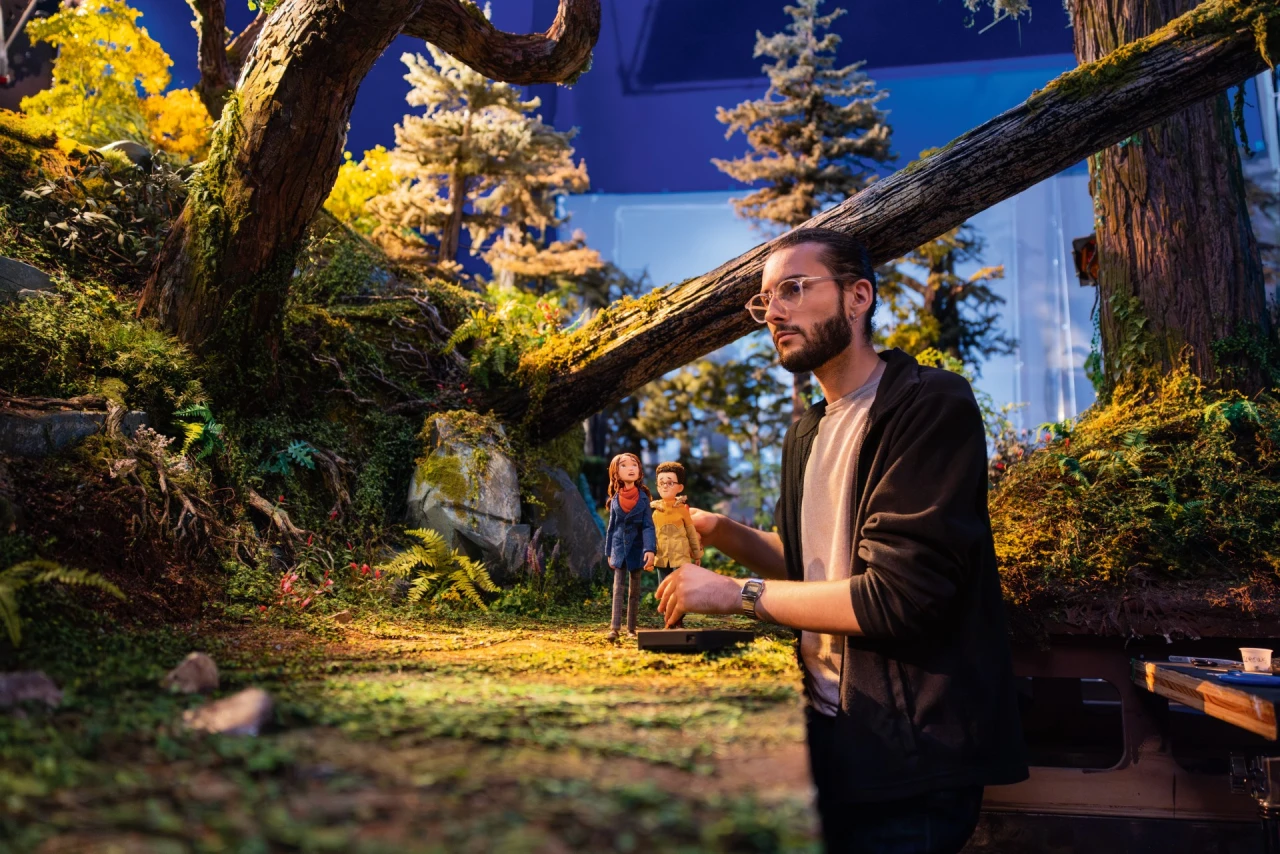
The film she made is a three-act puppet theatre with fruit, a tree, flowers and wildlife as its characters. It's hand-built, hand-painted, and animated frame by frame using stop-motion, with each element shifted millimetre by millimetre. Around the bitter orange tree, she constructed an entire ecosystem that includes the sun, the wind, birds, insects, and bees. All of it is visibly constructed in the real world. "This whole journey is a very organic, craft-driven way of making a film," she tells Creative Boom. "It takes time, patience and true craftsmanship. For me, it's the most magical way to tell this kind of story."
Alix grew up in France and moved to London to study Illustration at Central Saint Martins, then Experimental Animation at the Royal College of Art. Between degrees, she spent a year at the Drawing School in London on a residency focused on drawing and printmaking. She also taught at a fashion school and assisted in an animation studio – a patchwork of experiences that left her with deep respect for collaboration and the handmade. "As a child, I was always a dreamer, and I never stopped drawing," she says. "I especially loved drawing my teachers in class during lessons."
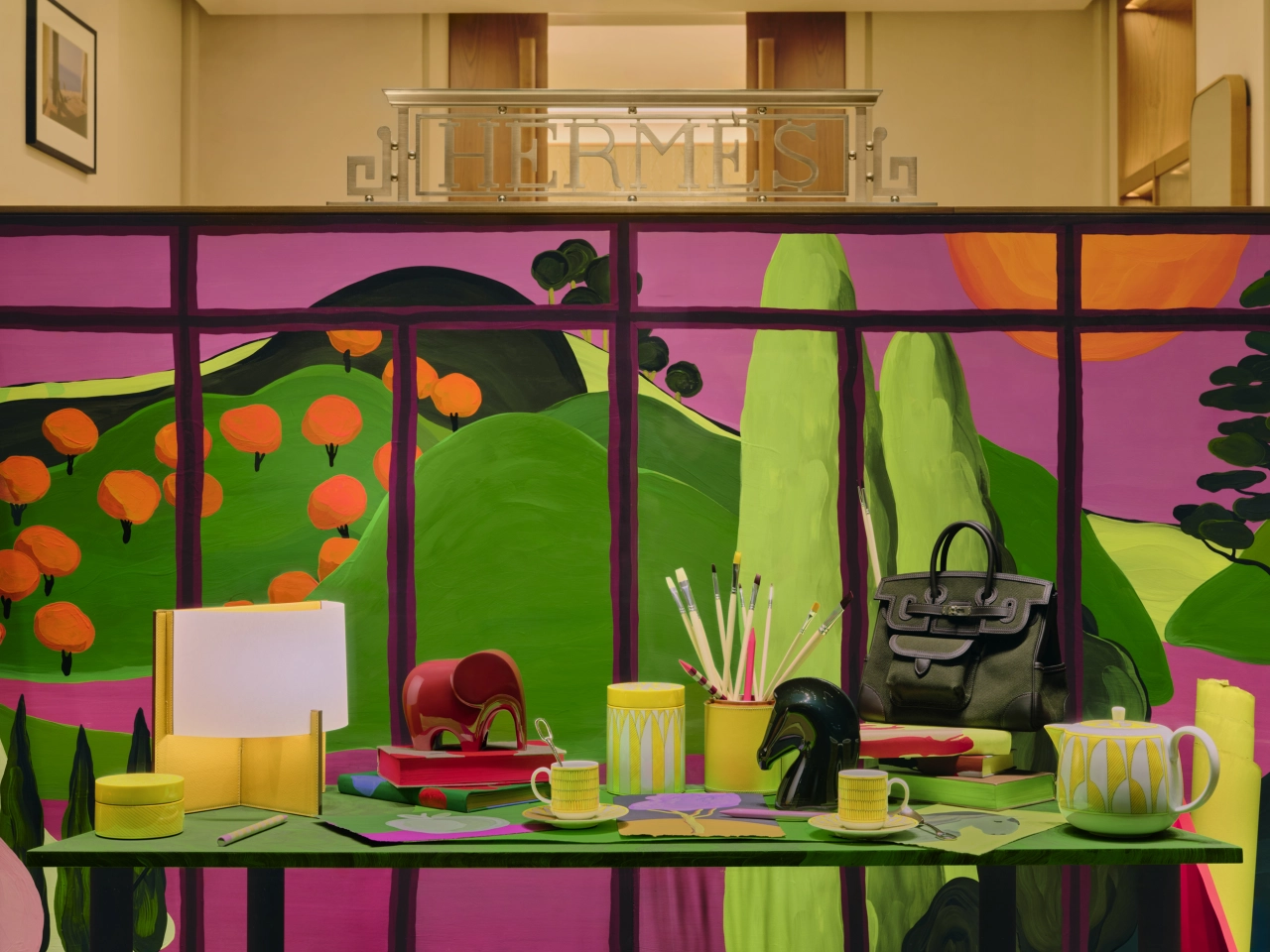
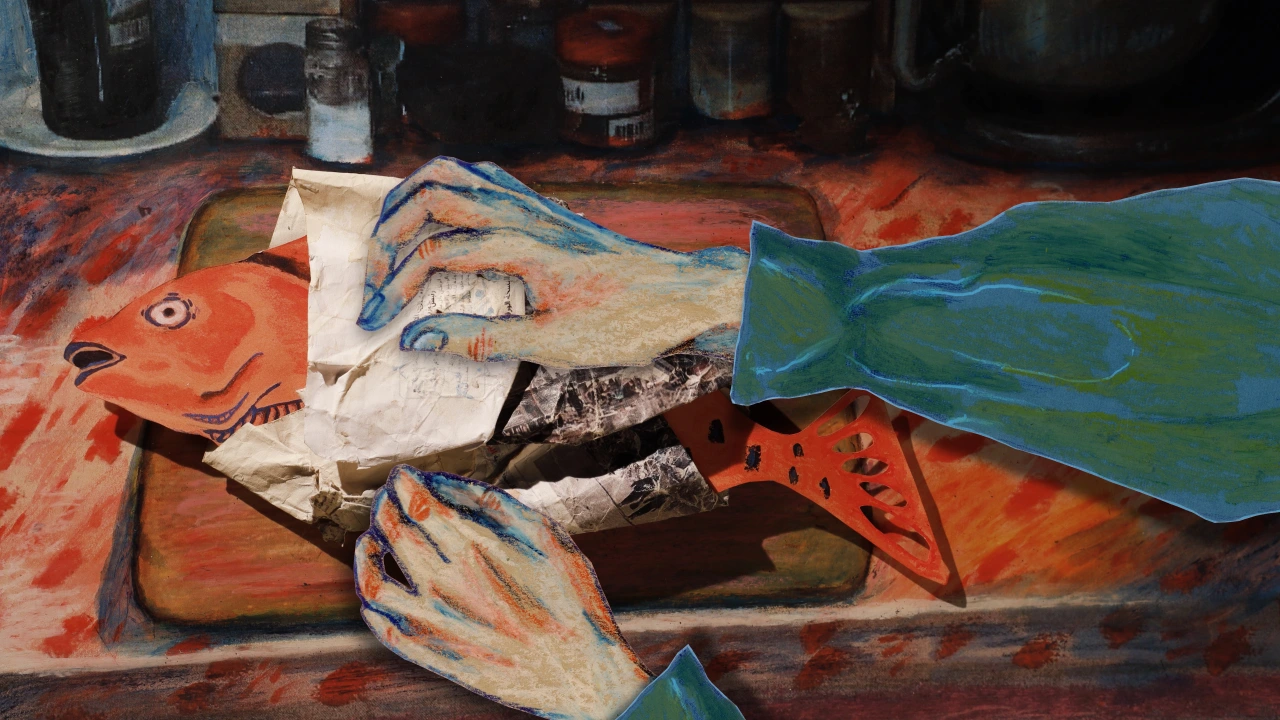
Her breakthrough came in 2018 with Mediterranea, a short film made entirely from wood, each frame engraved by hand, revealing the material's scratches and grooves. The Musée Georges Pompidou acquired it for their permanent collection. In 2020, Night Cab won the British Vogue x YouTube Future Visionaries Award, the Premier Plan Prize at the Anders Film Festival and a Vimeo Staff Pick, and was screened for film students at Yale. A New Wave Fashion Award followed in 2022. Since then, the commissions have been extraordinary: Byredo, Courrèges, Nike, Adidas, Hermès, Vogue, Harper's Bazaar, Baby Dior, Loewe, Ladurée, Zara and, most recently, a collaboration with Chanel on the Ornementa show for 19M, the house's artisanal métiers. Paris production company Soixante Quinze now represents her.
What unites all of her work is an insistence on physicality, a welcome move away from the overly saturated digital world we live in today. You know the stuff: the frictionless, perfectly rendered and increasingly AI-generated imagery overrunning our feeds and minds. But rather than being an intentional choice, it's a way of making that comes naturally to Alix. "I'm not particularly drawn to digital tools – not that I have anything against them, it's just not something that feels intuitive to me. What feels natural, and where I feel truly aligned, is making things by hand. There isn't any overthinking or specific reason behind it."
To make one of these fantastic creations, Alix's process begins with research, especially in libraries, which she describes as "where I think best and where my inspiration feels most alive, because one book leads to another, which leads to a new idea". When outside the library, she draws inspiration from "everywhere", like travelling, walking down the street, visiting museums, galleries, and fashion stores, or even when she's heading to chocolate and fabric shops or the food market. "Or something as simple as a trip to Lery Merlin can spark new ideas."
From there comes a moodboard, a storyboard, and then the actual making part – cutting, painting, assembling, and occasionally collaborating with set designer Soufyane El Koraichi, who builds 3D models of her drawings to test spatial possibilities. But the final decisions are always made in contact with the material itself. "I never hesitate to redo, repaint or resew elements when something doesn't feel visually right. Intuition is essential."
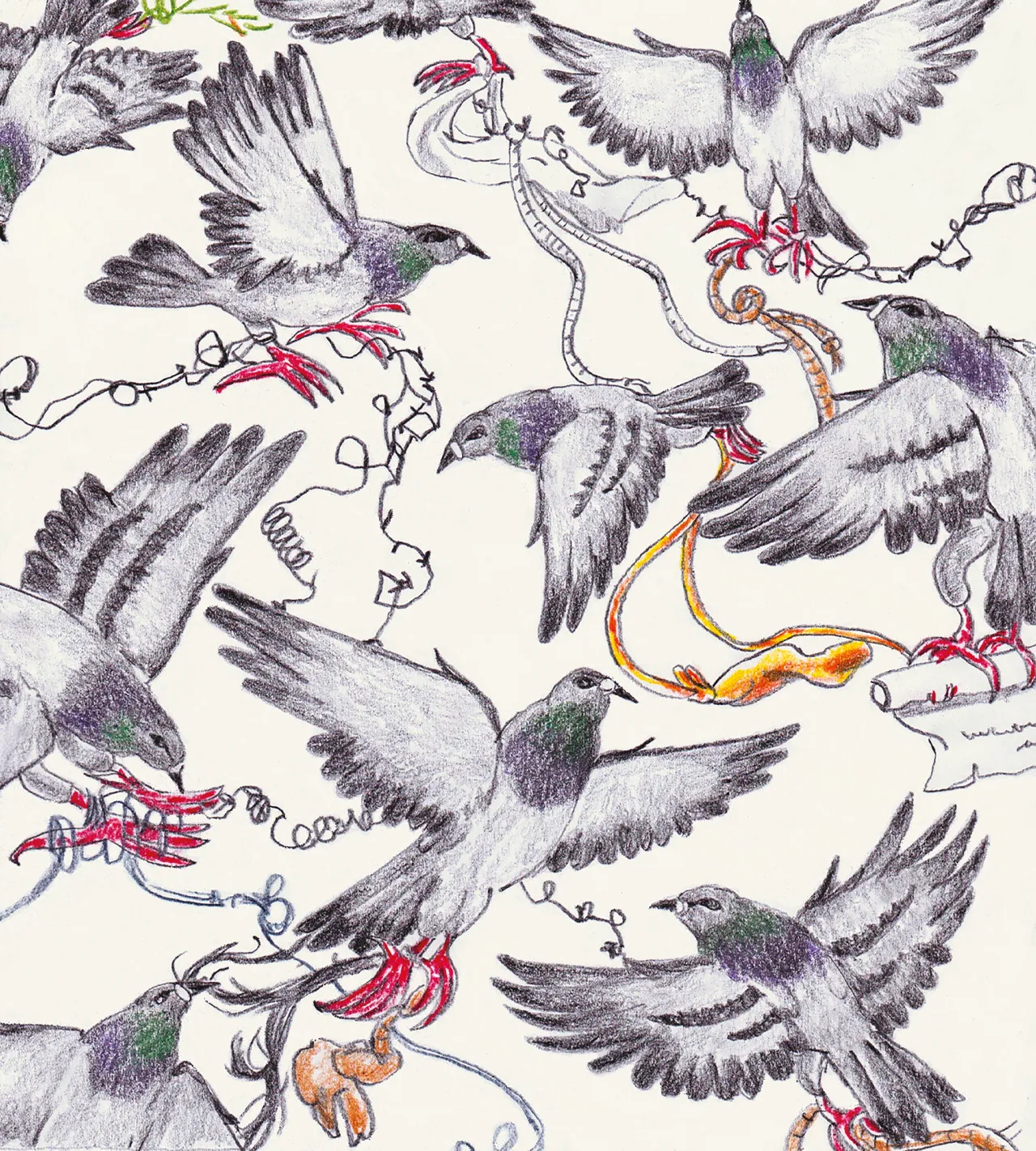
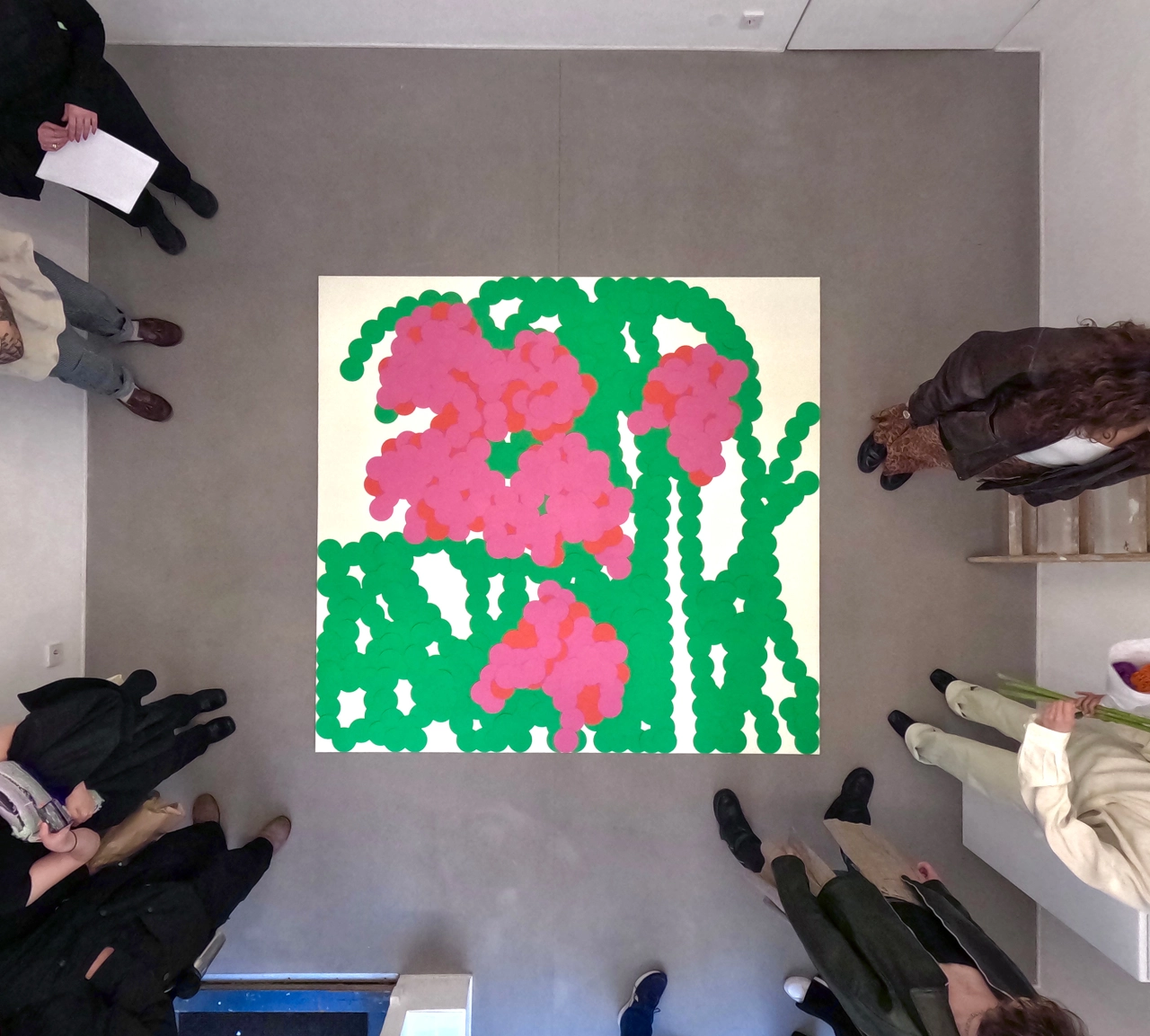
Alix sees her sets as sculptures with objects that happen to be animated. "I would love to create objects that can animate themselves," she says, "so that there would no longer be a need for video to bring them to life." And while one film might call for a mix of live-action and paper animation, another might be built entirely from wood. Whatever the source, Alix seeks honesty in all her projects. "I'm not looking for anything specific – what I'm really seeking is to be as sincere and truthful as possible in my approach to filmmaking. There is often a sense of poetry in my work, and I hope it offers people a small window of beauty. But above all, what matters most to me is staying true to what I do, and remaining as close as possible to my intuition and my vision."
Editor's Picks

Trending

Latest Jobs
Client Success & Growth Director at Revolution Growth
Full-time·Manchester·£60k-£70k
Senior Designer at BKC
Full-time·£50k-£60k
Multidisciplinary Designer / Photographer at Boomkat
Full-time·Manchester·£42k–£48k
Graphic Designer at Crux Product Design
Full-time·Bristol·Up to £36k
eCommerce Web Designer at on/Sight
Full-time·$75k–$95k
Account/Client Manager at Represent
Full-time·London·£35k-40k