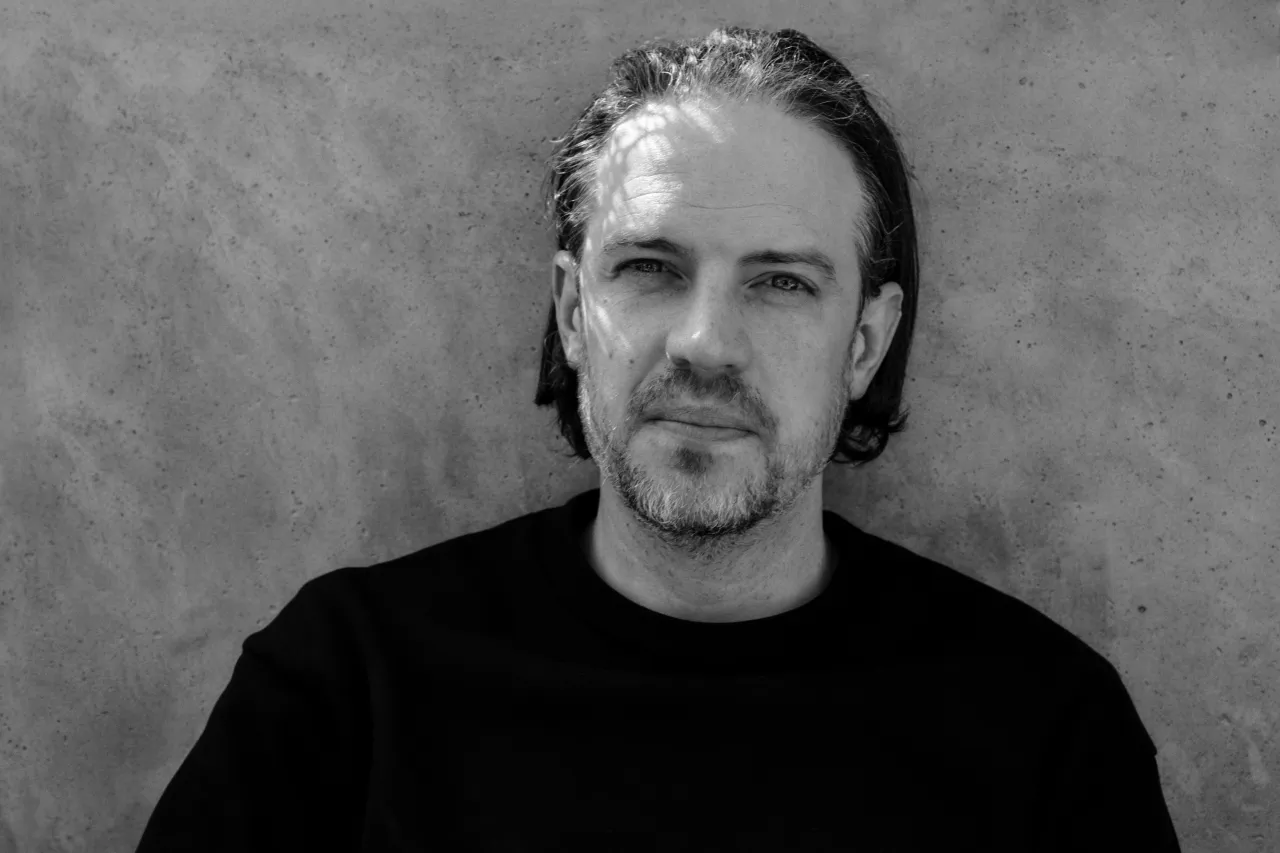
Ollie Scott on why the era of the 'rockstar' creative is over
The man who hears over a thousand creative industry conversations every month has some reassuring things to say about the state of the profession.
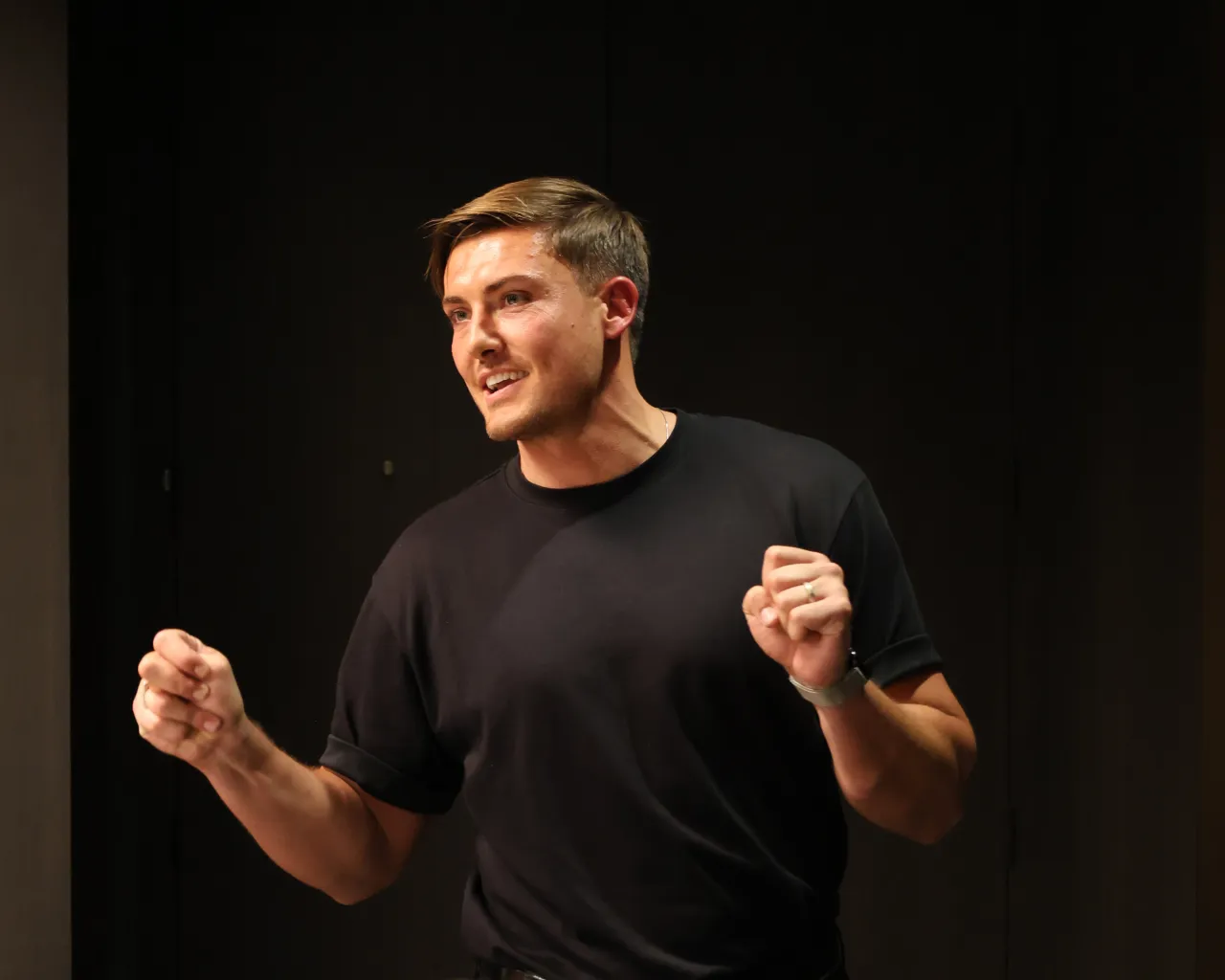
Ollie Scott
If you work in the creative industry, there's a decent chance you've been carrying a low-level anxiety around with you lately. AI is eating budgets. Work is contracting. Redundancies that were supposed to be temporary have turned out not to be. And underneath all of it, a fundamental question: is there a future here for someone like me?
Ollie Scott hears this a lot. As the founder and CEO of creative recruitment company UNKNOWN, he and his team speak to more than a thousand creative leaders, business owners and investors every single month. Not in a vague, algorithmic way. In real conversations, often uncomfortable ones, where people say the things they wouldn't put in a LinkedIn post.
That's an unusual vantage point. And interestingly, what Ollie sees from up there is more hopeful than the general noise might suggest.
"When you're speaking to thousands of creative leaders a year," he says, "you start hearing the things nobody's saying out loud yet. The stuff underneath the surface." And while he's not pretending everything is fine—he dubs the current moment a "clusterfuckery" of cost-of-living pressure, economic uncertainty and AI disruption—he also reckons there are strong grounds for optimism.
The rockstar era is over
One of the most significant shifts Ollie describes isn't technological at all. It's about what creative businesses actually value in a leader now, and what they've stopped tolerating.
"The rockstar era is over," he clarifies. "Being brilliant used to be enough to get away with anything. And that meant a lot of toxic people ran many creative departments for a long time. That's nearly totally gone. Your reputation now is how you make people feel, what you do when nobody's watching, whether you can hold a direction clearly enough that people actually follow it."
For most of us, this is good news. The archetype of the difficult creative genius who kept going because their work was exceptional is being retired. What's replacing it is something more interesting: a senior creative who can walk into a boardroom, make a financial case for an idea, and come back with the budget intact.
Between them, the UNKNOWN team has partnered with over 500 brands and agencies. Creative managing partner Molly Jenning's summary of what's changed is blunt and worth taking seriously: "The craft bar hasn't moved. If anything, it's higher. But craft used to be the whole game. Now it's the entry fee. Being able to translate that craft across channels is the currency."
Ollie notes that the creative world and the money world have historically been separated by what he calls a "linguistic moat," each side suspicious of the other's language. He thinks that's a problem we should take personally. "I think it's an absolute myth that creatives shouldn't be taught how capitalism works," he argues. "And the ones that do make it so much further. Understanding money helps ideas get sold and made. Sometimes made even better."
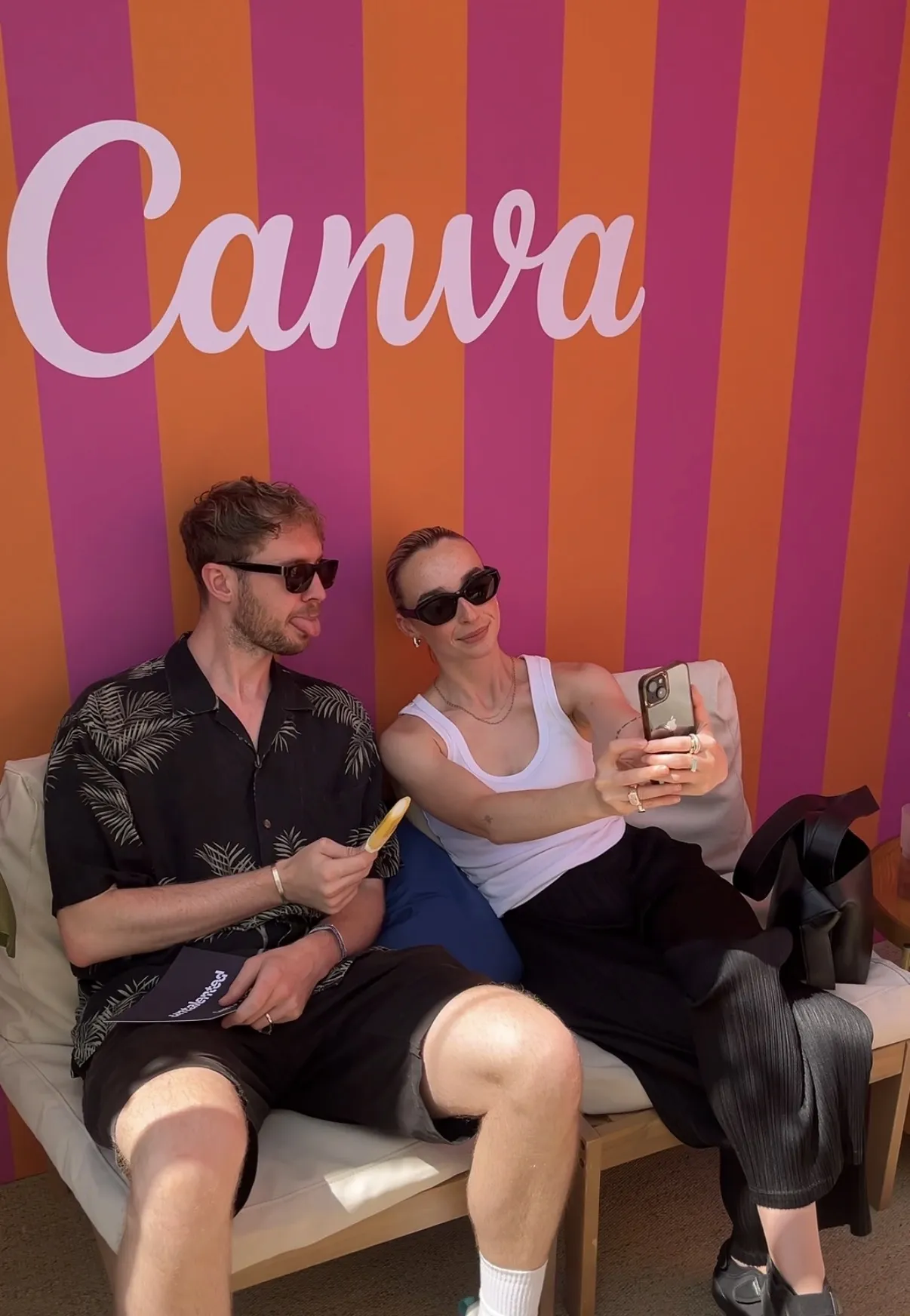
Sam and Molly
Advice for midweights
If you're at the midpoint of your career and feeling squeezed, managing partner Sam Winward's words may feel unsettling. "The midweight level is pretty tough right now," he reports. "There's an enormous amount of pressure to perform at the standard and speed of seniors, but without being paid the same."
But before you get too depressed, here's the consolation: midweights carry a perspective that seniors simply don't have. They grew up in an industry where AI and social media already existed, watching brands compete for their attention across entirely new channels. And that's a real advantage, if you use it deliberately.
Sam's advice is to consider going brand-side sooner than you might have planned, build a hybrid skill set across disciplines, and resist the assumption that the industry begins and ends with the 20 agencies you see at Cannes. "It surprises me how small a lot of midweight networks are," he says. "So I'd actively encourage people to get out more, build relationships and be in the room."
He's talking about the enduring value of old-fashioned human contact, encouraging you to reach out to people for a coffee, find mentors with 20-plus years of experience, and recognise what showing up in person can still do for your career, in a world that's gone heavily remote.
As for AI, Ollie's view is level-headed in a conversation that usually isn't. "Be careful of those who are making it their entire identity," he says. He believes AI will become a horizontal layer in every business, unremarkable in the way that electricity is. Treating it as a competitive advantage in itself, he suggests, is a position with an expiry date.
What AI can't replicate is the thing the creative industry actually sells: the ability to win human attention and hold it. "If we all have the same tools, the playing field gets levelled," Ollie reasons. "There isn't suddenly loads more attention. If anything, there is less and less every day. So we need to be more creative and more imaginative than we've ever been."
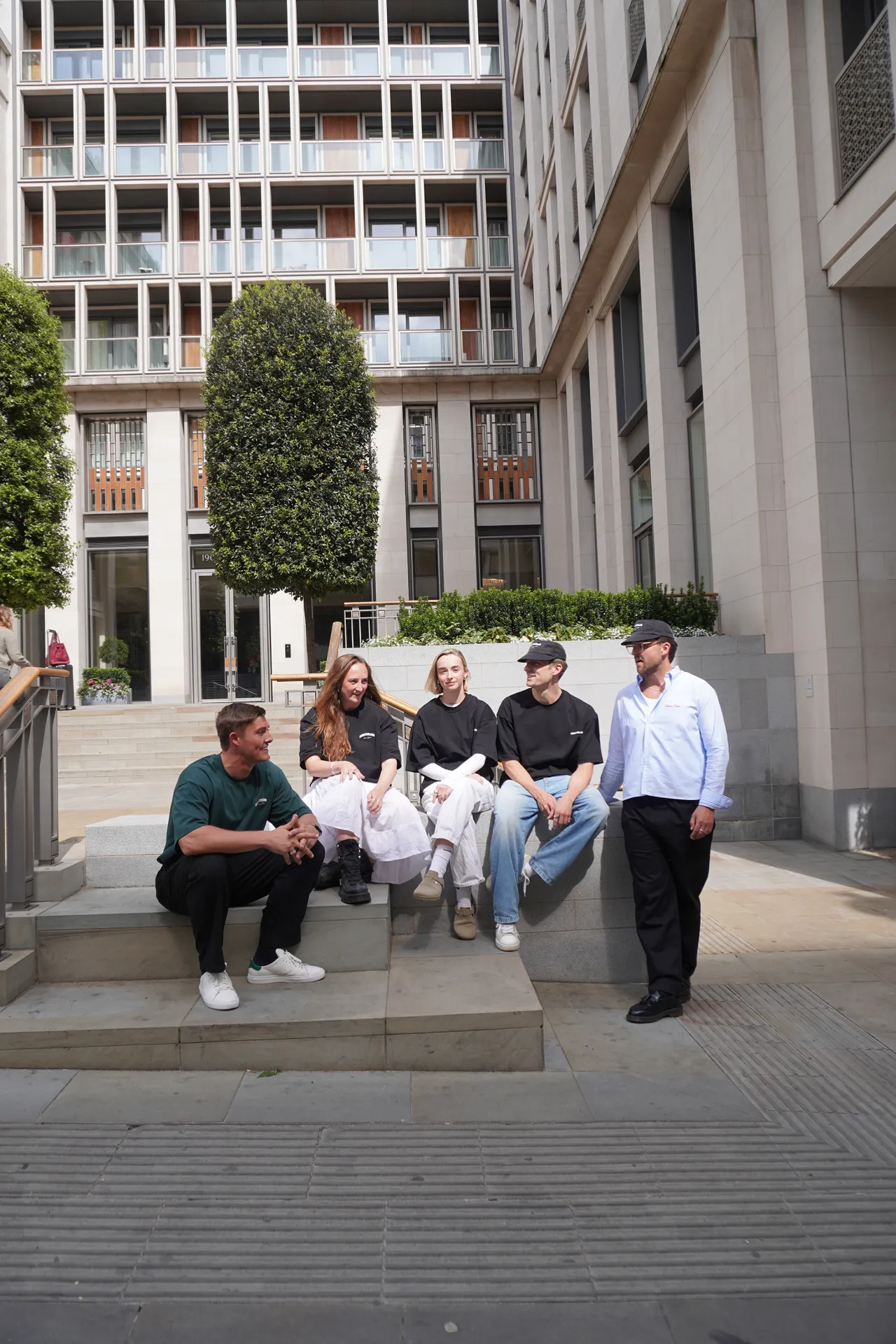
The UNKNOWN team
The case for optimism
Ollie's watched the industry navigate the Pandemic, the Great Resignation, a cost-of-living crisis and now the AI moment... and he's noticed the same thread running through each of them. "Optimism, hustle and creativity got us through," he says. "And we all became stronger."
That's not a motivational quote on an Instagram post. That's proper advice, from someone who, when COVID hit, co-built a 2,000-person creative community that helped raise over £3 million for charities on the brink. It comes from someone whose workshops in London and New York invited the industry to write on the walls what they hated about their jobs. When honesty was needed, they tried to provide it.
Today, Ollie's question for any creative who's genuinely worried about the future is this: "Who has a poverty of what you have and a wealth of what you don't? That's where you should be."
It's a useful reframe. In a world where AI is compressing certain kinds of creative output, genuine human creativity, the kind that earns attention and keeps it, is becoming rarer and more valuable at exactly the same time. That's not a bad place to be standing – even if it does feel a bit, well... unknown.
Editor's Picks
Trending

Latest Jobs
Associate Web Designer at Planhat
Full-time·London·£30,000 – £35,000
Creative Director at Art&Graft
Full-time·London·£70k-£90k
Brand Strategist at DNCO
Full-time·London·£45k-£60k
Digital Marketing Executive at Arise
Full-time·Sheffield·From £23,750
Senior Digital Designer at 3800
Full-time·Sheffield·£40k-60k
Midweight Designer at All Purpose
Full-time·London·£30k–38k