Ibiza Art Weekend: music producer Seth Troxler on why creatives should care about deep ideas
At Ibiza Art Weekend, the Detroit-born DJ and producer makes a passionate case for conceptual art, tangible culture and creativity that outlasts the scroll.
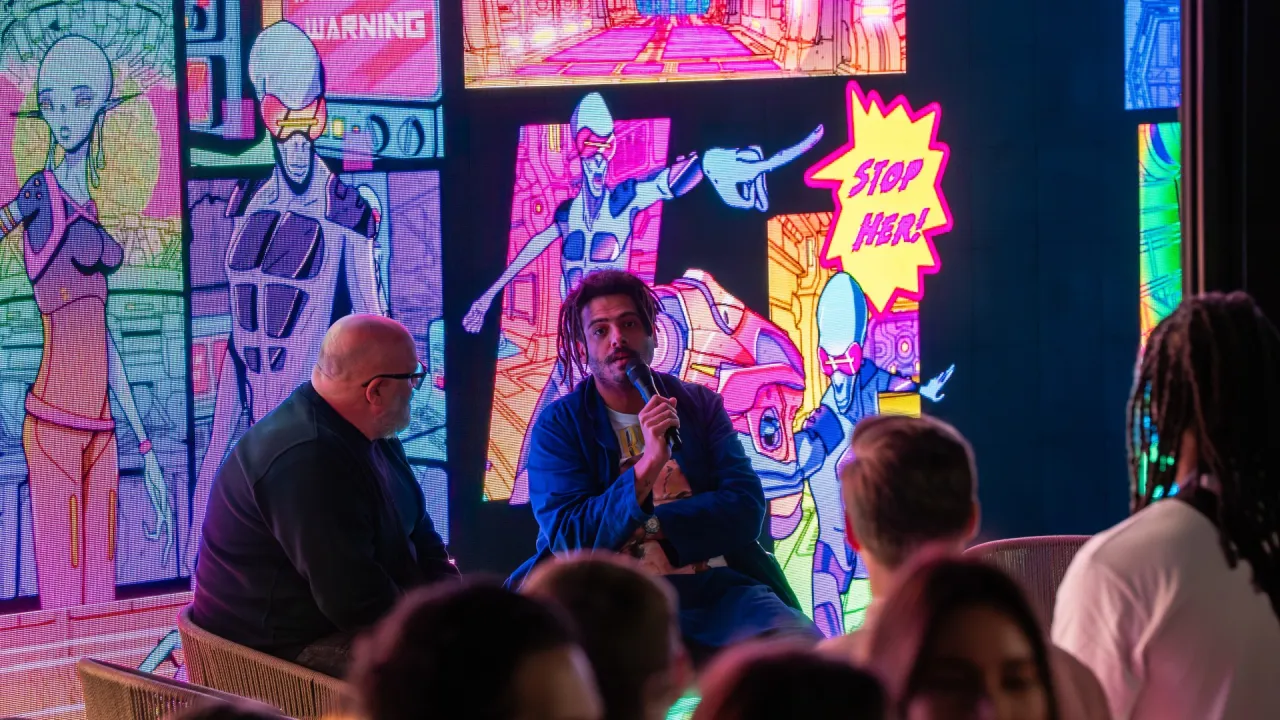
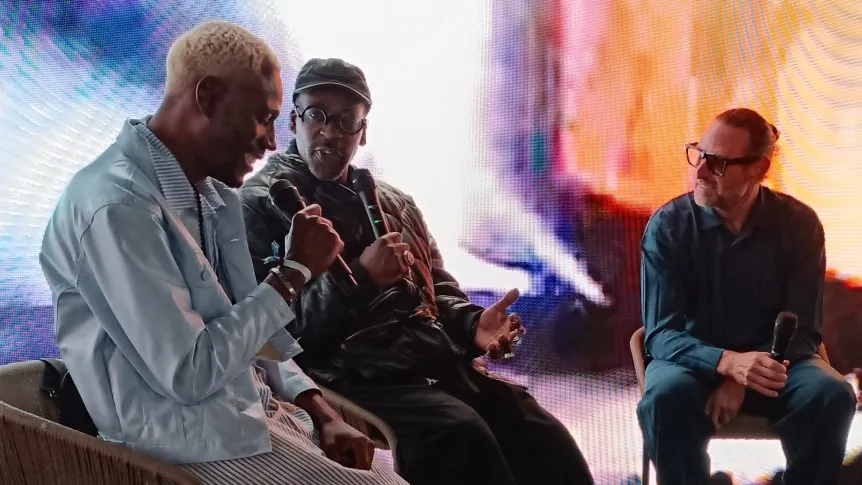
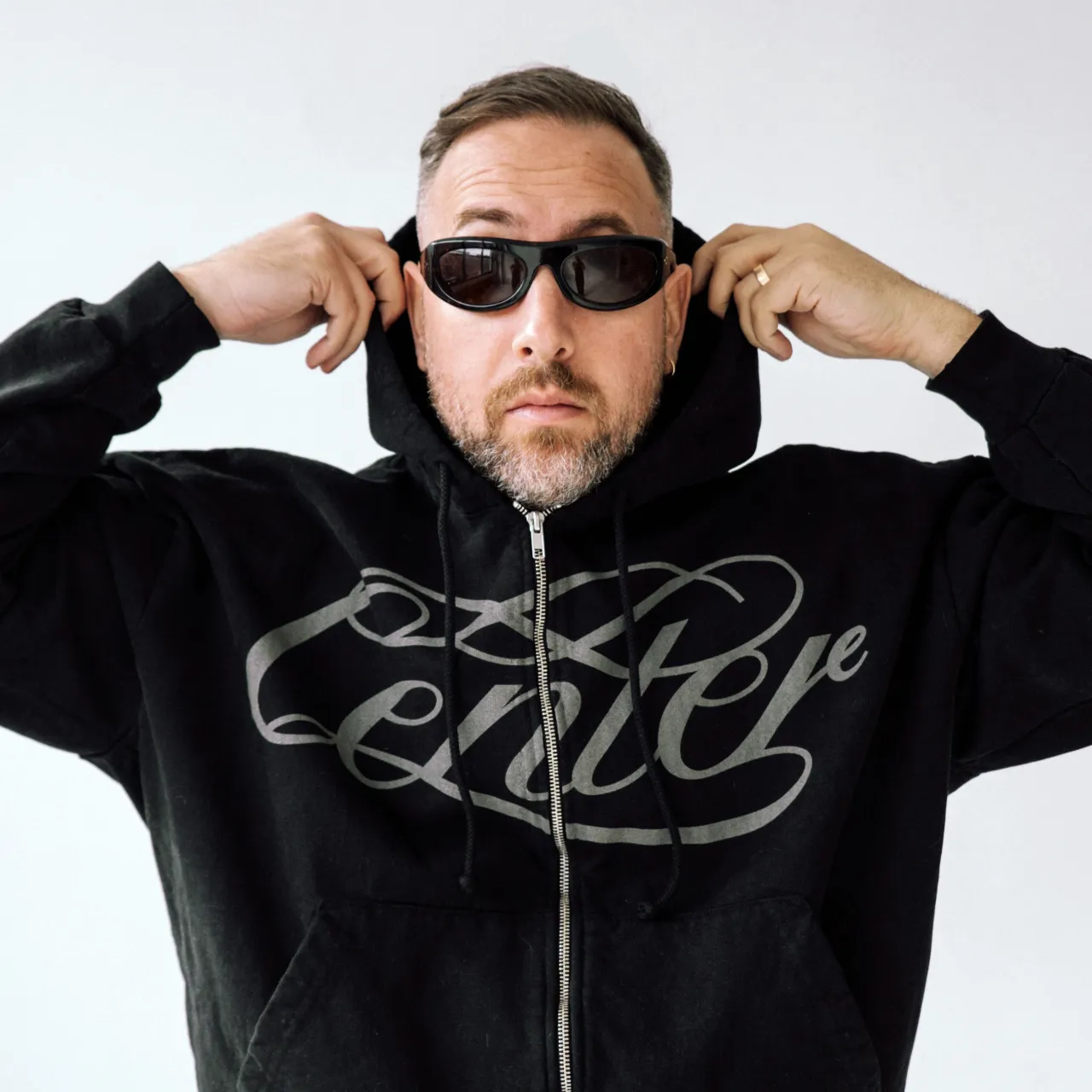
DJ Seth on the mic being interviewed by Simon Dunmore
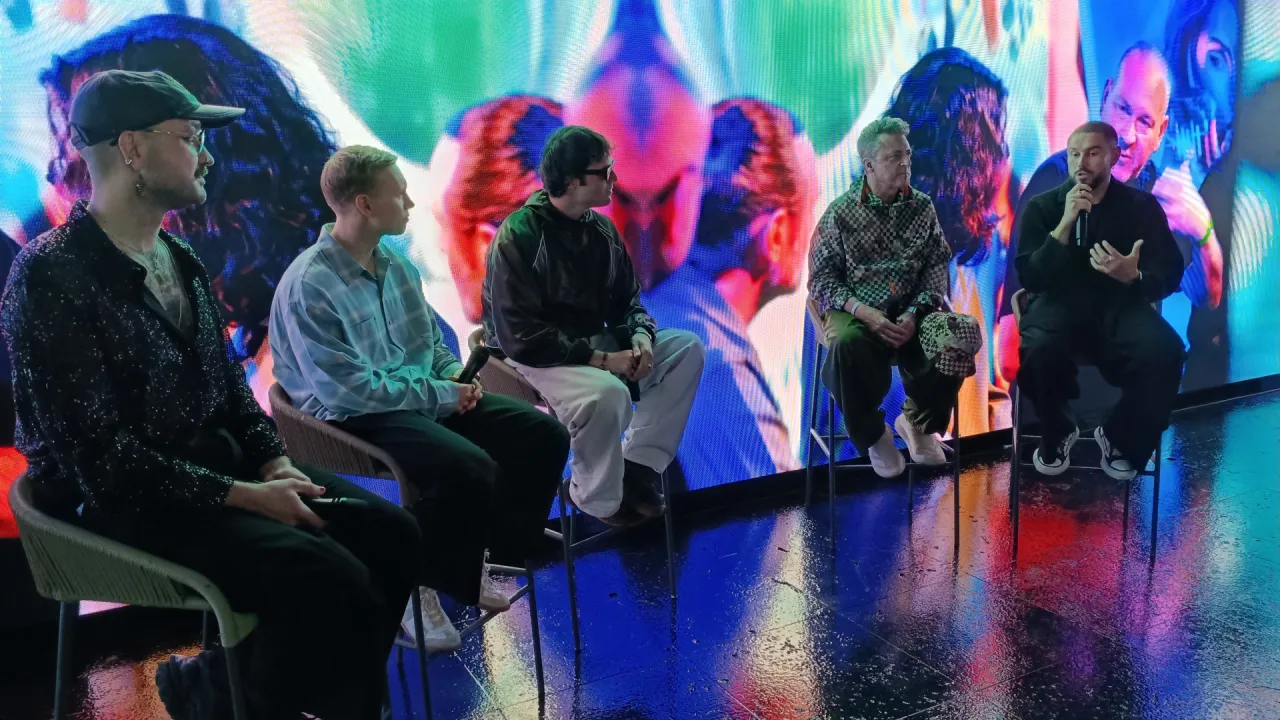
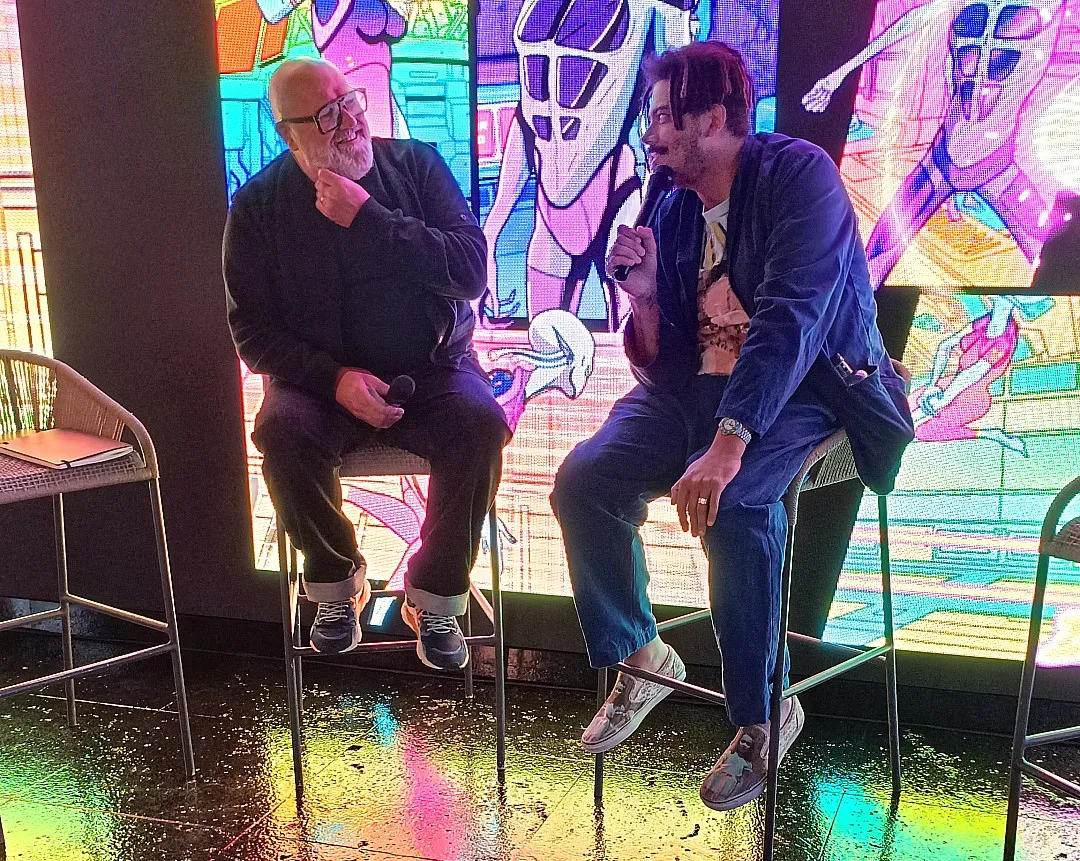
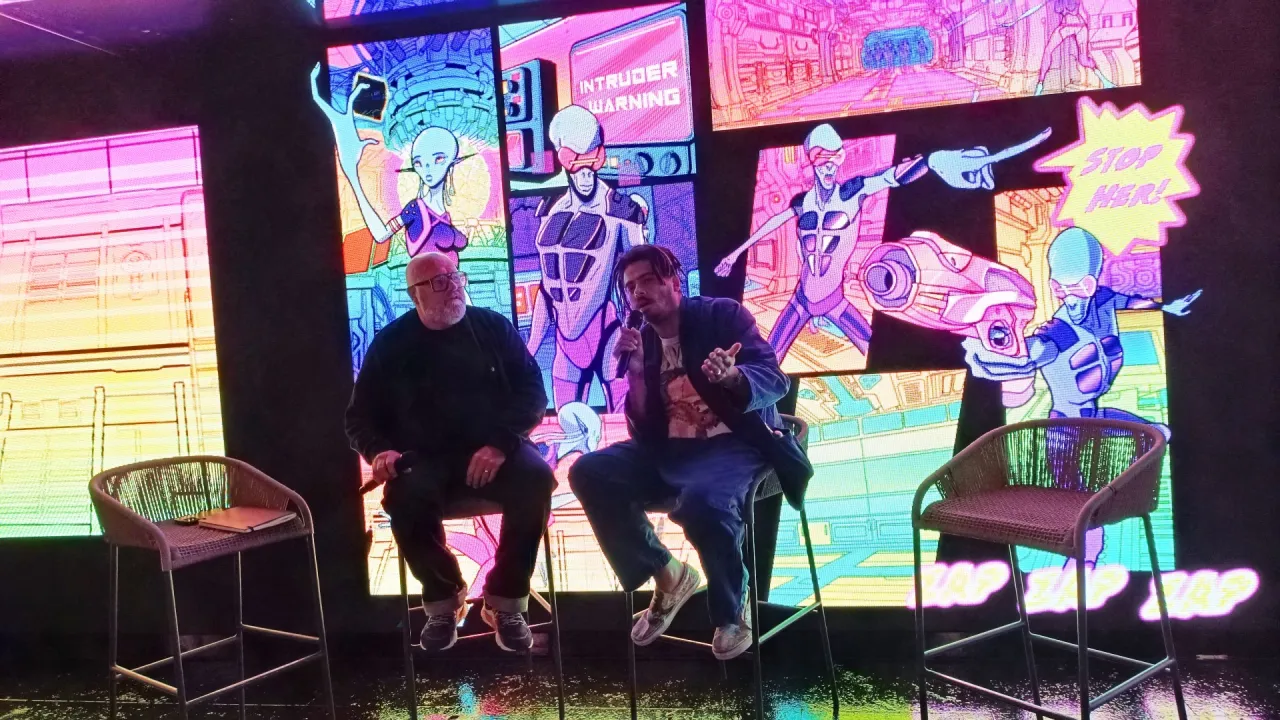
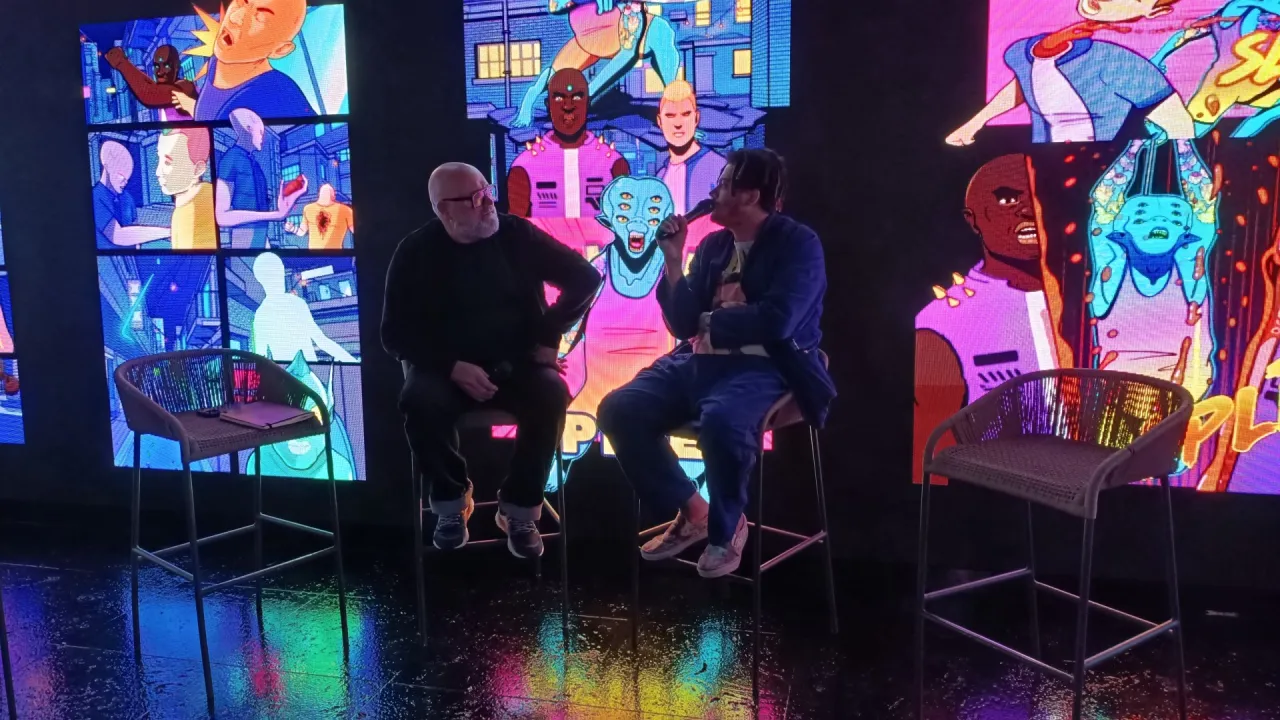
The screens behind Seth Troxler are pulsing with alien characters, neon cityscapes and comic-book imagery. It's the visual world of Lost Souls of Saturn, his long-running project with collaborator Phil Moffa, and it's not the kind of thing you'd expect to see in a nightclub in Ibiza. Which is, right now, exactly the point.
This is the Sound & Vision panel at the Culture Collective Ibiza Art Weekend, a two-day symposium organised by London-based art platform W1 Curates in partnership with The Night League, the company behind superclubs Hï Ibiza, Ushuaïa Ibiza and [UNVRS]. It's part of a season-long exhibition that's turned three of the world's most famous clubs into art galleries for the summer. Seth is in conversation with Defected Records founder Simon Dunmore, and it quickly becomes one of the most honest conversations of the weekend.
Candid is very much Seth's mode. Raised on the outskirts of Detroit, now splitting his time between Berlin and Ibiza, he's one of electronic music's most recognisable figures: voted the world's number one DJ by Resident Advisor in 2012, a regular at Fabric, DC-10 and Glastonbury Festival. But today he doesn't want to talk about any of that. He wants to talk about whether depth still has a place in a culture built on instant gratification.
No one really gives a f-
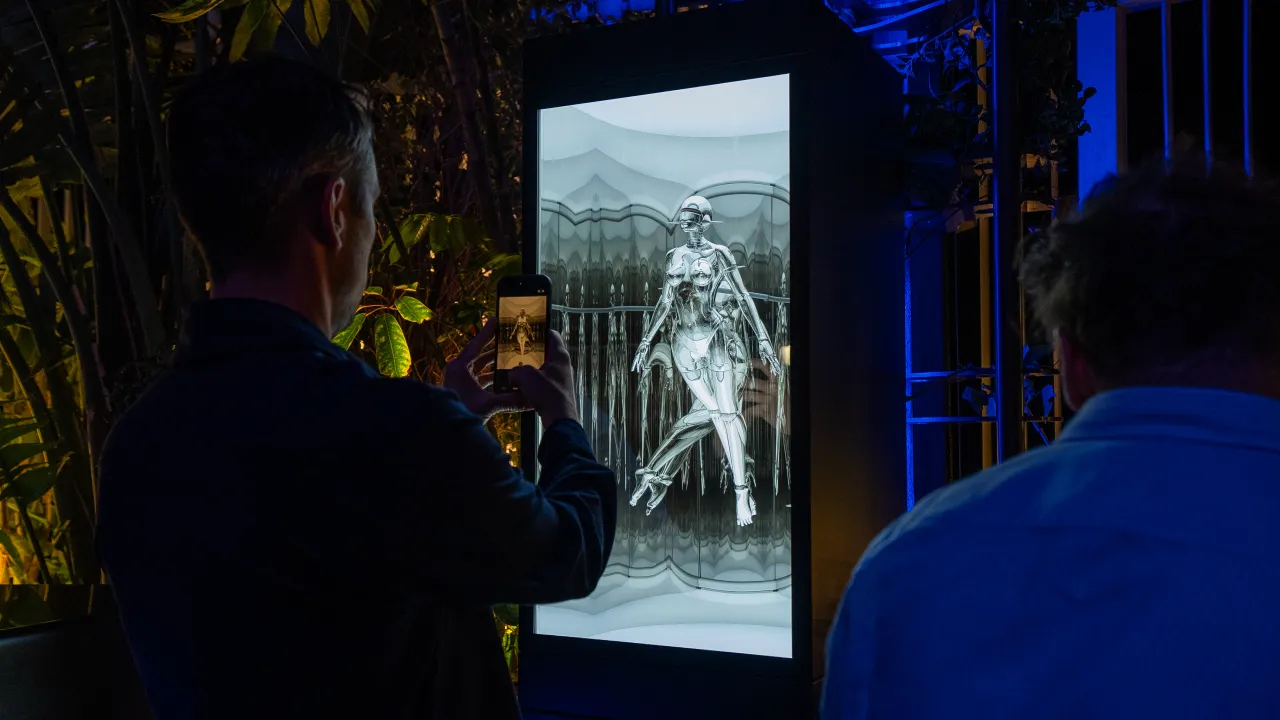
Lost Souls of Saturn started around 2015, when Seth began making music with Phil Moffa, and the project grew into something far bigger than a side project. The result was two albums, a series of augmented-reality comics, and installations at the Saatchi Gallery in London and the Fondation Beyeler in Basel. All built around a conceptual universe of Saturn worship, alien mythology and holographic reality.
"Being from Detroit, conceptuality in music has always been paramount," he says. "If you look at Richie Hawtin, if you look at Underground Resistance, it's always been a cornerstone of how we create. But currently that's been lost in the commercialism of what music has become."
The augmented reality comics are a good example of what he means. Each page comes alive when you hold your phone over it, with each panel triggering a sound that builds the album's soundtrack. It puts the audience in control of how the music unfolds. It's an inventive idea, and yet Seth is refreshingly straight about how it's landed. "You would think that two ten-year projects that are highly conceptual-driven would have been an easy sell," he says, with a wry smile. "But no one really gives a fuck, right?"
He means it. "The ideas of art and music are to push people out of their boundaries and inform. But if you go too deep, no one gives a fuck. That's what I'm trying to get across: can deep conceptuality still exist next to mass commercialism?"
Famous when dead
Seth is funny and irreverent on stage, and he's aware that the public persona can obscure what's underneath. He draws a parallel with comedian Eric Andre, who is also a classically trained jazz musician and recently released a conceptual album of scores for films that don't exist.
"It's kind of funny being known as this extreme comedian when you're also a classically trained jazz musician," Seth says. "But things can live in parallel. We can live in parallel universes of art and commerce and still get ideas across."
The consolation is legacy. Lost Souls of Saturn has been well received by museums, and Seth plays the long game with genuine conviction. "As an artist, when you start looking at your legacy, it's kind of nice to create little points, create many things, so that at some point your whole body of work becomes something that people look back at and go, 'Oh wow, they did that,'" he says. "In 15 or 20 years, when the mediums we were among the first to use have become normal, I hope to be a reference point in museums around the world."
He pauses, then laughs. "My biggest fans are 60-year-old people. It's not quite the club crowd, but it's cool to just create things."
Holding on to something real
A thread running through everything Seth says is the importance of tangibility: the idea that physical objects carry a weight that digital content can't match. He links it directly to vinyl, a subject he's long been passionate about.
"Tangibility in this digital world is so important," he says. "Art offers something real, that's visceral, something you can hold and see rather than something you just flip through on your screen for two seconds. That's deeply important in the society we live in."
He thinks we may be approaching a correction. "I think we're going to come to a point where art and ideas come back and take the main stage away from things that are artificially produced. The human touch, the ingenuity of what we can produce, I think that's going to matter again."
The attention economy isn't going away, he accepts, but it doesn't have to win. "You get two or three seconds to grab people's attention. But you have to keep going, keep representing it to people, until it sticks. And then they go on the deep dive and find out what you really intended."
Make art because that's what you do
Seth's closing argument is simple: make art because you're an artist, not to build an audience. "You make art for art's sake," he says. "You don't make art to get famous. You create to create. Artists create because that's what they do." Both Lost Souls of Saturn albums took a decade to develop. "We were obsessed with it. We have a diary, a book of all these different rules, created different pamphlets and things, because I think it's really important to have conceptuality in dance music at a time when people are moving further and further from that idea."
Behind him, the screens shift to a new sequence: strange figures, alien architecture, a world with its own internal logic. It's easy to imagine a clubber walking past, glancing up, and wanting to know more, which is, perhaps, exactly how it's supposed to work.
"Trying to create things that last forever is one of the hardest things we're going to do," Seth concludes. "But someone has to give it a go."
Editor's Picks


Trending



Latest Jobs
Creative Project Manager at Analogue
Full-time·Leeds·£28k–£35k
Midweight Designer at All Purpose
Full-time·London·£30k–38k
Diploma in Professional Studies Coordinator at London College of Communication
Contract·London·£52,977 to £63,815
Senior Digital Designer at 3800
Full-time·Sheffield·£40k-60k
Senior Front End Developer at Crown Creative
Full-time·Belfast·£50k–£60k
Design Director at Koto
Full-time·London·£72k-£90k