Ibiza Art Weekend: fashion design is changing—in a way you might not have noticed
In 2026, designer labels are finding a new home: not behind the red rope, but on the dancefloor.
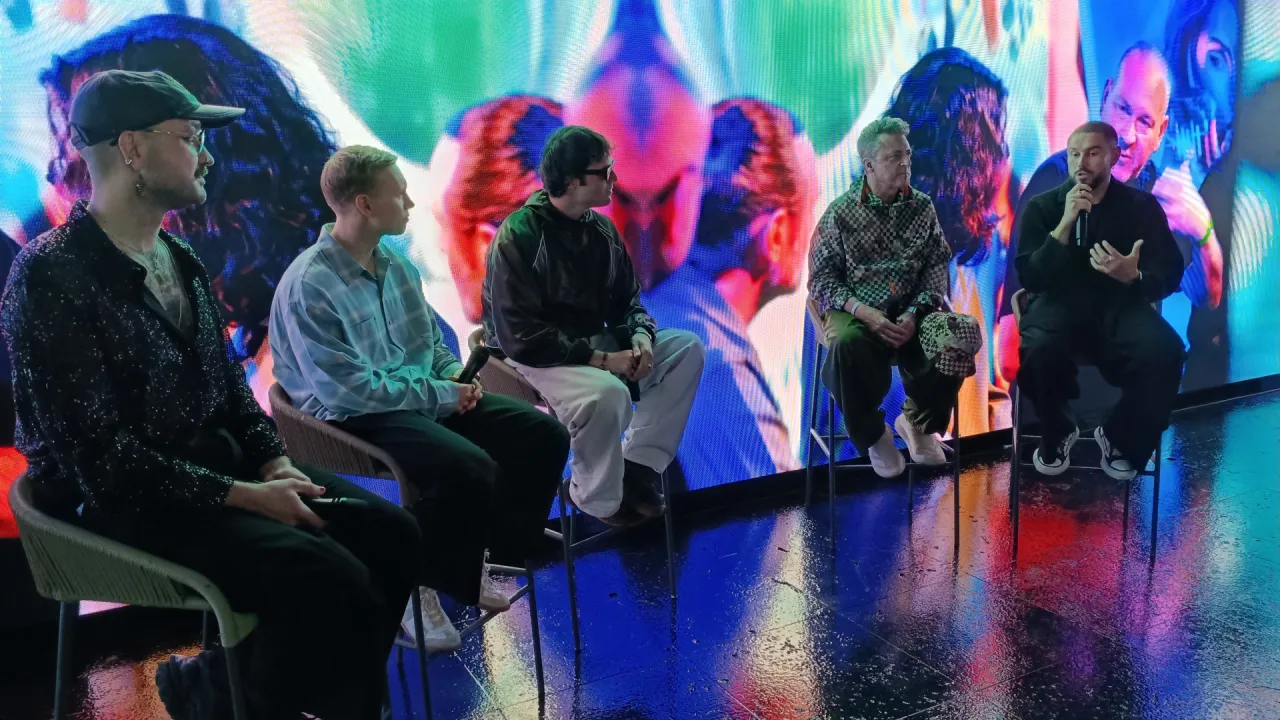
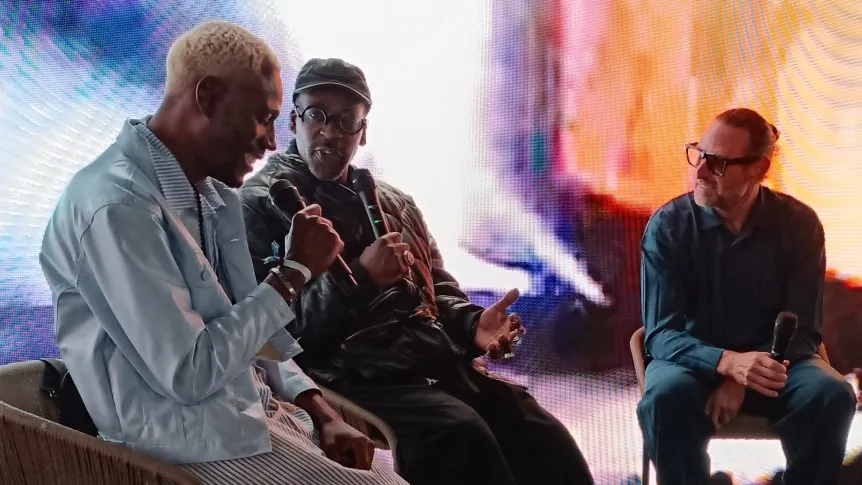
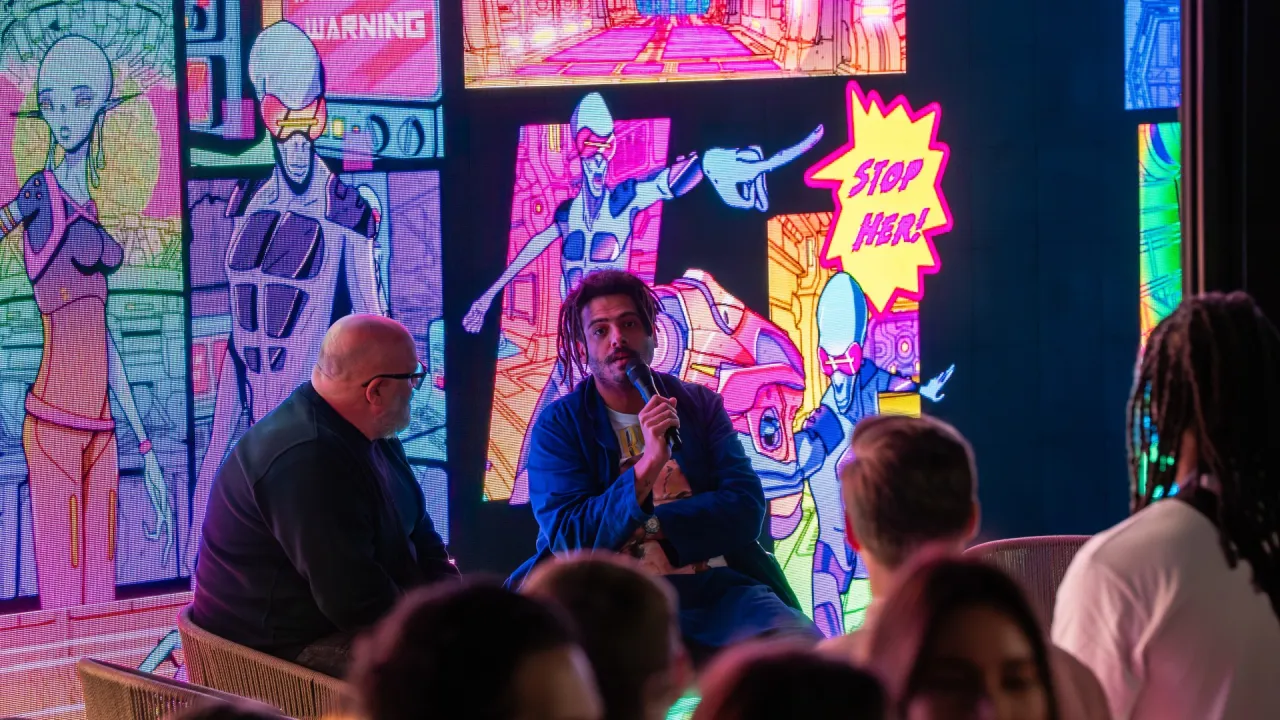
For most of its history, high-end fashion had a specific address inside a nightclub: the VIP section. But now that's changing fast, and a panel in Ibiza this weekend shed light on why. The discussion took place as part of Culture Collective, a symposium staged in the famed club Hï Ibiza, and it made for fascinating listening.
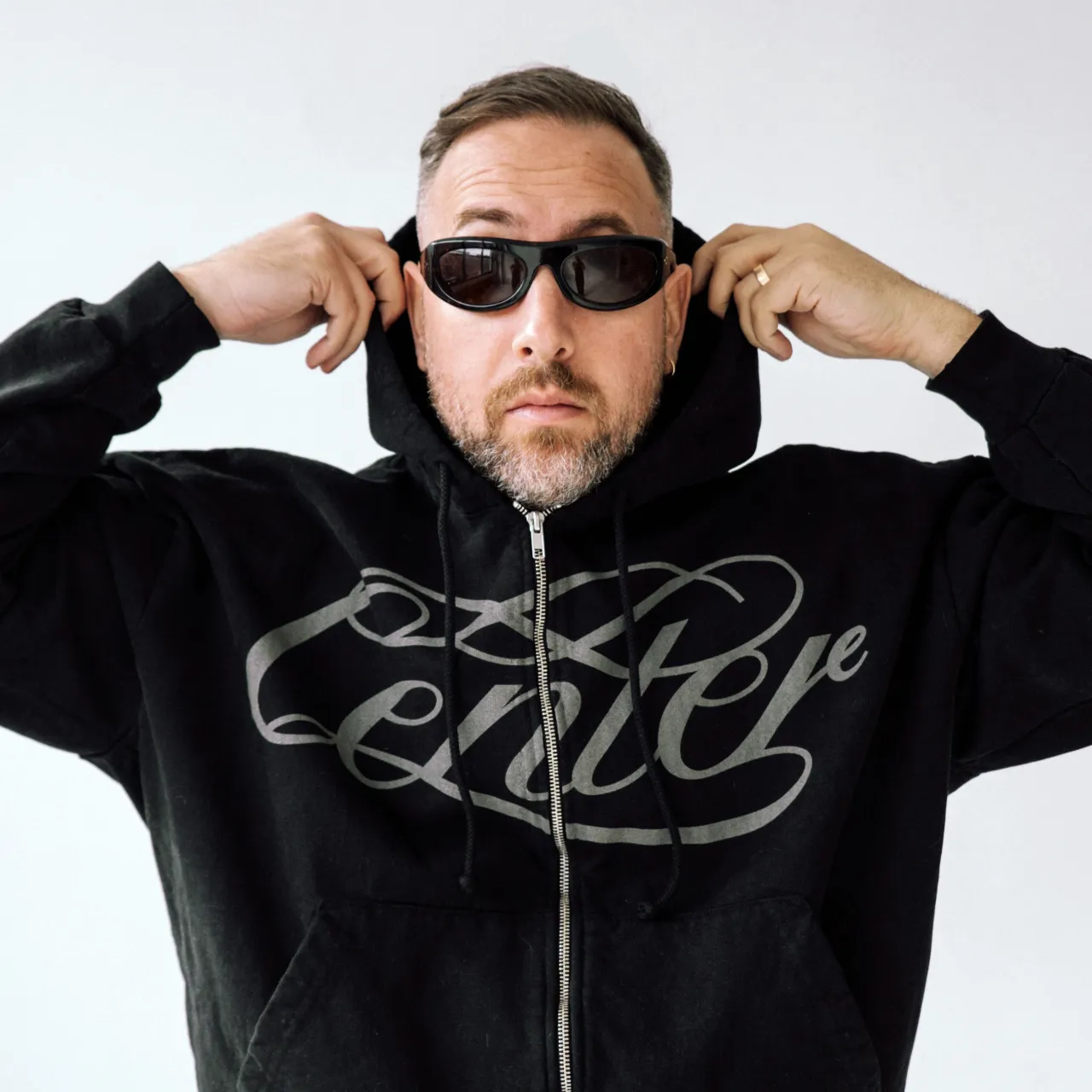
Run by London-based art platform W1 Curates in partnership with The Night League (the company behind superclubs Hï Ibiza, Ushuaïa Ibiza and [UNVRS]), the panel brought together Sam Mooney, creative director of The Night League; Alberto Furlan, head of design at streetwear brand Palm Angels; Charlie Turner, a menswear buyer at premium retailer Flannels; and Jeremy Healy, whose career stretches from art-pop duo Haysi Fantayzee to 90s superstar DJ status, and more recently creating music for catwalk shows at Dior and John Galliano.
It's a varied and thoughtful group, and the conversation moves quickly, so hold on to your (immaculately designed) hats…
From VIP to dancefloor
Sam's best placed to describe what's actually happening on the ground, and his view is clear. Designer fashion used to be confined to separate VIP areas, neatly tucked away from the main dancefloor. Now, though, it's everywhere.
"What I've noticed in recent years is that the dancefloor is full of higher fashion: the Diors, the Palm Angels, the Off-Whites," he says. "Clubland has become much more integrated with these fashion brands across the board. People save up and get an amazing piece that they love to wear, for the big night out they've been saving up for."
In Ibiza specifically, the ritual around what to wear has become inseparable from the experience itself. "There are people who'll wait all summer for this big moment," says Sam. "They plan outfits, they plan everything around it." It's a form of self-expression that's entirely in keeping with what these clubs are: not just places to dance, but stages on which people perform versions of themselves.
And that's where design comes in. Charlie, whose job requires him to think carefully about where culture is heading, puts it plainly. "Fashion, arts and music: they're all expressions of the same cultural energy. At Flannels, we look at them as the same industry now."
It's all about sex
Having spent decades watching the relationship between music and fashion from both sides, Jeremy Healy strips the whole conversation back to something more fundamental. When asked what the two worlds actually share, his answer is blunt. "It's all about sex, right?" he says. "What we do on the dance floor is a mating dance. What people do in fashion is to make everybody look as sexual as possible. So they're intrinsically linked."
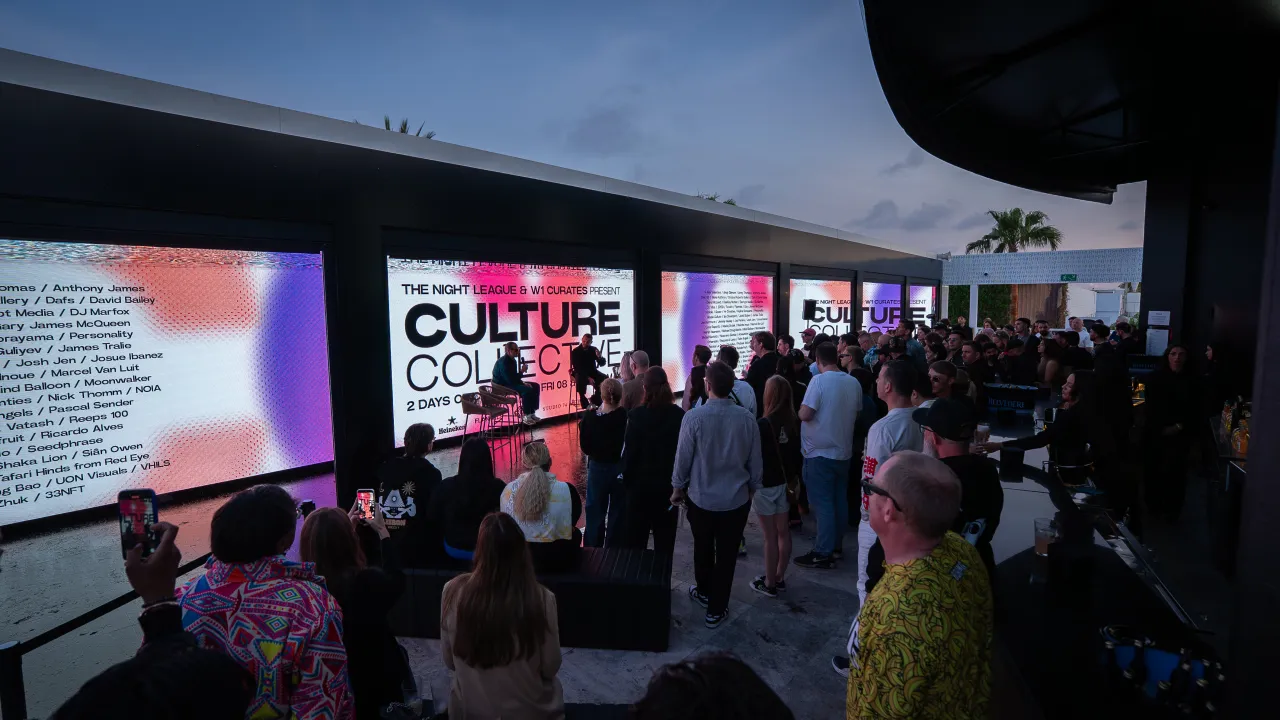
It's the kind of plain talk that cuts through a lot of brand strategy waffle. People dress to attract attention; the dancefloor is where that impulse finds its most concentrated expression. Ibiza, which draws millions of visitors a year to do exactly that, is probably the most intense version on the planet.
Jeremy traces the arc of how this has evolved, from the New Romantics of the early 1980s—when going out meant theatrical excess—to the arrival of acid house, which flipped this on its head. "Before acid house, there was the New Romantics," he says. "But then everybody just wanted to get undressed and sweaty. That was quite influential."
That big shift—from dressing up to stripping off—is one of the pivotal moments in the history of both clubbing and fashion; proof that what happens on a dancefloor can reshape what a generation chooses to wear. Now, in 2026, we're seeing another big cultural shift emerge.
The moment comes first
Alberto points out that Palm Angels didn't begin as a fashion label in the traditional sense: it started as a photo book, a document of a subculture, and built its identity around community and shared experience rather than heritage or prestige. "It started from a vision," Alberto says. "Something that connected people. For us, it's really important to create community."
Why does this matter? Because now, the whole fashion industry is moving in this direction. Brands used to design a collection and then find a context for it. Today, though, the context—the moment—comes first. And that's a huge shift.
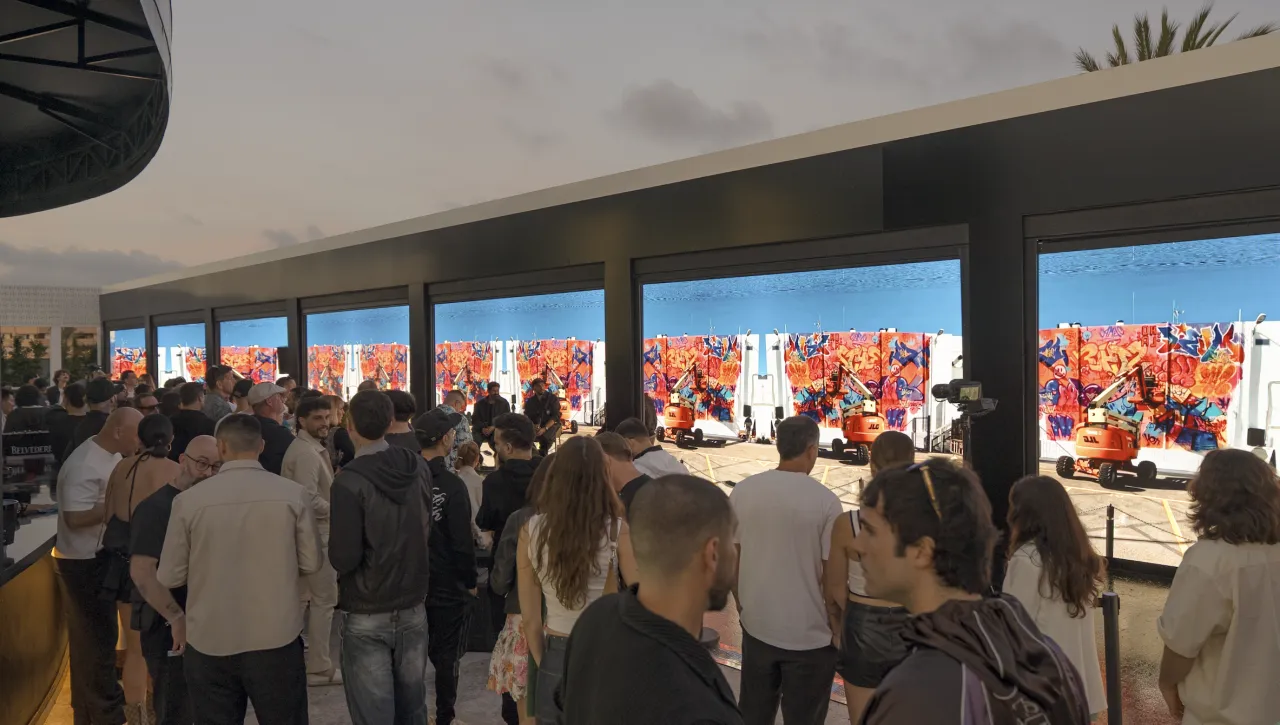
"Right now, you think about the moment: what do you want to communicate, what's the message you want to tell people?" explains Alberto. "And only then comes the product. The important thing is to create a moment, to give people a message. So you create that moment to spread around, and then the product comes up."
The campaign for the new Palm Angels x Night League collection shows this in action. It features Paco, the world champion cliff diver, leaping from impossible heights, with the tagline: "Some people just know how to fly". That image was the starting point; the clothes followed.
Jeremy closes with a thought that neatly ties everything together. The music he creates for fashion shows, he says, draws on exactly the same instincts as Ibiza clubs. "I use the same techniques and ideas when I'm putting together a fashion show as I would a disco set," he explains, "except it's more sophisticated because you can spend more time on it. But the ideas are exactly the same, and the feeling is the same."
And ultimately, I think that's the real lesson here. Fashion, music and art aren't converging because brands have spotted a marketing opportunity. They're converging because they've always been doing the same thing—and the dancefloor, increasingly, is where that becomes most visible.
Editor's Picks
Trending

Latest Jobs
Account Manager at Moxie and Mettle
Full-time·Cheltenham·Up to £35k
Head of Production at Art&Graft
Full-time·London·£80k-£95k
Senior Creative Lead at Random Studio
Full-time·Amsterdam / Paris·€90k-€110k
Creative Project Manager at Analogue
Full-time·Leeds·£28k–£35k
Senior Digital Designer at Red Antler
Full-time·New York·$95k-$130k
Midweight Graphic Designer at We Are Your Friends
Full-time·London·£36k–£44k