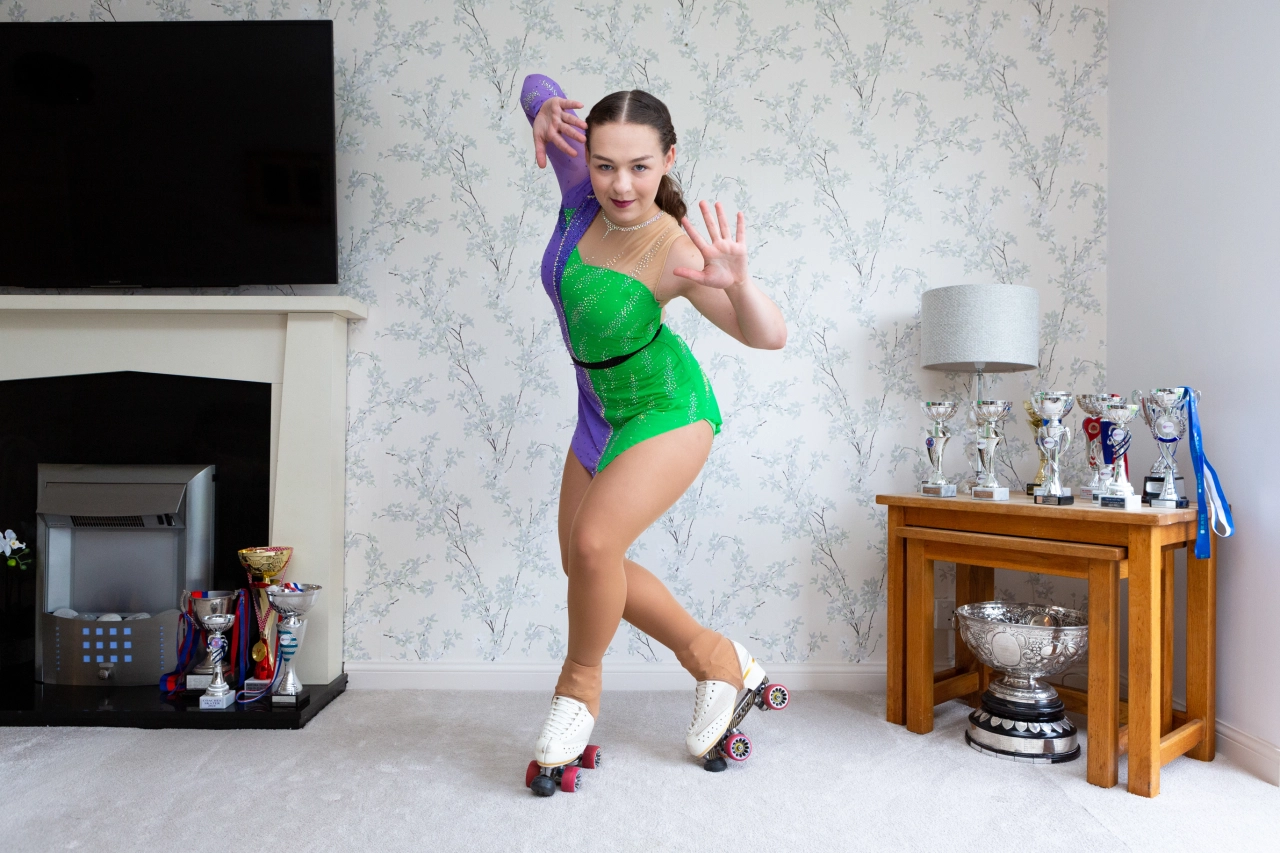
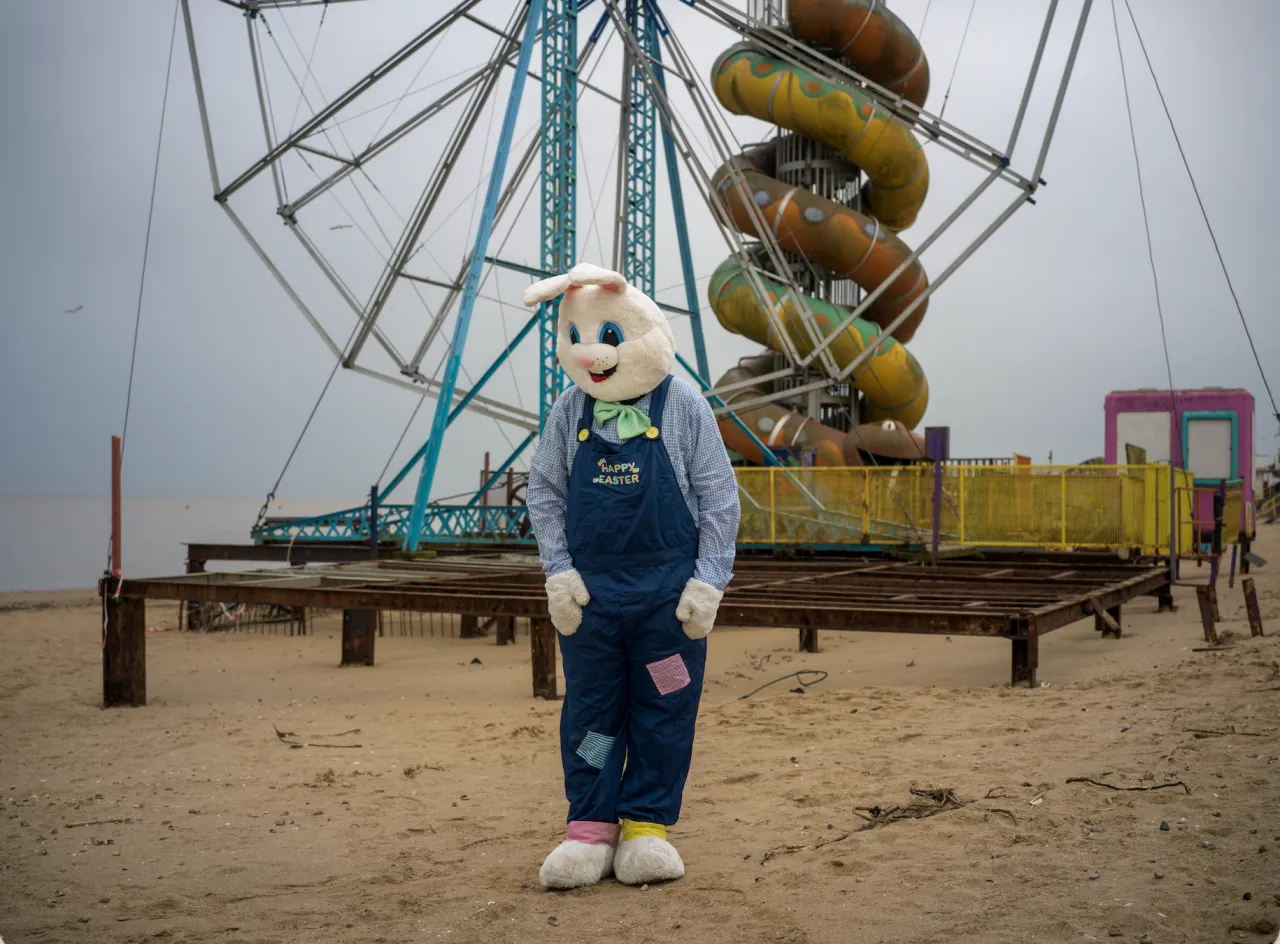
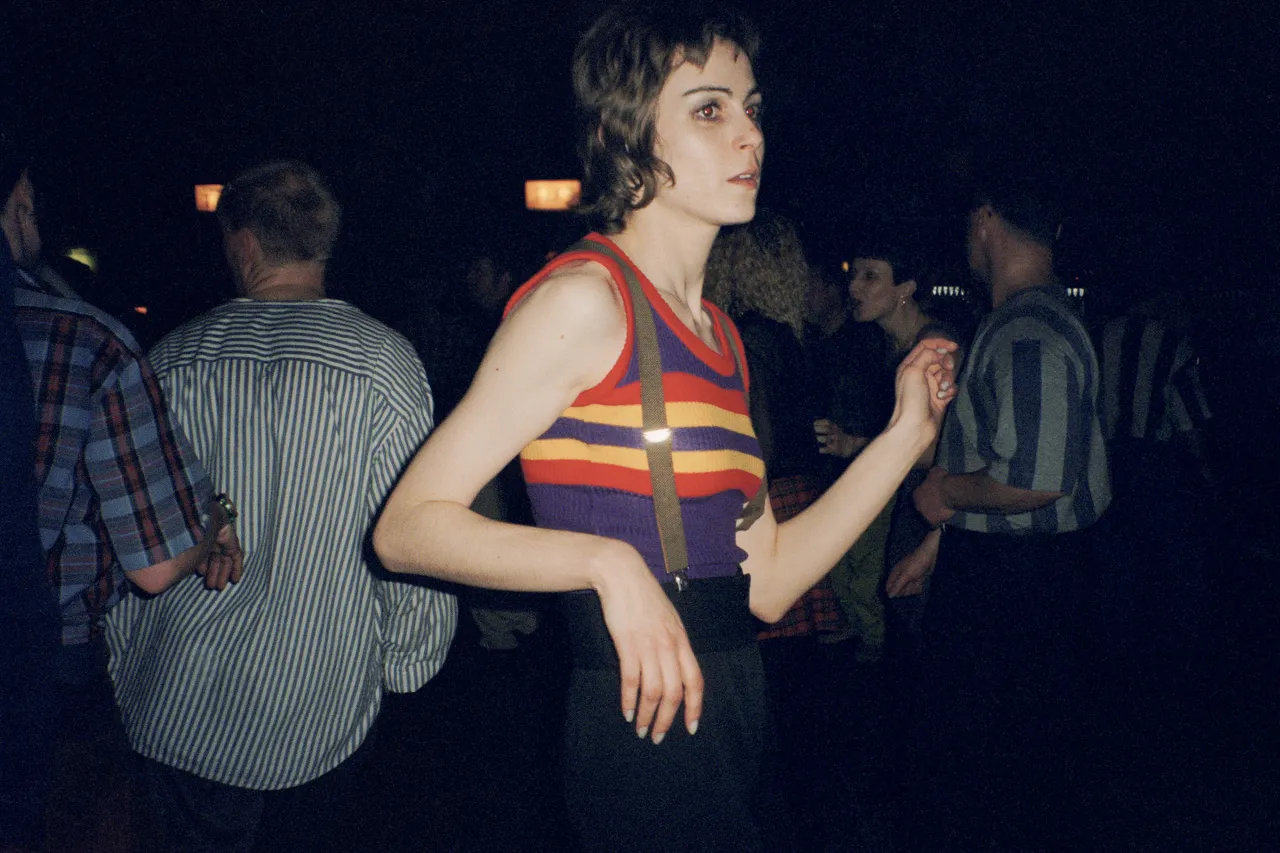
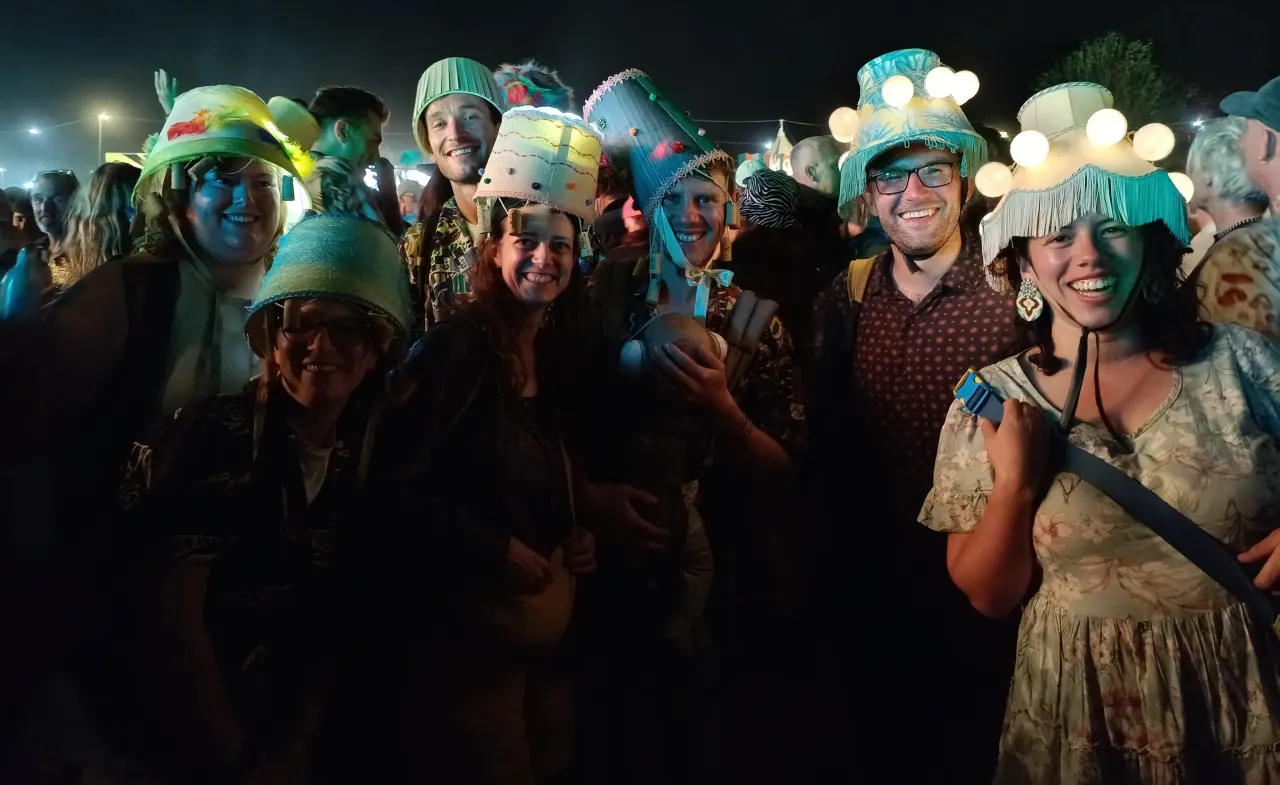
Photographs by Rachel Adams reveal a new generation of Morris dancers
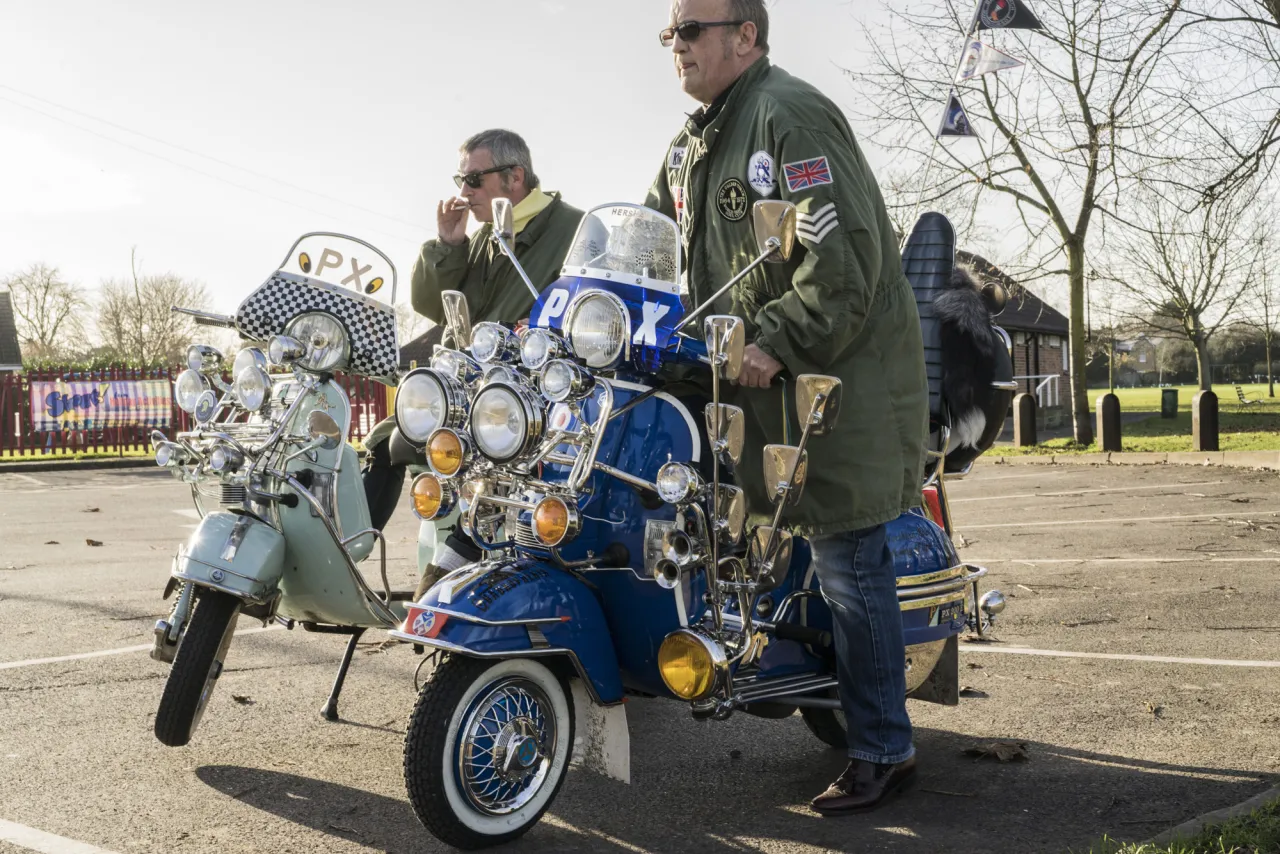
It makes quite the quirky spectacle, Morris dancing, a 15th-century tradition often mocked and seen as outdated. So it's a pleasant surprise to learn that it's making a comeback in some parts of England, as Rachel Adams' new photo series testifies.
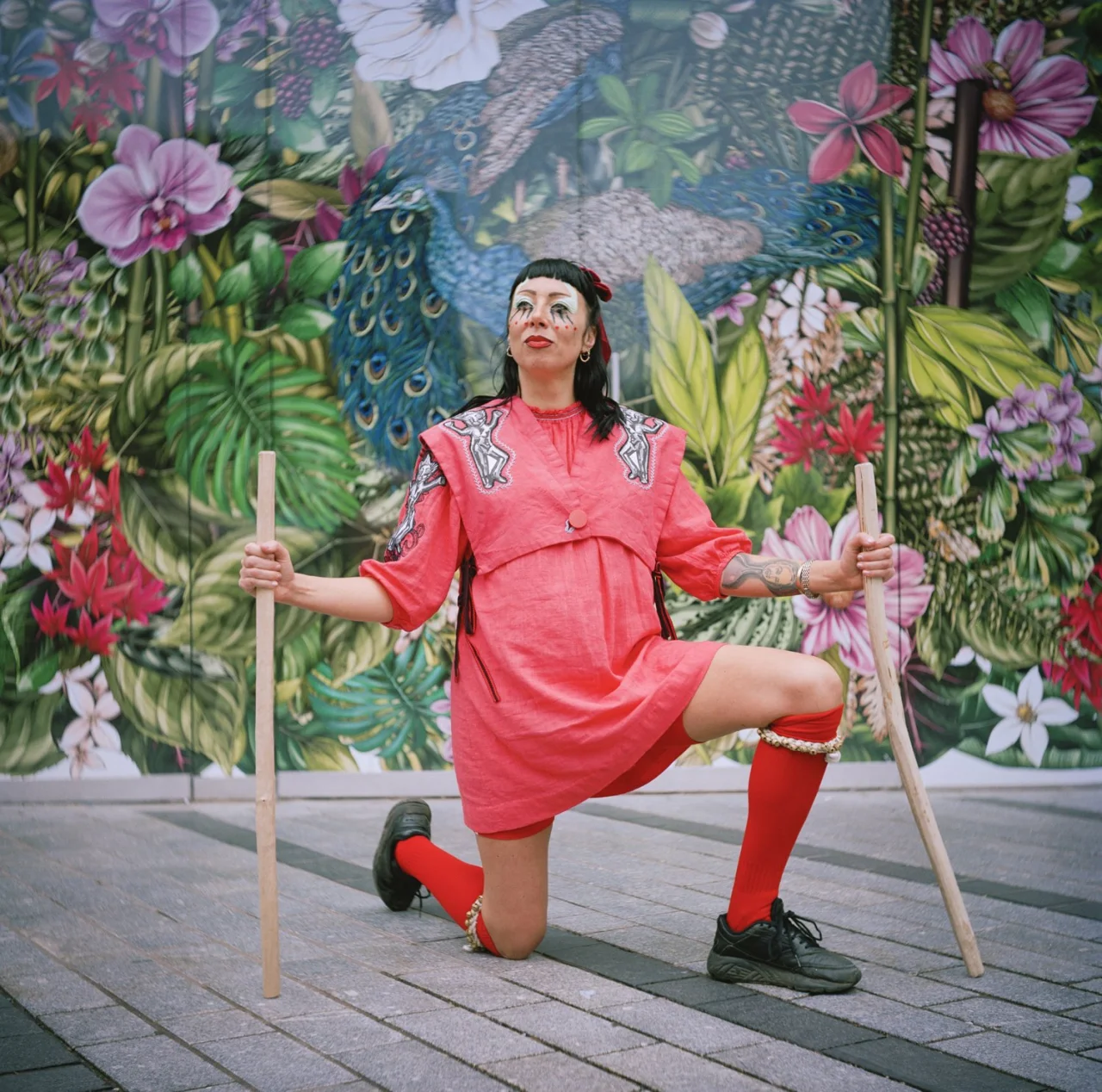
While living in Southampton and working at a local newspaper, photographer Rachel Adams, to her delight, discovered a new generation of Morris dancers performing at pubs, events and festivals. The fresh choreographed figures jumping up and down to music, clad in costumes covered in bells, and waving handkerchiefs and bashing sticks sparked her curiosity. She wanted to know more about what these young people found so intriguing about this English folk tradition, which usually has a bad reputation.
In 2016, she began taking photographs of a growing movement of fresh Morris dancers around England. "I was drawn to this maligned and stigmatised subculture because it felt unfair – other countries promote and value their traditional dancers and costumes, yet in England, they are laughed at as a creepy relic of the past."
Fast forward to today, and the all-female Boss Morris has wowed crowds at the annual Brit awards while performing with the winning band, Wet Leg. You could say Rachel spotted a new craze just before it really took off. She believes its new-found popularity is part of a growing interest in rural traditions, one that is gathering pace alongside land access movements like Right to Roam. But despite all this, Rachel says people are often surprised at how many Morris sides already exist.
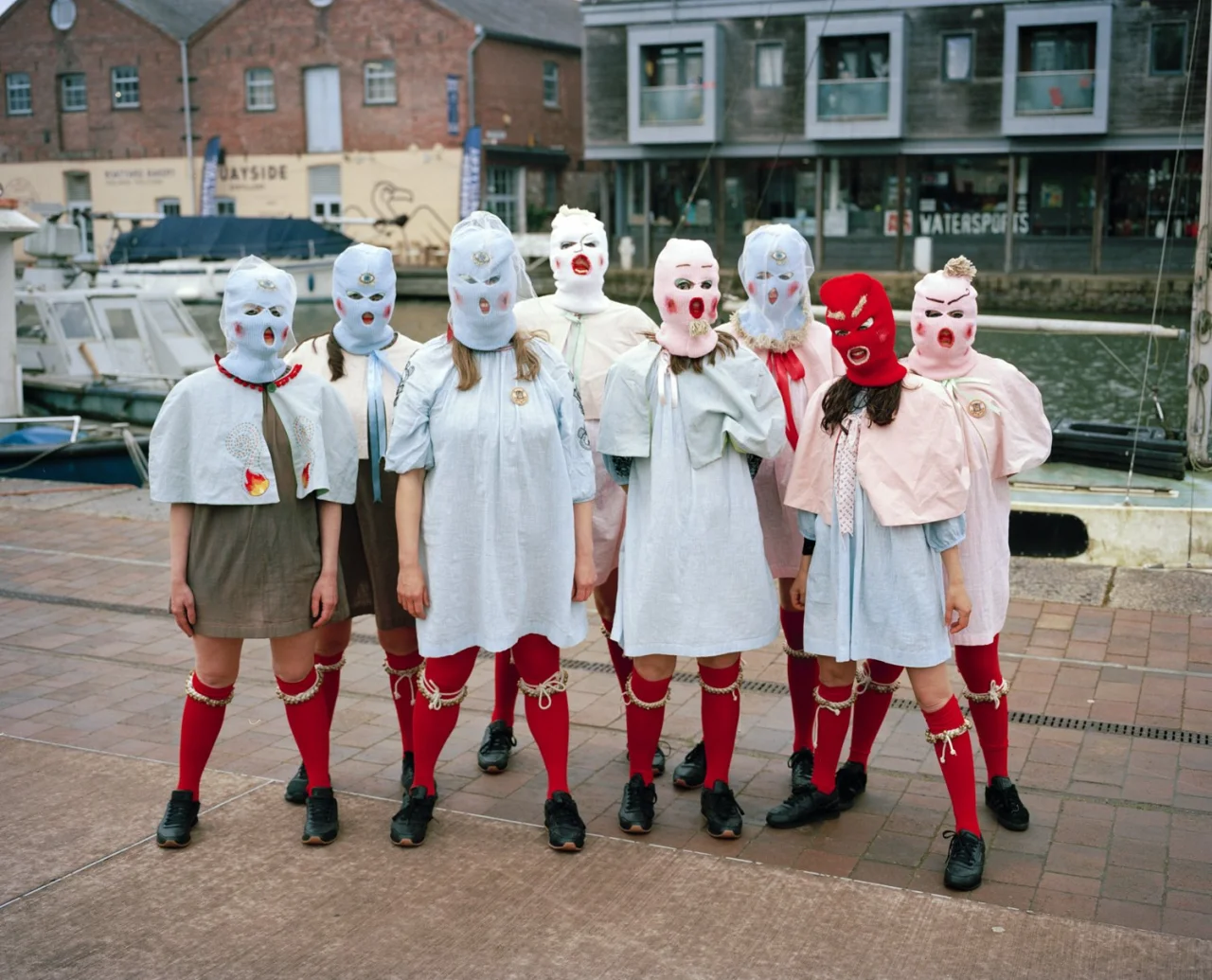
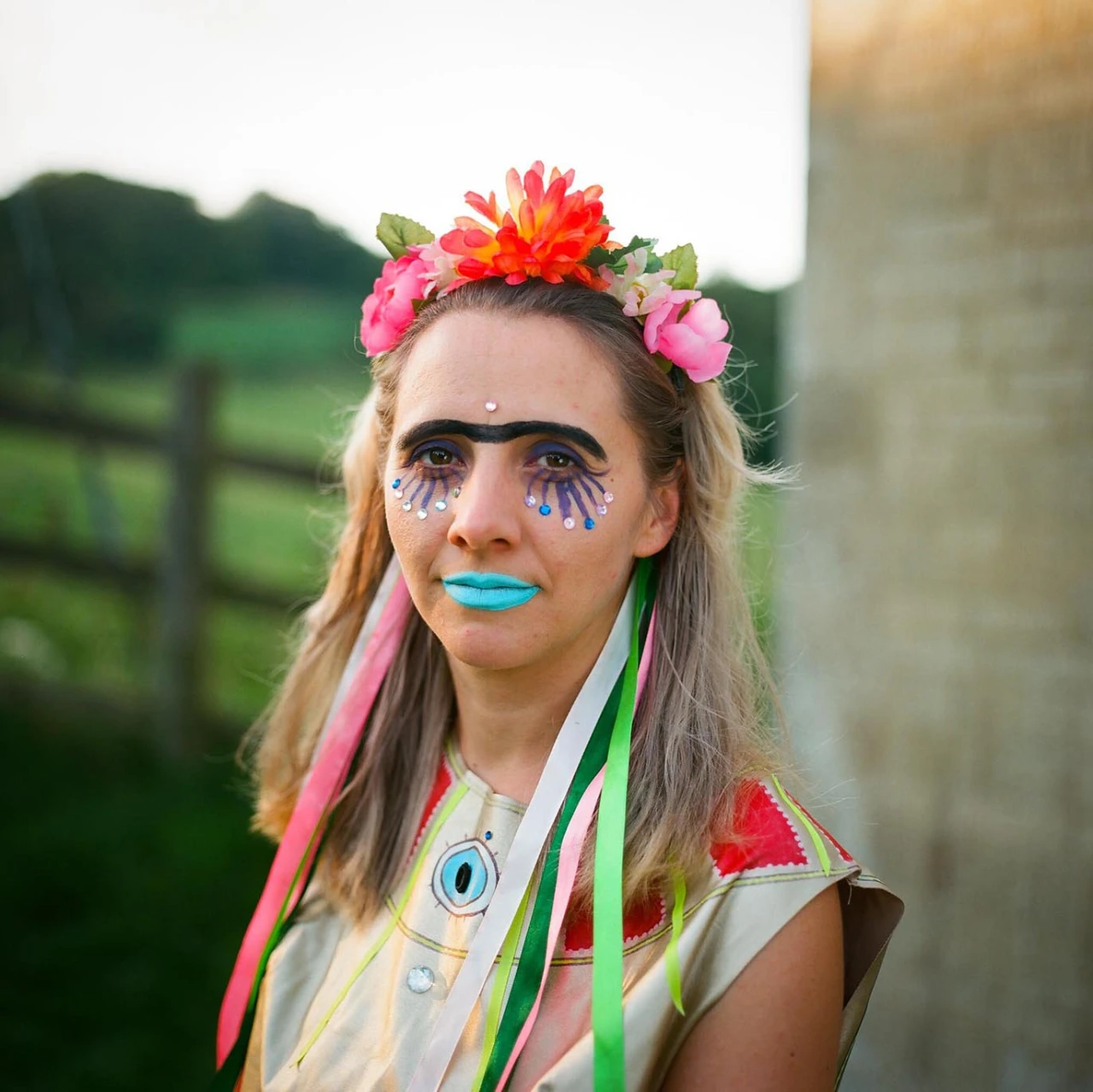
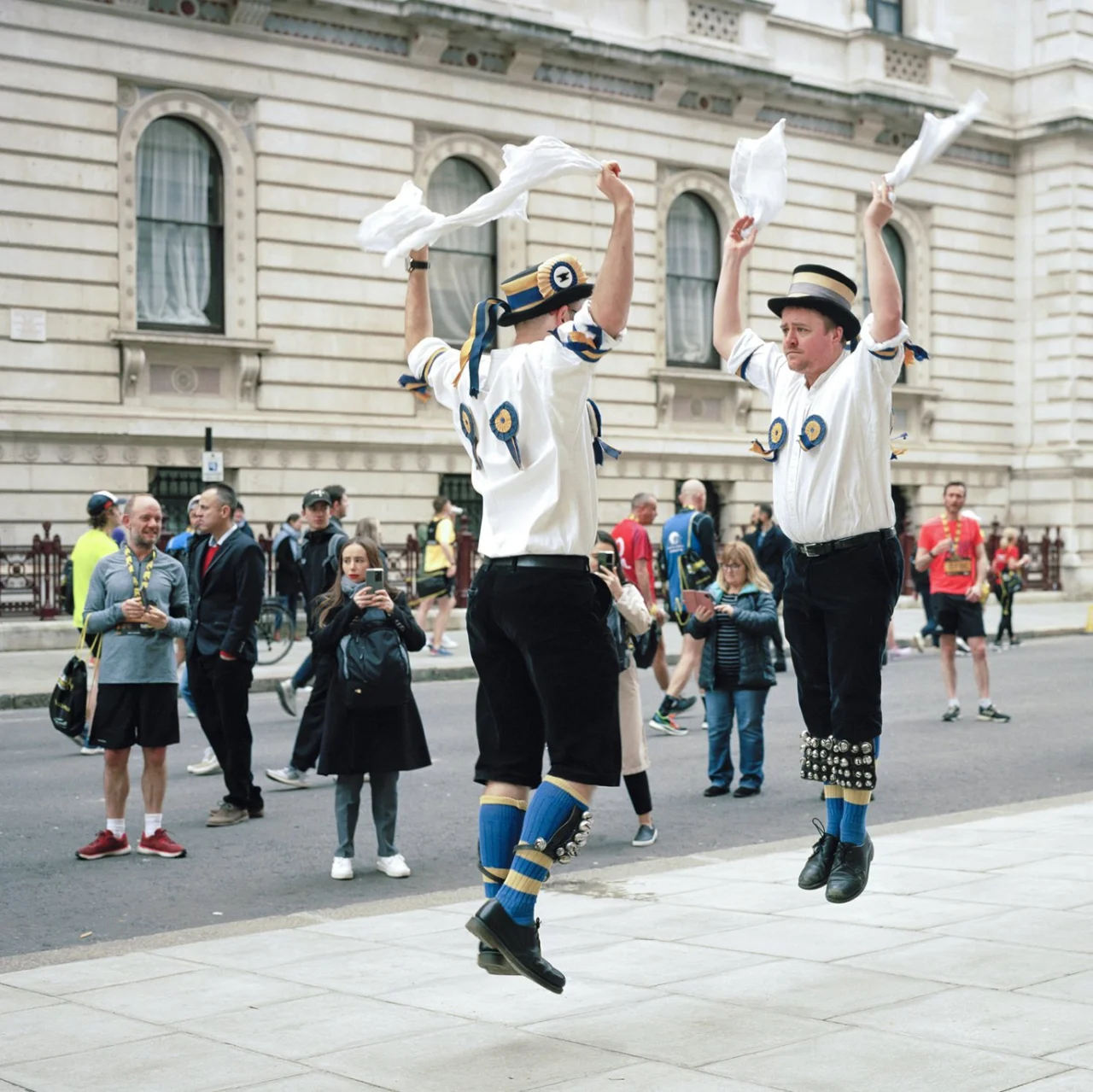
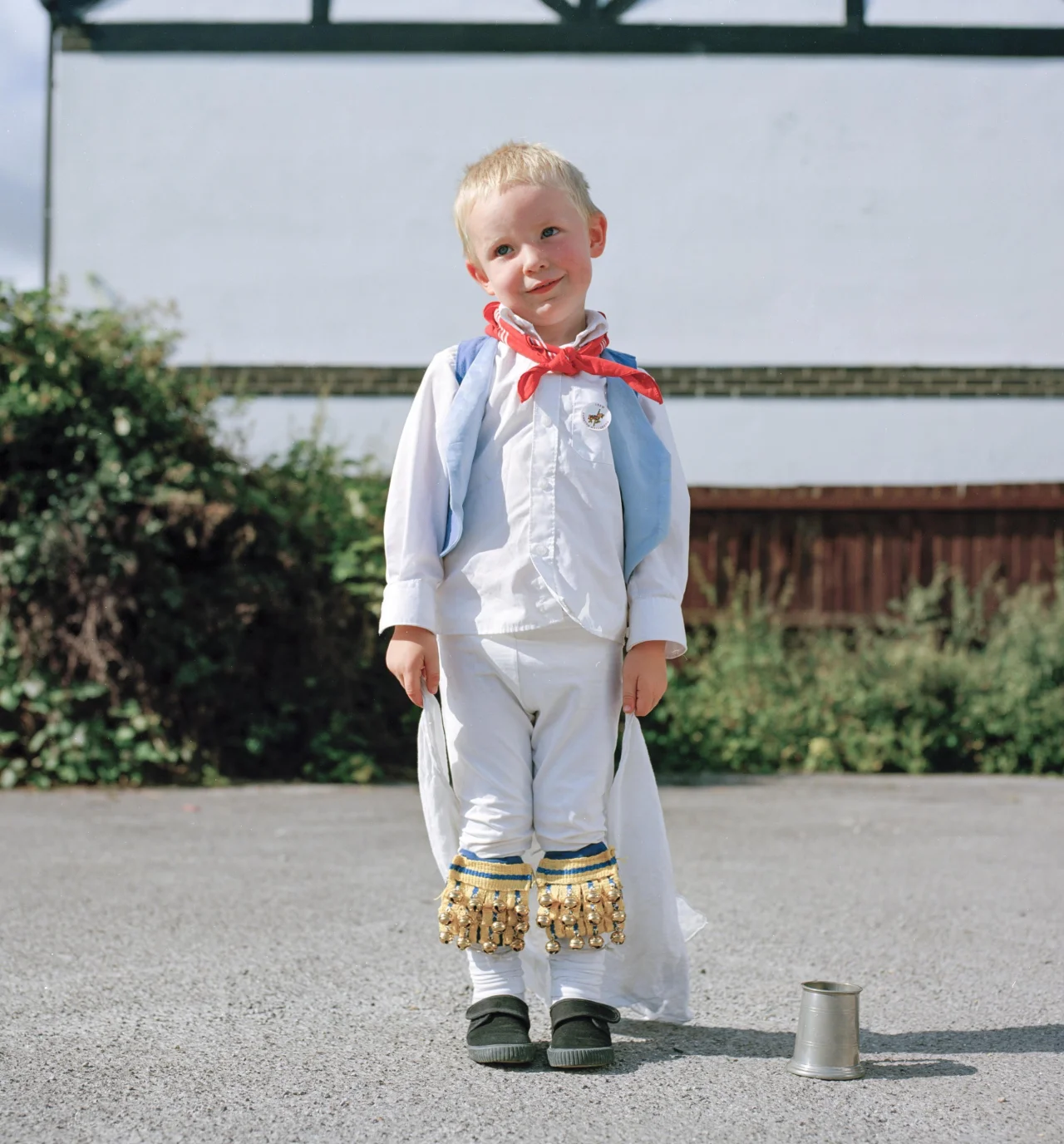
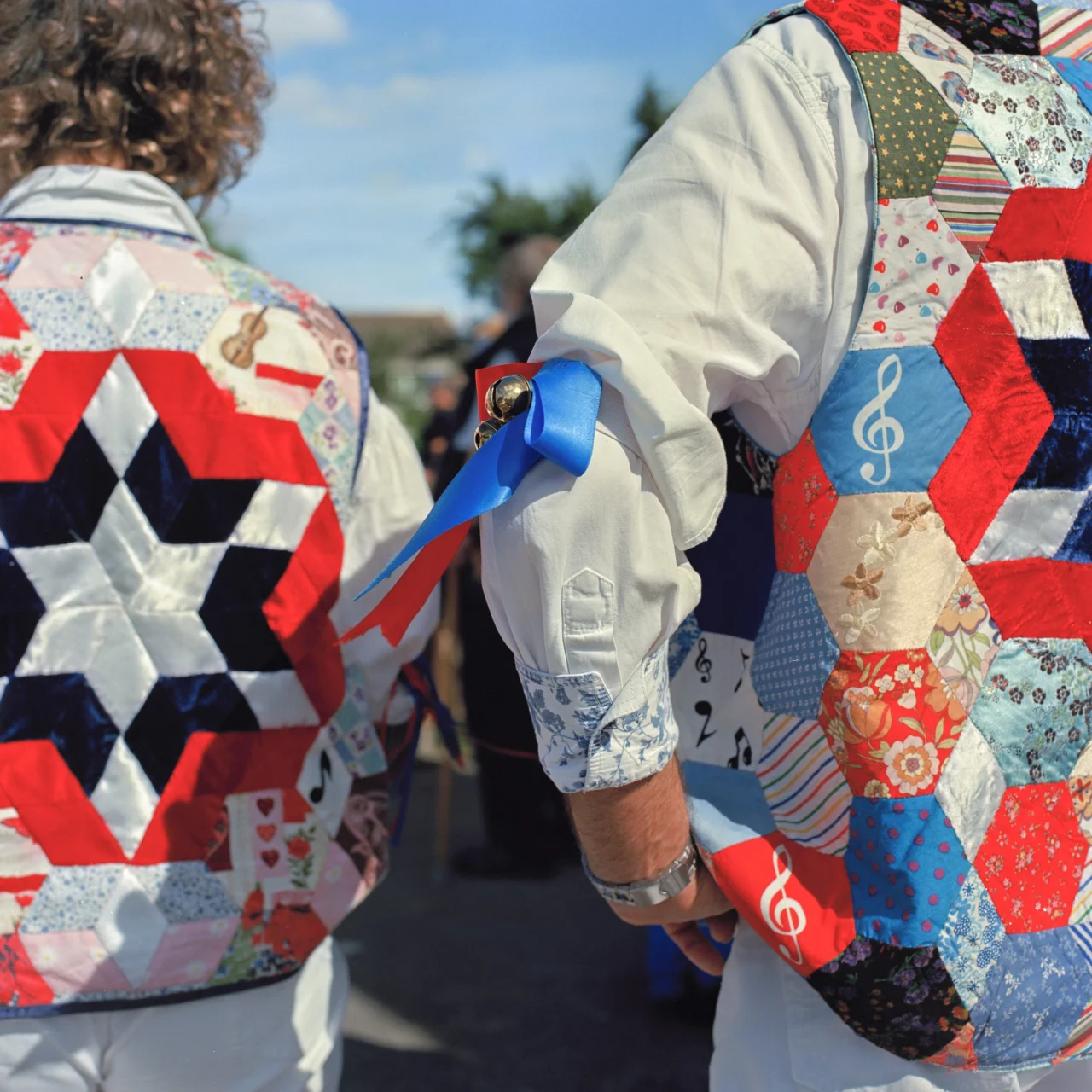
"There are currently 13,600 dancers performing regularly across the country, all with their own individual and original choreography and costumes inspired by 700 years of Morris history," she says. And it's taking on new forms, too. Boss Morris, for instance, often dances to electronic music and contemporary remixes of traditional songs. Their costumes are often inspired by the textile heritage of Gloucestershire, where they are based.
This year, Rachel has been continuing her series, The Morris, but focusing more on some of the younger Morris dancers, exploring links around style and identity, the psychology of social dance, and how folk culture seeks to reconcile itself with Britain's colonial past. Is it comforting to see when Britain is often accused of losing its national identity? "Identity is never fixed," Rachel says. "It's always in flux and is multifaceted, but whenever geographical or political borders are contested, the question of national identity comes up again.
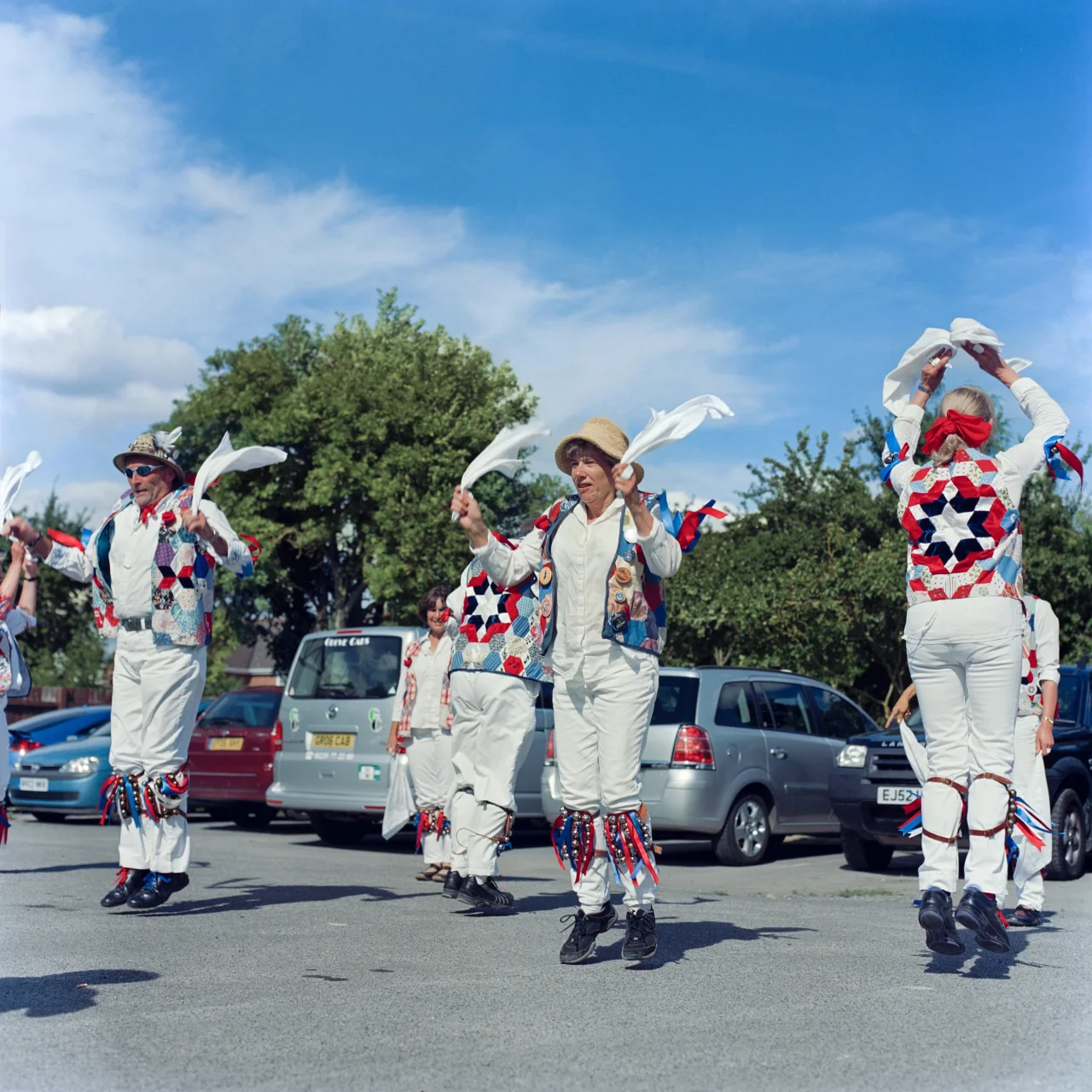
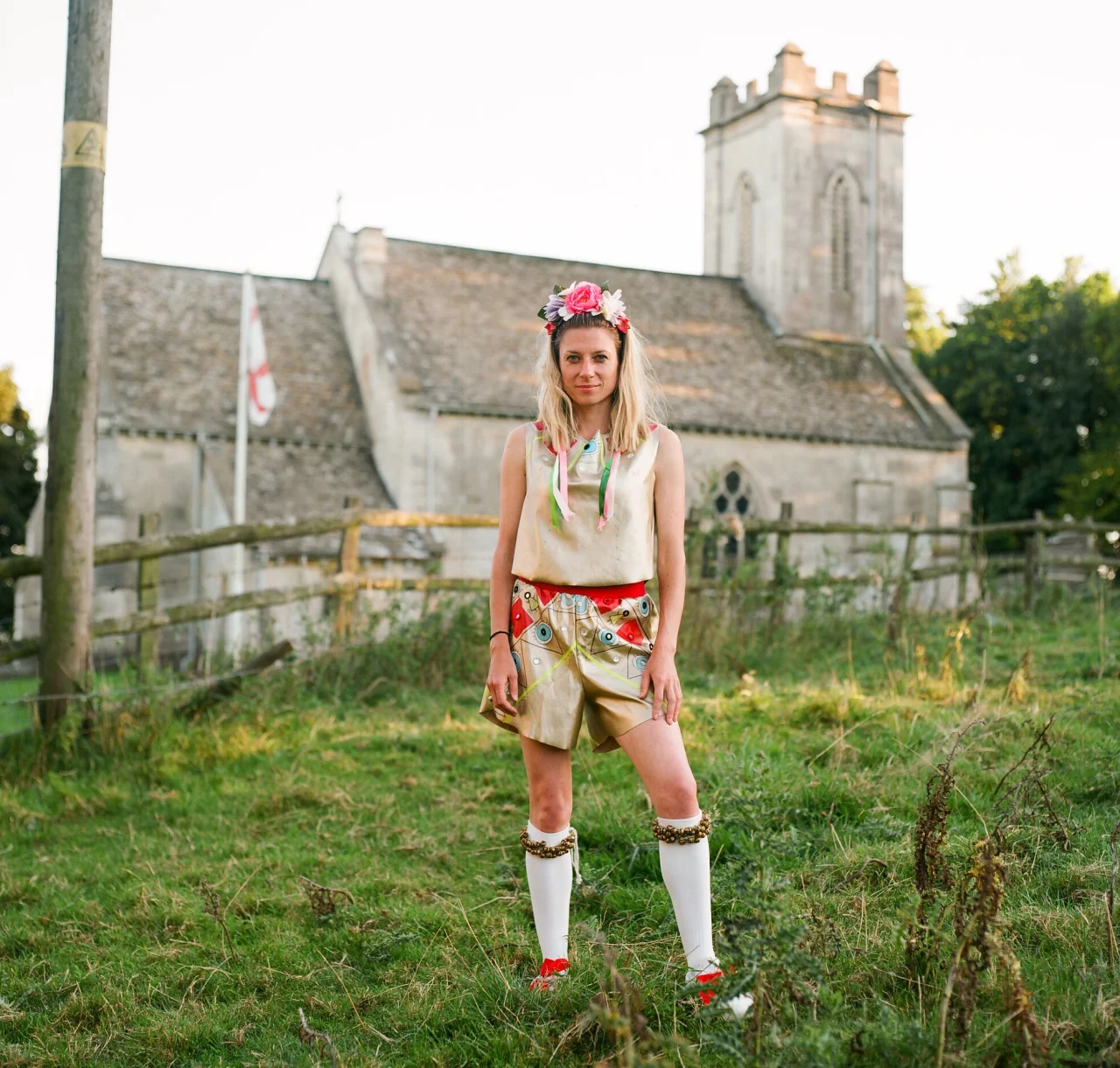
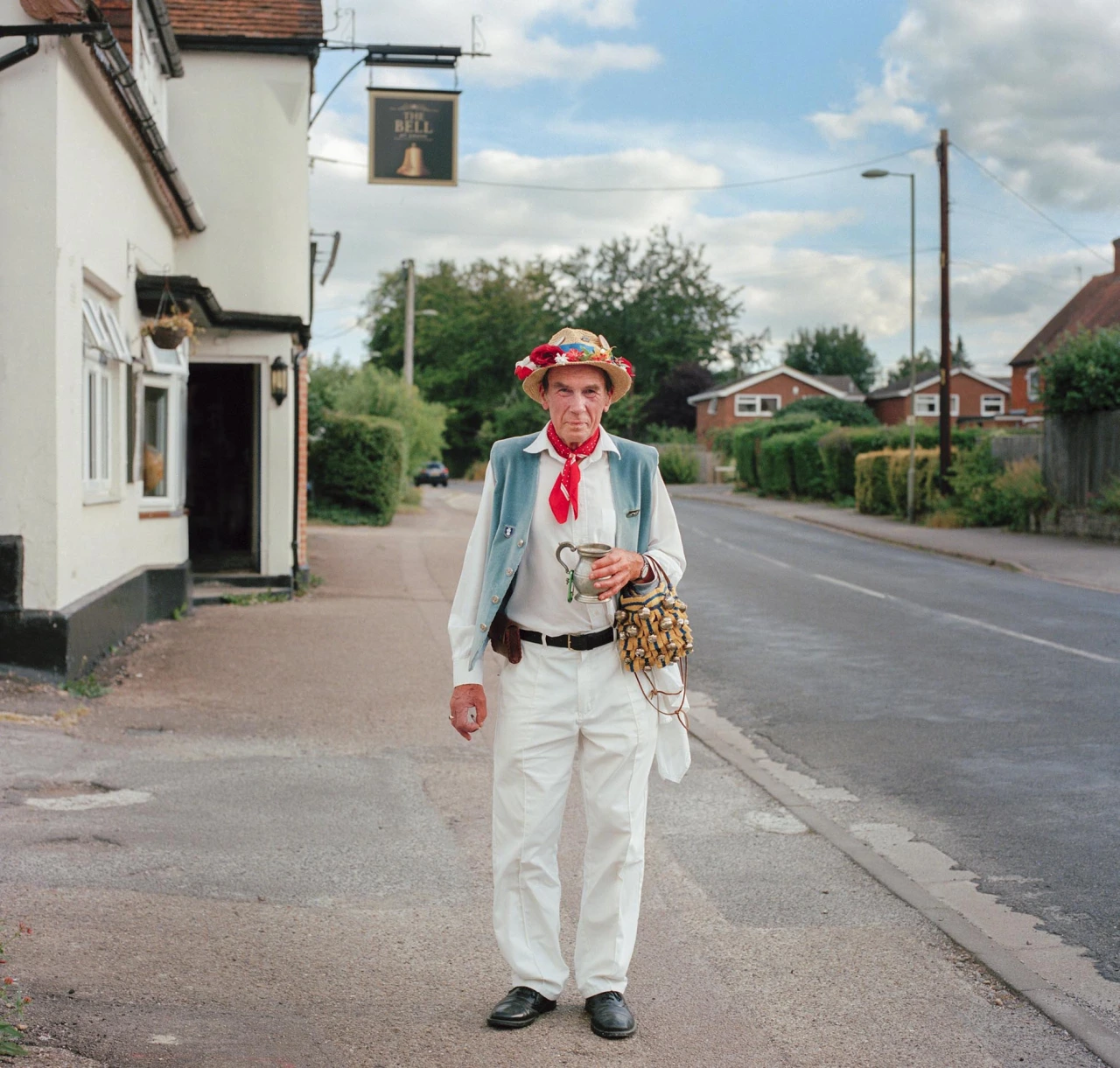
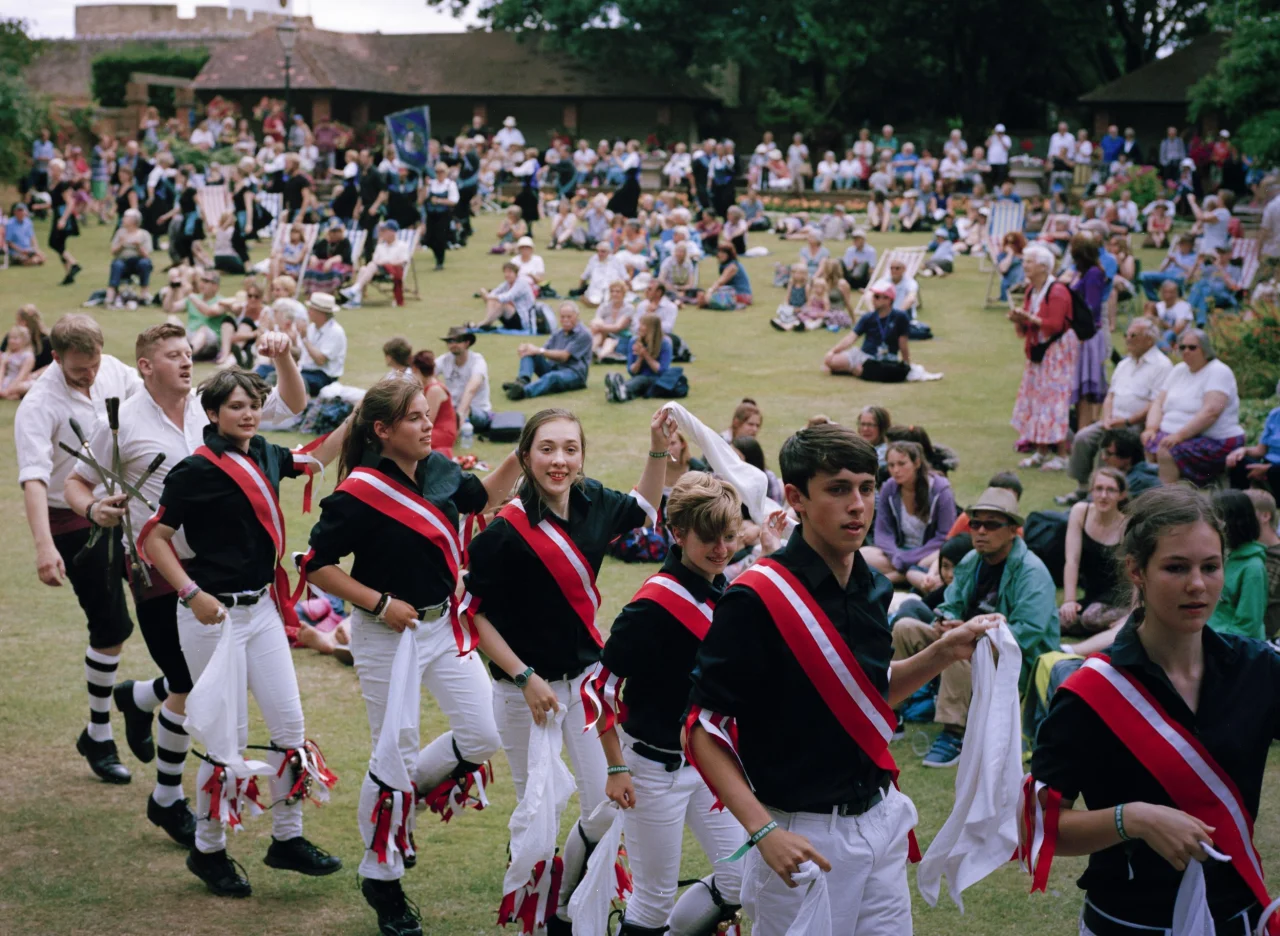
"Now that we are post-Brexit, and trust in government is eroding faster than you can shake a Morris stick at, the idea of a certain kind of Britishness is probably quite fragile. But one of the interesting things I have learnt about Morris is that it has been seen as a symbol of the rural English idyll almost since it arrived here from Europe in the 15th century. And that's maybe part of what makes it attractive – it's a free, non-commercialised and non-pretentious way to get out and enjoy English towns and villages throughout the summer months."
As Rachel points out, Morris has never been co-opted by the government as part of a nation-building exercise (as folk culture has in many other countries) and, as such, rarely receives state funding. "This leaves it in the hands of amateurs and hobbyists, many of whom are incredibly talented musicians, choreographers and performers," she explains. "Morris has by necessity adapted in order to survive this long, and it would be great if more people saw it as the incredibly rich genre it is and as a valuable part of our national cultural identity rather than as an outdated joke."
A portrait and documentary photographer based in London, Rachel Adams describes herself as someone who likes to experiment with all sorts of digital and analogue formats and is driven by interests in anthropology, psychology and long-form journalism. "At the heart of my practice is the ability to connect with people, to uncover hidden stories, and to produce captivating and engaging portraits," she says.
Editor's Picks
Trending
Latest Jobs
Senior Brand Designer at Analogue
Full-time·Leeds·£38k-£45k
Senior Front End Developer at Crown Creative
Full-time·Belfast·£50k–£60k
Marketing Copywriter at ustwo
Full-time·London·£40k-£50k
Brand Copywriter at Origin
Full-time·Porthleven, Cornwall·£35k–£40k
Account Director at How&How
Full-time·London·£73k-£79k
Digital Marketing Executive at Arise
Full-time·Sheffield·From £23,750