From aphasia to art: how Eilish Briscoe is reimagining visual communication
After a stroke left her unable to write, this designer transformed her recovery into revolutionary typographic art.
Most of us take our ability to communicate for granted. We type, we speak, we write, we gesture. But what happens when that fundamental human capacity suddenly fractures?
Artist and designer Eilish Briscoe knows exactly what exists in that terrifying gap. Following a stroke that left her with aphasia—a condition affecting language comprehension and production—she faced a creative crossroads that would have silenced many artists permanently.
Instead, Eilish discovered something remarkable: when traditional language fails, new forms of communication can emerge from the ruins.
A life transformed overnight
Eilish's journey began during the first COVID lockdown in 2020, when she was just 25 and had recently moved from northwest England to London to kickstart her career.
What started as what seemed like a severe migraine quickly escalated into something far more serious. The room began spinning, she experienced breathlessness, and a tingling sensation crept up her face and arm, followed by violent sickness.
No one recognised these as stroke symptoms—they didn't align with the widely known FAST acronym (Face, Arm, Speech, Time) typically associated with strokes. So Eilish only learned she had suffered a stroke around 25 hours after her first symptoms appeared.
On her second day in hospital, Eilish attempted to write down her feelings. But instead of coherent thoughts, only incoherent squiggles came out. She was experiencing dysgraphia, a neurological disorder that made writing nearly impossible—a particularly devastating symptom for someone whose life was working in visual communication.
The following weeks were some of the darkest in her life. Her symptoms deteriorated to the point where she became entirely incapacitated, requiring round-the-clock care. She lost her speech, her movement, and needed assistance with basic tasks.
When words become impossible
It was during this time that Eilish came to a profound realisation: expression is a luxury, and it was one she no longer possessed. The tools that had once been automatic—writing, speaking, creating—were suddenly absent.
Recovery came gradually, with the dedicated support of rehabilitation therapists, family, and Eilish's own determined practice. One exercise became particularly significant: working alongside her mother, Eilish would attempt to copy letters over and over again.
These practice sheets would later become the foundation for her groundbreaking artistic work. What began as rehabilitation exercises would transform into a powerful meditation on the fragility and preciousness of human expression.
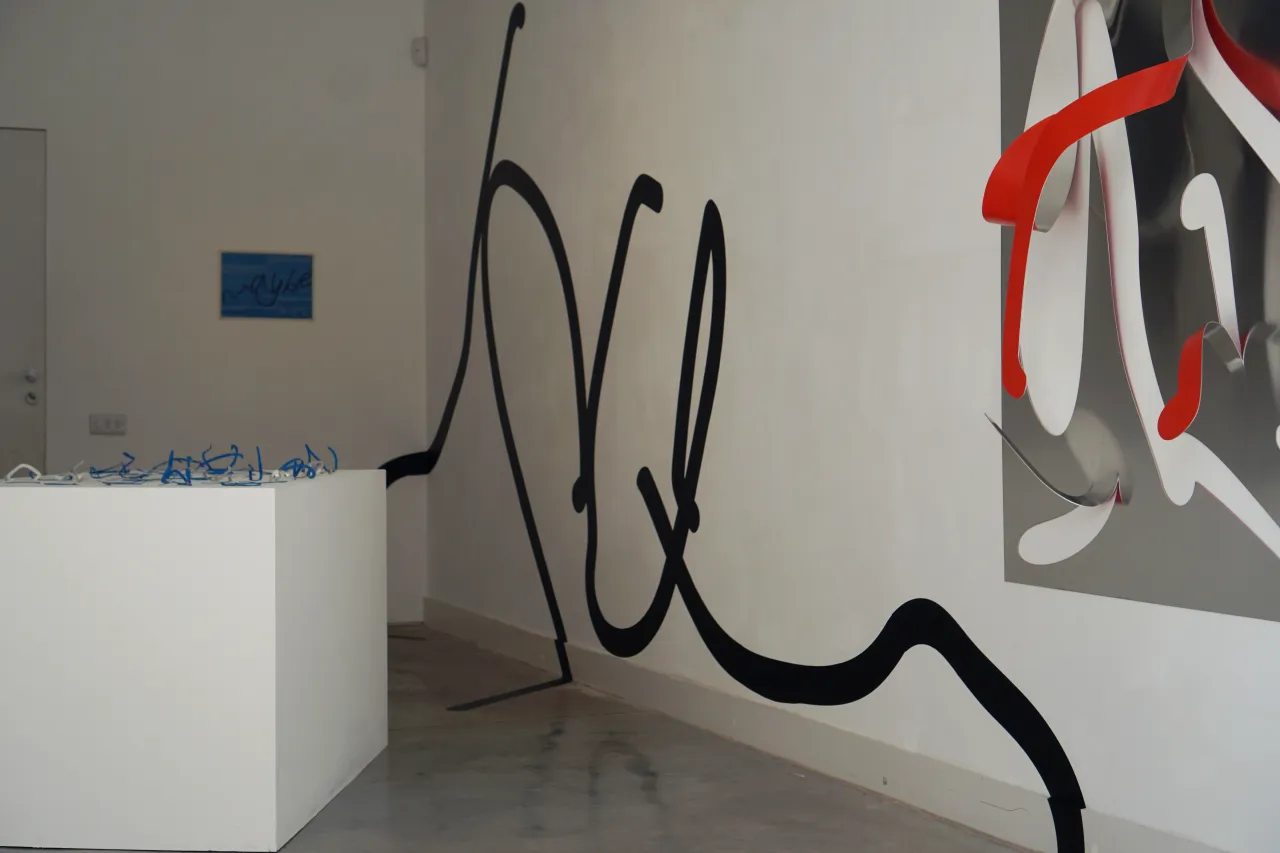
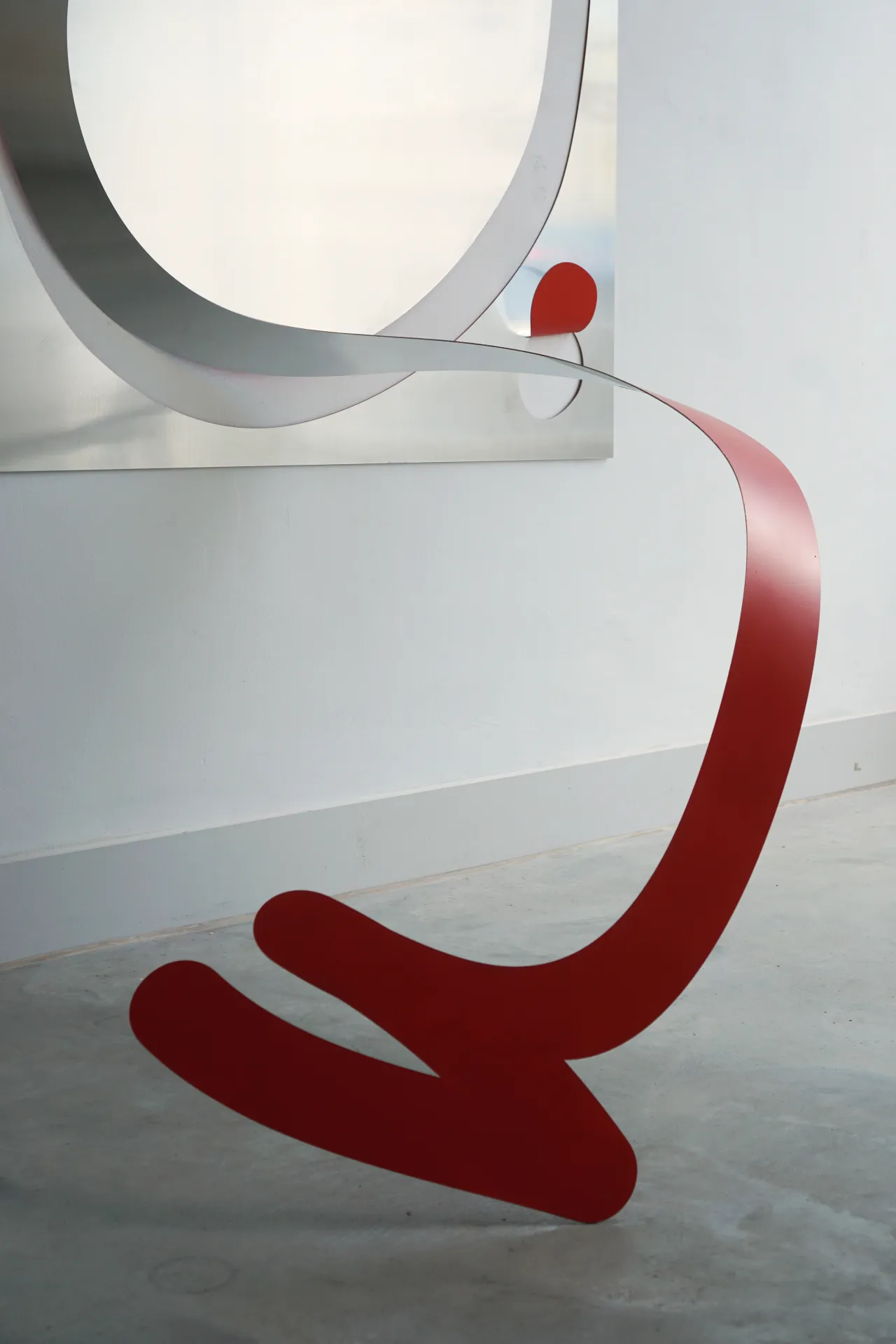
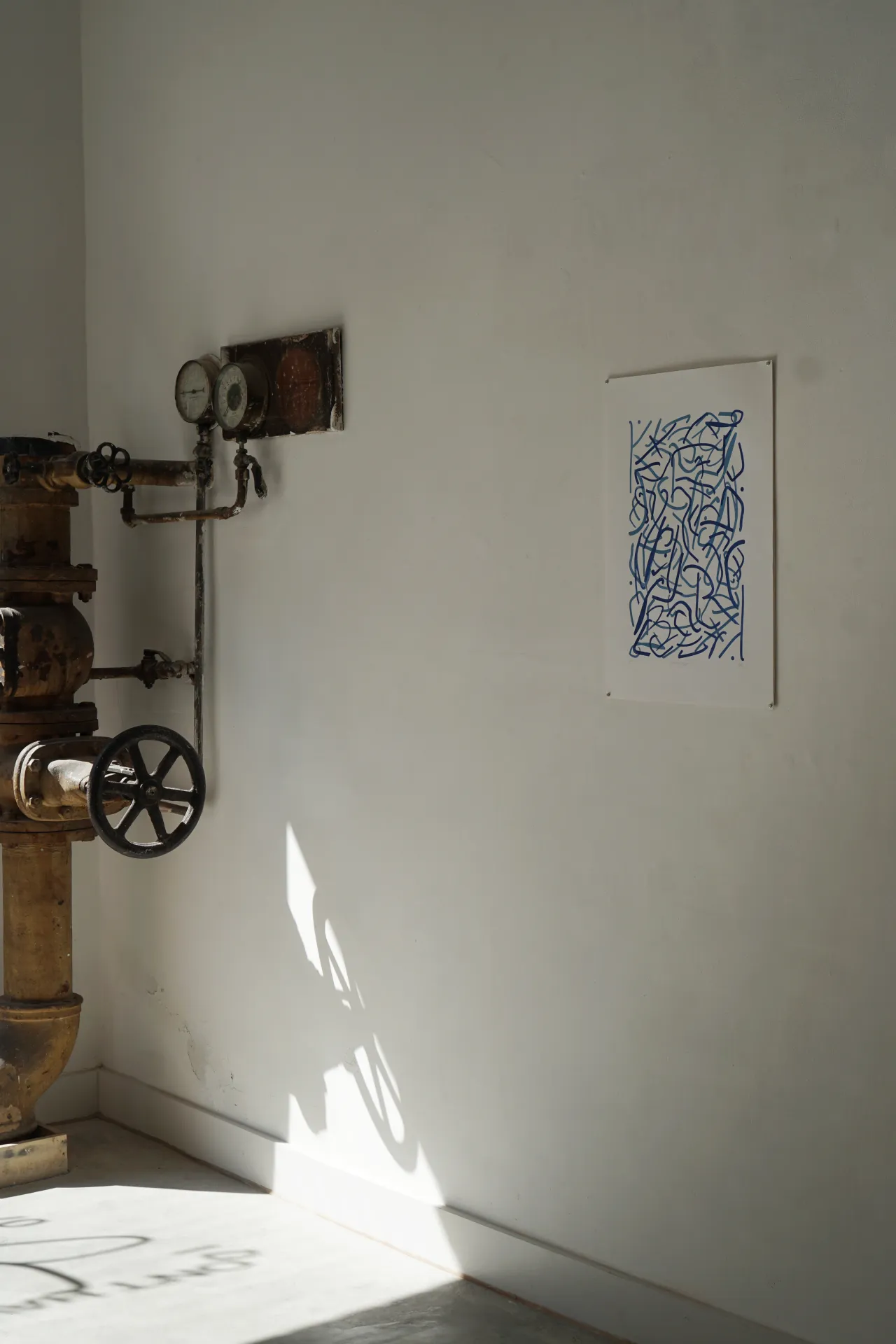
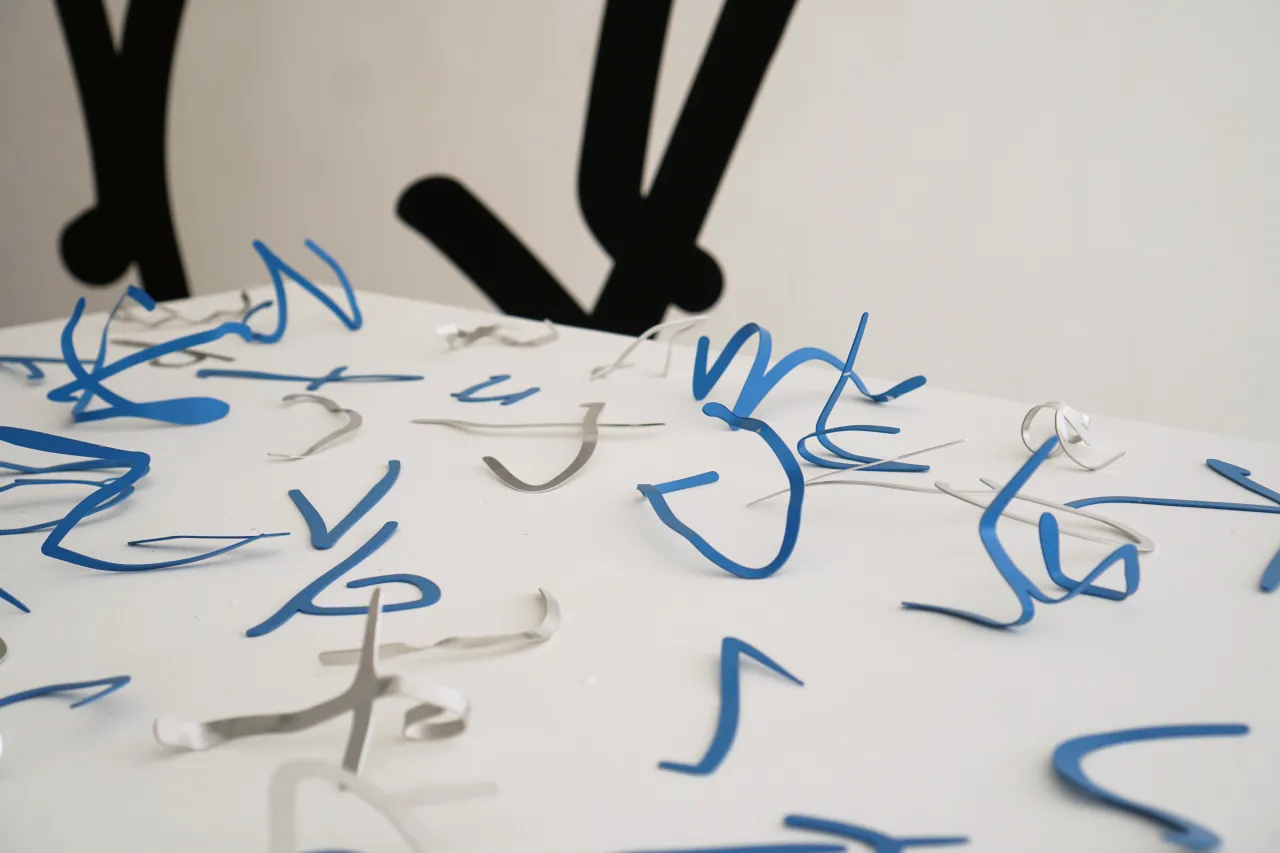
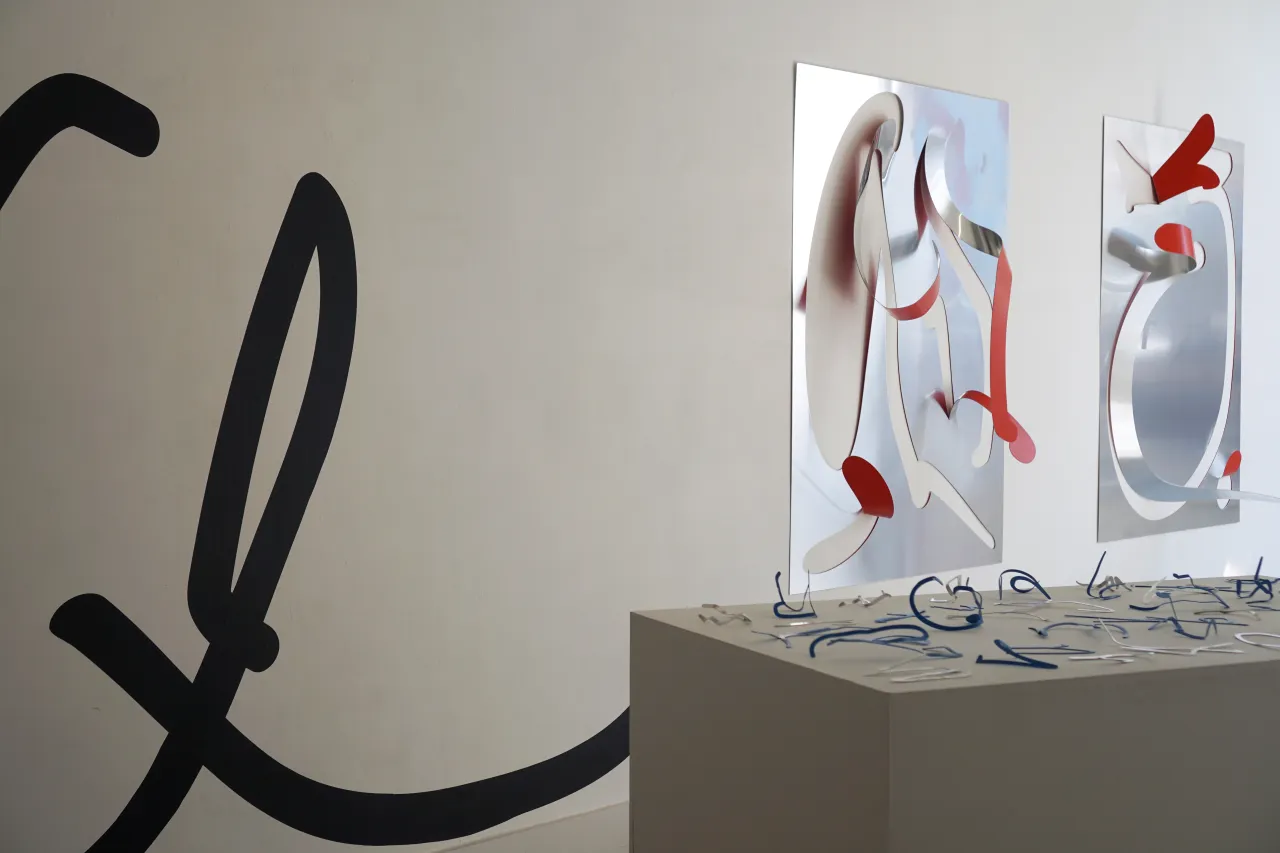
This summer, the innovative East London gallery Art Practice—a collaborative space working with renowned artists including Mike Skrgatic, James Allen, Daniel Eatock, Dan Tobin Smith and Maria Lax—presents Eilish's latest investigation into this liminal territory.
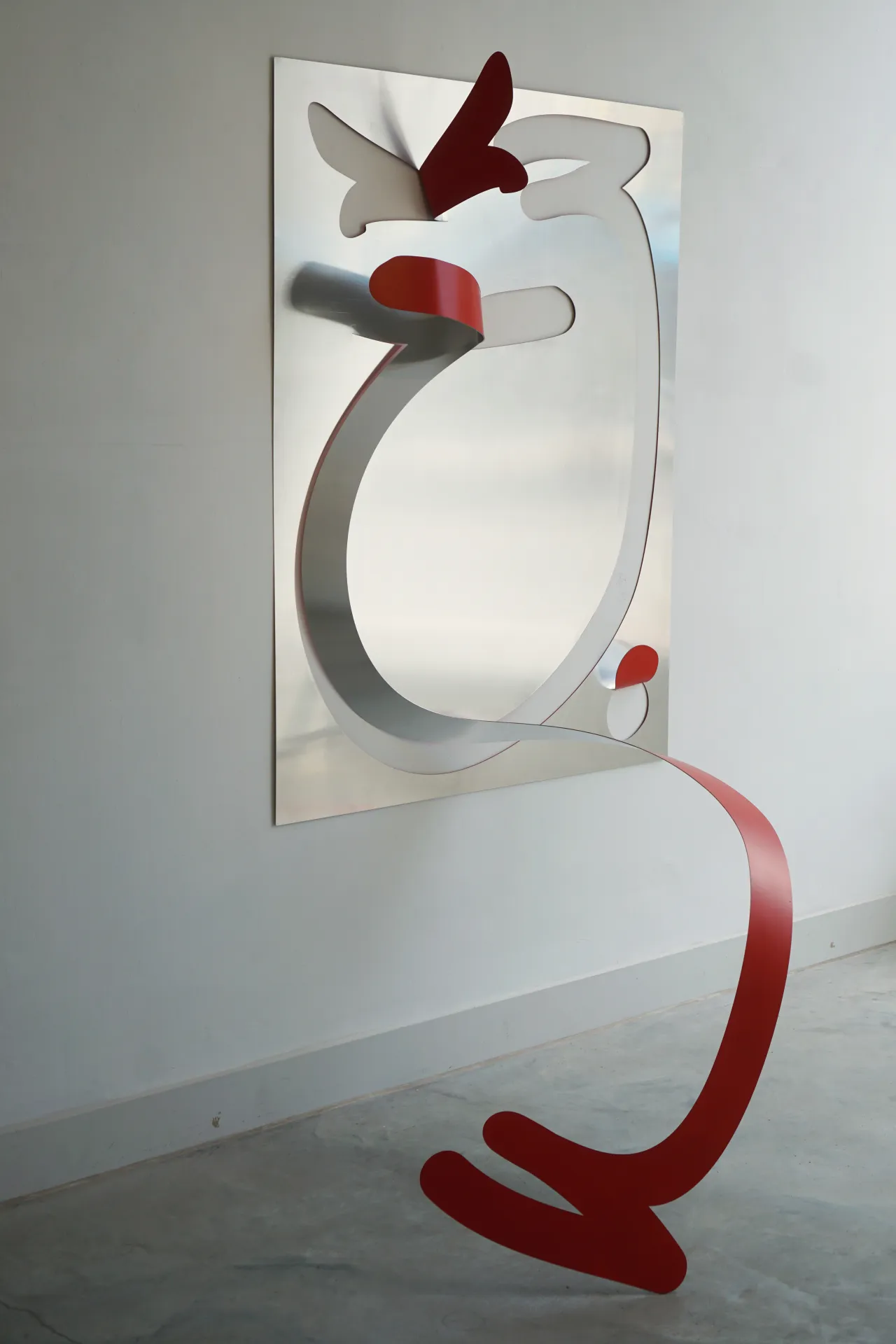
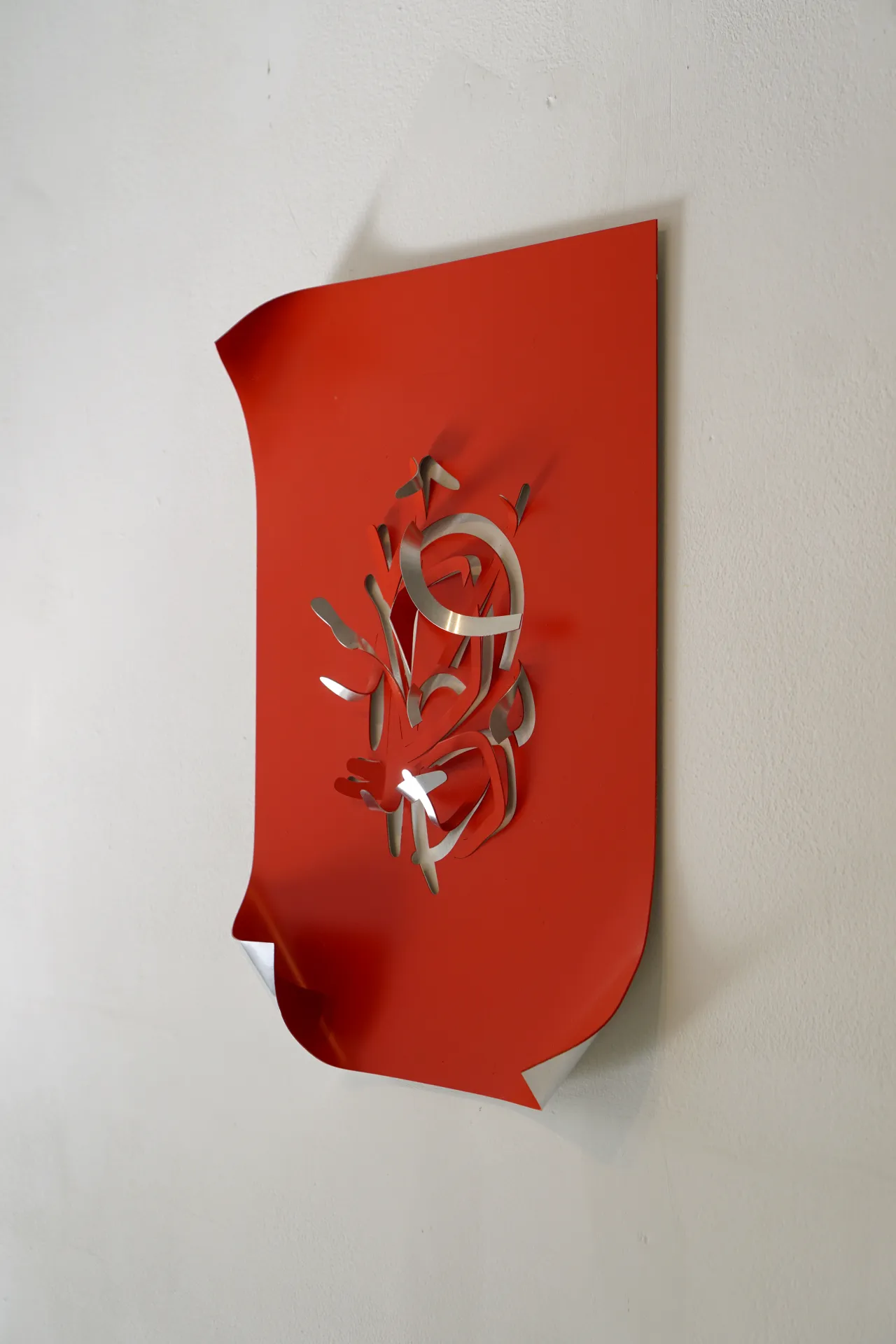
'I Don't Have The Words', running from August 7-25, showcases a compelling new body of work that transforms neurological disruption into profound artistic inquiry.
What makes Eilish's story so compelling isn't just personal triumph; it's the way she's managed to universalise a deeply personal experience. Her journey from acute vulnerability to creating an entirely new visual language speaks to fundamental questions about human adaptability and the possibilities for making meaningful work, even when our most basic tools are stripped away.
The art of broken language
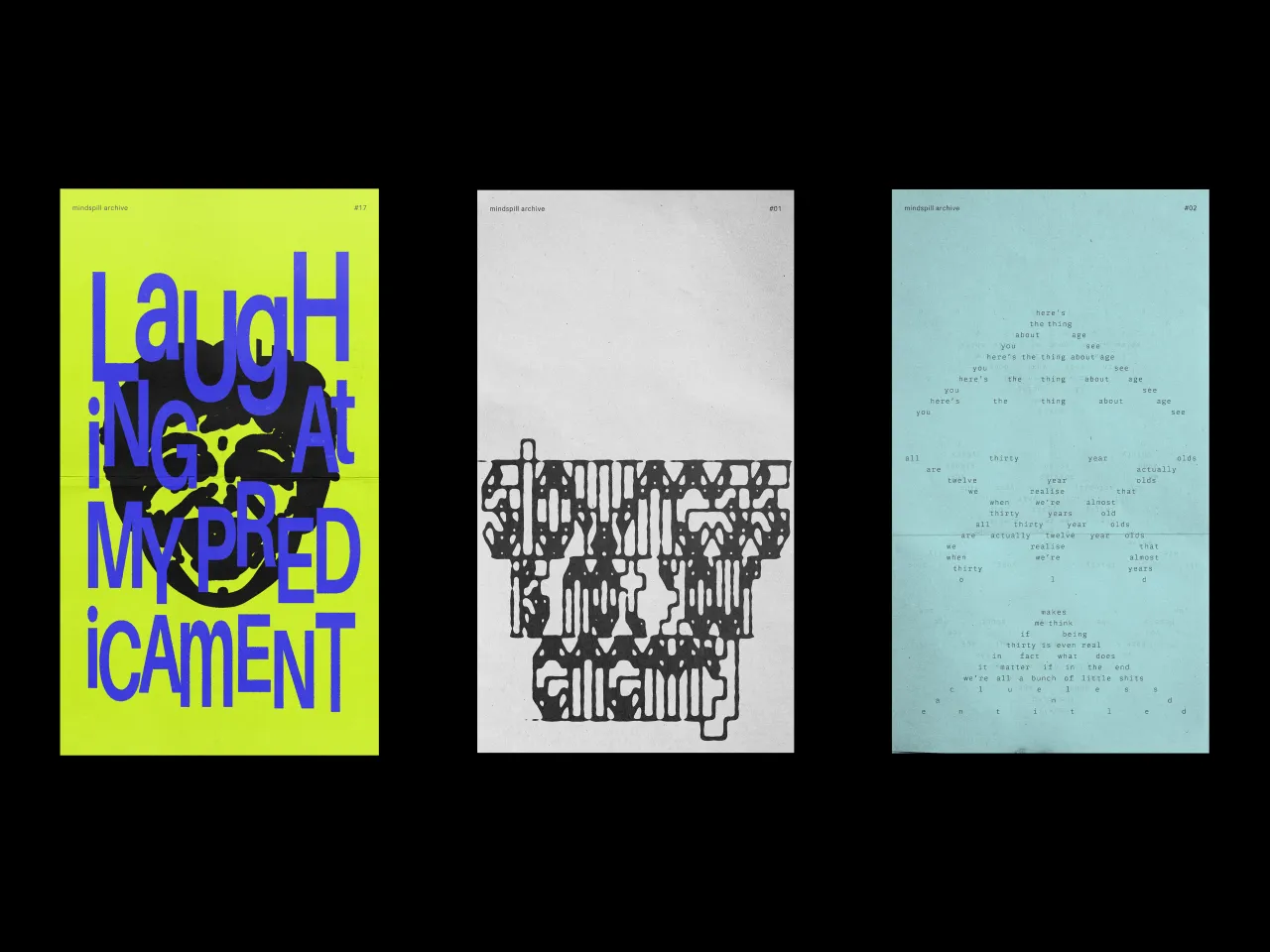
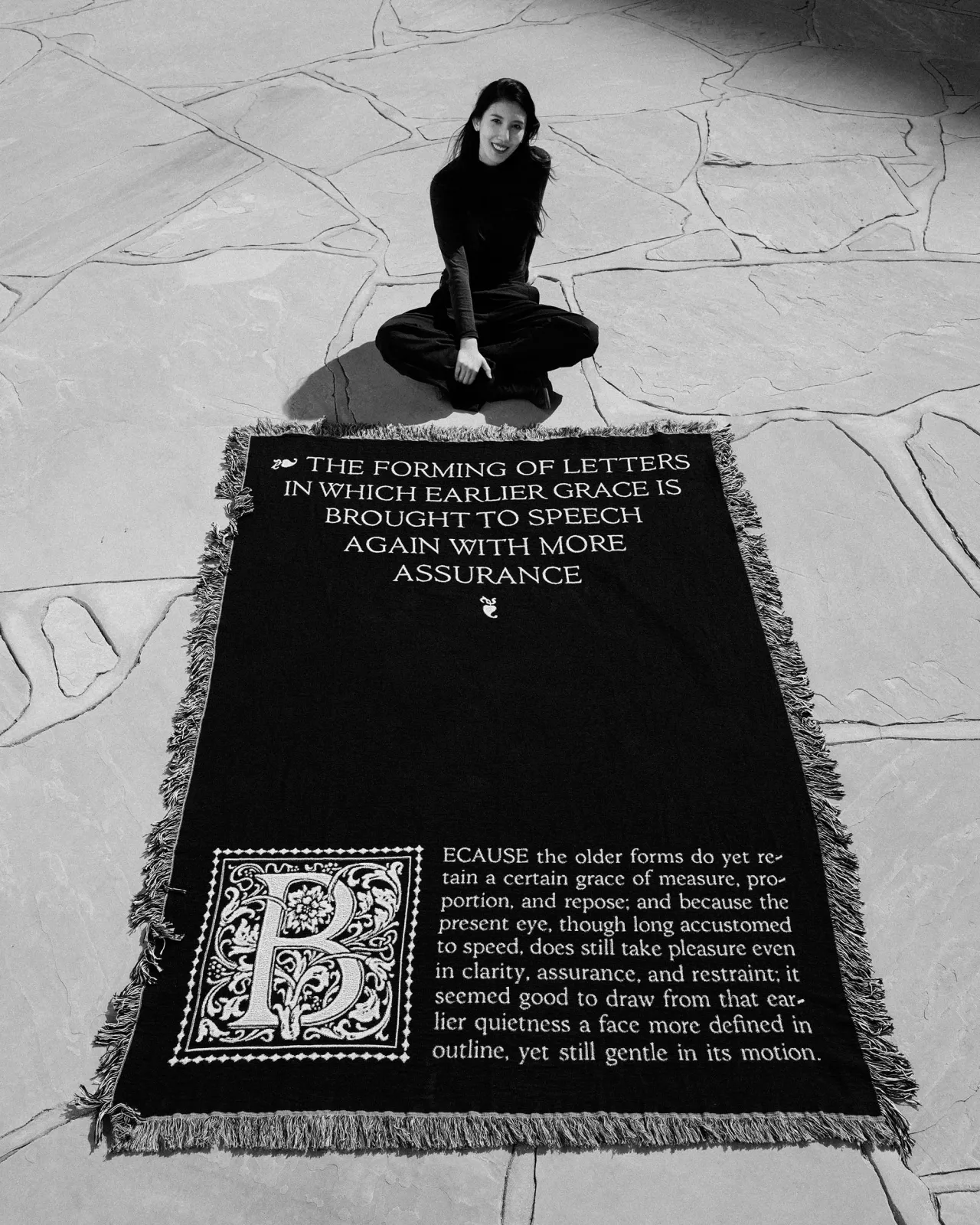
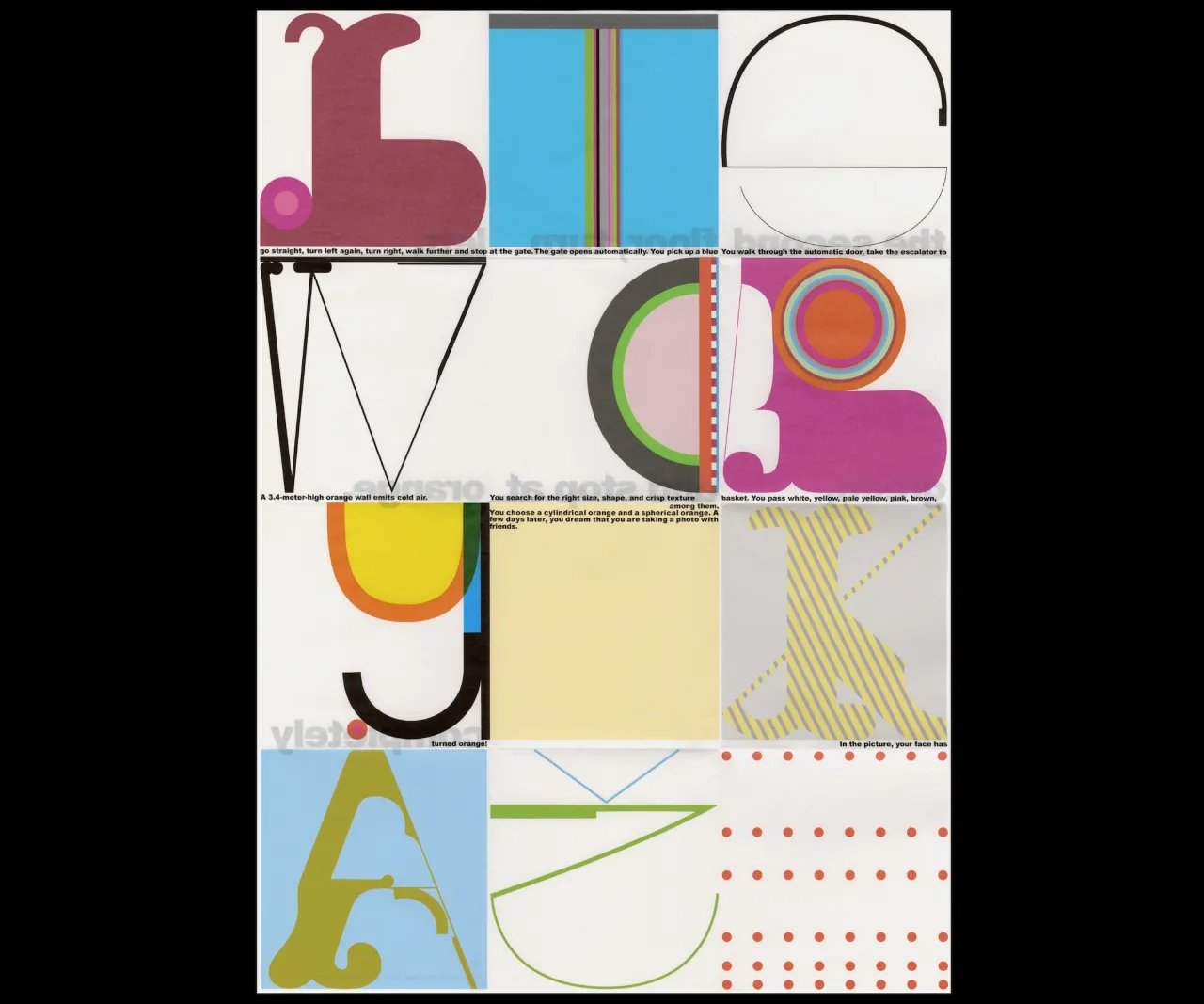
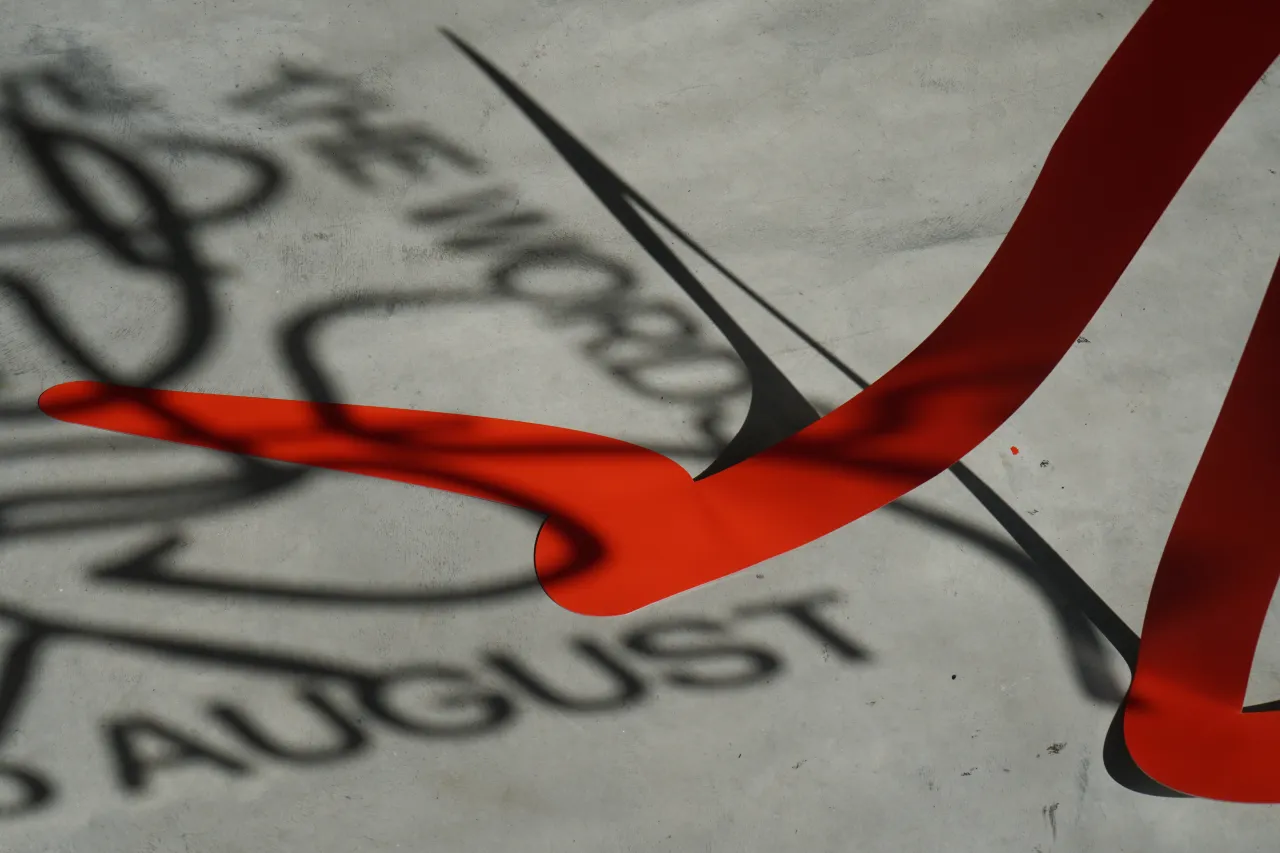
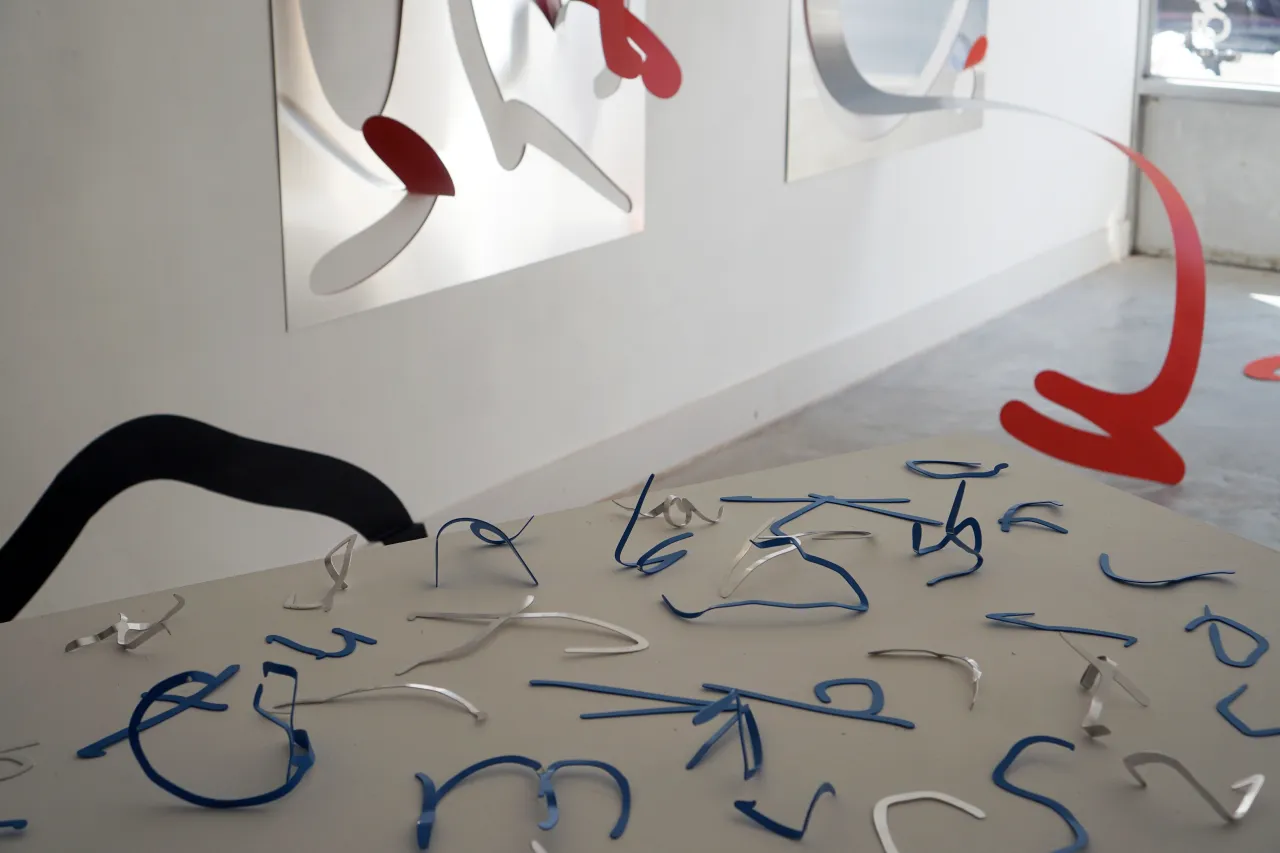
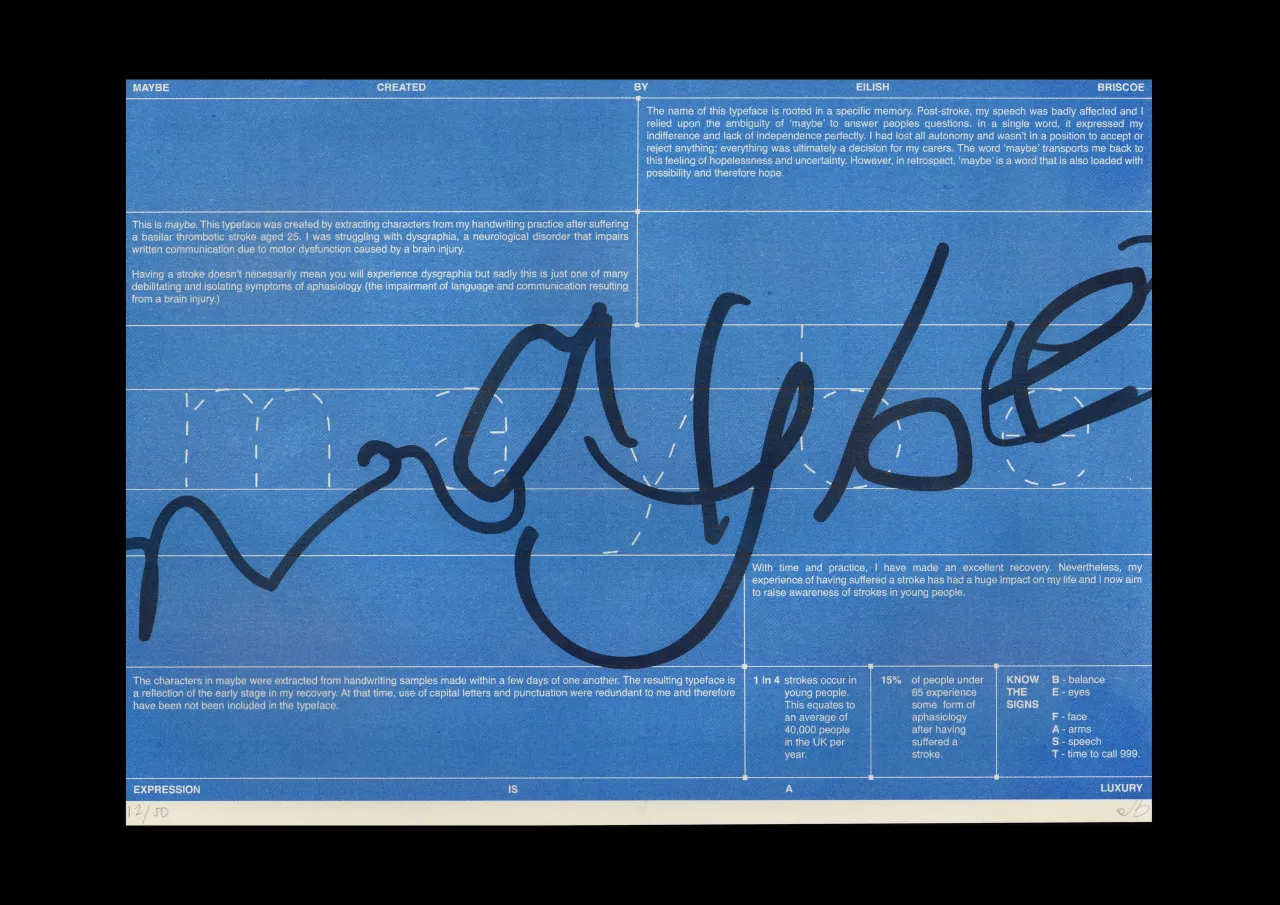
The work in the show represents a bold continuation of her groundbreaking 2024 typeface Maybe, a font extracted from her post-stroke handwriting. The typeface takes its name from a word that became central to Eilish's recovery experience. When her speech was severely impaired and autonomy was lost, the word "maybe" became a refuge, representing both the hopelessness of uncertainty and the possibility of hope.
Notably, the typeface contains no capital letters or punctuation—because at that stage of recovery, these elements were beyond Eilish's capabilities. Each letterform was extracted from her handwriting practice within just a few days of each other, creating a snapshot of a specific moment in her journey back to communication.
But where many might see limitation, Eilish has discovered liberation, exploring what happens when letterforms are divorced from their traditional function as carriers of meaning. The result is work that operates in the liminal space between graphic design, sculpture and installation art.
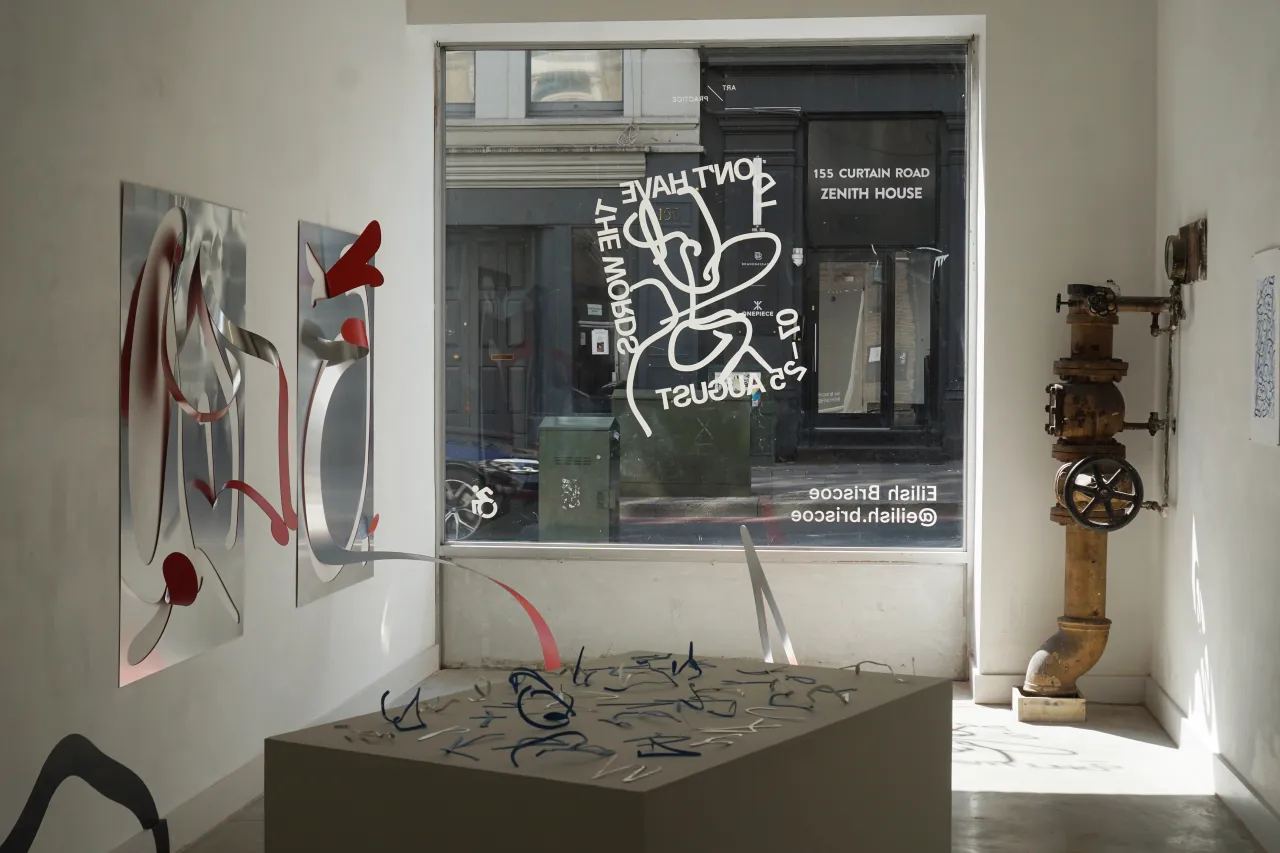
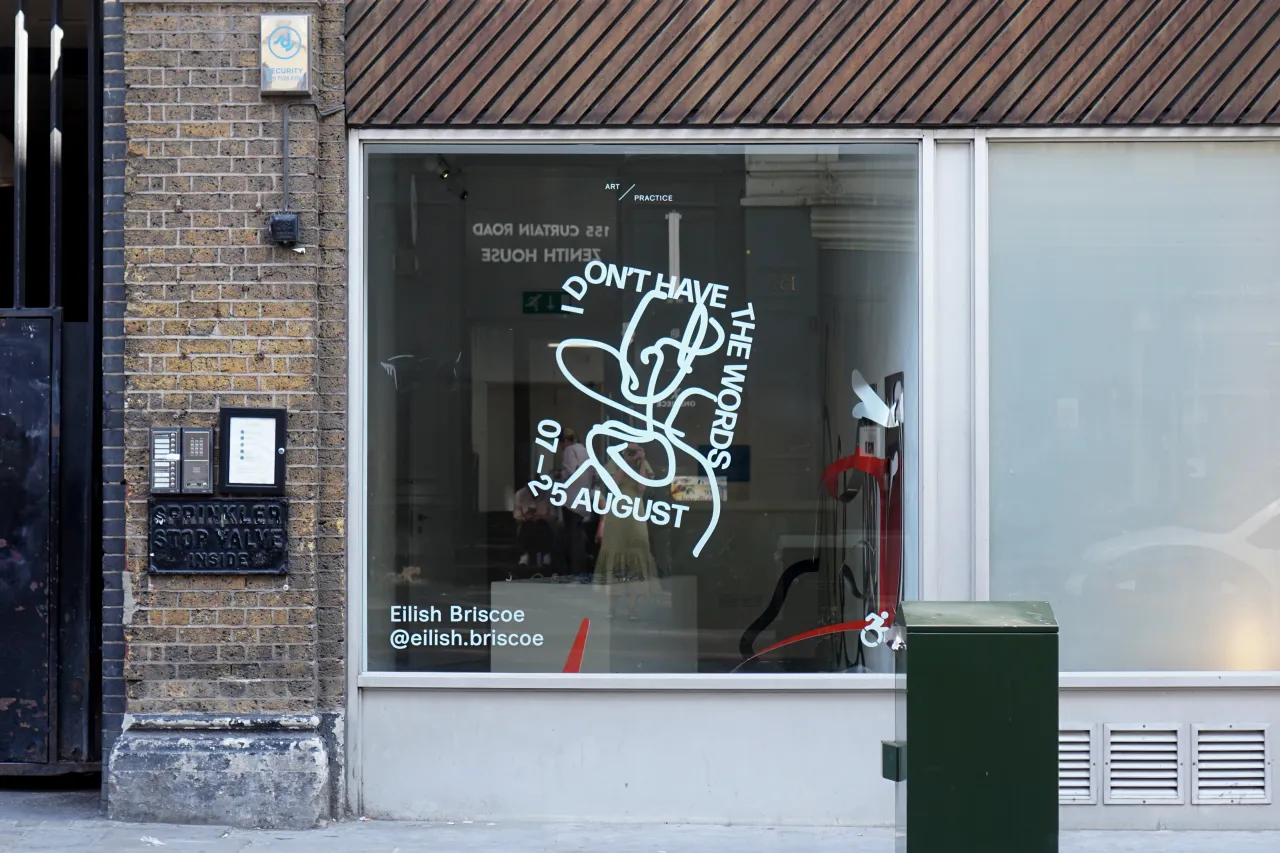
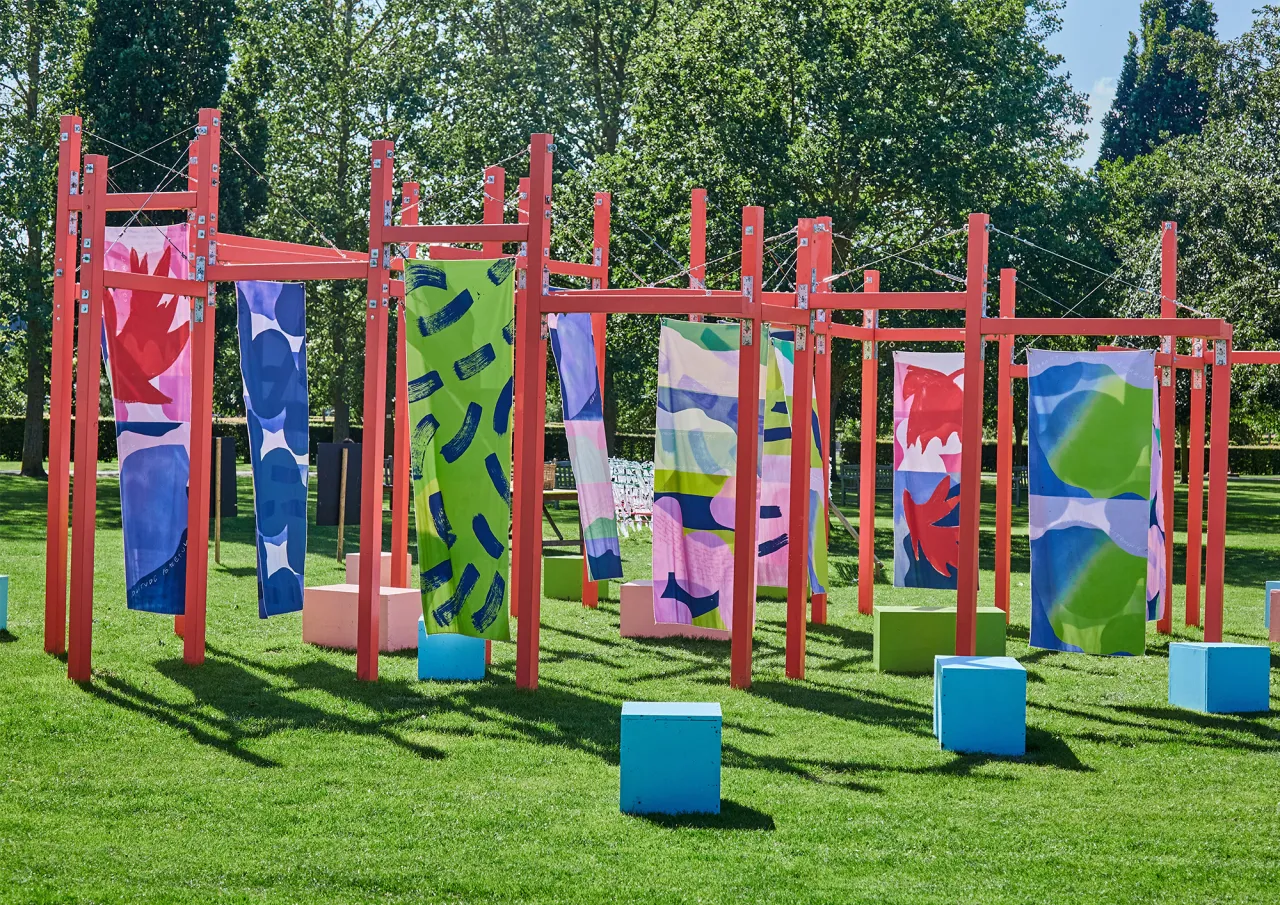
The typeface has already been transformed into powerful immersive installations, where Eilish has covered exhibition walls with phrases taken directly from her post-stroke notes and memories, including the exhibition Expression is a Luxury at K-House in Manchester this May.
Lived experience as artistic material
Today, Eilish's interdisciplinary approach—spanning graphic design, printmaking, sculpture, and installation—demonstrates how personal narrative can become a powerful tool for broader cultural conversation about communication, accessibility, and human connection.
Part of her mission involves addressing the shame that often accompanies stroke recovery, particularly in young people. Many young stroke survivors, she notes, simply pretend their experience never happened, especially when re-entering the workplace, where admitting to a brain injury can feel stigmatising.
This new exhibition is essential viewing for anyone working at the intersection of design and social impact—a reminder that some of our most powerful creative tools emerge not from what we can control, but from what we cannot.
Editor's Picks
Trending
Latest Jobs
Graphic Designer at Crux Product Design
Full-time·Bristol·Up to £36k
Digital Marketing Executive at Arise
Full-time·Sheffield·From £23,750
Graphic & Motion Designer at The SHARP Agency
Full-time·Leeds·£26k–£33k
Client Partner at Halo
Full-time·Bristol·£30k–£36k
Senior Designer at Jubba
Full-time·London·£50k-£60k
Junior Project Coordinator at Colorido Studios
Full-time·Twickenham·£28k–£32k