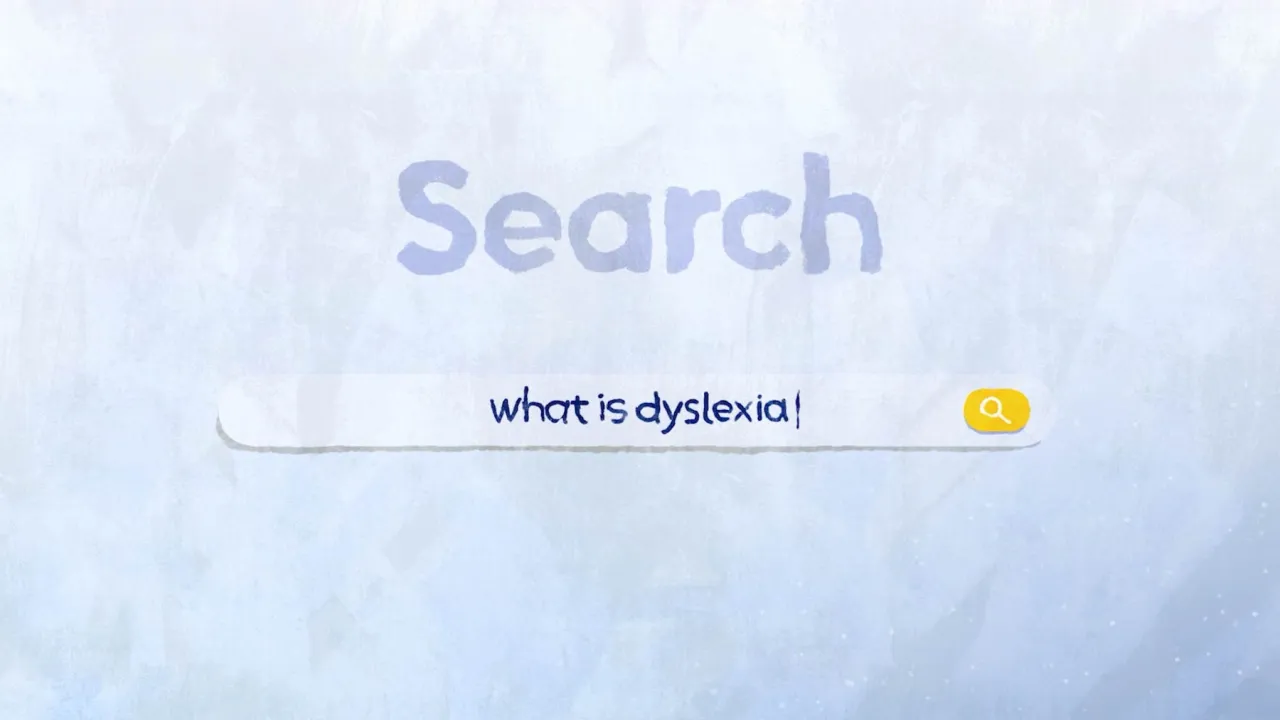
Every year, millions of children and their parents turn to search engines at the moment they first encounter a dyslexia diagnosis. What they find there, in the cold clinical language of top-ranked results, often does more harm than good. Terms like "lifelong learning disorder" and "word-blindness" define dyslexia entirely by what people can't do. A new animated short is designed to flip that narrative... at the very top of the search page.
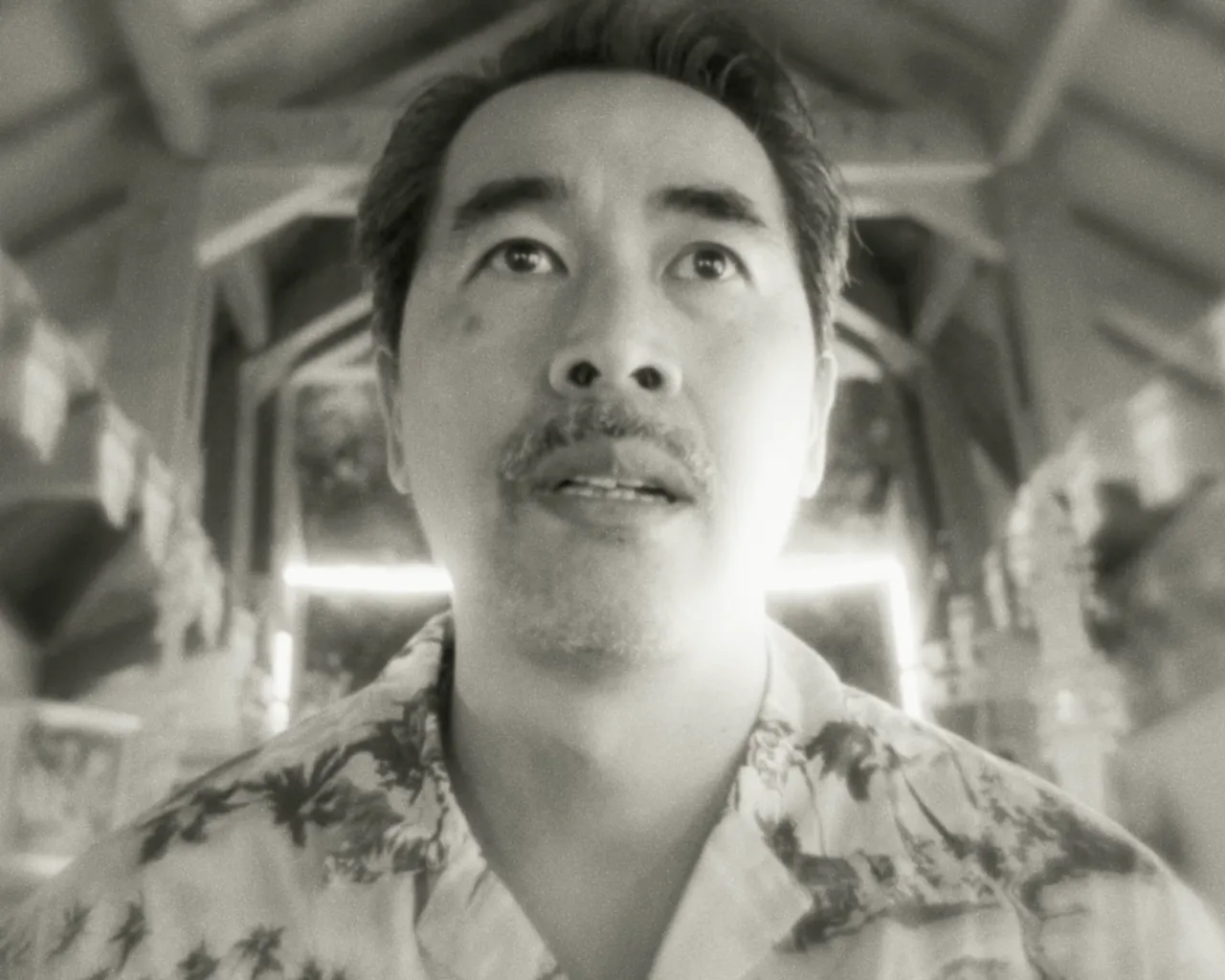
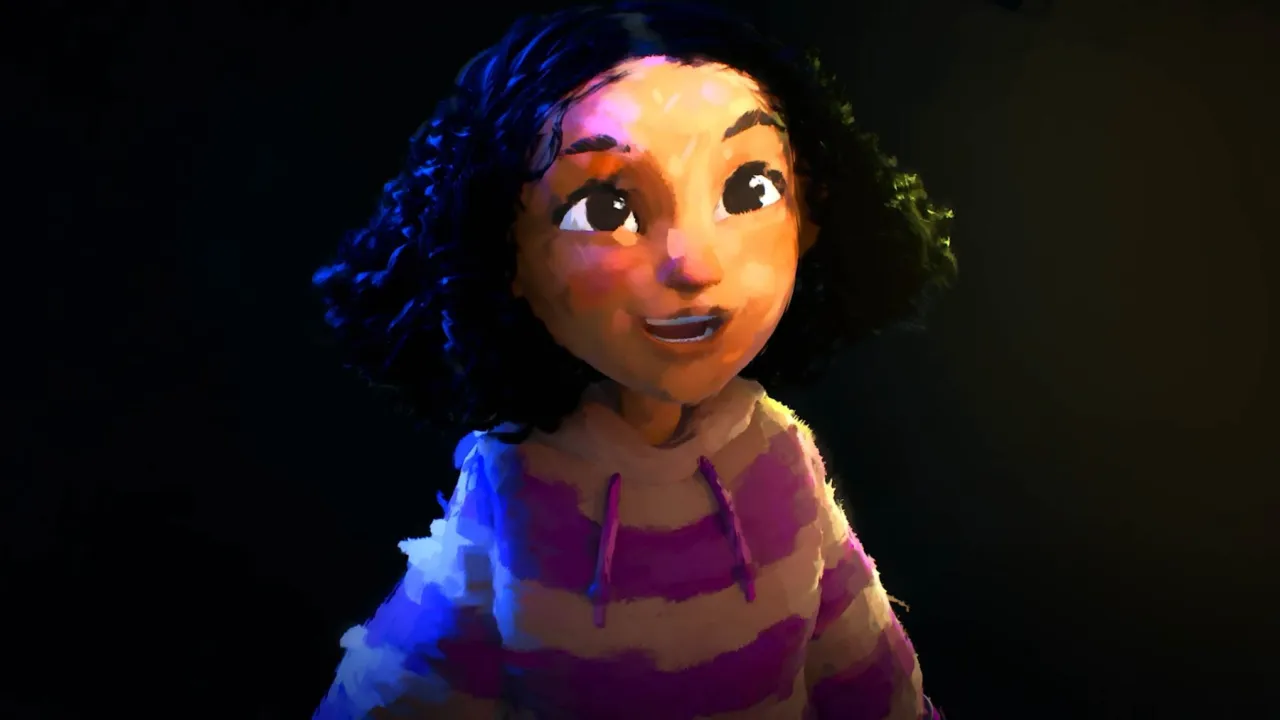
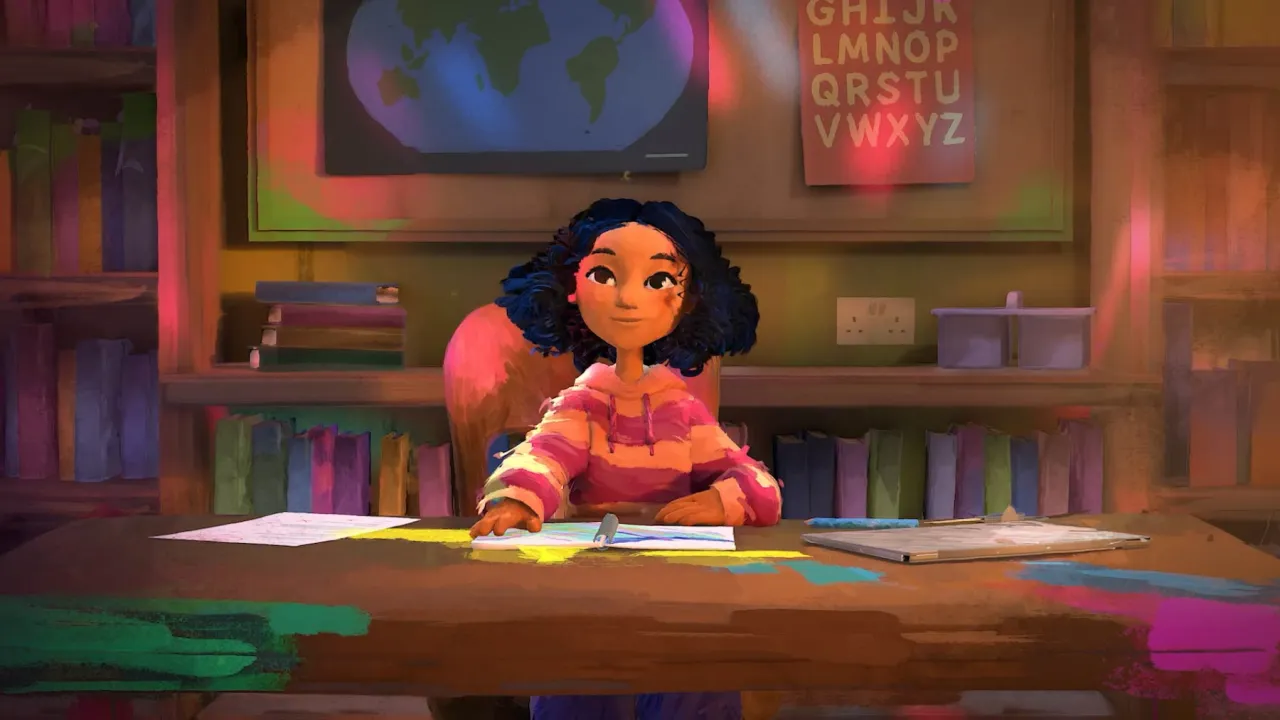
The film is called What is dyslexia?, named deliberately after the search term it's intended to hijack. It tells the story of Lola, a young girl who's just learned she's dyslexic and turns to the internet for answers, only to be confronted by descriptions that leave her feeling hopeless. From there, she's taken on a journey by a wise dyslexic inventor, voiced by Jeremy Irons, who introduces her to a lineage of extraordinary dyslexic minds: Henry Ford, Muhammad Ali, and visionaries from art, film and science.
The cast also includes Liv Tyler and Jaleen Best, who plays Ali in the upcoming Amazon series The Greatest. The eight-minute film, created by global charity Made By Dyslexia in partnership with ClemengerBBDO, was directed by Kyra Bartley through Finch, with design and animation by Art&Graft. It premiered at the BFI IMAX in London this week, and you can watch it in full below.
Smart engineering
The strategy behind its release is as sharp as the craft. Giles Watson, executive creative director at ClemengerBBDO, outlines the thinking. "The 'Knowledge Panel' can't be bought or gamed, it's shaped by cultural signals, not advertising," he explains. "So we engineered this film to influence those signals. Every element, from casting and animation style to reviews and distribution, was designed to help it surface at the top of search and transform it into something far more powerful."
It's an unusually elegant piece of media thinking: using the formal requirements of cultural credibility—a real film with real reviews and real distribution—to earn the organic placement that no media budget could simply buy. It's the animation style, though, that deserves particular attention. Because Art&Graft haven't simply made a beautiful film: they've made one where the style is inseparable from the argument.
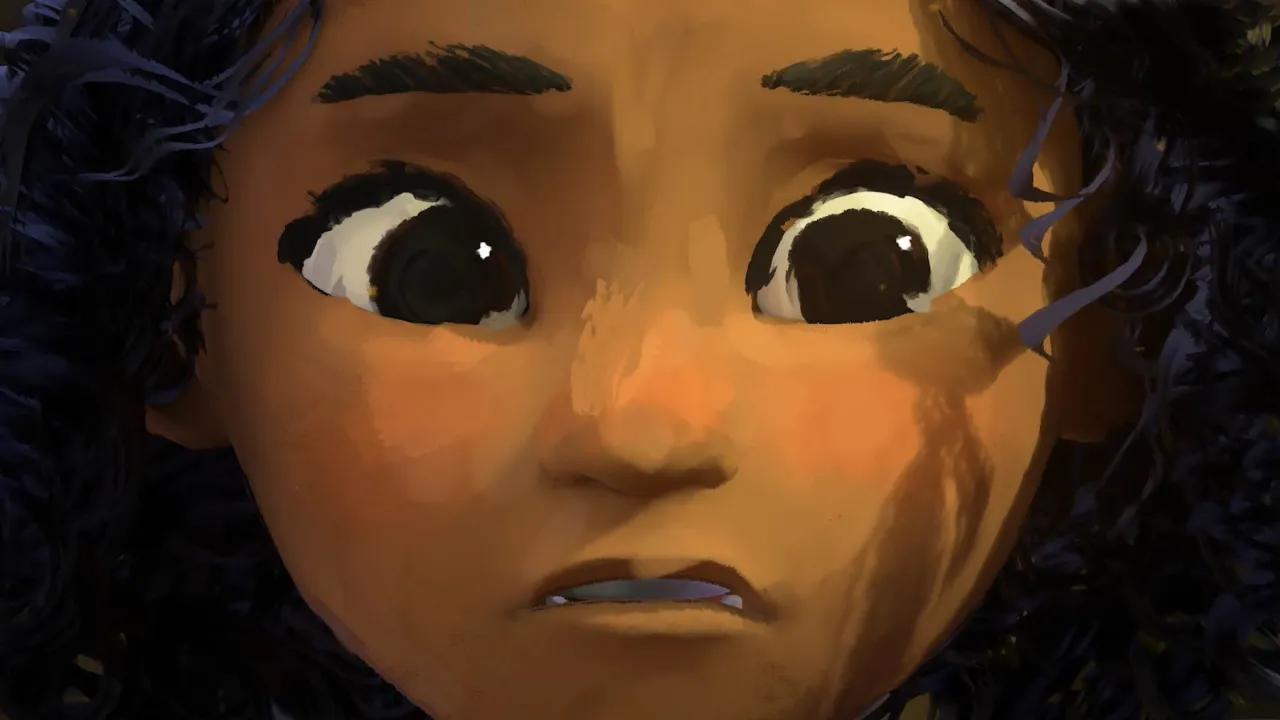
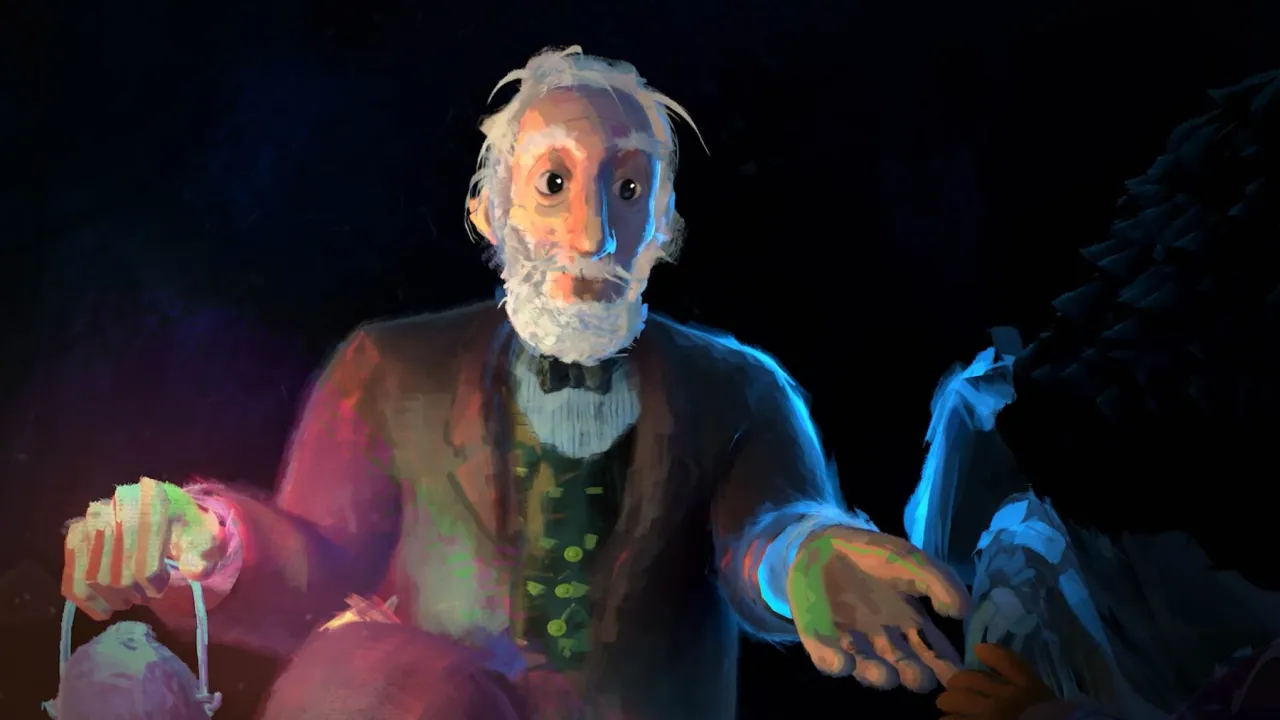
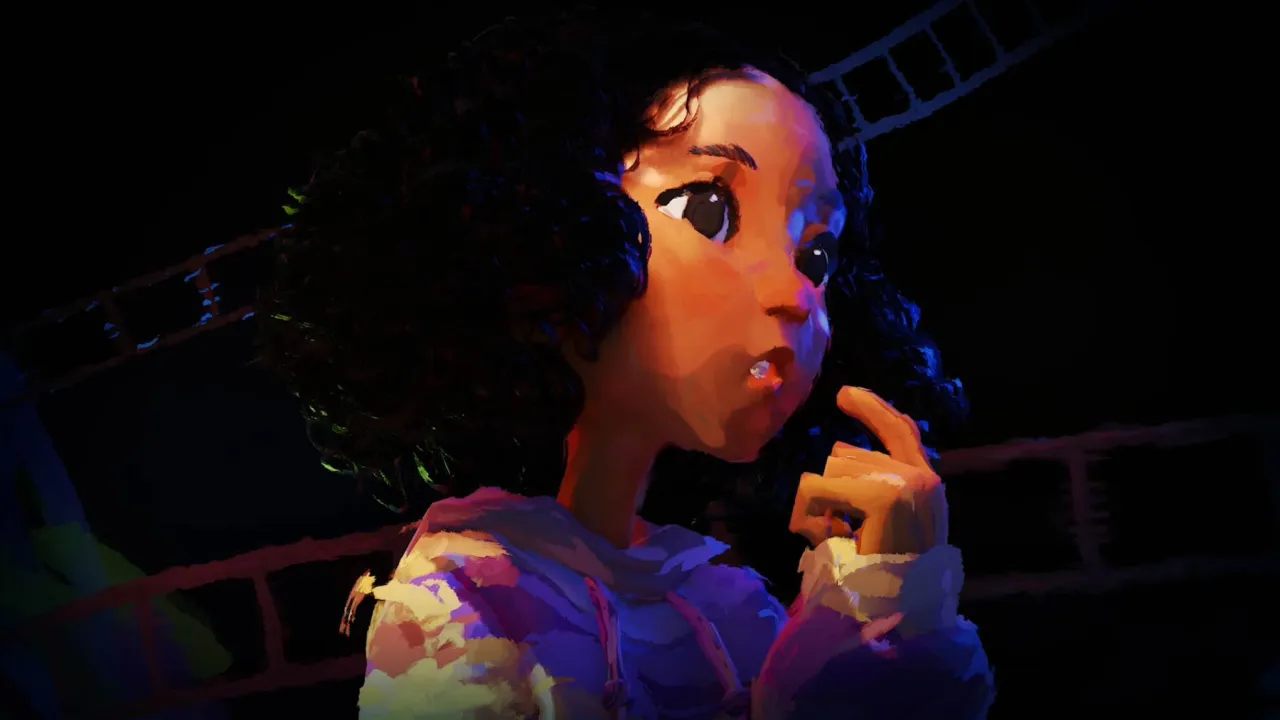
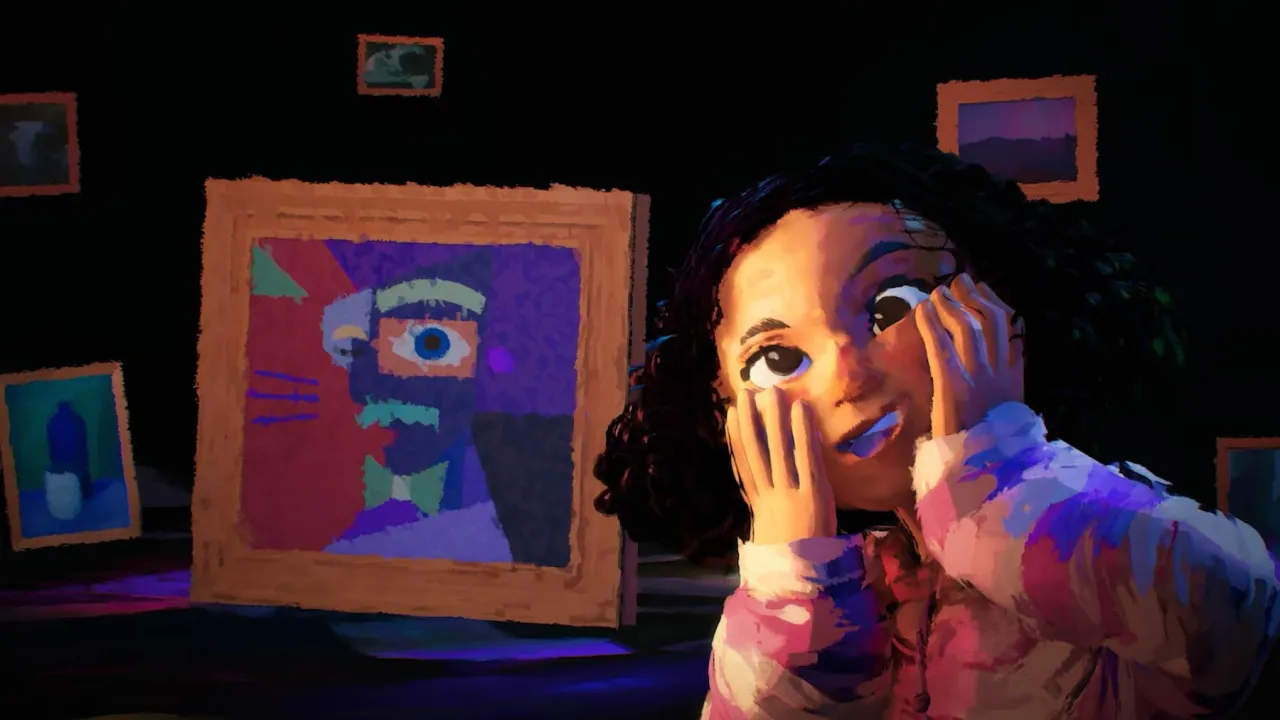
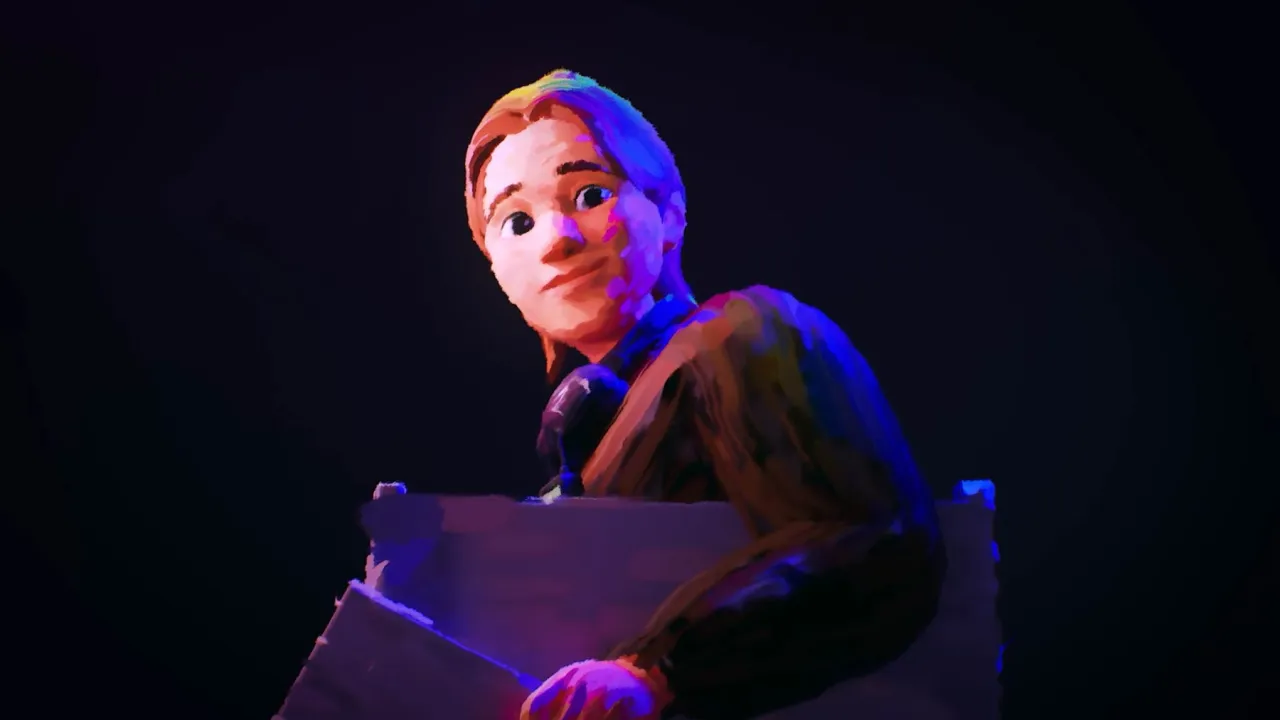
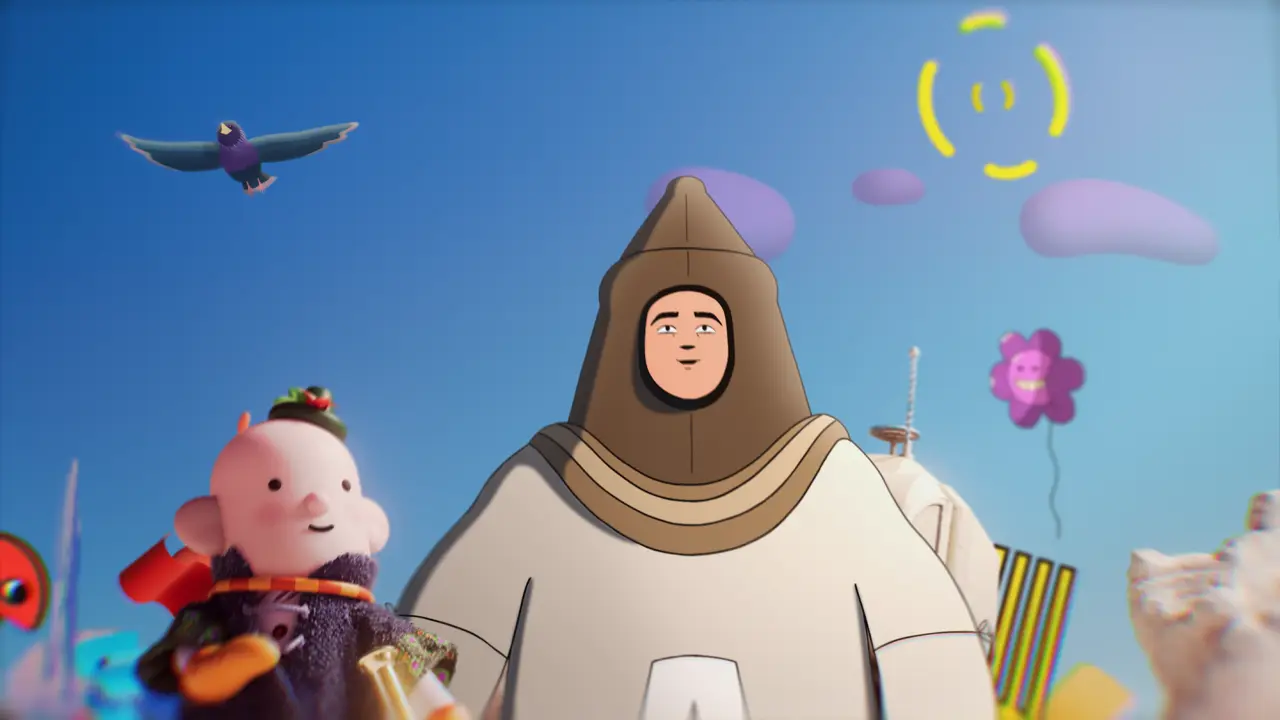
The studio developed a hybrid approach that draws heavily on traditional 2D techniques, expressive brushwork, varied frame rates, and hand-drawn elements, but reinterprets and evolves all of them within a 3D pipeline. Hand-drawn brushstroke animations weave seamlessly into 3D renders, unifying the visual language while adding an extra layer of texture and warmth. The result is a mixed-media aesthetic that carries the hand-crafted quality of traditional animation alongside the depth and flexibility that 3D affords.
Importantly, these effects only gradually unfurl, starting with what feels like a more 'classic' 2D animated look, before slowly introducing other animation techniques as the story progresses. Look at the stills, and you can see immediately what this achieves. Characters are rendered with a painterly looseness that suggests feeling over precision: broad strokes of colour that bloom and bleed at the edges, skin tones built from warm ochres and deep purples, hair that crackles with energy.
The world Lola falls through, literally at points, isn't a clean digital space; it's something textured, alive and emotionally charged. Light doesn't simply illuminate scenes, it saturates them. The sequences where she tumbles through darkness, surrounded by explosive trails of neon colour, wouldn't land the same way if they were rendered in conventional CGI polish. The roughness is the point.
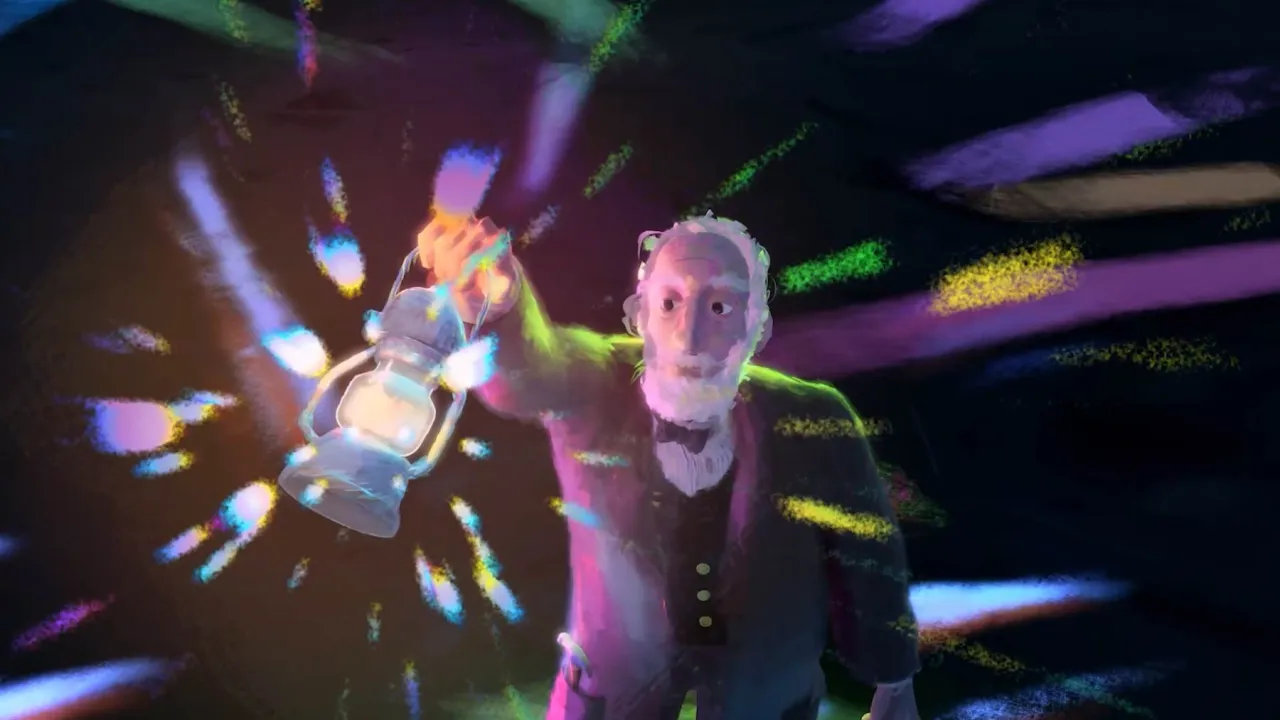
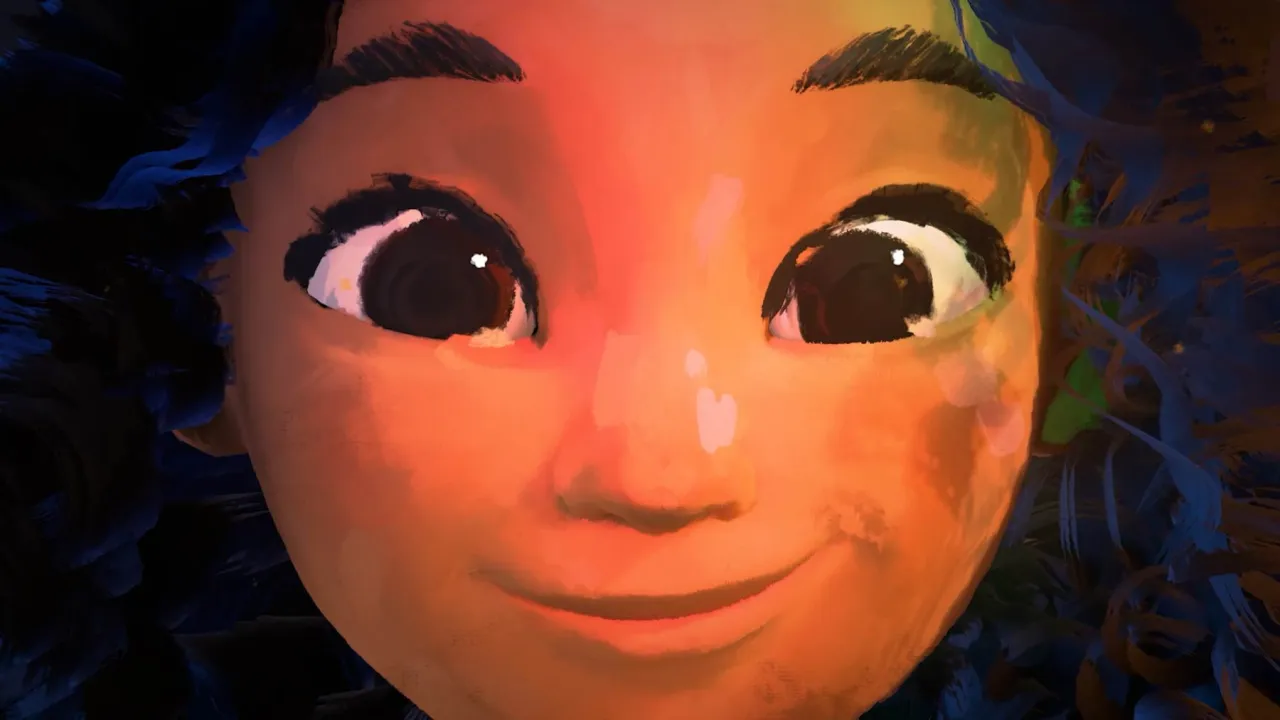
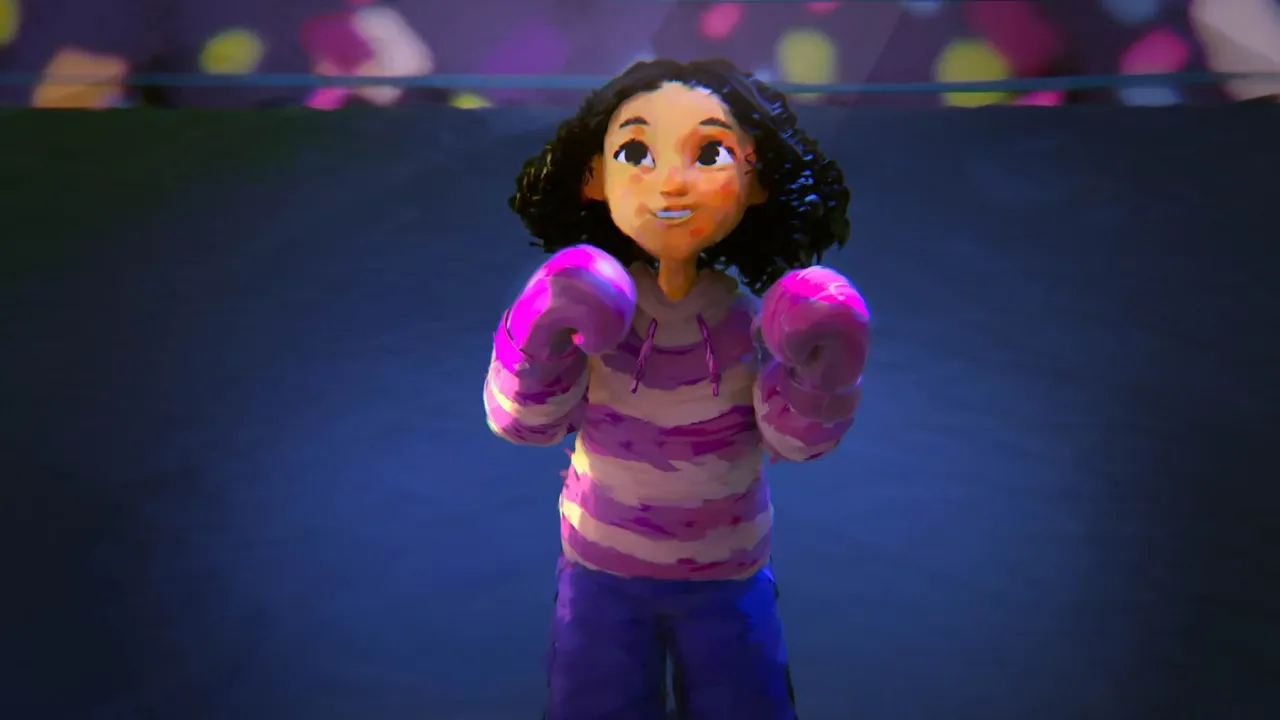
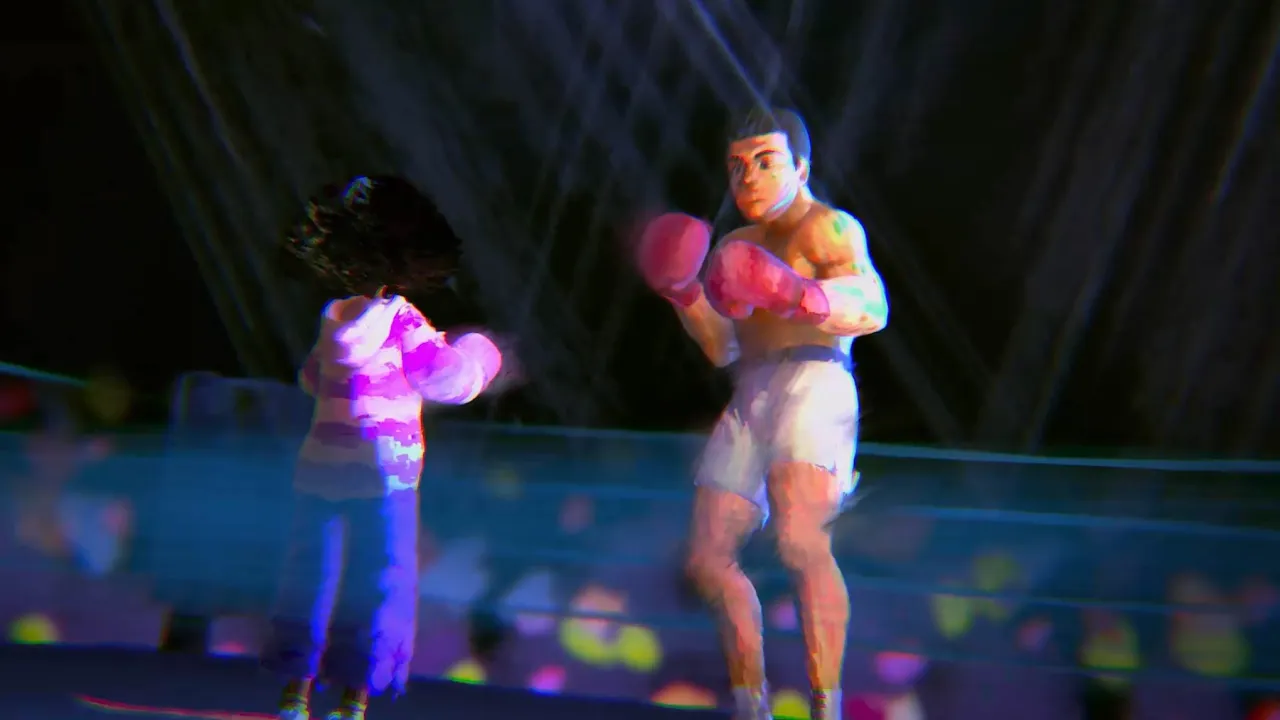
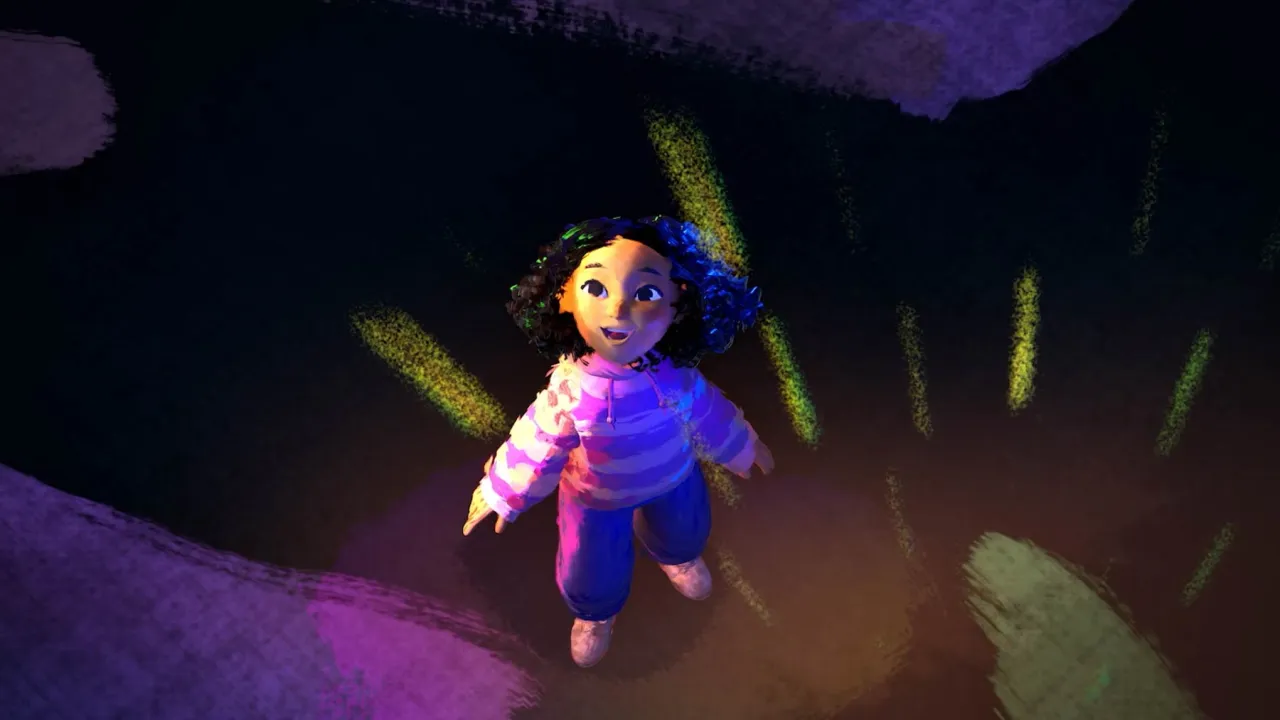
Variable frame rates reinforce this throughout, giving certain moments a deliberately handmade rhythm that disrupts the fluid perfection of standard animation. It's a technique that trusts the viewer to feel the difference even if they can't name it, creating an instinctive sense that this is a world built by hand and shaped by imagination.
Craft in service of the message
Kate Griggs, founder of Made By Dyslexia and the film's executive producer, is clear about why these choices matter beyond aesthetics. "This film marks a vital next step in our work to change how the world understands dyslexia," she says, "combining inspiring performances with a bold, painterly style that reflects the creative, colourful, imaginative way dyslexic minds see the world, helping young people recognise their brilliance."
That's the core of it, right there. The animation style isn't decorative; it's argumentative. A film that uses vivid, associative, emotionally driven visual language to explain dyslexia is itself making a case for a different kind of intelligence. It's showing rather than telling. The music, composed by Grammy award-winning Lorne Balfe and Ted Griggs, operates in the same spirit: emotionally legible, swelling at the right moments, never overplaying its hand.
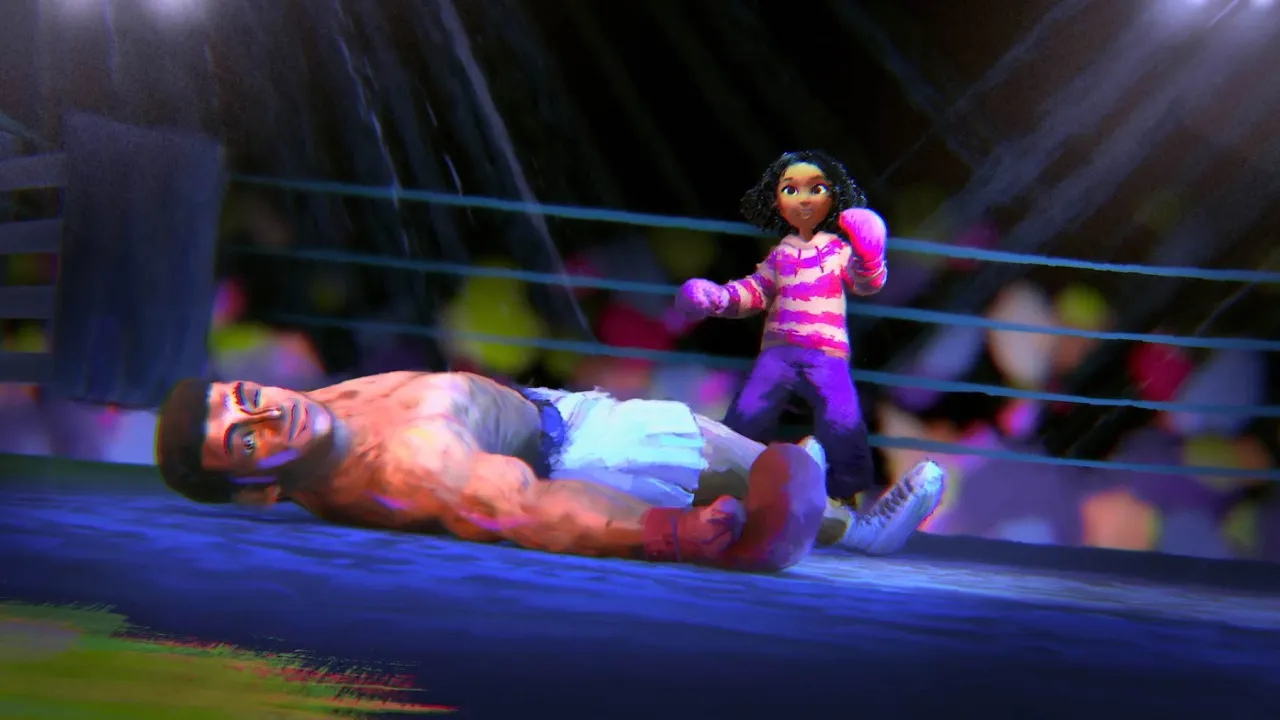
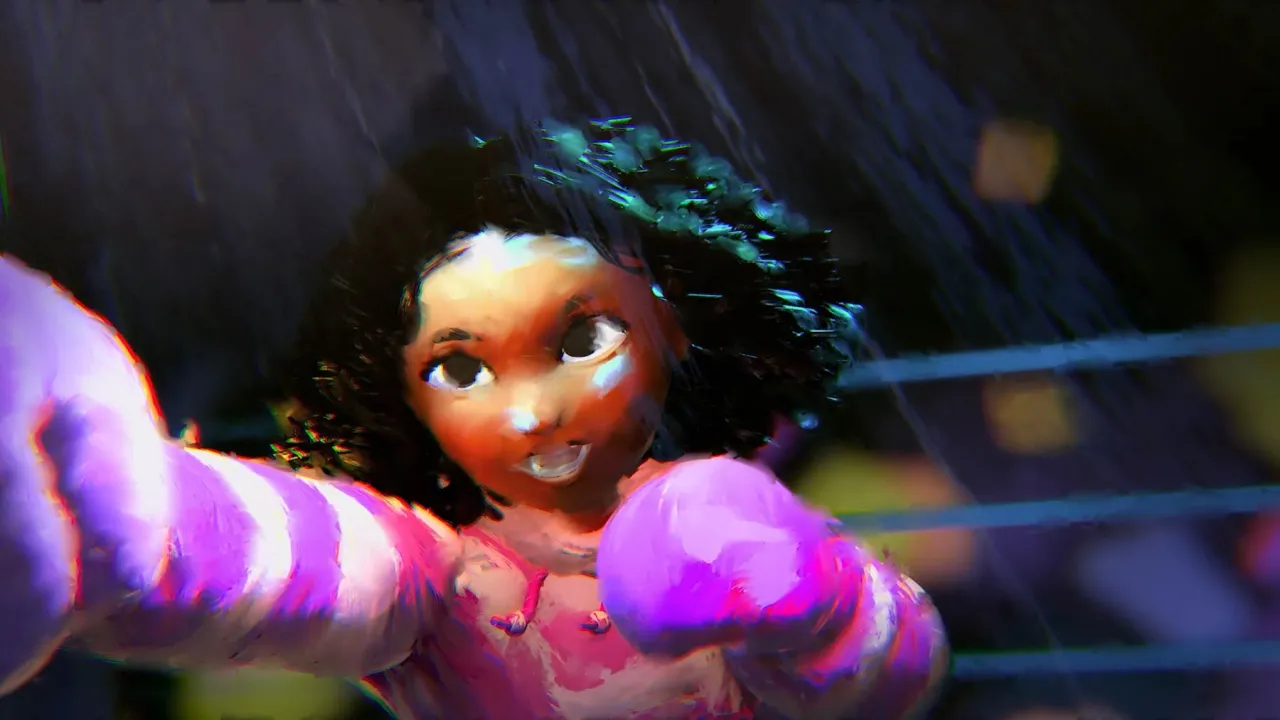
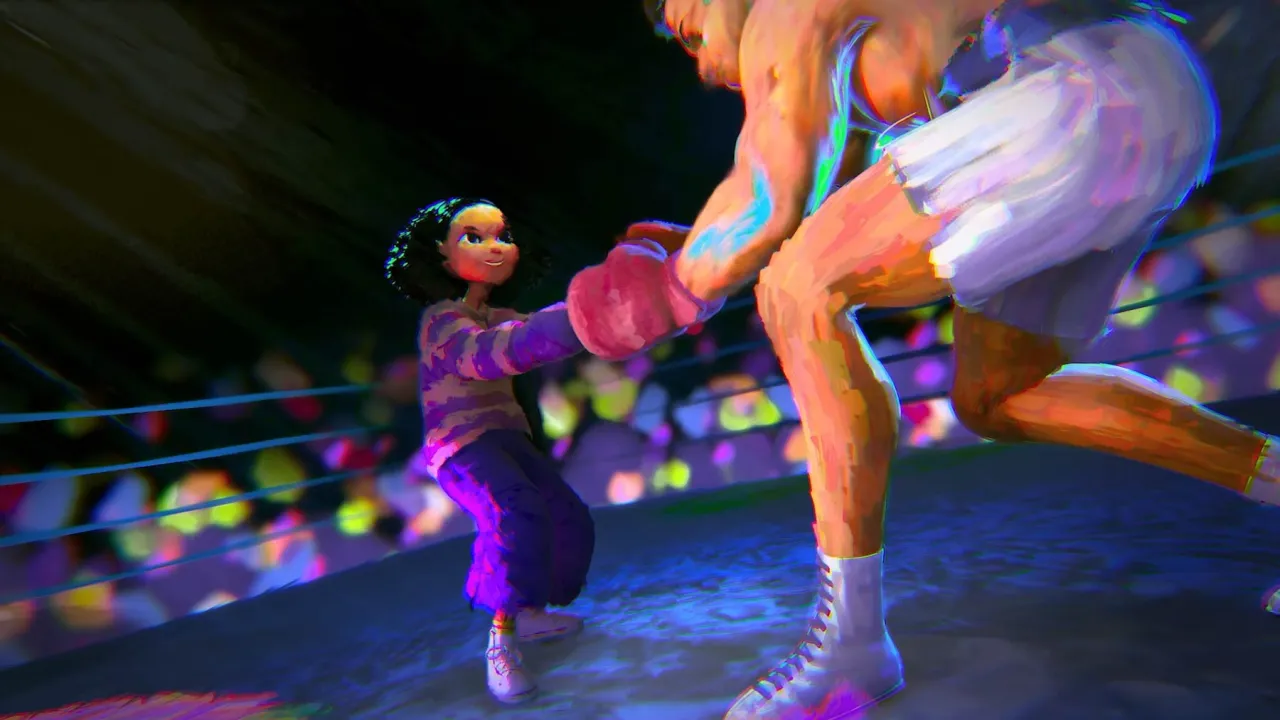
Oscar-winning actor Jeremy Irons brought his own personal perspective to the project. "Coming from a family of creative dyslexics, I know just how important it is that we ensure all dyslexic children understand their extraordinary strengths," he explains. "Throughout history, dyslexics have played a role in many of the world's most significant innovations, from the light bulb to the motor car. I hope that everyone will support us in watching, sharing and reviewing the film, so that each year, millions of children and parents will find it at the top of their searches."
For creatives, What is dyslexia? is a case study in how formal decisions, the embrace of expressive imperfection and the choice to blend traditions rather than commit to one, can be made to carry genuine meaning. The medium, here, really is the message.
Editor's Picks
Trending

Latest Jobs
Account Manager at BUILDHOLLYWOOD
Full-time·London·£34k–£38k
Marketing Copywriter at ustwo
Full-time·London·£40k-£50k
Digital Marketing Executive at Arise
Full-time·Sheffield·From £23,750
Senior Digital Designer at 3800
Full-time·Sheffield·£40k-60k
Account Director at How&How
Full-time·London·£73k-£79k
Senior Creative Lead at Random Studio
Full-time·Amsterdam / Paris·€90k-€110k