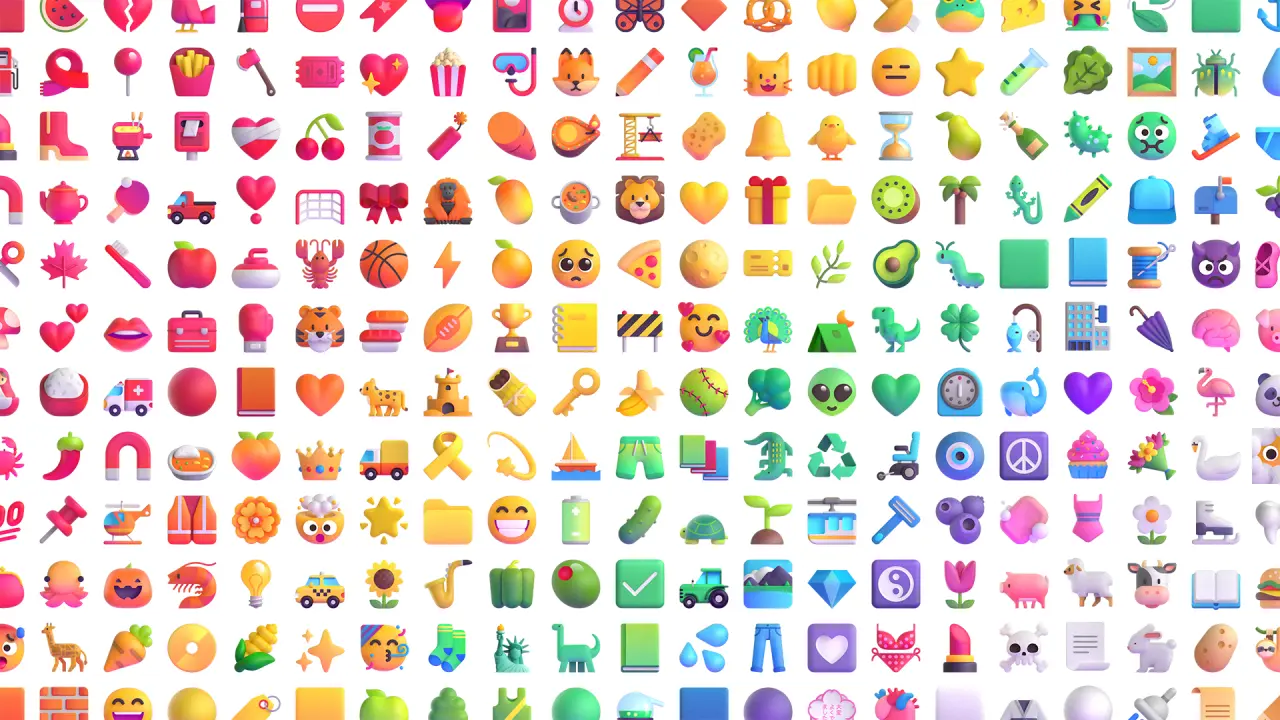
Emoji: new book celebrates the original set of 176 emoji designed by Shigetaka Kurita
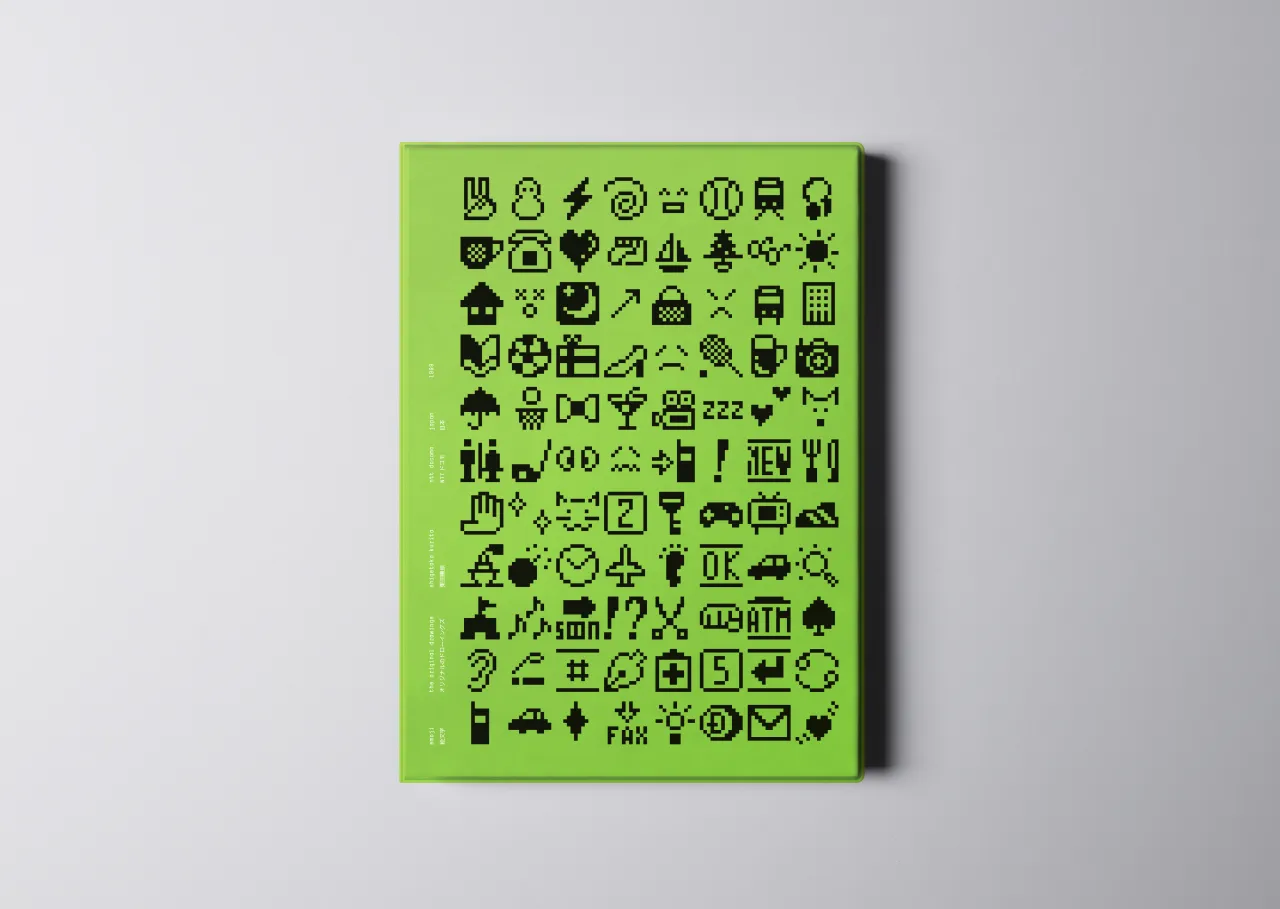
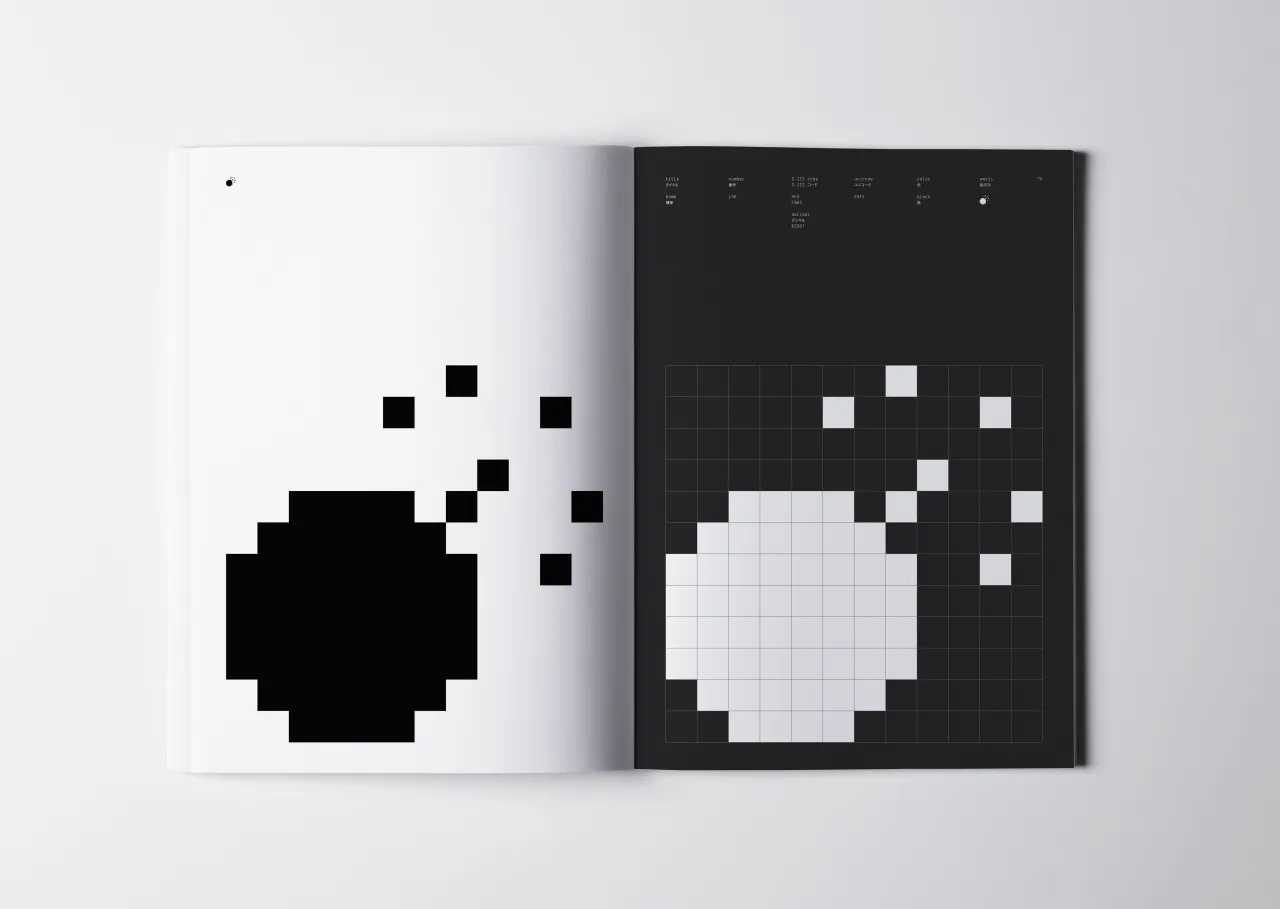
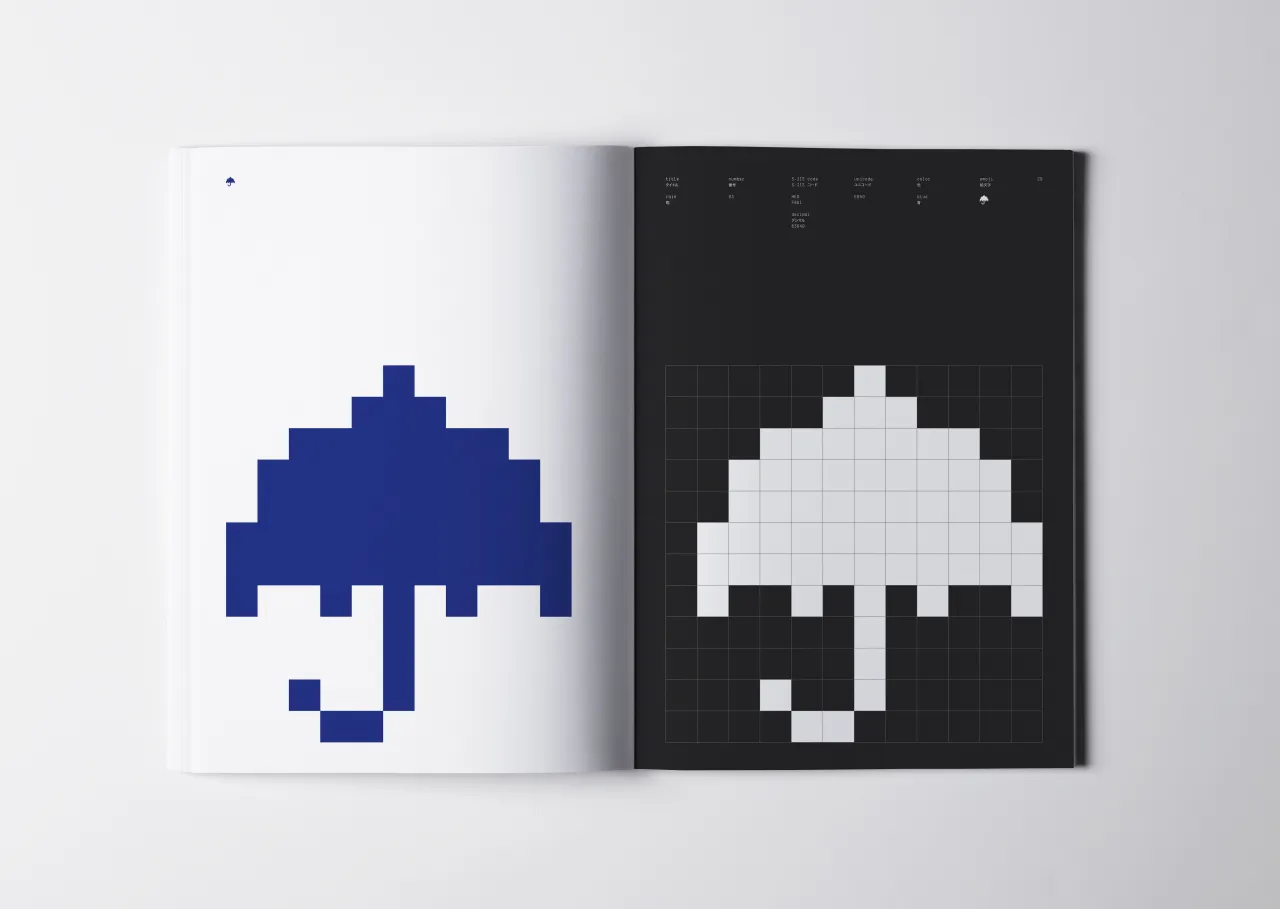
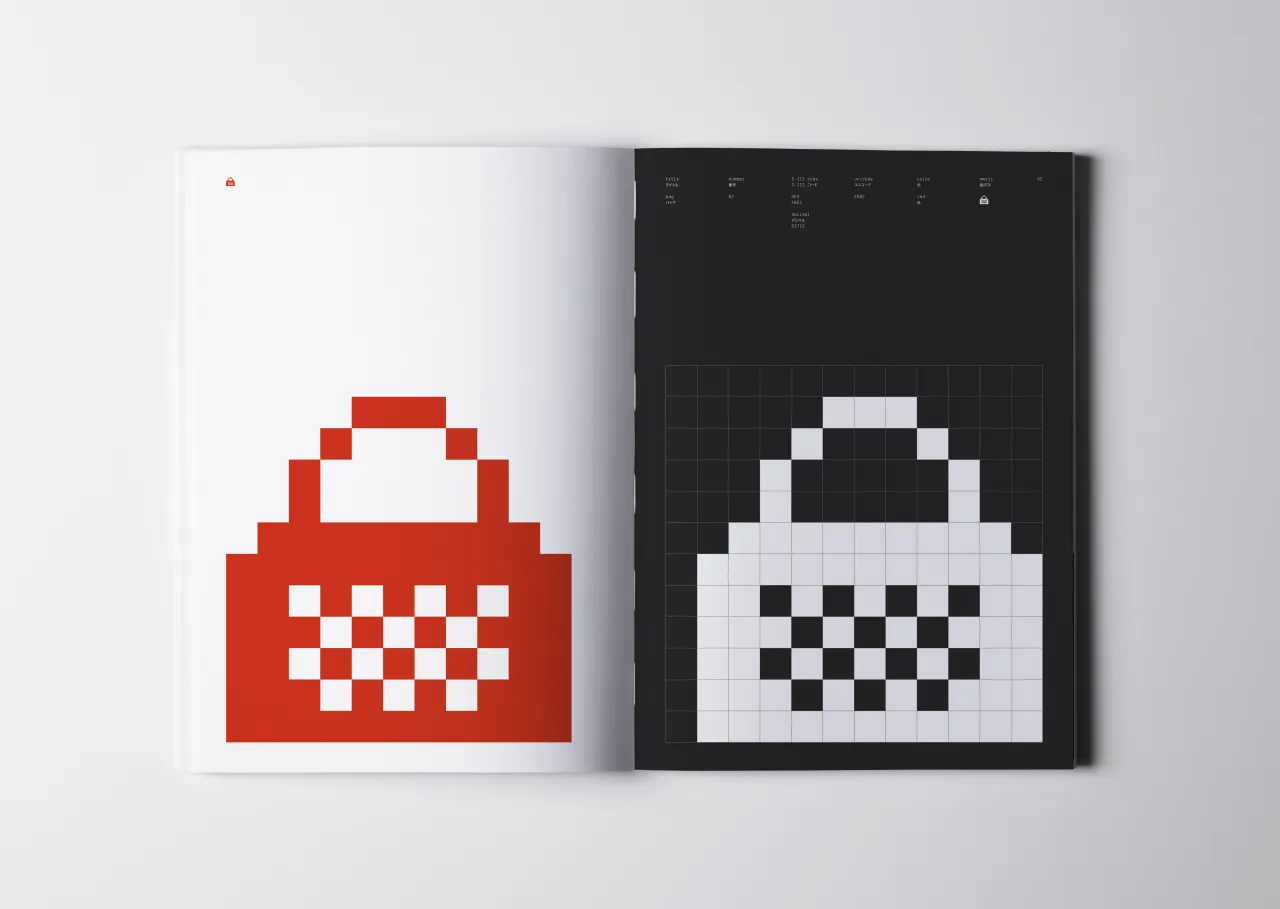
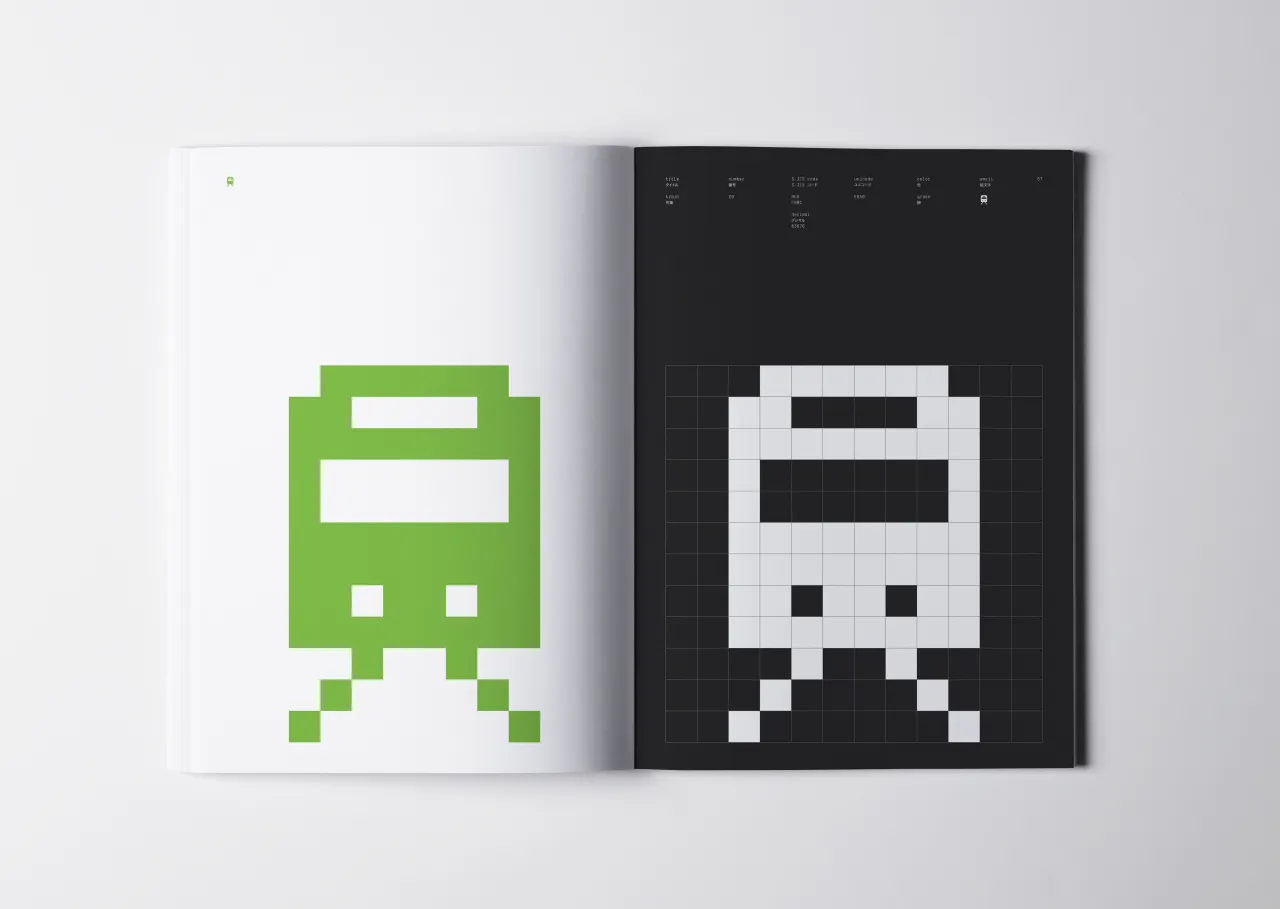
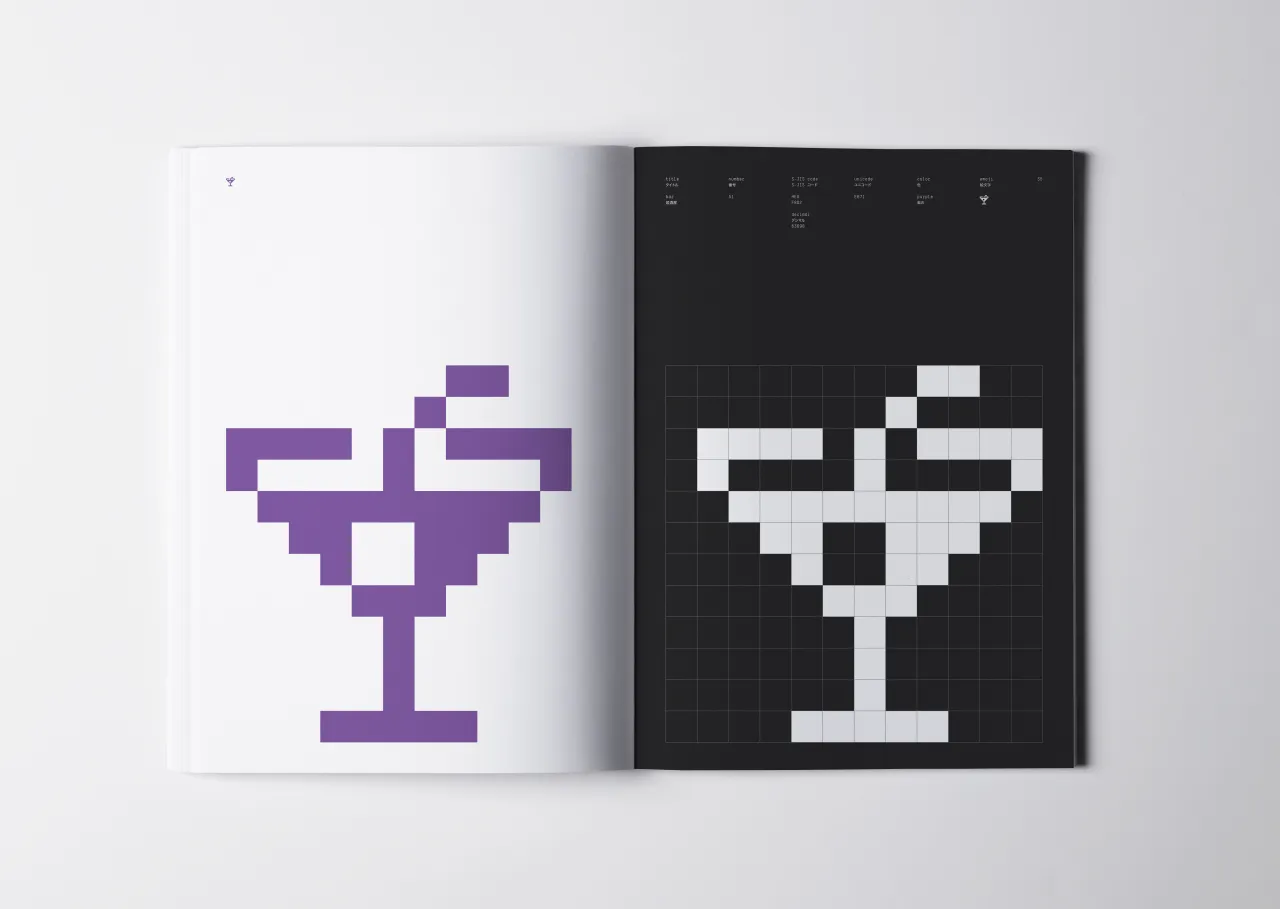
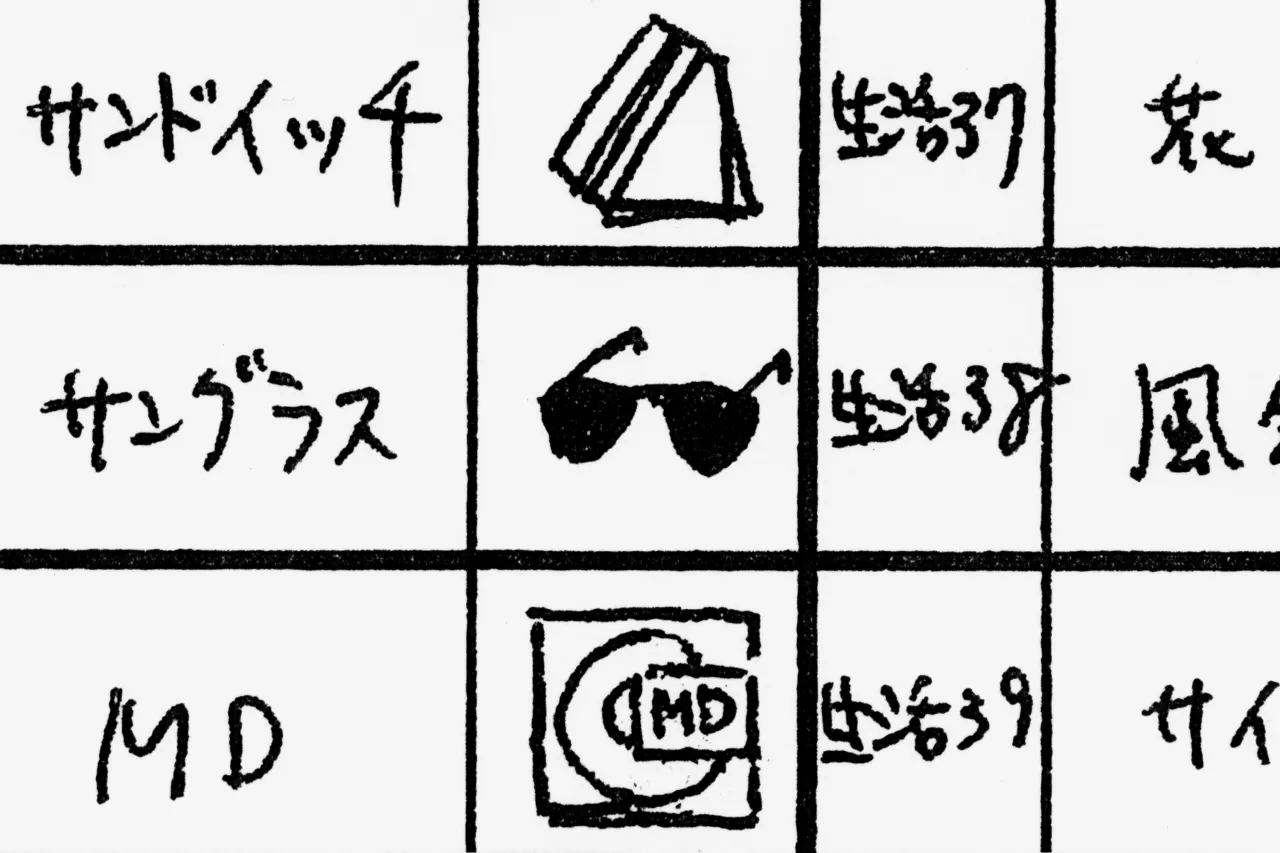
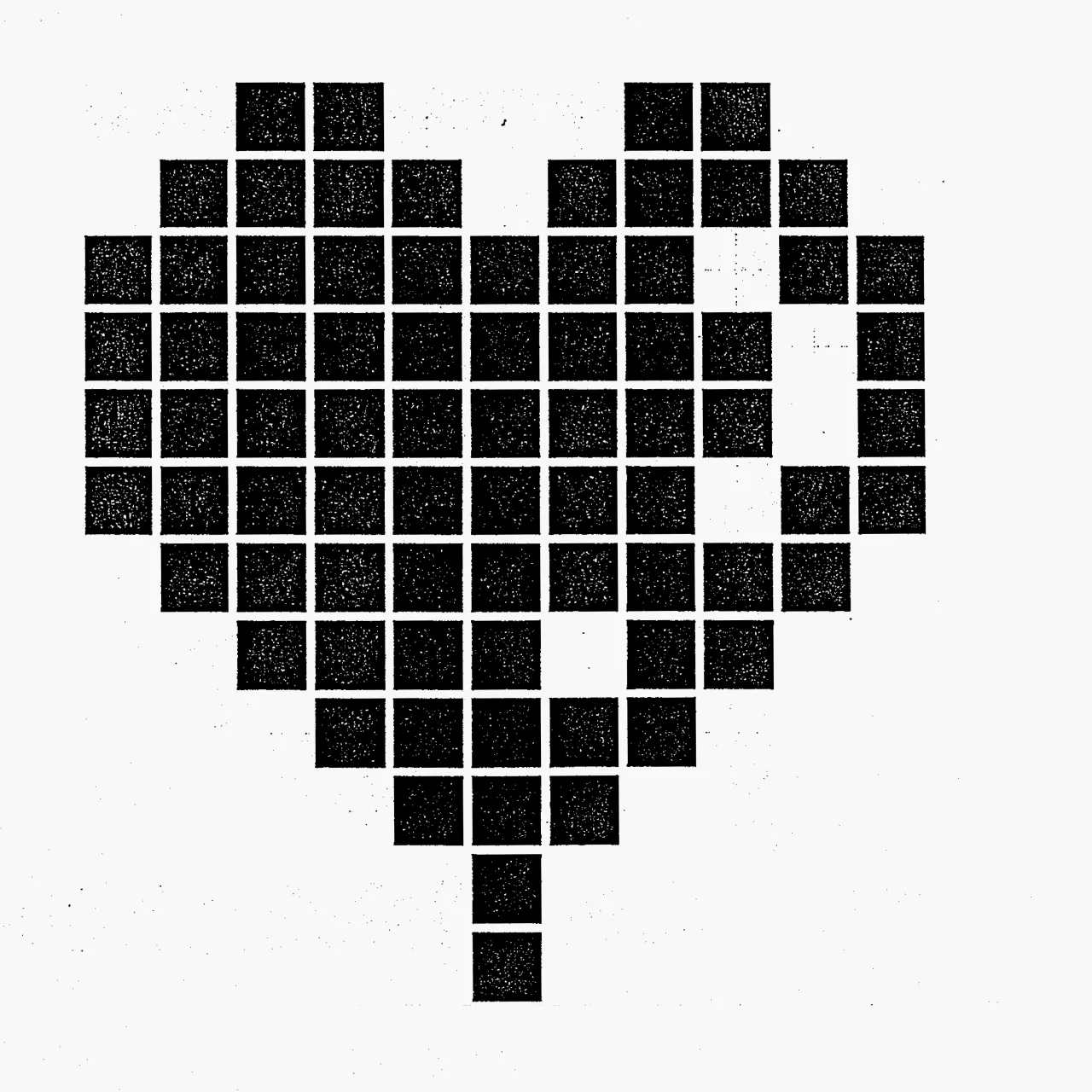
In 2016, the Museum of Modern Art made headlines after acquiring the original set of 176 emoji for its permanent collection: tiny drawings of faces, objects, and places, each illustrated on a 12x12 pixel grid, grouped and arranged neatly in order. Ancient, in a digital sense, and crude, but also somehow familiar.
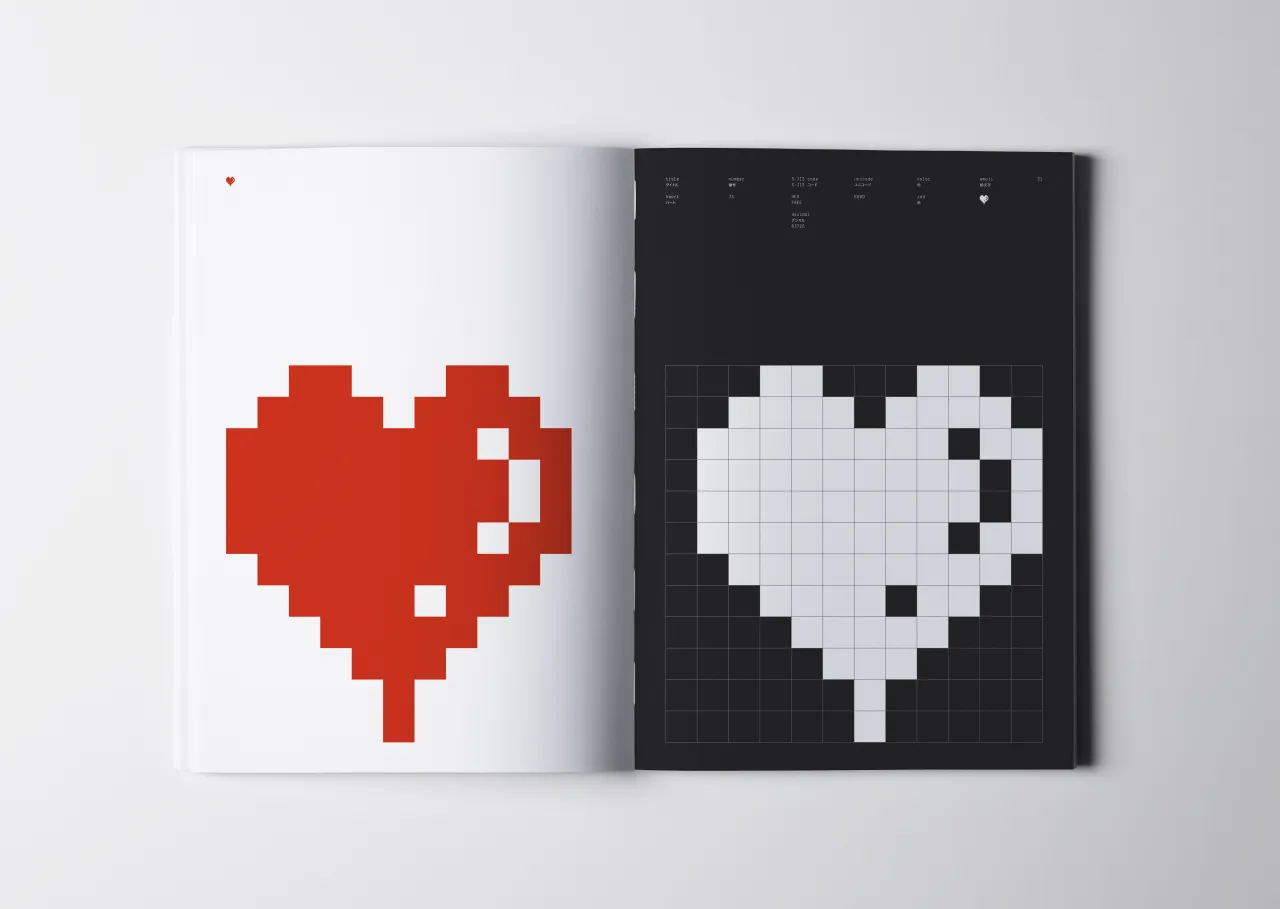
Designed by young artist Shigetaka Kurita, just 25-years-old at the time, they were first released in 1999 by Japanese telecommunications company NTT DOCOMO. Little did Kurita or DOCOMO know that their work would leave Japan, evolve, and be used by billions of people on a daily basis – revolutionising the way we communicate and becoming unintentional works of art.
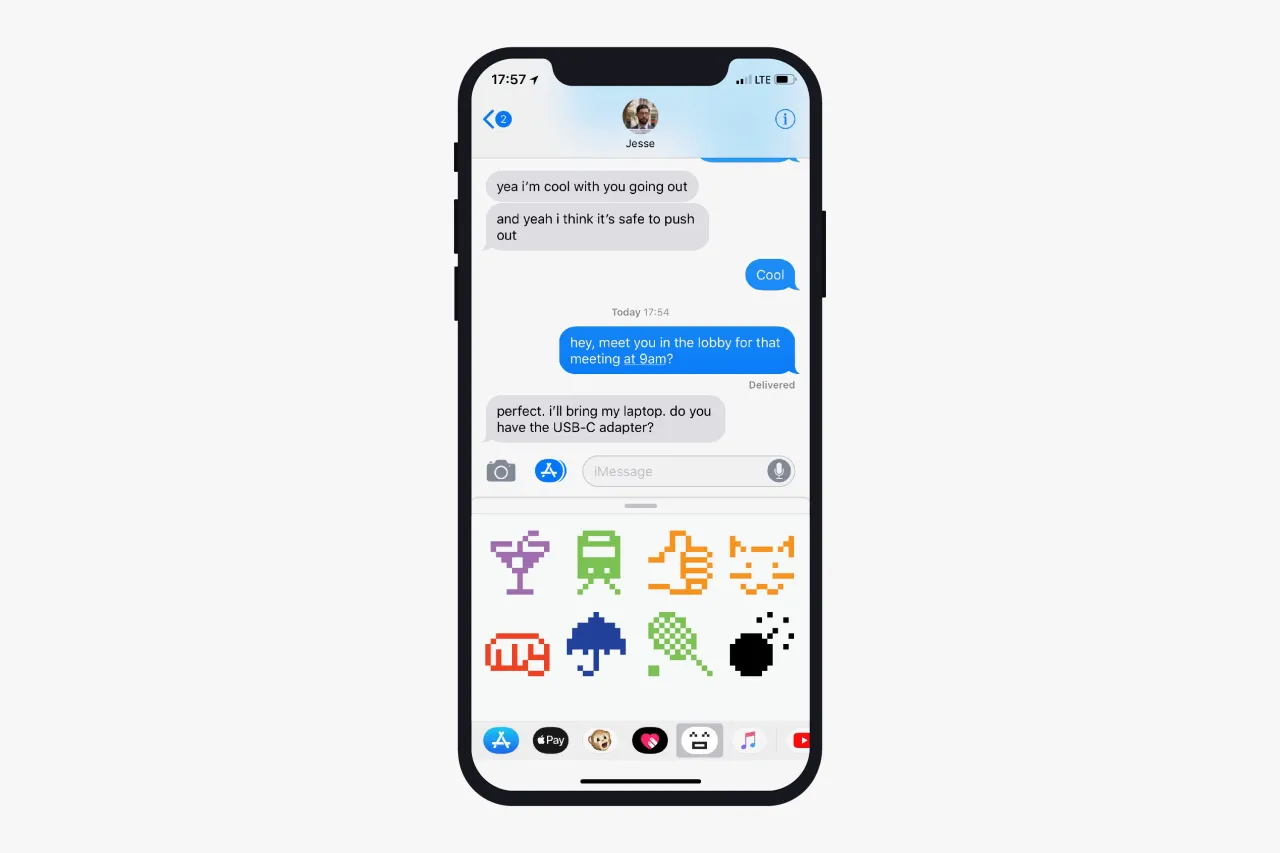
Now, independent publishers Standards Manual is launching the first ever book of the original emoji from Japan along with a smartphone keyboard of these designs. Simply titled Emoji, the book studies and honours Kurita and DOCOMO's creation and its impact on the world.
"Various things influenced emoji," said Shigetaka Kurita, designer of emoji. "One was the pictogram. Pictograms are used as signs in many places in Japan like stations and public places. The second was the Japanese art of Manga, which uses graphics to express emotion. Lastly, it was Japanese magazines. All of these things that organise and communicate information came together to influence the creation of emoji."
Along with the book, the team is launching a keyboard extension build, in conjunction with New York-based developer W&CO, available for download in the App Store and on Google Play that will allow users to send these emoji – making them available on smartphones in the Western world for the very first time.
"As graphic designers, we have become fascinated by the occurrence of accidental masterpieces," said Jesse Reed of Standards Manual. "Mr. Kurita did not set out to create work that would be acquired by MoMA – he was simply working on the assignment that he was tasked with. But inadvertently, he has created what we consider one of the most influential designs ever created."
Launching on Kickstarter today, 30 April, you can support the campaign and make the book and app a reality by pledging your support: kickstarter.com.
Editor's Picks



Trending

Latest Jobs
Senior Brand Designer at Analogue
Full-time·Leeds·£38k-£45k
Senior Designer at Definition
Contract·London·£45k–£50k
Digital Marketing Executive at Arise
Full-time·Sheffield·From £23,750
Marketing Copywriter at ustwo
Full-time·London·£40k-£50k
Frontend Developer at Northern Artillery
Full-time·Leeds·£35k–£45k
Midweight Editor at Earworm
Full-time·Bristol·£28k-£32k