Pentagram rebrand of Zeff reshapes the future of sustainable design
With a meticulous identity by Pentagram, Zeff — the Bristol-based creator of the world's first 100% recycled and recyclable recycling bin — is ready to bring its design-led sustainability to homes and businesses alike.
For over two decades, Zeff has quietly built a reputation for innovation in the world of sustainable product design. Founded in 2001 by William Hayes, the Bristol-based company is best known for the Ubin — the world's first 100% recycled and recyclable recycling bin.
Made entirely from post-consumer plastic, the Ubin is a familiar sight in schools, offices, and leisure centres across the UK and Europe. Now, with sustainability firmly in the mainstream and new UK recycling legislation on the horizon, Zeff has set its sights on a new audience: consumers.
To make the leap from a B2B staple to a household name, Pentagram's Luke Powell and Jody Hudson-Powell were brought in to craft a new identity that would balance Zeff's technical expertise with its deep-rooted commitment to sustainability.
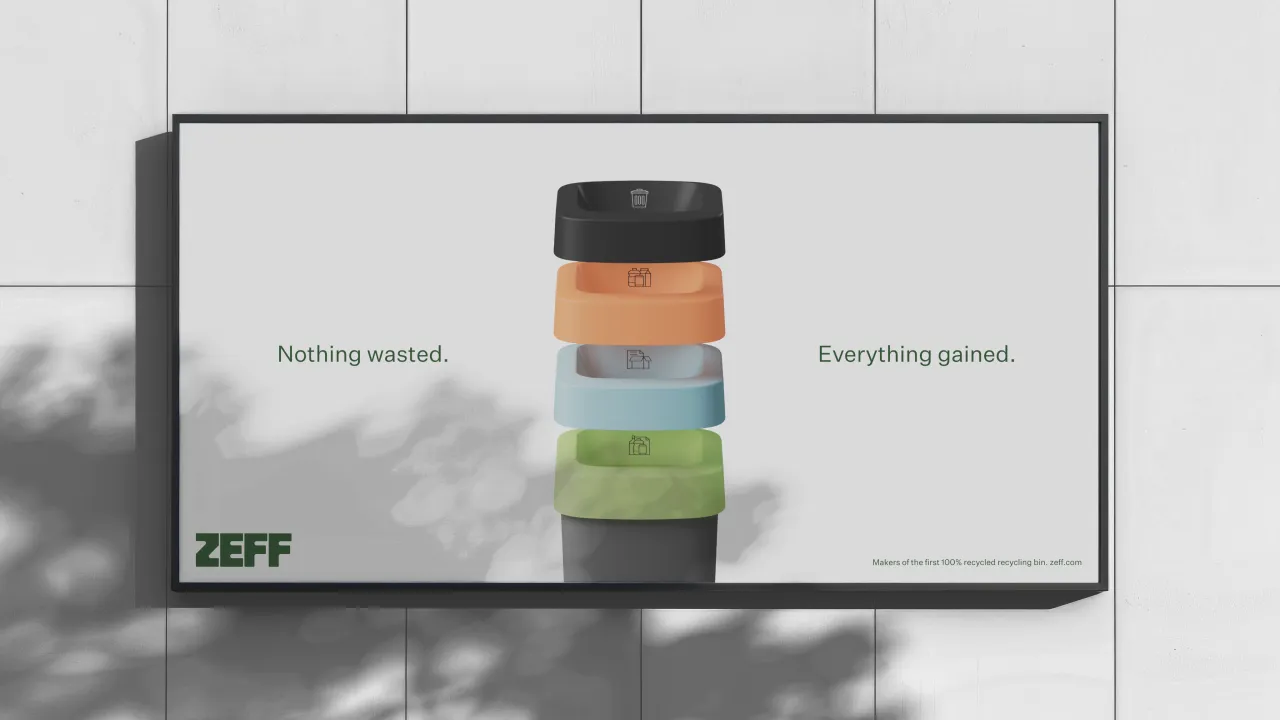
At the core of the new brand is the concept of 'technical and transparent', a duality that captures Zeff's engineering precision and its open, honest approach to materials, manufacturing, and impact. As Hudson-Powell explains: "The challenge was to expand into B2C without alienating their current B2B customers."
That meant creating a brand that could appeal to procurement managers looking for cost-effective, regulation-friendly solutions and design-conscious consumers who want well-crafted, genuinely sustainable products for their homes.
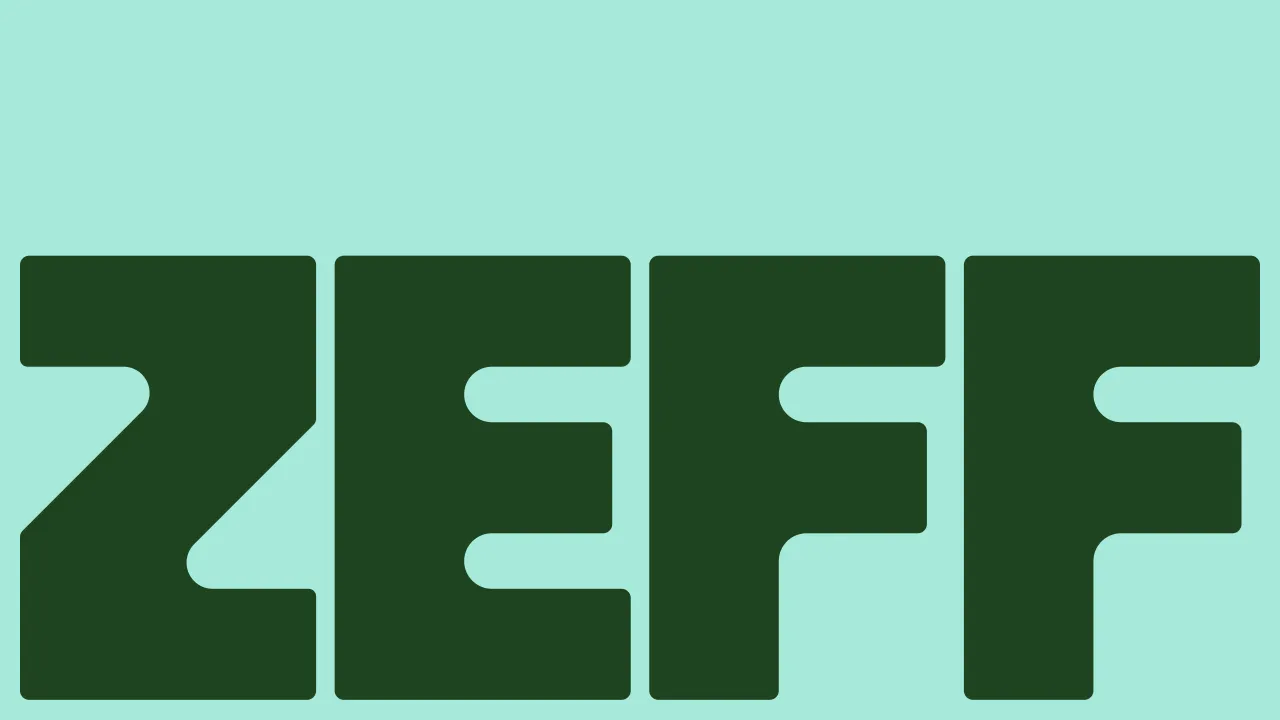
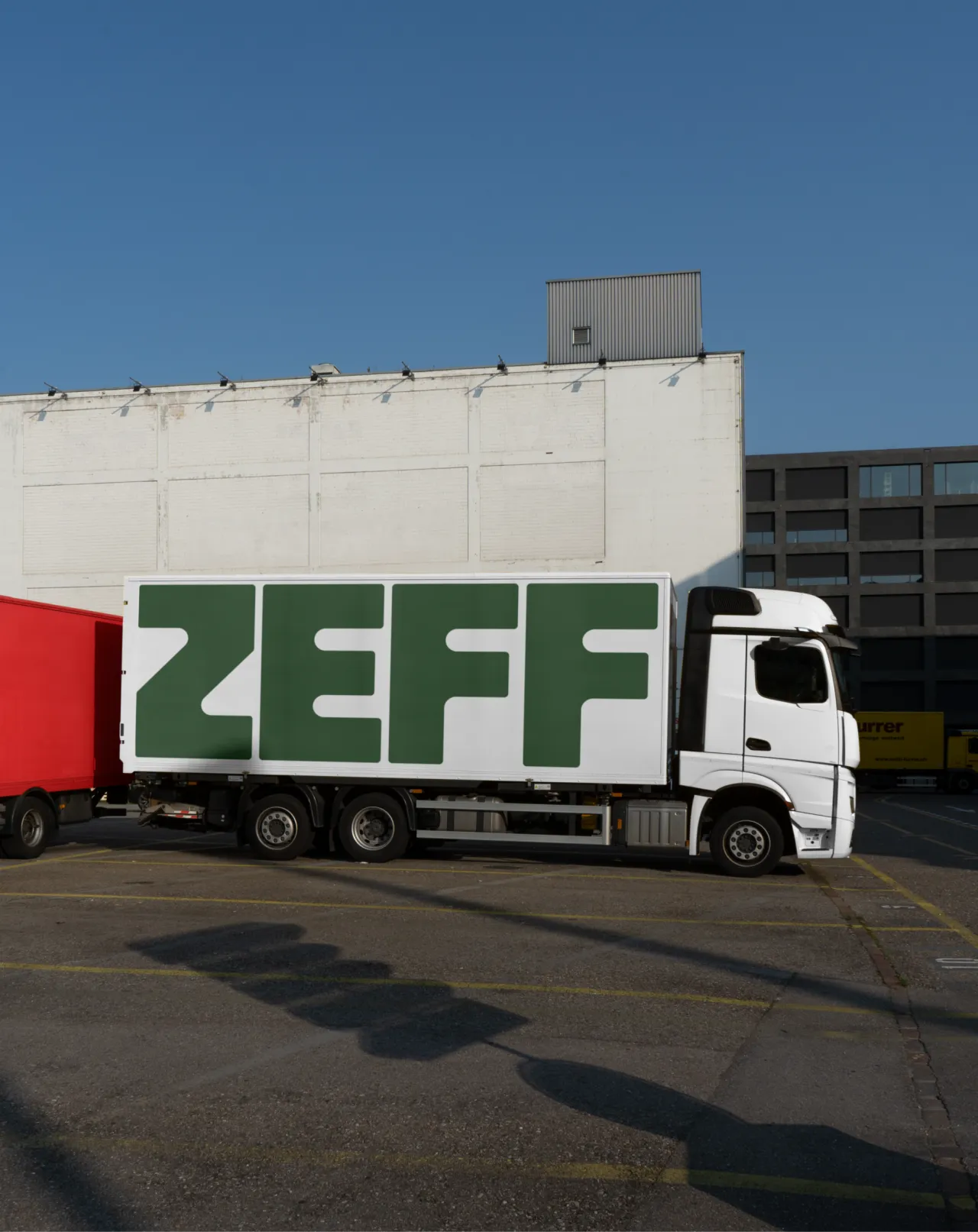
This balancing act led to a visual language that feels equally at home in a product catalogue and on a lifestyle Instagram feed. The new wordmark, inspired by Ubin's signature curves, reflects Zeff's heritage while ensuring flexibility for future product innovations.
"The Ubin has been part of Zeff's story from the beginning, so referencing its form in the logo felt like a natural way to anchor the brand," says Powell. The result is a mark with solidity and approachability — a visual echo of the product itself.
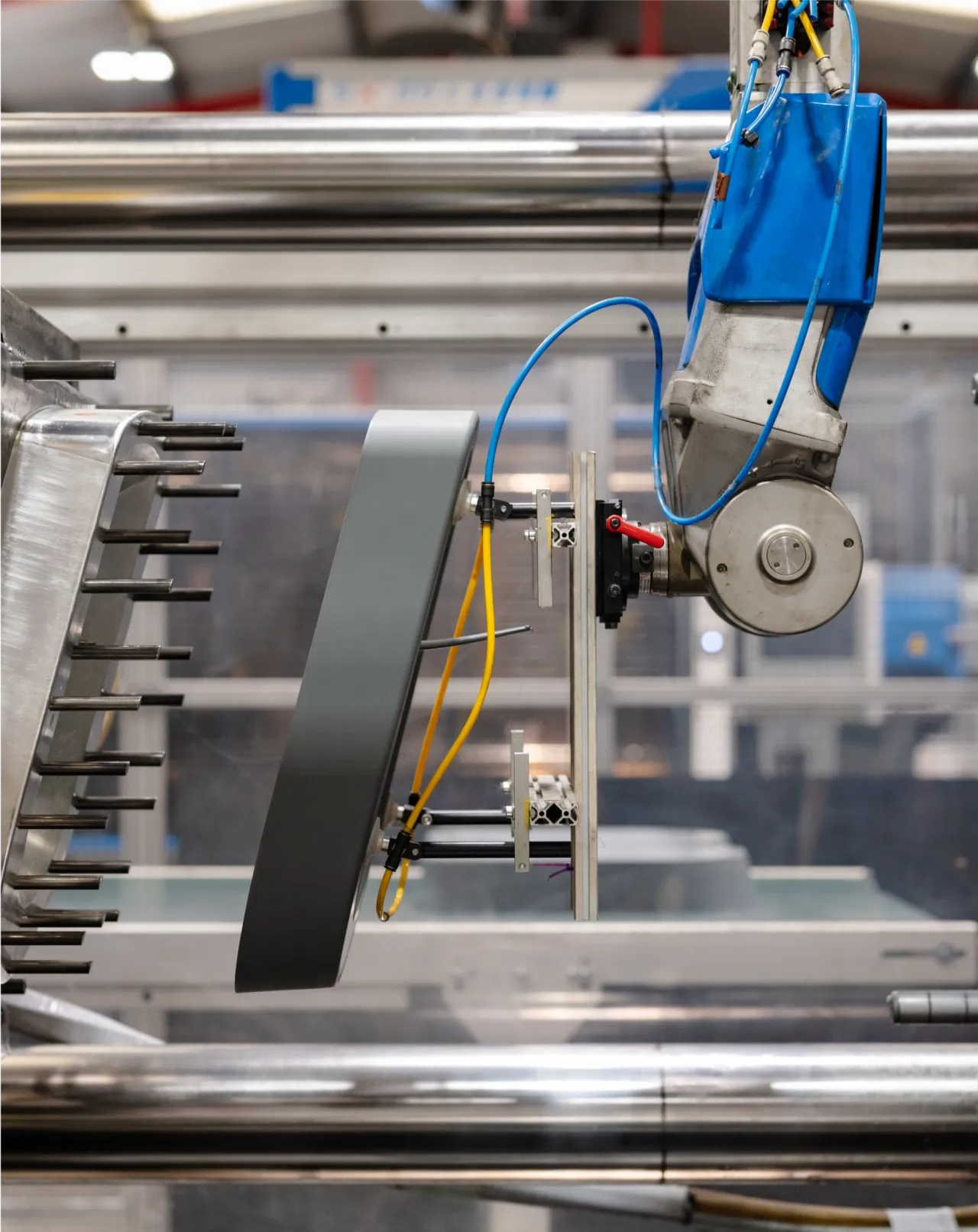
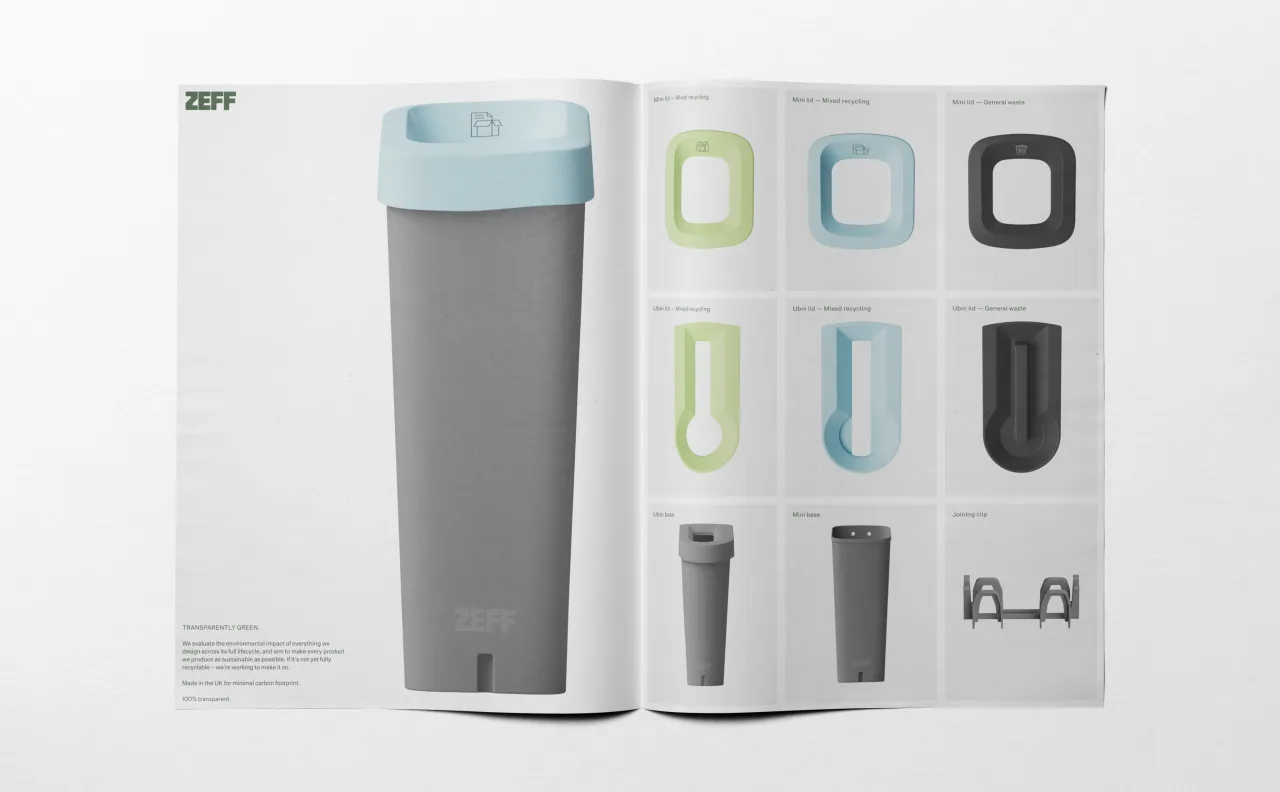
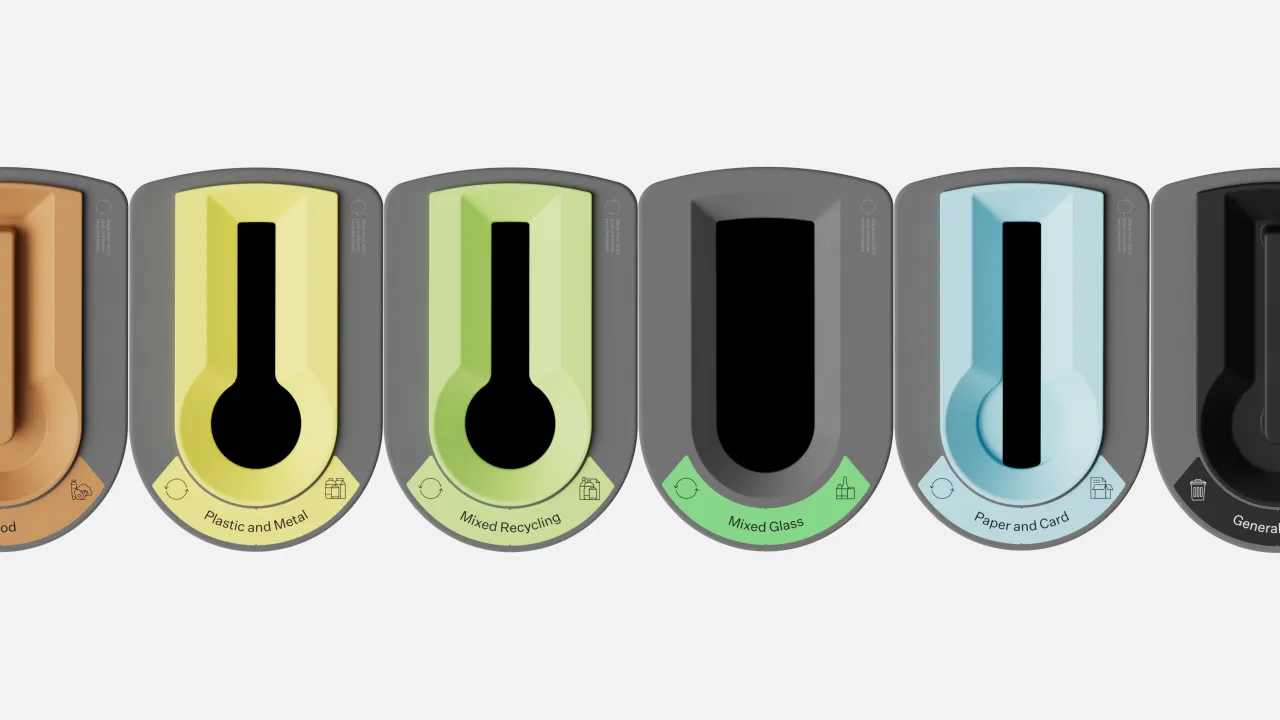
Beyond the logo, the new identity system emphasises technical precision. Detailed product diagrams, custom waste stream icons, and motion-led product renders communicate the design quality and considered engineering that define Zeff's products.
"For B2B audiences, those details are crucial for regulatory reasons, while for B2C customers, they reinforce the product's design value — showing it's something you'd actually want in your home," says Hudson-Powell.
While sustainability is central to Zeff's DNA, Powell and Hudson-Powell were careful to avoid the visual clichés that often dominate eco-friendly branding. "There's no need to shout about sustainability with leaf motifs or earthy textures," notes Powell. "For Zeff, it's embedded in everything they do, so we could let the design-led approach shine through."
This approach comes through most clearly in the colour palette, which balances industrial precision with nature-inspired accents. Crisp whites and greys set a clean, technical foundation and sit alongside soft earth greens and seafoam blues, which nod to the brand's environmental ethos. It's a subtle way to signal sustainability without falling into predictable tropes.
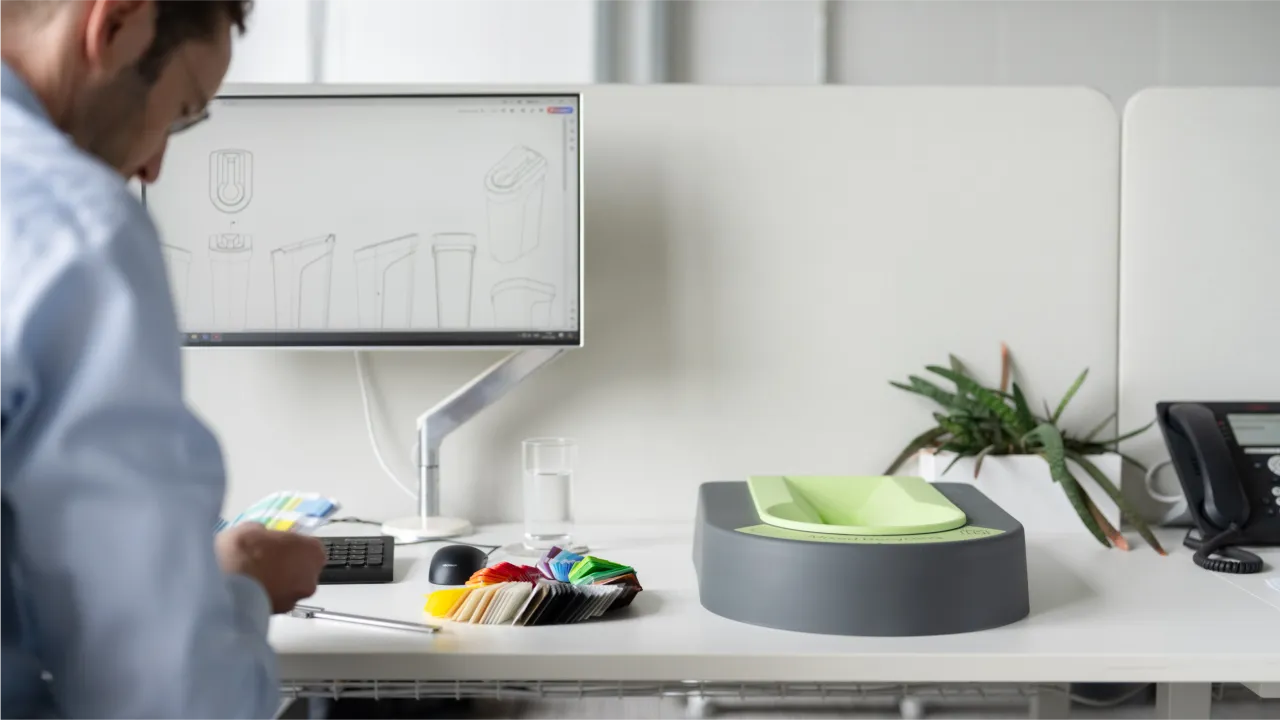
Photography plays a similarly important role in humanising the brand. Natural light, candid angles, and a focus on Zeff's small, expert team highlight the company's independent spirit.
"It was important to show the real people behind Zeff," says Hudson-Powell. "This isn't a faceless corporation; it's a team of passionate designers and makers committed to doing things differently."
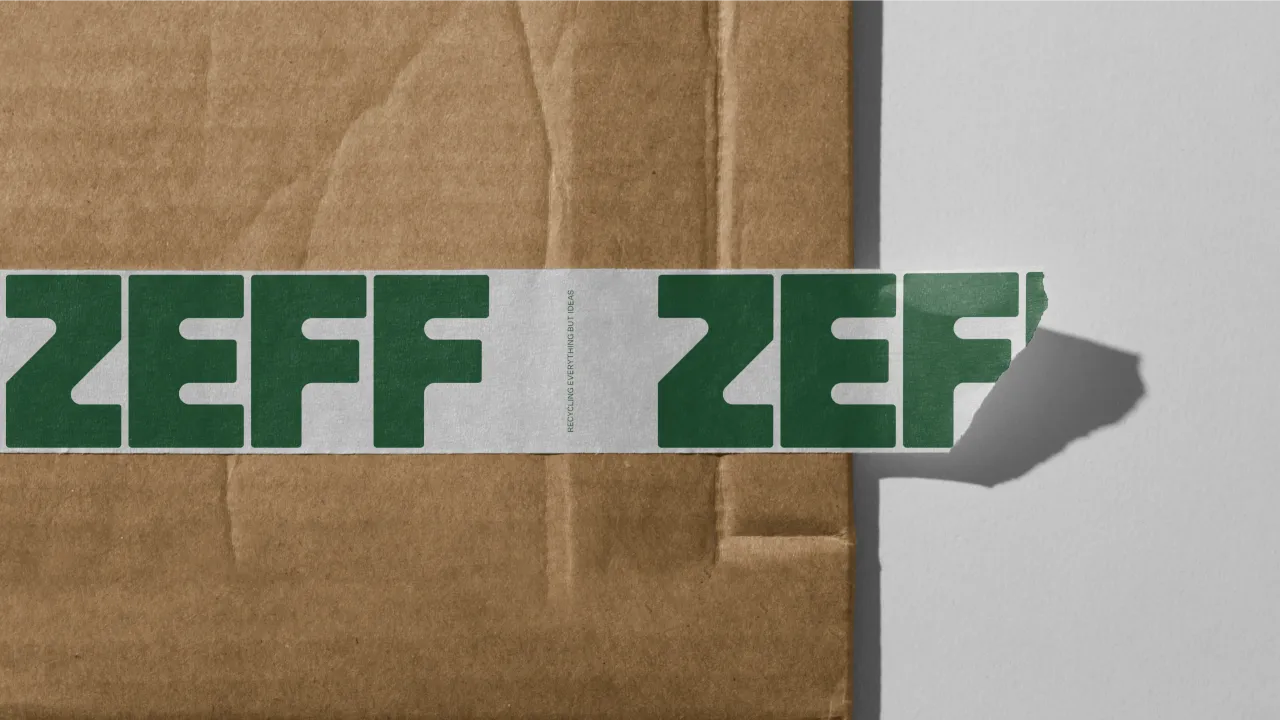
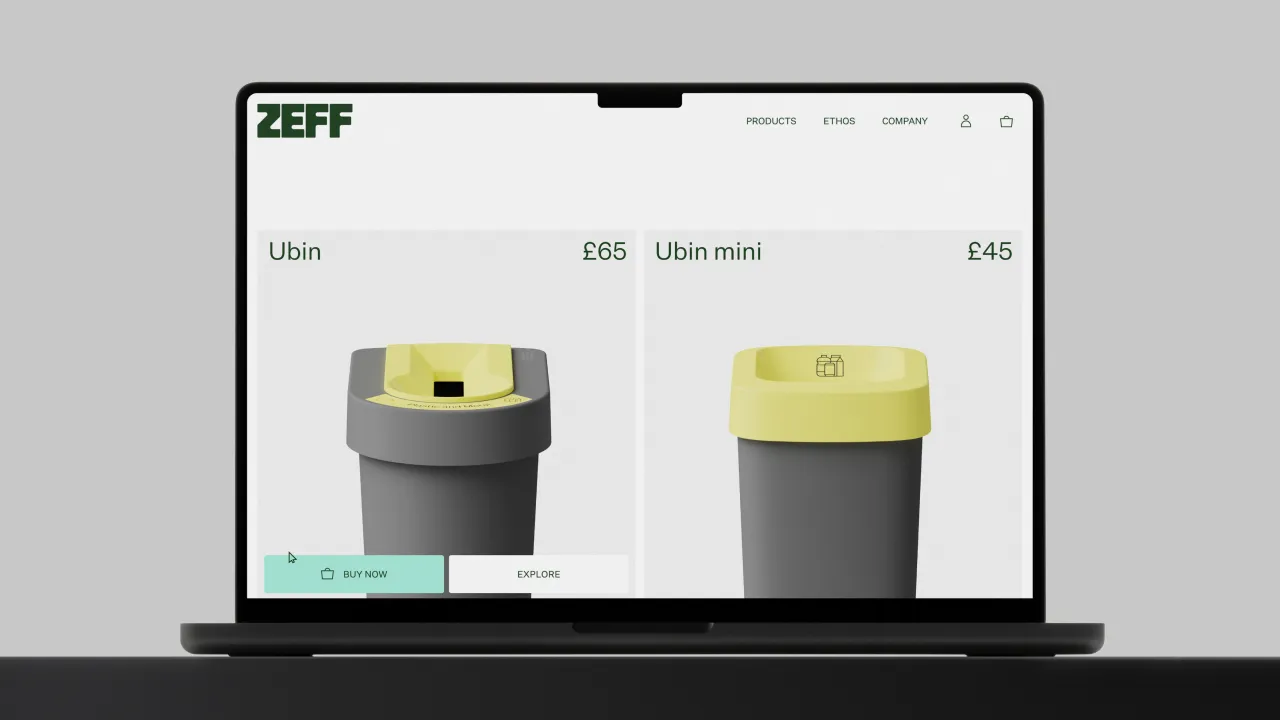
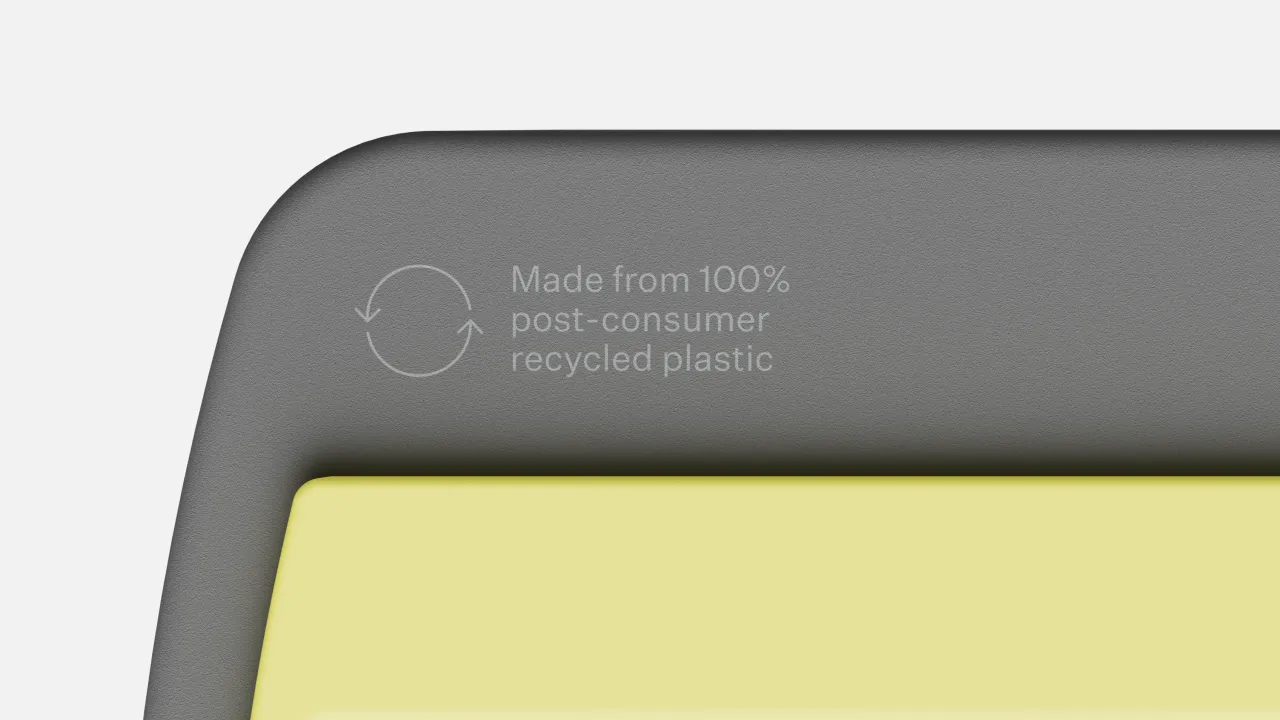
The rebrand didn't just influence the brand's external identity but also had a direct impact on product design. Zeff introduced a new set of waste stream colours designed to work equally well in offices, homes, and public spaces. The logo itself now appears on the bins, creating a seamless connection between brand and product. "When you have that level of cohesion between identity and product, everything feels more considered and intentional," says Powell.
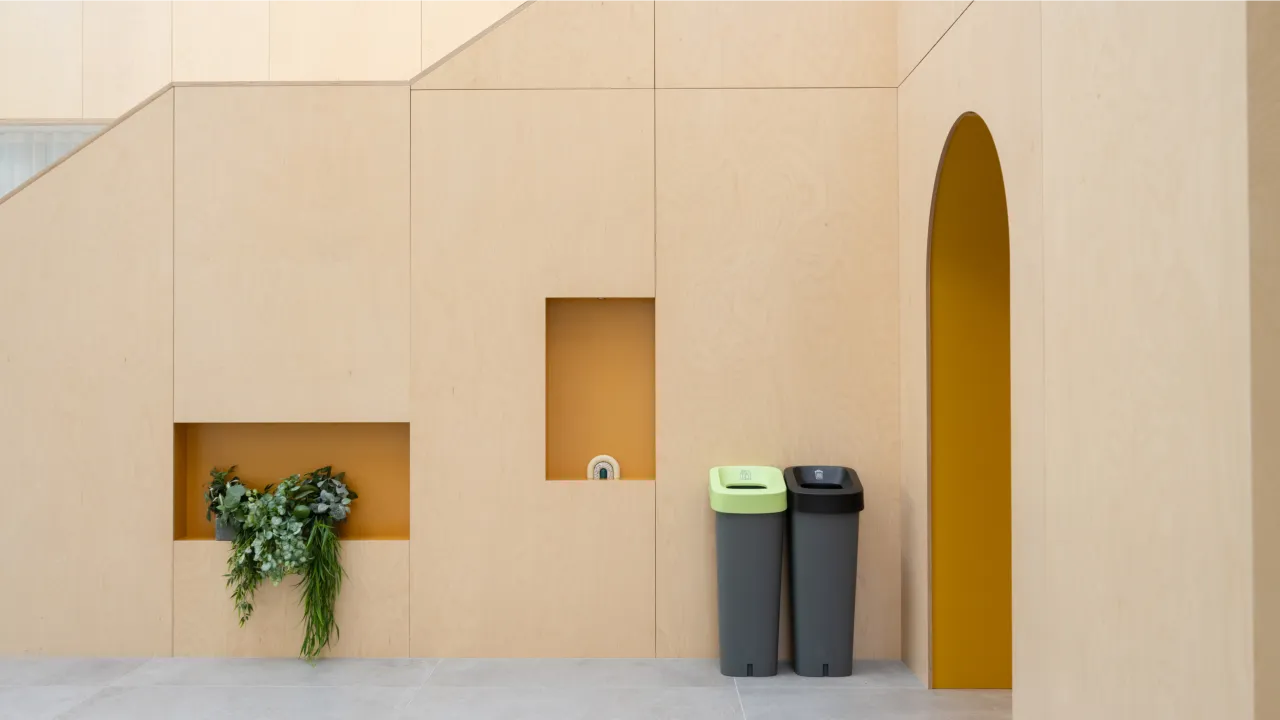
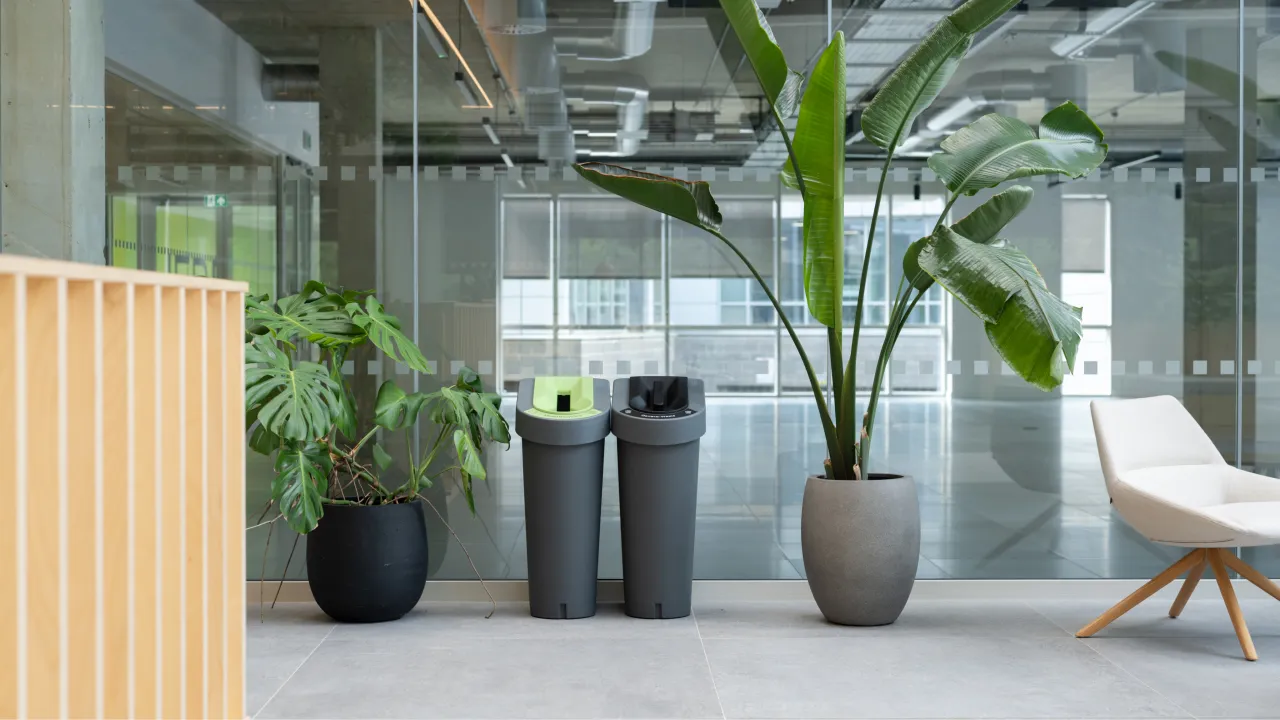
As Zeff prepares to navigate new recycling legislation and expand into homes, the refreshed identity positions the brand as a leader in both sustainable innovation and design excellence. Rather than simply capitalising on eco-conscious trends, Zeff demonstrates how good design and genuine sustainability are inherently linked.
"Sustainability shouldn't be a selling point anymore — it should be the baseline," says Hudson-Powell. "The new brand lets Zeff go beyond that baseline, championing design as a key part of what makes their products sustainable in the first place."
With its engineered aesthetic, transparent storytelling, and focus on design precision, Zeff's new identity proves that recycling doesn't have to be boring — it can be beautifully designed, rigorously engineered, and ready for wherever the future of waste management takes us.
Editor's Picks



Trending

Latest Jobs
Marketing Copywriter at ustwo
Full-time·London·£40k-£50k
Midweight Graphic Designer at We Are Your Friends
Full-time·London·£36k–£44k
Graphic & Motion Designer at The SHARP Agency
Full-time·Leeds·£26k–£33k
Client Director at Koto
Full-time·Berlin·€70k-€85k
Creative Director at Art&Graft
Full-time·London·£70k-£90k
Deputy Head of Stage at Factory International
Full-time·Manchester·£35,015