Alimo illustrates everyday moments to create a dialogue with audiences
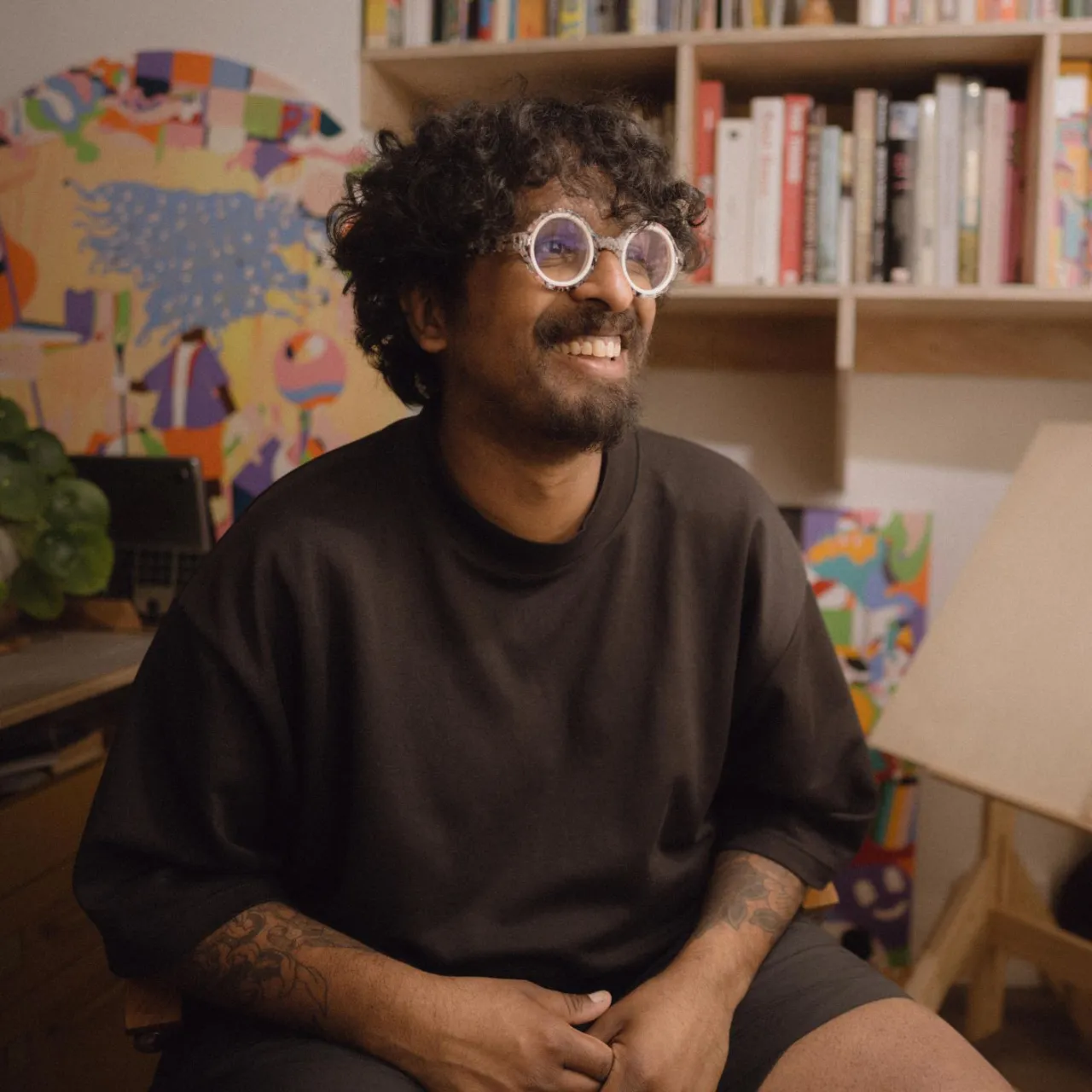
US-based visual artist Alimo establishes a connection with his audience by focusing on relatable details that leave room for projection. We met him to learn more about his most recent project, Japanuary, and how he captures intimate moments.
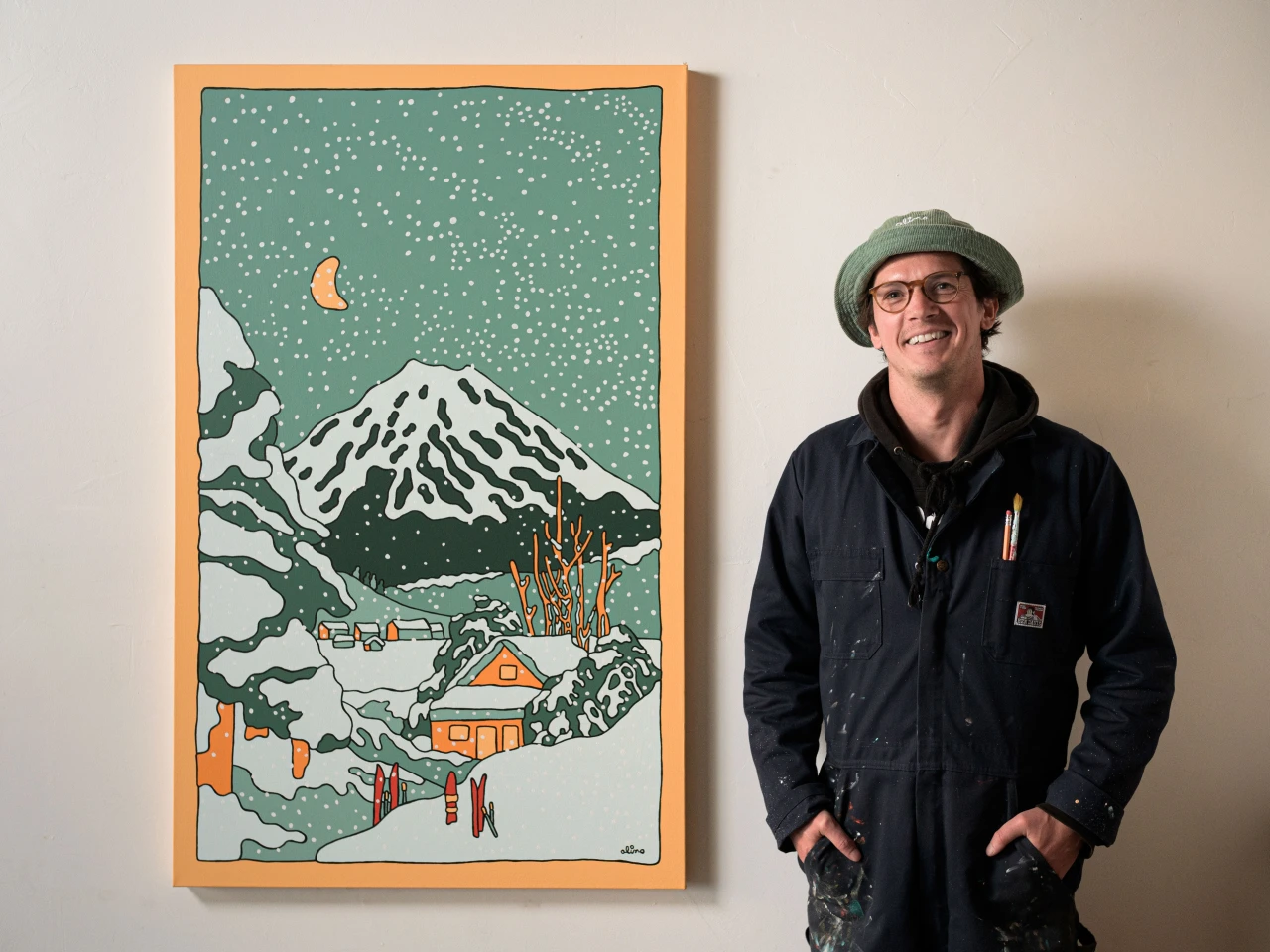
Alimo has been painting and scribbling with crayons ever since he was a rugrat, and luckily for us, he never grew out of it. Ever since he learned about Michelangelo as a kid, he's known that he wanted to be an artist, and after a brief dalliance with sport, he returned to his creative roots when the time came to go to college.
During that time, Alimo studied digital art and learnt how to tell stories rather than just create paintings. This was the part of his studies he loved the most, leading to the creation of the Alimo persona and style. However, it wasn't until he left college and travelled the world that his design career started.
Finding himself in Vietnam, Alimo embarked on illustrating manga characters on milk cartons and working at different agencies. "I spent a year there creating, then moved to San Diego to be closer to my brother," he tells Creative Boom. "I ended up freelancing for different surf companies doing catalogues and t-shirt graphics. It ruled."
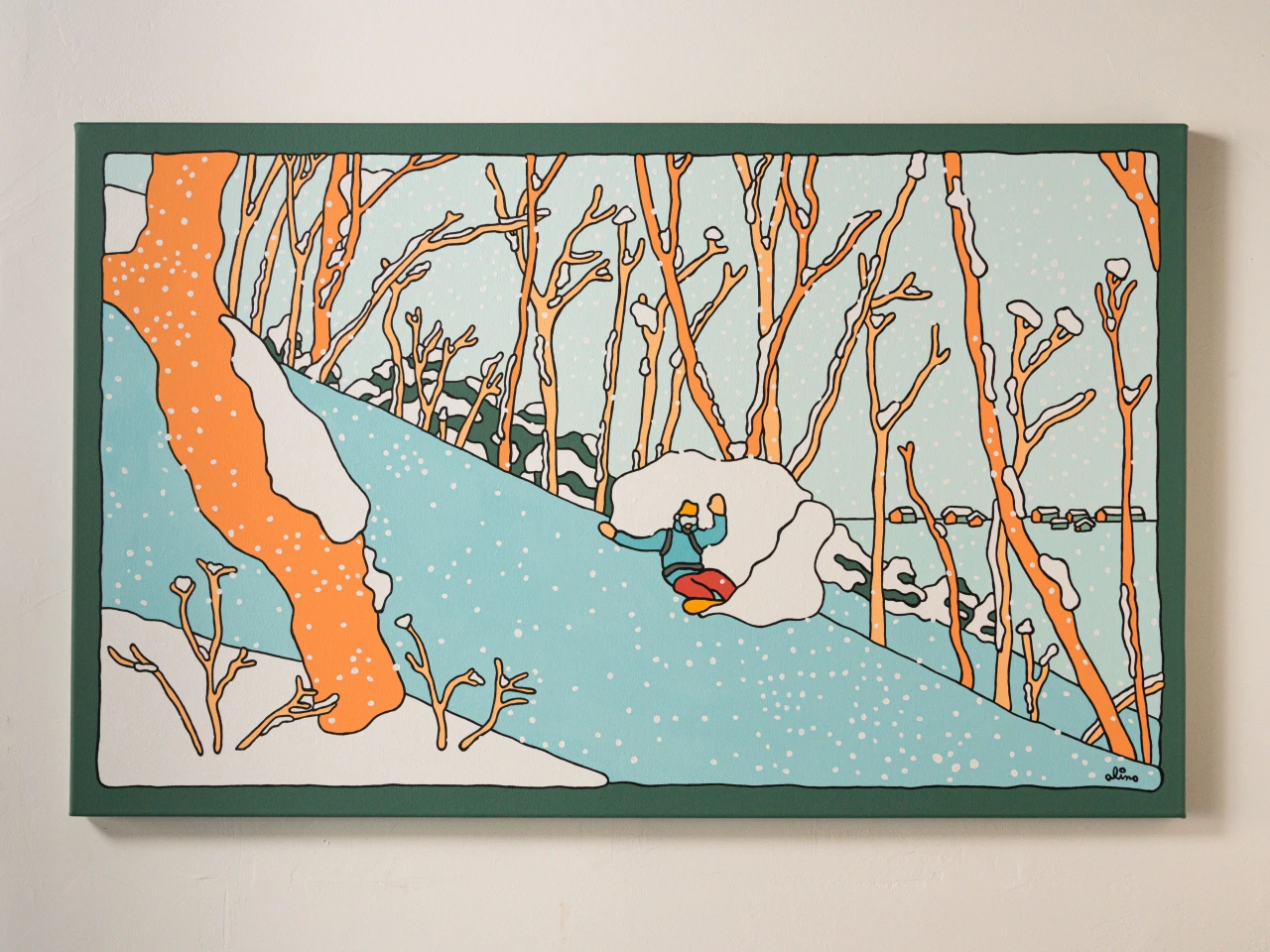
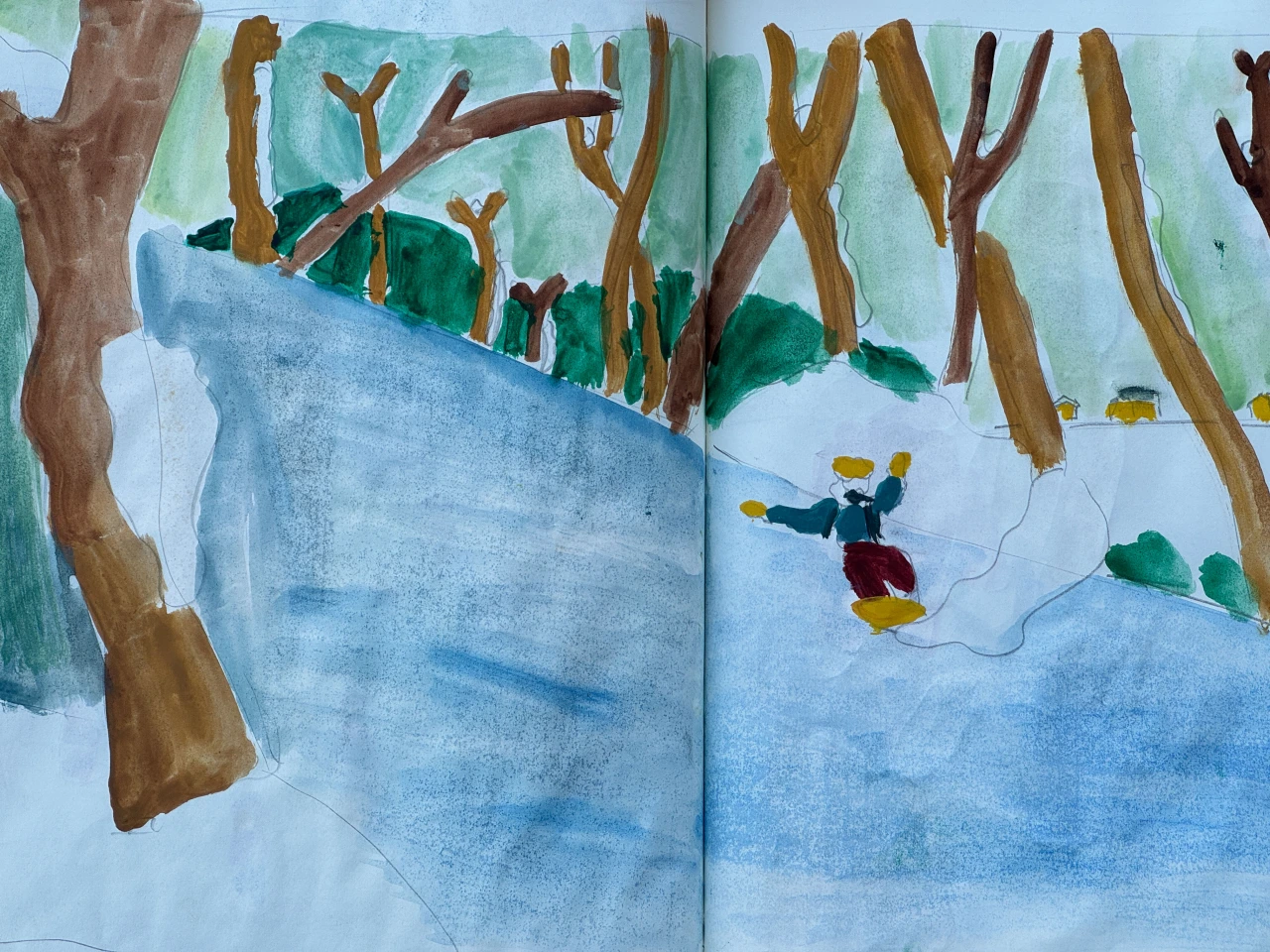
A few years later, Alimo moved again. This time, he moved to San Francisco, where he started freelancing for large tech companies. Soon enough, though, he teamed up with three friends to quit and open their own studio in The Mission. "We had no idea what we were creating, but we rented this place out," he explains. "I ended up drawing daily, which is where Alimo was realised again.
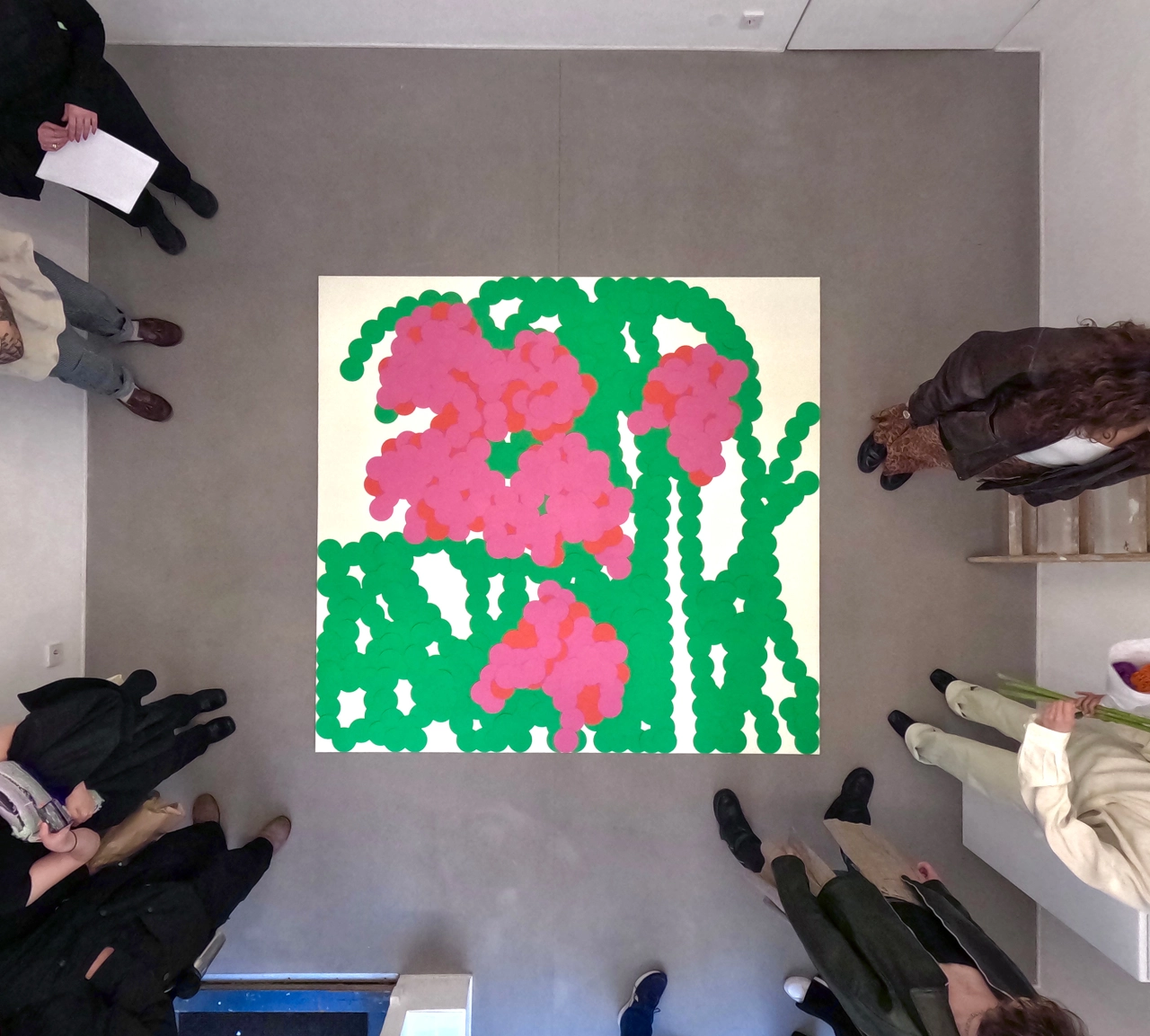
"I applied for West Coast Craft in SF and got in. I had no art, merchandise, or anything, but I had six months before the fair. I busted my ass and created my first full collection, as well as a full installation to display. That event put me on the map. I ended up partnering up with Lou&Grey for a few drops, then collaborating with Patagonia and a few others. My merch was taking off."
Shortly after, Alimo shifted once again, this time back to fine art. This was because he realised that in order to focus on collections and solo shows with galleries, he needed to create a story rather than random drops. "It pushed me into a new direction of dialogue where we are now today."
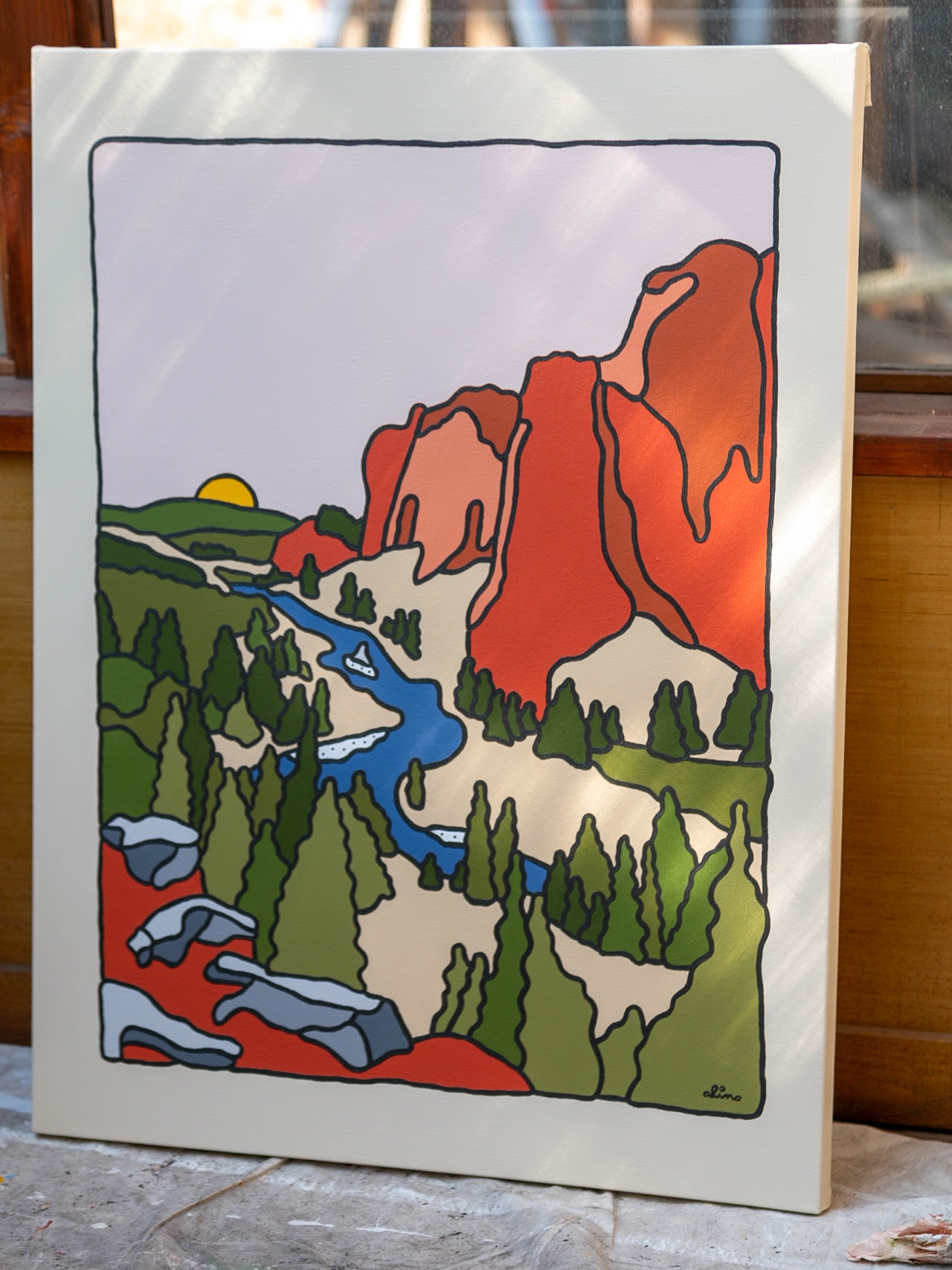
Constantly changing and honing in on the concept of dialogue has come to define Alimo's style, and this approach owes a lot to the work of Geoff McFetridge. "Not only his work but how he thinks," Alimo adds. "He approaches life with a dialogue. He treats objects as more than just an object. It makes you think. He pulls many onion layers deep to make you converse with his work. To me, it's more than just the visuals he produces; it's the dialogue.
"I've also learned a lot by studying his concepts and how he bridges art and design. Not to mention the fact that his daily sketching has influenced me to capture my own daily observations and work them into my moments."
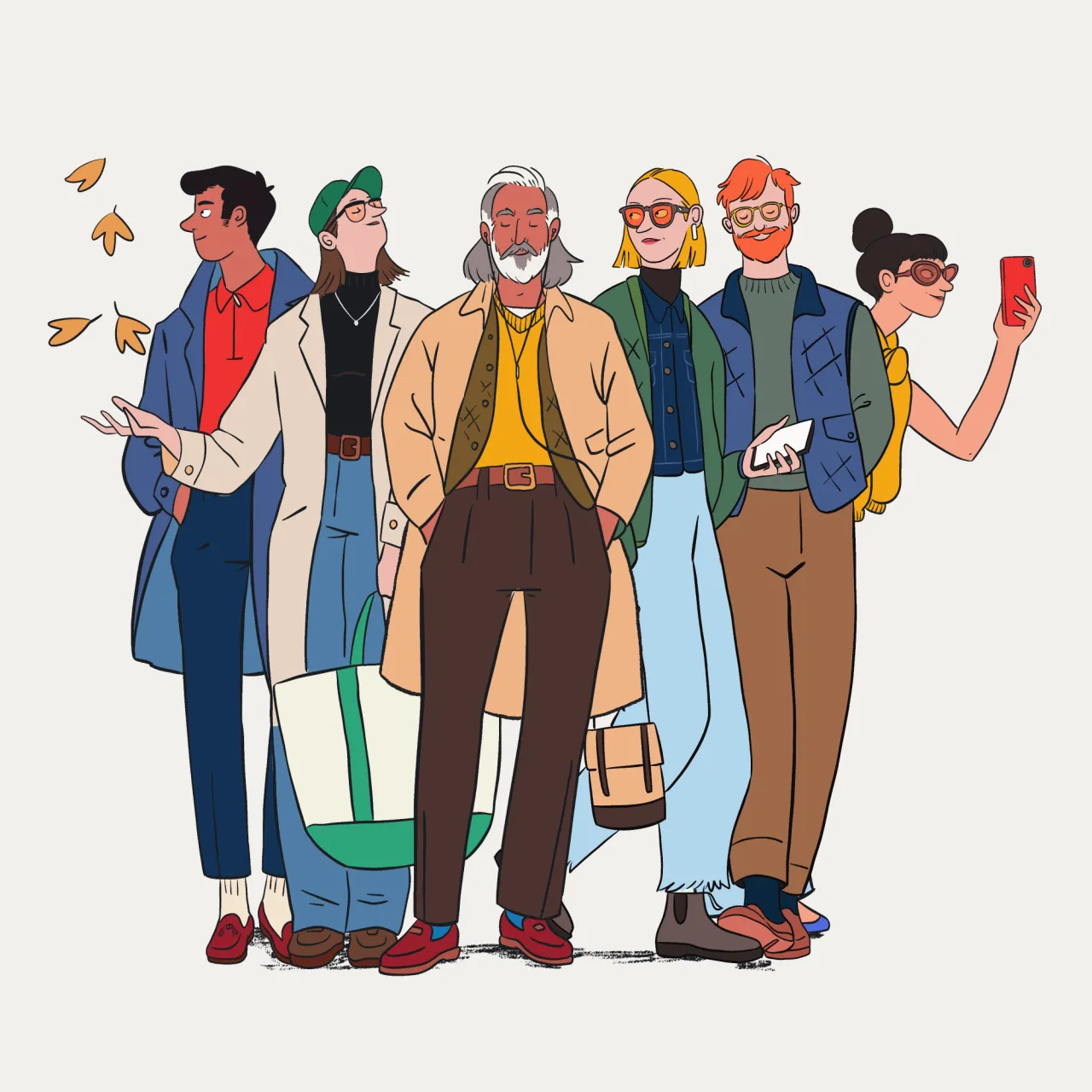
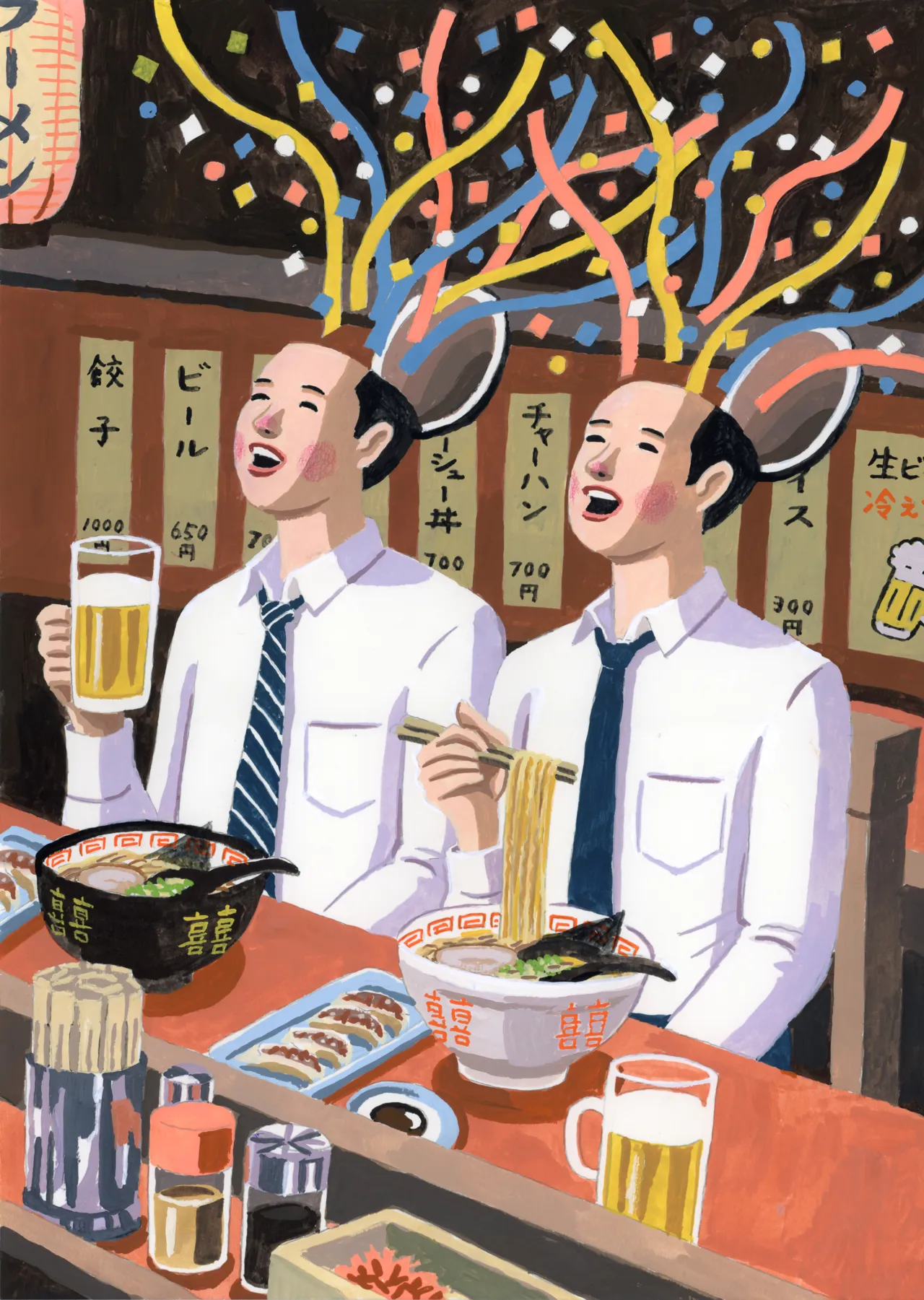
This approach to observation is one of the several incremental changes that Alimo's work has undergone during his career. "In the beginning, I was drawing a single person and maybe an action," he reveals. "It was almost like a cropped picture. It would show one perspective and freeze on that. During that time, it worked perfectly. It helped me develop my colour palette and line work.
"When I look at my work today, these small changes influenced me to zoom out. I try to create a scene that is more than just a cropped individual but a dialogue and a moment. I seem to play more with expression and perspective than just a single instance. This has helped me peel back that onion layer to create more than just a pretty picture but a conversation with the viewer and the art. The more you look, the more dimensions you see as the colour plays with the eyes."
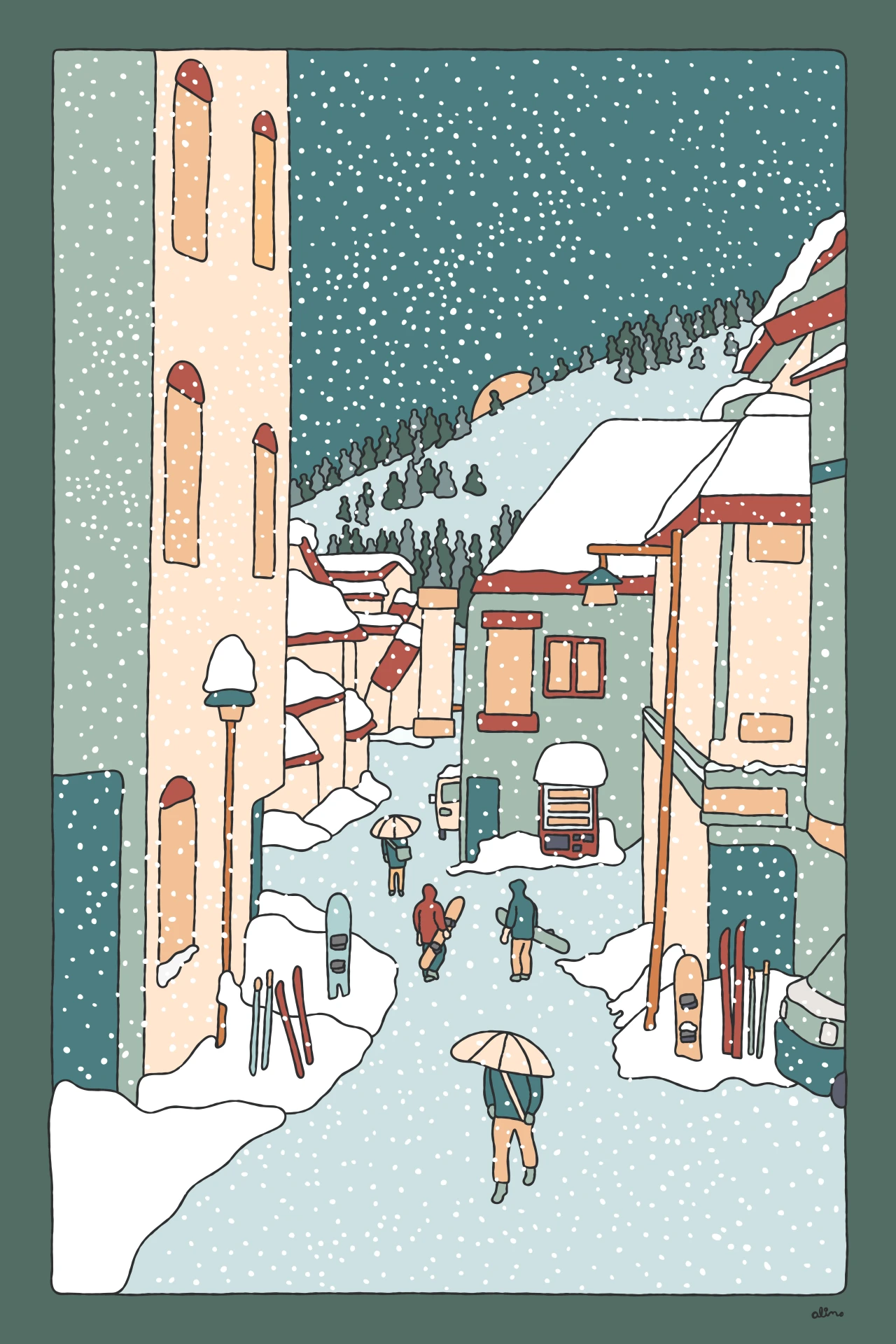
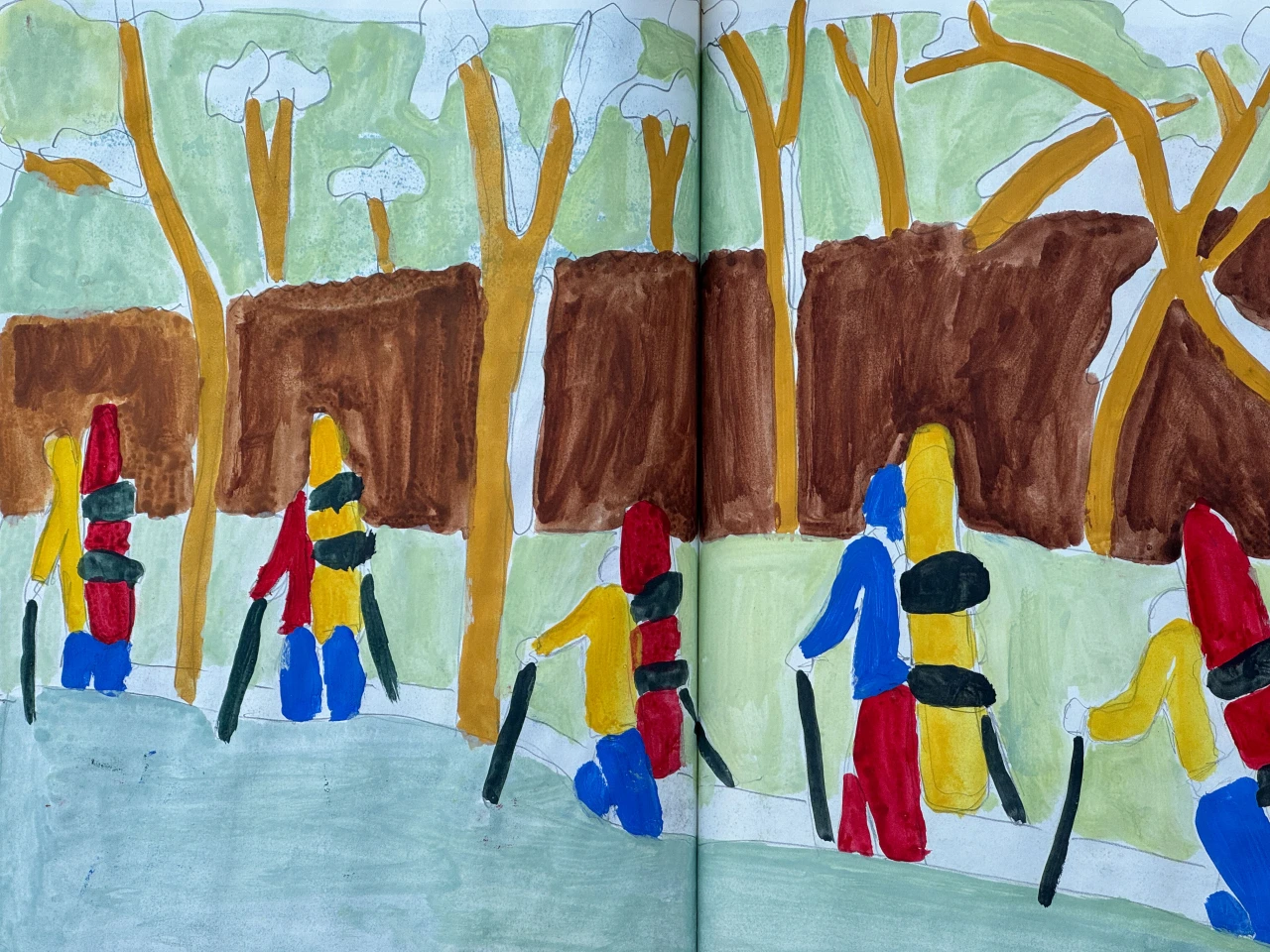
On top of these evolutions, Alimo also tries to pluck influences from his daily, relatable observations. "This approach gives a feeling of the past, present and future to my moments," he adds. "Almost like you look at the painting like it was a memory, or it's a place you want to in the future to create that moment. That part I love."
There's one factor that Alimo needs above all else to create his artwork, though: the outdoors. "For me, it's my yin and yang," he says. "Without one, I can't do the other. If I'm staring at a canvas or computer all day, nothing will happen. In most cases, it is a negative and a consequence of time well spent.
"The outdoors helps promote my behind-the-scenes thinking. I'm constantly problem-solving in the back of my mind, consciously and subconsciously. So, being outside is another way to create for myself. It's also a way to take out the trash and clear up some clutter in my brain, similar to how we sleep."
When he's snowboarding, surfing or travelling, Alimo looks at the world differently. It's all part of a dialogue, but this time with himself instead of with other people. "I may have a creative thought in the studio, so when I'm outside, I'm looking for an answer to it in some shape or form," he says. "I'll snap photos and make sketches so that when I return to the studio, those ideas aren't forced; they naturally appear. The outdoors is part of my creative process."
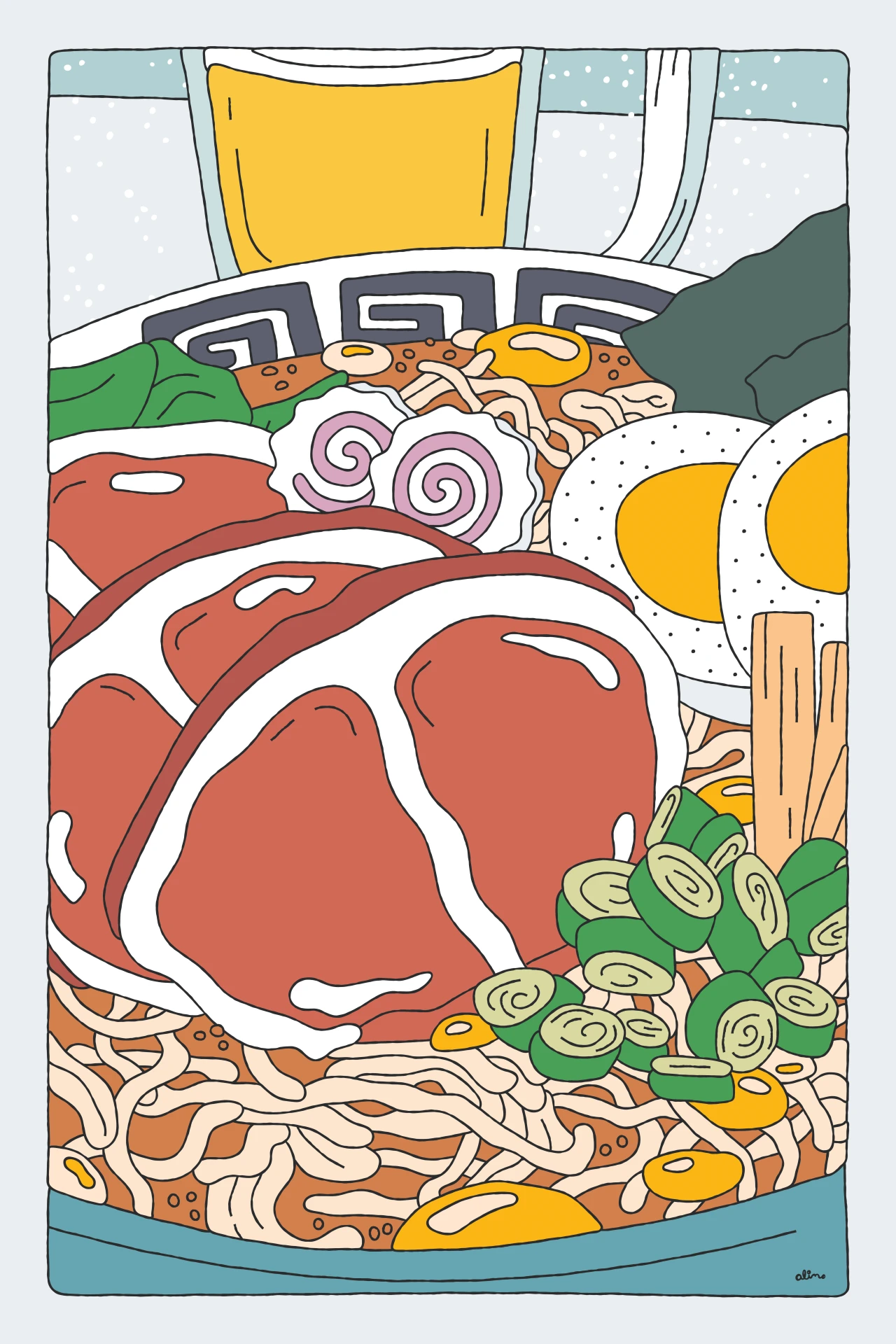
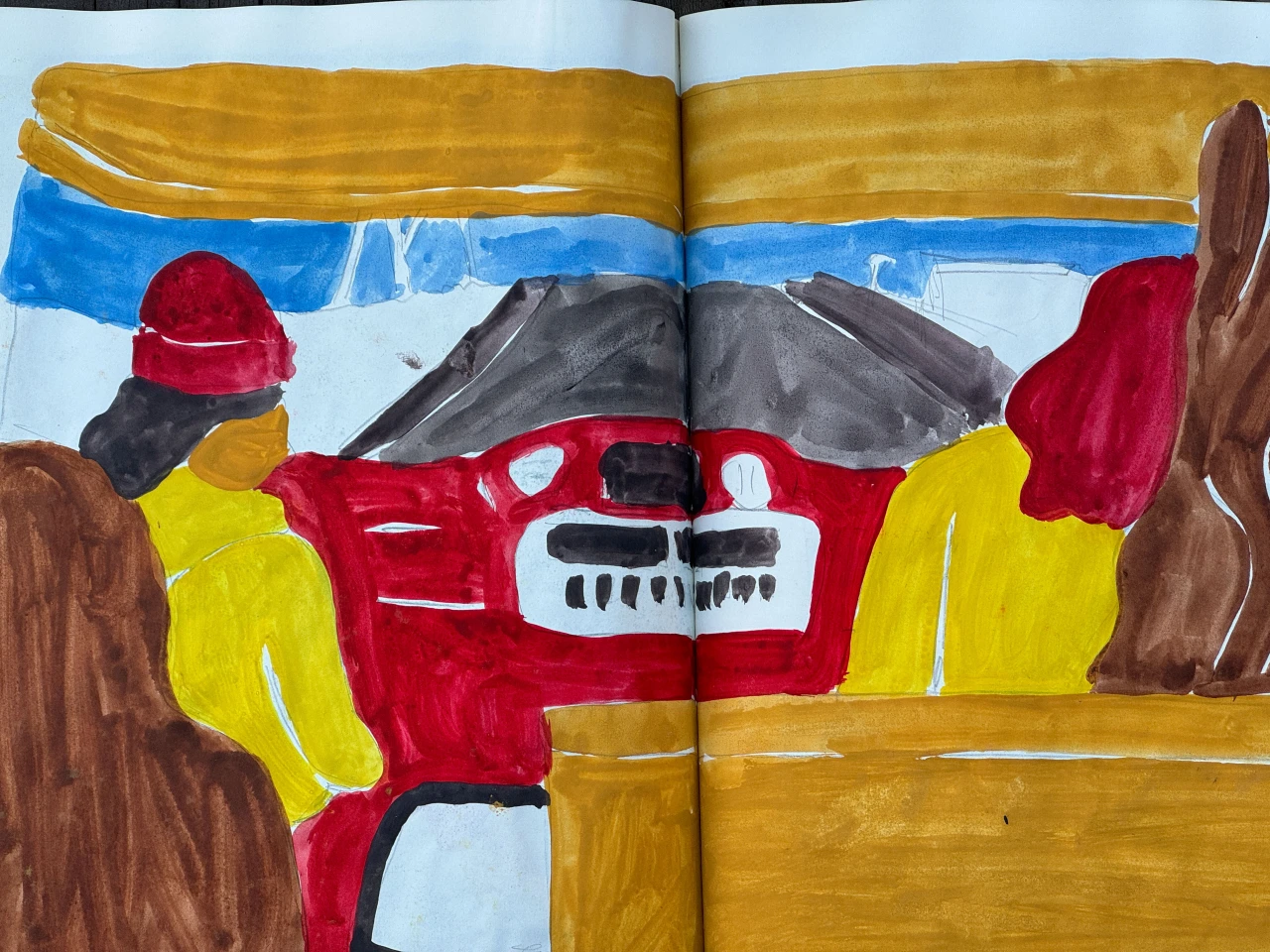
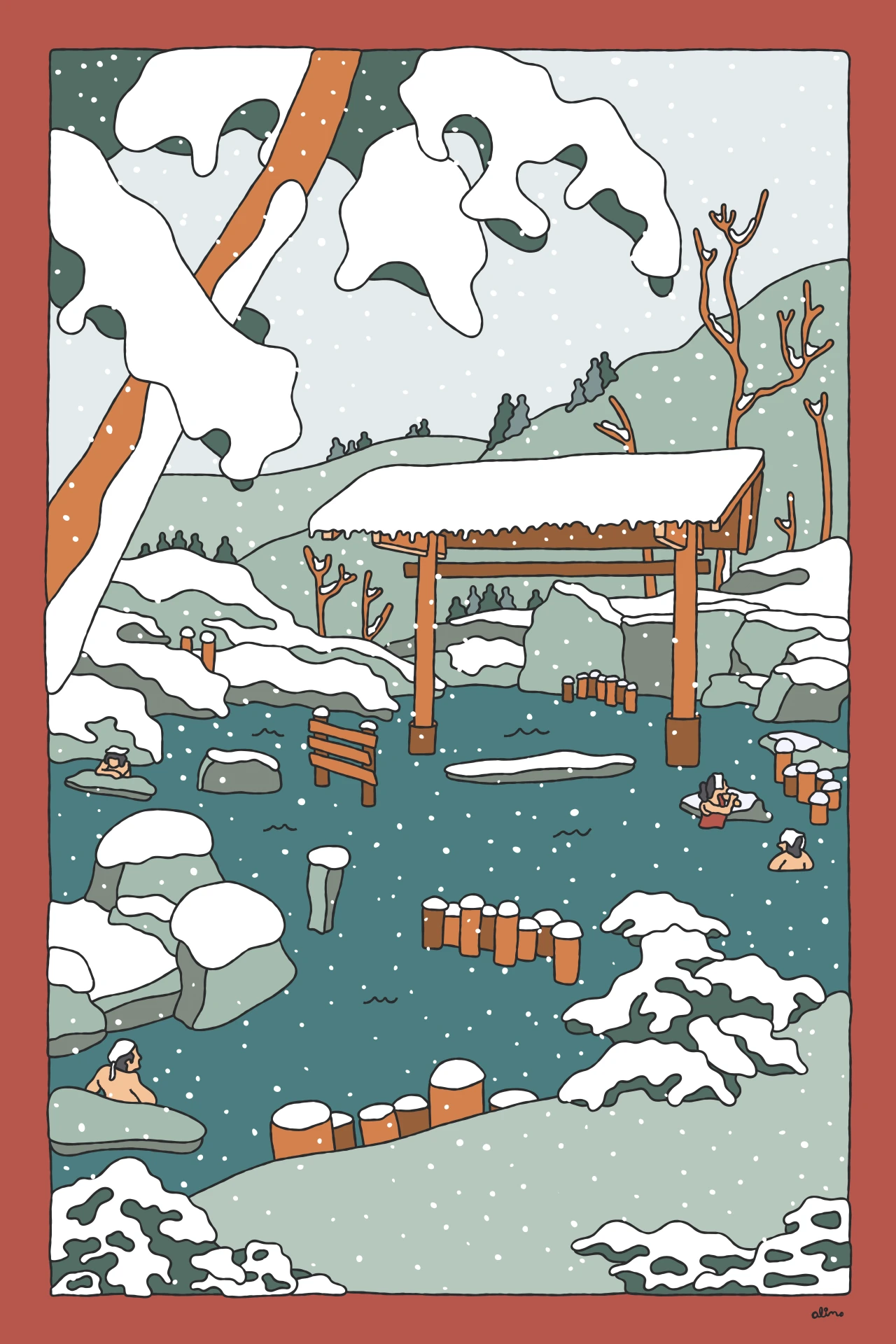
A prime example of how Alimo works is his new Japanuary project. This collection represents something of a visual diary based on his winter snowboard trips to Japan. With this project, he wanted to share not just the moments he observed but the whole experience from the trip to the main event.
"Everywhere I go, I'm constantly snapping photos, drawing sketches, and making notes," he says. "When I look back at what I observe, it's personal, like a diary. I'm taking photos of my friends or random people in the wild, so if anyone saw these, they may not relate. That's the fun part of a diary, it's for you.
"Most don't share these moments, which is pretty cool in so many ways, but I've realised over the years that all of my work is part of these experiences. It has shaped who I am and what my art is. For me, sharing this is part of my practice."
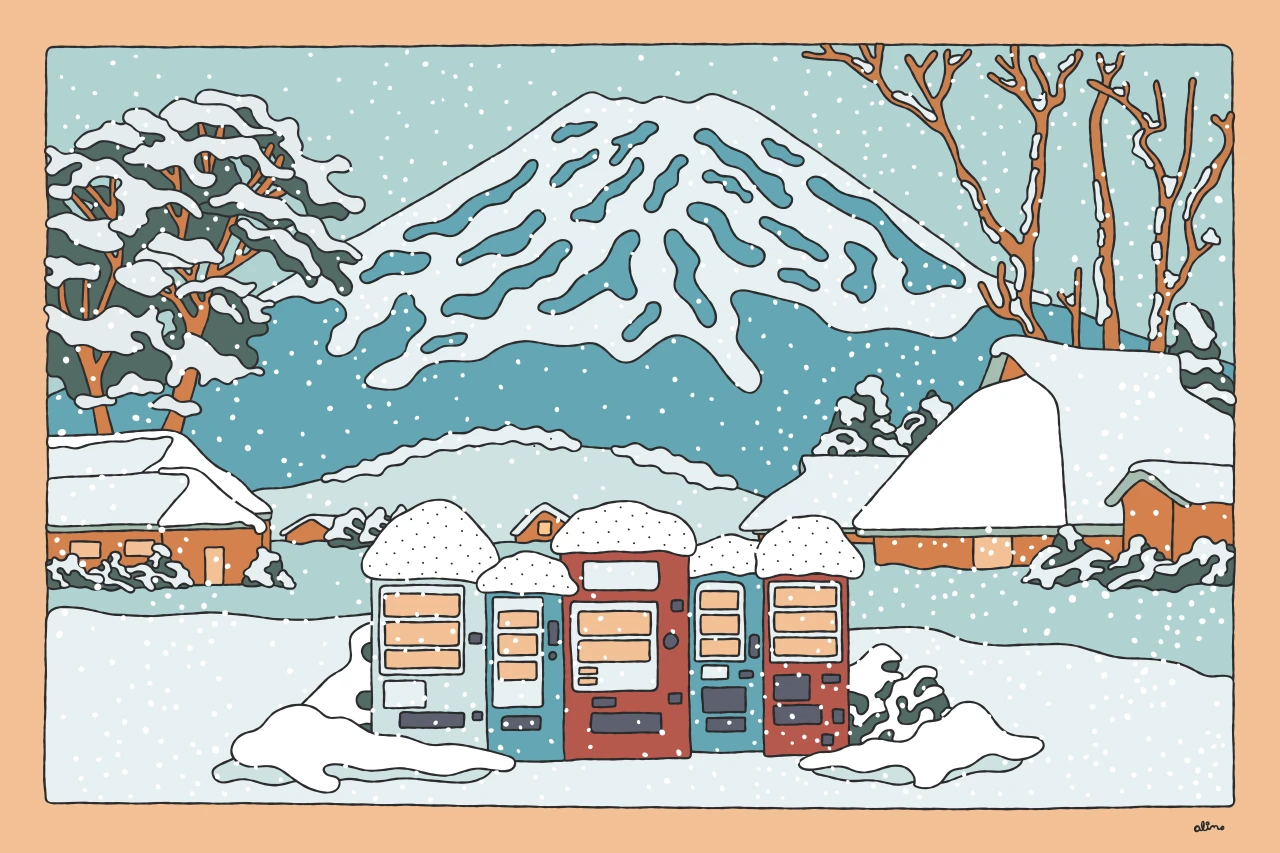
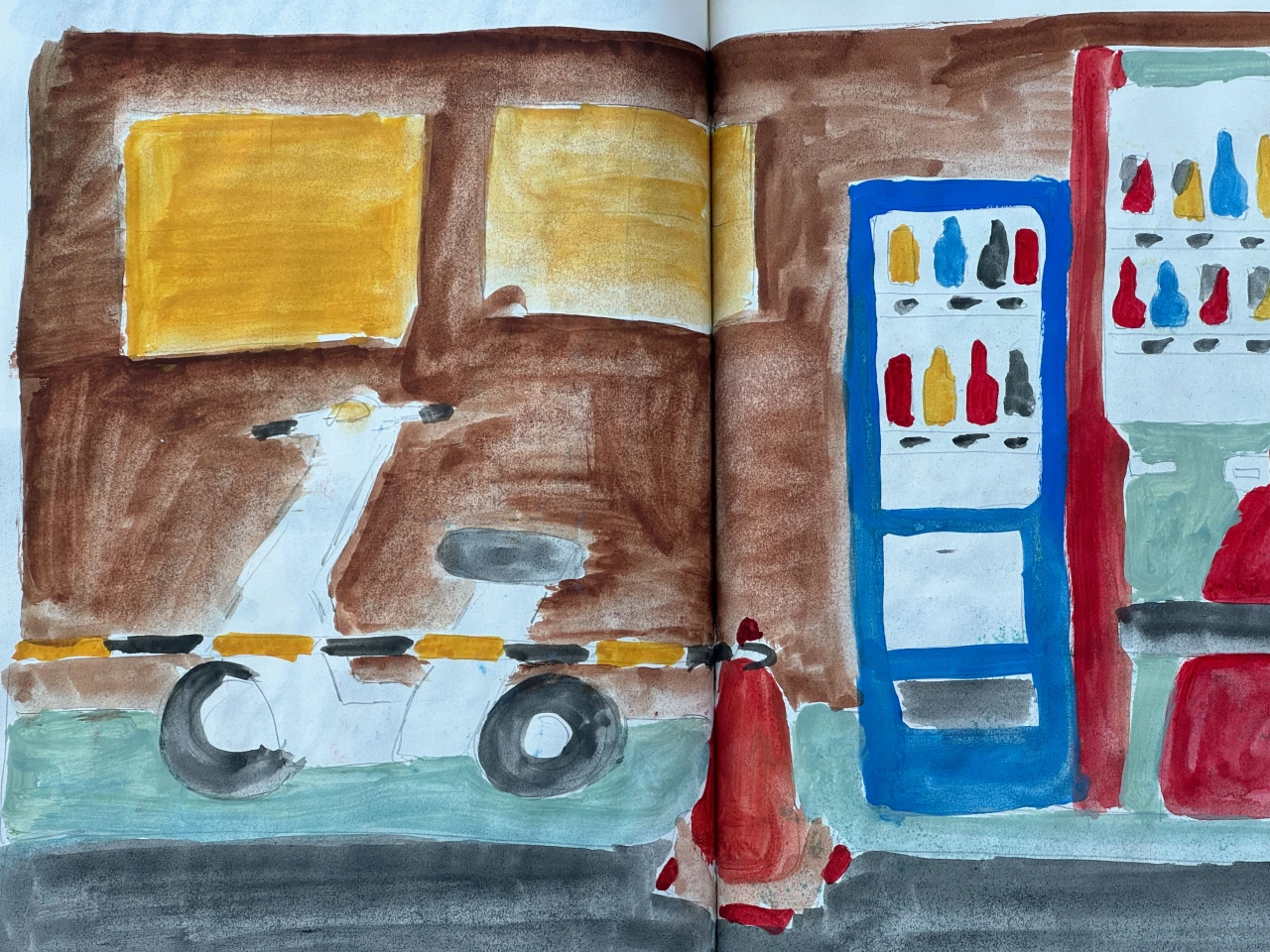
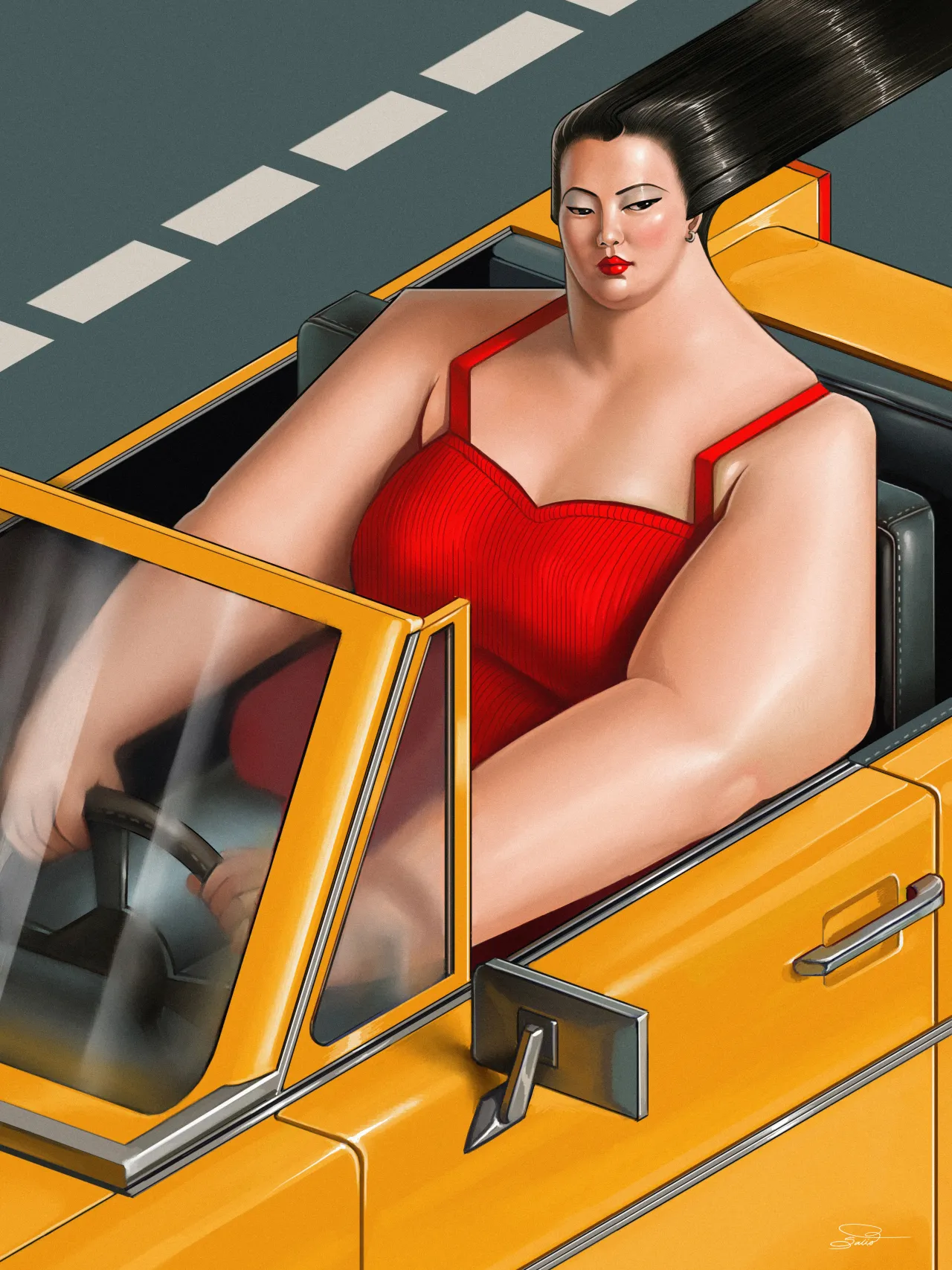
He adds: "When I share these moments, it's a bridge for people to connect. There are certain expressions and moments in time where folks see the work and go, 'That's me, that's' my friend, this is that location'. To help share these moments, I purposely focus on the movement of the characters I draw and strip away any facial expressions to give answers to the viewer. I want them to paint that picture and put themselves into the scene to bring happiness and transport them to paradise."
It's an admirable aim, but not without its challenges. As picturesque as they are, the snowy slopes of Japanese mountains can be something of an uphill struggle. "The biggest challenge for me was the snowflakes," says Alimo. "I studied a fair amount of how snow moves with the wind. Some days, snow falls without a sound; others, it's blowing in the wind, and you can barely walk up a hill. That swirl and moment of snow creation was a big focus for me. I spent almost a month trying to figure this out."
The snowy conditions behind the Japanuary series were also a big evolution for Alimo in terms of adding depth and perspective to his work. "It helped add another layer of stress or peace when looking at each painting. It was a huge challenge, and I'm so happy with how it turned out."
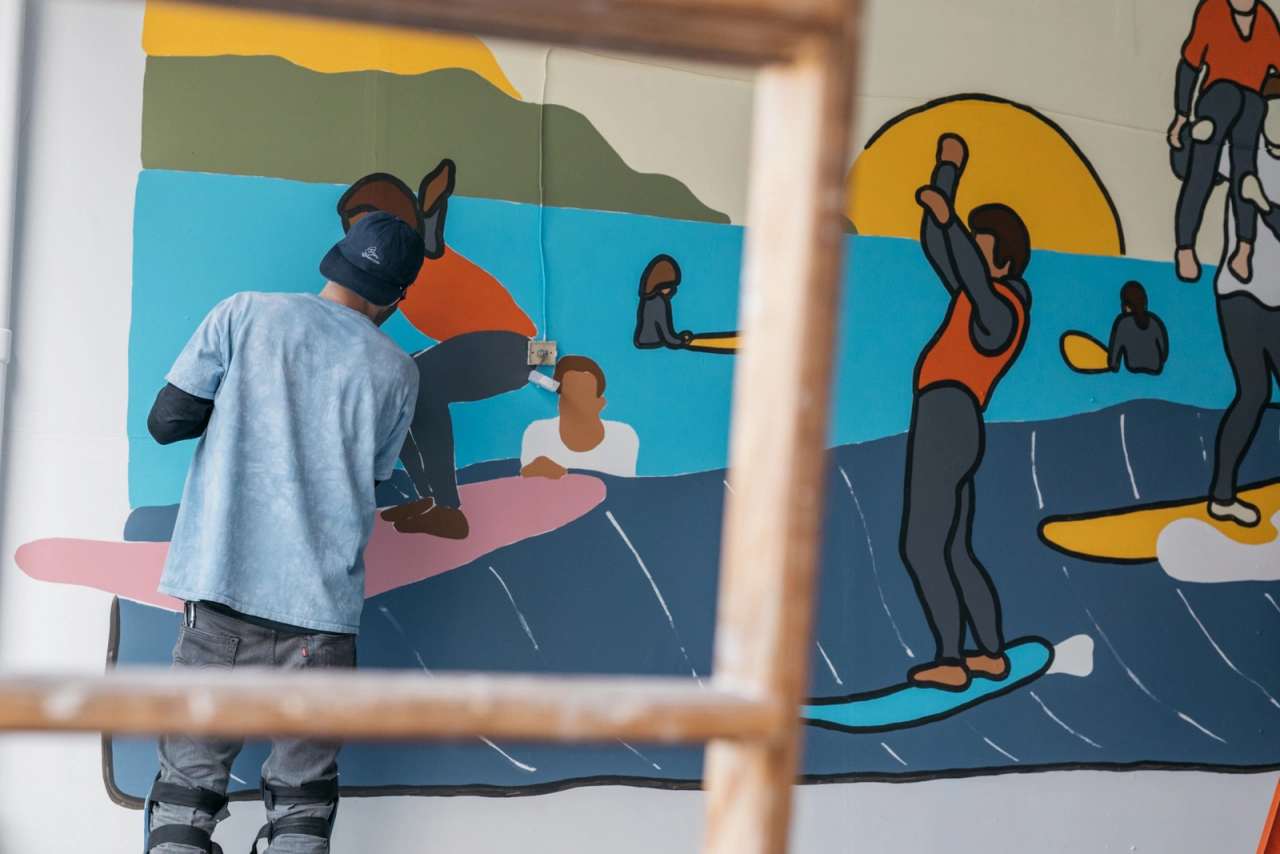
From a technical point of view, the Japanuary series also posed some unique challenges, particularly when developing a digital certificate of authenticity. "This project uses NFC chips to program the fine art with its digital asset, the NFT," Alimo concludes.
"I partnered up with Transient Labs as they were developing TRACE. This is a chip I put on my canvas to show proof of ownership, but it also shows historical records. Anyone with these paintings can see the history of sketches and photos, who the owner is, and who a new owner may be when that transfers. It's pretty revolutionary.
"The mechanics of the drop were also challenging. "We created a mystery drop, where each edition you collect is a ticket to win a painting. Creating that mechanic with Nifty Gateway was super fun and challenging. Overall, there were a lot of fun ups and downs which pushed me in so many ways."
Editor's Picks
Trending
Latest Jobs
Art Director at SPOKE
Full-time·London·£55k-65k
Midweight Editor at Earworm
Full-time·Bristol·£28k-£32k
Paid Media Executive at Munro Agency
Full-time·Glasgow·From £27,000
Brand Copywriter at Origin
Full-time·Porthleven, Cornwall·£35k–£40k
Agent & Producer at The Jacky Winter Group
Full-time·London·£35k–£40k
Senior Designer at Jubba
Full-time·London·£50k-£60k