'Imperfection that feels alive': Jo Iijima designs from a cosmic perspective
The NYC-based graphic designer has lived in Tokyo, Hong Kong, Vienna, Toronto, and LA – an amalgamation of places that shows up in his work.
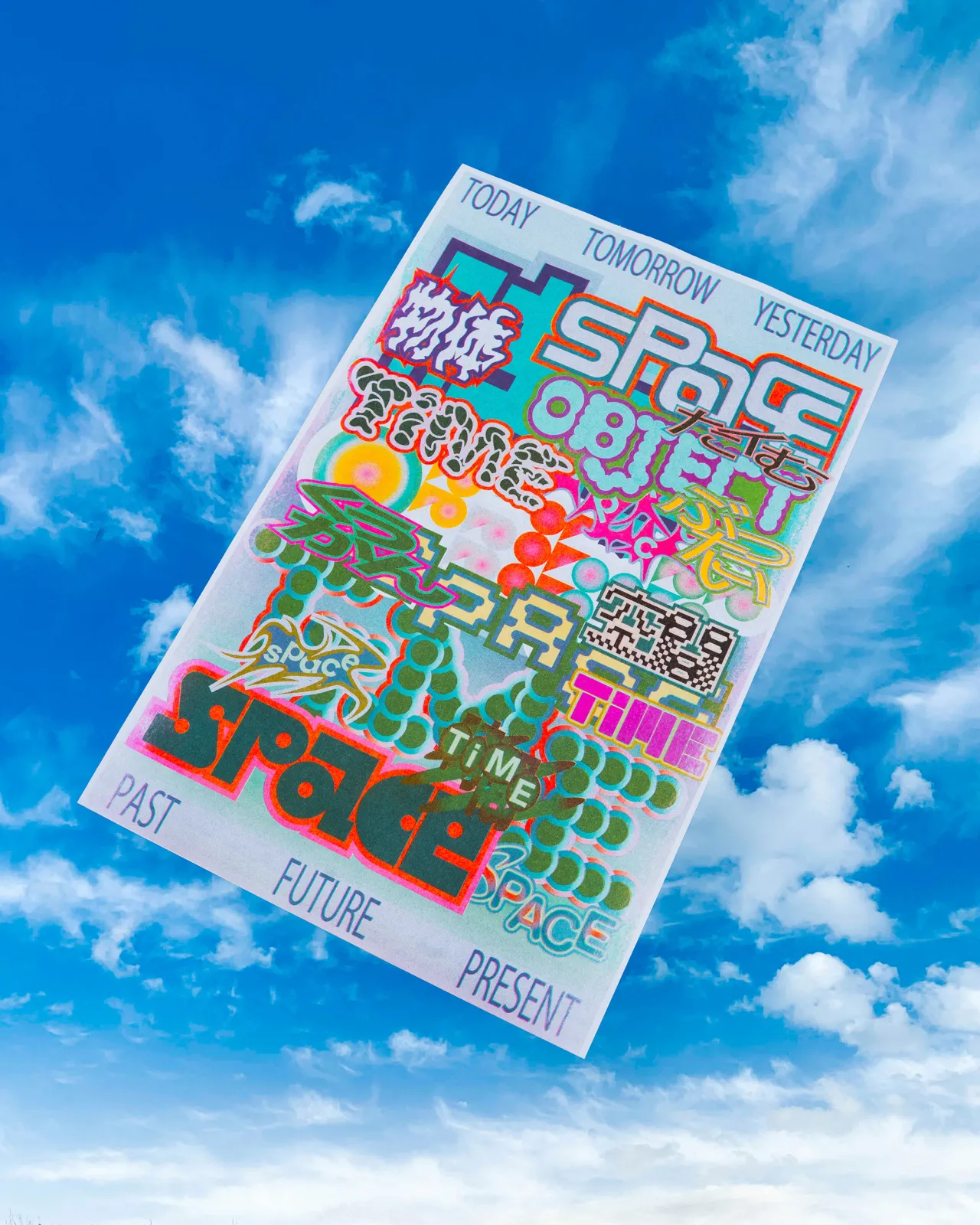
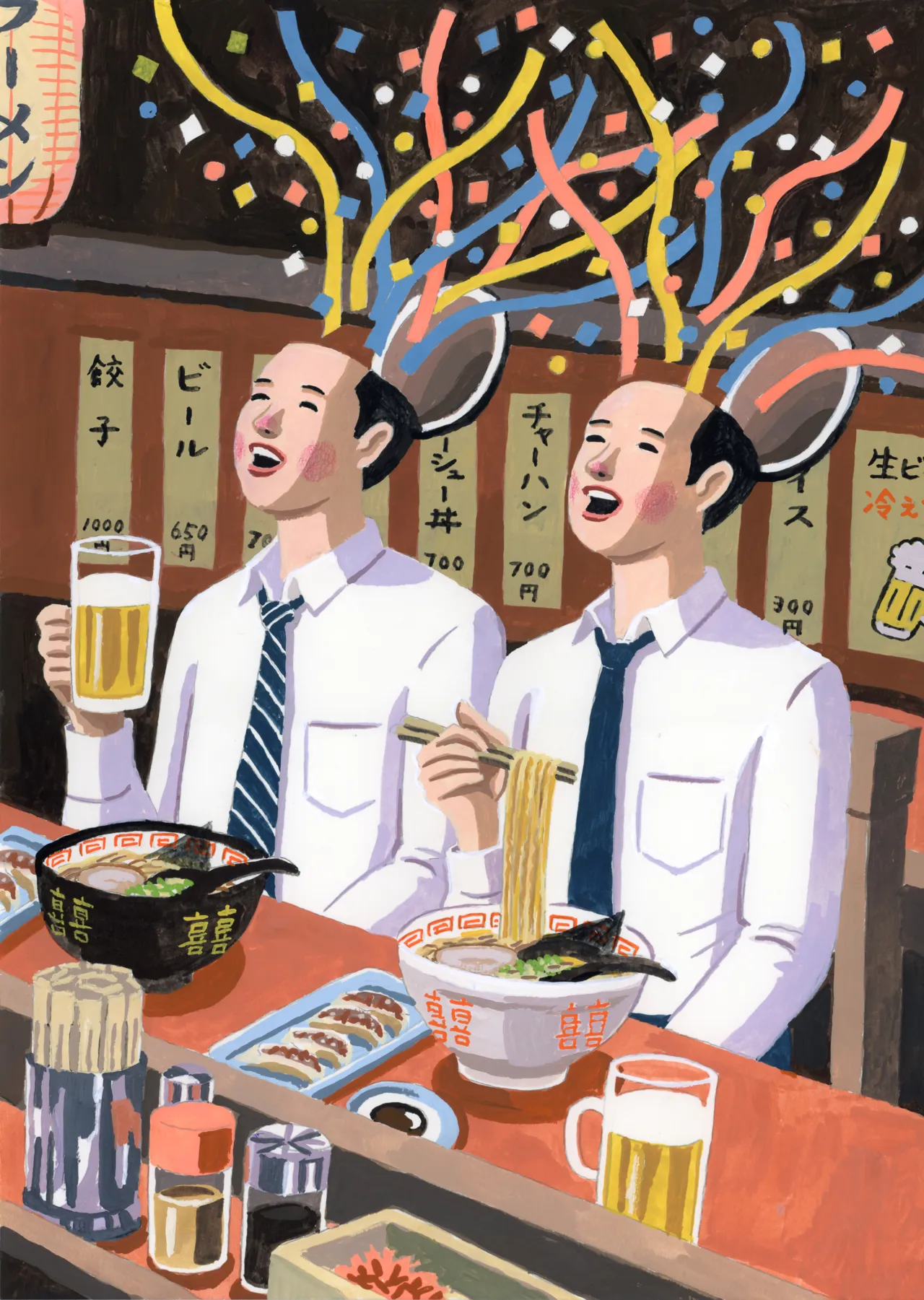
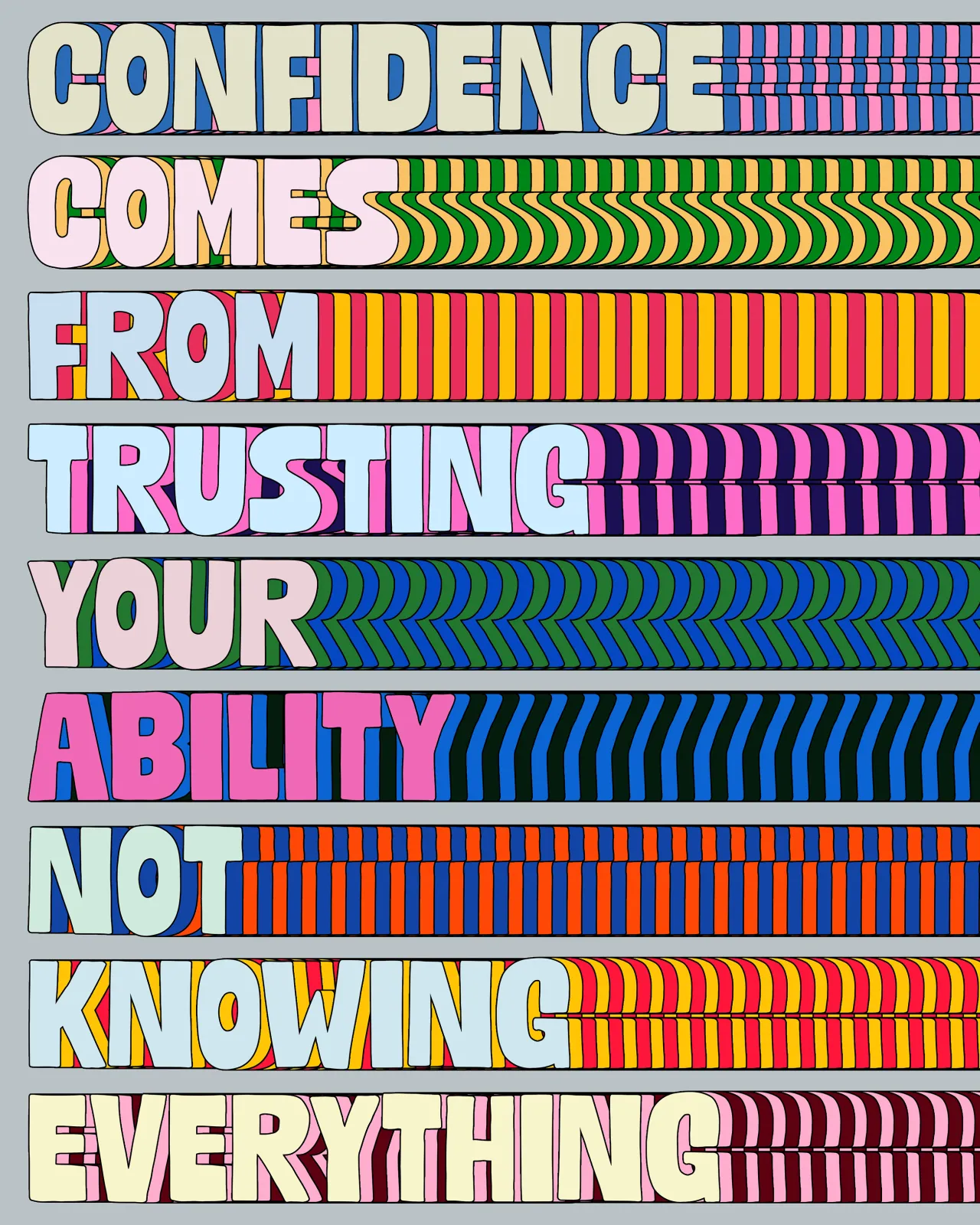
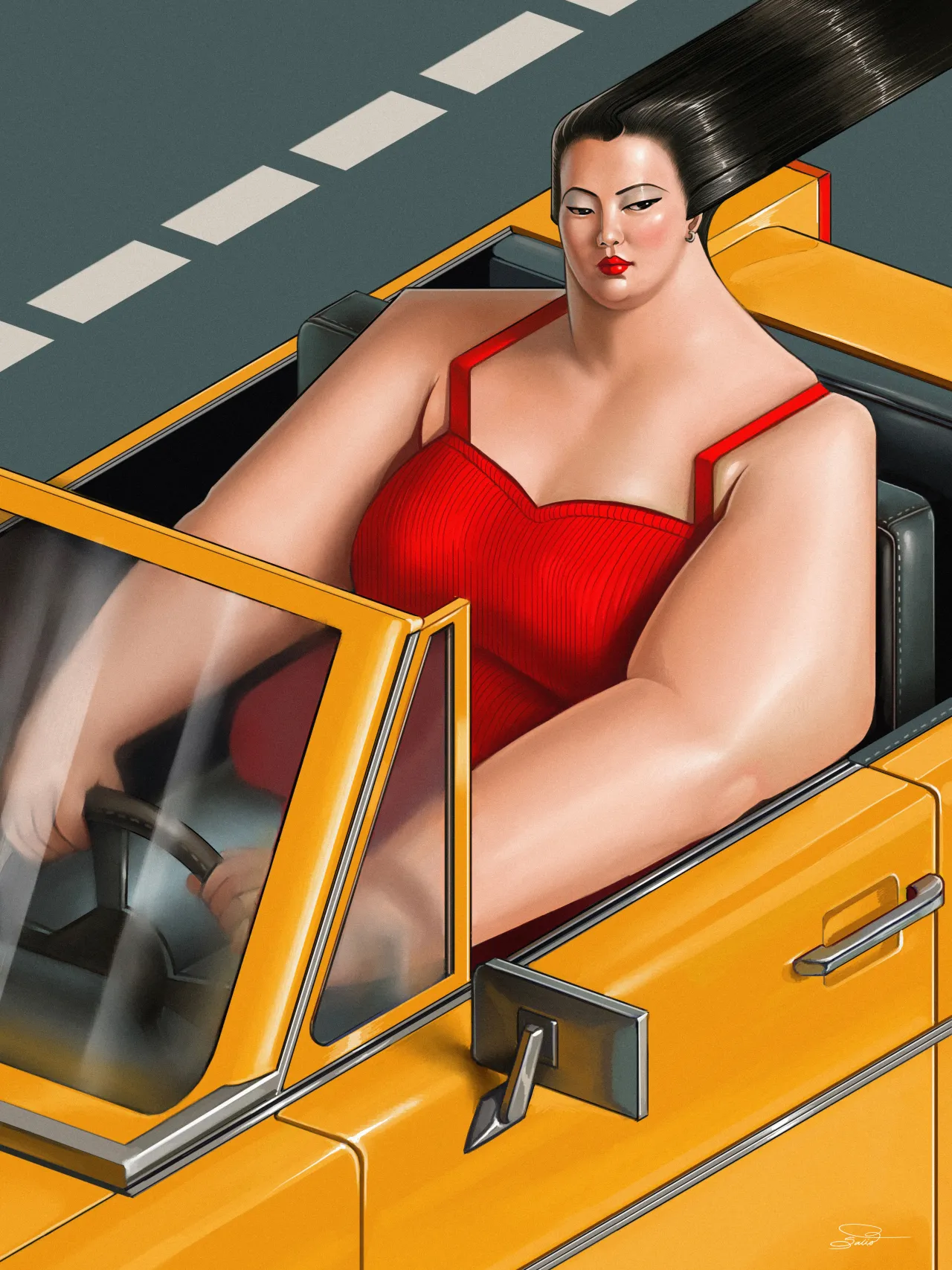
Jo Iijima has a useful way of thinking about his portfolio: "Treat your Instagram as a business card from your pocket," he says. "When you meet someone at a creative event and want to show your work, people can quickly scroll and see what you do." One scroll of his own feed and the proposition is unambiguously clear. You see chromatic Kanji lettering and acid-bright layers, Riso-printed strawberries tiled like stamps, melting pink lettering that looks like it's vibrating. This is a designer who has found his signal and, as he should, he is transmitting it loudly.
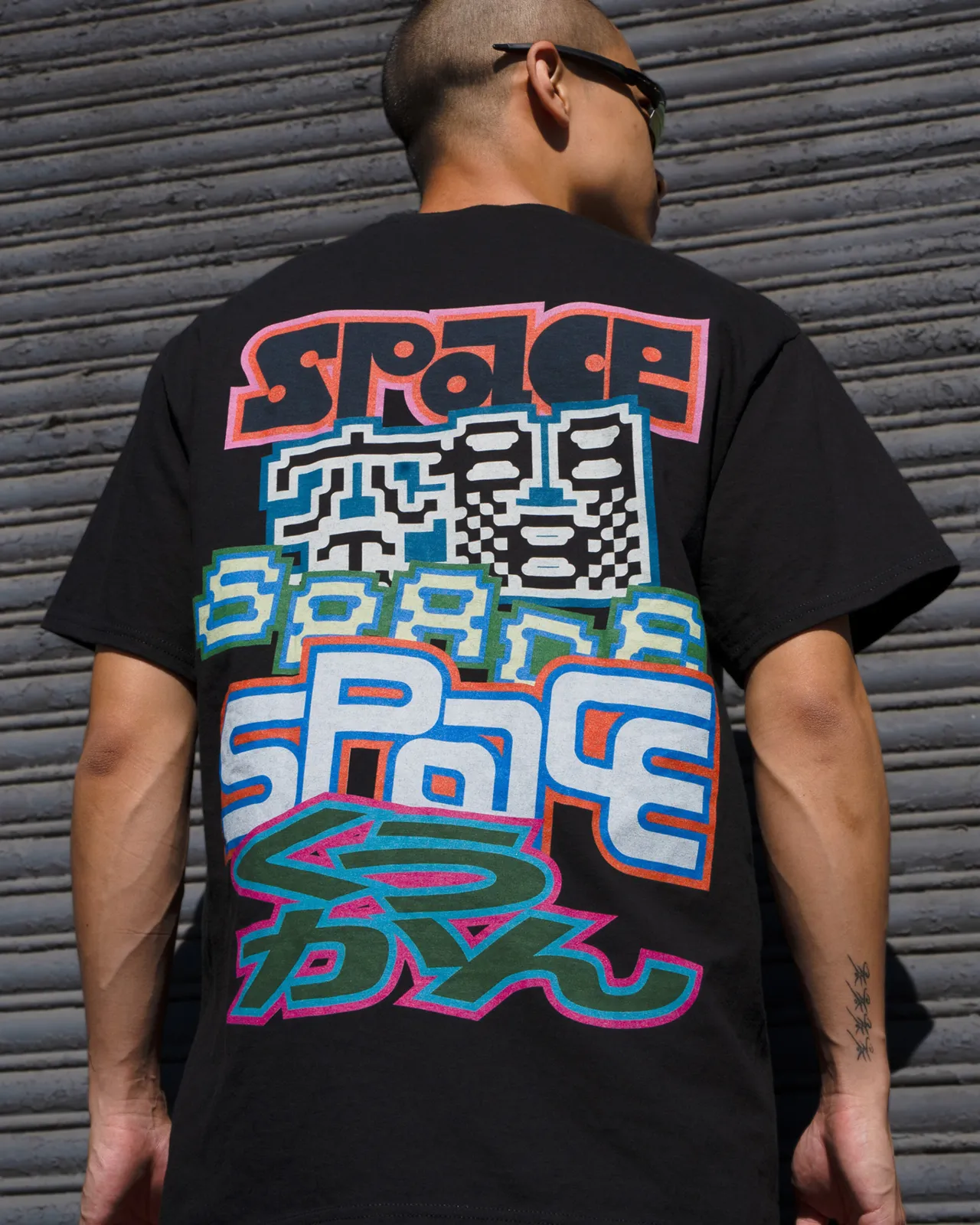
Jo is based in New York, but his visual language belongs to no single city. He has lived across Tokyo, Hong Kong, Vienna, Toronto and Los Angeles, and all of it has left a mark. "From the glowing vibrant Chinese character signs in Hong Kong, to the neon sounds of Tokyo's arcades, to the dynamic rhythm of people in New York," he says, "all these memories swirl together inside me like a vibrant colourful collage from a cosmic point of view." His roots are in Japan, but his imagination, as he puts it, "floats somewhere out of space". The result is a practice that treats design as what he calls "a translingual and emotional medium".
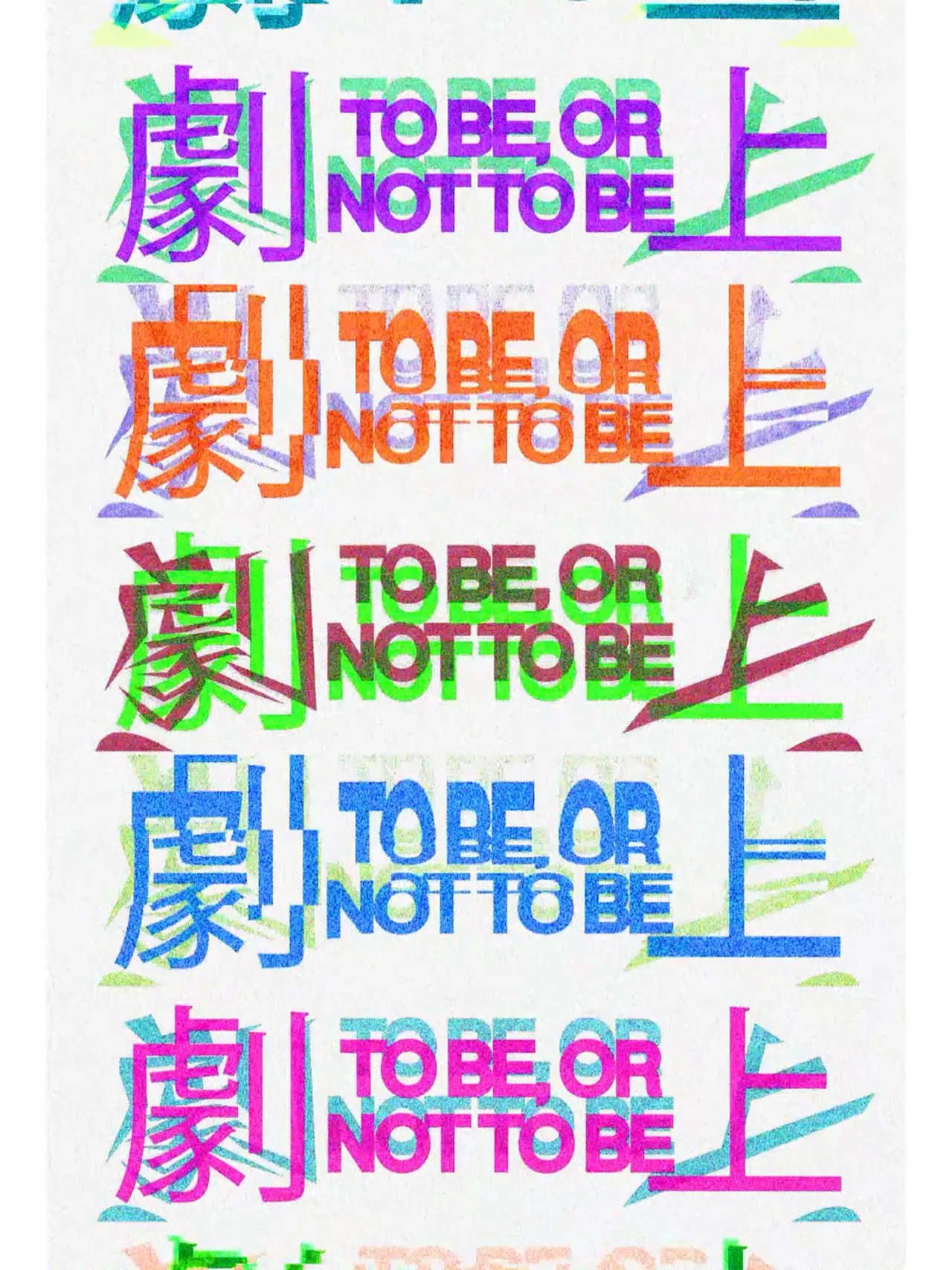
His journey has been, by his own description, "definitely very non-linear". He started using Adobe tools around 2019, creating fan art and album covers for artists he loved. When he went to college in 2020, he spent time analysing the career paths of designers he admired, trying to follow a route that had worked for others. But, it didn't quite fit. "At one point, I asked myself: is this really what I want to show as a designer to the world? Does the work really reflect my personality?" Around 2022, he began making personal work – music projects, cultural subjects and things he cared about – and posting them online. The response changed everything. "As I made more personal work, I started to resonate with many designers and people. Working on graphic design has become so much more fun than ever, after I started to become more honest and express myself."
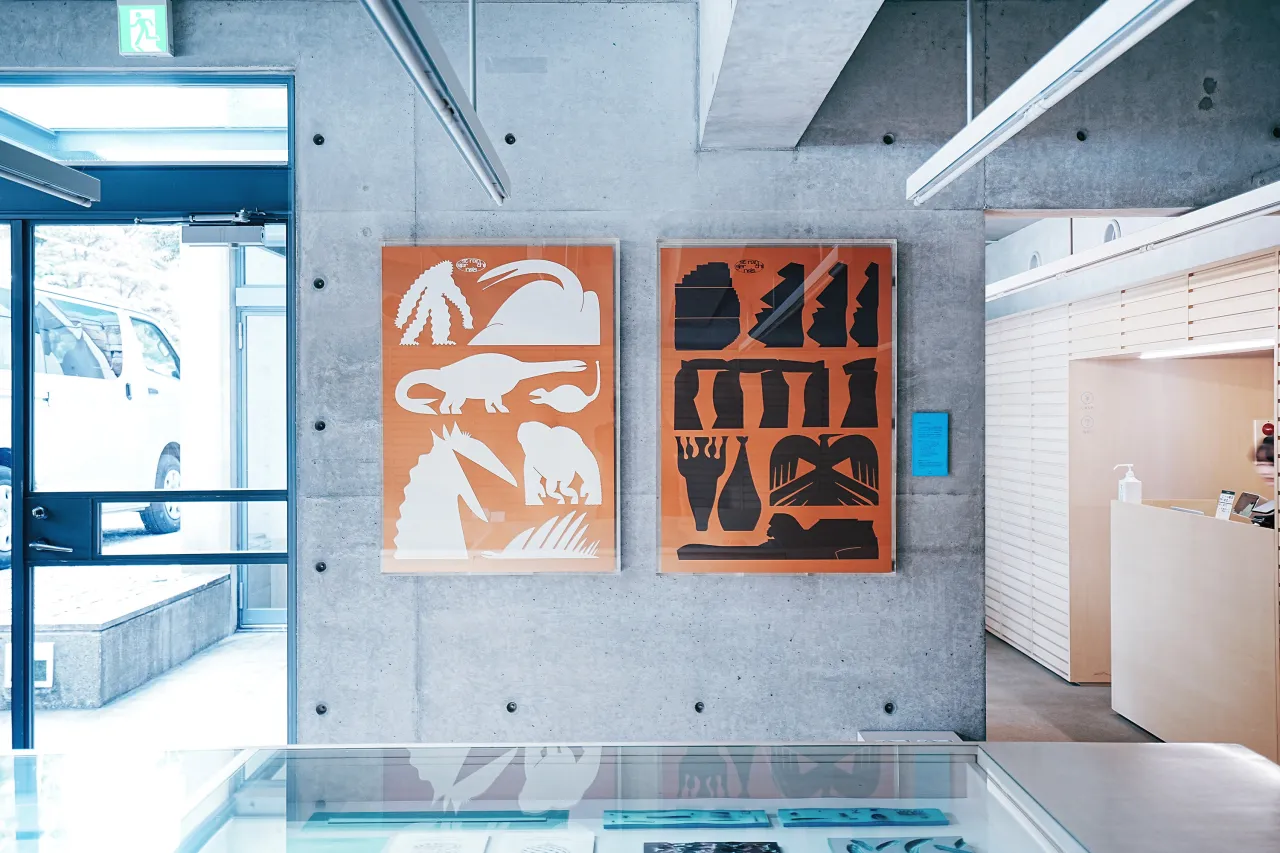
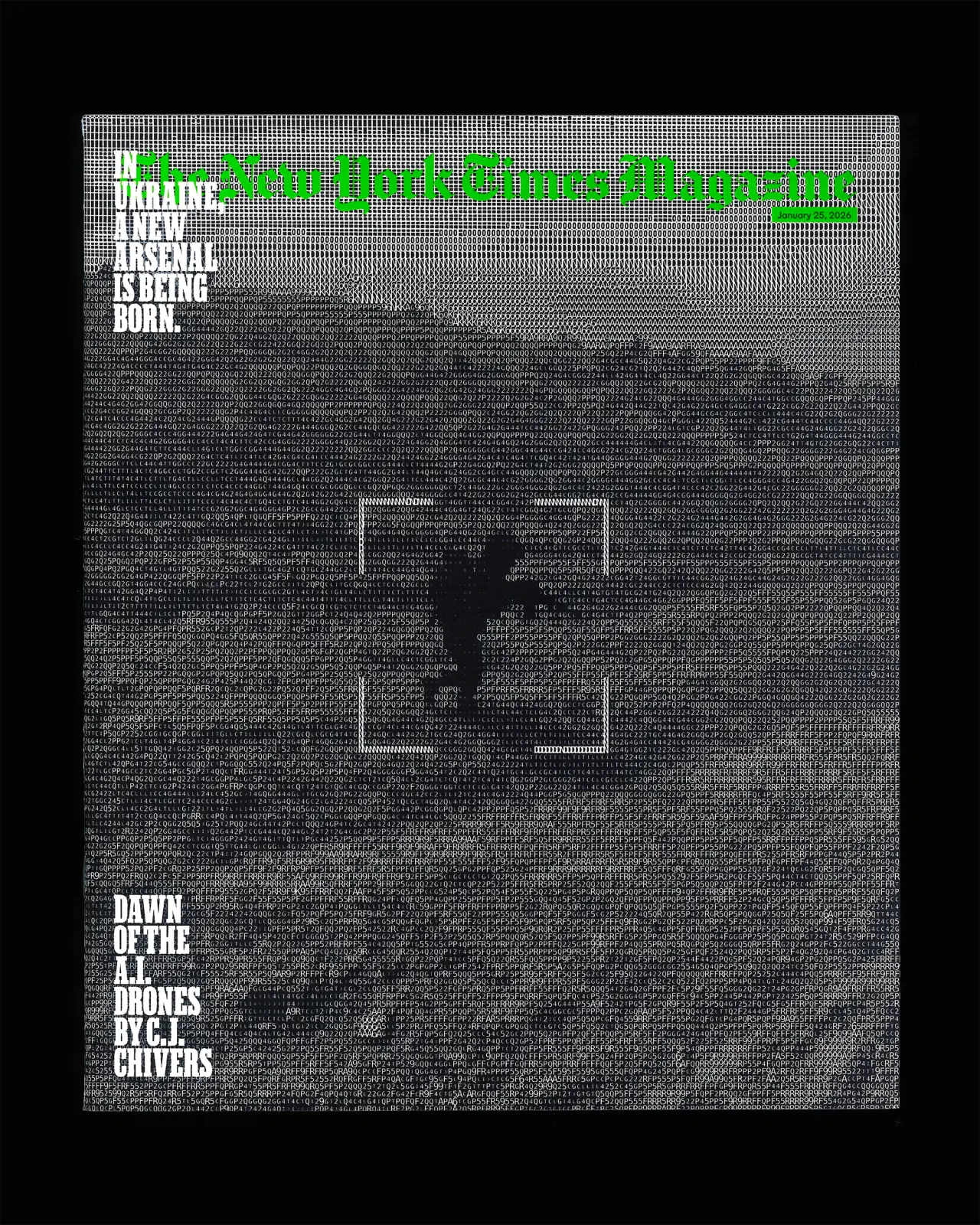
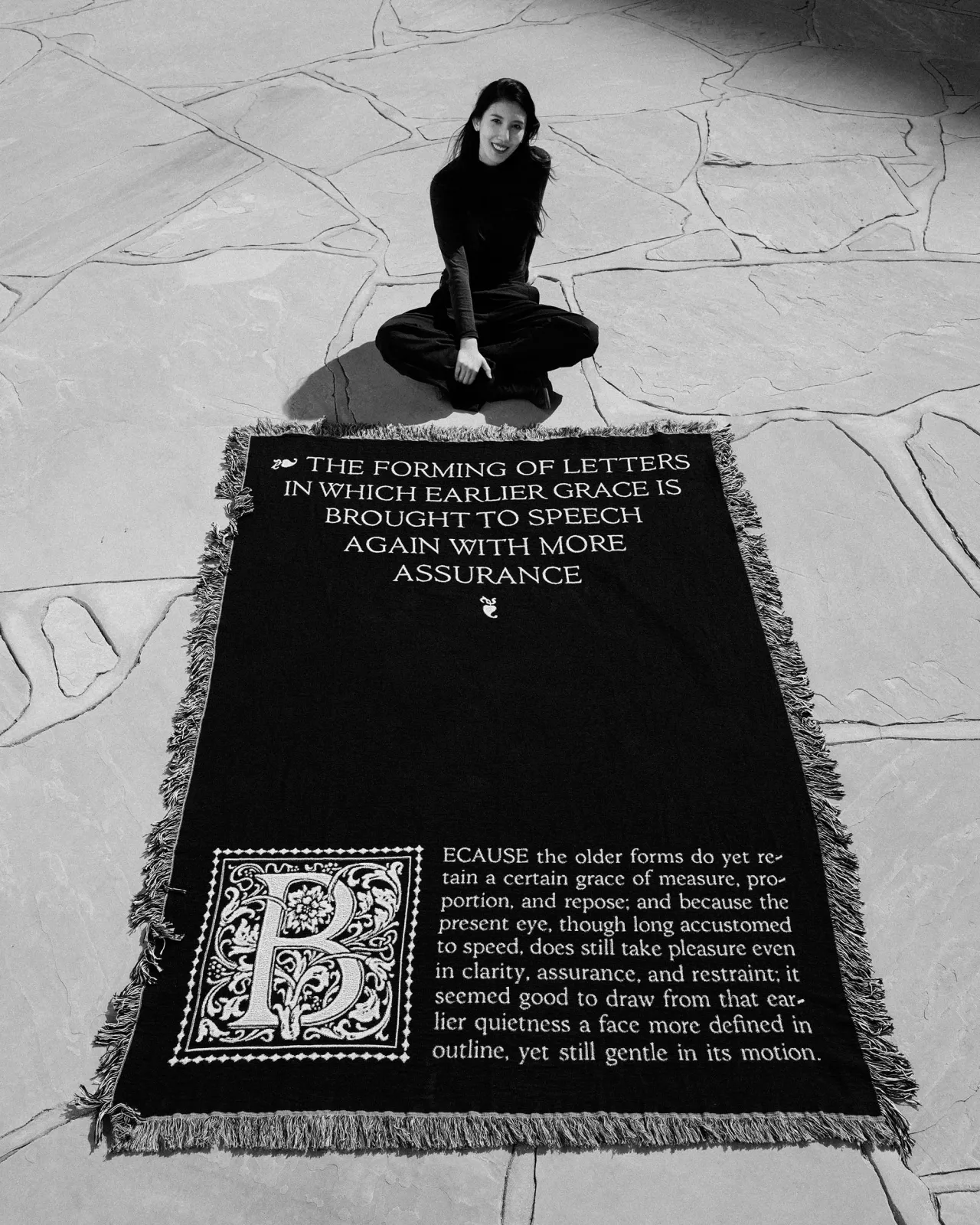
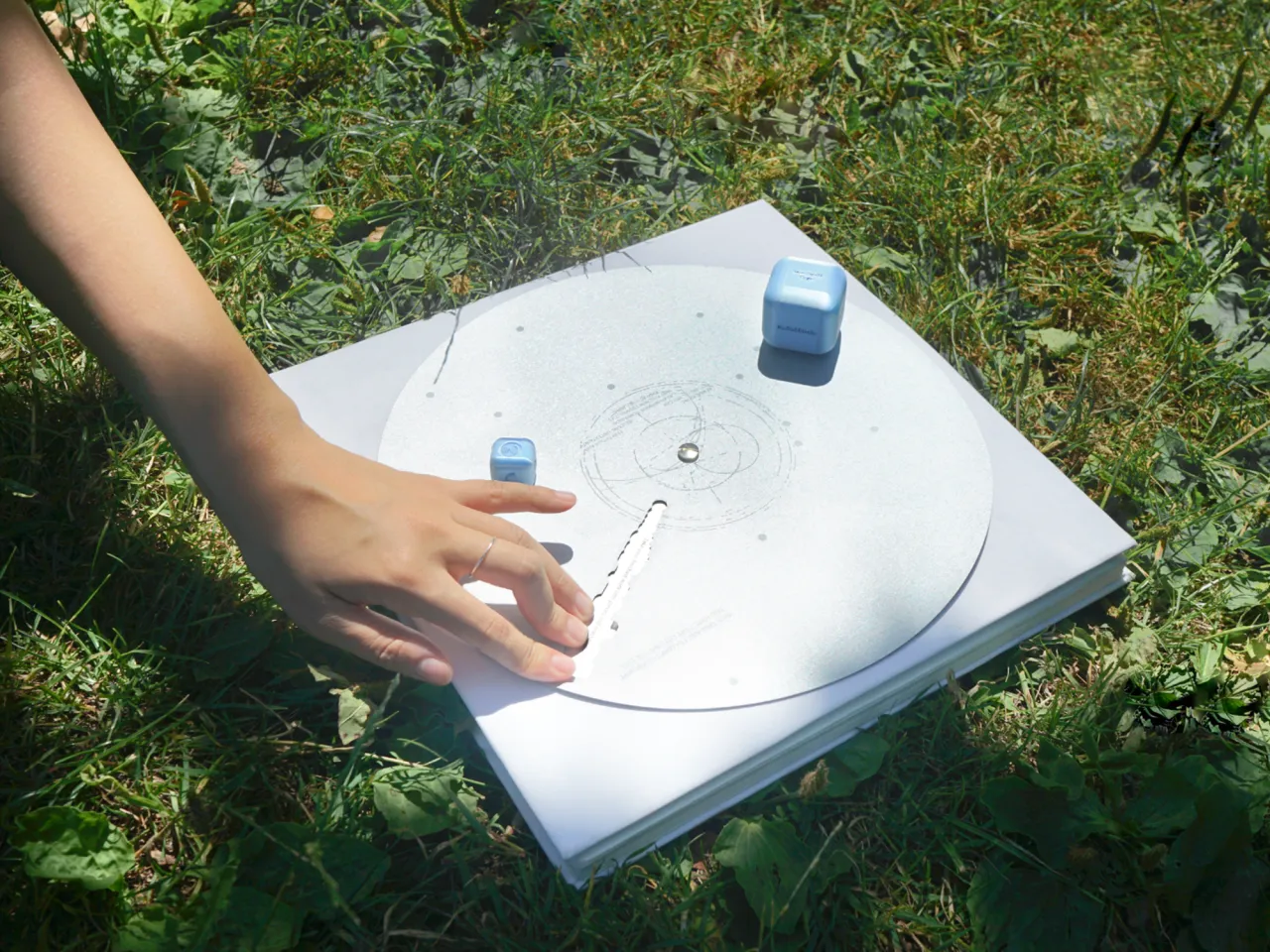
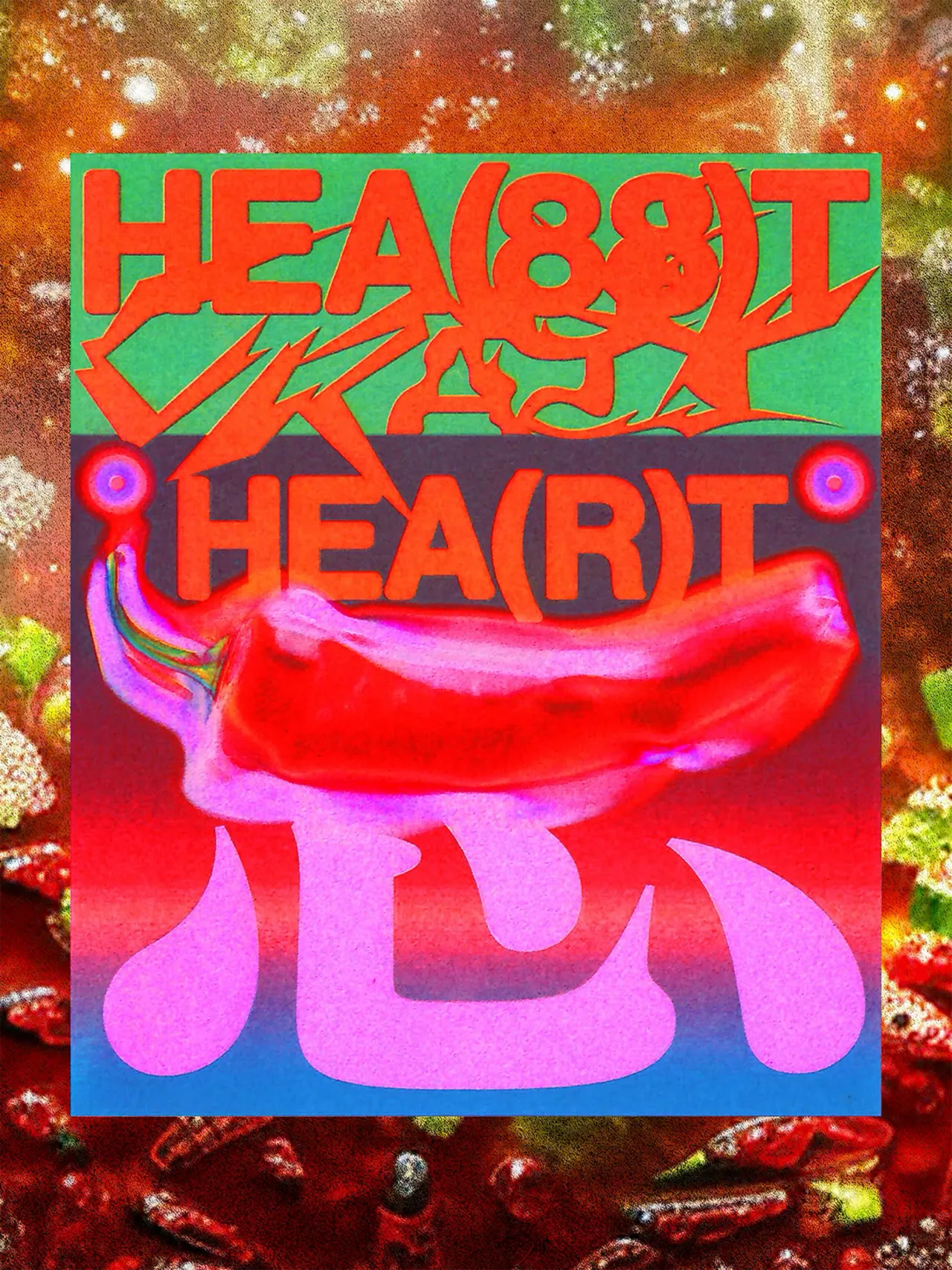
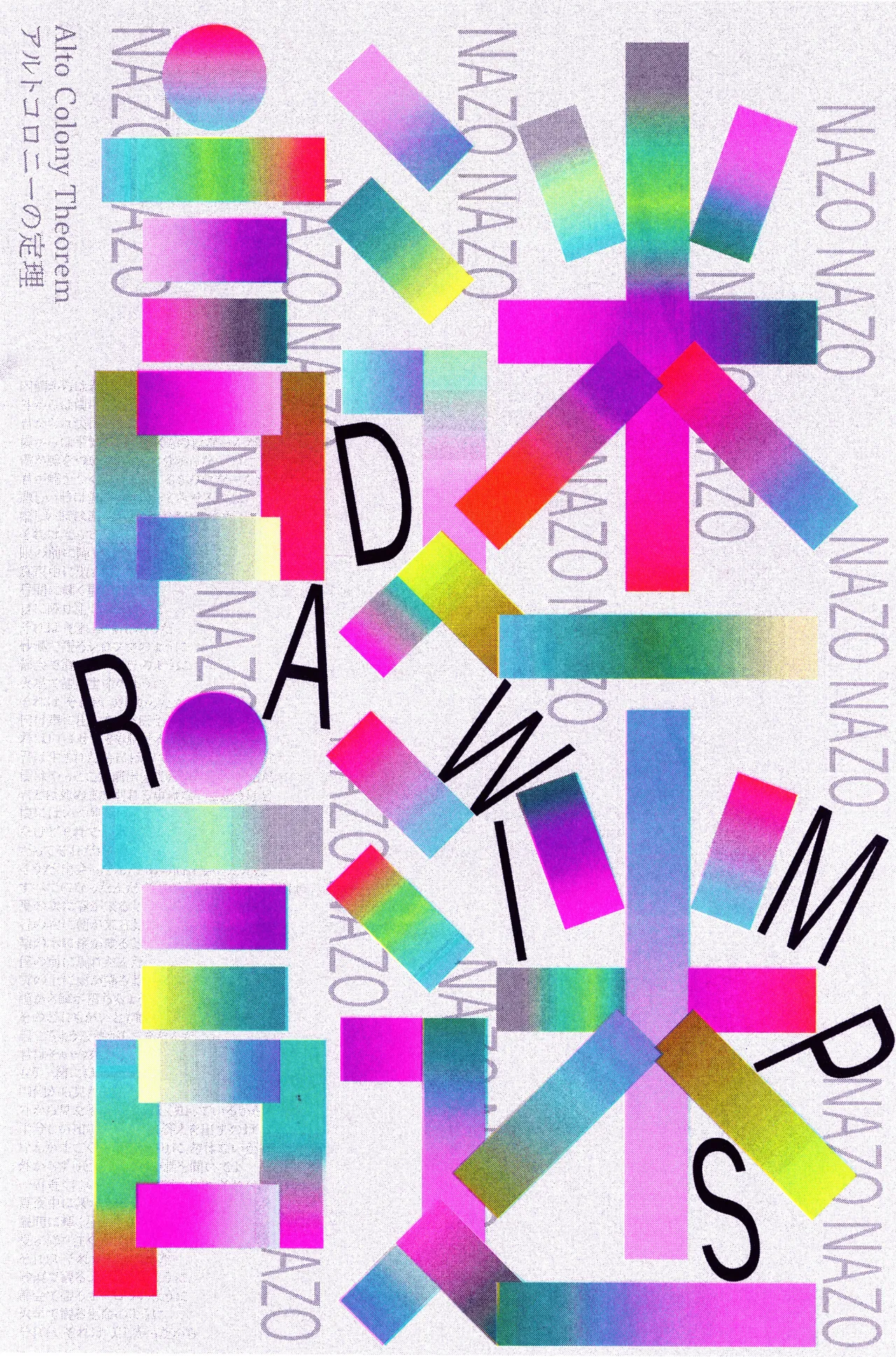
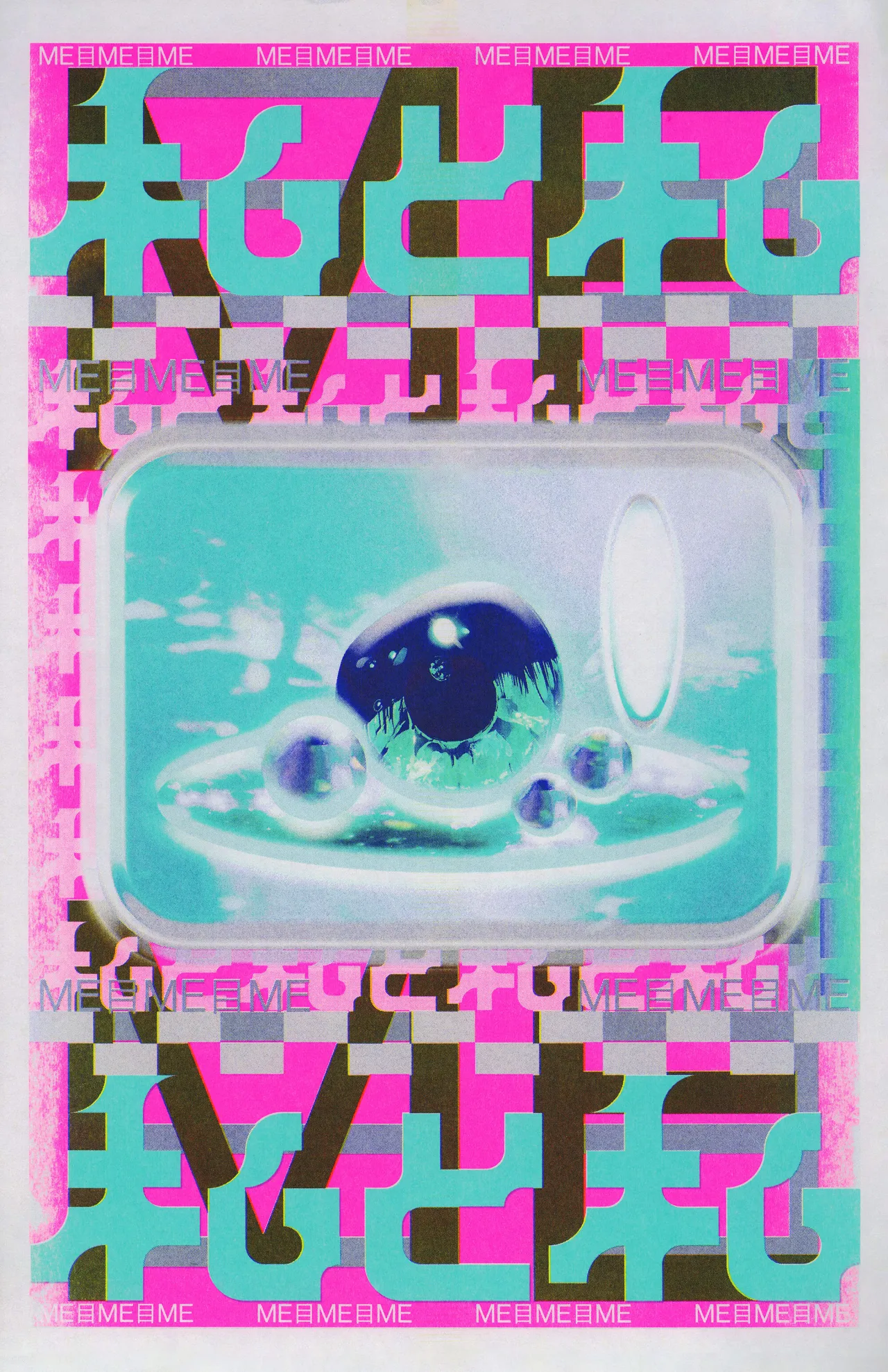
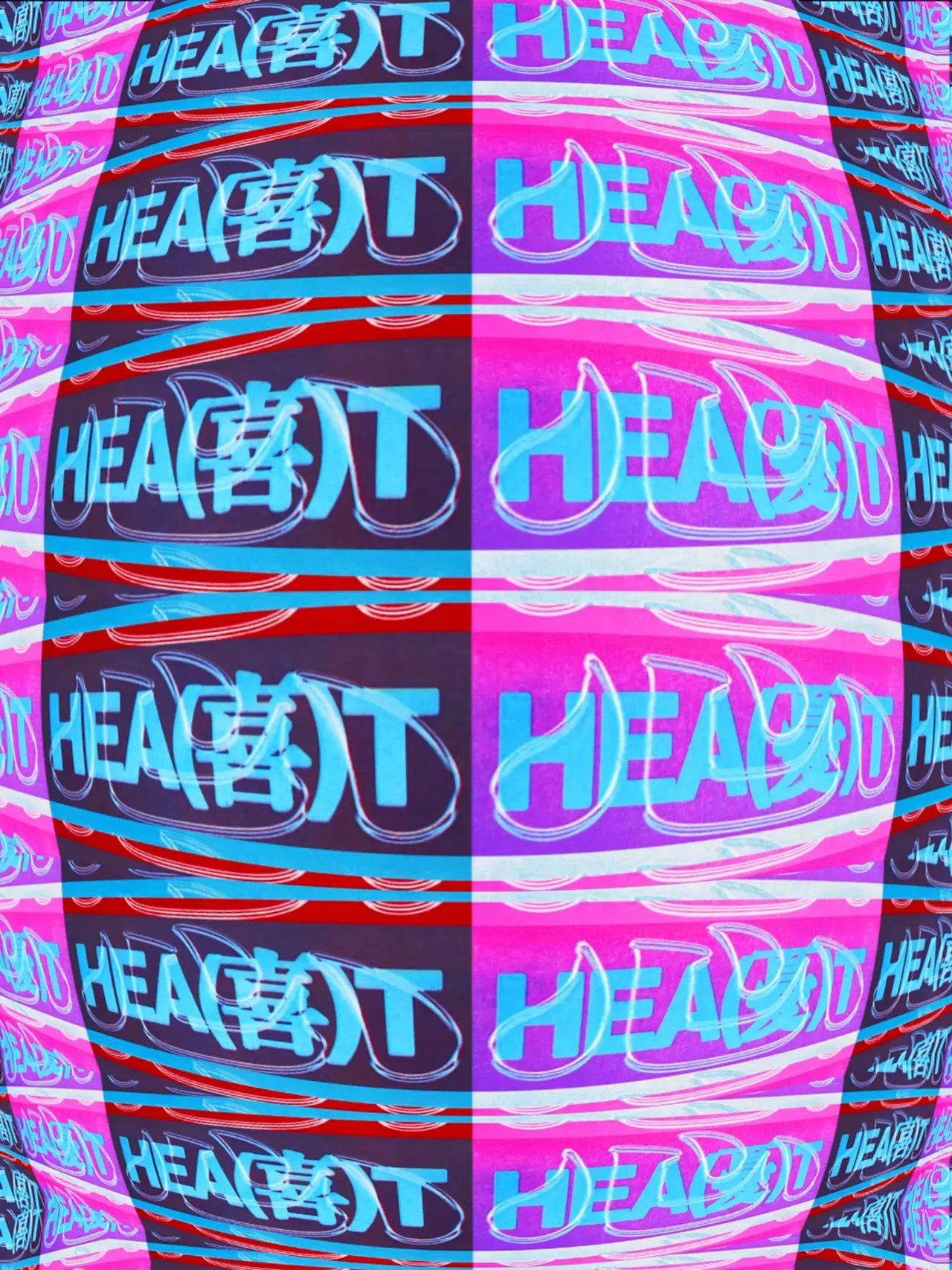
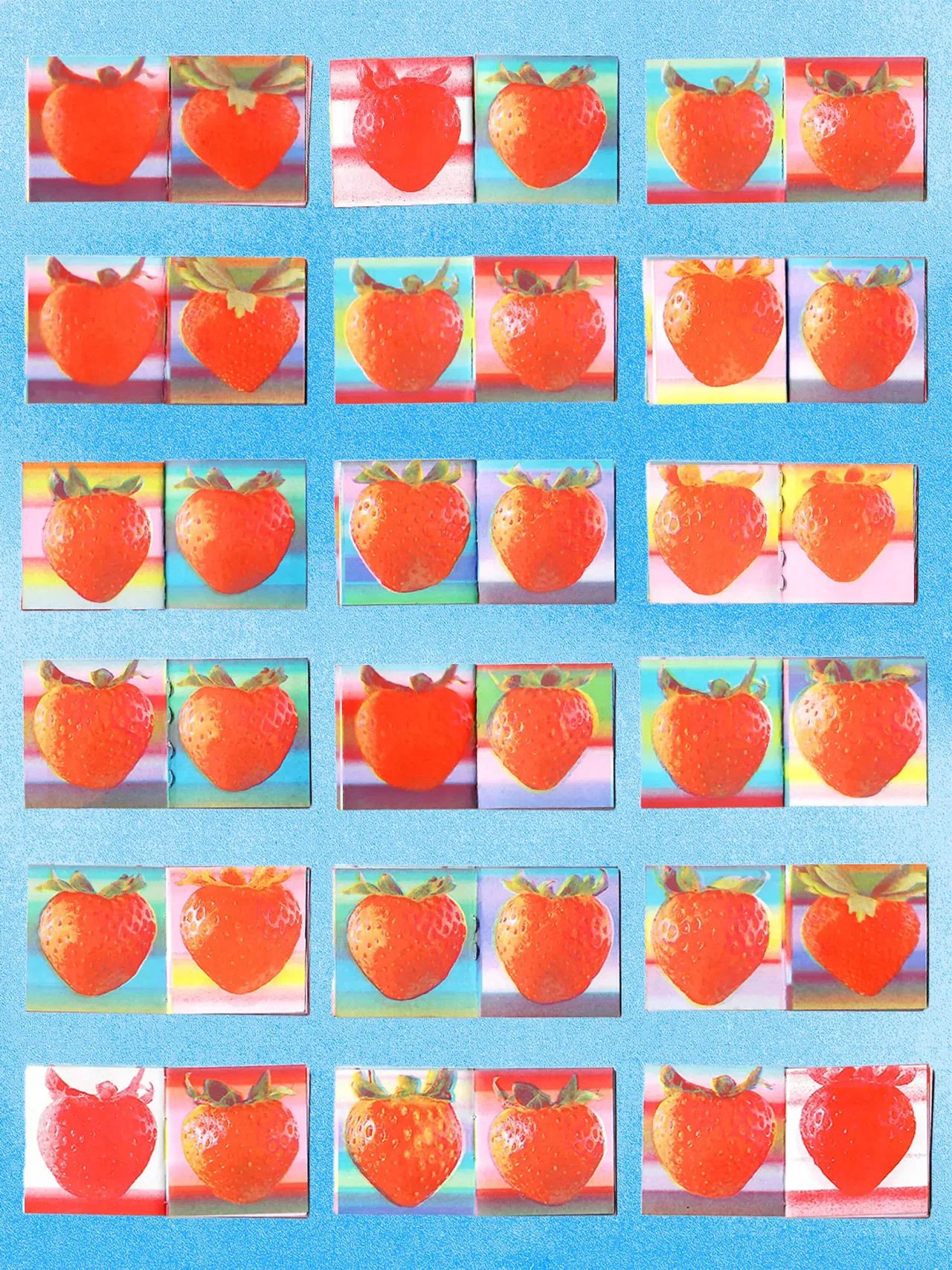
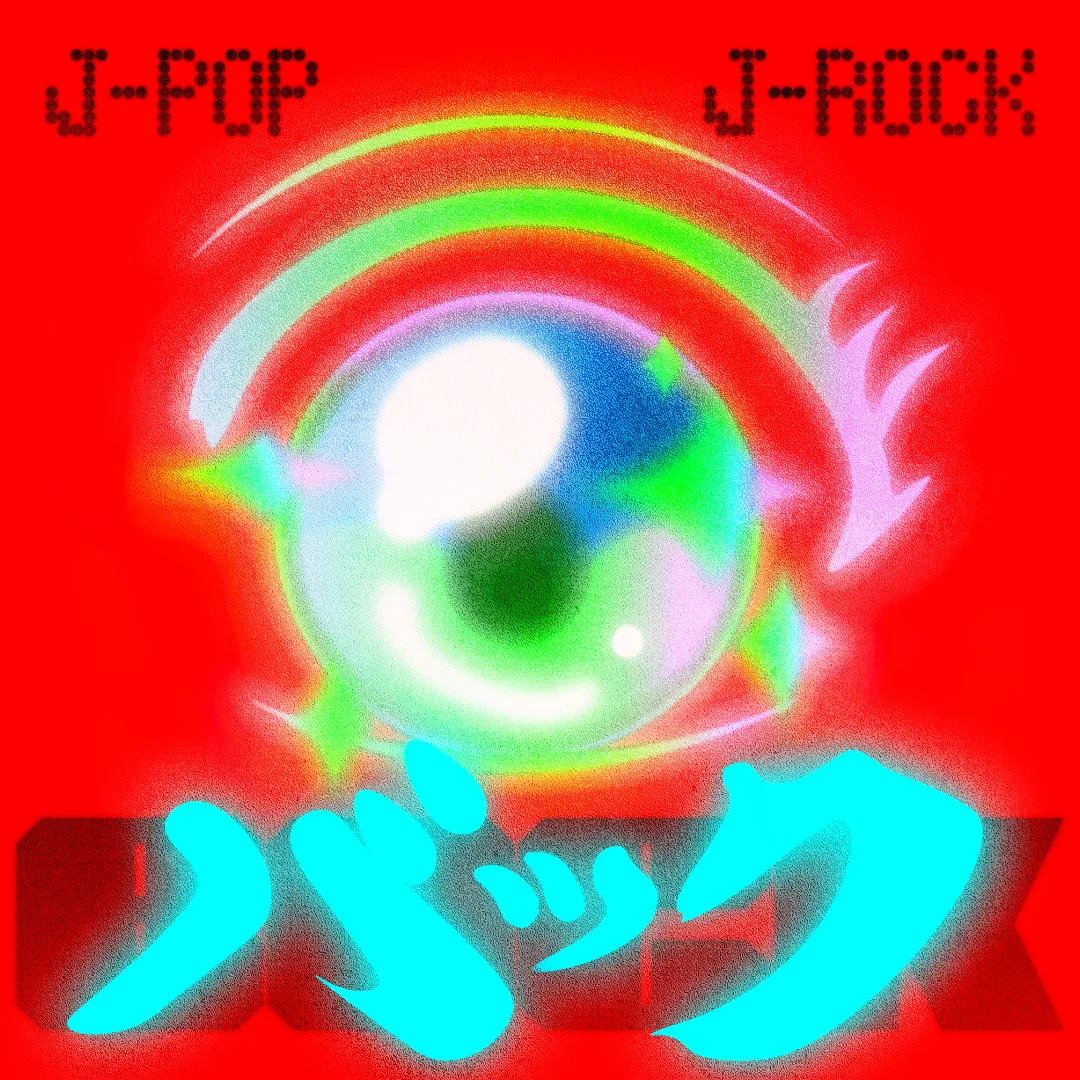
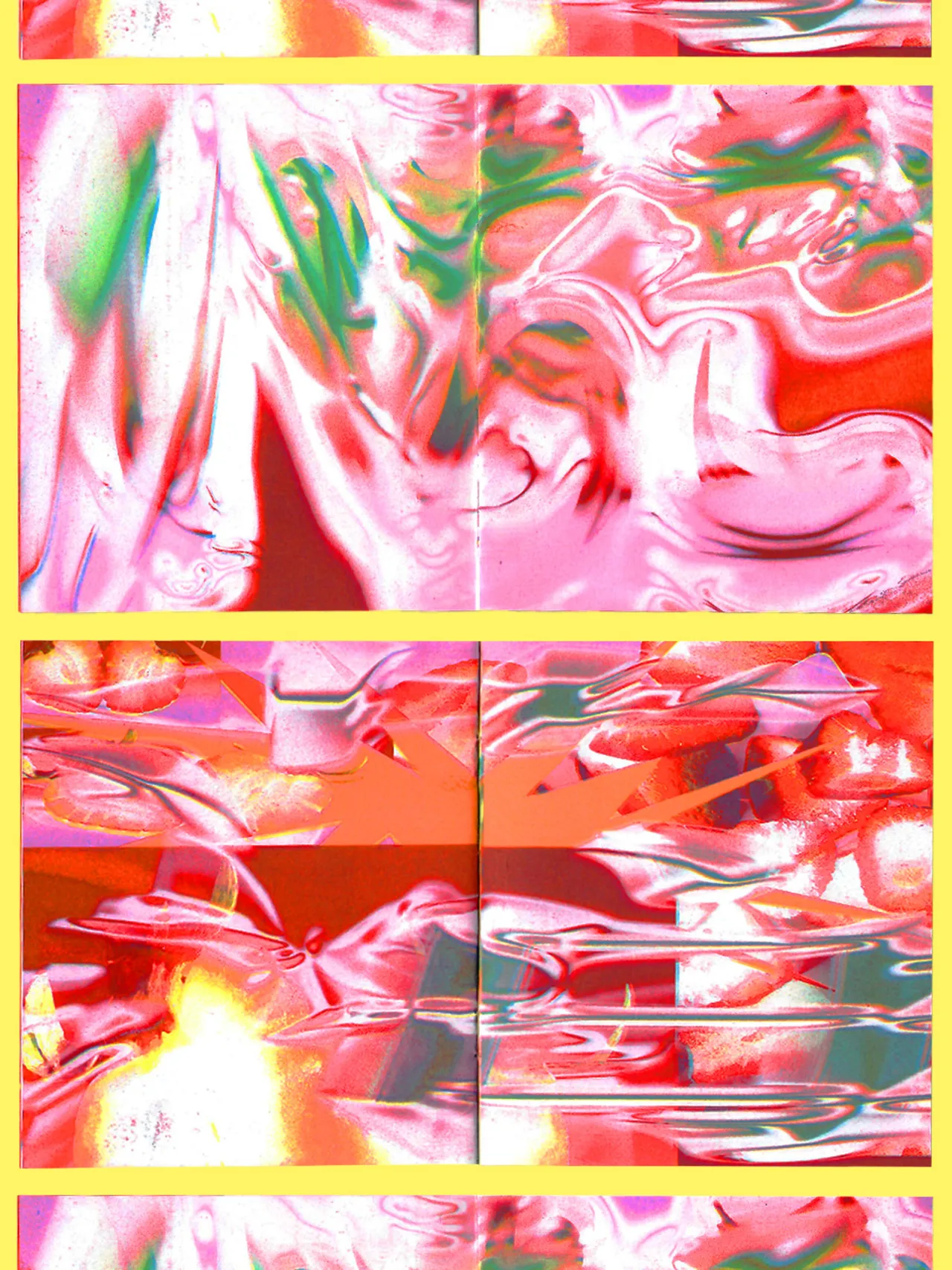
Alongside digital techniques, Jo works with Risograph printing, laser cutting, photography and bespoke typography – as well as analogue tools that introduce texture and imperfection into the work. Look at the Strawberry Riso Zine, where plump red fruits are printed across a grid with the slight registration drift that only Risograph produces, and you feel the immediacy (plus the perfect mashup of digital and analogue processes). In Nazonazo, Japanese characters are stacked and layered in neon hues, the Kanji and Latin letterforms in conversation across the composition. And in the HEA(R)T series, hot pink lettering melts against a deep red ground, the word both heartfelt and glitching at the same time.
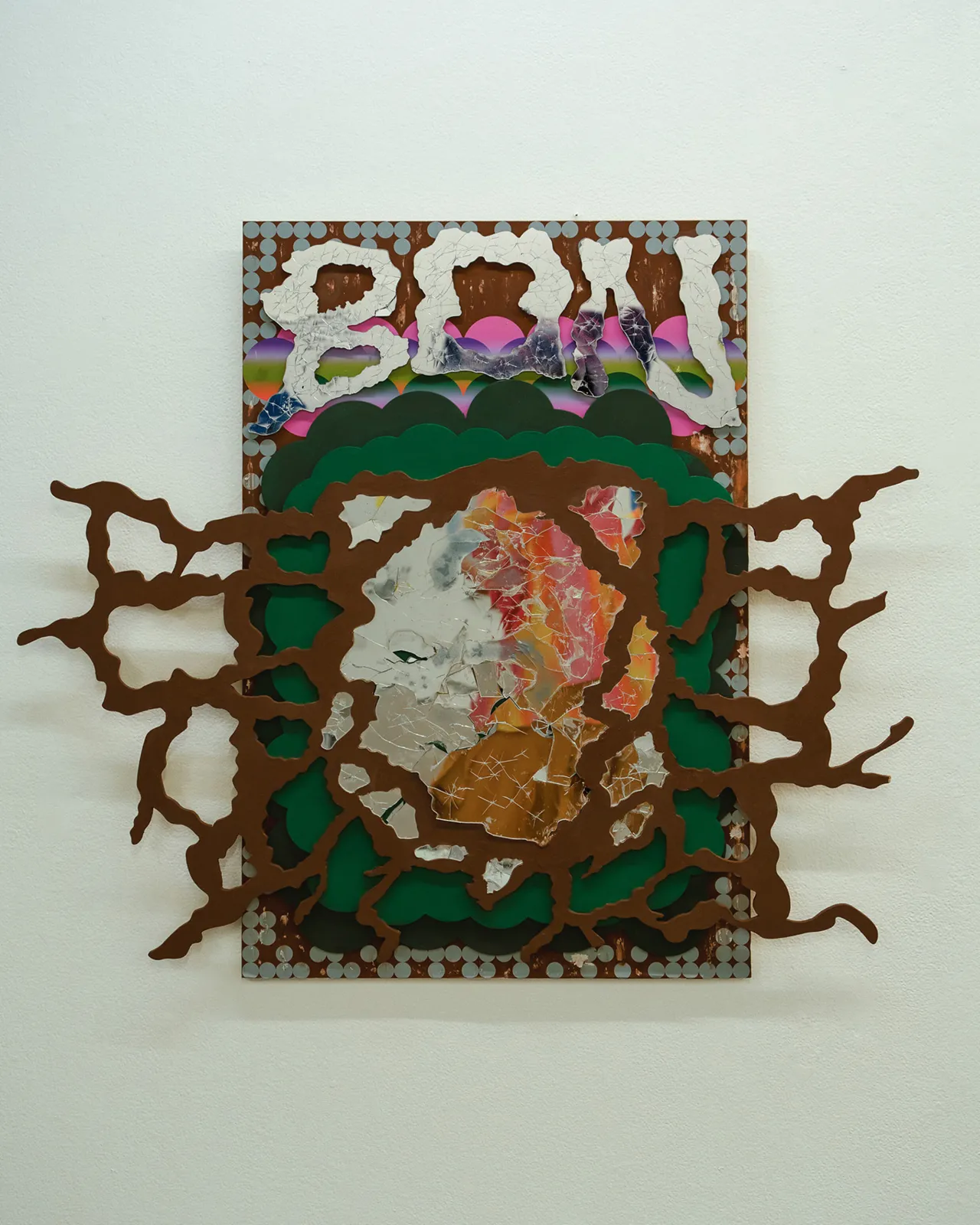
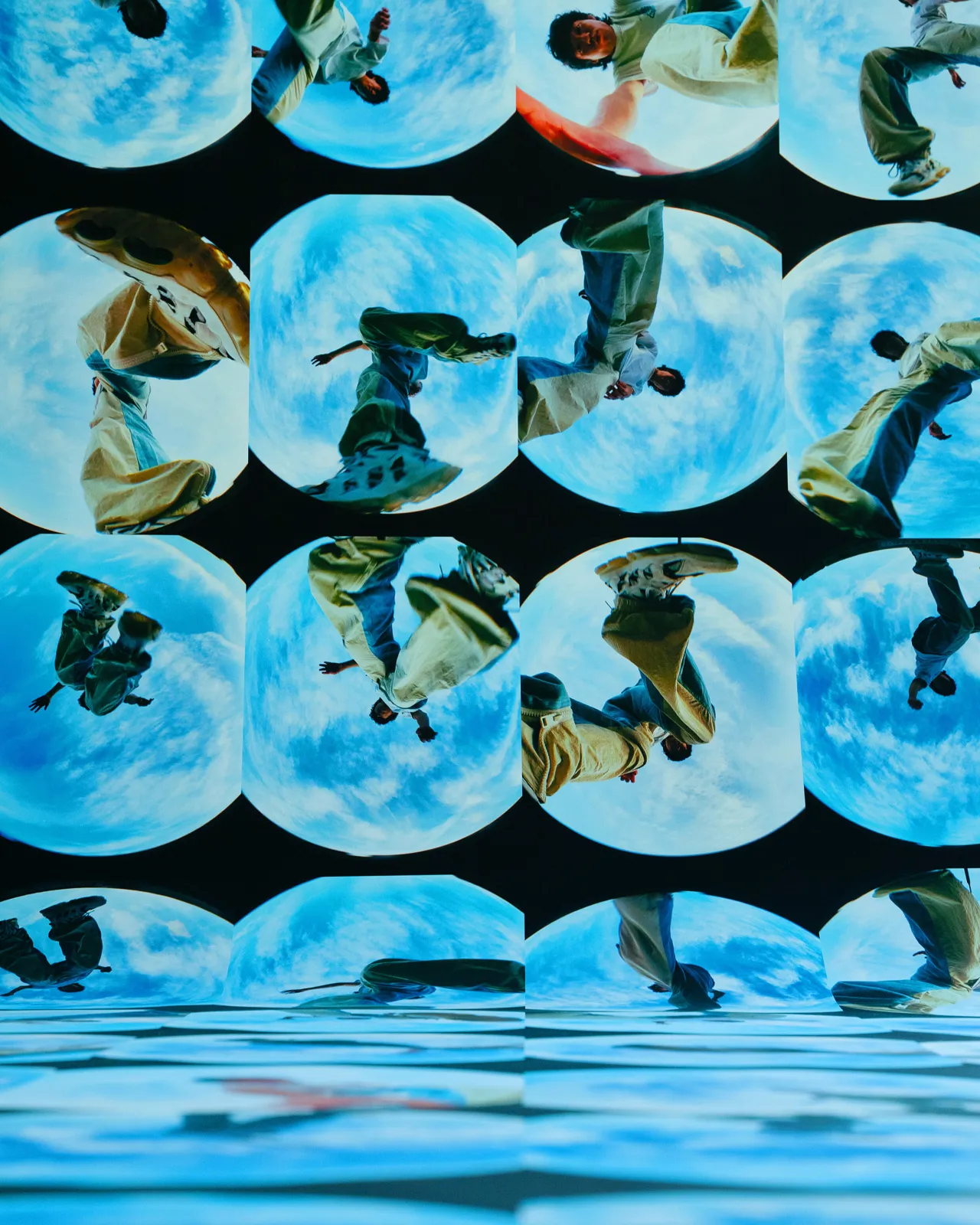
What ties it all together is his embellishments and going that extra mile. "I always want to add an exaggeration or twist moment into my designs, a spark of surprise that makes people joyful and brings new feelings," he says. "That sense of going 200% beyond what's expected is something I carry into my own work. When something is exaggerated with joy and purpose, it stays in people's memories." When so much of design is now being smoothed out by AI, Jo is pushing into the opposite direction, and his work becomes particularly necessary. "Graphic design will need to have a sense of rawness and its aliveness to prove that it is the human that makes the creativity, not the machine."
As for what comes next, Jo approaches the question with some looseness. "I imagine my design practice will keep changing," he says. "In 10 years, I will be surprised at where I will be. He is increasingly drawn to printed objects and things you can physically touch, the type of work he says carries "a sense of imperfection that feels alive". Music and cultural projects will remain a priority, and whatever the format, the transmission will continue. "Design isn't just something I create. It's something that has been waiting for me like a memory from the far future."
Editor's Picks
Trending
Latest Jobs
Head of Production at Art&Graft
Full-time·London·£80k-£95k
Senior Designer at Jubba
Full-time·London·£50k-£60k
Lead 3D Designer at The British Museum
Full-time·London·£51,623 per annum
Junior Creative Designer & Visual Researcher at Hollywood Secret Service
Full-time·Brighton·£26,000–£28,000
Senior Digital Designer at Red Antler
Full-time·New York·$95k-$130k
Design Director at Koto
Full-time·London·£72k-£90k