The festival where nobody wants to be famous: could Pictoplasma be your favourite creative event?
Small, intimate and relatively low-key, the Berlin conference isn't for everyone, but it could be ideal for you. Read on as I share my honest thoughts about Pictoplasma 2026.
](https://media.creativeboom.com/ee33ce61-0157-4955-adaf-d4ccfca84a4d/conversions/dbcd9e1d4f5595e2b148badd79a8f696135e215a-medium.webp)
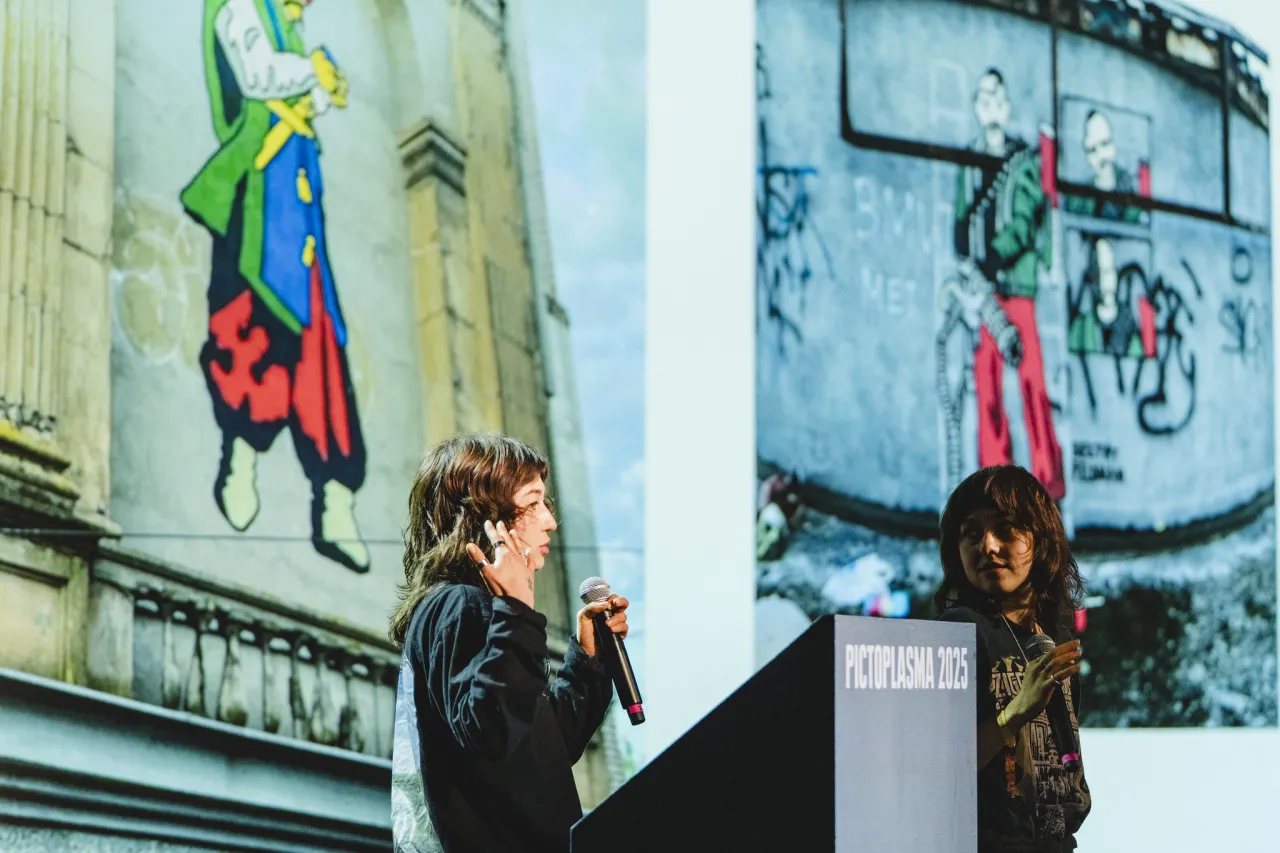
Pictoplasma Berlin, 2026. Photos by Diego Castro
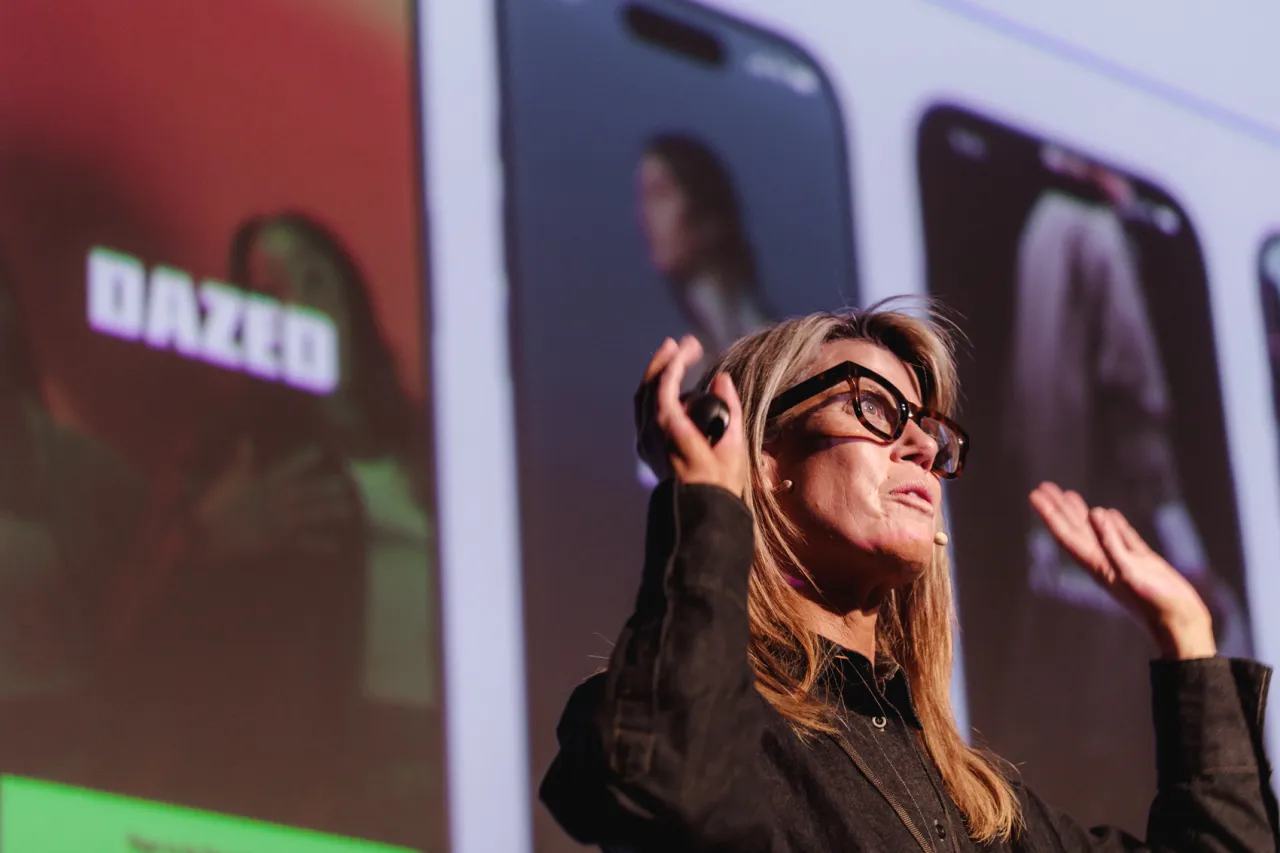
If you work in visual media, you've probably at least heard of the character design and animation festival Pictoplasma. This year, I travelled to Berlin to experience it myself. And as ever, I'm going to be as honest with you about my experiences as I can.
I'll start by being blunt: my first full day was quite lonely. I'd arrived on my own, as a journalist rather than a guest, and found myself surrounded by a community that clearly already knew each other.
People were warm enough if you caught their eye, but nobody was rushing to adopt a stranger with a mic. Feeling a little lost, I ended up retiring to my hotel room earlier than planned. I picked up a sandwich on the way and sat in my room watching Netflix. Possibly the least 'Berlin' thing you can do. But please don't stop reading there, because there's another side to this story.
A slow burner
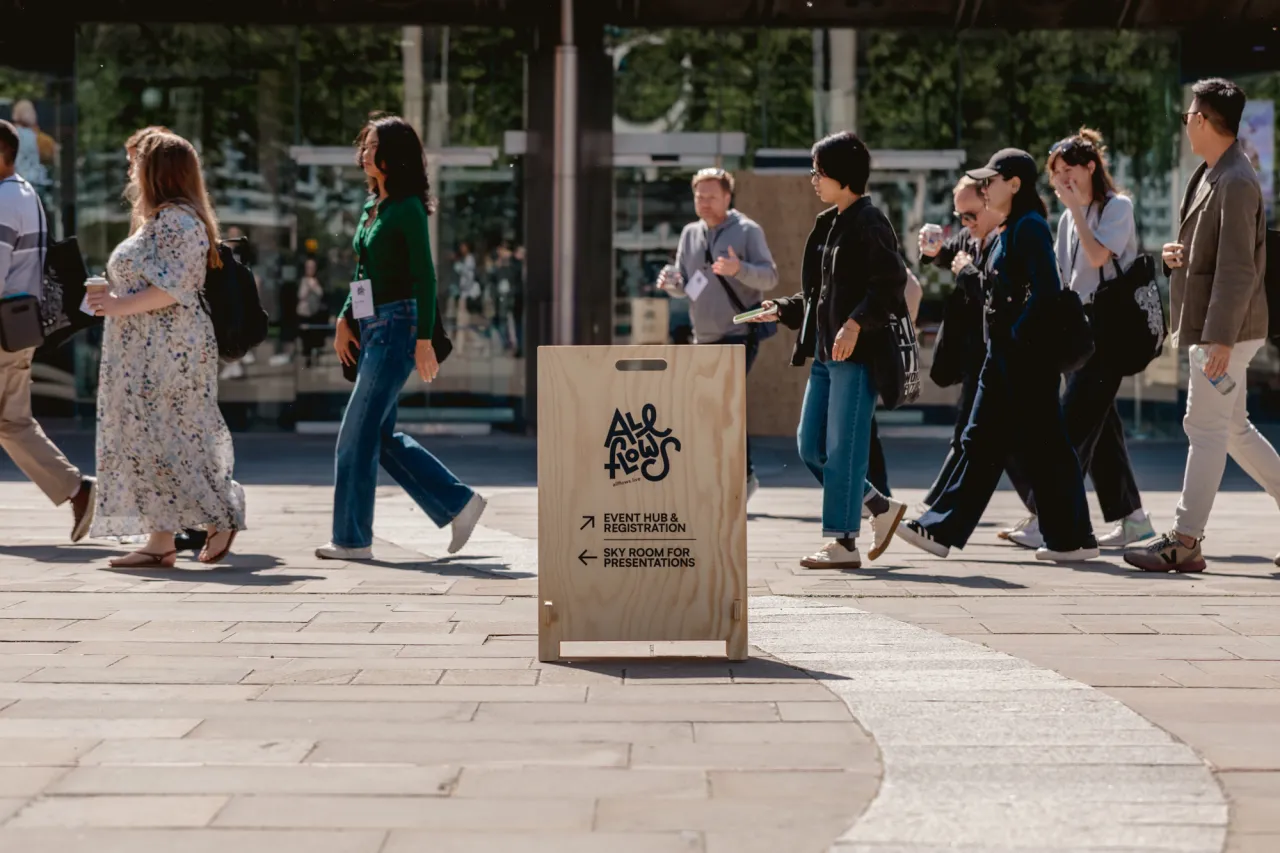
Pictoplasma, now in its 22nd year, is one of the most genuinely special events in the creative calendar: a boutique festival held in Berlin's Wedding district, centred on character design, illustration, animation, art, and storytelling. The talks are inspiring, the artwork is impressive, and the venue is a beautiful, sprawling space.
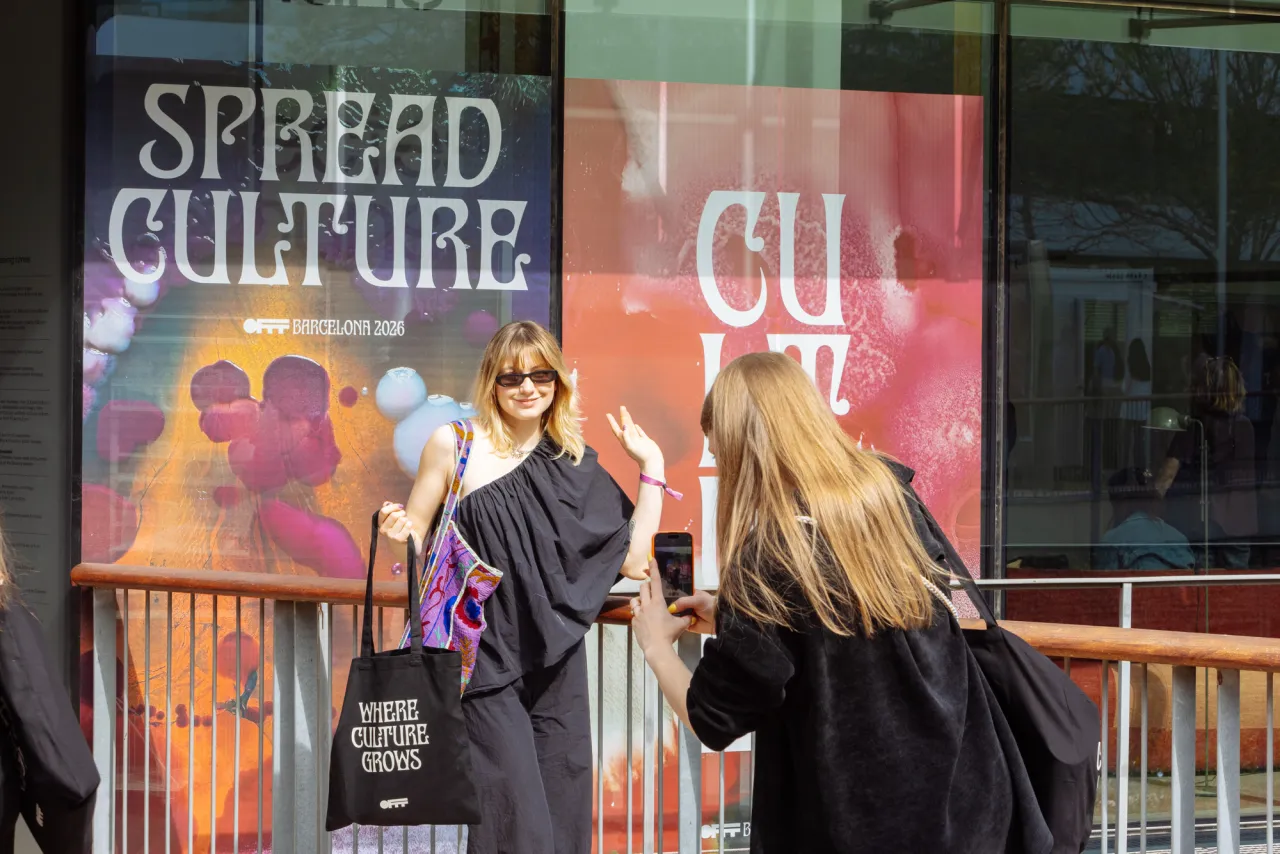
It's not a big event like OFFF or Cannes Lions, and it doesn't want to be. It's on the small side, on purpose. So if you're used to getting a burst of energy just from walking into a buzzing room, you might, like me, have a tricky first 24 hours.
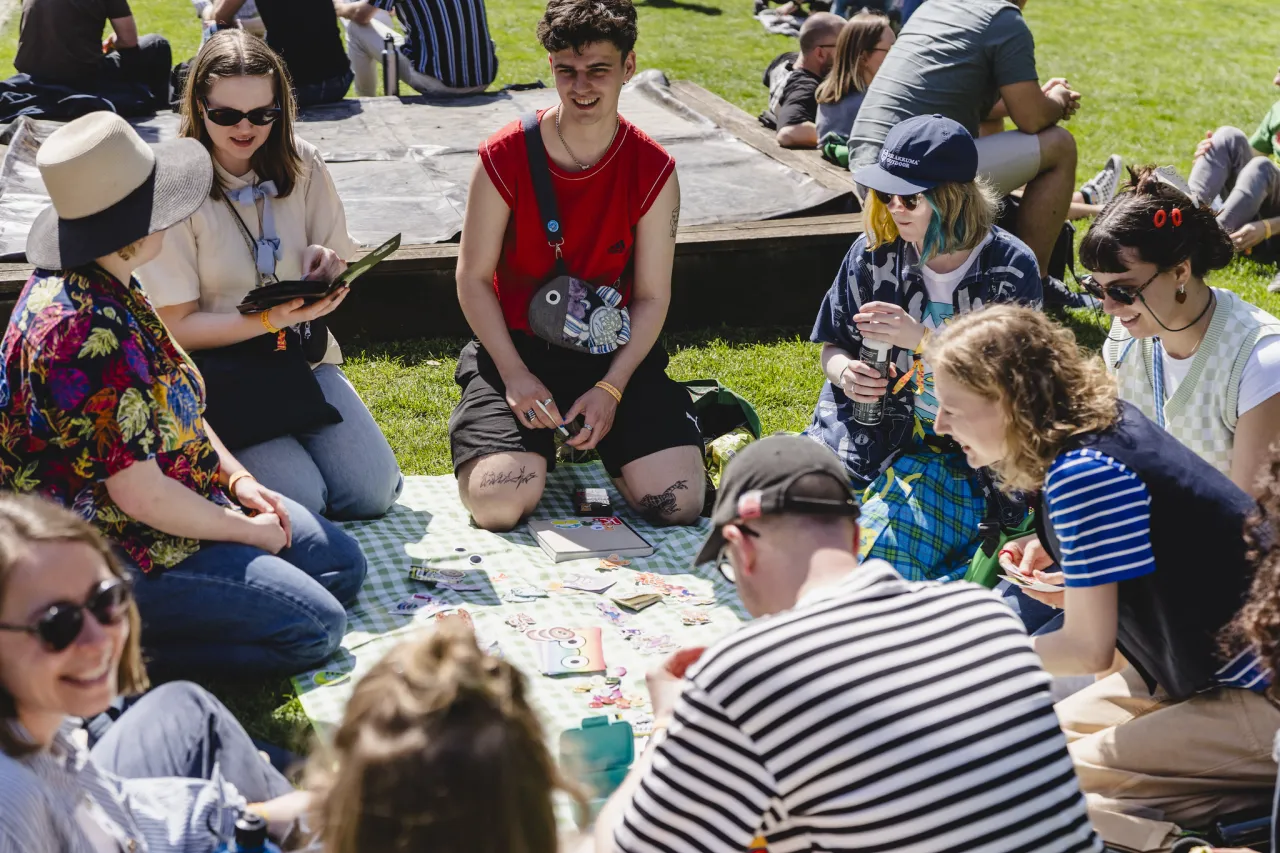
Hanging out on the green at Pictoplasma
In contrast, Pictoplasma is a bit of a slow burner. I found that frustrating as a first-timer, but I have to admit, by the end of my final day, things had turned around. I'd had more hugs than I could count. I'd made friends I genuinely intend to keep. And ultimately, this turned out to be one of my favourite conferences.
So could this be one of your favourites too? Read on as I address this question, and help you get the best of Pictoplasma if, like me, you're travelling solo.
People who used to draw in corners
Part of what makes Pictoplasma unique is its crowd. This is not a festival of agency founders, thought leaders and brand strategists, all desperate to chat, network and sell you their big idea. It's instead populated by working illustrators, animators, character designers, and artists. People who spent their childhoods drawing quietly by themselves.
Karlotta Freier, a German illustrator who's now based in New York, is one of them. "I always think it's so silly whenever I get invited to be on stage," she said. "I used to be the kid who sat in a corner. I wasn't the adventurous kid who wanted to talk to everyone."
That's Pictoplasma in a nutshell. People here are gentle, thoughtful and occasionally quite shy. Janine Sommer, a Berlin-based nature illustrator I met on the first day, laughed when I asked whether everyone seemed introverted. Her answer was an obvious "yes", reasoning that as a jobbing artist: "You do most of your work in your studio, by yourself. And then you go out with the crowd, and it's a bit overwhelming."
](https://media.creativeboom.com/2dfa4eef-91e4-44c3-bf02-a04799cbf748/conversions/1d1aeb7c76307b0ff0b7fe5f0a57ca3d642369b4-medium.webp)
Sticky Characters exhibition. Photos by Diego Castro
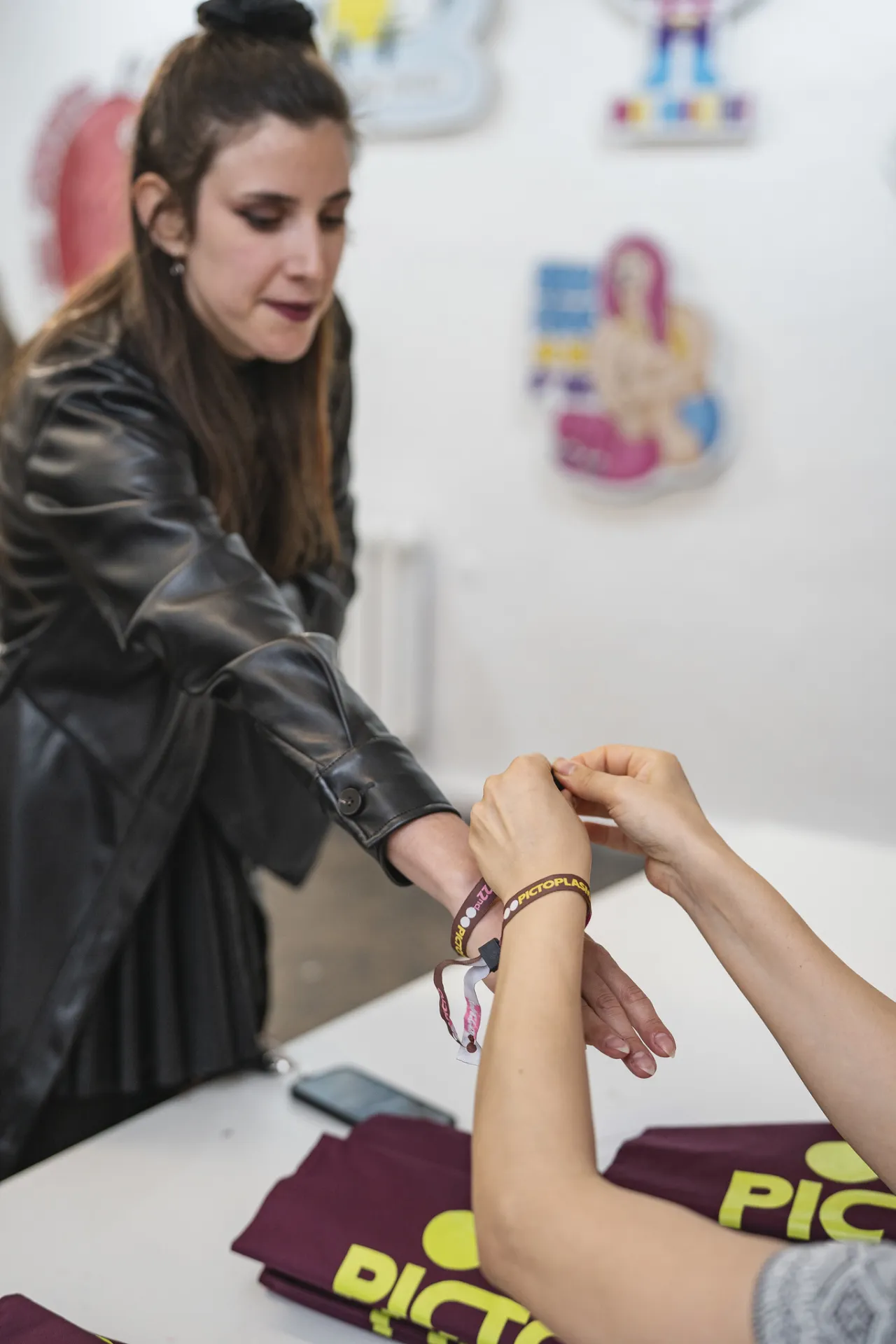
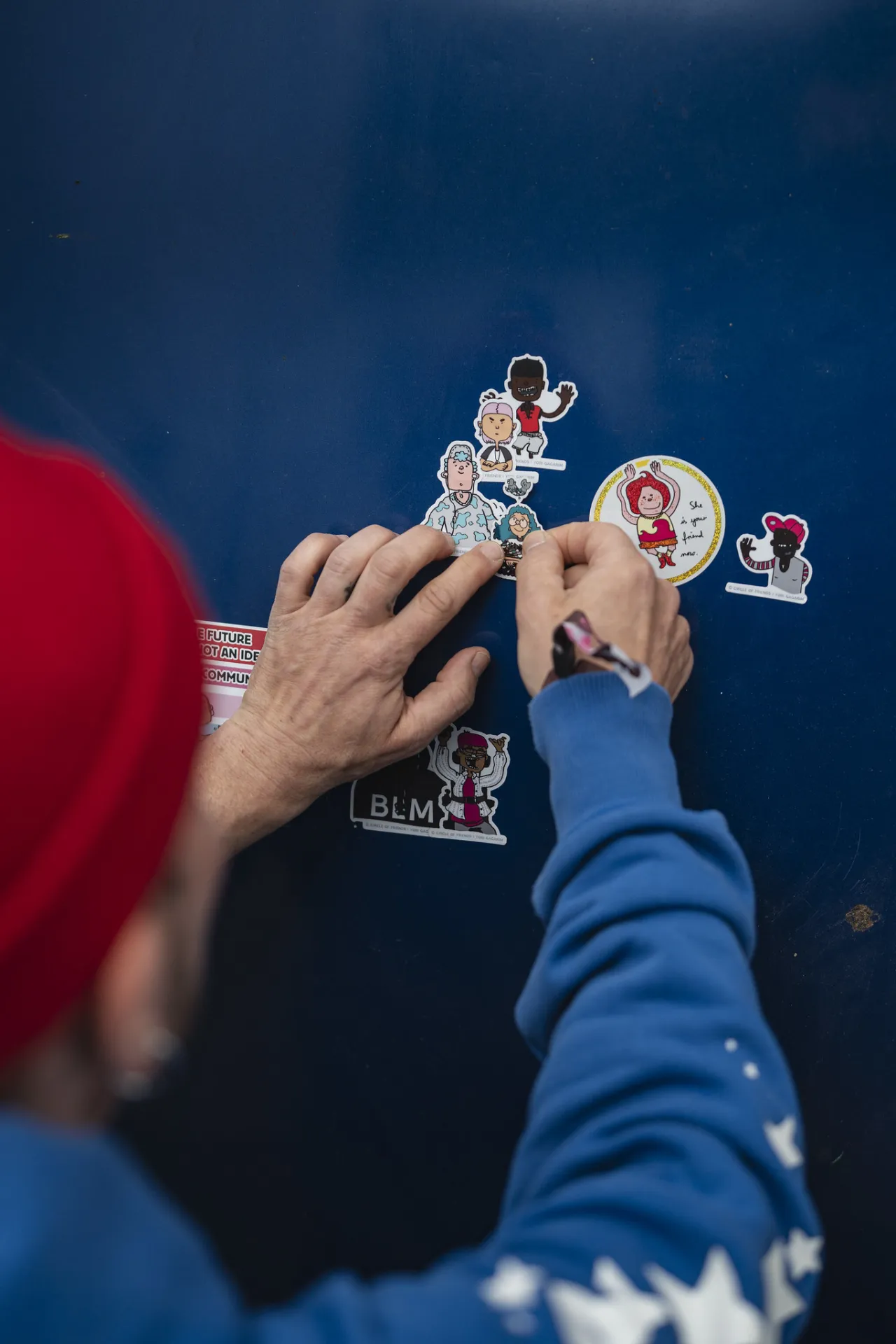
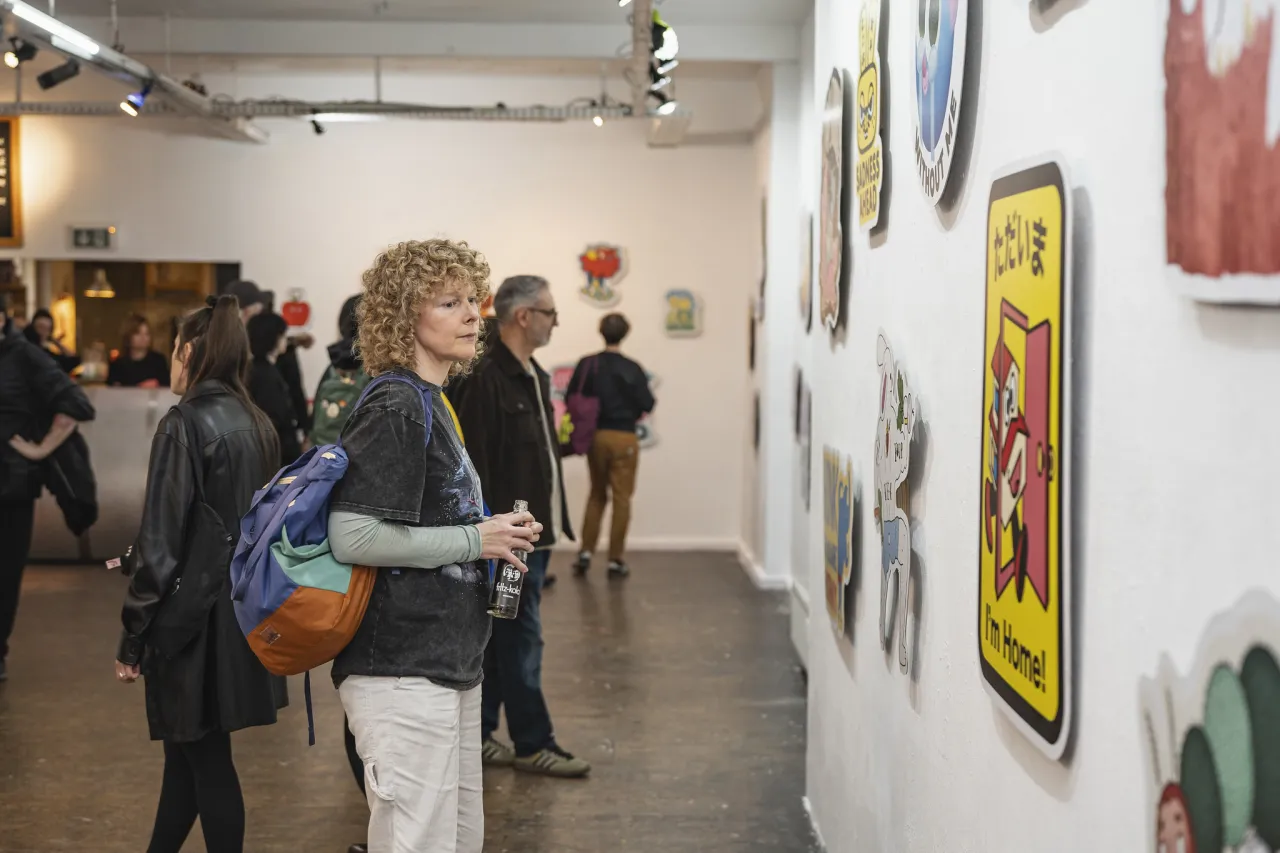
Importantly, no one here sees that quiet focus on work as something to be ashamed of; quite the reverse. German illustrator and graphic designer Christoph Niemann, who's known for his work for The New Yorker and The New York Times Magazine, put it perfectly.
"If you take the work seriously," he told me, "you spend a lot of time sitting at your desk, knowing that 3% more magenta or a line weight that goes from 4.2 to 4.5 points, this is what matters, this is like the fate of the world hanging on that decision. And if you spend a month, a year, five years thinking about that, then, of course, it has an impact on how you react to the world."
That kind of studied devotion to the work, I think, is above all what unites the people who come to Pictoplasma. Consequently, they're friendly and approachable, but just in a quieter, less in-your-face way than at other creative events.
If you're loud, outgoing, and extroverted, you might not enjoy it here. But if you're the opposite, it could be the perfect event for you.
How to get the most out of it
So if you're coming to Pictoplasma by yourself, what do you need to know? Here are some of the things I wish someone had told me.
Illustrator Kyle T Webster, who calls Pictoplasma his favourite conference, captures what makes it work. "When I come here, I meet two dozen people in the first day just from hanging around," he told me. "The kinds of activities they plan just open you up to socialising in a way that doesn't feel forced."
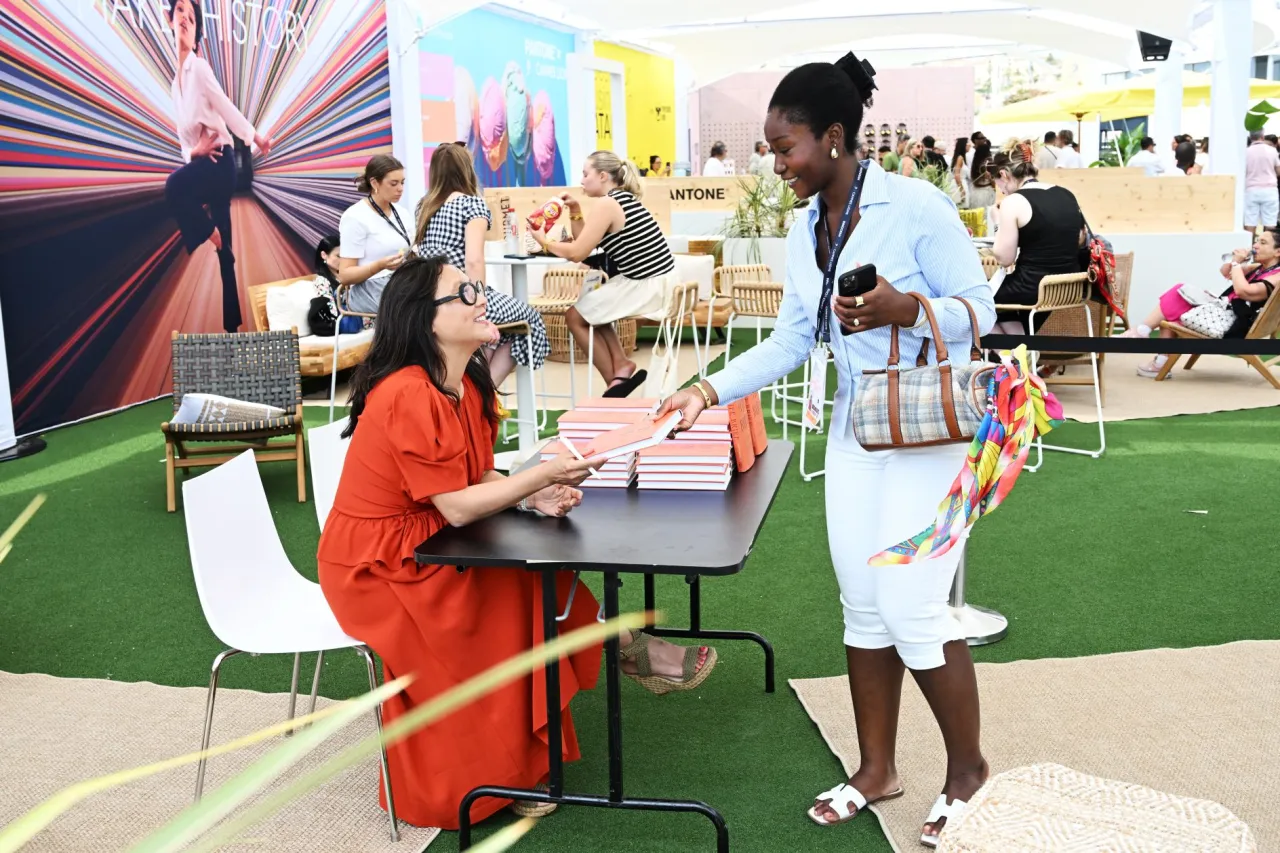
The prime example of this is the Thursday night drawing event, which I sadly missed. Artists sit at tables with different craft activities, there's a bar and music, and you spend two or three hours making things alongside complete strangers. Once you've drawn alongside someone for a couple of hours, you know them well enough to say hello the next morning, and the whole festival opens up from there.
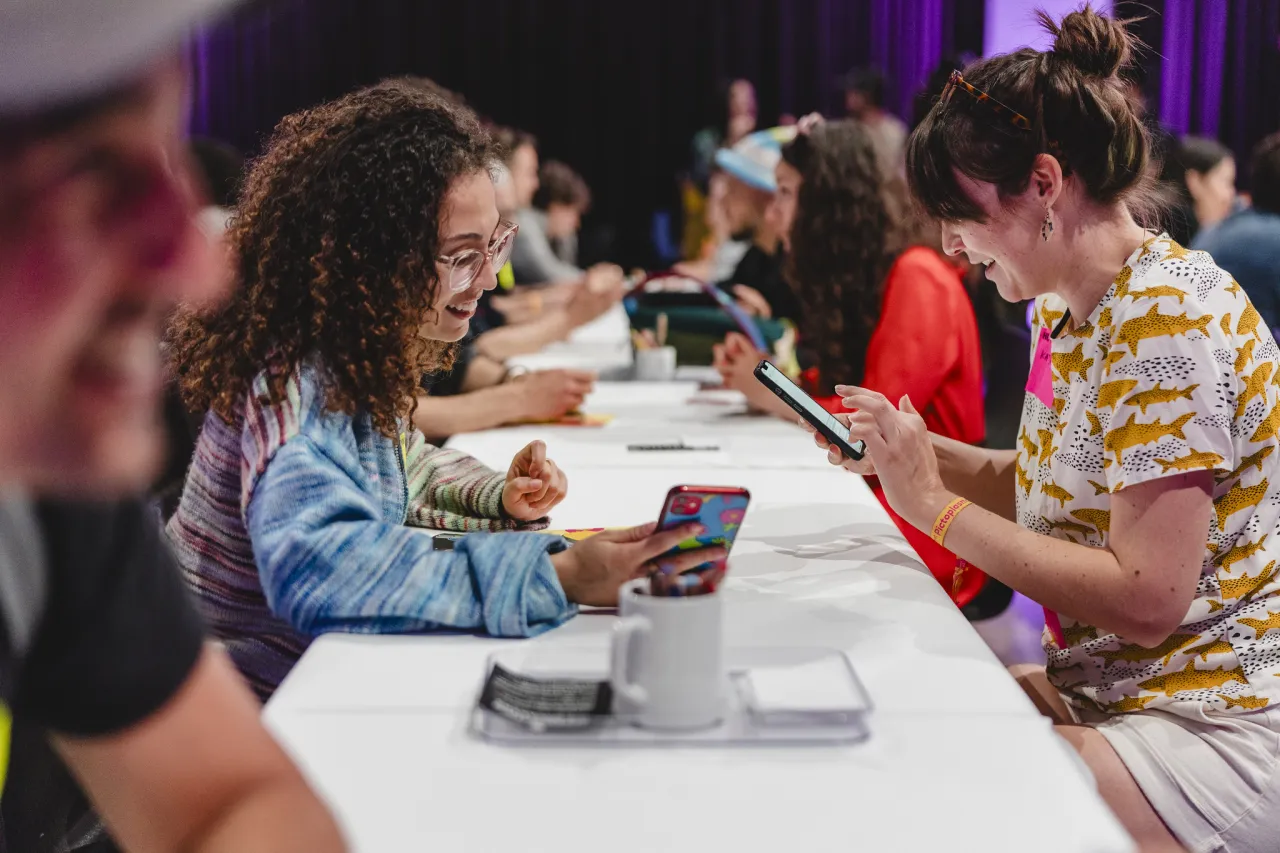
Speeding Networking at Pictoplasma
A second thing to understand is that a lot of the connections here start online, long before anyone boards a flight. Melissa Mathieson, a 3D designer and illustrator who'd flown in from Montreal, put it like this. "I find artists chat a lot online together, so when you see somebody that you follow, you're like, 'Hey!' And then that person knows somebody, and all of a sudden you have a little group." The big takeaway? If you're not already following the Pictoplasma community on social media before you arrive, start now.
My third tip is to come with a plan, but don't worry too much about sticking to it. Helen Piercy, a filmmaker, animator, author and lecturer on her fourth visit, suggested you list the talks, etc, you absolutely have to see, but then let the rest happen organically. "You can't do everything," she said, and also suggested a 20-minute afternoon nap, which I won't pretend I managed.
Fourthly, and perhaps most importantly: give it time. As I hope I've made clear, the ice takes longer to melt here than at bigger, more bustling festivals. But when it does, what you find underneath is something worth the wait. Namely, a community of people who love what they do with an admirable seriousness, all gathered in a beautiful, brilliantly strange city.
One final question: Is it worth coming here if you're just starting out? "One hundred per cent," Helen told me. "Meeting people, speaking to people, just fuels your creative drive and can inspire and motivate you." That's true at any stage of a career, of course. And I know it happens at Pictoplasma, because I stayed long enough to find out.
Editor's Picks
Trending


Latest Jobs
Creative Content Executive at Cognition
Full-time·Birmingham·£28k–£35k
Senior Digital Designer at Red Antler
Full-time·New York·$95k-$130k
Senior Operations Manager at BIG Partnership
Full-time·Glasgow·£45k–£50k
Frontend Developer at Northern Artillery
Full-time·Leeds·£35k–£45k
Design Director at Koto
Full-time·London·£72k-£90k
Client Success & Growth Director at Revolution Growth
Full-time·Manchester·£60k-£70k