Why Ostend's Crystal Ship is the street art festival the rest of us should study
Ten years in, this Belgian coastal city has built something rare: a street art festival with genuine roots, real community and a model worth stealing.
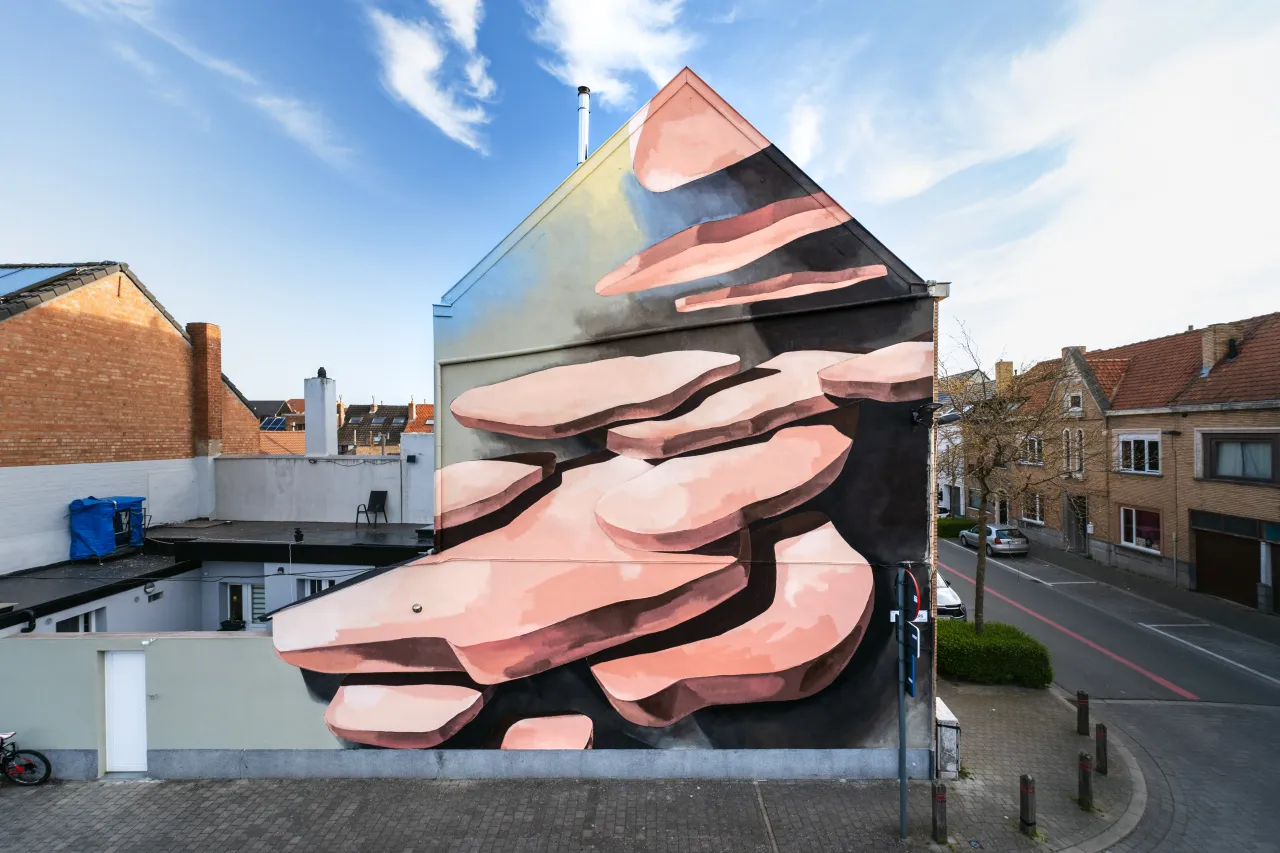
Artist: Larsen Bervoets. Photo: Jules Cesure
The DJ had been playing banging dance beats for the best part of two hours, in the centre of Ostend, Belgium's largest coastal city. The crowd, a constellation of young artists and creative types, stood around looking effortlessly cool. Then suddenly, something shifted. The music changed. A warm, slightly crackly melody filled the air, and the sound of a Flemish folk ditty rose above the crowd.
The song was Min Zeekapitein [My Sea Captain], written and performed by Lucy Loes: a local café owner who didn't pick up a microphone until she was 50, went on to become the uncrowned queen of the fisherman's song, and is now commemorated with a bronze bust overlooking the Fisherman's Quay.
In a matter of seconds, the cool evaporated. The studied nonchalance collapsed into something far more infectious: pure, unguarded, child-like joy. Dozens of spontaneous congas snaked through the streets.
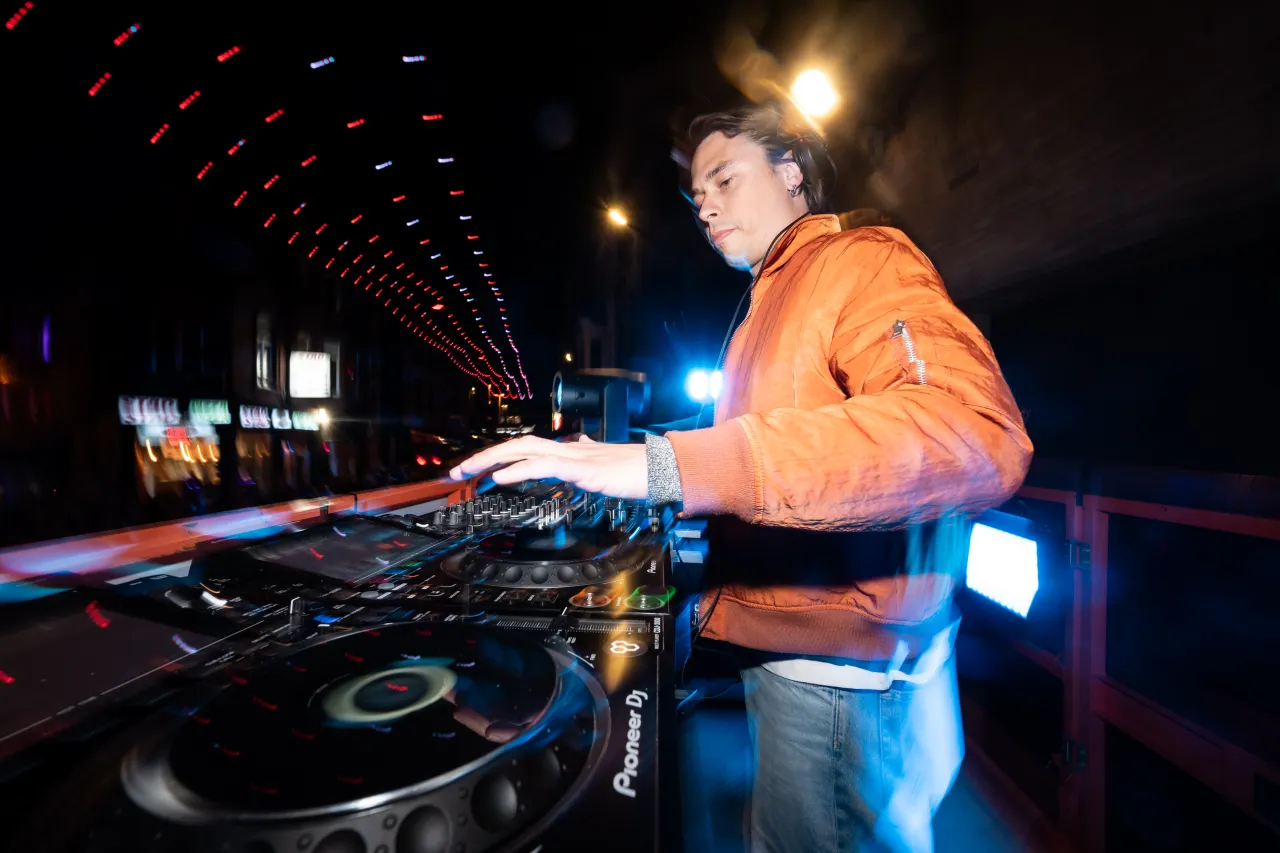
Photos: Steve Dinneweth
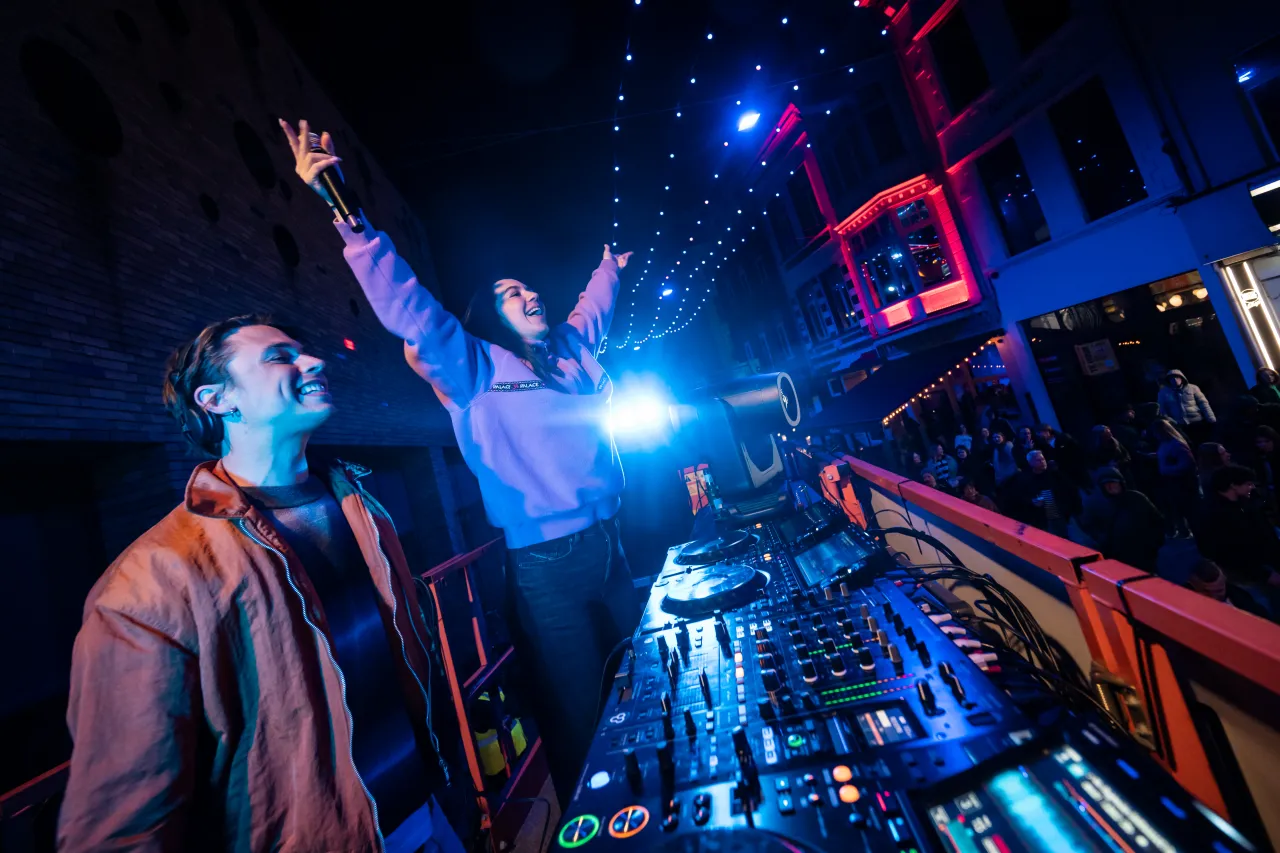
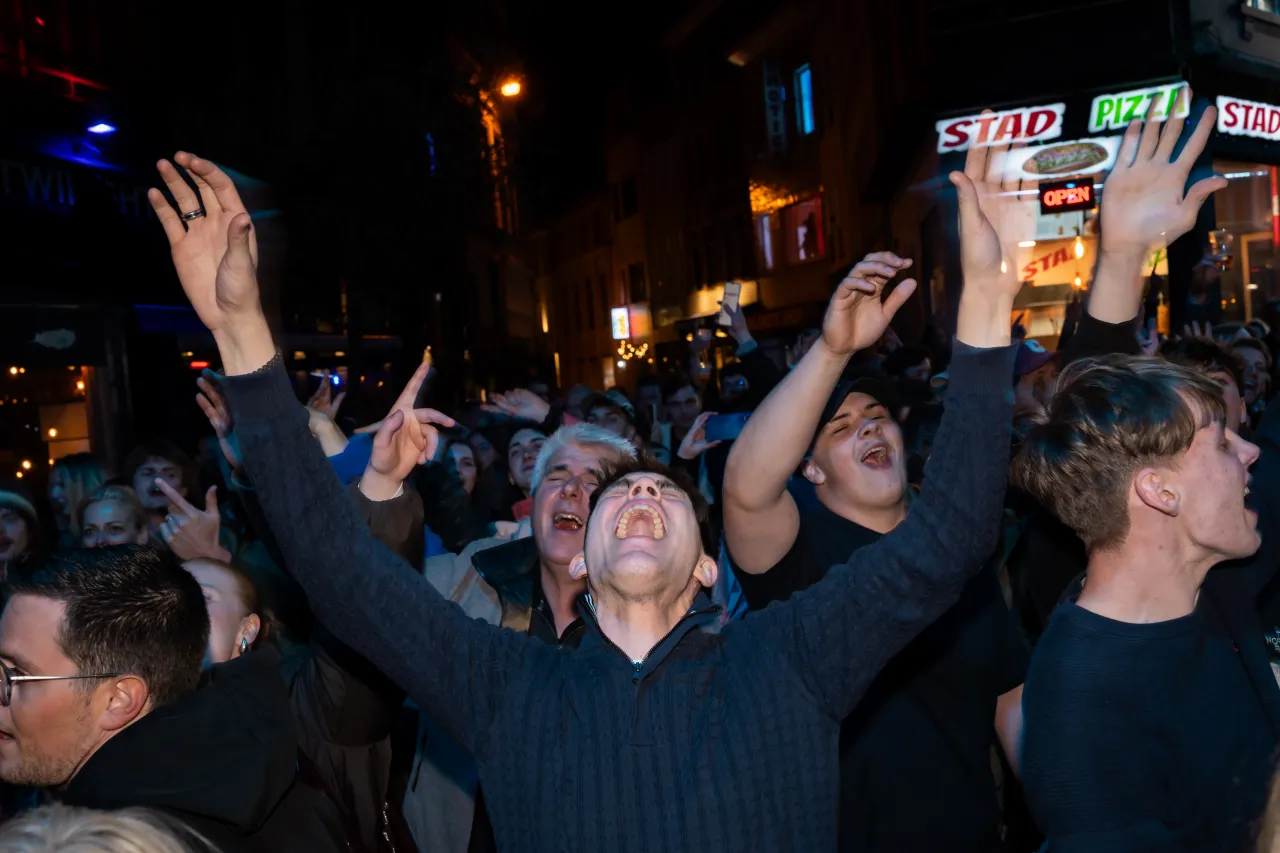
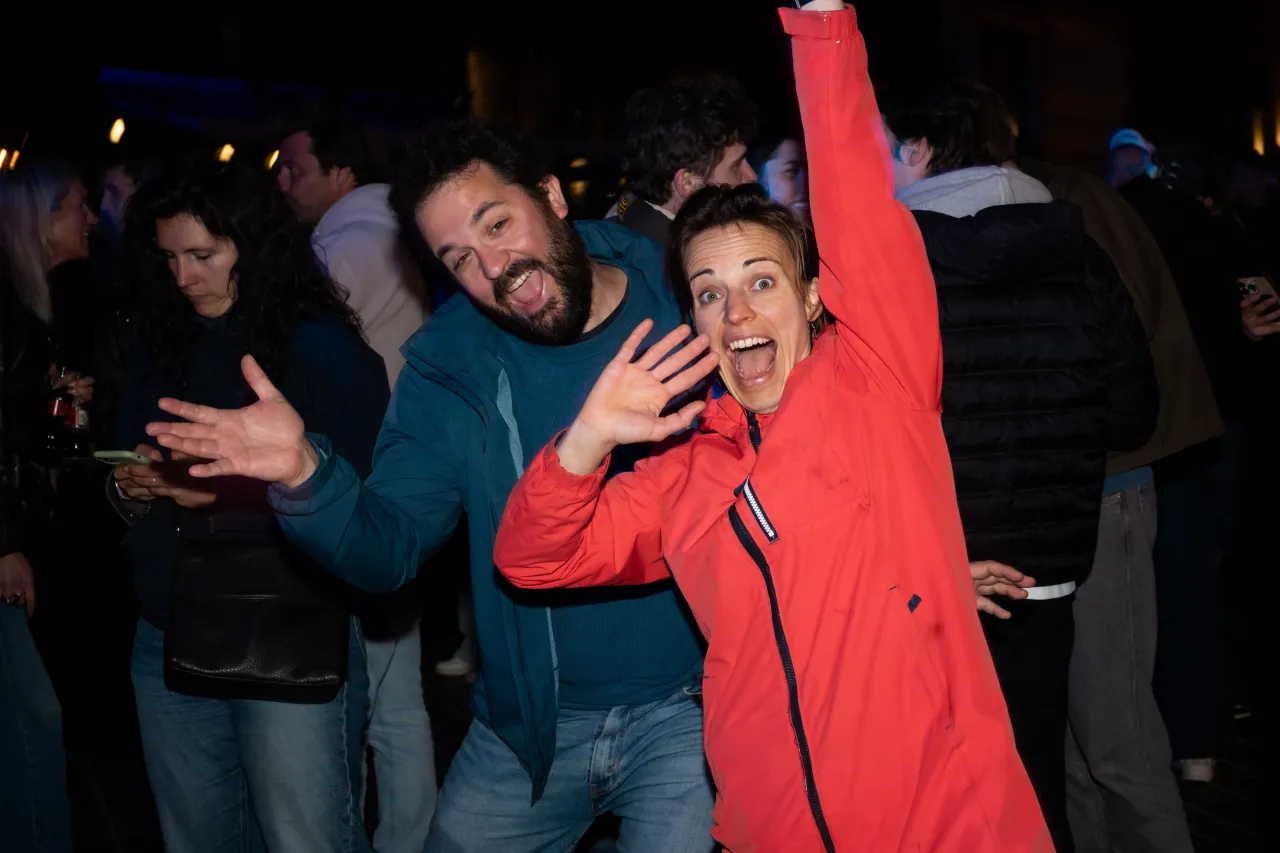
The masks had been discarded, and underneath them was something authentically Ostendian. Pride, warmth and a deep, unselfconscious love of place. That moment told me more about The Crystal Ship than any press release ever could.
What is The Crystal Ship?
The Crystal Ship is a mural festival that began in 2016. Ten years on, it's commissioned more than 90 large-scale public artworks, helped drive a nearly 50% rise in overnight stays in the city since 2015, and a significant uplift in visitor spending.
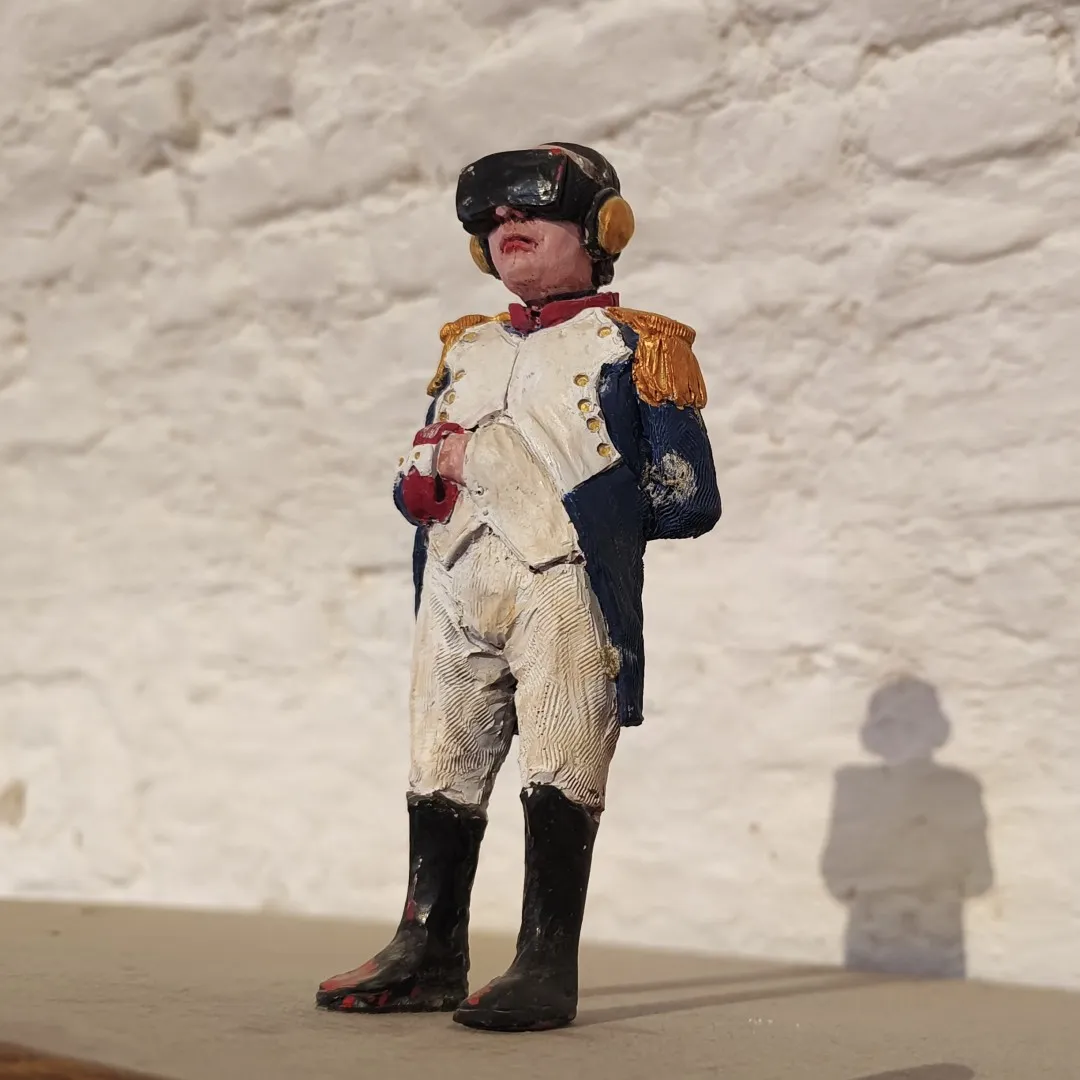
This year's 10th anniversary edition, guest curated by Belgian actor and visual artist Matthias Schoenaerts (who works under the name Zenith), was the festival's most ambitious yet: a two-day Summit, an expert conference co-organised with Street Art Cities, a major international exhibition at Fort Napoleon—a street art gallery set in an actual Napoleonic fort—and a fresh wave of building-sized murals going up across the city.
On paper, it's impressive. In practice, it's something ever rarer: a festival that's grown organically from a city that knows exactly who it is. Because Ostend isn't performing authenticity, it has it in abundance, and often in spite of considerable hardship.
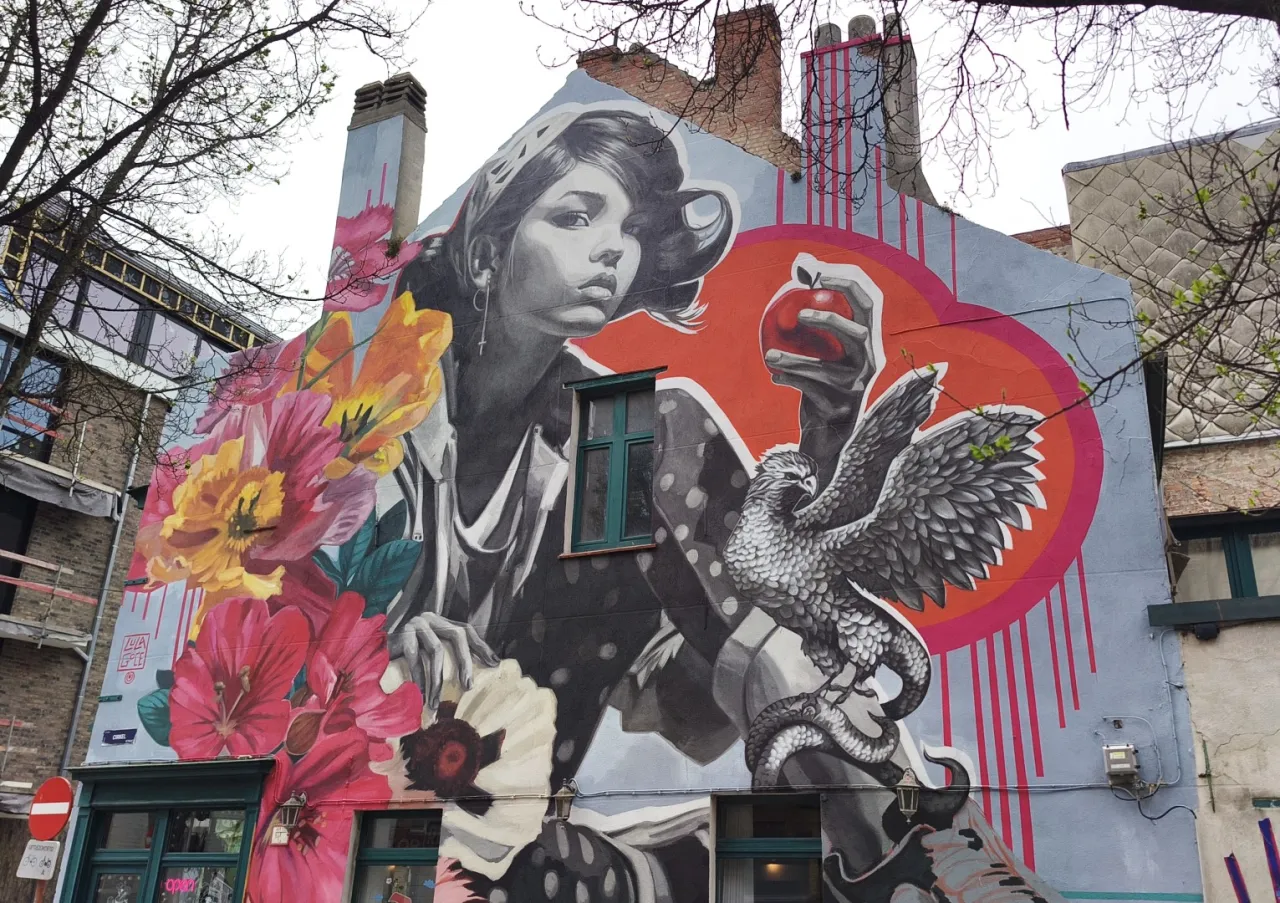
Artist: Lula Goce. Photo: Tom May
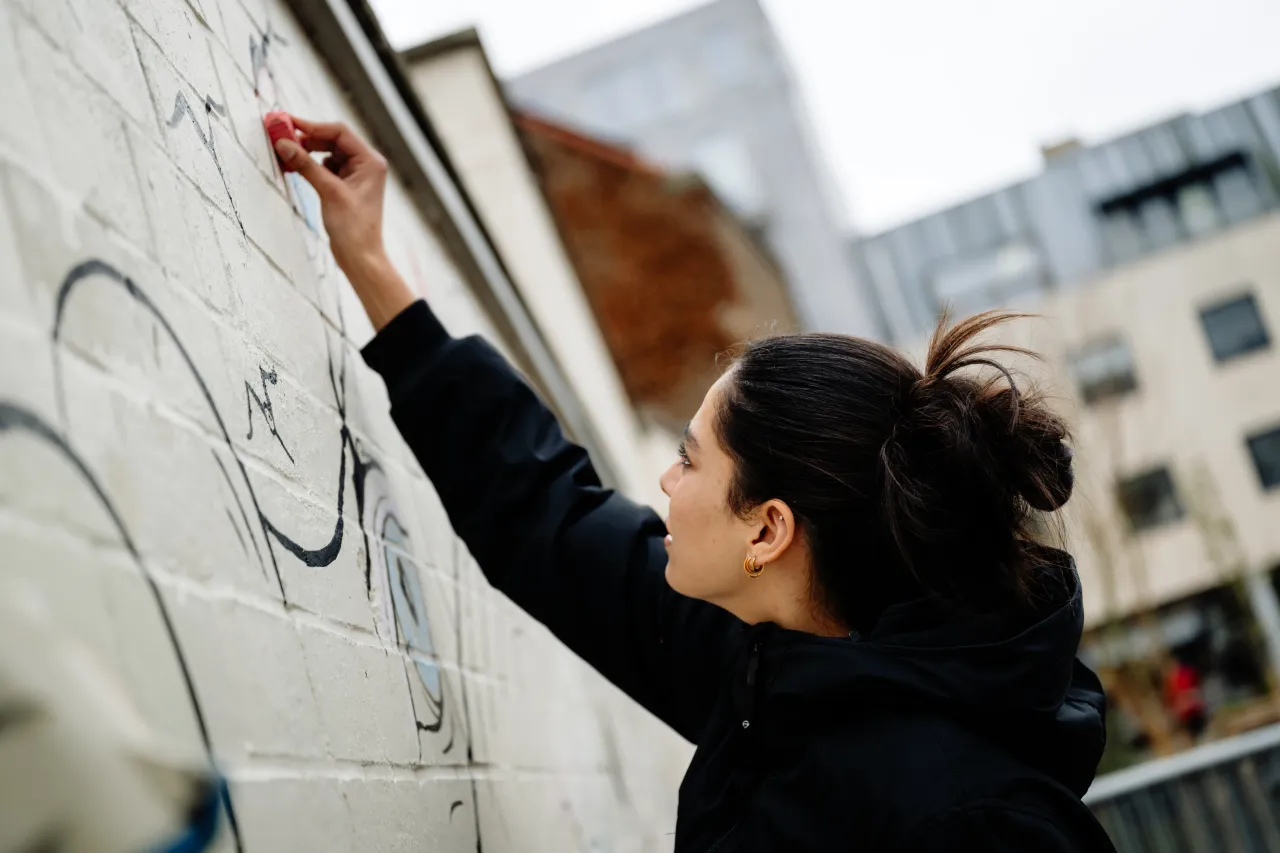
Photos: Steve Dinneweth
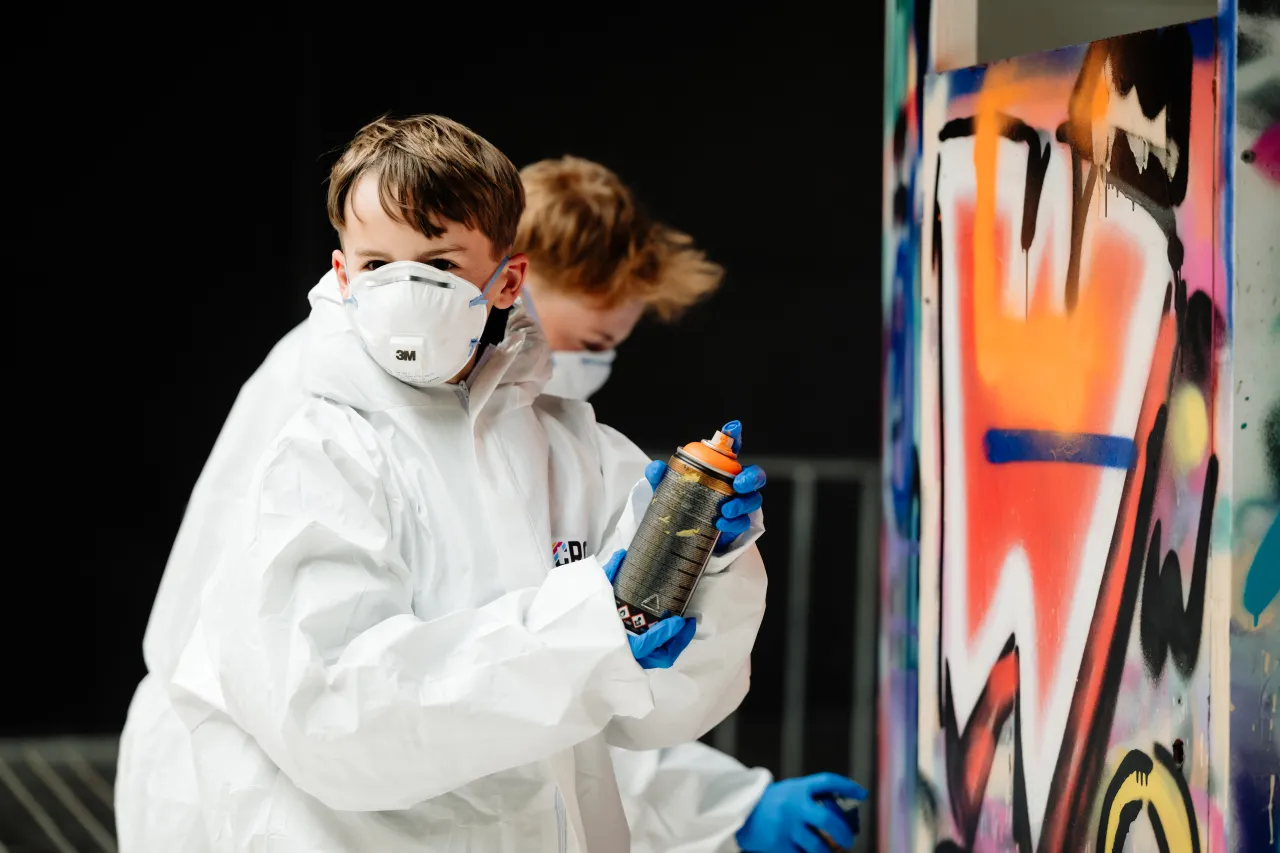
This is a city that has been besieged, bombed and occupied. A place that hosted some of the bloodiest fighting of the Eighty Years' War, endured more bombing raids in the Second World War than any other Belgian city, and rebuilt itself from near-rubble with a stubbornness that seems to have calcified into civic character.
Its great painters, James Ensor and Léon Spilliaert, found darkness and strange beauty here. Its fishermen still work the North Sea and make bawdy jokes at the quayside. And its most beloved folk singer was a housewife who opened a café and started singing at 50. This is the city The Crystal Ship grew out of, and it shows.
A city learns from its tourists
Brits of a certain age will mainly know Ostend from the ferries: routes that ran for over 150 years before the Channel Tunnel gradually killed them off. The locals I spoke to were candid about this period. Those visitors, they said, were largely there for cheap booze and didn't venture far beyond the port. The town was a transit point, not a destination.
In 2026, that's changed decisively. Ostend now runs a near-continuous programme of cultural and culinary events throughout the year, from the Ostend Film Festival to the North Sea Food Fest, from Theater Aan Zee to the electronic beats of Ostend Beach Festival. The Crystal Ship sits at the heart of this calendar: not as a bolt-on attraction but as a genuine expression of civic identity.
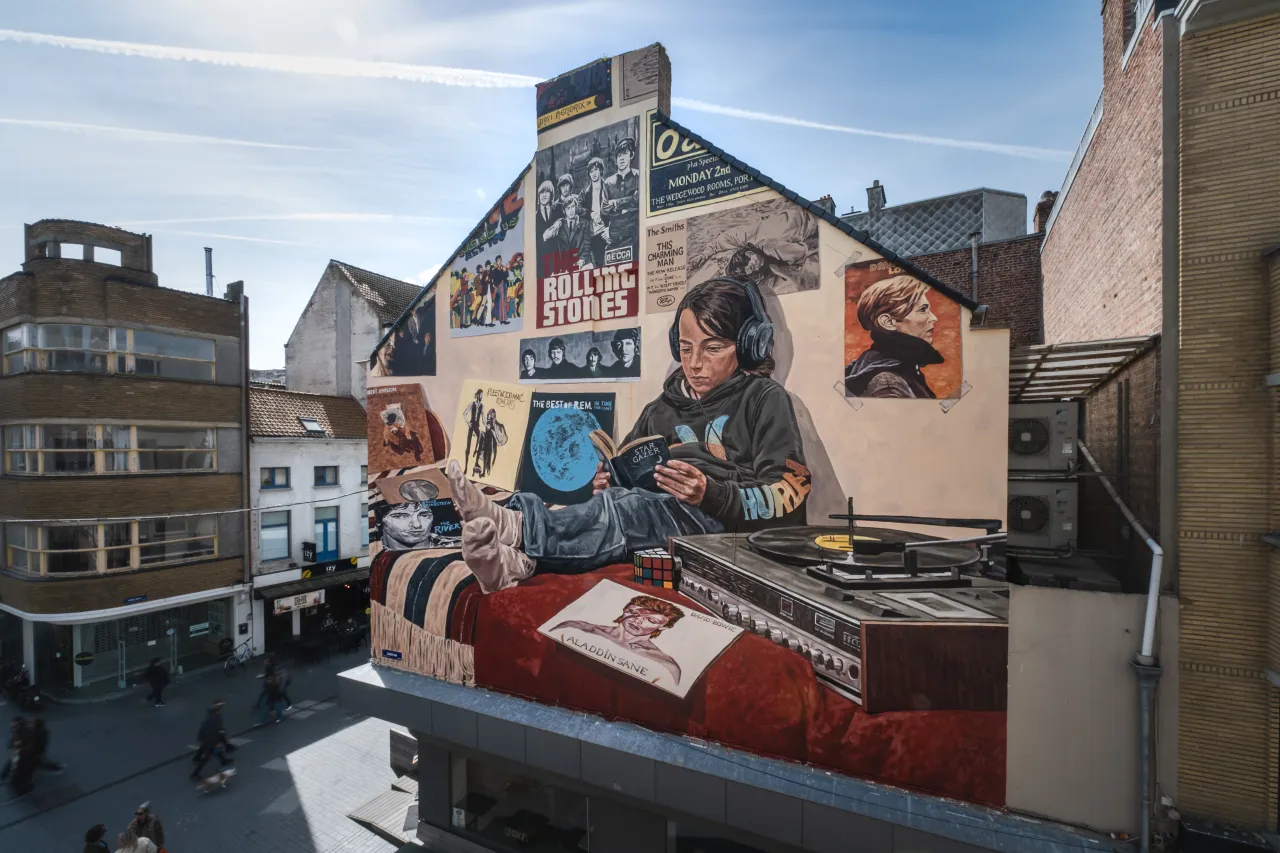
Artist: Mariana Santos. Photos: Jules Cesure
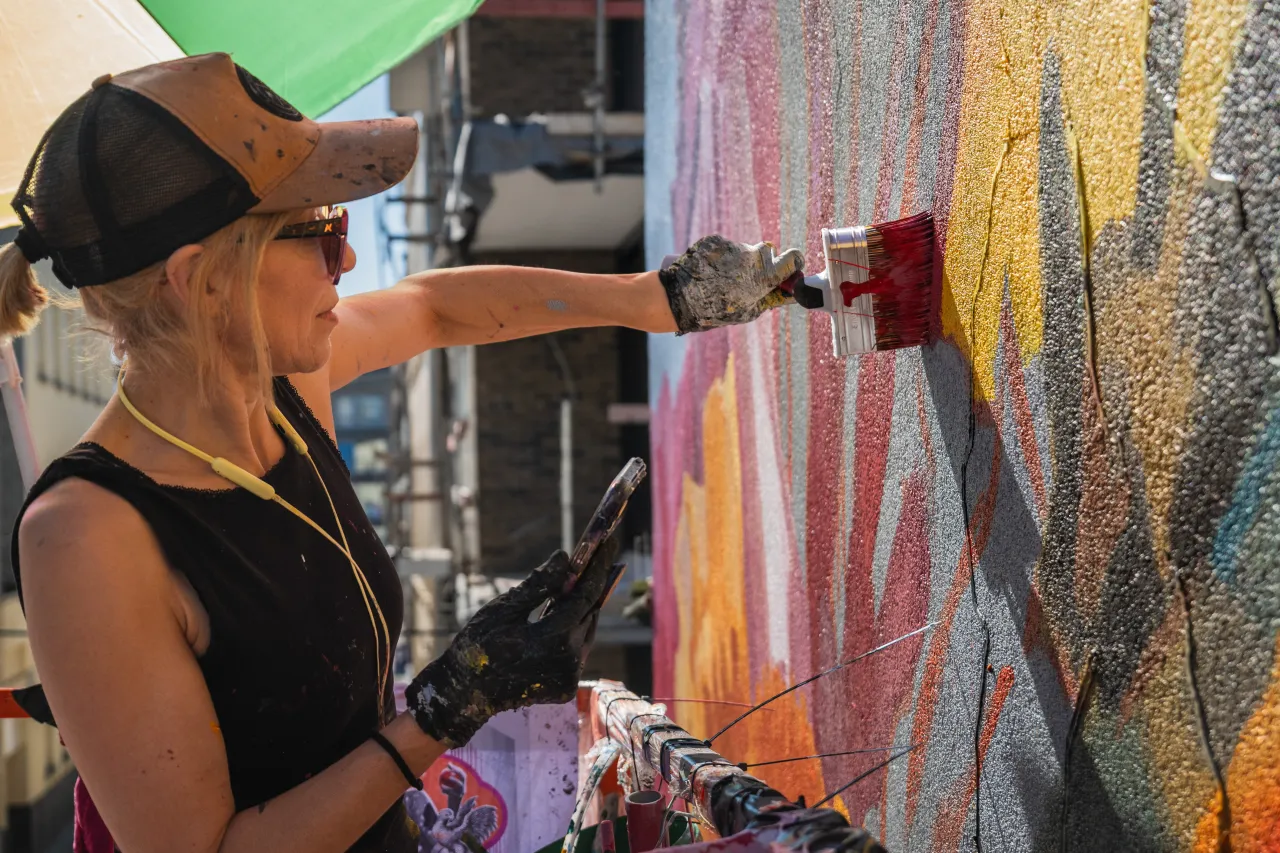
Lula Goce
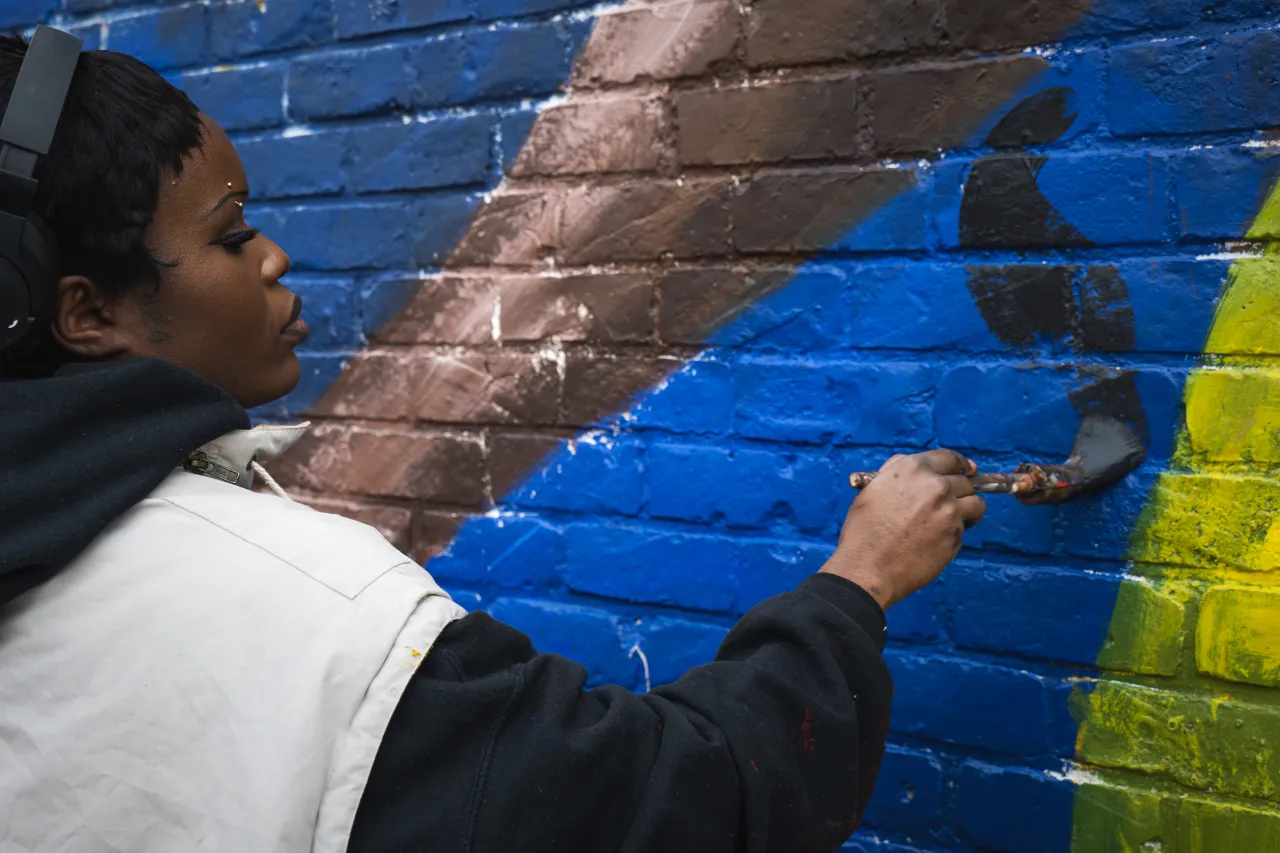
Mumby
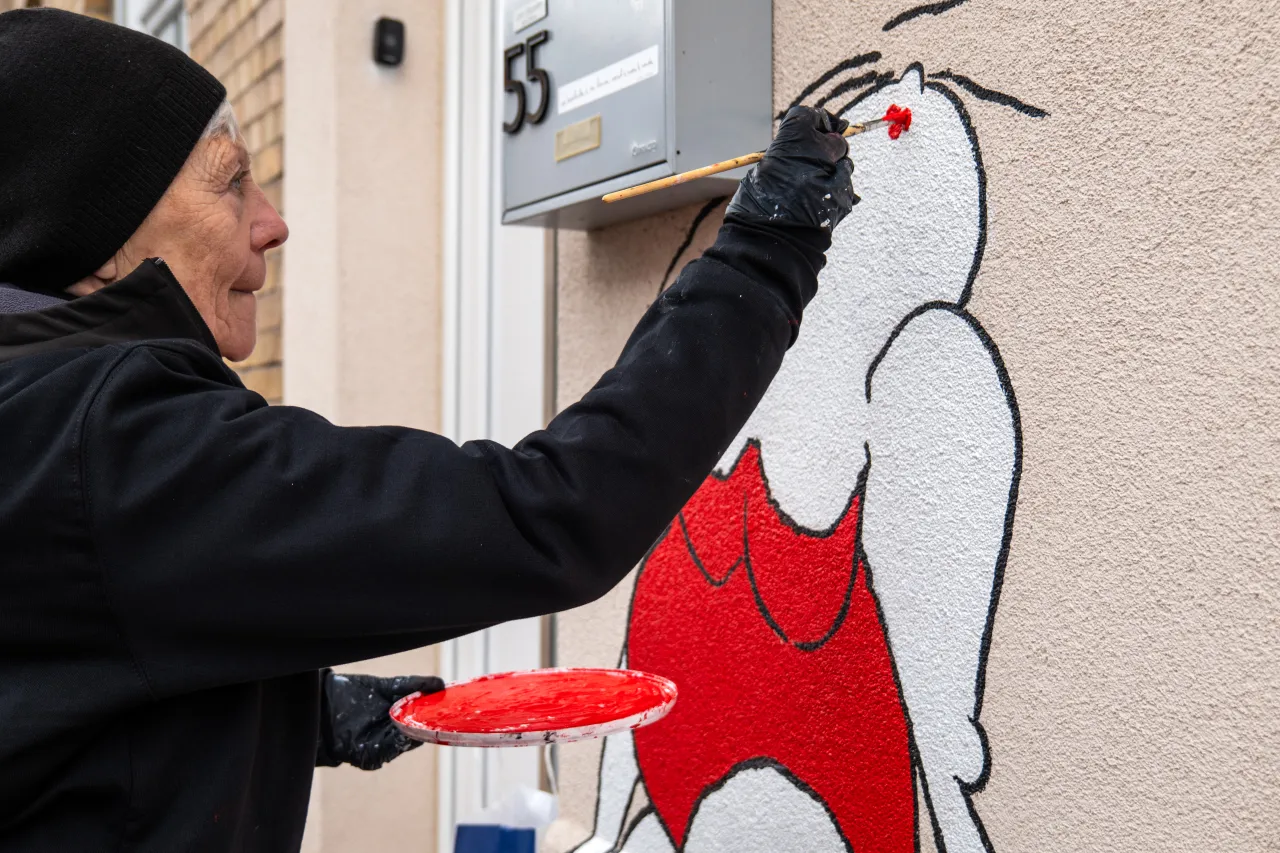
Mieke Drossaert
During my visit, I met celebrity chef Willem Hiele, who gave me my first sense of the city's texture. His Michelin-star restaurant sits in a Brutalist building set in the polders on the edge of town, and it's extraordinary. But it was his newer, more modest venture he was most excited about: a stone's throw from the fish market, right on the seafront, where the morning's catch arrives with the fishermen's commentary still attached.
Willem's menu shifts daily according to what the sea provides. It's complex and simple at the same time, rooted in a philosophy of short supply chains, zero waste and deep respect for the North Sea's seasonal rhythms. Eating there felt like a concentrated dose of what Ostend does best: taking its inheritance seriously without being precious about it.
What makes Willem's story particularly Ostendian is that it's a homecoming as much as a career. He grew up in both Ostend and Koksijde, in a family of fishermen, spent years surfing the world's coastlines, trained as a baker, and eventually found his way back to the North Sea as its most thoughtful culinary advocate.
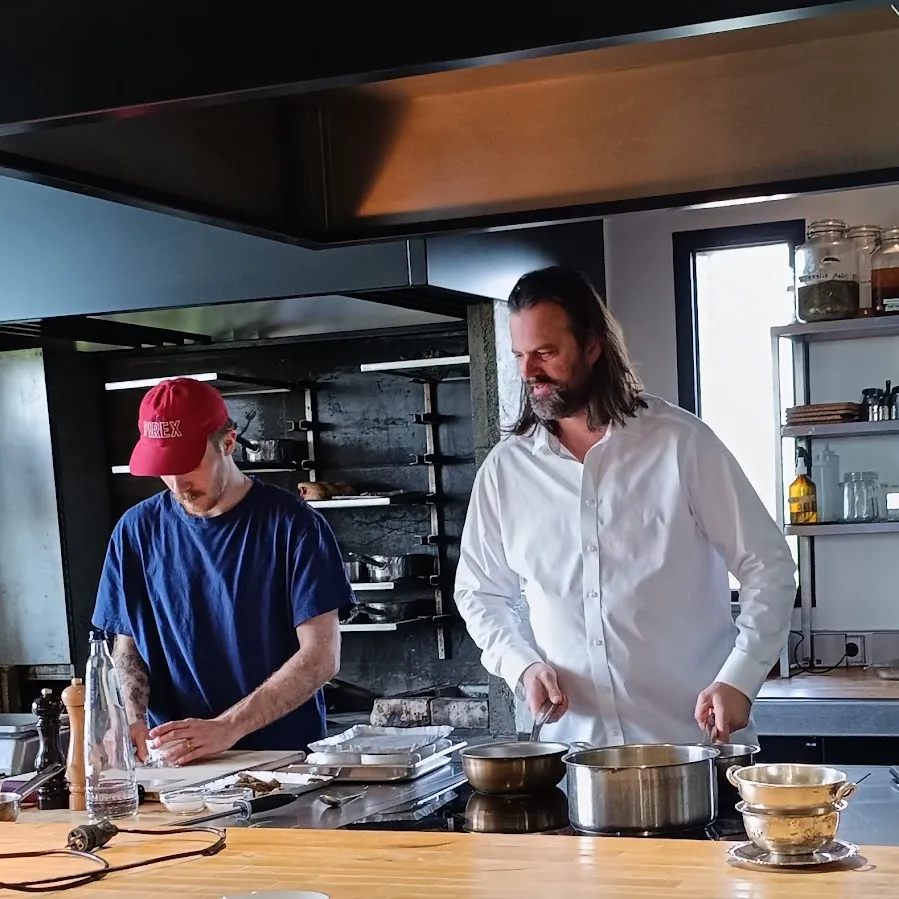
Photos: Tom May
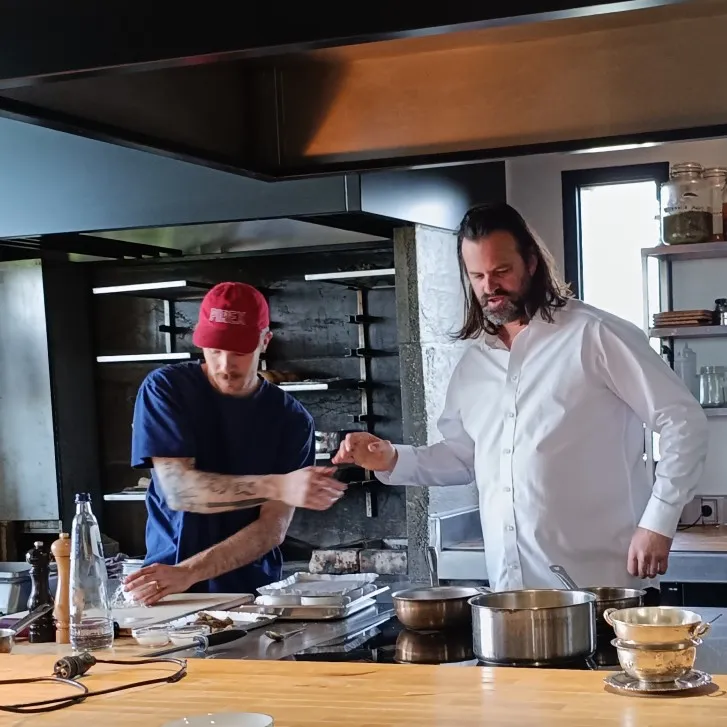
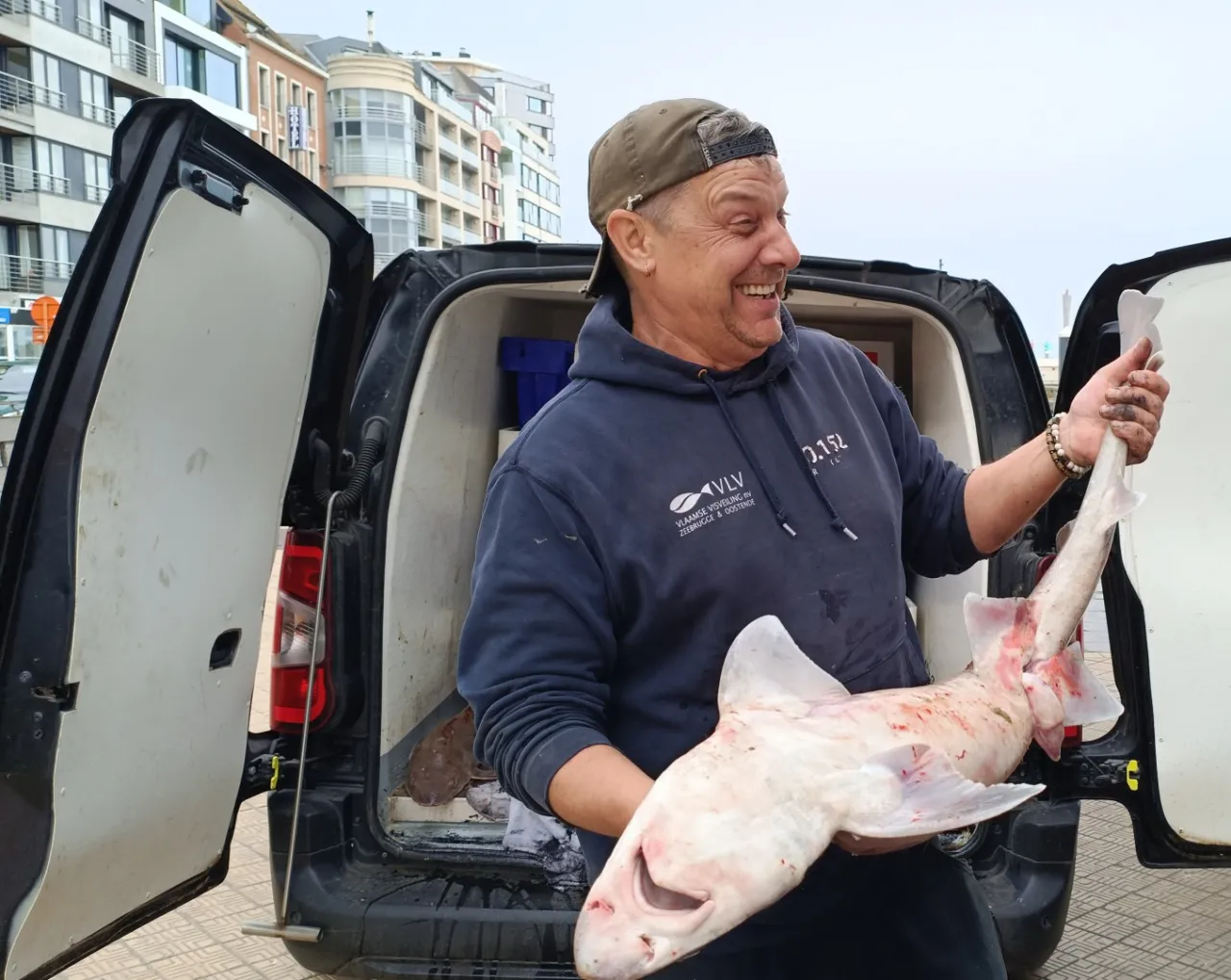
Today, he's a member of NorthSeaChefs, committed to sustainable fishing, and his nose-to-tail approach means nothing that comes through his kitchen door goes to waste. Meeting Willem felt like meeting someone who'd asked the same question the Crystal Ship's organisers had asked... and both arrived at the same answer. You don't need to look elsewhere. What's here is enough.
The job centre for street artists
One of this year's most interesting additions to the festival was the least Instagrammable. The Crystal Ship has launched what's believed to be the first dedicated careers and advice service for young people wanting to pursue a life in street art: essentially a job centre for emerging artists, housed in a dedicated space in the city.
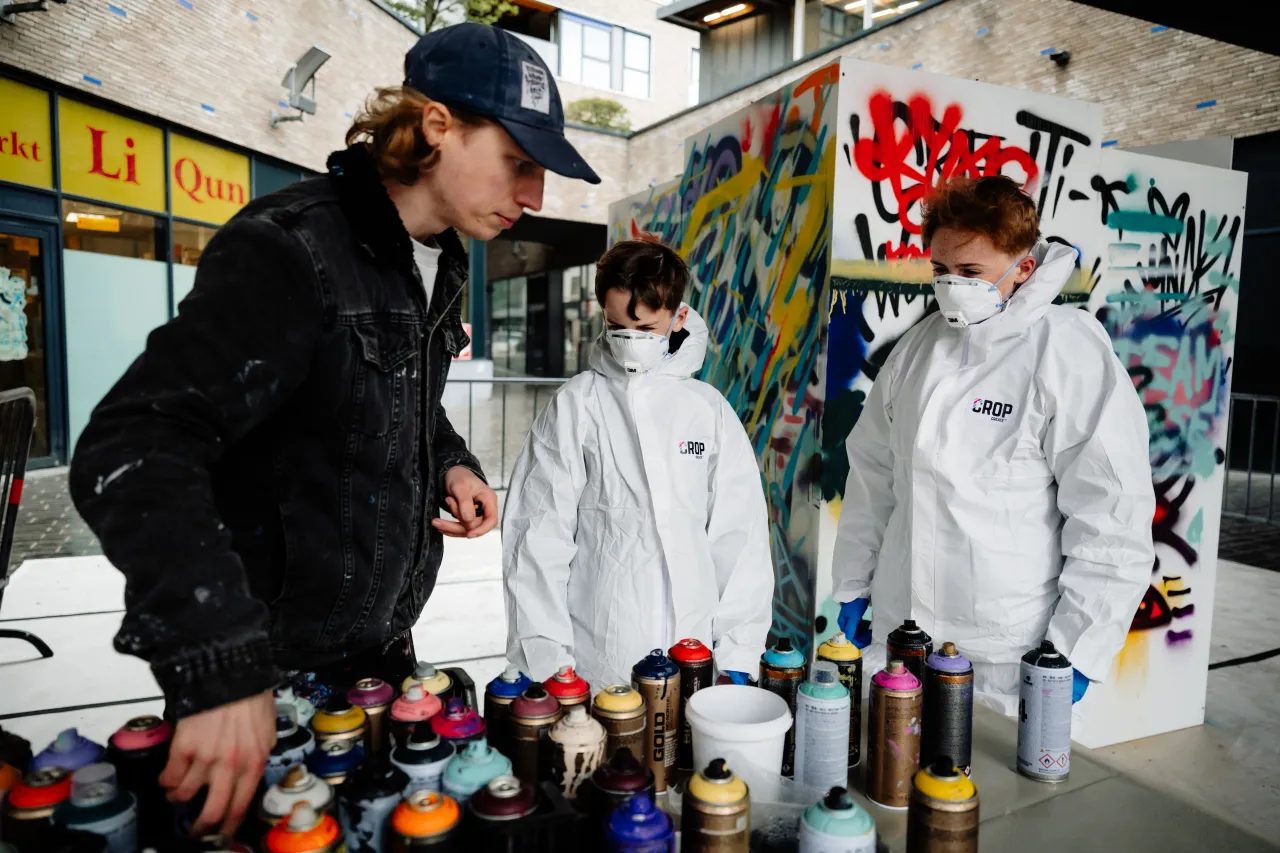
I made a visit, and what struck me wasn't the service itself (though its ambition is considerable) but what lined the walls—artworks made by the volunteers who'd spent weeks priming and preparing the surfaces for the commissioned street art (aka "The Primers").
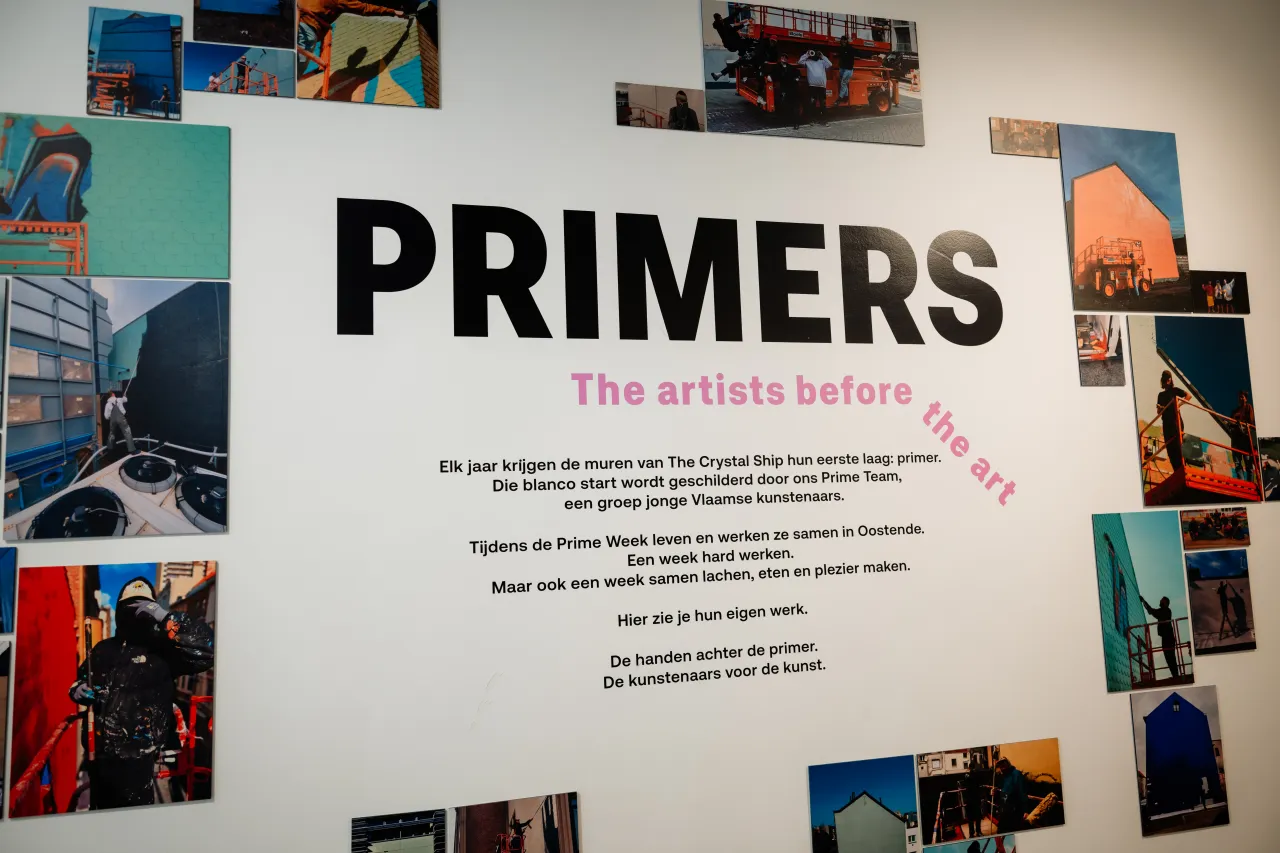
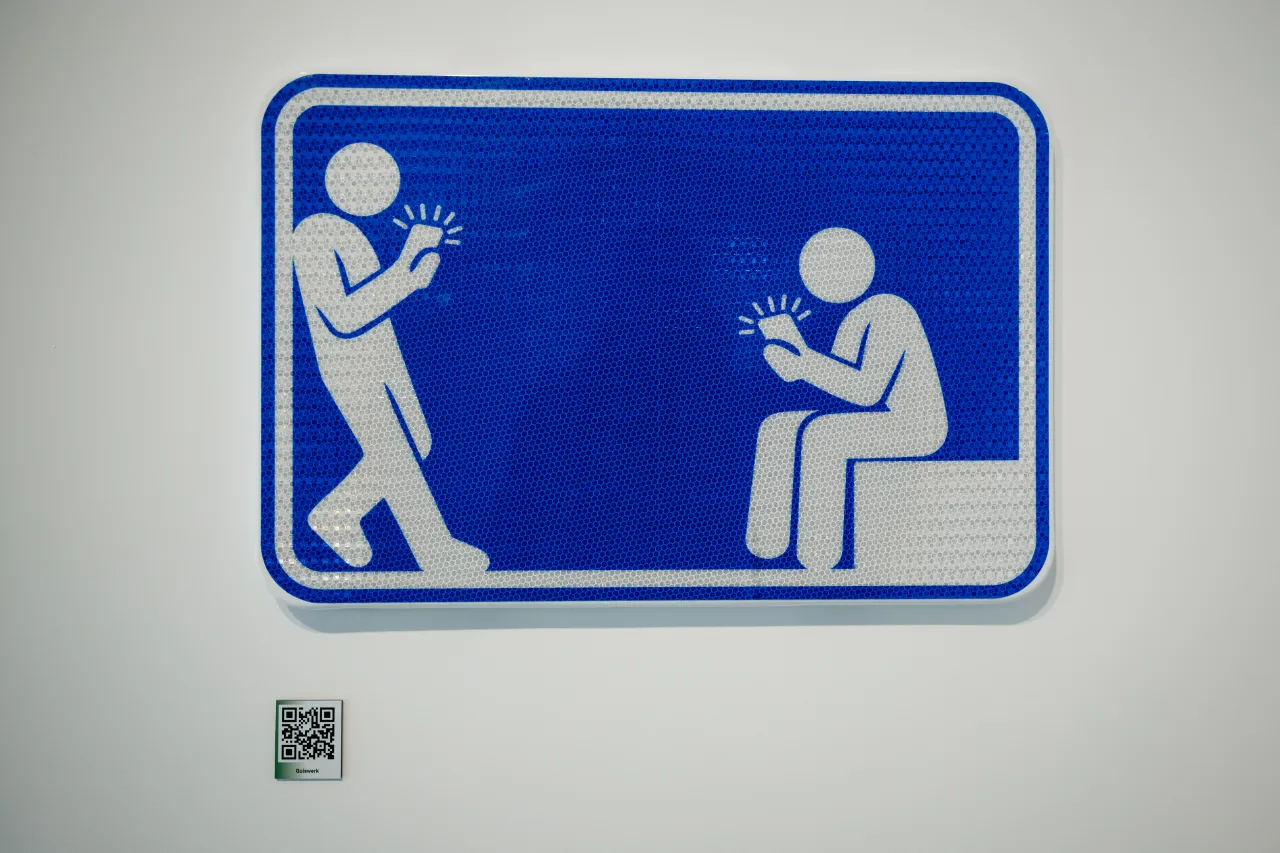
Artist: Guillaime Sagaert. Photos: Steve Dinneweth
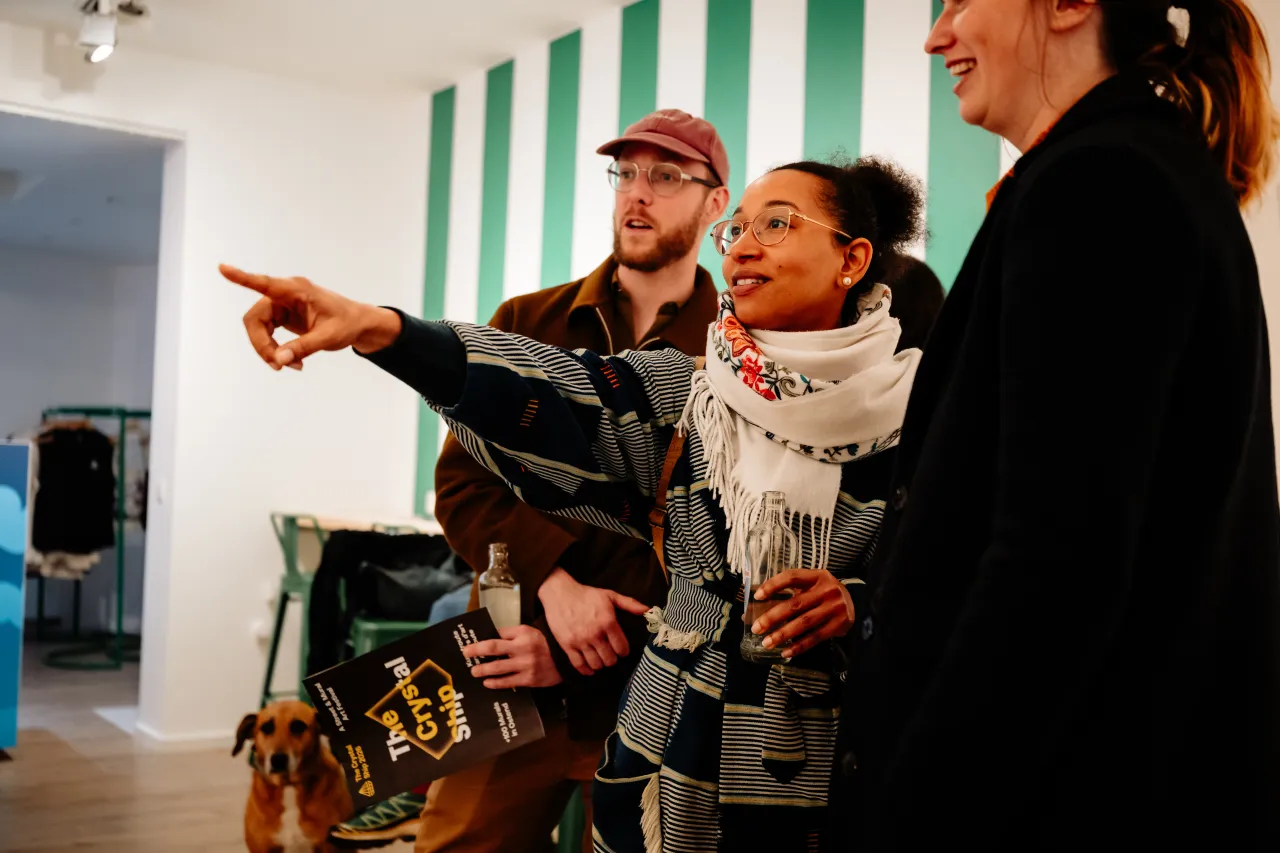
Some of these pieces were, frankly, as strong as the work on the buildings outside. And their inclusion is the kind of detail that says more about the Crystal Ship's values than any mission statement could. Not many festivals would think to do that. Fewer still would pull it off without feeling tokenistic.
What the rest of us can learn
Ultimately, the Crystal Ship works because it isn't trying to be somewhere else. It isn't imitating Shoreditch, Brooklyn, or Berlin. It's rooted in a specific place, with a specific history and a community that's decided to invest in what it already is, rather than what it might become.
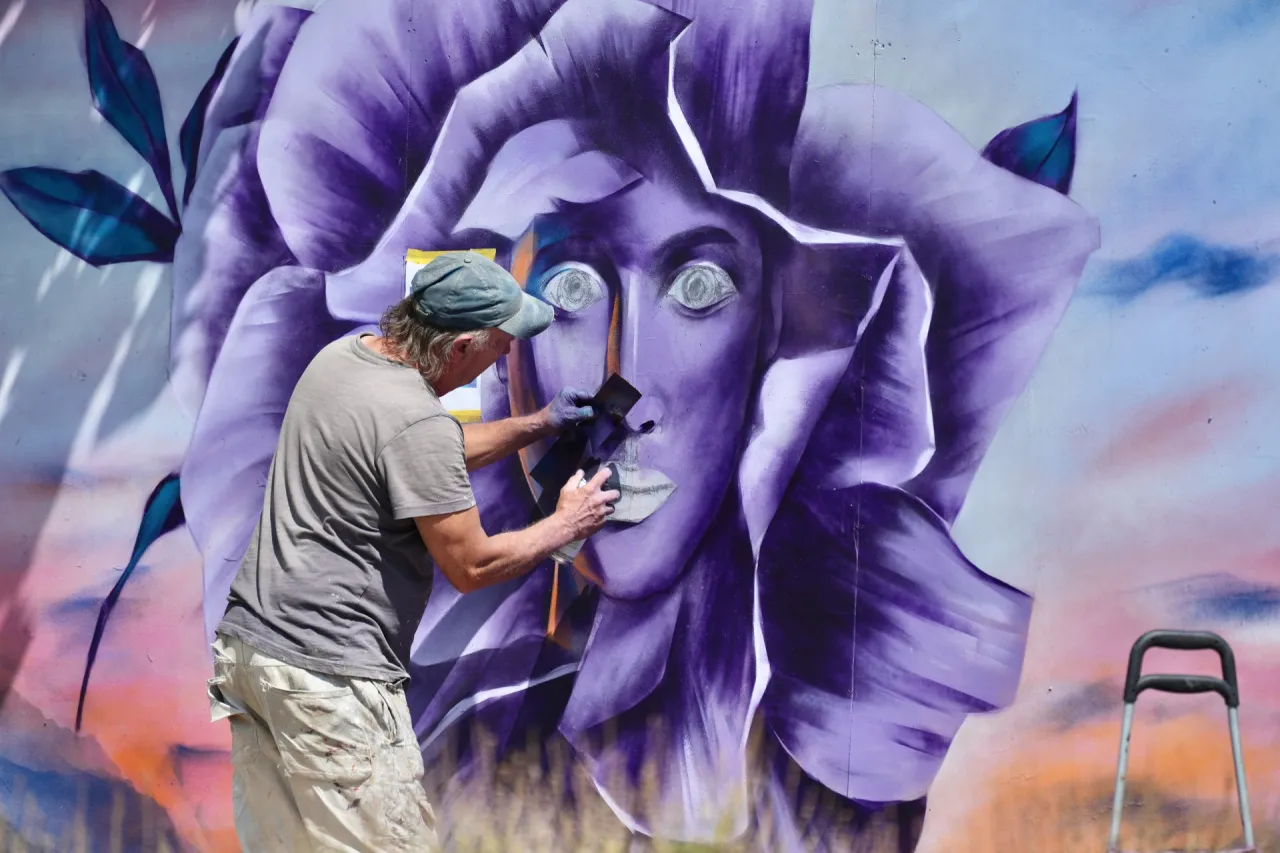
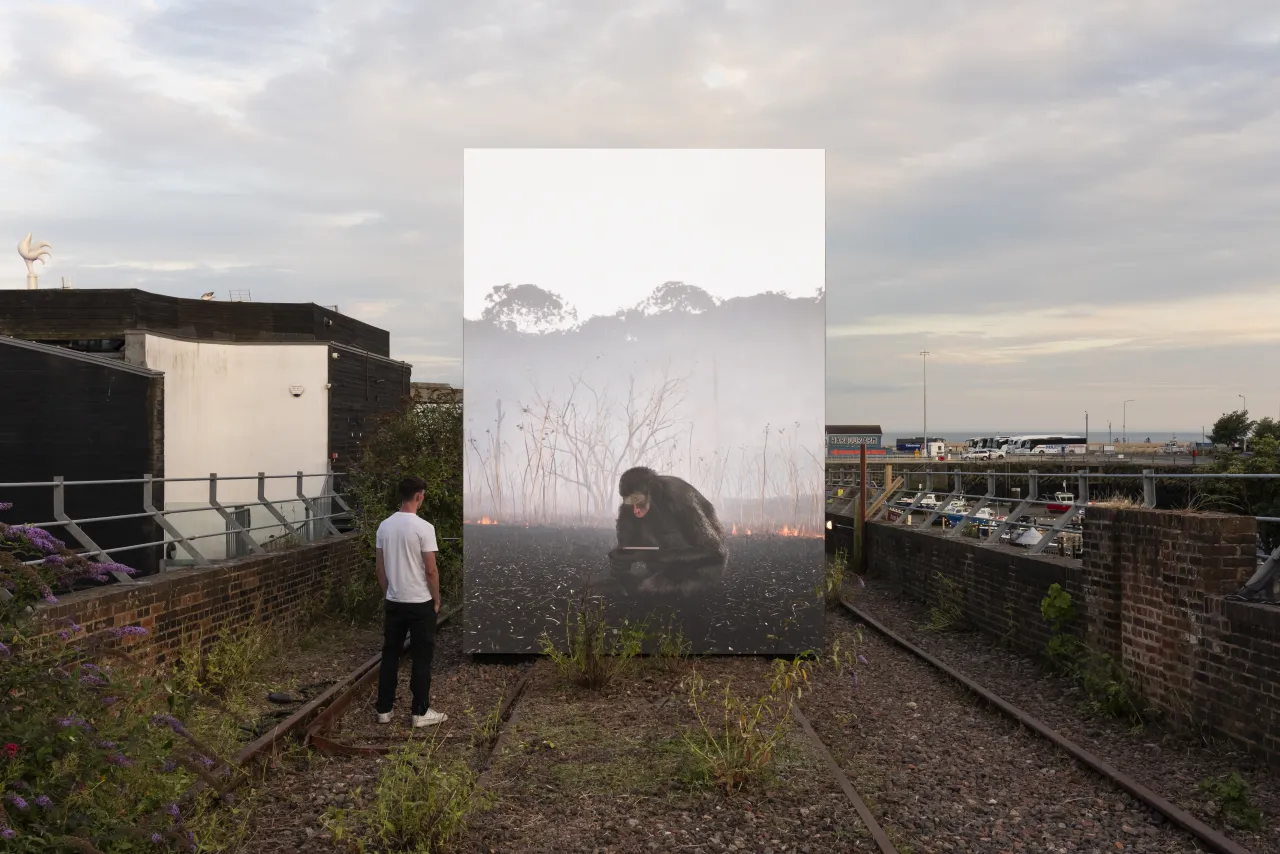
The murals are genuinely world-class: monumental, technically fearless and formally diverse. This year's line-up ranges from the boldly graphic to the photorealistic, from abstraction to figuration, spread across gable ends and warehouse walls throughout a city small enough to explore on foot or by bike. I opted for the former and spent a pleasant afternoon pursuing about a third of the work: there's a lot to see.
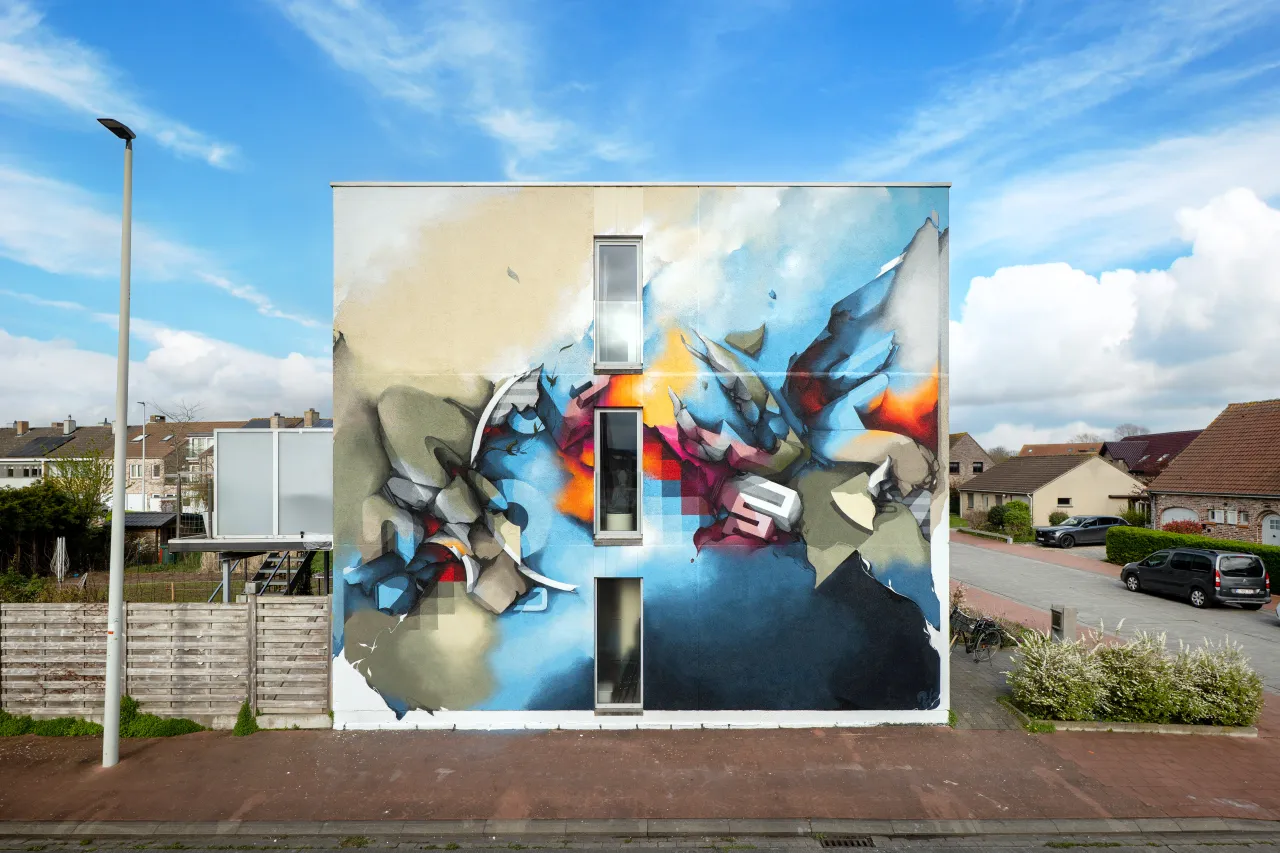
Artist: DOES. Photo: Jules Cesure
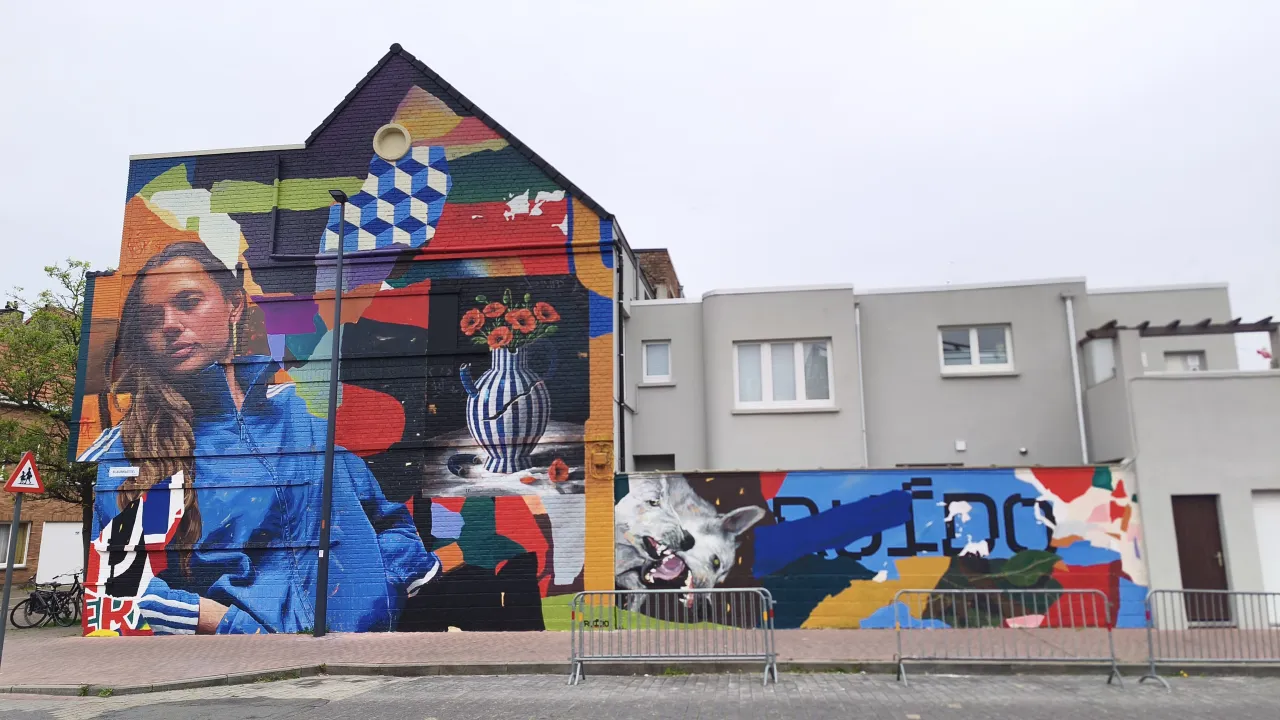
Artist: Projeto Ruído (Draw and Alma). Photos: Tom May
But it's that moment at the launch party I keep returning to: the instant the music changed and the cool dissolved. Because let's be honest, festivals can be curated, funded and marketed—but what you can't manufacture is authenticity. It has to be earned over time, built into the fabric of a place, until the city and the festival become genuinely inseparable. And that's exactly what Ostend has done.
Editor's Picks


Trending


Latest Jobs
Agent & Producer at The Jacky Winter Group
Full-time·London·£35k–£40k
Senior Front End Developer at Crown Creative
Full-time·Belfast·£50k–£60k
Marketing Manager at University of Birmingham
Full-time·Birmingham·£36,636 to £46,049
Creative Content Executive at Cognition
Full-time·Birmingham·£28k–£35k
Design Director, Opinion at The New York Times
Full-time·New York·$160k–$180k
Senior Digital Designer at 3800
Full-time·Sheffield·£40k-60k
](https://media.creativeboom.com/2d5d583b-c025-4ef8-bdb0-1a23b977c408/conversions/acf2ac918724d35a5449158679bff32defefe33d-medium.webp)