Span's identity for Illinois Department of Human Rights turns a common piece of punctuation into a rallying cry
Inspired by the posters and placards of past civil rights movements, the rebrand makes people's rights easier to see and use.
Since 1980, the Illinois Department of Human Rights (IDHR) has investigated discrimination in employment, housing, financial institutions, and public spaces based on race, sex, disability, religion, national origin, and age.
The organisation has now partnered with Chicago design studio Span on a people-centred rebrand. The aim: reinforce its commitment to protecting human rights while making those rights easier to see, understand, and use.
While IDHR aims to protect all people across Illinois, the department feared citizens could no longer see that purpose, as trust in government and public institutions has grown more fragile.
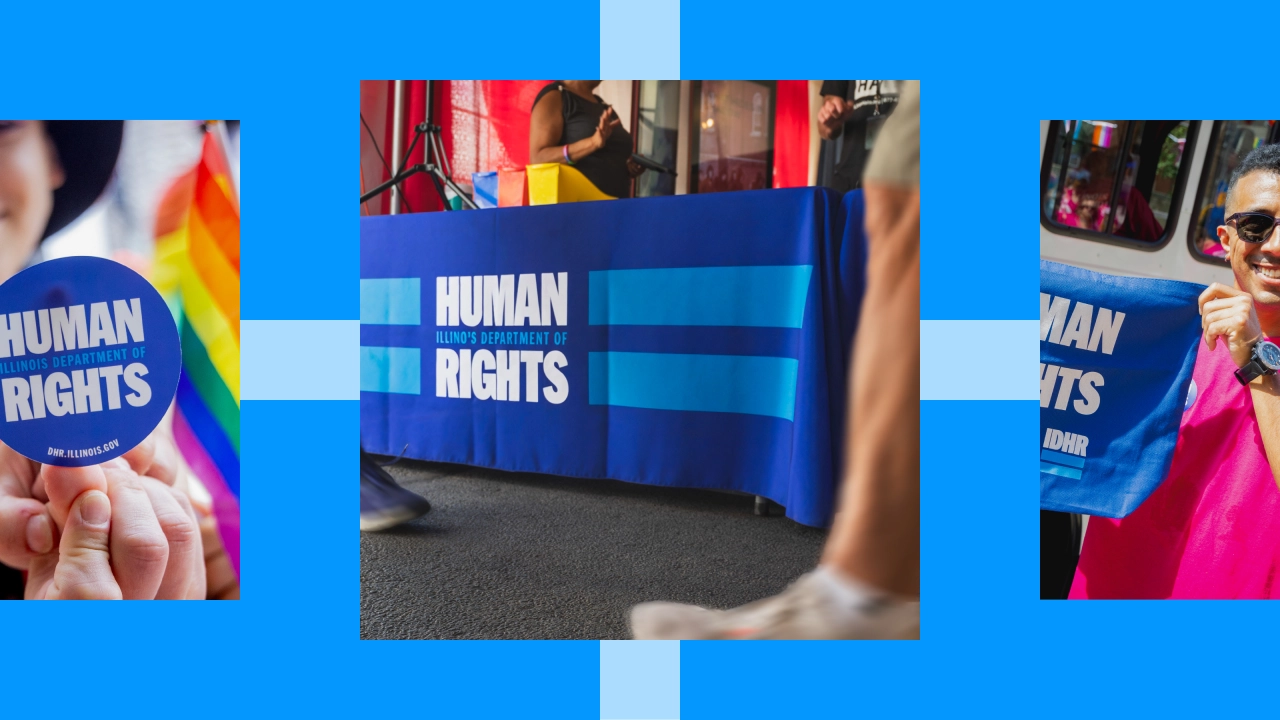
"There was a concern that the organisation was seen as rigid and bureaucratic, with its important work less visible," says Nick Adam, associate partner and design director at Span. "IDHR needed to remain neutral and fair in its work without becoming neutral about its purpose.
"And while they understood that a new logo couldn't mend an institutional divide, they knew that they could better protect people's rights by raising awareness; changing how IDHR speaks, organises information and shows up in public. After all, a right people cannot see is harder to use."
Focus on clarity
To meet this challenge, the new identity focuses on clarity to help users understand their options and feel supported.
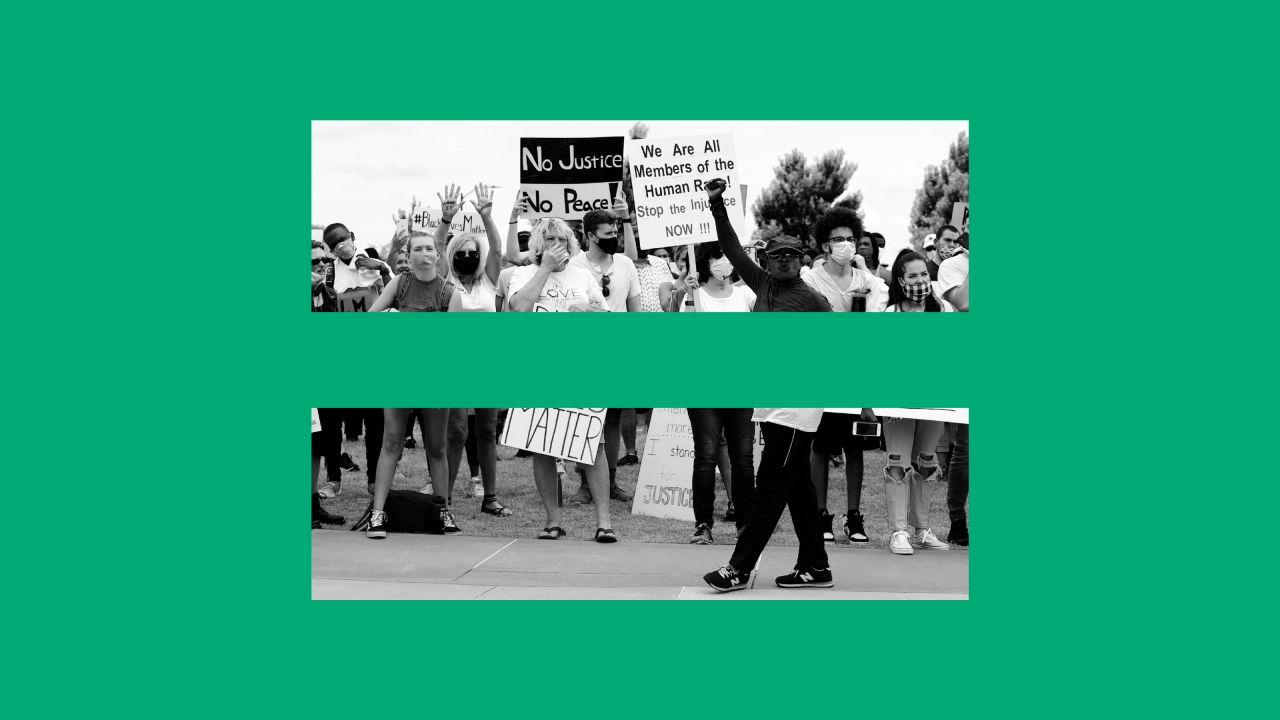
For inspiration, the team returned to the symbols of past civil rights efforts: posters, placards, banners, and declarations designed to be seen, understood, and remembered.
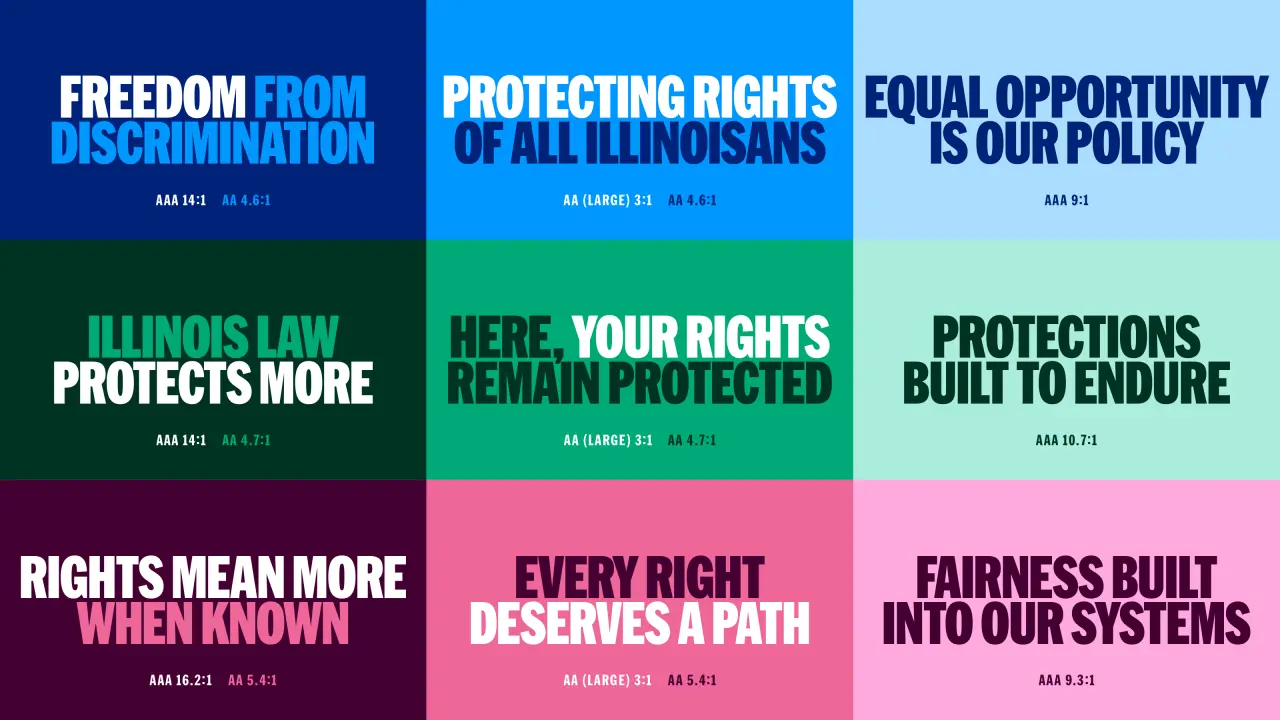
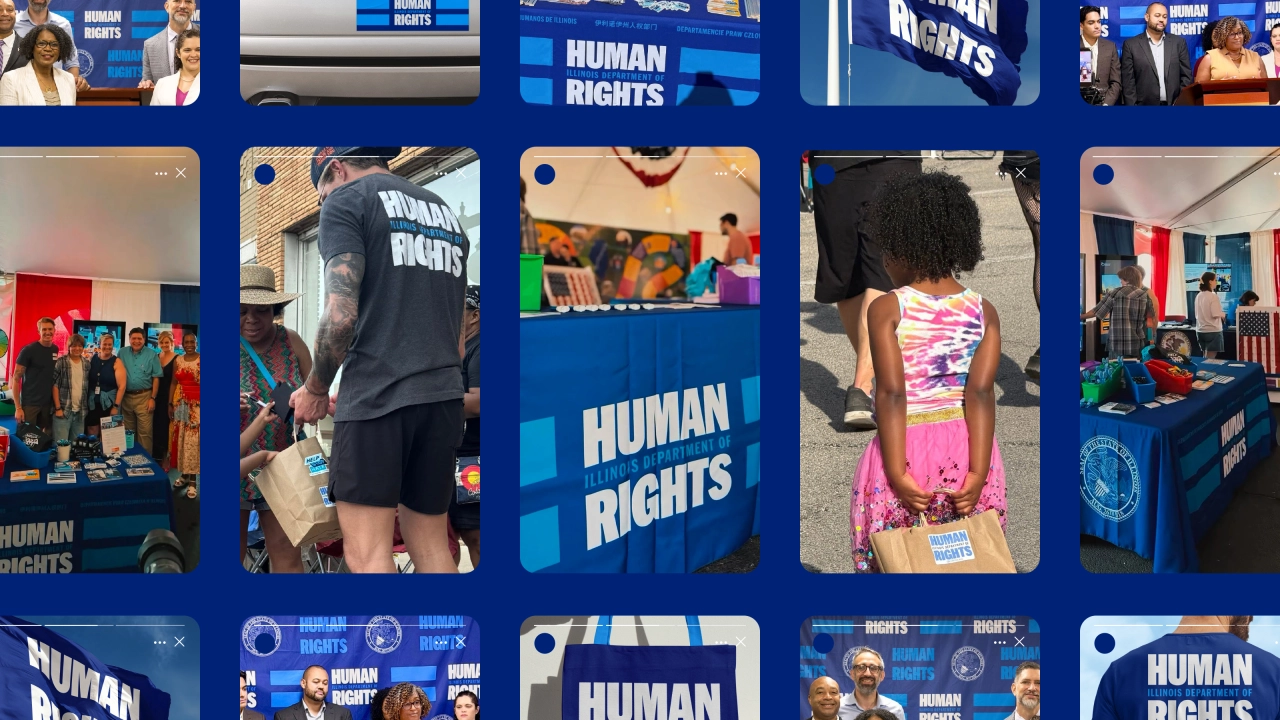
The main typeface, HEX Franklin, is bold and forceful, conveying confidence, credibility and trust.
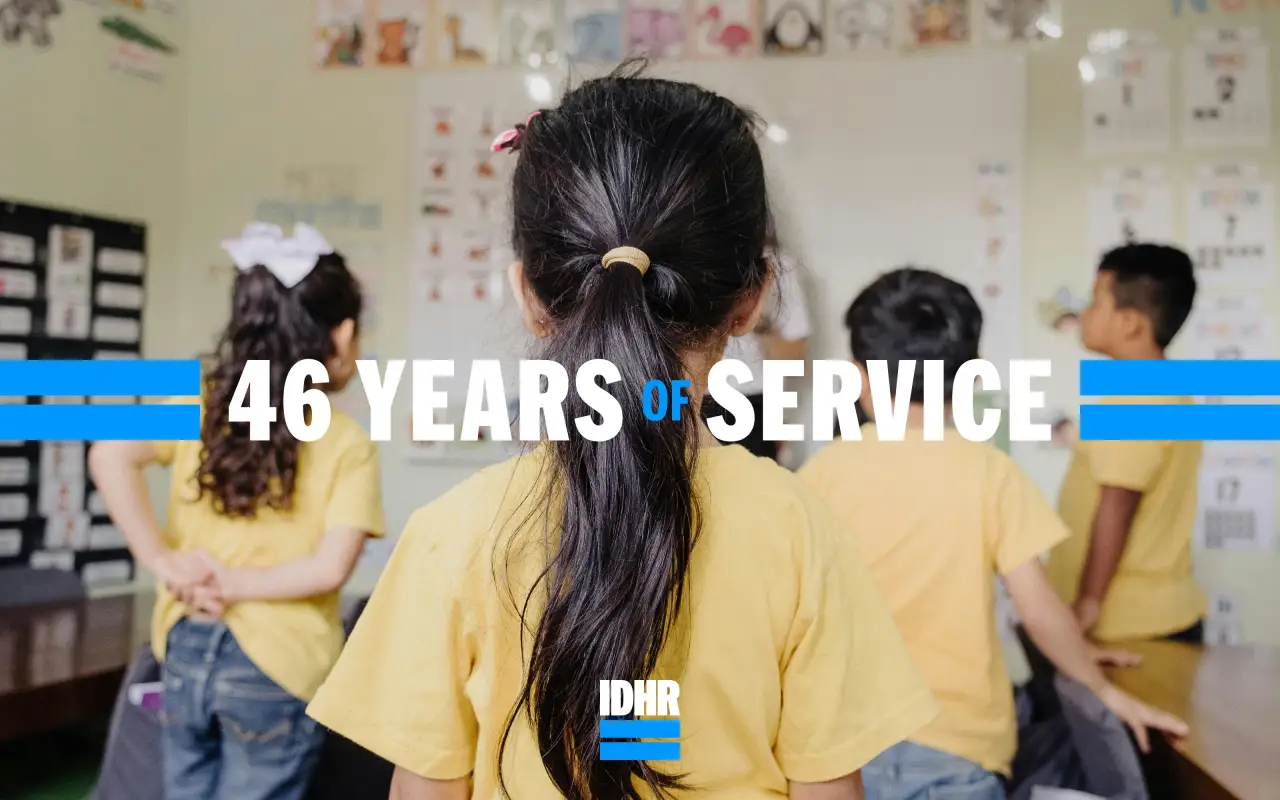
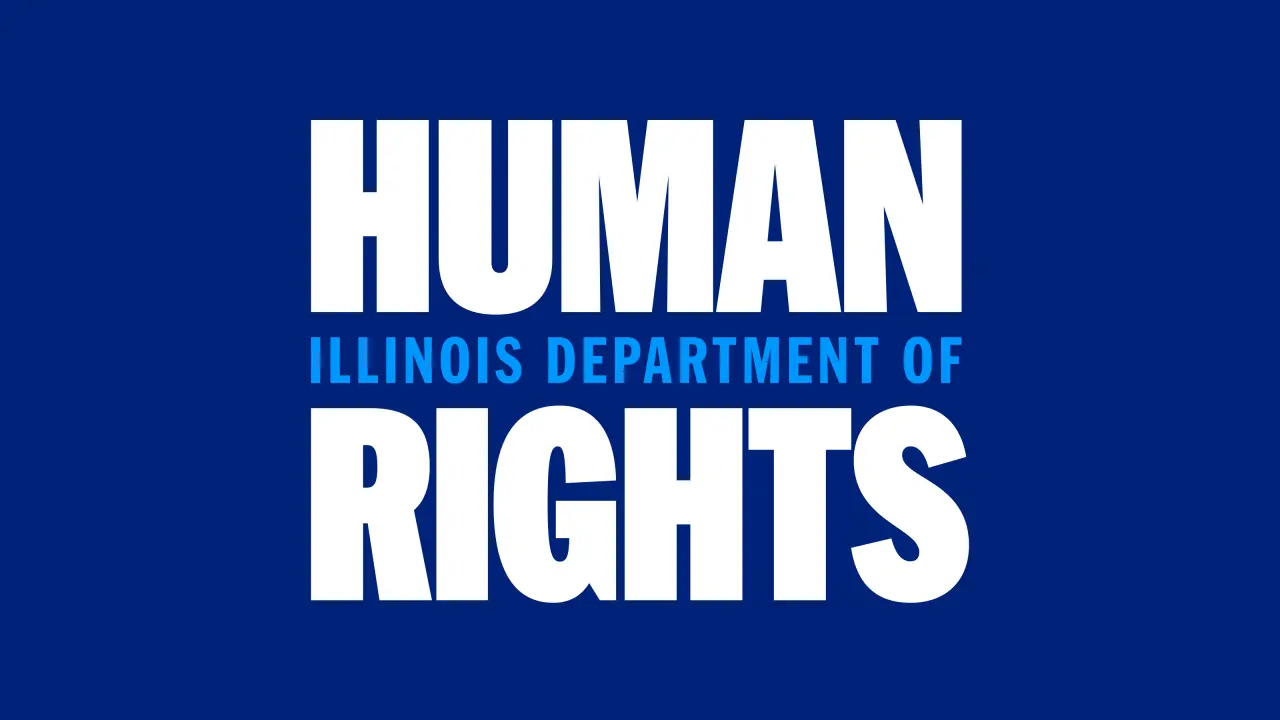
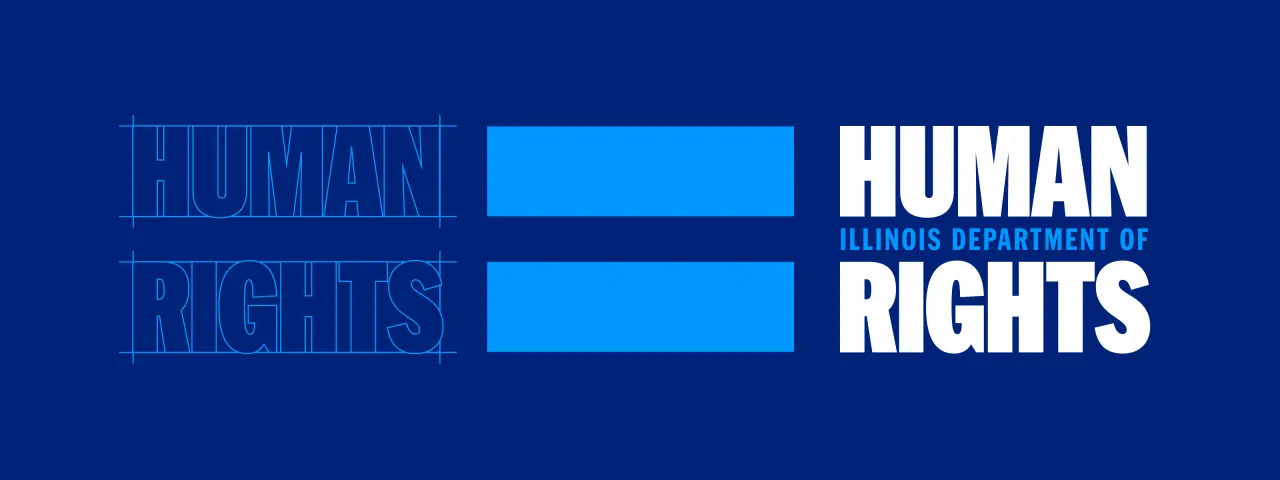
In the logo, the words "Human Rights" are emphasised to keep the department's mission front and centre, with "Illinois Department of" serving as both a descriptor and a connector.
Positioned between the two large lines of "Human Rights", it creates the visual impression of an equal sign: a simple but meaningful gesture towards fairness, reciprocity and balance under the law.
A sign of equality
"The equal sign gave us a way to make the idea of human rights visible before a single word is read," says Adam. "Equality belongs to everyone."
He adds that the lines echo both flag stripes and the graphic language of designers like Chicago's Lester Beall, celebrated for his work for the Rural Electrification Administration.
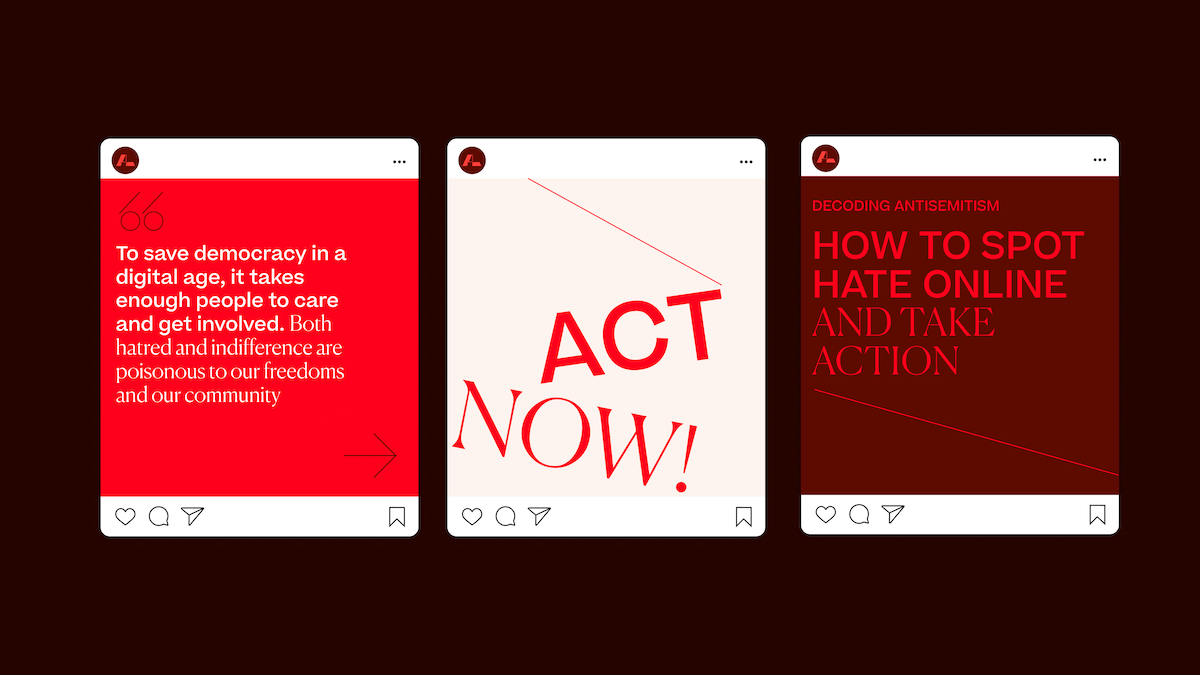
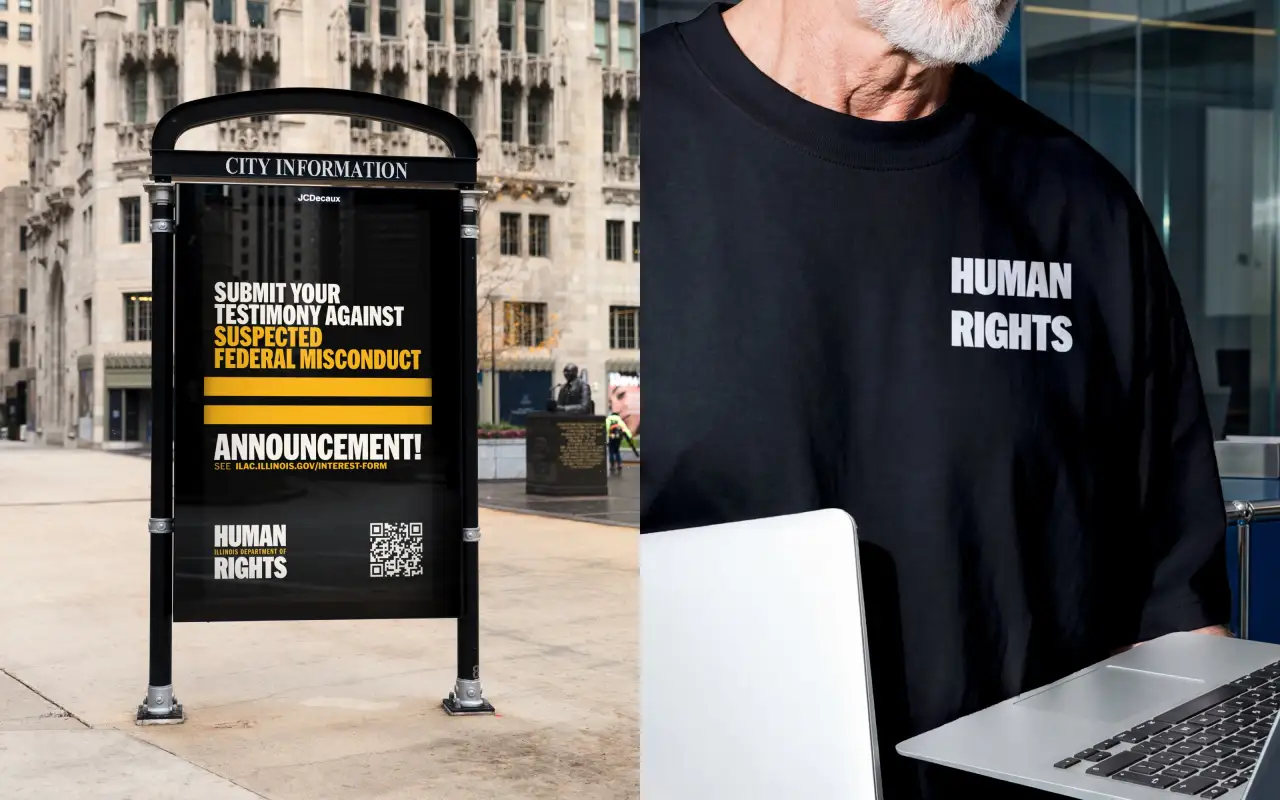
Social and rapid-response communications have been built as a deployment kit, with established ways to handle announcements, photography, rights information, events and urgent messages.
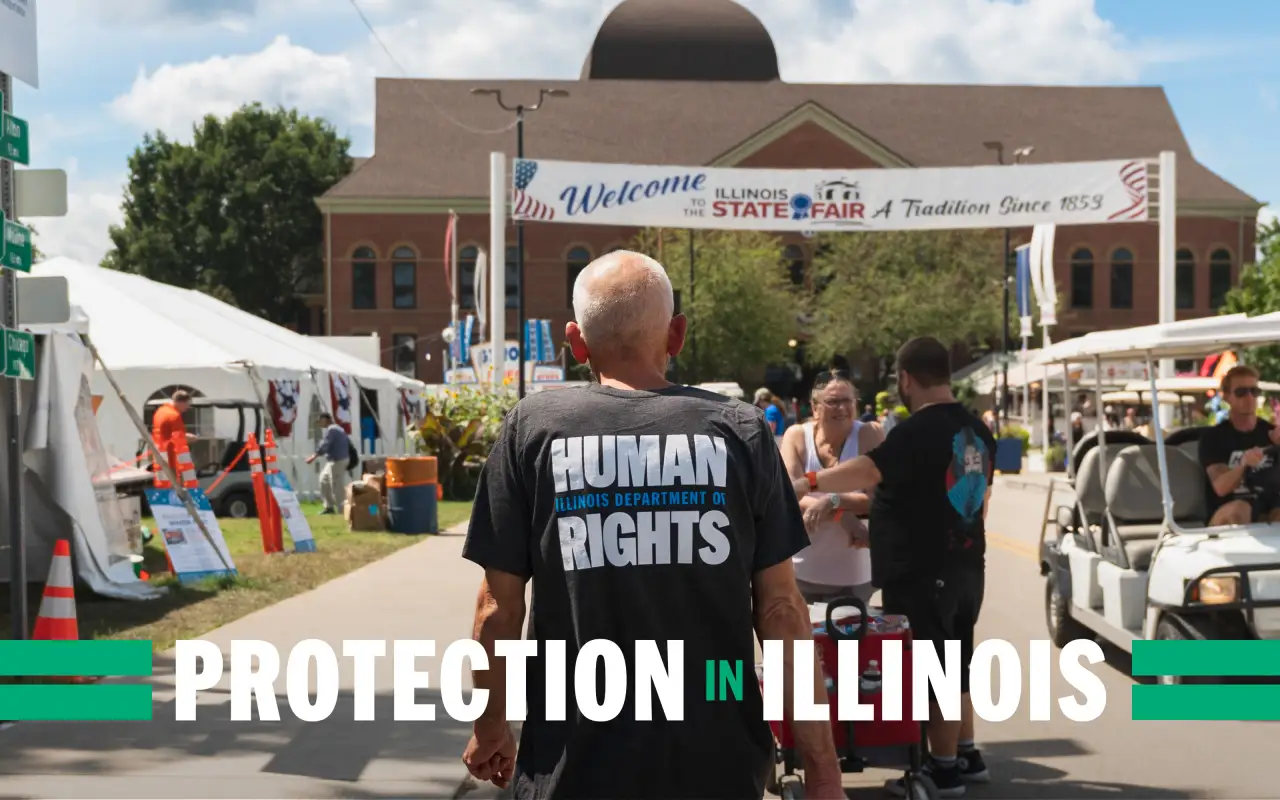
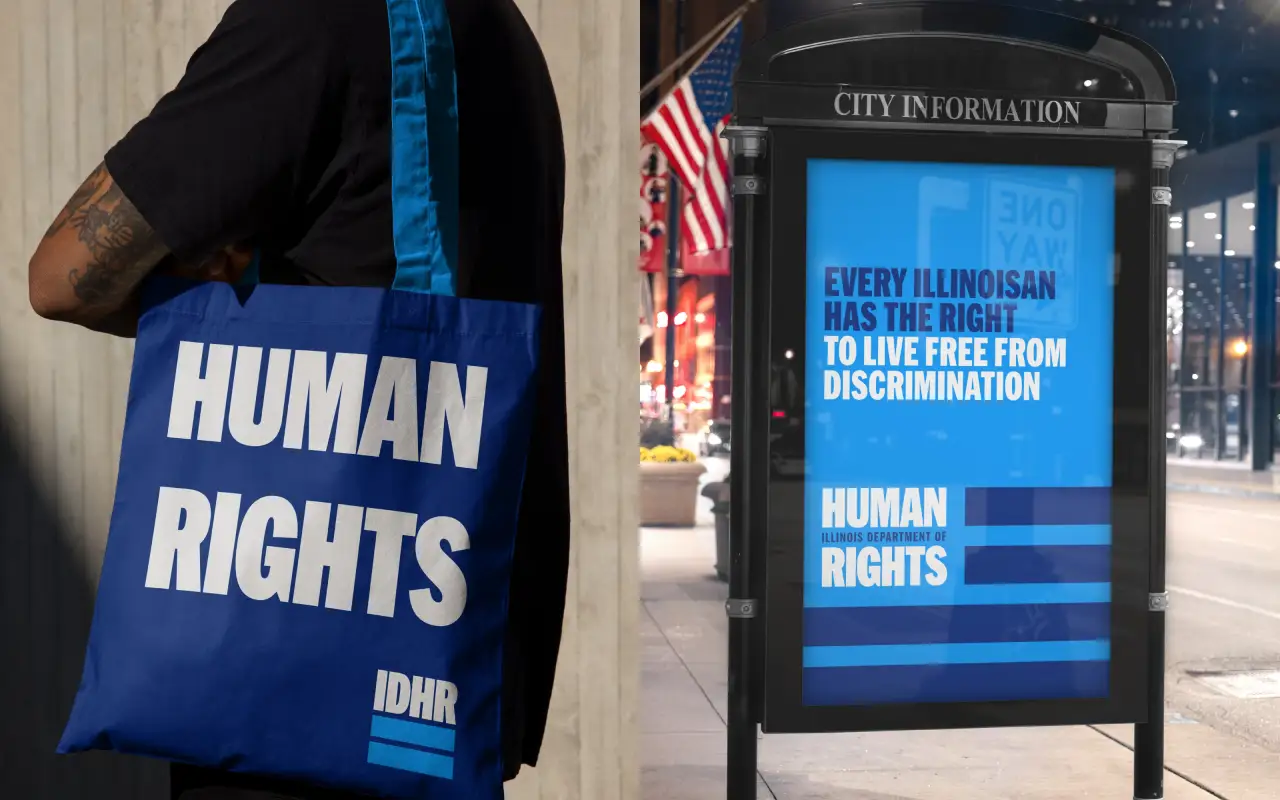
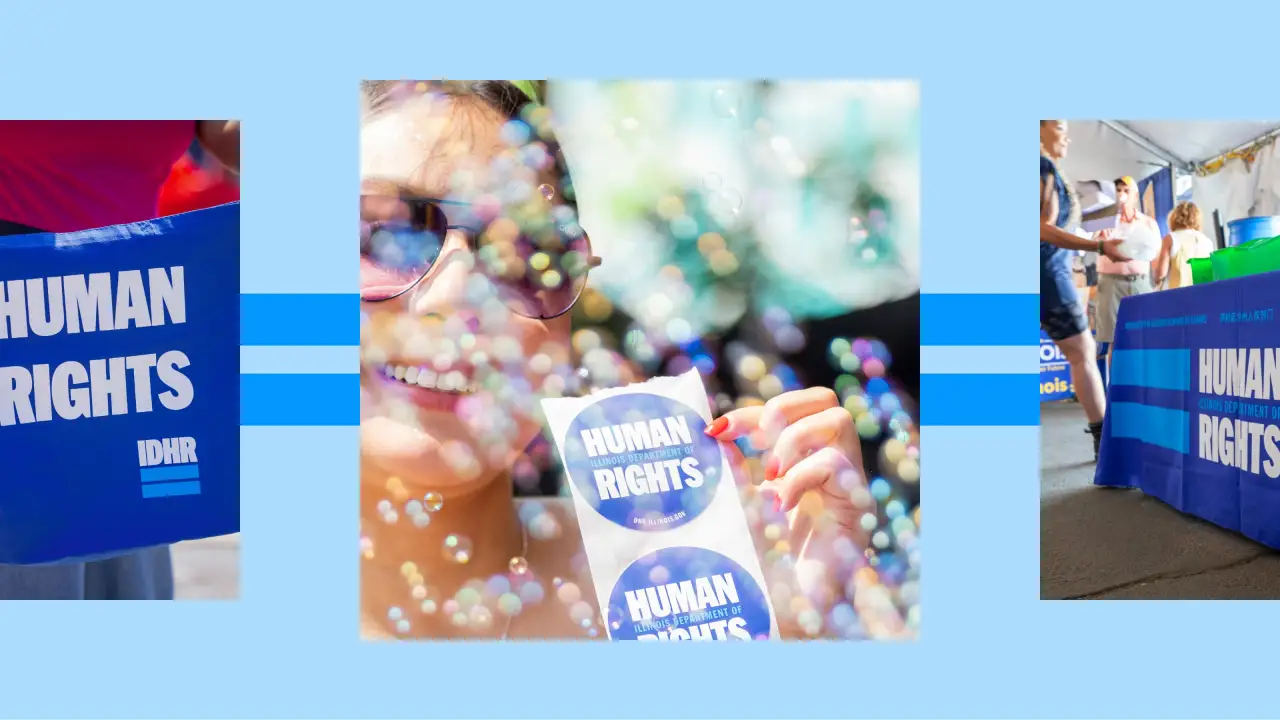
Public events required another ready-to-use system of banners, flags, step-and-repeats, table coverings, signage, presentations and printed materials.
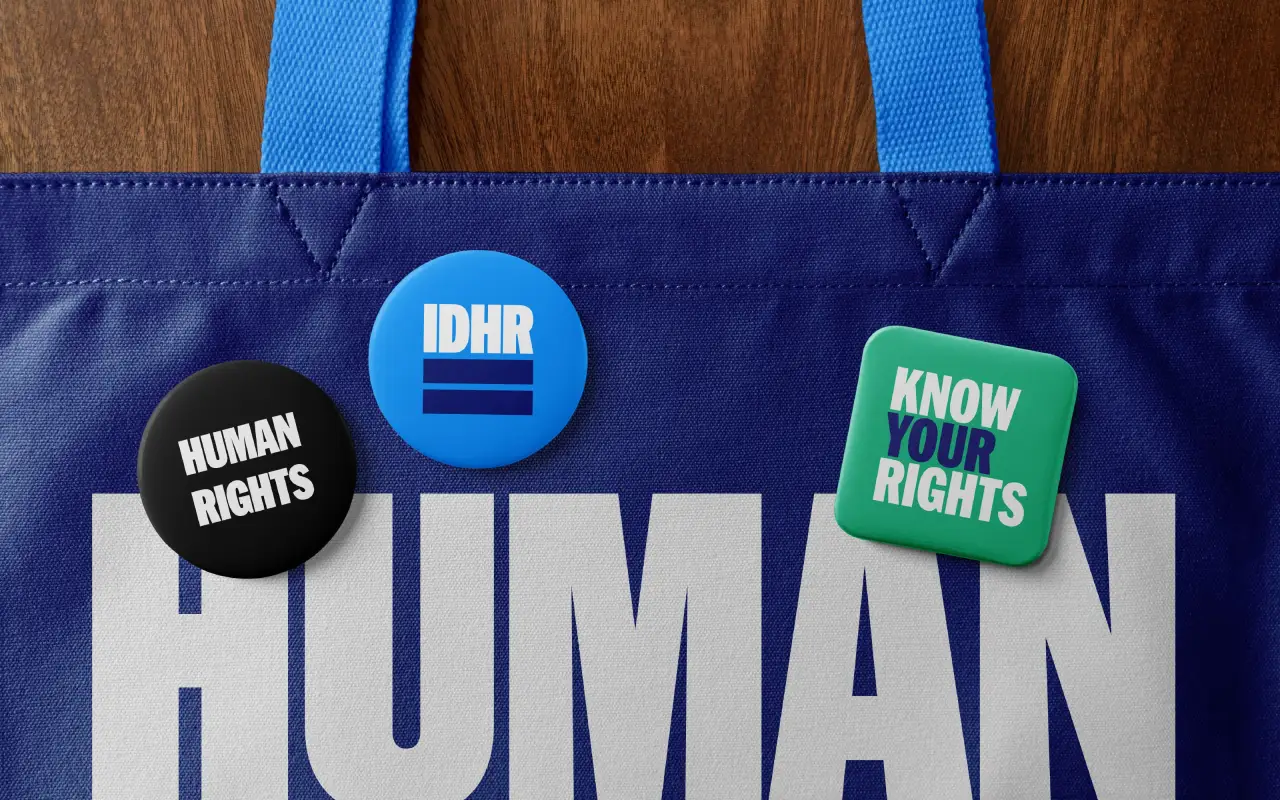
This has helped IDHR put rights information directly into people's hands at Juneteenth events and the Illinois State Fair. At Chicago's Pride Parade, it allowed the department to create and distribute stickers, buttons, apparel and other materials to the crowd.
Span has a longstanding relationship with IDHR, having previously helped launch the statewide support service Help Stop Hate. And Adam stresses that this project has been built for the long haul, dubbing it: "Conviction without propaganda. That feels especially important in design right now. And as Illinois locals, we can see and feel the impact of our own work in real time."
IDHR director Jim Bennett is delighted with the result. "Our goal was to create a brand that people could recognise, connect with and immediately know our agency exists to protect their rights," he says. "Every Illinoisan should know they are protected under state law, regardless of who they are, who they love, or where they come from."

Editor's Picks



Trending


Latest Jobs
Content Writer at Loom Digital
Full-time·Bristol·£27,000 – £30,000
Design Director, Opinion at The New York Times
Full-time·New York·$160,000 – $180,000
Account Director at David&Goliath
Full-time·Los Angeles·Up to $160,000
Communications Coordinator at University of Cambridge (Department of Geography)
Part-time·Cambridge·£31,236 – £35,608
Growth Marketing Lead at Anthropic
Full-time·San Francisco·$320,000 – $400,000
Brand Strategist at DNCO
Full-time·London·£45,000 – £60,000