Why Simon Vergély gets suspicious when things look too perfect
The self-taught French animator makes wicked, grainy, gloriously imperfect films – and there's encouraging demand for his work. We caught up with him about taming the wrong tools, '90s hip-hop and why he leans on a bit of roughness.
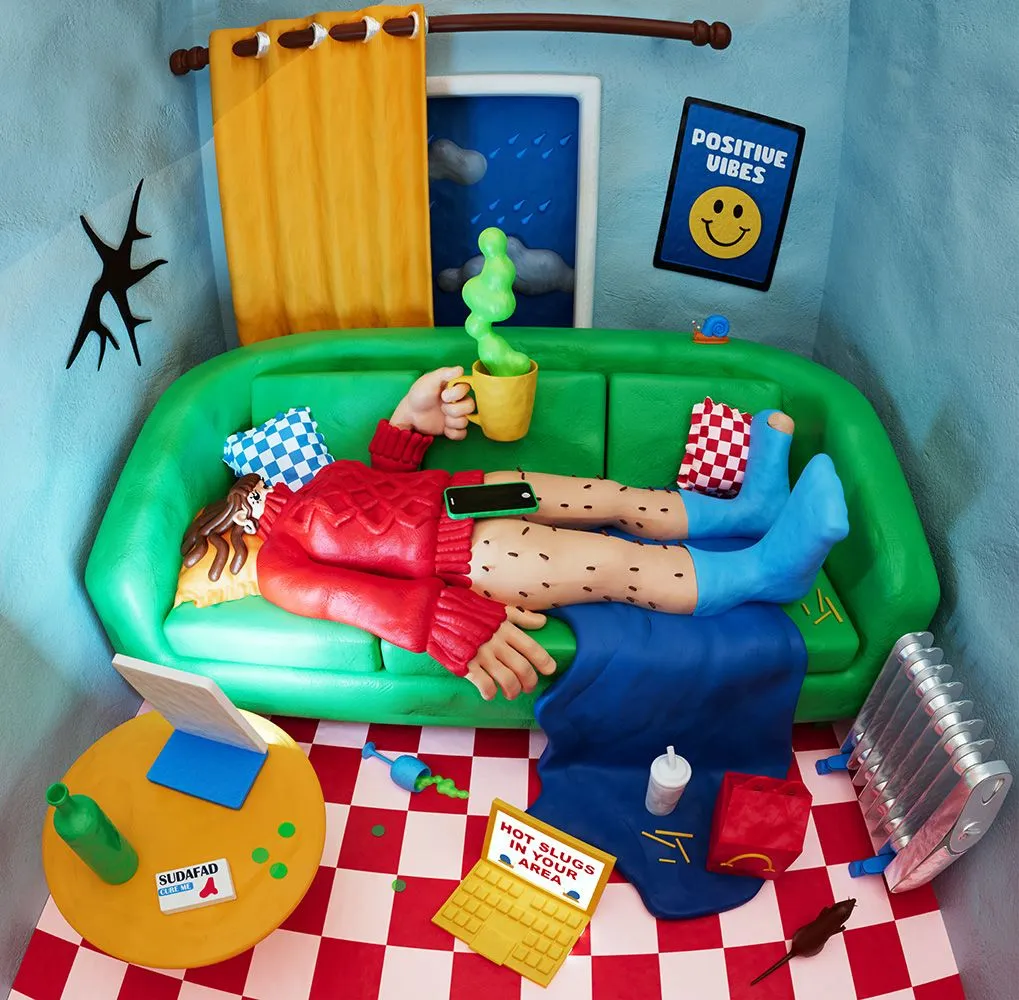
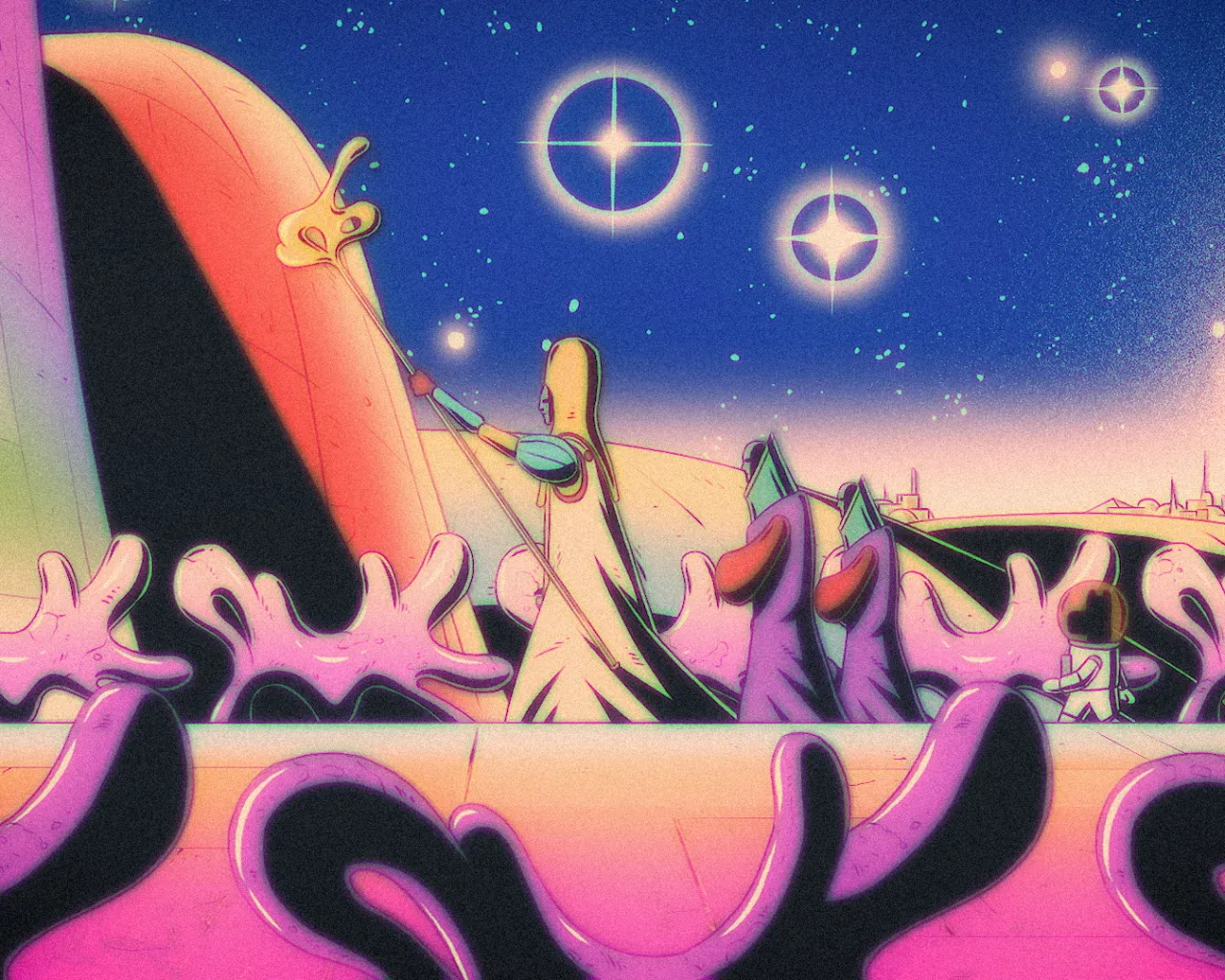
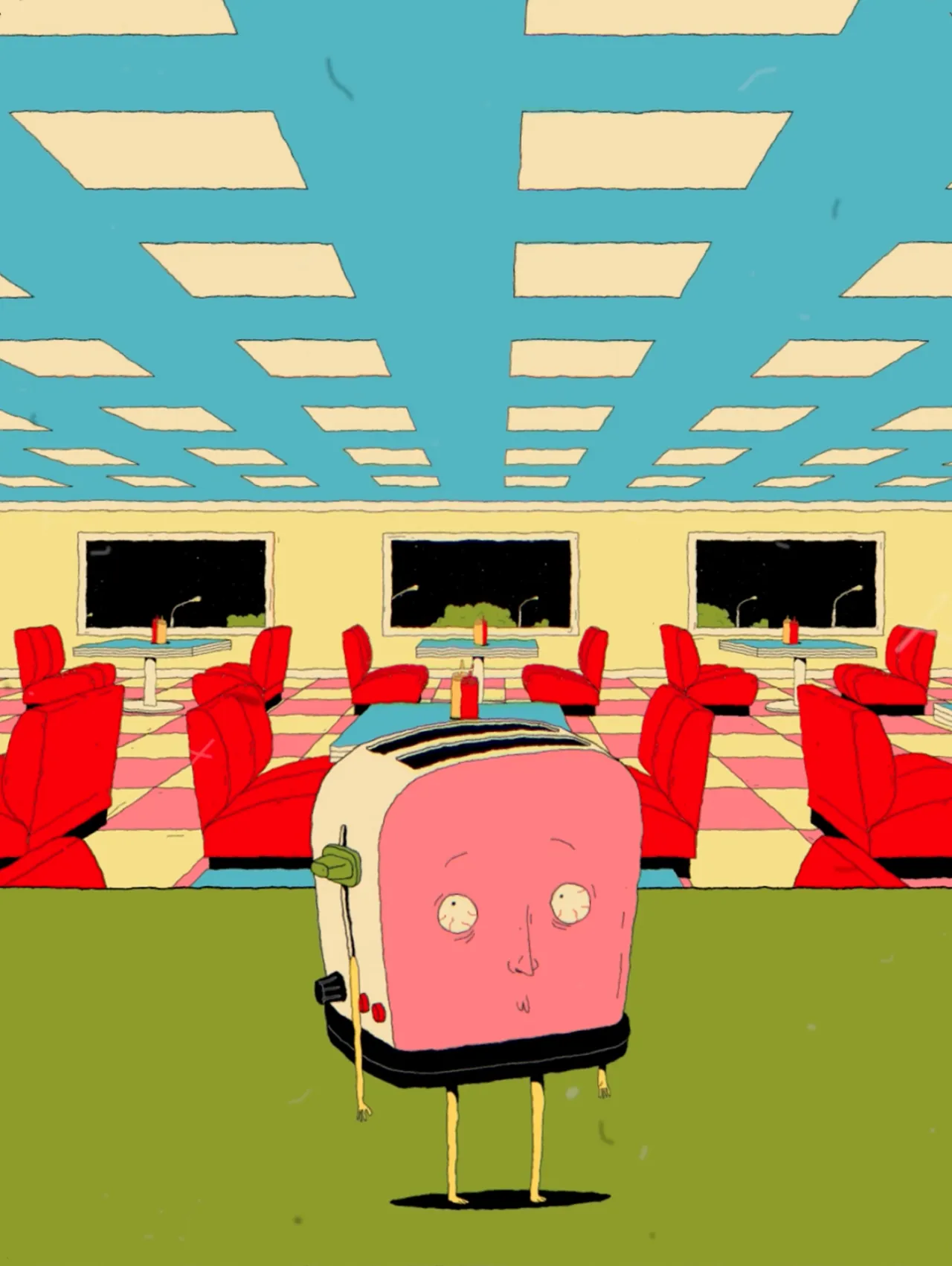
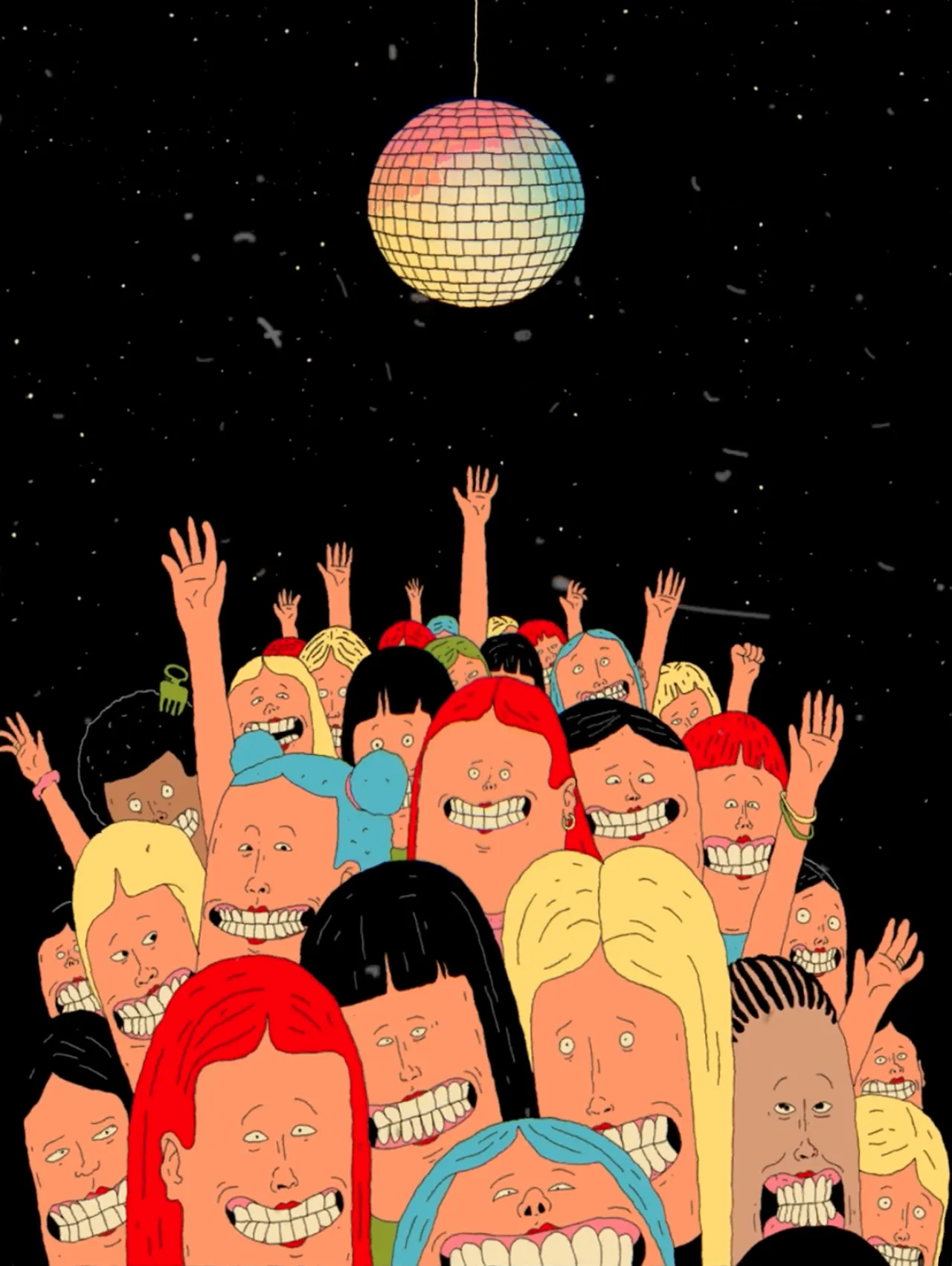
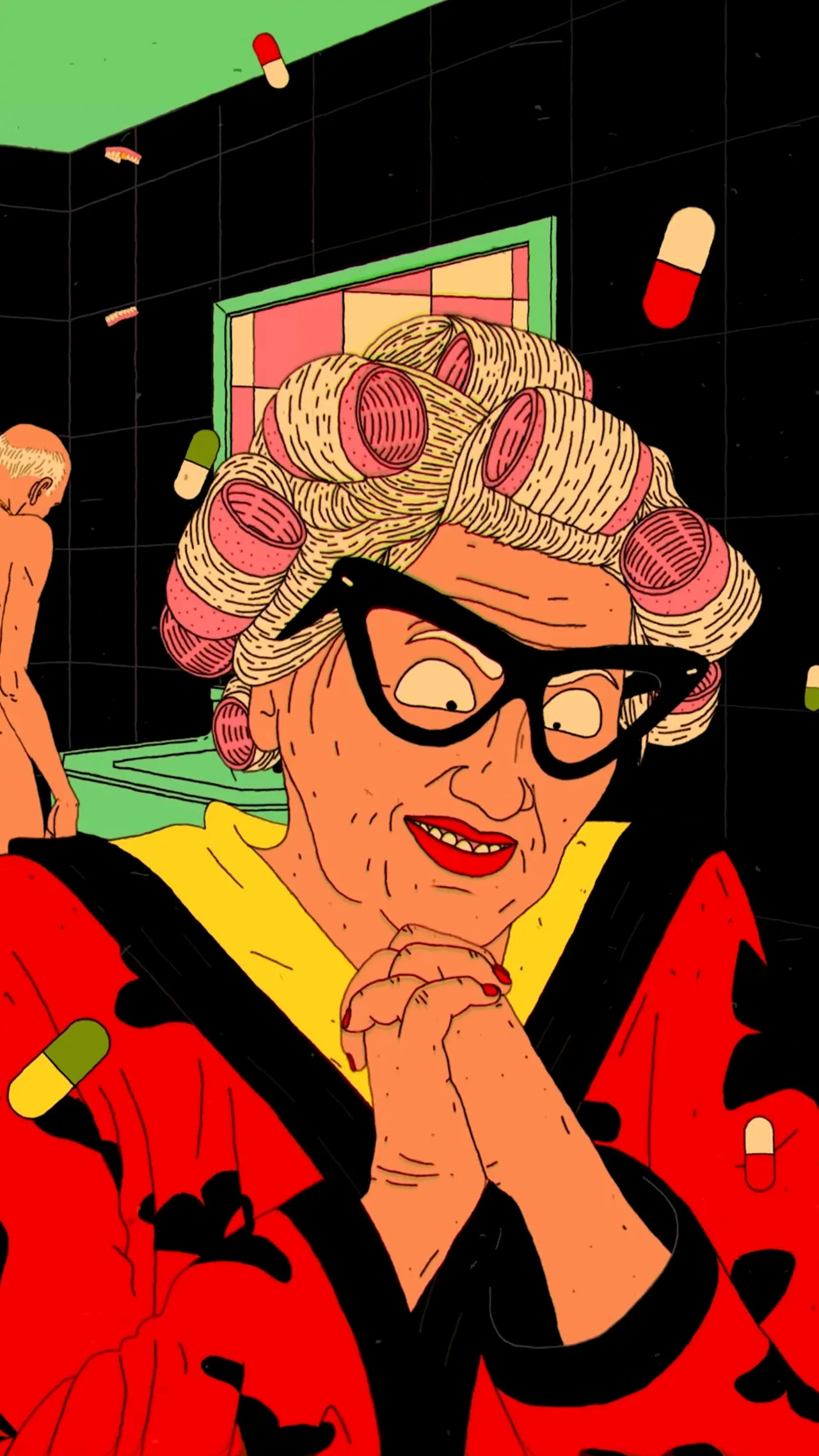
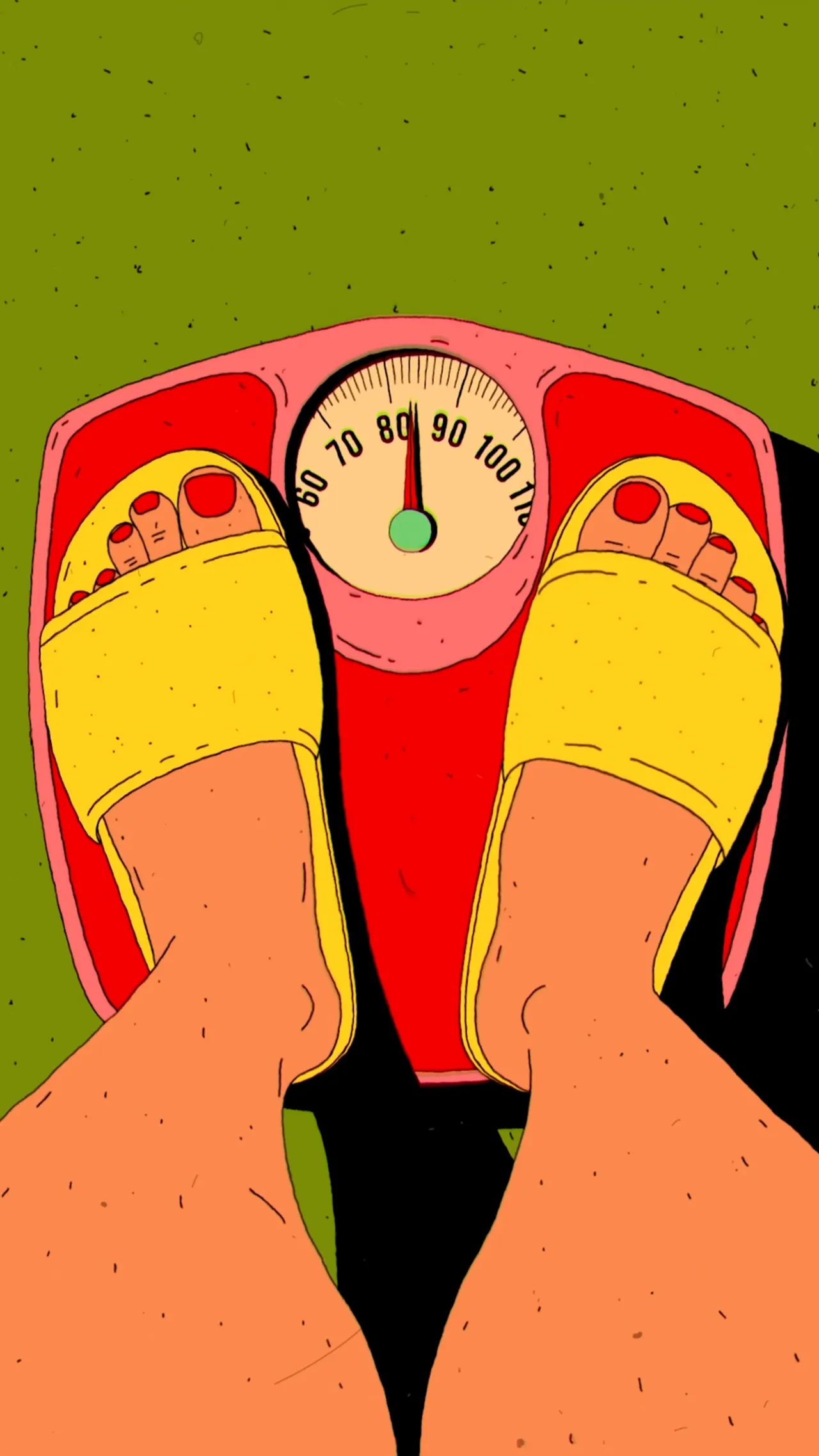
There's a naughty quality to Simon Vergély's work. A mischievous take on modern life that imagines what might happen if we could get away with it. His scenarios are wicked, surreal and often a little dark, casting a grotesque lens on our humanity. Shocking and funny in the same breath.
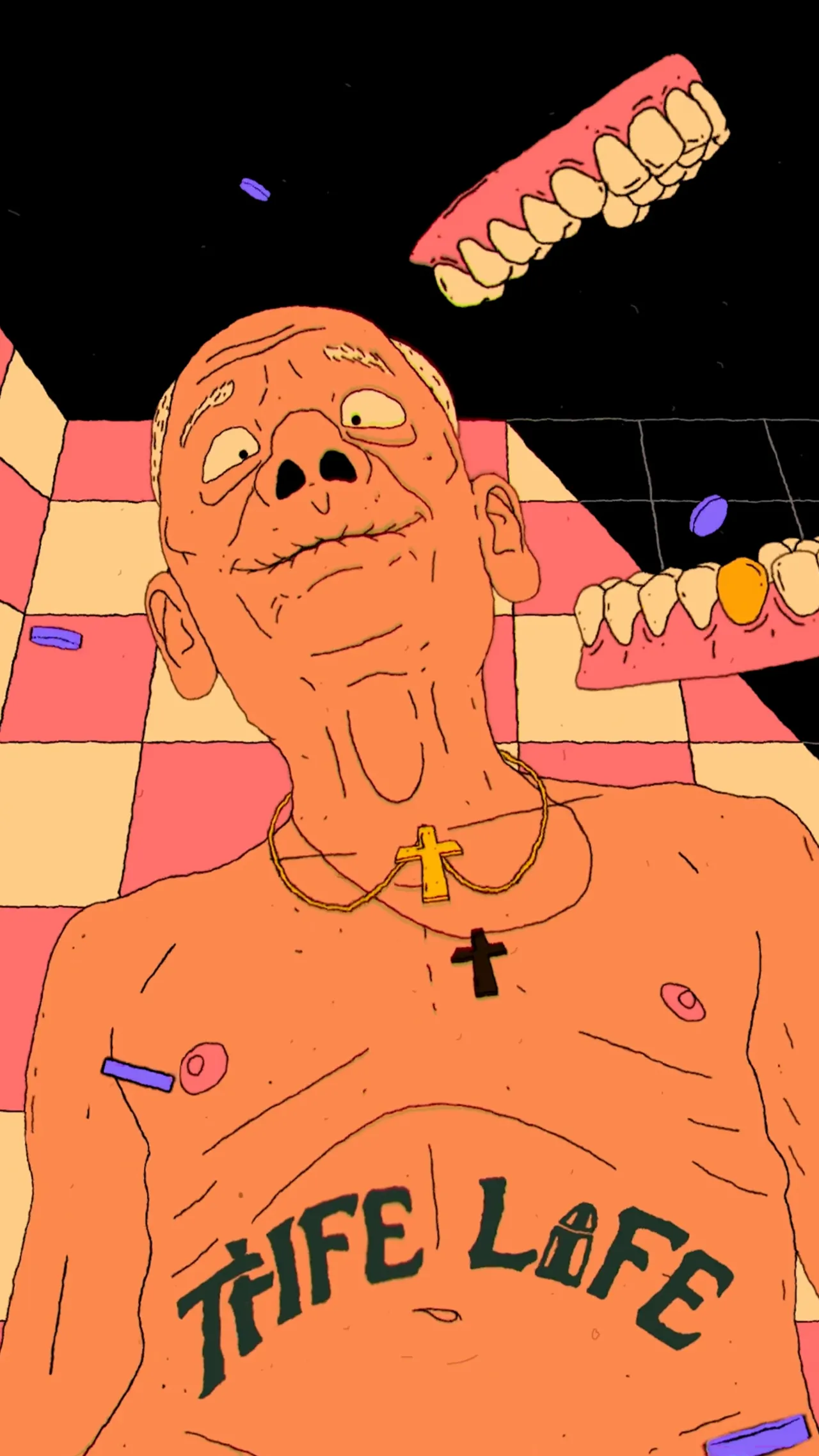
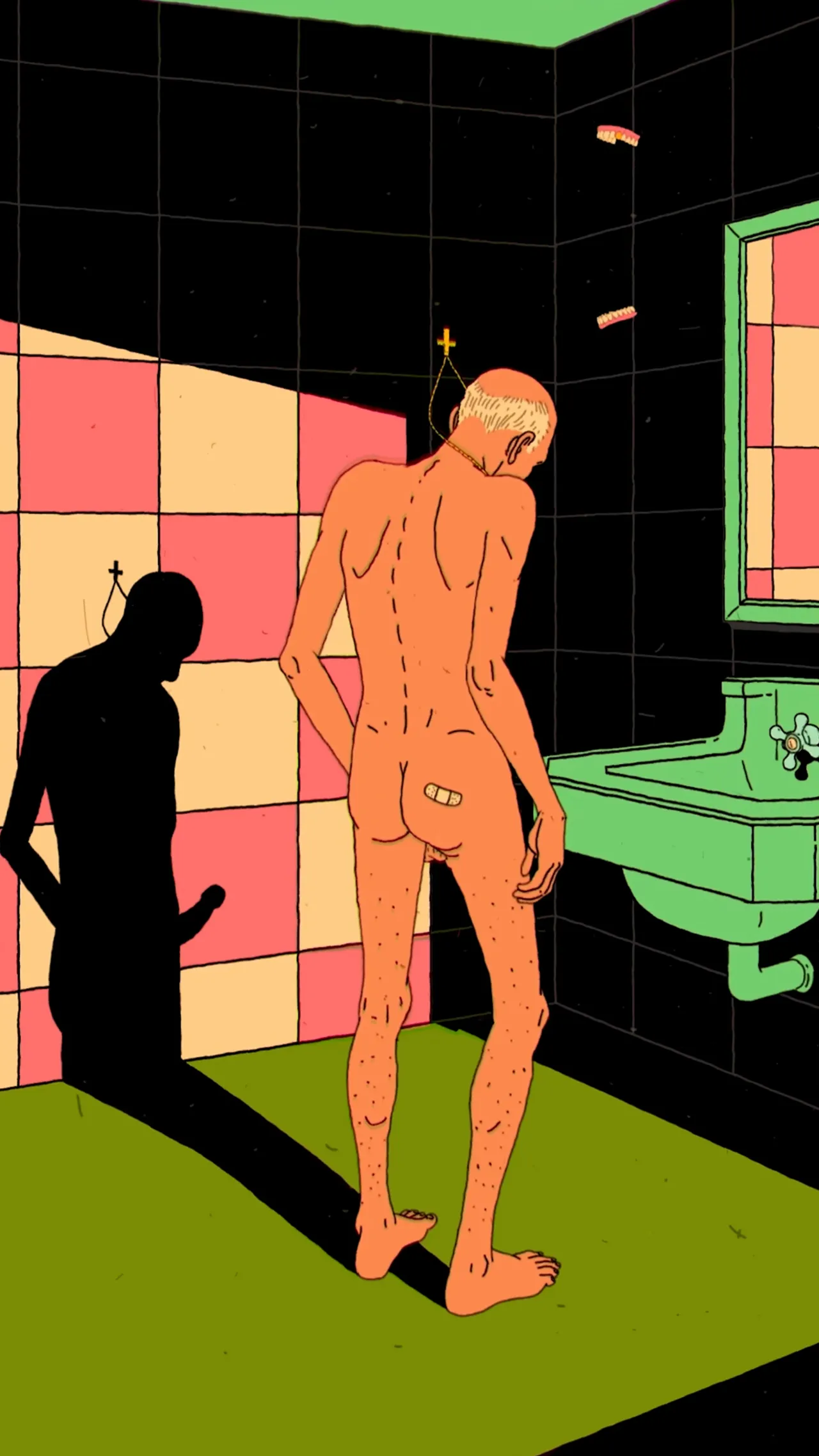
In one film, titled Gravity, Vergély imagines what would happen if gravity were switched off. As you can imagine, everything that normally hangs down begins to rise. A small boy licking an ice cream gets an accidental eyeful as the skirt of a towering woman in red heels drifts upward. An elderly naked man glances down to find himself... defying gravity too, his shadow on the wall staging the same revolt. In another, titled Addict, we get a bunch of male and female genitalia, served up as our wicked addictions. Cigarettes, drugs, sugar, fast food. Sex. It makes for uncomfortable viewing – in a good way.
The 2D animator and motion artist, who works as [SIC]Film, is also completely "self-taught", which certainly hasn't held him back. Learning alone, he says, means "you have to become your own teacher and your own critic". And that hard-won independence shows, as the work doesn't look like anyone else's.
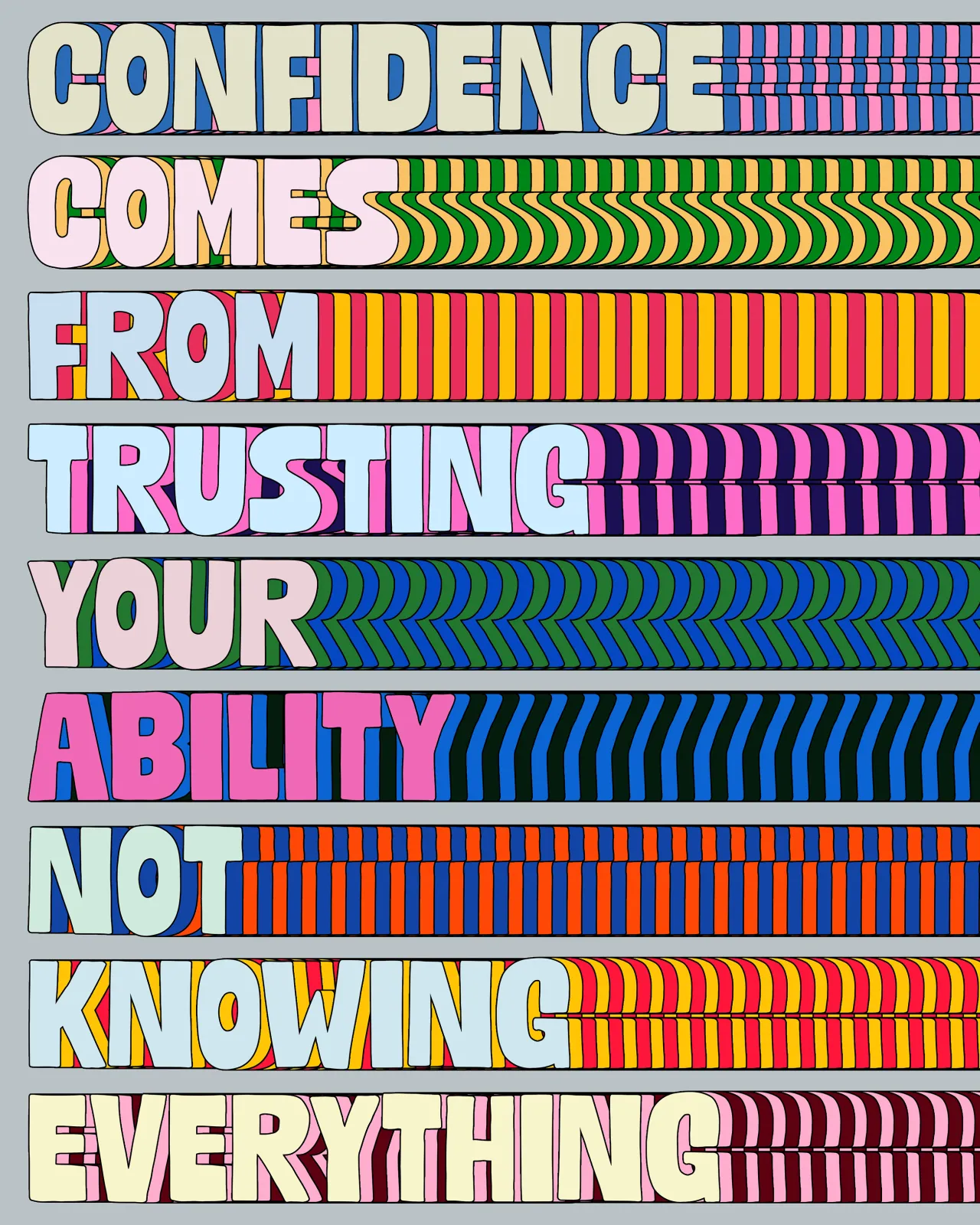
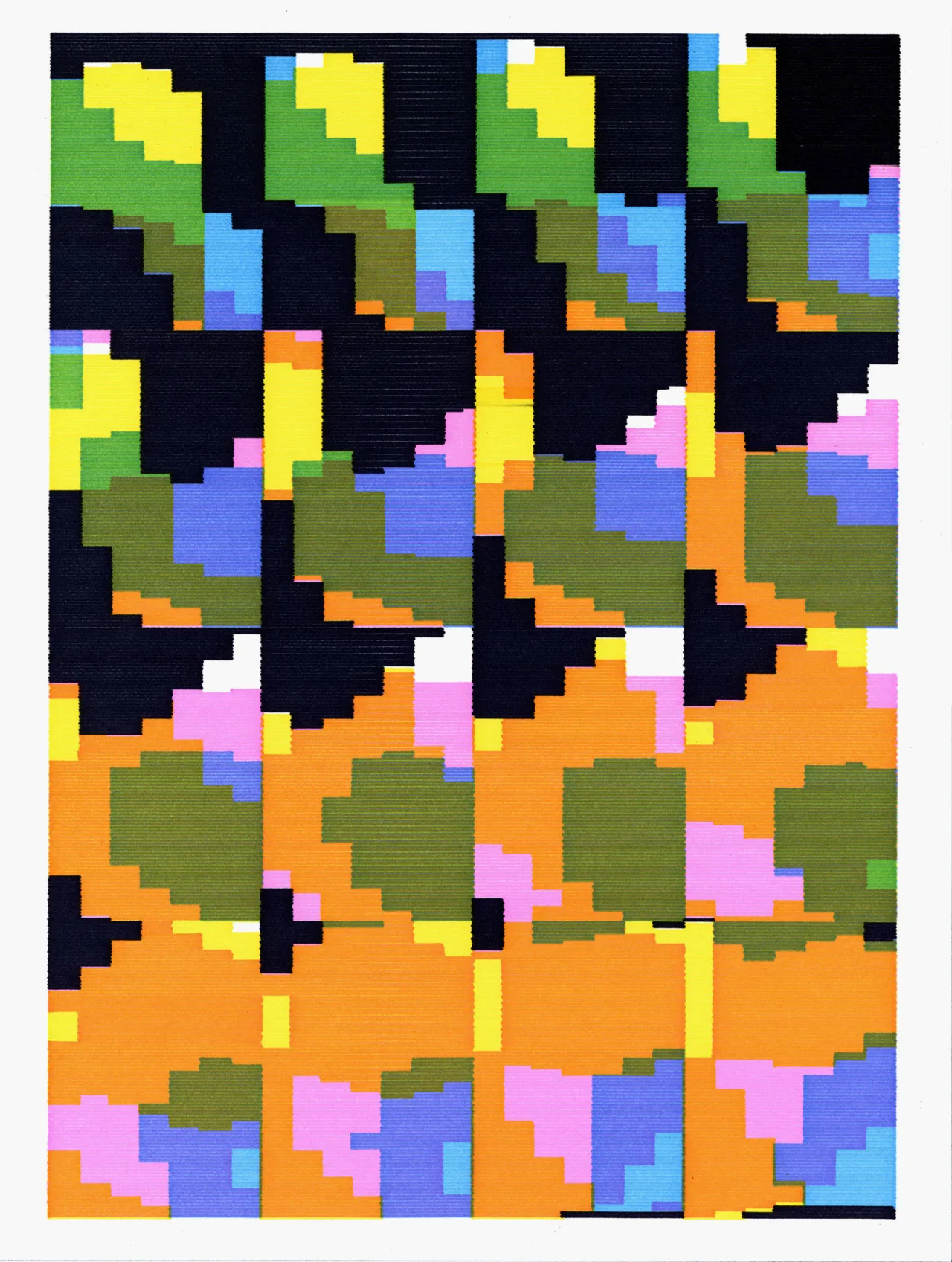
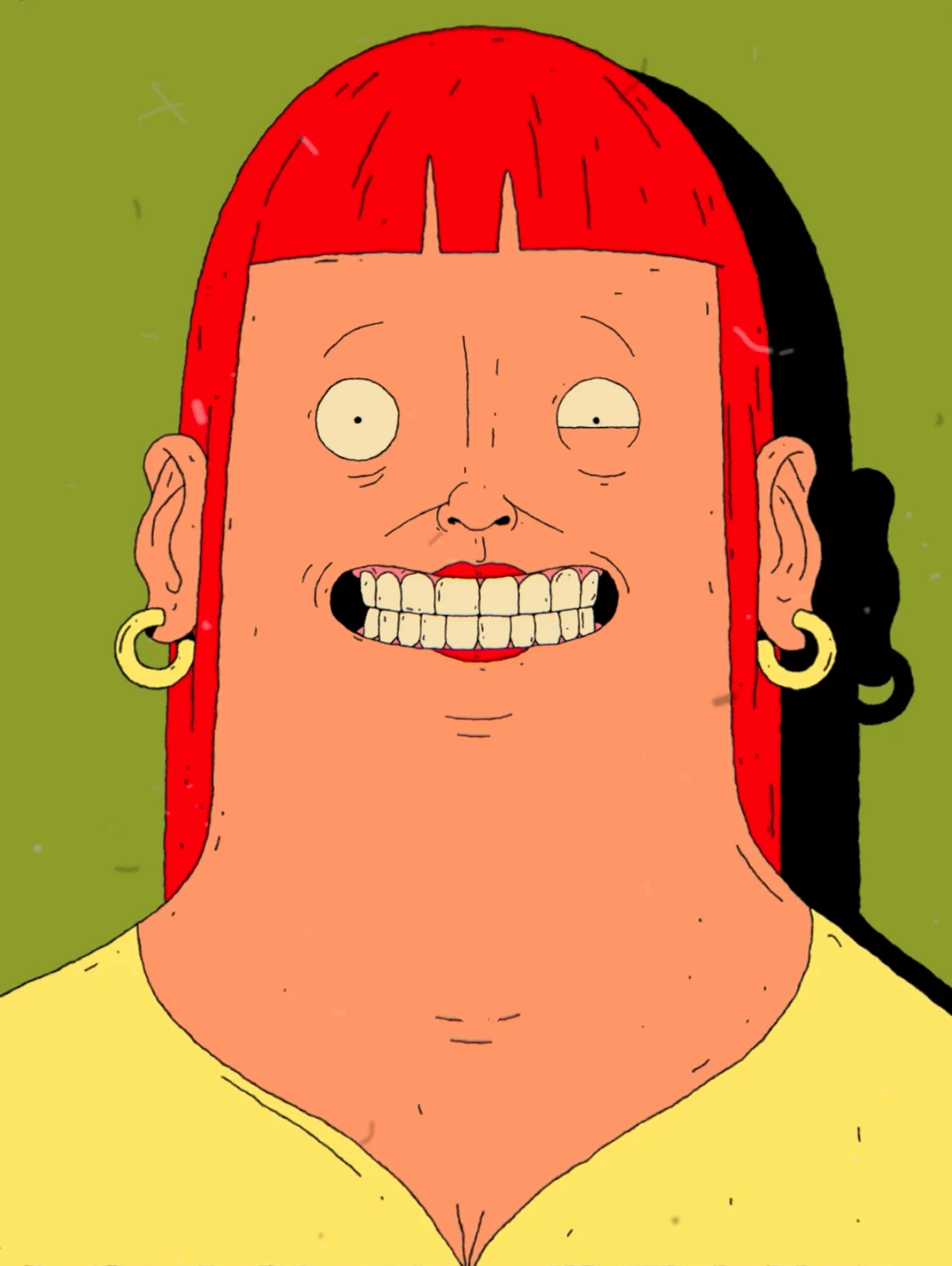
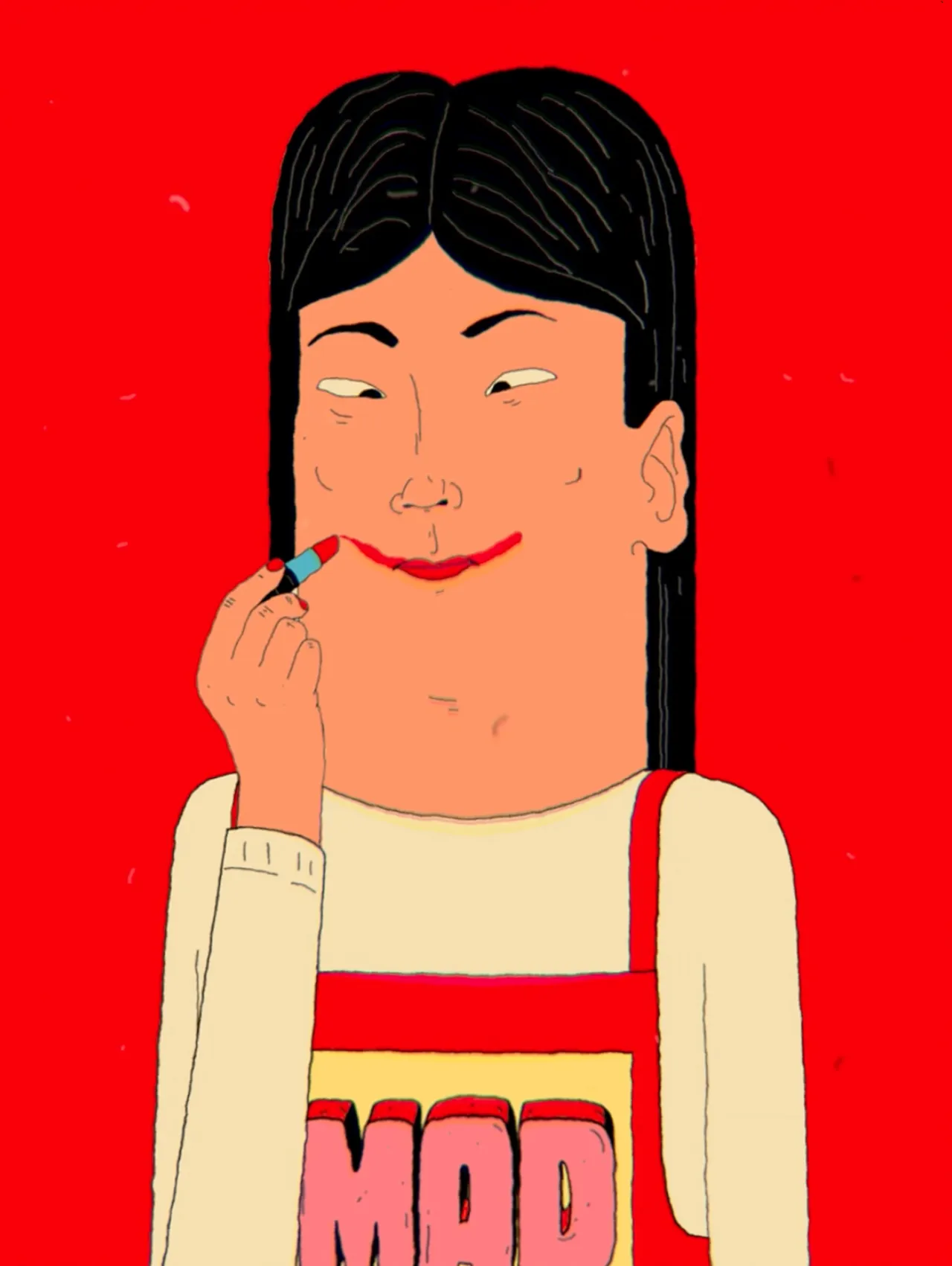
It also explains the handmade quality: everything is a bit shaky and human, because Simon works on instinct rather than by following any rules. Imperfection is his north star. If everything works too perfectly, he gets suspicious. "Sometimes, it's imperfections that make the work feel alive," he says.
But making something look deliberately imperfect is harder than it sounds. "You need to understand how to create something clean and precise to deliberately break it, distort it, or give it a more organic and imperfect quality," he explains. "That roughness is something I consciously build. It's not the result of a lack of control."
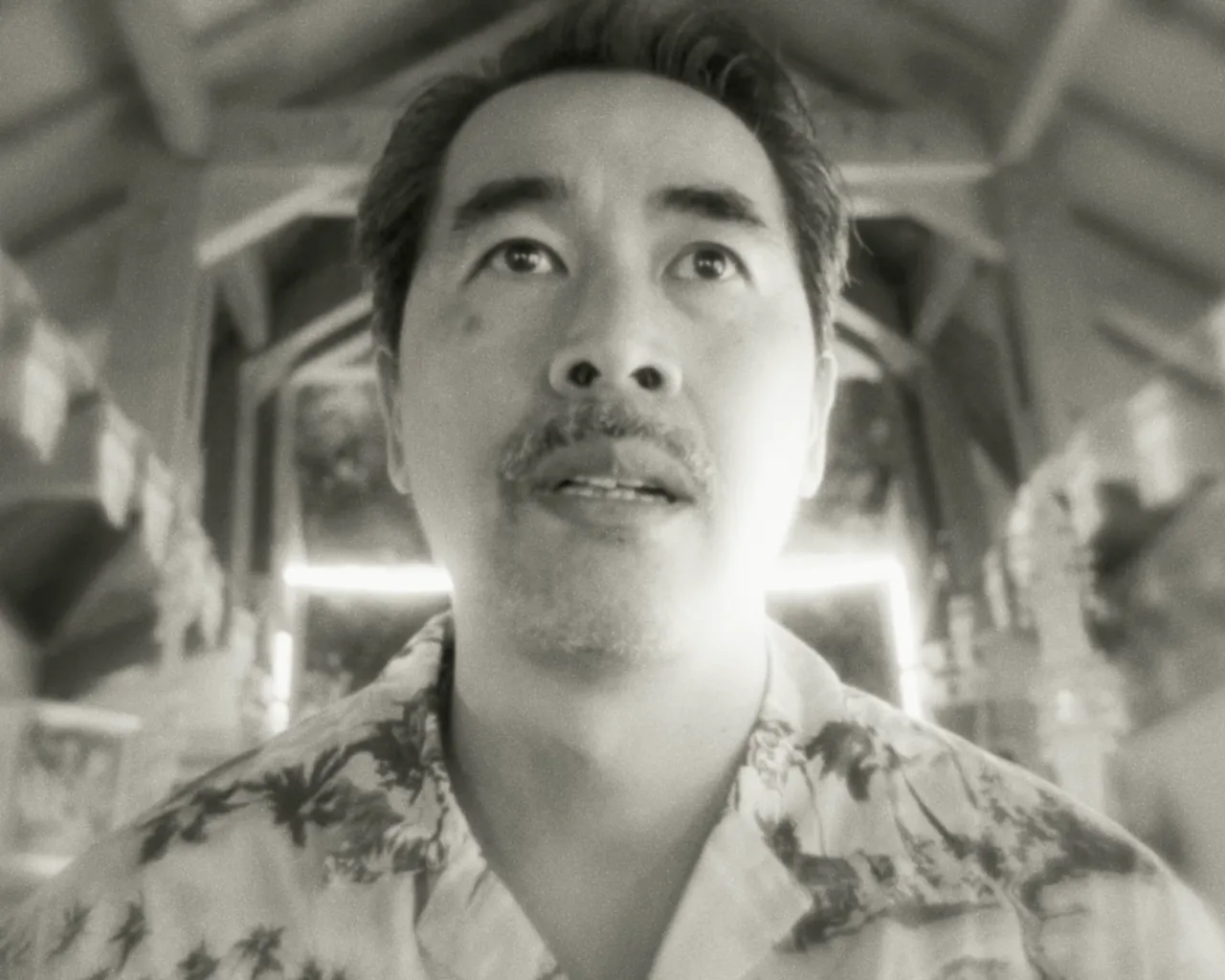
Everything feels slightly unstable, and that's also inspired by '90s culture, when everything was analogue and physical. "The hip-hop I love from that era has this raw, gritty quality, sometimes with the subtle crackle and grain of vinyl," he explains. "It's not overly polished; it feels very textured and physical."
This is close to my heart. The shaky quality to his animations takes me back to the glory days of Beavis and Butt-Head and The Ren & Stimpy Show. When MTV ruled the world. It's nostalgic and a much-needed take on modern times, at a moment in history when everything feels homogenised.
Where did it all begin? Vergély started in product design, where he learned to draw and construct forms to solve a brief. As such, he approaches an image "almost as if it were an object, something to be built and resolved rather than just depicted". But while that early training informs his work, he says it doesn't dictate how he builds a film.
Animation came later. He was fresh out of design school and living in Birmingham when he and a friend began teaching themselves through competitions and personal projects, with no interest in returning to a classroom. "We wanted to learn by doing, on our own terms," he says. The contests gave them briefs and deadlines to make and finish things on their own terms.
And the software? Whatever was to hand. He began animating in Photoshop and Premiere Pro: the latter, an editing programme never designed for the job, so he hacked his way around it until it did what he wanted. "After Effects would have been the more suitable tool," he admits, "but working around those limitations became part of my process." The animator who intentionally builds roughness taught himself by making the wrong tools misbehave.
How did he turn animation into a paying career? Well, you'd think a look this rough would be a hard sell – especially in an industry known for its love of polished perfection. But that's not the case. "There are actually many clients who specifically come to me because they are drawn to that slightly rough, textured quality," says Vergély.
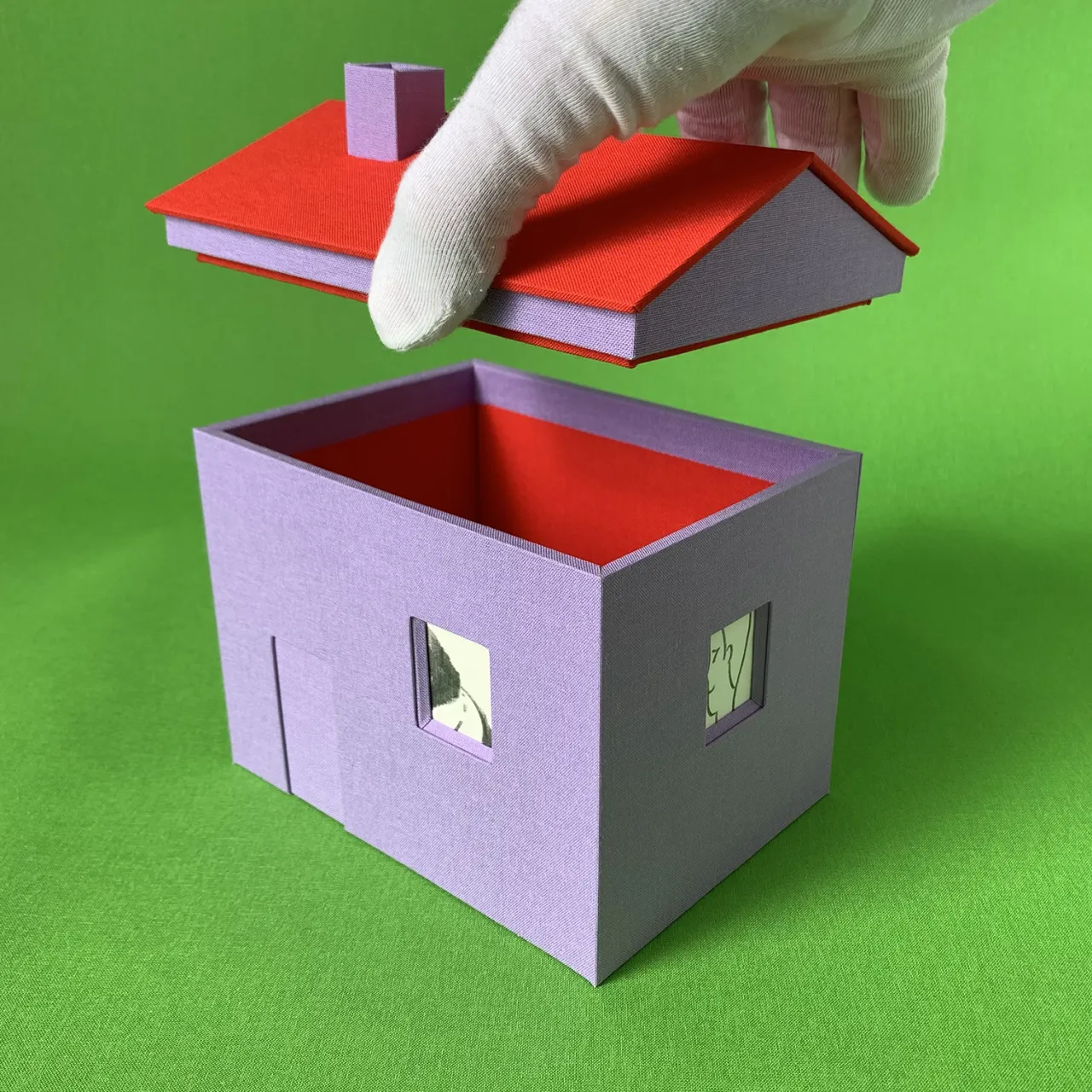
It helps that he keeps his feet firmly on the ground. "I often see myself more as a craftsman than an artist," he says – someone with a specific skill set, hired to answer a brief. And the briefs are wildly varied: he's animated for the music research institute IRCAM and the audio brand Devialet, for Snapchat and Kiblind, for festivals like Fipadoc and Ciné-court animé de Roanne.
Is it tough to keep a recognisable voice when the briefs vary so much? "Being professional is knowing when you're serving someone else's vision," he says, "while still finding small spaces to bring your own sensibility into the work."
Simon started animating during a difficult period, when he was dealing with a lot of anxiety. He found that losing himself in a project was a way to channel that energy somewhere good. "Creating has always been a way to enter a focused state, to disconnect from everything else, and to find a sense of balance," he says.
Which is partly why he's so relaxed about work that doesn't last. For years, he made things alone at his computer with no thought for where they'd end up. Whether they were images, sound experiments, or whole pieces that were never shared. It didn't matter. "We often focus too much on the final result," he says, "While the process itself can have its own value. The worth of a piece isn't in how long it survives but in its making... Even when the thing disappears, the experience of having made it stays."
On AI, Vergély is wary – standardisation and slow homogenising of everything are the main concerns. But he isn't angry because he thinks it's making things better for human artists: "AI is more of a reminder that what makes someone valuable is their touch on things, their way of seeing, and the consistency of their voice over time," he says.
As for what's next, it's still developing: "a collection of fragments, images, and intuitions"; he wants to grow into something bigger.
For now, there's his desk. Simon starts the moment he wakes, whatever the hour, tablet in hand, drawing while music or podcasts play in the background, the two keeping him happy until it's time to call it quits. "A good day at the desk can just as easily be a good night," he says. "I love working after dark, when everything is quieter, and it's easier to lose track of time."
Editor's Picks
Trending
Latest Jobs
Client Partner at Halo
Full-time·Bristol·£30k–£36k
Creative Director at Koto
Full-time·London·£95k-£130k
Designer at New Genre
Full-time·London·£36k–£48k
Senior Graphic Designer at MoMA Retail
Full-time·New York·$72k-$80k
Brand Designer, Product Launches at Figma
Full-time·New York·$127k–$269k
Senior Operations Manager at BIG Partnership
Full-time·Glasgow·£45k–£50k