Luis Pedro Picasso's anatomical paintings are an explosive combination of colour and darkness
Uruguayan artist Luis Pedro Picasso explores the inner workings of his subjects through paintings that delve into their anatomical workings. We caught up with him to learn more about this unique approach and what effect he wants his paintings to have on viewers.
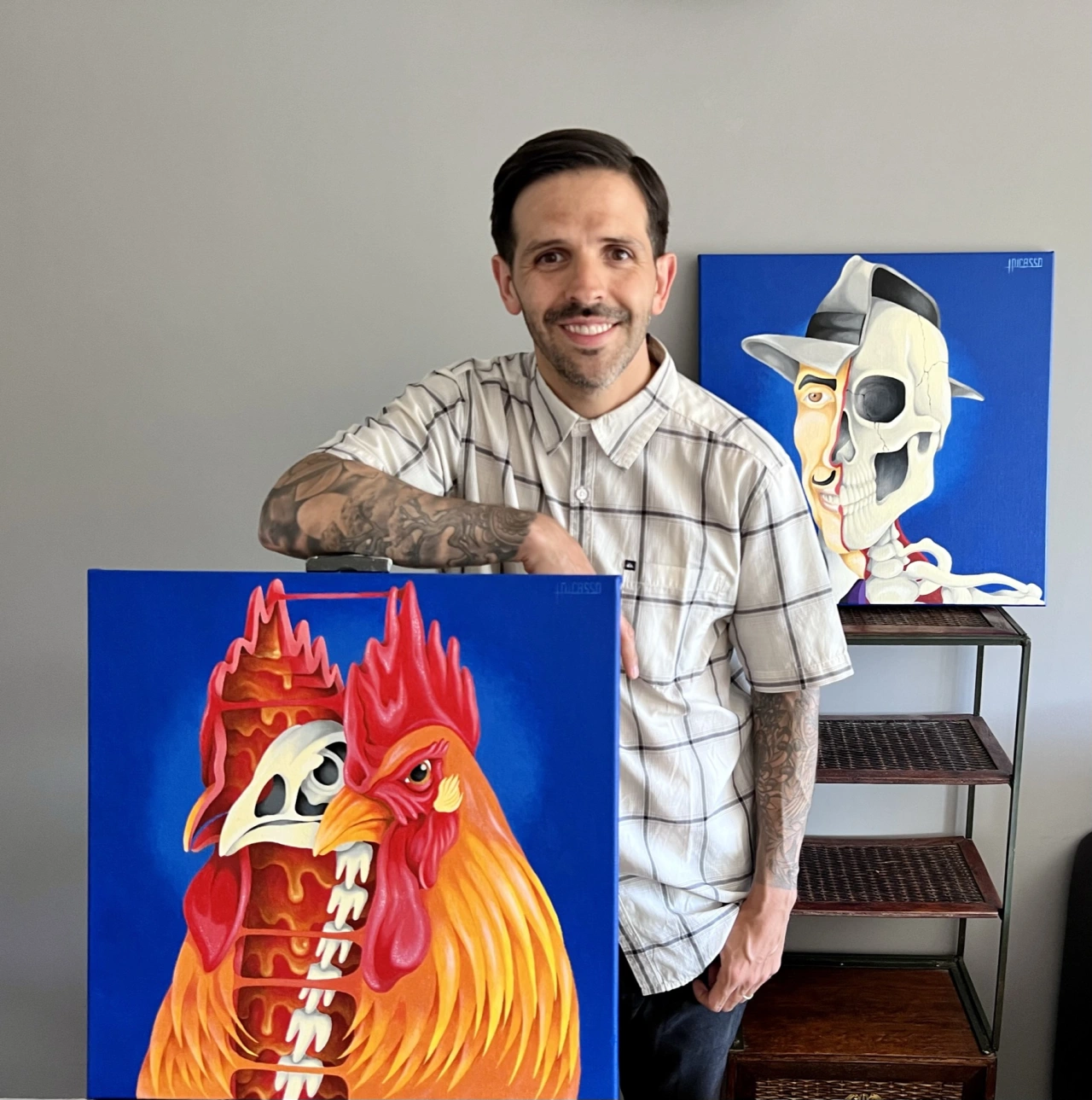
At once cartoony and a bit gruesome, the paintings of Luis Pedro Picasso rip apart everything from a puppy to a rocking horse and reveal what's lurking beneath the surface. Luis's combination of styles, representing a fusion of pop art and dissection, taps into his passion for skeletons and how living beings are shaped around them.
It's an interest that goes all the way back to his childhood. From age 8, Luis can remember enjoying drawing while growing up with his family and two sisters in the countryside. "I just got interested and passionate about people's faces, so I copied them or imagined them," he tells Creative Boom.
This interest led to Luis's creation of the faces of people who embodied unique personalities. "As a teenager, graphic design also began to fascinate me, which led me to pursue a career that blended everything," he adds. "I think my work mixes those concepts of Pop art and graphic design and often leaves viewers confused about whether they are real or digital paintings."
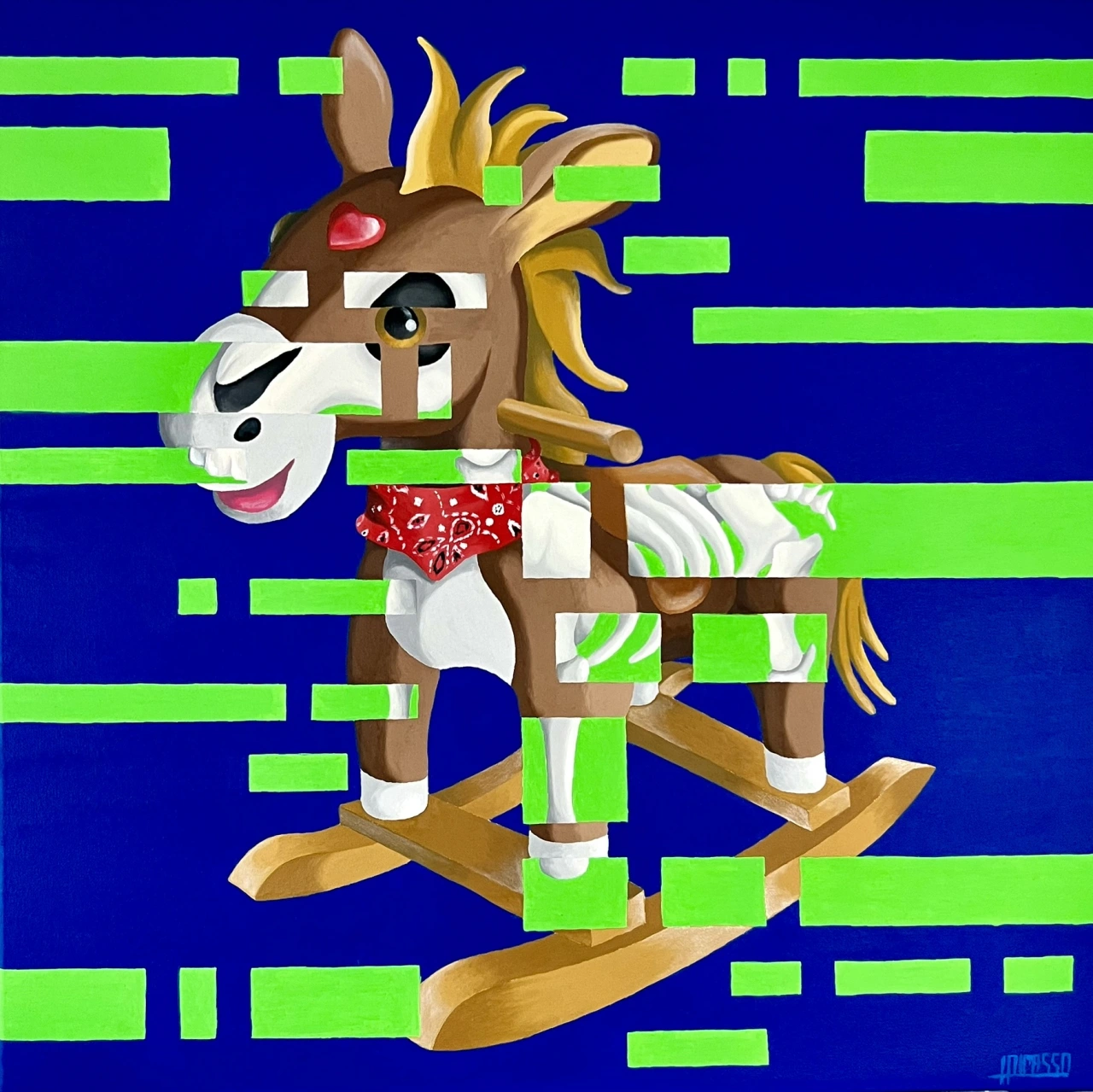
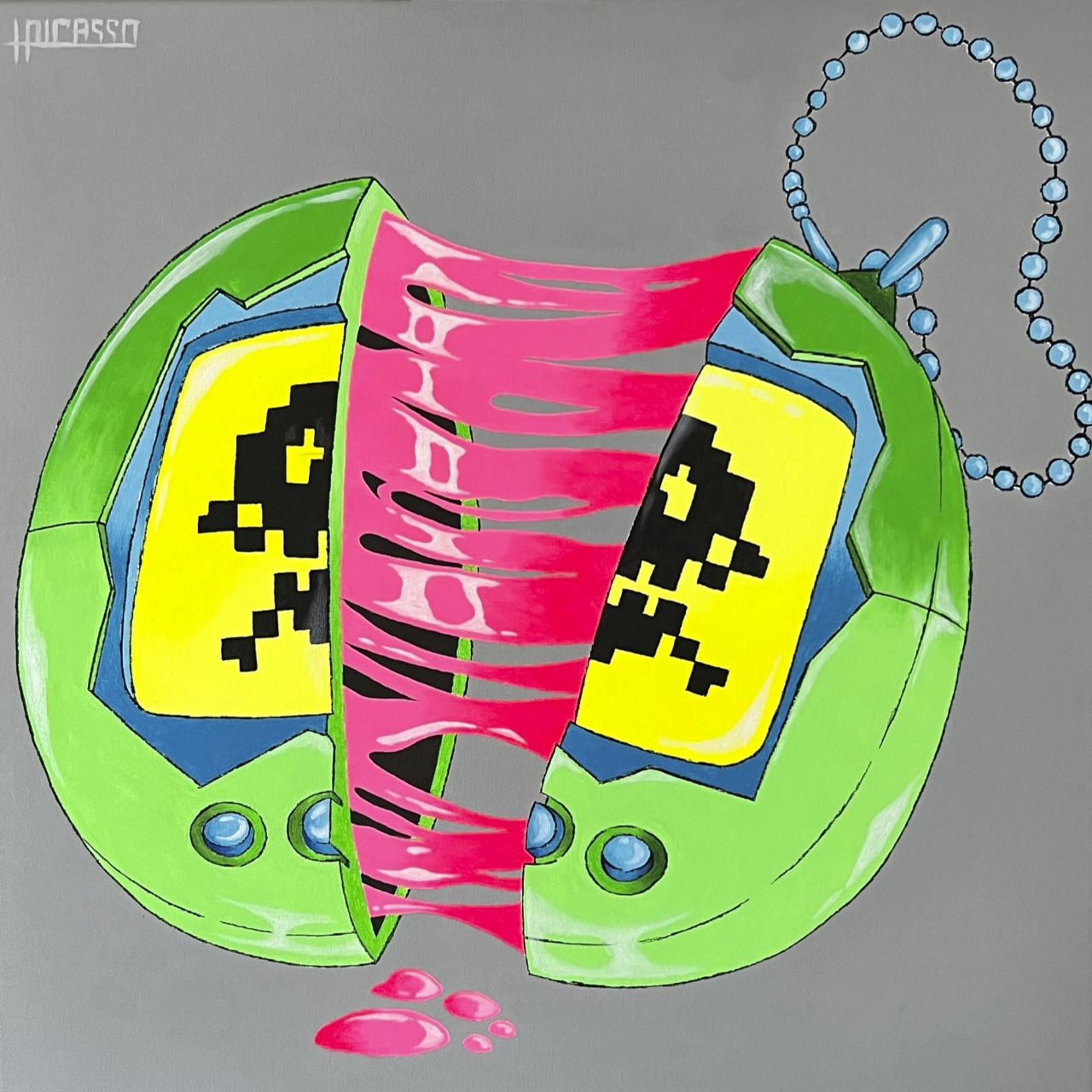
Indeed, during this time, the foundations of his art style were laid in place. "When I was a teenager in high school, I studied biological sciences," he reveals. "There, we dissected small animals such as toads or worms in order to study them. That was when I became fascinated with animal anatomy, giving rise to illustrations and designs."
Inspired by the likes of Ron English, Nychos and Belin, Luis describes his style as "Pop dissection". According to him, his art is a mix of "explosive colours and osseous darkness." Of course, there's one artist in particular whose impact on Luis cannot be overlooked. "Personally, and because of my last name, I can't leave out Pablo Picasso. I think he changed the whole paradigm of painting by creating his works."
The contrast of almost digital colours and finishes with grisly torn-apart heads is powerful. In fact, it can leave the viewer wrestling with conflicting feelings. Should they be charmer or repulsed, or maybe even both? According to Luis, the work should go beyond these reactions.
"My greatest aspiration as an artist is that people who see my work should feel a little bit of the energy I put into the paintings, whether that's anger, joy or sadness," he explains. "You see, I think the title of 'artist' is earned. And I think it is up to the people who see my paintings who must decide whether I am an artist."
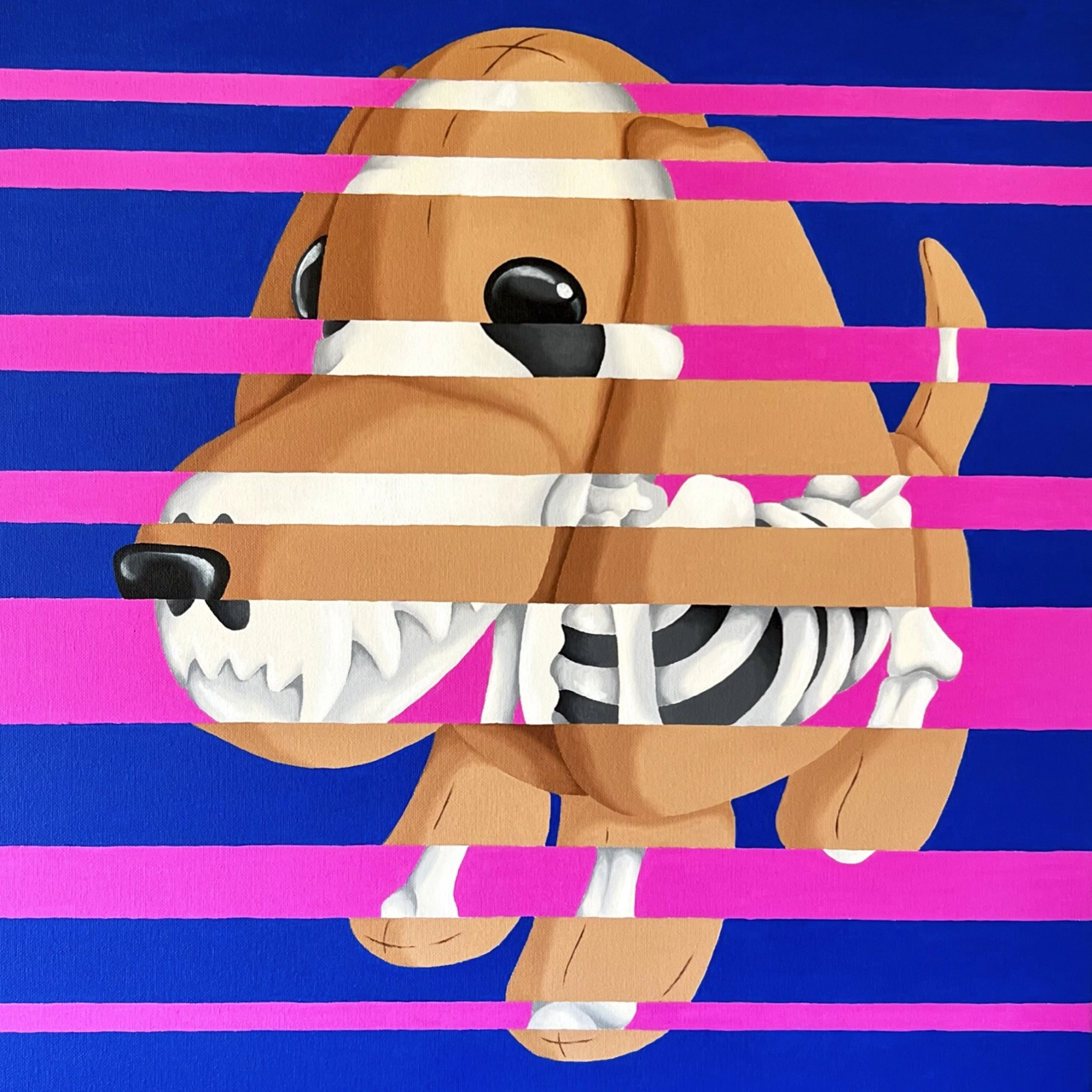
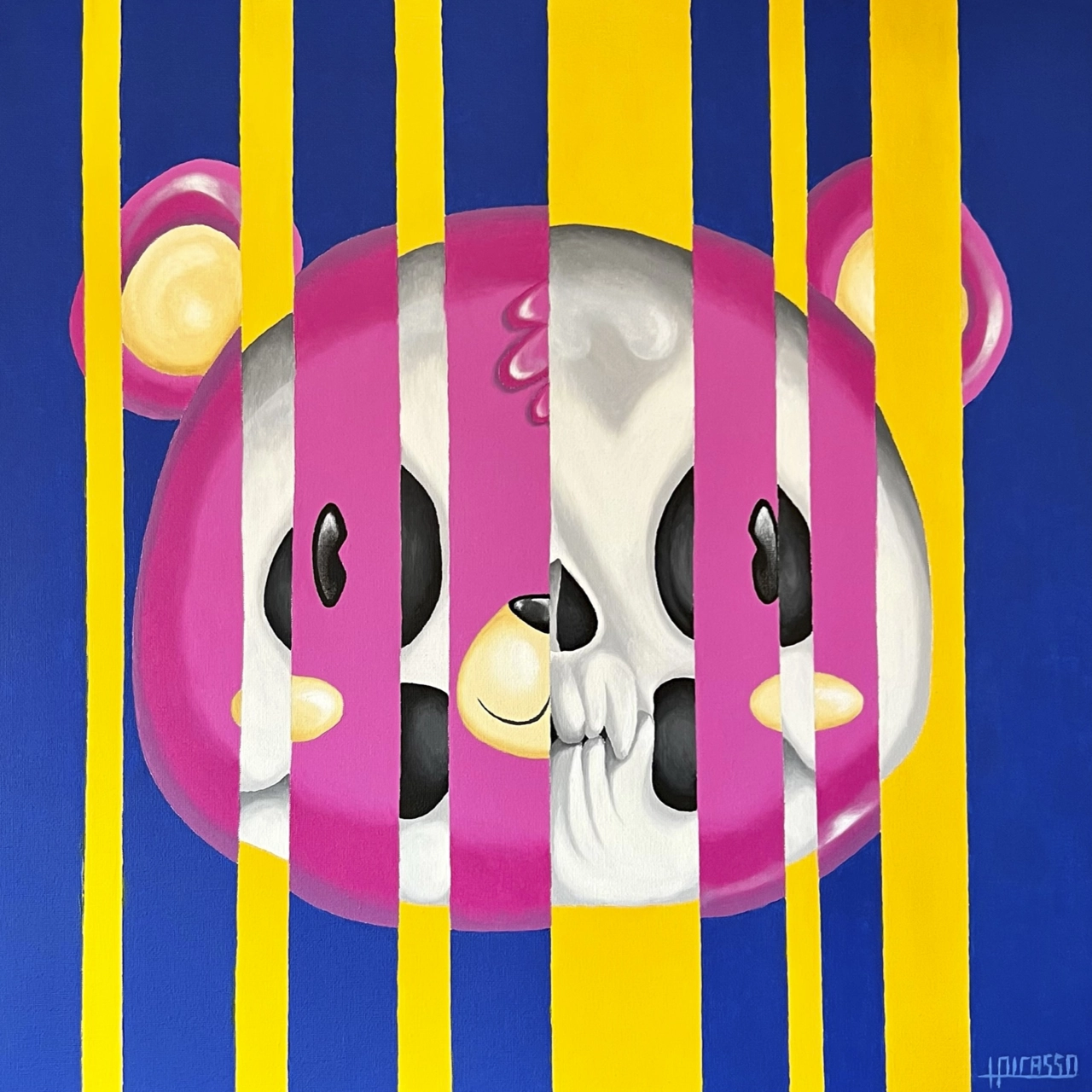
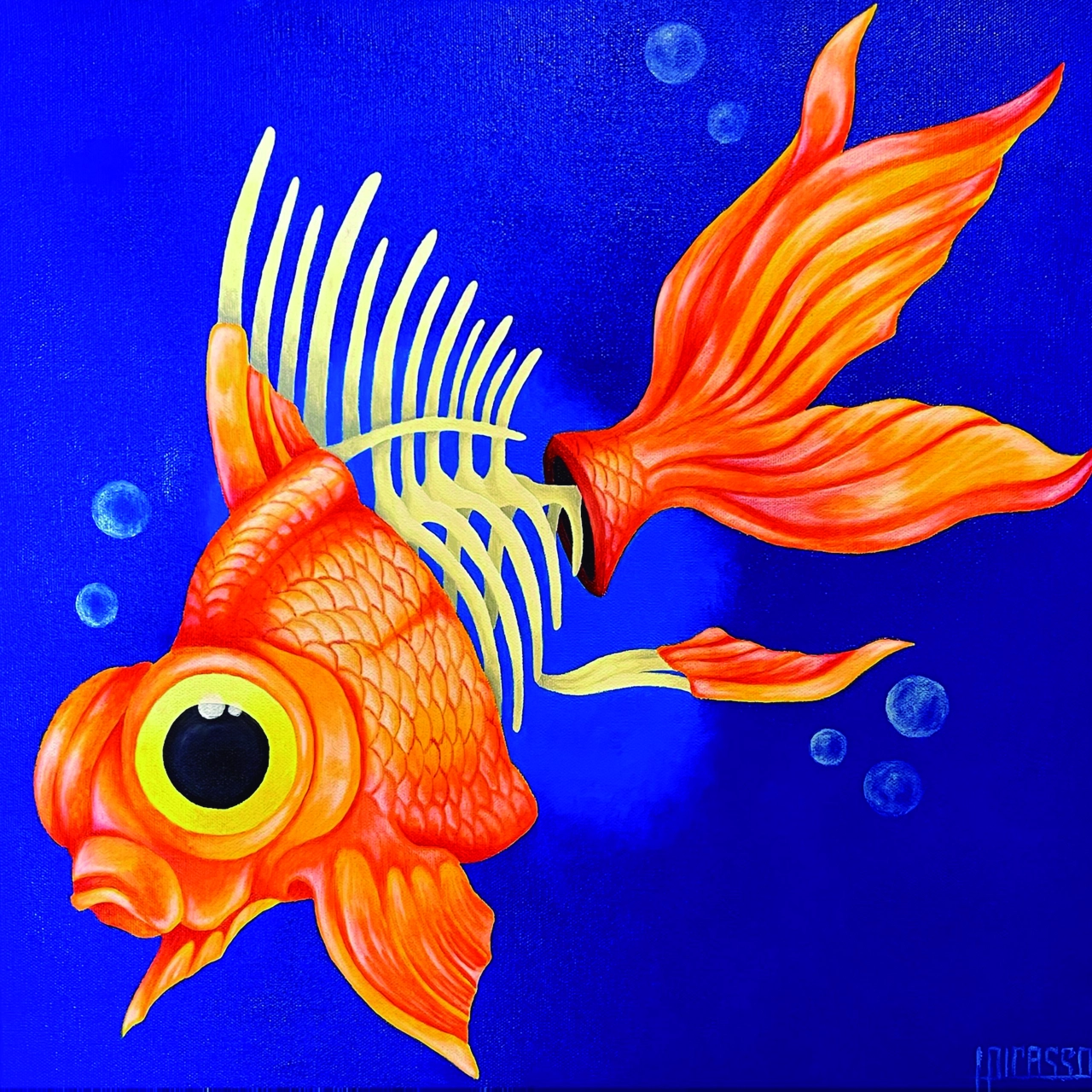
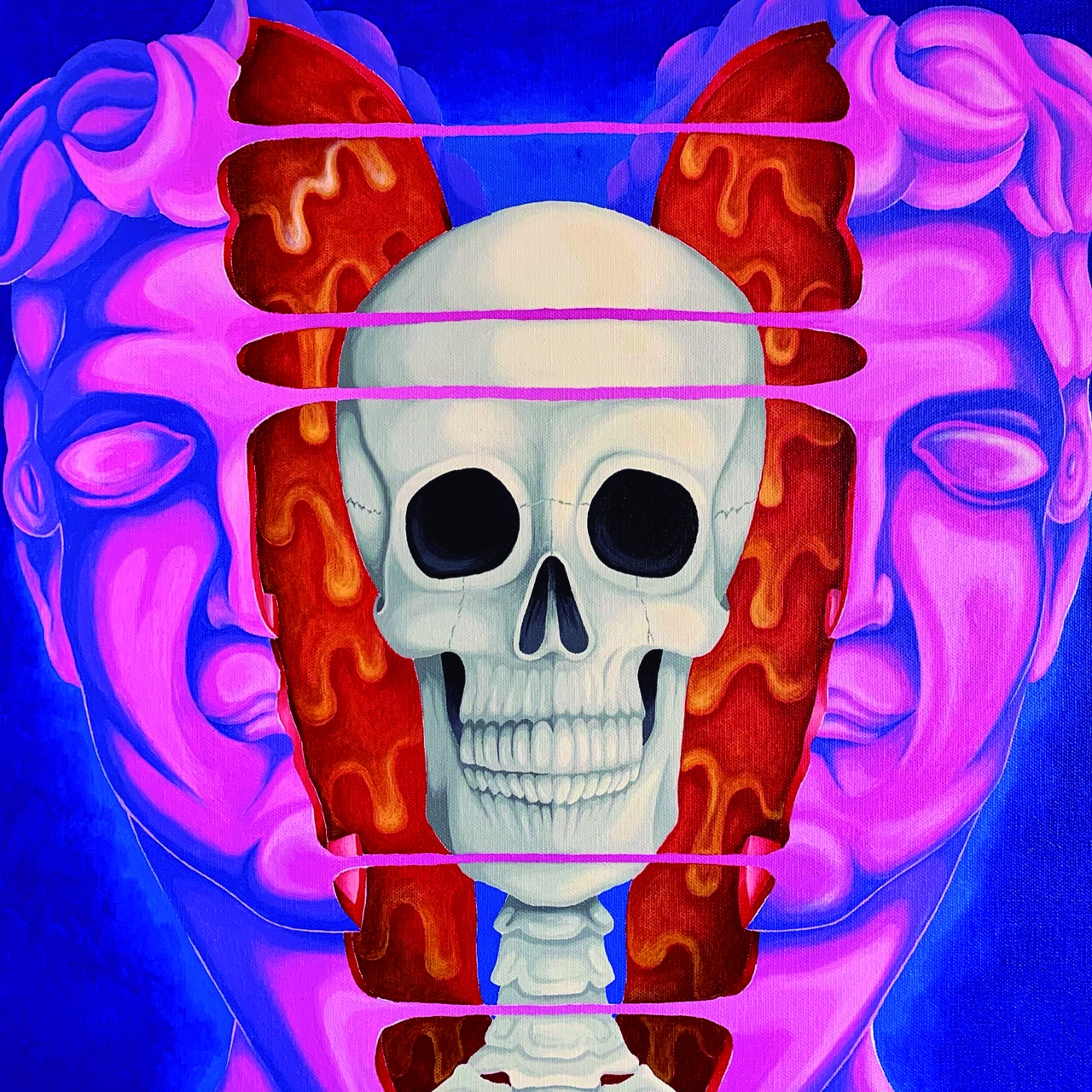
This issue of identity isn't the only challenge Luis has to deal with as a painter. He is also keen not to fall into the trap of repetition, so while his dissection paintings may have a common foundation, he's always looking for ways to keep them fresh.
"I try to make my work as original and personal as possible," he concludes. "I try not to let myself be influenced by the art world, although it is impossible to be completely abstract from it. I would rather the art world not mould me but rather have the opposite happen. I want to create art based on what I was born to do and to give life to my work from the depths of my being."
Editor's Picks


Trending


Latest Jobs
Creative Social Content Producer at Bompas & Parr
Contract·London·£32k–£40k
Midweight Designer at Catalyst Creative
Full-time·London·£32k-£36k
Art Director at SPOKE
Full-time·London·£55k-65k
Senior Copywriter at Human After All
Full-time·London·£48k–£66k
Design Director at Human After All
Full-time·London·£66k–£88k
Design Director, Opinion at The New York Times
Full-time·New York·$160k–$180k