Cold comfort: photo series charts the rise of the Polar Silk Road
Gregor Sailer's fascinating new photo series highlights how climate change and geopolitics are going head-to-head. It's to go on show next month at the Jerwood Gallery, Natural History Museum. We take a closer look.
The Silk Road was an ancient trade route that linked the Western world with the Middle East and Asia. It was a major conduit for trade with the Roman Empire and, later, medieval kingdoms. Since 2013, China has begun to officially restore the historic Silk Route with a $900 billion strategy called 'One Belt, One Road'.
But now, due to climate change, an alternative trade route is emerging. Melting sea ice is opening up the Arctic to navigation. And the so-called Polar Silk Road refers to new shipping routes connecting three major economic centres – North America, East Asia, and Western Europe – through this previously forbidding region.
Of course, in life, nothing is ever straightforward. And so conflicts are already beginning to arise over ownership and access to these routes, which are also primed for oil and gas exploration.
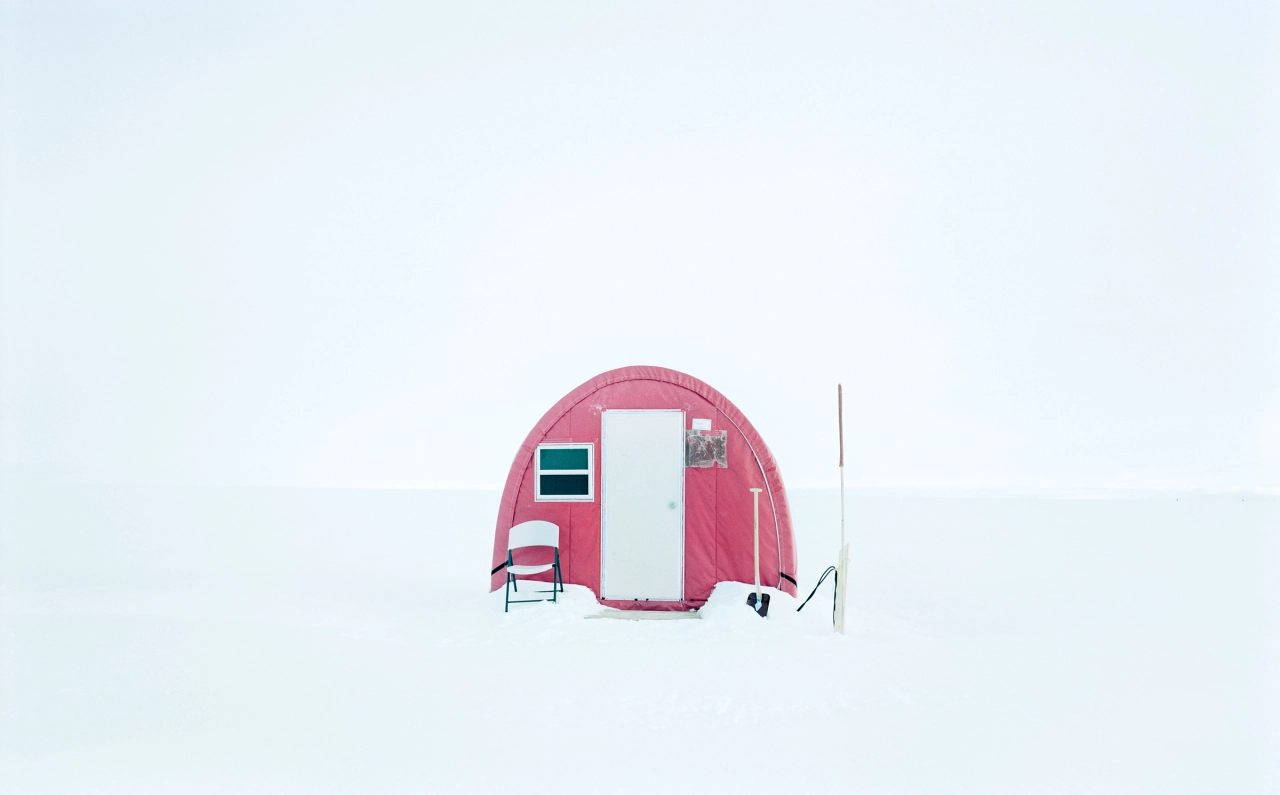
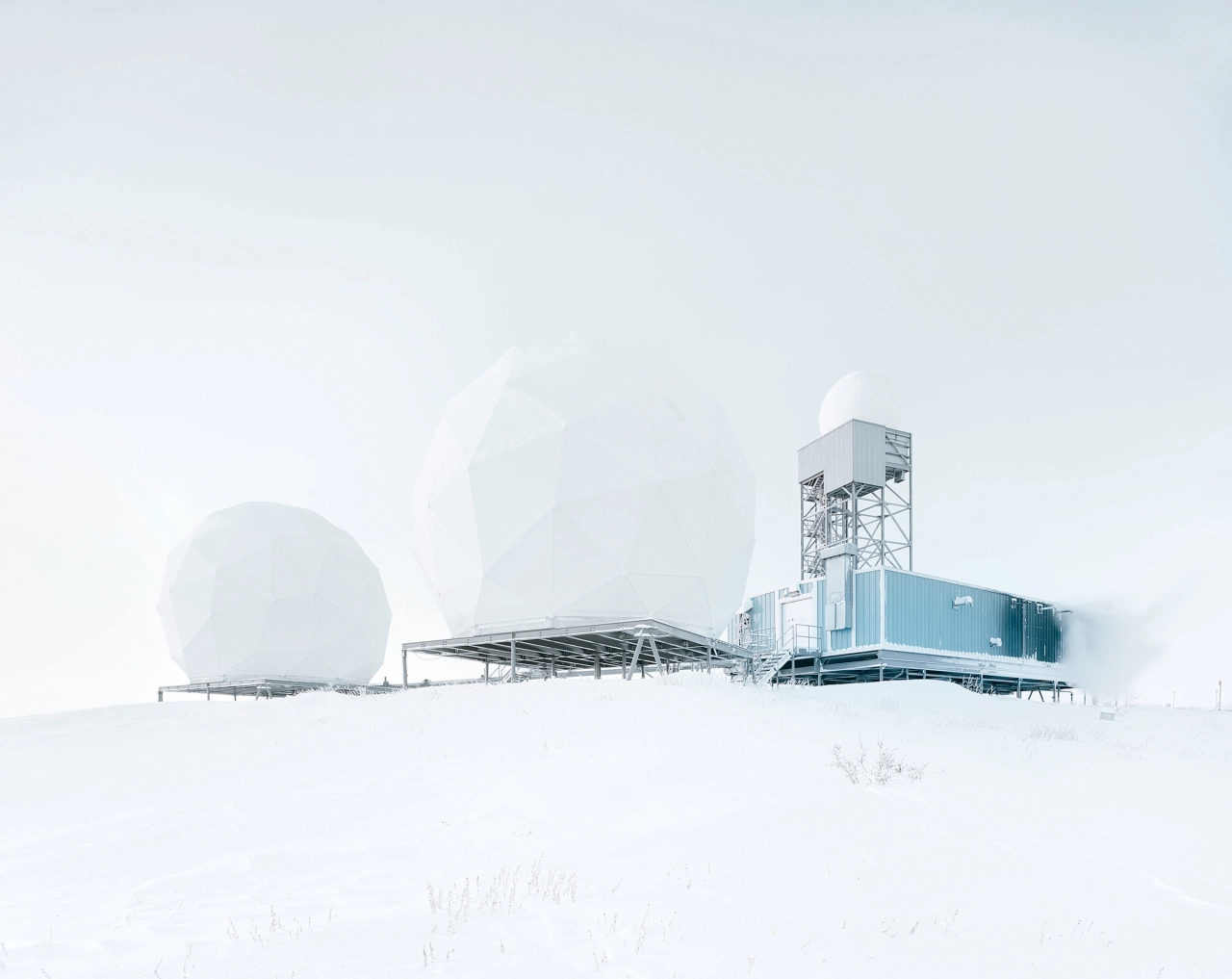
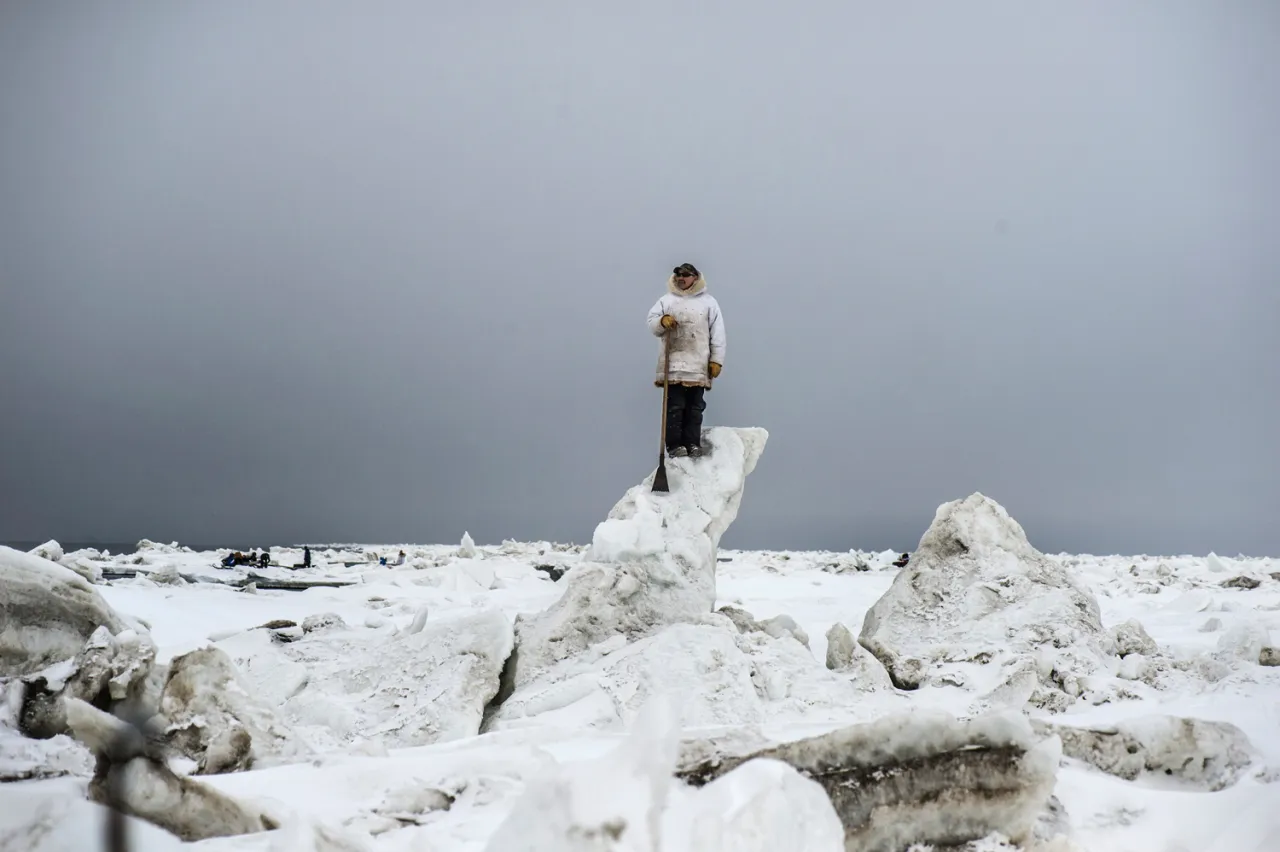
Now Gregor Sailer's new photo series, on exhibition at the Natural History Museum from 26 May, documents our complex relationship with the environment, the wide-reaching impacts of climate change and a rapidly changing world.
Changing times
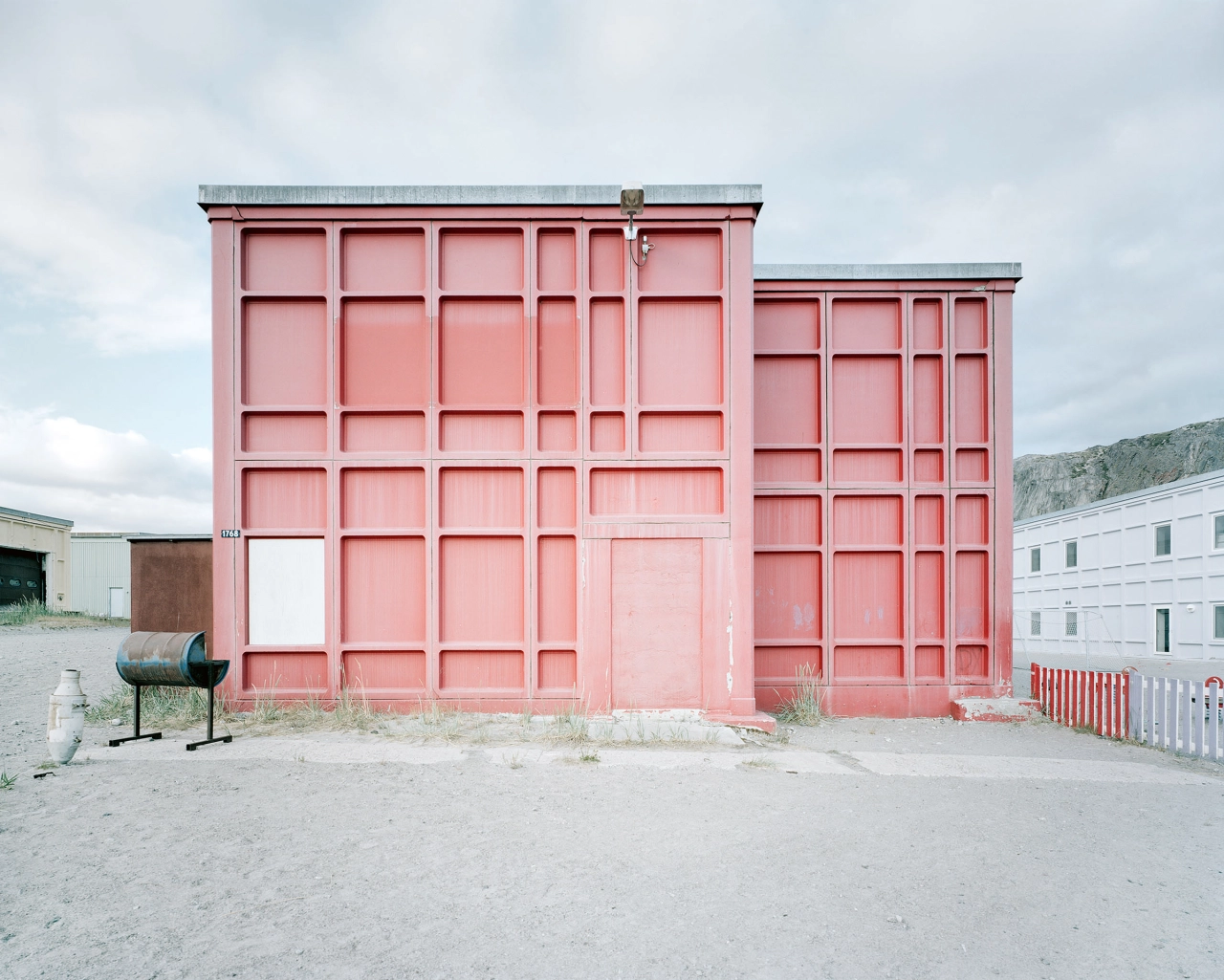
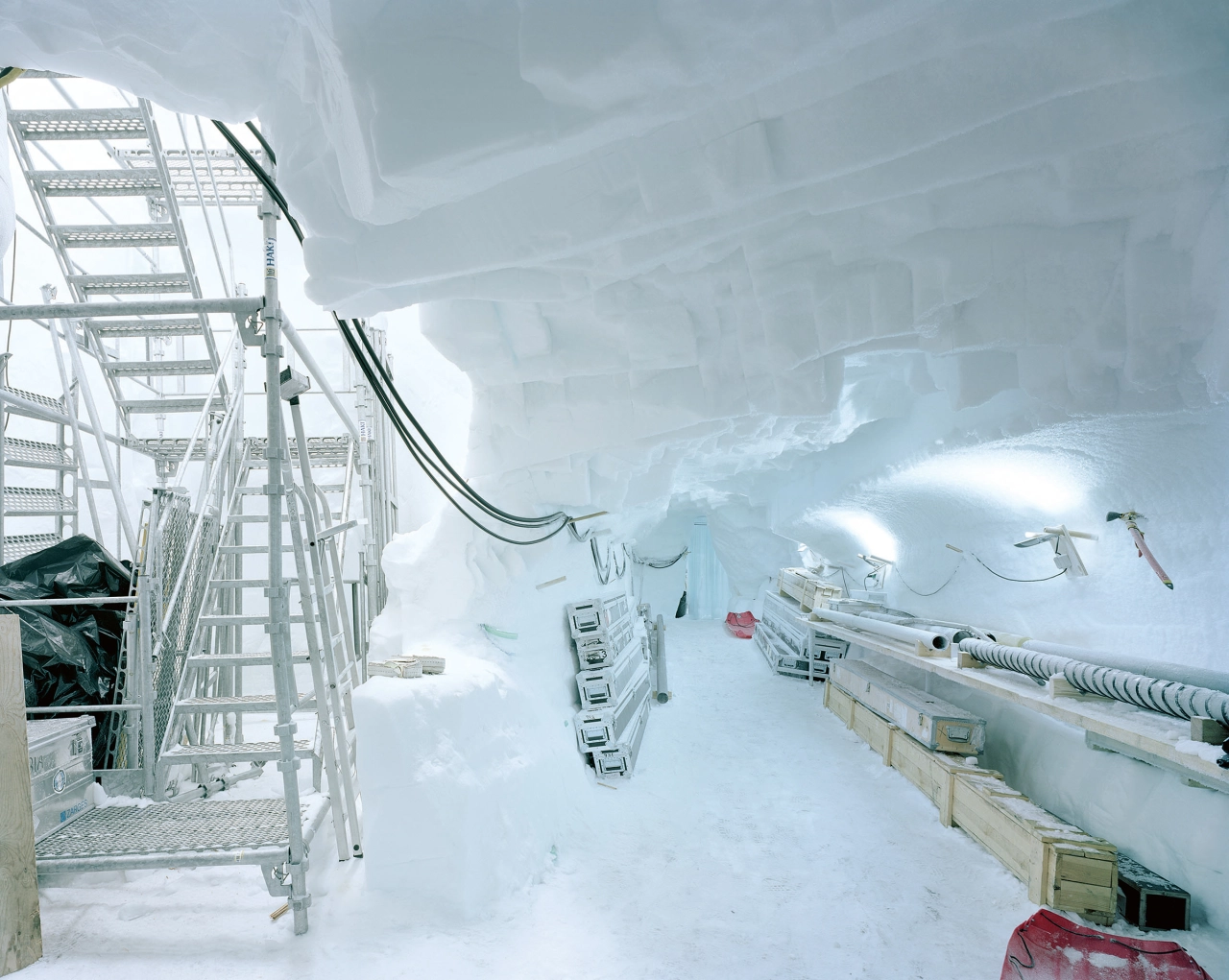
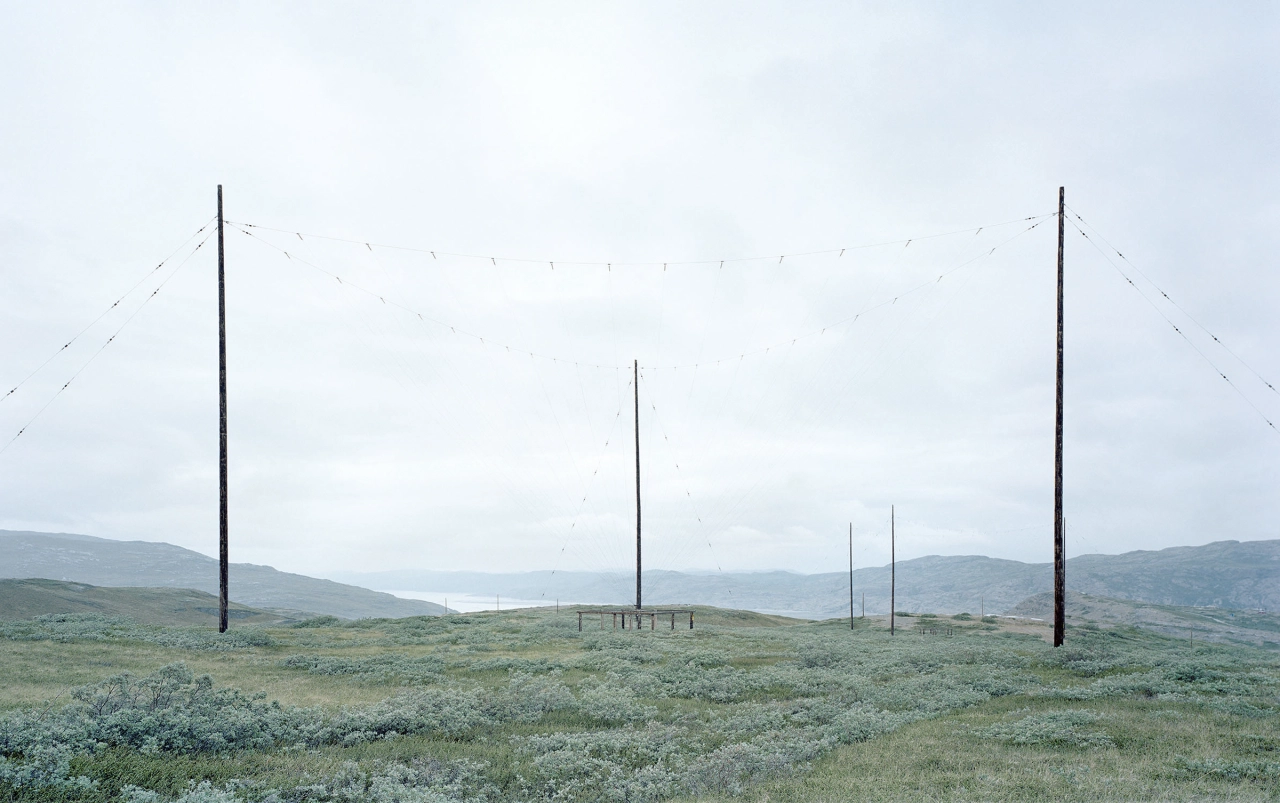
Gregor is an Austrian artist and photographer working in the fields of art and architecture. His work explores how buildings and structures can represent economic, political and social ideas, and he often creates images in remote or hard-to-access locations. This series is no exception.
In the show, entitled The Polar Silk Road, he showcases 67 images of manmade structures, captured across four countries in the Arctic circle. From isolated research centres to Icelandic geothermal power stations, Gregor documents the changes taking place across the Arctic as people increasingly build on, exploit and research it.
"Global warming and its impacts in the Arctic is a topical issue that affects us all, even if it is geographically far away," he explains. "This northernmost region of the world has been profoundly affected by the climate crisis, making scientific research there more urgent.
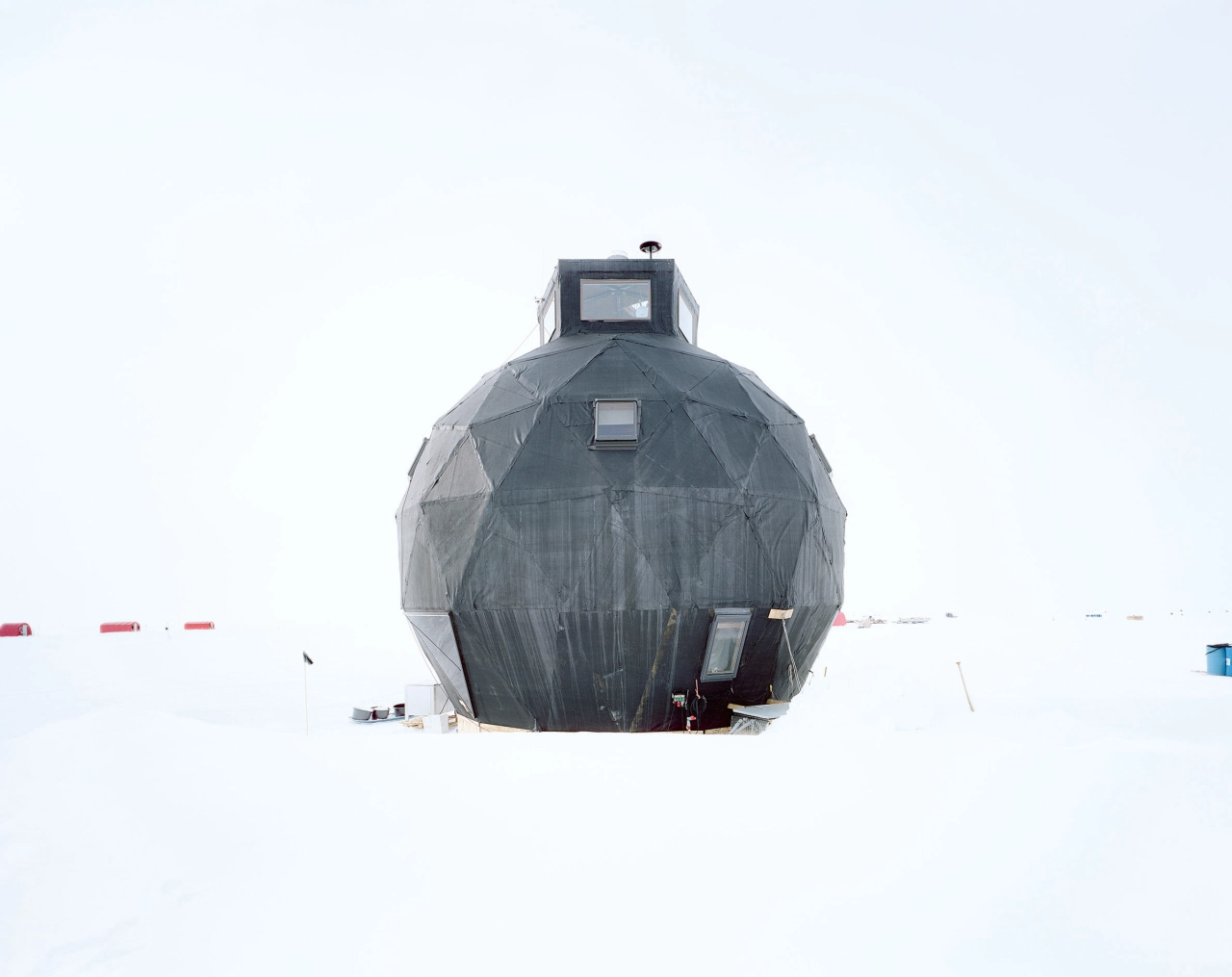
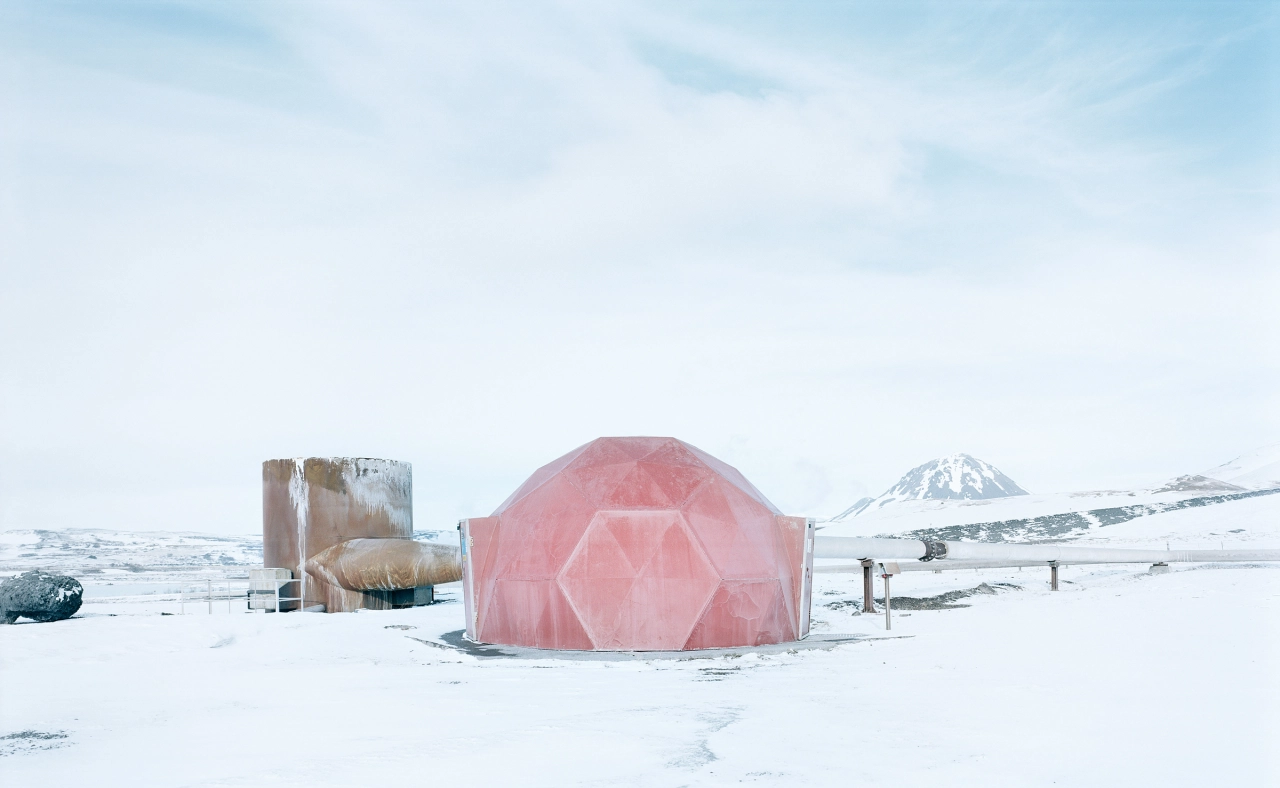
"Through collaboration with the Natural History Museum, I hope my work helps to translate this discussion, which is geopolitically, scientifically and socially very complex, not only in terms of content but also visually."
Under threat
Five countries border the Arctic Ocean, and three maritime routes allow a crossing of the Arctic Ocean, depending on the season and the extent of the ice cover. The melting of the sea ice is set to create a shorter trade route in the future, providing access to new raw material deposits, including natural gas and oil.
As temperatures rise in the Arctic, animals, plants, and indigenous communities become increasingly under threat, with wider impacts on a global level. Natural History Museum scientists are conducting important research into humanity's impact in this region.
"'We're thrilled to announce this breathtaking new exhibition," says Alex Burch, director of public programmes at the Natural History Museum. "This display prompts us to think not only about how climate change is affecting the Arctic but also about the worldwide impacts that can be observed across the globe.
"The Museum is working to help build our understanding of what this might mean for biodiversity, and we hope that by bringing together art and science, this exhibition can transport and inspire people to become advocates for our planet."
The exhibition is supported by the Austrian Cultural Forum London and the Austrian Federal Ministry for Arts, Culture, the Civil Service and Sport. It's the second in a series of art installations in the Natural History Museum's Jerwood Gallery, following The Lost Rhino, an installation curated by artist Alexandra Daisy Ginsberg.
The Polar Silk Road is at the Jerwood Gallery of the Natural History Museum, Cromwell Rd, South Kensington, London SW7 5BD from 26 May. Entry is free, but tickets must be pre-booked. Opening times are 10am-5.50pm daily.
Editor's Picks



Trending



Latest Jobs
Creative Social Content Producer at Bompas & Parr
Contract·London·£32k–£40k
Brand Designer, Product Launches at Figma
Full-time·New York·$127k–$269k
Talent Agent & Producer at The Jacky Winter Group
Full-time·Los Angeles·$70k-$85k
Senior Designer at Jubba
Full-time·London·£50k-£60k
Client Success & Growth Director at Revolution Growth
Full-time·Manchester·£60k-£70k
Agent & Producer at The Jacky Winter Group
Full-time·London·£35k–£40k