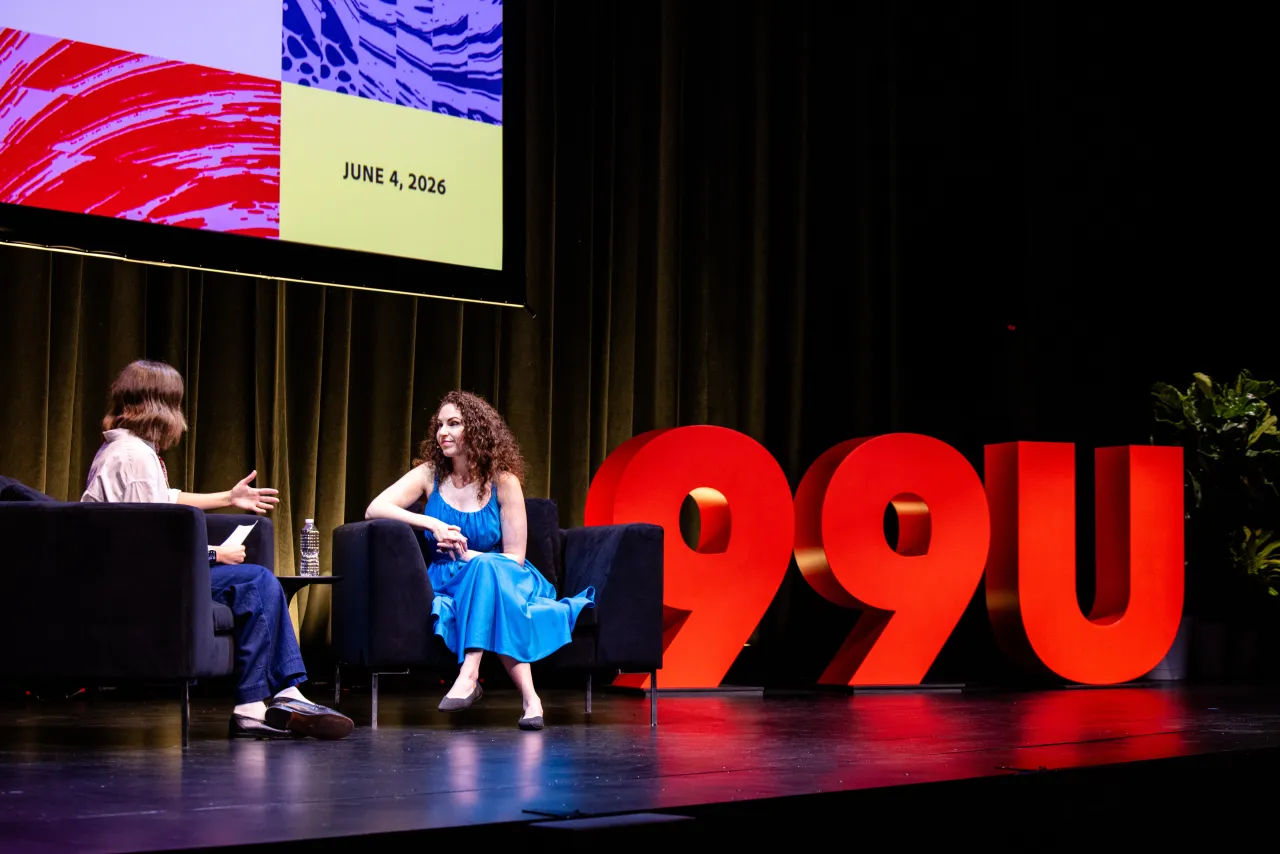
If you're a designer, illustrator or art director, there's a decent chance photography lives somewhere in your working life. Or maybe just your life in general. Either way, you love taking pictures, but probably don't think of yourself as a professional photographer, which is why, every now and again, it's worth listening to one.
Lindsay Adler is a New York-based fashion and beauty photographer, director and educator, and a founding member of the Adobe Creative Collective, a new group of creative leaders who are exploring where the industry is heading.
As workflows continue to evolve across creative disciplines with the introduction of AI, she believes the instincts that photography teaches you – seeing, framing, noticing – will become more valuable, not less. "As technology becomes more accessible and AI makes technical execution easier, your perspective becomes your greatest asset," she says.
It's a simple statement, but it's also a refreshing take on the panic around AI in creative work. If the mechanics of image-making are becoming commoditised, then curation, taste and a point of view – which is, let's face it, the more satisfying stuff – will become more in demand.
Find your voice, and exercise it
Lindsay is worth paying attention to here, because she's more than put in her 10,000 hours of practice. Photography's been the backbone of her life since she was a pre-teen, when wielding a camera gave her a fresh burst of confidence. "Photography became my excuse to step into new situations and meet new people," she recalls. "It opened doors I never would have expected or had the courage to open on my own." Her mother, aunt and grandmother were all hobbyist photographers, too, which must have helped.
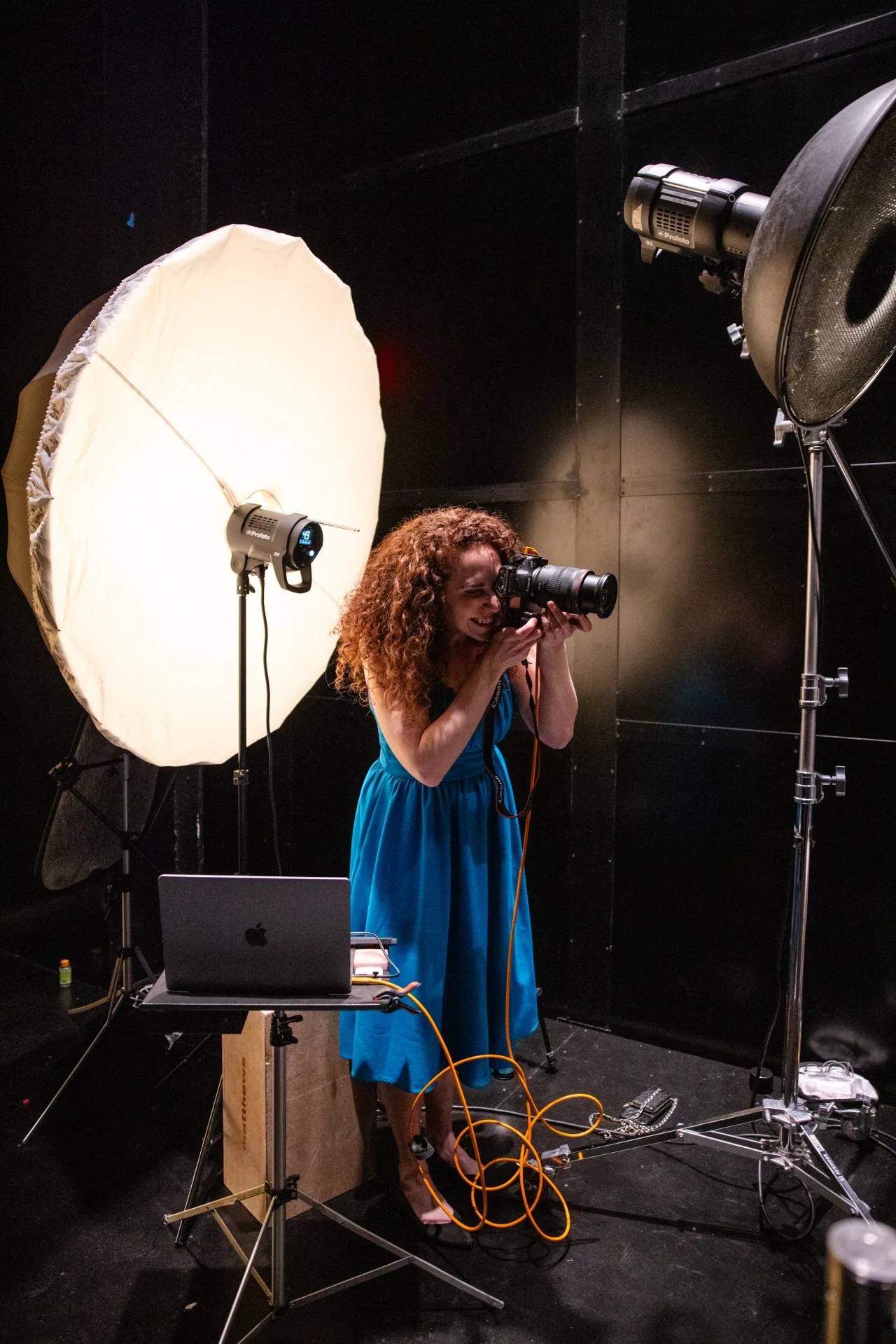
That early grounding shapes the advice she imparts today, to photographers trying to work out what makes them distinctive. "One idea I often share is the Japanese concept of ikigai, your reason for being," she says. "Ask yourself: what are you naturally good at? What are you passionate about? What does the world need? Where do those things intersect?"
To Lindsay, then, finding your creative voice is less of a technical exercise and more of a personal one. "Creativity is a muscle," she stresses. "So work it out. Try different subjects, lighting, concepts and techniques." She also encourages you to notice themes you keep drifting back to – whether that's a colour, an emotion or a type of story – and treat those patterns as clues to what you're really interested in, and really good at.
As technology becomes more accessible and AI makes technical execution easier, your perspective becomes your greatest asset.
Finally, she urges creatives to stop looking exclusively at other photographers for inspiration. "When we all look to the same people, our inspiration becomes stale," she warns. The alternative? "Read books, visit museums, travel, watch films and music videos, and so much more. Your unique voice is shaped not only by the photographs you see, but by the experiences and perspective that only you bring to the camera."
Use AI as an assistant, not a director
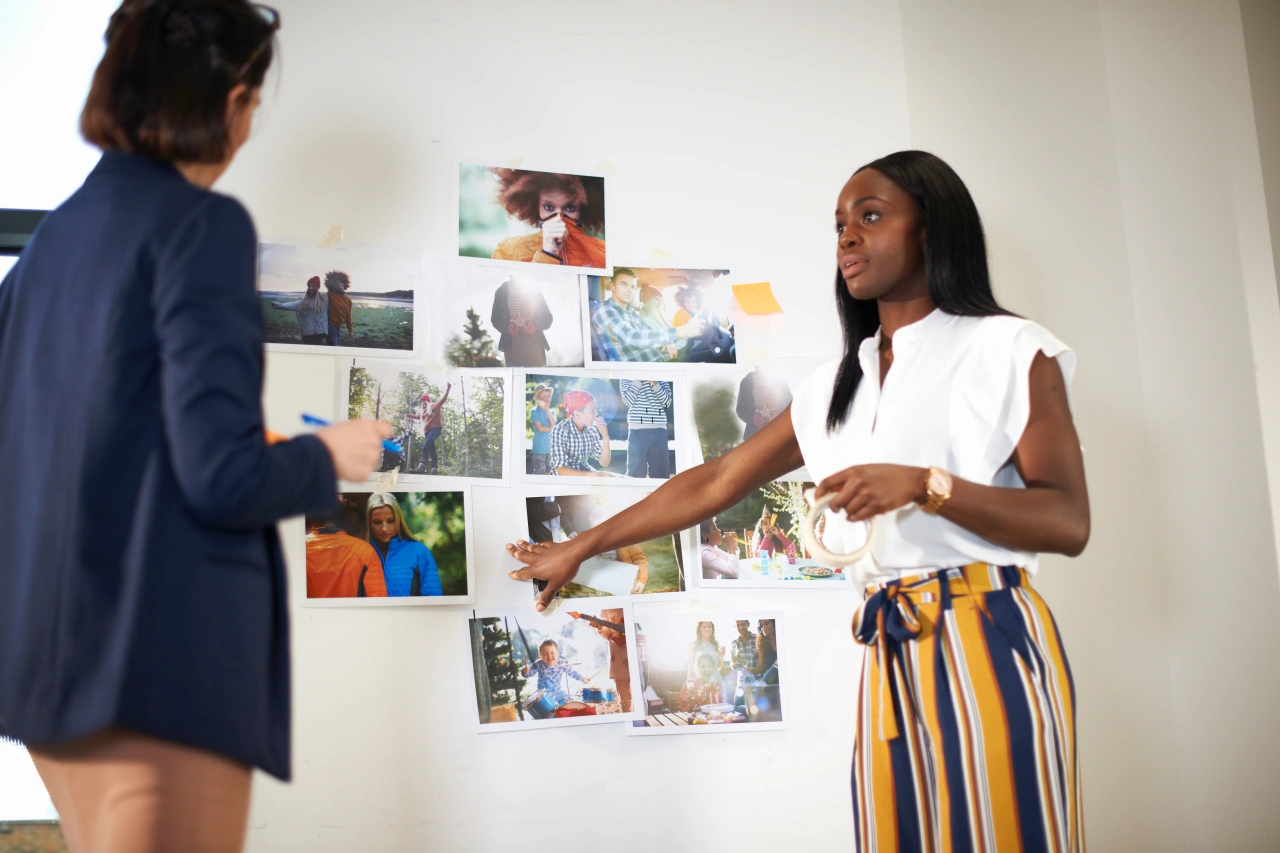
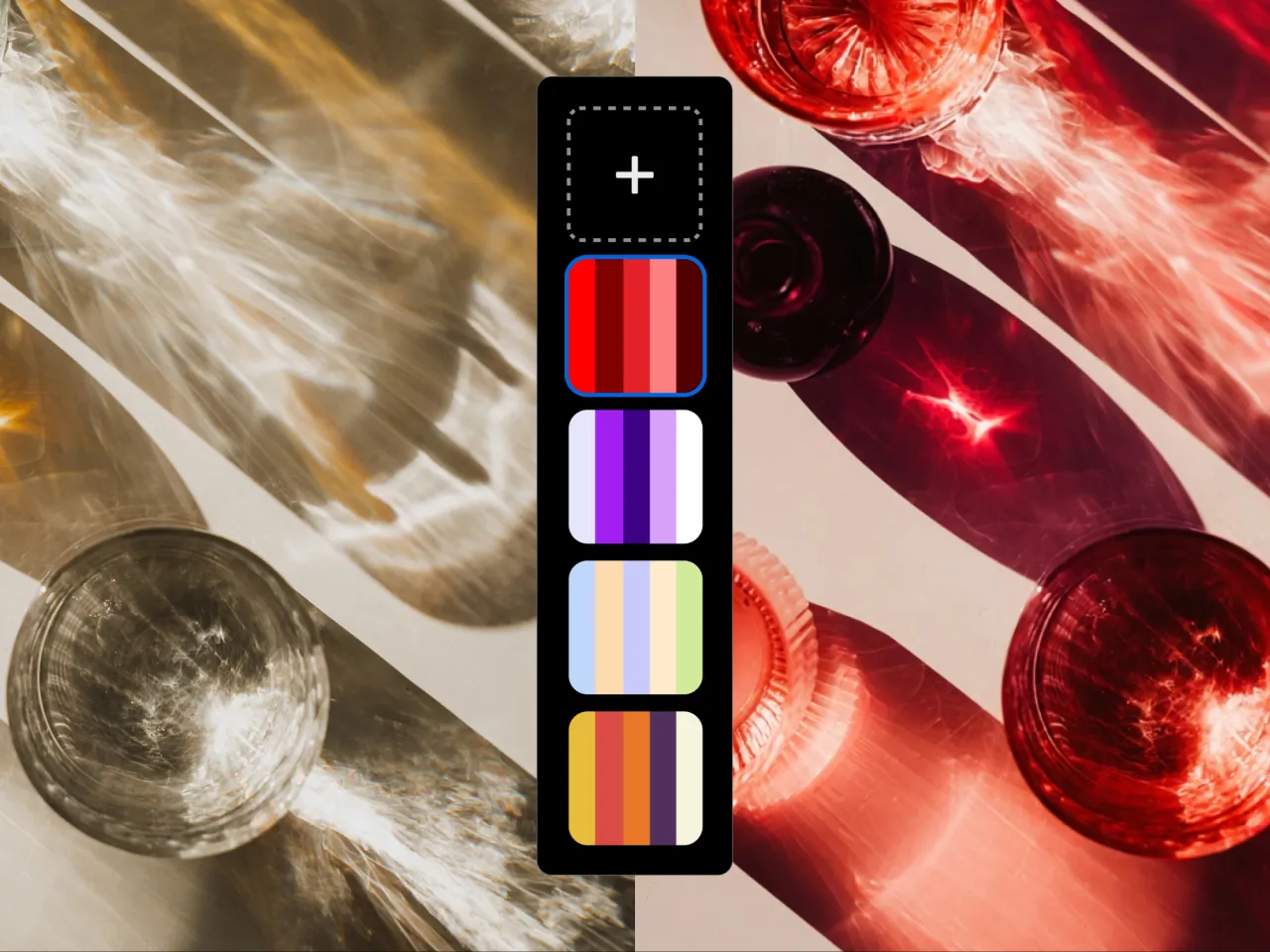
Within Lindsay's own workflow, AI is mostly a planning and communication tool; something that helps her get an idea out of her head, and onto a page. "Whether I'm creating visual references, building mood boards, refining concepts or organising the logistics of a shoot, AI helps me communicate ideas more clearly to both my team and clients," she explains.
Even when she does turn to AI for ideas, they don't usually make the final cut. "Instead, they spark an unexpected thought or send me in a creative direction I might not have considered," she says. AI, for her, is less a collaborator with its own opinions, and more a very fast, very patient brainstorming partner.
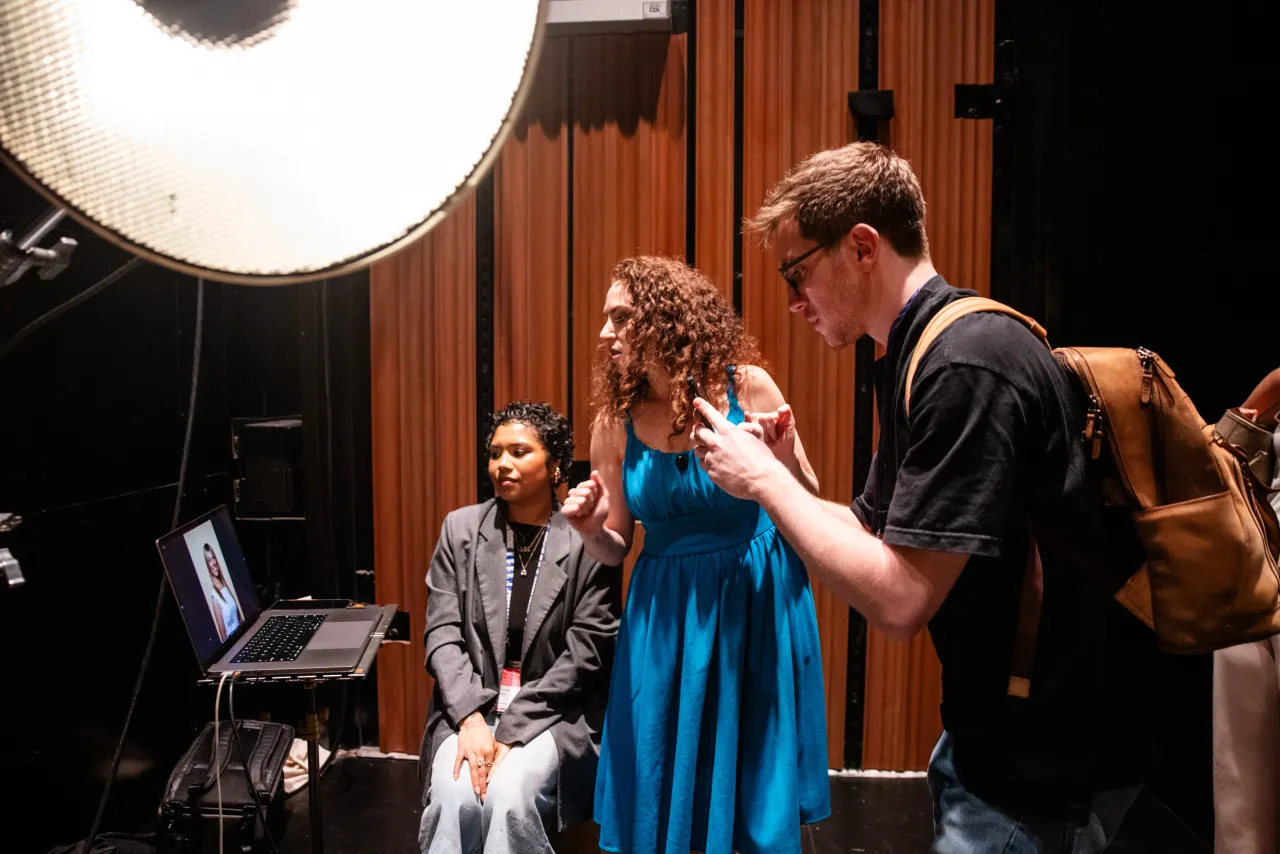
That said, she's not precious about keeping AI out of the final image either. For a recent album cover, an artist wanted to appear as though they were hovering off the edge of a building. Lindsay photographed them safely in the studio, then used Generative Fill in Photoshop to build matching environment before compositing the two together. The camera captured the human moment; the software built the world around it.
Learn to get on with people
Another skill Lindsay thinks the next generation needs is one photographers rarely list on their website: being personable. "Photography's always been about people," she points out. "Whether you're directing a subject, collaborating with a creative team or presenting ideas to a client, your ability to communicate is often just as important as your technical ability." That will make total sense for those of us who've been around a while.
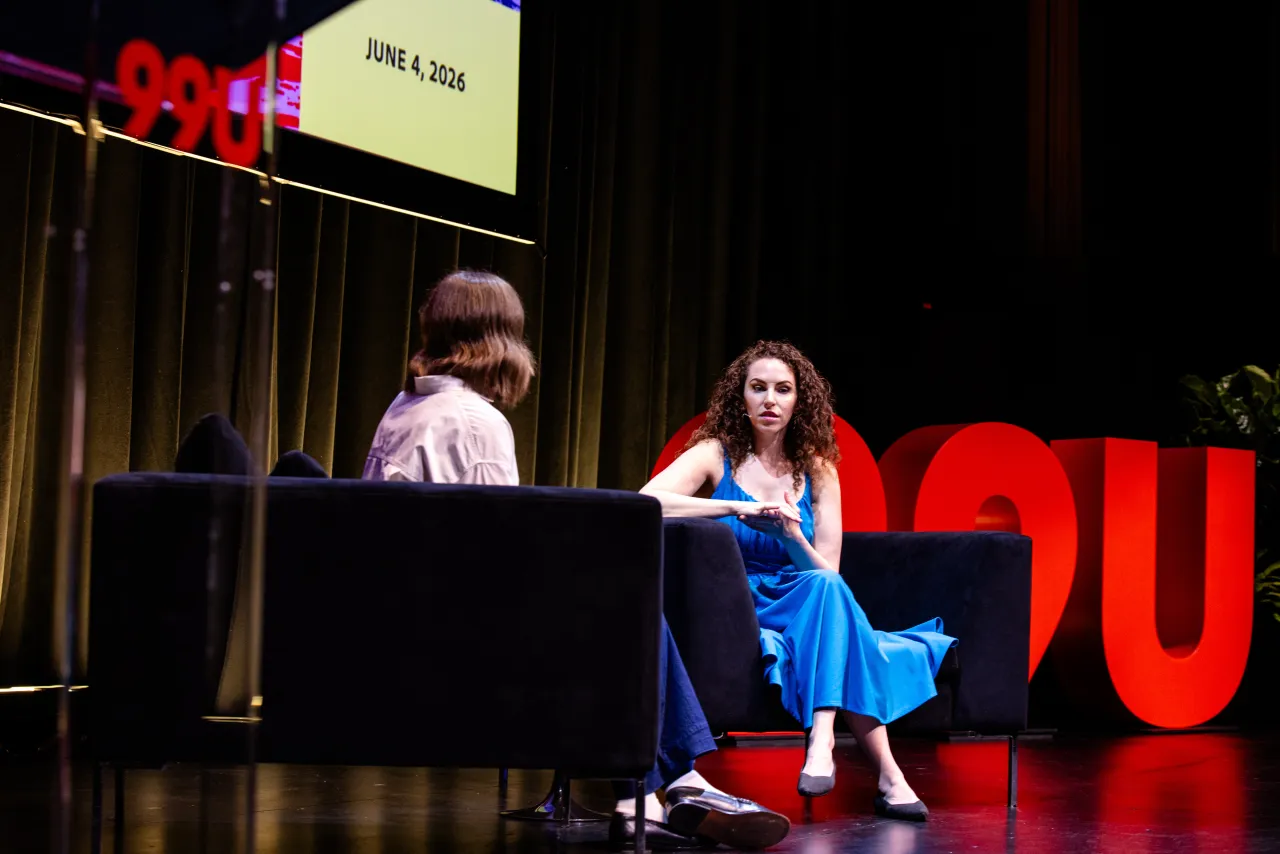
Belief in collaboration runs throughout Lindsay's career, from her educational platform Learn+, where she regularly invites photographers she admires to teach alongside her, to the fashion and beauty shoots she directs as a working photographer. And today, what started as a solo pursuit for a shy pre-teen has become something closer to a team sport.
"What brings me the most joy is the magical creative synergy that happens when talented people come together to create," she enthuses. On World Photography Day, then, think of this: pick up the camera, but don't forget to bring people with you.

Editor's Picks

Trending


Latest Jobs
Graphic Designer at The National Gallery
Full-time·London·£39,353
Lead Digital Designer at Together
Full-time·£55k–£75k
Designers / Copywriters / Art Directors / Creatives at Hatched
Full-time·London·£25,000 – £55,000
Junior Creative Designer & Visual Researcher at Hollywood Secret Service
Full-time·Brighton·£26,000–£28,000
Digital Marketing Manager at HDK
Full-time·London·£34,000 – £38,000
eCommerce Web Designer at on/Sight
Full-time·$75k–$95k