Why are football clubs launching Christmas campaigns (and do John Lewis and M&S have anything to worry about?)
Chelsea, Liverpool, Arsenal and Manchester City have all gone big for Christmas this year. So what have they created, and why?
When I was an eight-year-old boy, clutching my 50p ticket every Saturday to Bristol City FC's juvenile enclosure, the world was very different. Back then, a club's idea of a Christmas campaign was a team photo in Santa hats in the match programme. Well, those days seem to be long gone.
In the 2020s, big teams launch their festive campaigns in early November, around the same time as supermarkets and department stores. And just like with John Lewis and M&S, you can expect celebrity cameos, out-of-home campaigns and big-name agency credits to match.
This year, four of the Premier League's heavyweights have gone out to make a big old Christmas splash. Chelsea has built a fake TV network. Liverpool has turned its Christmas message into a thank-you note. Arsenal has hired Colin Firth. And Manchester City has handed the pens to local schoolchildren.
Let's look at each in turn, and then have a think about what this means for the culture in general.
1. Chelsea: That's Proper Chels
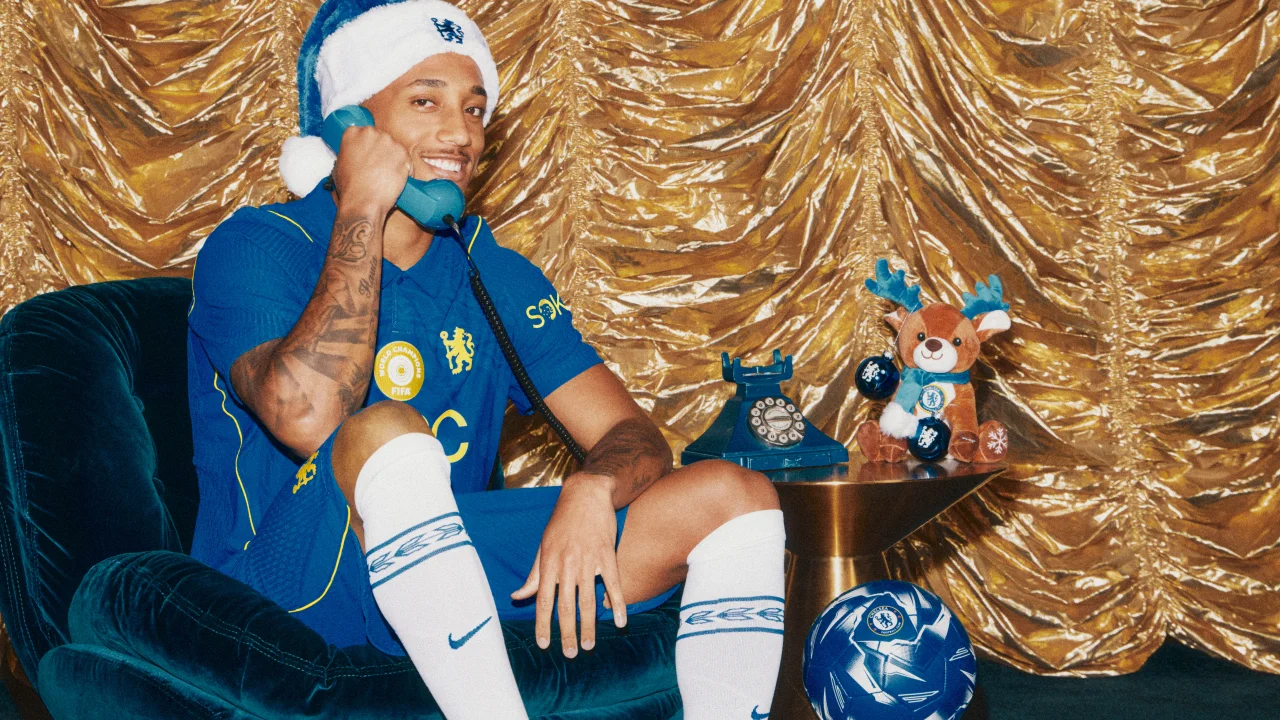
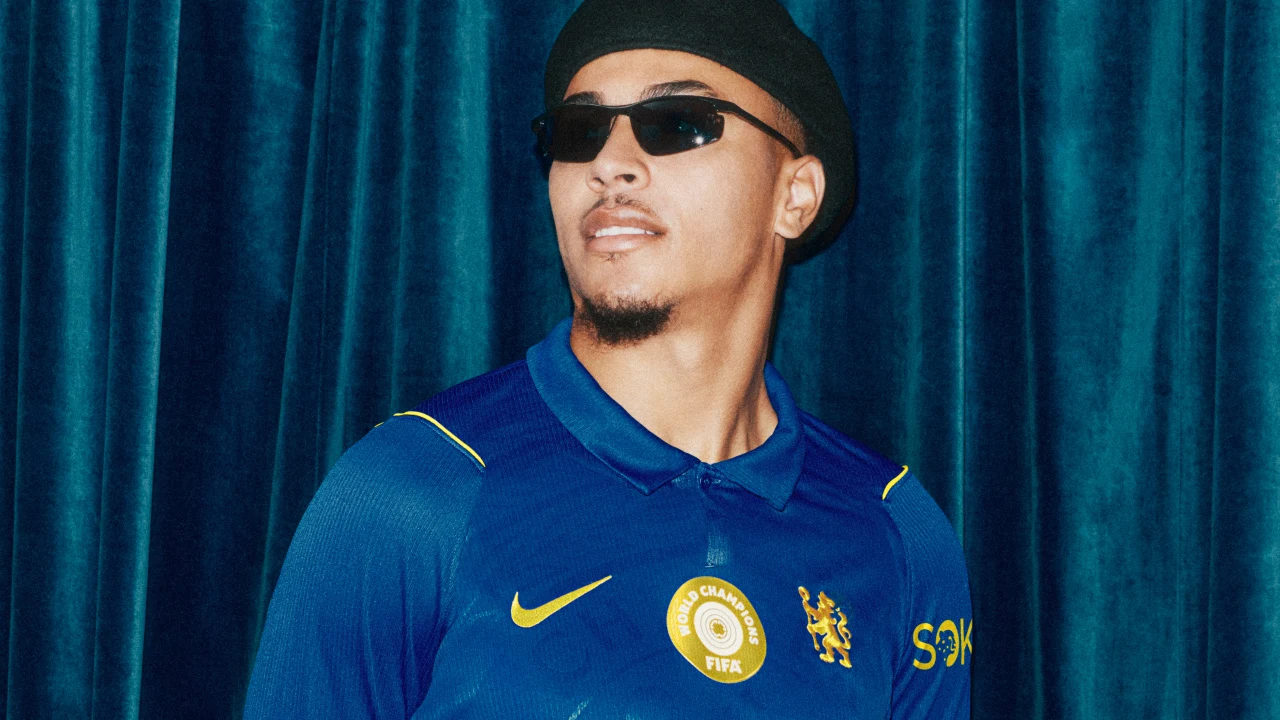
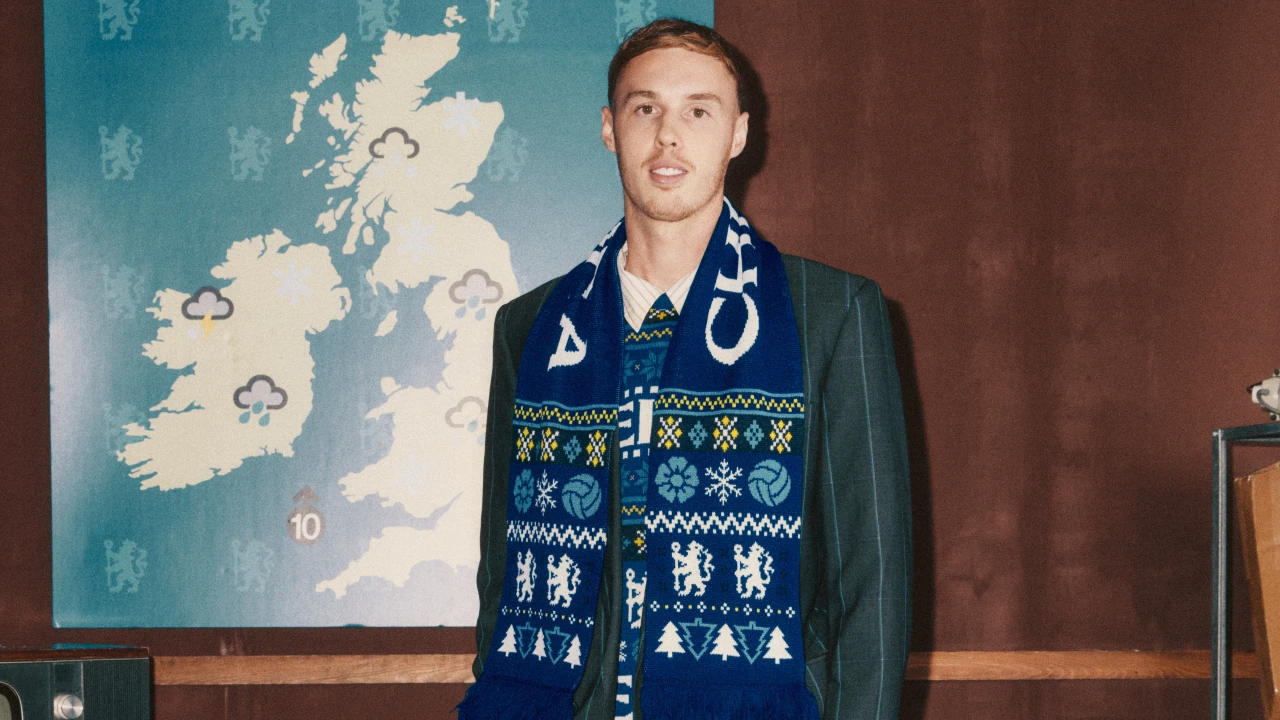
This year, Chelsea looked at the idea of a single Christmas ad up and down, made a face, and thought: "Nah, we can do better than that". Instead, the club has turned itself into an entire festive TV network, complete with its own weather forecast, phone-in, shopping channel and ad breaks, all selling the club's Christmas range.
Sports broadcaster Jolie Sharpe sells the range, QVC-style. TalkSport presenter Jason Cundy brings radio phone-in mayhem. Striker João Pedro answers fans in Ask João, and fellow team member Cole Palmer delivers the weather "as cold as ever". Other players from across the men's and women's squads, including Levi Colwill, Katie McCabe, Ellie Carpenter and Alyssa Thompson, also get involved.
The rollout of the campaign, created by agency Till Dawn with strategy from consultancy Iconic, has been epic. Fans got the outtakes first: fourth-wall breaks, asides to camera and players corpsing. Then came the channels, scattered across different platforms, and only at the end does the full programme arrive.



"Fans watch football flicking between clips, streams, reactions and live shopping within the same phone, so this Christmas Chelsea broadcasts everywhere all at once," explains James Kirkham, founder of Iconic. "You find it in pieces, channel-hop your way through a different clip or show on every platform, and it brings back that can't-wait wanting of circling the Christmas catalogue, before it all turned into cardboard boxes on the doorstep."
"We shot it like a live network with every camera rolling, so the corpsing, the asides and the looks off to the AD are as much the show as the show," adds Till Dawn founder Craig Stronach.
A percentage of sales from the festive range goes to Chelsea Foundation and its charity partners to tackle loneliness and social isolation across London.
2. Liverpool: Nice One
While Chelsea has gone all-out this Christmas, Liverpool has kept things simpler, with a single message. Rather than sell anything up front, it uses its traditional Christmas spot to thank fans, in the most Scouse way possible: "Nice one."
In the hero film, Dear Reds, players from the men's and women's teams, including Virgil van Dijk, Alexis Mac Allister, Alisson Becker, Florian Wirtz and Grace Fisk, thank supporters directly.
Their words play over photos and footage of fans from Merseyside and around the world, much of it user-generated. It ends with the line: "This club doesn't belong to us. But we're honoured to represent it. And it's an honour to play for you. To the world's greatest fans, nice one."
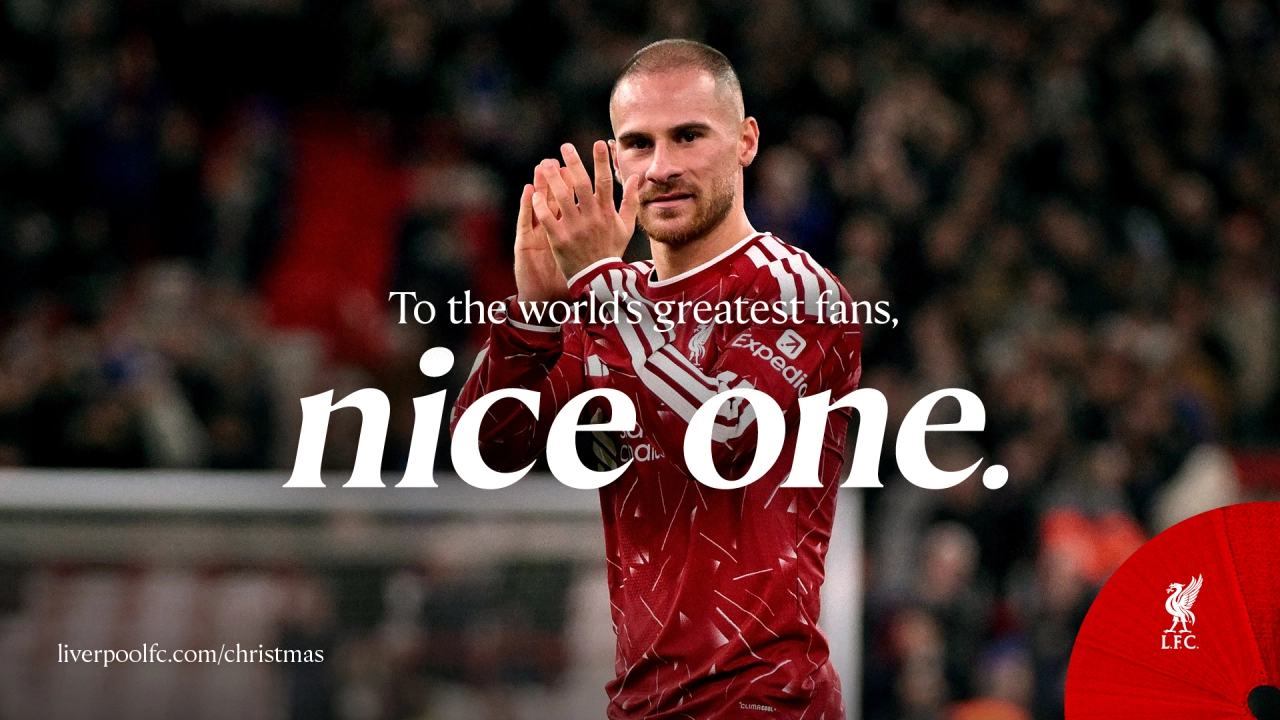
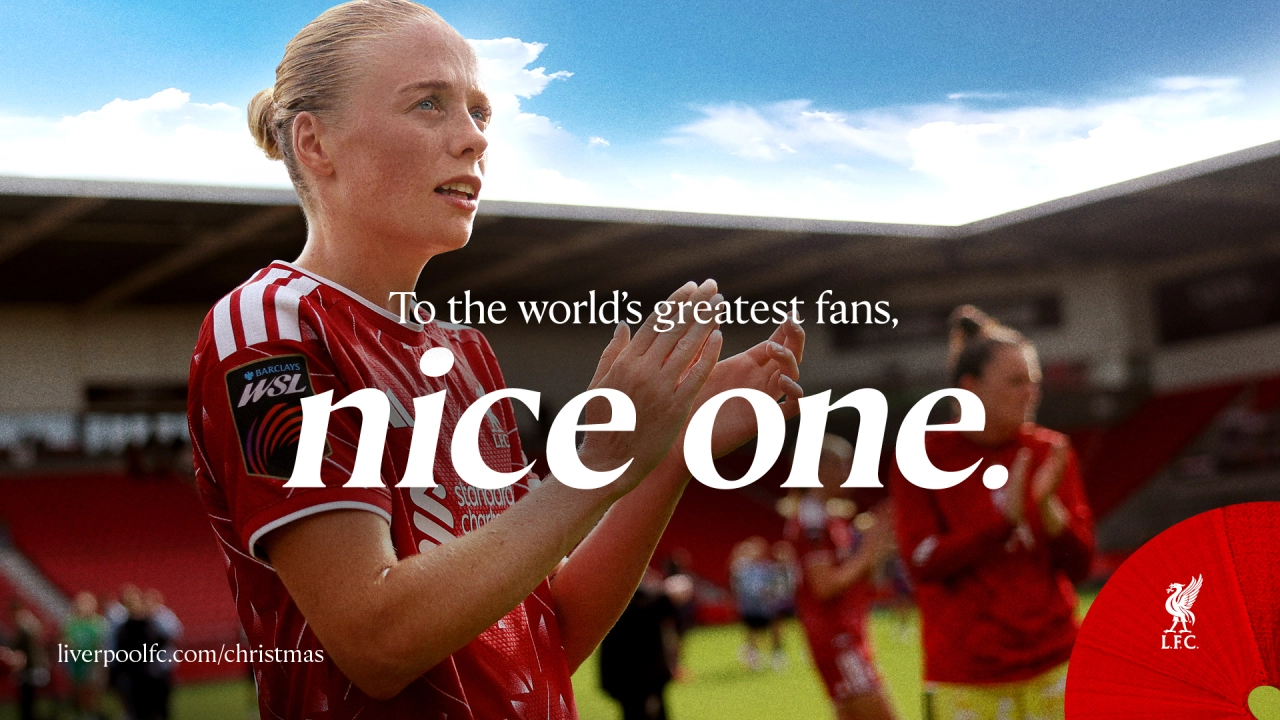
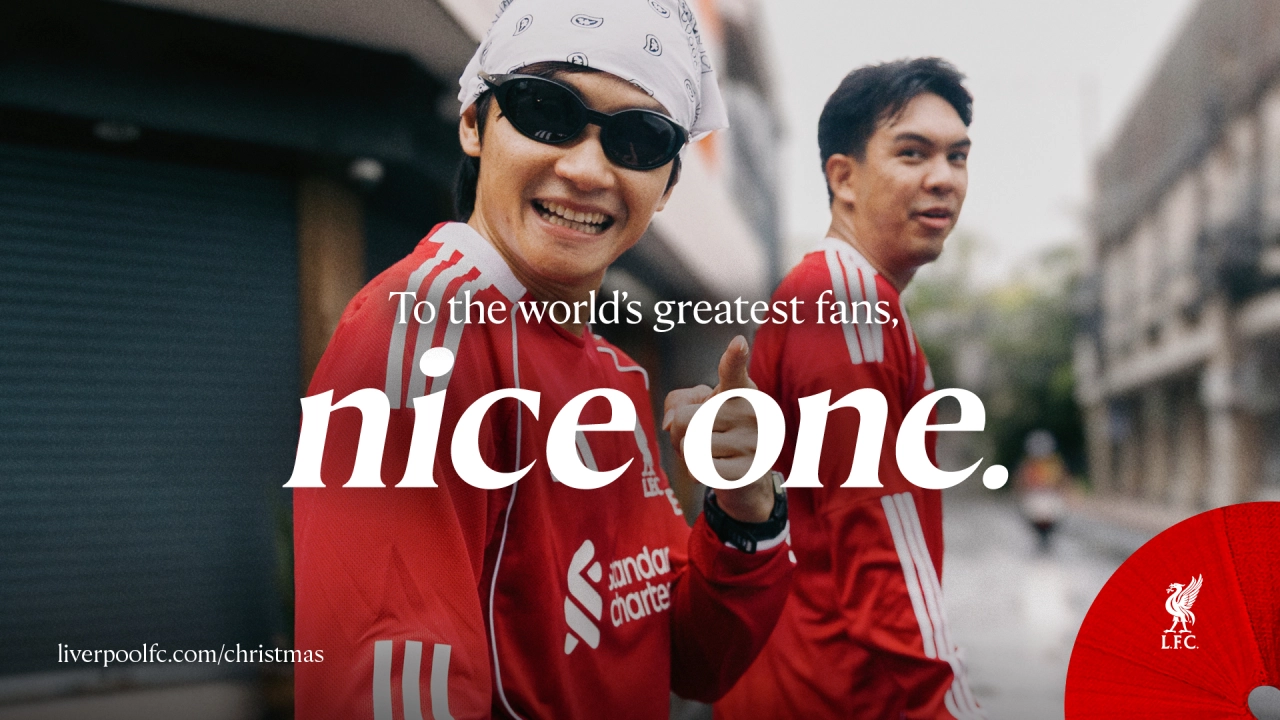
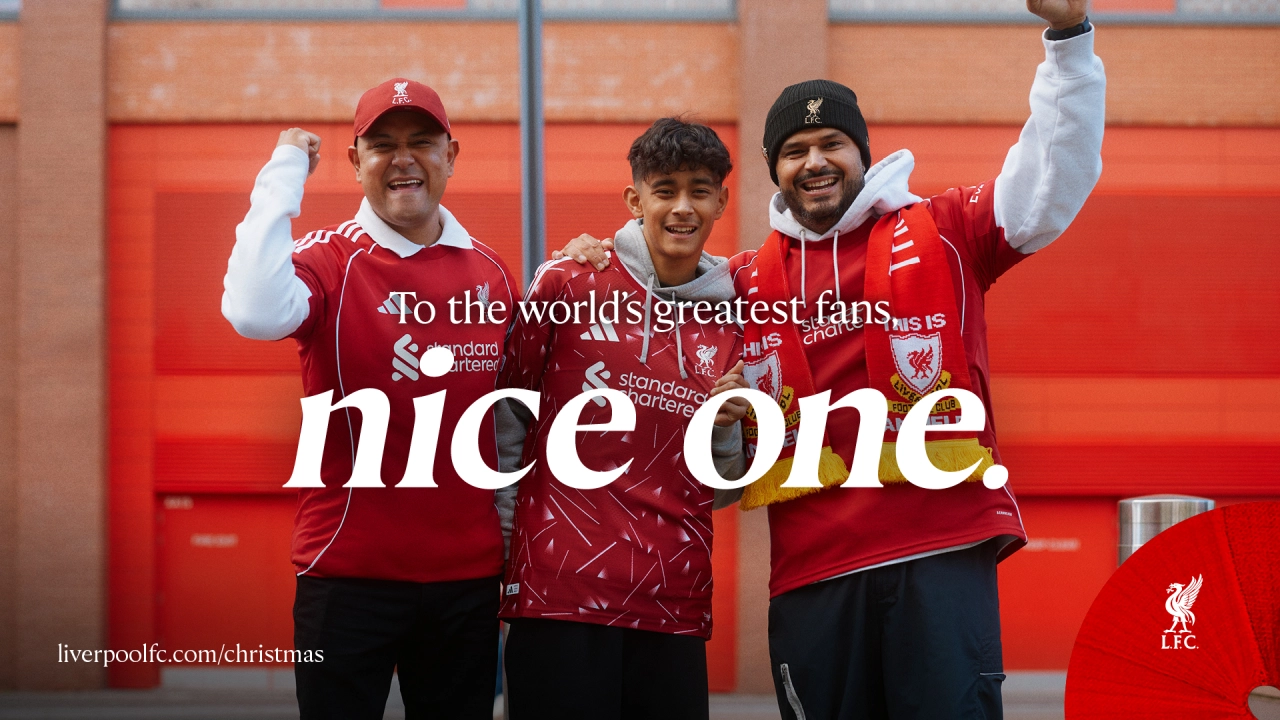
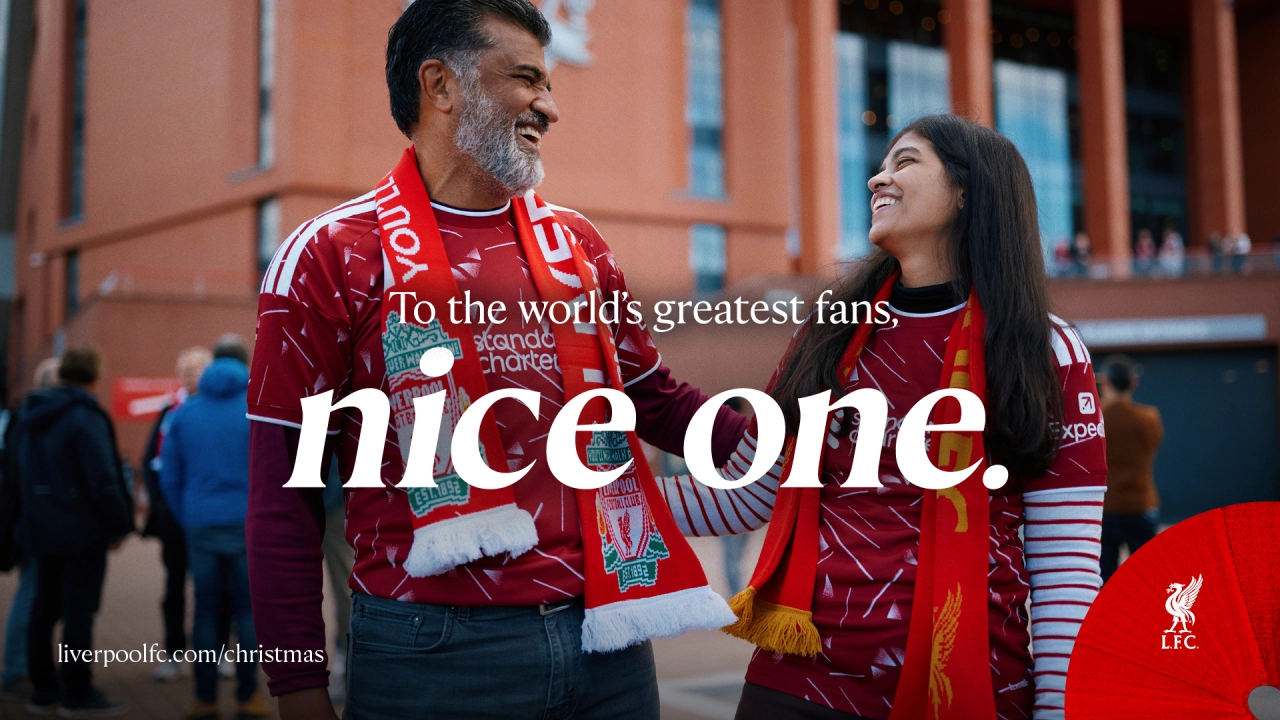
Out-of-home ads are appearing near Official Liverpool Supporters Club locations in 24 cities across 16 countries and five continents, from Dublin and Oslo to Bangkok, Jakarta and Cape Town. "With 'Nice One', we're putting the world's greatest fans at the heart of our Christmas campaign and delivering football's biggest-ever thank you to the people who help make this club so special," says Hannah Pym, senior vice president of marketing and digital at Liverpool FC.
The commercial side comes in the form of PayPal-backed discounts, Black Friday deals and free museum tours with the code "Nice One".
3. Arsenal: 'Twas the Season
While Liverpool's campaign is about gratitude, Arsenal's is about joy, and there are no prizes for guessing why. In May, the club won the Premier League for the first time in 22 years. The women's team also won the inaugural FIFA Women's Champions Cup. This kind of success has been a long time coming, and the club is going all out to make the most of it.
' Twas the Season was created by Arsenal's in-house Creative Studio and directed by Si&Ad through Academy Films. It stars Oscar-winning actor Colin Firth, a lifelong Gooner who played the lead in the film of Nick Hornby's Fever Pitch (1997), which tells the story of Arsenal's 1988–89 title-winning season.
In the ad, Colin walks through Islington and narrates what sounds like a classic Christmas story of anticipation and togetherness. Gradually, as the streets fill with supporters, it becomes clear that he's actually describing Arsenal's 2025/26 season. The film ends outside The Armoury club store with a crowd of fans of all ages mingling with Arsenal staff and community figures.
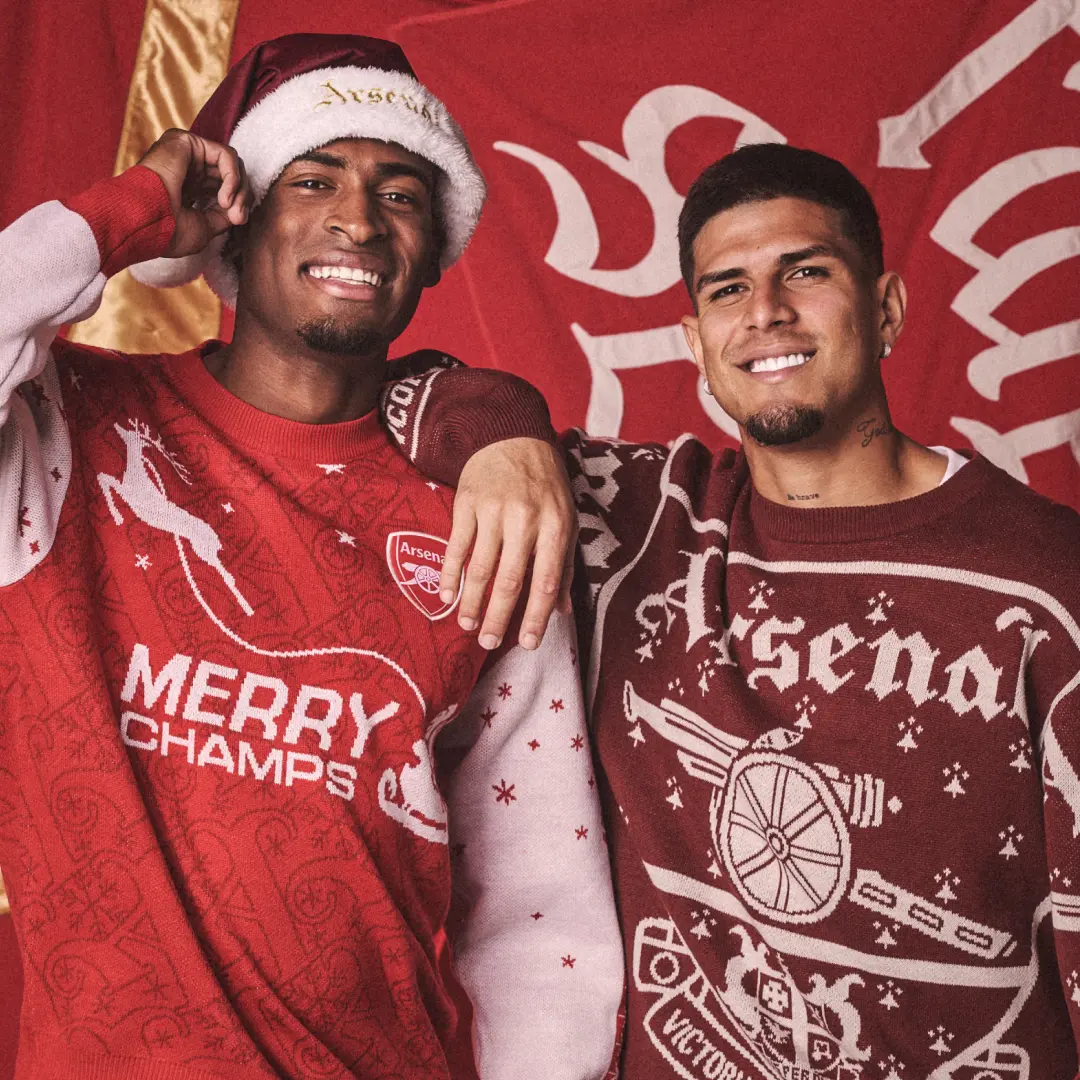
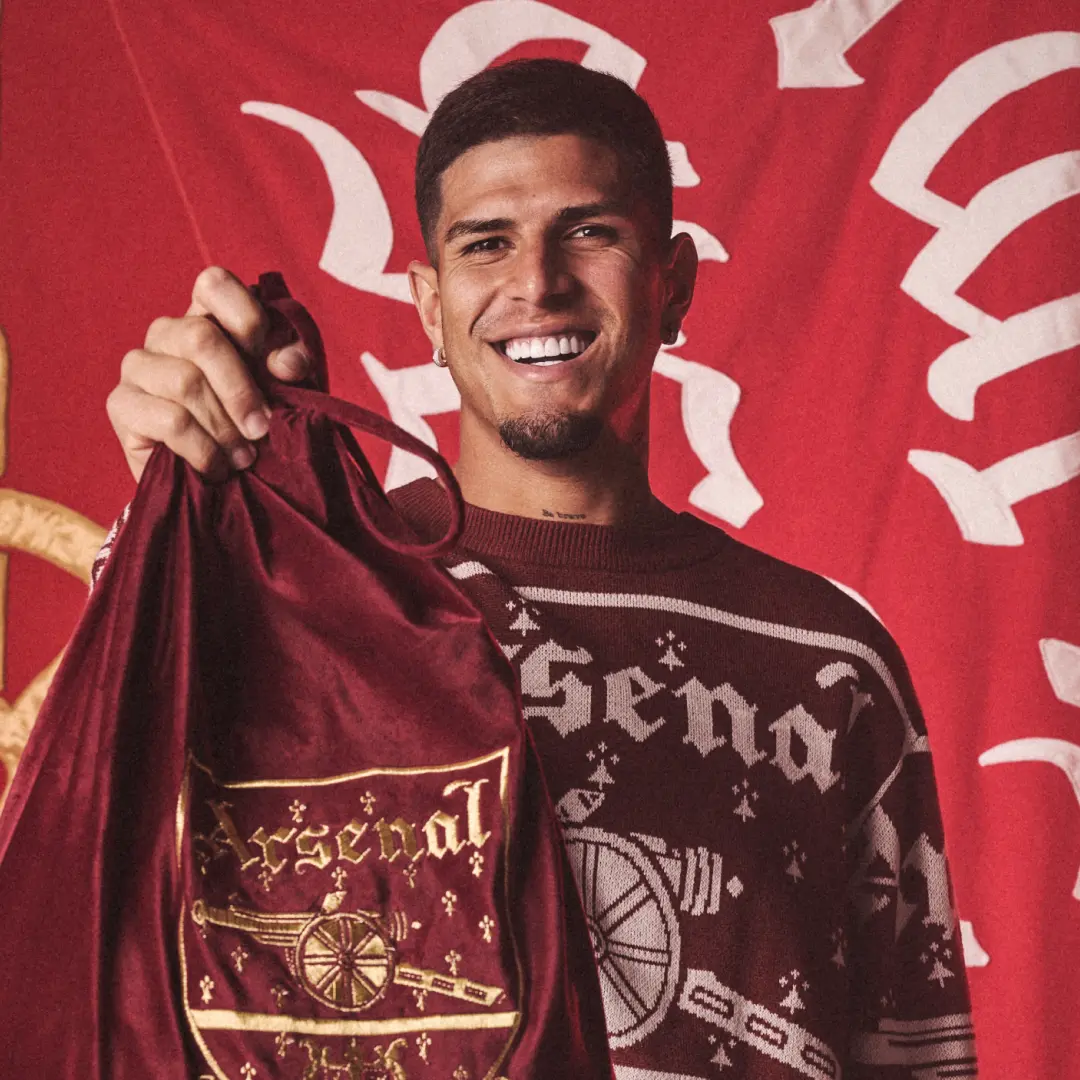
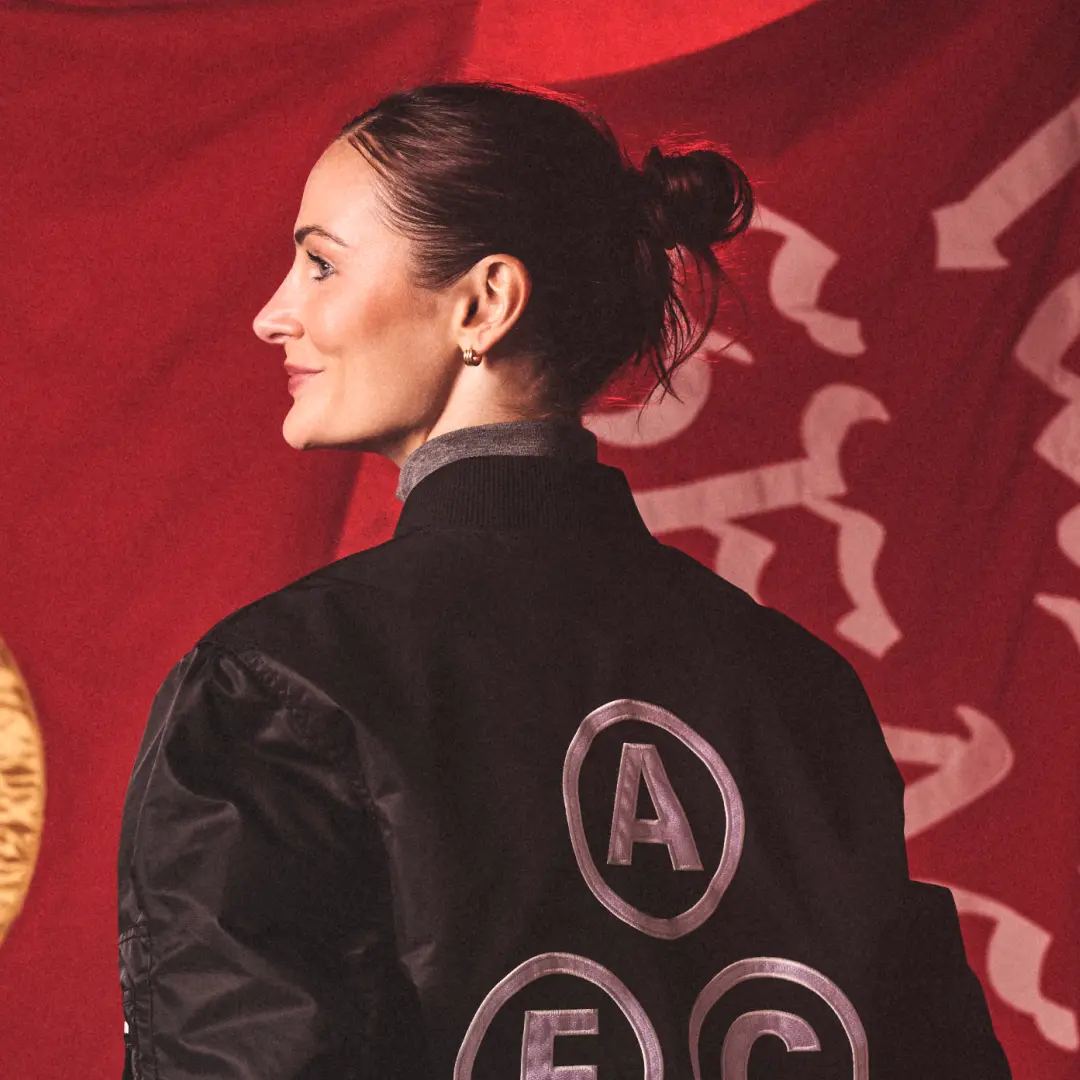
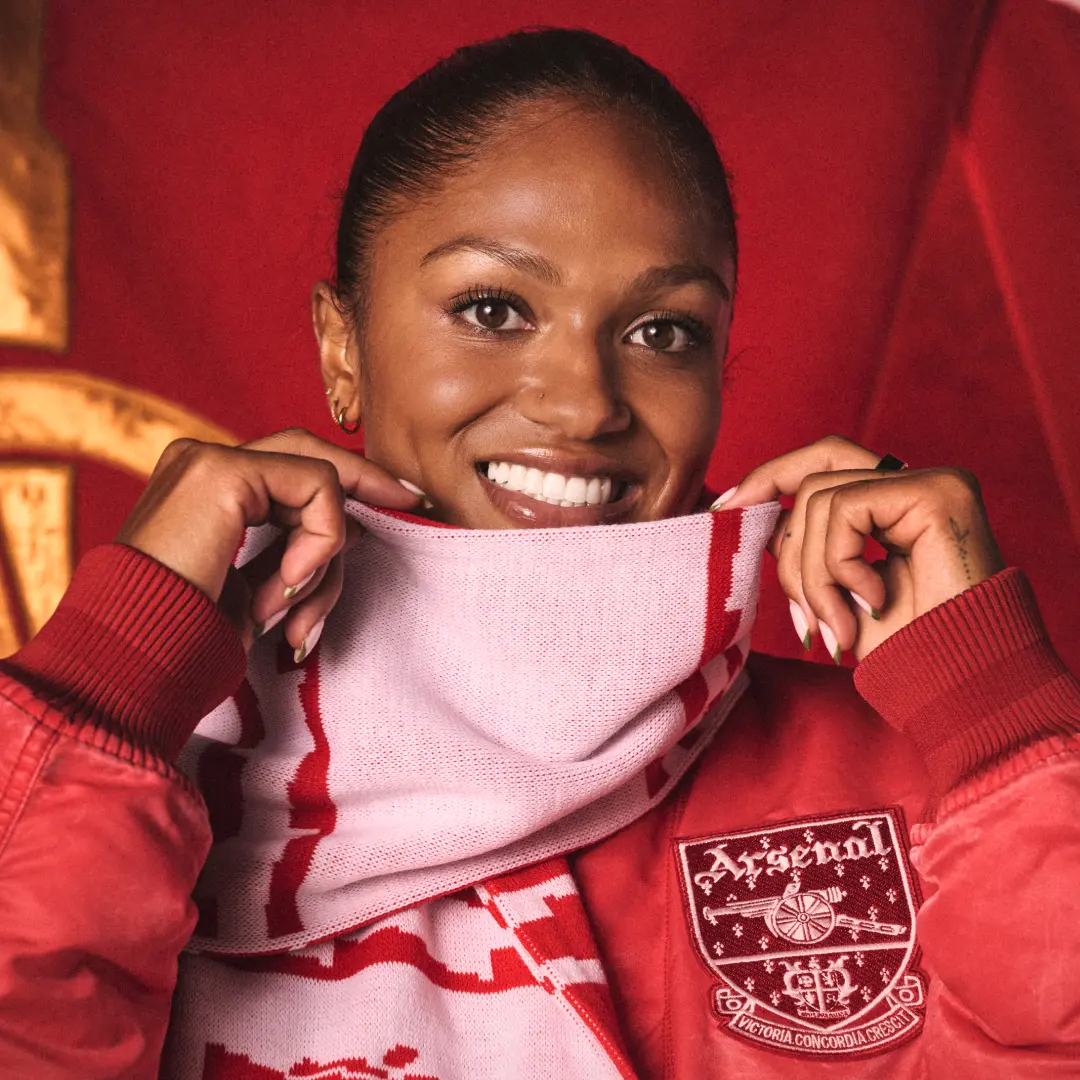
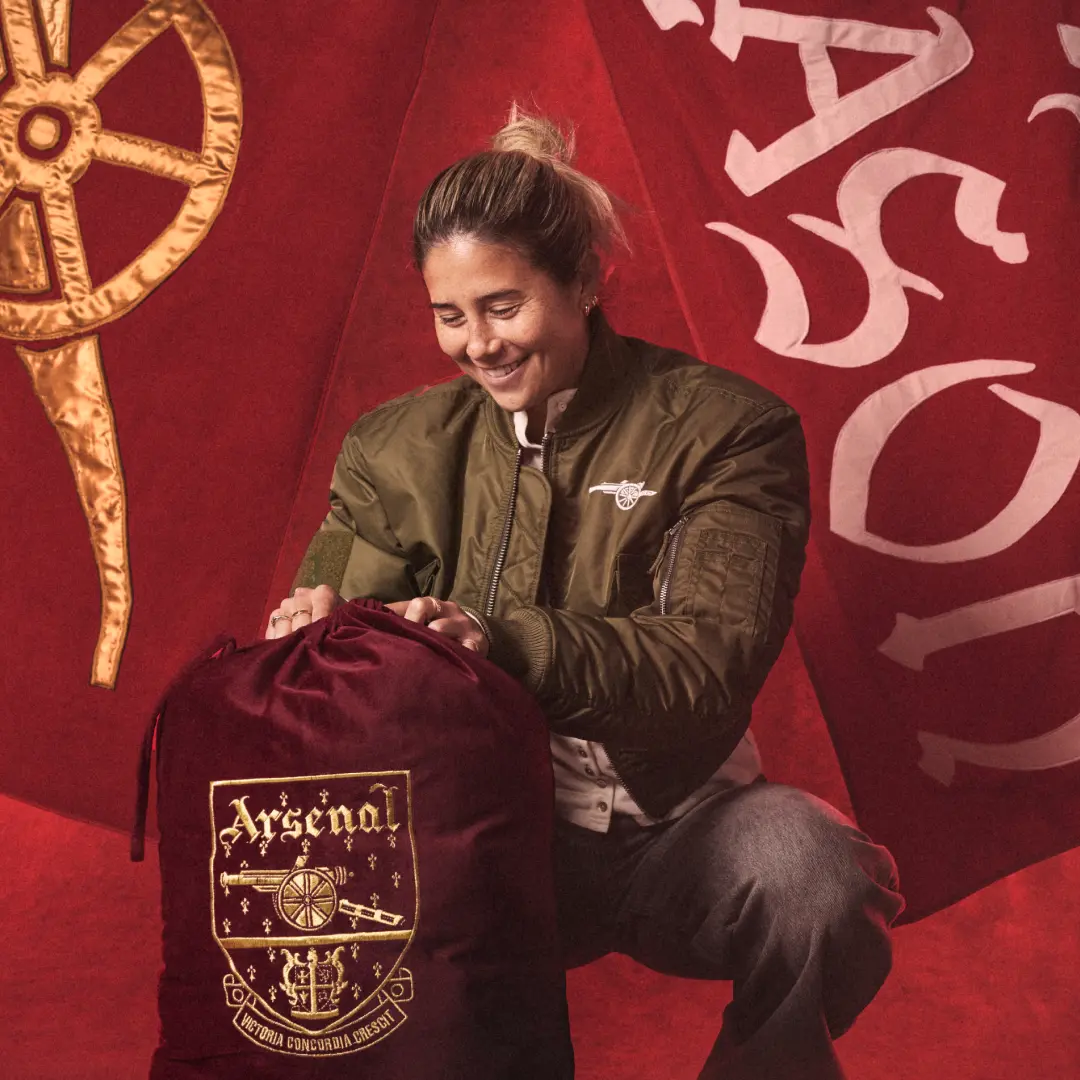
"After such an unforgettable year for our club, we wanted to capture the unprecedented joy and belonging our supporters felt during the celebrations in May," says Jodie Sayer, head of brand and marketing at Arsenal. "We set out to bring that magic into Christmas with a concept that could stand alongside the biggest festive campaigns while feeling uniquely Arsenal."
Appropriately enough, the campaign includes a community programme of hospital visits, a Christmas Day lunch for care leavers, and a special Christmas card, with proceeds going to The Arsenal Foundation.
4. Manchester City: Christmas, Together
Manchester City's 'Christmas, Together' campaign is the most modest of the four, but arguably the most creatively interesting. It involves players from the men's and women's teams sitting down with local schoolchildren to co-design a set of Christmas cards. Graduates of Manchester School of Art at Manchester Metropolitan University then turned the designs into physical cards.
The cards are on sale online and in City's UK stores at £6 for a pack of six, and all the proceeds go to City in the Community, the club's official charity, which celebrates its 40th this year. A launch film shows the players and children working together.
"Christmas is a time when people come together, and that sense of connection sits at the heart of this year's campaign," says Michael Geary, CEO of City in the Community.
Why are clubs doing this?
So is this just a cynical money-making exercise, or are the football clubs simply trying to spread around the Christmas cheer? I'd argue that, like most advertising, it's a bit of both.
Yes, everyone knows that football clubs are huge money-making machines these days. And so it makes sense they'd want to be in people's minds when they're clutching their credit cards, wondering what to buy little Jimmy for his eighth birthday this year. (An official club shirt may be expensive, but it's as close to being a guaranteed "Love you, Nan" as you can possibly get.)
But two things can be true at once. Yes, clubs want to make money. But I also believe that genuinely, the people who run them also want to give something back. So I don't think it's a coincidence that four clubs on this list have tied their campaigns to a charity or community programme. Clubs are often accused, usually unfairly, of losing touch with their communities. This is a chance to demonstrate that they haven't.
So should John Lewis and M&S be worried? In one sense, no. Nobody is going to buy their turkey from Anfield or their sofa from the Emirates. But in another sense, the answer is arguably yes. The real competition all these brands are engaged in, after all, is attention. And football clubs already have that, plus a ready-made cast of famous faces on the payroll.
A John Lewis or a M&S typically needs to create a fictional character or family for their adverts, then make you care about them. But a football club already has a worldwide family of followers, full of stories to boot. Arsenal, for instance, didn't need to make up a tale of Christmas miracles; it's spent the year living one. Maybe that's why football clubs seem a bit more willing to experiment this Christmas, from Chelsea's TV network to Man City's child-led cards.
In short, the world of football is showing that the Christmas campaign doesn't belong to retail alone any more. It's out there in force, competing for the same clicks, shares, and column inches. And on this year's evidence, it's starting to make waves.

Editor's Picks


Trending



Latest Jobs
Production Manager, Axios Creative House at Axios
Full-time·Remote·$80k – $100k
Product Designer at Futurewhiz
Full-time·Amsterdam·€4.1k – €5.1k a month
Presentation Designer at Vercel
Full-time·New York·$152k – $209k
Producer, Creative Studio at National Theatre
Full-time·London·£37.4k
Lecturer – BA (Hons) Graphic Design at Leeds Arts University
Part-time·Leeds·£15k (0.4 FTE; £39k pro rata)
Brand Videographer & Editor (Short form) at Aquablu
Full-time·Amsterdam·€42k – €64k