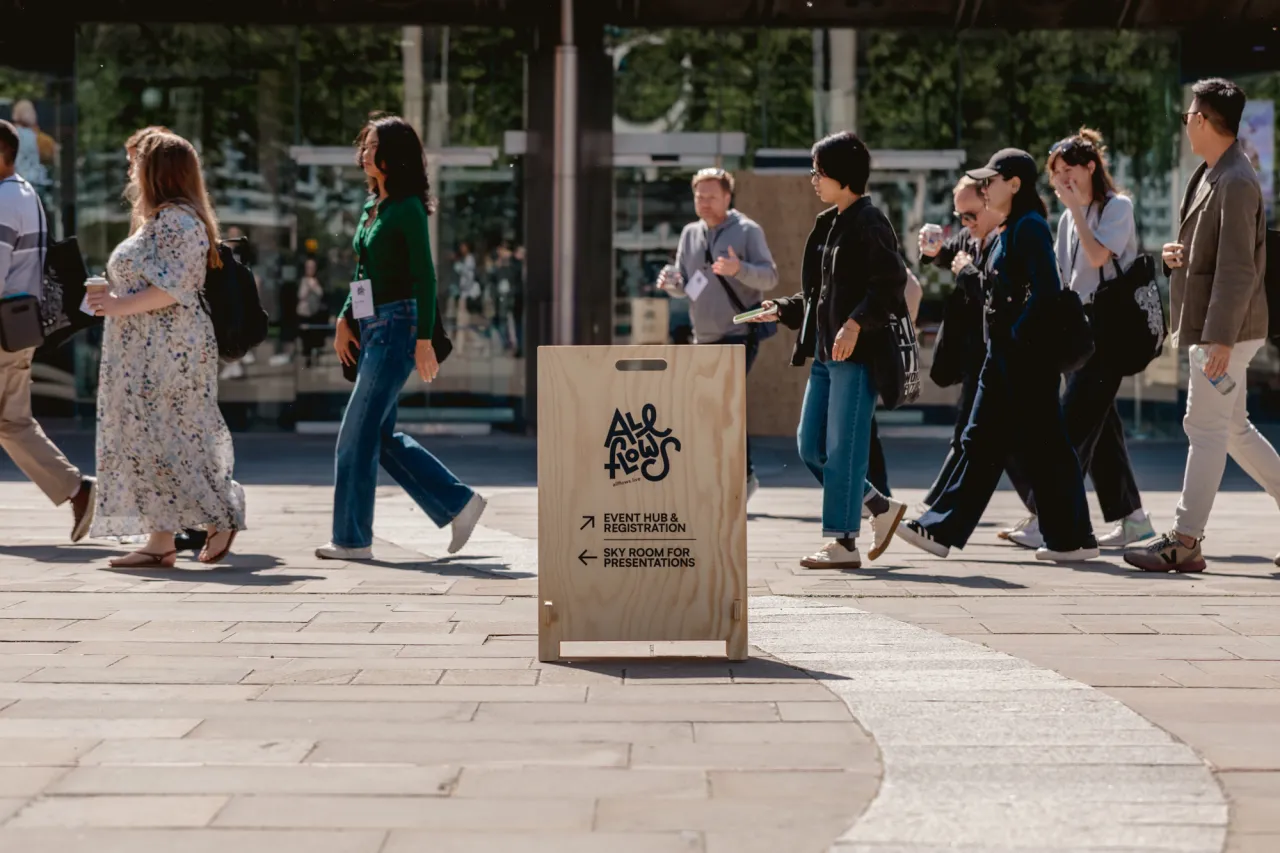
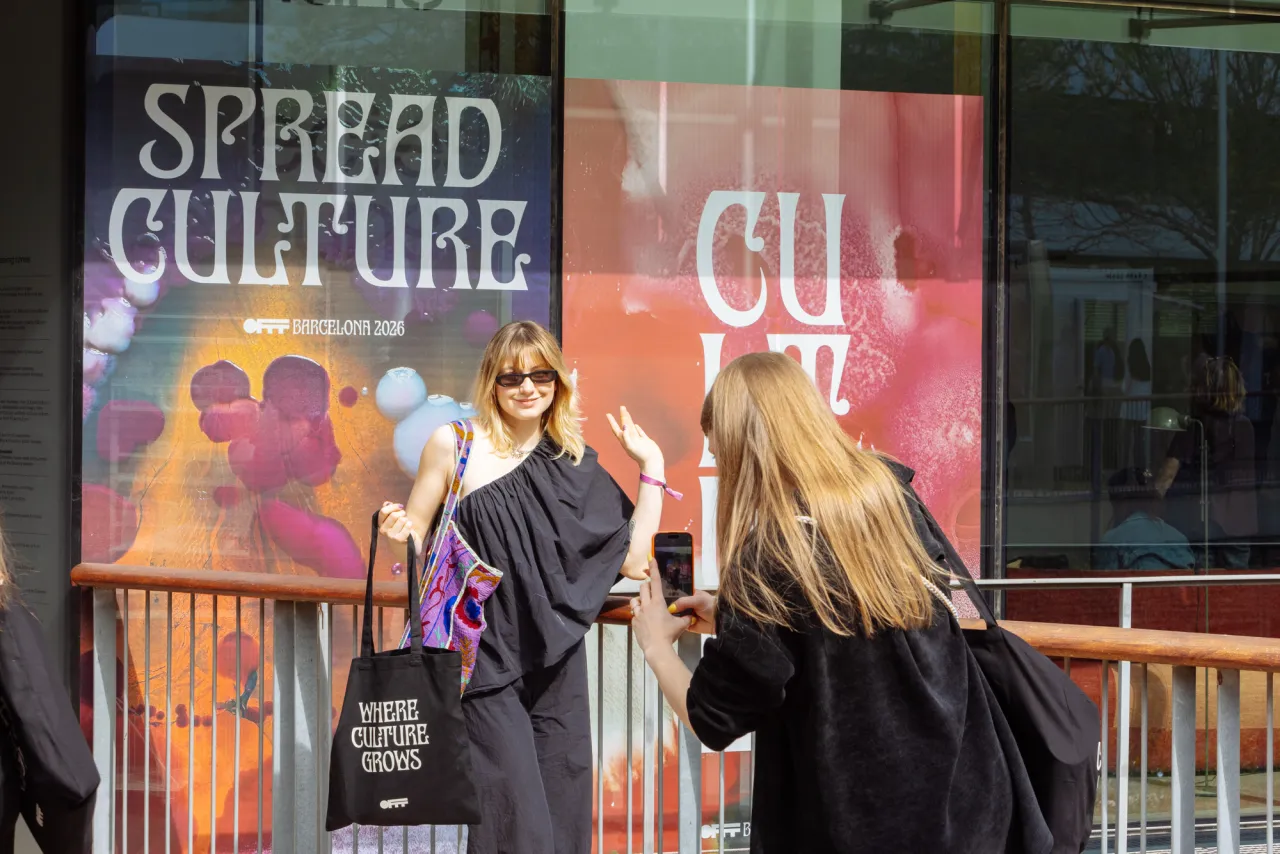
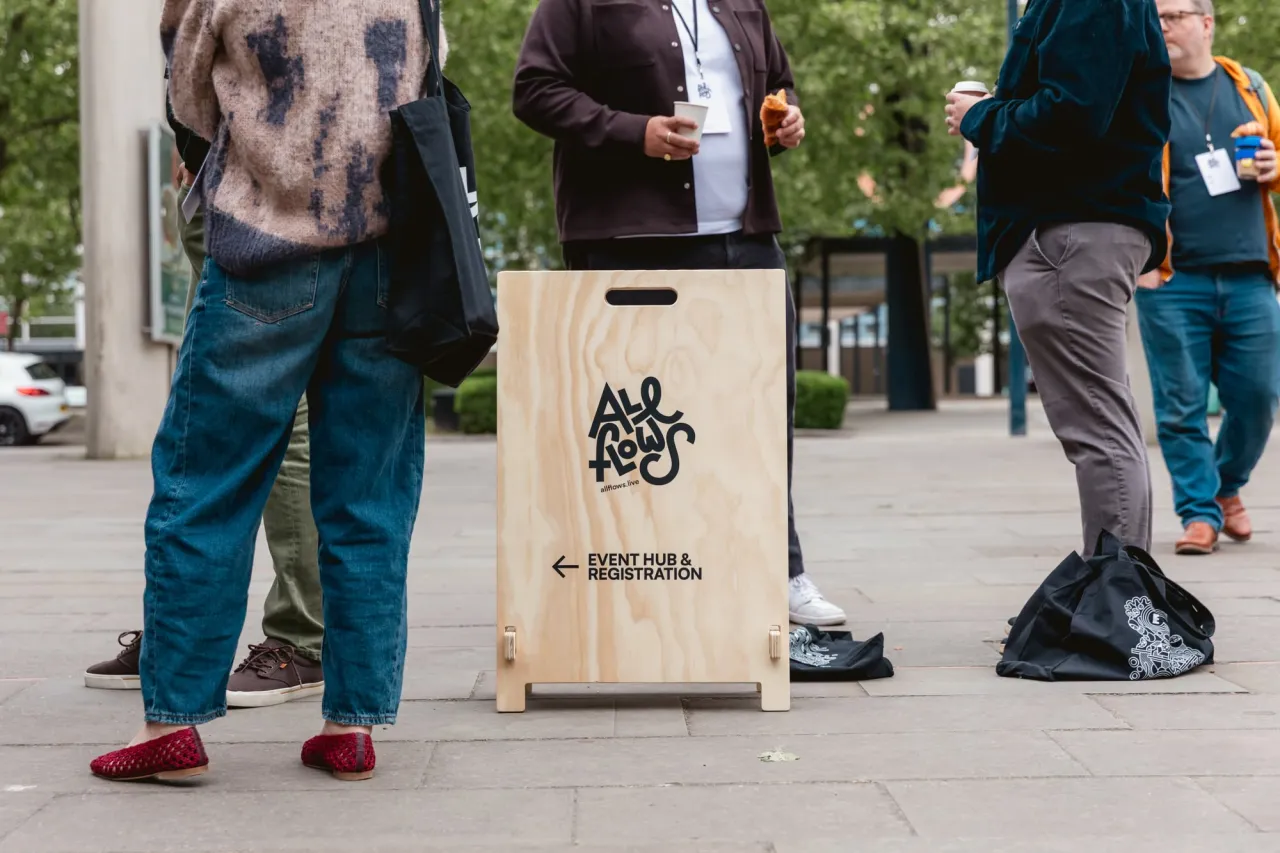
All Flows 2026 showed that the best creative conversations happen when the stakes are personal
This year's edition of the boutique creative festival in Milton Keynes asked the questions that actually matter.
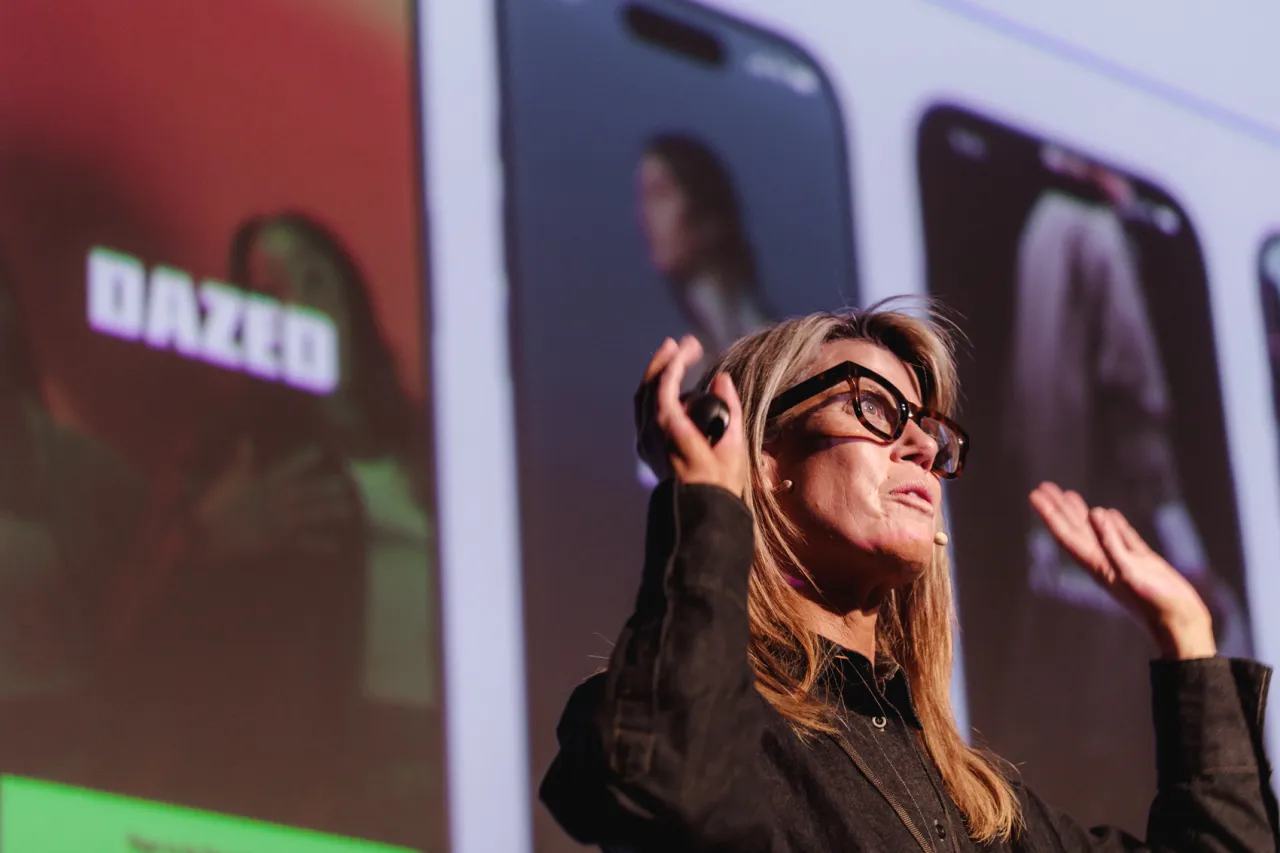
Pip Jamieson
There was a moment on the first full day of All Flows when I started to see things cohere around a single idea. It took a few talks to notice it, and nobody announced it from the stage. It just emerged, speaker by speaker. The idea, roughly stated: the work that lasts comes from somewhere real.
That's a familiar enough sentiment on the conference circuit, where it often amounts to little more than an exhortation to "be authentic." At All Flows 2026, held across three days at MK Gallery in Milton Keynes, it ran deeper than that. By the end of Thursday evening, when Jonathan Barnbrook closed day one with a typically combative survey of political design, it felt more like a diagnosis than a theme.
I should be clear, though: co-founders Richard Wiggins and Simon Wright have been deliberately resisting the idea of a theme since All Flows began in 2023. In this case, though, the speakers found the connective tissue anyway—because it's the same tissue that runs through most creative lives.
Starting from scratch
Day one opened with Rob Draper's Work, Dreams, Swings & Roundabouts, a talk that set the tone for much of what followed. It was personal, funny, disarmingly honest about personal failure and, ultimately, finding your way back through the work itself. "When it's all you've got, starting small is absolutely enough," he told the audience. (You can learn more about Rob's story here.)
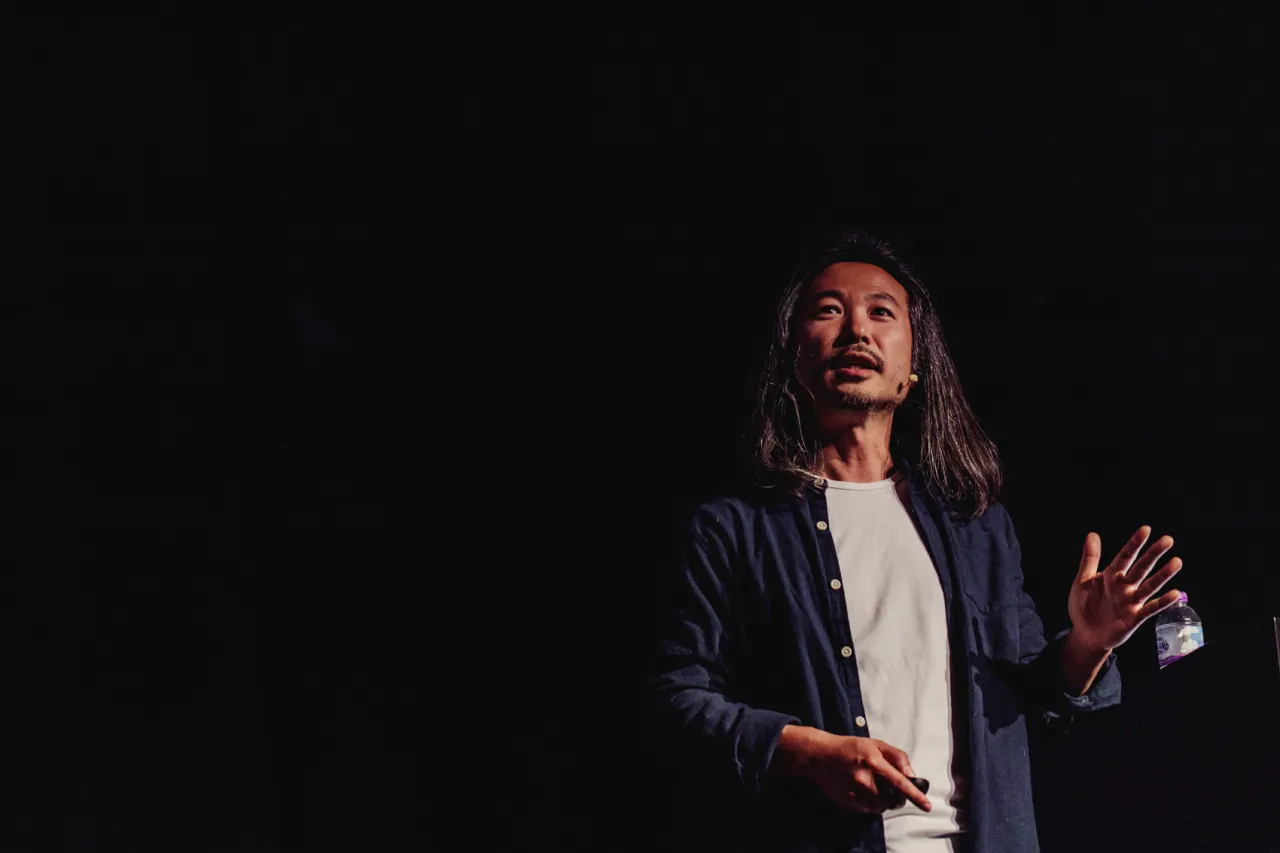
Je Ahn of Studio Weave
Pip Jamieson, founder of The Dots, brought a similar level of candour to her afternoon slot. Her talk was built around community-led growth as a response to the volatility of AI and platform algorithms, but it kept returning to the human reality underneath. "This is my happy-sad graph," she told the audience, displaying a wildly oscillating line. "This is when I'm on top of the world: I started a business, I built a team, I'm loving every moment. And this is where I'm literally crying on my husband's shoulder."
Pip's been building communities for over 20 years, from early Facebook groups to the Dots' current network of 59 white-label apps powering everyone from UN Women to Soho House's Works community app. Her thesis, arrived at the hard way, is that authentic human connection is the one thing AI can't replicate.
Identity and the city you come from
Some of the most compelling work at All Flows came from speakers for whom the question of identity isn't abstract. Nada Hesham, founder of Cairo-based studio 40MUSTAQEL, flew in from Egypt to talk about the friction between her German-Swiss design education and the reality of designing in and for Cairo. She described a training that treated Arabic script as a technical inconvenience, software that butchered it, and a professor who told her, "Arabic is no longer used, and everyone understands English".
Her studio's response? Put the script at the centre of everything, not as a nostalgic gesture, but as an argument about what good design actually means in a specific cultural context. "I believe the role of individual and collective identities in brand design is such a huge deal that is not talked about enough," she explained. Hear, hear.
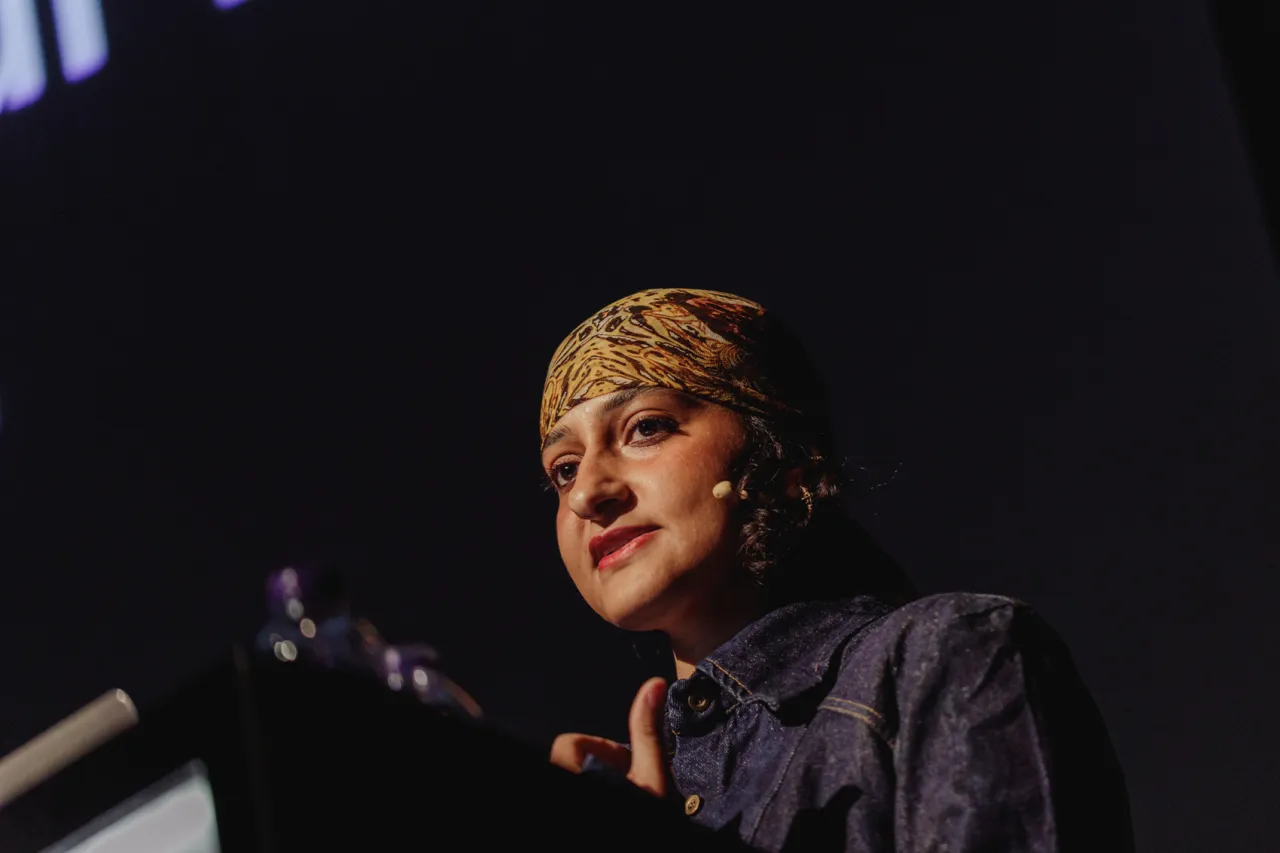
Nada Hesham
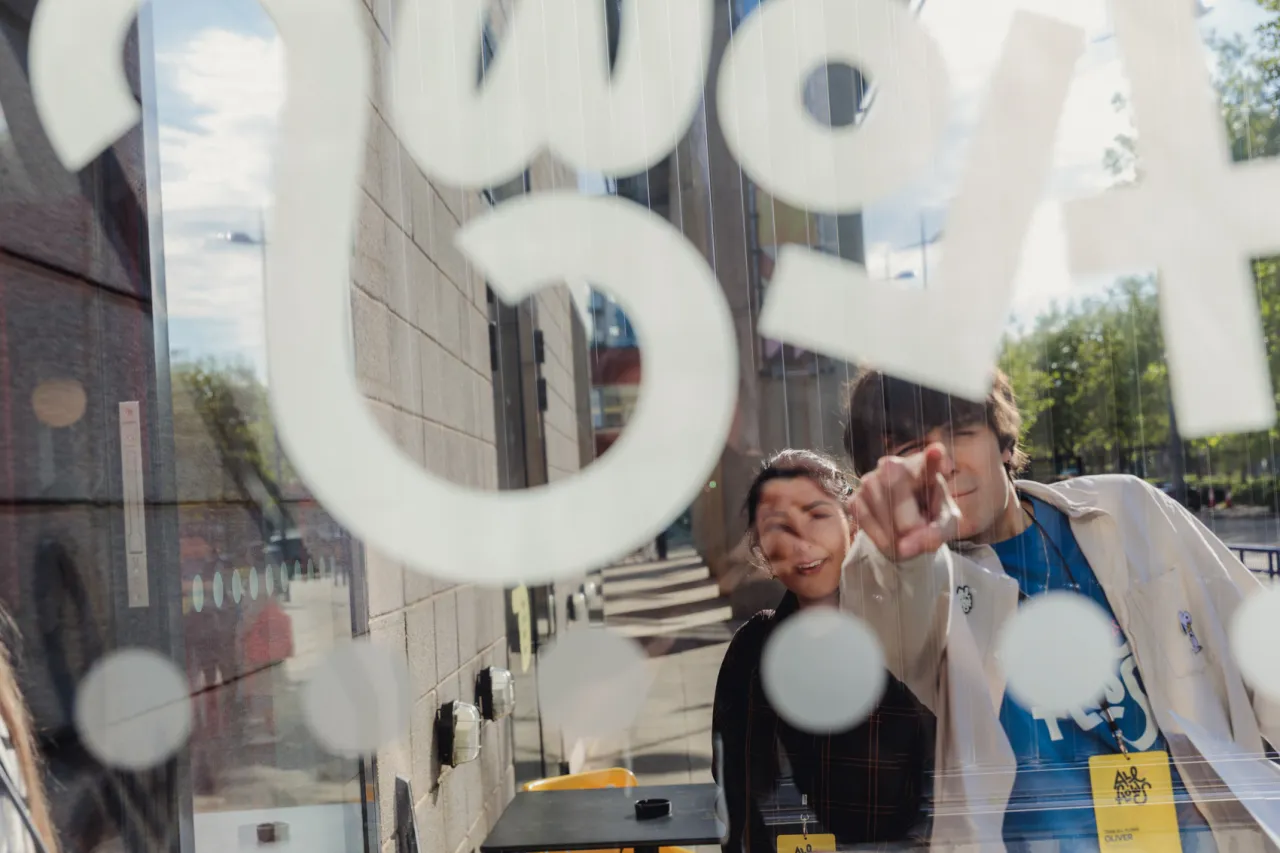
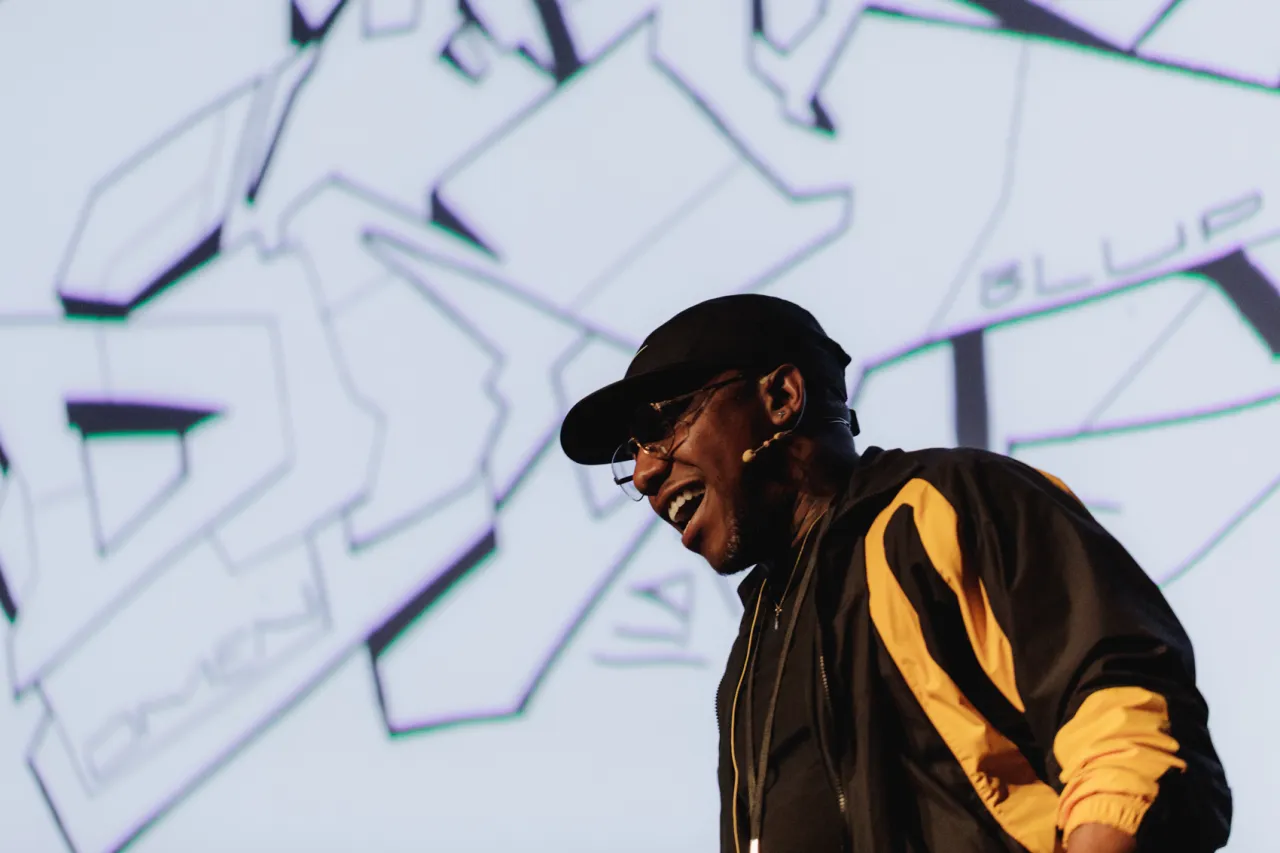
DINES
Pali Palavathanan of TEMPLO told a different but related story. His cause-led branding agency has spent 13 years on a single project: pursuing justice for Tamil minorities in Sri Lanka, the country his family fled. Pali's talk traced a journey from a night bus trip in the north of the island, past UN inquiries and Geneva interrogations, to a partnership with the only surviving Tamil newspaper on the island. "It's not about dropping something, working on something, dropping it and moving on," he noted. "It's about staying with that cause, and over time you'll start to see systematic change."
Community in practice
In one of the most fascinating sessions of the weekend, Mark Martin from Rabbithole explained how the studio rebranded Bradford for its year as UK City of Culture 2025. Outsiders from Leeds and Glasgow, who'd won an open tender, they wisely spent months in research and discovery before touching a brief. "We knew we had a lot of trust to build up," he explains. The resulting identity was explicitly not a "posh and shiny, gentrified sort of design veneer." Bradford, Mark argued, required something unapologetically its own.
That preoccupation resonates in Milton Keynes itself, which has its own complicated relationship with reputation. Simon Wright, who spent 15 years at MK Gallery before co-founding All Flows, has long argued that the concrete cows and roundabout jokes obscure a radical urban and cultural history. The city is currently on the longlist for UK City of Culture 2029, which gave Rabbithole's talk a particular resonance.
Veteran designer Jonathan Barnbrook closed the day with an explicitly political perspective. From his early work with Adbusters to the rewritten First Things First Manifesto and the Banksy Dismaland project, he made a sustained argument for asking "why" rather than "how."
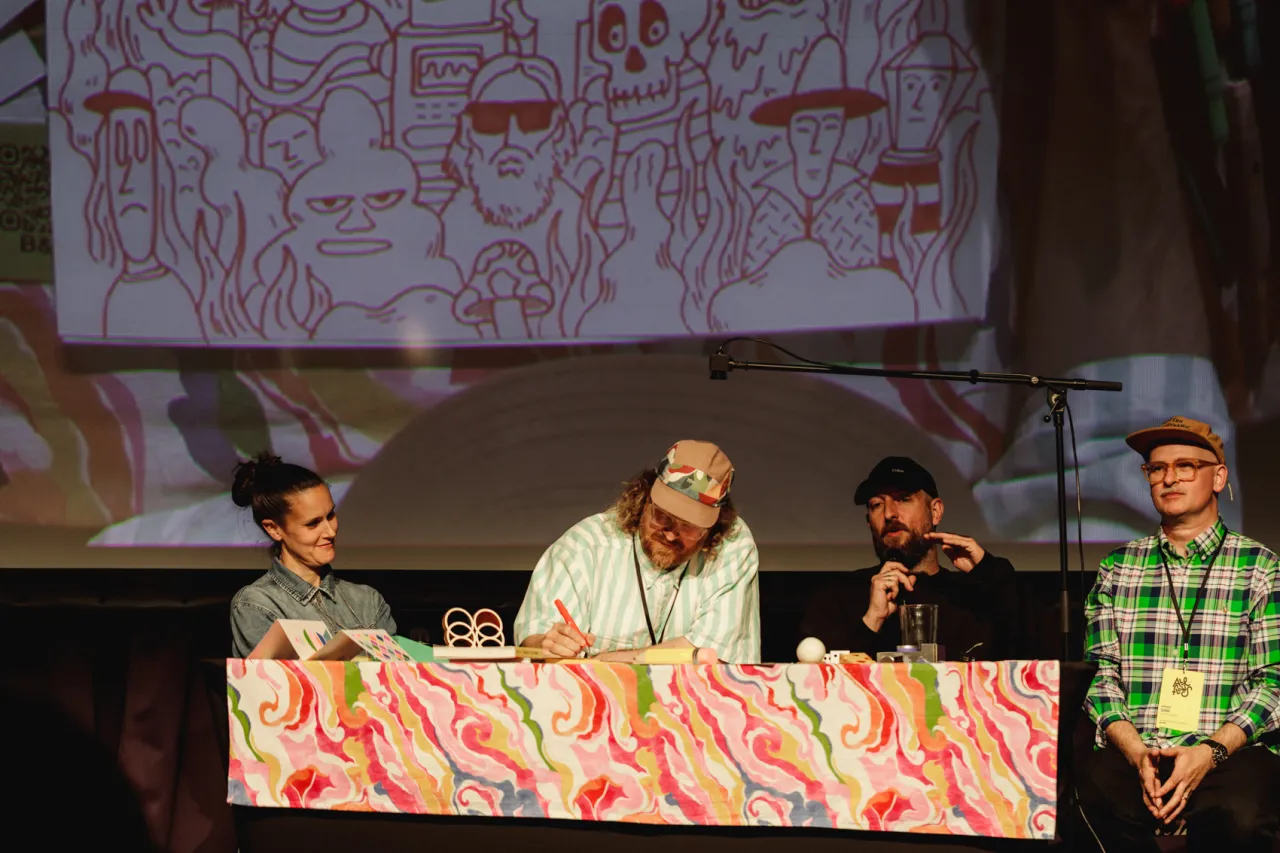
Chrissie Macdonald, Andrew Rae, Mcbess and Sam Summerskill
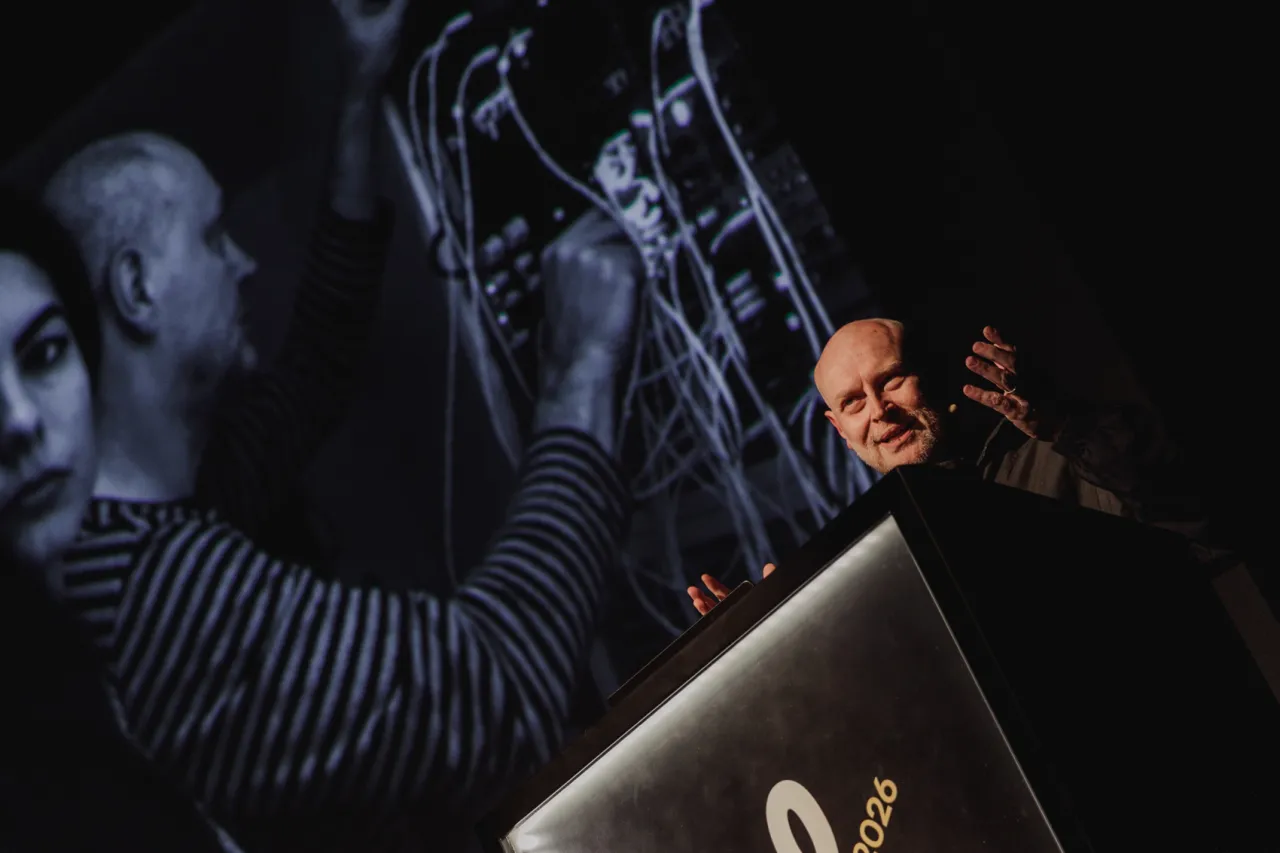
Jonathan Barnbrook
"Why are you selling this car?" he asked the audience. "Why do you want me to seductively take people on this commercial journey that I don't believe in?" It's not a fashionable position in commercial design, and Barnbrook doesn't pretend otherwise. What he does argue, with evidence from a career that includes a string of David Bowie album covers, is that the discomfort is the engine.
Ethics of authenticity
Annie Atkins brought a different kind of rigour: the painstaking world of film prop design, where she creates things like government-issue paperwork for Spielberg films and Wes Anderson productions: stuff that 90% of audiences will never consciously notice. Her talk was, on the surface, about technique: the "boring form," correct typewriter point sizes, the jaunty rubber stamp that gives a fake document away. Underneath it was an argument about the ethics of authenticity: about why getting things right for their own sake matters even when nobody's looking.
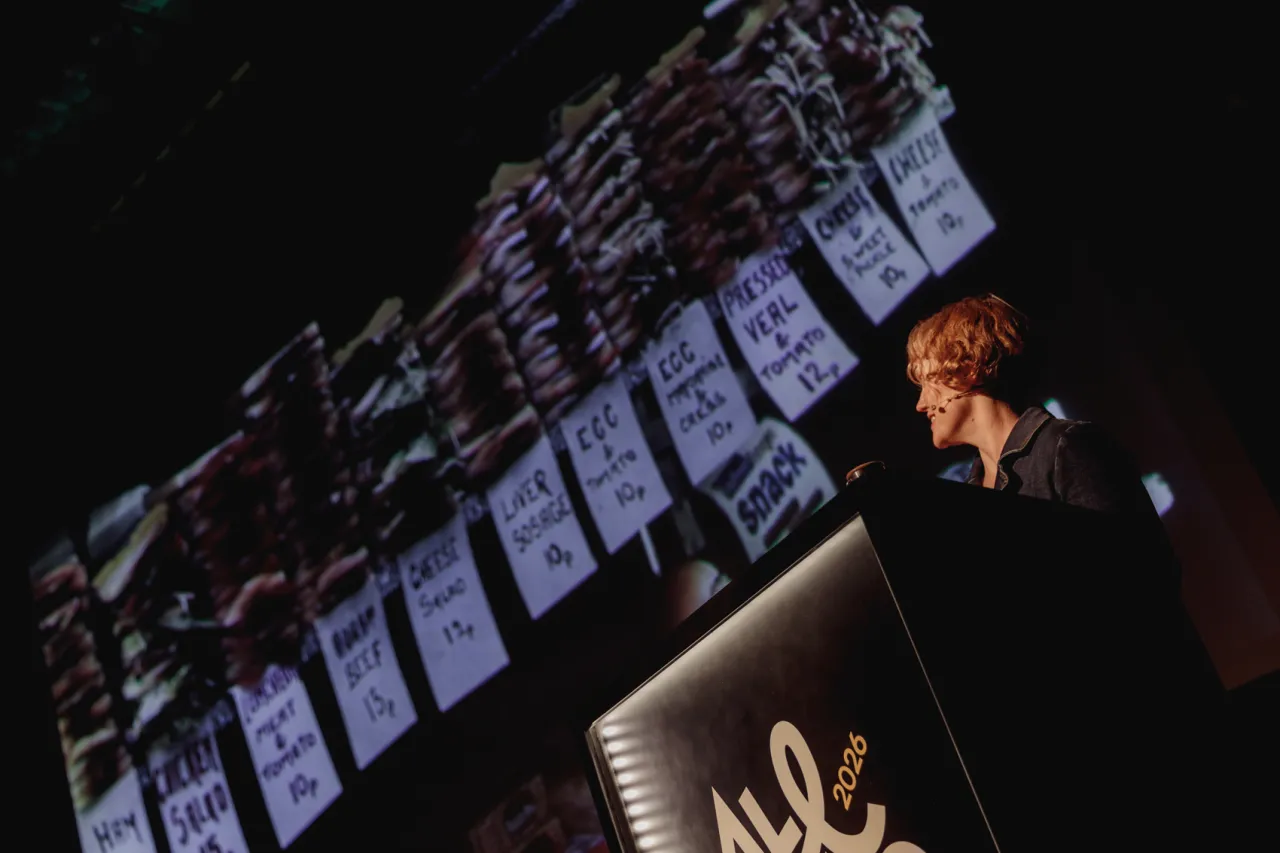
Annie Atkins
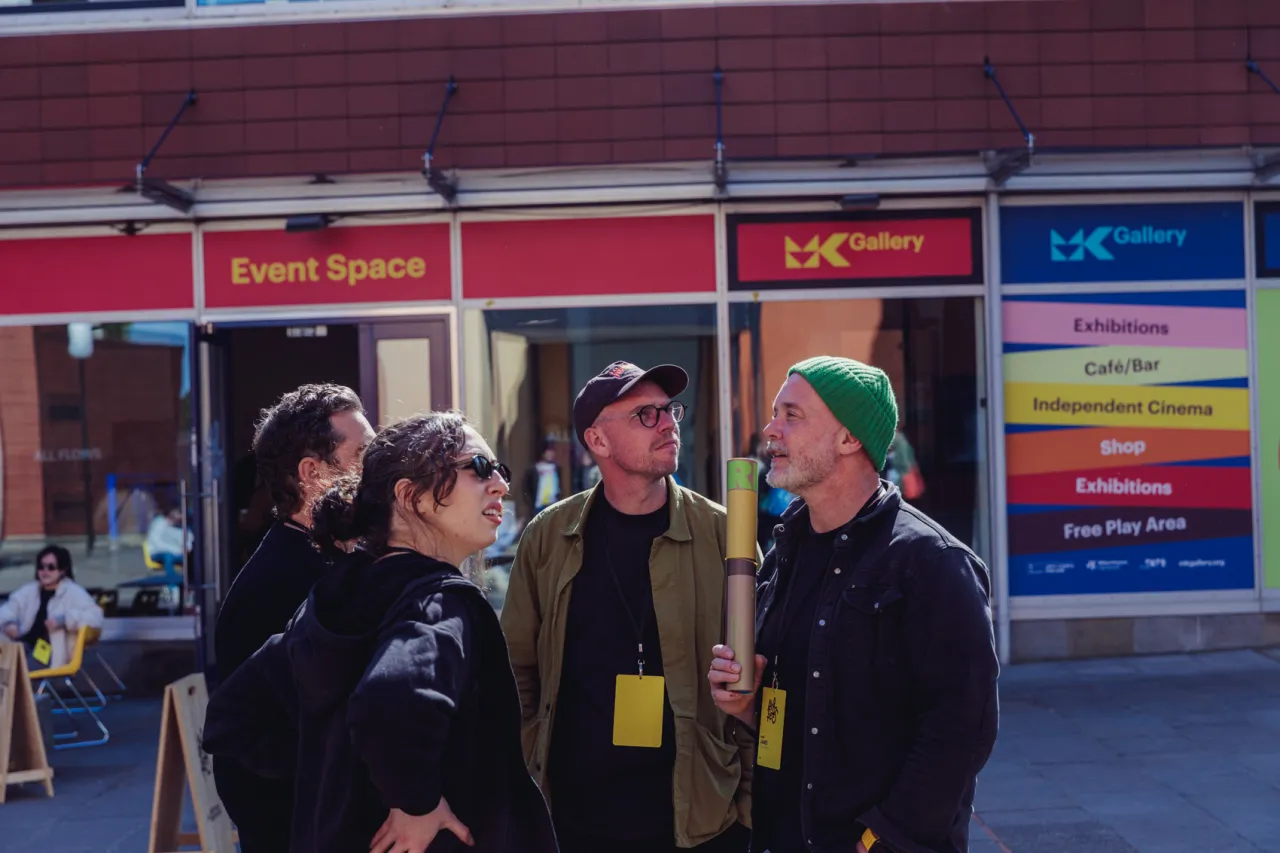
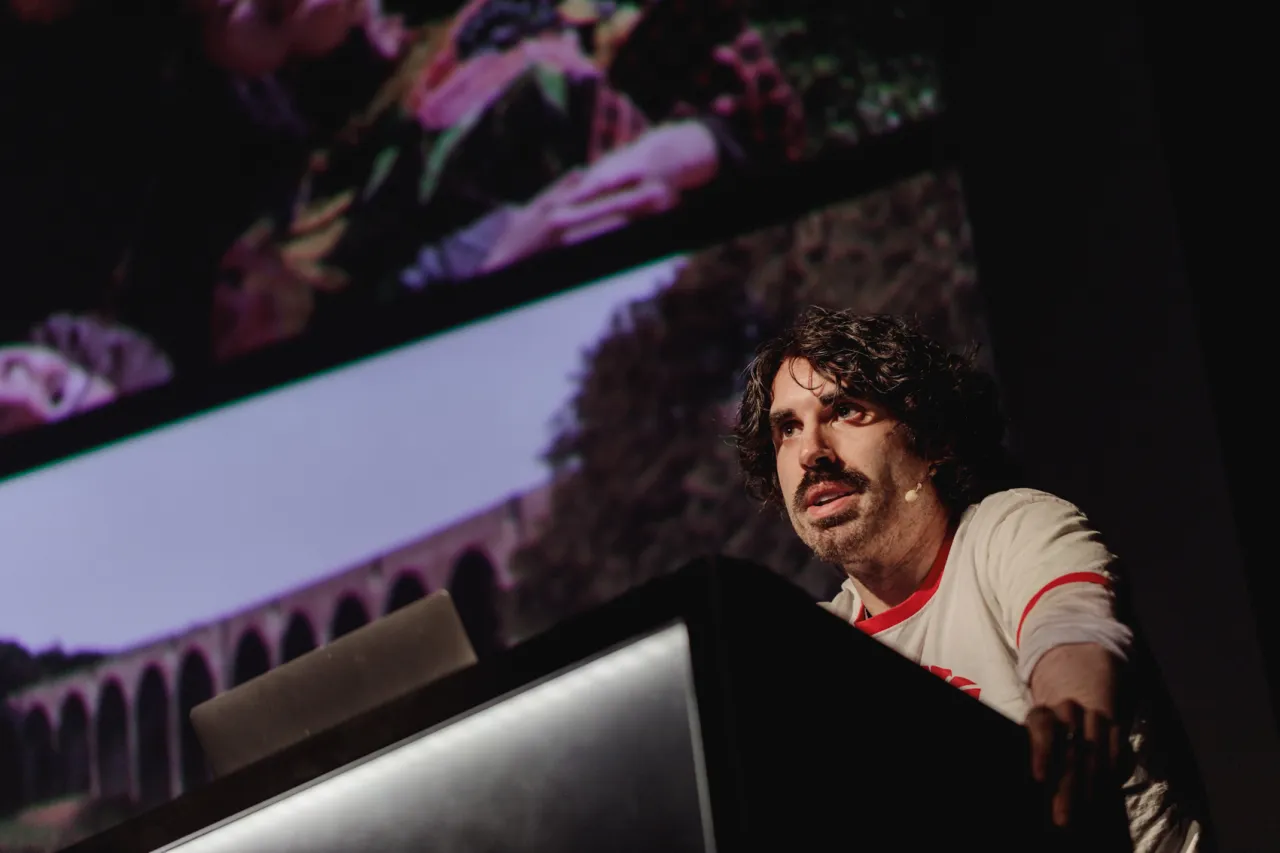
Mark Martin from Rabbithole
Vasjen Katro, better known as Baugasm, traced a circuitous route from a childhood in Albania through political turbulence and electronic music to a daily poster practice that built a global following. Like Rob's coffee cup project, it was a story about a personal challenge becoming the thing that changes everything.
Olivia Arthur, Magnum photographer and former agency president, talked about her ongoing "tussle with photography": the frustration of literalism, the accidental double exposure in an Indian village that told the story better than all her deliberate frames, and the path it led her towards fine art photography. "Sometimes that's not quite enough," she said of documentary photography's directness, "and there's something else."
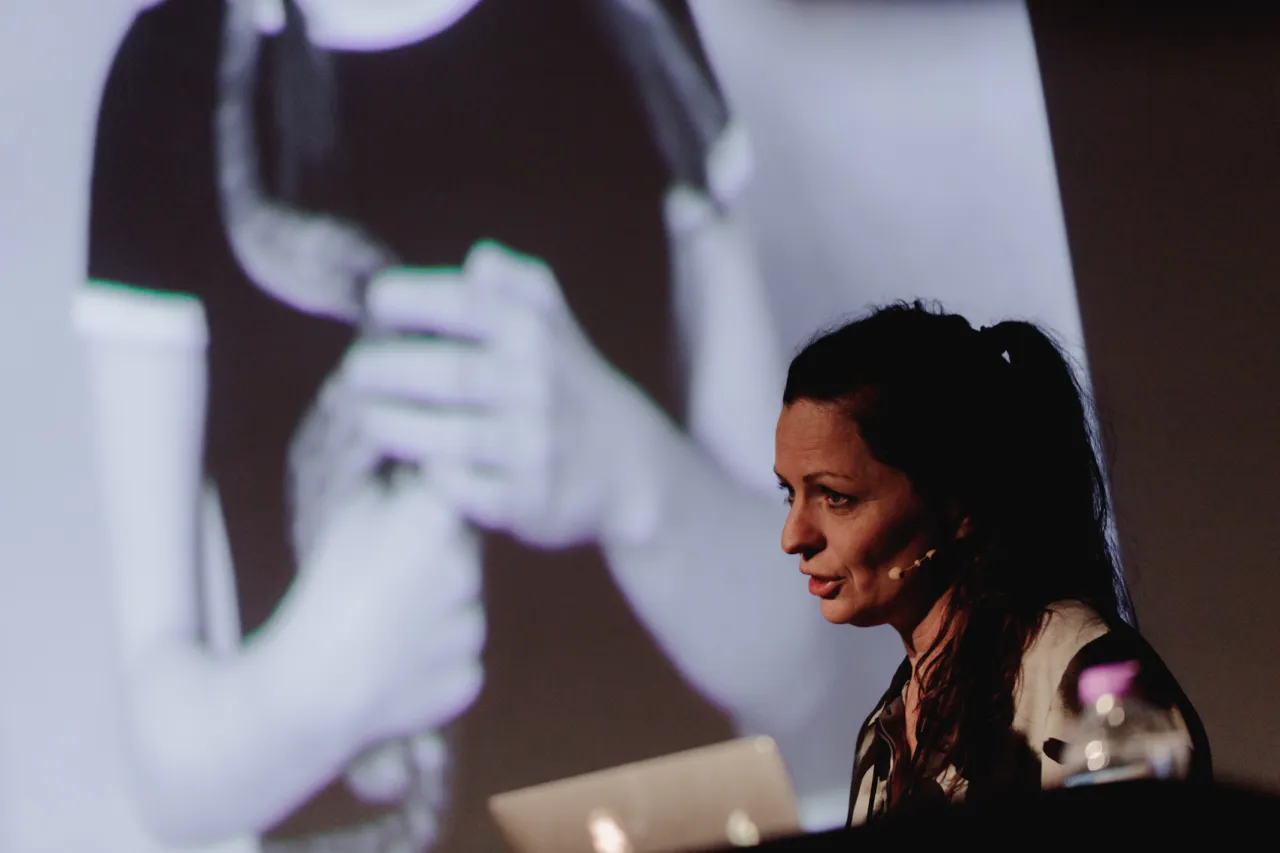
Olivia Arthur
Madrid-based Paloma Rincón followed with a talk that drew a line from her Mexico City upbringing to the bold, graphic still-life work she makes today, and the pattern of outside voices she's learned to tune out: photographers who said she couldn't shoot her own work while still assisting, sceptics who said her painstaking craft could just be done digitally, and now AI. "I've always found the answers looking inside and trying to connect with what motivates me," she said.
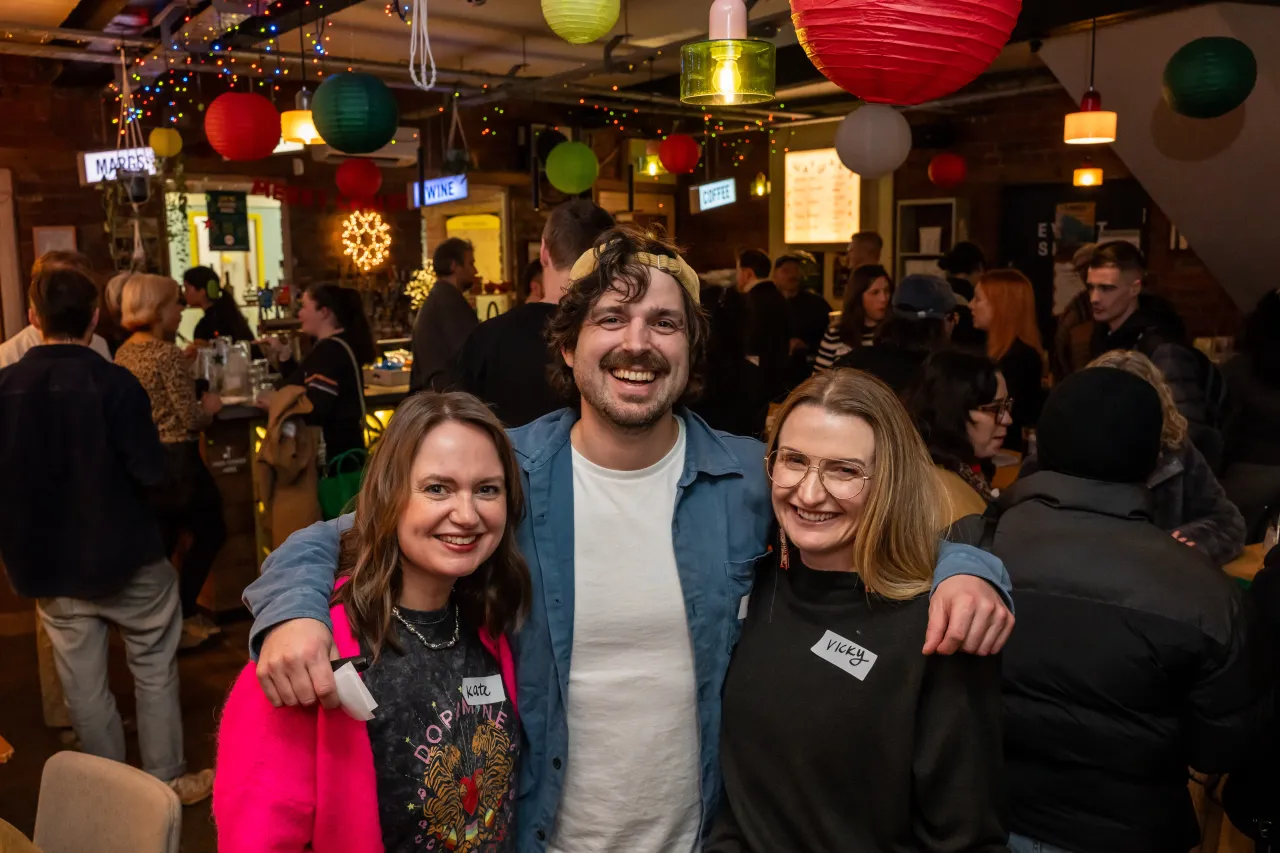
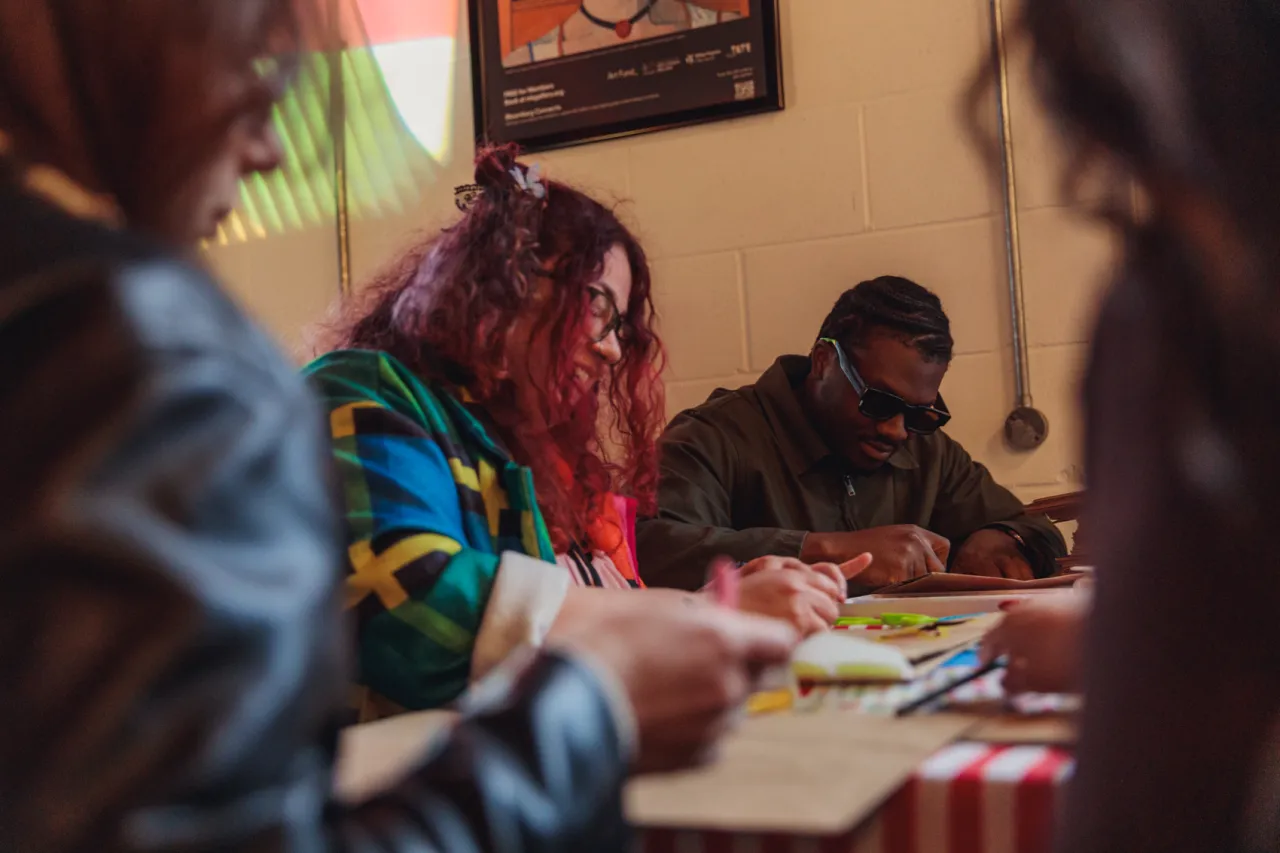
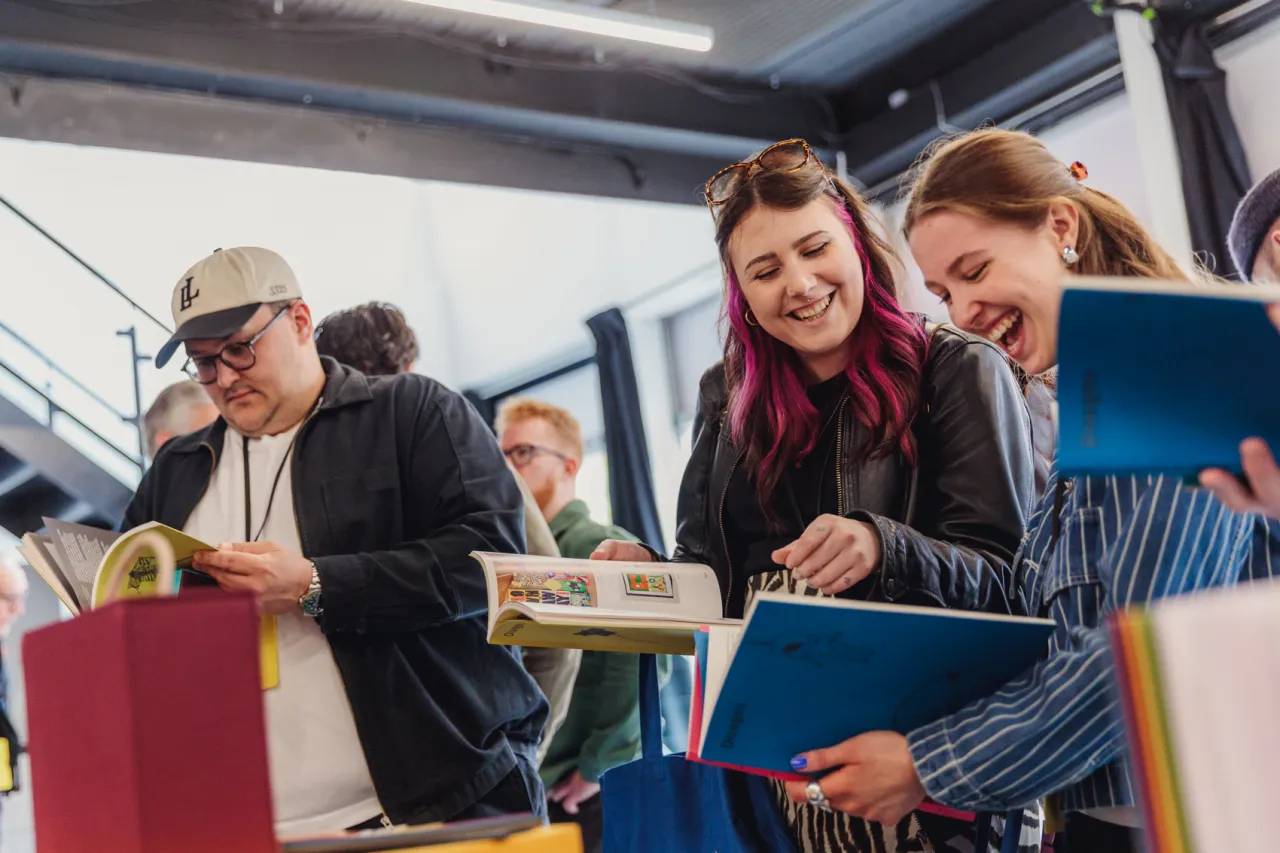
I sadly didn't get to see all the talks, and here, I've barely scratched the surface of the ones I did. But hopefully I've given you a flavour of what went down. Ultimately, though, All Flows isn't about the talks themselves but the conversations that spring spontaneously: in the gallery, over lunch from Lime Face's Malaysian street food and Saf's Kitchen's Punjabi spread, in the bar at the end of the day. Around 200 people, a single stage, long breaks, speakers who stay. Small by design. The scale is the point.
Editor's Picks
Trending

Latest Jobs
Creative Project Manager at Analogue
Full-time·Leeds·£28k–£35k
Senior 3D Motion Designer at Art&Graft
Full-time·London·£50k-£65k
Frontend Developer at Northern Artillery
Full-time·Leeds·£35k–£45k
Account Manager at BUILDHOLLYWOOD
Full-time·London·£34k–£38k
Diploma in Professional Studies Coordinator at London College of Communication
Contract·London·£52,977 to £63,815
Creative Content Executive at Cognition
Full-time·Birmingham·£28k–£35k