The tin-opener philosophy of design: founder Ben Farr on analogue thinking and why he chose Stoke-on-Trent
The designer and photographer behind IFSOBCZWHY chats about reclaimed pot bank drawers, 99p tin openers, and why his home town made more sense to launch a business from than London.
All photography by Adam Grüning
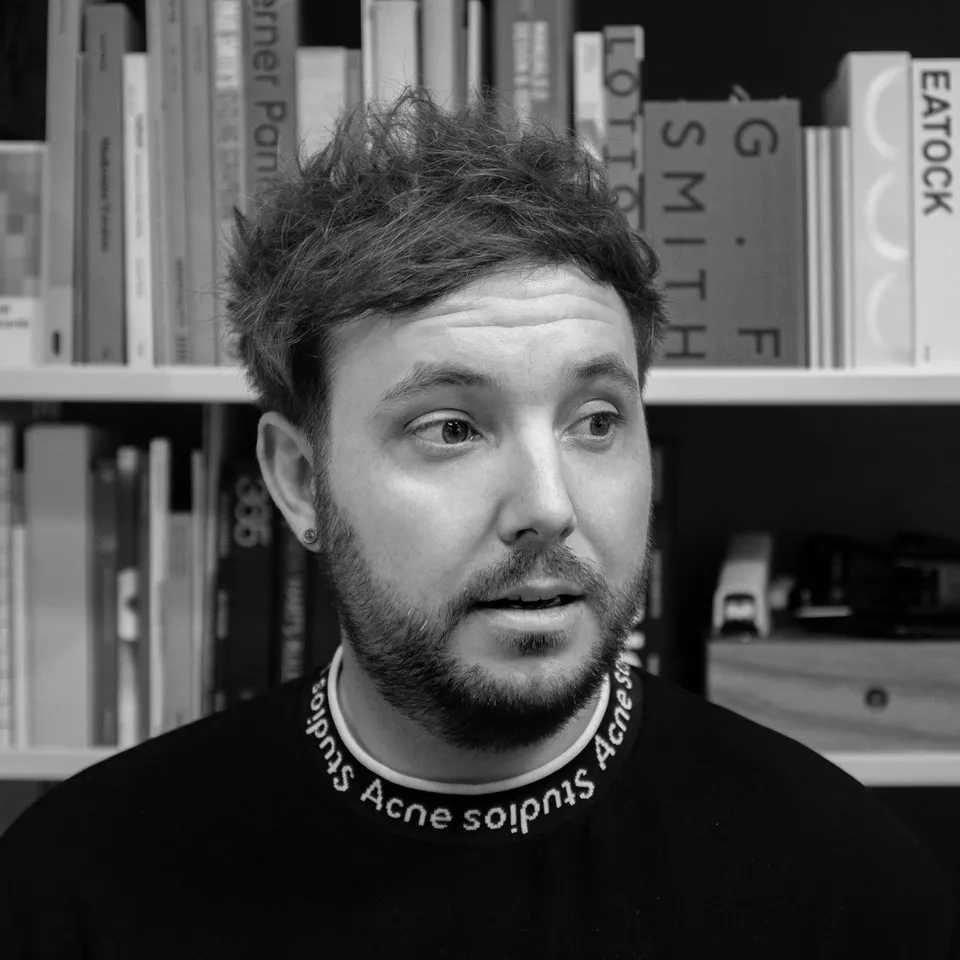
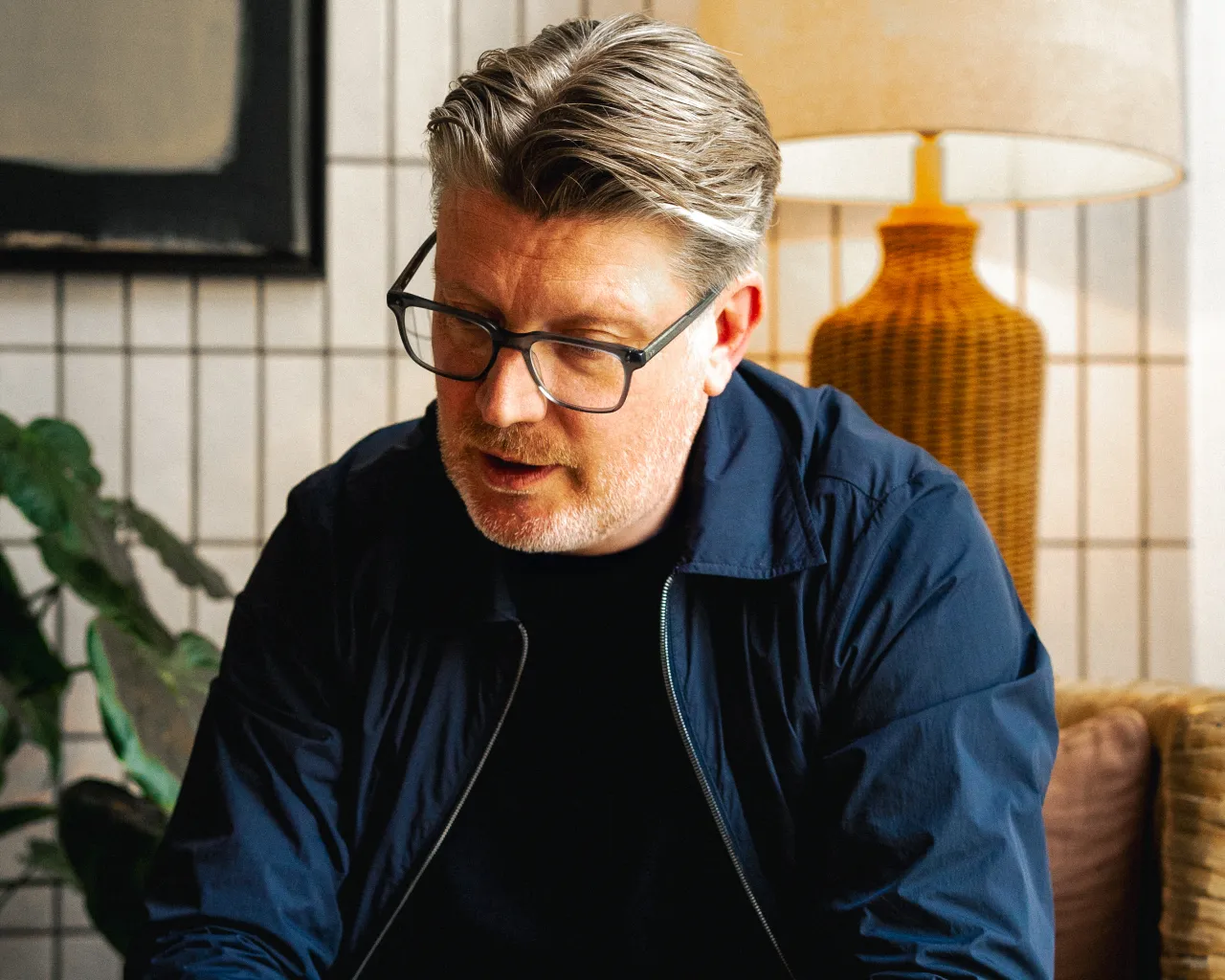
Ben Farr will tell you, more than once, that he's not entirely sure what he's built. It's not false modesty; it's a genuinely accurate description of a studio that has, over eight years, grown into something difficult to categorise.
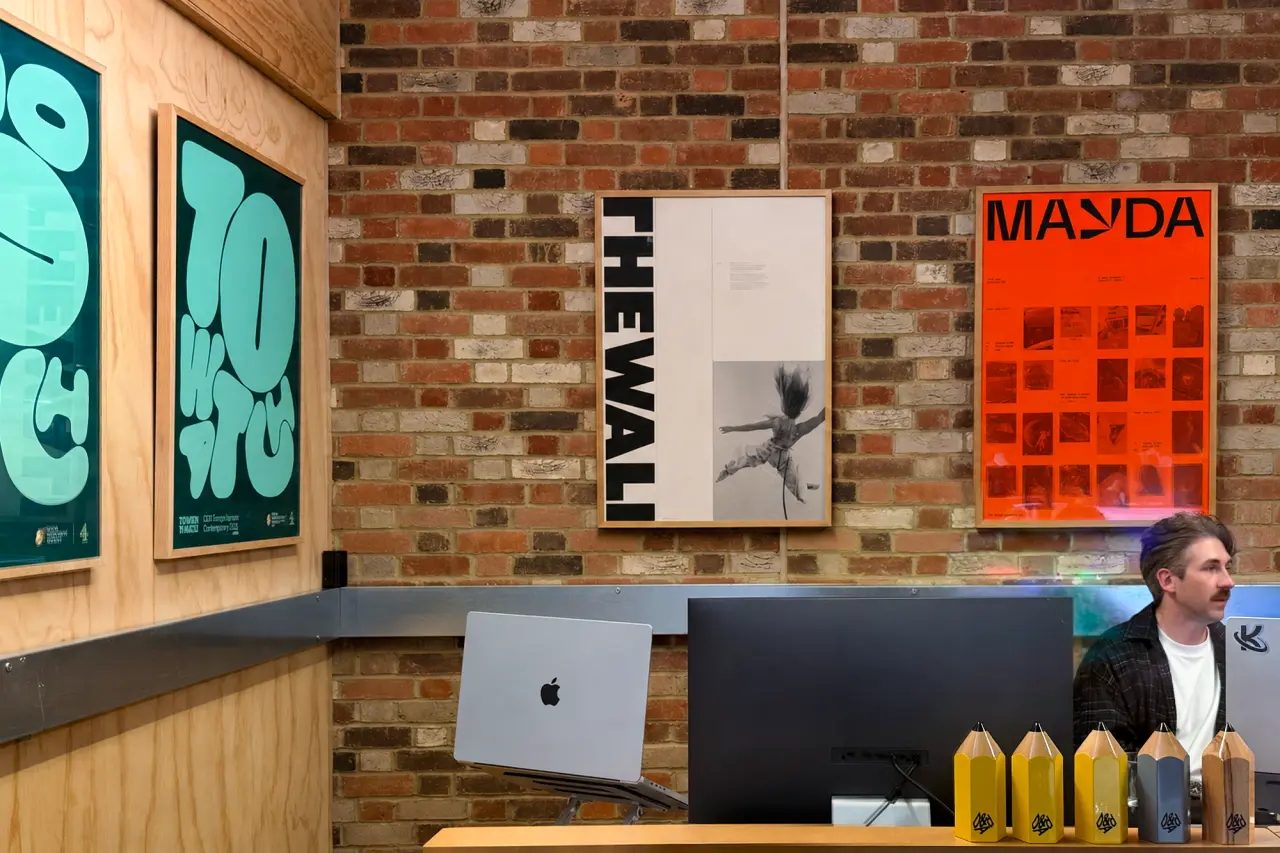
IFSOBCZWHY, based in a four-storey building in Stoke-on-Trent, is a commercial photography studio, a set-build workshop, a creative space for hire, and a working demonstration of a particular philosophy about how creative work should be done. The fact that none of those things alone sums it up... well, that's kind of the point.
"I've accidentally built a photography studio," Ben reflects. "And a lot of the work we do is photography. But equally, if somebody is like, 'Can you design this thing for us?' or, 'Can you make us this thing?', it's like: 'Yeah, cool, we'll do that.' So it's just become a studio where we get paid to do cool shit."
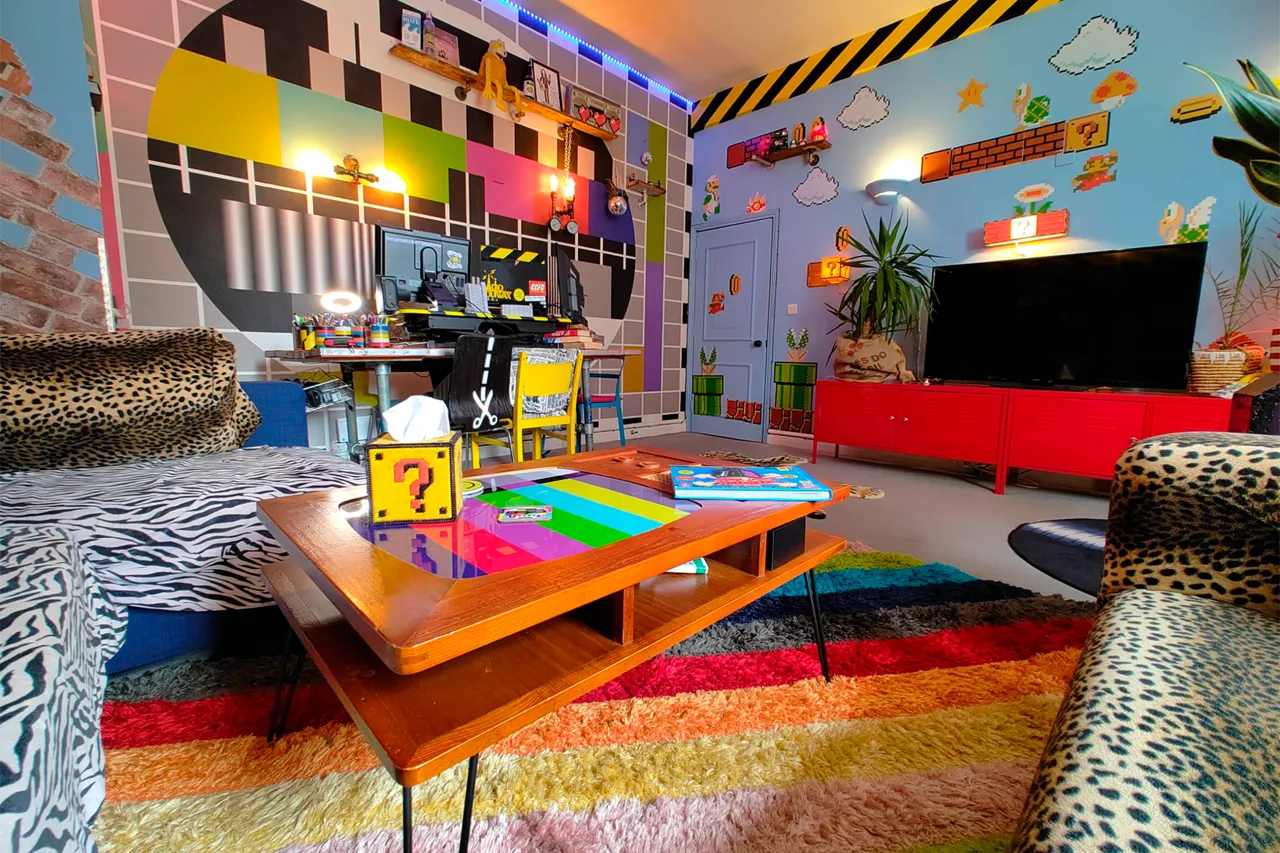
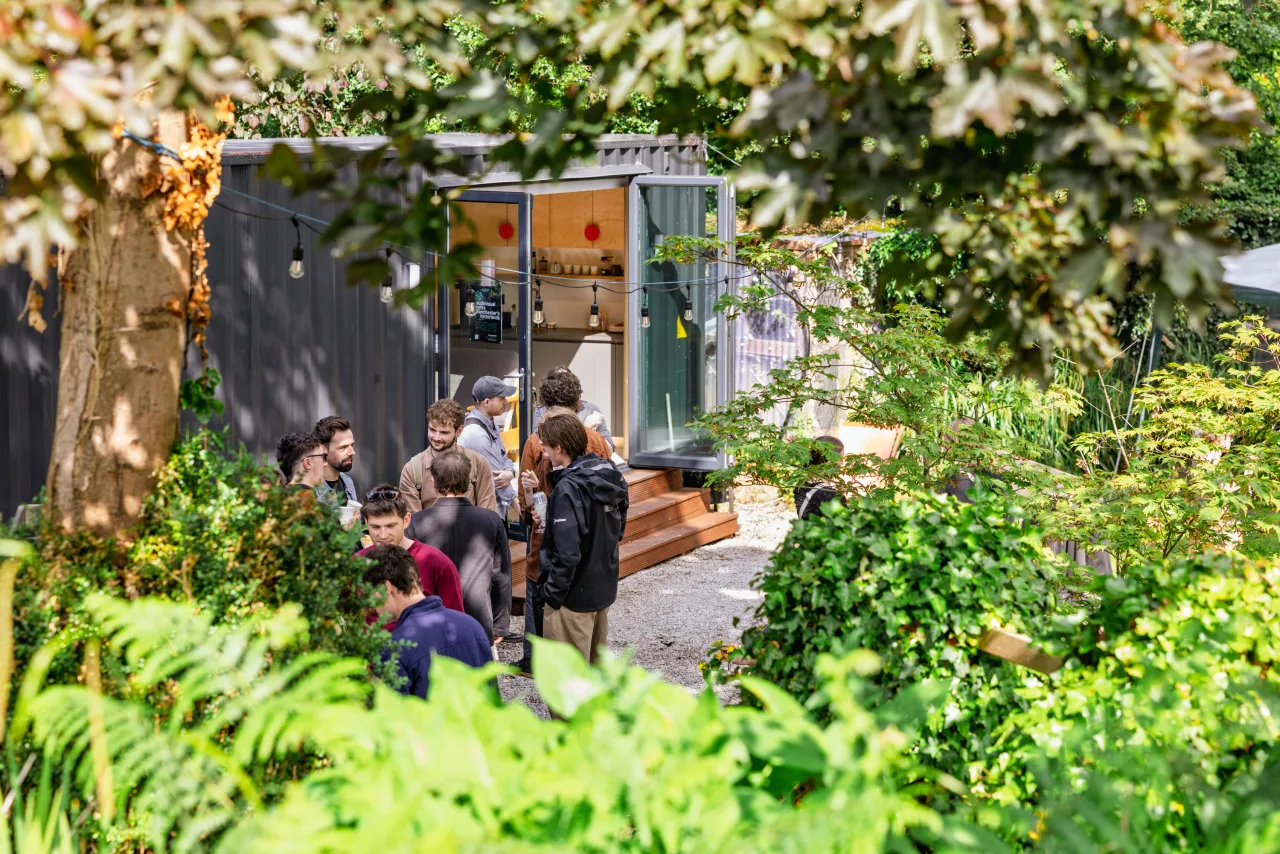
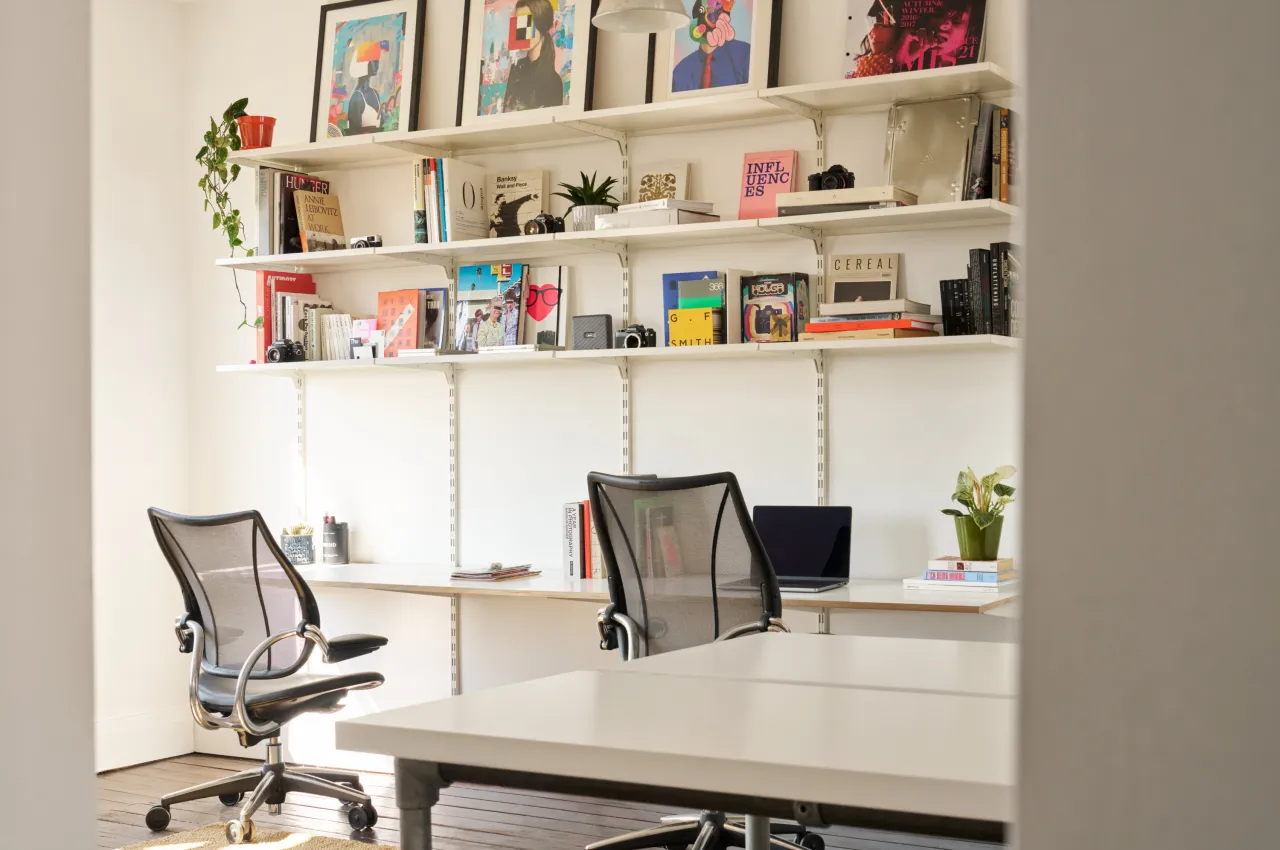
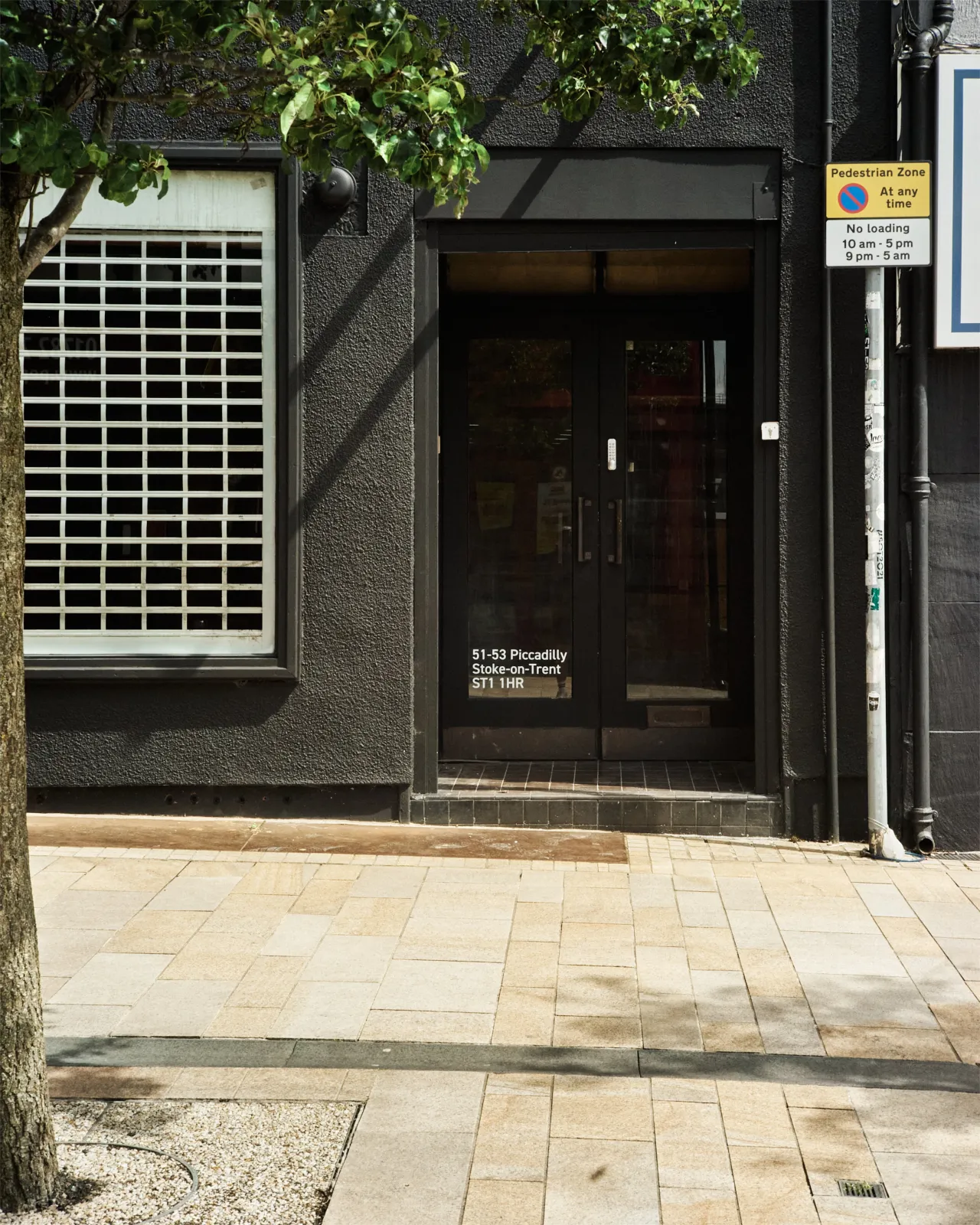
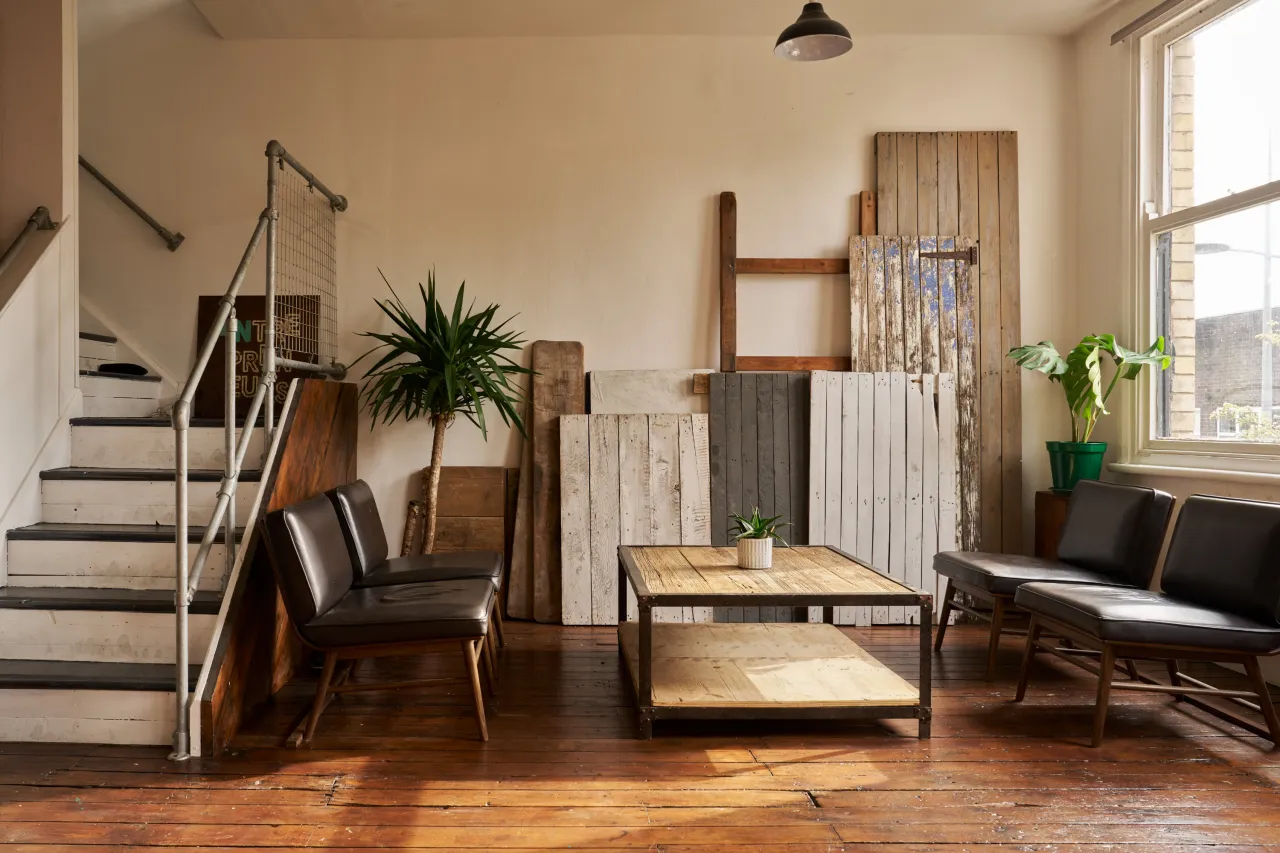
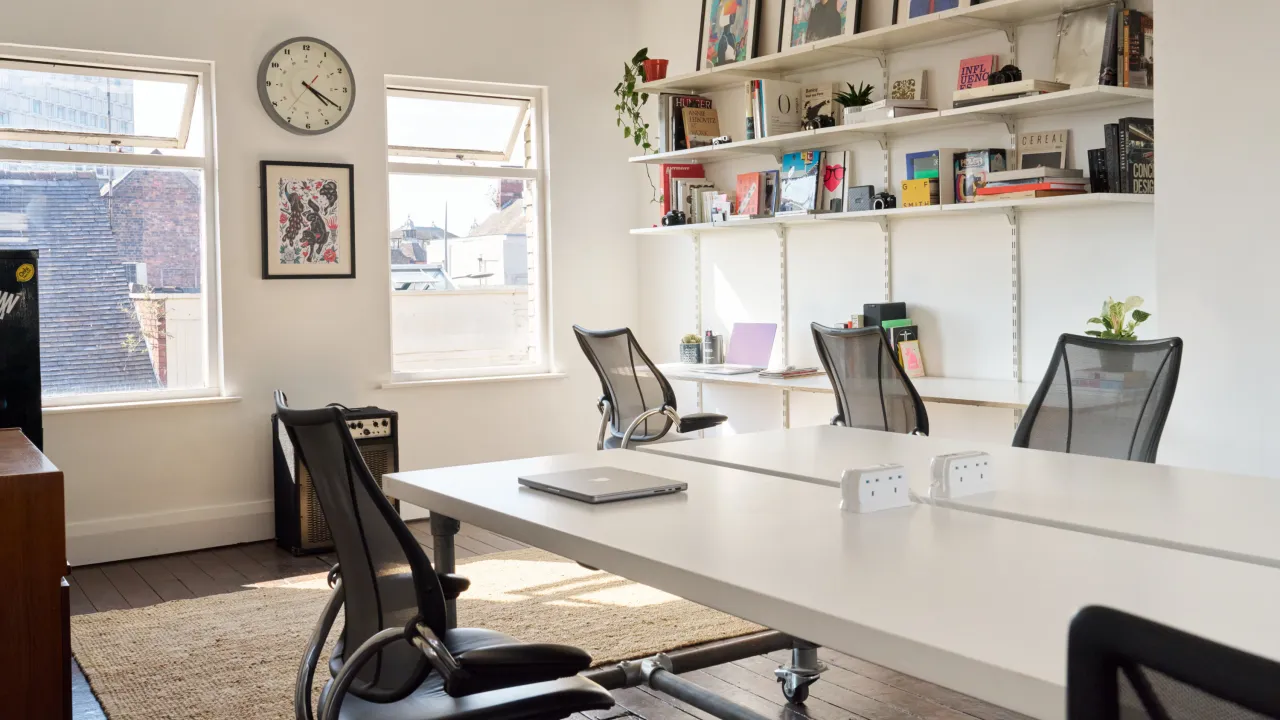
The space itself is at 51-53 Piccadilly, Hanley, in the heart of a city whose creative potential Ben came back to believe in after years working in London, Birmingham and Amsterdam. Almost everything in it has been built by hand, by Ben and his dad. The kitchen was constructed using tool drawers salvaged from a defunct pottery factory, estimated vintage circa 1940. The desks are key clamp frames topped with fire doors. The electrics run through galvanised conduit, because that's what made sense at the time, and it looks right. Nothing was done to be fashionable. Everything was done to work.
The Shangri-La idea
The reference point Ben keeps returning to is Rick Rubin's Shangri-La Studios in Malibu, the converted house where Black Sabbath recorded their comeback album, and where, by most accounts, the atmosphere of the place is as much a part of the work as the equipment. "I was fascinated by how it became almost like a pilgrimage to go there," he says. "People can go there and do whatever they want to do."
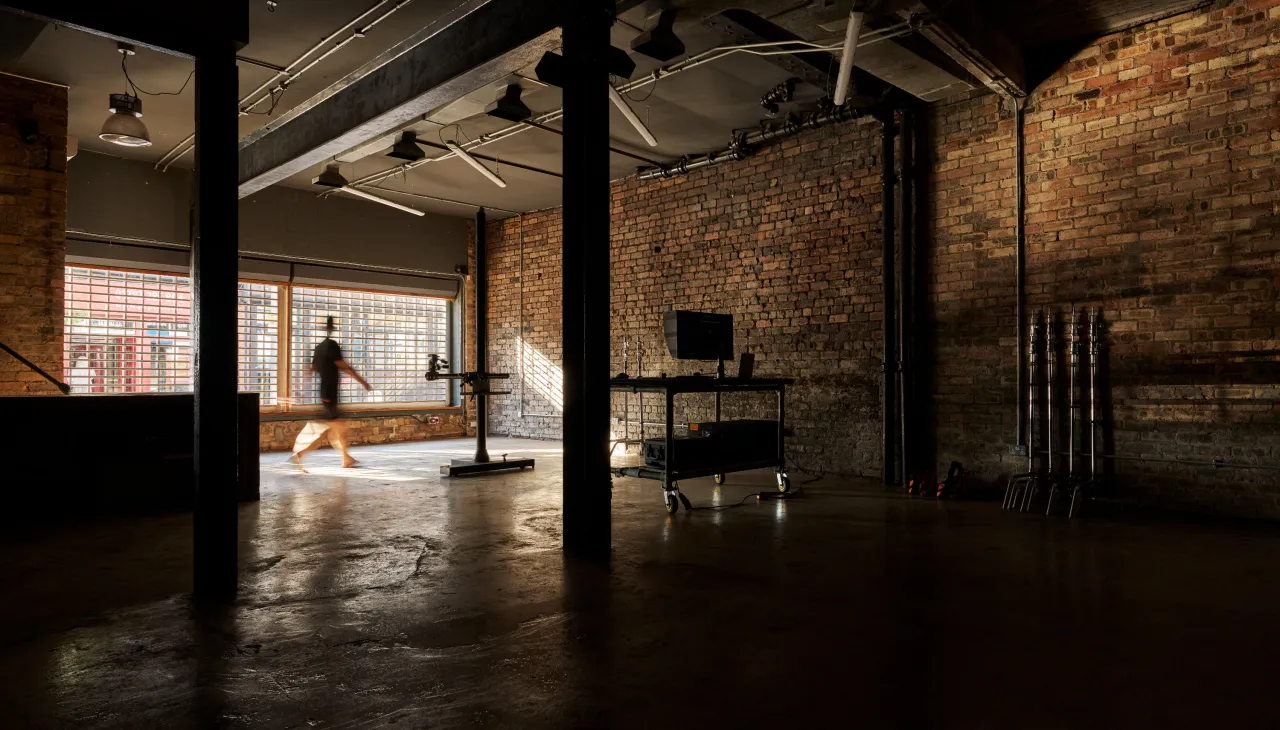
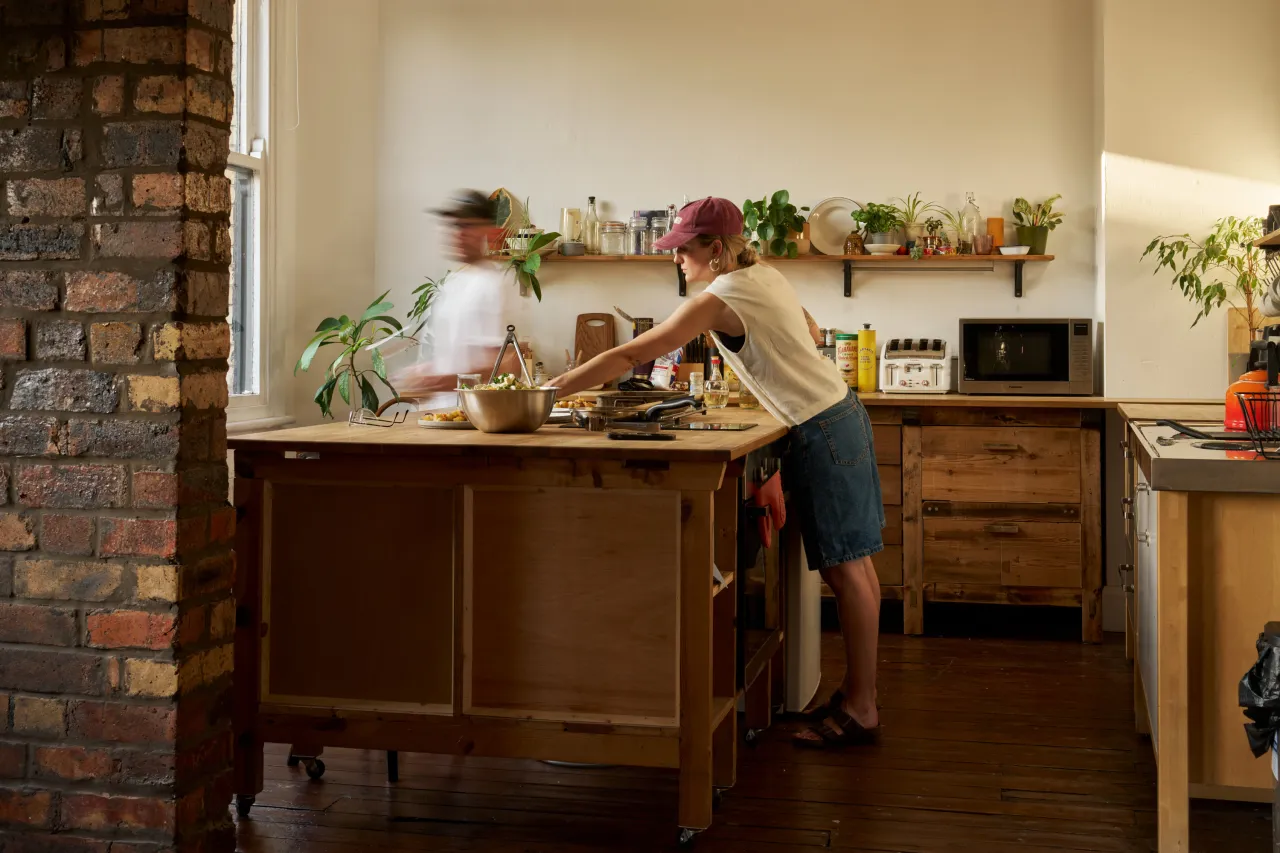
The version he's built in Stoke is more modest in scale and more utilitarian in aesthetic, but the underlying idea is the same: a place you come to with an idea and leave with that thing made real. The ground-floor photography studio has everything on wheels, so it can be cleared and reconfigured as a blank space. The middle floor is designed for food shoots and client entertainment. The top floor is where Ben works. The whole building is set up so a client could arrive, the work could happen, and nobody would need to set an out-of-office.
"I basically just made a space I'd want to have worked in," he says. "Everything I hated about working in other studios I've hopefully got rid of. And everything that I enjoyed, I'm hoping is instilled here."
Analogue by nature
At the core of how IFSOBCZWHY operates is a manifesto Ben wrote a couple of years ago, partly to hold himself accountable and partly to give collaborators a way of checking whether a project is actually the right fit. One of its central planks is the distinction between working for clients and working with them. Another is the commitment to the analogue process: every project starts on paper, regardless of the output.
This is not, by the way, a knee-jerk reaction to AI; it's simply, as he puts it, "the only way I've ever known how to do things." That has a lot to do with his upbringing: his dad is a fabricator who used to sketch designs on graph paper in the evening, using Japanese measuring rules older than Ben. (For anyone interested, it was Mitutoyo.)
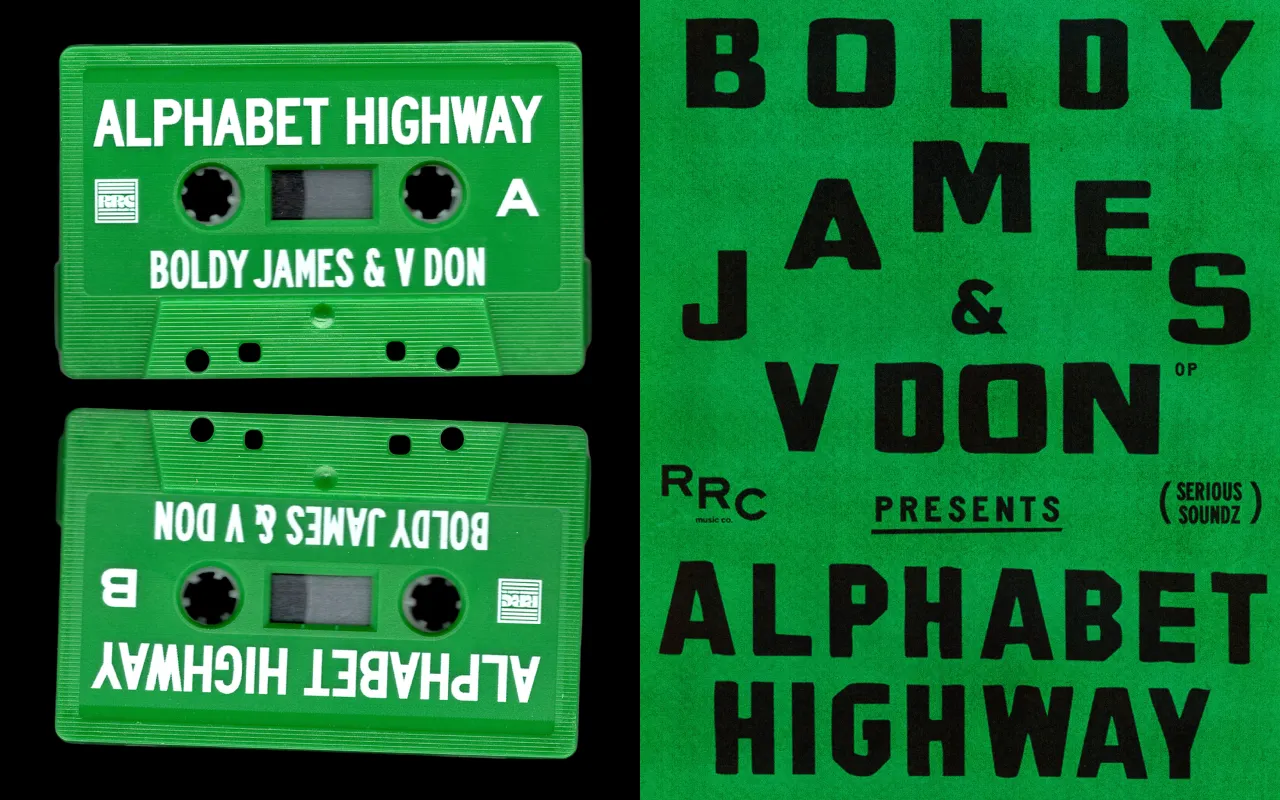
That's where the studio's visual language comes from, too: DIN, the German engineering standard typeface, chosen because it feels like technical documentation, like something drawn to scale.
A recent set build was designed entirely on graph paper, drawn to scale by hand, with no CAD involved. It came in under budget. "There's no point trying to do it in Illustrator," he says. "My head can't work like that."
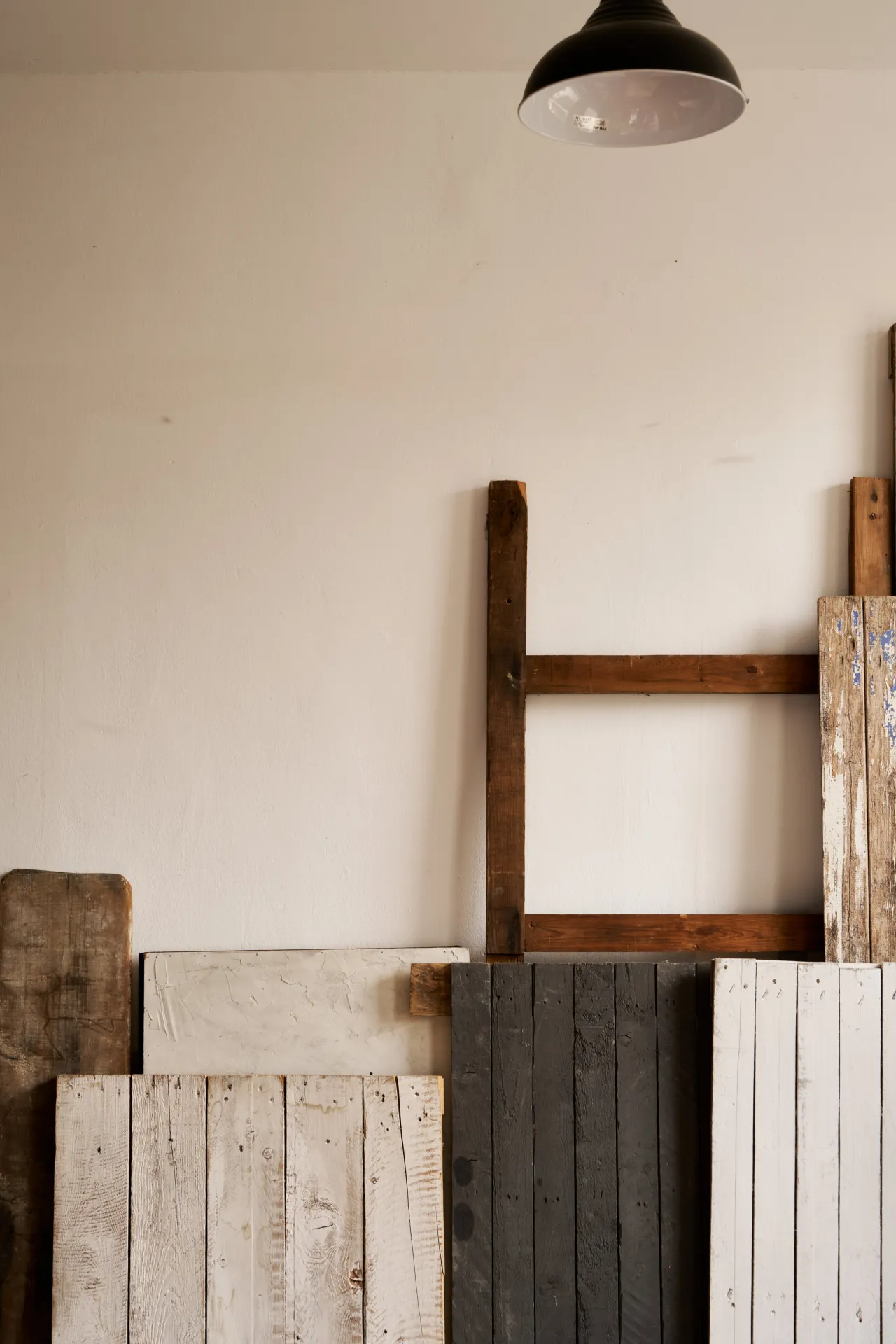
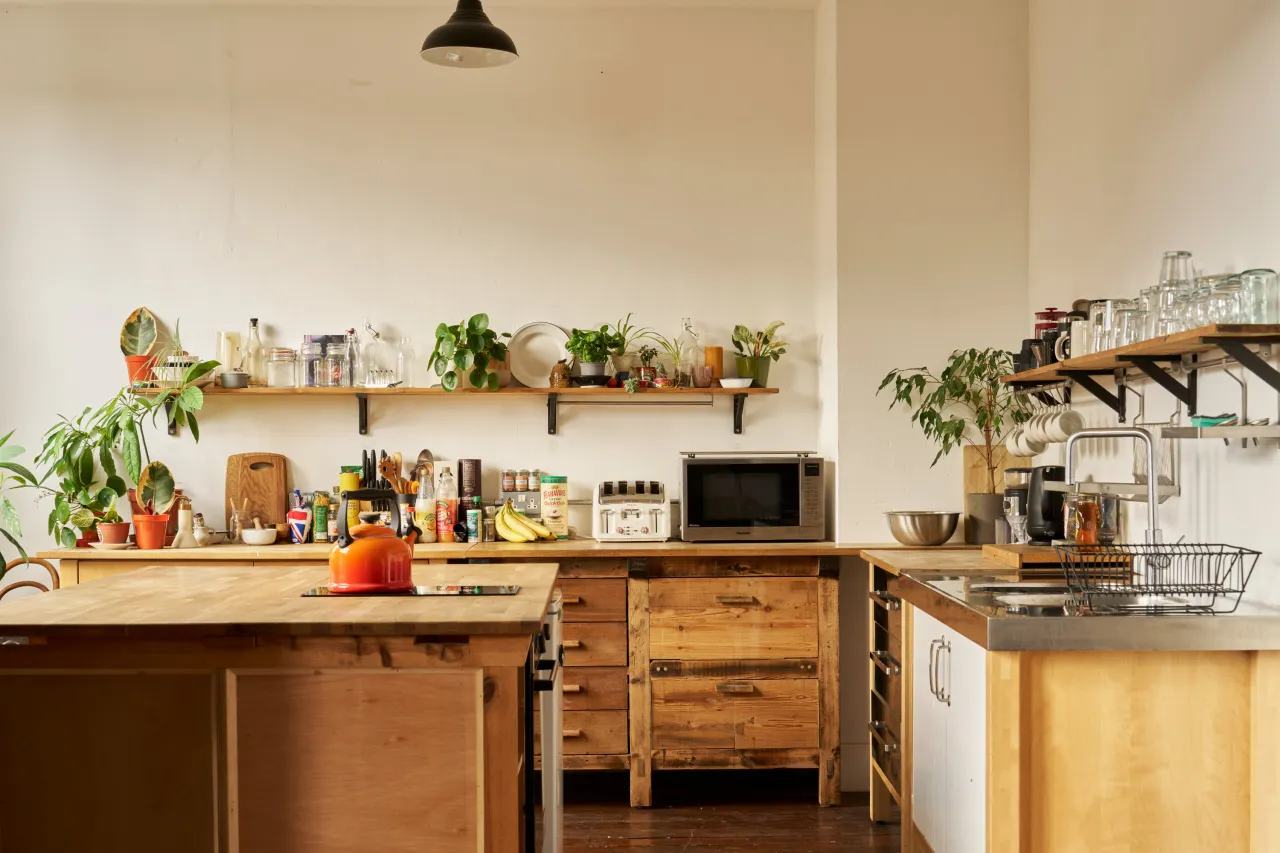
This extends to a broader design philosophy he sums up with an unlikely metaphor: a 99p tin opener. "I've had the same one since uni," he says. "I'm 35 now. I just like shit that works. It's got it right from the get-go." Everything in the studio, from the furniture to the workflow, is designed on the same principle: practical, direct, stripped of anything that doesn't serve a function. "Nothing that we're doing is trying to be groundbreaking. It's just utilitarian."
Why Stoke?
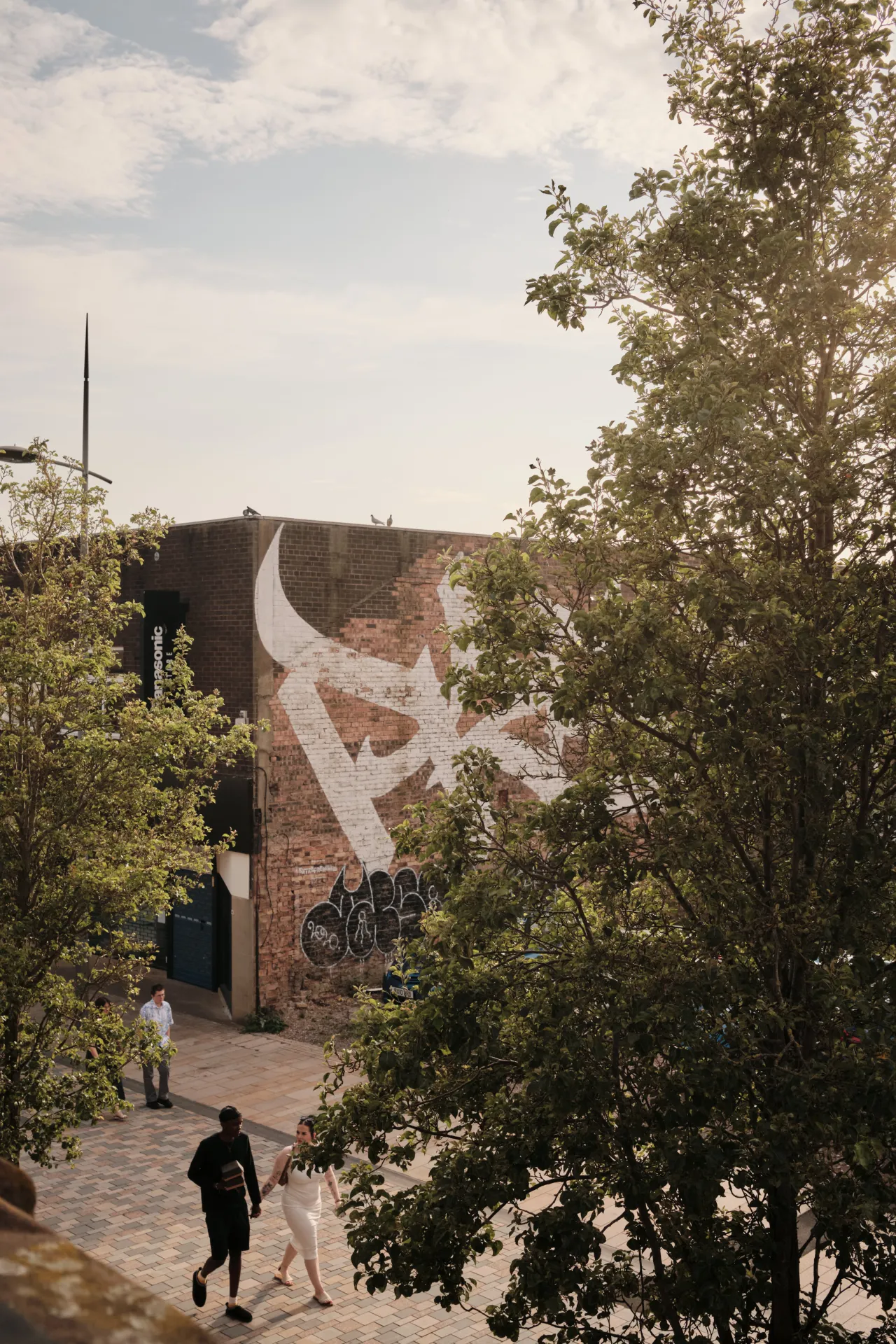
Ben grew up in Stoke-on-Trent and, by his own admission, could have founded a business somewhere bigger. He's worked in London and understands what it has to offer. He chose to come back because he thought his contribution would go further here. "I could be a small fish in a big pond in London, or a bigger fish in a slightly smaller pond in Stoke," he says. "My contribution will hopefully go further here."
He's clear-eyed about the frustrations. The familiar conversation: great pitch, good feedback, then silence, and the news that the client went to London instead. "There's no point being angry about it," he says. "It's just how it is. The same thing probably happens to good studios in Shrewsbury and Sheffield, and everywhere else that isn't a capital city."
What keeps him here is the sense that the city needs people willing to back it. Stoke was built on its ceramic industry and was granted city status in 1925, partly in recognition of that contribution. Since then, it has long been navigating the void left by deindustrialisation. Ben doesn't claim to be solving that. He just thinks that if what he's doing can make one more person believe that interesting work is possible here, that's worth more than the equivalent effort somewhere else.
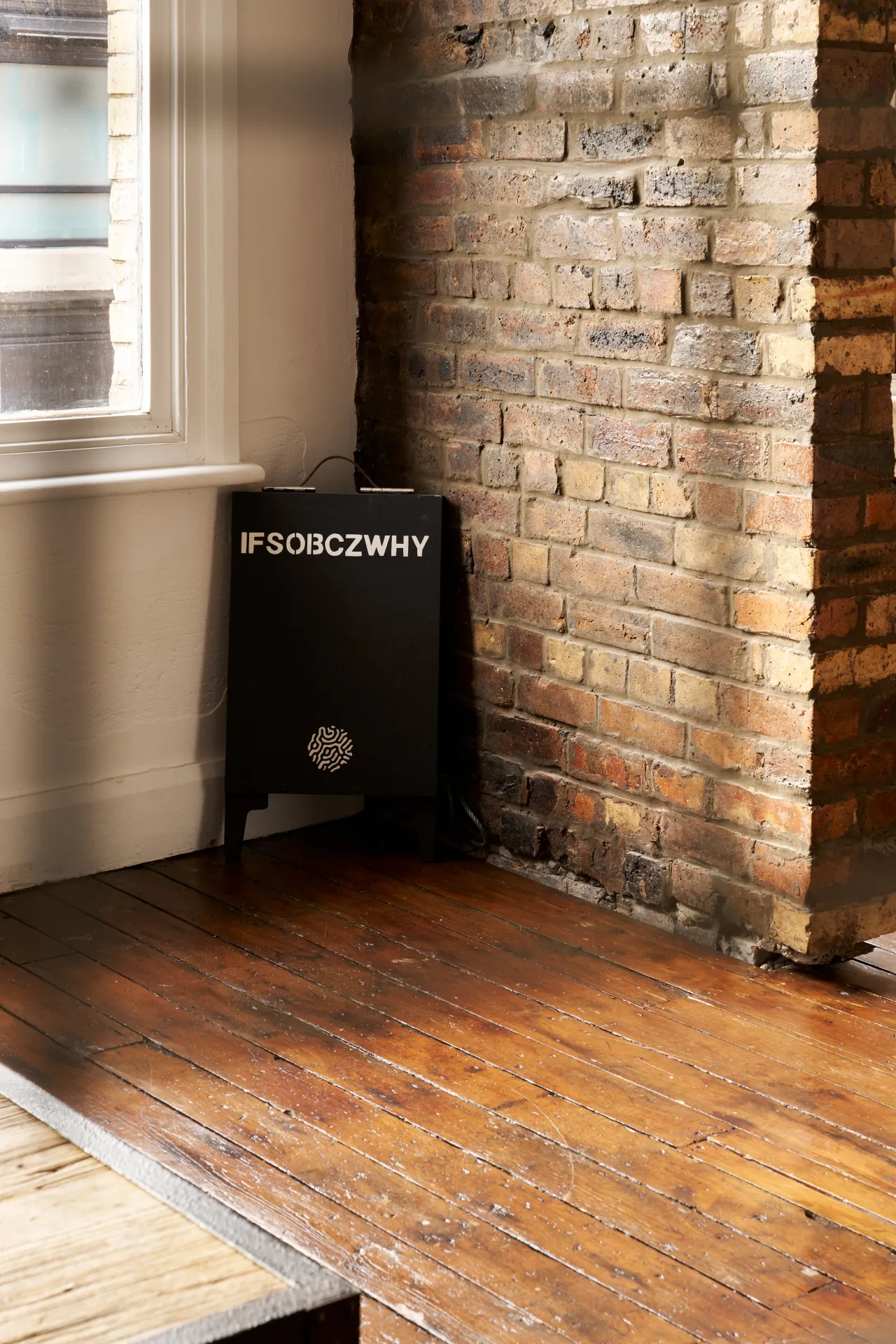
So what of the name, IFSOBCZWHY? Ben explains it comes from a phrase his grandfather used to say: "If so, because why, so let it." His English teacher gave him a detention for writing it in the back of his book. When he needed a studio name, he chose it because it would prompt people to ask questions, so he wouldn't have to start conversations at networking events. His grandfather died last year, a month after turning 100.
"Everybody told me not to do it," he says. "They said it'd be incredibly difficult to market." He pauses. "So I just designed it to look like a really high-end brand." It's a very Ben Farr solution. Practical, a little contrary, and arrived at by trusting instinct over received wisdom.
Which, when you think about it, is exactly how he built the studio, chose the city and approaches every project that comes through the door. Start on paper, use what works, don't overthink it. The rest tends to follow.
Editor's Picks
Trending


Latest Jobs
Senior 3D Motion Designer at Art&Graft
Full-time·London·£50k-£65k
Digital Marketing Executive at Arise
Full-time·Sheffield·From £23,750
Account Manager at Moxie and Mettle
Full-time·Cheltenham·Up to £35k
Lead Digital Designer at Together
Full-time·£55k–£75k
Frontend Developer at Northern Artillery
Full-time·Leeds·£35k–£45k
Agent & Producer at The Jacky Winter Group
Full-time·London·£35k–£40k