Taekhan Yun on designing fun and playful chairs for kids
The Seoul-born, Cambodia-based designer has built a practice around observation, collaboration and the unpredictability of making things with other people – especially the younger lot.
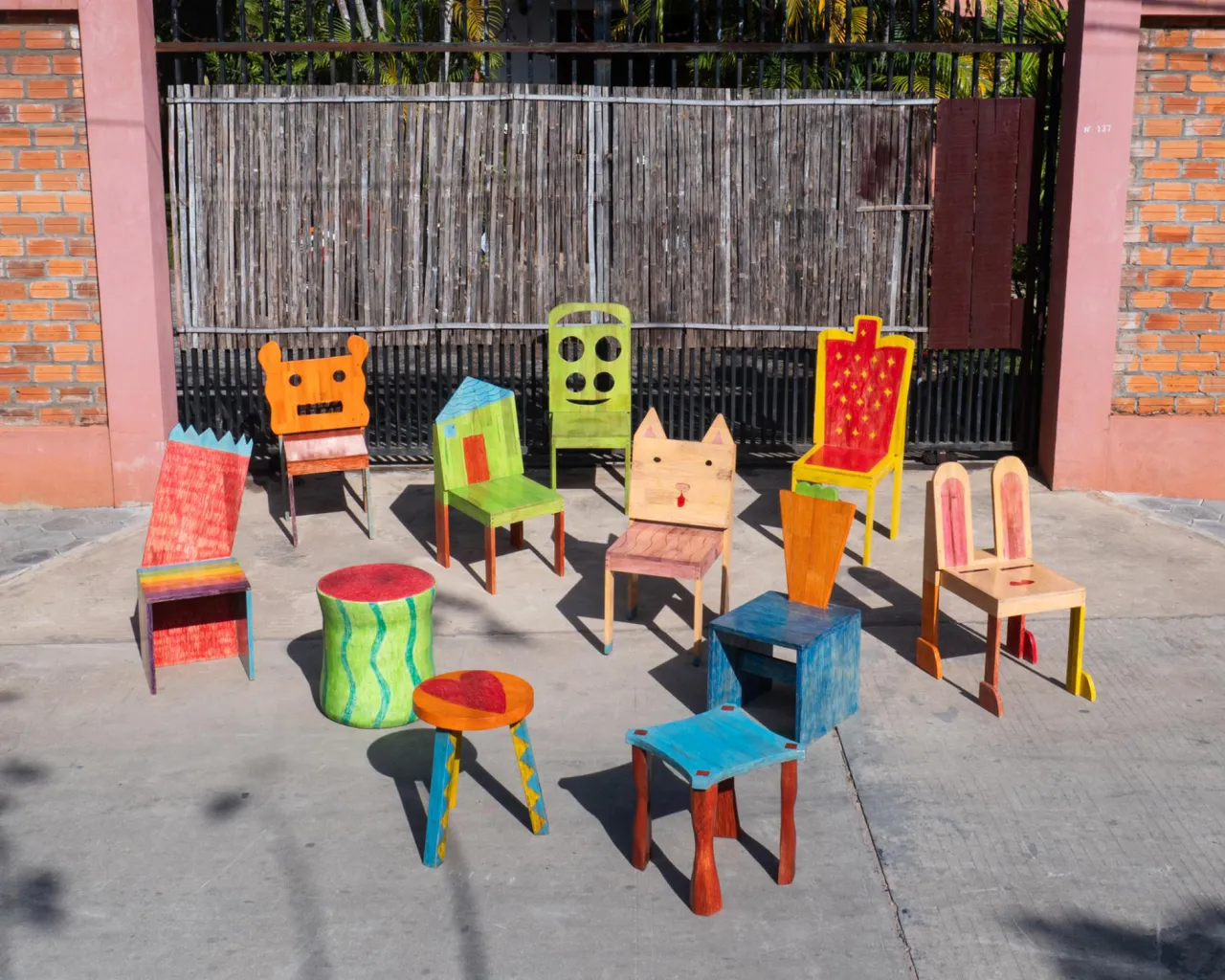
Chair for Kids project
A child sits in front of a blank piece of paper and is asked a simple question: What would a chair built for your body look like? Well, it will probably look a lot like one from Chair for Kids. After the drawings, the measurements, the small clay prototypes, the eventual riot of brightly coloured finished chairs arranged in a courtyard, this project is one of two projects that Taekhan Yun considers among his most meaningful to date. And it is, on the surface, a very straightforward idea that is perfectly formed – especially for the younger generation.
Taekyun was born in Seoul, studied design in France and is currently based in Cambodia, a journey that has shaped a practice defined by responsiveness. "As I move through different places, my work has evolved to remain flexible, rather than being fixed to a single style, responding instead to each specific situation," he says. His time in France proved formative, and working alongside people from diverse backgrounds led him to understand that design is not a solely creation of objects, but "a process and a way of forming relationships". That shift from product to process is the hinge on which everything he makes now turns.
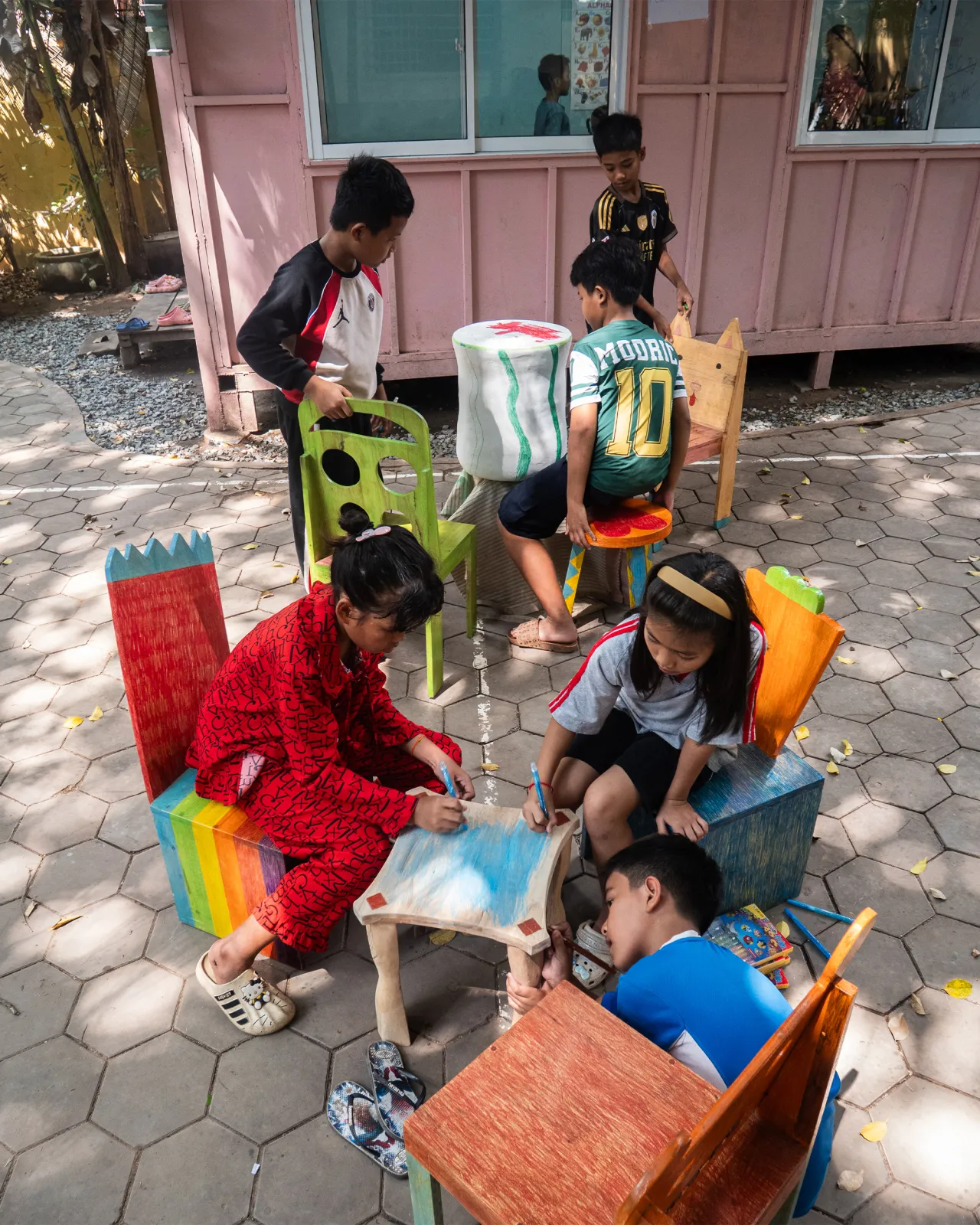
Chair for Kids project
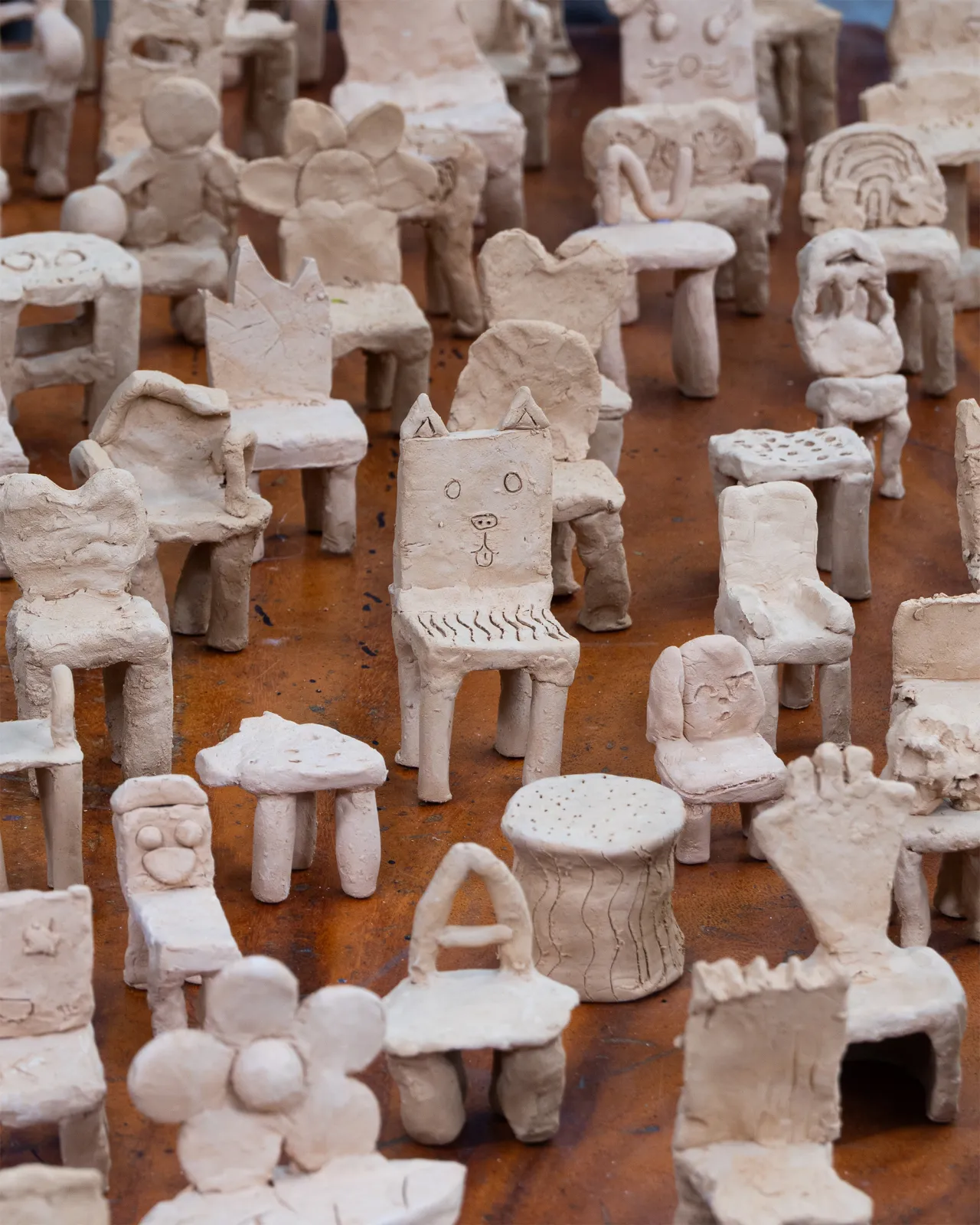
Chair for Kids project
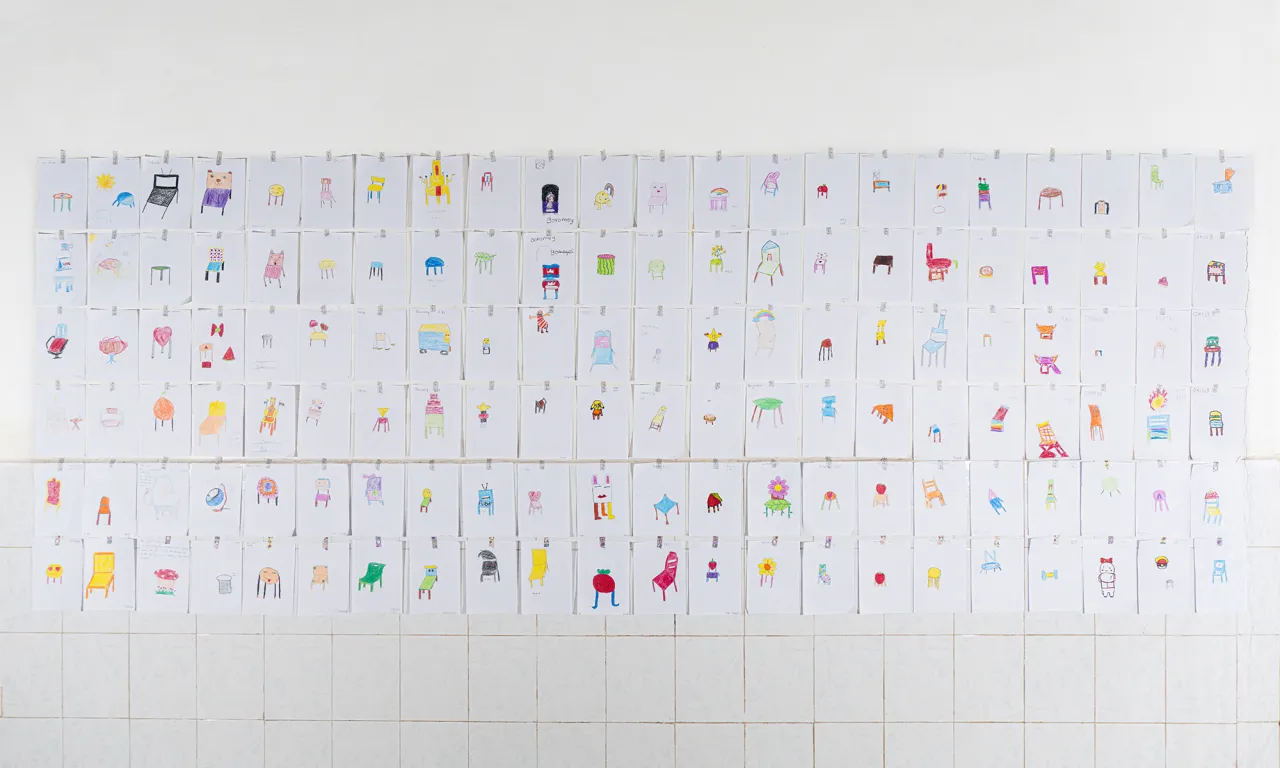
Chair for Kids project
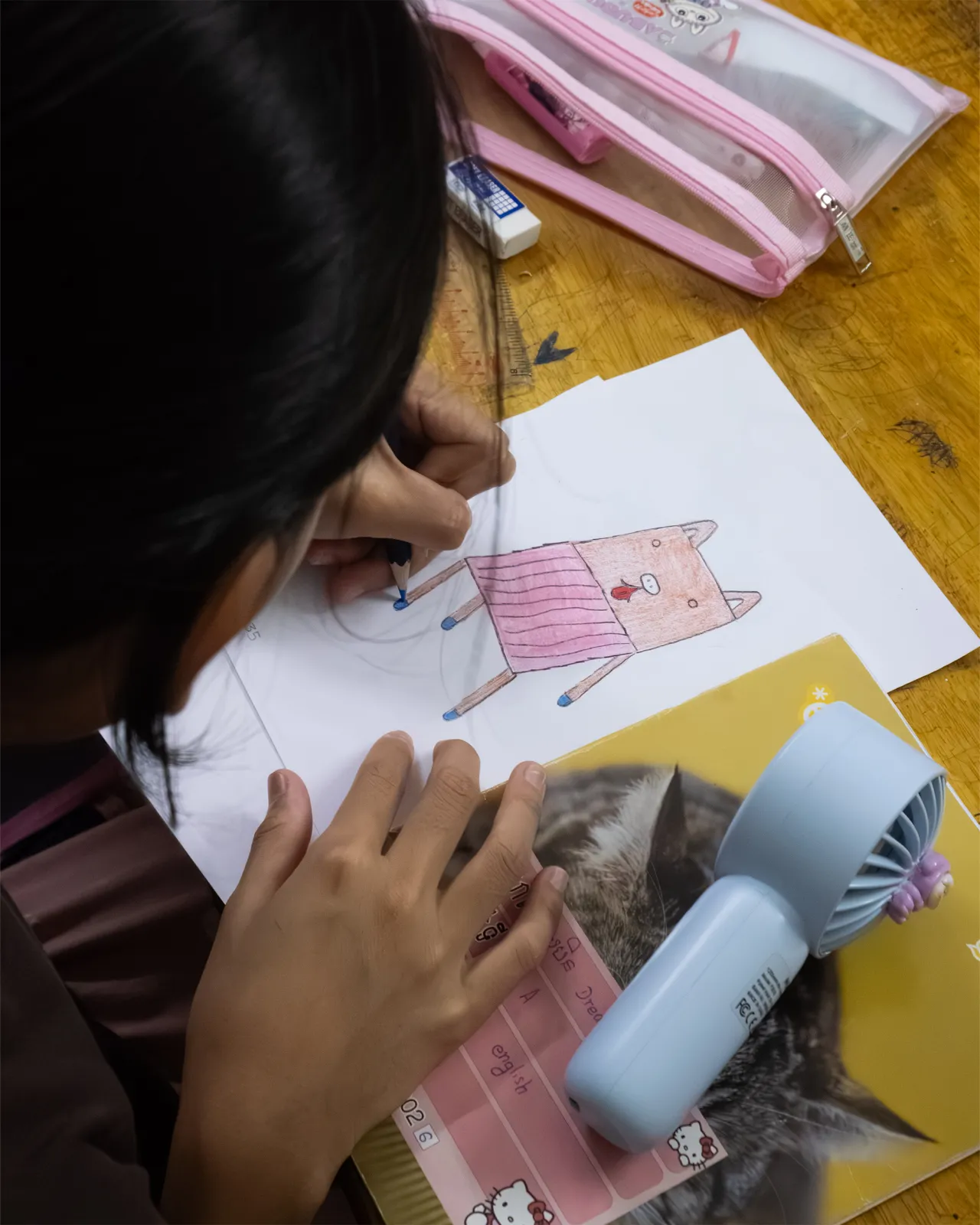
Chair for Kids project
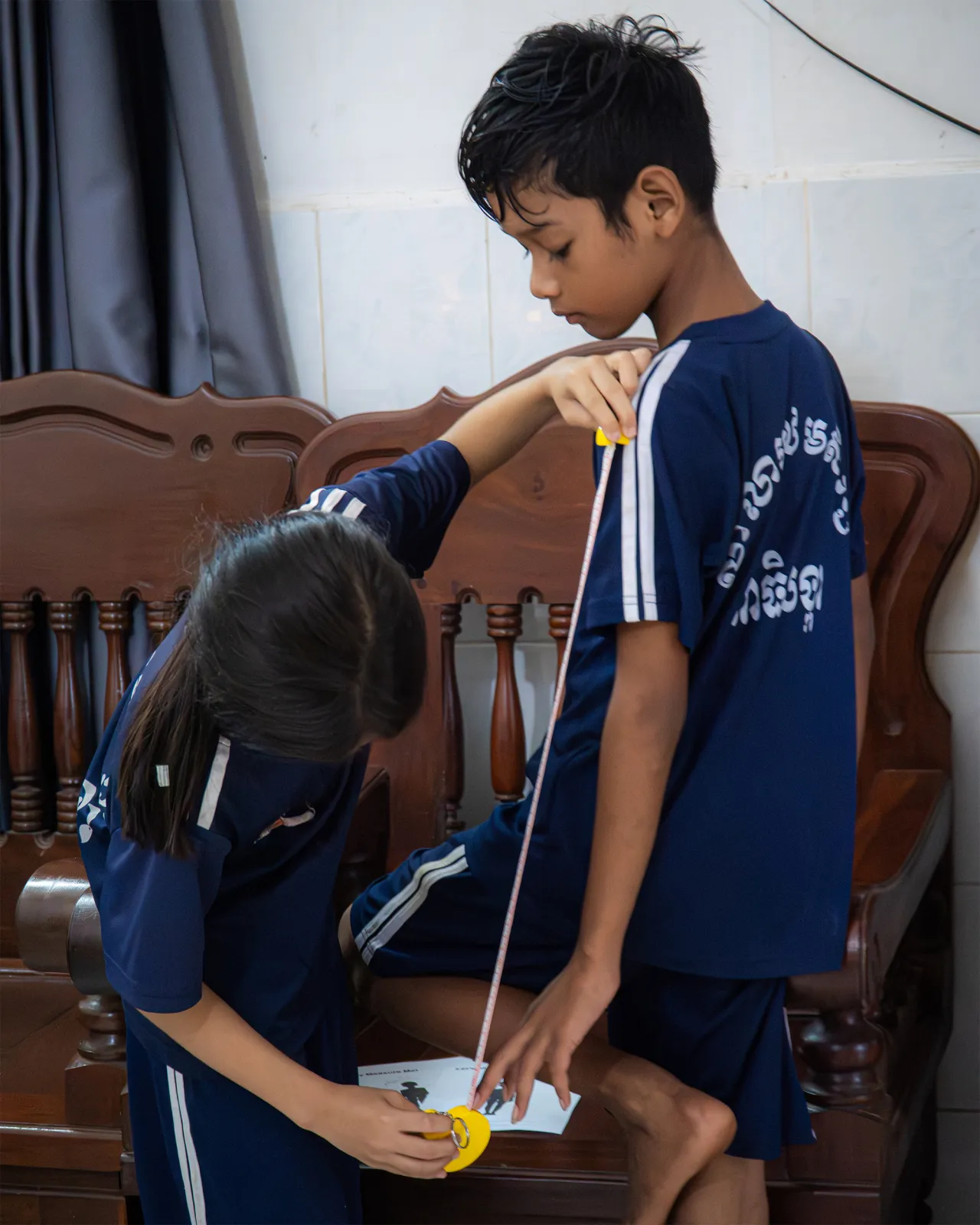
Chair for Kids project
When starting a piece, Taekyun begins with observation, drawn from the texture of wherever he happens to be living. Children perched on adult-sized chairs in school classrooms. Discarded furniture is piled on the street, waiting for someone to see its second life. The continued use of bamboo scaffolding across Southeast Asia and Hong Kong – a traditional material holding up the modern city. "Rather than focusing first on how to make something," he explains, "I begin by considering what story I want to tell and what meaning it should carry. I then reinterpret these situations from different perspectives, simplifying or transforming them through a series of quick sketches."
Form, for Taekyun, is never the beginning. It is more about what emerges at the end of a process of looking, sketching, making and adjusting. "I prefer a process in which the form develops through making. The properties of materials and the variables that arise during fabrication naturally influence the outcome."
Chair for Kids is an apt example of this, in which children are asked to measure, draw, and imagine a chair that would actually fit them rather than the adult world they inhabit. The resulting clay prototypes are tiny and completely individual, a field of small forms that look like an archaeological dig. Then the finished chair is vivid, slightly eccentric and built for different heights and proportions. "Working with children allows forms and ideas to evolve beyond the methods or expectations I initially set," he says. "This unpredictability and the changes that emerge from it are the reasons why I value these projects."
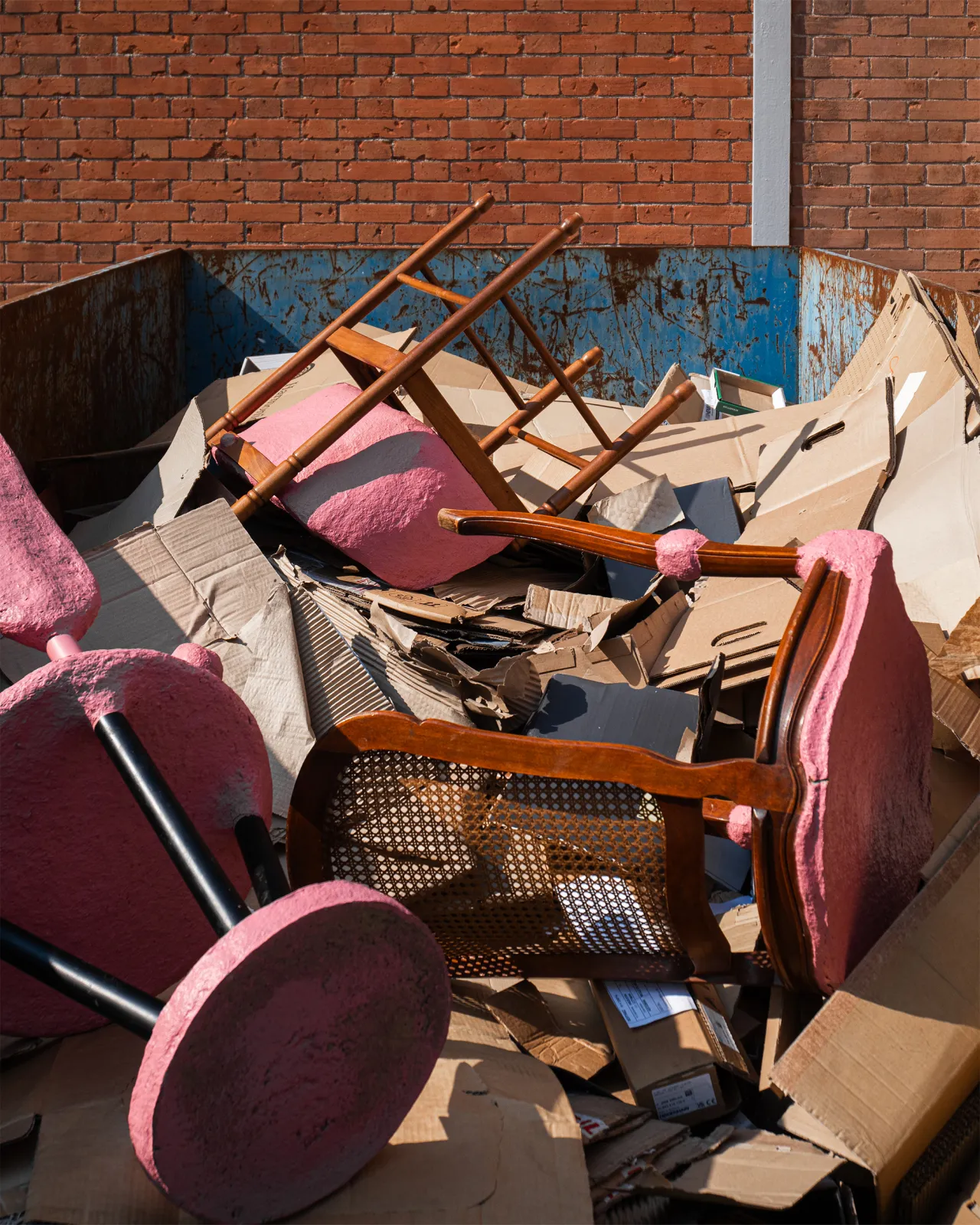
Rebirth project
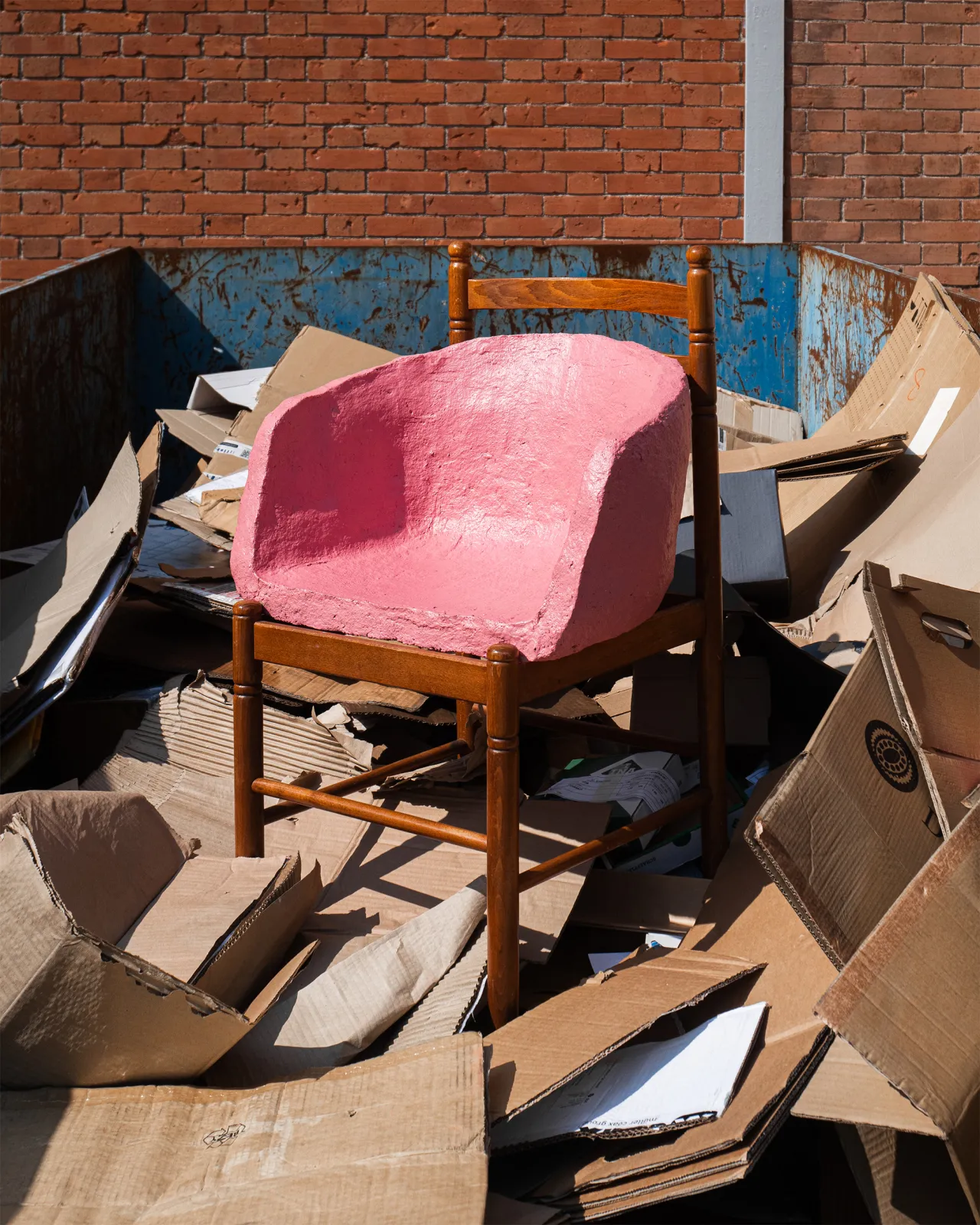
Rebirth project
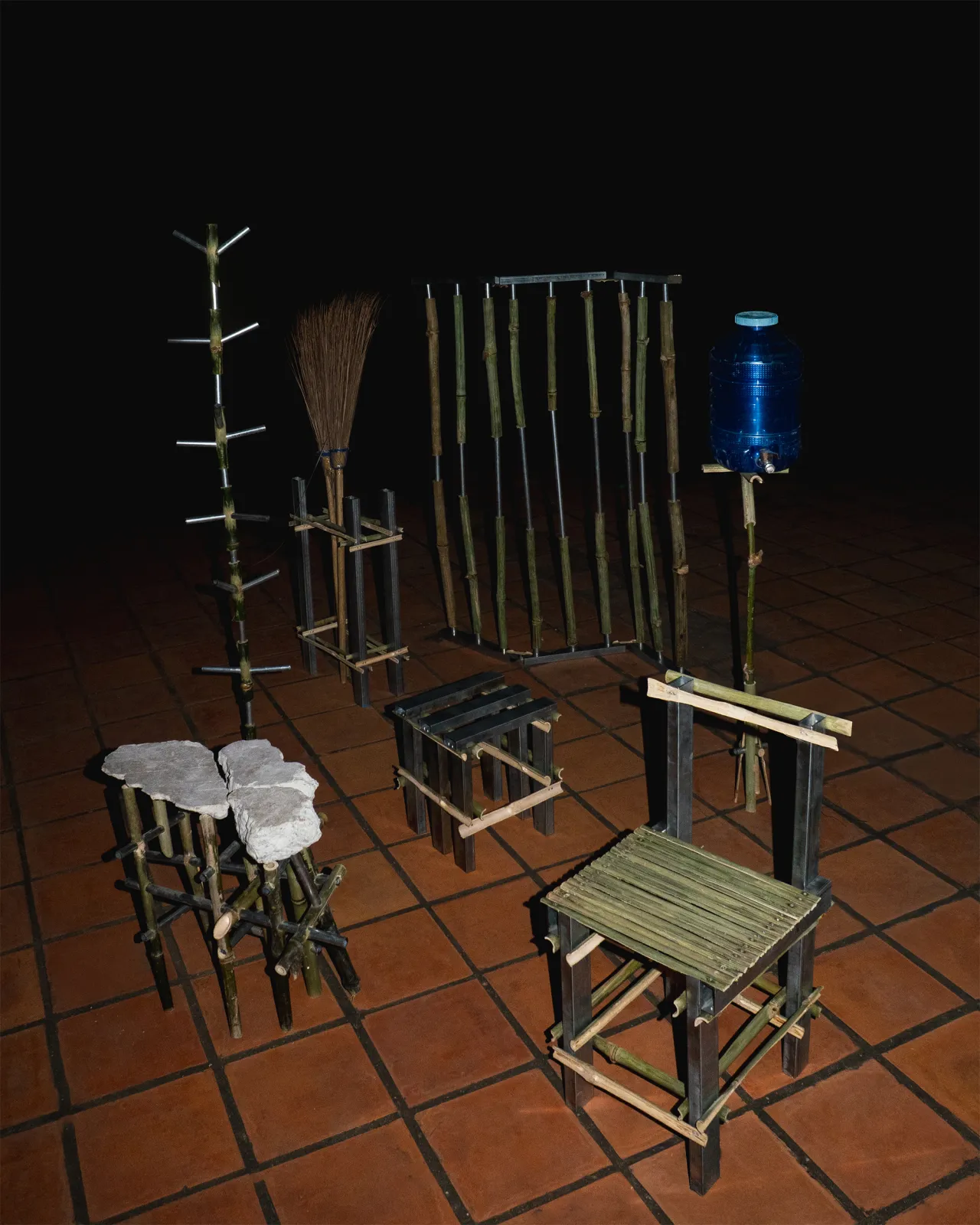
Bamboo & Metal Workshop
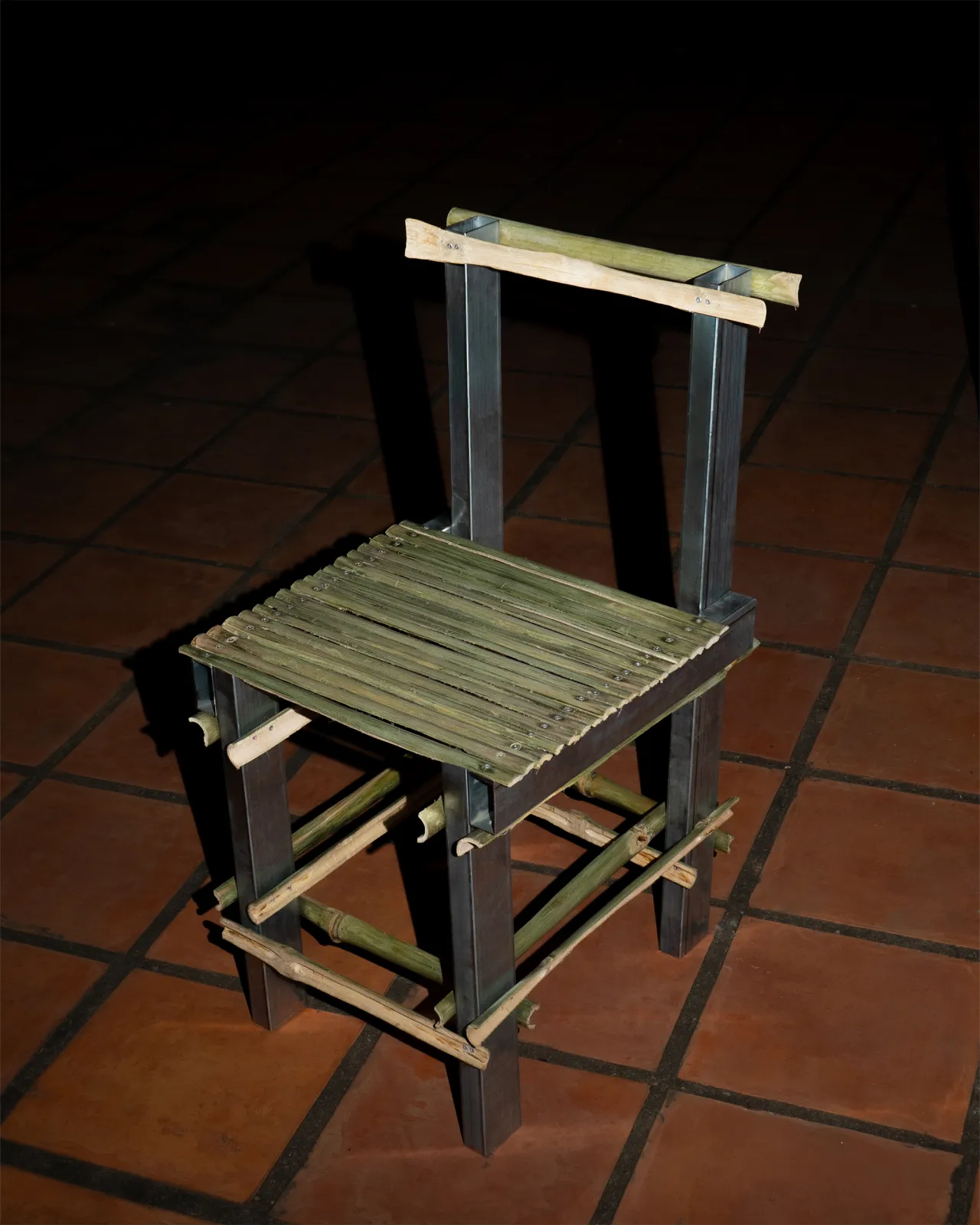
Bamboo & Metal Workshop
Meanwhile, the Rebirth Project operates similarly at a different scale. It involves discarded furniture collected from the street, reassembled into new forms, and given a second life through the making process. In both cases, the work isn't really about the object produced, but rather about what happens between the people who produce it. "I hope that the audience does not stop simply thinking, 'This is a beautiful object,'" he says, "but instead follows the background and context in which the work was created, as well as the story contained within it." For him, design is a way of shifting perspectives. "I think that allowing familiar things to be perceived differently is also an important role of design."
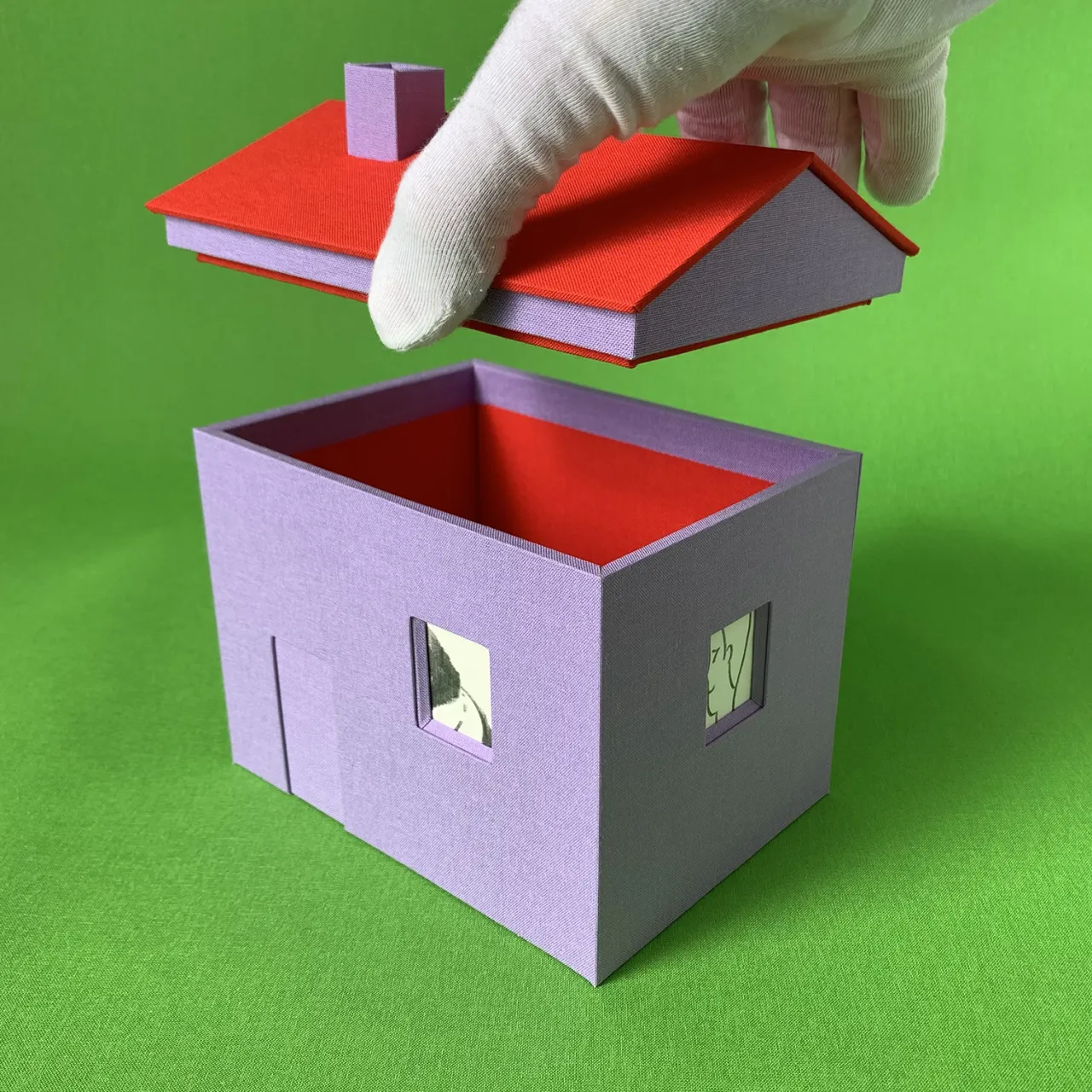
Next up is the Birdhouse project, again made with children, only this time he's asking them to turn their attention outward and to consider and understand others, rather than just themselves. It's a natural next step, because after the chair, which begins with the body, comes the question of what lies beyond it.
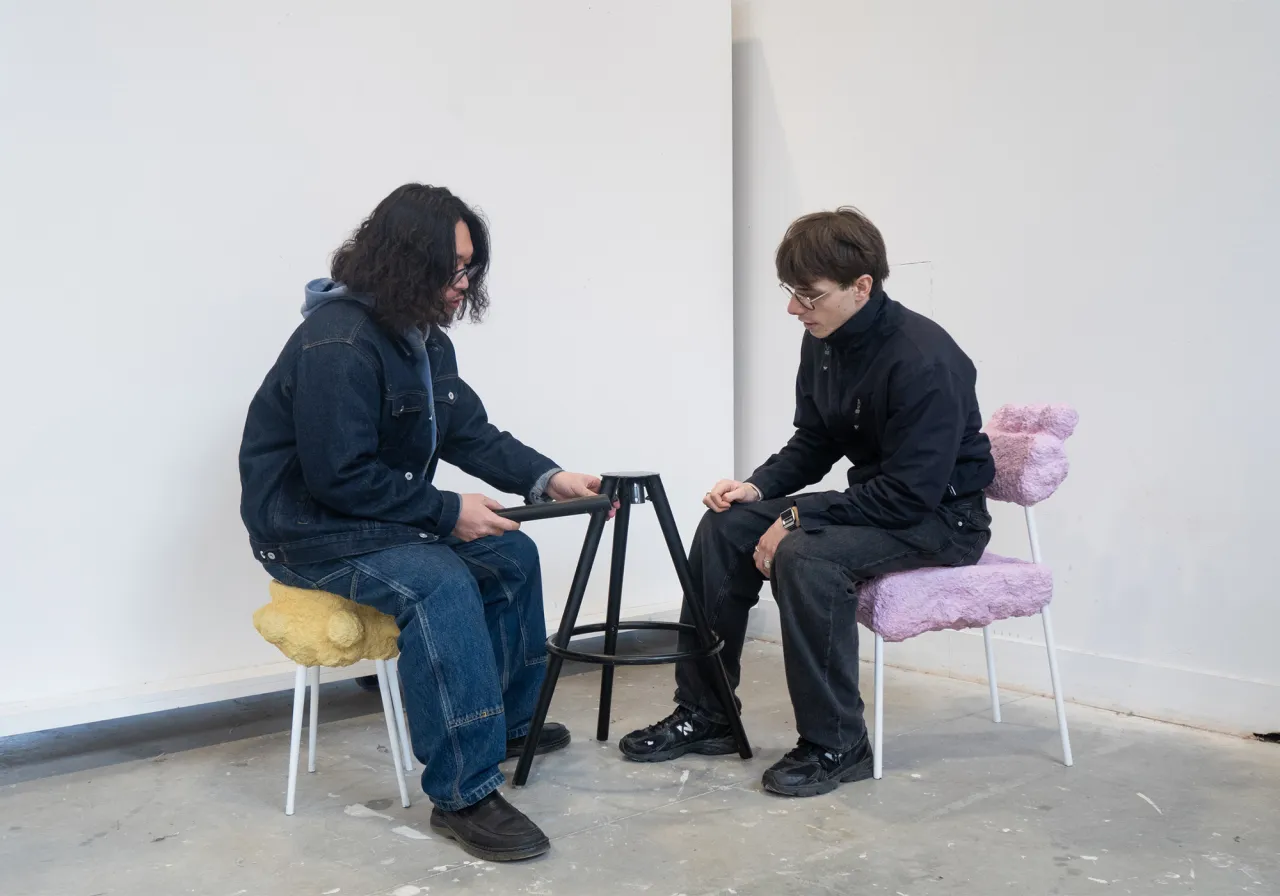
Rebirth project with Taekhan Yun
Editor's Picks
Trending


Latest Jobs
Senior Creative Artworker at Forward Associates
Full-time·London·£30,000 – £40,000
Head of Production at Art&Graft
Full-time·London·£80,000 – £95,000
Designer, Marketing at The New York Times
Full-time·New York·$85,000 – $100,000
Director, Head of Creative at Twitch
Full-time·San Francisco·$203,000 – $274,600
Staff Brand Designer at Mercury
Full-time·San Francisco·$189,400 – $236,700
Producer, Marcom at Code and Theory
Full-time·New York·$75,000 – $90,000