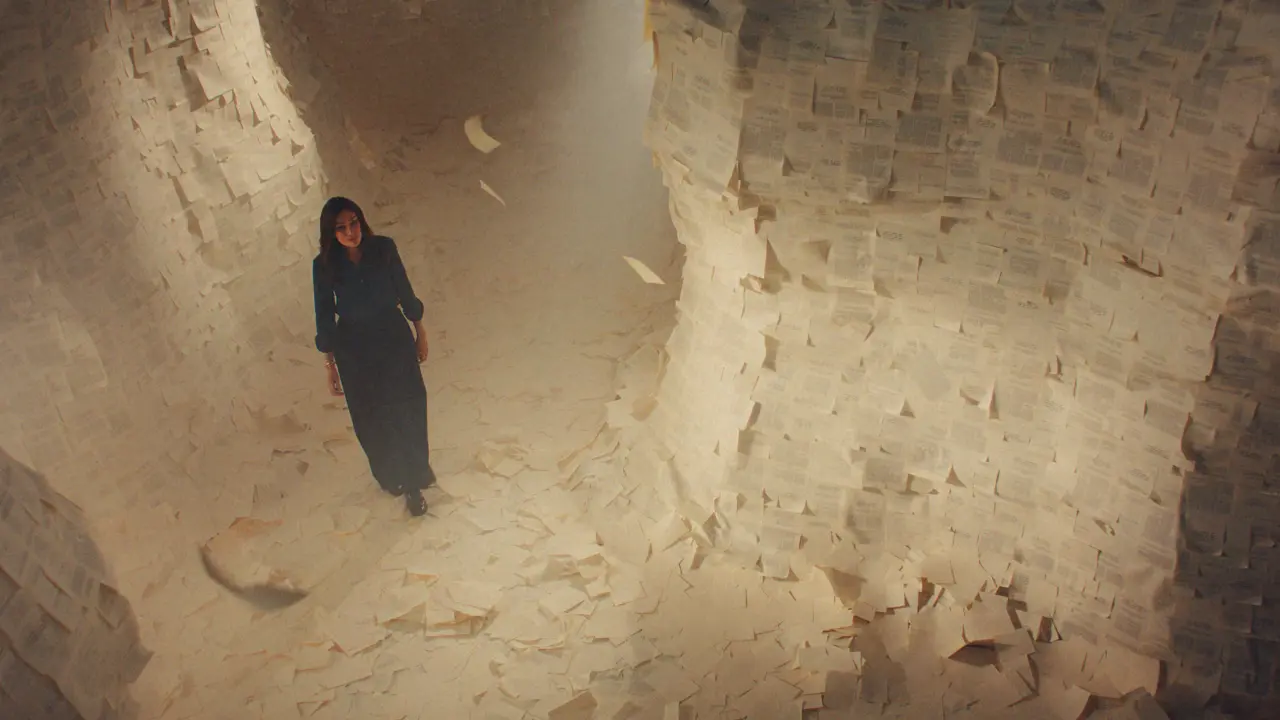
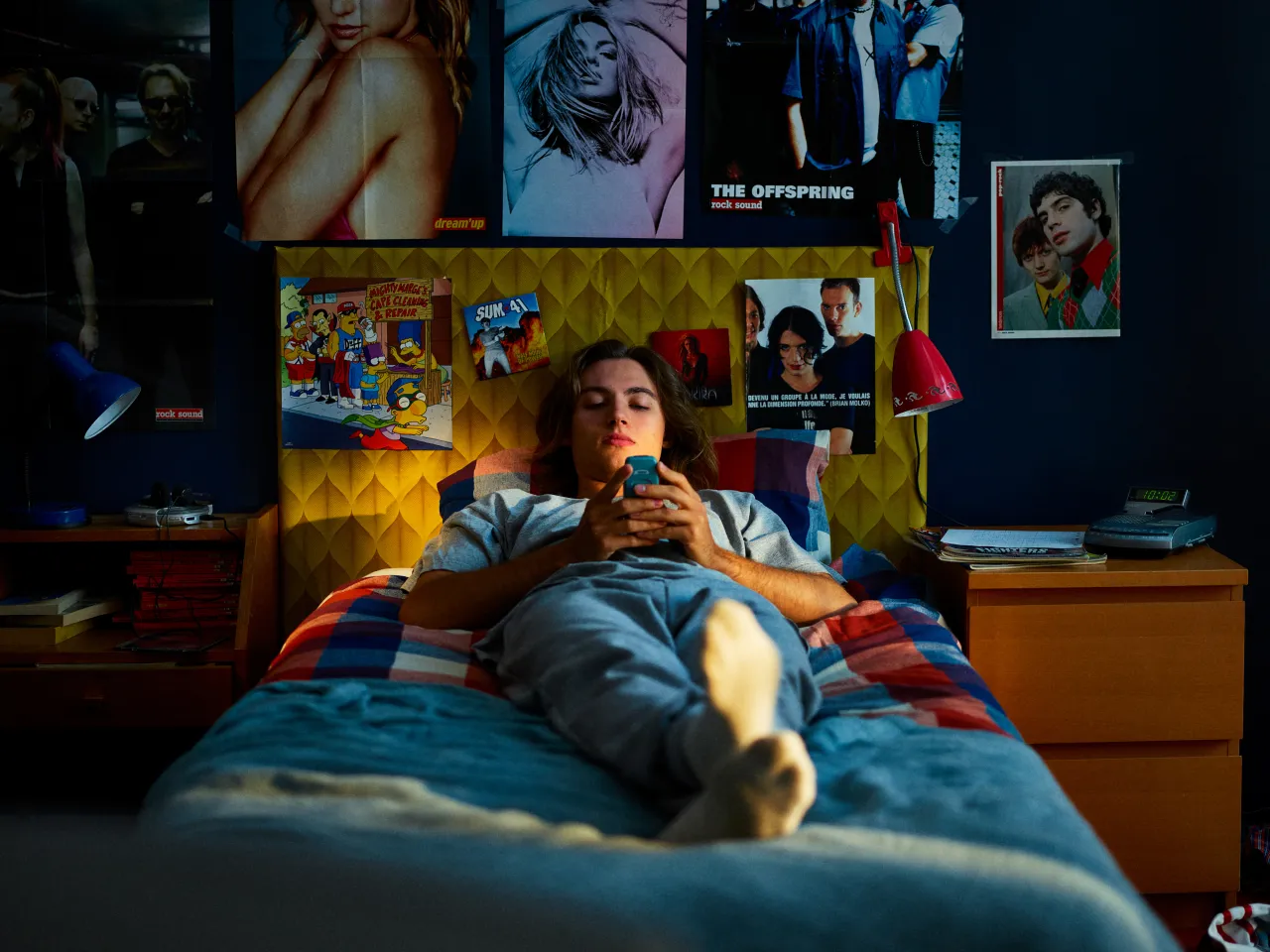
Show, don’t tell: Father explains what it does, with a film that lets the coastline do the talking
The London creative studio took hydrophones and contact mics to Kent’s coast to make a short film titled Can You Hear This?.
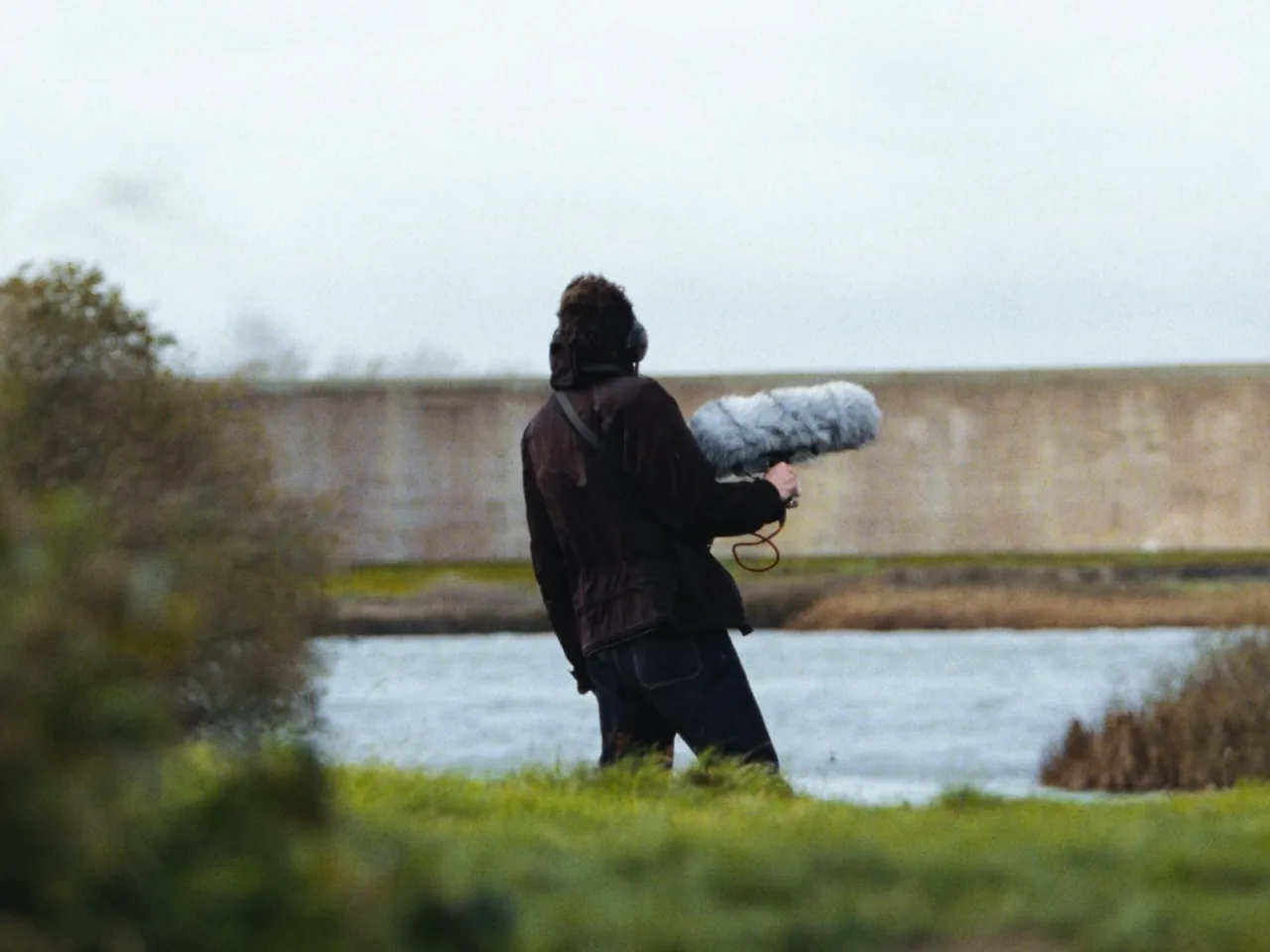
Scenes from the short film Show, don't Tell
As long as I’ve been using TikTok – which at this point seems like a lifetime – my guilty pleasure has been that meme that goes “Tell me you’re a something, without telling me you’re a something”. Most of these videos are pretty vapid, but there’s a fundamental point to the meme that I very much vibe with: the principle of “show, don’t tell”.
In other words, whether you’re creating a poster, a trailer, a website or any other type of design, don’t waste your audience’s time with a lot of dull explanation. Try to convey your message visually instead, in a way that lands as simply and quickly as possible.
Sometimes, though, the subject matter isn’t so easy to convey in a visual. Take for instance, this conundrum: how do you tell me you’re a creative studio specialising in sound without telling me you’re a creative studio specialising in sound?
For London-based Father, the answer was to head to Dungeness, one of the strangest and most atmospheric corners of the English coast, fire up some mics, and start listening.
The result is a short film entitled Can You Hear This?.
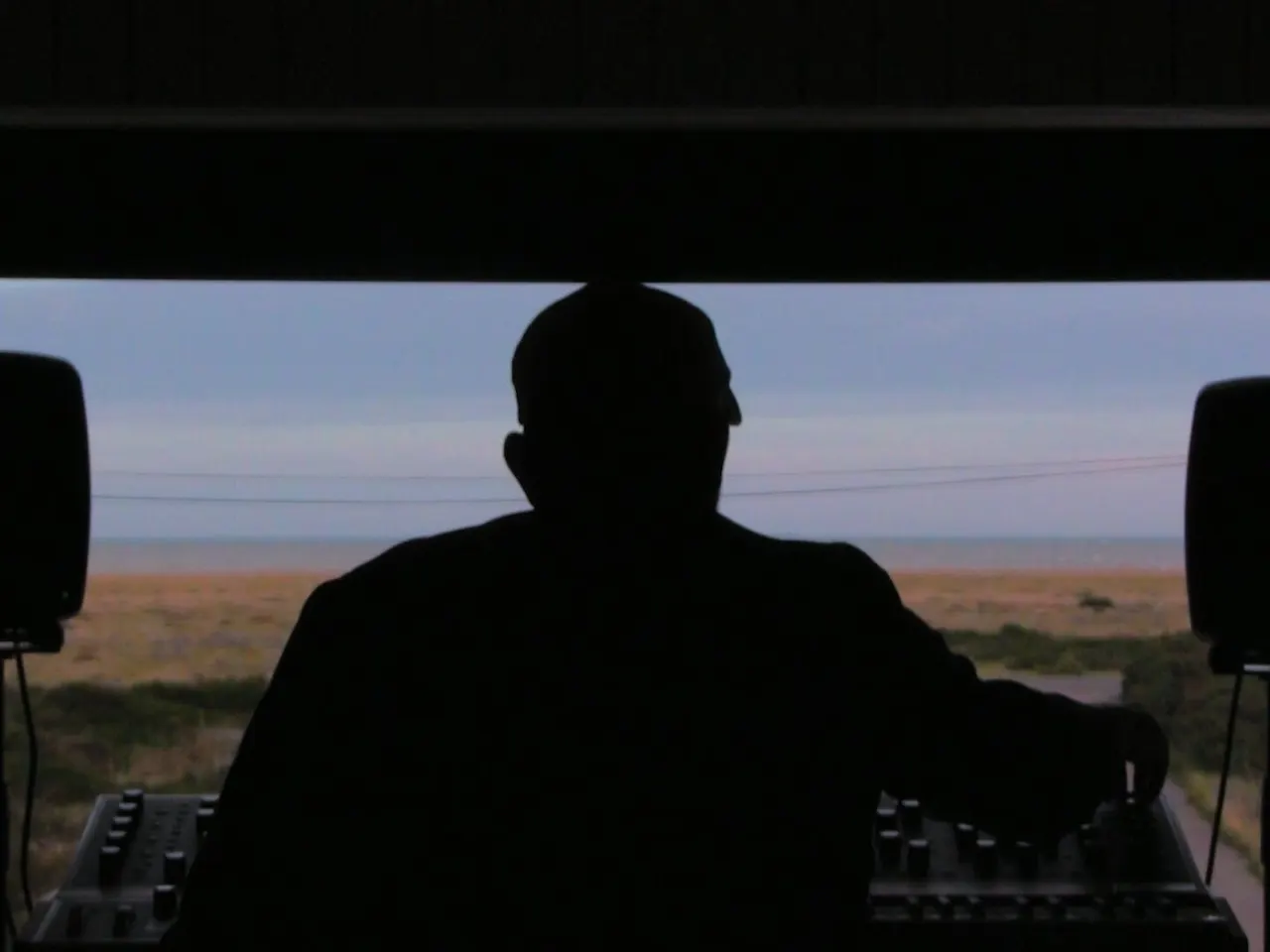
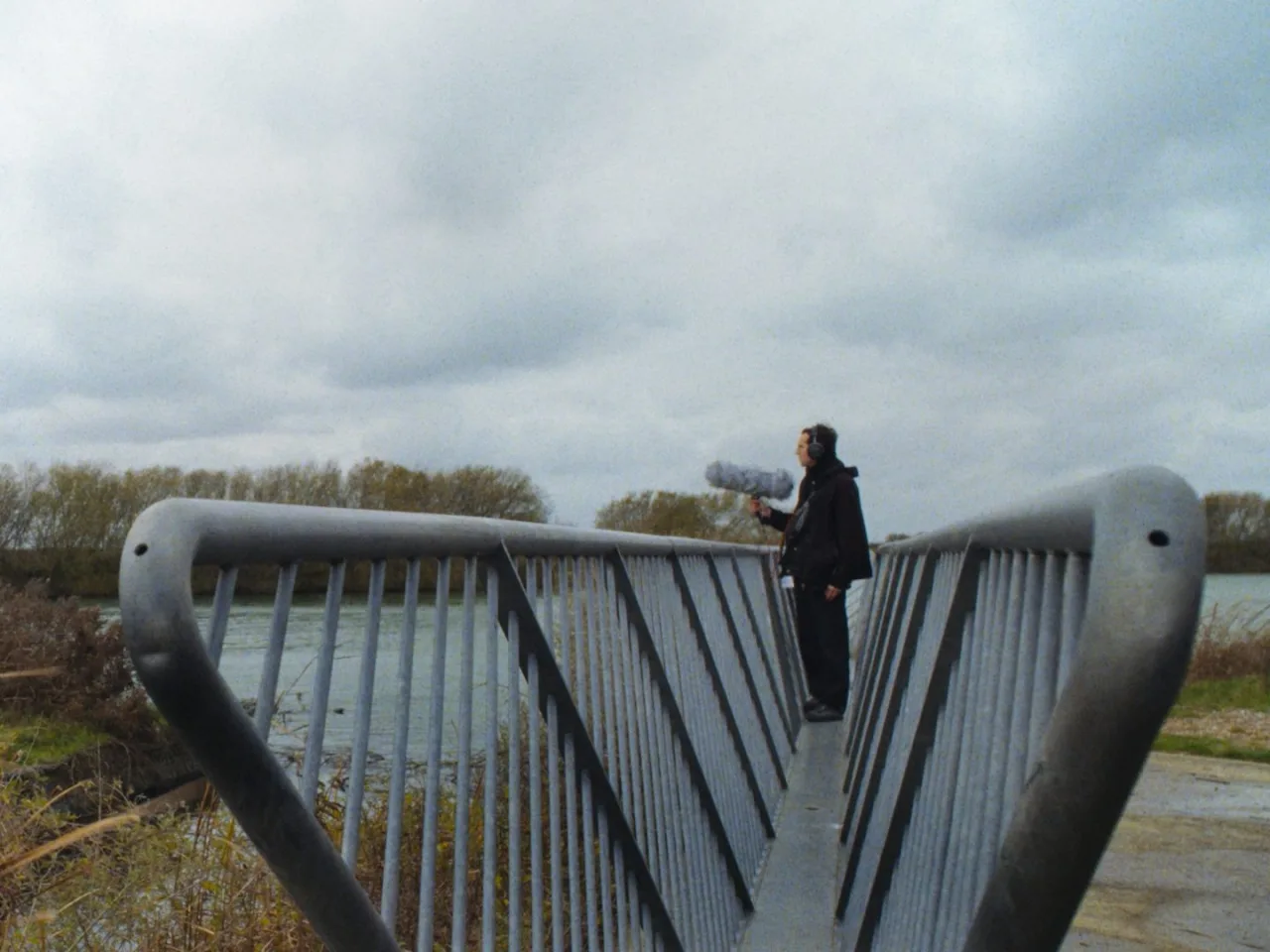
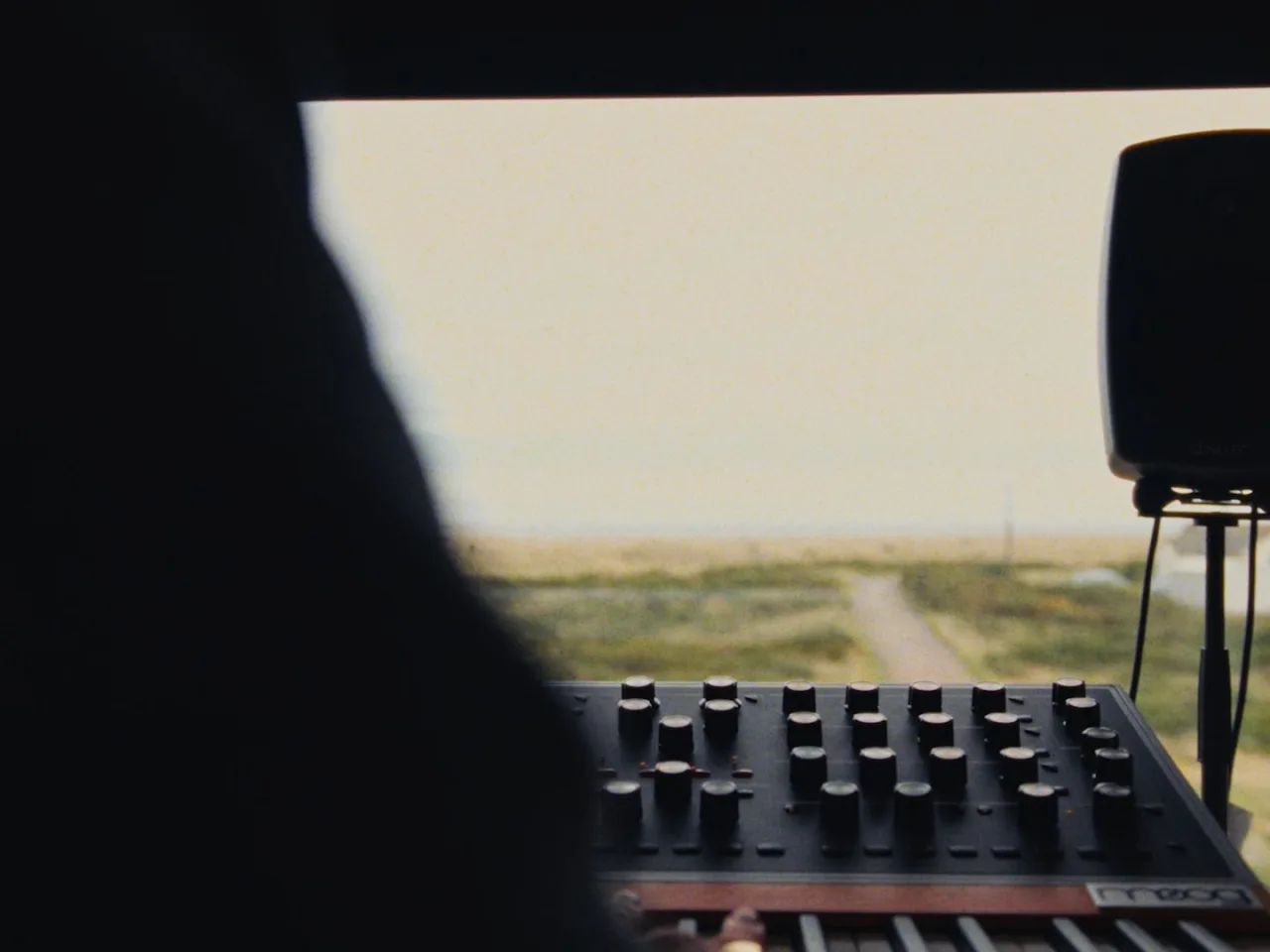
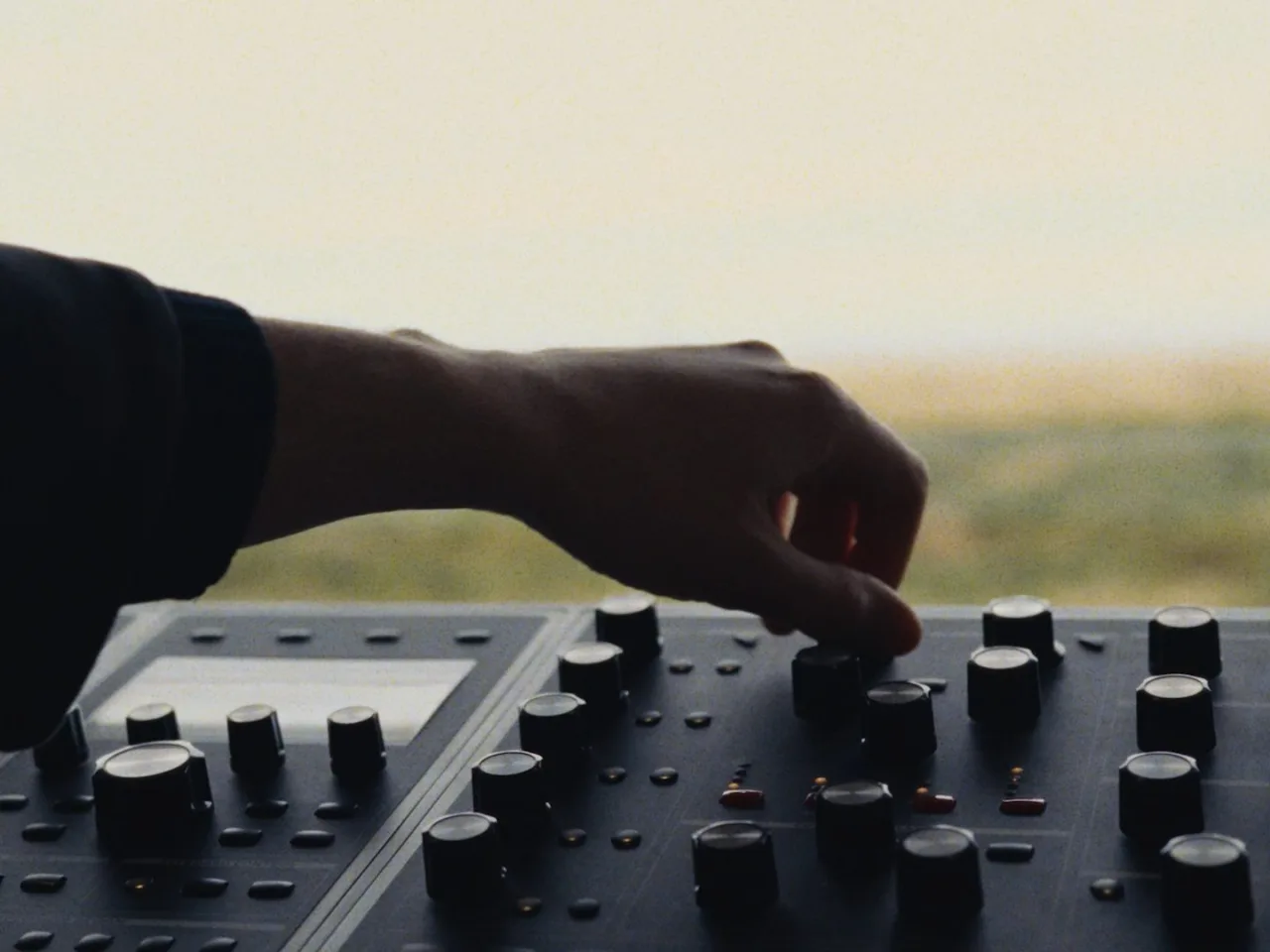
Armed with hydrophones and contact microphones, the team spent time recording sounds from the shingle landscape. They then set up a mobile studio on location and spent several days turning what they’d heard into music.
A quiet watch
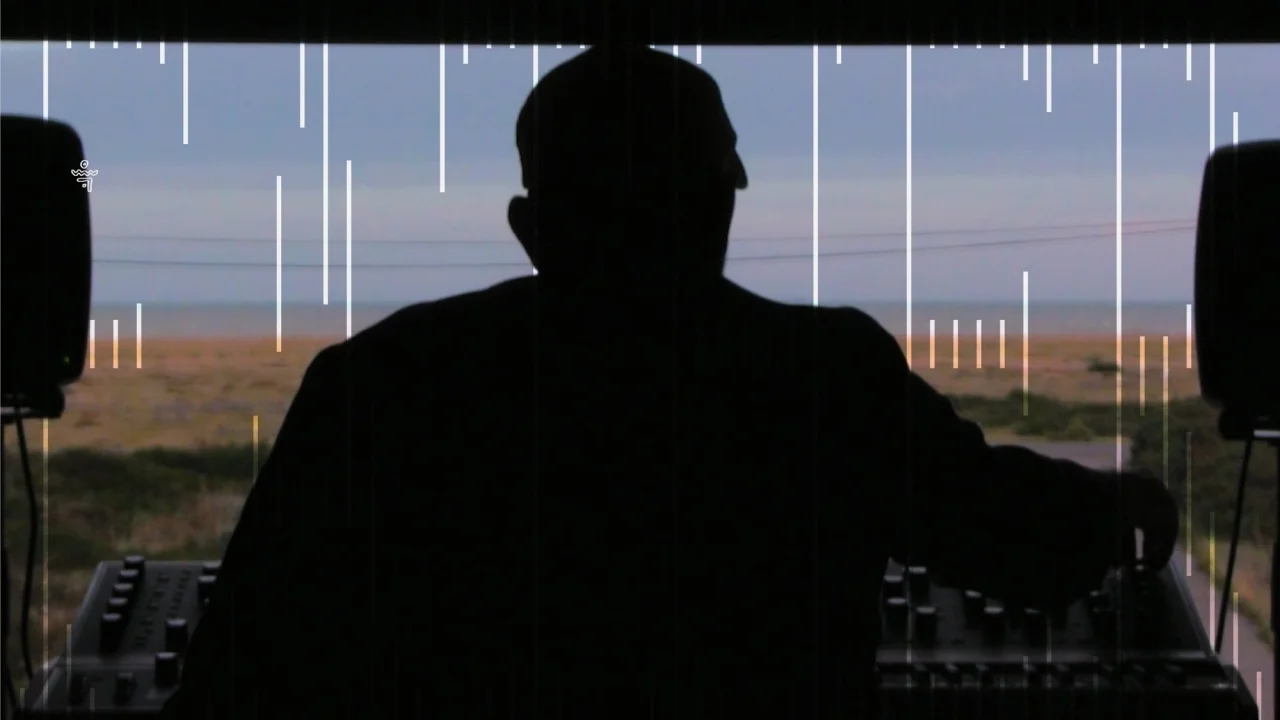
In a media landscape dominated by noise, the film is a refreshingly quiet, slow watch, as the camera moves between wind-blown marshland and the glowing knobs of analogue synths. Best of all, it’s free from the kind of overbearing narration you might expect. “We think of it as an unspoken manifesto,” says Father co-founder Joe Farley. “Some of what matters most about how we work is hard to put into words, so we wanted people to feel it instead.”
So how did they get here? Composers Joe and Freddie Webb started out as runners in Soho, playing in a band together on the side, until one day a director asked them to write music for the British Fashion Council. More than a decade on, their collaboration has grown into a creative studio that mixes musical craft with design thinking and strategy.
Alongside the film, the launch includes an evolved visual identity by branding agency Further and a collection of designed objects. In December, it continues with a limited vinyl release designed in collaboration with Tom Hingston, founder of Hingston Studio, and a listening session at Space Talk, a hi-fi listening bar on St John Street, on London’s Farringdon/Clerkenwell border.
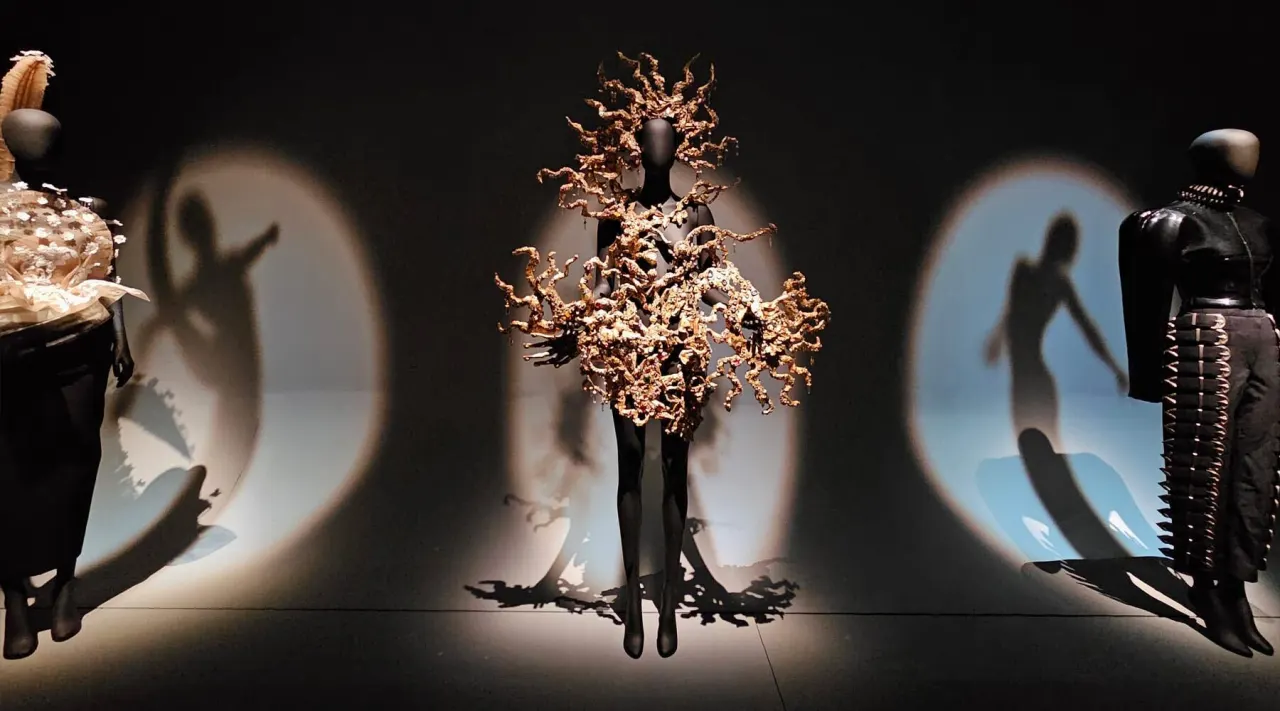
Schiaparelli: Fashion Becomes Art
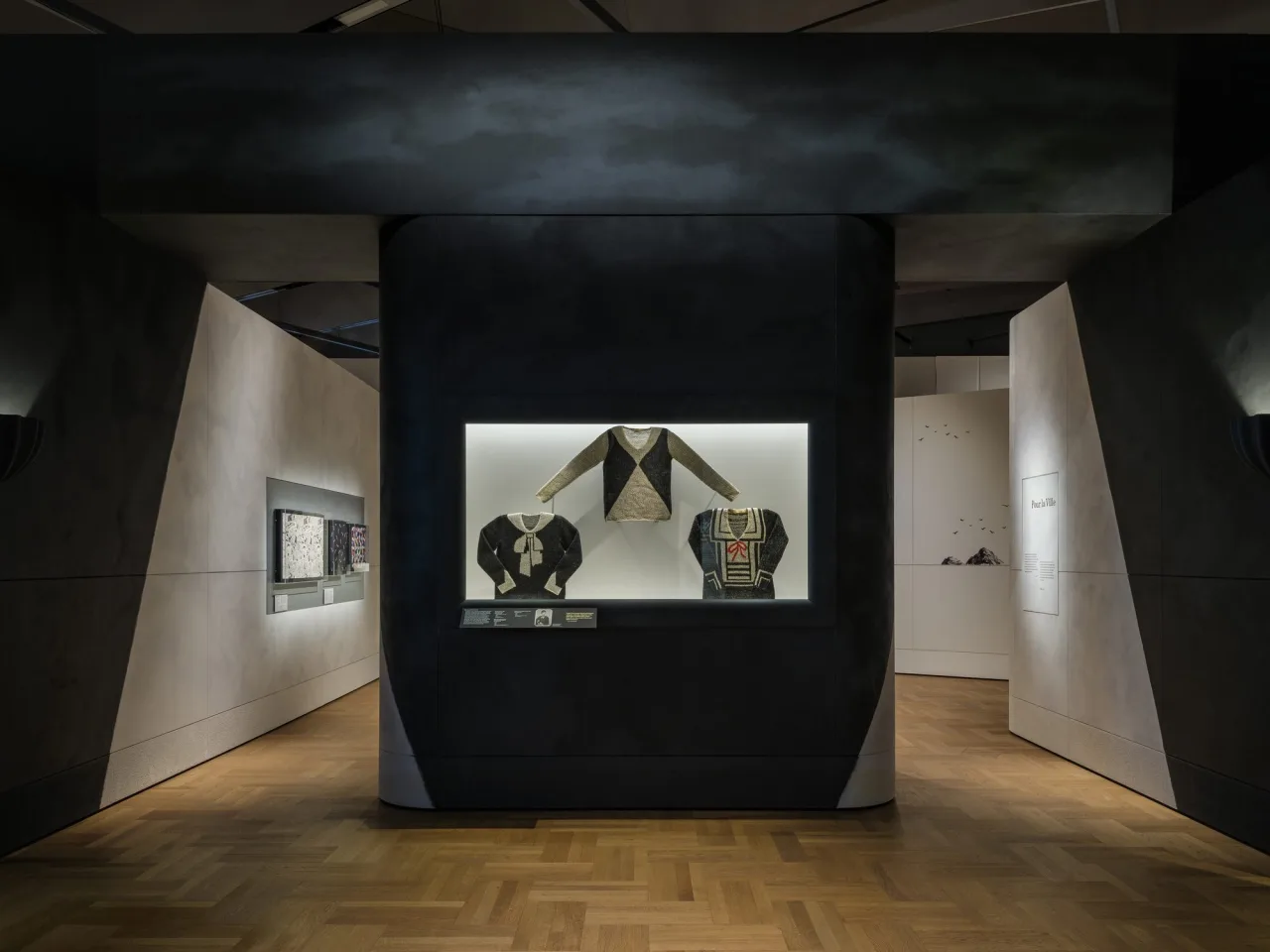

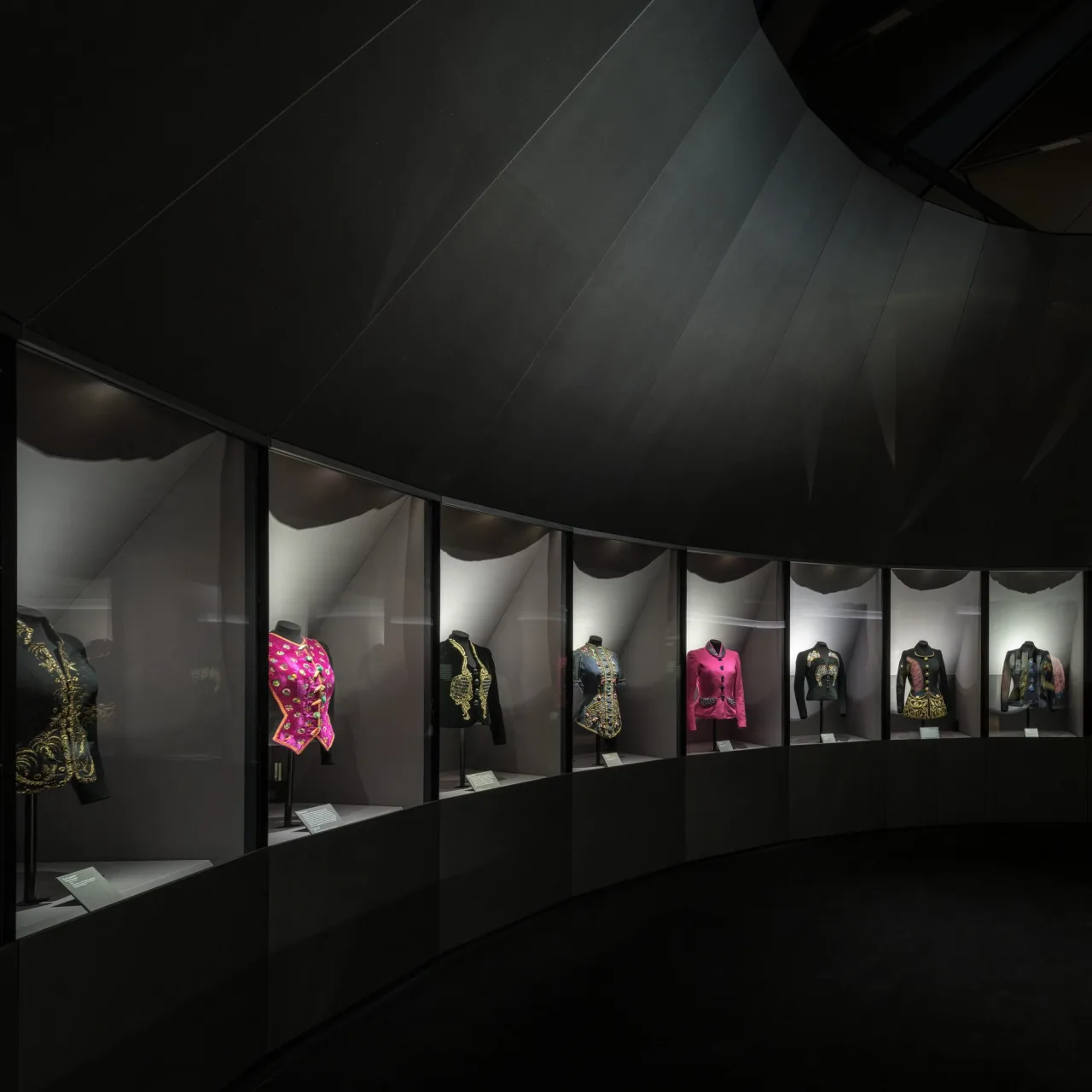
“With Chapter 01, we wanted to show that even as we’ve grown, craft and artistry remain at the heart of Father,” says the studio’s managing director, Aifric Lennon. “We move naturally between an exhibition at the V&A and a sonic identity for O2, and what we explore in one feeds what we bring to the other.”
Sound beliefs
At the heart of both the studio and the film is a belief that sound shouldn’t be something tacked on at the end of a project, but a design material in its own right. In Can You Hear This?, that’s interpreted literally: the music grows directly out of the sounds of the place.
“For us, sound is something you design with from the very beginning,” stresses Freddie. “We treat it with the same intention and creative rigour as every other element of design: light, colour, material, texture, movement and space. Rhythm, tone and silence can all shape how something feels and functions.”
You can hear that approach across the studio’s portfolio. For the V&A exhibition Schiaparelli: Fashion Becomes Art, Father worked with architecture and design studio Nebbia on a series of scores built from recordings of materials and processes. Running through them is a repeated fragment of Debussy: something visitors sense they’ve heard before, without quite being able to place it.
For O2, meanwhile, a recording session centred on the sound of human breath became the starting point for a sonic identity and brand track. And for cycling clothing and accessory brand Rapha, the studio created a set of interconnected original tracks that form a distinctive musical language across its films and campaigns.

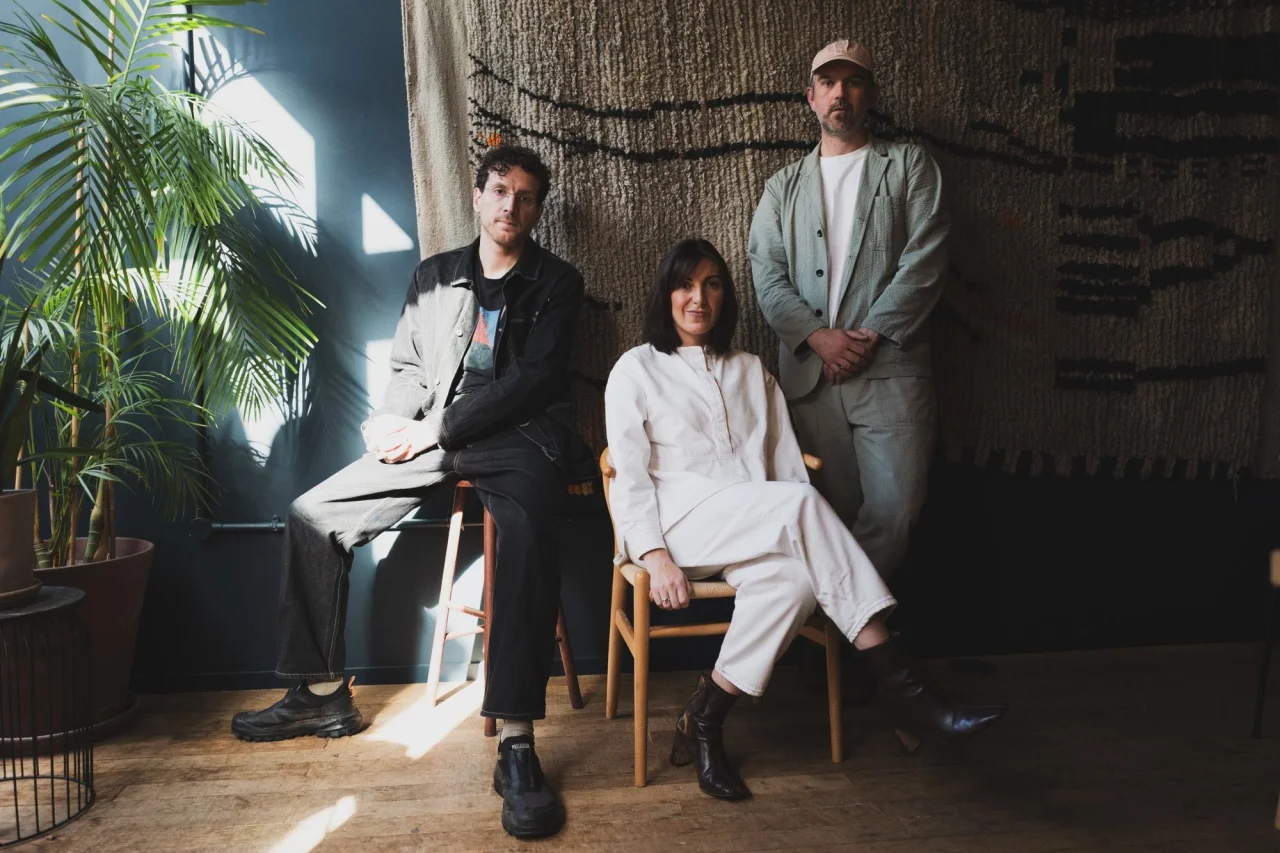
L-r: Joe Farley, Aifric Lennon and Freddie Webb
In a creative industry that still tends to focus on visuals first, and where audio often comes a distant second, Father’s approach is refreshing, and the short film is a great showcase for the concept. Can You Hear This? is about as far away from a flashy ‘sizzle reel’ as you could imagine, and makes the studio feel all the more grown-up and sophisticated as a result.
In an agency world overloaded with verbiage, much of which obscured rather than enlightens, Father chose instead to let a windswept stretch of Kent coastline do the talking. Watch the film in full below.

Editor's Picks


Trending





Latest Jobs
Social Media Content Creator (Part-Time) at Nitra
Contract·New York·$40 – $70 an hour
Director, Brand and Communications at Kickstarter
Full-time·Remote·$185k – $215k
Senior Video Producer at Camping
Full-time·Barcelona·€42k – €48k
Mid-Weight Graphic Designer at Tellmi
Full-time·London·£33k – £40k
UX Design – New Grad at SeatGeek
Full-time·New York·$110k – $130k
Graphic Designer at FROST
Full-time·Leicestershire·£26k – £32k