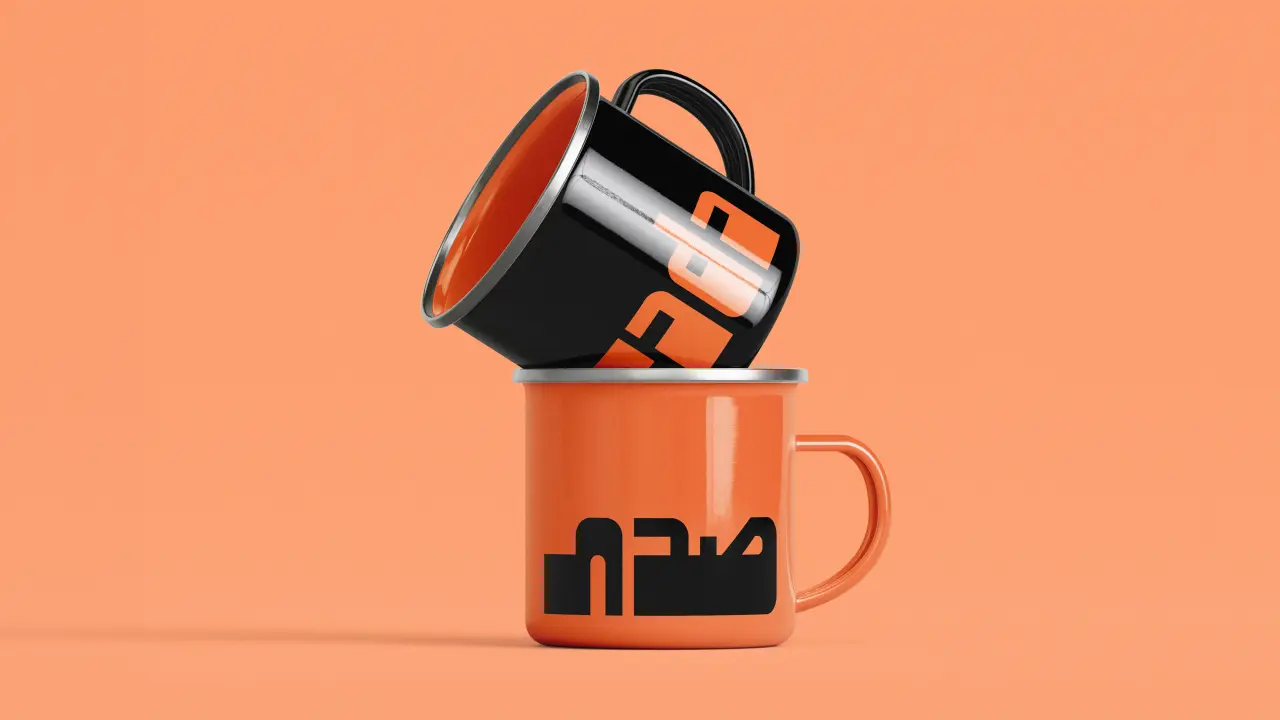
Inside the new brand for the Natural History Museum Abu Dhabi, designed by Wiedemann Lampe
Creative Boom gets an exclusive first look at the museum's bio-inspired identity, designed to sit within the global Natural History Museum family while reflecting its unique architectural and cultural context.
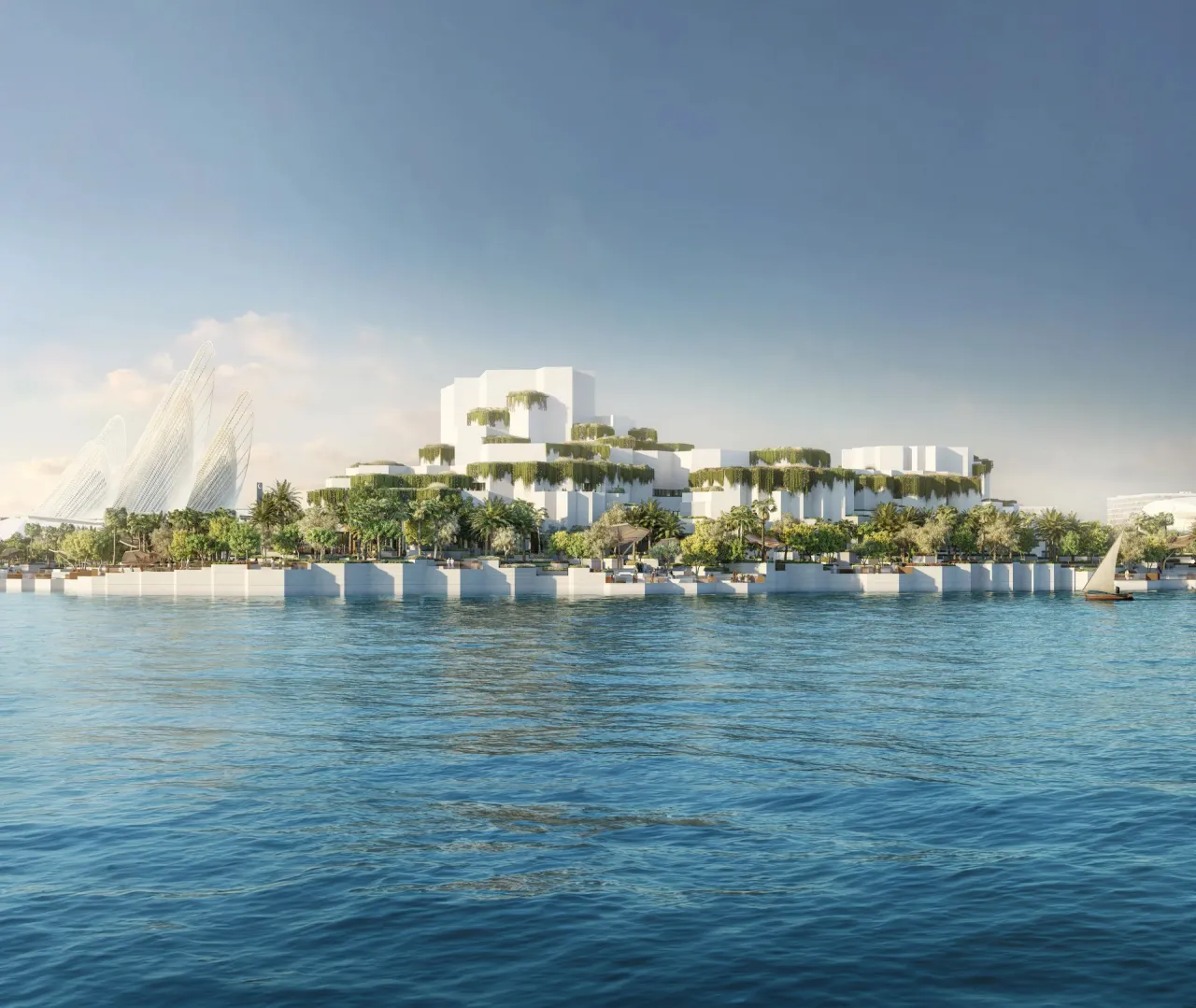
The Natural History Museum Abu Dhabi officially opened to the public on Saturday, marking a major addition to the fast-growing Saadiyat Cultural District. Alongside its impressive collection – which includes significant fossils discovered on the site itself – the museum arrives with a new brand identity by Wiedemann Lampe, created to match the ambition of Mecanoo's striking new building.
The studio was brought in early, tasked with shaping everything from visual identity and narrative to naming, wayfinding and a full digital and physical system. With four new museums opening in Abu Dhabi this year alone, the pressure to create something instantly recognisable was real.
Wiedemann Lampe co-founder and executive creative director Benji Wiedemann explains how the first step was understanding the building itself, which rises from the ground in a series of forms inspired by natural rock formations. He points out that while many museum brands must work around centuries-old buildings, this one was the opposite: "an exciting challenge to work on a museum in a completely new building".
Saadiyat Island is becoming a cultural epicentre, home to the Louvre Abu Dhabi, the soon-to-complete Guggenheim Abu Dhabi, and the Abrahamic Family House. The Natural History Museum sits within this architectural context, so any brand had to hold its own among global heavyweights.
Building a narrative around 'The Power of Five'
Mecanoo's architecture uses a repeated pentagonal geometry, which became a foundational element for the brand. Instead of taking the shape at face value, Wiedemann Lampe looked for deeper conceptual ground.
Benji describes how the idea evolved: "Five is everywhere around us, and it came up again and again throughout the process… Five elements, earth, water, fire, air and space. Five senses. Five fingers and five toes. And five words: Natural History Museum Abu Dhabi. It felt right".
From this, the studio developed the narrative of Power of Five, a thematic thread that connects the architecture with biological structures, natural symmetry, and the museum's mission. It's unique and recognisable, and it carries the right amount of science without being cold. It's also not too abstract, which is sometimes a sticking point with ideas like this.
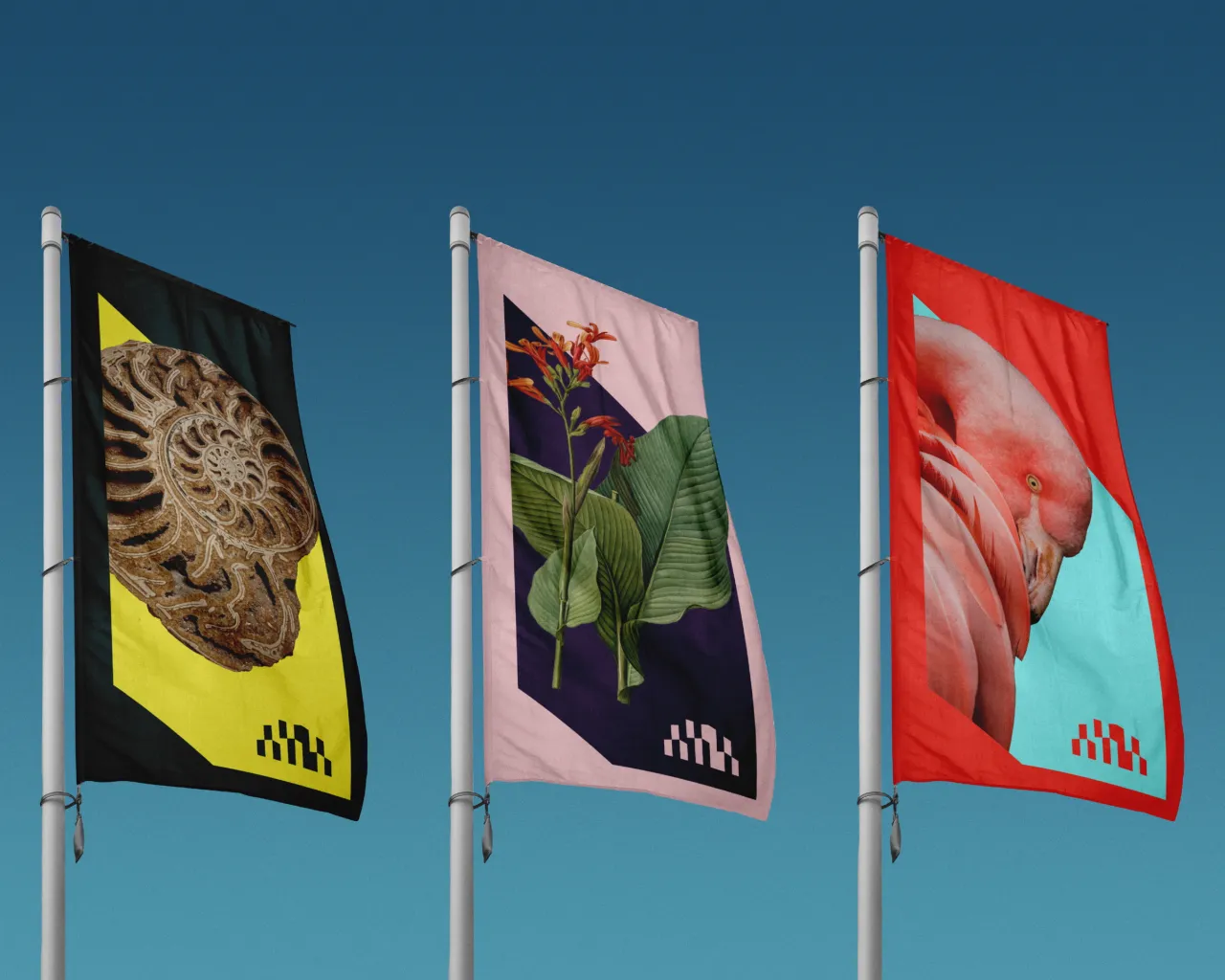
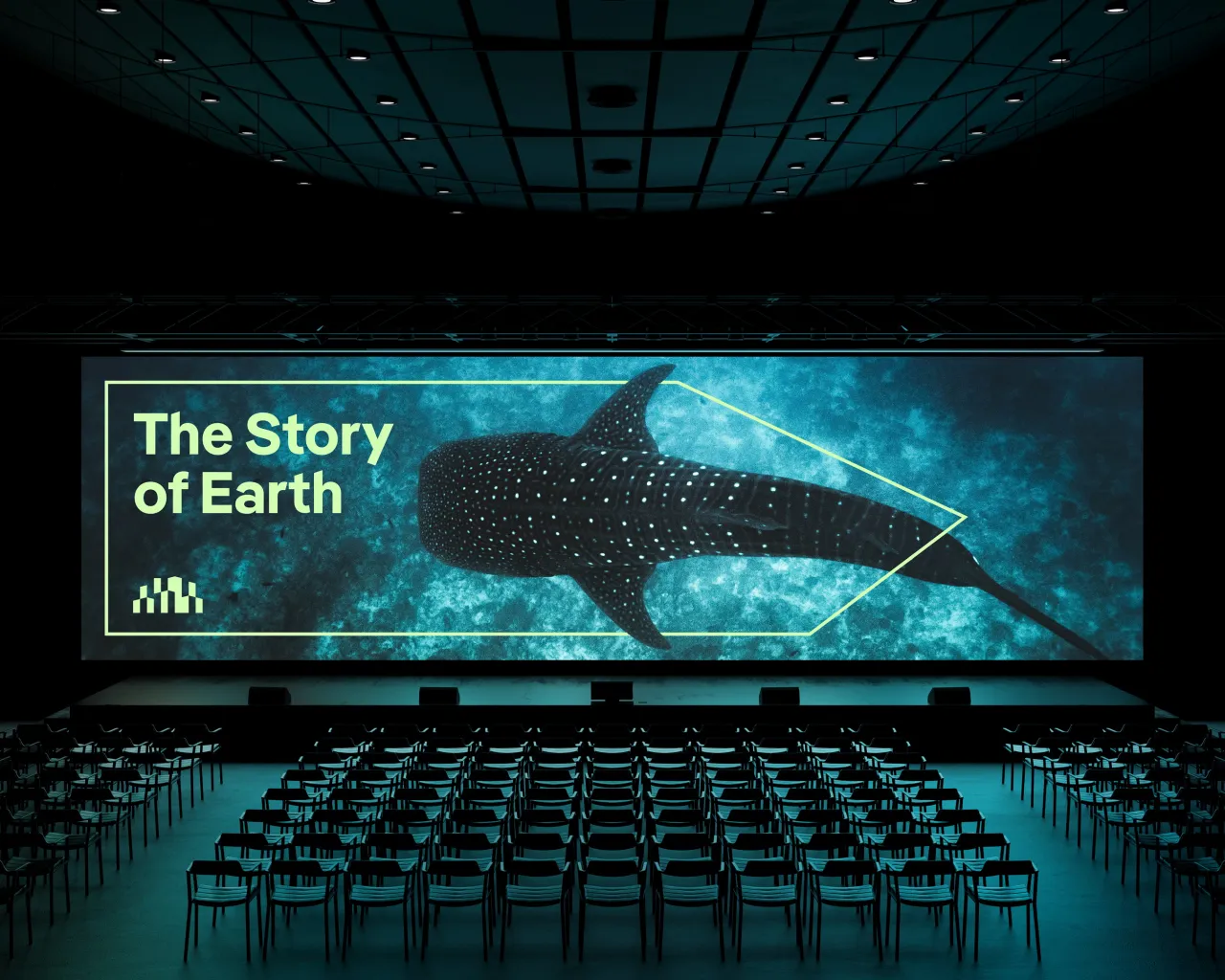
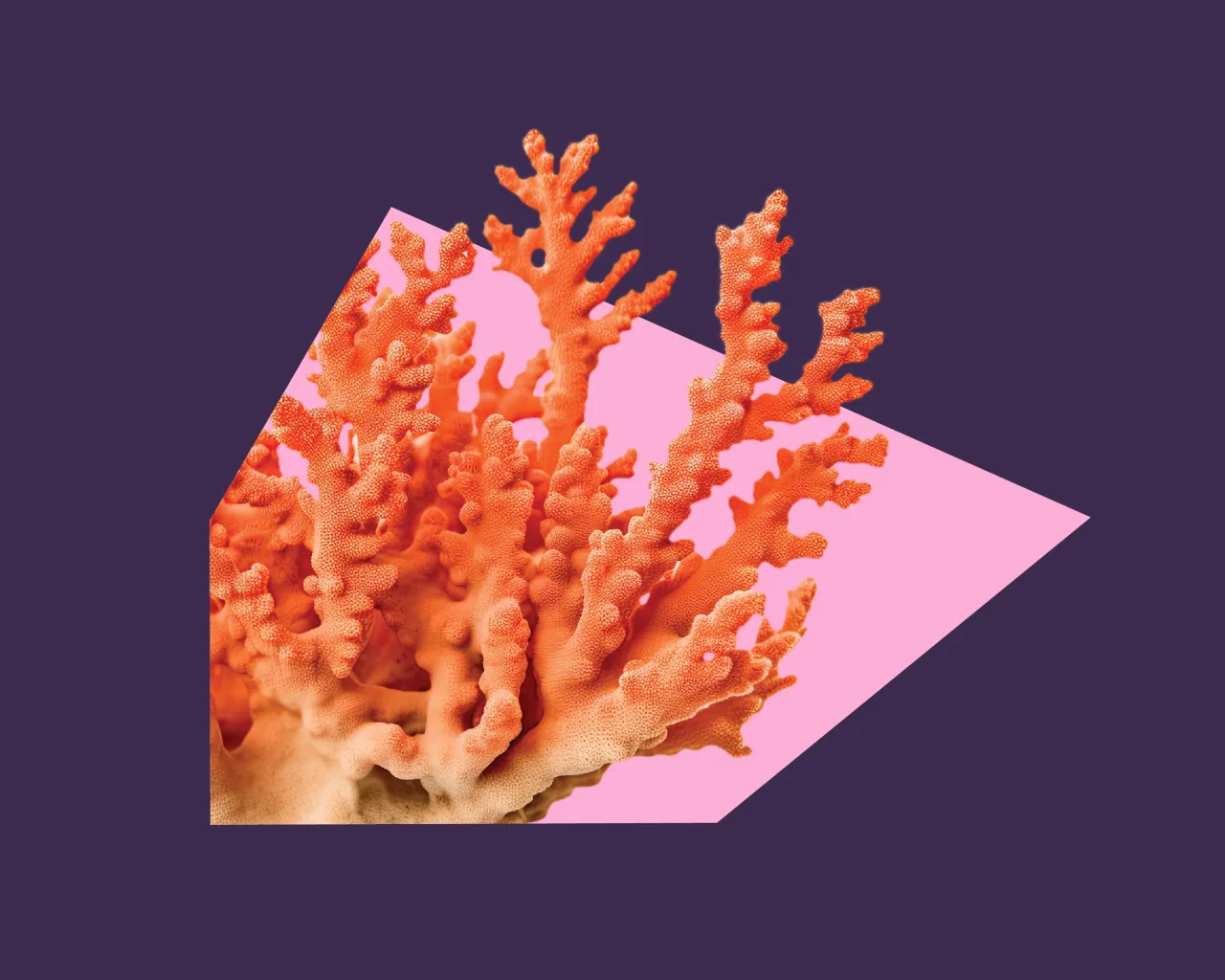
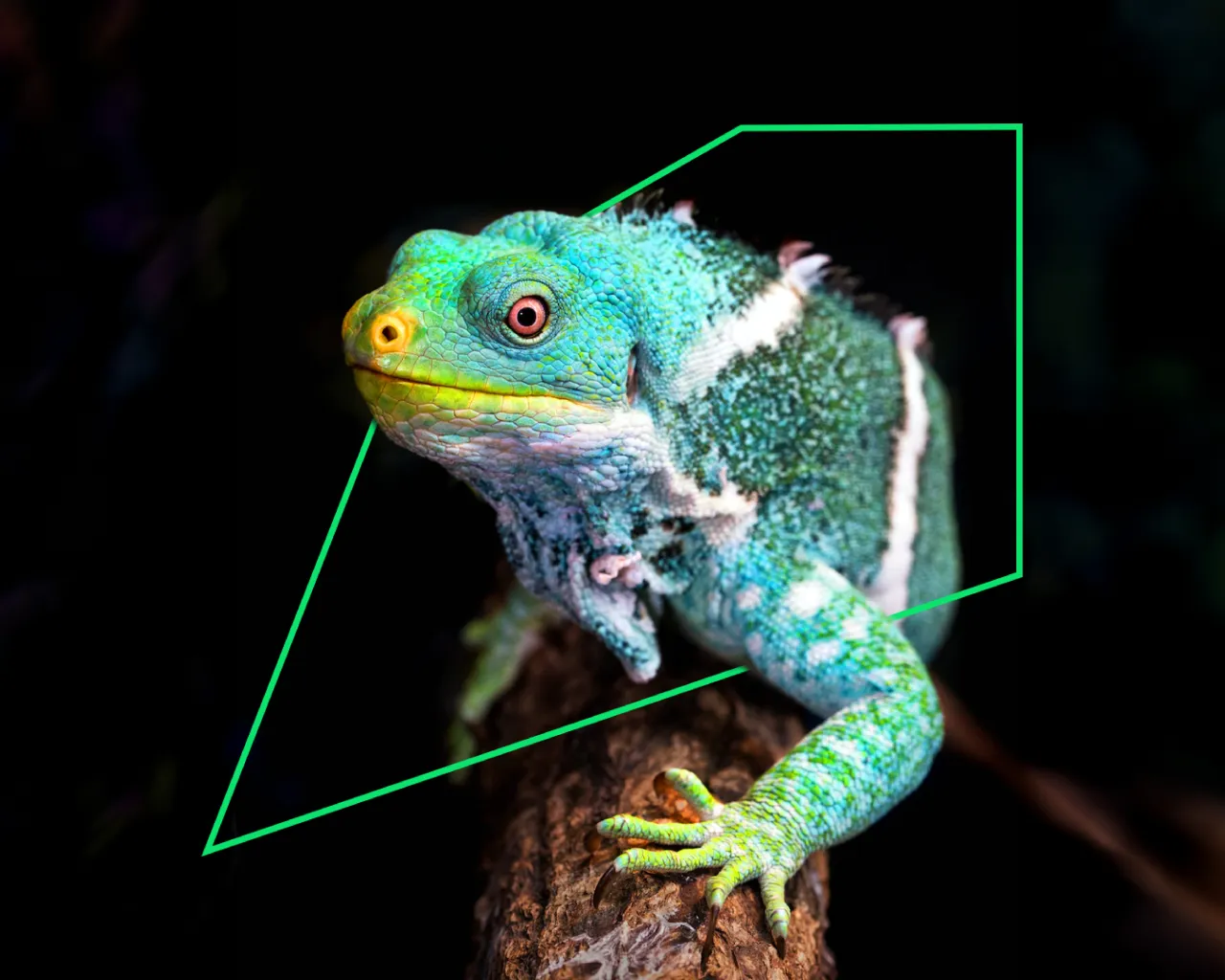
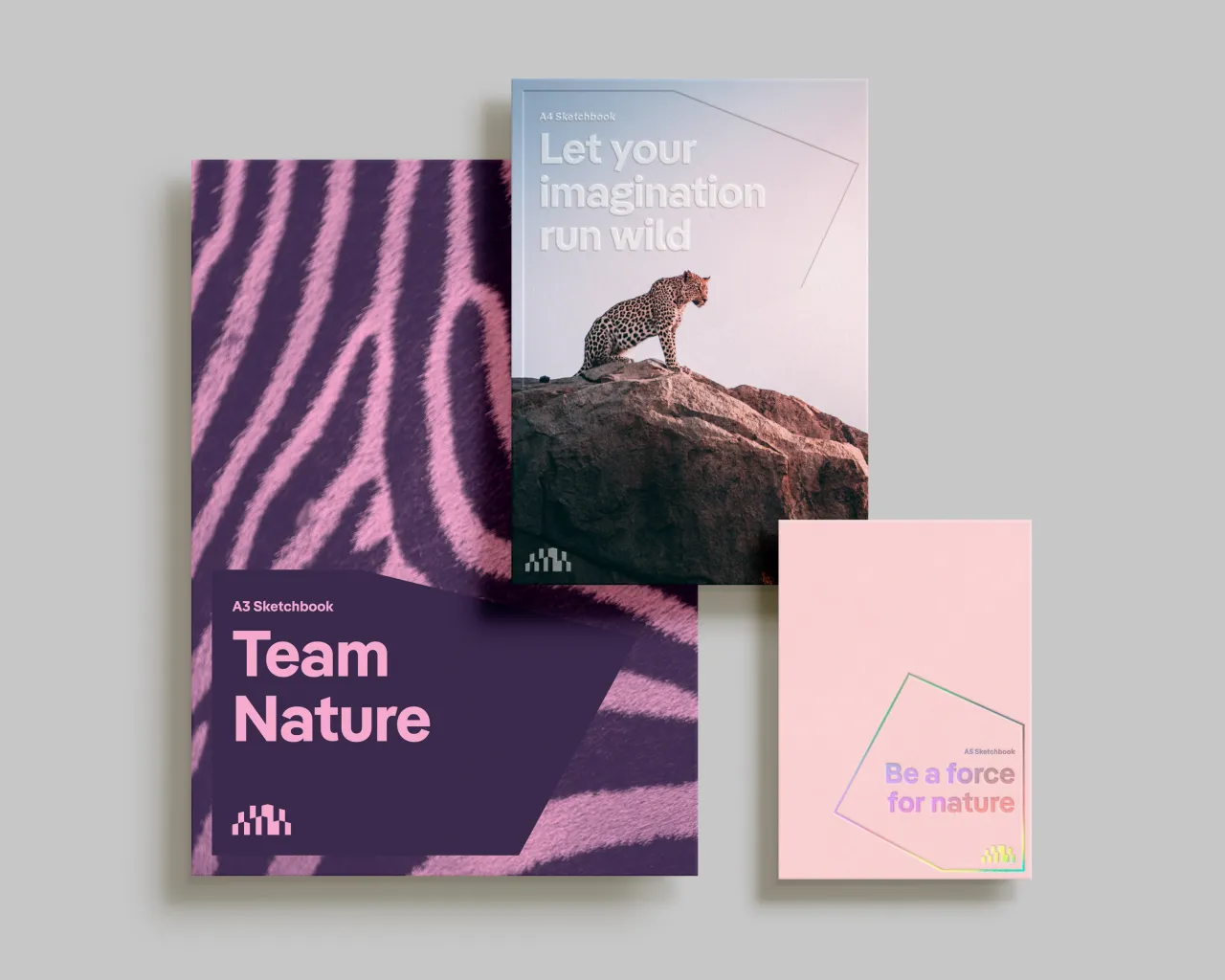
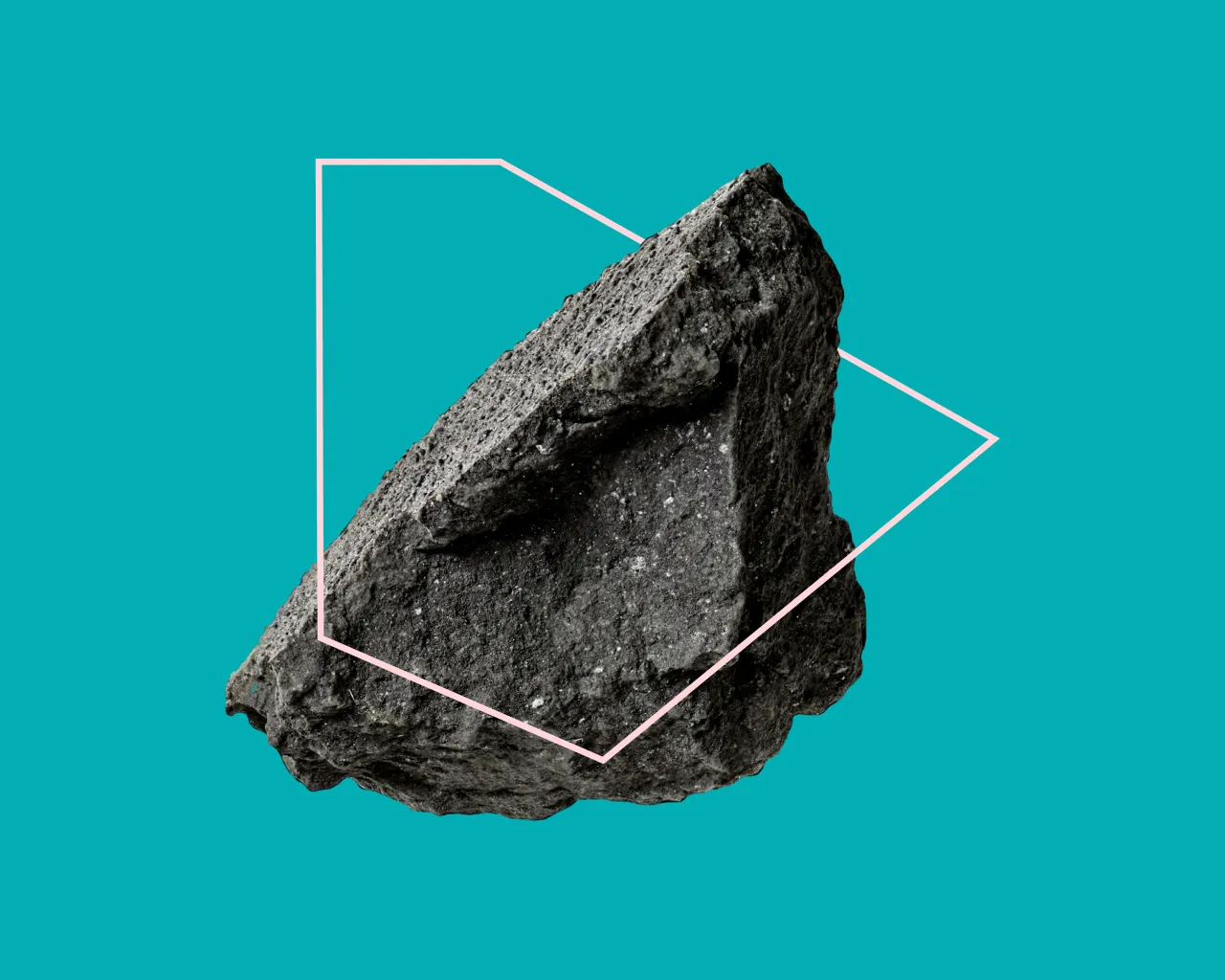
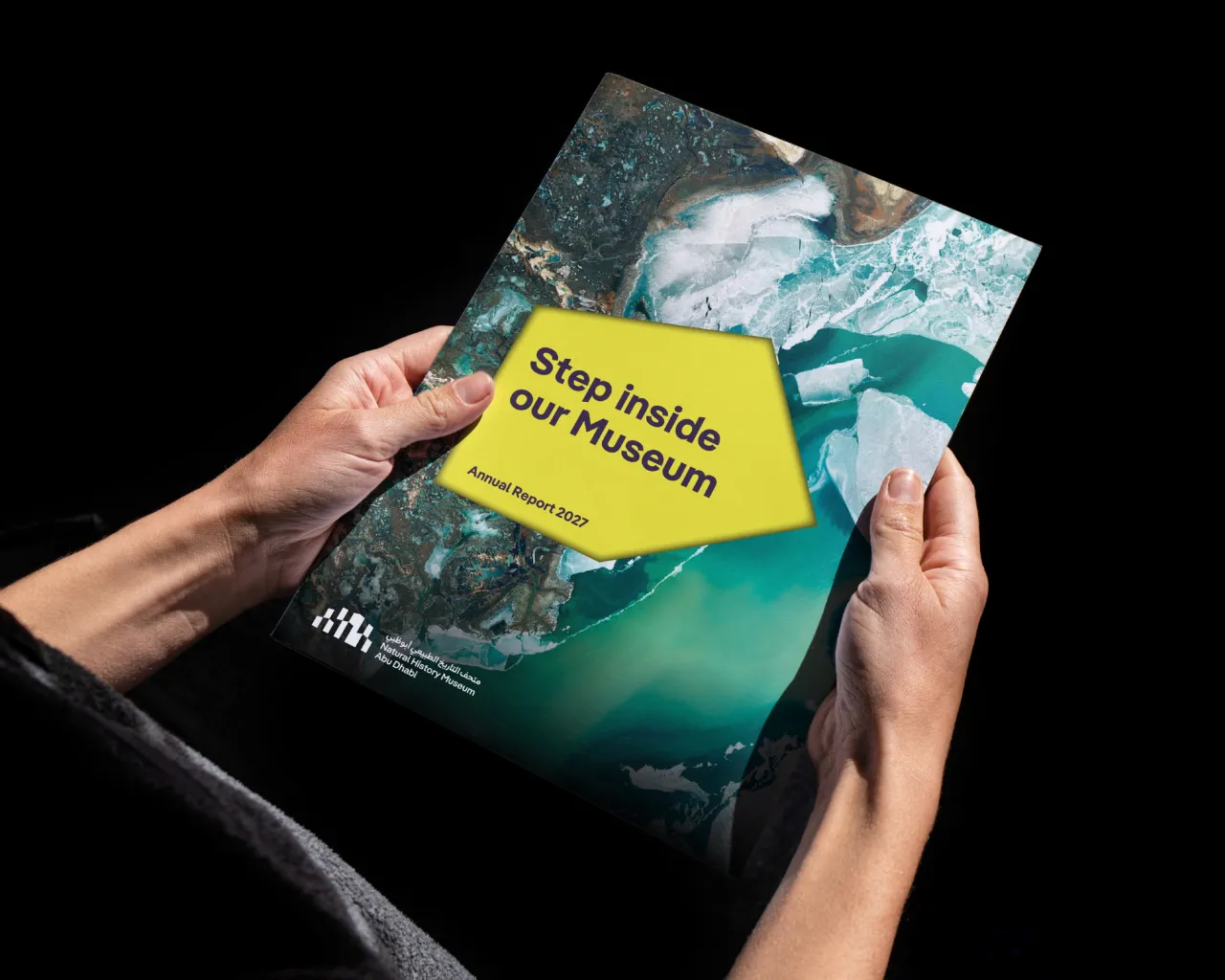
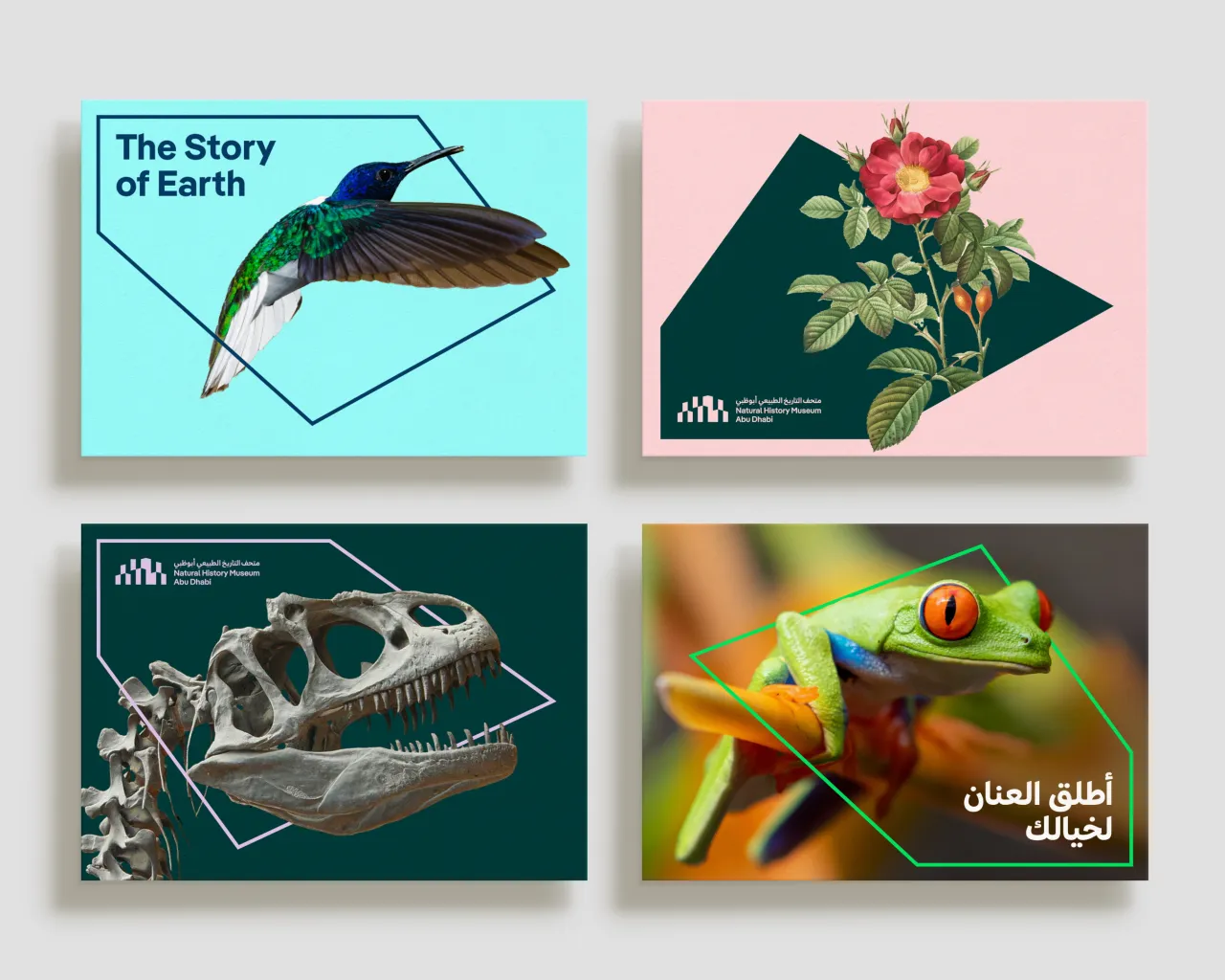
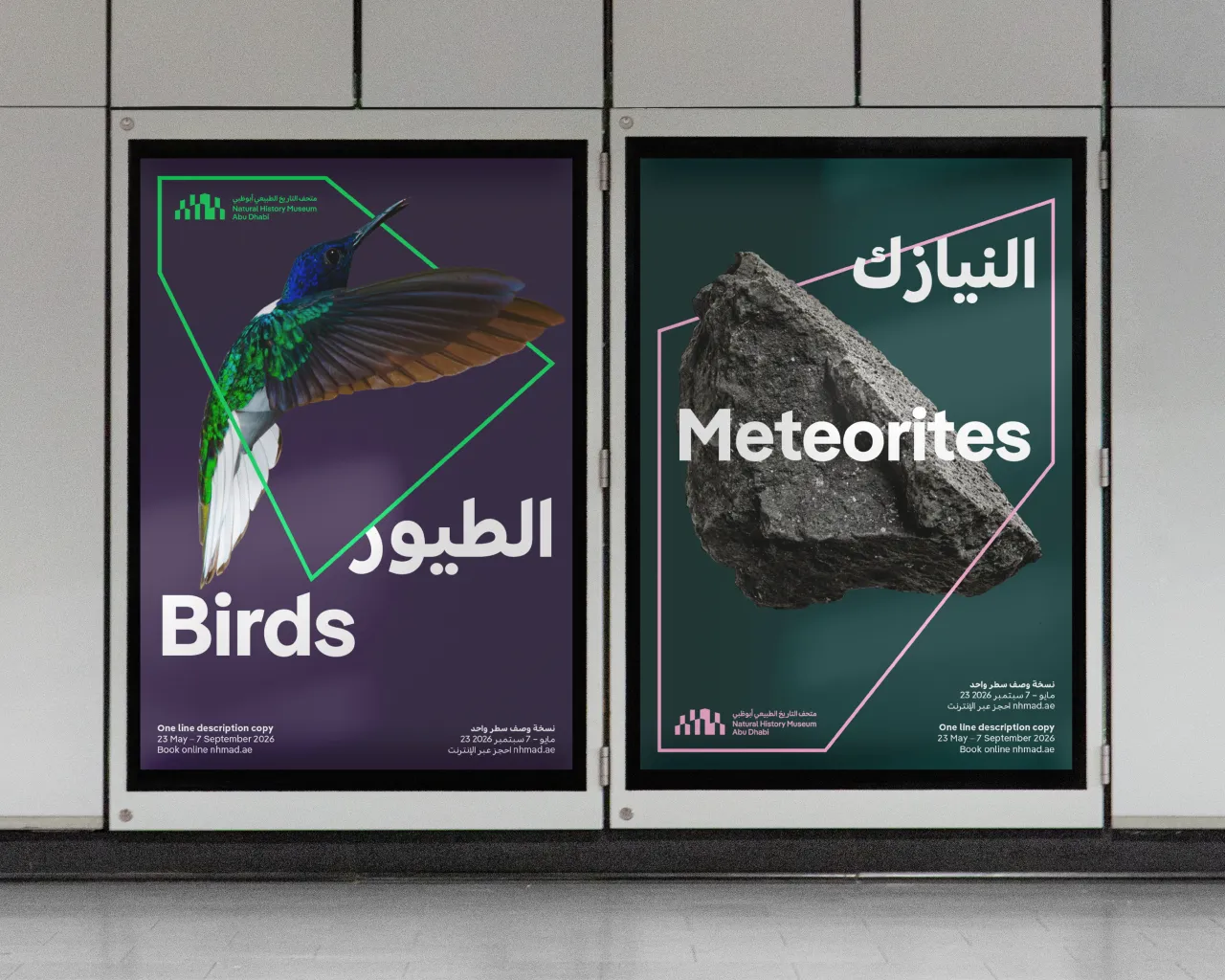
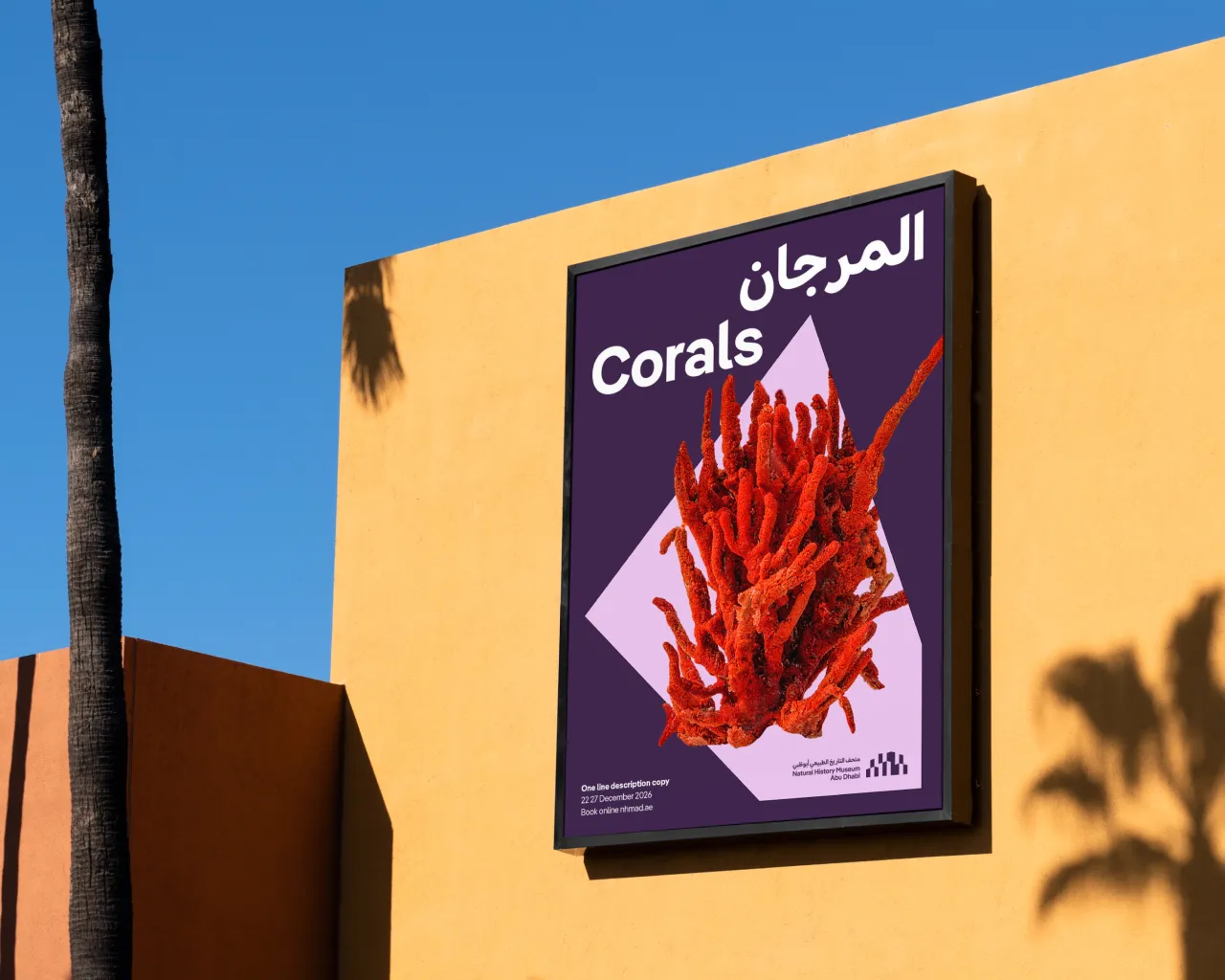
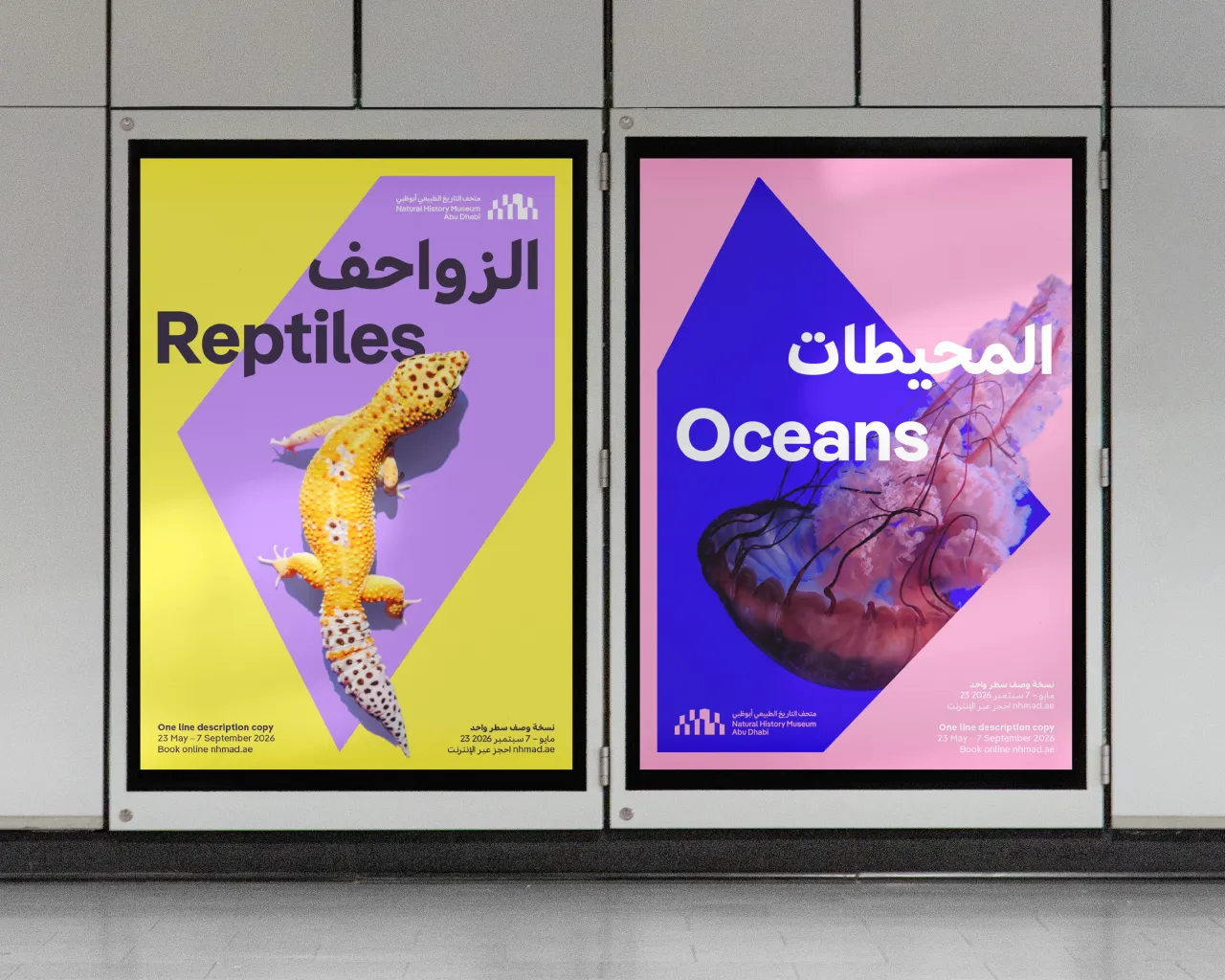
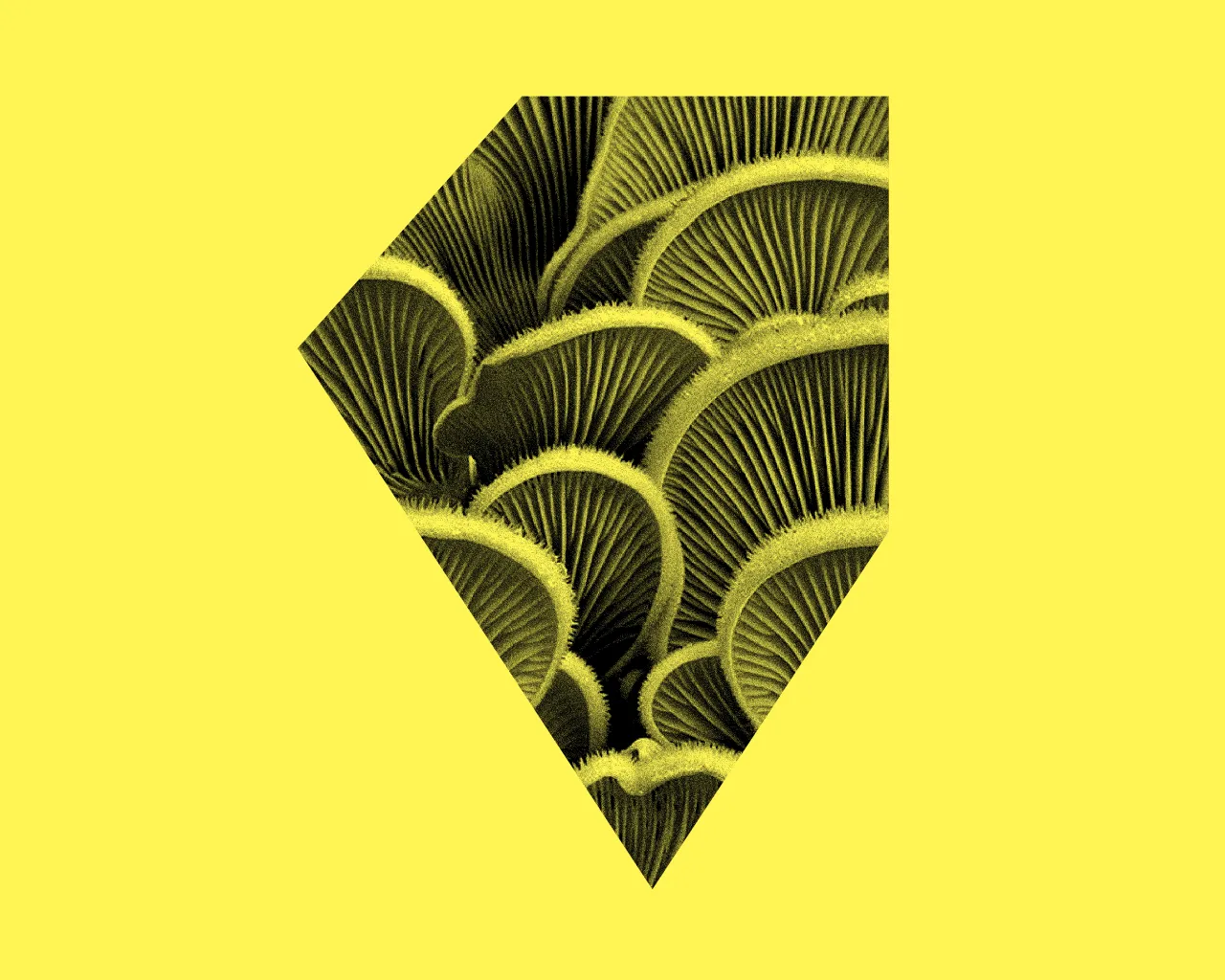
The pentagon later became the basis for a graphic system used to frame imagery, create thresholds, and hold content across print, digital and spatial applications. In its simplest form, it acts as a keyline, whereas, in more expressive moments, it becomes a dimensional aperture, offering a window into deep time, speculative futures, or the building's own sculptural geometry.
A logo shaped by the landscape
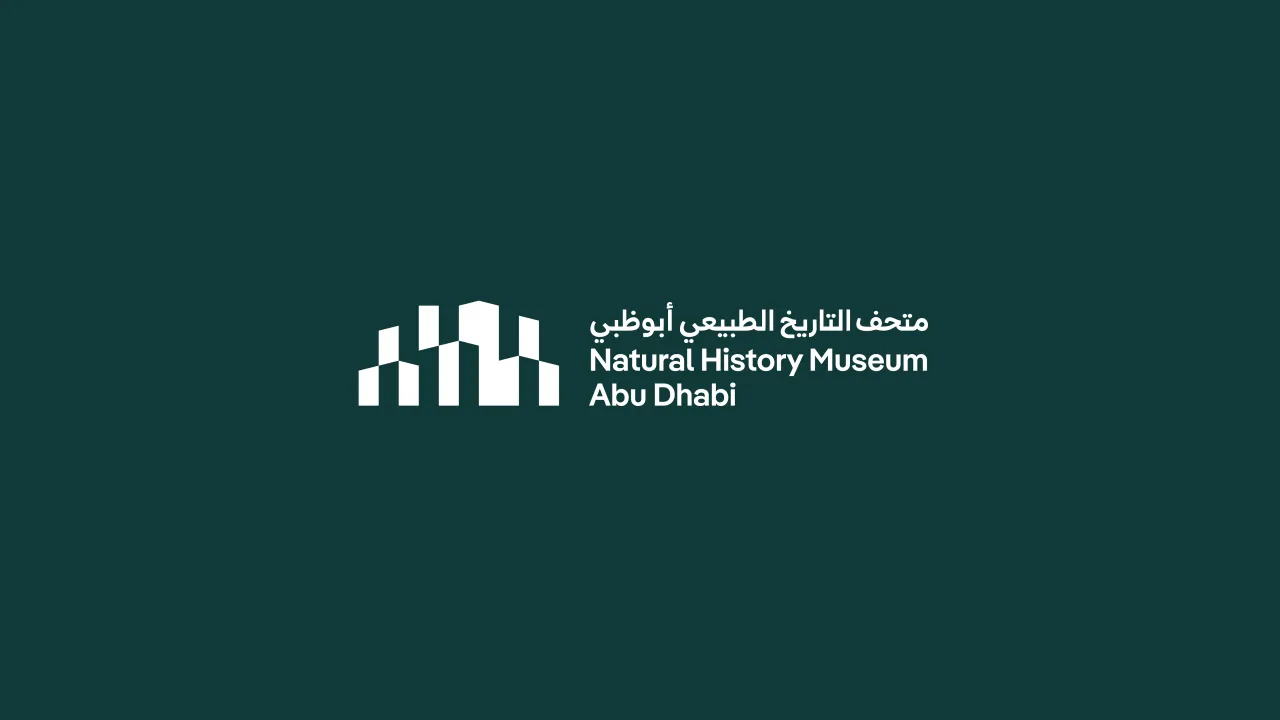
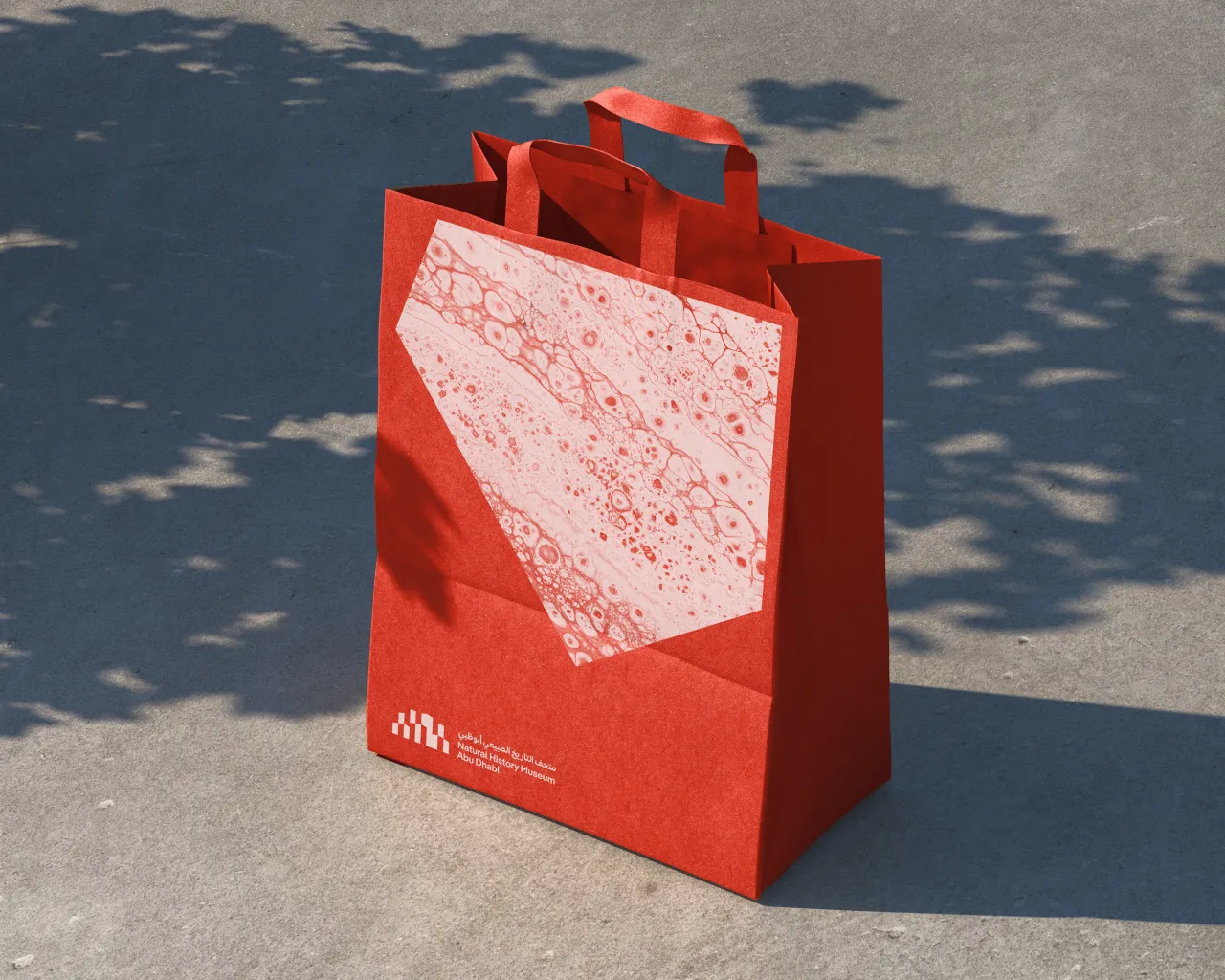
The museum's bilingual nature meant a typographic logo didn't make sense. In a district where visitors often navigate via architecture, the team chose instead to create a logo that reflects the building's form. Experiments ranged from literal interpretations to abstracted shapes, until the right level of recognisability emerged and the final mark echoes the extruded contours of Mecanoo's structure without becoming a diagram of it.
Benji notes that the line between literal and symbolic was intentionally fine, resulting in a logo that feels grounded in place but still works across audiences and contexts, from school worksheets to large-scale exterior signage.
Designing with biomorphism and biomimicry
If the architecture gave the brand its geometric spine, the wider identity takes its cues from nature itself. Wiedemann Lampe approached the project through both biomorphism and biomimicry, borrowing visual language from the natural world but observing how nature operates.
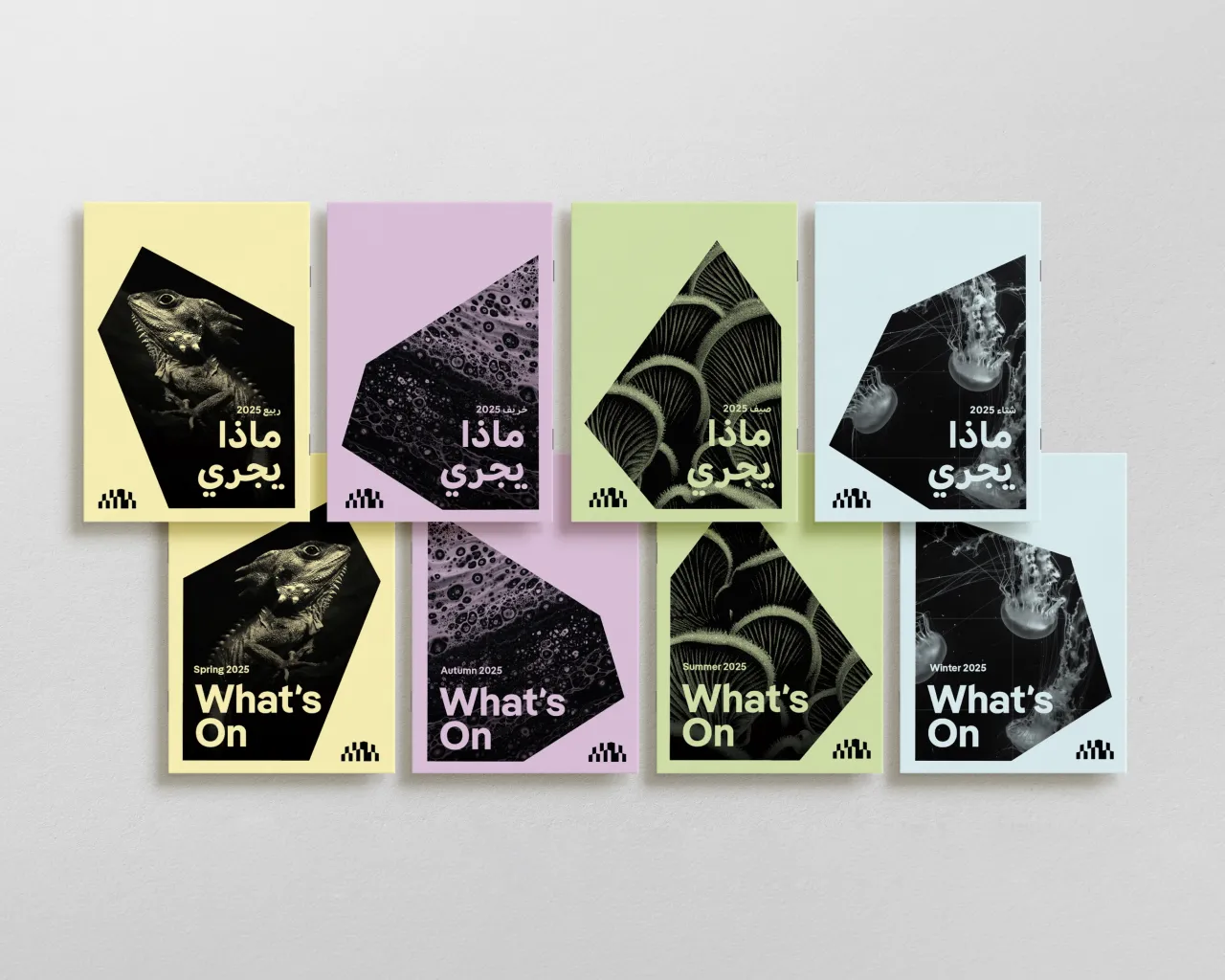
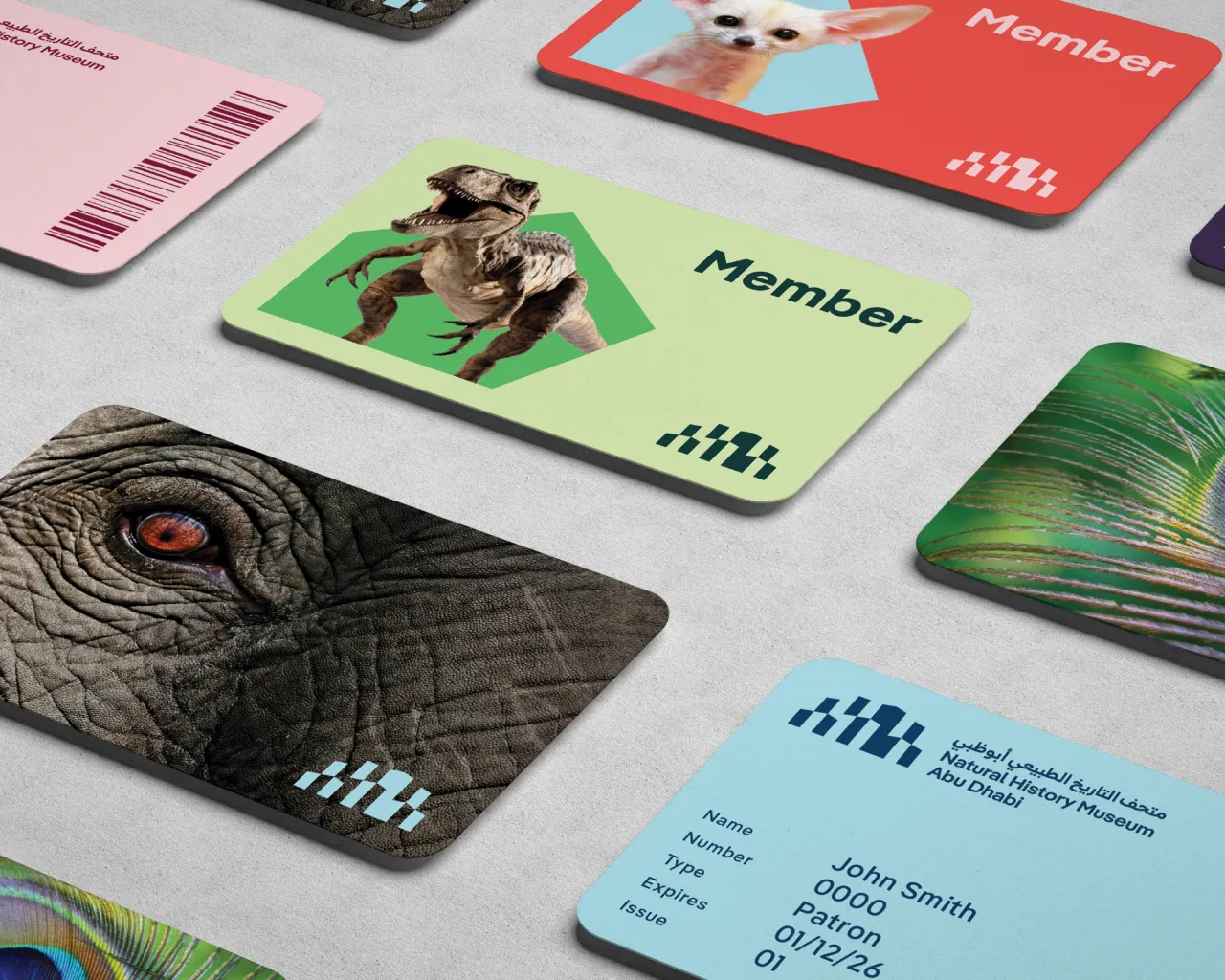
"The whole brand was bioinspired," Benji explains. Biomorphism informed the overarching narrative, while biomimicry shaped the brand's behaviour. Natural variation shows up in the generous colour palette, which spans more than 20 hues drawn from minerals, skies, plants and geological strata.
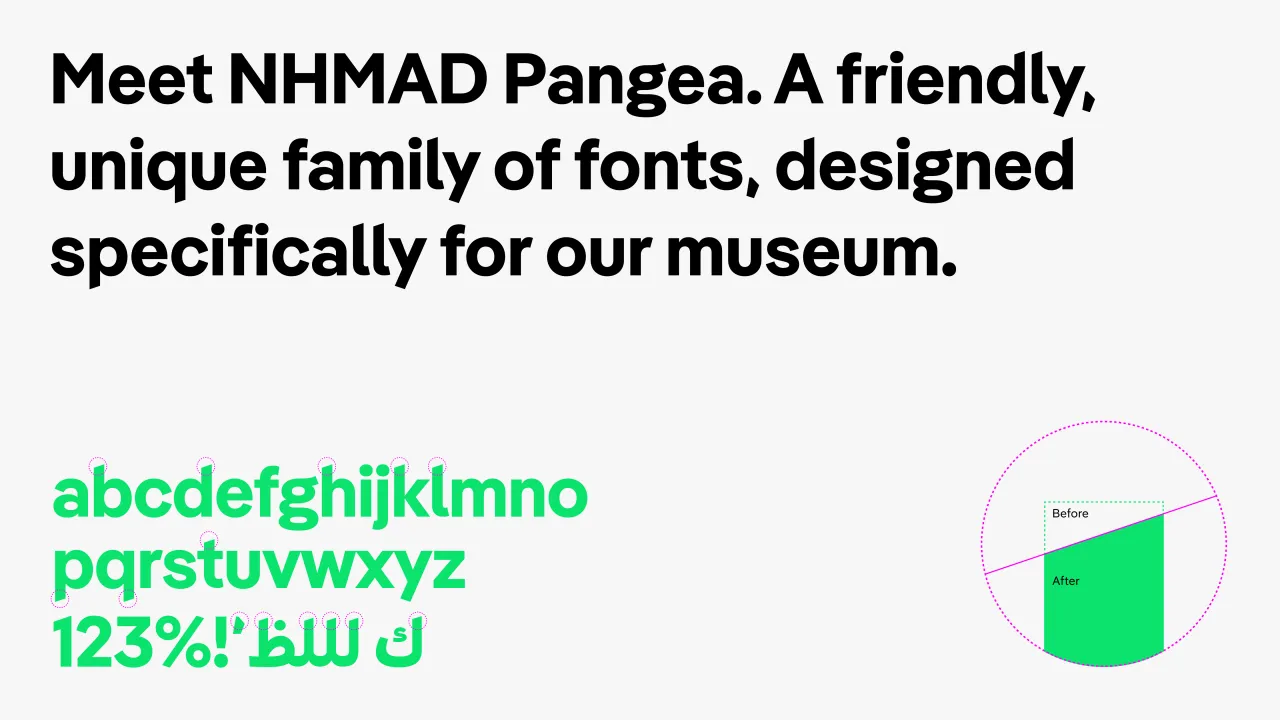
Typography, too, needed to carry this balance of robustness and softness, so the team collaborated with Fontwerk to customise Pangea – a typeface named after the supercontinent. "Its features had a softness, roundness, but also with a slight edge, and it had Arabic baked into it," Benji says. Fontwerk then added architectural cuts and adapted characters like the comma and apostrophe to tie the type directly into the pentagonal motif.
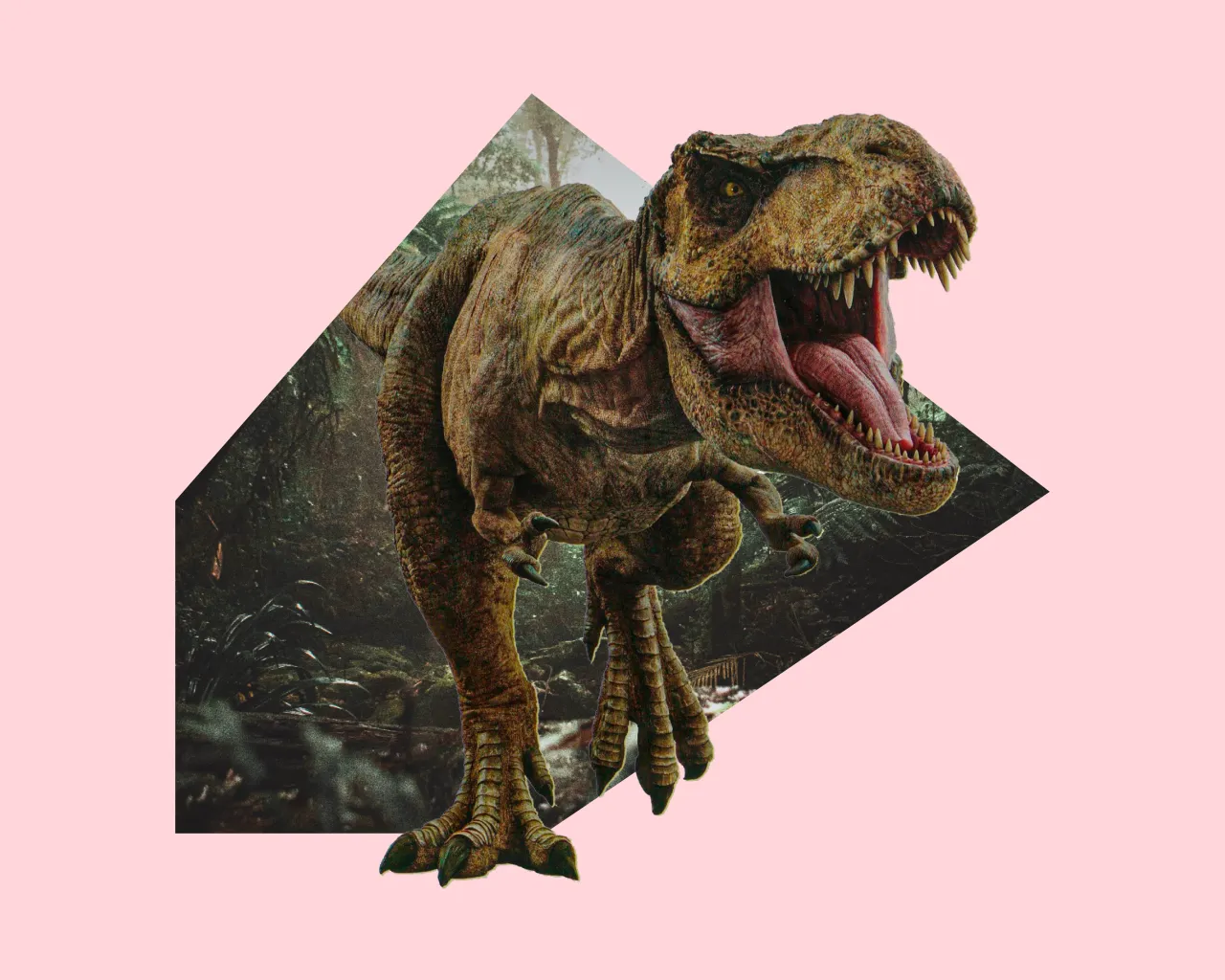
Making it work for children, tourists and scientists alike
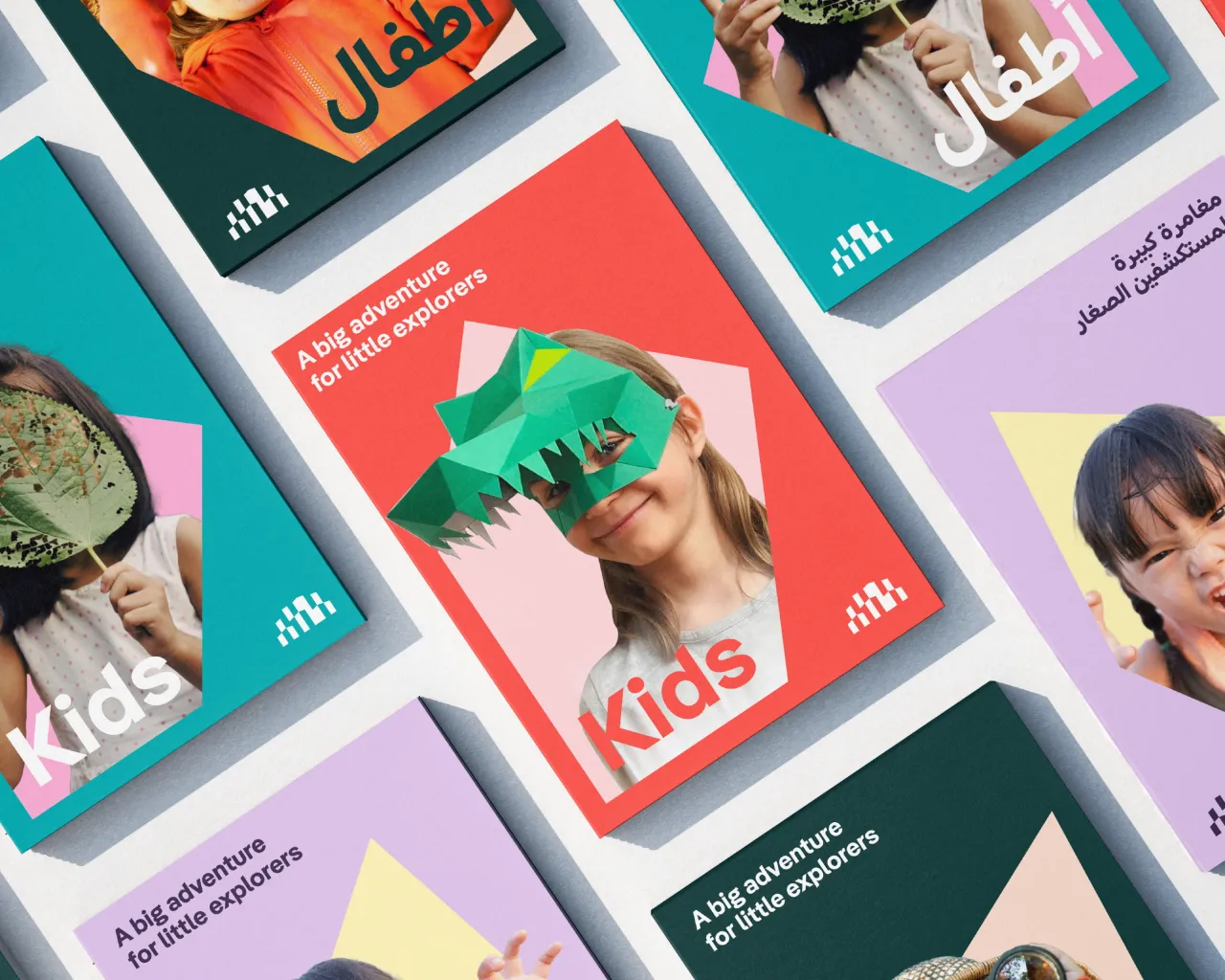
One of the brand's toughest challenges was scale, as it needed to feel rigorous enough for academic contexts, engaging enough for younger visitors, and welcoming enough for the millions of tourists who visit Abu Dhabi each year.
The solution came in the form of three guiding pillars – educate, entertain, empower – which the team used to modulate tone and expression depending on the audience. While scientific content required clarity and legibility, the identity also had to resonate on an emotional level. "A museum brand is so much more than just education, research and campaigning," Benji says. Inspiration and delight were equally important.
To that end, the studio referenced entertainment brands that breathe through motion, such as BBC Two and National Geographic Channel, looking at how these identities adapt fluidly to content while maintaining coherence.
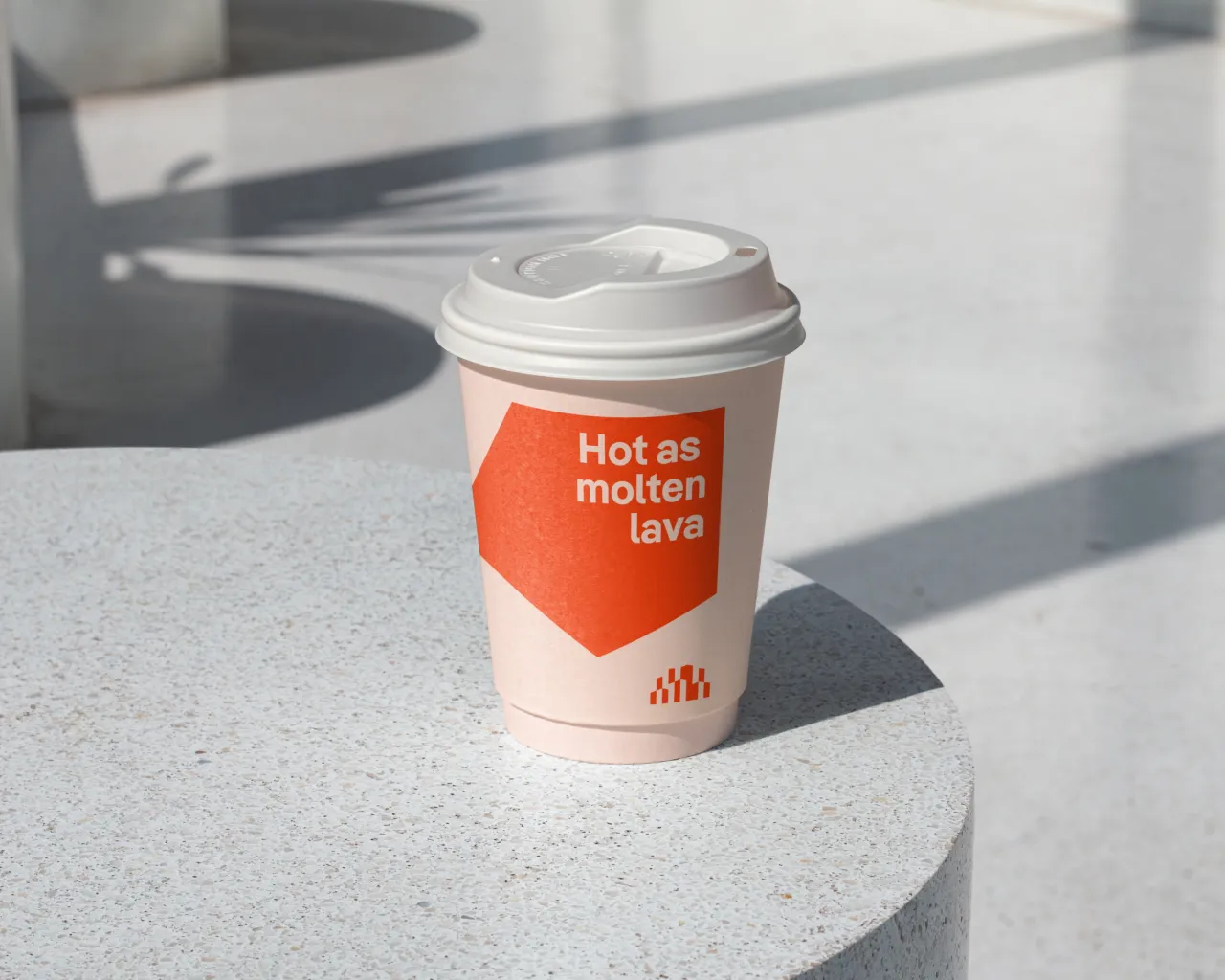
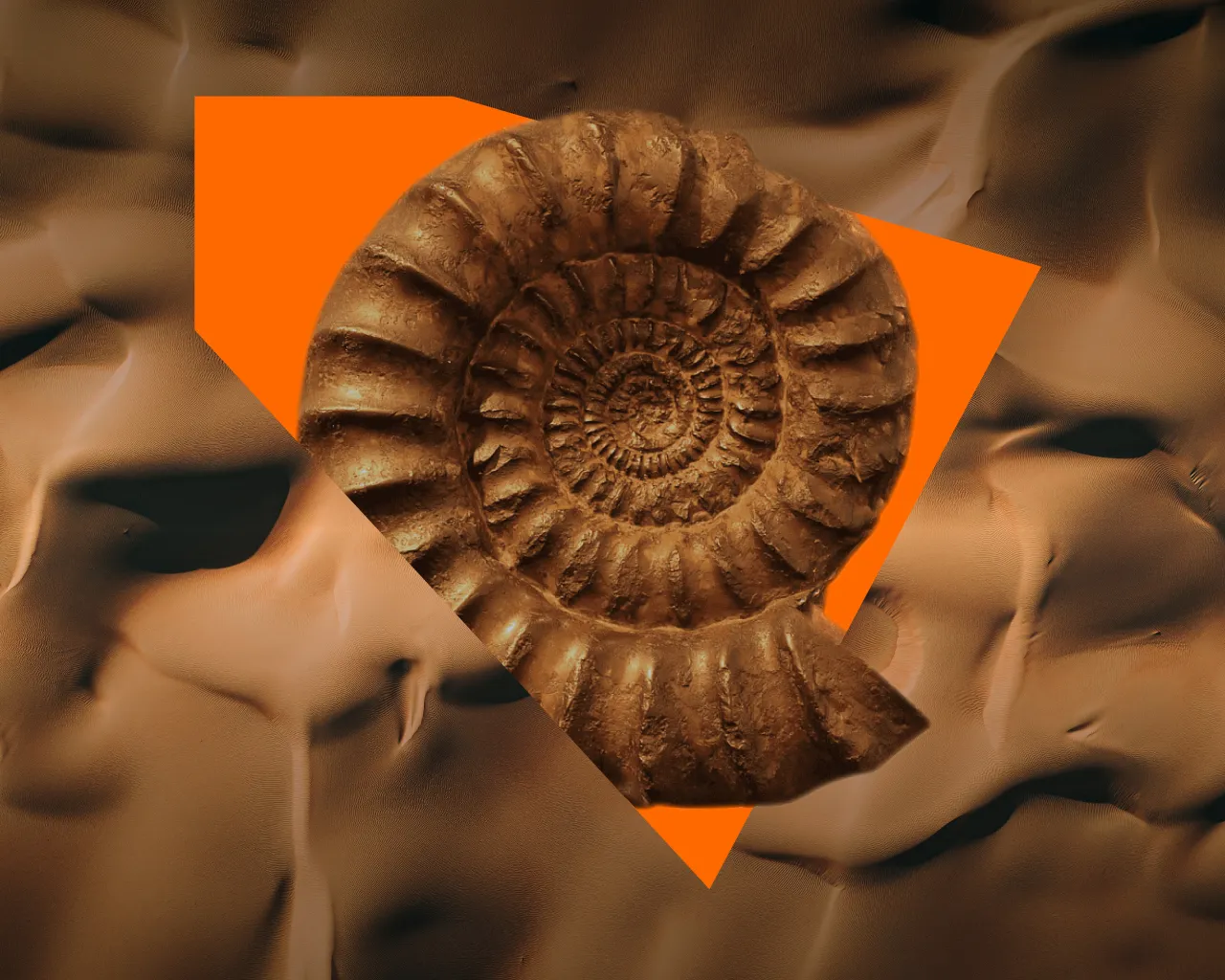
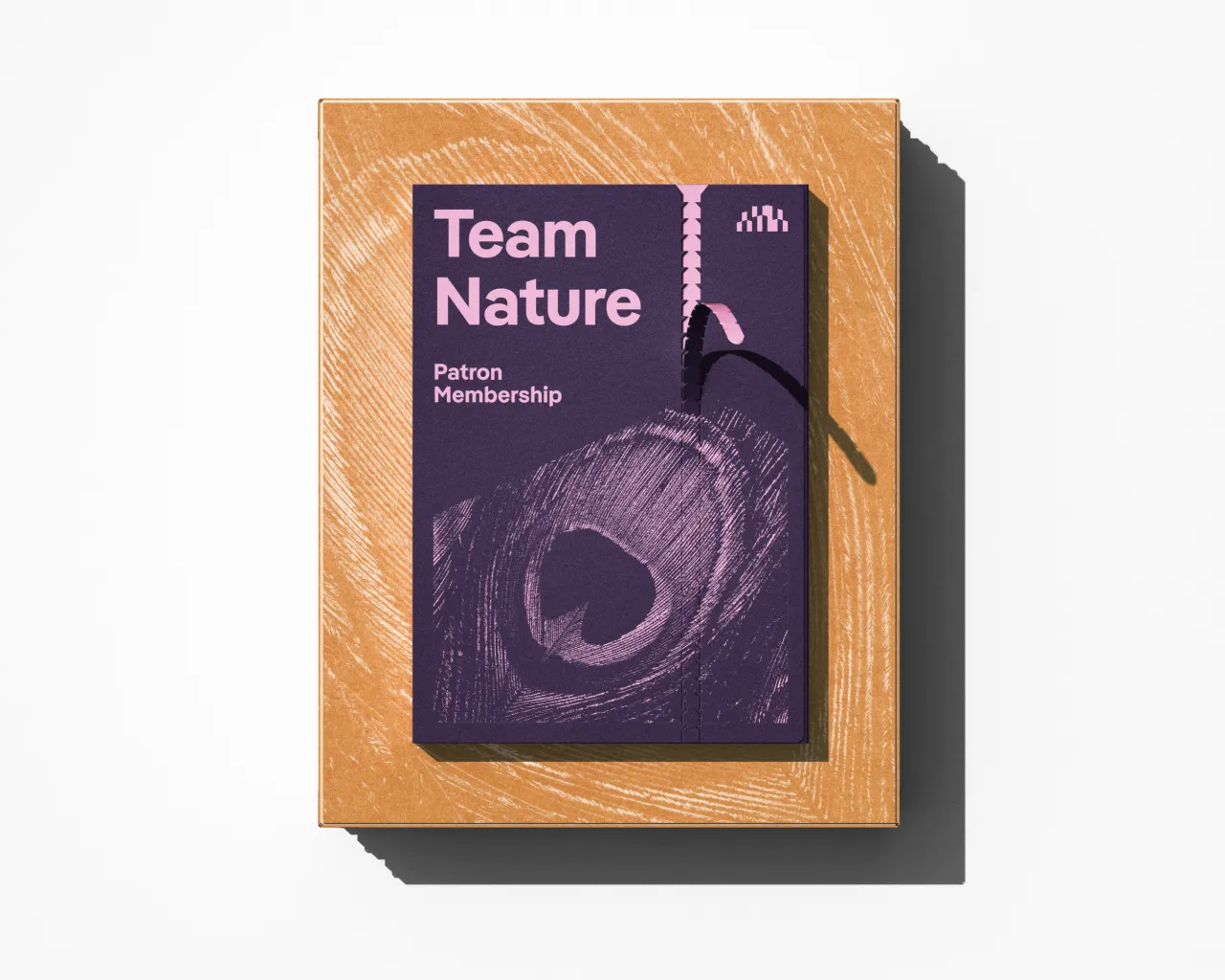
A system built to evolve
Even with its richness, the identity had to withstand heavy practical demands. Wayfinding, exhibition graphics, merchandise, promotional campaigns and digital touchpoints all rely on a stable set of rules.
To keep things coherent, the team defined specific colour combinations for legibility, introduced five type weights across both English and Arabic, and built a graphic system that can flex dramatically without losing its core shape.
"The brand is ever-changing, like nature, evolving and adapting," Benji says. Designed to grow alongside the museum, it carries the same expressive potential as the building itself.
A new landmark
With its bio-inspired identity, architectural symbolism and wide audience reach, the new brand positions the Natural History Museum Abu Dhabi as a significant addition to the global family of natural history institutions. It not only reflects the landscape it rises from but folds in local narratives, scientific ambition and a future-facing design language.
As Saadiyat Island continues its transformation into one of the world's most important cultural destinations, the museum – and its new identity – adds another distinctive voice to the region's architectural and creative conversation.

Editor's Picks
Trending
Latest Jobs
Senior Digital Designer at Flamingo (Mammoth Brands)
Full-time·New York·US$91,000 – US$120,000
Product Designer at telli
Full-time·Berlin·€85,000 – €160,000
Creative at Wolfstreet
Full-time·Amsterdam·€3,500 – €4,300 per month
Art Director at GREY (New York)
Full-time·New York·US$45,000 – US$100,000
Associate Creative Director, Events at The New York Times
Full-time·New York·$148,000 – $170,000
Senior Social Media Manager at Whitney Museum of American Art
Full-time·New York·$95,000 – $100,000