Why 'Indie Game Works' is a love letter to the bedroom coders who changed gaming
A new Thames & Hudson book surveys 50 indie games that redrew what a video game could look like – with a foreword from Elite co-creator David Braben.
My first computer was a ZX Spectrum, which had a satisfying, squidgy keyboard. If you had one too, you'll know the ritual: the cassette loading screen, the annoying screech, then the ten-minute wait whilst you ate your tea. Sometimes, nothing would load at all. Yet the games that eventually flickered to life felt like magic. More often than not, they were created by ordinary people in their spare bedrooms, working out as they went along what the strange new medium could do.
The pixelated graphics were primitive. But that did nothing to stop people's imagination. Ok, so today's games are incredible graphically. But I've never felt the same magic as I did with those early handmade titles. That's why a book that celebrates the indie makers with that same spirit was always going to catch my eye.
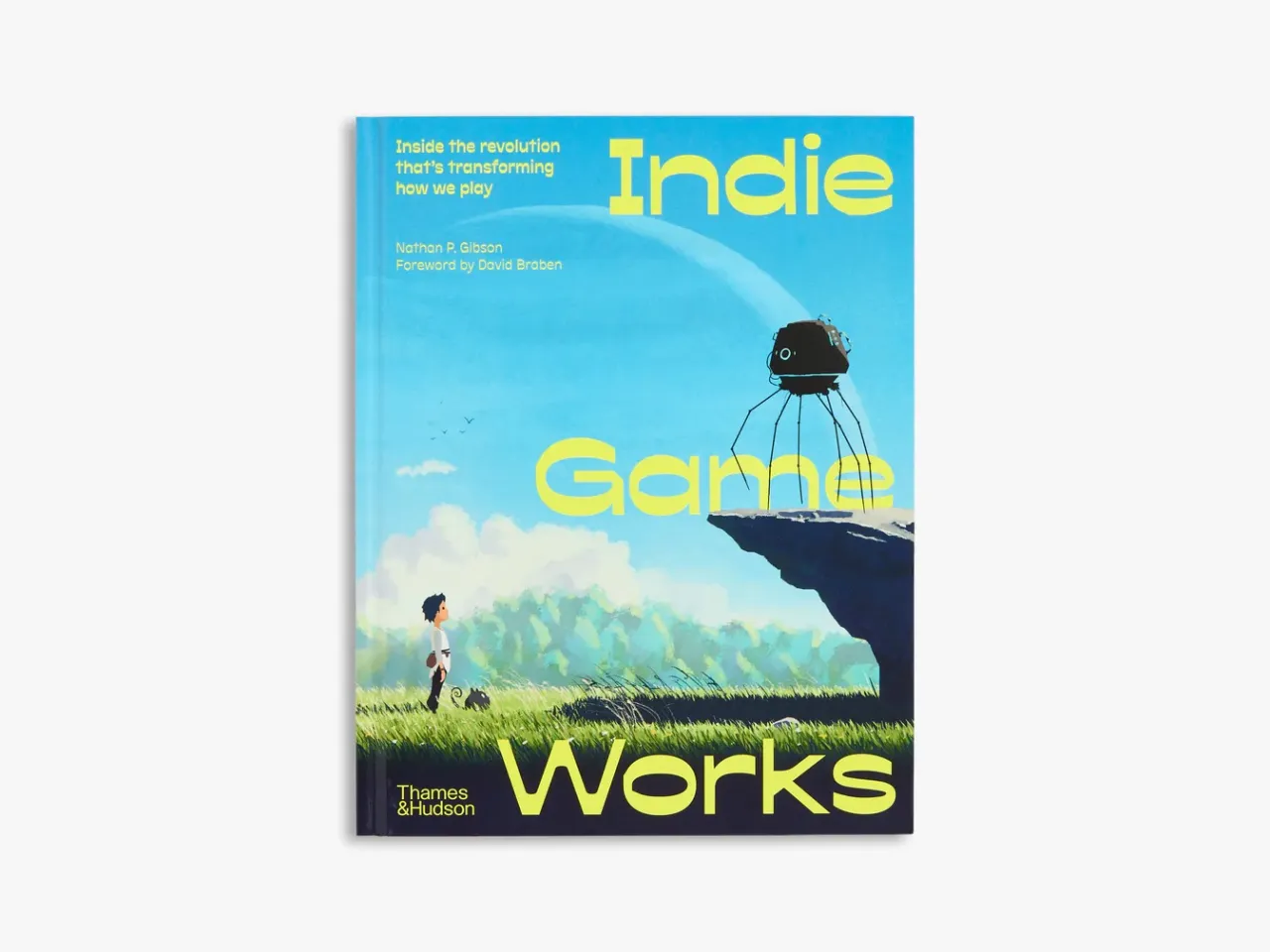
Indie Game Works: Inside the Revolution That's Transforming How We Play is written by video game journalist Nathan P. Gibson and features a foreword by David Braben. If that name rings a bell, I'm not surprised. Braben co-created Elite in 1984, largely as a student, in what might be the most famous bedroom-coding story of all time.
Gibson's theme for the whole book is based on a simple argument: somewhere in the late 2000s, the tools to make a game (and the means to distribute it) became cheap and accessible enough that small teams, or even one determined individual, could build something and put it straight into players' hands, without the need for a publisher. What followed, as you can imagine, was an explosion of originality and creativity. It led to games that looked and played like nothing the big studios were making then.
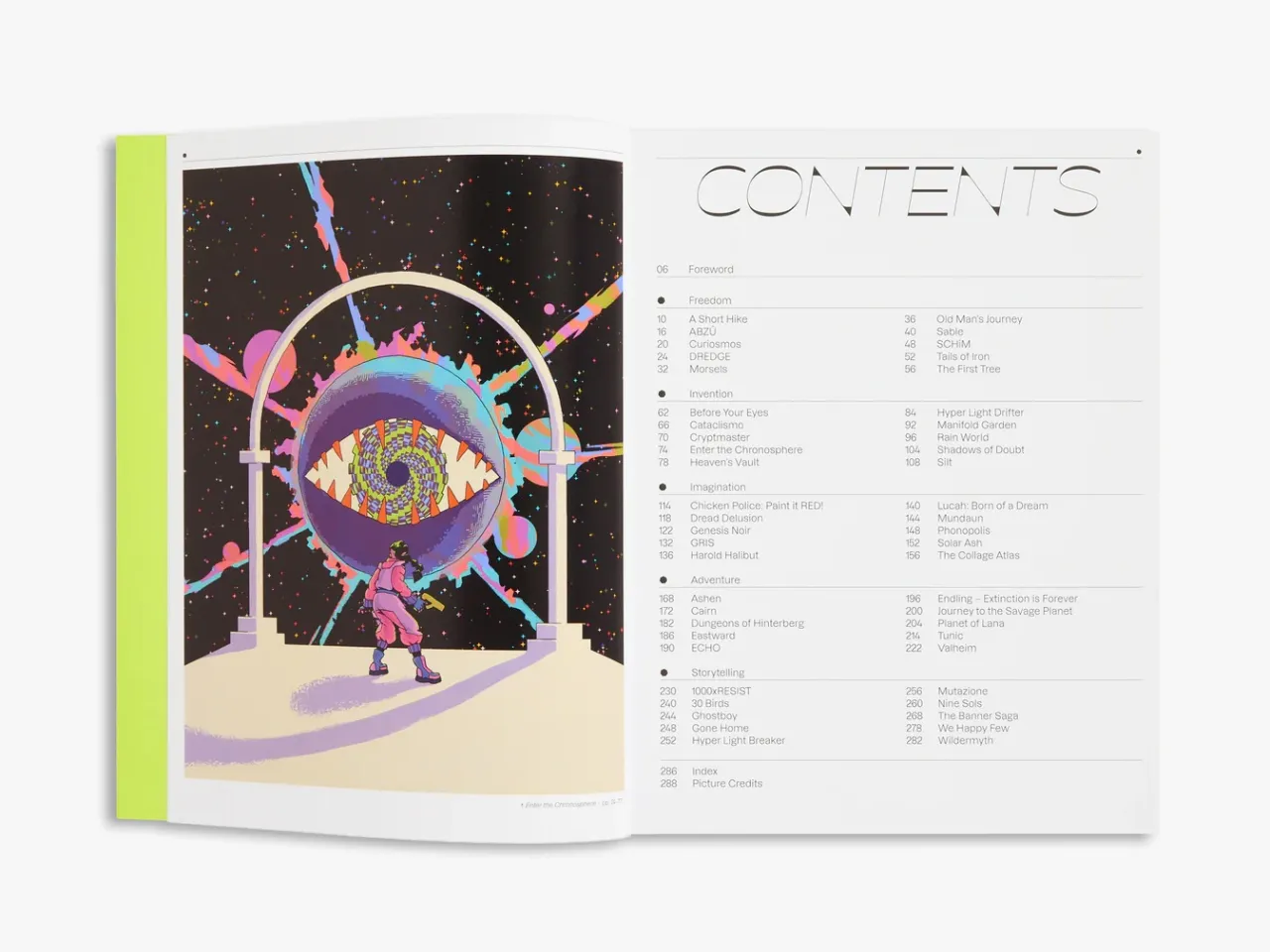
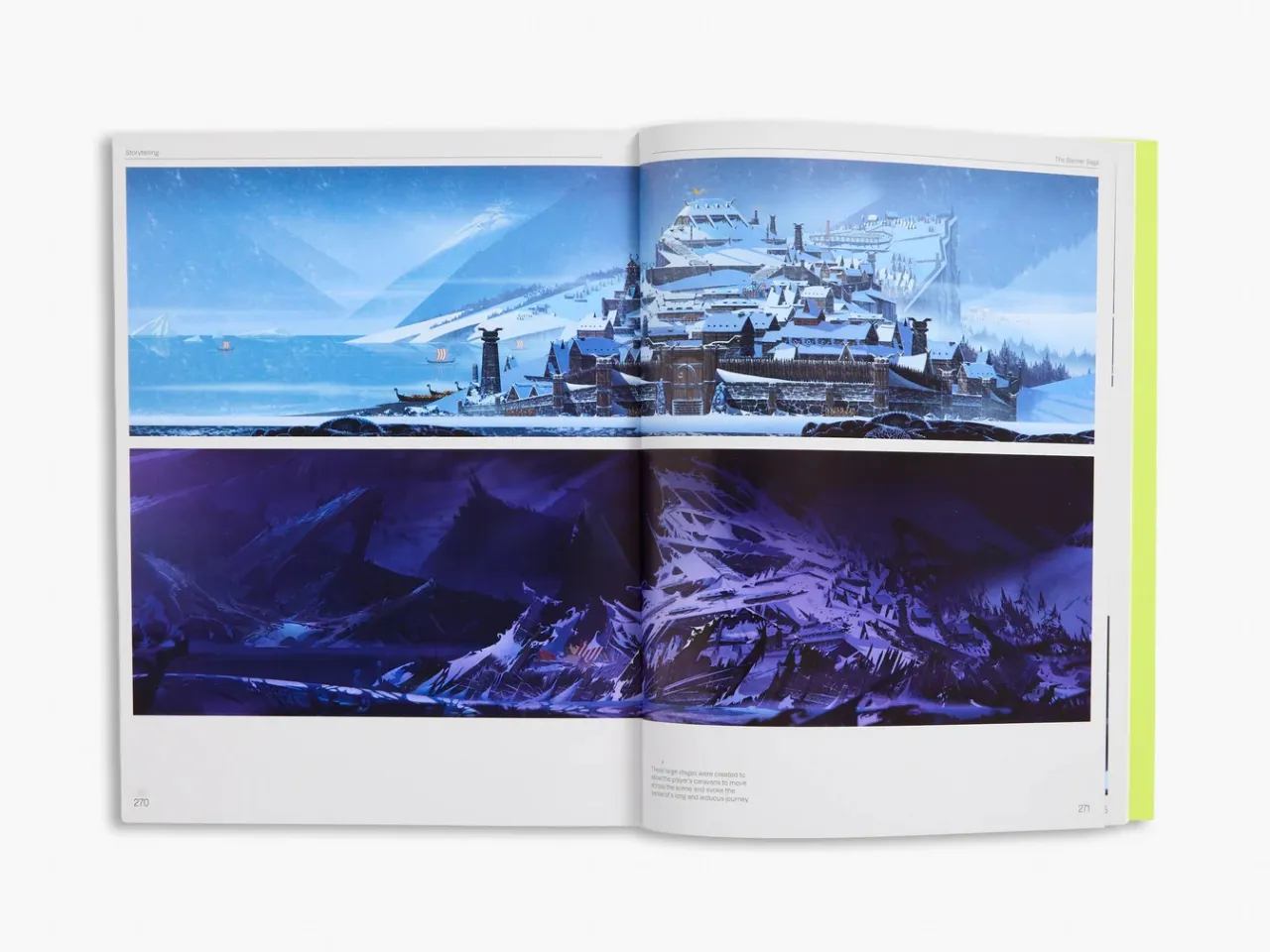
The book gathers 50 of these epic games, made over the past 15 years, and organises them into five interesting themes: Freedom, Invention, Imagination, Adventure, and Storytelling. Within its pages you'll read more about the haunting underwater hush of ABZÛ to the dystopian unease of We Happy Few. Or there's the neon melancholy of Hyper Light Drifter and the watercolour worlds of GRIS to the puzzle-box charm of Tunic... even the eerie fishing horror of DREDGE. It's a proper exploration of a movement that inspired the entire gaming industry.
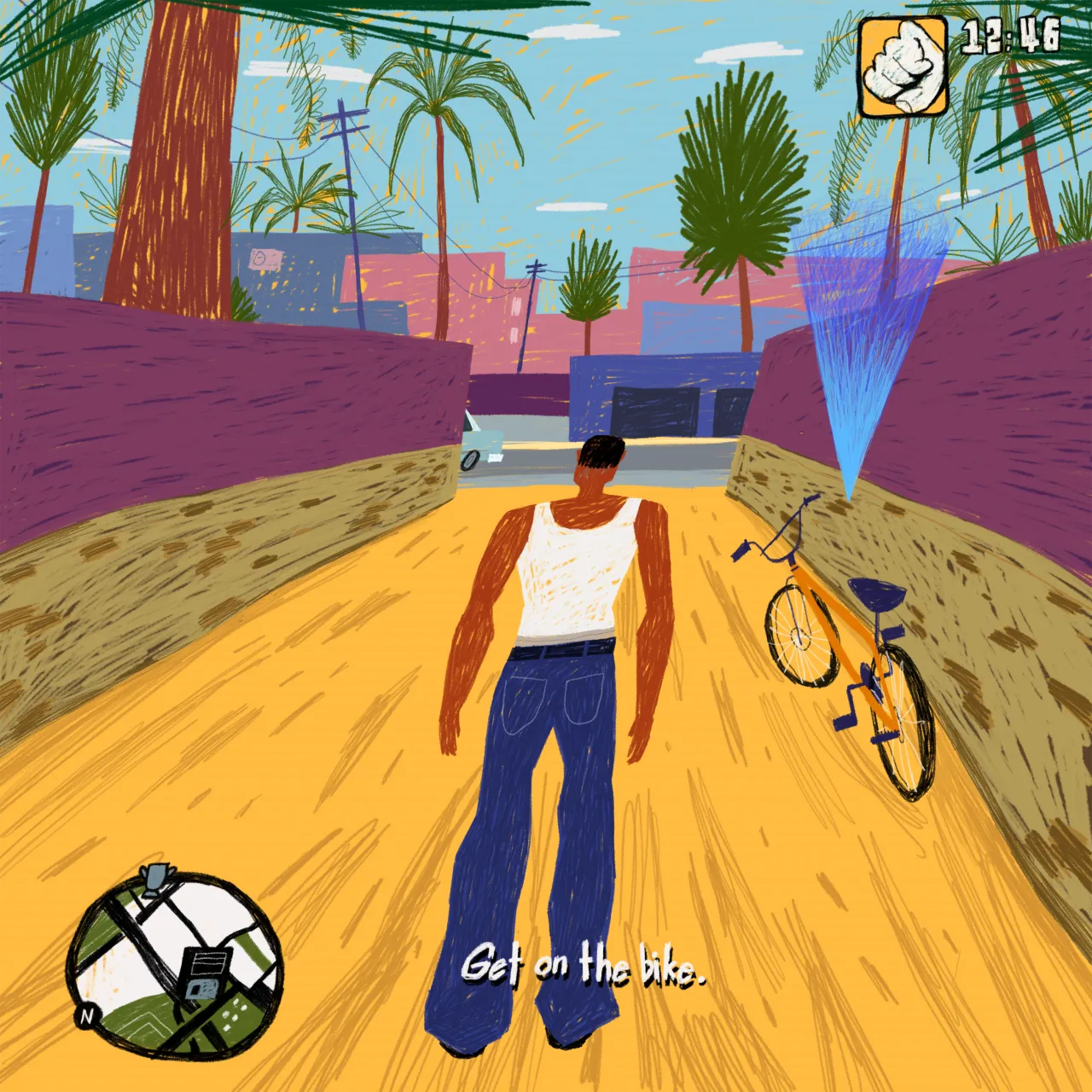
What makes this one for the Creative Boom shelf, though, is that it's a genuinely visual book. It surveys art direction as much as game design. Gibson has focused on titles with dazzling, distinctive visual styles, the sort of stuff that borrows freely from gaming's own history and from the wider visual arts, and he then asked the developers and art directors themselves to talk through how they did it.
Packed with never-before-seen concept art, mood boards, and early works in progress, it pays tribute to the people and passions behind the code. Across 288 pages and more than 500 illustrations, you get the finished frames alongside the scribbles, the false starts and all the inspirations. It's the messy process of a small team figuring out how to make an imagined world feel totally real. For anyone who designs or illustrates, it's a treat.
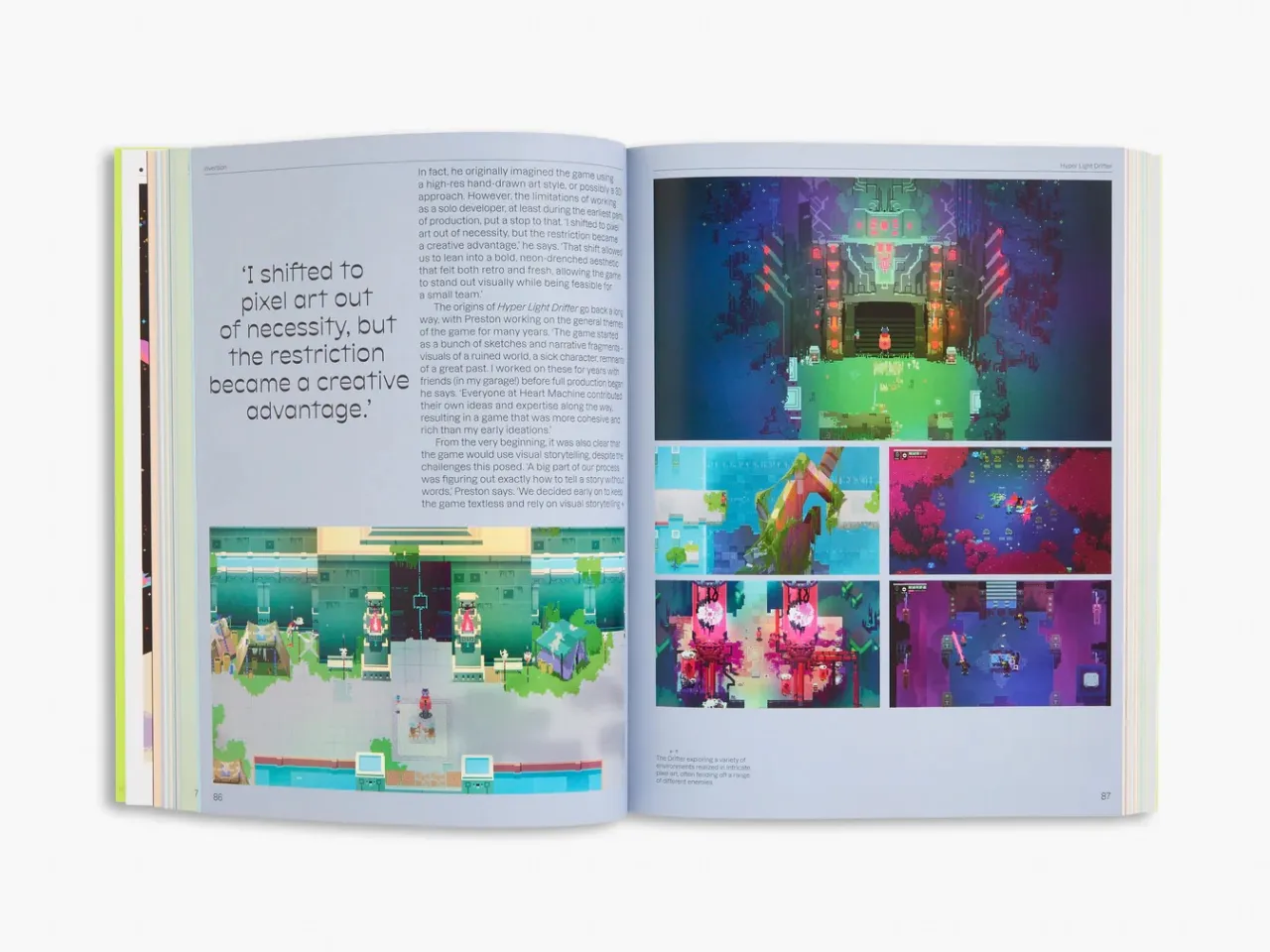
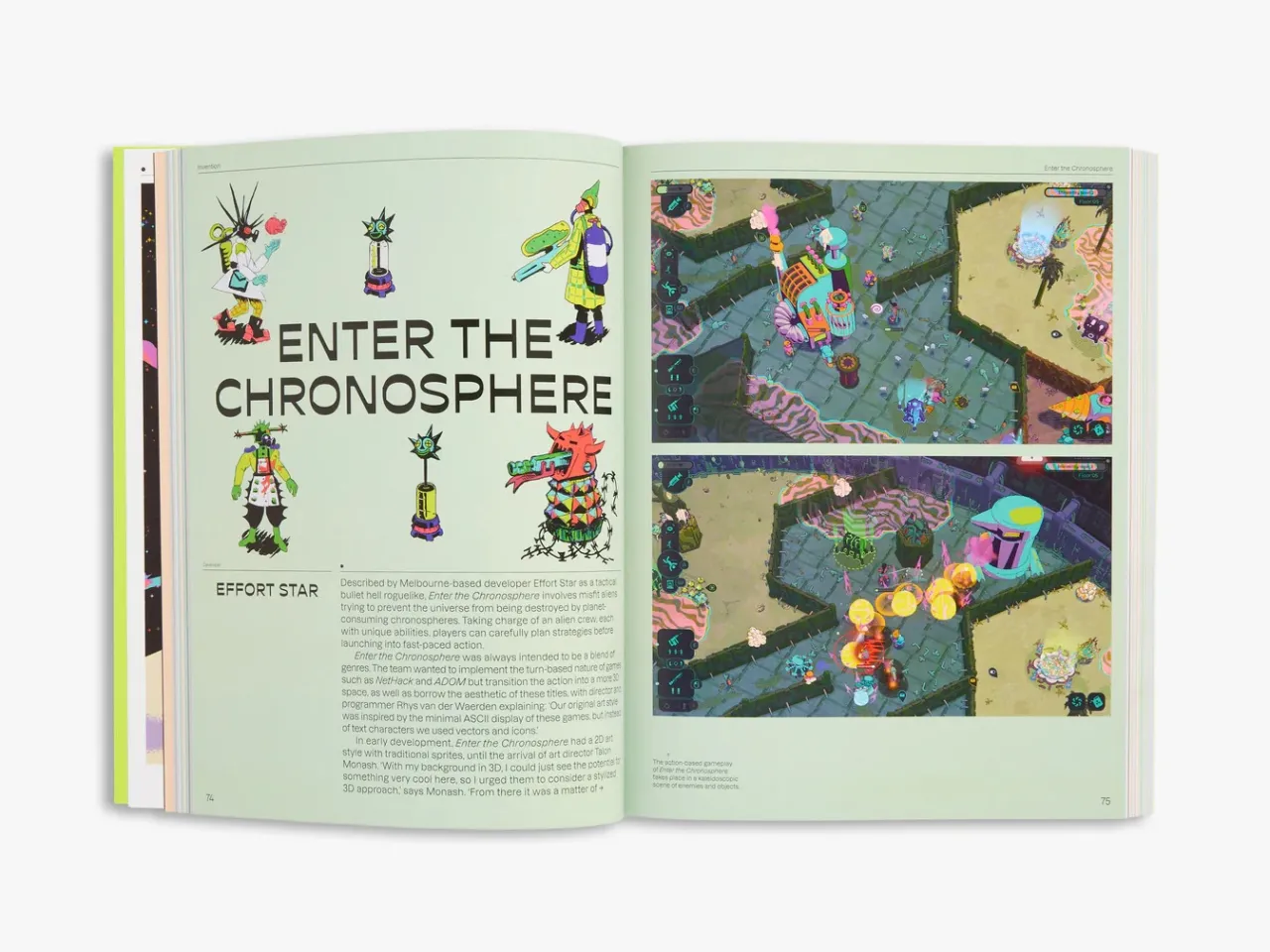
"I've had a passion for indie gaming since the early days of Xbox Live Arcade, with titles like Super Meat Boy demonstrating how smaller teams can create meaningful and high-quality releases," Nathan tells Creative Boom. "It was a pleasure to be able to speak to so many talented people and learn about their creative process, as well as looking back at the creative journey of the amazing games they made."
Nathan adds: "In particular, these projects show how the indie gaming scene is full of imagination and innovation. The way they build such beautiful worlds with stunning visual styles not seen in AAA games is what makes them so endearing. I also think that out of the entire industry, these types of games are the clearest examples of video games as genuine works of art."
Two editions are available. Publisher Read-Only Memory has produced a limited run of 1,000 copies, a cut-flush hardback with a handmade slipcase and foil detailing, priced at £75. Or for everyone else, Thames & Hudson has the wider trade edition at £35.
You can find the collector's edition over at Read-Only Memory, and the standard edition via Thames & Hudson.
I suspect I'll reach for this book whenever I need a reminder that the best creative work rarely comes from the biggest budgets; it comes from someone, somewhere, deciding to take a risk and make the thing they wish existed. Whether that's a Spectrum game in 1985 or an indie hit today.
Editor's Picks



Trending


Latest Jobs
Art Director at The New York Times
Full-time·New York·$120k–$130k
Midweight Editor at Earworm
Full-time·Bristol·£28k-£32k
Creative Director at Koto
Full-time·London·£95k-£130k
Senior 2D Motion Designer at Art&Graft
Full-time·London·£50k-£65k
Midweight Full Stack Developer at Bureau for Visual Affairs
Full-time·London (Open to remote)·£35k–£50k
Creative Project Manager at Analogue
Full-time·Leeds·£28k–£35k