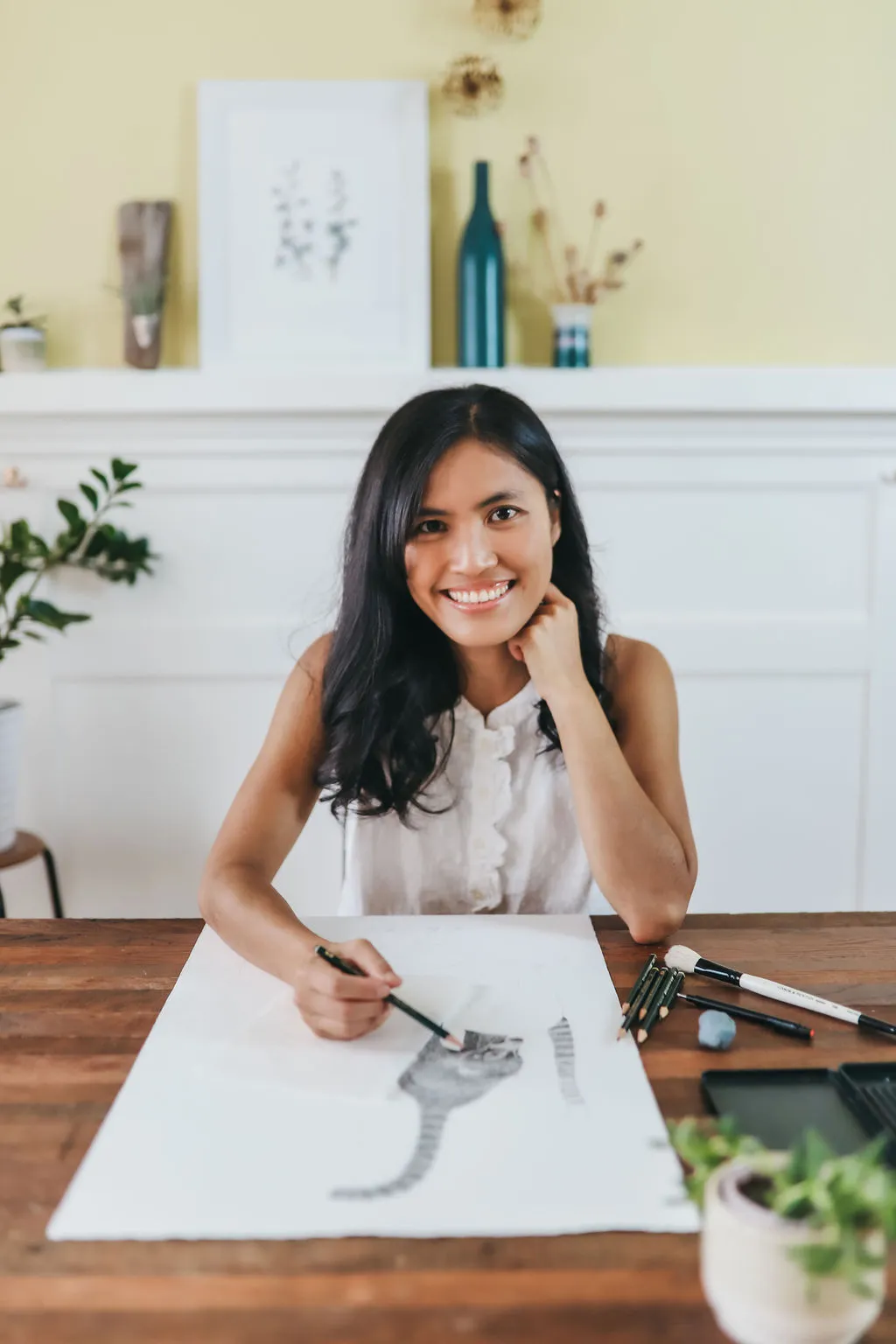
Designer and illustrator Julia Wand on her love of nature and why sketching is crucial
The Münster School of Design graduate discusses her creative journey so far and how she has developed her unique style.
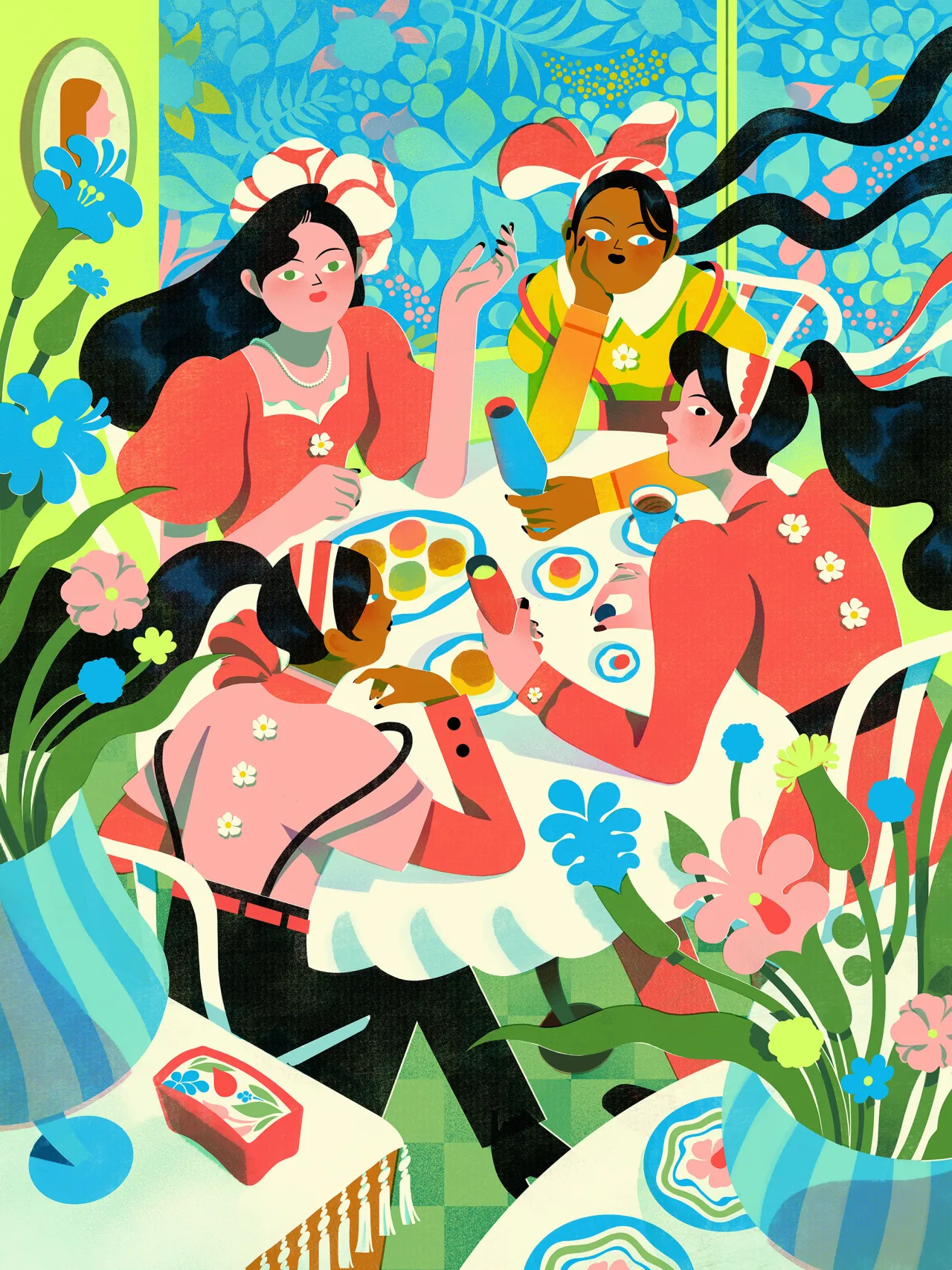
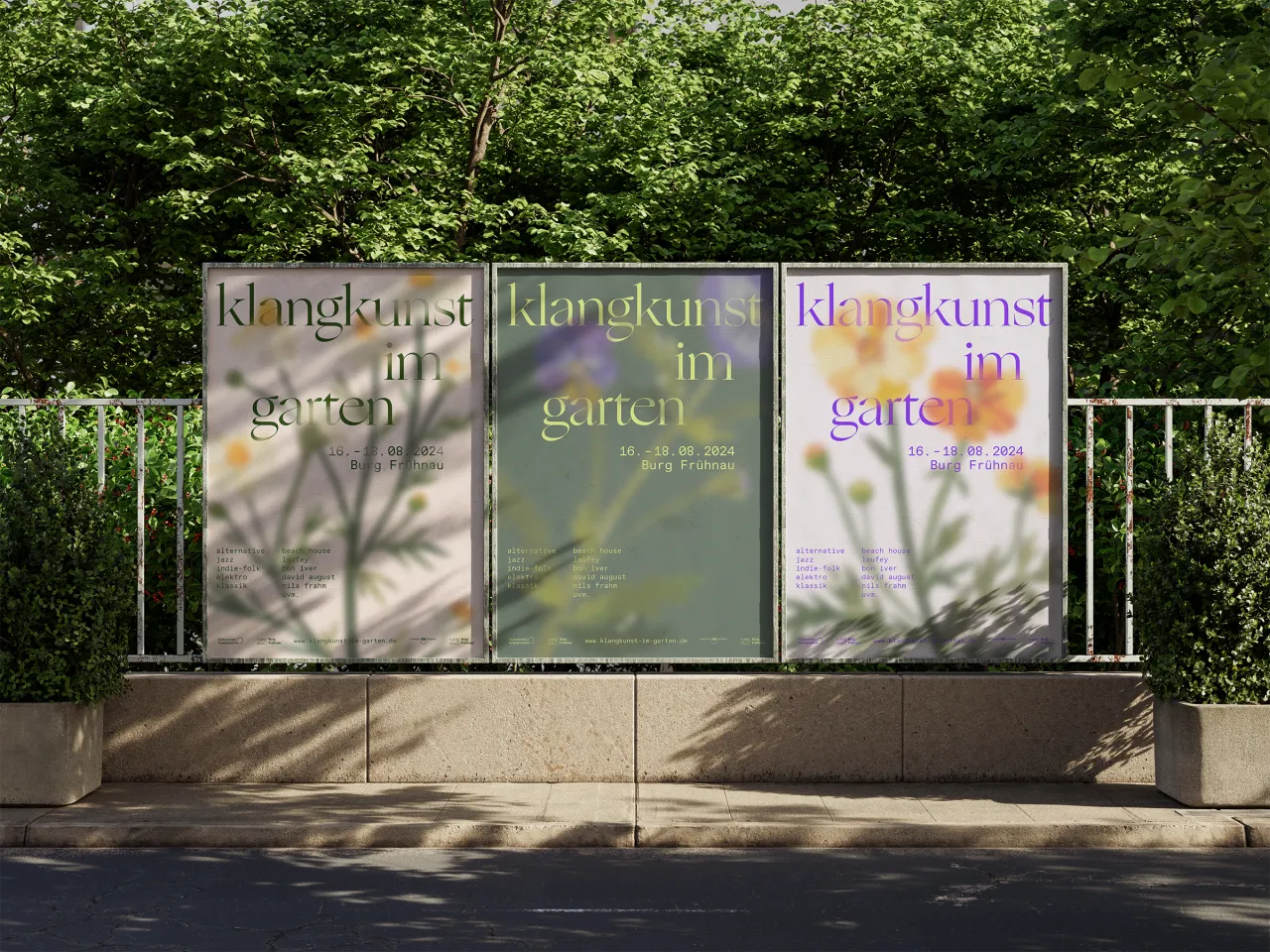
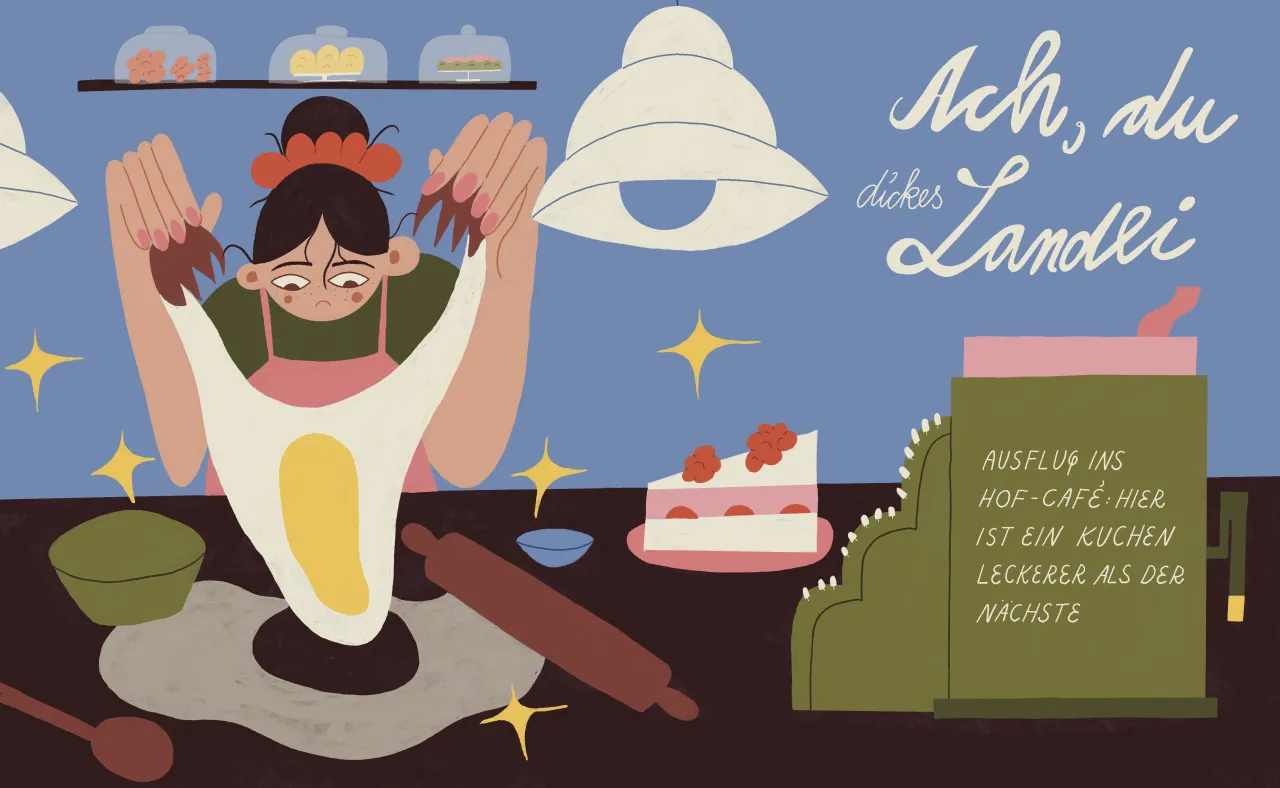
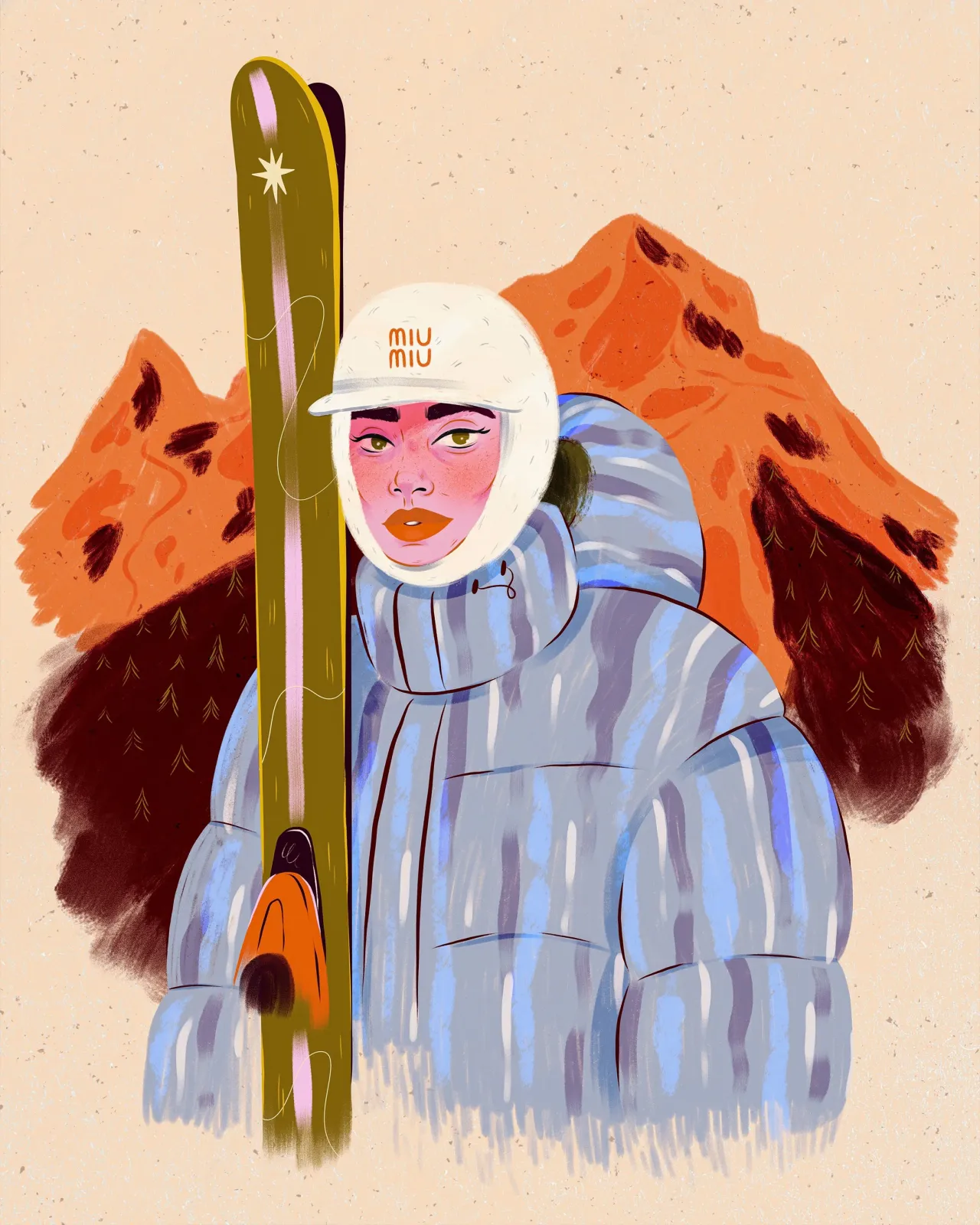
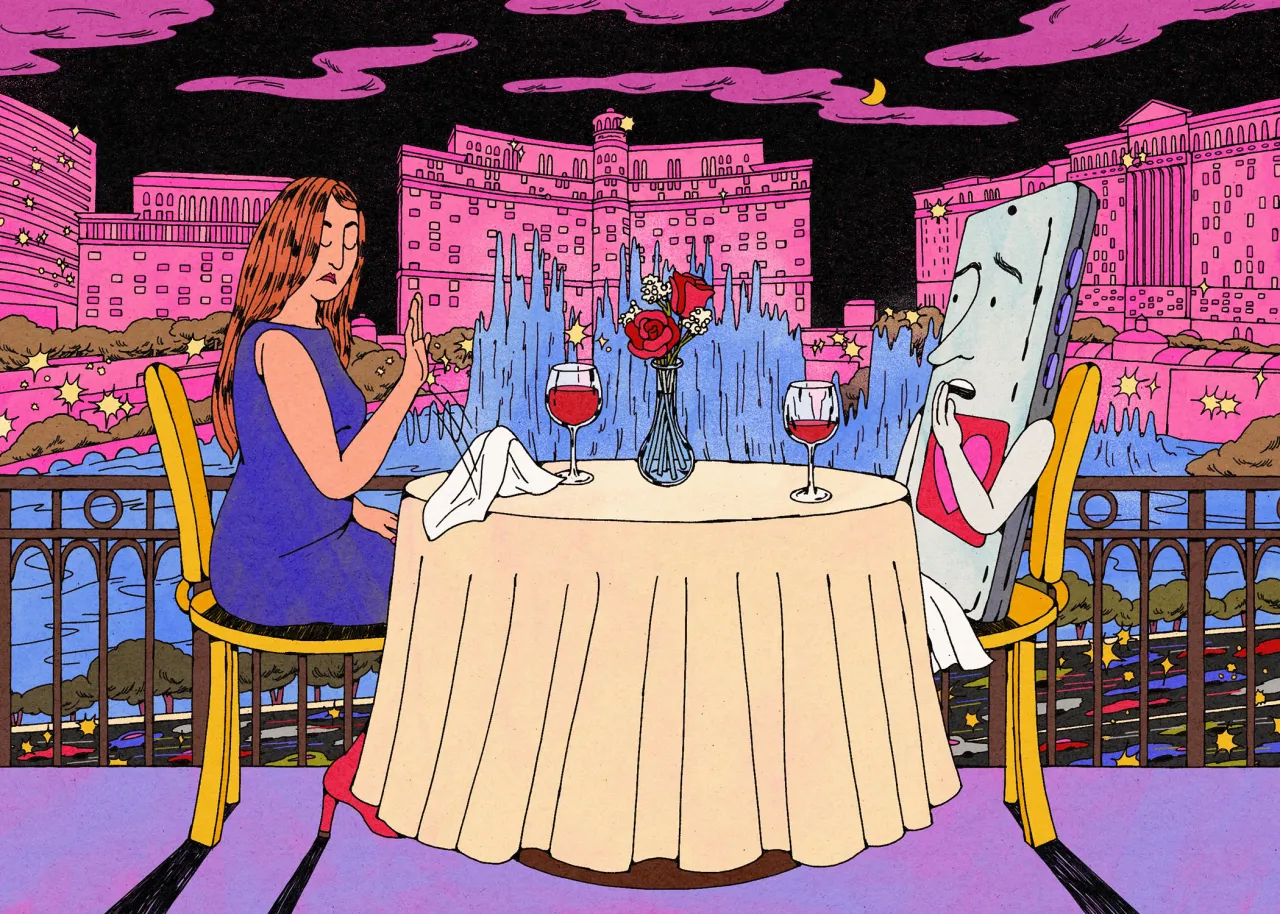
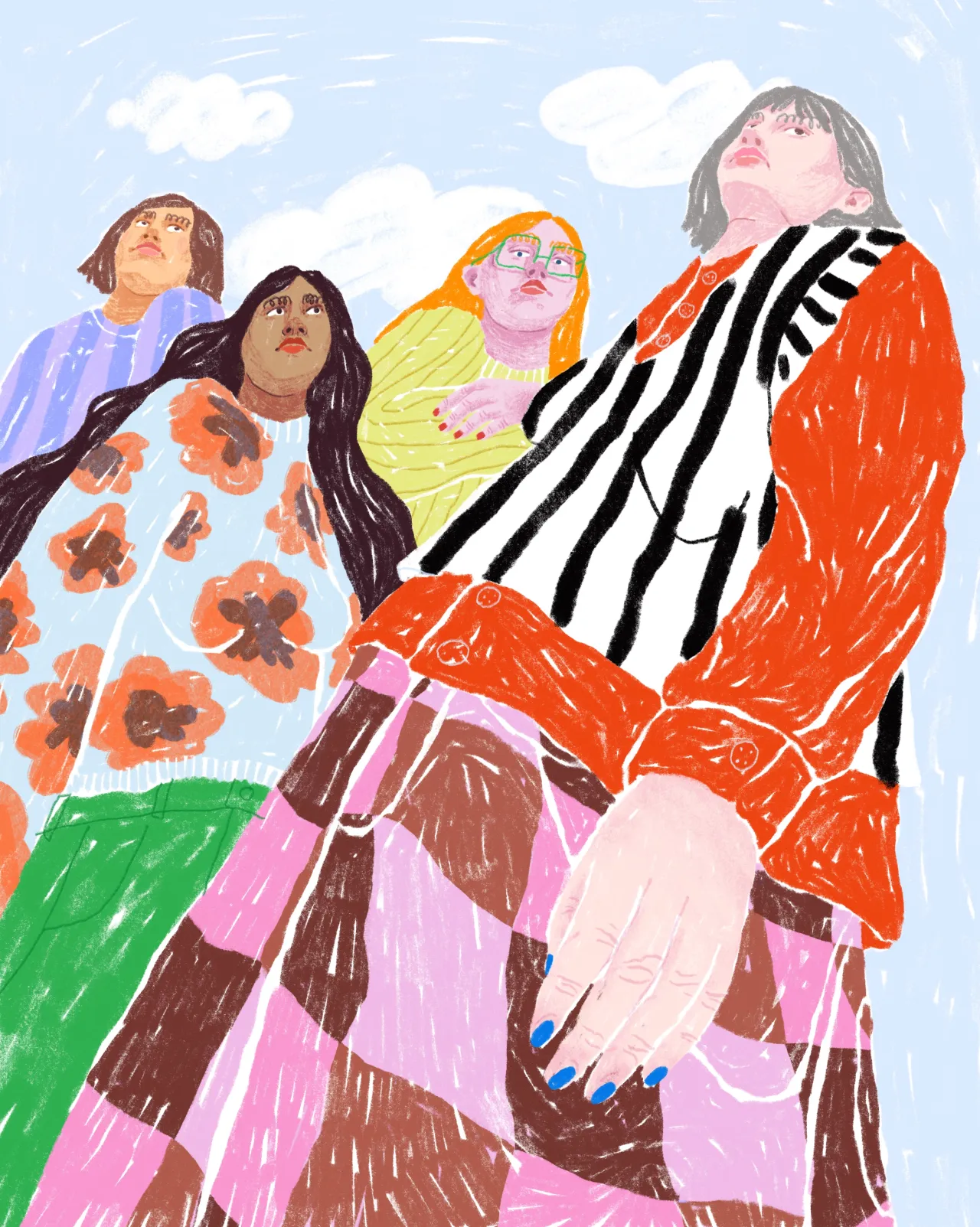
Julia Wand is an illustration and graphic design graduate of the Münster School of Design in Germany. In her work, she always aims to combine these two disciplines: a conceptual approach and visual storytelling.
"In my opinion, illustration and graphic design go hand-in-hand together," she explains. If I'm working on an illustration project that includes text elements, it's super helpful to have an understanding of typography, design rules, and so on.
"At the same time, I love adding illustrated elements to a more typography-heavy project, and I think in that case, it's always helpful to have an understanding of visual composition, colour theory, etc. If it makes sense for the project, I love to combine the two disciplines."
Developing style
Julia has been drawing since she was little. "In 2014, I started sharing my illustrations online, and I think that's when I began developing more of an original style and taking it more seriously," she remembers. I went through many phases and tried out a bunch of different styles and media until I found the ones that I liked – although that's ever-changing."
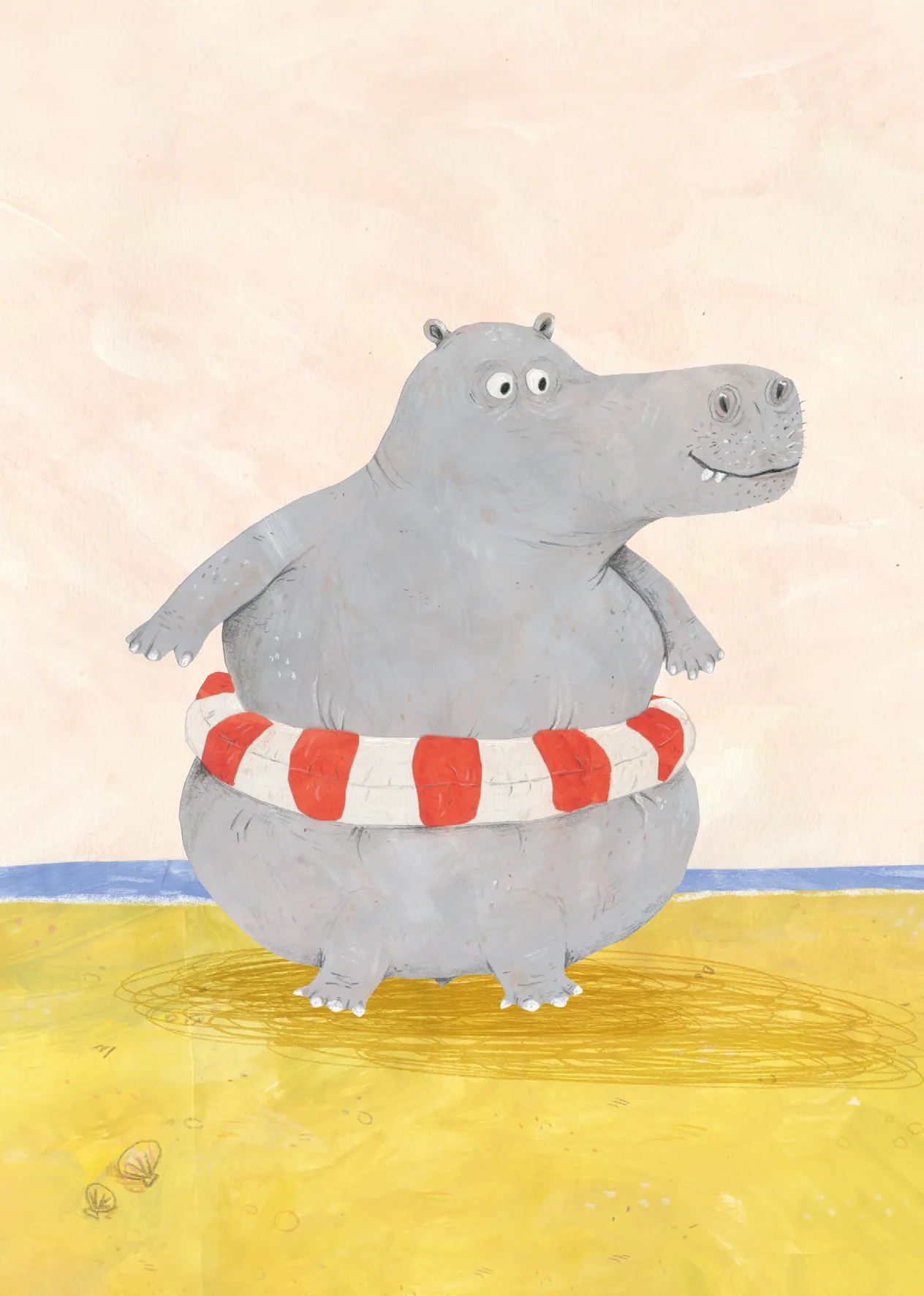
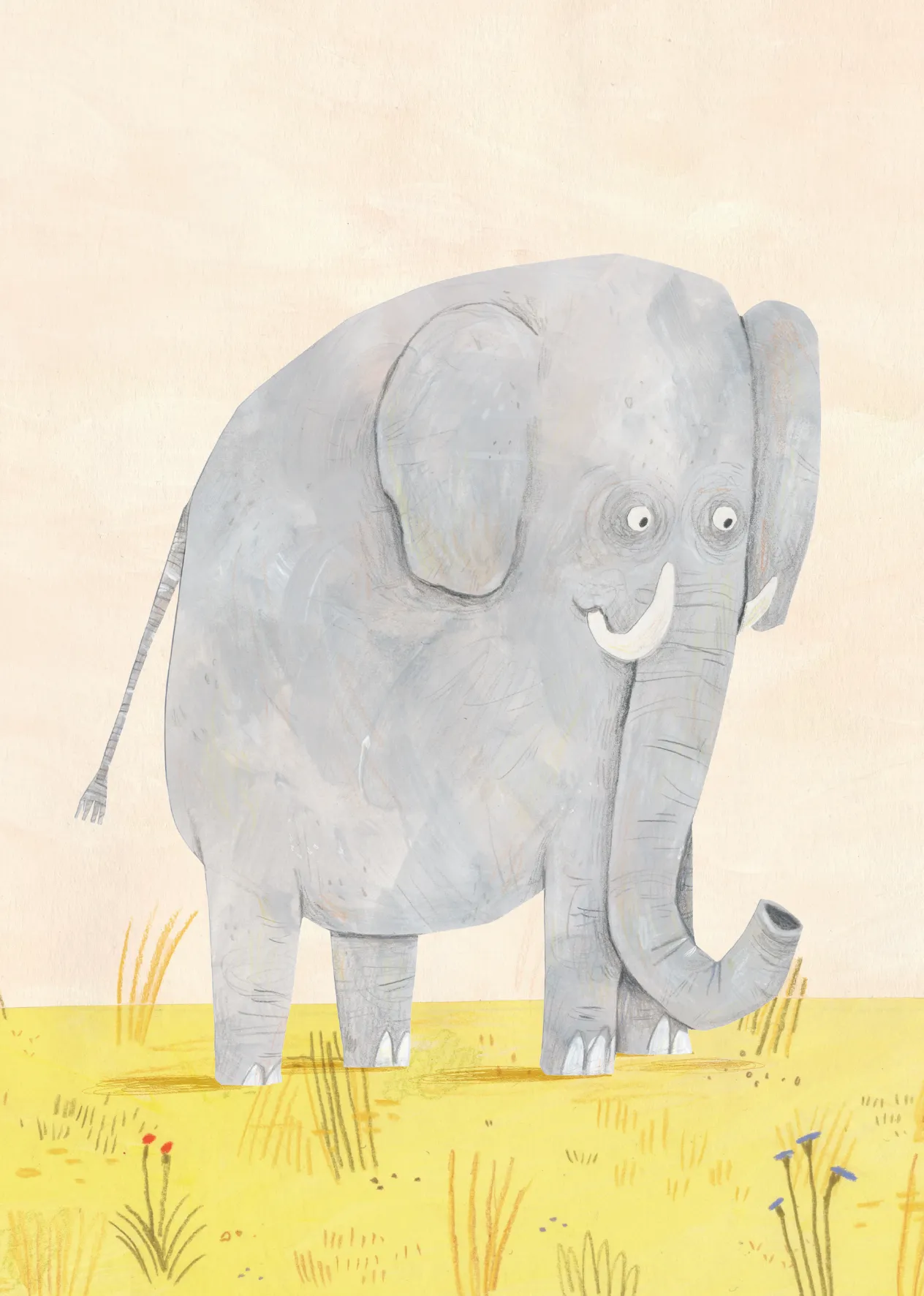
Looking closely at other work she admires has helped her shape her own unique style. "Instead of thinking, 'I wish I could draw like this', I began asking questions such as, 'What is it exactly that I like about this piece, and how can I implement that into my own work?'" she explains.
She lists her inspirations as "nature, the people and things that surround me in my everyday life and the experiences that come with that. They give me ideas for my work".
"Style-wise, I'm inspired by the amazing fellow illustrators and graphic designers I follow on social media," she continues. "I also own a growing collection of picture books, some of which I've had since I was a child."
Space for spontaneity
Regarding the process, Julia doesn't have a 'one size fits all' approach. "Each creative project looks a bit different," she explains.
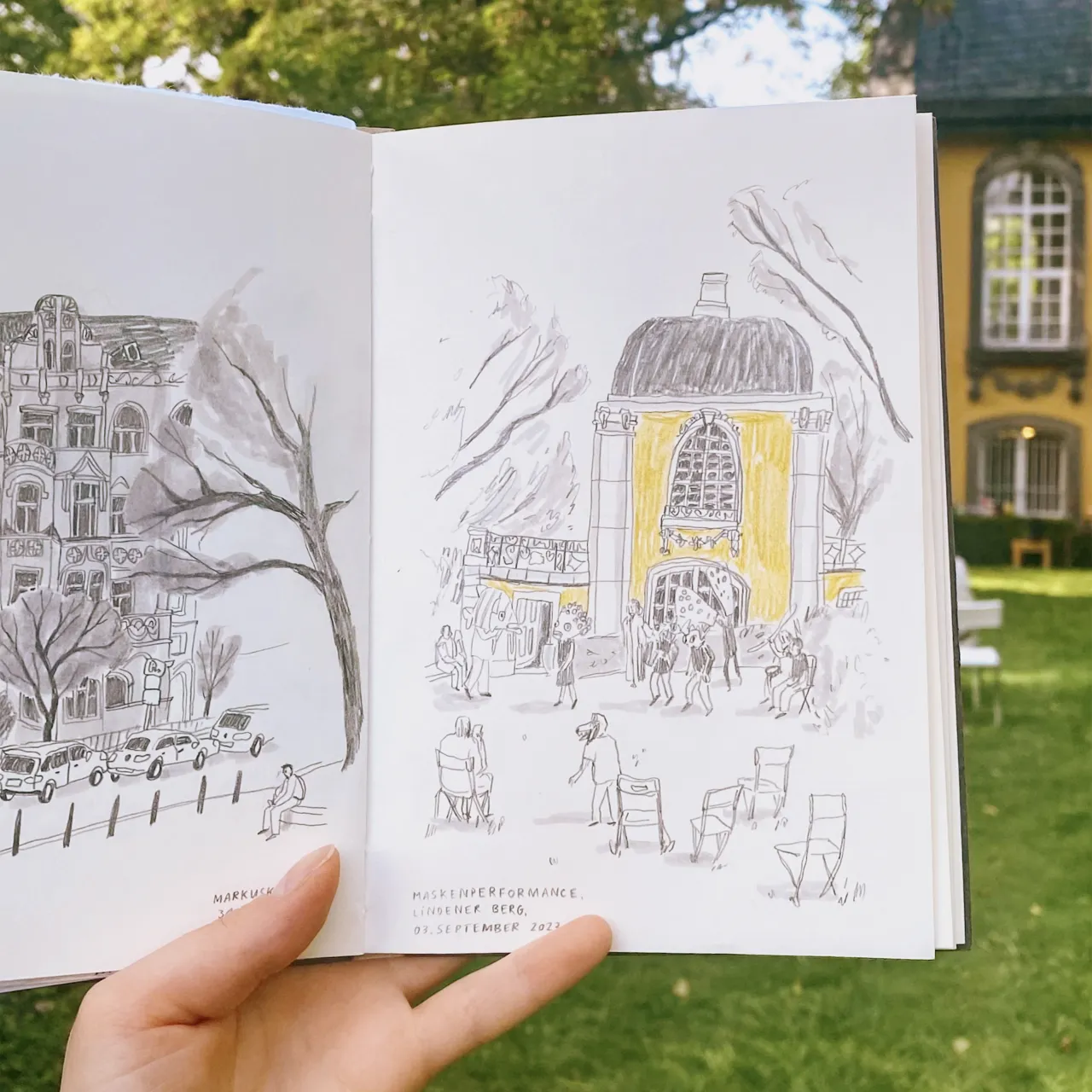
"If I'm sketching on location, I usually don't have a set plan but decide which media I'll use when I'm there. I base those decisions on the lighting, any colours I want to pick up, or simply my mood. Giving space to spontaneity is what I find most exciting and relaxing.
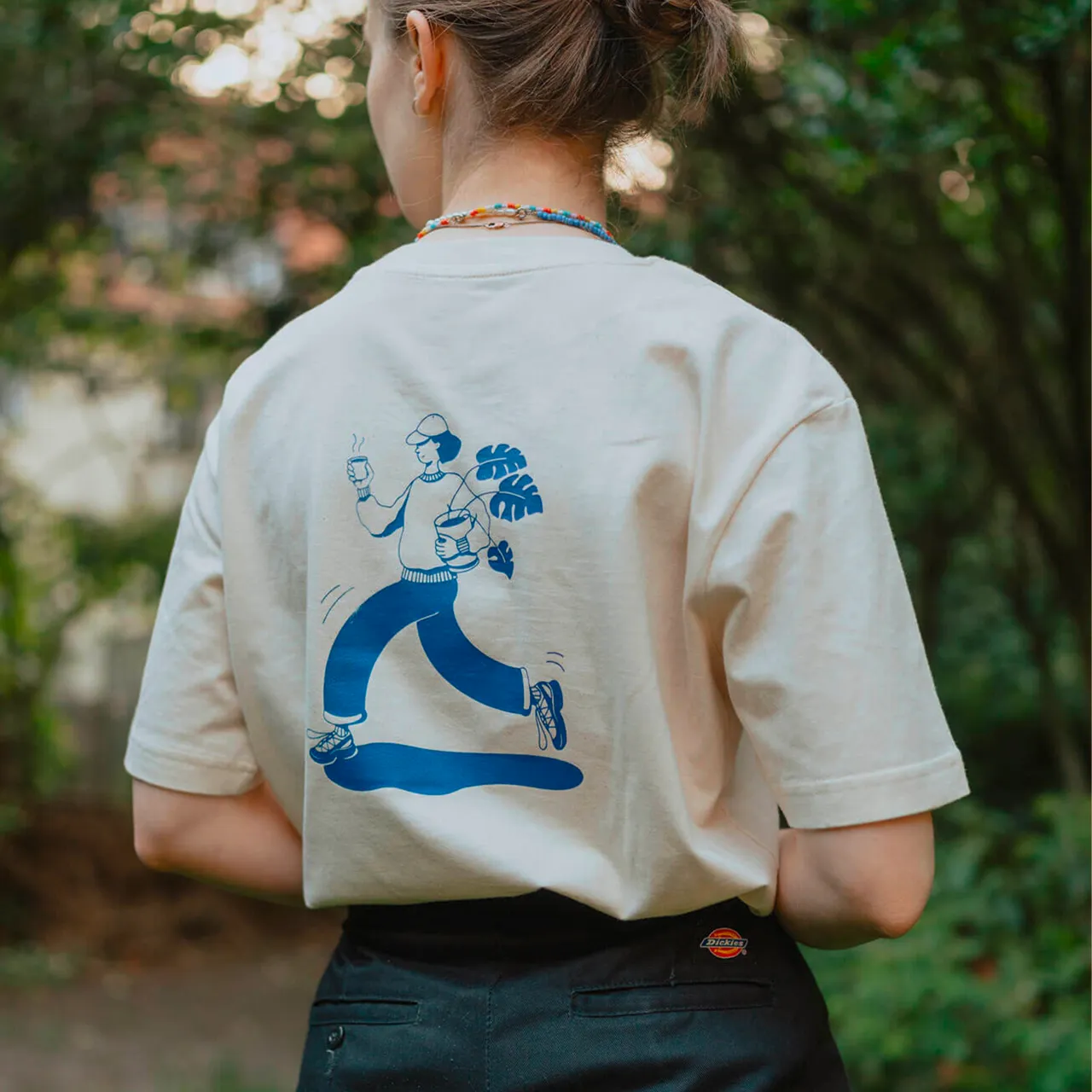
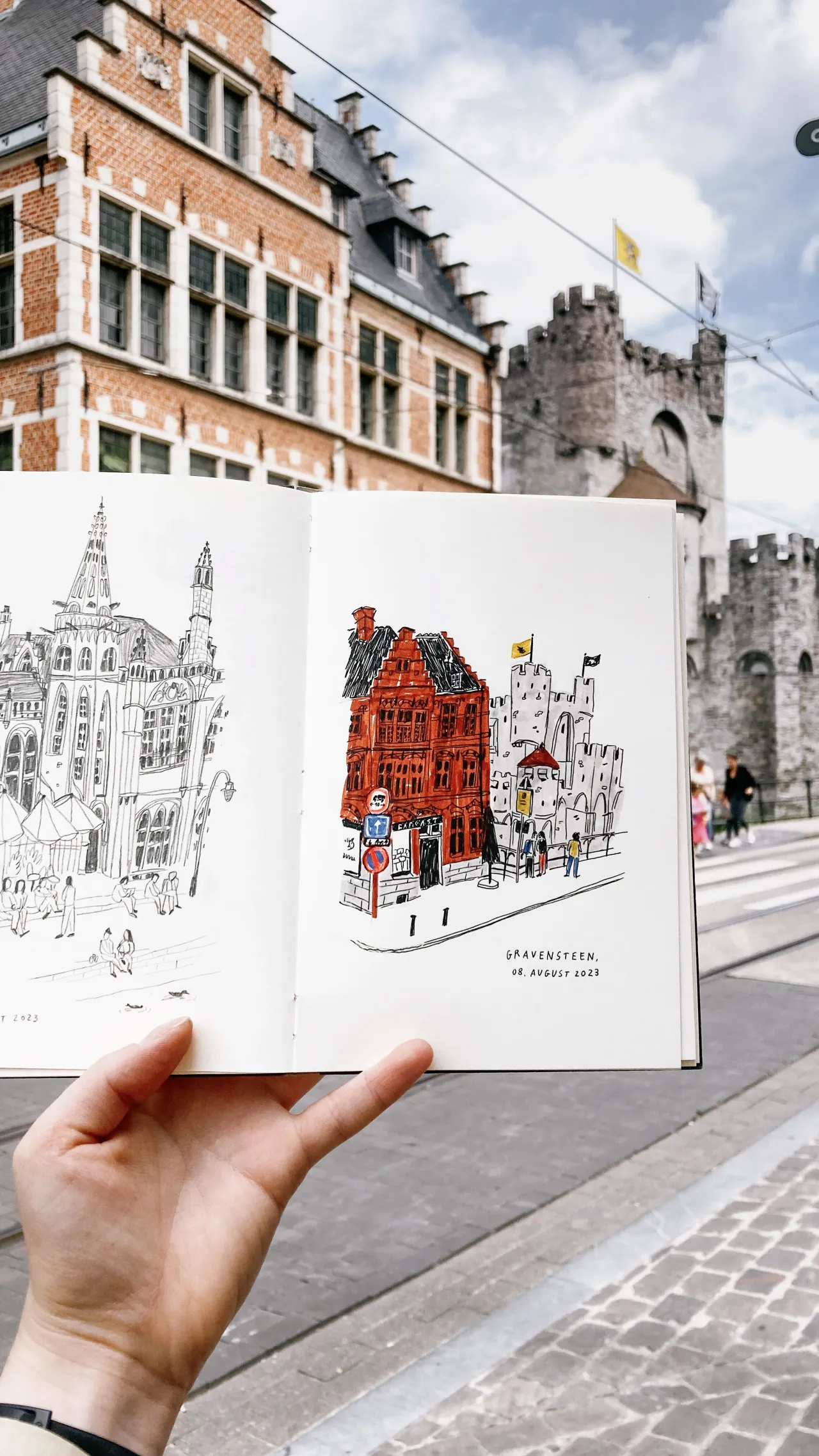
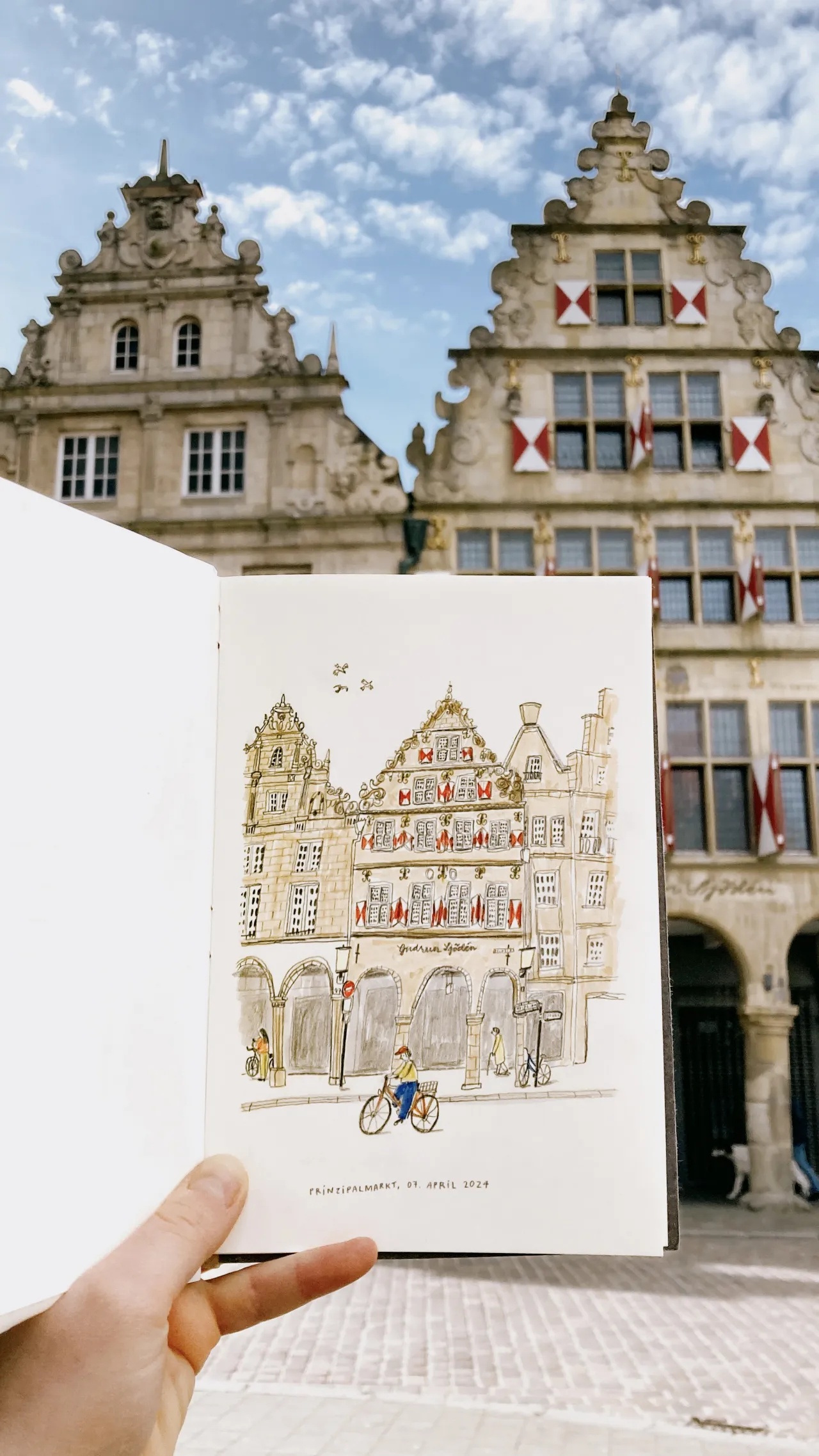
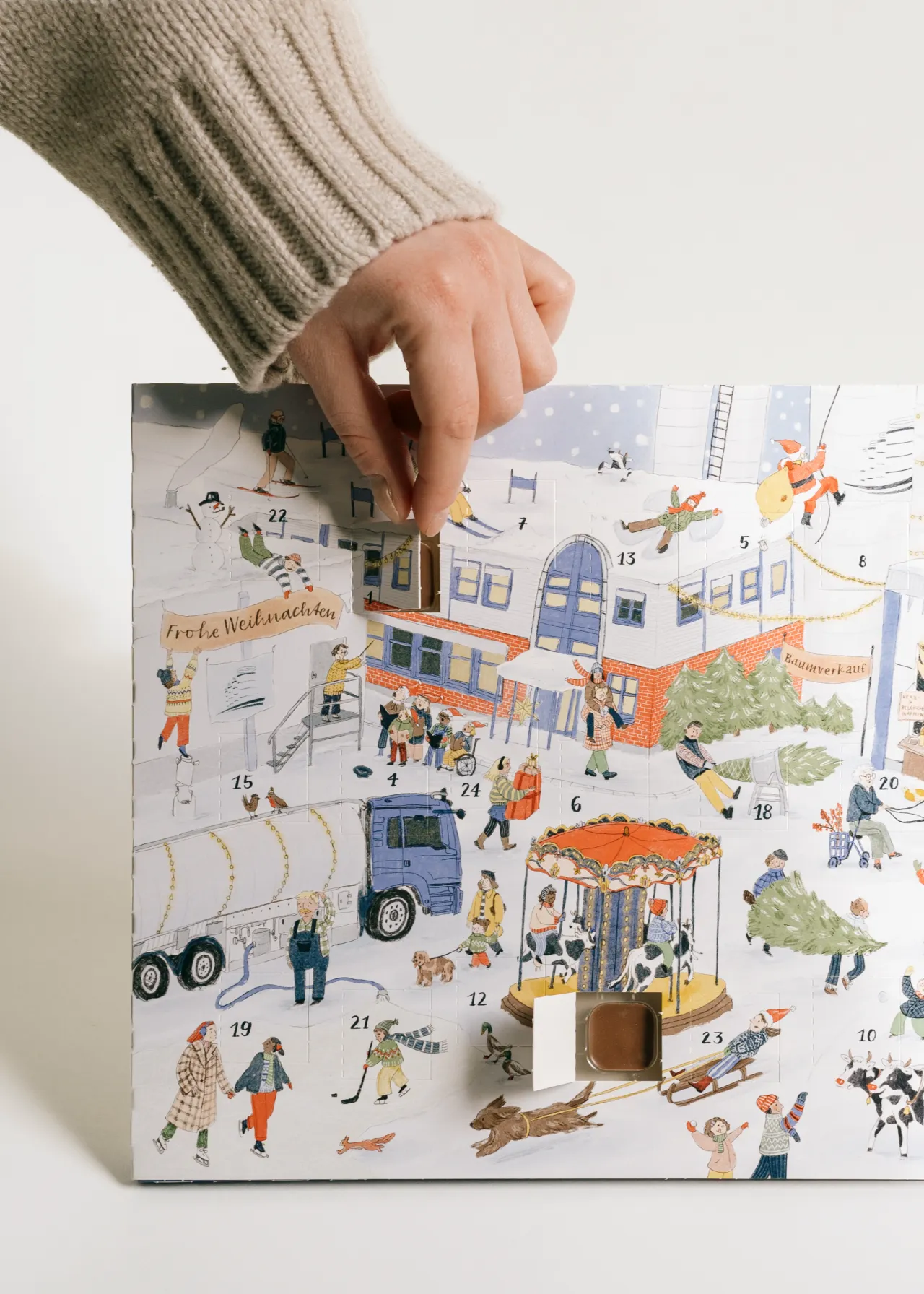
"If it's a bigger project, I always start with visual brainstorming, through little scribbles prioritising quantity over quality," she continues. "I make sure not to let my first idea win but rather to try many things before settling on one.
"Based on my first scribbles, I create more refined sketches and choose a technique, colour scheme and so on for the final illustrations. What's most important is having a clear structure and project plan, as well as always checking in for feedback."
The importance of sketching
Sketching is pivotal to her overall design process today, but it hasn't always been that way. "A few years ago, I didn't really understand the point of sketching," she reveals. "I viewed it as a waste of time and paper. But now, my mindset has completely shifted. Sketching allows me to try out new things, teaches me to not be afraid of making mistakes and ultimately helps me become a better illustrator.
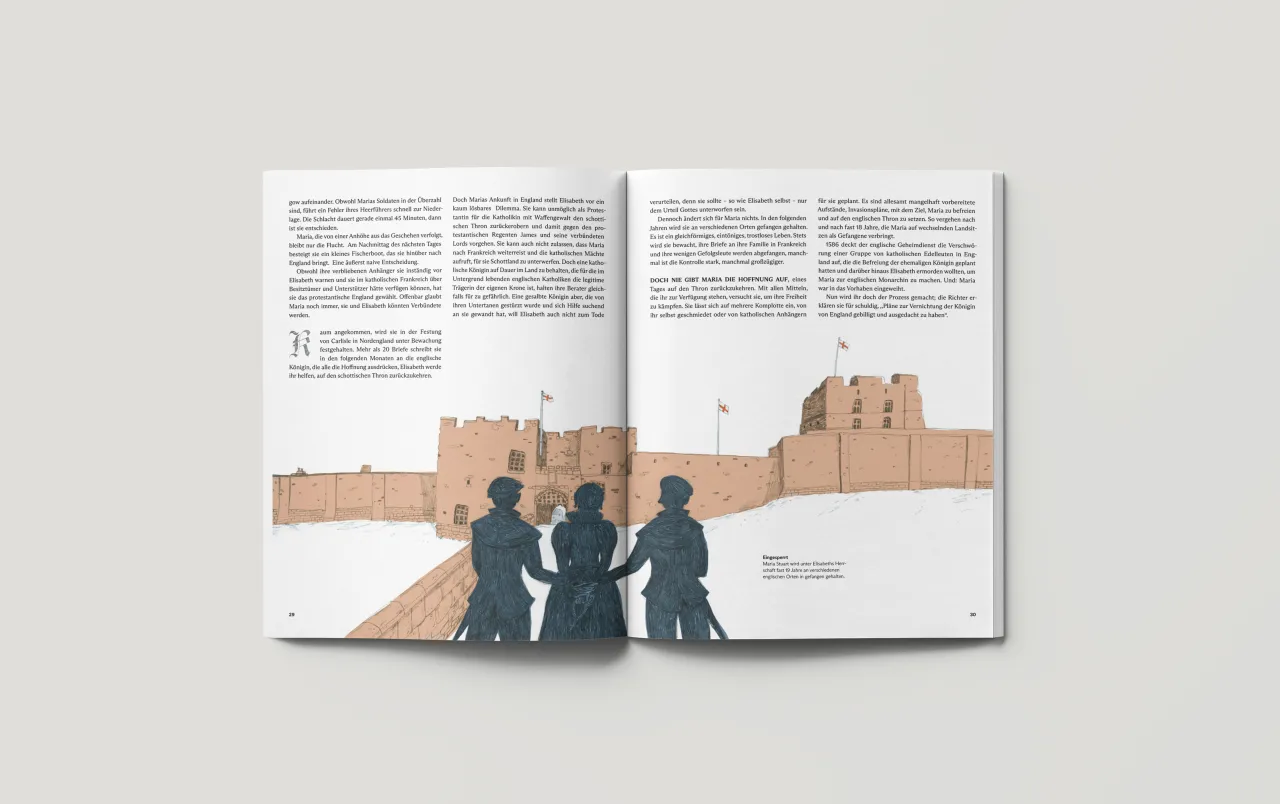
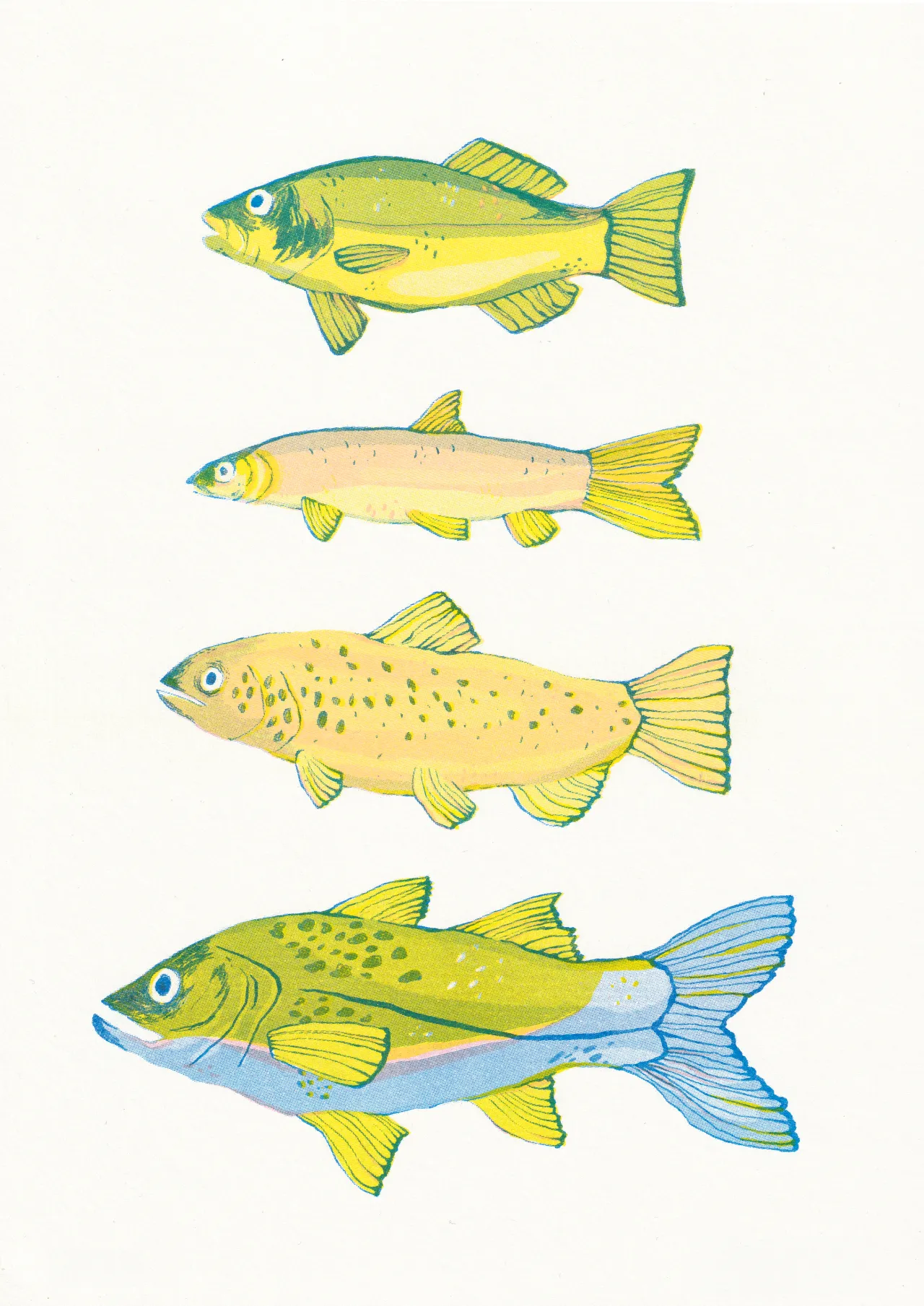
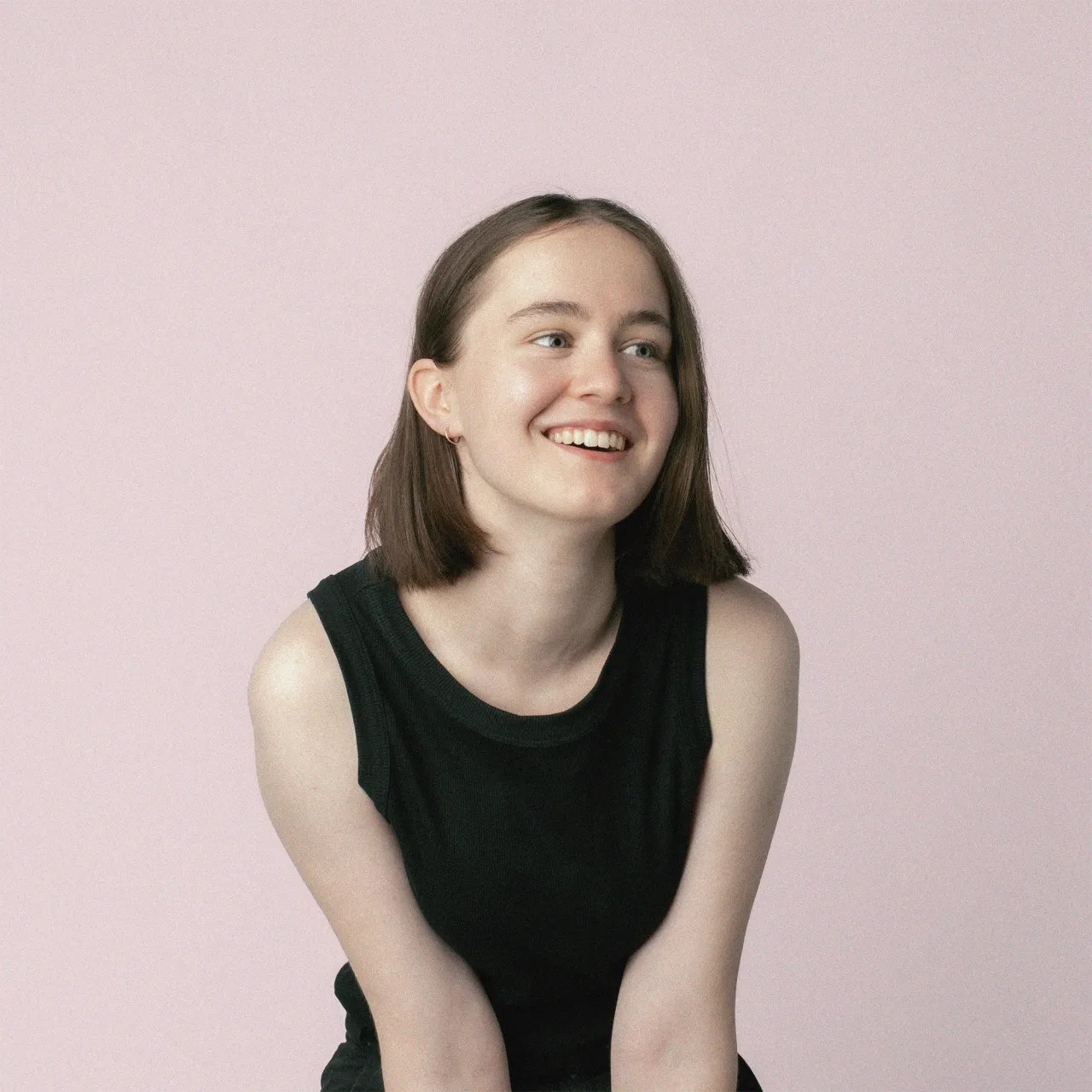
"When sketching just for myself, I feel very at peace," she adds, "which reminds me why I started drawing in the first place. Sketching has improved my skills, making my work more time-efficient. Slowly but surely, it is also helping me overcome my perfectionism and be more open to trying out new ideas quickly."
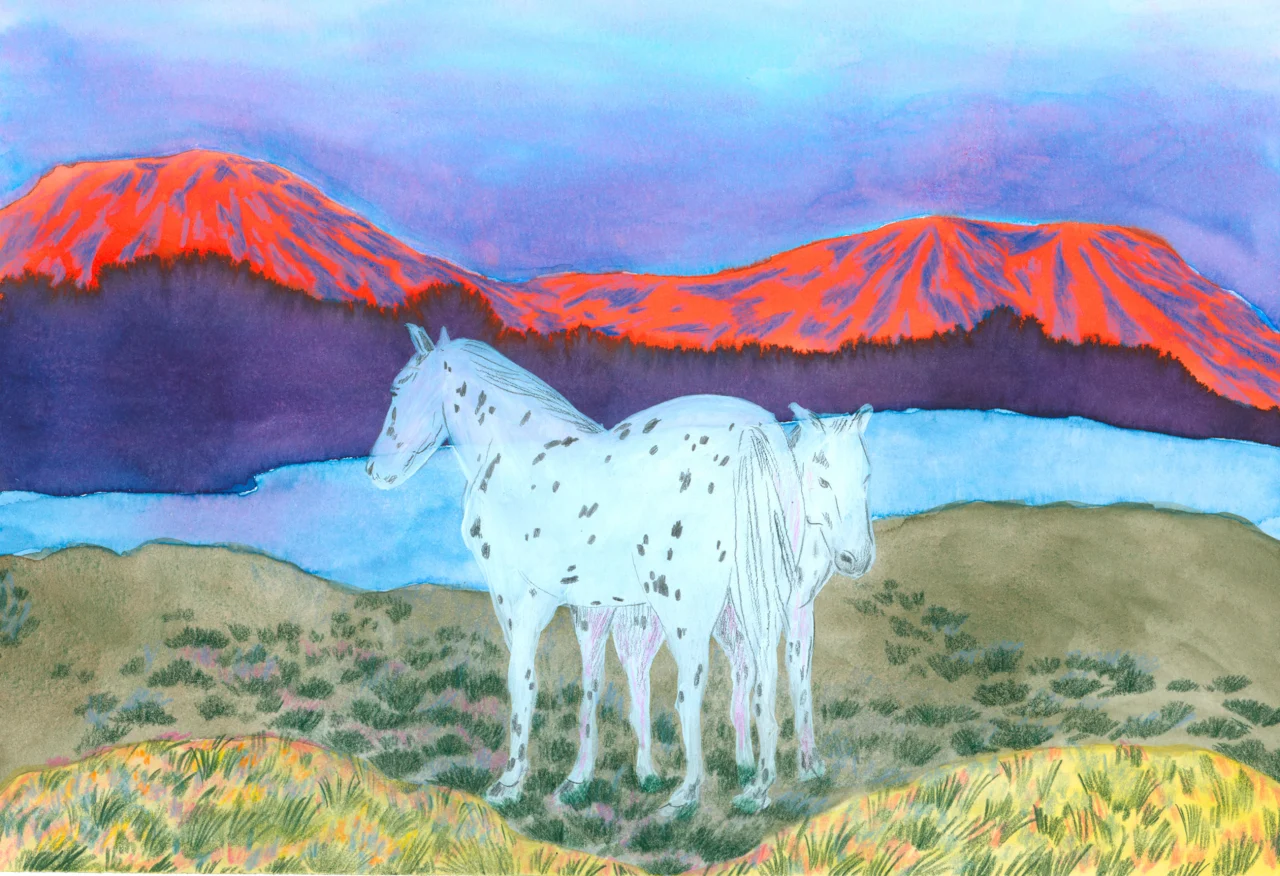
Over the last few years, Julia has tried many different media, most of them traditional. "I definitely still prefer working in analogue techniques such as gouache, pencil, or markers," she enthuses. Recently, I have been exploring mixing my analogue work with digital media, which I've really been enjoying, as well as working in collage. And printmaking is also something I love experimenting with."
Editor's Picks
Trending
Latest Jobs
Brand Copywriter at Origin
Full-time·Porthleven, Cornwall·£35k–£40k
Account Director at How&How
Full-time·London·£73k-£79k
Senior Designer at Definition
Contract·London·£45k–£50k
Senior Designer at Creative Spark
Full-time·Manchester·£35k-£50k
Client Partner at Halo
Full-time·Bristol·£30k–£36k
Account Manager at Moxie and Mettle
Full-time·Cheltenham·Up to £35k
](https://media.creativeboom.com/1bb3b075-5133-4f0f-ba3f-990846e03f64/conversions/80c02674c86382c771c49e94d6353ee1ca7165d2-medium.webp)