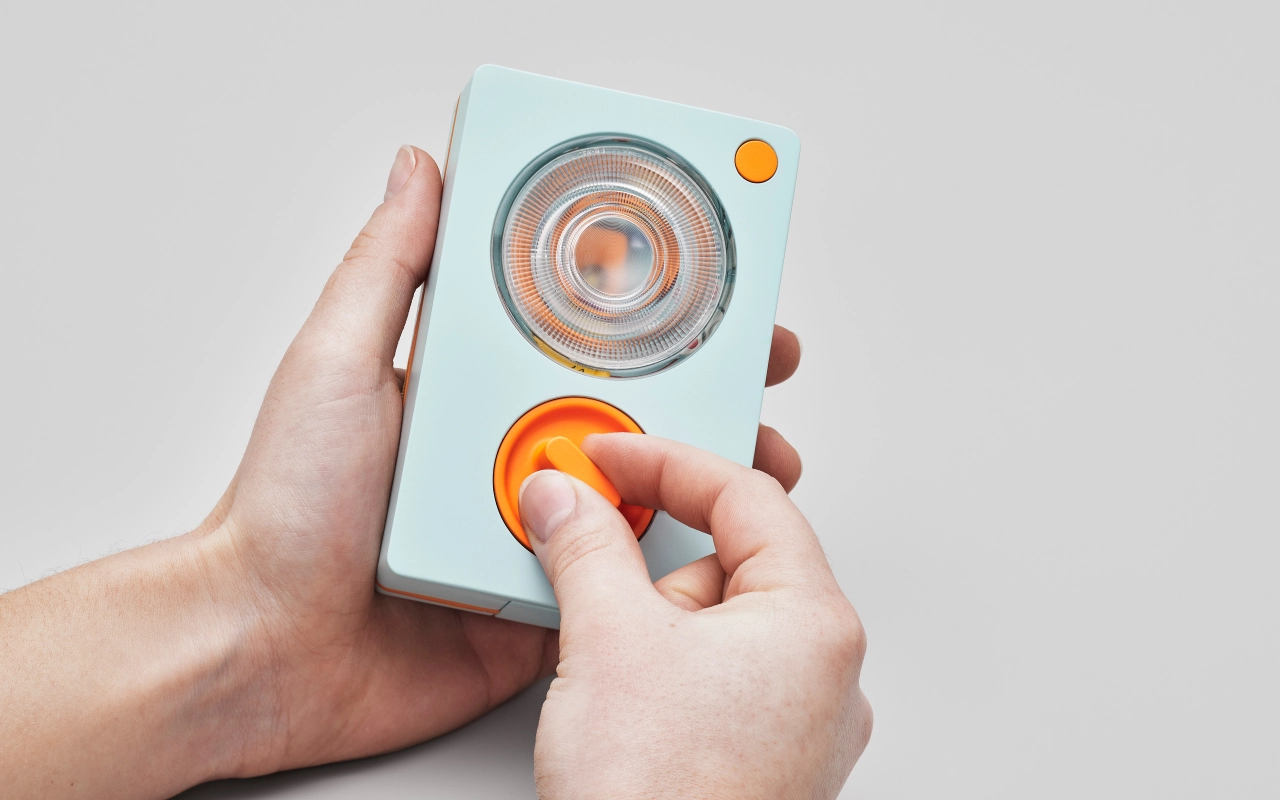
Kids love learning how things work by taking them apart and trying to put them back together. But it's even more fun to build something from scratch. So we love the sound of this new Kickstarter project designed by Pentagram's Jon Marshall. He's been working with Ambessa Play, a company dedicated to making STEM learning fun and accessible to all, to create a DIY flashlight that children of eight and above can assemble themselves.
The DIY flashlight has ten separate components and 16 build steps and turns learning about kinetic energy and electronic components into a hands-on adventure.
Working with refugees
To develop the flashlight, Jon and his team travelled to Calais, where charities, including Refugee Council and Care for Calais, helped them directly involve displaced children in the design process.
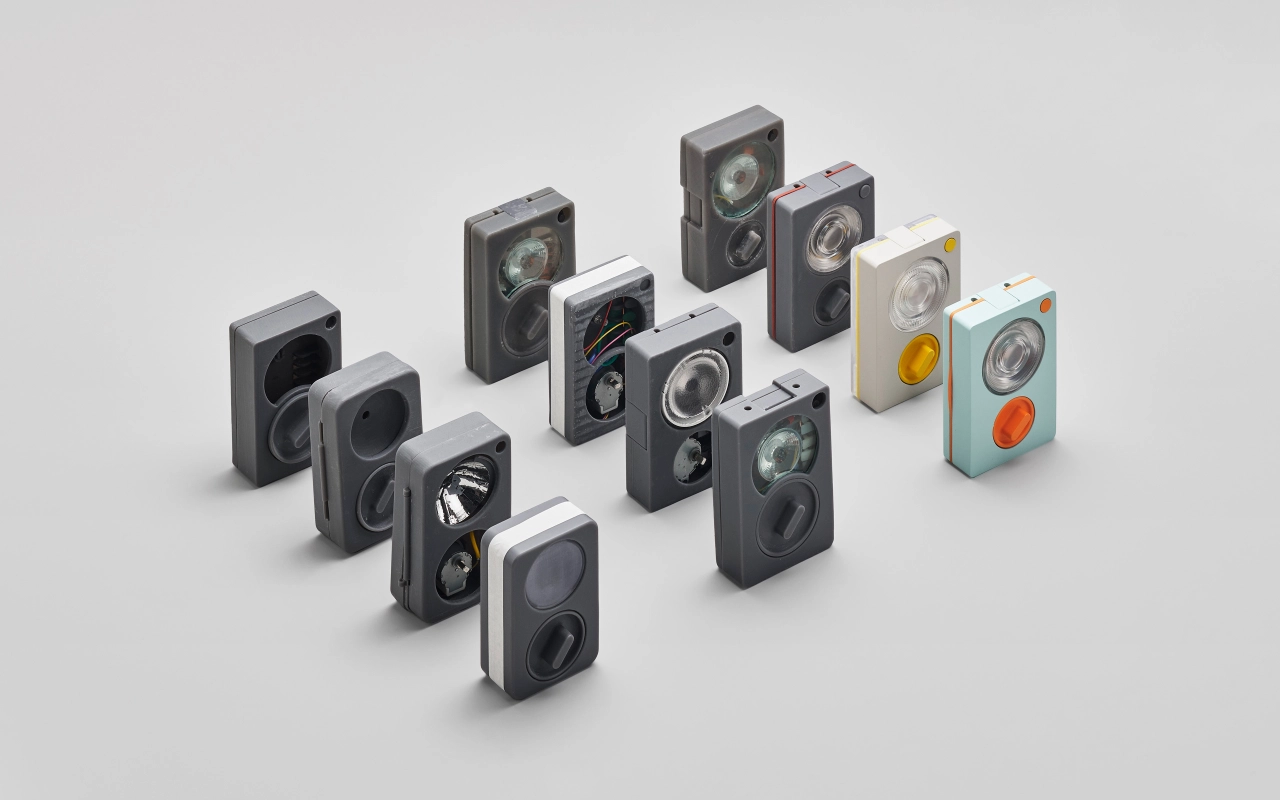
The youngsters got stuck in, testing many of the early design options using functional 3D prototypes. The form chosen allows the flashlight to function as a handheld torch, be worn around the neck with a lanyard, or be placed upright on a surface as a lantern for reading: all things useful for living in a refugee camp.
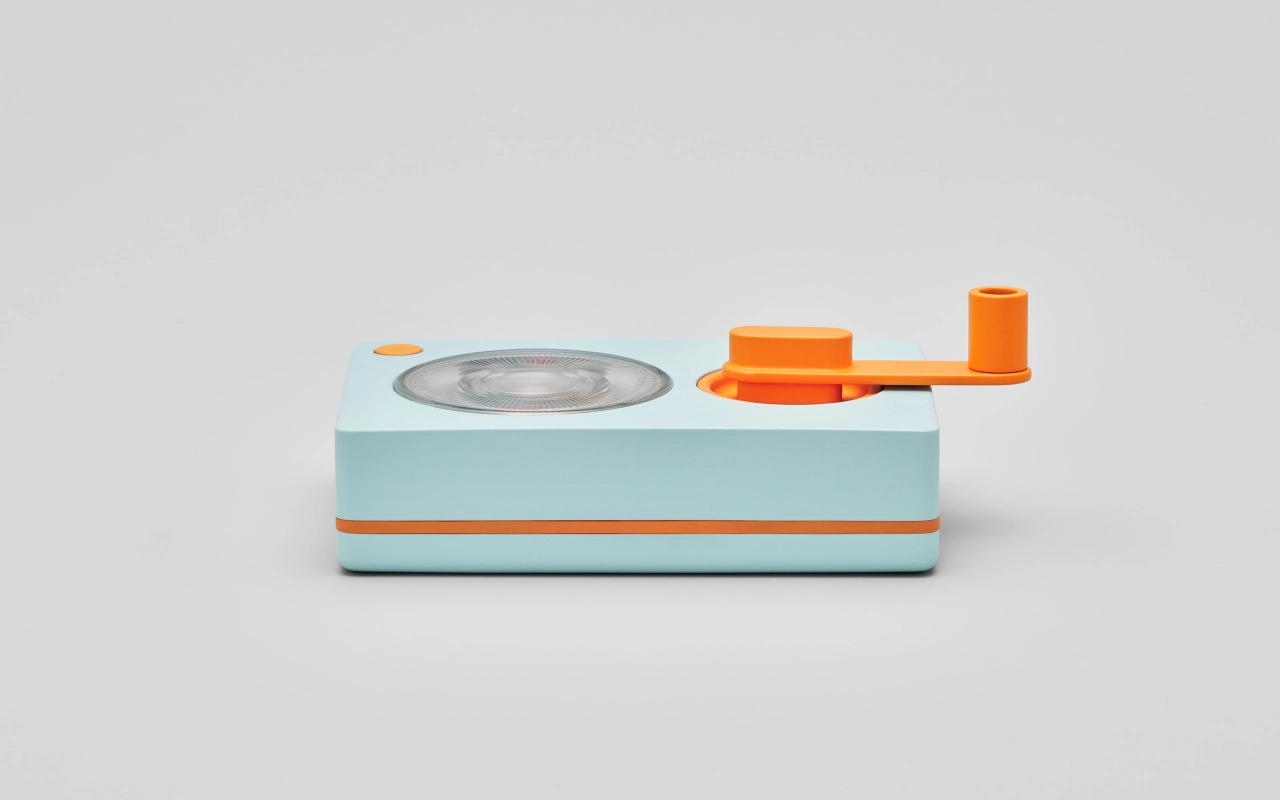
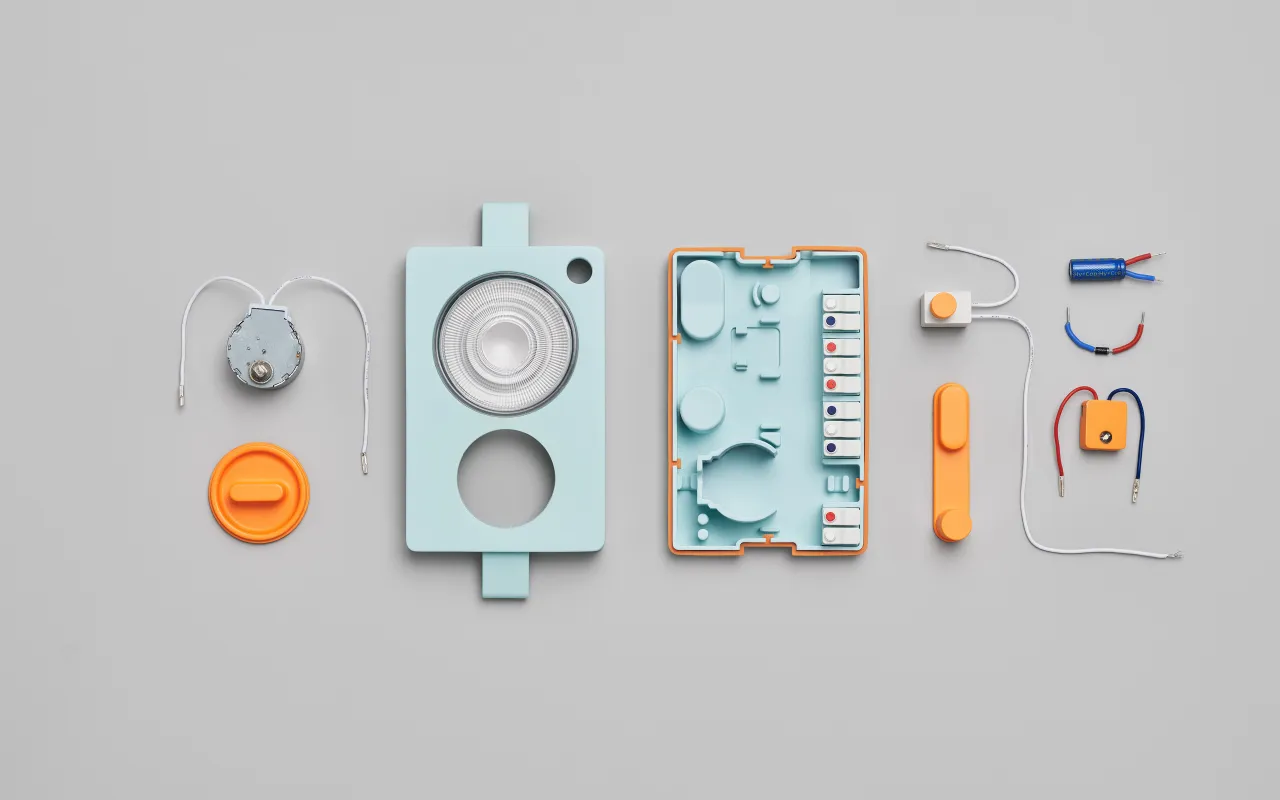
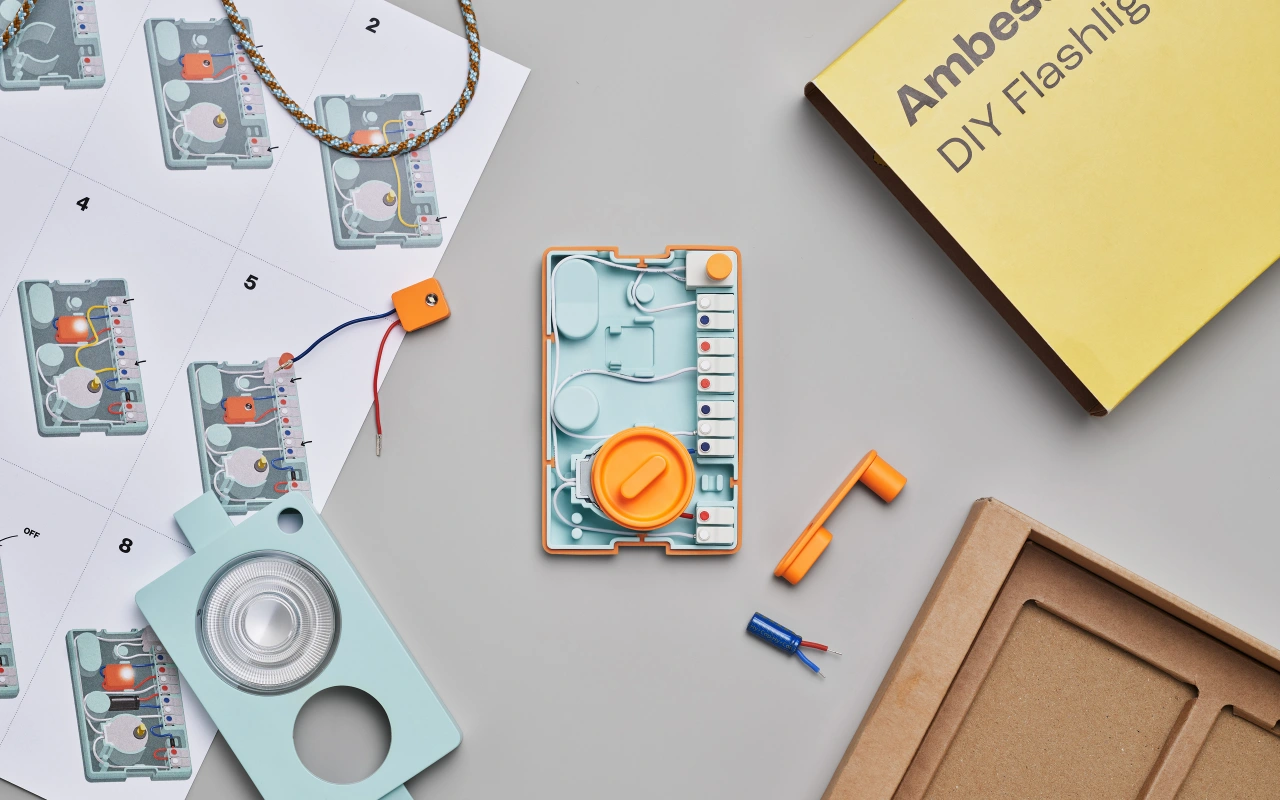
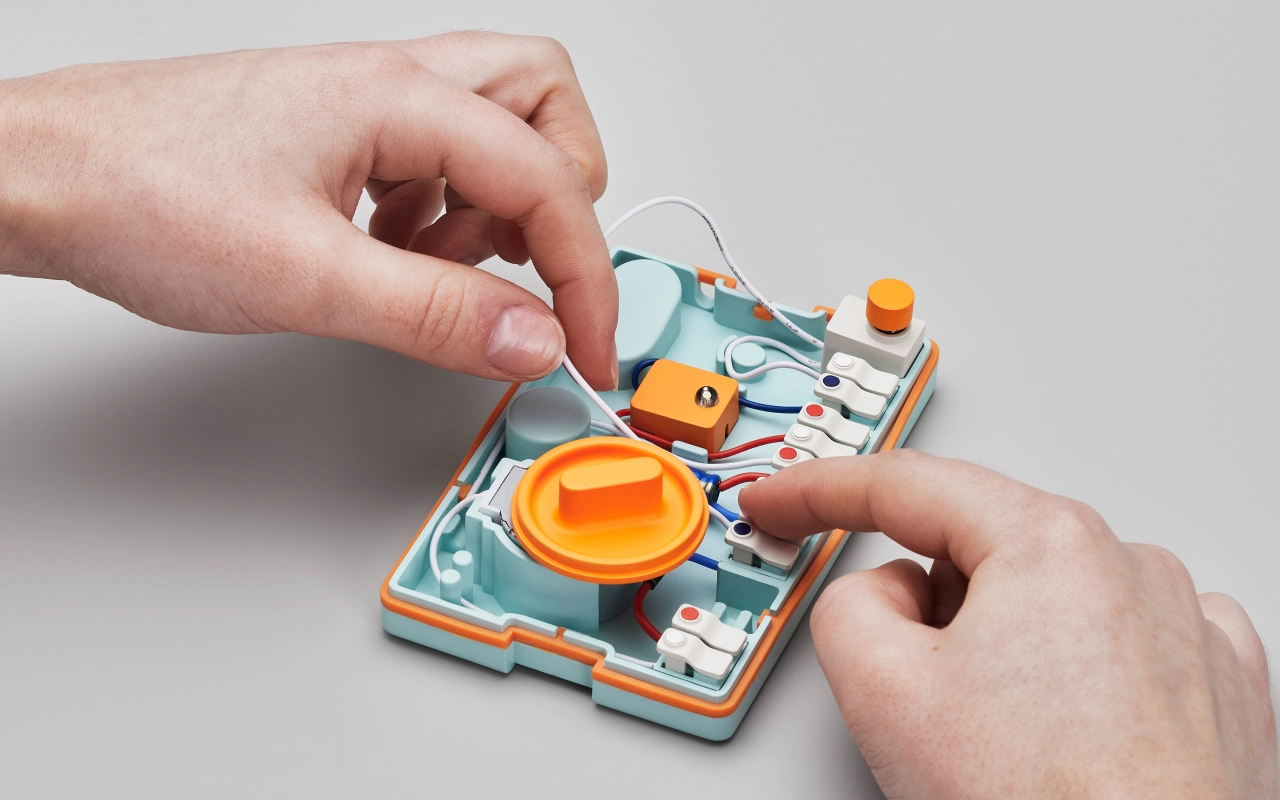
The design is battery-free and uses a motor to charge a capacitor, which powers the LED lamp for around 15 minutes. With 10 separate components and 16 build steps, the kit turns learning about kinetic energy and electronic components into a hands-on adventure.
Child-centred design
Working closely with Ambessa Play founder Sara Berkai, the design team aimed to create a distinctive, fun and attractive design that would work equally well as a STEM kit and usable product. Close attention was paid to pleasing tactile details that make the design memorable such as the bespoke cable connectors and the extra handle for fast winding.
The packaging was developed to be an integral part of the product experience and support the build of the kit, providing instructions and component organisation whilst keeping sizing and material use to a minimum.
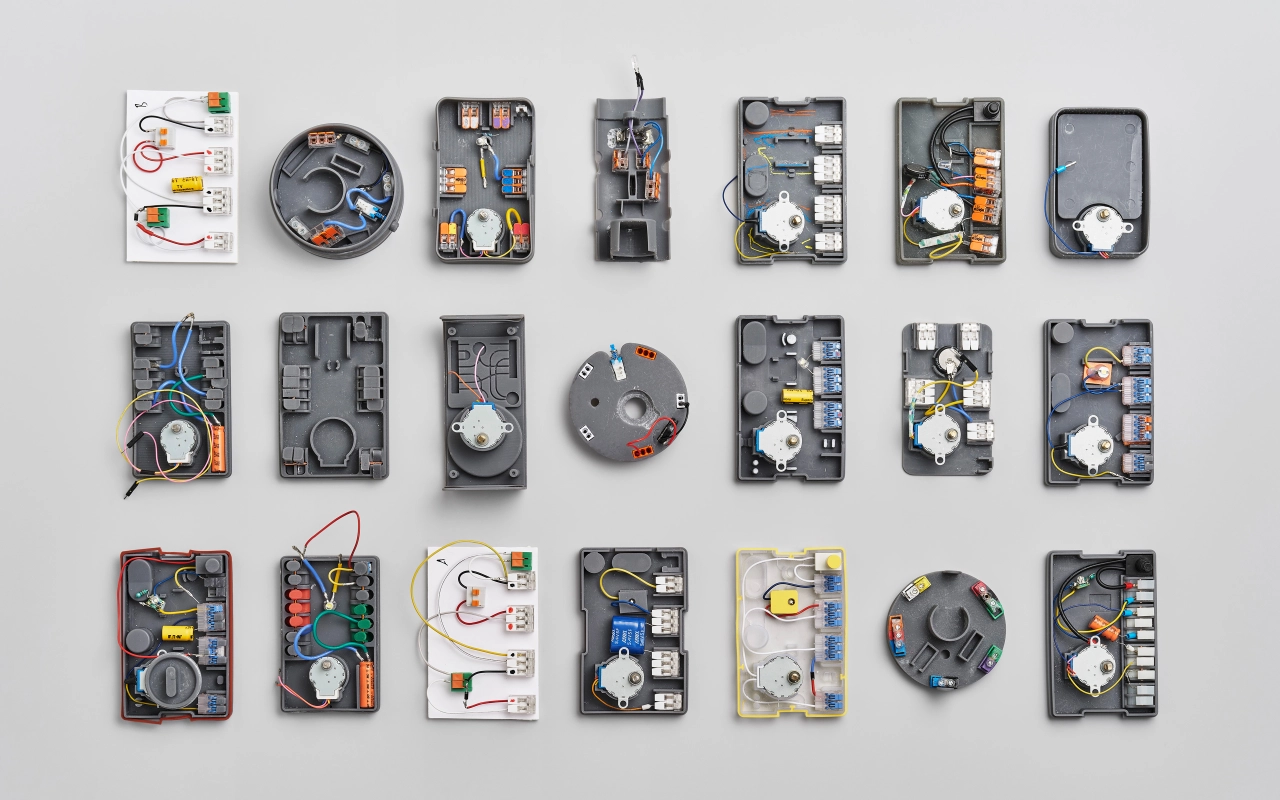
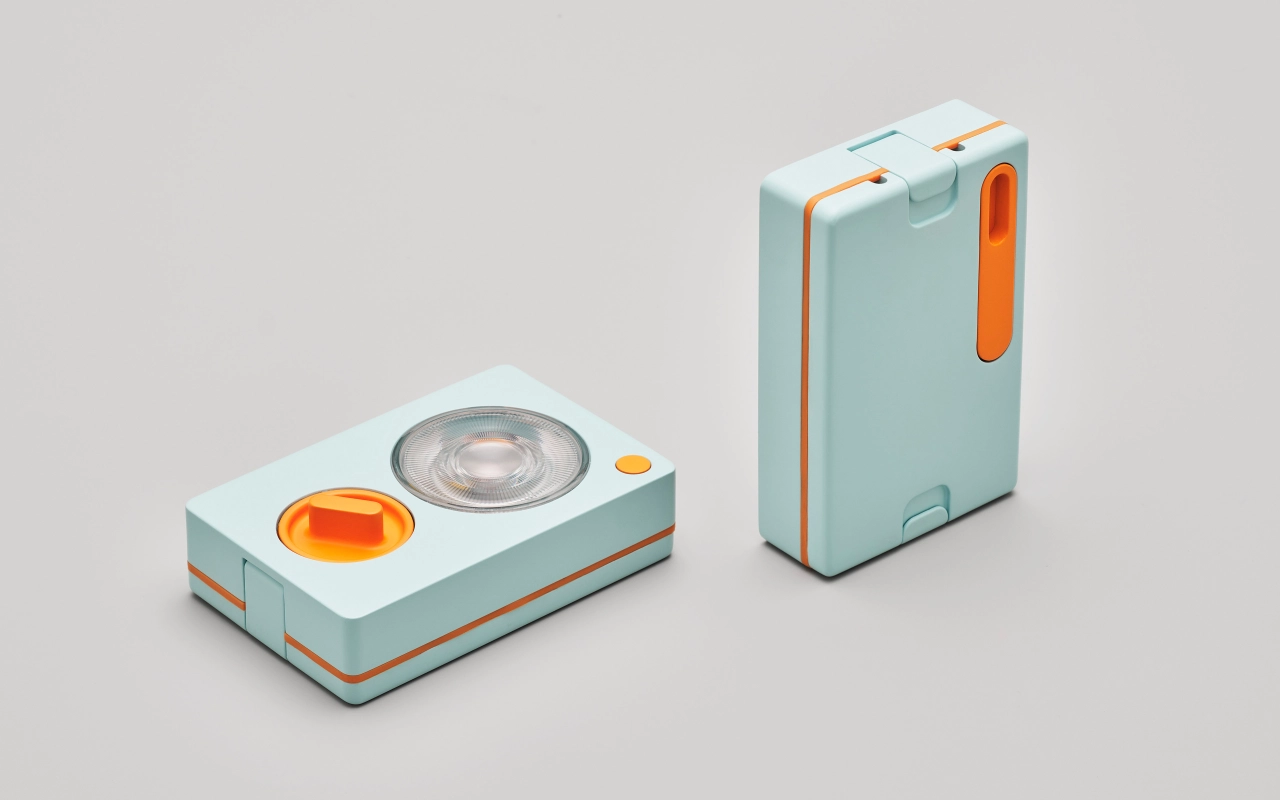
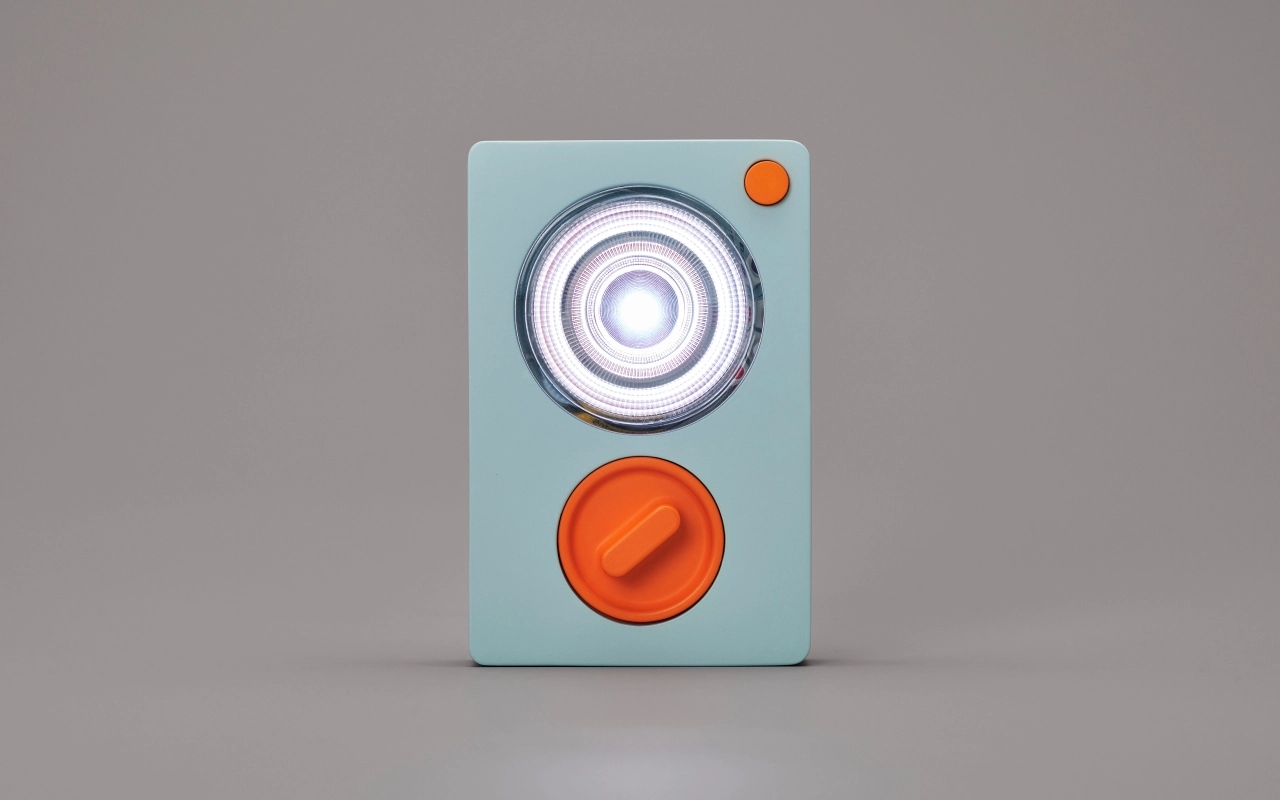
The DIY Flashlight launches on Kickstarter at 8pm UK time today (Thursday 30 March). For every flashlight purchased, Ambessa Play will donate one to a refugee child in need, helping to promote education and play for all.
Ambessa means 'lion' in Eritrean and Ethiopian languages and is something you'd say to a child as congratulations or well done. It can also mean brave, strong, or powerful.
Millions of people are currently displaced in the aftermath of Ethiopia's civil war, which has been the deadliest of the century and claimed an estimated 600,000 lives.
Editor's Picks
Trending


Latest Jobs
Design Lead at DoorDash
Full-time·San Francisco·$142,800 – $210,000
Project Manager at British Heart Foundation
Full-time·London·£46,000 – £48,500
Design Director at Interbrand
Full-time·New York·$120,000 – $150,000
Staff Producer, Studio Central at DoorDash
Full-time·San Francisco·$176,800 – $260,000
Head of Design at Engage
Full-time·Leeds·£55,000 – £65,000
Lead Digital Designer at Together
Full-time·£55,000 – £75,000