The serene art of surface pattern design
Five surface pattern design illustrators talk about how they’ve built successful careers in the field.
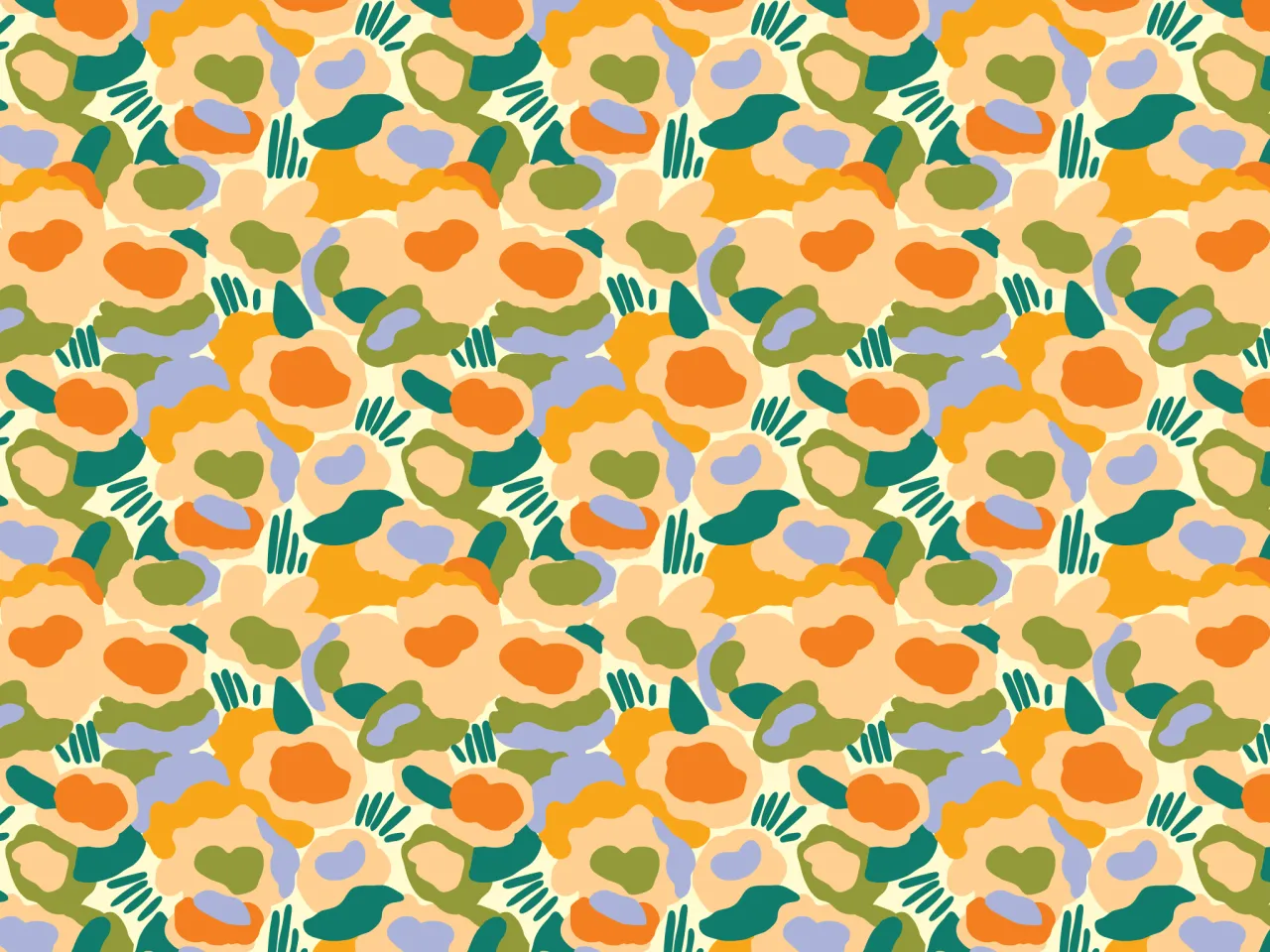
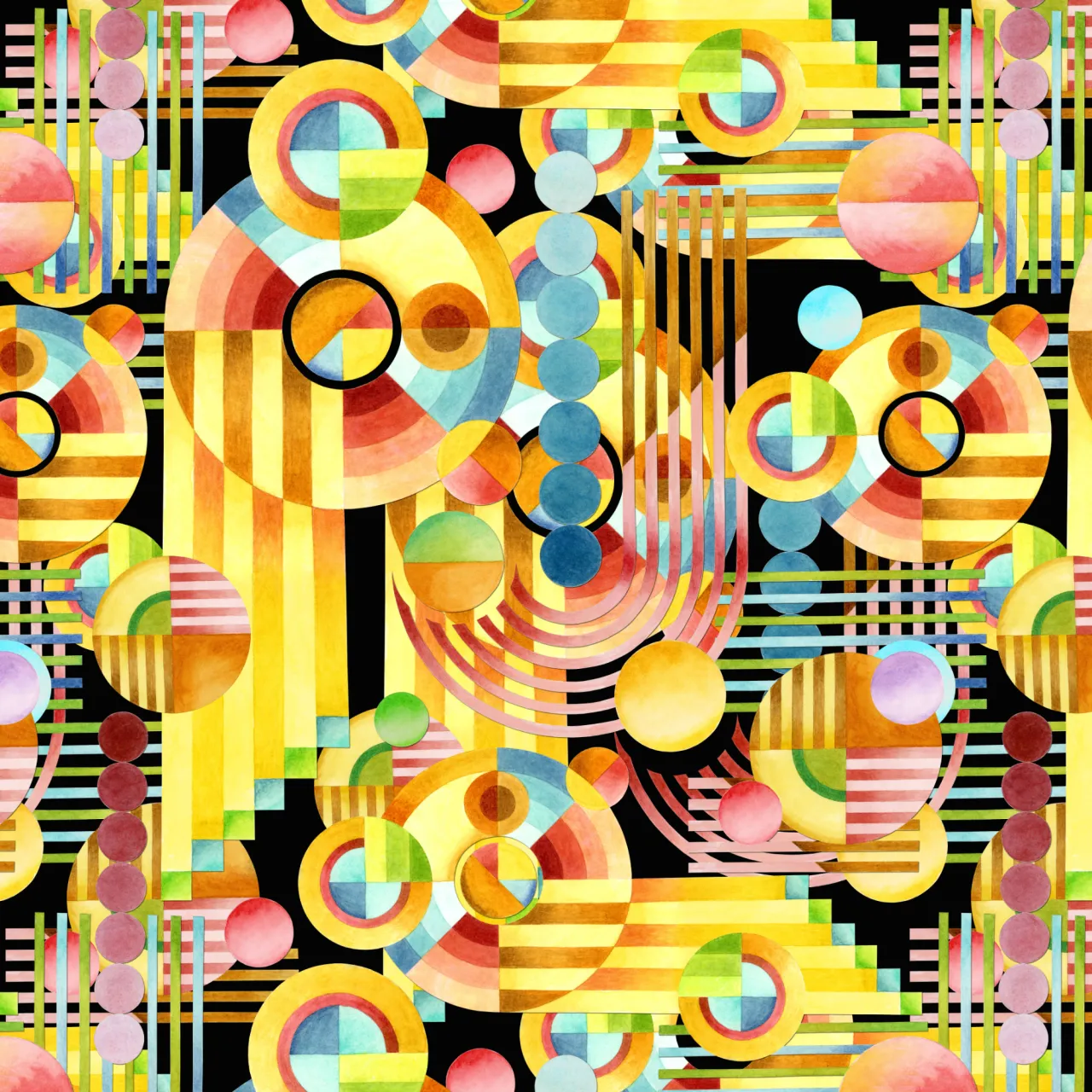
Bobbly Floral by Elizabeth Olwen
There’s something therapeutic about staring at a well-designed pattern, understanding how all its elements lock together while at the same time unlocking the skill, intelligence, and intention of the artist behind it. And while some patterns excite the brain – like the Op Art visuals of the 1960s – they usually have a calming effect that’s pleasant and creates a tranquil atmosphere in the space.
As creatives, we notice patterns more than most. They’re always there in the world around us. Some are natural – honeycomb, for instance, or the way leaf after leaf in a patch of wild garlic resembles a dragon’s skin. Or, indeed, snakeskin. Others are the result of human activity – regularity and repetition in the built environment. Row upon row of terraced housing in a Northern town, the grid-like map of an American city or the railway line sleepers recurring forever (almost) into the distance.
Patterns are abundant in our world, and decorative illustrators and graphic designers alike love to capture them. But it takes more than this to create surface pattern designs that are effective as wall coverings or textiles. It begins with finding your own creative philosophy and a unique visual language, which can become the bedrock of your expression through pattern creation.
Secondly, acute sensitivity to scale, colour, depth, and negative space. Without these, the desired aesthetic may not hit home as intended. Surface pattern design is a craft and skill set that entails much more than decorative doodling. Often, an iterative approach is needed to eliminate awkward gaps, unintended visual lines, strange optical effects, and unwanted artefacts.
It’s also a competitive area where success relies on dedication, consistency and, quite often, experience. Surface pattern illustrators learn to understand what types of motifs will create pleasing effects through replication – a sense of motion, for example, or a feeling of growth. The surface pattern design illustrators we talked to were all pretty busy as we worked on this article. There is demand out there, but they are all creatives who have put time and care into developing their portfolios and building a base of regular clients.
Heidi Vilkman
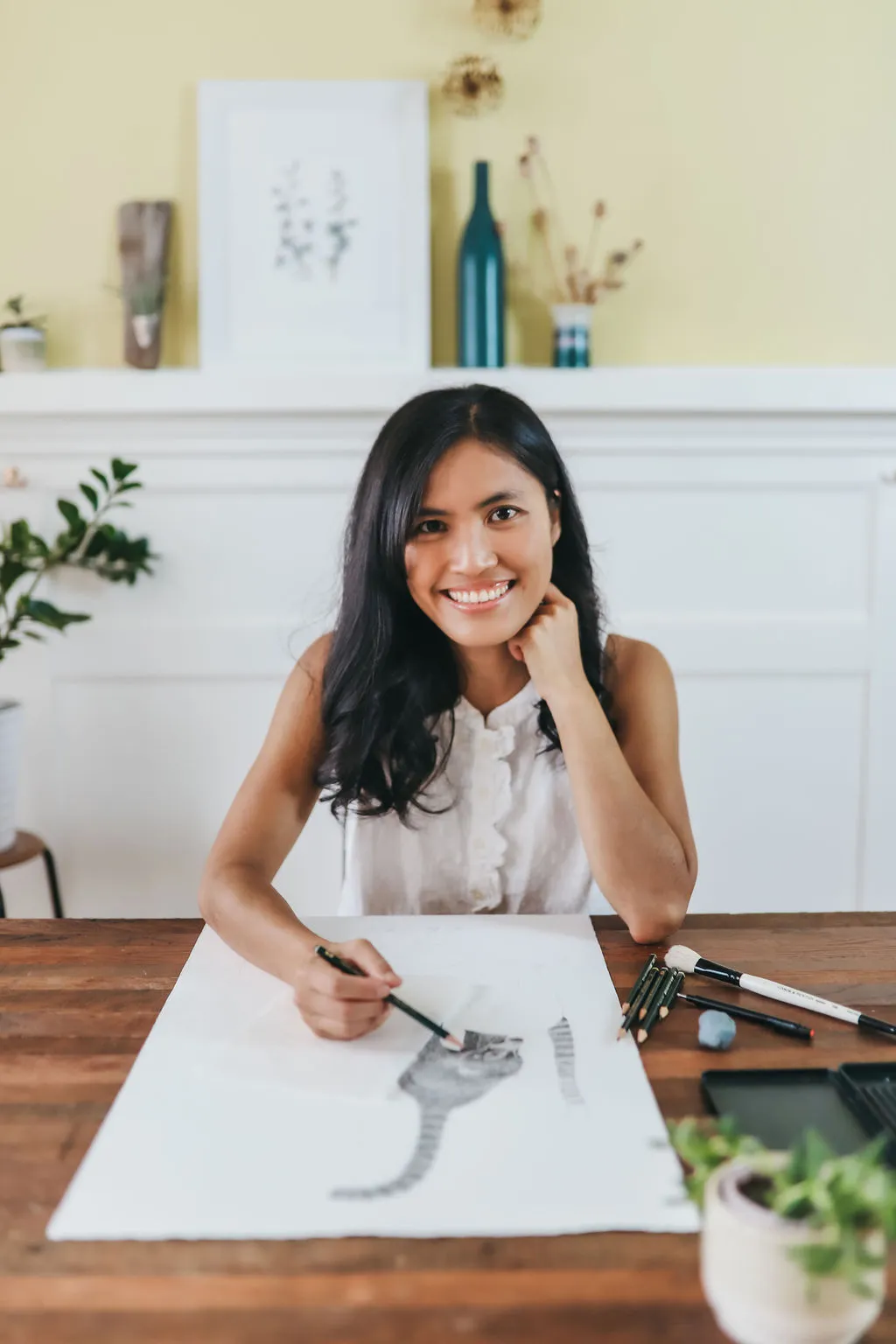
Originally from Finland but now based in Hebden Bridge, Yorkshire, Heidi Vilkman specialises in biophilic illustration and pattern design. Her clients include luxury brands and artisanal outfits, and her patterns are licensed from her portfolio for use on stationery, fabric, and homeware products.
“Treading gently on nature is my life philosophy. I hand-built a cottage in Finland using natural materials found on the land. I cherish the relationship between my life philosophy and my design work,” says Heidi. “My patterns are love poems to the natural world, full of small details that invite you to look deeper and linger longer.”
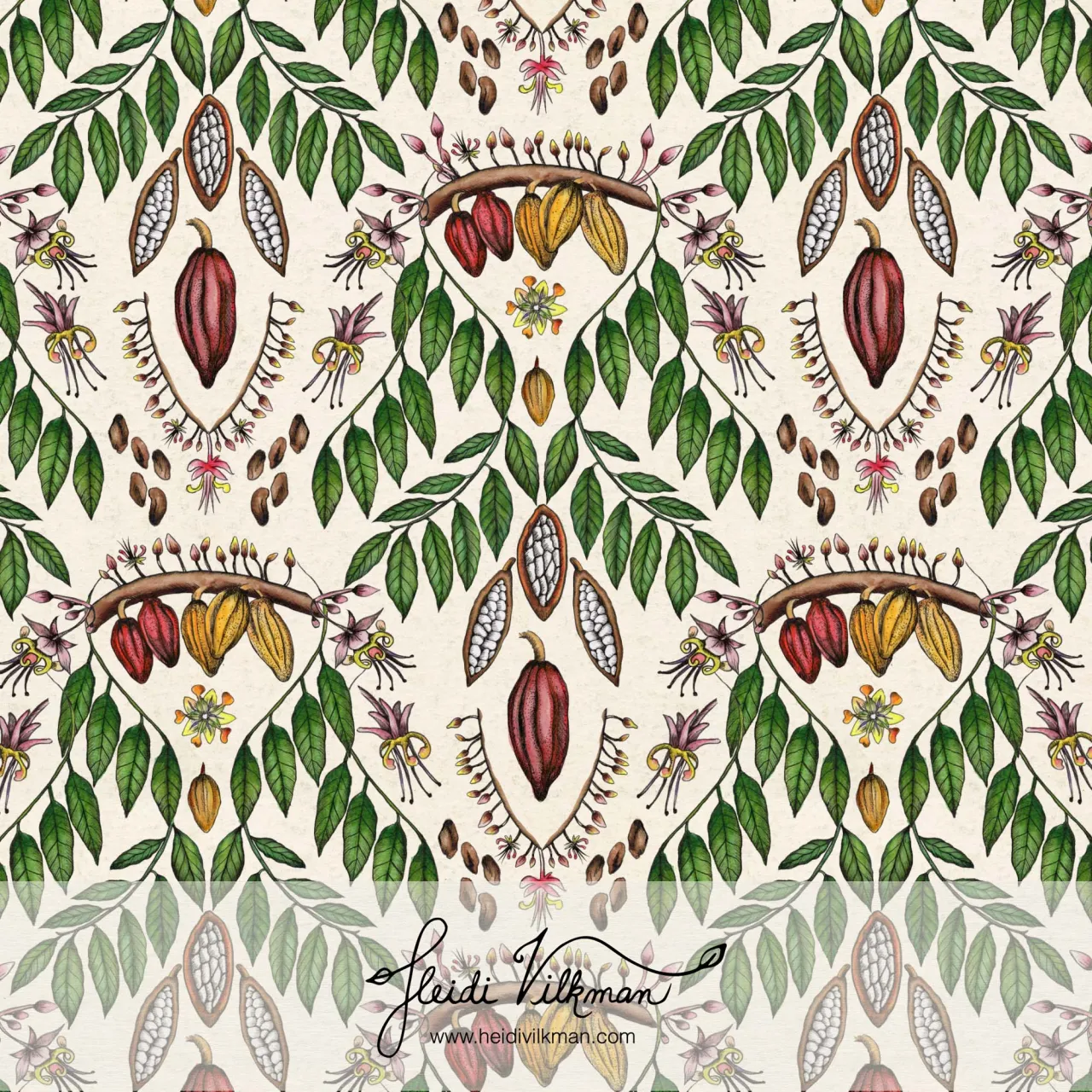
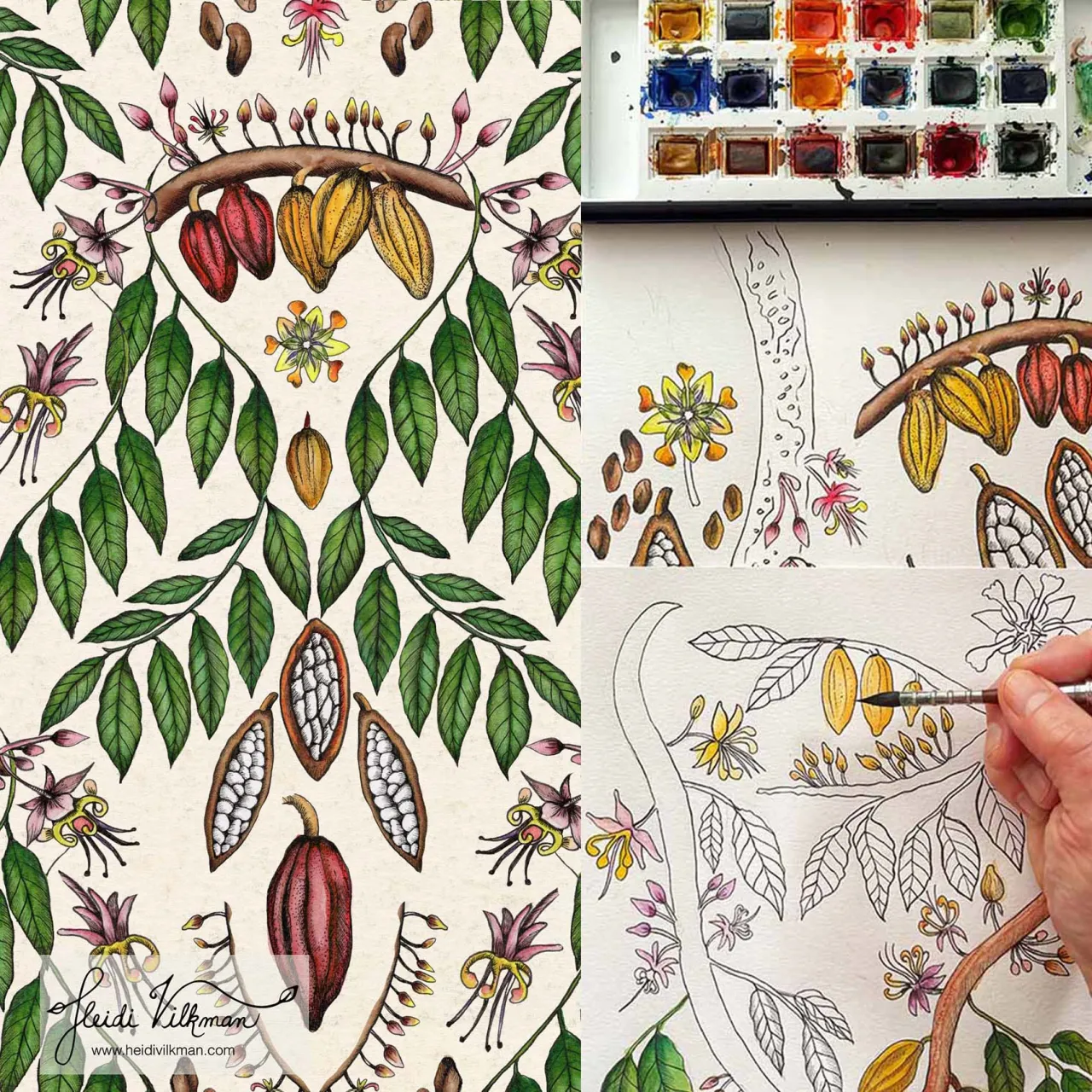
Cacao Story
Biophilic design is all about the connection between the human species and nature. It’s used to soften the hard edges of the built environment and create spaces that our brains are evolutionarily adapted to. To achieve this, Heidi’s pattern work is hand-drawn and heavily focused on organic imagery, timeless appeal and sustainability.
It’s about bringing the outside in and creating an immersive experience. “Every part of the repeat needs to be considered and intentional. It comes back to my focus on emotional storytelling: how does this pattern make me feel, and in the case of a collection, what story do these designs tell together? A pattern for me is like the cover of a book; it is a doorway to the story.”
Elizabeth Olwen
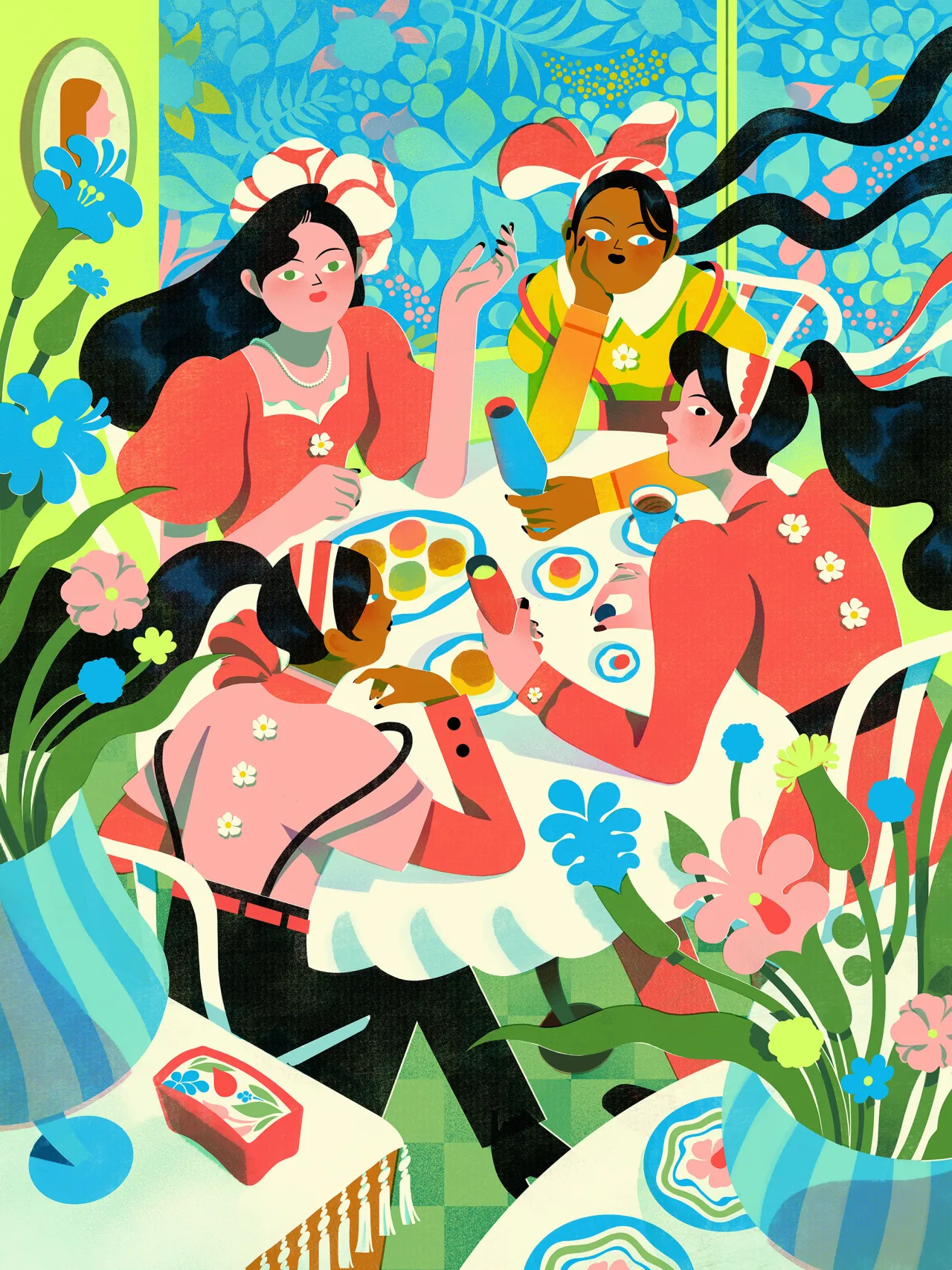
A Canadian artist and designer, Elizabeth Olwen has been based in Lisbon, Portugal, for more than a decade. Her creativity is far-ranging, from hand-rendered artworks to graphic design, but she’s best known as a surface pattern designer and has recently released her largest collection yet. Inner Nature consists of over 200 print and pattern designs.
“For me, colour is a language of feeling. It can shift a mood, tell a story, or bring energy before anything else. I think that’s why I’m drawn to simplified shapes. I’m drawn to distilling things down to their essence – circles, curves, soft organic shapes – because there’s a kind of clarity and honesty there. It creates space for colour and composition to really speak,” says Elizabeth.
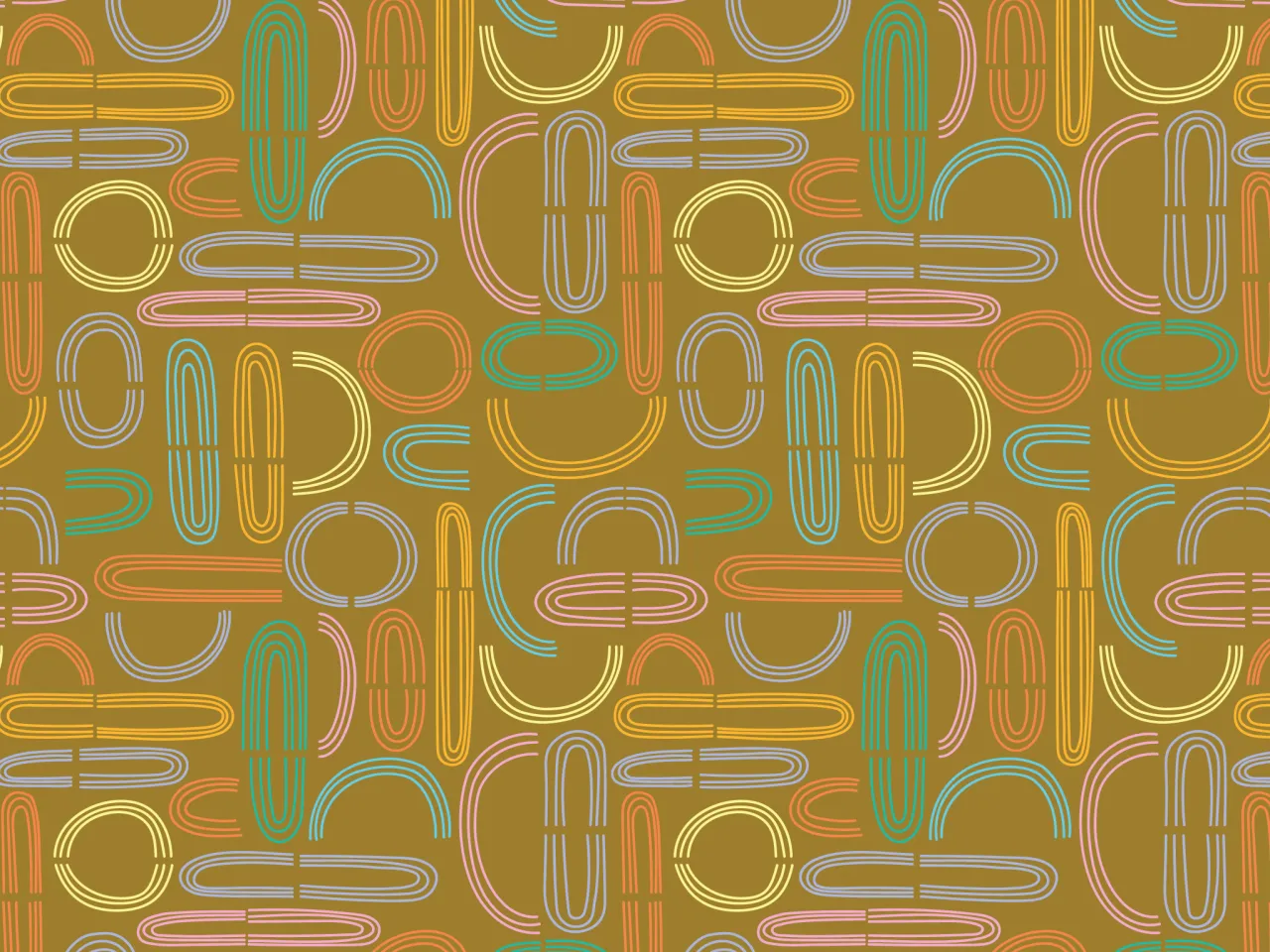
Tribal Line
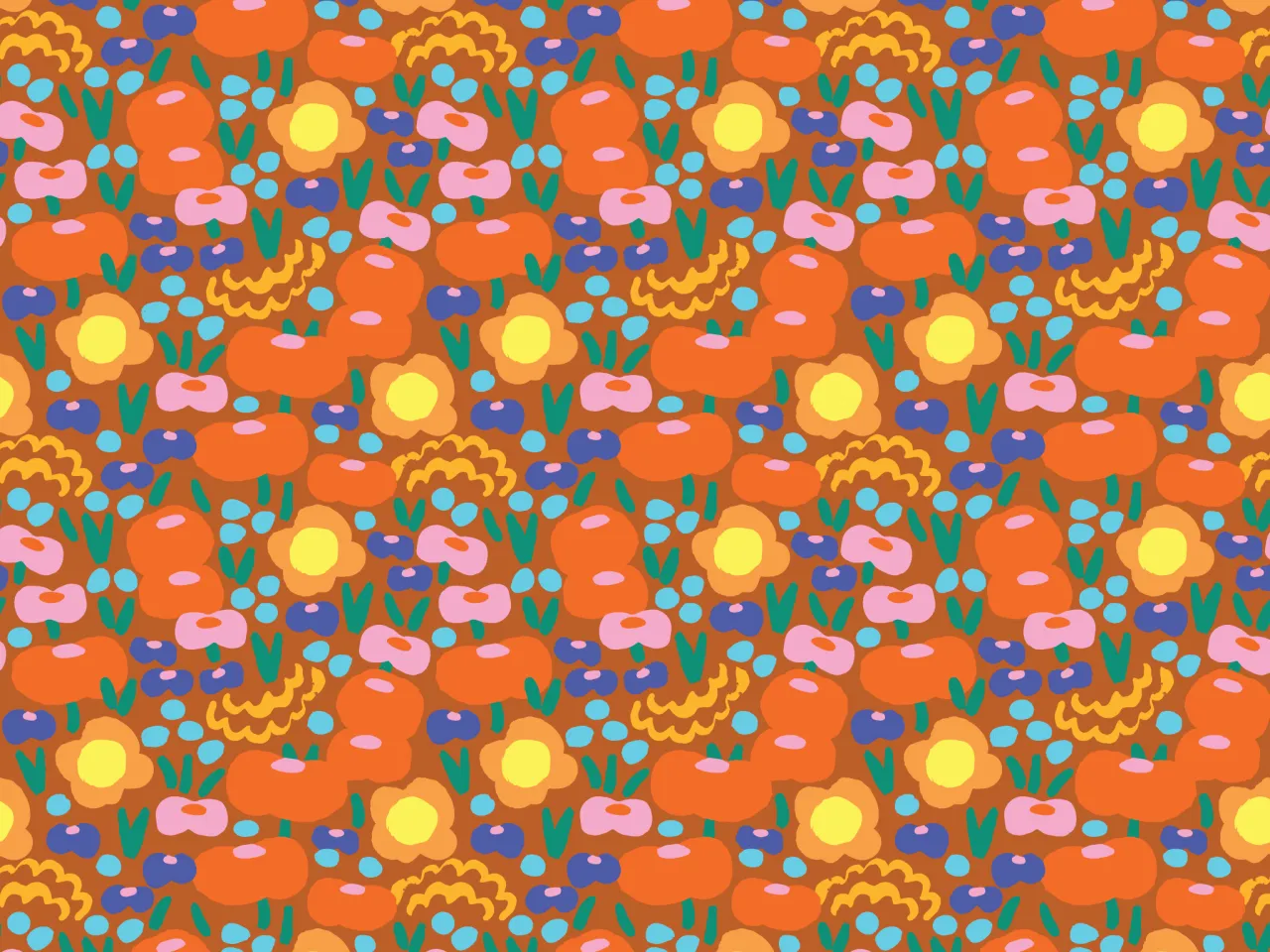
Organic Floral
Elizabeth’s work is graphic, less focused on detail and more on how forms and colours can have an emotional impact. The intention is to bring joy, celebrate beauty, and soothe the soul – images brought together in patterns that are uplifting and meaningful.
Like so many fellow creatives, Elizabeth is conscious of the capacity for generative AI to create patterns. “But at my core, I’m optimistic, and I believe human-made work will become even more valuable. AI can generate patterns, but it can’t replicate lived experience, perspective, or emotional depth. That’s where the real distinction lies,” she says. “Technology can expand creative possibilities, but it doesn’t replace the human lens.”
Naina Lamba
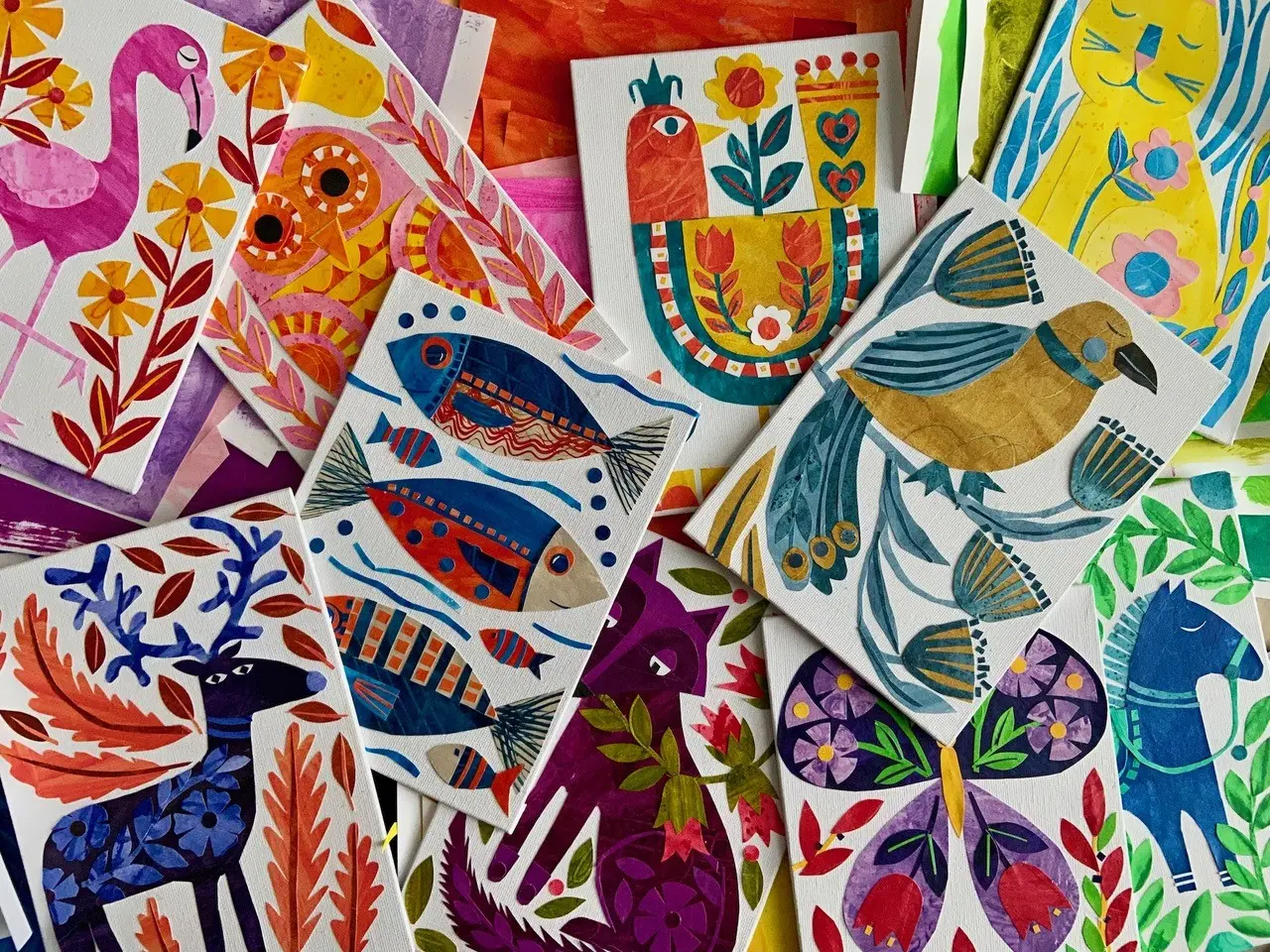
A surface pattern designer based in Gurgaon, India, Naina Lamba follows a process in which creation begins by hand and is refined digitally. There is a heightened sense of energy in her work, thanks to its vivid colour palettes, with inspiration drawn from botanicals, travel, and little touches of everyday life as she sees them.
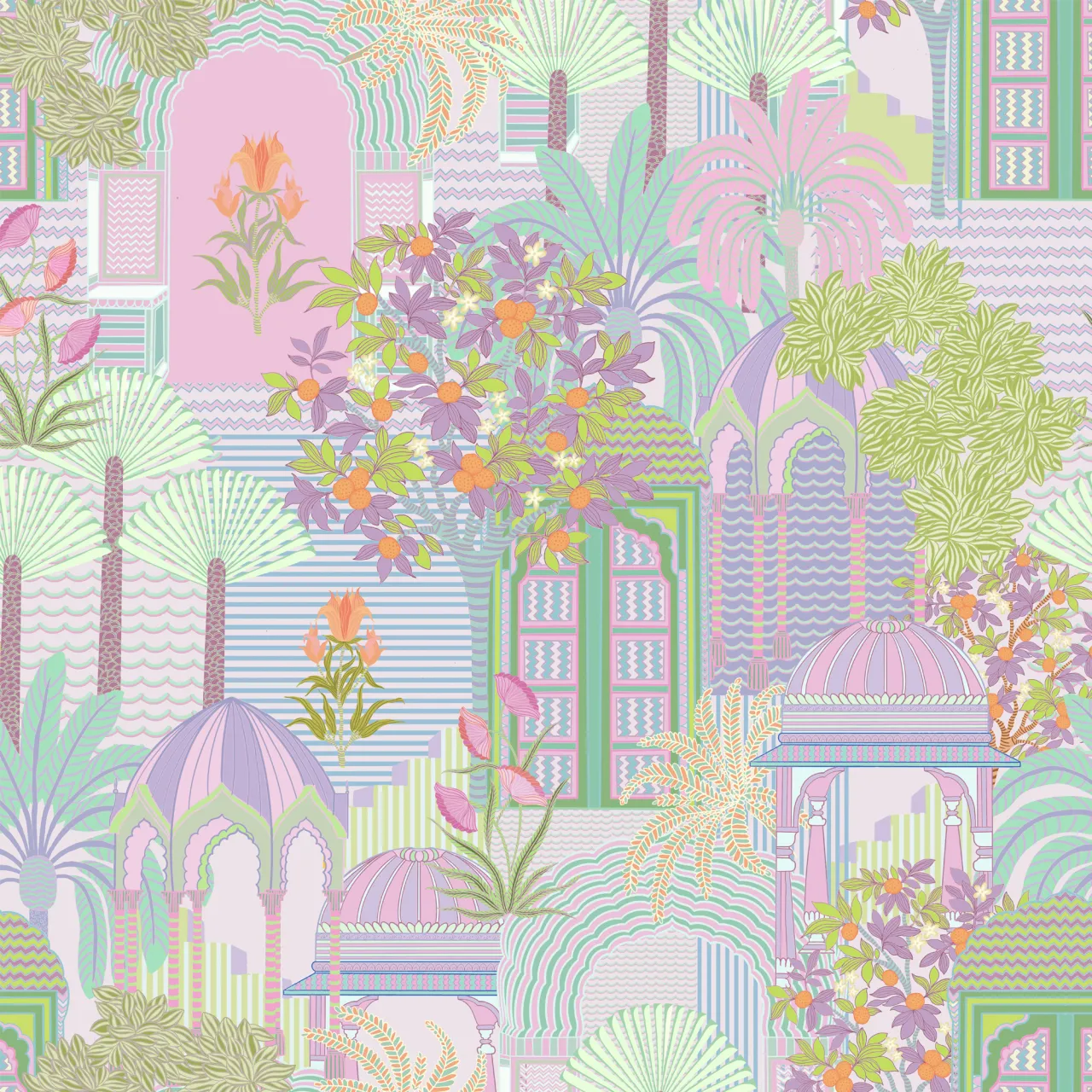
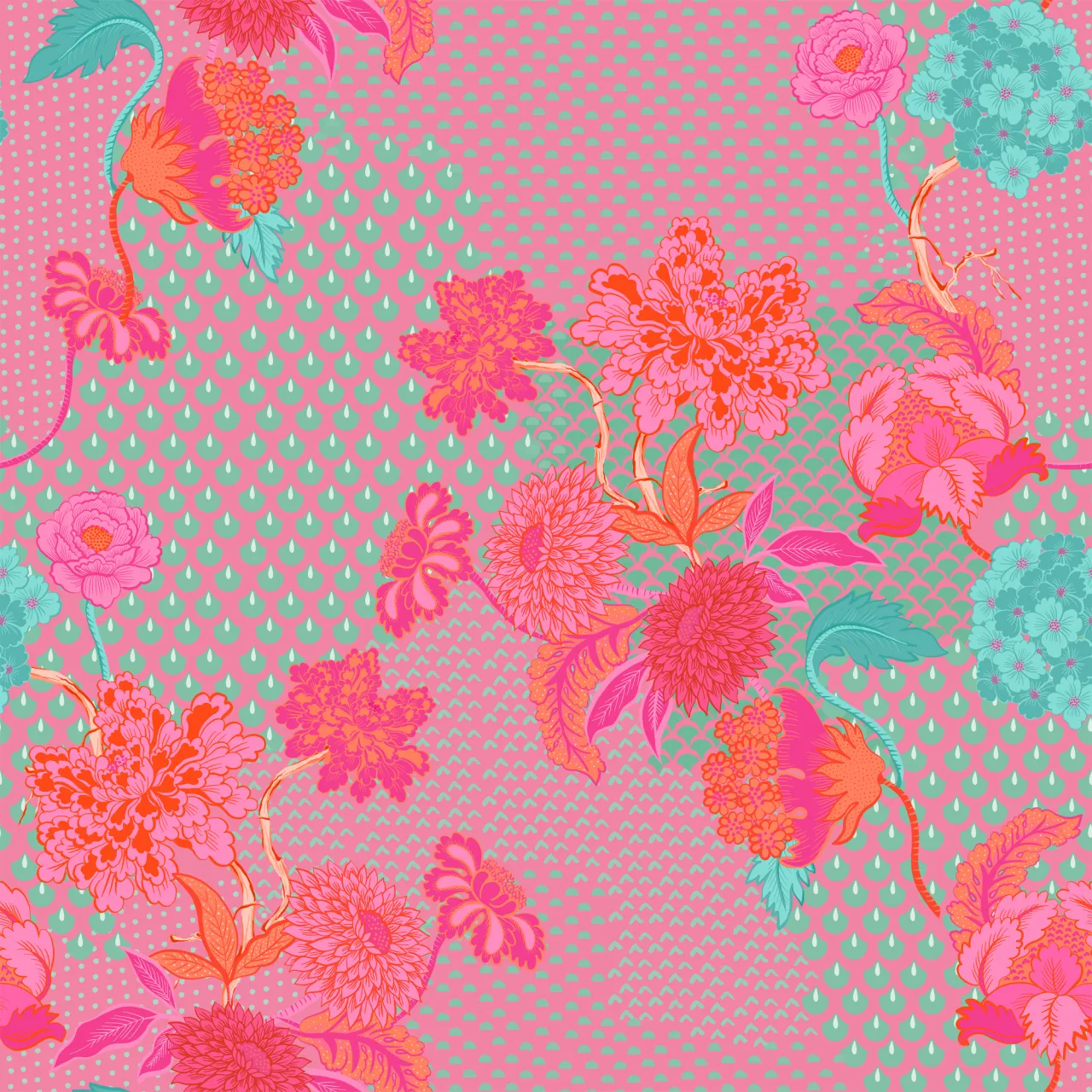
“Consistency matters more than bursts of inspiration,” advises Naina. “Showing up and creating regularly helps you define your personal style and aesthetic. Designing beautifully is one thing, but designing with purpose, usability, and every client in mind is what sustains a business. Putting your work out there without hesitation because it may be copied opens up far more opportunities than waiting for them to come to you.”
Naina’s go-get approach is paying off, and with eight years of experience running her studio, she has also begun sharing her pattern design knowledge through teaching. Influences from her Indian culture, channelled to contemporary tastes, infuse her work. “There’s an inherent comfort with colour, contrast, and detail that naturally shows up in my prints. I pair that with tropical inspirations from travel – the lushness, movement, and vibrancy,” she says.
Katie Beardsley
Willow & Woods is the name of Katie Beardsley’s studio based in Emsworth in the UK and specialising in hand-drawn wallpaper patterns for interiors. Her first collection launched in 2025, and she’s working on a new collection focused on retrained designs that sit quietly within a space.
“There’s definitely less of that bold, graphic approach at the moment, but I think that reflects how people want their homes to feel – calmer, more layered, less visually demanding. In today’s busy world, people are looking for spaces that feel calmer, more comfortable, and easy to live in,” says Katie.
The heritage vibe that Katie tends towards underlines that emphasis on comfort. This comes partly from a family history of British decorative arts and partly from an appreciation that combining nostalgic elements with the contemporary can result in a pattern design with a timeless feel.
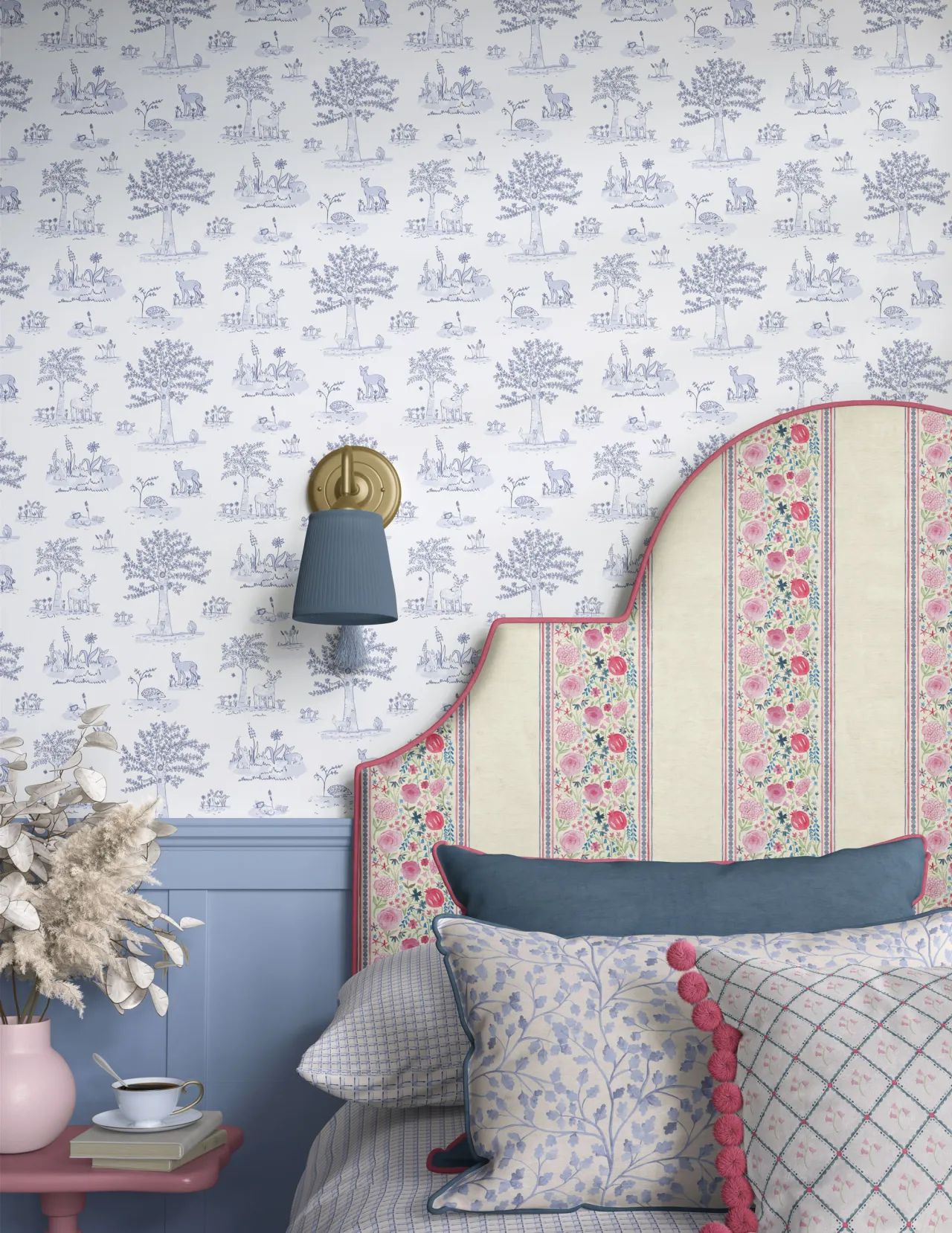
Matilda Woodland Dreams
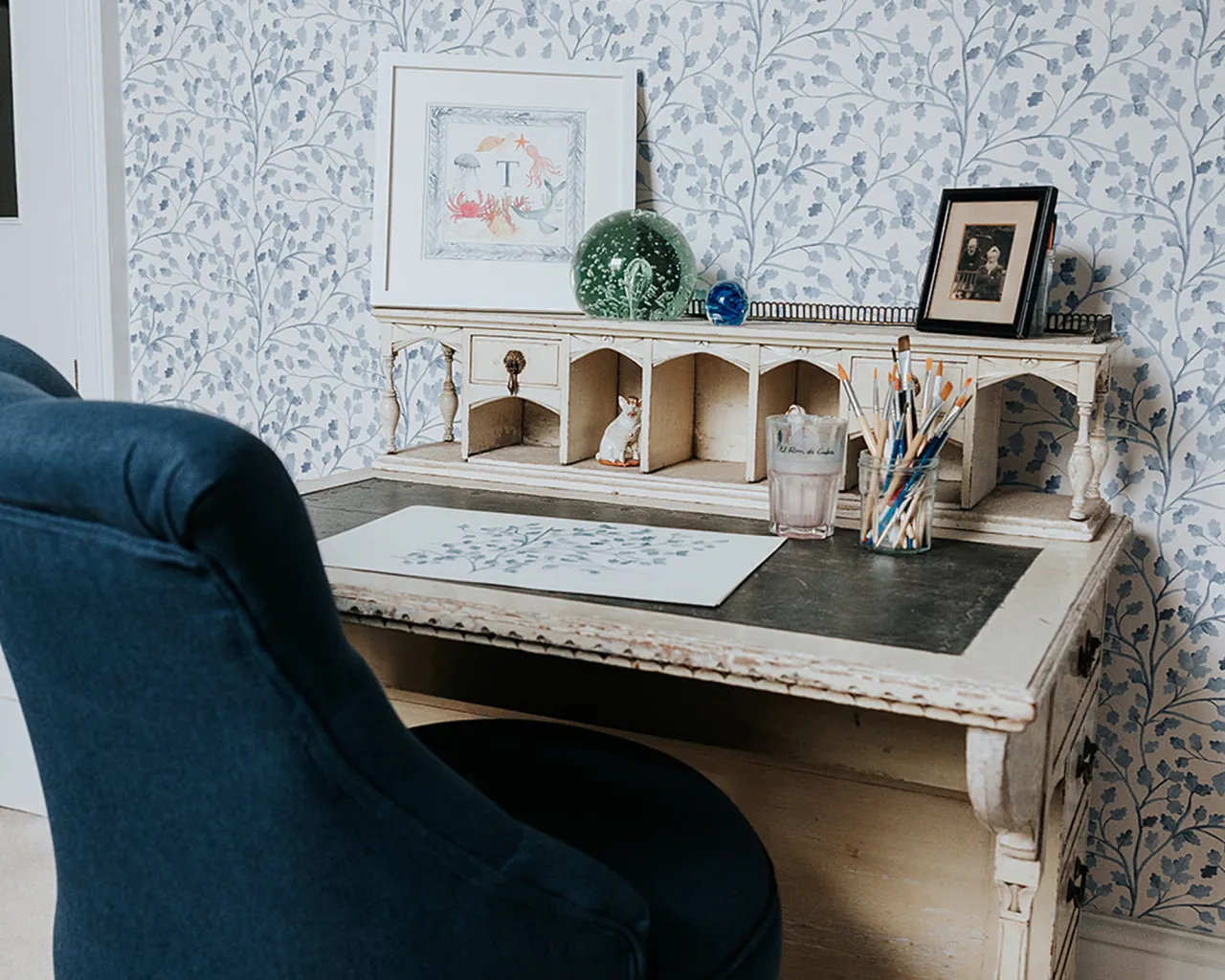
Matilda Trailing Leaves
Her route into surface pattern design is an interesting one. During COVID, Katie ran a business creating personalised memory books and photo albums for clients, including hand-drawn endpapers. She began focusing on the accuracy of her repeating patterns and, with a passion for interior design, turned her skills to wallpaper.
“Wallpaper builds on the same principles as endpaper design – rhythm, balance and repetition – but it requires a different way of thinking, particularly in terms of scale,” says Katie. “You have to be able to picture the end product and how it will look as a large repeat. You’re also no longer designing for something held in the hand, but for something that lives within a space and is seen every day, and so it has to feel right over time, not just on first glance.”
Ulrika Jarl
Originally from Gothenburg, Sweden, Ulrika Jarl is now based in Brighton, UK. She has a varied creative background, including ceramics, 3D design, and illustration, but today she creates patterns for wallpaper, fabrics, and homewares.
Ulrika, like many pattern designers, loves drawing floral work, but her recent collection also features leaves and branches, timber, berries and even a little architecture. Birds and exotic foliage also appear in her portfolio, along with some striking yet calming aquatic patterns.
“Underwater Love was created using individually drawn, detailed – I’m obsessed with detail – elements of fish, corals and all sorts of underwater life. I think I built the pattern in Photoshop, allowing me to create a depth of layers and intertwining soft corals,” says Ulrika. “In a previous life, I worked with Scuba diving, so looking up close at reef life is something I have spent many hours doing, and it’s an environment I love.”
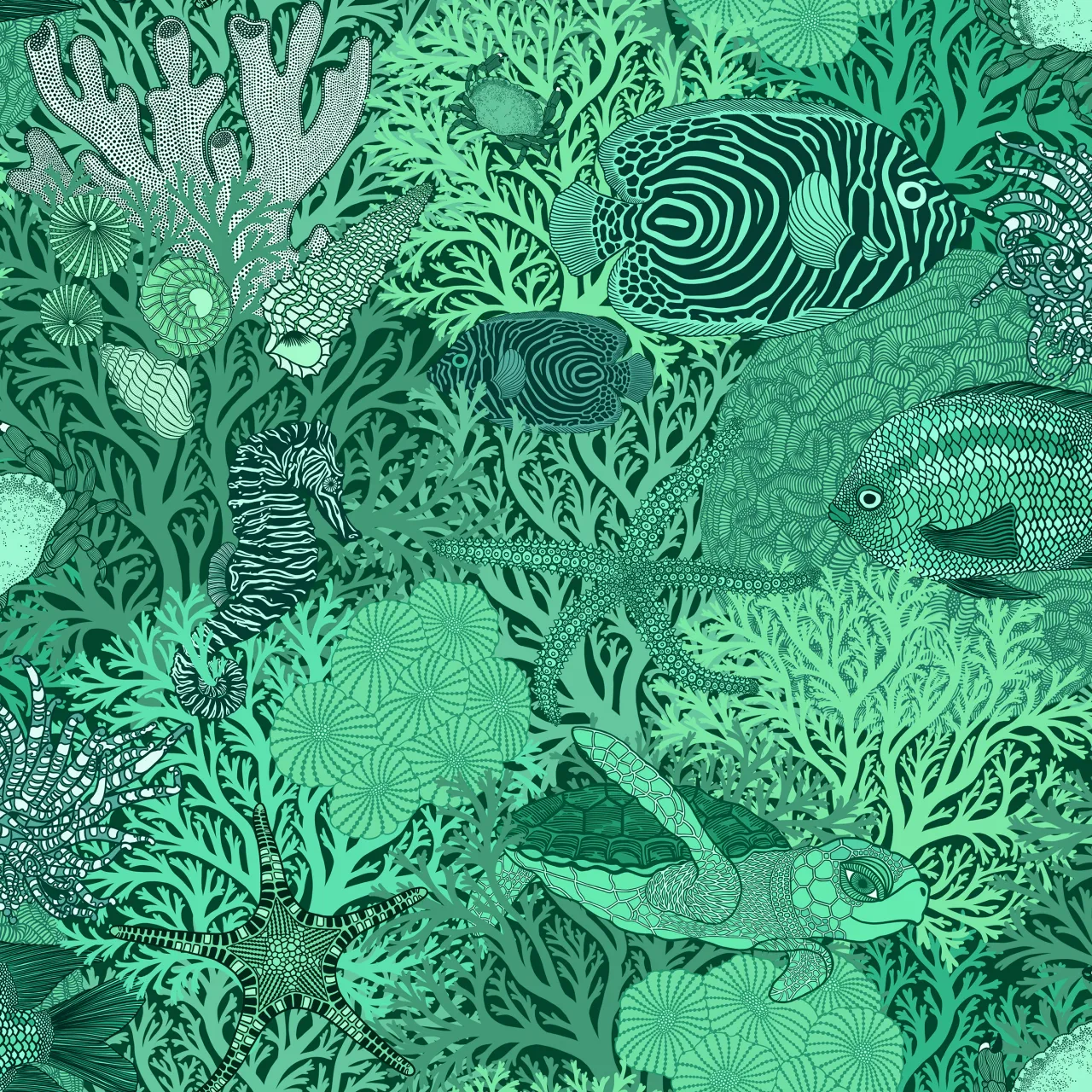
Underwater Love
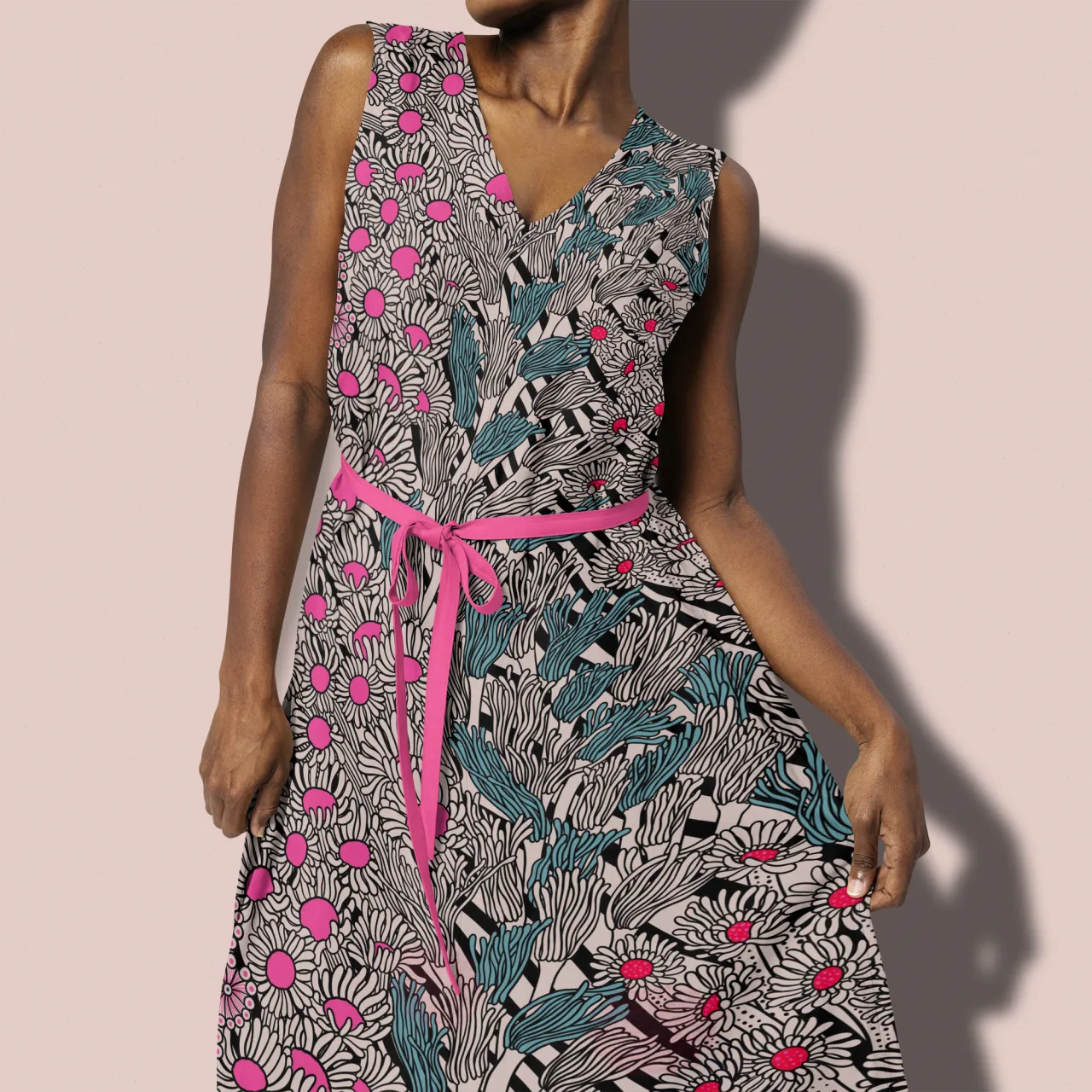
Initially, the pattern was intended for standard 50cm wallpaper, but the manufacturer suggested using an extra-wide roll. “We tested it, and the larger repeat really allows the reef to feel immersive, giving more of a sense of being surrounded by an underwater world,” says Ulrika.
With some brands blatantly using AI to copy the work of surface pattern designers, Ulrika is responding. “I am strengthening my drawing skills, exploring techniques and developing patterns that respond to a digitally saturated market while retaining the nuance and imperfection of the handmade. On a positive note, there are companies that are eager to work with designers who value craftsmanship,” she says.
Editor's Picks

Trending


Latest Jobs
Design Director, Opinion at The New York Times
Full-time·New York·$160k–$180k
Principal Software Engineer at BBC Media Tech
Full-time·Glasgow·Up to £83,790
Digital Marketing Executive at Arise
Full-time·Sheffield·From £23,750
Senior Designer at Definition
Contract·London·£45k–£50k
Diploma in Professional Studies Coordinator at London College of Communication
Contract·London·£52,977 to £63,815
Graphic Designer at Crux Product Design
Full-time·Bristol·Up to £36k


](https://media.creativeboom.com/1bb3b075-5133-4f0f-ba3f-990846e03f64/conversions/80c02674c86382c771c49e94d6353ee1ca7165d2-medium.webp)