Meet the strange and wonderful creatures of María Valeria Pazos' Anima Mundi
From crowned horses to fish covered in eyes, the Mexican artist brings together philosophy, poetry and generative technology to create a fantastical world.
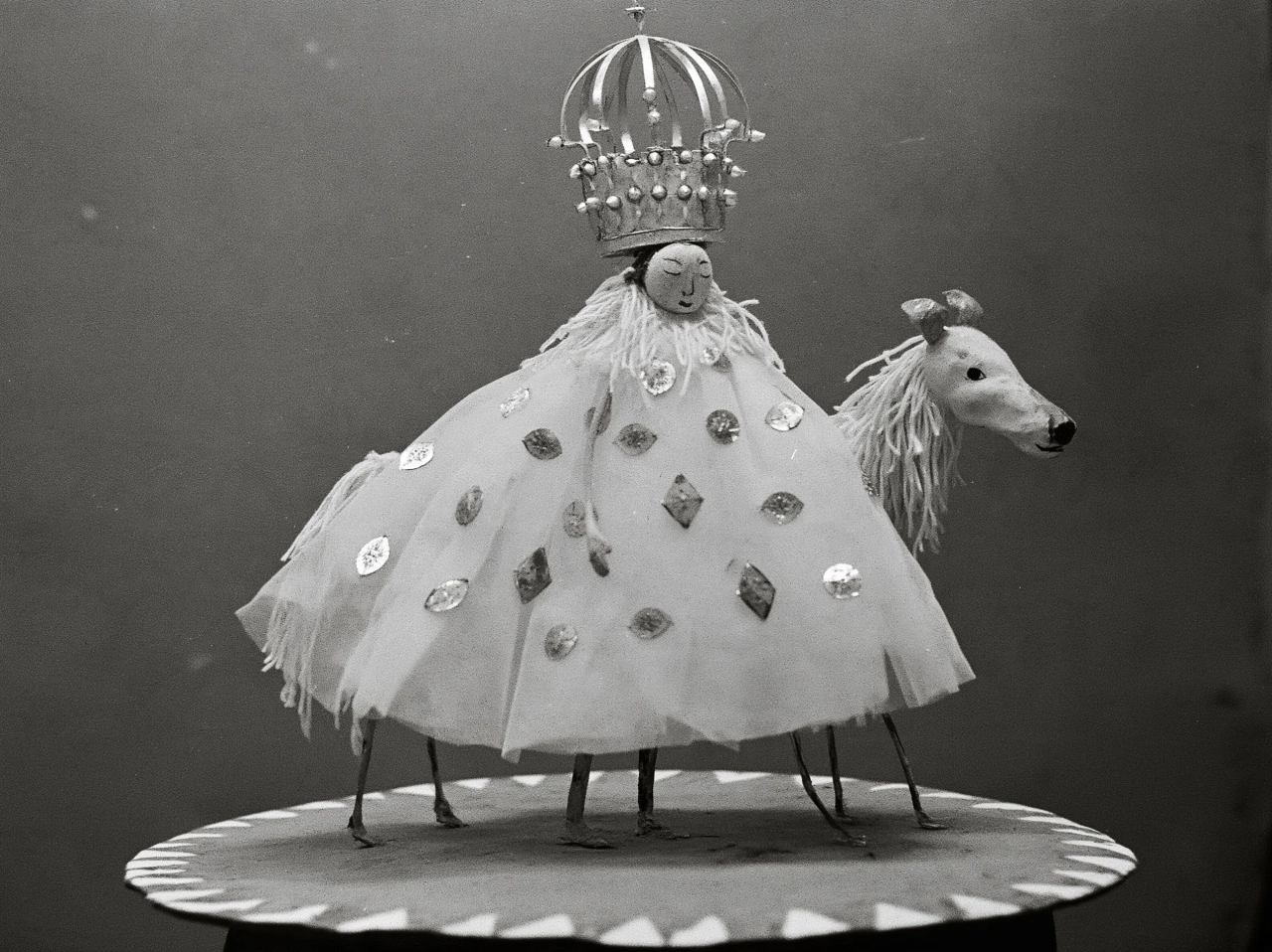
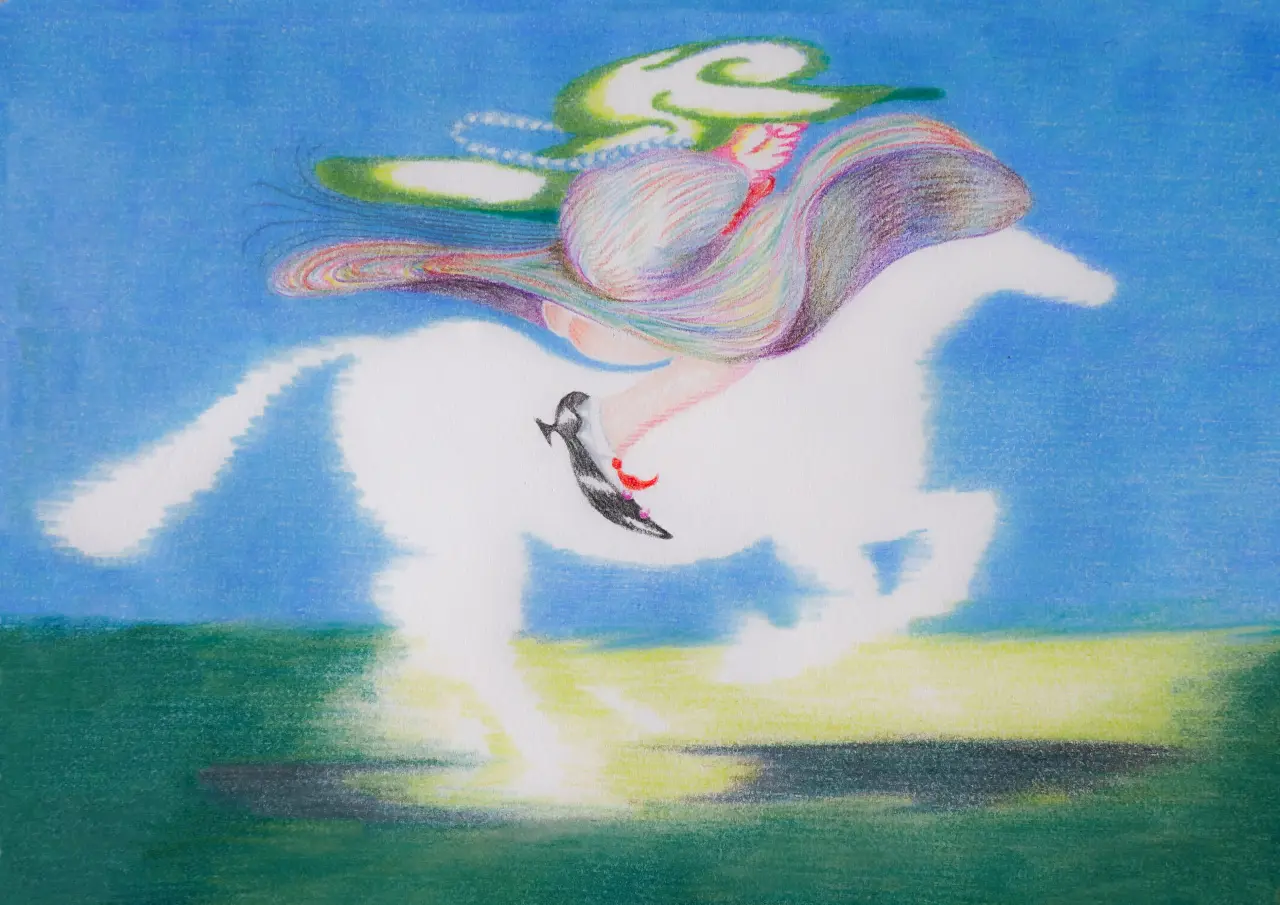
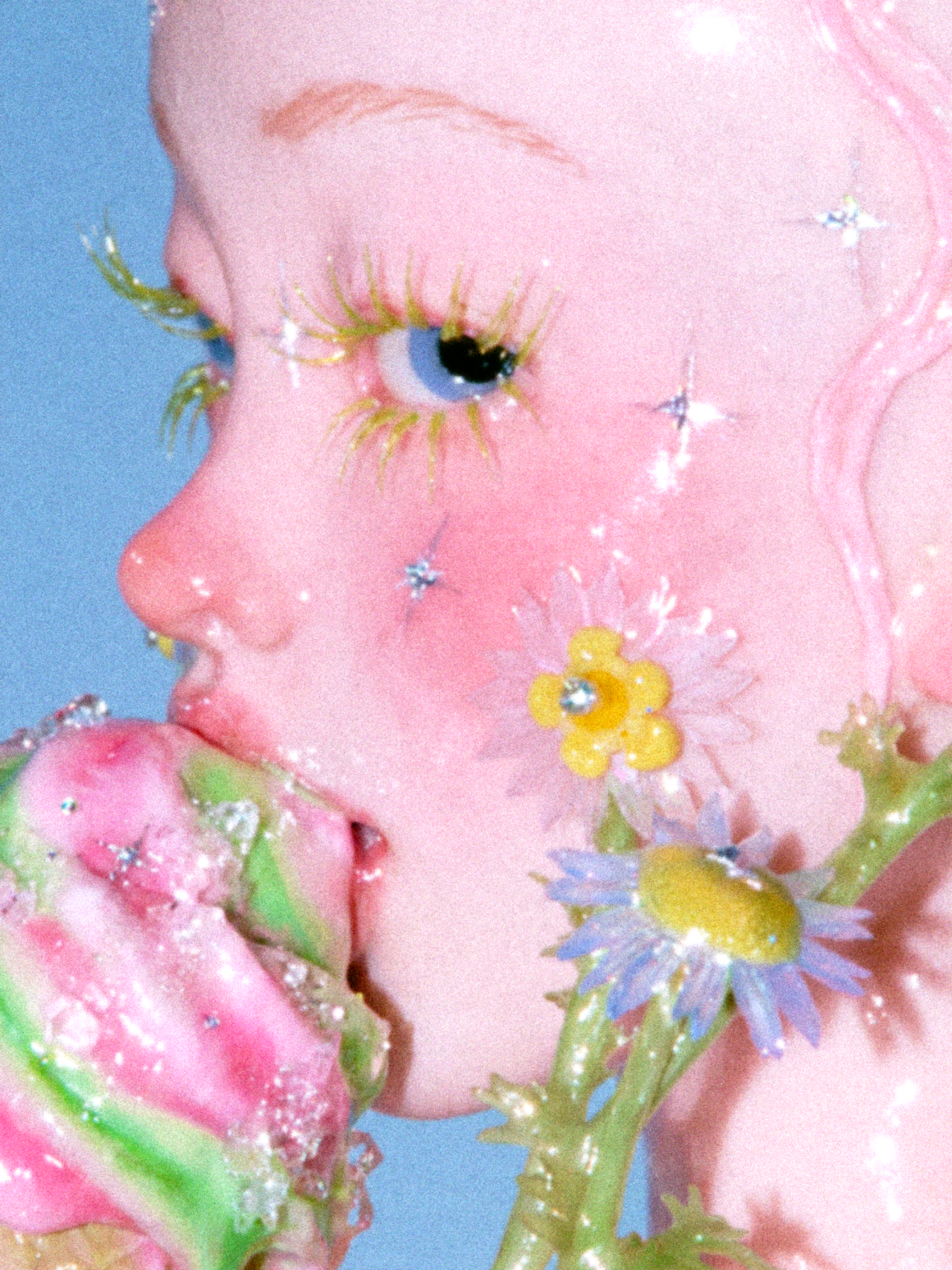
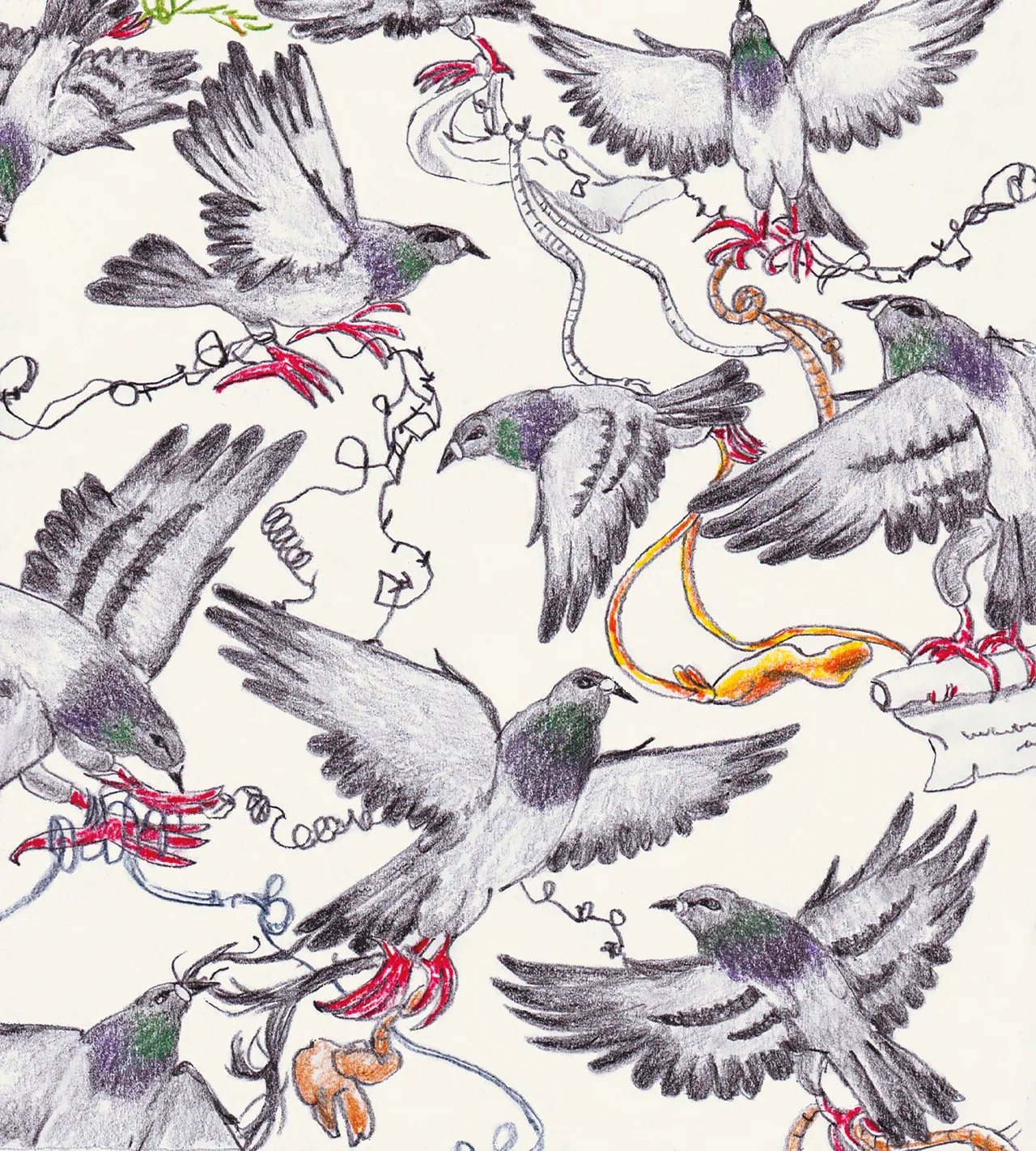
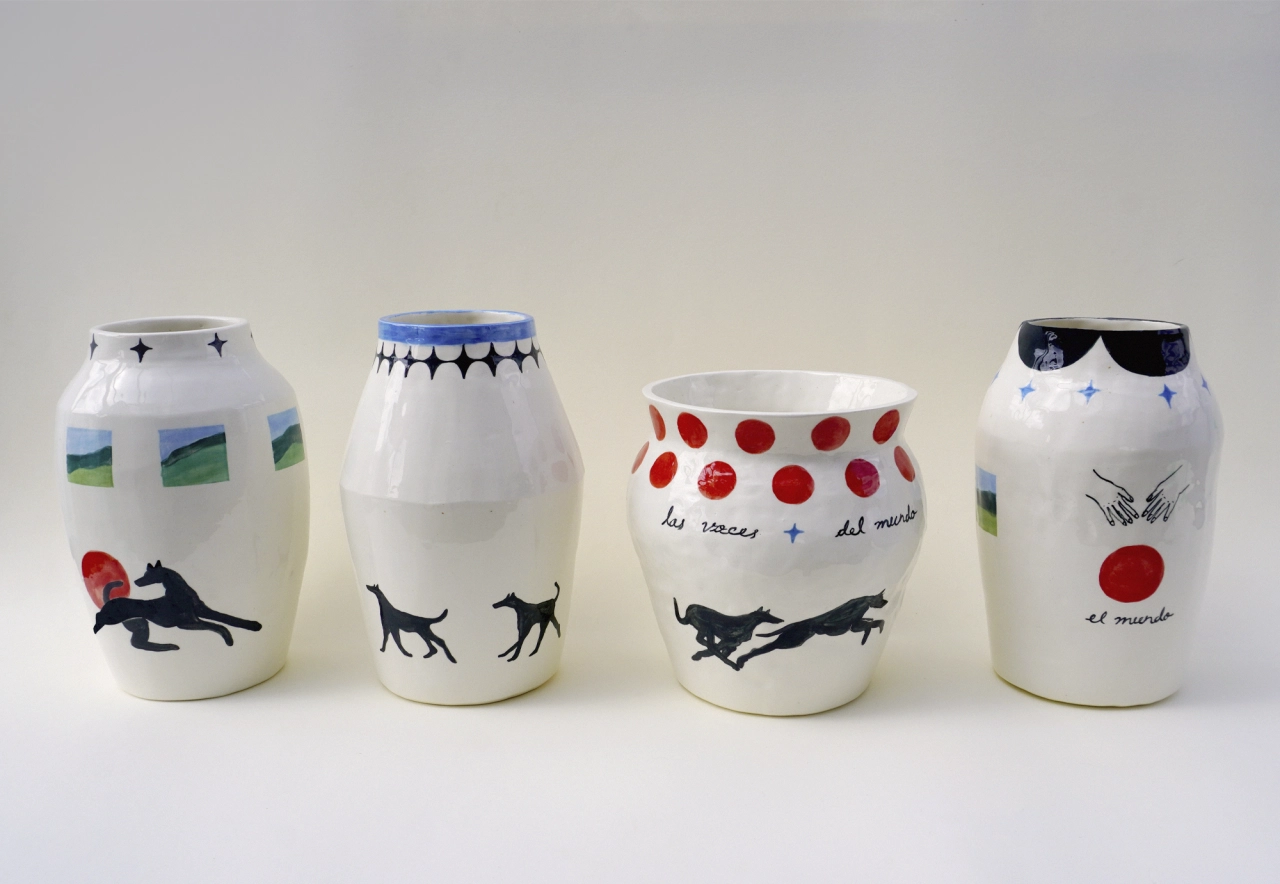
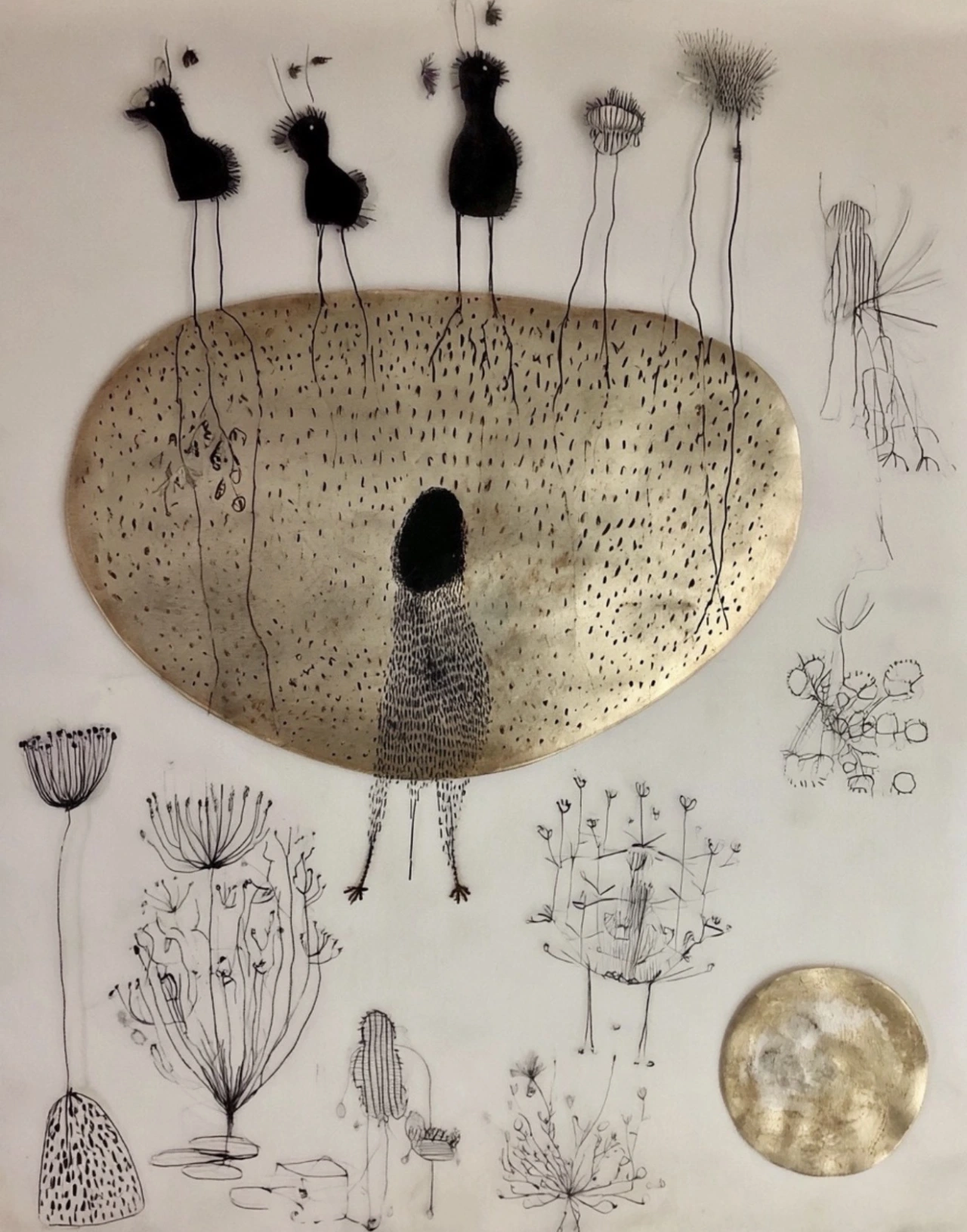
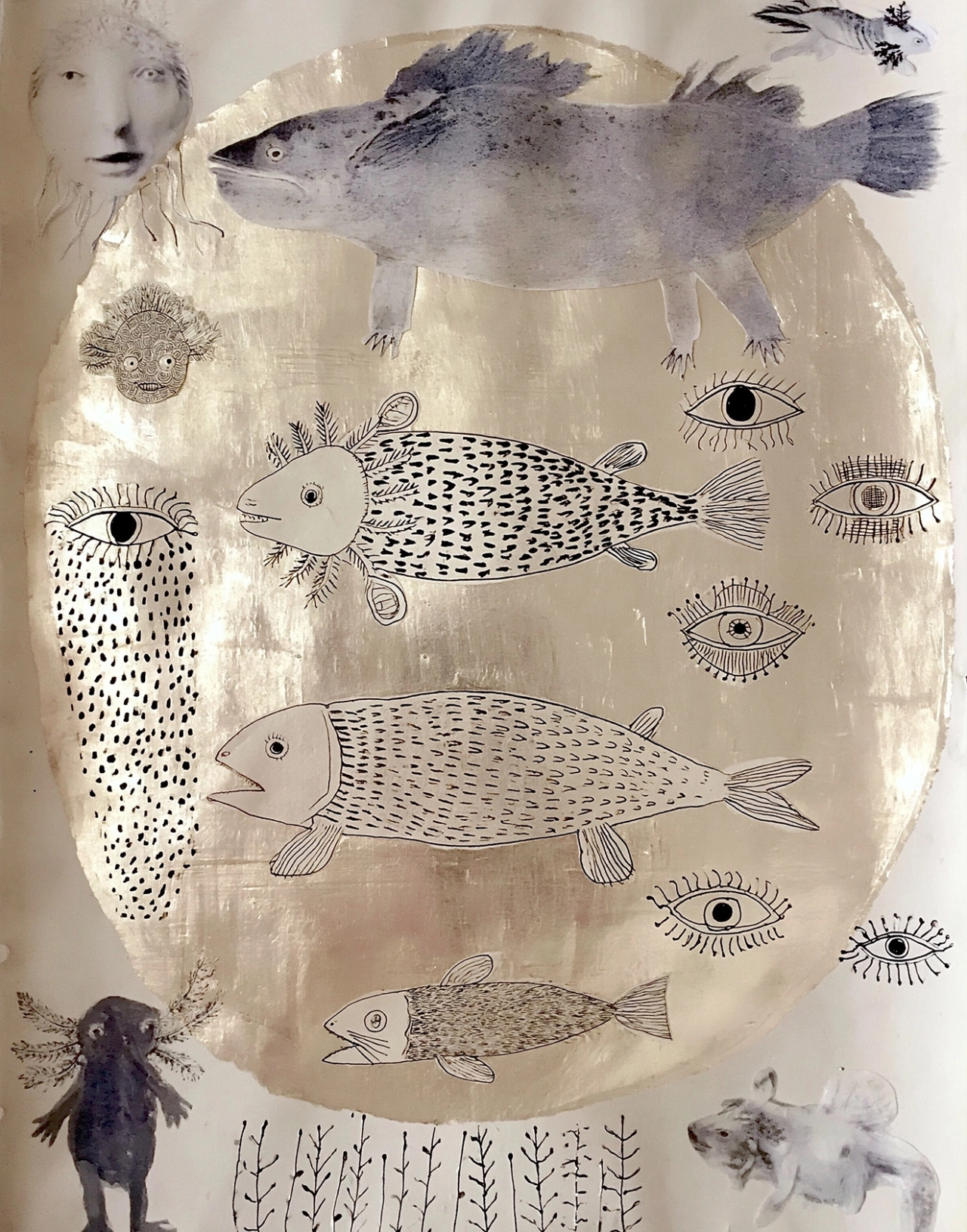
Gold leaf glows across María Valeria Pazos's images like candlelight on a chapel wall; fish drift through moonlight skies speckled with tiny eyes; a horse carries a procession of sun-faced saints on its back; and spiky-haired figures in dotted dresses stand among hens and herons. Her pieces nod to folk art, illuminated manuscripts and the hushed black-and-white photography of handmade sculpture – creating a world where every object seems to be watching you.
María lives in Mexico City and works between philosophy, poetry, visual art, sensory theatre, generative technology and imagination. "From a very young age, the imagination was a territory where I could find possibilities different from those my body was experiencing," she says. "Imagination allowed me to believe that reality could be otherwise, that there were other ways of inhabiting the world. And that possibility gave me hope."
For more than 10 years she devoted herself to sensory theatre, building rooms where "scents, textures, sounds and imagination could reorganise our perception of reality." She studied philosophy at UNAM and is now completing a PhD in Philosophy of Science on embodied imagination.
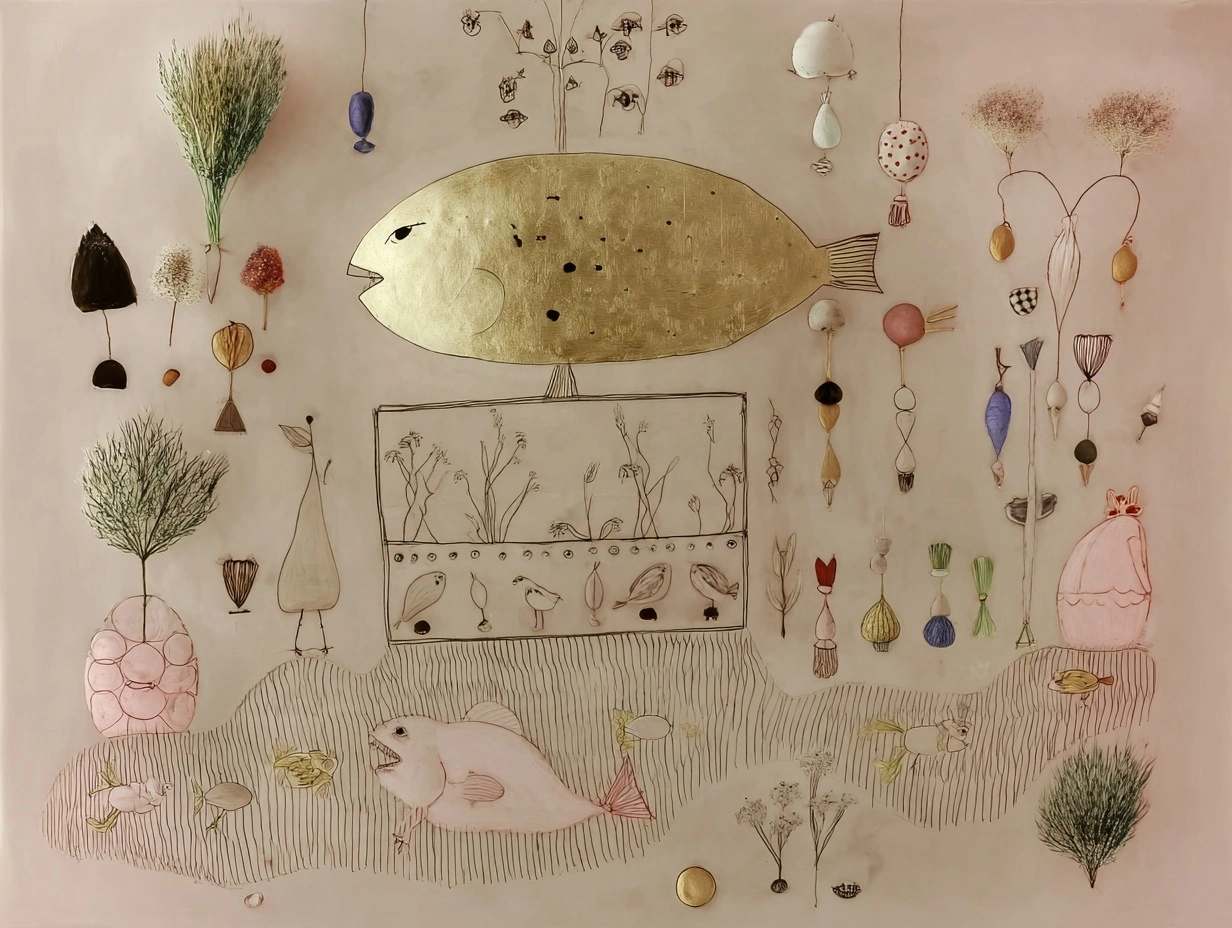
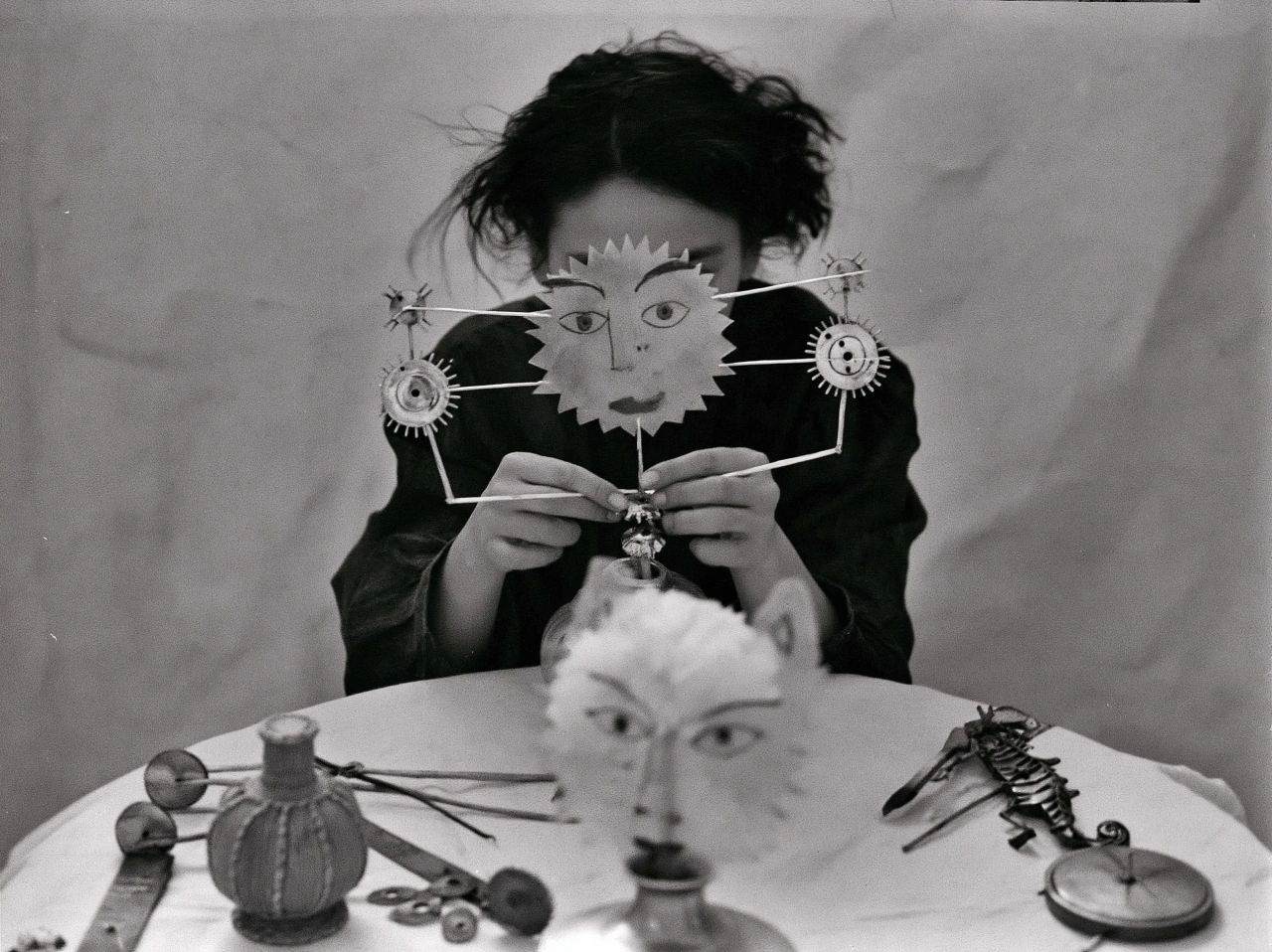
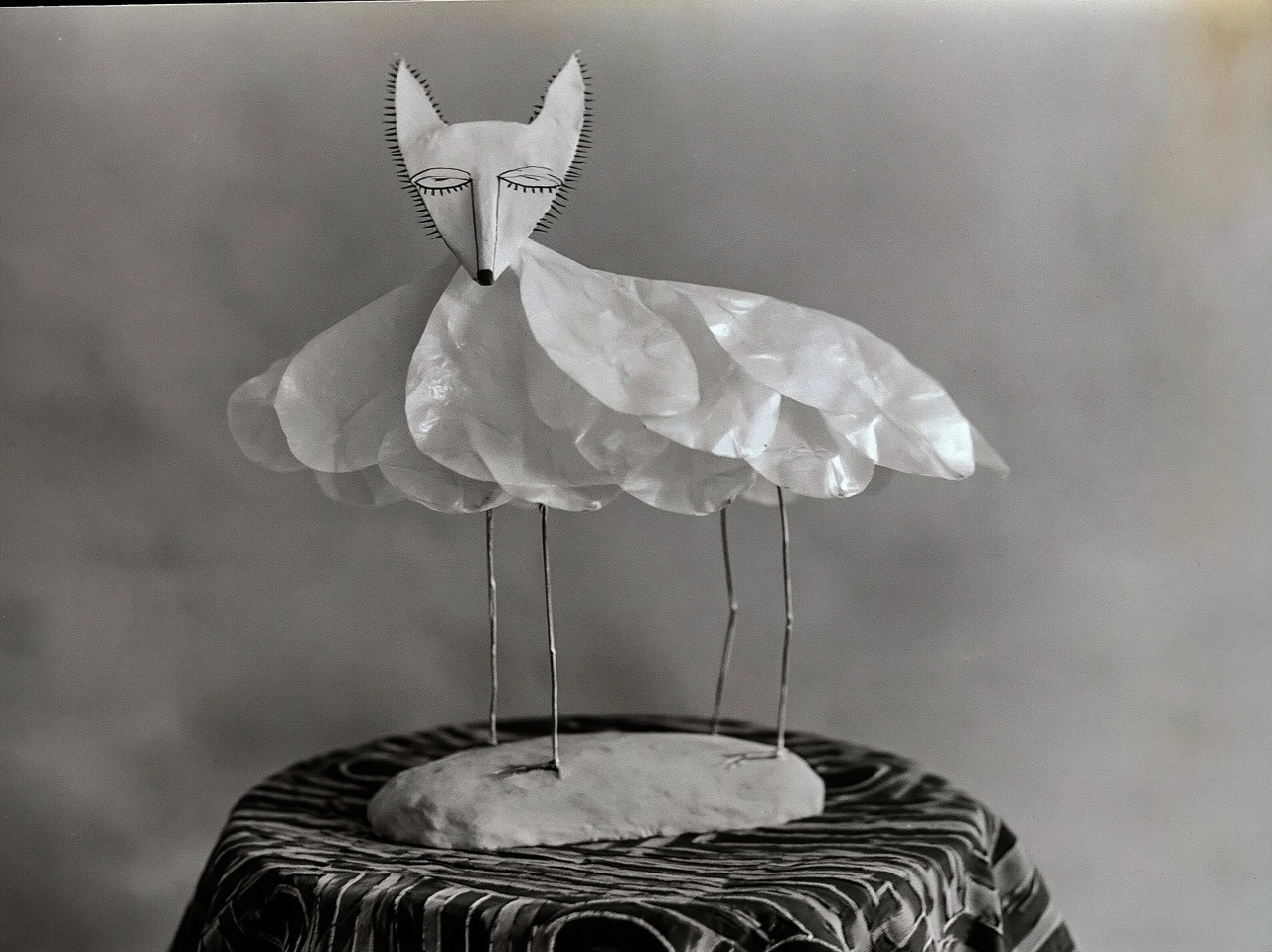
The theatre years still shape how her pictures feel, so much so that she wants an image to suggest a "temperature, a scent, a texture or a bodily sensation" – and you can certainly sense it in the warm honey of the gold, the cool blue of patterned fish and the frosty paper wings of a fox balanced on stilt-thin legs.
When it's not the theatre and sensory experiences driving her work, María will turn to language – in which a poem becomes a scene, a scene then becomes a character. A character grows into a small audiovisual story. She uses image and video generation models as one instrument among several others, alongside drawings, collages, and material references, and these tools have allowed her to realise universes she has carried in notebooks and poems for more than 25 years. "Artificial intelligence expands my possibilities for experimentation, while aesthetic decisions emerge from a continuous relationship between my imagination, my sensibility and the materials I work with."
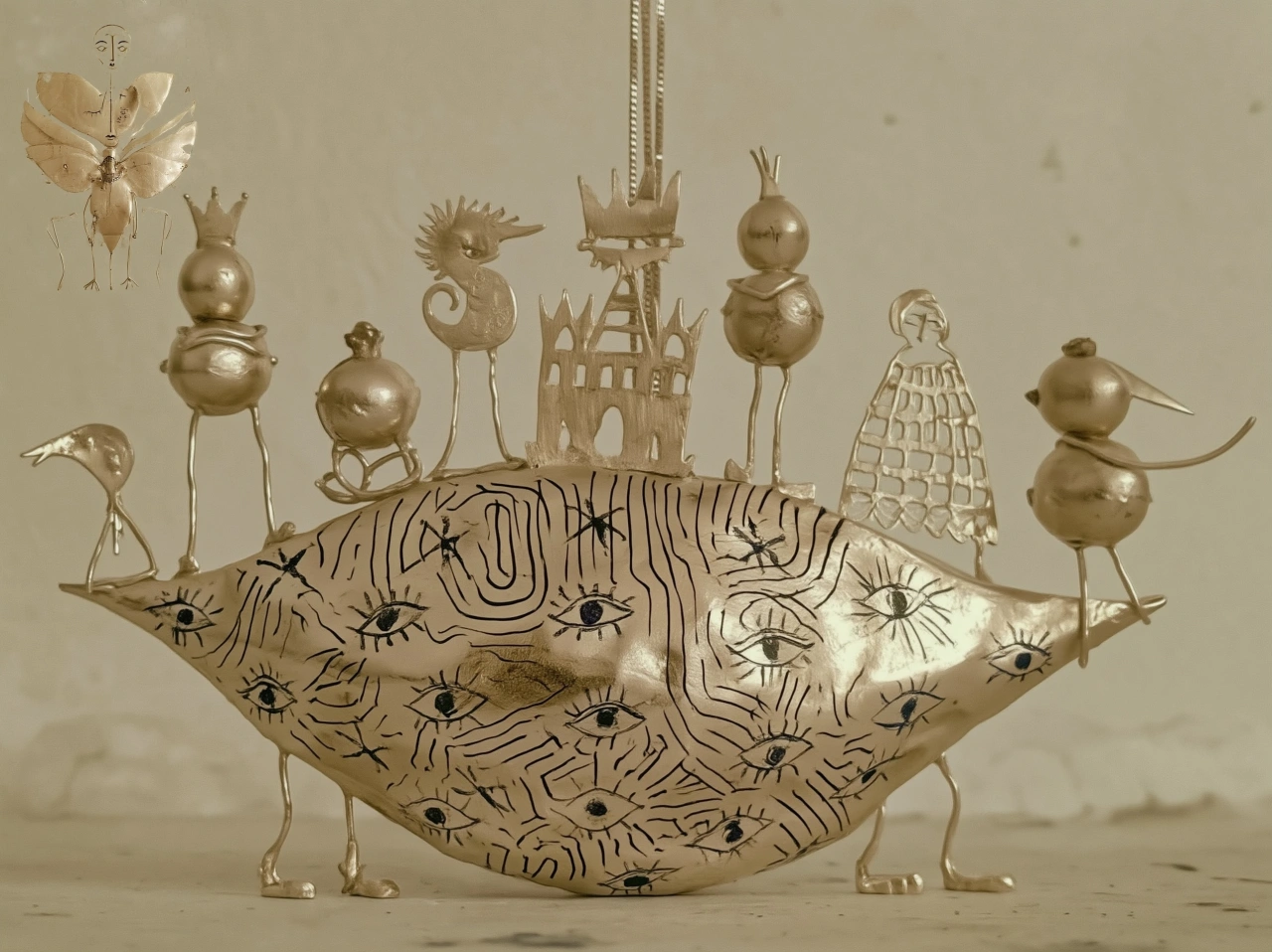
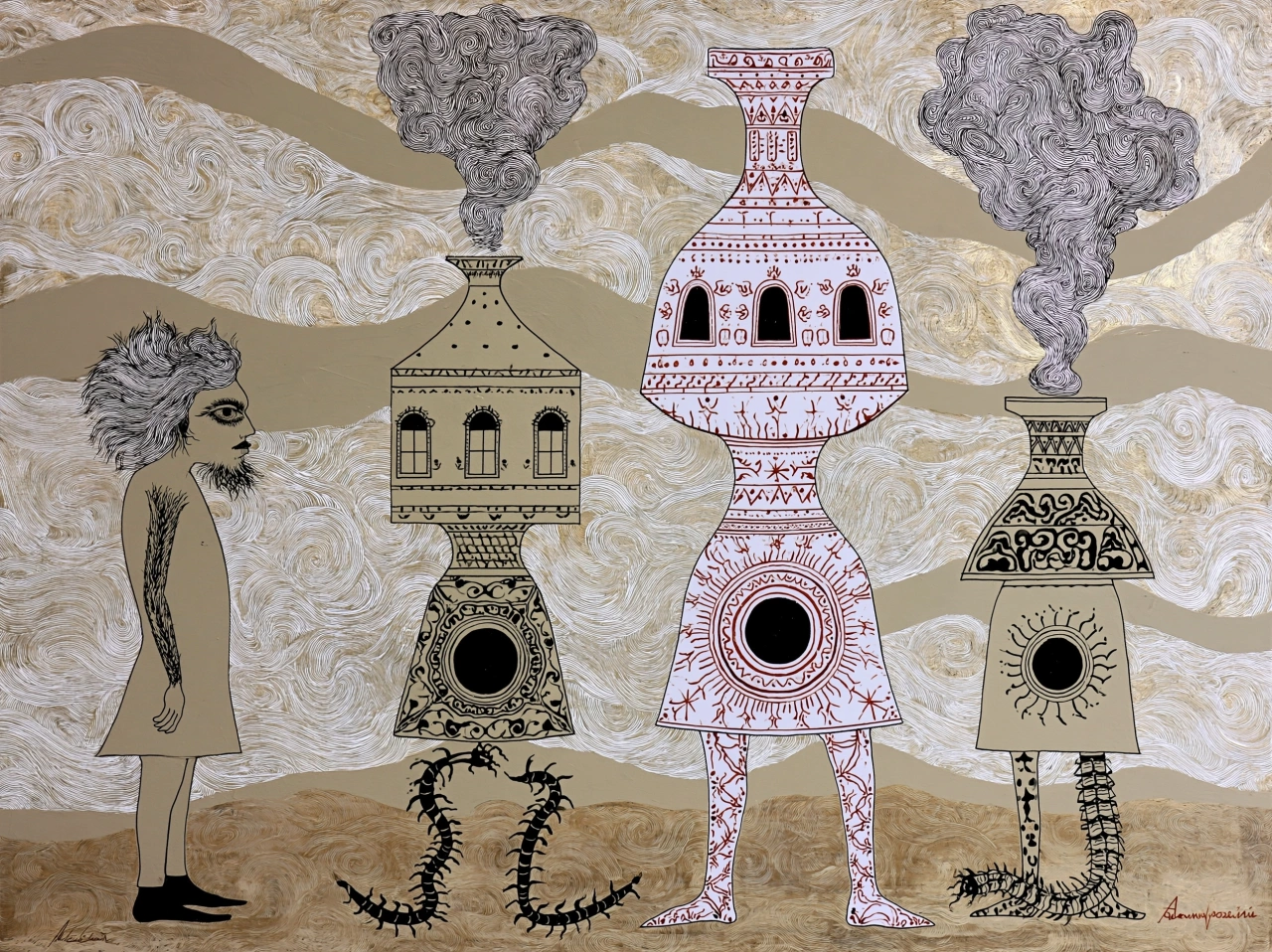
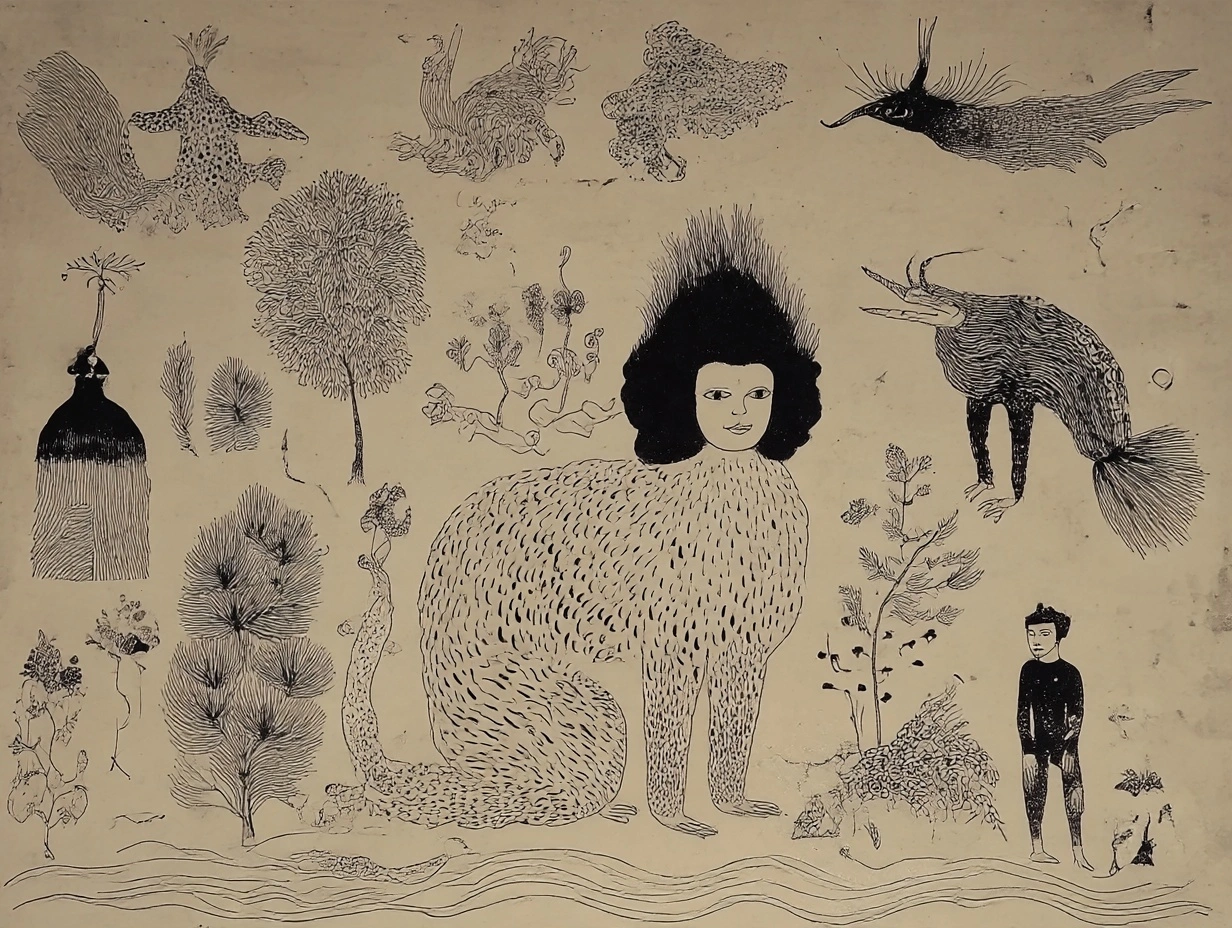
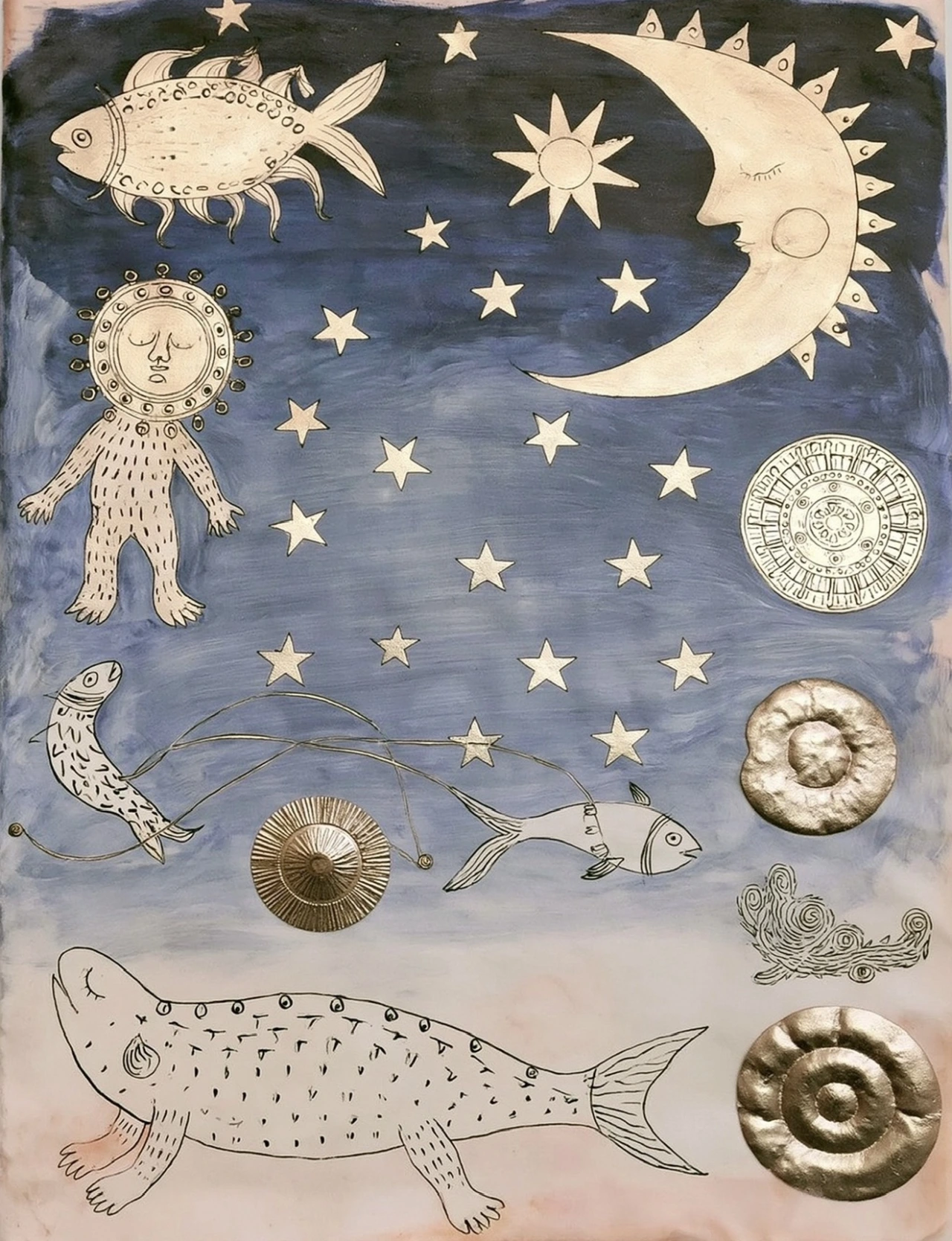
Anima Mundi, her ever-growing project, runs on a method borrowed from the Surrealists. "Sometimes I take the head of one creature, the body of another, the limbs of an animal, the texture of a flower or the atmosphere of a dream," she says. "I mix and transform them, then observe what happens." She calls it a visual cut-up, and each new creature seems to belong to a family tree – a bird-legged fish, a lion-faced figure and a crowned horse all share the same eyes and the same dotted skin, for instance.
Gold has also become a recurring character for María, arriving after she found a text she wrote 15 years ago, full of golden beings, golden threads, and a woman immersed in a golden sea. "I had no conscious memory of writing these images, yet somehow, my unconscious had led me back to them," she says. "It fascinates me how certain images continue to live within us, quietly finding their way back into our creative worlds."
Of how she hopes her audience responds to her work, María has a wish – that they, too, can meet their own dreams. "I often imagine an image as a kind of Big Bang, an origami. Or a strand of DNA," she says. "I like to think that each image contains a sleeping universe, waiting for someone to encounter it and allow it to unfold within them."

Editor's Picks
Trending
Latest Jobs
Brand Manager DACH Markets at Factorial
Full-time·Barcelona·€50k – €60k
Production Coordinator at Art&Graft
Contract·London·£30k – £37k
Senior Product Designer – Spend – Credit at Wise
Full-time·London·£72k – £105k
Social Media Coordinator – ABC International at Australian Broadcasting Corporation (ABC)
Contract·Sydney·A$94k – A$101k
Senior Art Director at Critical Mass
Full-time·New York·$120k – $160k
Graphic Design Intern at Ace & Tate
Full-time·Amsterdam·€500 a month