Cecilia Reeve makes paintings that move and animations you can step inside
The London-based artist works across painting, animation and installation to conjure whimsical, dreamlike worlds.
Sleepwalking, 2025
Last October, during Frieze Week, visitors to Soho Revue in Soho could walk into a room and disappear. Sleepwalking – Cecilia Reeve's large-scale animated installation – projected across four layers of gauze, filling the gallery with shadowy figures, drifting birds, glowing fish and shifting interiors that dissolved into one another the way scenes do in dreams. Some visitors stayed for almost an hour. "Seeing people physically slow down and immerse themselves felt incredibly meaningful," Cecilia says.
Cecilia is a London-based painter and animator who has spent the past several years developing what she calls a "painterly language" for moving image – a practice that refuses to treat the two mediums as separate. She studied illustration at the University of Brighton, where she first became interested in how a single image could use composition and colour to communicate atmosphere, before beginning to animate.
She went on to complete an MA in Animation at the Royal College of Art in 2023, where she made her graduate film Porous – a work intense enough to earn her the ArtsThread Global Graduate Prize and a screening at the London International Animation Festival, Aesthetica plus others. Since then, there's been a residency at Soho Revue, weekly painting classes at the Essential School of Painting, a debut solo exhibition of paintings and animations at Twilight Contemporary, and Sleepwalking itself.
Sleepwalking, 2025
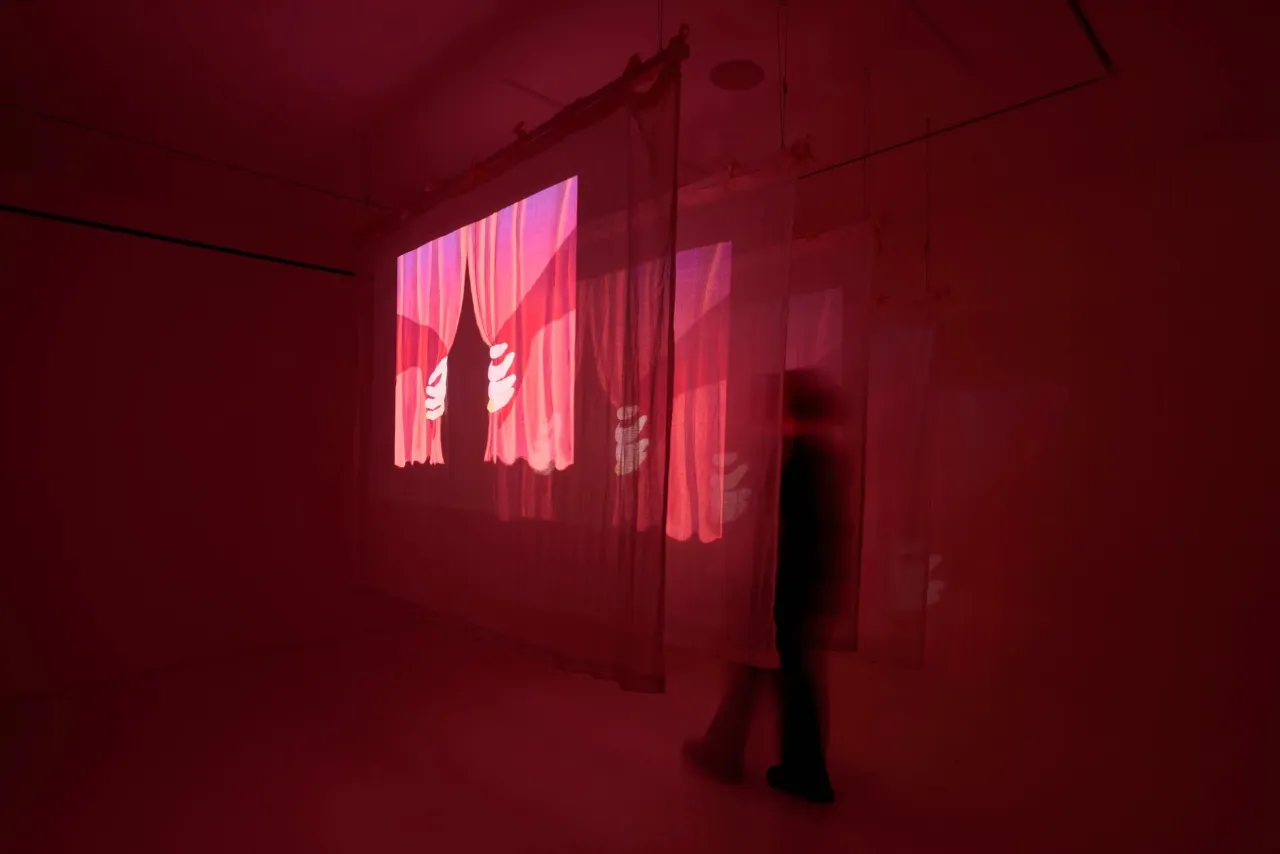
Installation shot from Sleepwalking, 2025
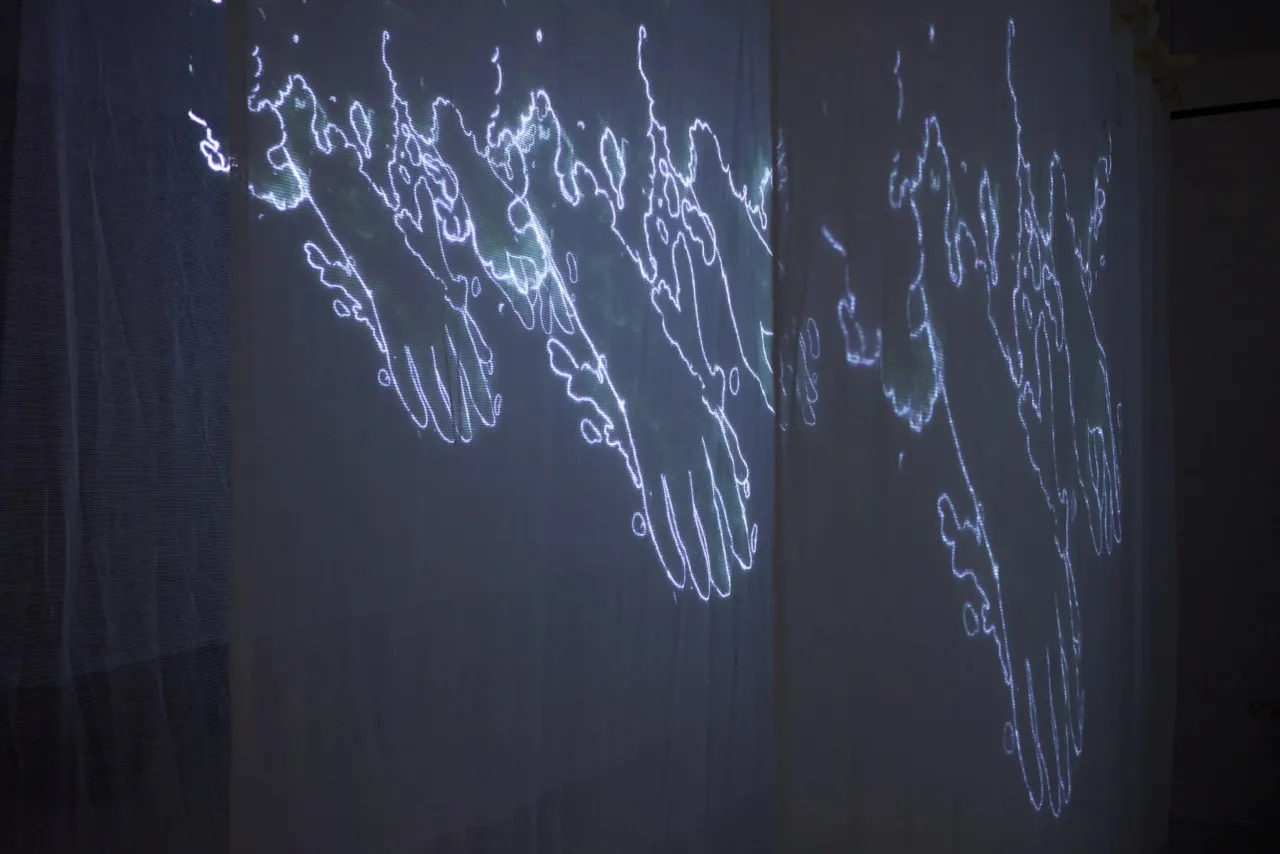
Installation shot from Sleepwalking, 2025
Porous, 2023
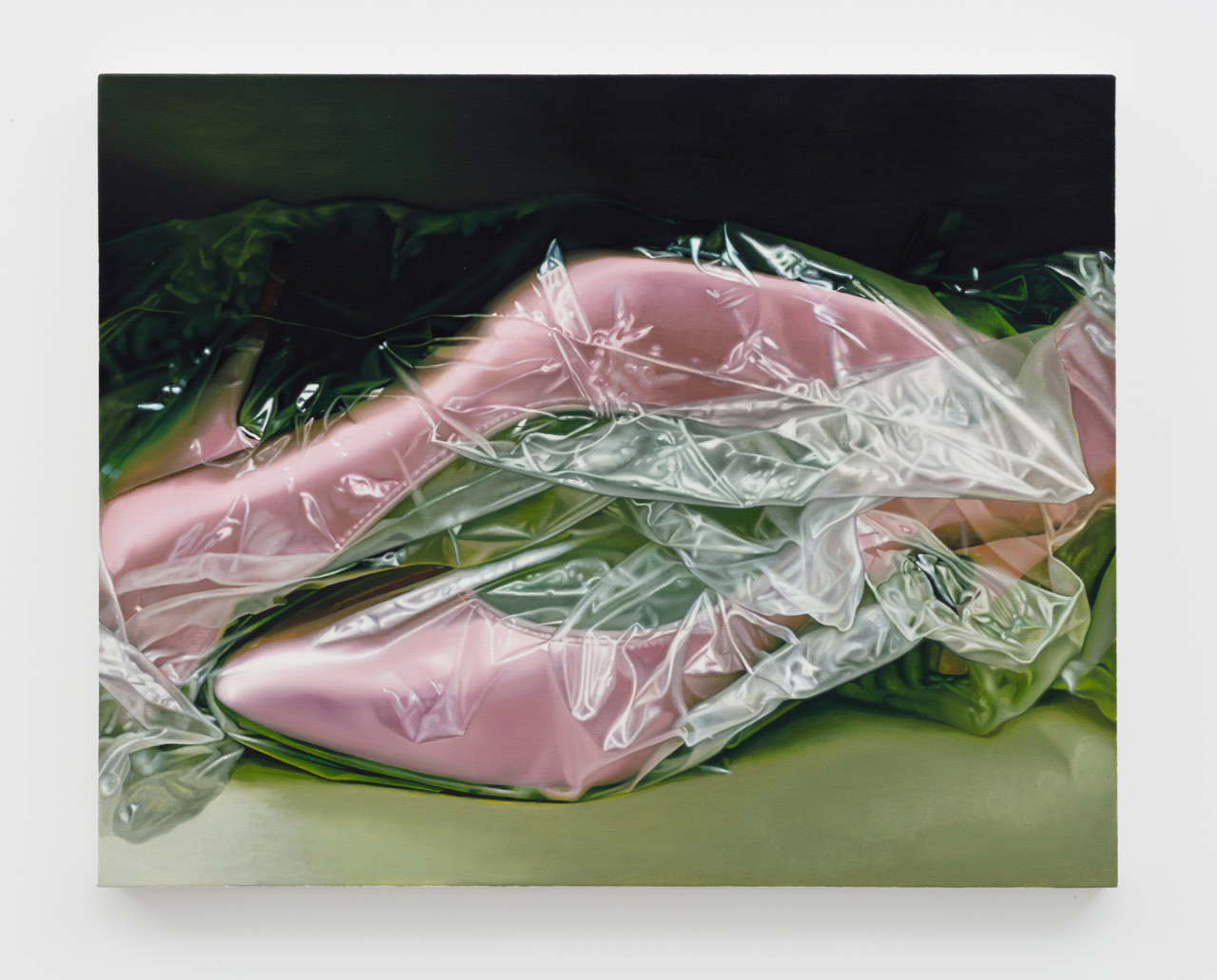
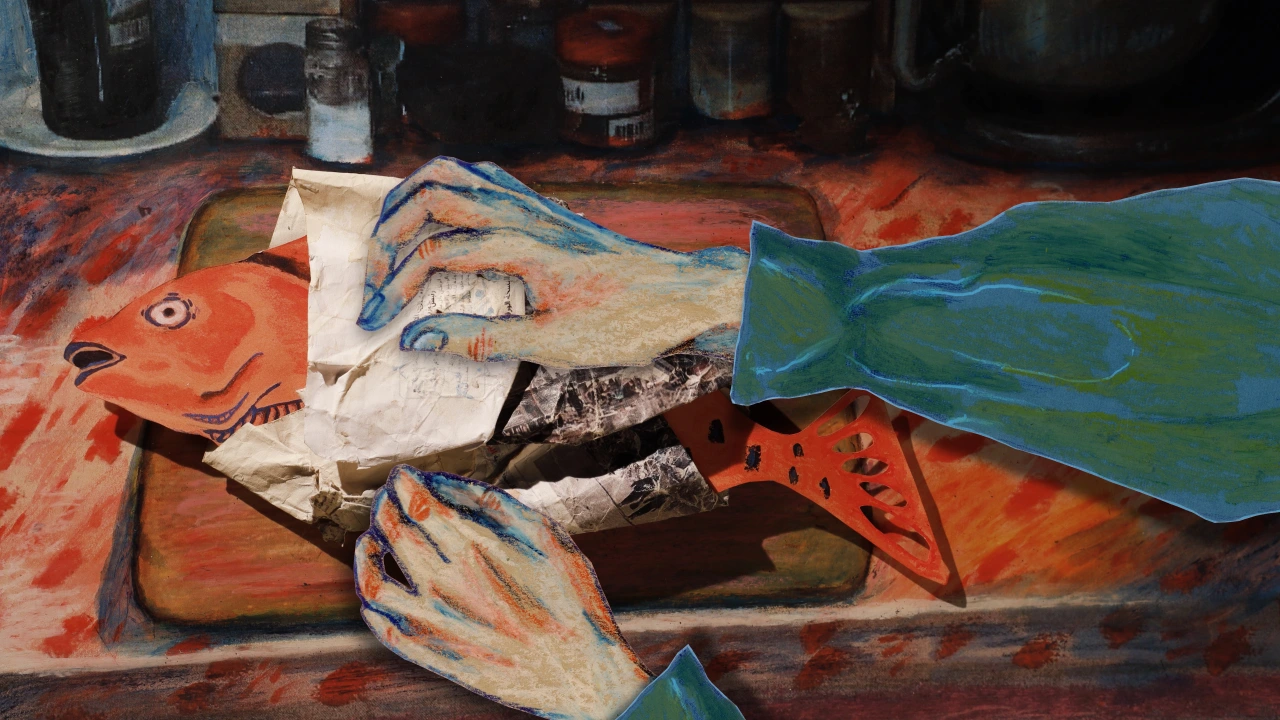
Her process for both mediums is similar. "Most pieces begin with a feeling or atmosphere that I want to recreate," she explains. From there, she builds a setting, introduces movement – like a hand passing through or a shadow being cast by the sun – and lets the imagery accumulate through layers. In painting, that means oil applied gradually; in animation, it means hand-painted watercolour and gouache backgrounds, worked over digitally with drawn elements and blending modes that retain the texture and tactility of the physical media. "I'm always trying to push the animation away from feeling overly clean or digital," she says, "so that it holds onto the material presence and the tactility of painting."
Sleepwalking evolved over two years of reading, free writing, and collecting, with influences from Peter Pan, dollhouses, and dream diaries. The animation unfolds almost like a collage of drifting sequences, one scene bleeding into another, with motifs that gradually emerged during production and revealed their emotional importance over time. "I wanted to create something open-ended," Cecilia says, "where symbols and narratives shift depending on the viewer and even change from one viewing to the next."
Lipstick by Candlelight, 2026
Sleepwalking, 2025
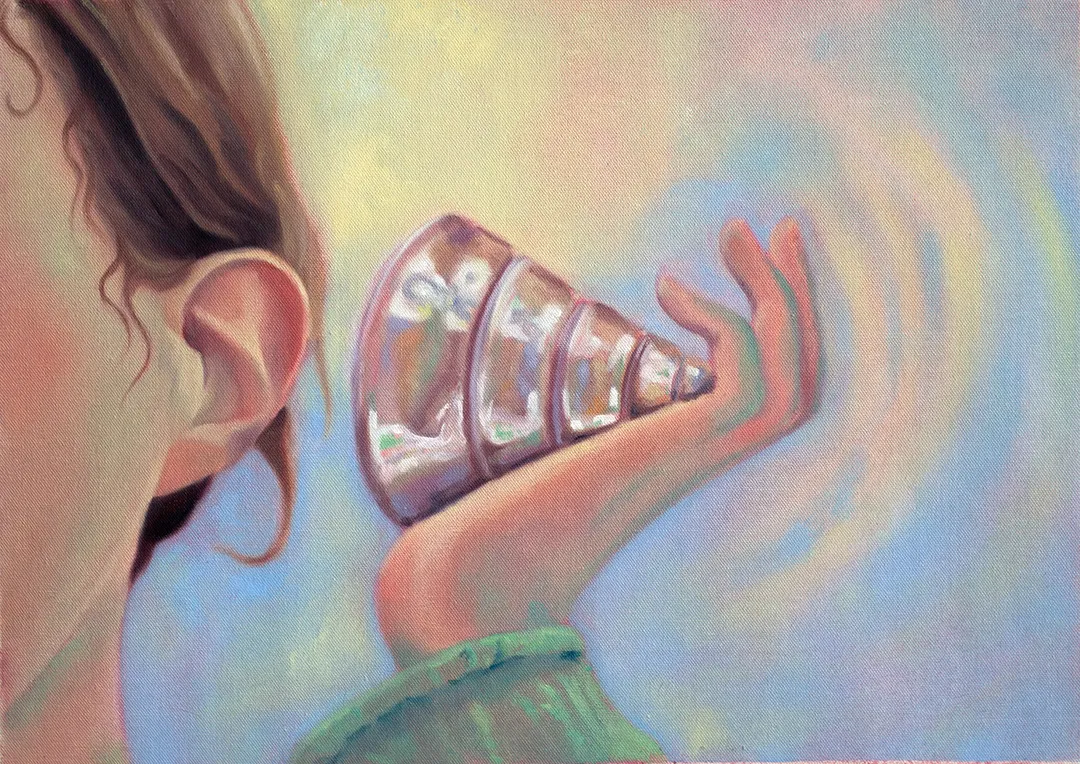
Echo, 2026
Washing Line, 2026
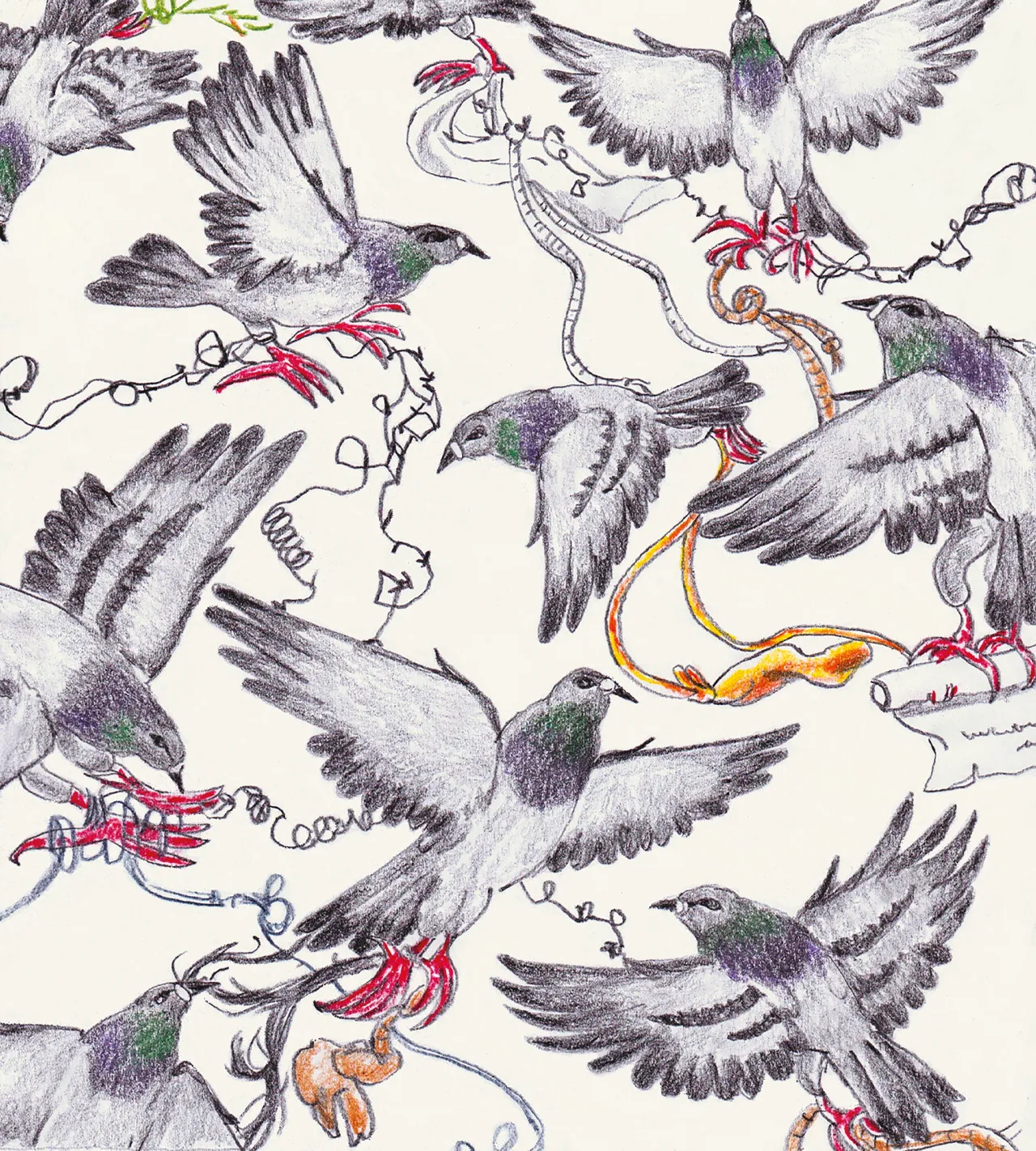
A recent painting, The Waiting Room, marked a turning point for Cecilia. We can see a flapping bird and a figure sitting cross-legged, but the rest of the elements are cropped and framed to give the illusion that something has just happened, or is about to. But you never really know. "I think of my paintings almost as stills from imaginary films," she says.
"The relationships between the figure and the birds are intentionally ambiguous, but they're connected through colour, lighting and atmosphere. I like the idea that the image holds its own internal logic and emotional narrative without ever fully explaining itself."
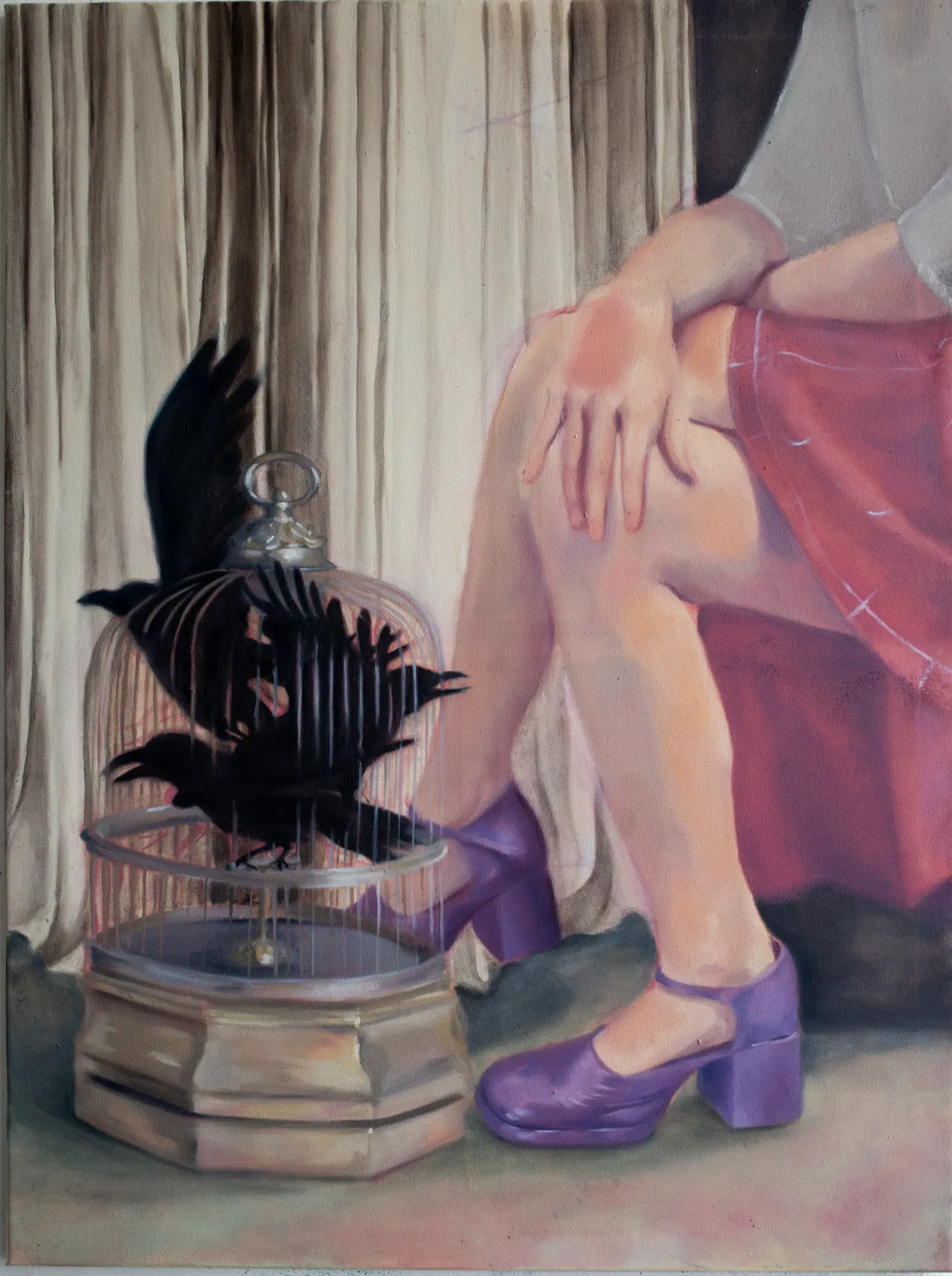
Waiting Room, 2026
Cecilia is drawn to the likes of García Márquez and Angela Carter, as well as magical realism and narratives that ease you so gradually into their own internal worlds that the uncanny starts to feel completely normal. Her paintings and animations work the same way. And when she's genuinely stuck, she opens The Book of Symbols at a random page. "Reading a symbol out of context can completely shift the way I'm thinking about an image," she says, "and unexpected connections often begin to form between ideas that initially seem unrelated."
It's a fitting method for an artist whose whole practice is built on the tension between what can be shown and what can only be felt. "My work often explores a particular internal atmosphere or emotional state that I can't fully put into words. A lot of the work comes from trying to externalise something internal, a longing, tension, memory or dreamlike sensation and then project that outward," she says. "I'd like people to feel transported, absorbed or quietly moved by the worlds I create, even in small ways."
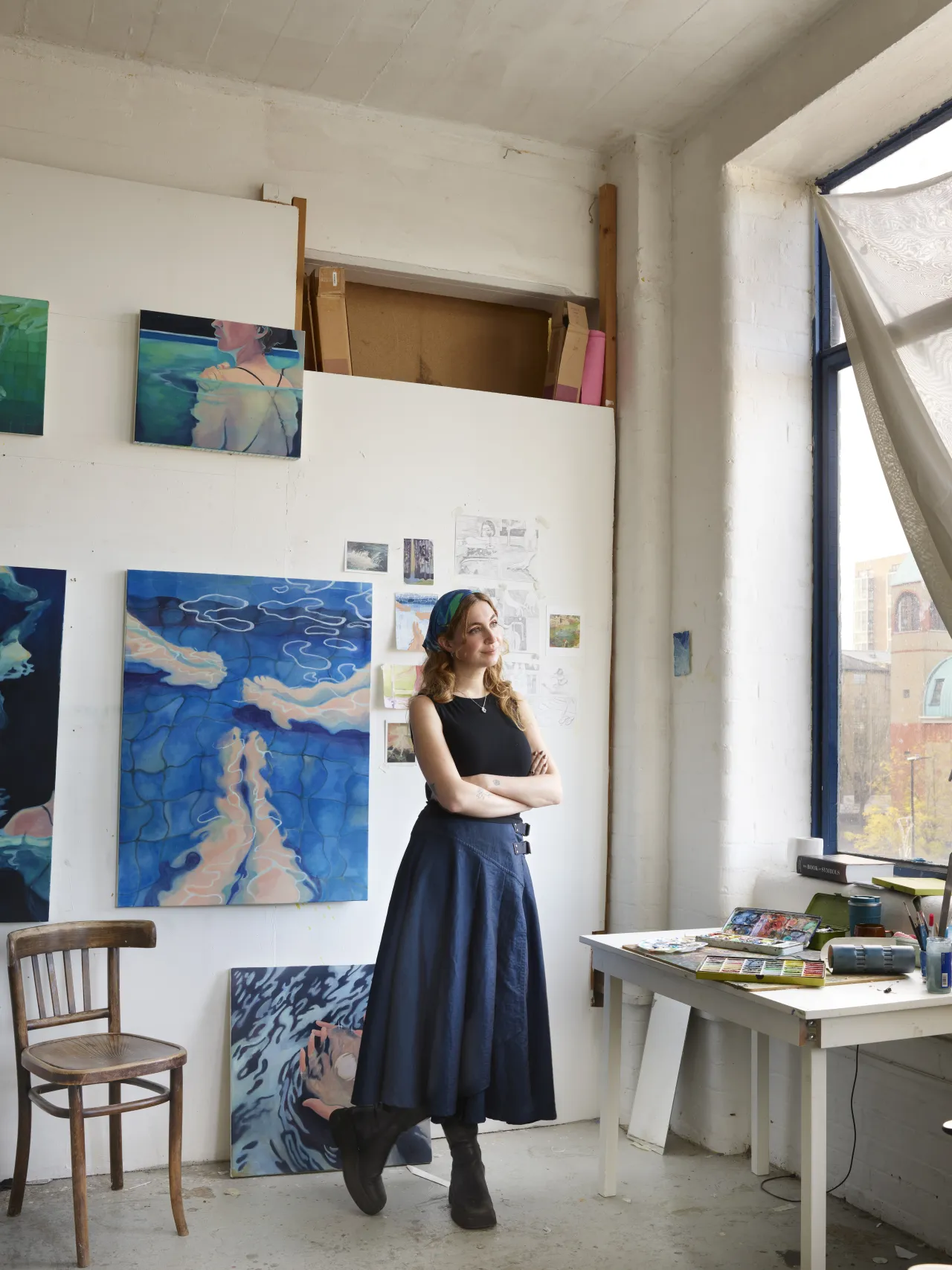
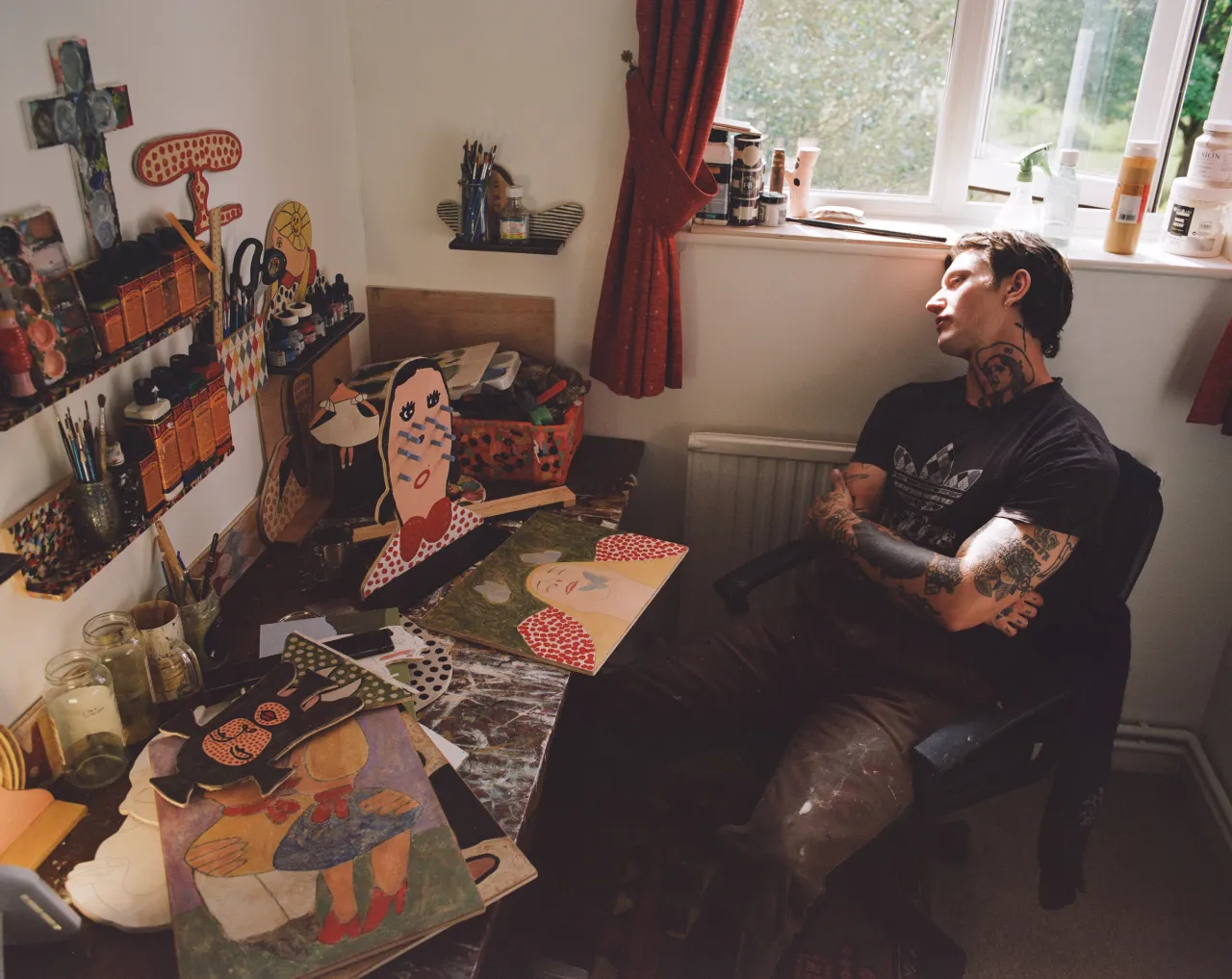
Studio Porttrait by Rachael Smith, 2025
Editor's Picks

Trending



Latest Jobs
Senior Account Manager at Consider
Full-time·London·£42,500
Frontend Developer at Northern Artillery
Full-time·Leeds·£35k–£45k
Lead 3D Designer at The British Museum
Full-time·London·£51,623 per annum
Senior Designer at Definition
Contract·London·£45k–£50k
Senior Graphic Designer at MoMA Retail
Full-time·New York·$72k-$80k
Graphic Designer at The National Gallery
Full-time·London·£39,353