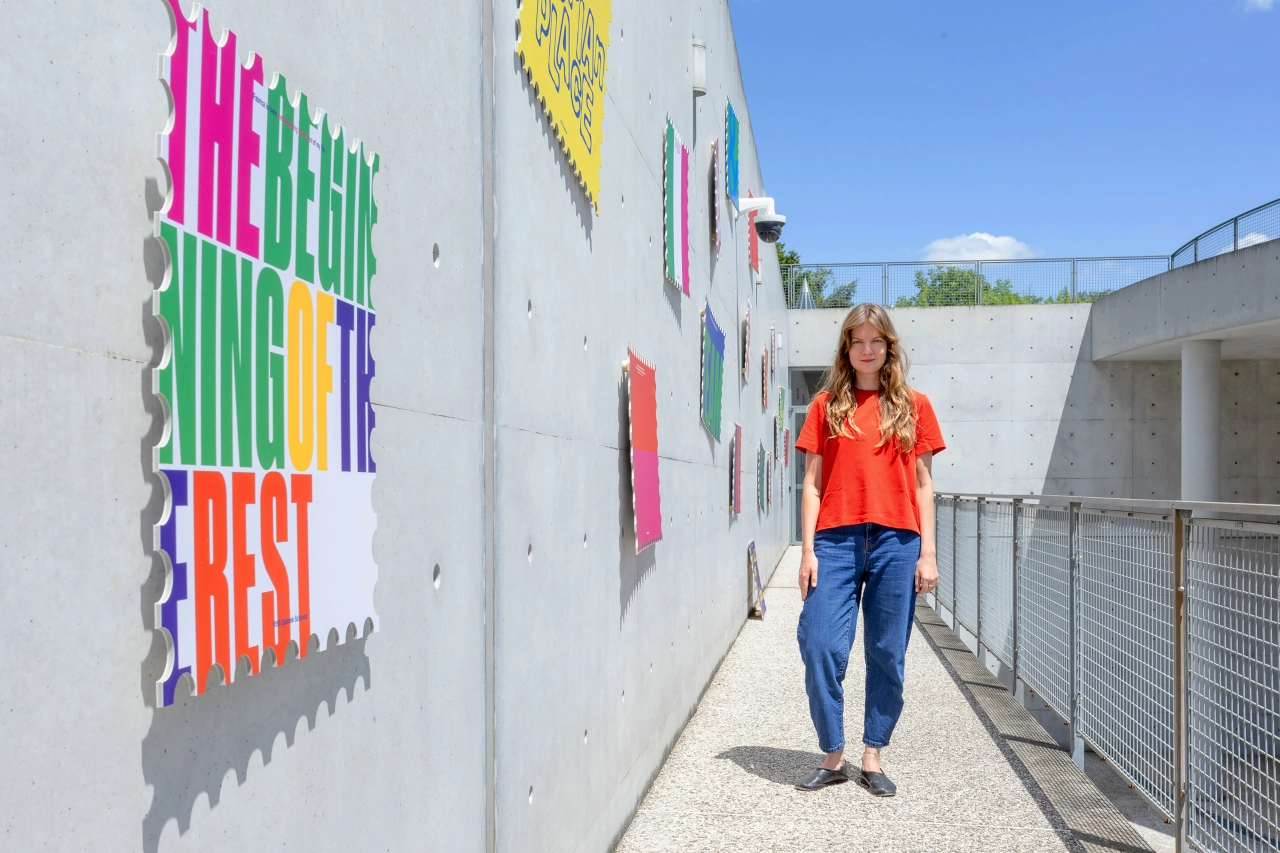
Maria Francesca Melis on embracing imperfection and the secret of successful brand collaborations
Originally from Sardinia and now based in New Zealand, illustrator Maria Francesca Melis reveals how her roots still shape her work.
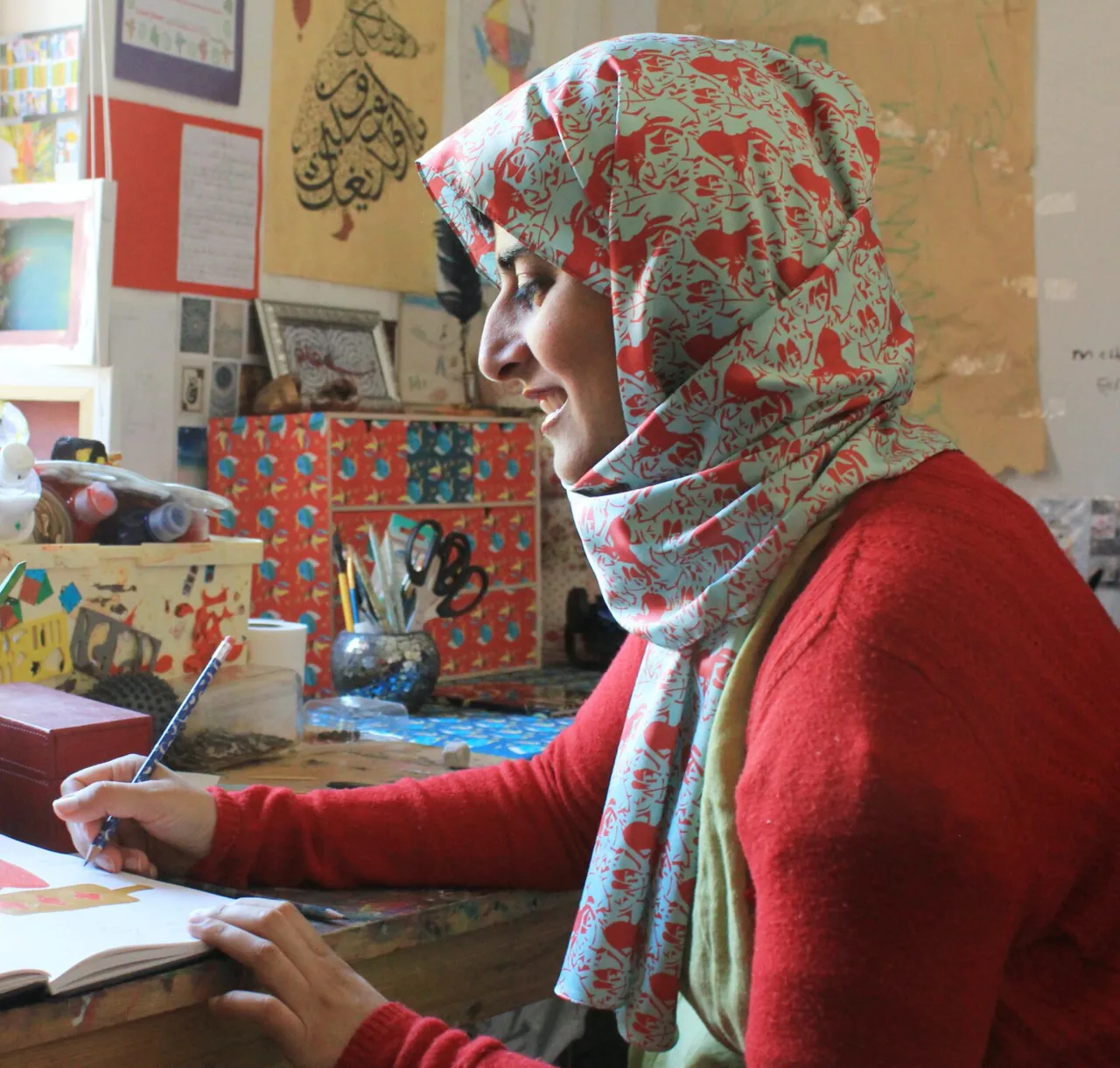
In art, as with any walk of life, it's important to remember where you came from. Illustrator Maria Francesca Melis has stayed true to this mantra, with work that references memories of growing up in Sardinia. As she's got older, she realises it's the little parts of her childhood that carried the greatest meaning.
These memories include watching her grandmother weave baskets using giunco - a type of rush that grows in Sardinia - as this showed a young Maria the calm beauty of making something functional with her hands. It's a thought that builds on Sardinia's rich textile traditions and explains why geometric shapes often appear in her work.
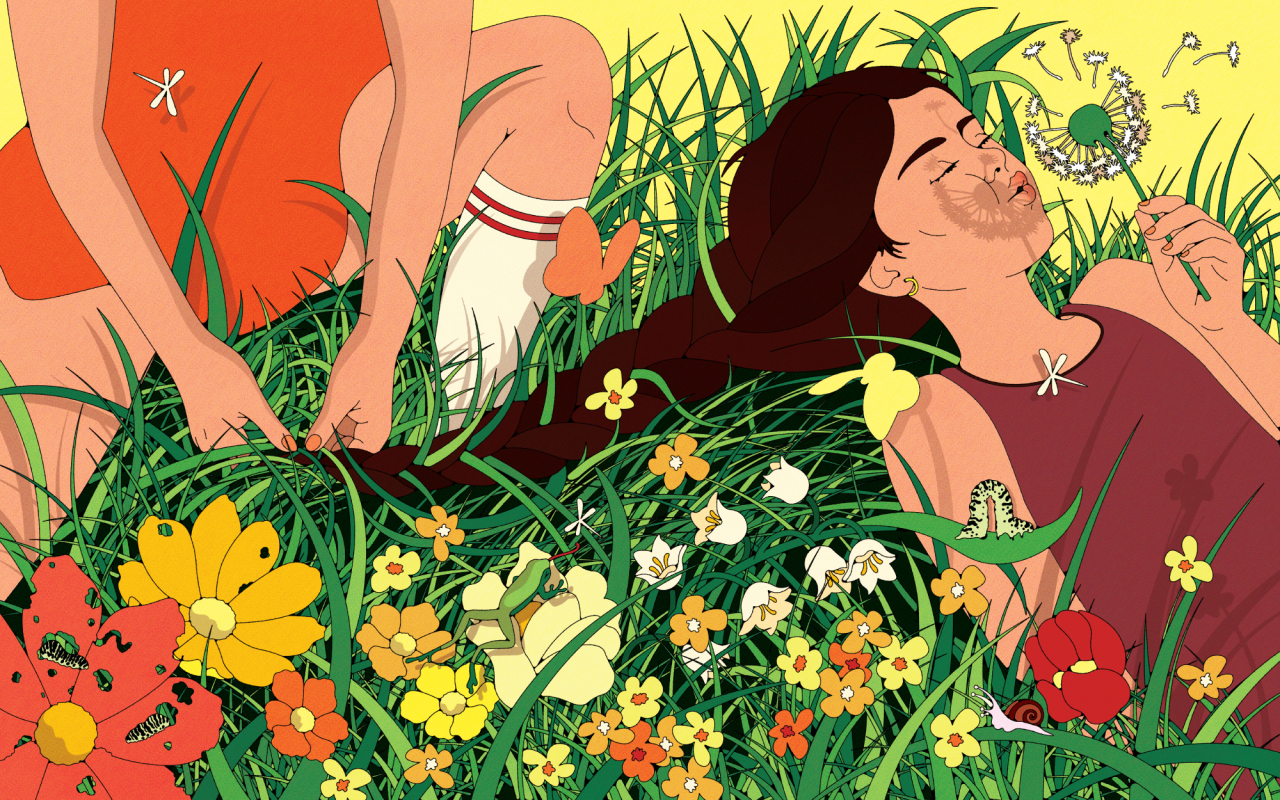
Elsewhere, Sardinian staples like harvesting food, traditional dances, and restful summer afternoons spent birdwatching with her dad show up in Maria's illustrations almost subconsciously. "I'm rarely trying to illustrate one specific memory; I'm just letting little fragments of home settle into the worlds I build," she tells Creative Boom. "Even when the scene is completely imaginary, those details give it a soul and a sense of place."
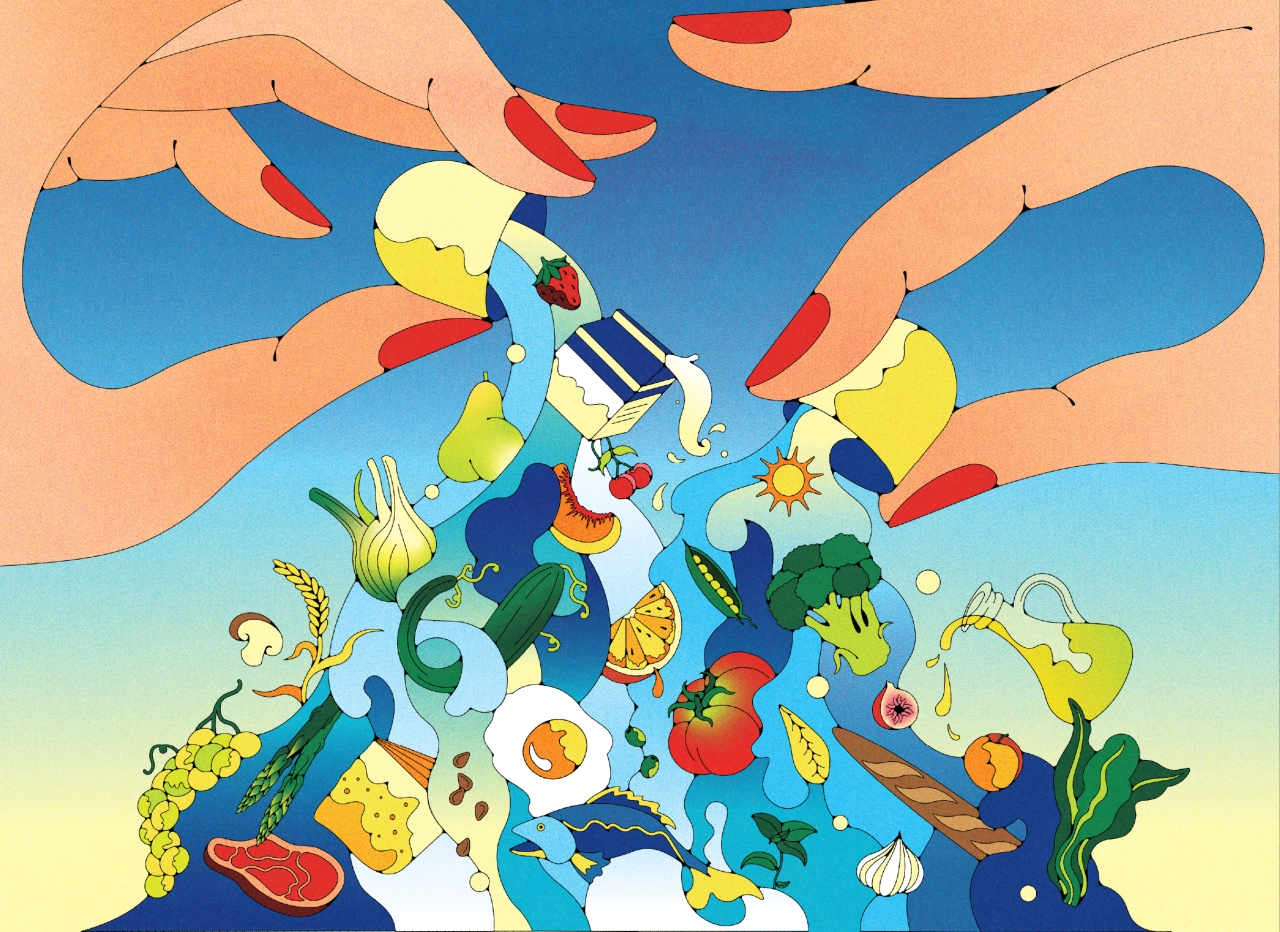
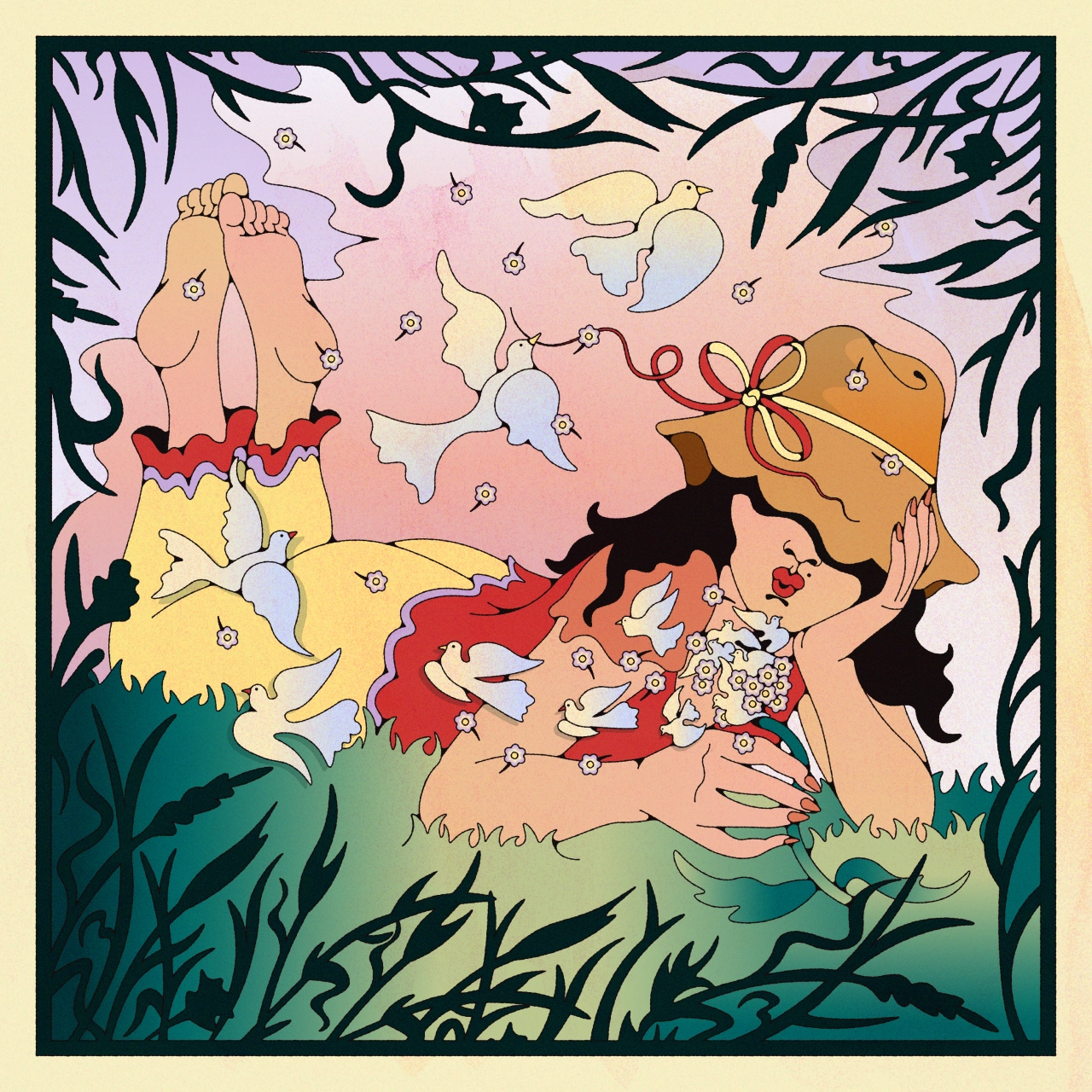
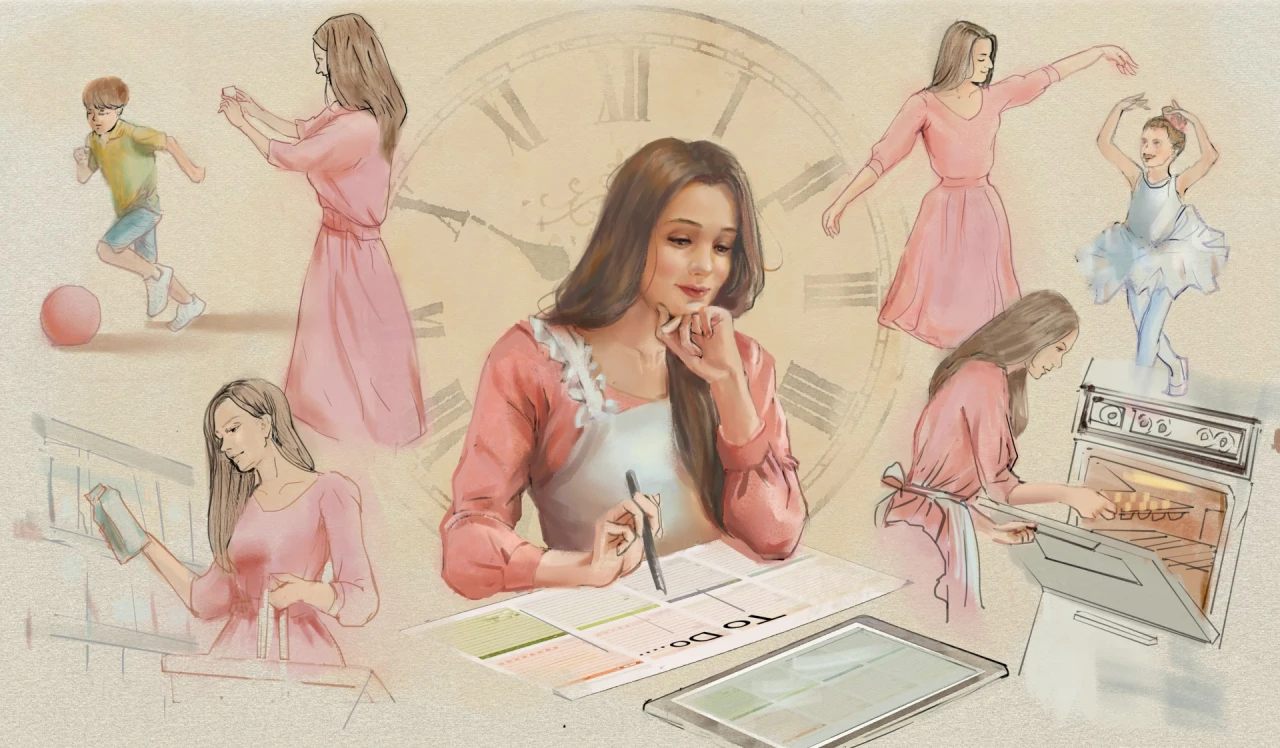
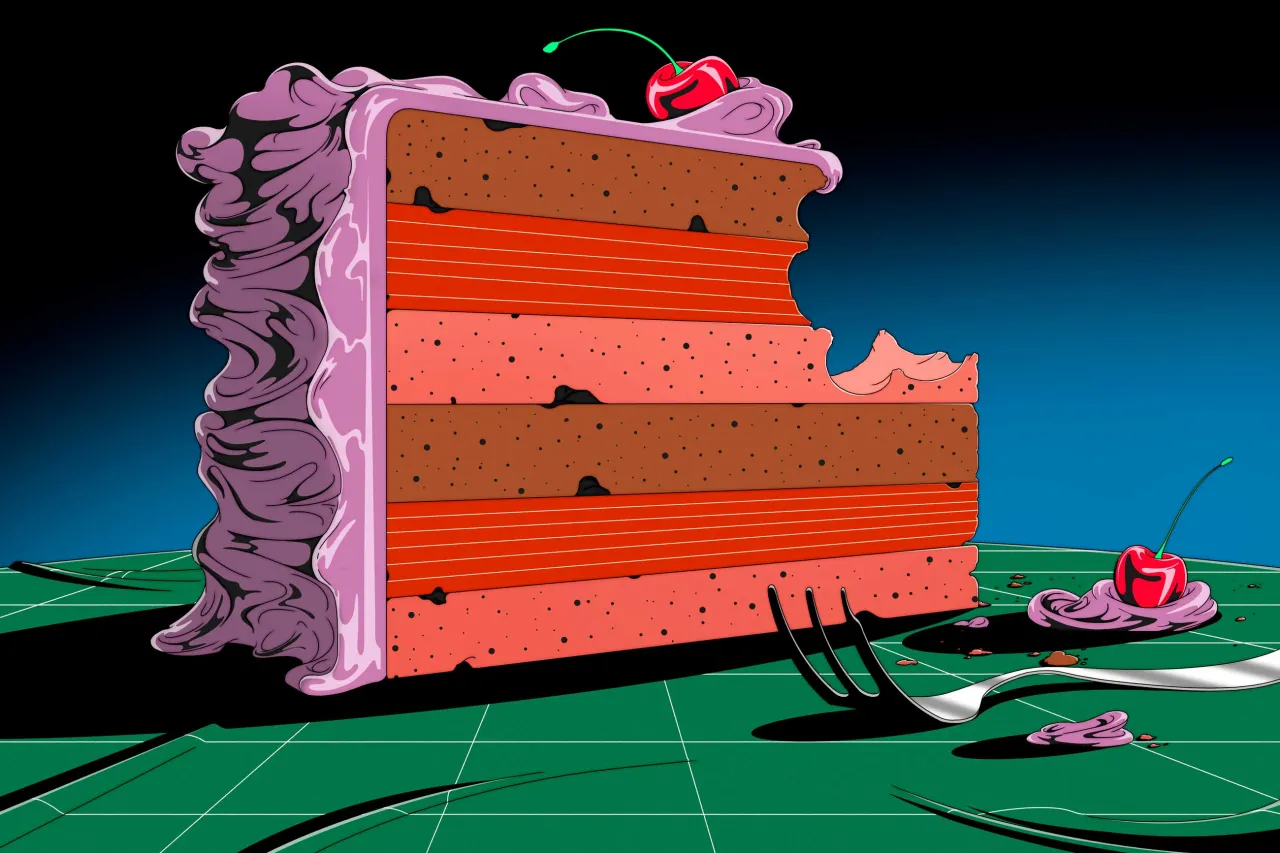
By their nature, memories can be inaccurate. This is no problem for Maria, though, as her work deliberately leans into life's imperfections. "For me, imperfection starts right at the beginning with the pencil sketch," she says. "I love the blank page, that precious moment when you realise it's empty, and anything is possible.
"There's a looseness to pencil, the visible movement of your hand on the page. When I move to ink, I deliberately avoid making the lines too straight or controlled; I prefer fluid, slightly irregular outlines."
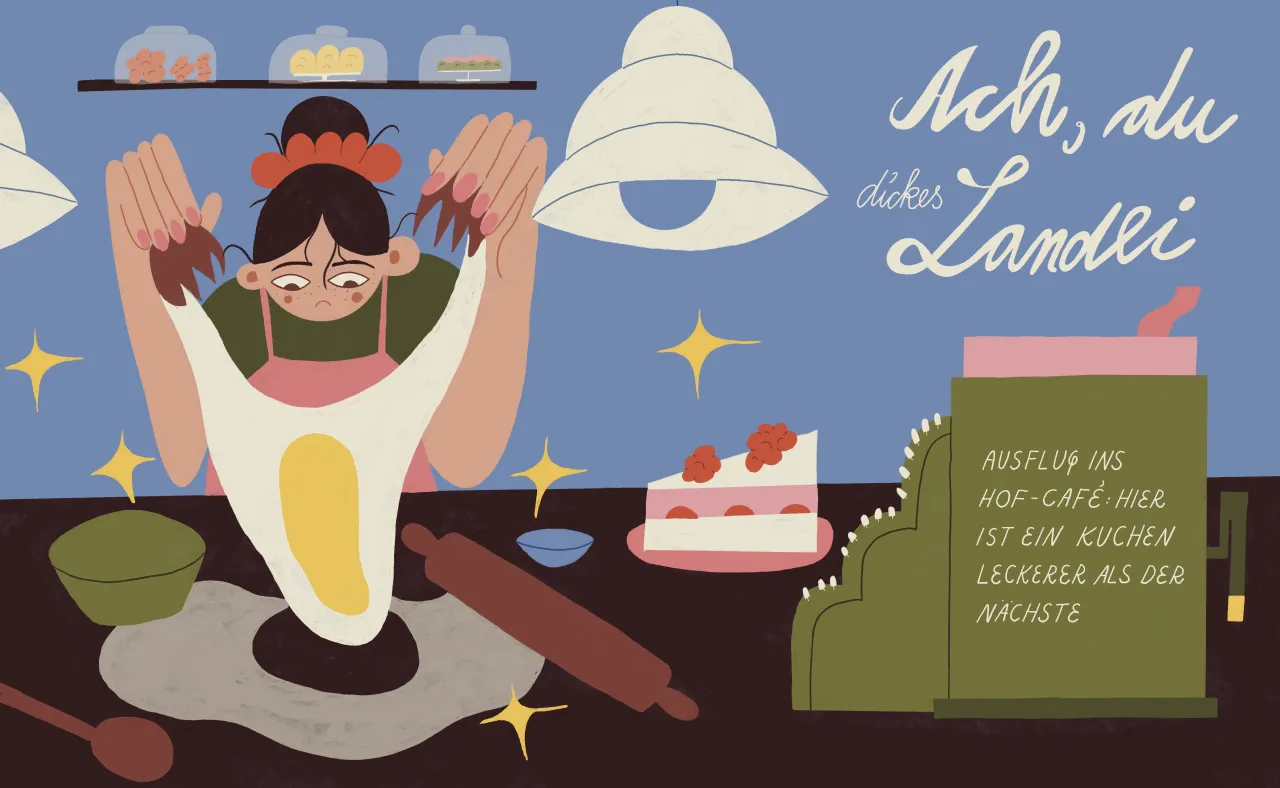
And while she colours digitally, Maria retains a sense of warmth and spontaneity by hand-scanning layers of watercolour textures. "I'm always looking for ways to keep that tactile feeling alive," she says. "In both my work and my life, I'm drawn to things that feel a little bit different. There's no such thing as 'perfect', just different ways of being. I try to let that idea guide my hand as much as possible."
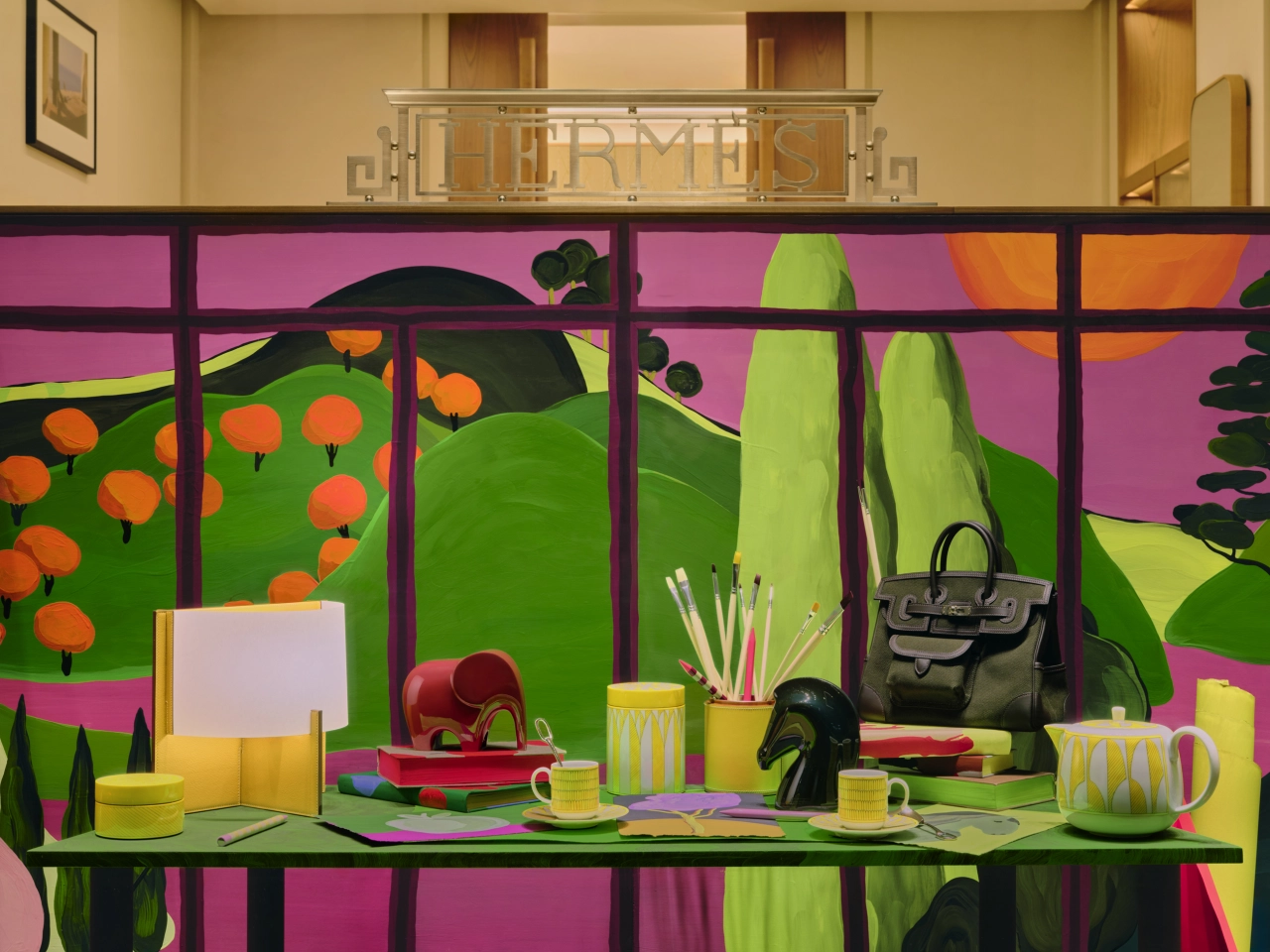
When it comes to client work, though, Maria cannot always draw on her Sardinian heritage. Recently, she created a full illustration campaign for Hermès' new flagship store in Beijing, with a brief rooted entirely in Chinese culture. The process involved extensive research into the country's architecture, decorative motifs, colours, and symbols. All while keeping in mind what was respectful and appropriate.
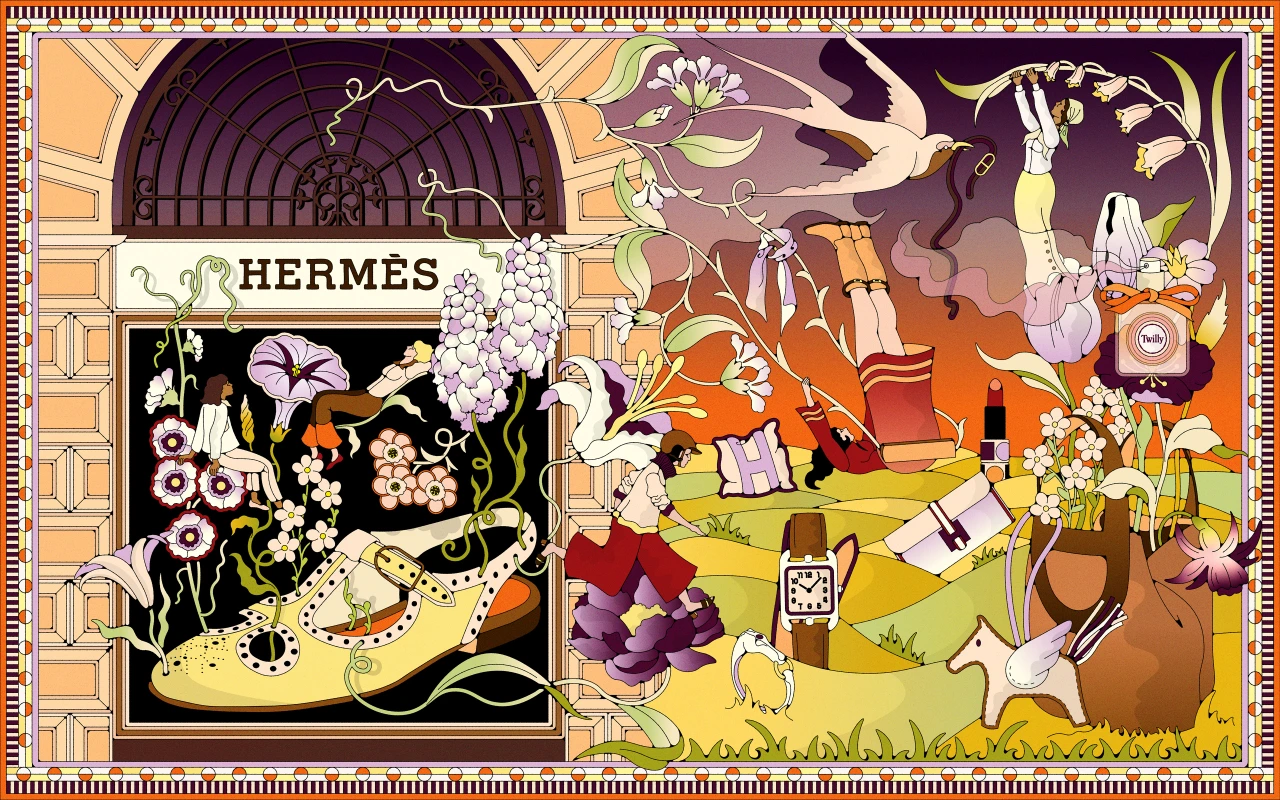
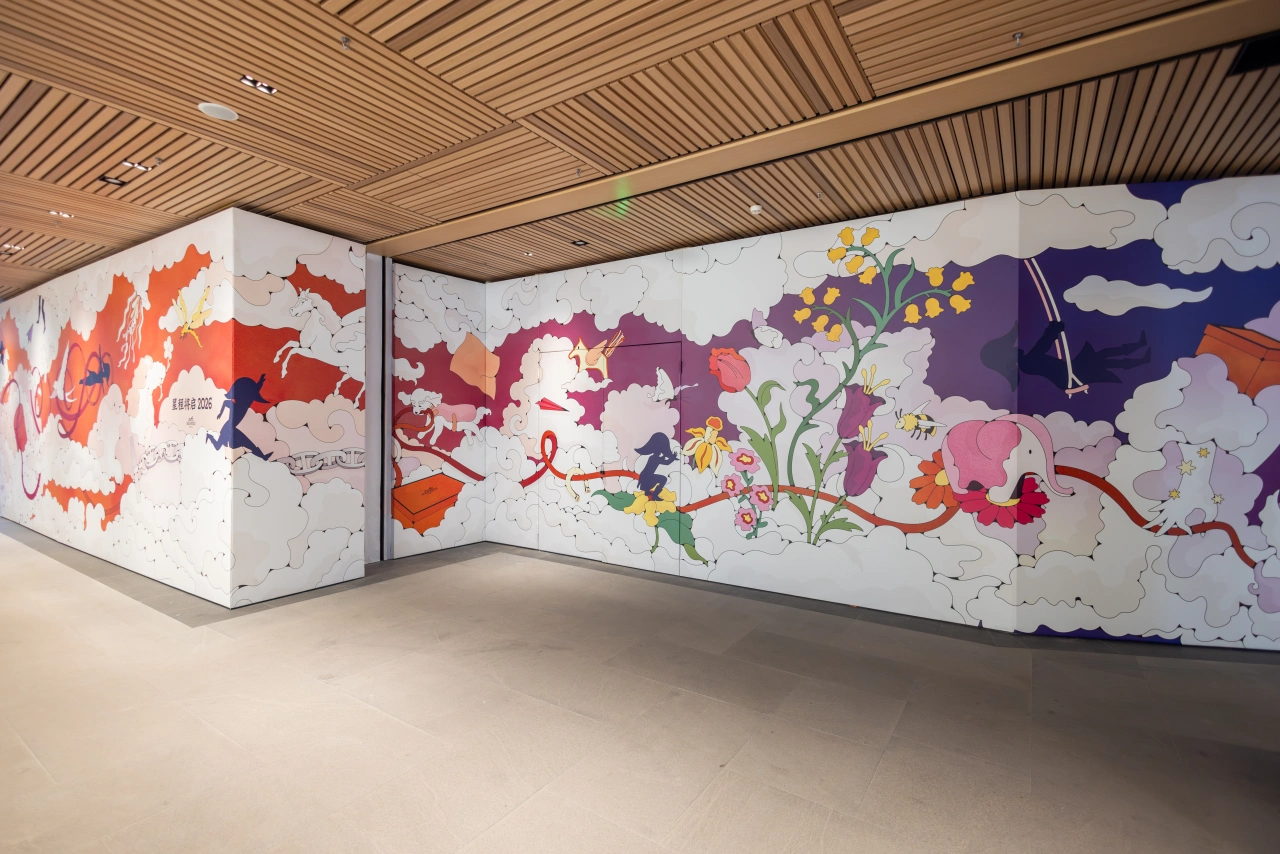
"I approached that research the same way I explore my own heritage, with extra care not to impose my cultural lens on someone else's," she says. "Rather than treating cultural references as surface decoration, I wanted to understand the place's roots and let its history guide the illustration's story. The botanical shapes, rich detail, and handcrafted feel were still my own visual language, but they had to meet Chinese cultural visual language."
Maria's biggest takeaway from the whole process was that cultural research isn't just about gathering visual references; it's more a way of thinking. And by digging a little deeper, she could create illustrations with a stronger sense of meaning.
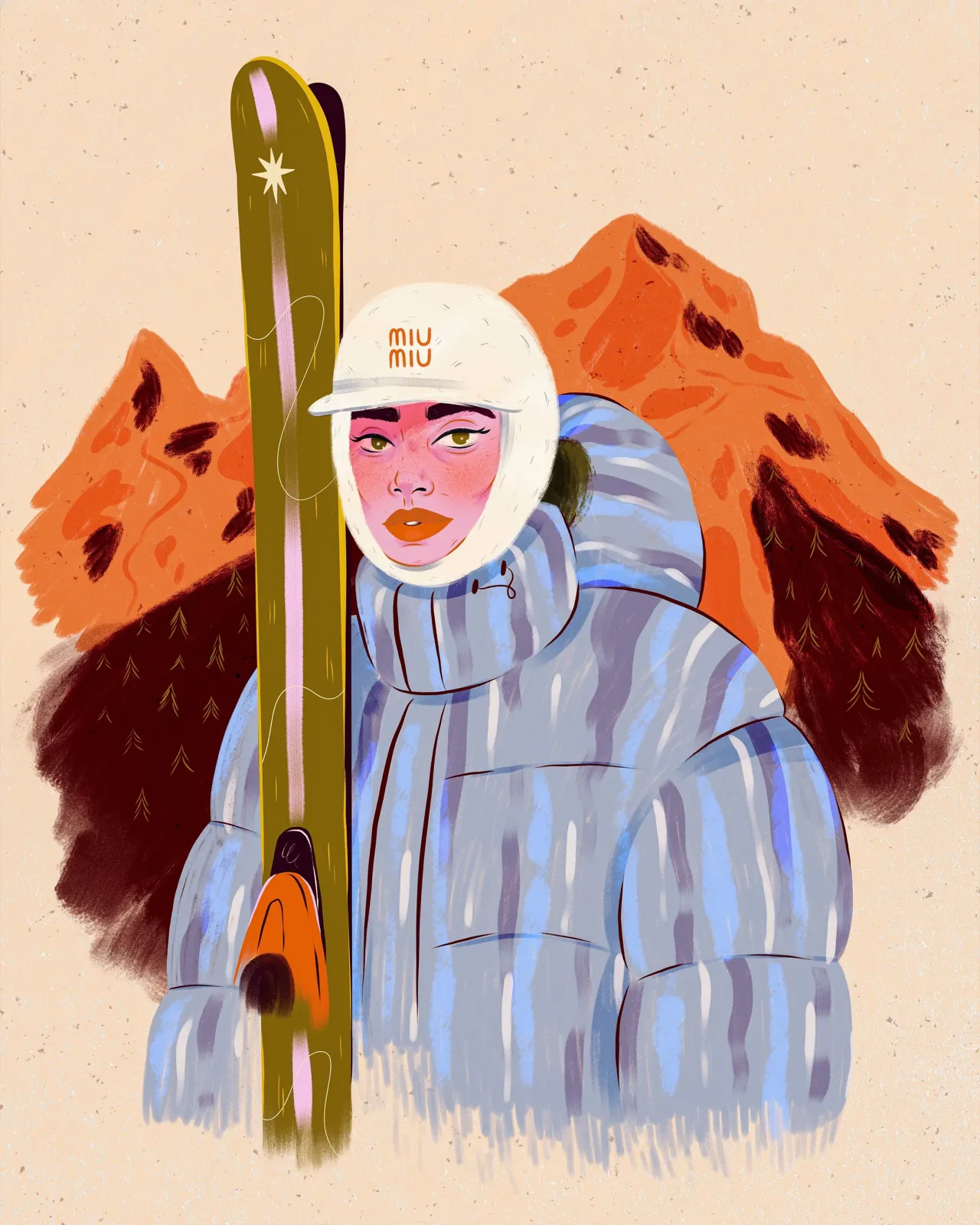
"All of this also reinforced something I really value about working with strong brands: you don't have to disappear into their visual identity," she says. "The most interesting collaborations happen when you find a meeting point between their world and your own."
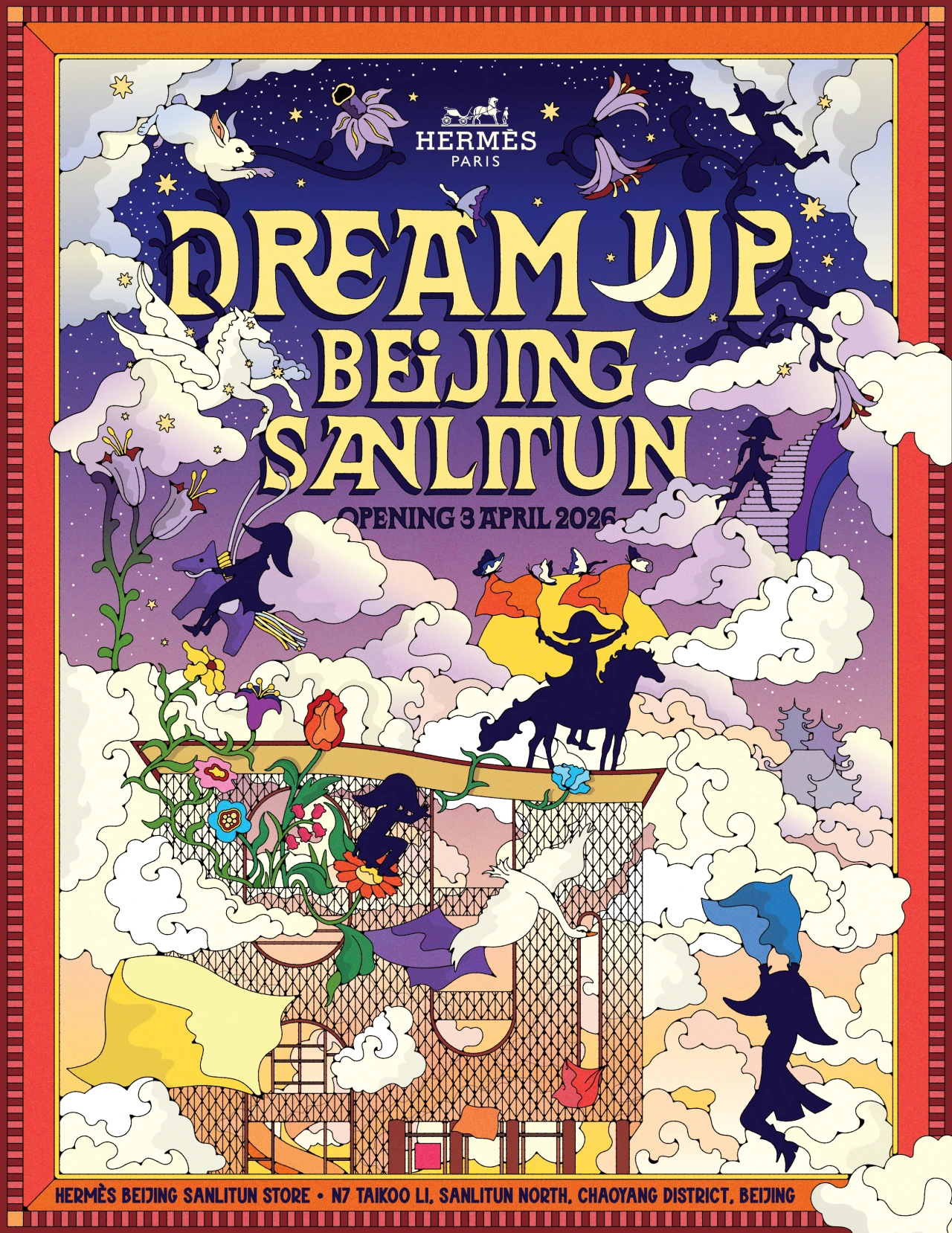
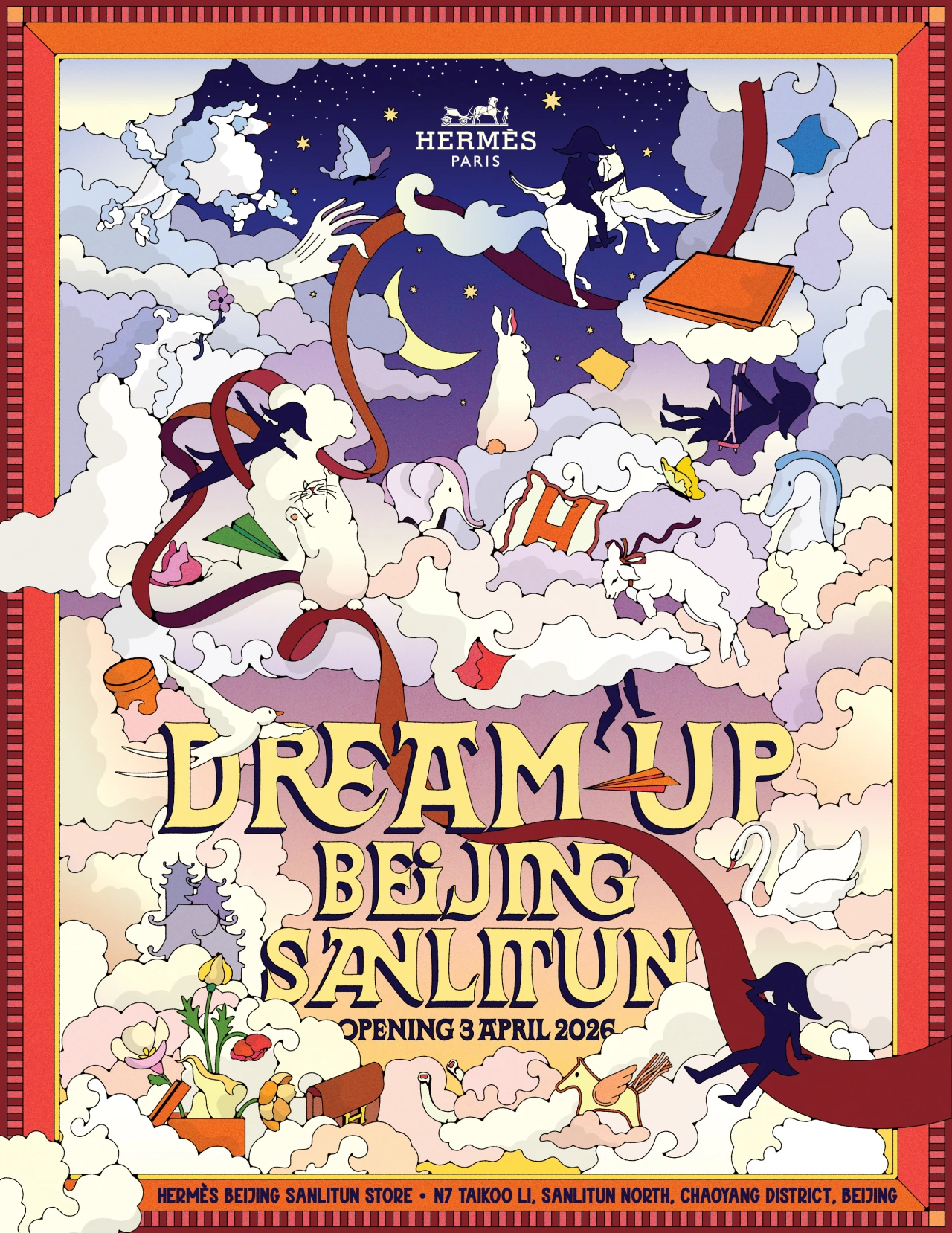
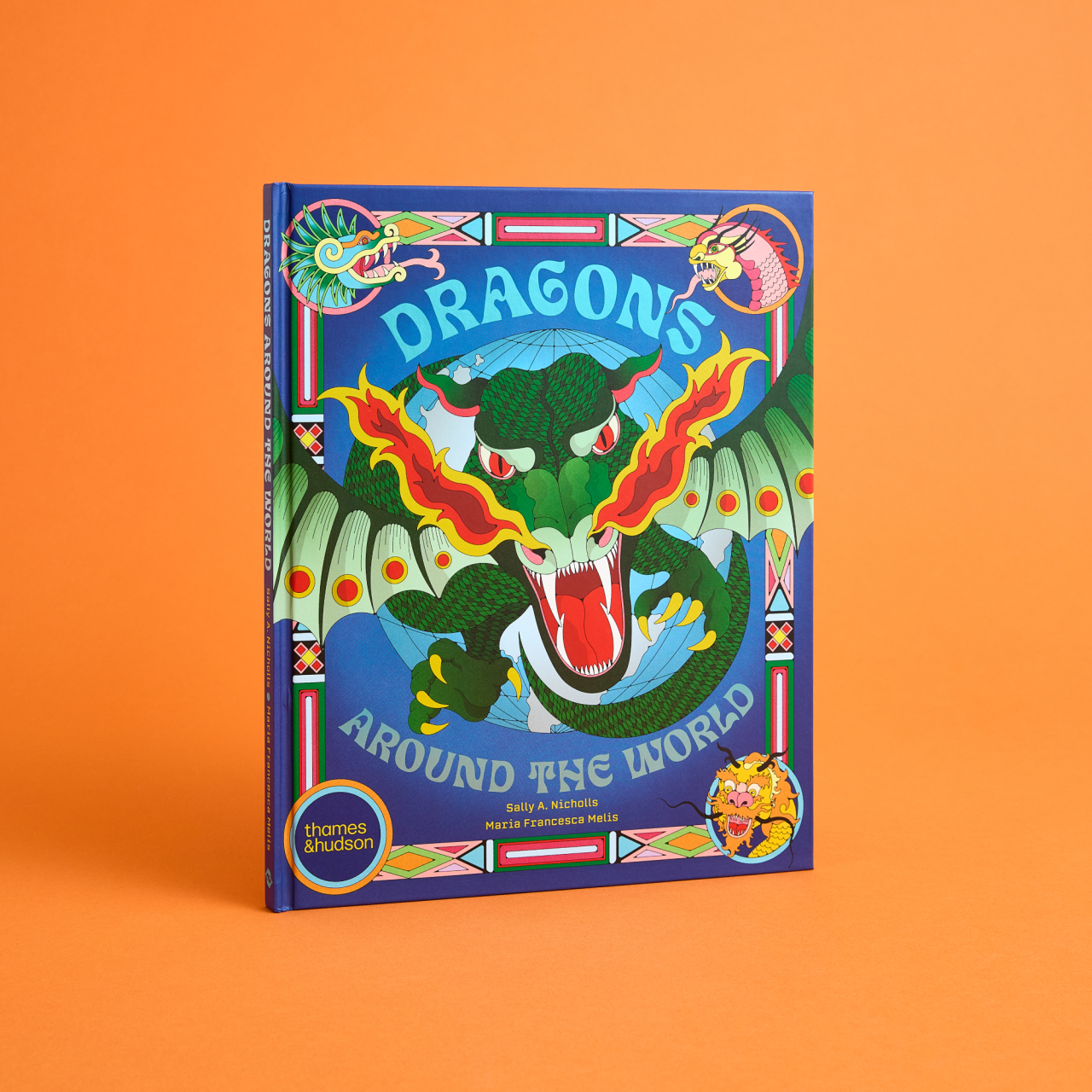
These lessons served Maria well for her first fully illustrated book, Dragons Around the World for Thames & Hudson. "That project really pushed me," she says. "I was a little intimidated at first, but I've learned that whenever a project scares me, it's usually because it's going to teach me a lot."
Unlike a single editorial illustration, which usually solves one visual puzzle at a time, Maria admits a whole book is a completely different beast. "You're building an entire universe where the symbols, colour palettes, borders, and details all have to speak the same visual language," she says.
Added to this was the fact that each dragon comes from a different culture and era, so Maria had to do a lot of research to honour each tradition while still keeping the book cohesive. But there was one dragon which brought together both her love of imperfection and her Chinese studies.
"I completely fell in love with Long, the Chinese dragon," she says. "Growing up, I saw dragons as fierce or frightening, so it was wonderful to discover how differently people view them around the world. Long is a wise, gentle guardian of rivers and seas who sleeps underwater in winter and rises in spring to move through the sky and bring rain to the land."
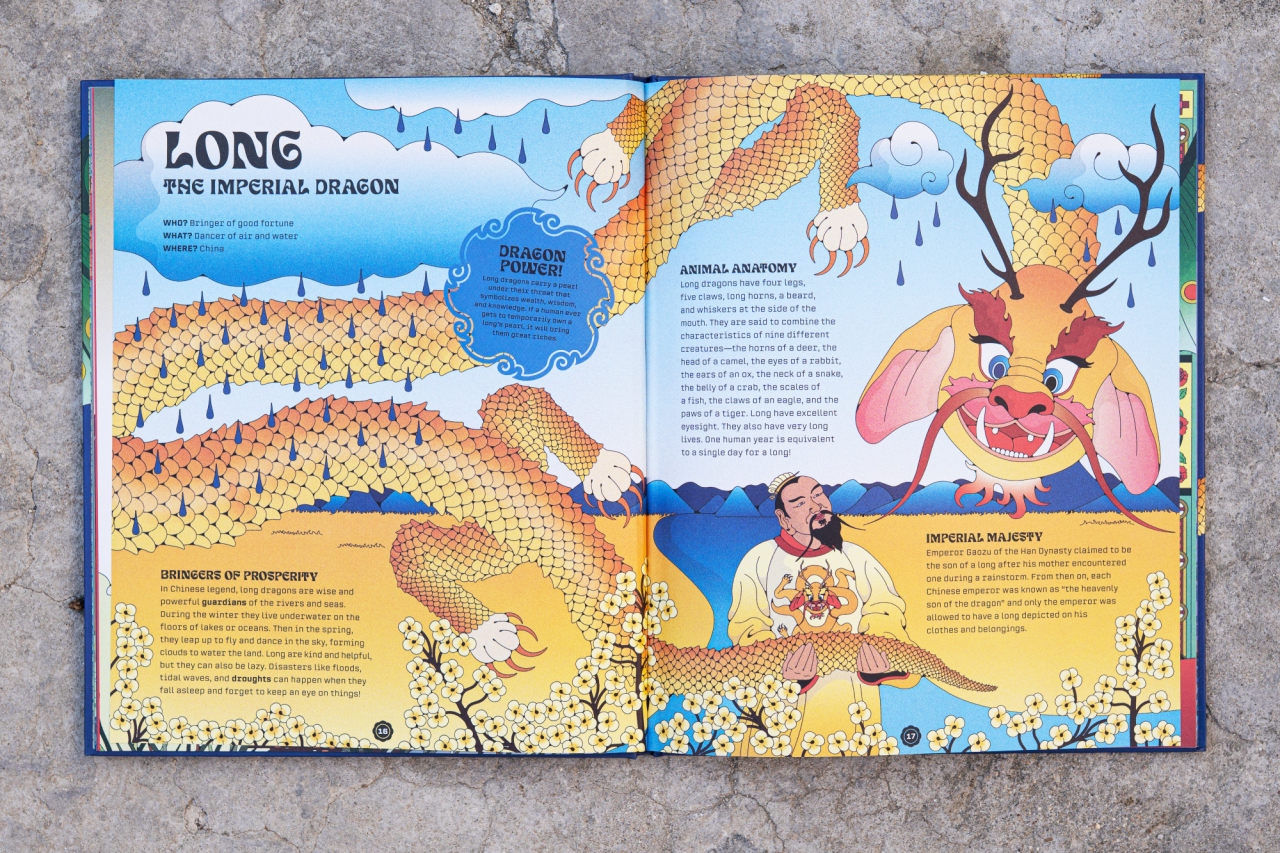
She continues: "He's kind and helpful, but he can also be a bit lazy. If he dozes off and forgets to keep watch, he accidentally causes floods or droughts! I loved that contradiction. There's something so endearing and human about a powerful creature that gets distracted, falls asleep, and makes mistakes. I'm always drawn to characters that aren't entirely predictable."
Now based in New Zealand, Maria is channelling her findings of the country into her work. "One concept that completely shifted how I see home is Kaitiakitanga, the Māori philosophy of guardianship and caring for the natural world," she says.
"When you grow up somewhere, it's easy to take its beauty for granted because it's just your everyday backdrop. Living in New Zealand and learning to see nature through that lens made me fall in love with Sardinia all over again."
Maria carries this sense of responsibility towards the earth with her everywhere now. "So even if New Zealand isn't always literally visible in my drawings, it's definitely inside my work. It changed how I look at the landscapes I grew up with and deepened what it means to belong to a place. In a way, I carry both islands with me."
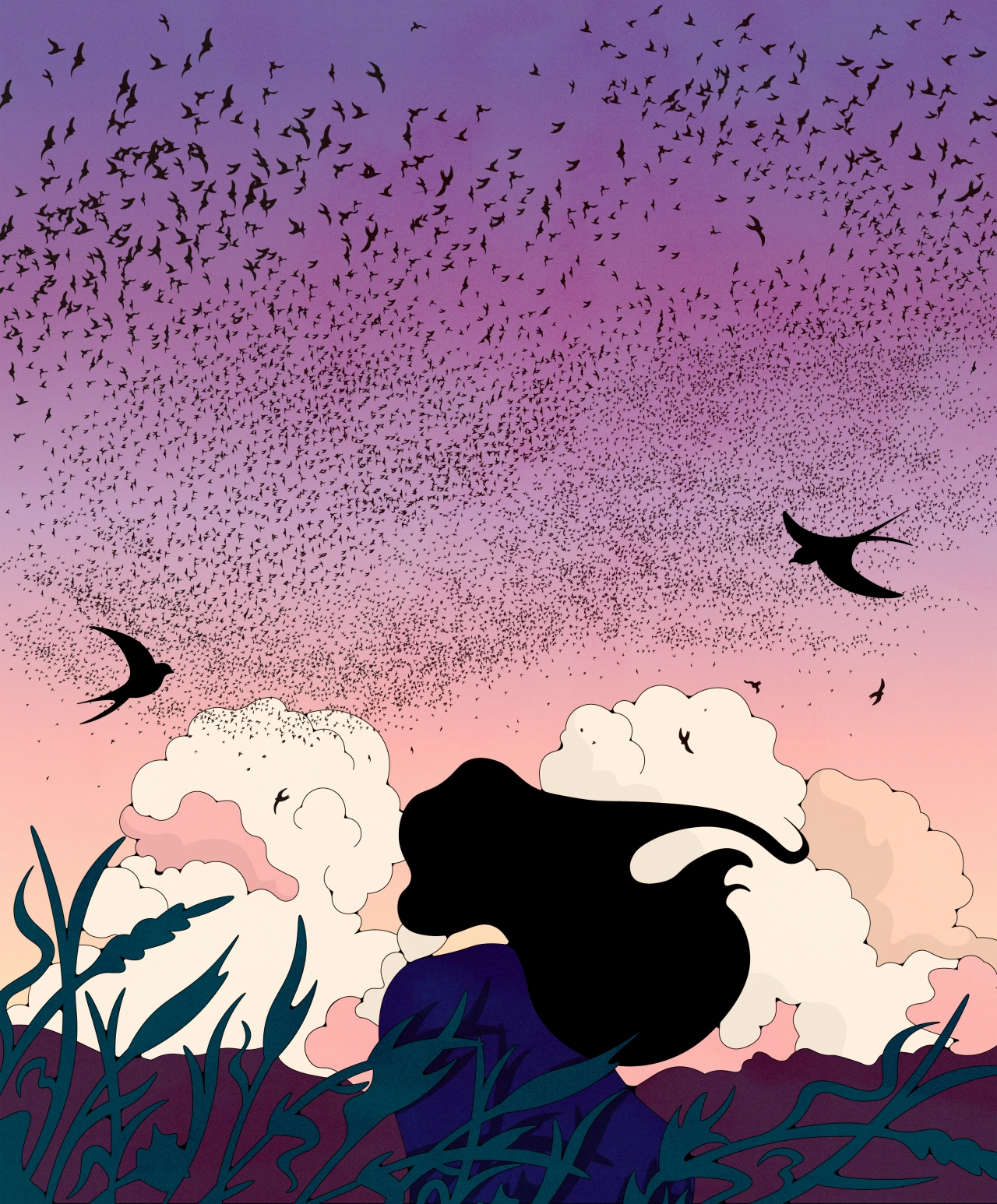
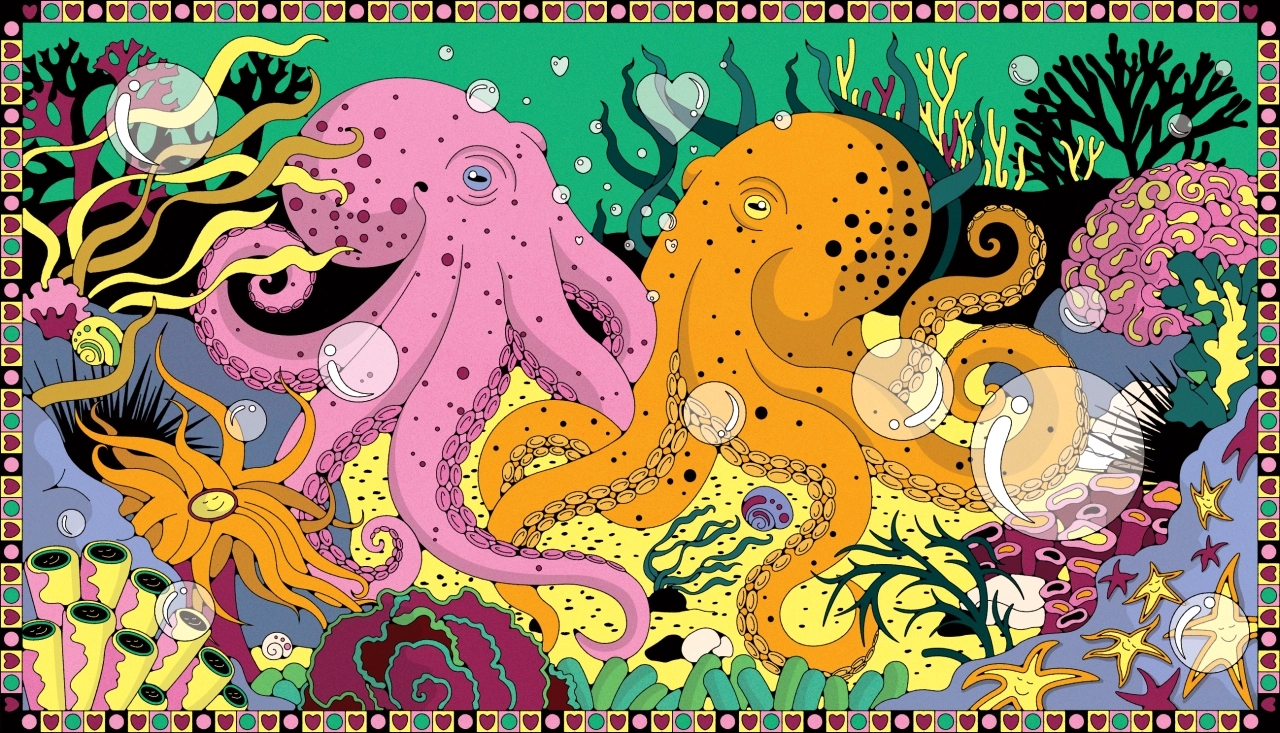
Like many artists, Maria is aware of the potential threats posed by AI. But while she admits AI can imitate the surface appearance of a subject, it cannot draw on memories and life experiences in the same way she has.
"AI needs us; it can replicate a style, but at the end of the day it can only replicate what already exists," she says. "That's what I love most about handmade work: you can feel the presence of the person who made it. All those tiny, inefficient decisions are what make an image breathe."
The rise of AI doesn't compel Maria to create more work faster, either. Instead, it has shown her that the most important thing for illustrators right now is having something genuine to say, rooted in real life.
"My work is built out of my memories, the places I've lived, and the way I see the world," she says. "You can't separate the art from the person. If someone just wants a pretty picture, there are plenty of ways to get one now. If they want your way of seeing, only you can give it to them."

Editor's Picks
Trending

Latest Jobs
Midweight Designer at Cake Agency
Full-time·Birmingham·£30k – £35k
Senior Account Manager/Client Partner at ITCH Media
Full-time·London·£40k – £55k
Senior Account Executive at Floresco Media
Full-time·Bristol·£29k – £33k
Intern – Social Media Manager at We Are Social
Full-time·Amsterdam·€500 a month
SEO and GEO Content Strategist at Loom Digital
Full-time·Bristol·£35k – £37k
Senior 2D Motion Designer at Koto
Full-time·London·£52k – £69k