How Nosheen Ahmed lost her side business to AI, and bet her whole career on the 'human hand'
She worked as a dentist for more than two decades before she found the courage to call herself an illustrator too. Now, with AI flooding publishing, Nosheen Ahmed makes the case for the human hand – and the belief that no experience is ever wasted.
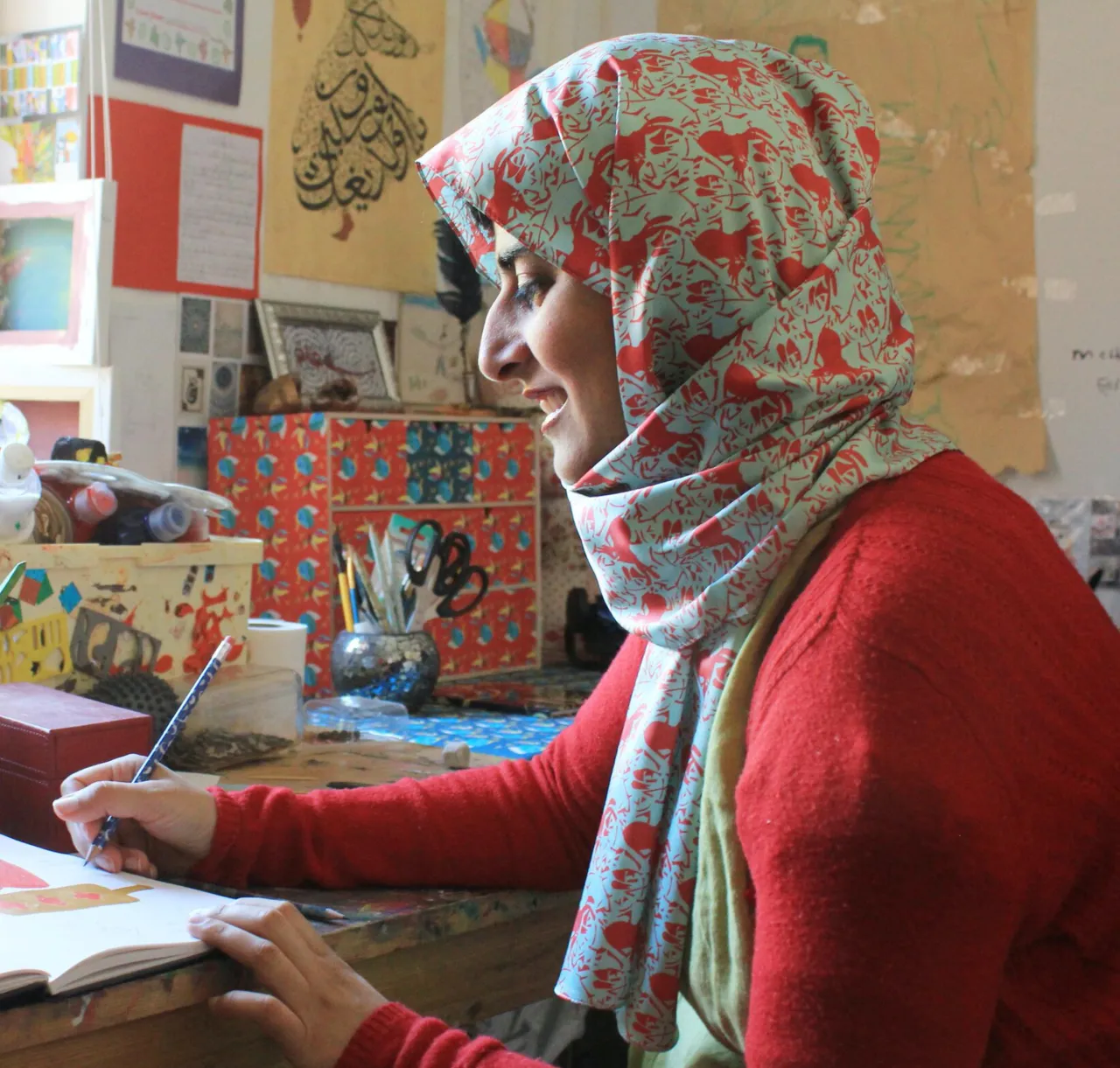
I first met Nosheen Ahmed at a Creative Boom IRL event in Manchester. It had been a while since I'd hosted anything like that, stepping in for the brilliant Pip Rustage and John Cooper to bring local creatives together, so I was feeling a little rusty. I needn't have worried. The people of Manchester are always warm and welcoming, and Nosheen especially. She was like a radiator, all smiles and mischievous giggles, and, most encouragingly, full of optimism about the industry's future. She told me she didn't fear AI one bit.
So why does a friendly book-cover illustrator feel so calm about the technology that's unsettling absolutely everyone else?
"I've always been creative. I've been drawing in one form or another for as long as I can remember, and even while working as a dentist I was always looking for ways to bring creativity into my life," she says. "For years, though, I was too frightened to say out loud that I wanted to be a professional illustrator. When you suppress something so fundamental to who you are, it eventually becomes impossible to ignore. My creativity felt like energy building up inside me. I reached a point where I knew that if I didn't acknowledge it, I would feel as though I was denying an essential part of myself."
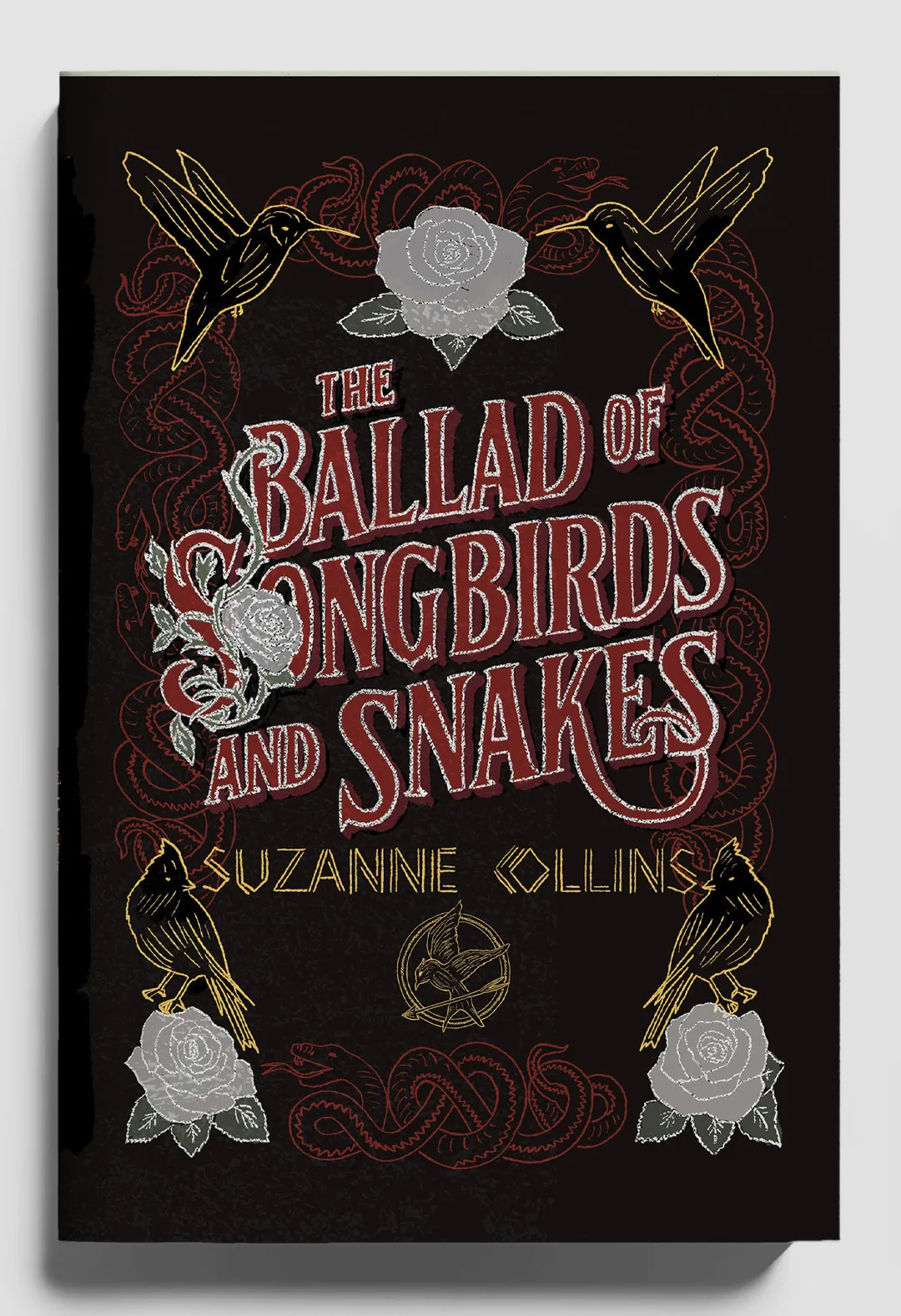
"It was a gradual evolution towards owning an identity that had always been there," she continues. "Saying 'I'm an illustrator' for the first time felt terrifying, but also incredibly liberating. I still work as a dentist, but I'm much more comfortable embracing both sides of myself now. I'm analytical and creative. I'm a dentist and an illustrator. For a long time I thought I had to choose. Now I realise I don't.
"I grew up in an immigrant family where certain careers were seen as safer, more respectable and more secure. Doctor, dentist, lawyer, and engineer were the professions you were encouraged to pursue. Creativity felt much more uncertain.
"But I started believing that choosing creativity meant I wasn't being sensible or successful. It has taken me years to realise that success doesn't have to look the way somebody else imagined it for you."
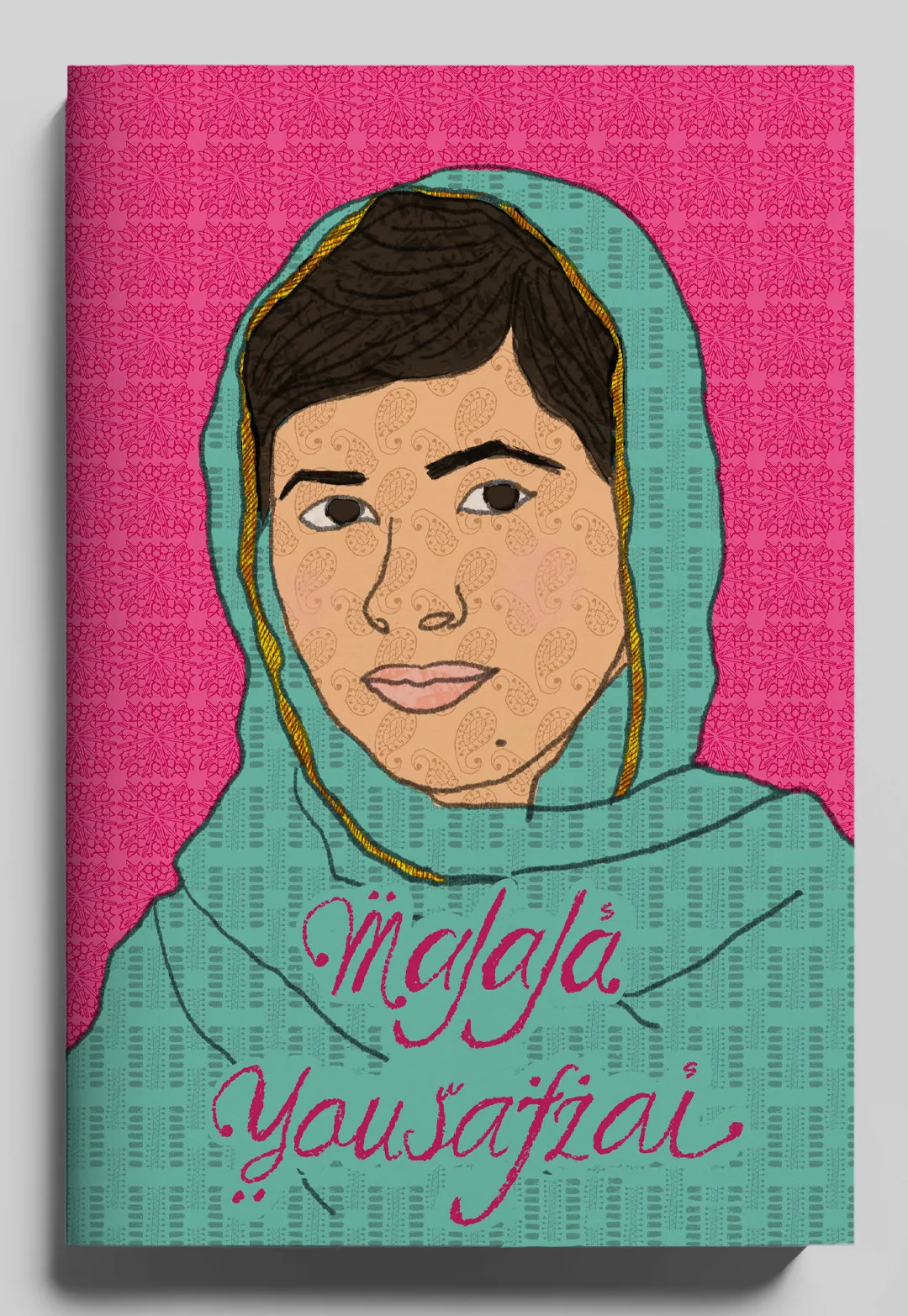
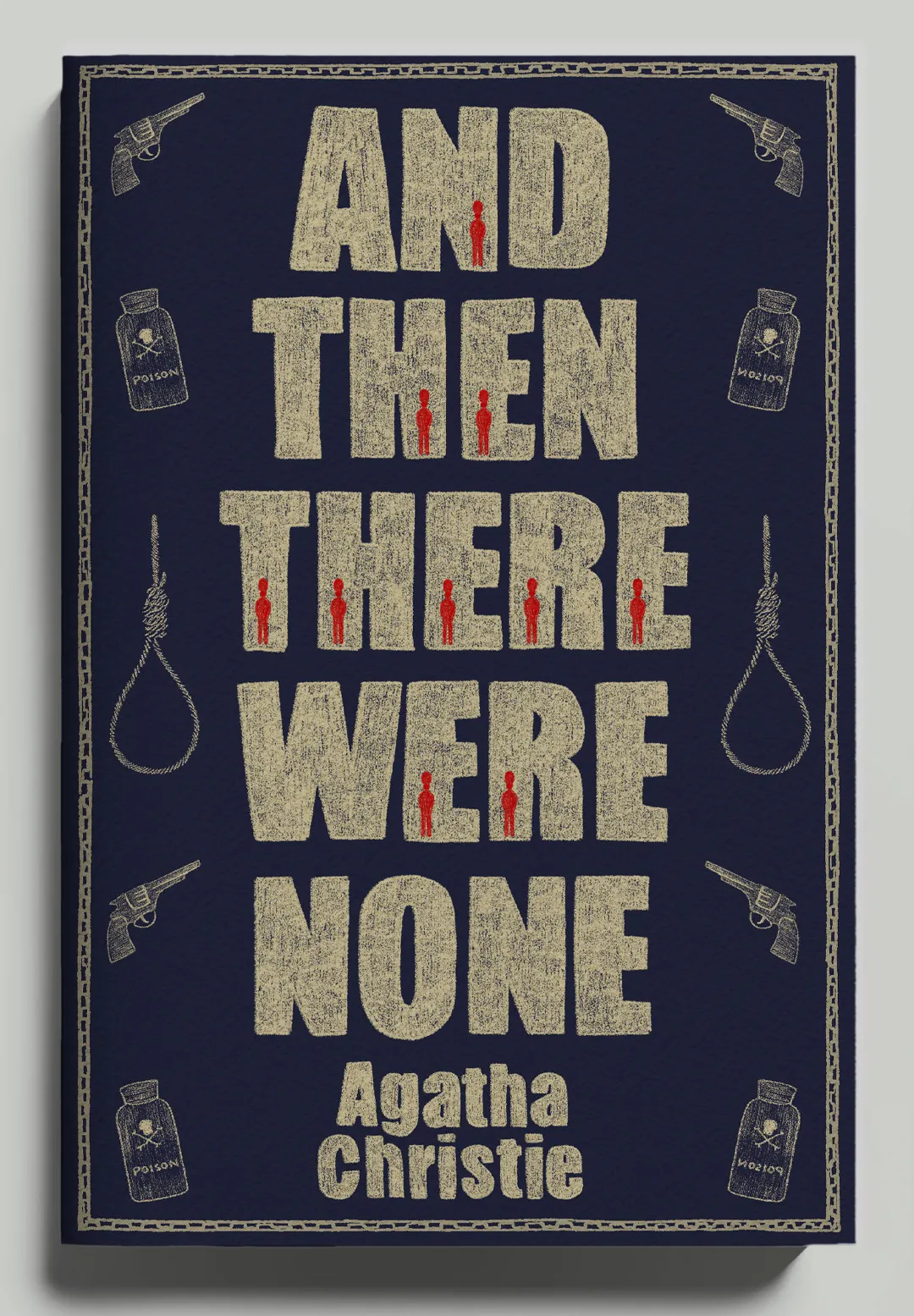
If you assume two decades in another career was the wrong turn, Nosheen will happily disagree. "Dentistry has probably prepared me for illustration in far more ways than I ever expected," she says. "It taught me concentration and precision. When I'm drawing, I can become incredibly focused on one small detail. Dentistry also taught me to trust my hands. My hands aren't just tools to me... they're an extension of my brain."
The biggest lesson, though, was empathy. "A patient doesn't want to feel like they're simply a set of teeth. They want to feel that you've seen the person behind them. I learned very quickly that you have to establish trust, listen carefully and connect with people, sometimes within seconds.
"That is exactly how I approach authors. An author hasn't simply written words. They've poured their imagination, experiences, emotions and time into something incredibly personal. I want to understand the person behind the manuscript, not just the brief."
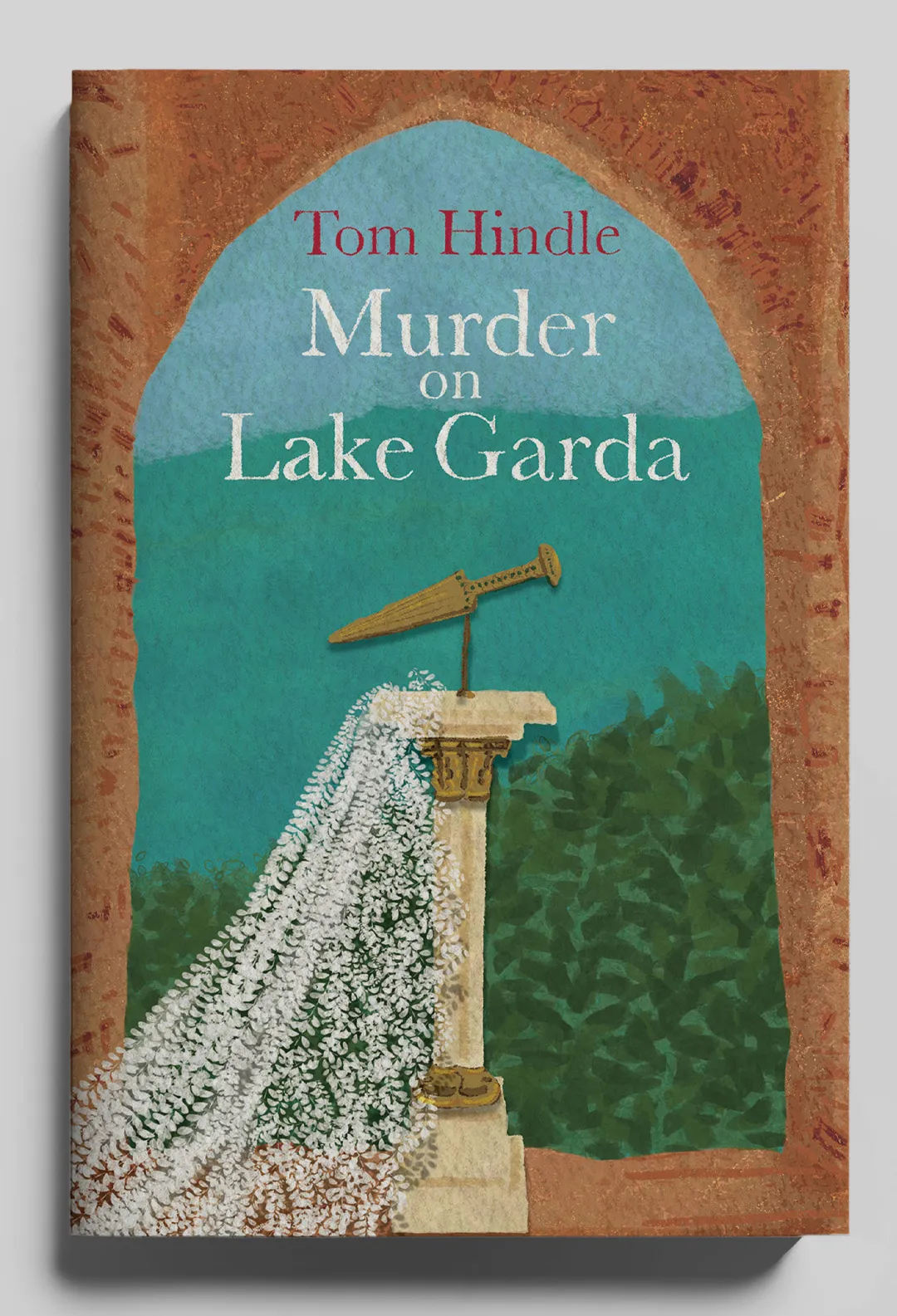
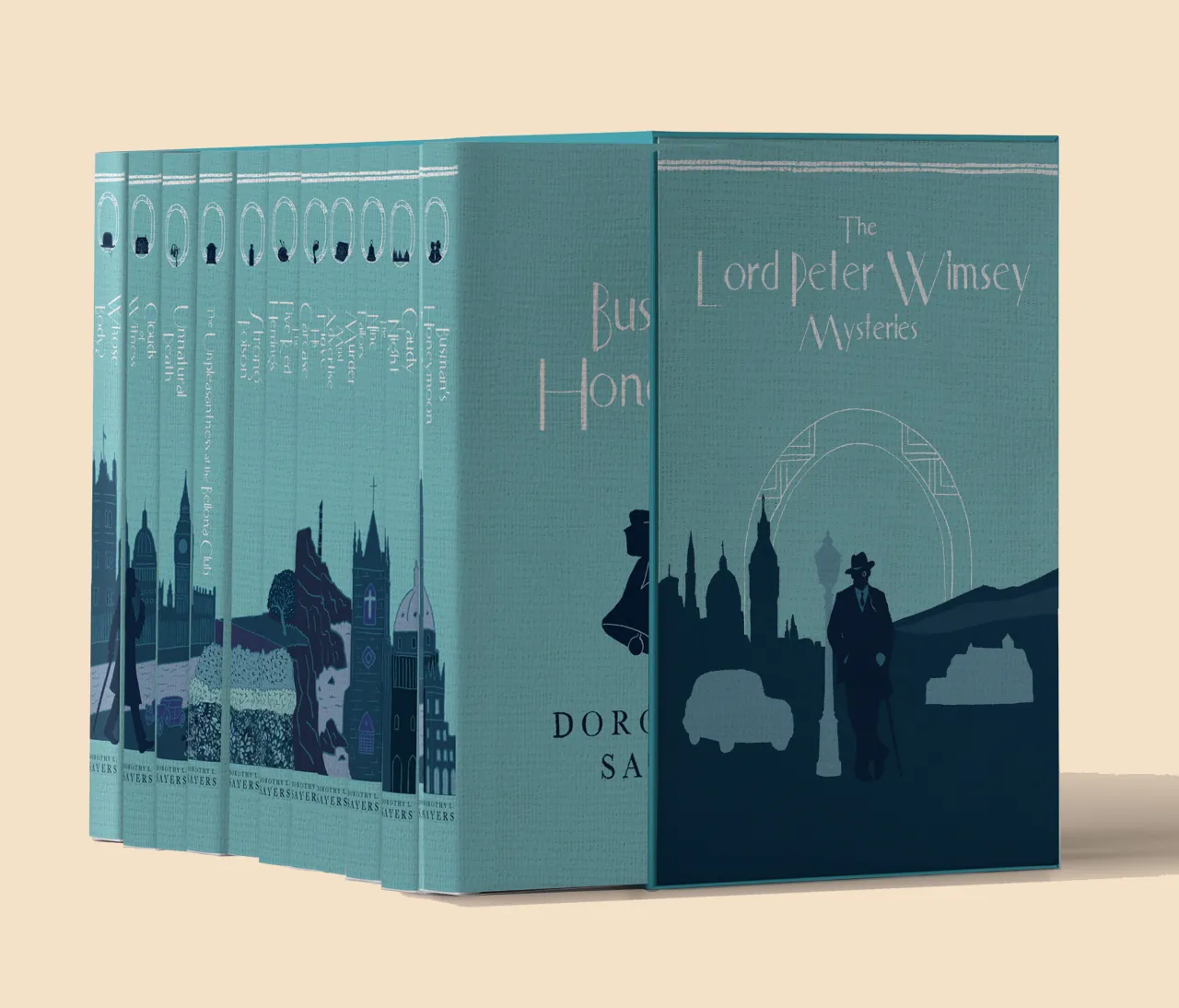
Her tagline is 'hand-drawn illustrations with heart', and I wanted to know what this actually looks like on paper. "For me, 'heart' means emotional connection," she says. "I don't want to impose one fixed illustration style onto every story. Every project speaks to me differently, and every story has its own emotional and visual language. A murder mystery needs a different visual language from a romantic poem. A young adult novel needs something different again. My job is to listen to the story and find the visual language that serves it."
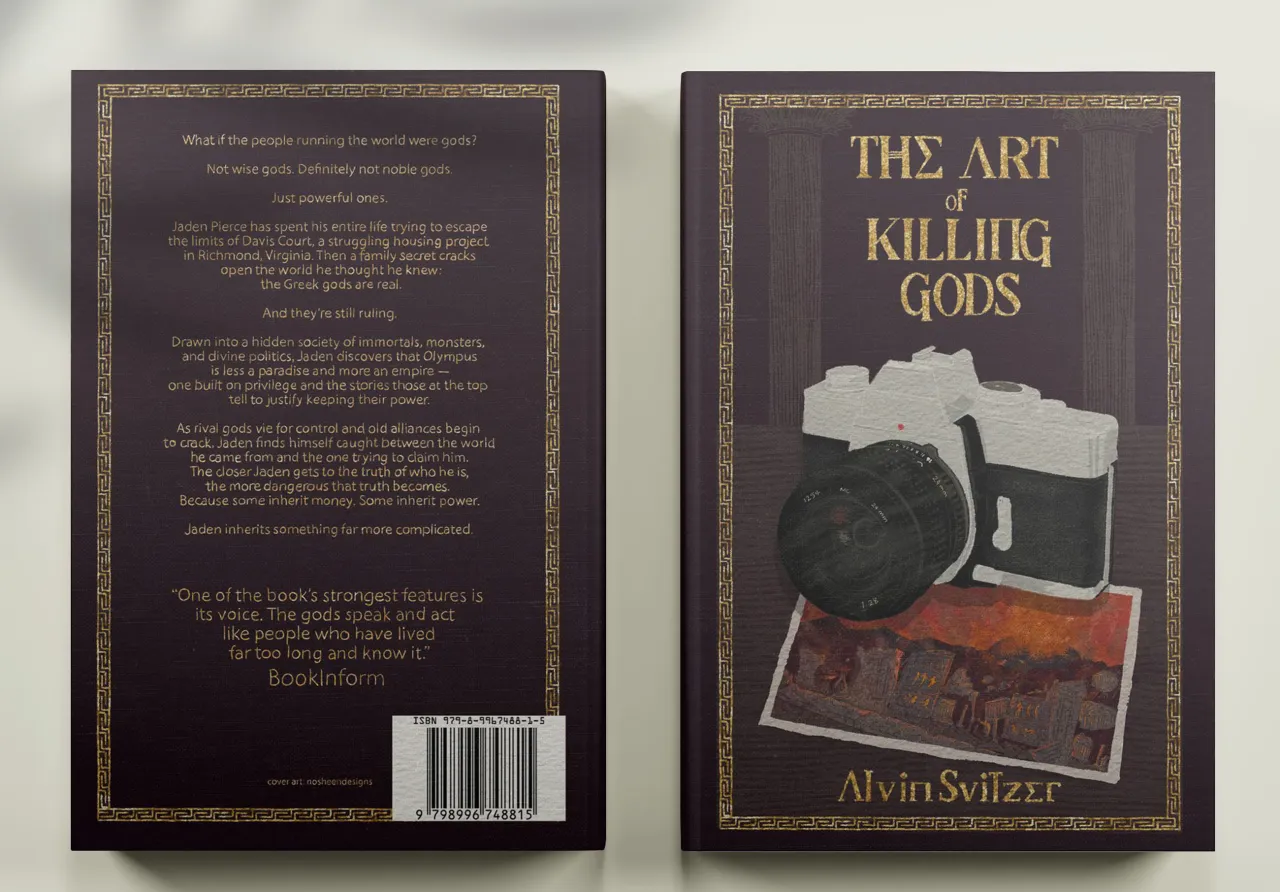
Take her cover for Alvin Svitzer's The Art of Killing Gods. "I was particularly interested in the contrast between outward appearance and hidden reality," she says.
"The protagonist is a photographer, so I used the camera as the lens through which we experience the world of the story. Around it, I created the lavish setting of the Olympian gods, but through the partially developed photograph we begin to see something much darker: the collapse of Olympus. The broken gates and burning mountain became visual clues that something momentous was happening – the unravelling of divine authority and the end of an era."
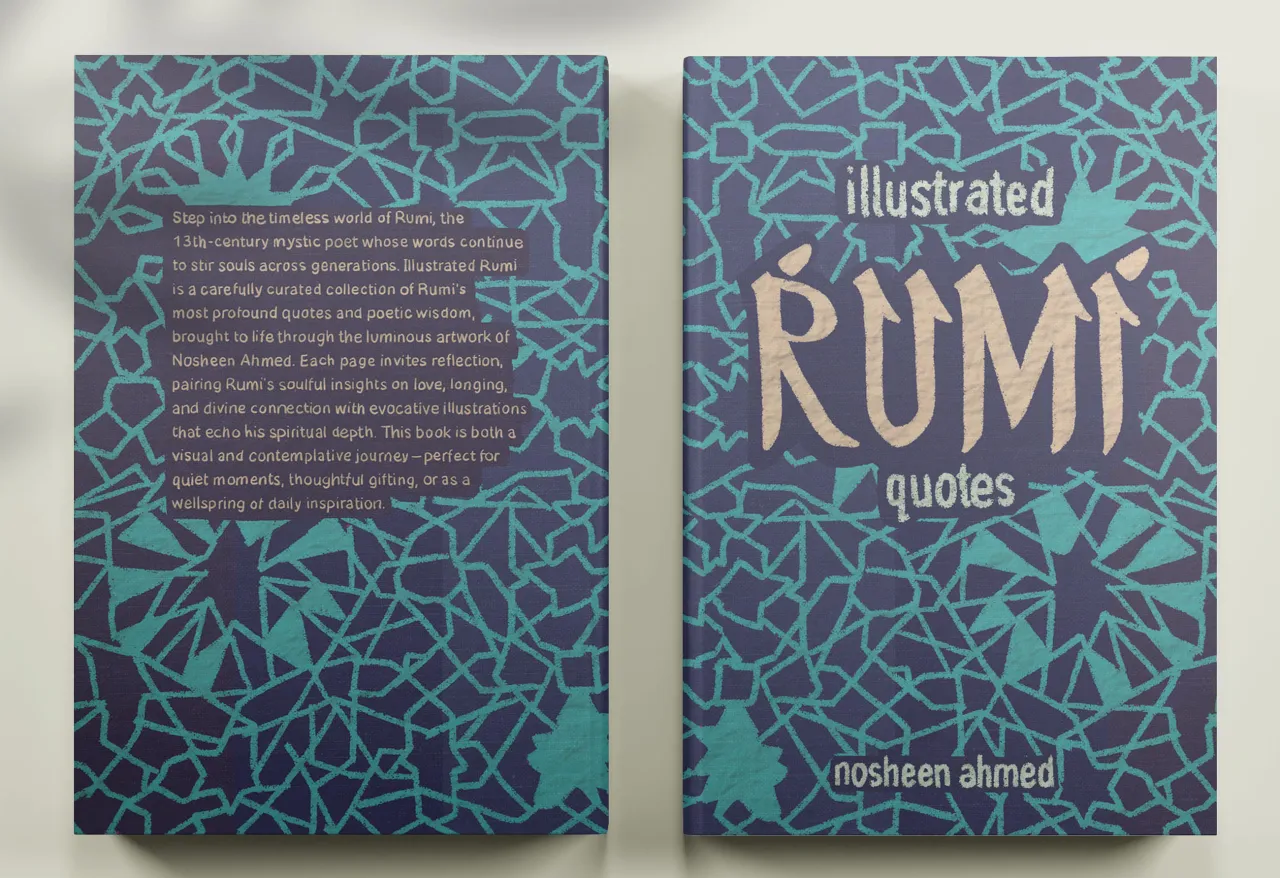
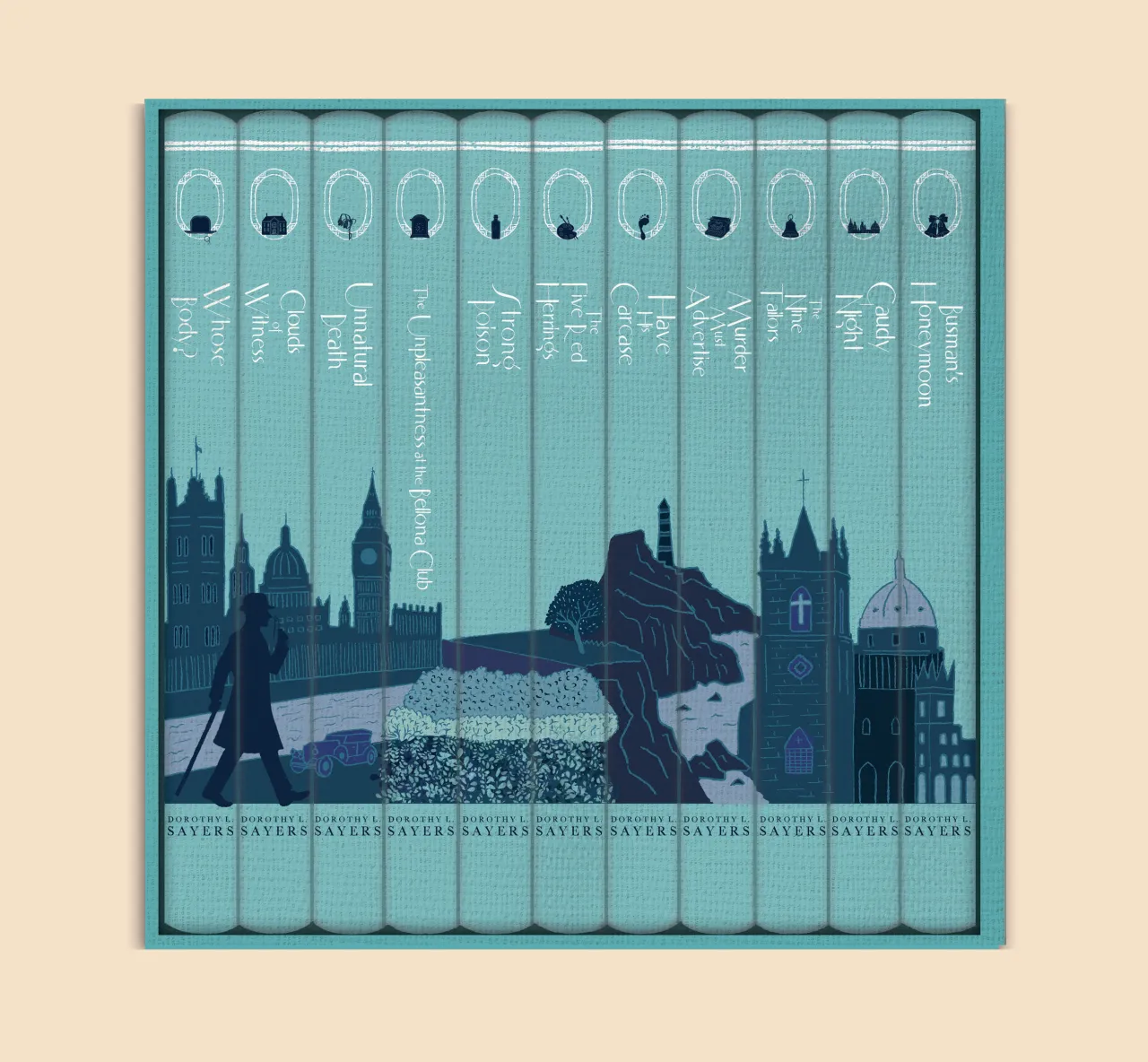
Where does she find these so-called doorways? Often in her own life. "I believe we're much more connected than we sometimes realise," she says. "When I read a manuscript, I try to step back from the obvious visual references and look for emotional connections in my own life. That might come from being a mother, being British Muslim, growing up in an inner-city environment, working in healthcare, travelling on public transport, having conversations with people, looking through old books or simply observing everyday life."
The word 'seen' comes up a lot. Author Alvin Svitzer said her cover made his story feel exactly that, and she treats every manuscript with real care. "An author has spent enormous amounts of time, energy and love writing their book. To me, being allowed to read someone's manuscript is a privilege. It becomes a connection between the author, publisher and me. I'm not simply producing an image; I'm helping to bring the author's 'baby' into the world and, hopefully, helping it find the readers it's meant for. That responsibility is something I take seriously."
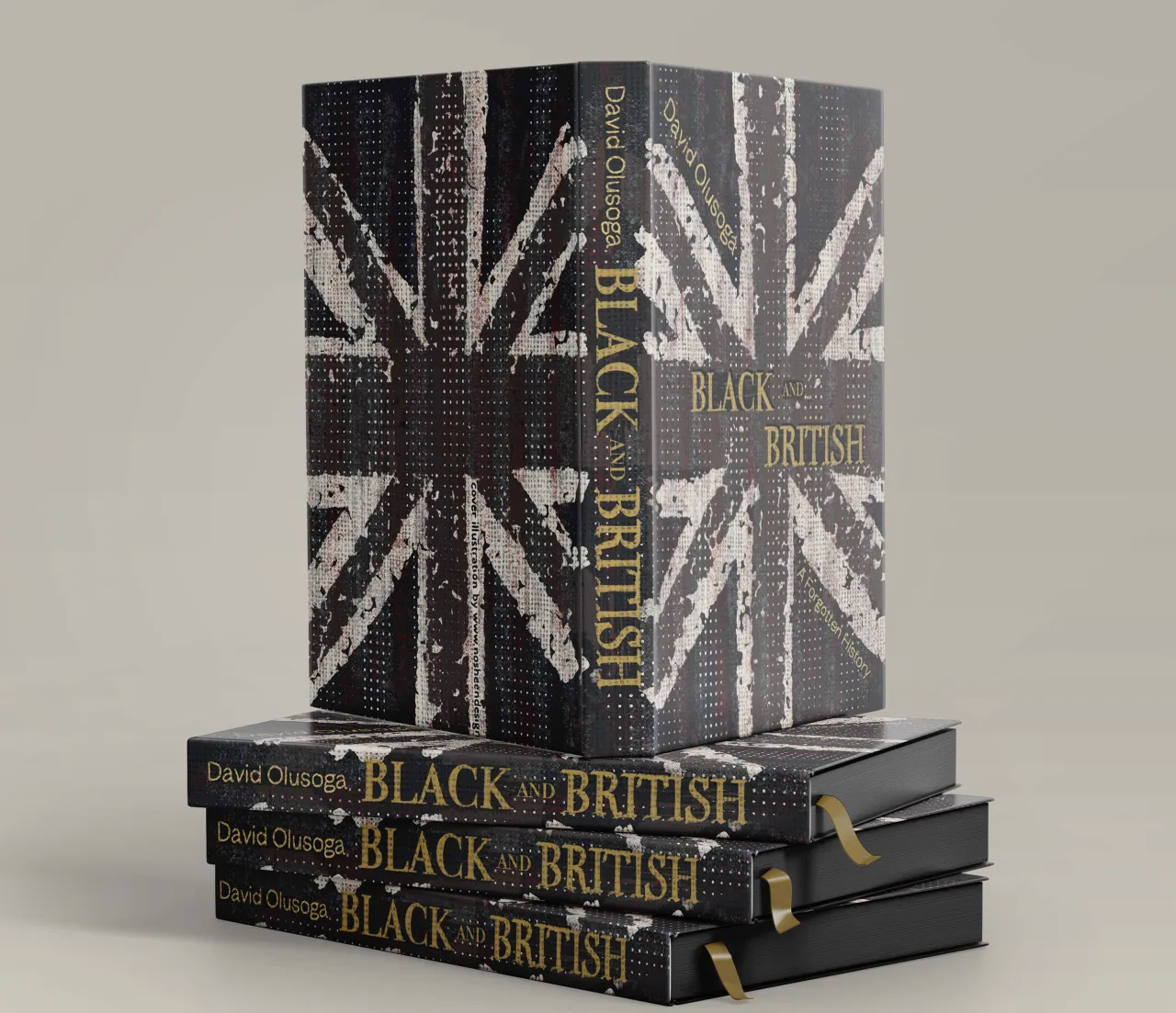
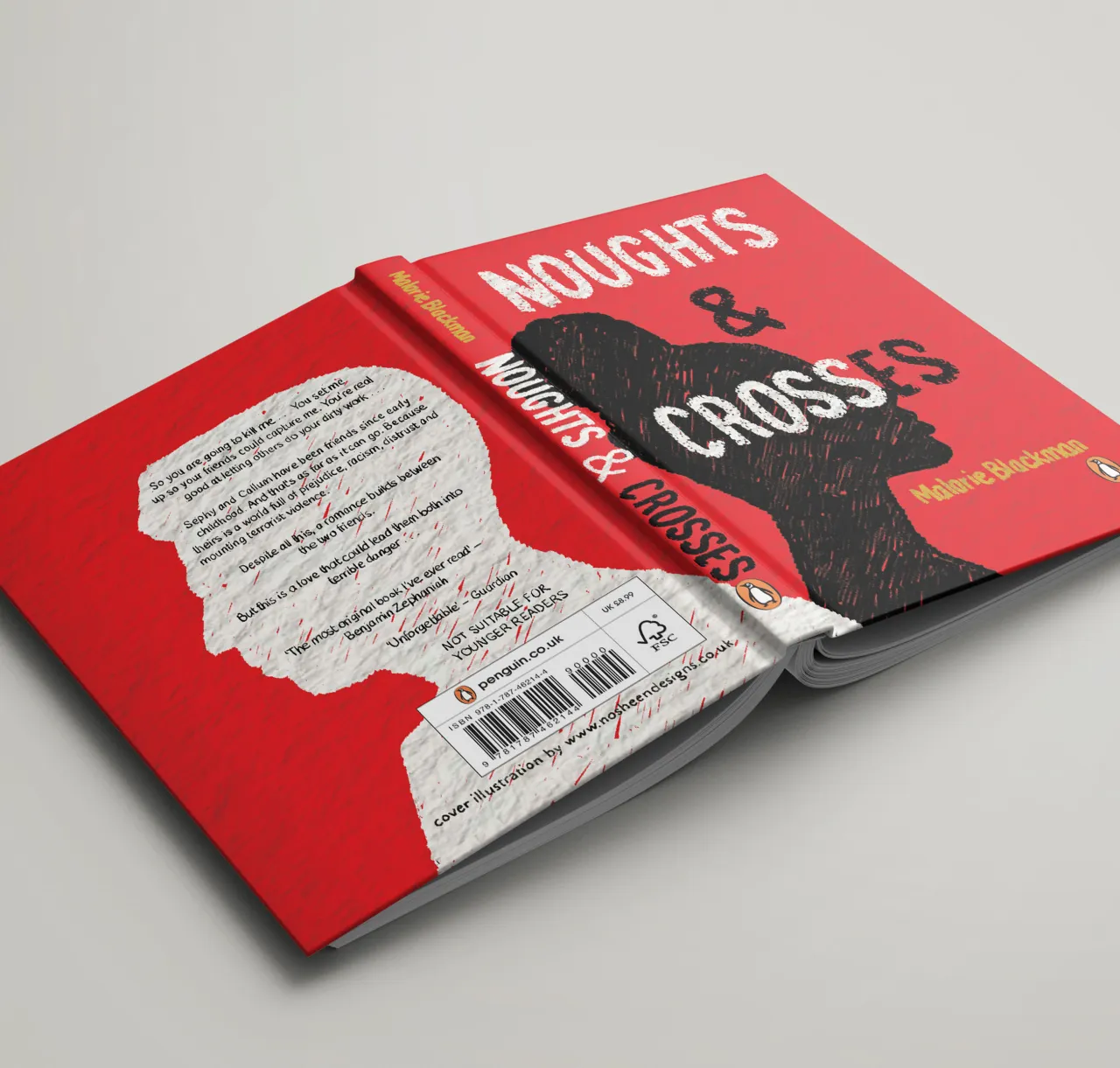
Some of her most important lessons came from personal work like the World Illustration Awards-longlisted project, Redrawing Black History's Unsung Creatives. "The project came from a Make Art That Sells course I took with Lilla Rogers, around the Black Lives Matter movement and celebrating black lives. As it was a personal project, I could experiment and push myself. It taught me something really important: a portrait doesn't have to be an exact reproduction of someone's face. For me, it's much more interesting to explore the emotional story of a person, their experiences, achievements and the barriers they overcame."
She also talks about creativity as something bigger than a job. "There have been some incredibly difficult moments in my life. My son has experienced anaphylactic reactions, and at one point we were told he might lose his sight. I've also experienced the breakdown of a relationship and the uncertainty that came with raising two children alone.
"When life keeps knocking you down, and you keep getting back up, eventually you realise that you are stronger than you thought. Creativity has been one of the ways I've survived difficult periods."
"That's why I champion creativity so strongly. I don't think it's a luxury. I think it can be a powerful way of navigating life."
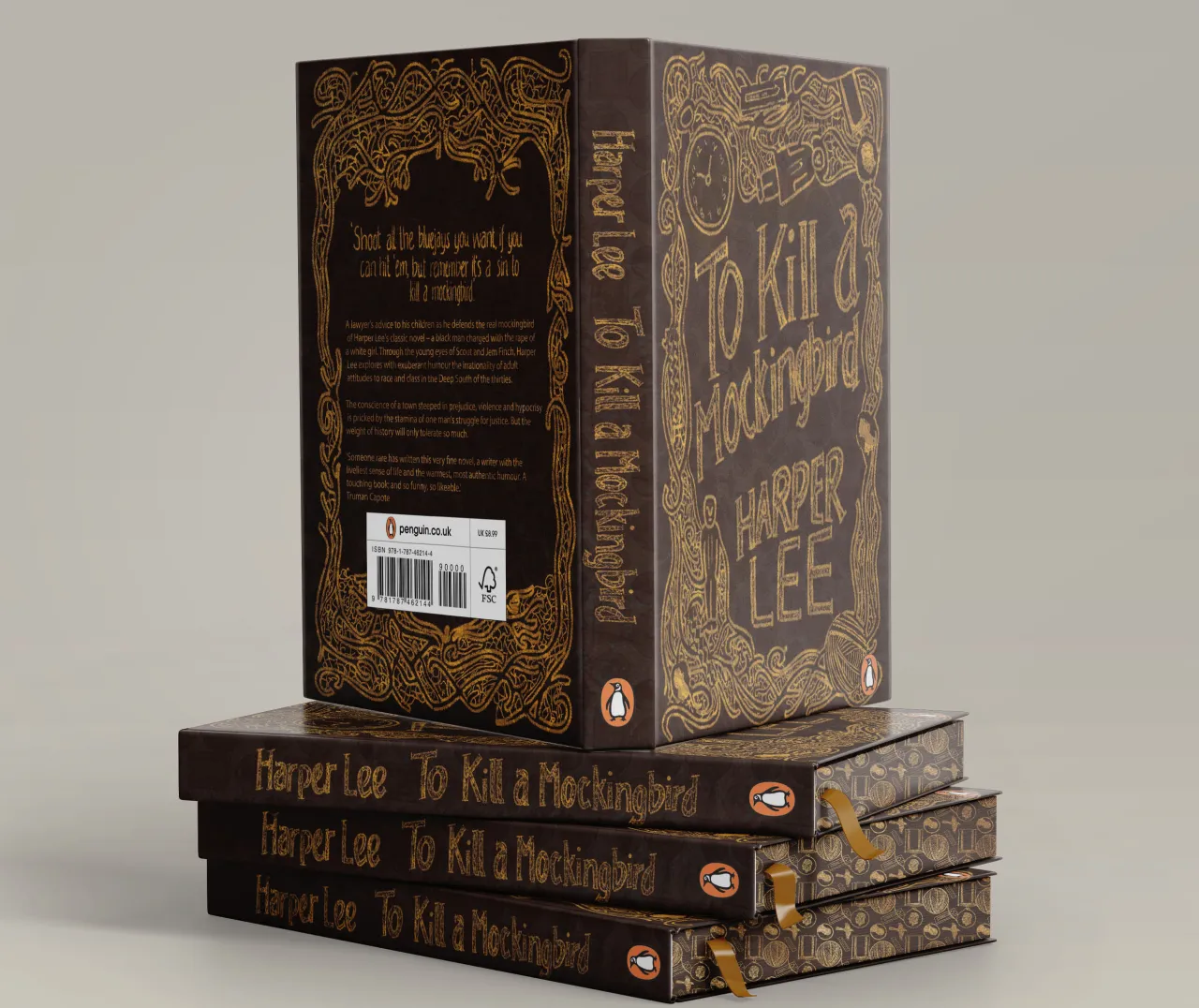
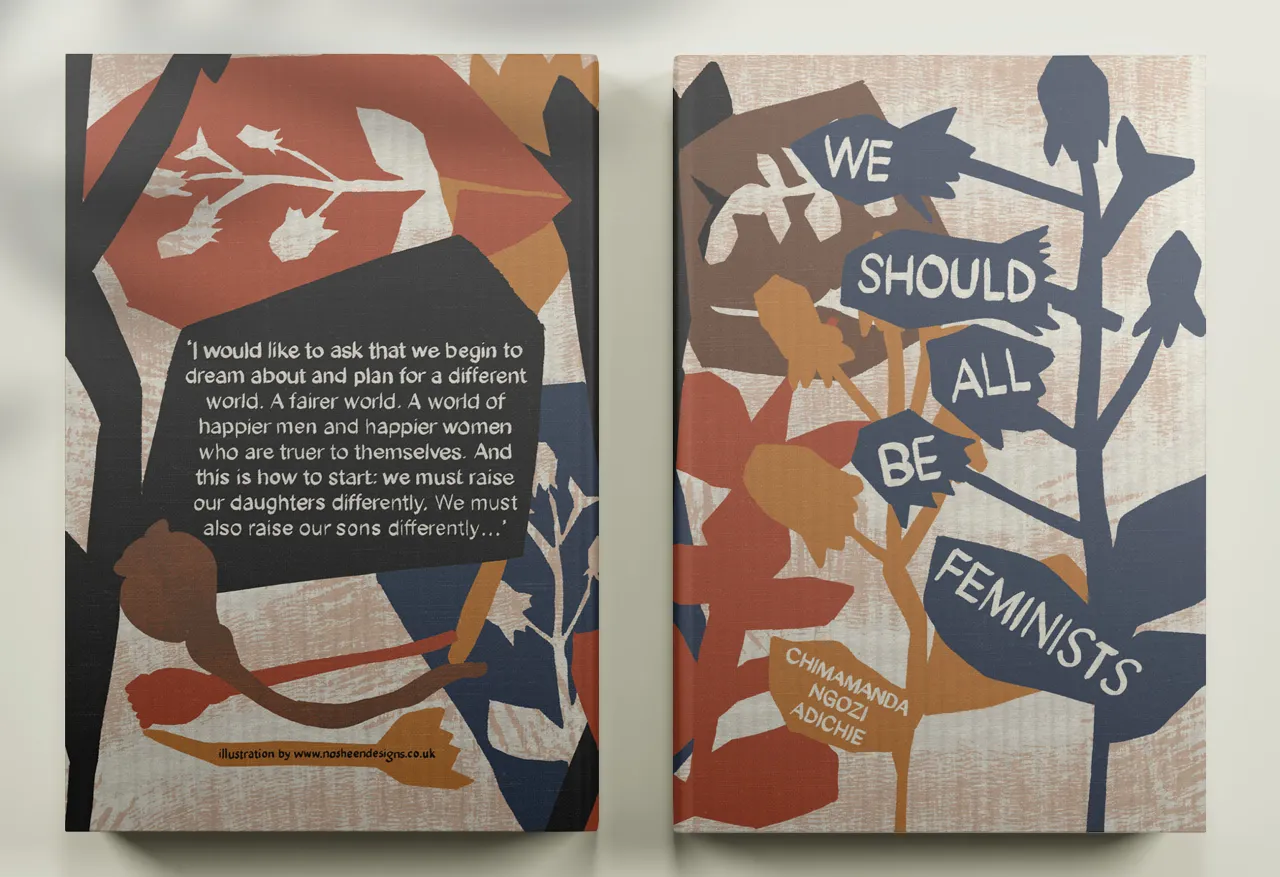
All of which brings us to the elephant in the room. Nosheen champions the human hand at a moment when AI-generated imagery is pouring into publishing, and her reasons start, of all places, with dentistry. "Dentistry taught me something fundamental: we're social creatures. We need human connection," she says. "AI can generate an image, but it can't laugh with us, cry with us, hug us, shake our hand or look us in the eye. Those seemingly small human interactions matter enormously."
"So I stopped and asked myself: why do I create? The answer was surprisingly simple. I love drawing. I love using my hands. My hands are part of how I think and understand the world. I love listening to people and translating their stories."
This reframed everything. "It made me realise that my value isn't in producing an image as quickly as possible; it's in the human experience behind the image." She's no technophobe about it, either. "AI is a tool, and tools will continue to change. But I don't think technology can replace our need for humanity. If anything, I think that need will become more important."
Nosheen has been longlisted twice for the World Illustration Awards and Highly Commended in the Faber FAB Prize, and the recognition took her by surprise. "Coming from dentistry, I always felt slightly like an outsider looking into the creative industry. I wanted to belong, but there was an invisible glass barrier in my mind telling me that perhaps I wasn't really one of 'those' people. The recognition gave me external validation at a time when I was learning to trust my own internal voice."
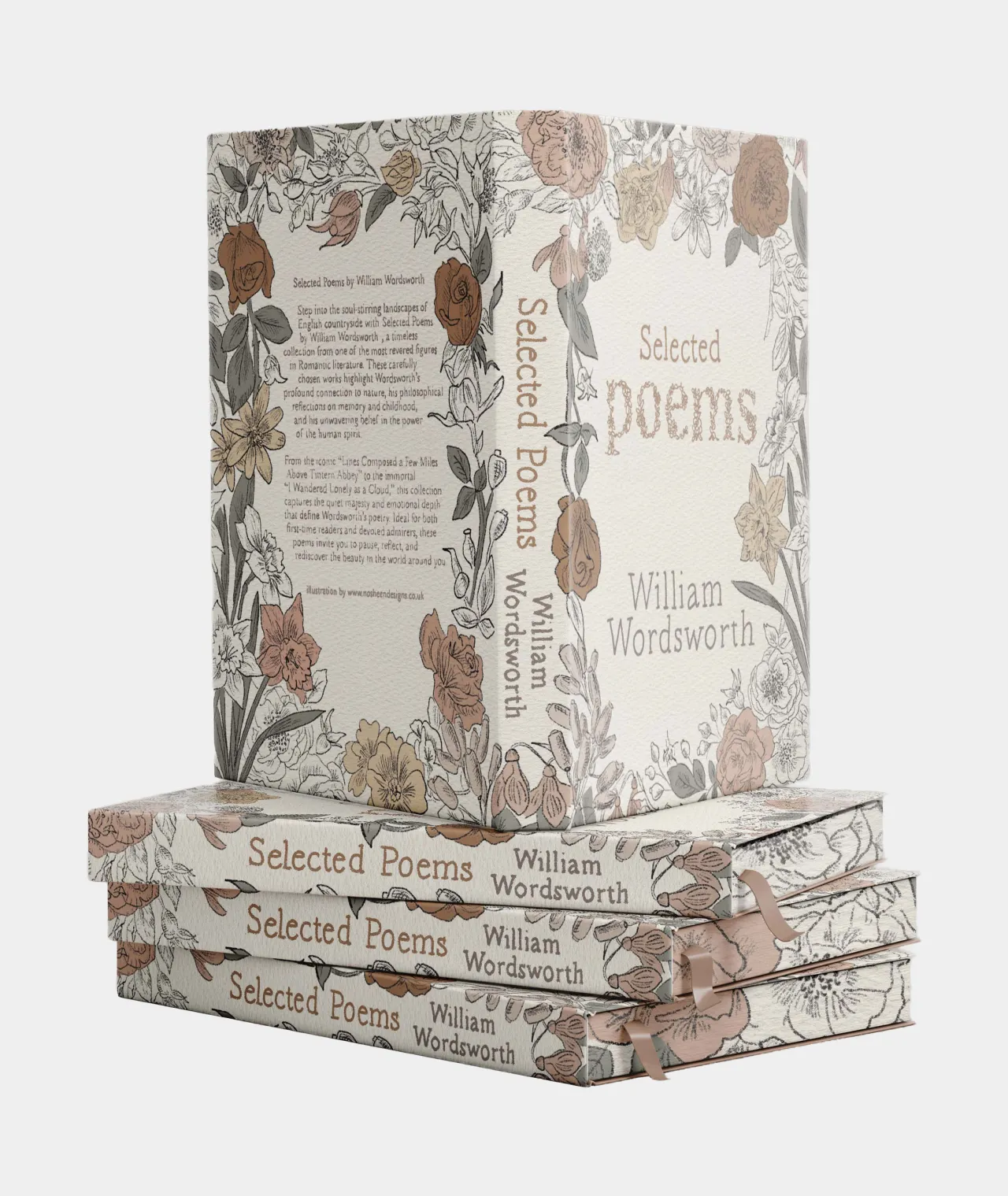
What's her advice for anyone in a similar boat? "I'd say you are not behind," she says. "I spent years comparing myself with illustrators who had graduated in their twenties and had already built creative careers. I thought I was decades behind them. Eventually I realised that I wasn't behind. I'd simply been building something different. I had spent those years raising children, working in healthcare, listening to thousands of people, navigating difficult experiences and collecting stories. I had been building a huge library of lived experience. None of that was wasted.
"So start where you are. Find ten minutes to draw. Write something down. Take a photograph. Notice something on your journey to work. Listen to a conversation. Follow the tiny sparks of curiosity. Your existing life is full of material.
"I also don't think we need to become somebody completely different to live a creative life. We need to become more fully ourselves. The older I get, the more I believe that every experience gives us something we can carry forward. So don't wait for somebody to give you permission. Start where you are, with what you have, at whatever age you are. You might be surprised by what grows."
See more of Nosheen Ahmed's work at nosheendesigns.co.uk.
Editor's Picks
Trending
Latest Jobs
Senior Creative Lead at Random Studio
Full-time·Amsterdam / Paris·€90k-€110k
Senior 3D Motion Designer at Art&Graft
Full-time·London·£50k-£65k
Senior Account Manager at Consider
Full-time·London·£42,500
Senior Designer at Jubba
Full-time·London·£50k-£60k
Brand Designer, Product Launches at Figma
Full-time·New York·$127k–$269k
Frontend Developer at Northern Artillery
Full-time·Leeds·£35k–£45k