How OnePlus studio was built on 'discovery, exchange and a bit of healthy friction'
From uni rivals to a creative team of four, OnePlus Studio gives the lowdown on studio dynamics, competitive habits, a mishmash of inspirations and – ultimately – what makes a successful creative collaboration.
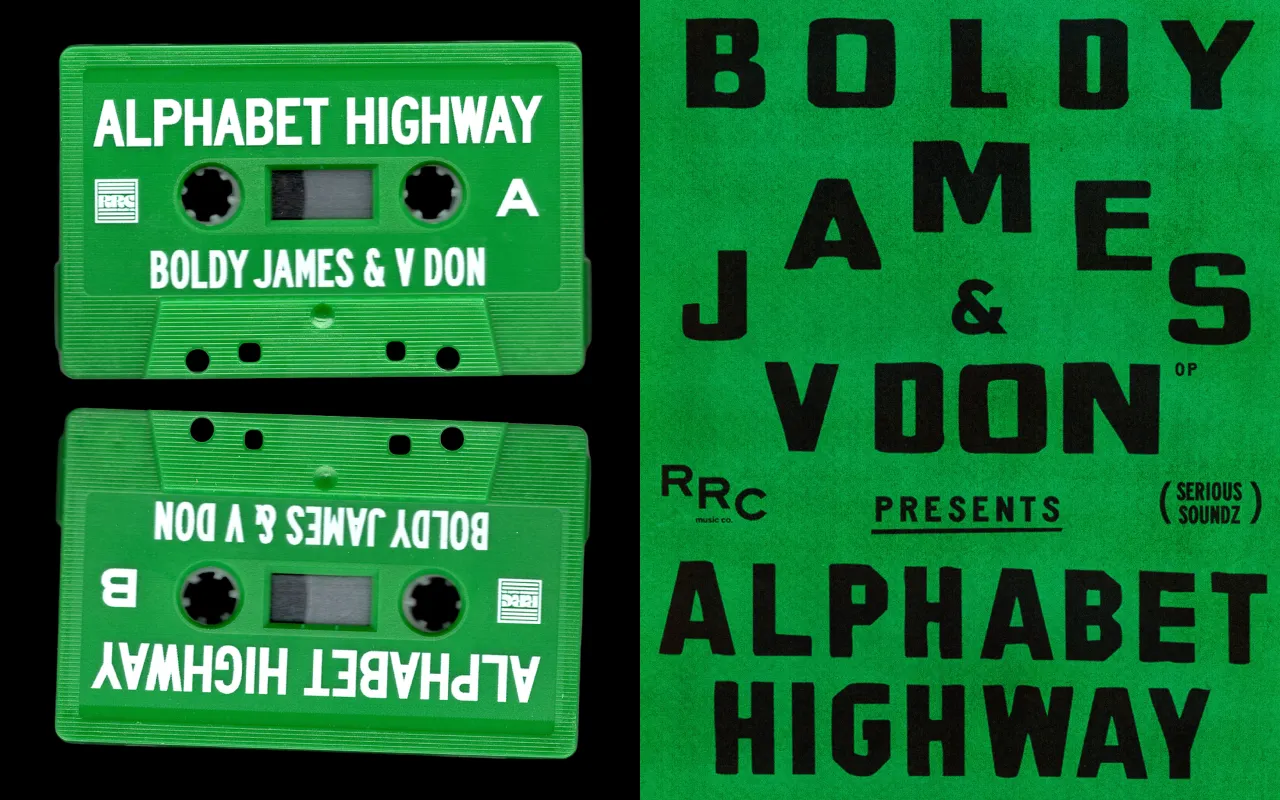
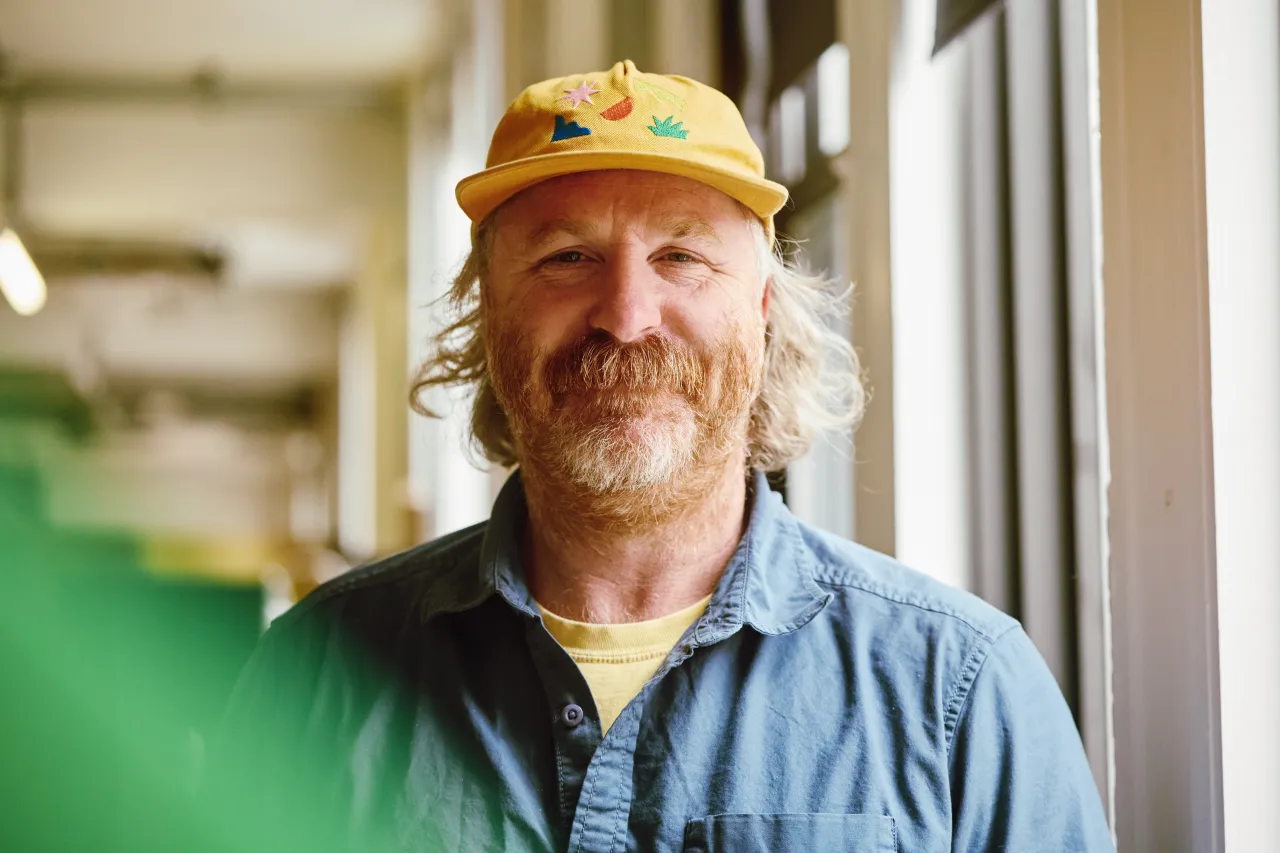
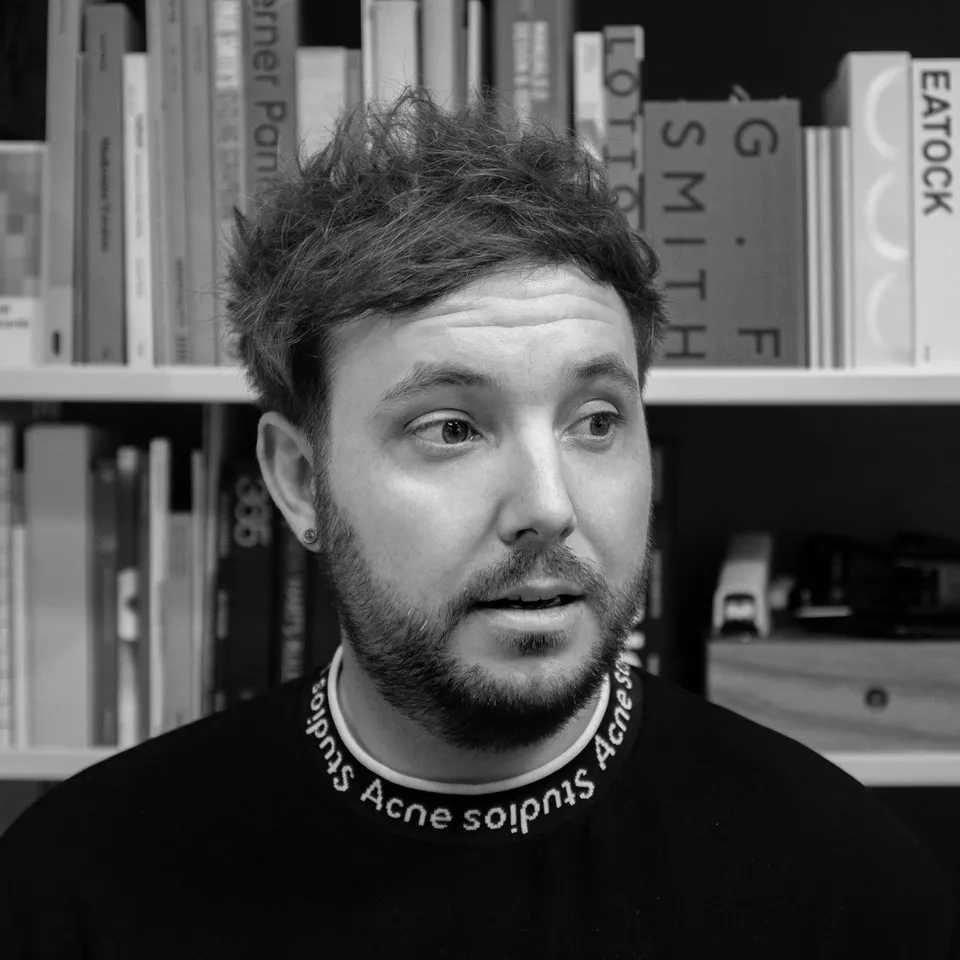
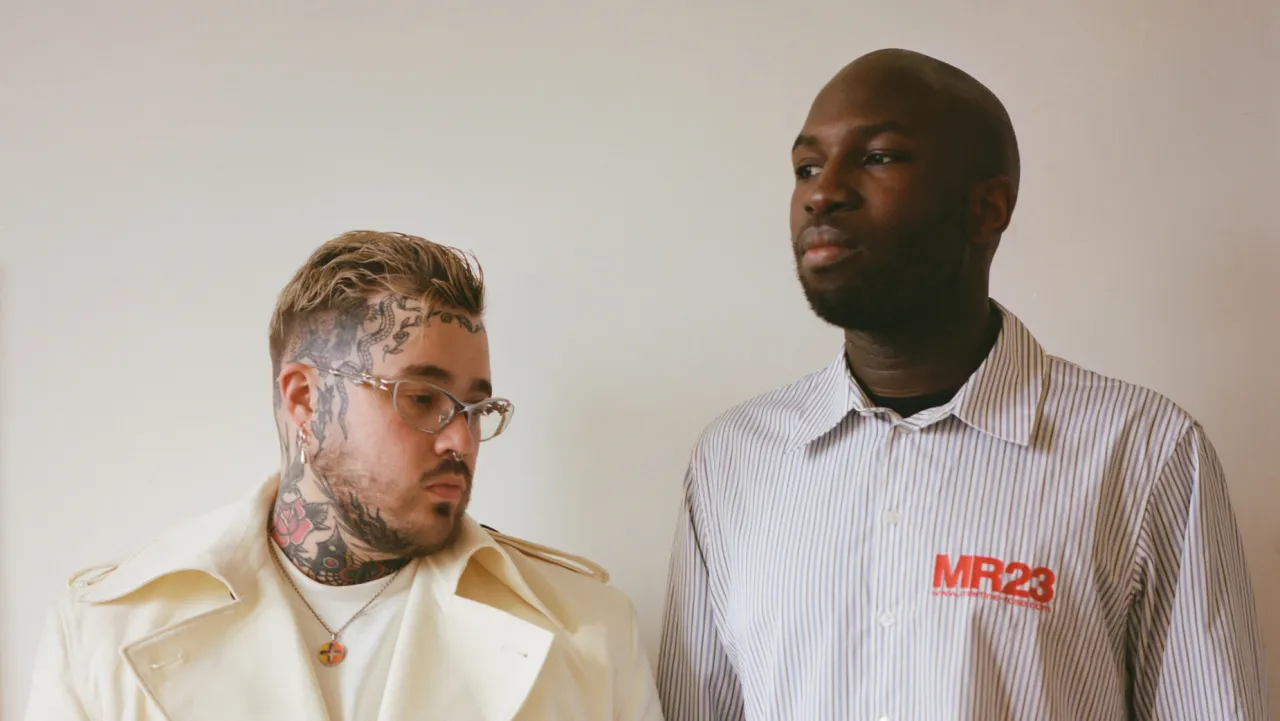
What makes the perfect team? For OnePlus Studio – founded by Matteo, Pietro, Giovanni and Aaron, who all met at university – the four of them come from completely different backgrounds, so, in reality, it probably shouldn't have worked. "On paper, that could easily have created a clash, but friendship allowed us to enter each other's worlds, and over time, every individual passion, obsession and personal history became another fragment of input – something we can draw from whenever we need to dive deeply into a project," the studio explains.
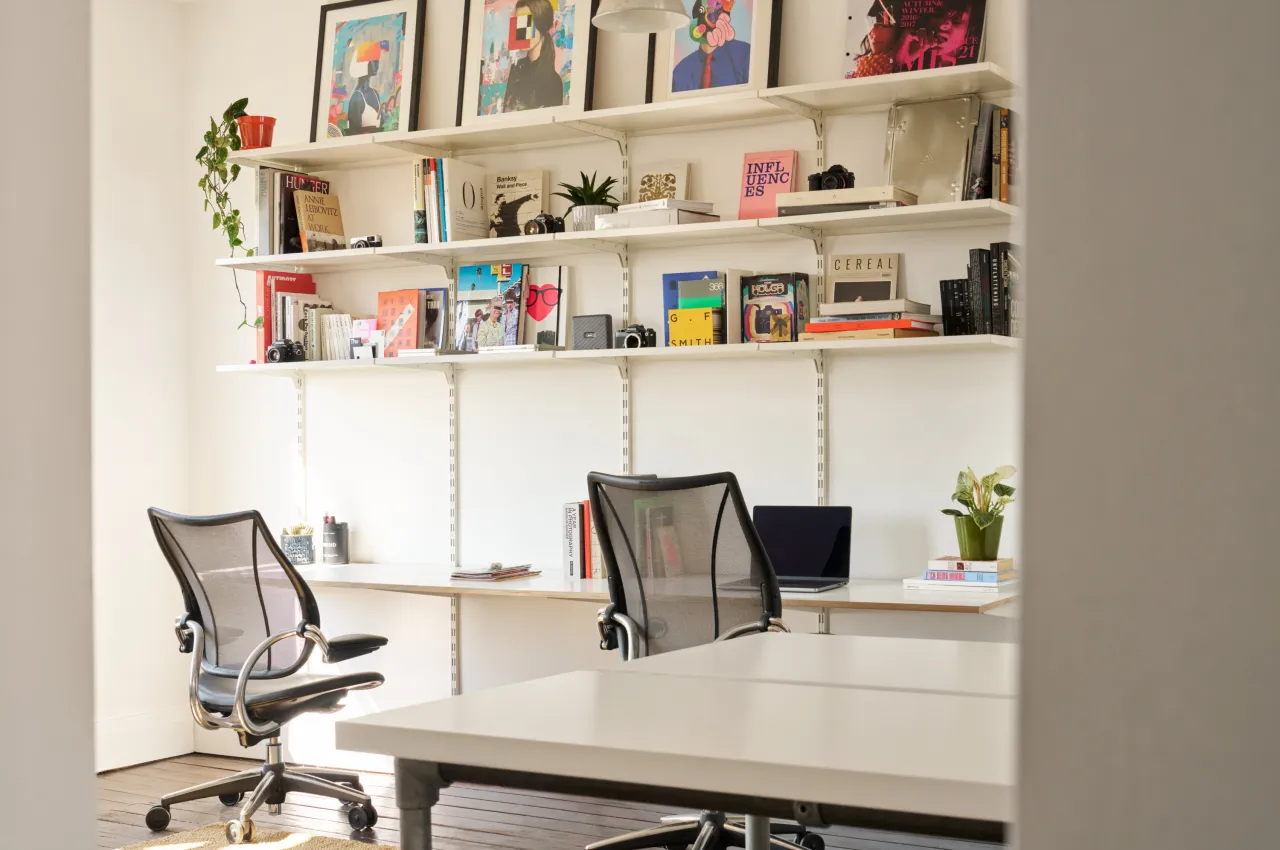
The four shared a small classroom at university, and the proximity turned them into rivals fairly quickly. "That dynamic wasn't always easy to navigate at the beginning, but as we matured, it became something incredibly valuable," they say. "We learned how to push one another towards levels of expression that, individually, we might have left unexplored." After graduating, the group scattered on purpose, with some staying in Milan and others chasing internships abroad – each of them gathering their own stories before those stories eventually pulled them back together. What began life as a looser collective gradually hardened into a proper studio, a shift they describe as happening "very naturally", given their history.
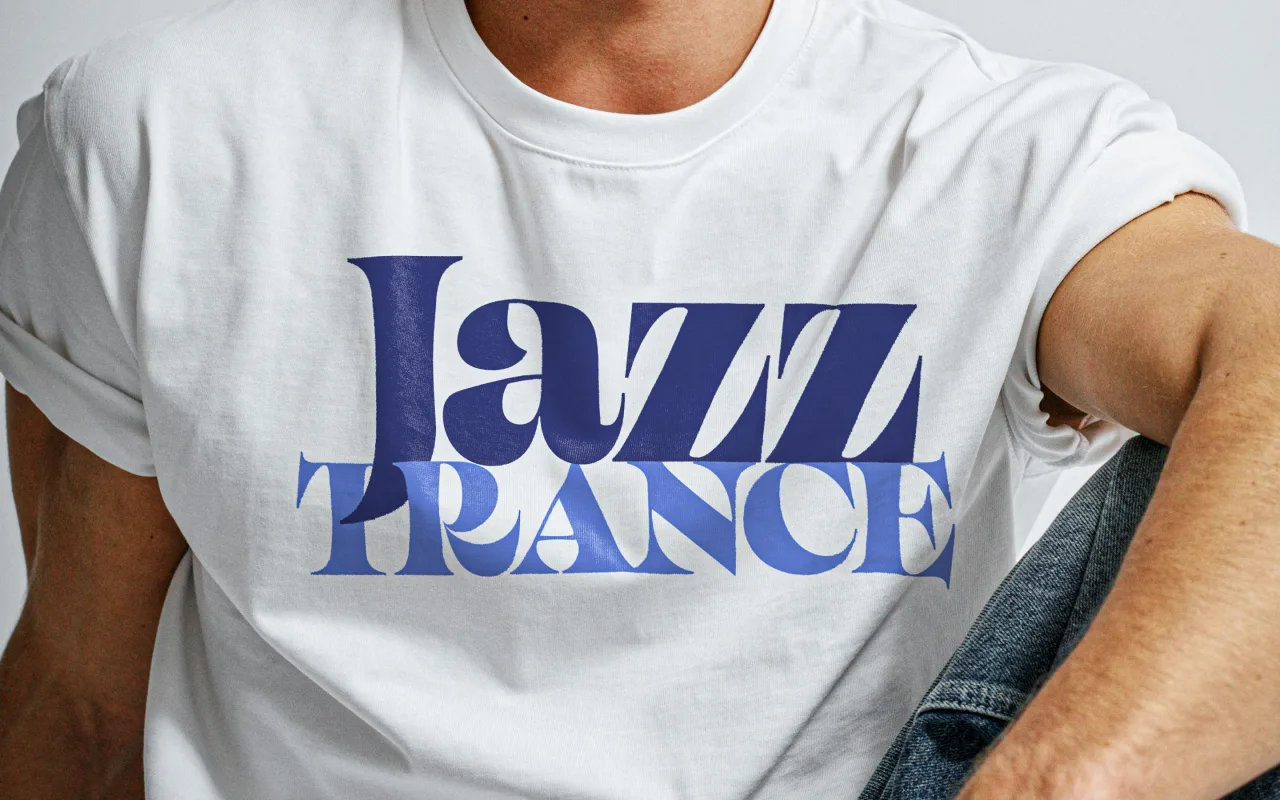
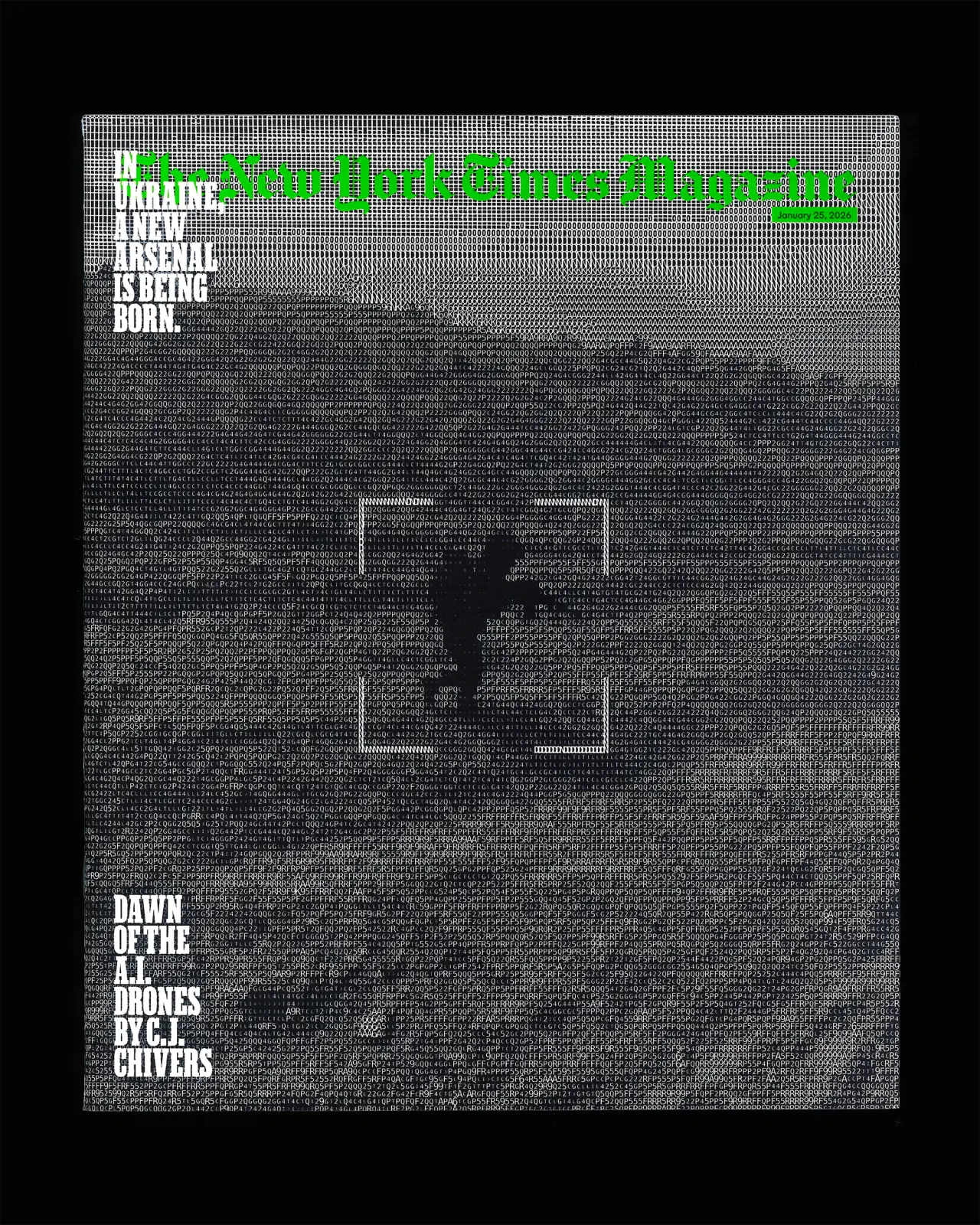
That patchwork of backgrounds is exactly where OnePlus draws its references from, including street and hip-hop culture, arthouse cinema, graffiti writing, an "obsessive analysis of records and music", plus whatever each of them picks up individually while travelling, reading, or just from things. Rather than trying to file all of that down into one house style, the studio prefers to let it collide. "We're interested in the collision between these different worlds," they say. "They all end up in the same cauldron, which is ultimately what we now call OnePlus."
The four-way dynamic shapes the work itself just as much as it shapes the studio's name. Projects begin with what they call a slower, curious deep dive into a client's story, resisting the urge to land on an answer too quickly. "We dig, we stall, we circle back, and sometimes we start all over again," they explain. Once that understanding is in place, they turn it into something visual, a process that "sometimes is painful and frustrating" and other times arrives super naturally. Either way, nothing comes unchallenged. Old competitive habits from that shared university classroom still show up, but in a good way. "An idea has to survive four different perspectives, and we've learned not to be too protective of our own contributions," they say. "If something better comes along, the work has to win."
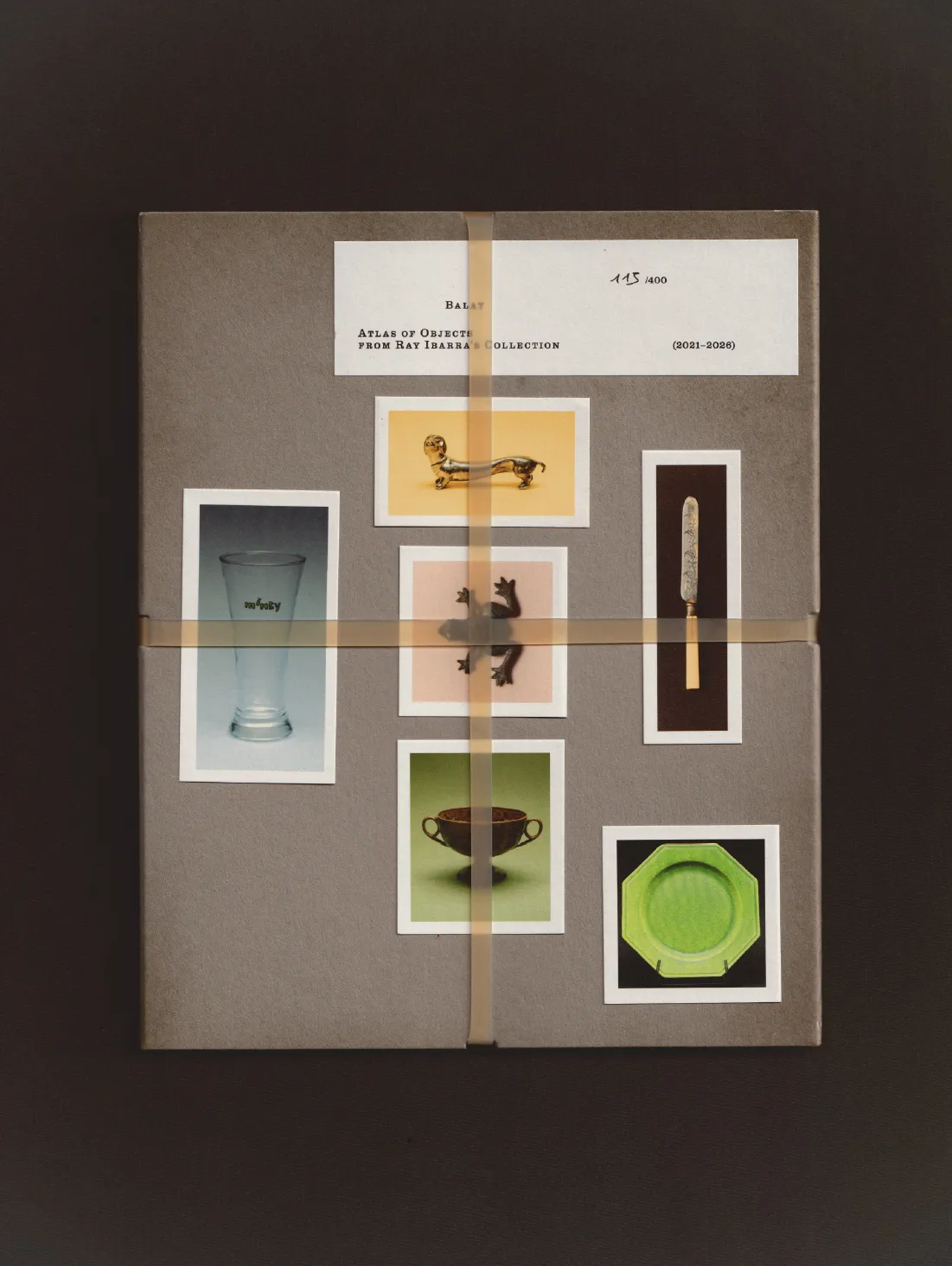
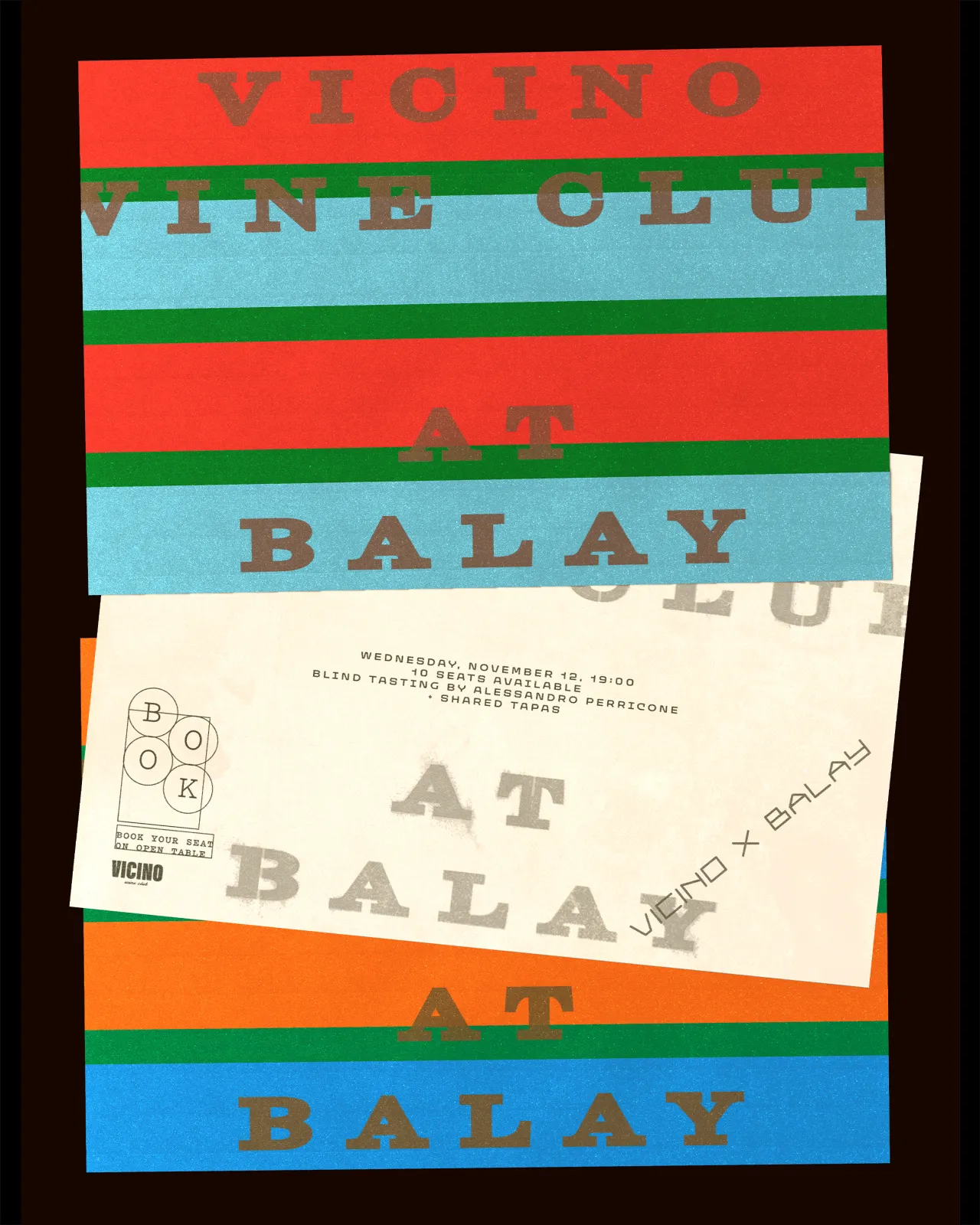
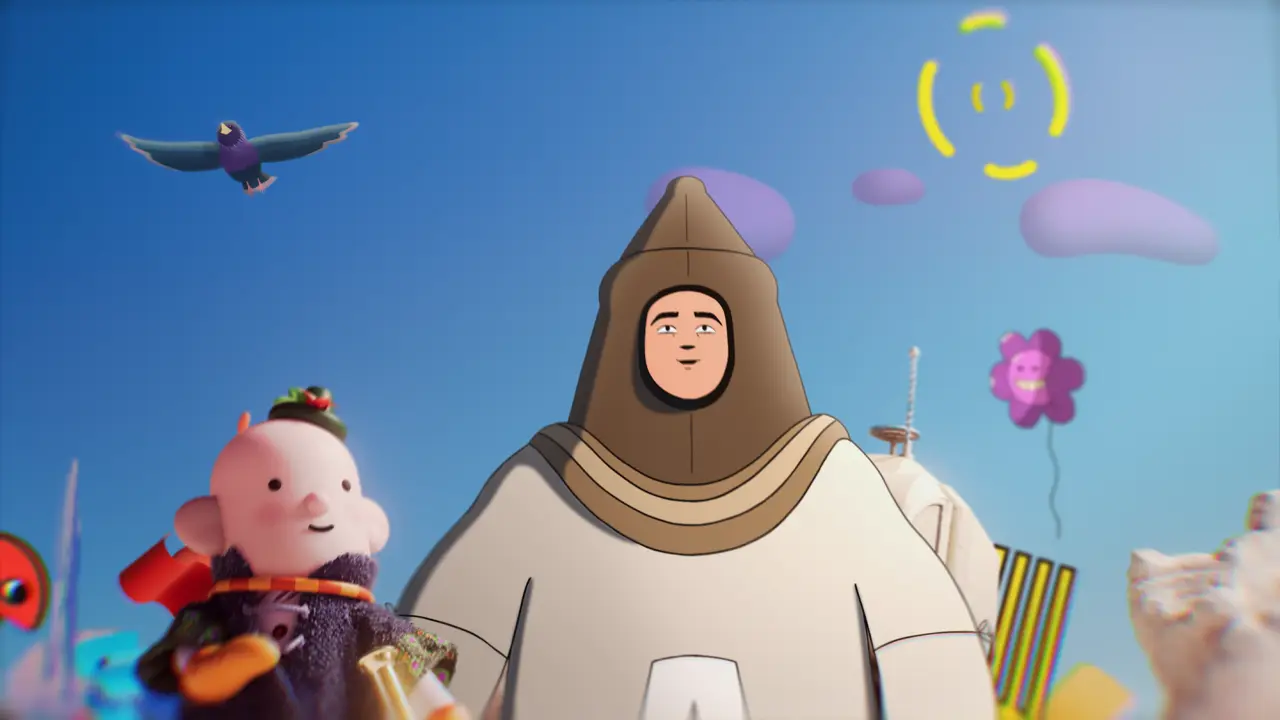
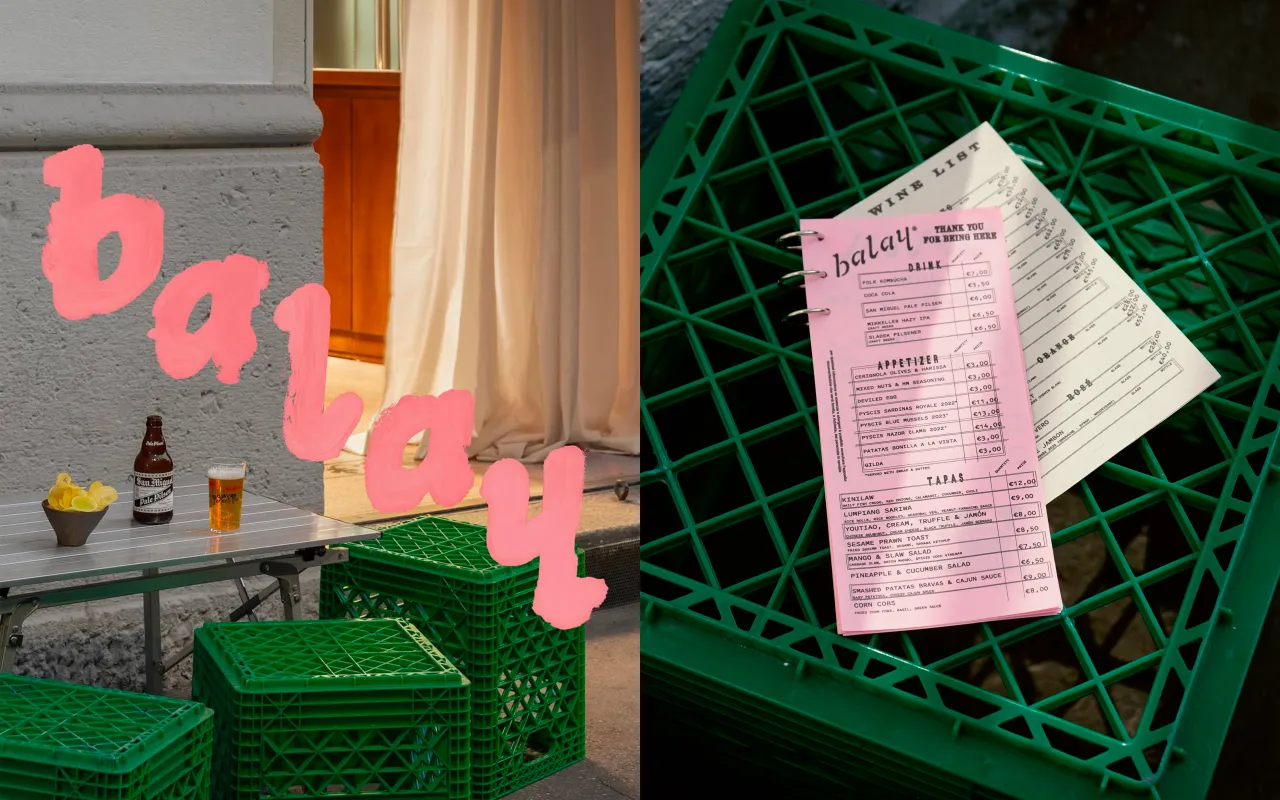
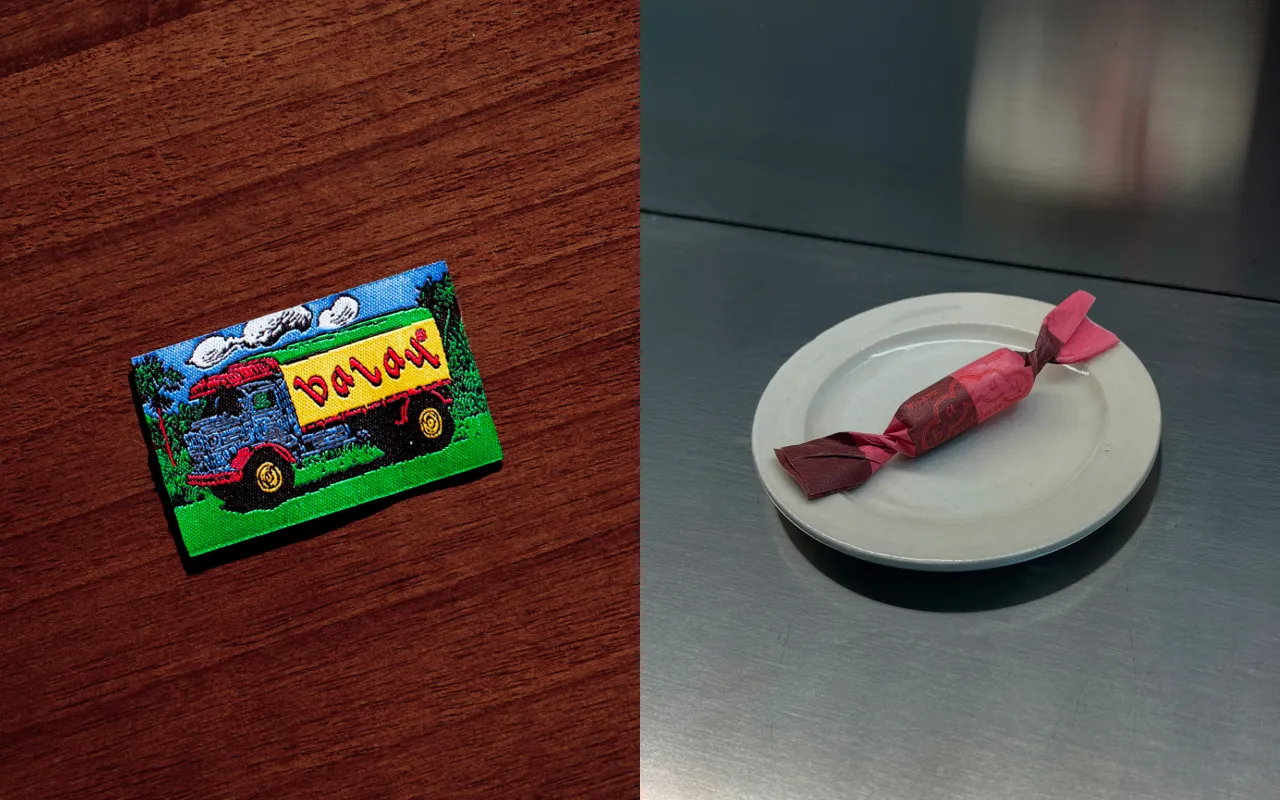
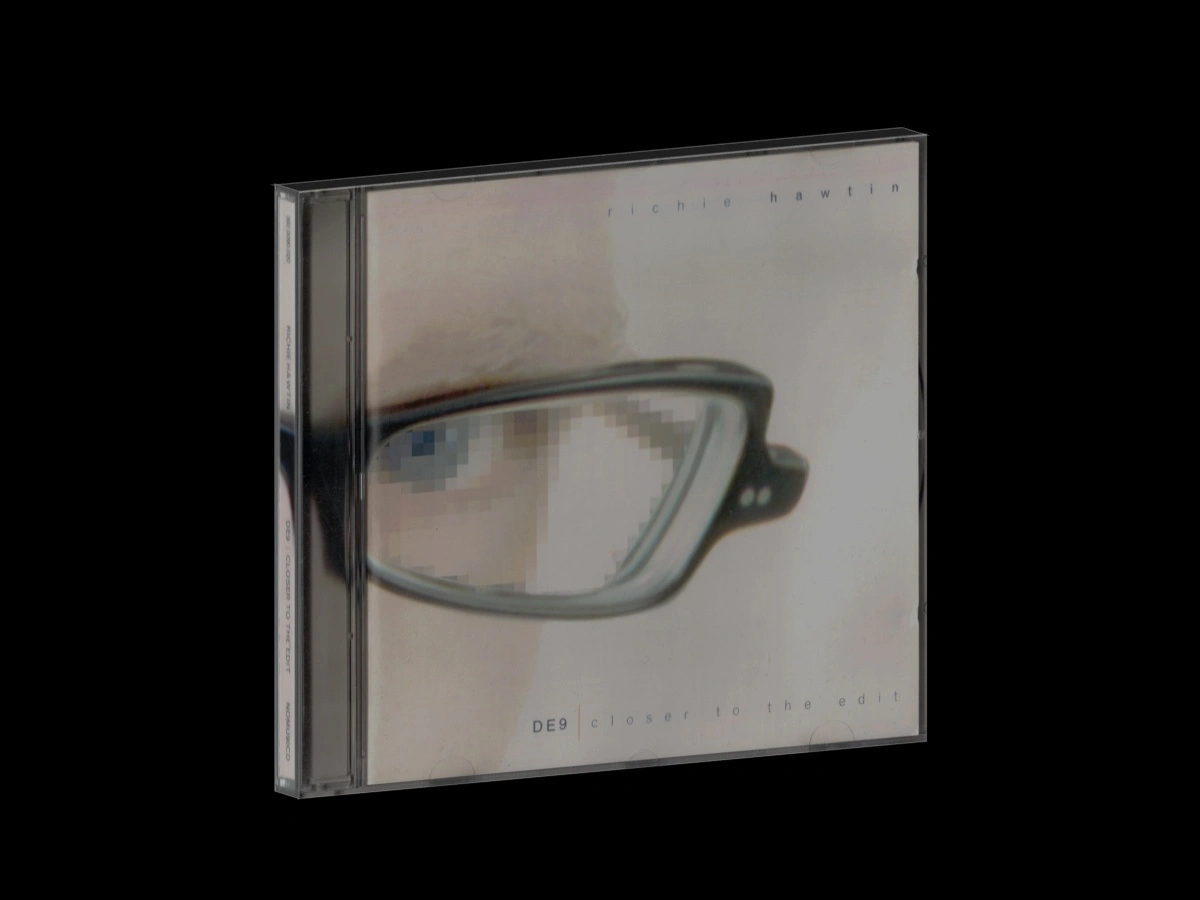
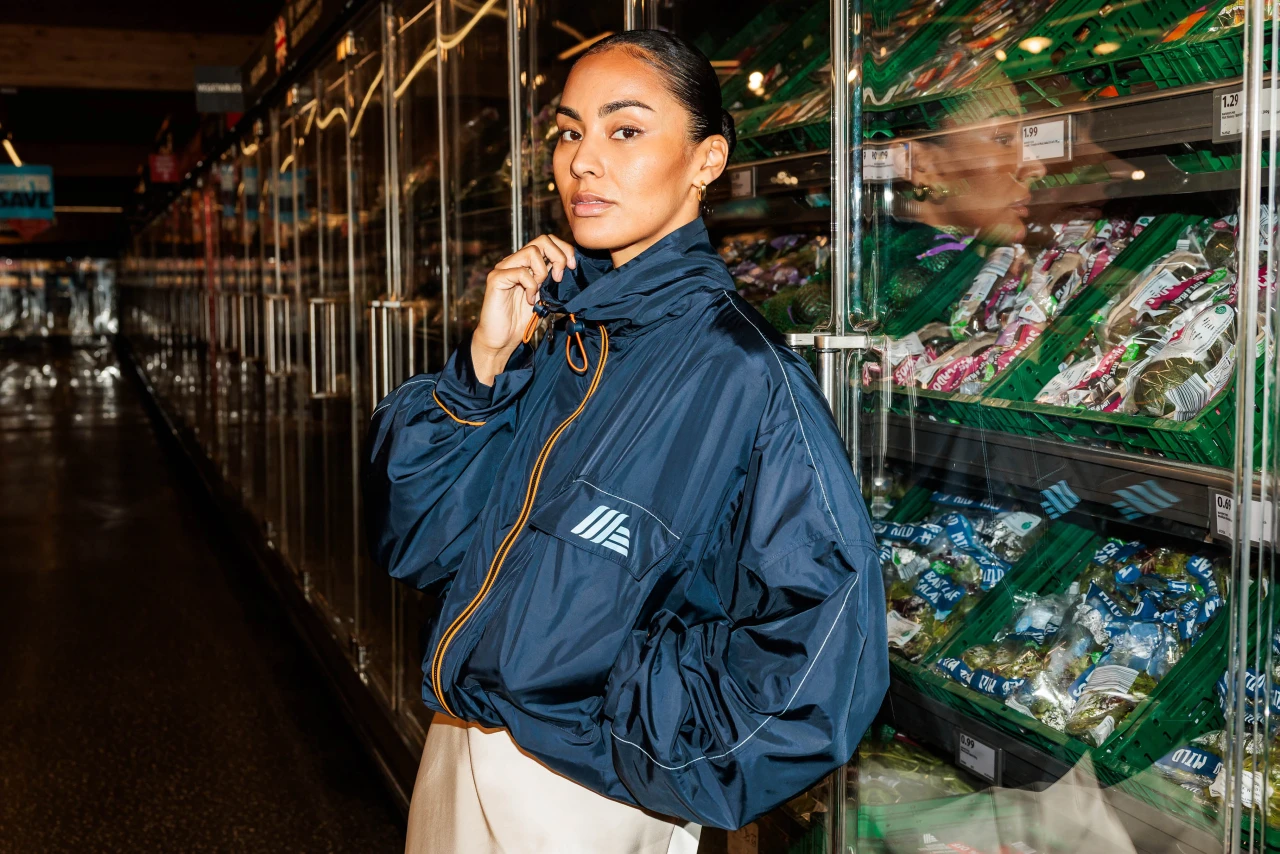
There are two current projects the studio is particularly fond of. The first is a visual identity for tapas spot Balay, which allowed the studio to treat branding as a full system rather than a logo and a template, balancing "a strong, recognisable personality" against something loose enough to flex across applications. In their ongoing work with NEIT Whiskey, it was a worldbuilding project built slowly through the recurring idea of "In Good Company", that involved "creating chapters that can feel distinct while still belonging to the same universe". What ties the two together, they say, is trust: "The work we tend to feel closest to is usually the work where there is enough space for dialogue, experimentation and even uncertainty. When a client gives you the freedom to investigate rather than simply execute, the result tends to become much more meaningful for everyone involved."
The studio insists that each project should have its own reason to exist, and that everything should be built around curiosity – creating work that makes someone look twice or wonder how an idea was made in the first place. "If someone spends a few seconds longer with something we've made because it sparked a question, then it has already done something valuable for us."
Looking ahead, the plan is more self-initiated work without a brief attached, more projects that cross identity, art direction, and image-making, and an effort not to define OnePlus too rigidly as it grows. As they put it, the studio was born from four different paths finding their way back to each other, so it only makes sense that its future keeps running on "discovery, exchange and a bit of healthy friction".
Editor's Picks
Trending
Latest Jobs
Multidisciplinary Designer at Formation Games
Full-time·London·£40k–£50k
Graphic Designer at The National Gallery
Full-time·London·£39,353
Creative Content Executive at Cognition
Full-time·Birmingham·£28k–£35k
Design Lead at Madeo
Full-time·New York City·$85k–$120k
Senior Graphic Designer at MoMA Retail
Full-time·New York·$72k-$80k
Senior Account Manager at Consider
Full-time·London·£42,500