The seduction of discomfort: enter Wenjia Wang's unsettling, beautiful worlds
New York illustrator Wenjia Wang explains why she pairs pearls with fish eyes, silk with decay, and beauty with unease.
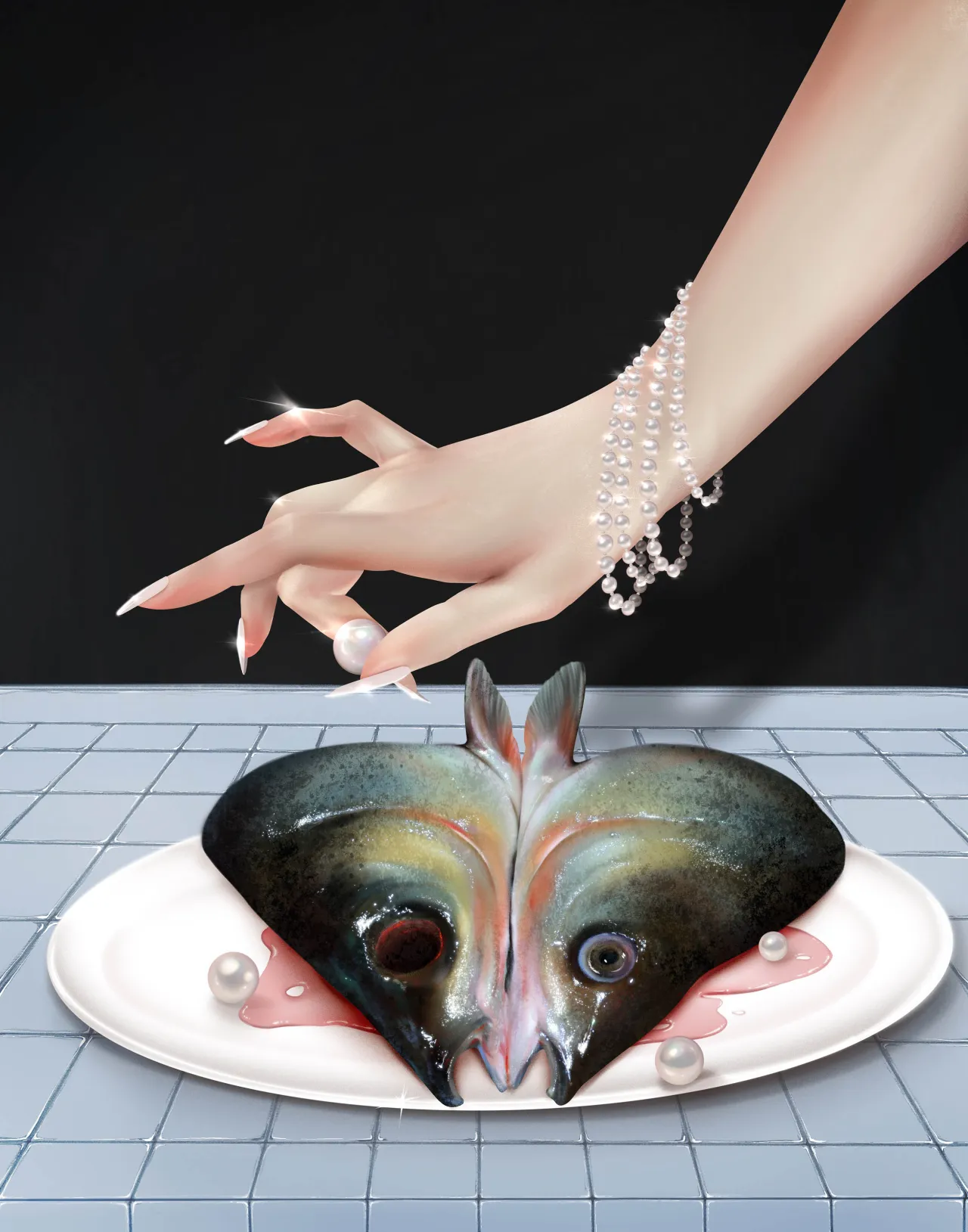
Pearl Gaze
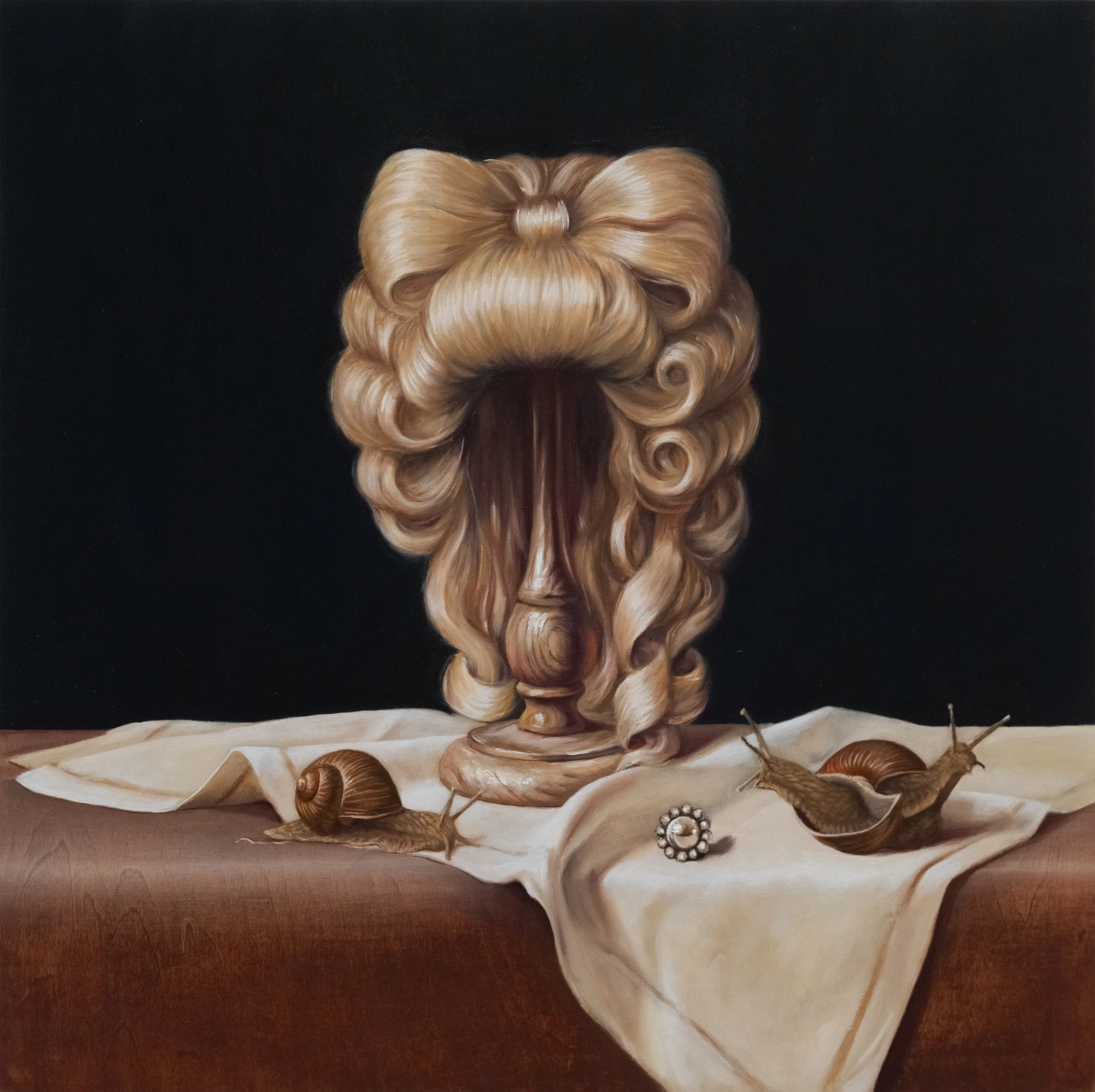
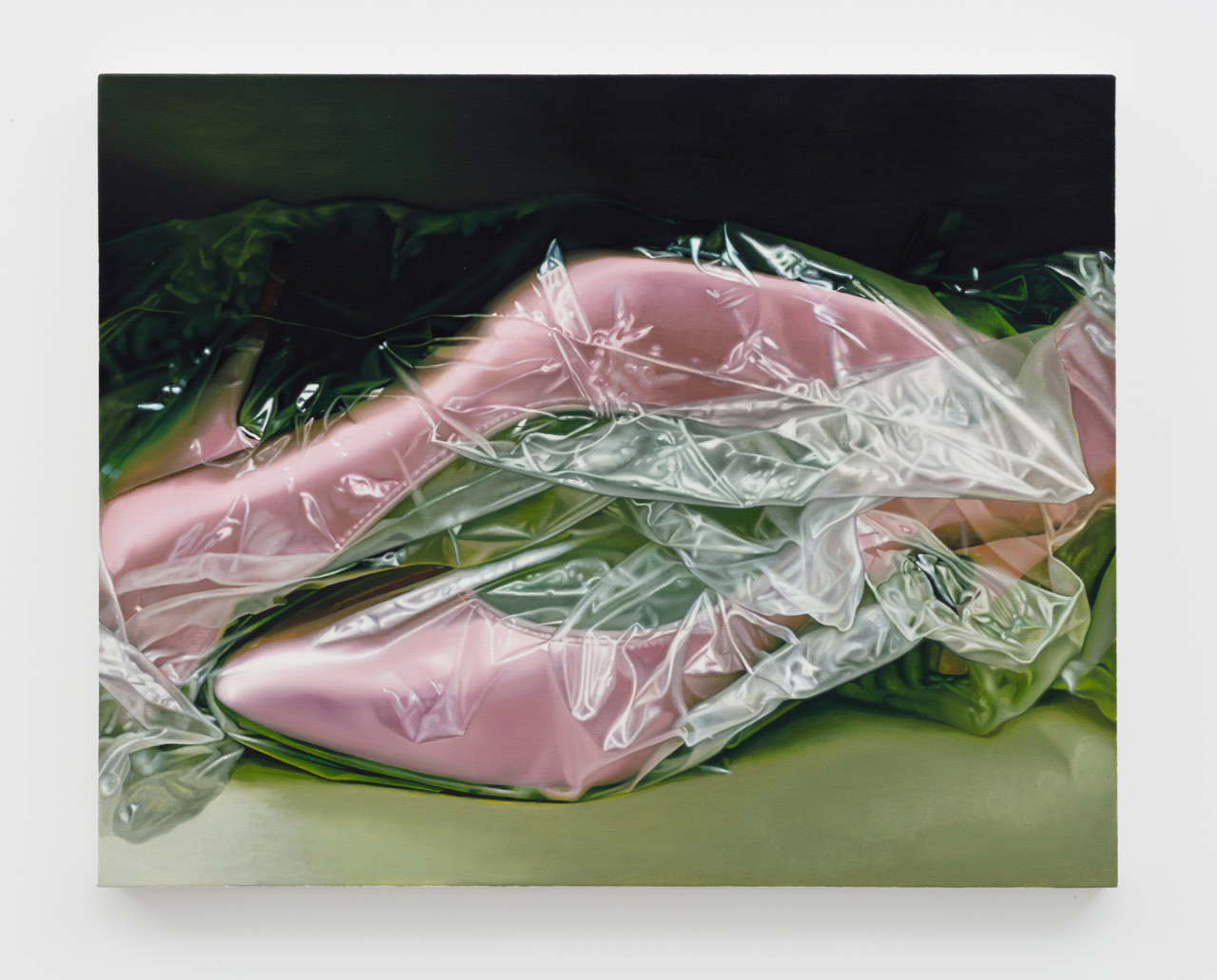
In a world where everyone scrolls, and scrolls and scrolls, many of us have lost the ability to do more than glance at things momentarily. But look at Wenjia Wang's work for a while, and something starts to shift. A face behind frosted glass, soft and smooth, has a fly resting on its cheek. A stack of satin pillows holds a split fig. Pearls sit where a fish's eyes should be. And everything is painted with a glossy, almost perfect finish, which makes the unease hit harder.
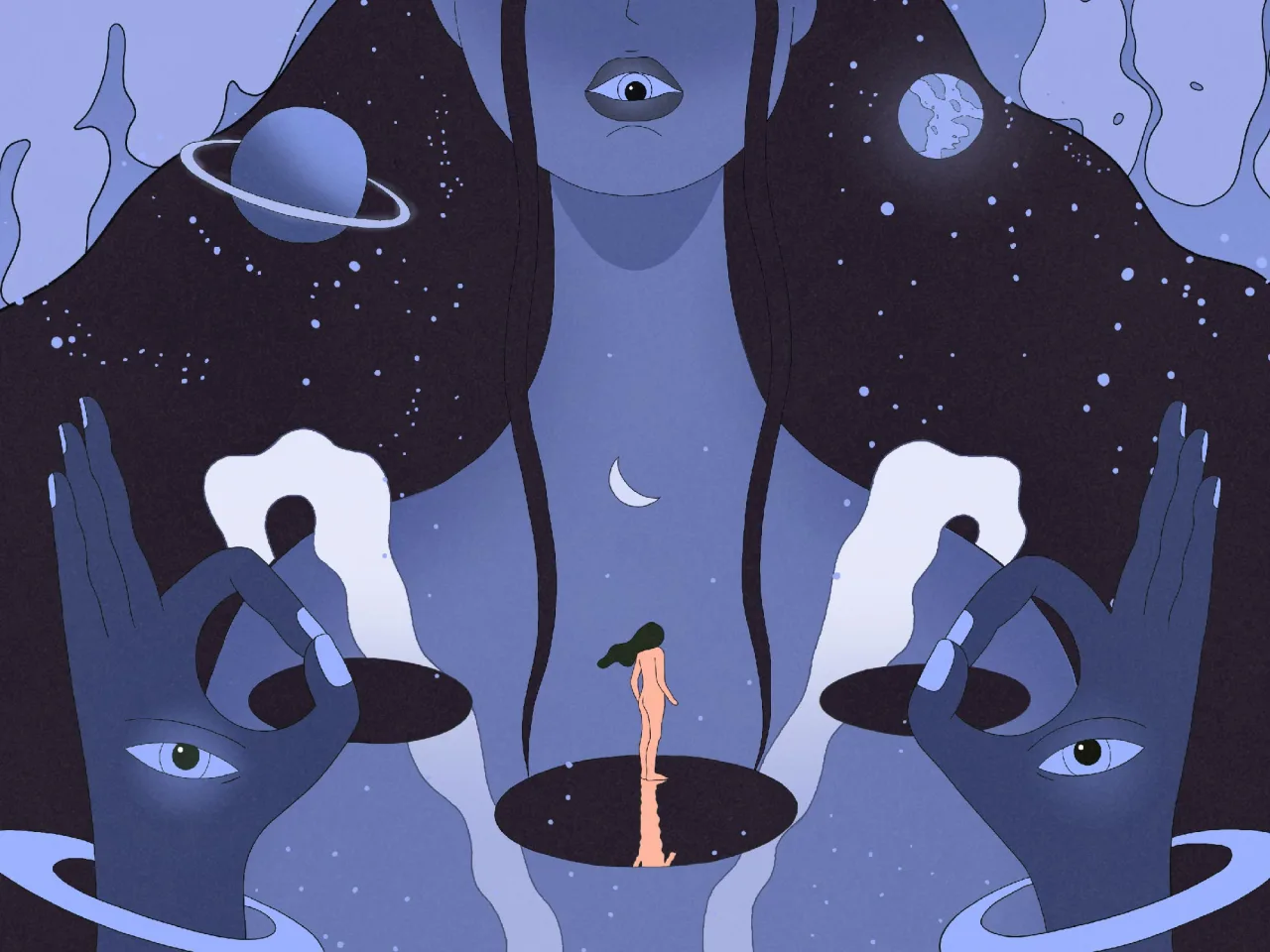
The Chinese illustrator, who is based in New York, calls her ongoing series The Seduction of Discomfort. Each image starts beautiful—skin, silk, water, pearls—then something "wrong" creeps in. Nothing is added, though, merely for shock value. "The unsettling element is only ever chosen to serve the overall concept," she explains.
Take, for example, the fly on a woman's face in The Allure and Repulsion. "It belongs there because the entire image revolves around the idea of fishiness, moisture, and decay," says Wenjia. Once those ideas came together, the fly felt inevitable."
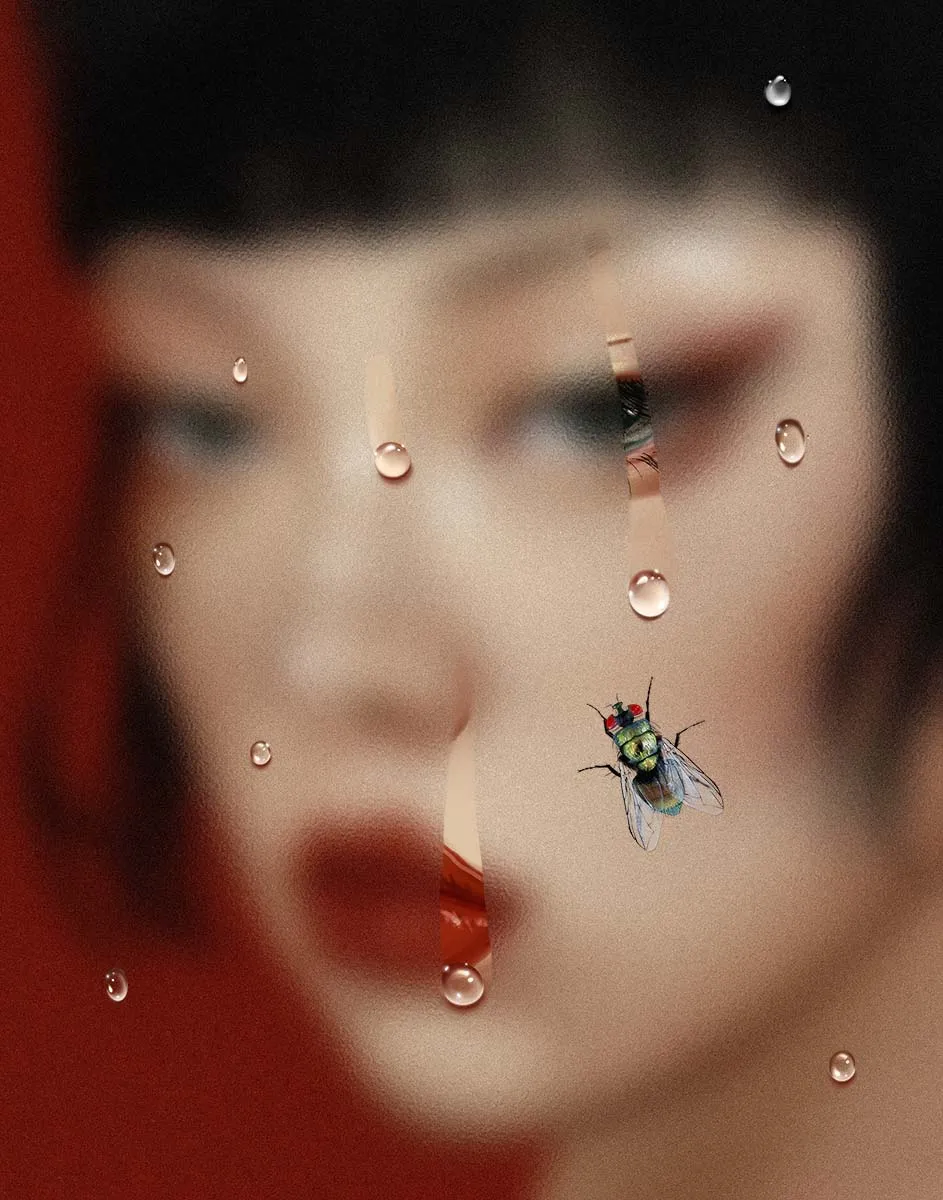
Allure and Repulsion
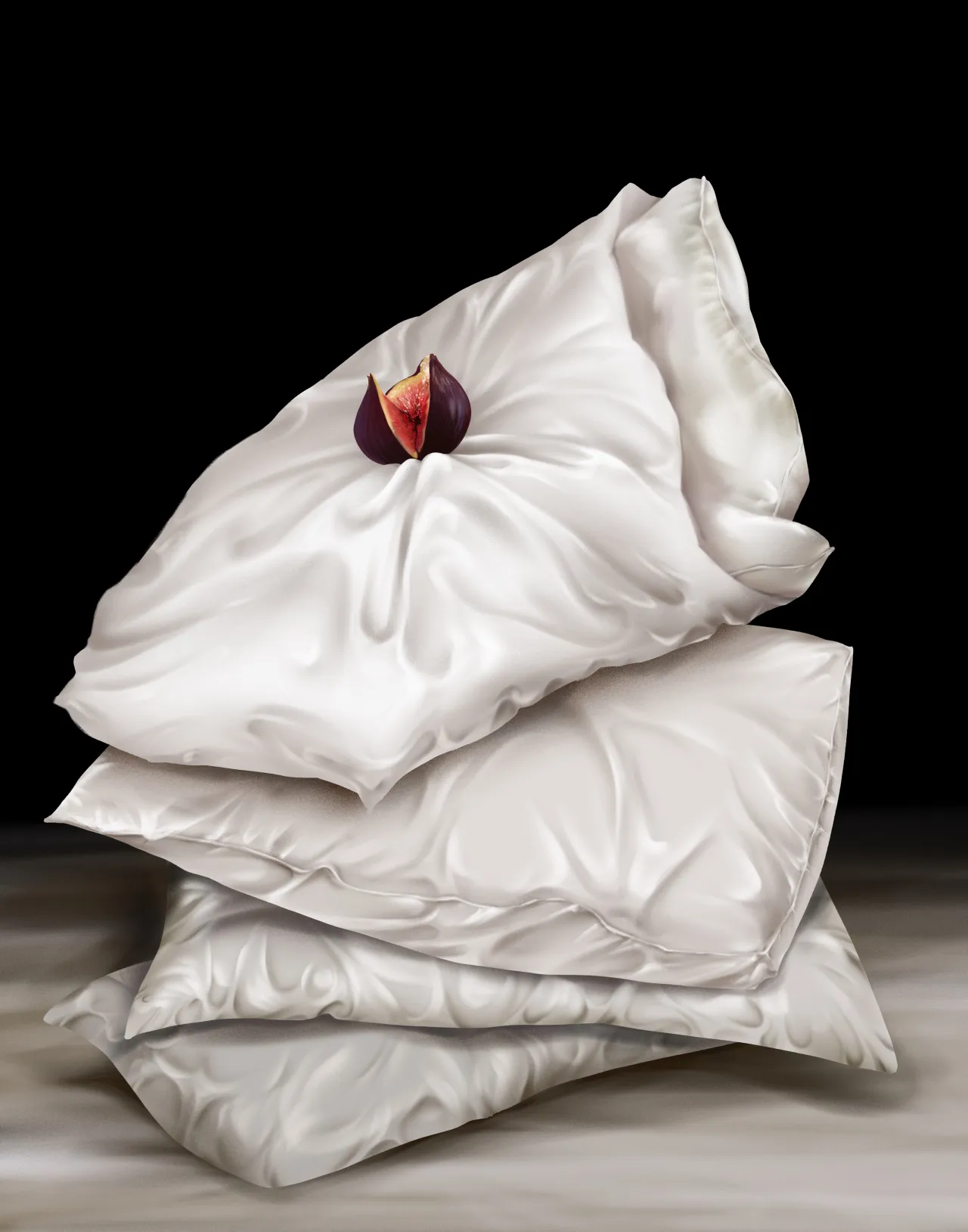
Pillow Knows
The fig on the pillow came about differently. "A bed is one of the cleanest, softest, and most intimate spaces we have," she explains. "I imagined a stack of fluffy satin pillows with a split fig resting on top. When you break open a fig, it releases a white milky sap, and its sticky texture can unexpectedly resemble bodily fluids. It's a very subtle comparison, rather than a literal one."
That's a theme running through the whole series. Two feelings collide: something soft and pure, and something sticky and biological. The friction between them is where the discomfort lives. "Nothing dramatic is happening, but for some people, that alone is enough to create a feeling of unease," Wenjia says. "I'm always looking for those quiet moments where beauty and discomfort occupy the same space."
Where the idea comes from
Ask Wenjia why she's drawn to this style, and she reflects on her upbringing. "In Chinese culture, emotions are often communicated through suggestion rather than direct explanation," she says. "The moon can represent longing, falling blossoms can evoke the passing of time, and water can carry emotion." That habit of thinking in symbols, rather than spelling things out, shapes how she approaches every artwork.
Rather than illustrating an object or telling a story outright, she's trying to capture a feeling: "something like fishiness, stickiness, tenderness, or unease." From there, she builds "a chain of visual associations that gradually leads the viewer toward that feeling instead of presenting it literally."
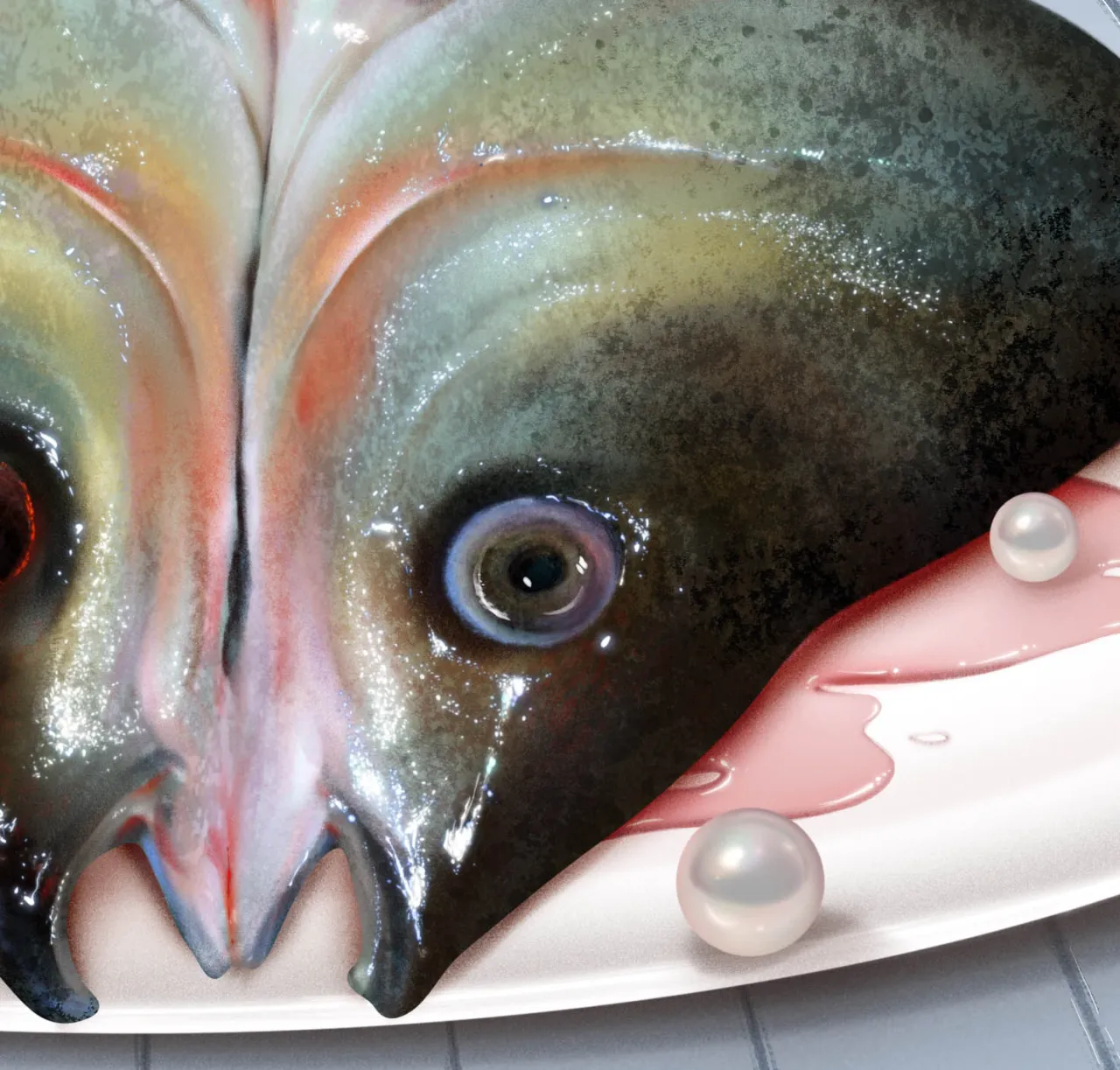
Fish
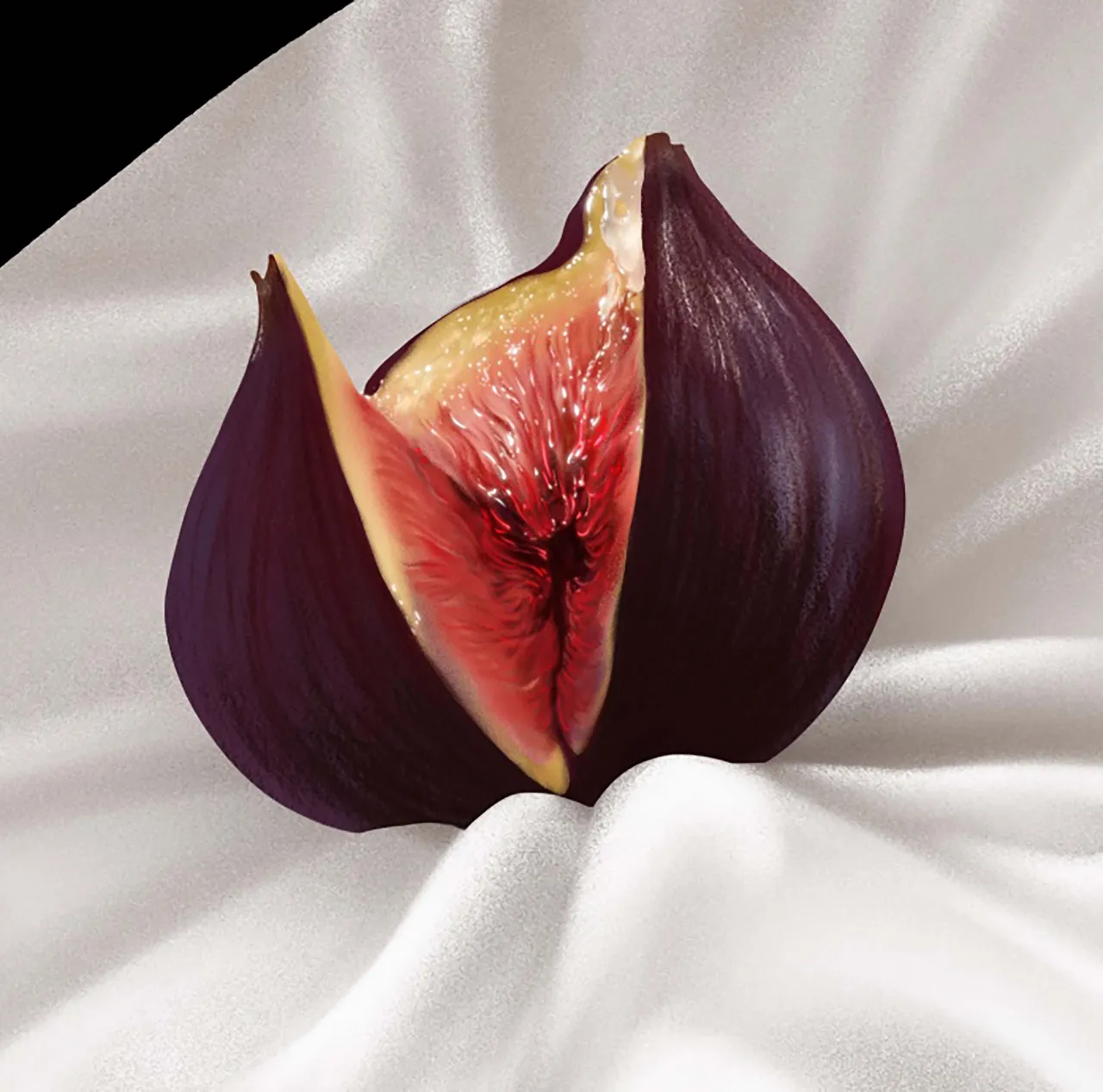
Pillow Knows Fig
She's also relaxed about handing control to the viewer once a piece is done. "A work becomes much more interesting when it leaves space for the viewer," she says. If someone lingers, gets curious, talks to a friend about it, or comes up with a completely different story to the one she had in mind, that's fine by her. Indeed, she says: "In a way, my work is never complete until someone brings their own interpretation to it."
Diverse responses
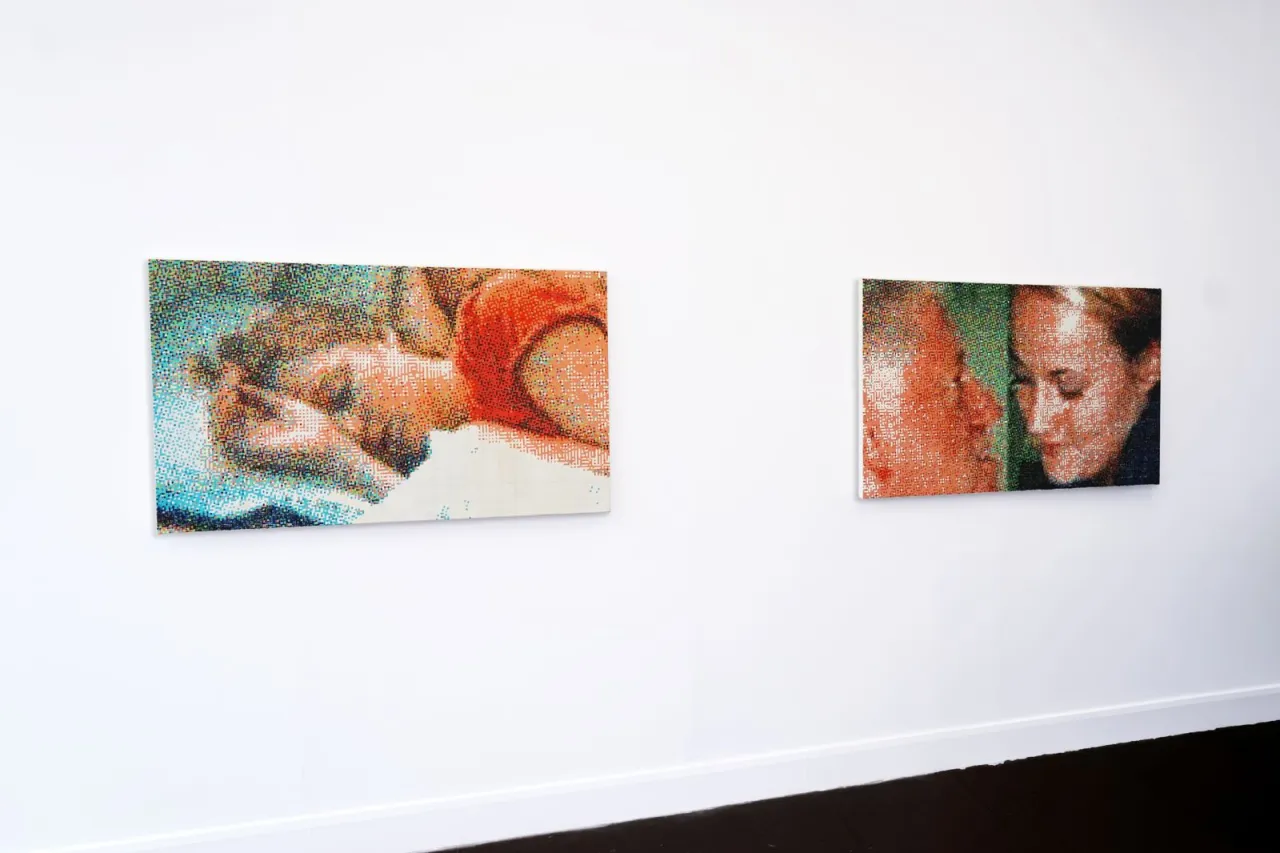
Reactions to the work vary a lot, and Wenjia says that's one of her favourite parts of showing it in person. Some people barely tolerate it: "I've seen people glance at a piece, frown, shake their heads, and walk away almost immediately."
Others do the opposite; spending real time in front of a painting before coming over to explain what they think it means. Then there's a third group who don't engage with the unease at all. "They simply enjoy the textures, the objects, or the visual beauty without focusing on the unsettling aspects."
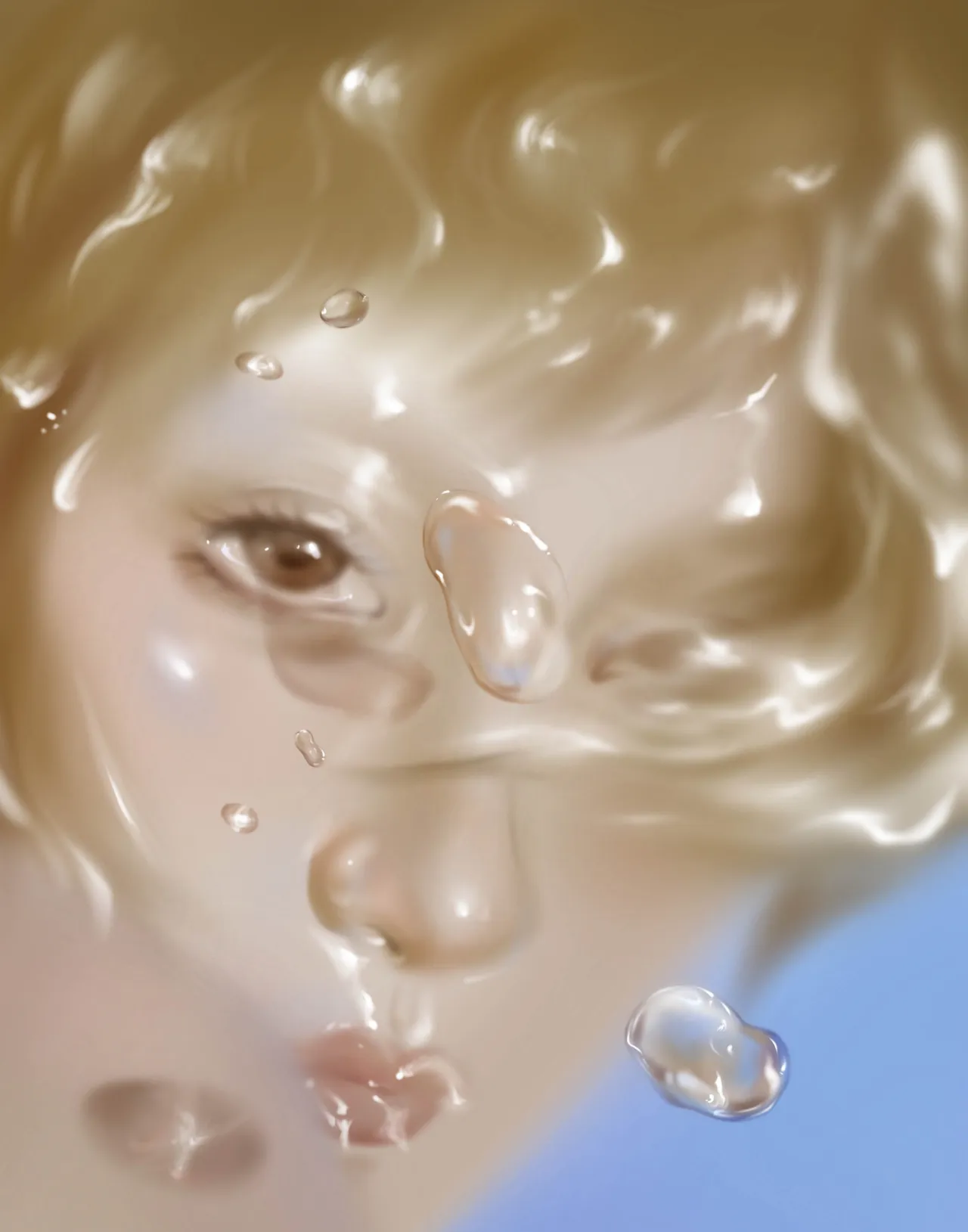
Meltwater
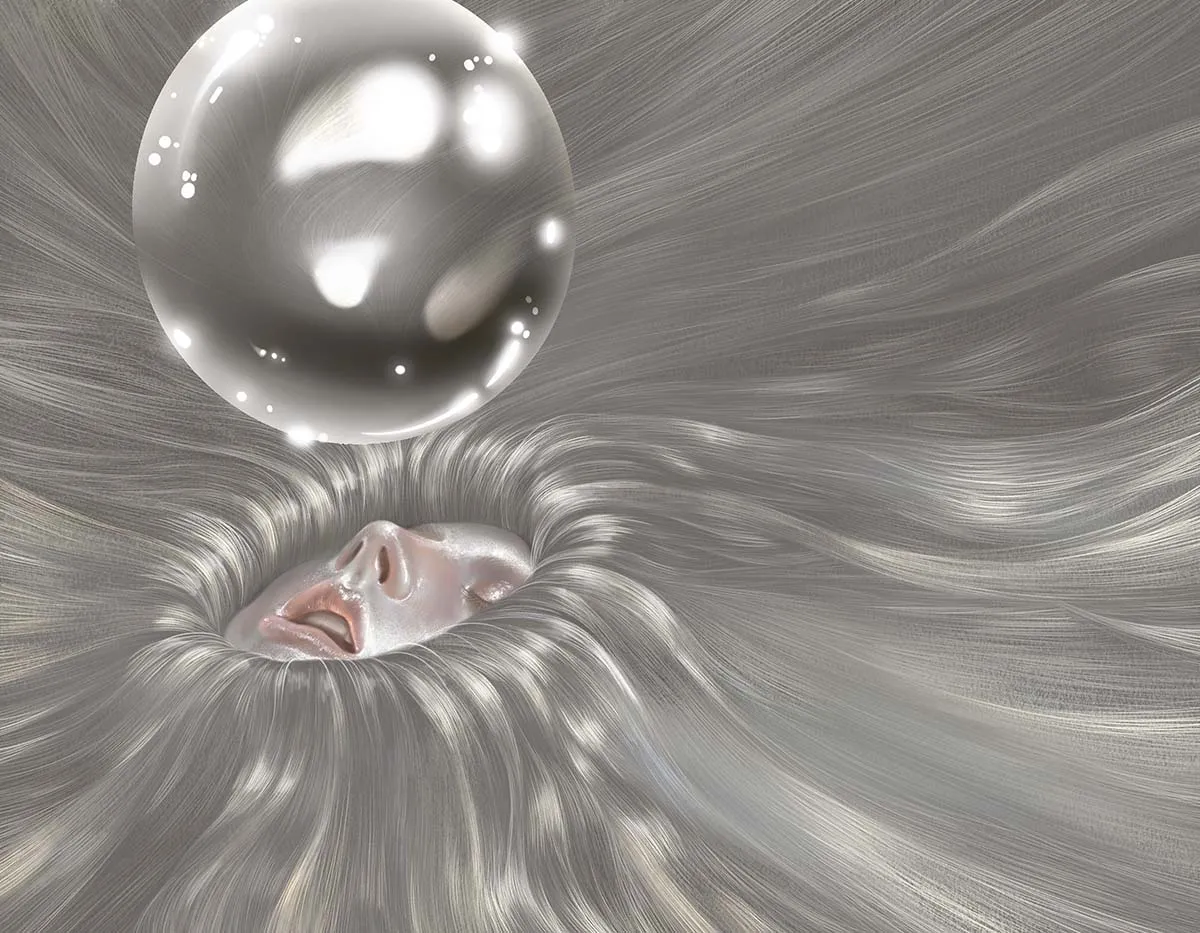
Stifle
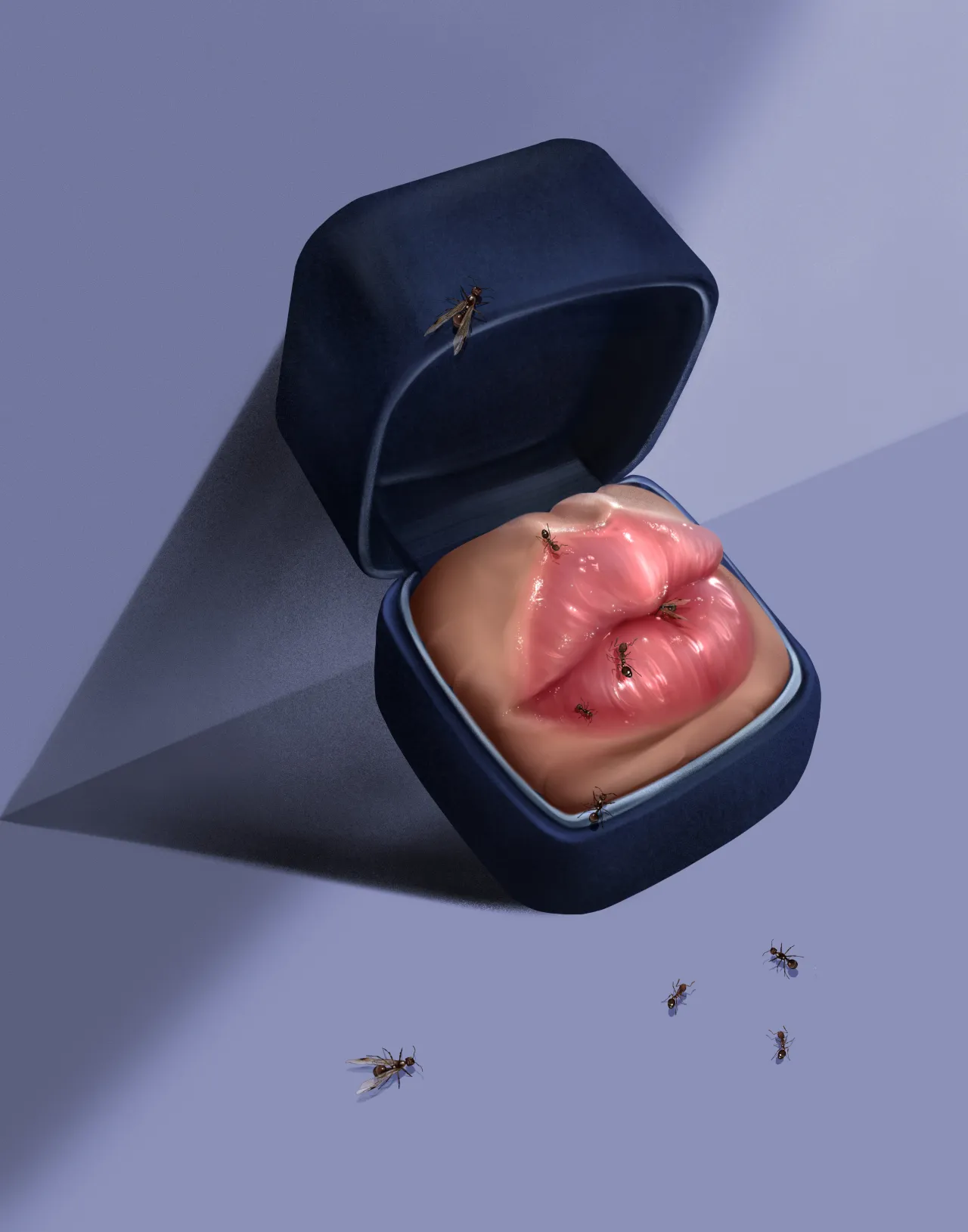
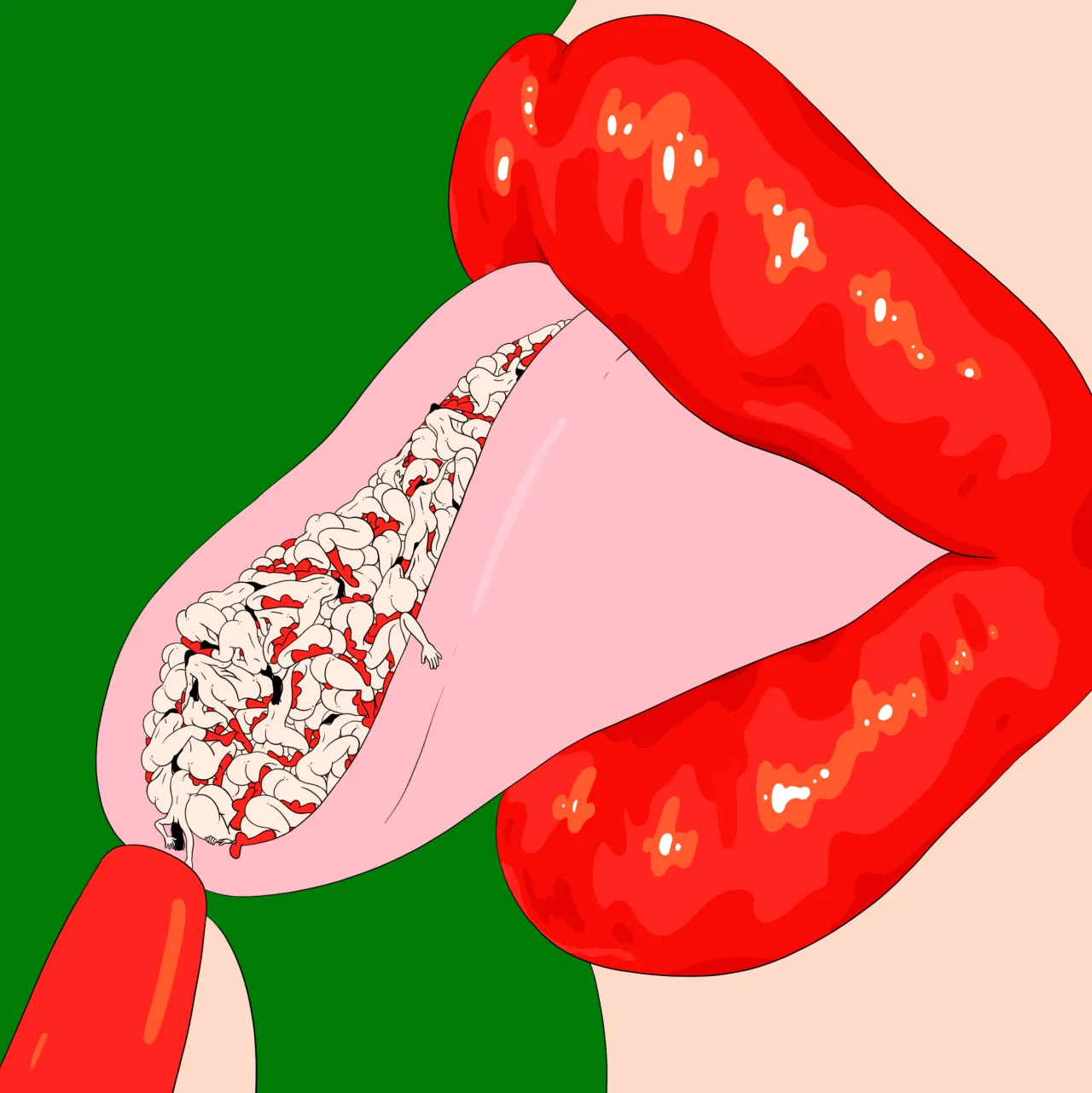
The Kiss
All of that is fine, because Wenjia is not trying to steer people toward one correct response. "The work is meant to resonate differently depending on each person's memories, experiences and sensitivities," she stresses.
No end in sight
Don't expect this project to wrap up with a neat message any time soon. "It's definitely an ongoing series," Wenjia says. What keeps her coming back to it is that the question underneath never really gets answered: "I'm fascinated by the relationship between attraction and discomfort, because it's something that keeps appearing in everyday life."
The subjects will keep changing, and her style will keep evolving with them: pearls and fish heads today, something else tomorrow. But the question stays the same: "Why are we often drawn to things that make us slightly uncomfortable?"
There is, of course, no tidy answer, which is probably why Wenjia keeps returning to it, one hyperreal, faintly 'wrong' image at a time.

Editor's Picks


Trending
Latest Jobs
Associate Creative Director, Earned Marketing at The New York Times
Full-time·New York·$85 – $97 per hour
Executive Producer, Brand Creative at Mercury
Full-time·San Francisco·$189,400 – $236,700
Lead Product Designer, Growth at Monzo
Full-time·London·£90,000 – £120,000
Senior Designer at BKC
Full-time·£50,000 – £60,000
Director, Head of Creative at Twitch
Full-time·San Francisco·$203,000 – $274,600
Manager, Visual Design Art - TFT at Riot Games
Full-time·Los Angeles·$166,600 – $232,800